Free Things to Do in Gran Canaria: 20 Experiences That Cost Nothing
Gran Canaria packs an extraordinary amount of natural beauty, history, and culture into a single island — and a surprising amount of it is completely free. From sweeping volcanic landscapes and ancient Guanche sites to world-class urban beaches and genuinely free museums, here is how to get the most out of the island without opening your wallet.
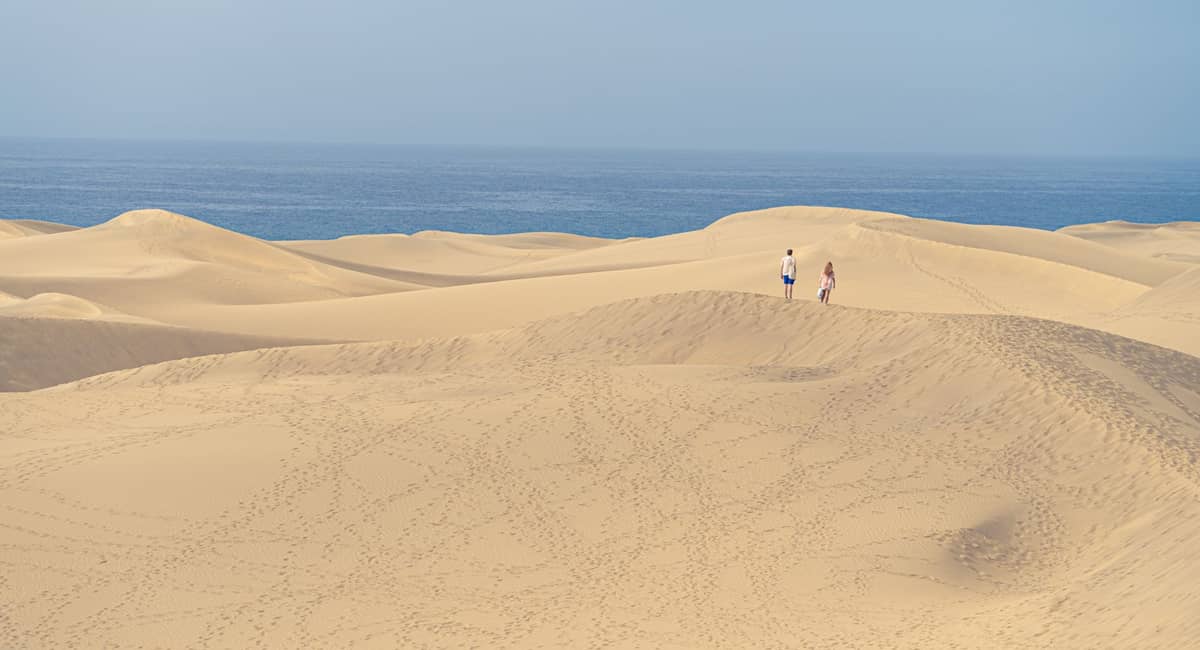
Gran Canaria has a well-earned reputation as an island that rewards those who look beyond the resort pools. The beaches alone — particularly Las Canteras in the capital — would justify a trip. But add in free volcanic hikes, ancient Guanche ruins, and a historic old town full of colonial architecture, and it becomes clear that a budget-conscious trip here is not a compromise. The island's southern dunes, northern green valleys, and mountain interior are all accessible without an entrance fee. For a full sense of what the island has to offer, our main Gran Canaria guide covers the complete picture, while this guide focuses on everything you can do for free.
💡 Local tip
Casa de Colón in Vegueta charges €4 for general admission but is completely free every Sunday and on several public holidays. CAAM and the Casa-Museo Pérez Galdós are free every day. Plan museum visits accordingly.
Beaches & Natural Landscapes
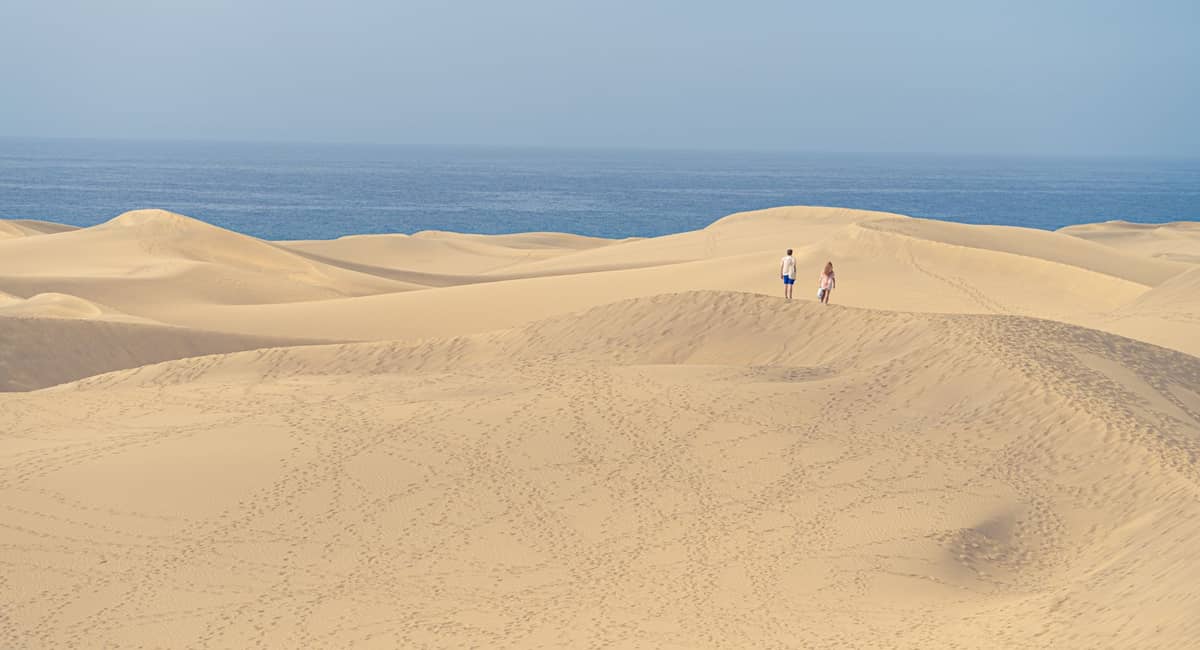
Gran Canaria's coastline is the island's greatest free resource. All beaches have public access by law, and the island's natural parks — including the famous dunes at Maspalomas — charge nothing to enter. For a full breakdown of where to swim, see our best beaches guide.
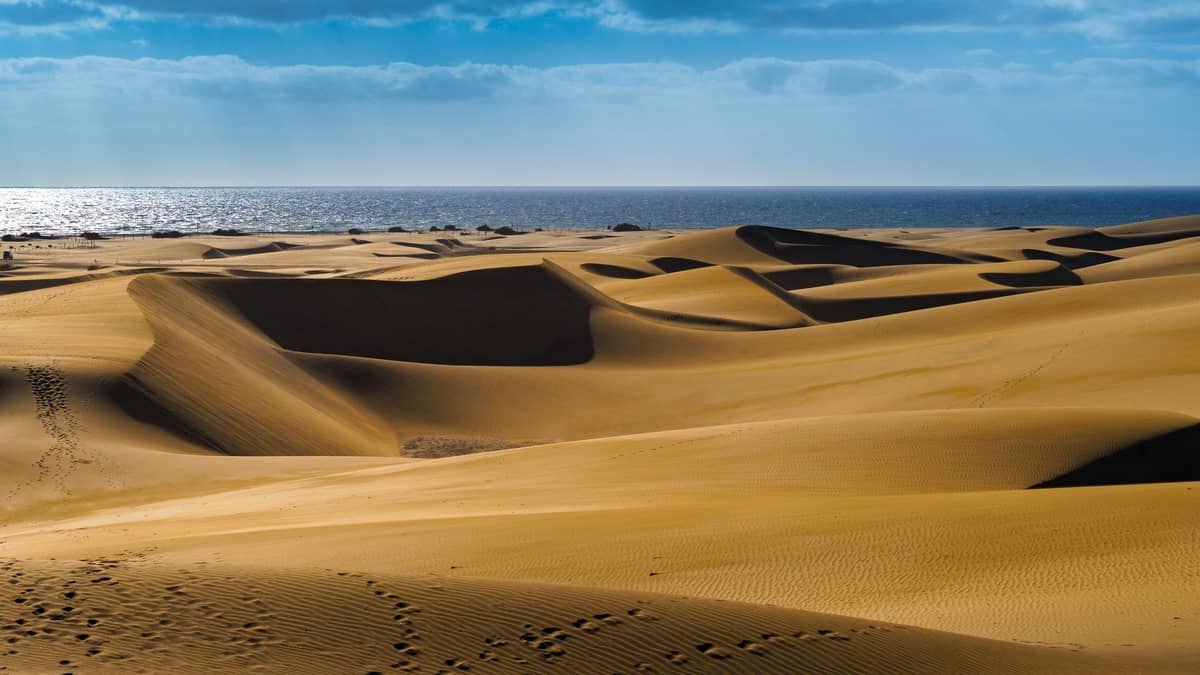
1. Walk Through the Maspalomas Dunes at Sunrise
This 400-hectare protected dune reserve is completely free to enter. Go at sunrise to beat the crowds and see the golden sand glow against a pink Atlantic sky. Allow at least 90 minutes to walk through to the lighthouse end.
Explore1. Walk Through the Maspalomas Dunes at Sunrise
This 400-hectare protected dune reserve is completely free to enter. Go at sunrise to beat the crowds and see the golden sand glow against a pink Atlantic sky. Allow at least 90 minutes to walk through to the lighthouse end.
Explore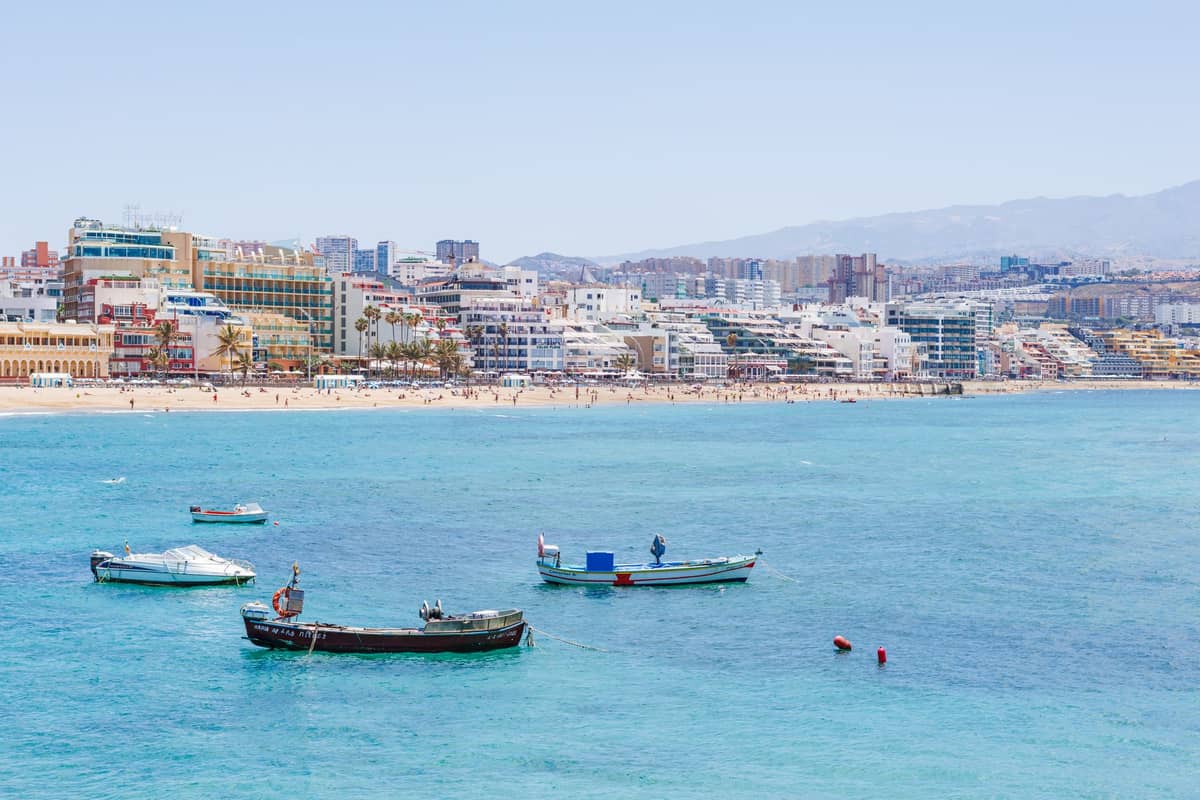
2. Spend a Day on Las Canteras, Europe's Best Urban Beach
Three kilometres of golden sand sheltered by a volcanic reef, right in the heart of Las Palmas. Swimming is calm and safe most days, the promenade is lined with free shade, and the surf end offers waves. Sunbeds cost extra — a towel does just fine.
Explore2. Spend a Day on Las Canteras, Europe's Best Urban Beach
Three kilometres of golden sand sheltered by a volcanic reef, right in the heart of Las Palmas. Swimming is calm and safe most days, the promenade is lined with free shade, and the surf end offers waves. Sunbeds cost extra — a towel does just fine.
Explore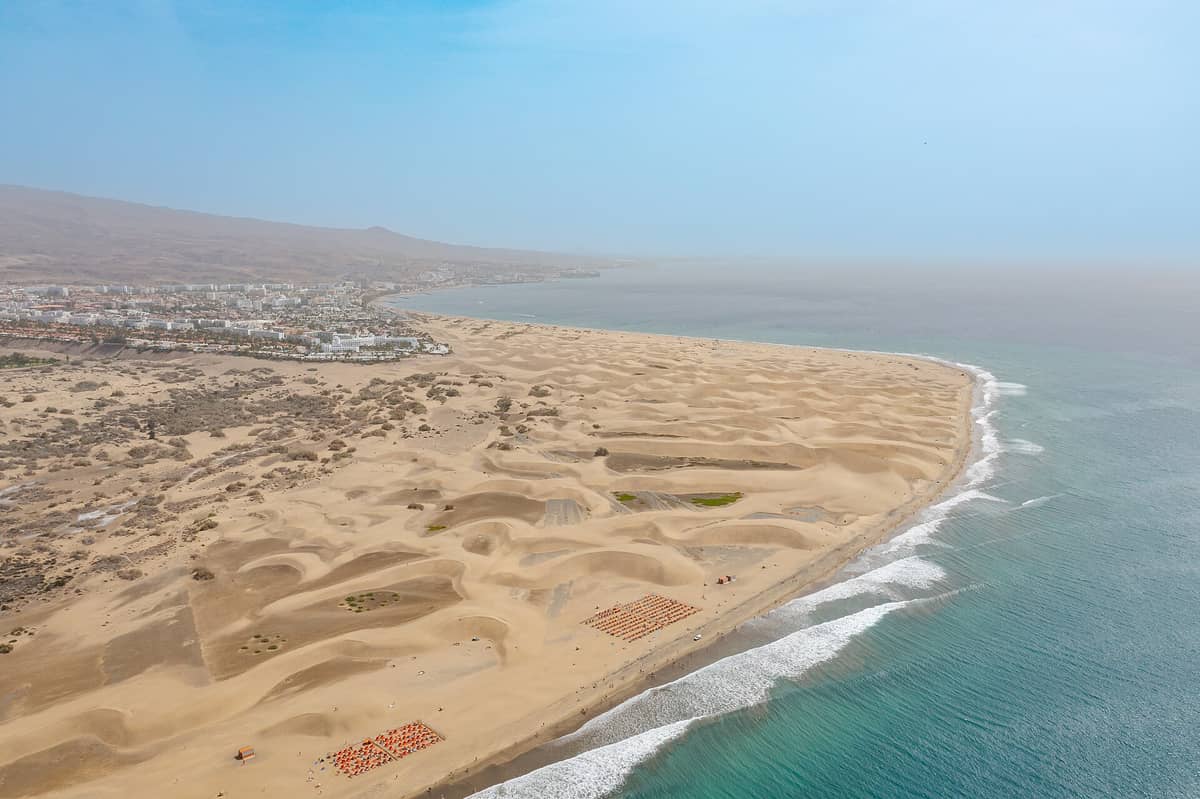
3. Walk the Wild Western End of Maspalomas Beach
The stretch of Maspalomas Beach near the lighthouse is wider, quieter, and backed by dunes rather than hotels. It connects with the nudist zone and is one of the few places on the south coast that still feels like a natural environment. No charge to access.
Explore3. Walk the Wild Western End of Maspalomas Beach
The stretch of Maspalomas Beach near the lighthouse is wider, quieter, and backed by dunes rather than hotels. It connects with the nudist zone and is one of the few places on the south coast that still feels like a natural environment. No charge to access.
Explore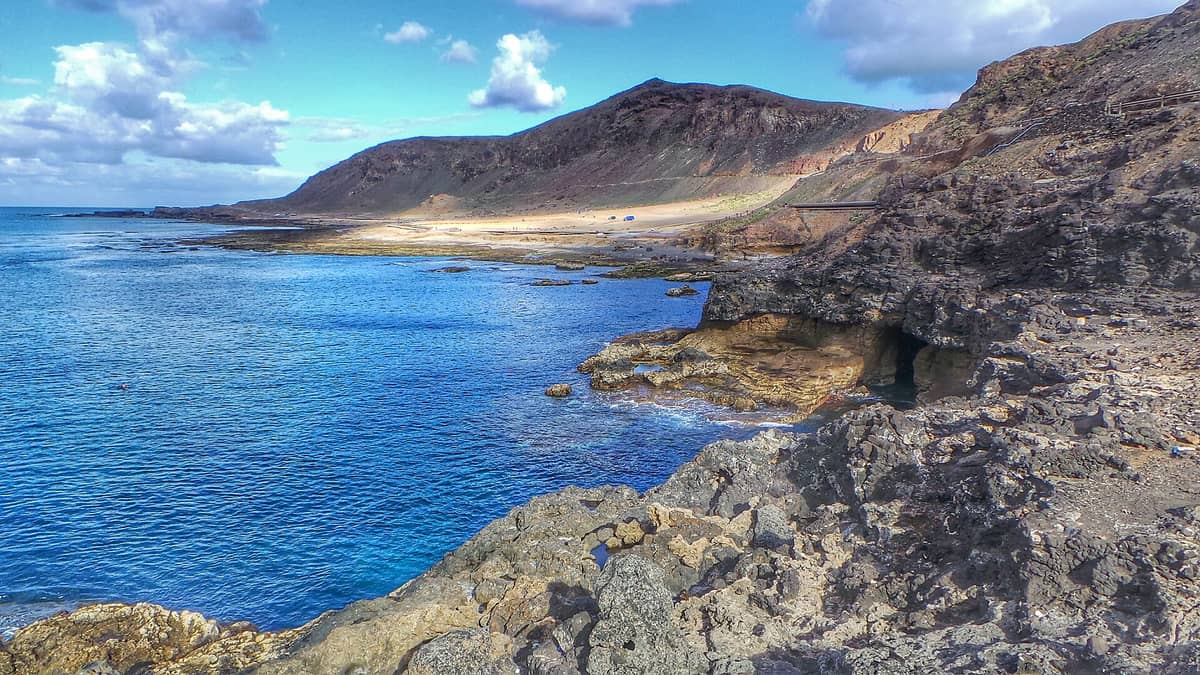
4. Watch Surfers at El Confital, Las Palmas's Wild Northern Shore
At the far north end of Las Canteras, the reef breaks into powerful Atlantic surf that draws serious surfers year-round. The volcanic rock formations are dramatic, the crowds are thin, and watching the waves here costs nothing. Best from October to March.
Explore4. Watch Surfers at El Confital, Las Palmas's Wild Northern Shore
At the far north end of Las Canteras, the reef breaks into powerful Atlantic surf that draws serious surfers year-round. The volcanic rock formations are dramatic, the crowds are thin, and watching the waves here costs nothing. Best from October to March.
Explore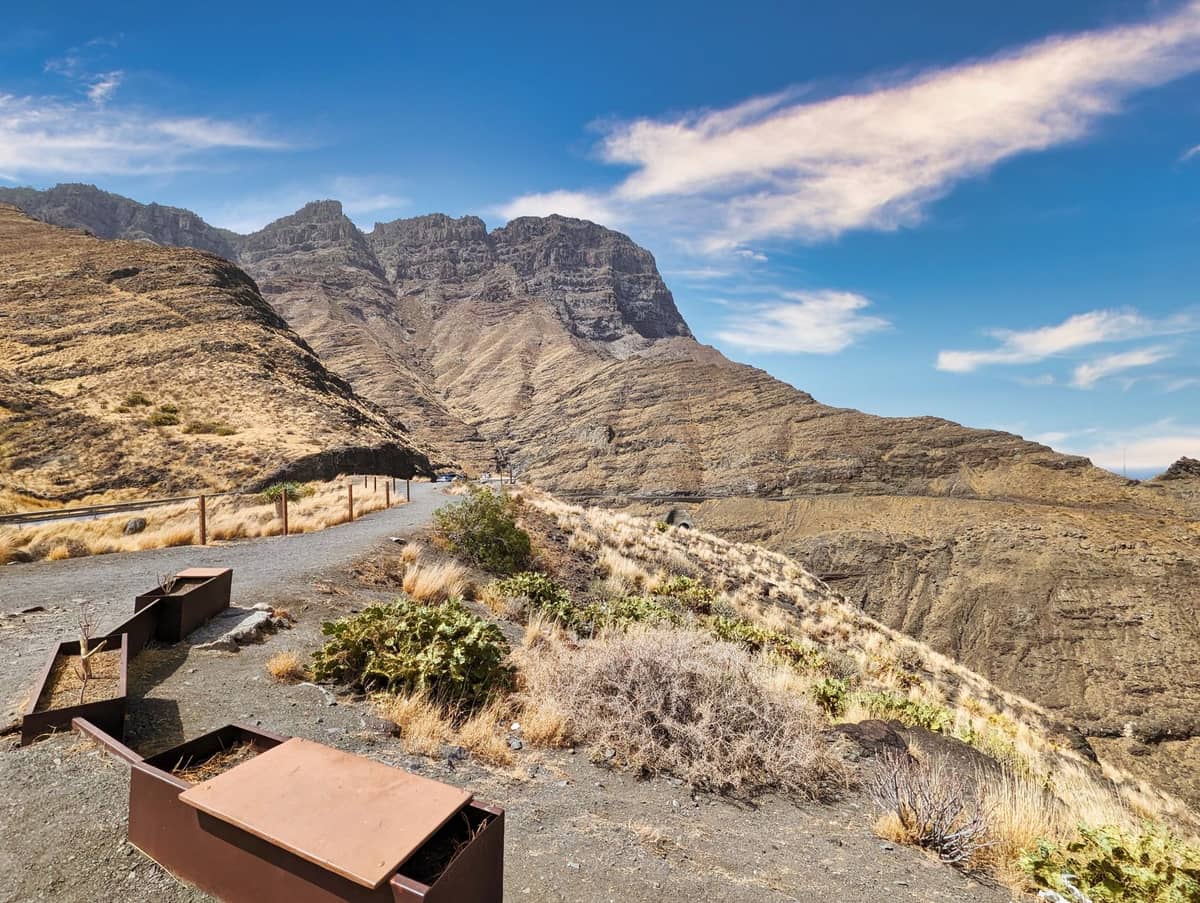
5. Stand on the Edge of Gran Canaria at Mirador del Balcón
A roadside viewpoint on the west coast where vertical black cliffs drop hundreds of metres into the Atlantic. It takes two minutes to park and walk to the barrier, and the view of the ocean crashing below is one of the most dramatic on the island. Free and unmissable.
Explore5. Stand on the Edge of Gran Canaria at Mirador del Balcón
A roadside viewpoint on the west coast where vertical black cliffs drop hundreds of metres into the Atlantic. It takes two minutes to park and walk to the barrier, and the view of the ocean crashing below is one of the most dramatic on the island. Free and unmissable.
Explore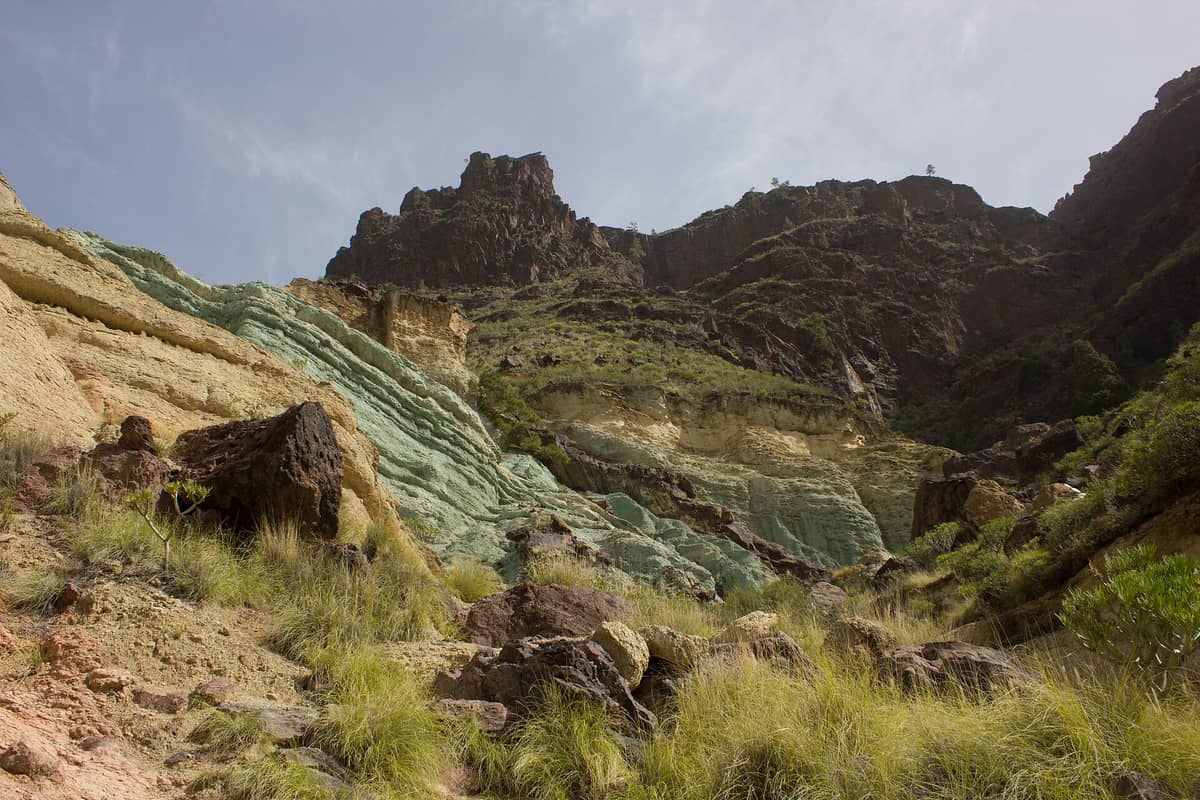
6. See the Naturally Coloured Cliffs of Los Azulejos
A short stop on the west coast road reveals a cliff face streaked in vivid green, red, and yellow — the result of mineral deposits in the volcanic rock. It takes five minutes and costs nothing. Combine it with the Mirador del Balcón on any west-coast drive.
Explore6. See the Naturally Coloured Cliffs of Los Azulejos
A short stop on the west coast road reveals a cliff face streaked in vivid green, red, and yellow — the result of mineral deposits in the volcanic rock. It takes five minutes and costs nothing. Combine it with the Mirador del Balcón on any west-coast drive.
ExploreHikes & Viewpoints
Gran Canaria's hiking trails are almost entirely free, covering terrain from coastal ravines to pine-forested mountain peaks. The island's interior, centred on Tejeda, offers viewpoints that rival anything in the Canary Islands. For more detail on routes, see our dedicated hiking in Gran Canaria guide.
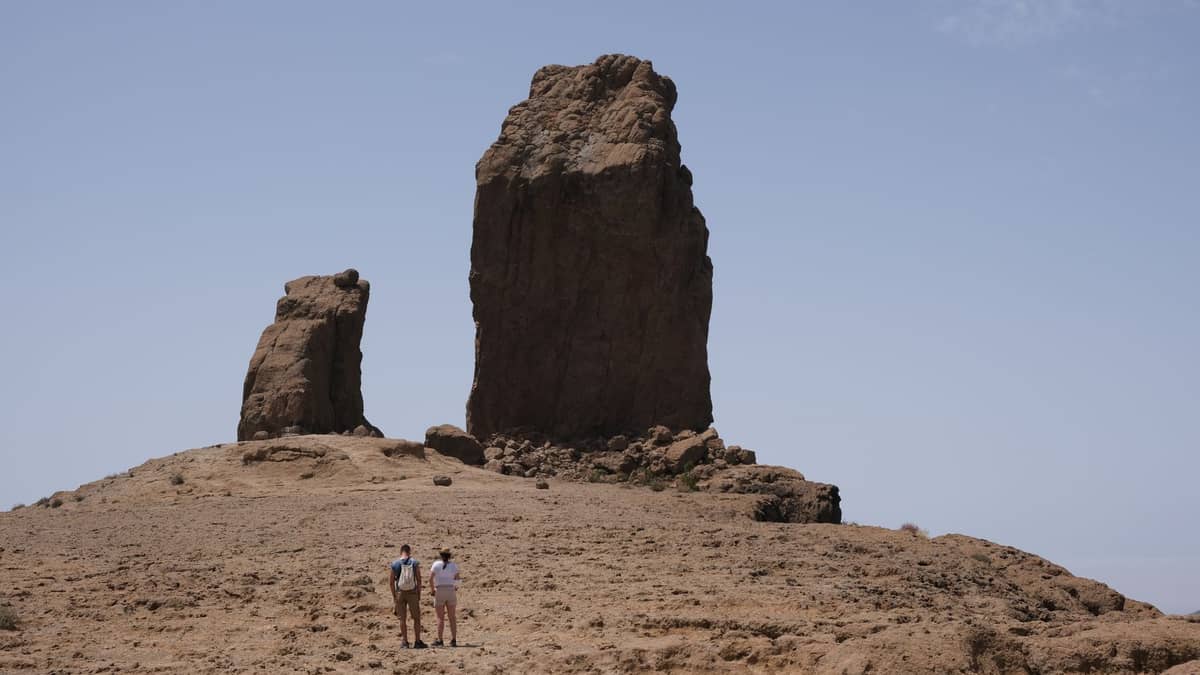
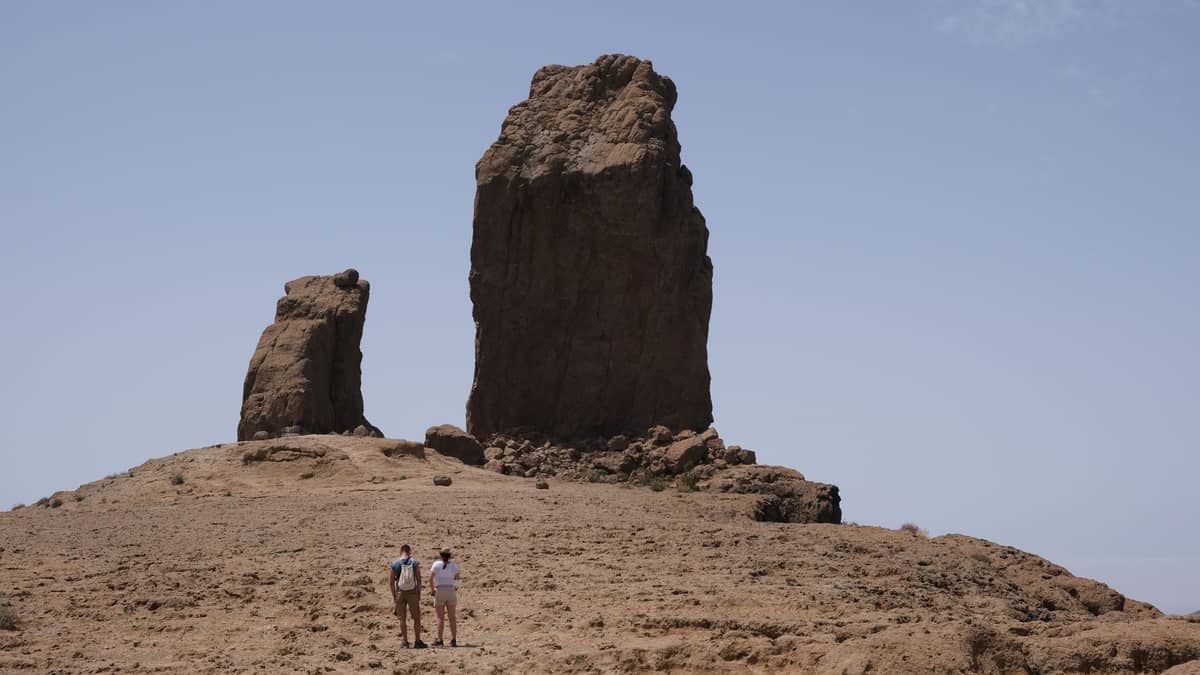
7. Hike to the Base of Roque Nublo, Gran Canaria's Icon
The 45-minute trail from the car park to the base of this 80-metre volcanic monolith is free and one of the most rewarding walks on the island. On clear days you can see Tenerife's Teide. Go on a weekday morning to avoid the busiest periods.
Explore7. Hike to the Base of Roque Nublo, Gran Canaria's Icon
The 45-minute trail from the car park to the base of this 80-metre volcanic monolith is free and one of the most rewarding walks on the island. On clear days you can see Tenerife's Teide. Go on a weekday morning to avoid the busiest periods.
Explore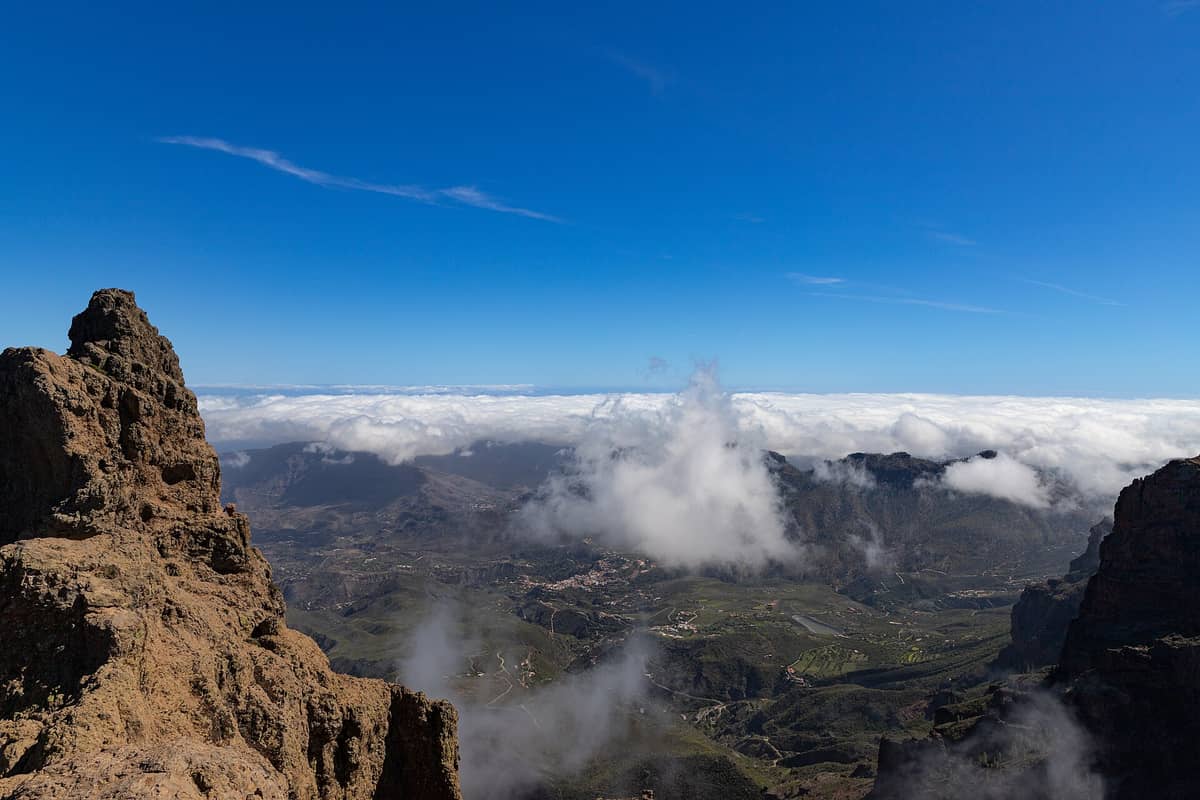
8. Drive to Pico de las Nieves for Island-Wide Panoramas
Gran Canaria's highest accessible peak at 1,949 metres is reached by a free road through pine forest. On clear days you can see Tenerife, La Palma, and Fuerteventura from the summit. The drive itself is one of the most scenic on the island.
Explore8. Drive to Pico de las Nieves for Island-Wide Panoramas
Gran Canaria's highest accessible peak at 1,949 metres is reached by a free road through pine forest. On clear days you can see Tenerife, La Palma, and Fuerteventura from the summit. The drive itself is one of the most scenic on the island.
Explore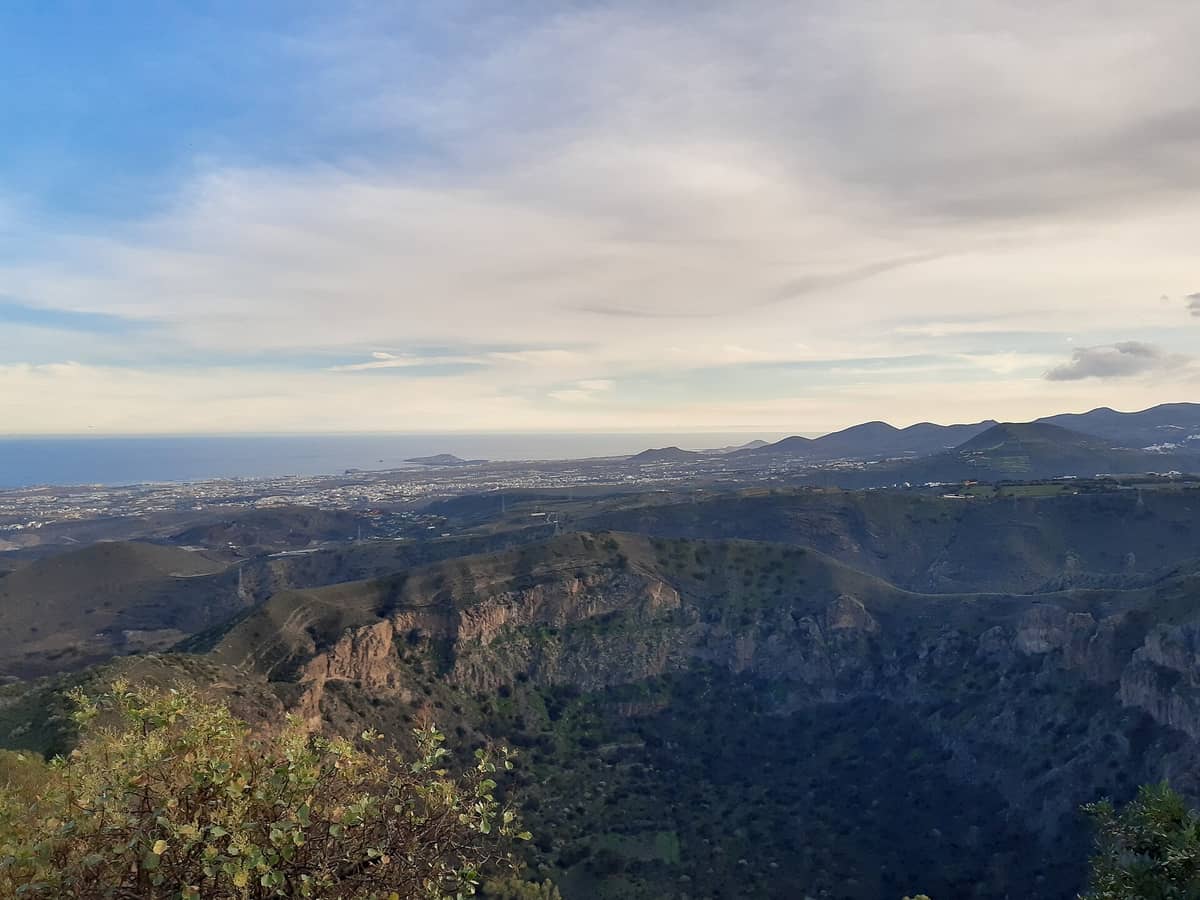
9. Peer Into the Bandama Volcanic Crater, 15 Minutes from Las Palmas
A 200-metre-deep volcanic crater that you can walk around the rim of or descend into on foot, entirely for free. The hilltop viewpoint also overlooks the island's wine-growing valley. It is the most accessible volcanic landscape near the capital.
Explore9. Peer Into the Bandama Volcanic Crater, 15 Minutes from Las Palmas
A 200-metre-deep volcanic crater that you can walk around the rim of or descend into on foot, entirely for free. The hilltop viewpoint also overlooks the island's wine-growing valley. It is the most accessible volcanic landscape near the capital.
Explore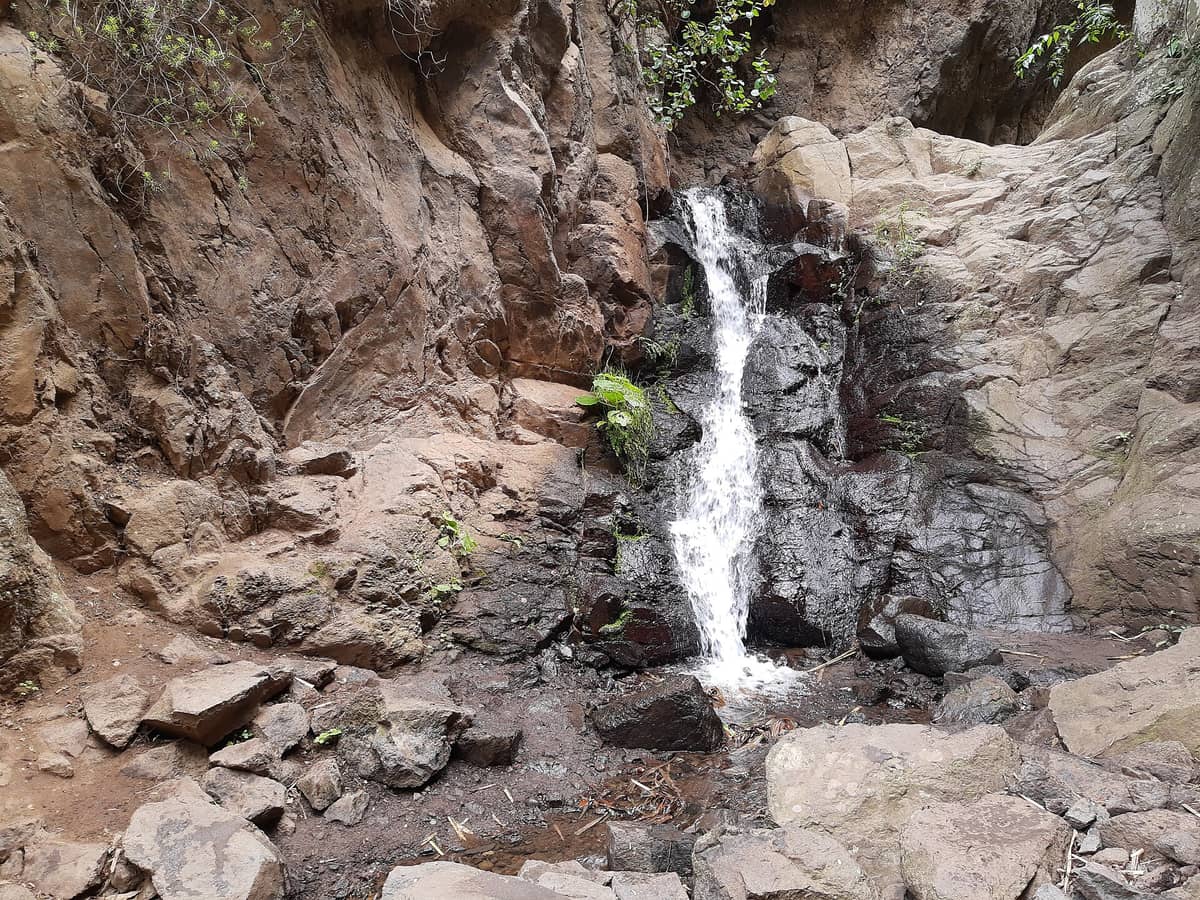
10. Follow a Year-Round Stream Through Barranco de los Cernícalos
One of Gran Canaria's few permanent watercourses runs through this lush eastern ravine, lined with ferns, laurel trees, and small waterfalls. The flat trail is easy enough for all fitness levels and feels surprisingly tropical. Free access, no facilities.
Explore10. Follow a Year-Round Stream Through Barranco de los Cernícalos
One of Gran Canaria's few permanent watercourses runs through this lush eastern ravine, lined with ferns, laurel trees, and small waterfalls. The flat trail is easy enough for all fitness levels and feels surprisingly tropical. Free access, no facilities.
Explore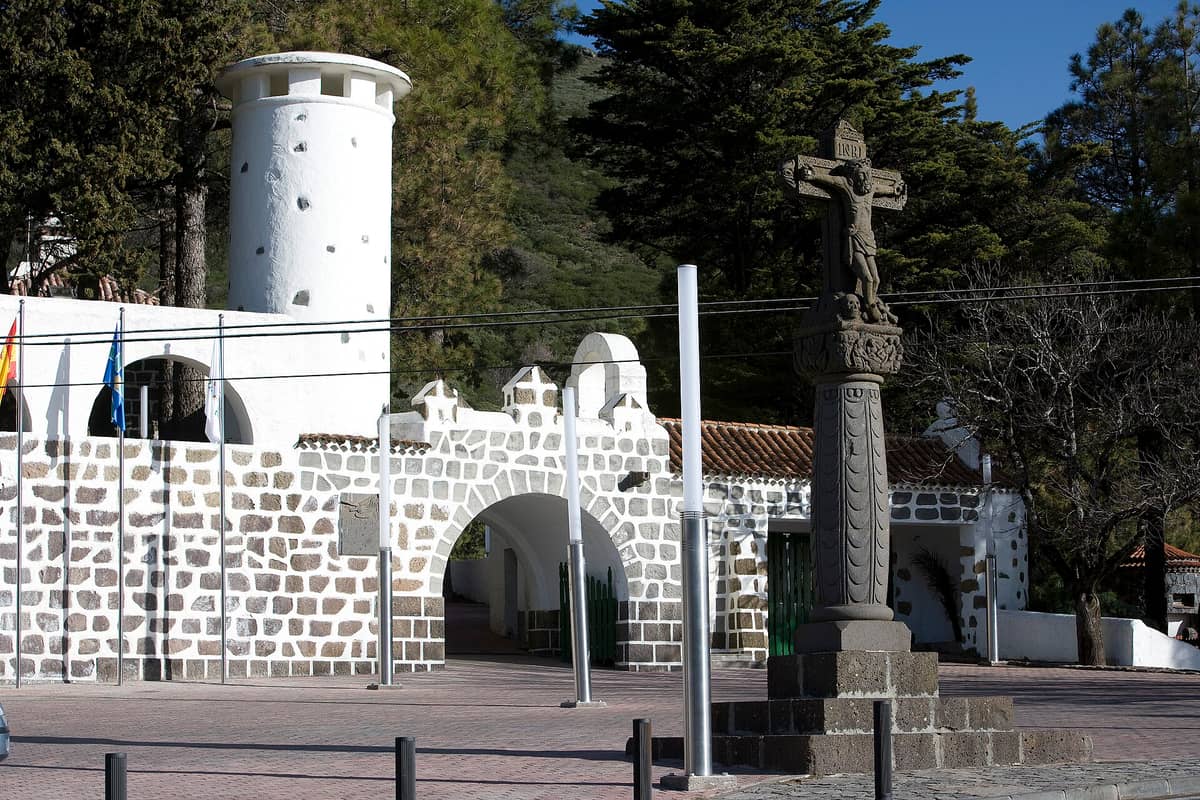
11. Stop at Cruz de Tejeda, the Island's Traditional Mountain Crossroads
The stone cross at Gran Canaria's geographical centre is surrounded by free viewpoints over the caldera, with Roque Nublo visible on the horizon. Browse the craft stalls, take in the mountain air, and use it as a launchpad for walks in every direction.
Explore11. Stop at Cruz de Tejeda, the Island's Traditional Mountain Crossroads
The stone cross at Gran Canaria's geographical centre is surrounded by free viewpoints over the caldera, with Roque Nublo visible on the horizon. Browse the craft stalls, take in the mountain air, and use it as a launchpad for walks in every direction.
Explore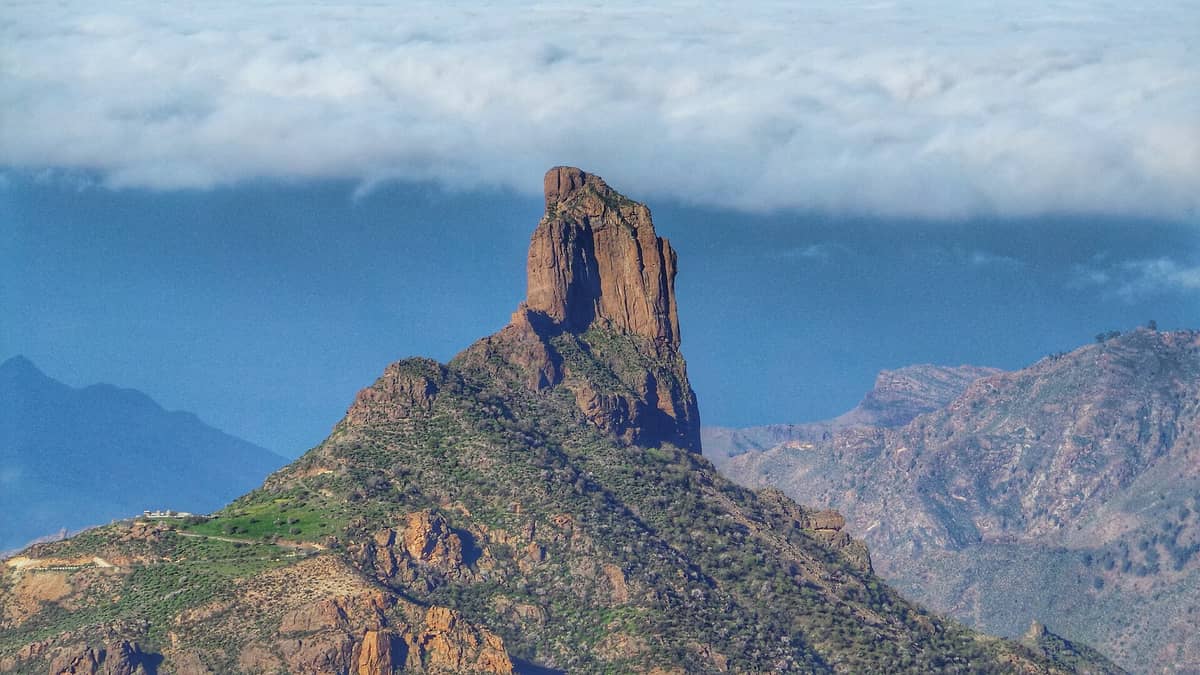
12. Explore the Sacred Rock of Roque Bentayga Near Tejeda
A free hiking trail winds past ancient cave dwellings and Guanche rock carvings to this ceremonial volcanic peak. The views over the central caldera are exceptional, and the site has far fewer visitors than Roque Nublo. Allow two to three hours for the full loop.
Explore12. Explore the Sacred Rock of Roque Bentayga Near Tejeda
A free hiking trail winds past ancient cave dwellings and Guanche rock carvings to this ceremonial volcanic peak. The views over the central caldera are exceptional, and the site has far fewer visitors than Roque Nublo. Allow two to three hours for the full loop.
ExploreHistory, Culture & Free Museums
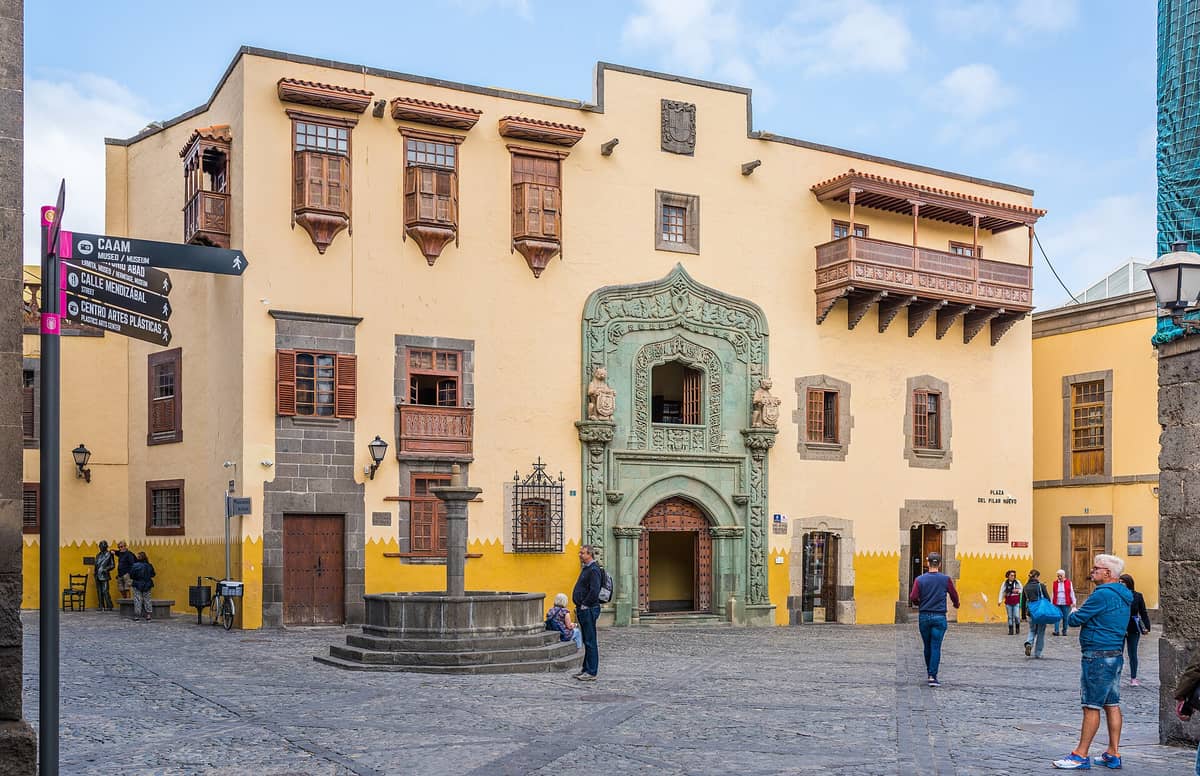
The historic neighbourhood of Vegueta in Las Palmas is one of the finest colonial old towns in the Atlantic and costs nothing to wander. Several of its institutions are fully free every day, while others offer free Sunday access.
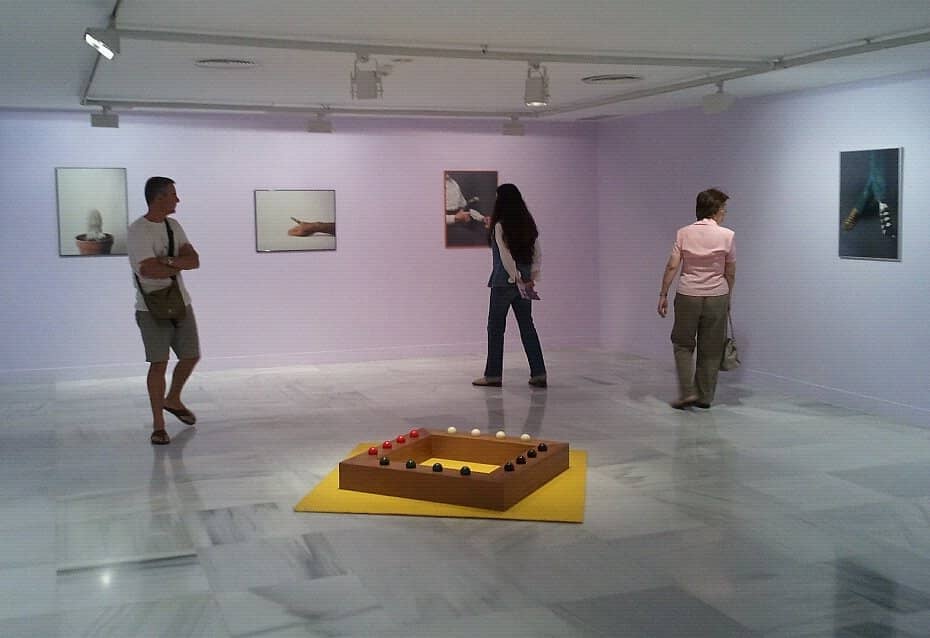
13. Visit CAAM, a Genuinely Free Contemporary Art Museum
The Centro Atlántico de Arte Moderno is free every day, housed in a converted 18th-century palace in Vegueta. The programme focuses on the creative dialogue between Europe, Africa, and the Americas. Open Tuesday to Saturday until 21:00, making it a good evening option.
Explore13. Visit CAAM, a Genuinely Free Contemporary Art Museum
The Centro Atlántico de Arte Moderno is free every day, housed in a converted 18th-century palace in Vegueta. The programme focuses on the creative dialogue between Europe, Africa, and the Americas. Open Tuesday to Saturday until 21:00, making it a good evening option.
Explore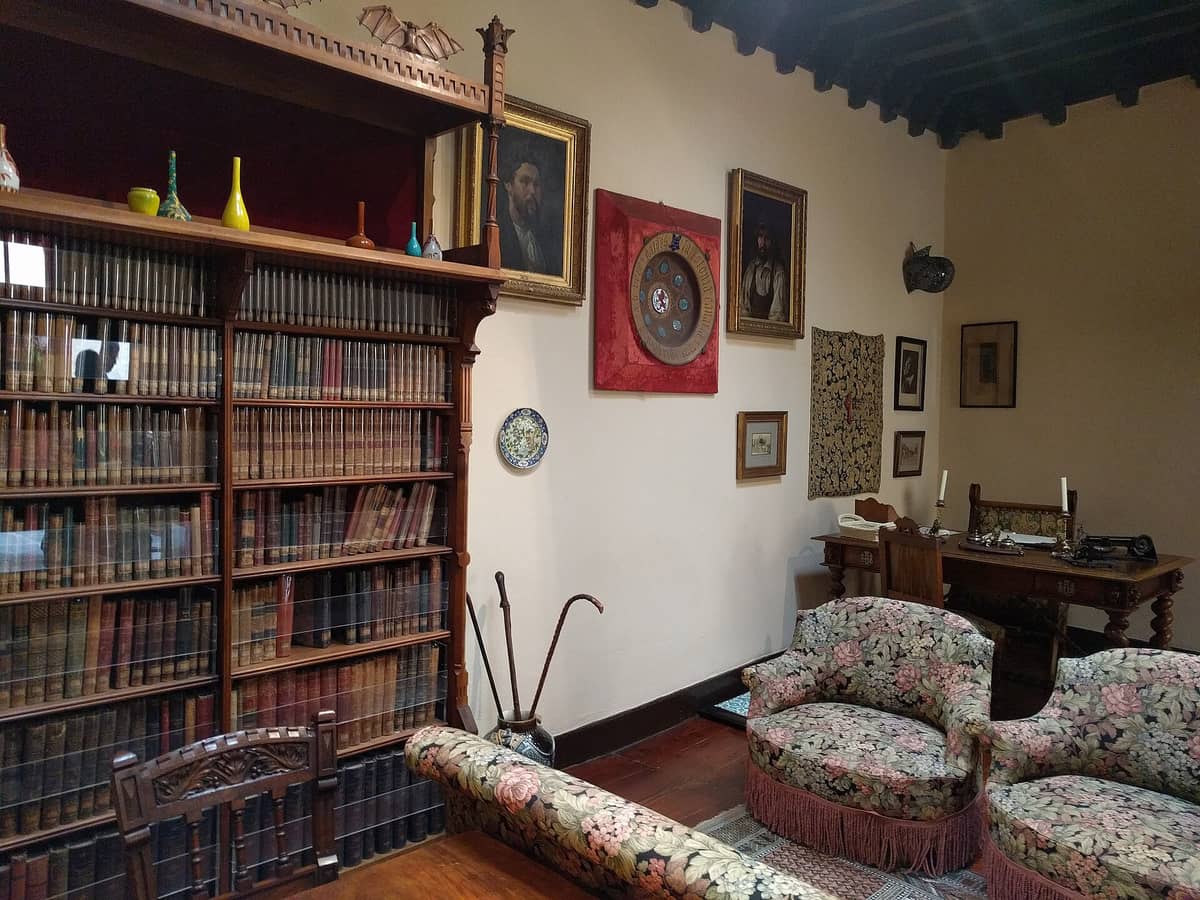
14. Tour the Birthplace of Spain's Greatest Novelist, Free of Charge
The beautifully preserved home of Benito Pérez Galdós in Vegueta is free to enter and gives an intimate view of bourgeois Canarian life in the 19th century. Small rooms, original furniture, and personal objects bring the writer's world to life without a ticket.
Explore14. Tour the Birthplace of Spain's Greatest Novelist, Free of Charge
The beautifully preserved home of Benito Pérez Galdós in Vegueta is free to enter and gives an intimate view of bourgeois Canarian life in the 19th century. Small rooms, original furniture, and personal objects bring the writer's world to life without a ticket.
Explore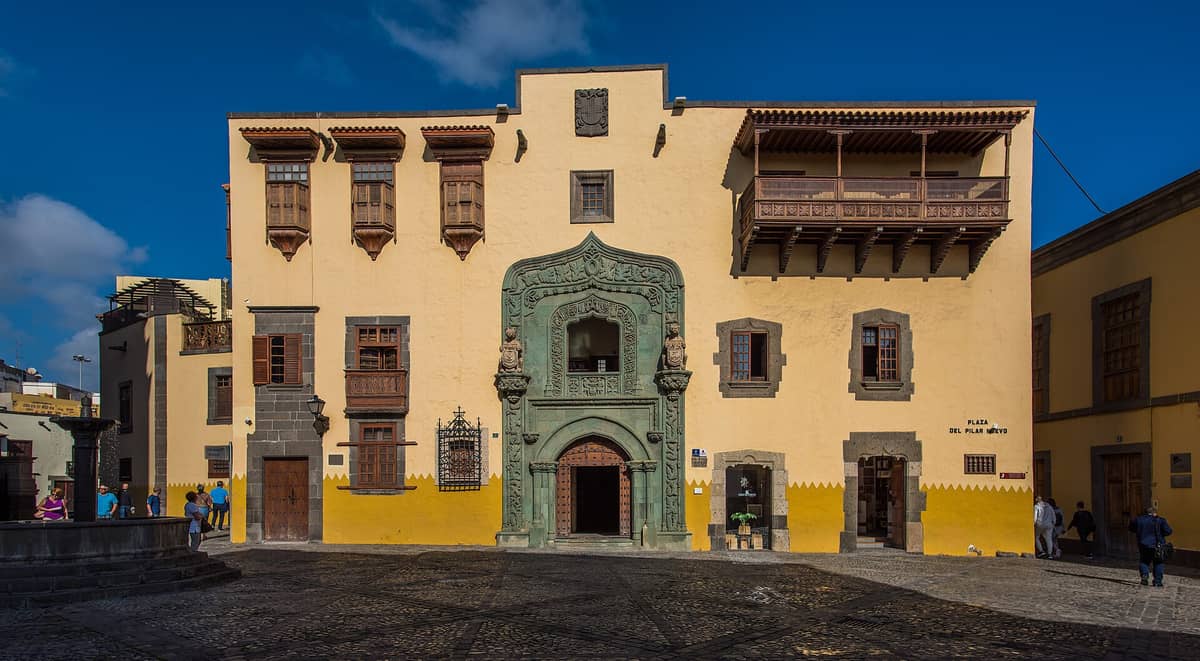
15. See the Casa de Colón in Vegueta for Free on Sundays
This 15th-century governor's palace where Columbus reportedly stayed is free every Sunday and on several public holidays. The building alone — with its carved Canarian balconies and courtyard — is worth the visit. Weekday entry is €4; free for under-18s year-round.
Explore15. See the Casa de Colón in Vegueta for Free on Sundays
This 15th-century governor's palace where Columbus reportedly stayed is free every Sunday and on several public holidays. The building alone — with its carved Canarian balconies and courtyard — is worth the visit. Weekday entry is €4; free for under-18s year-round.
Explore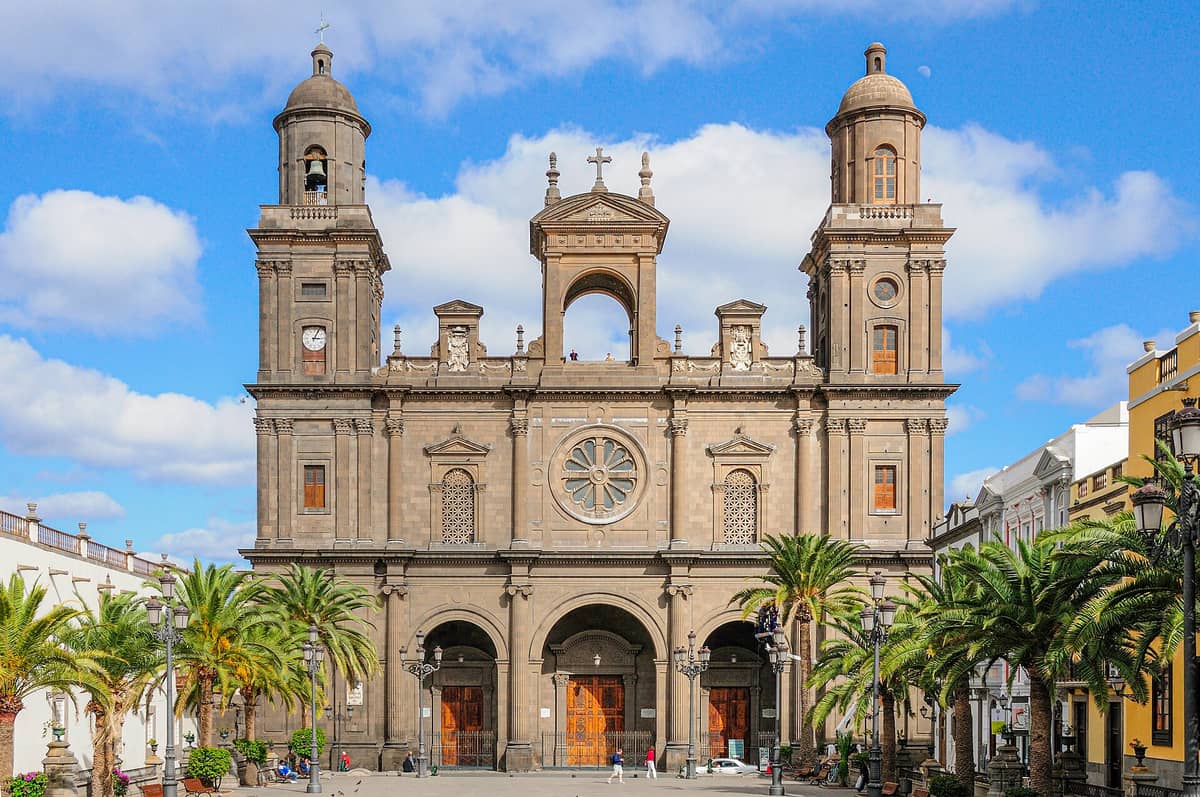
16. Walk Around the Cathedral of Santa Ana in Vegueta's Main Square
The cathedral's exterior and the surrounding Plaza de Santa Ana are free to enjoy, with the wide square and colonial townhouses making it one of the most photogenic spots in Las Palmas. Entering the building itself costs a small fee; the exterior and tower views are separate.
Explore16. Walk Around the Cathedral of Santa Ana in Vegueta's Main Square
The cathedral's exterior and the surrounding Plaza de Santa Ana are free to enjoy, with the wide square and colonial townhouses making it one of the most photogenic spots in Las Palmas. Entering the building itself costs a small fee; the exterior and tower views are separate.
Explore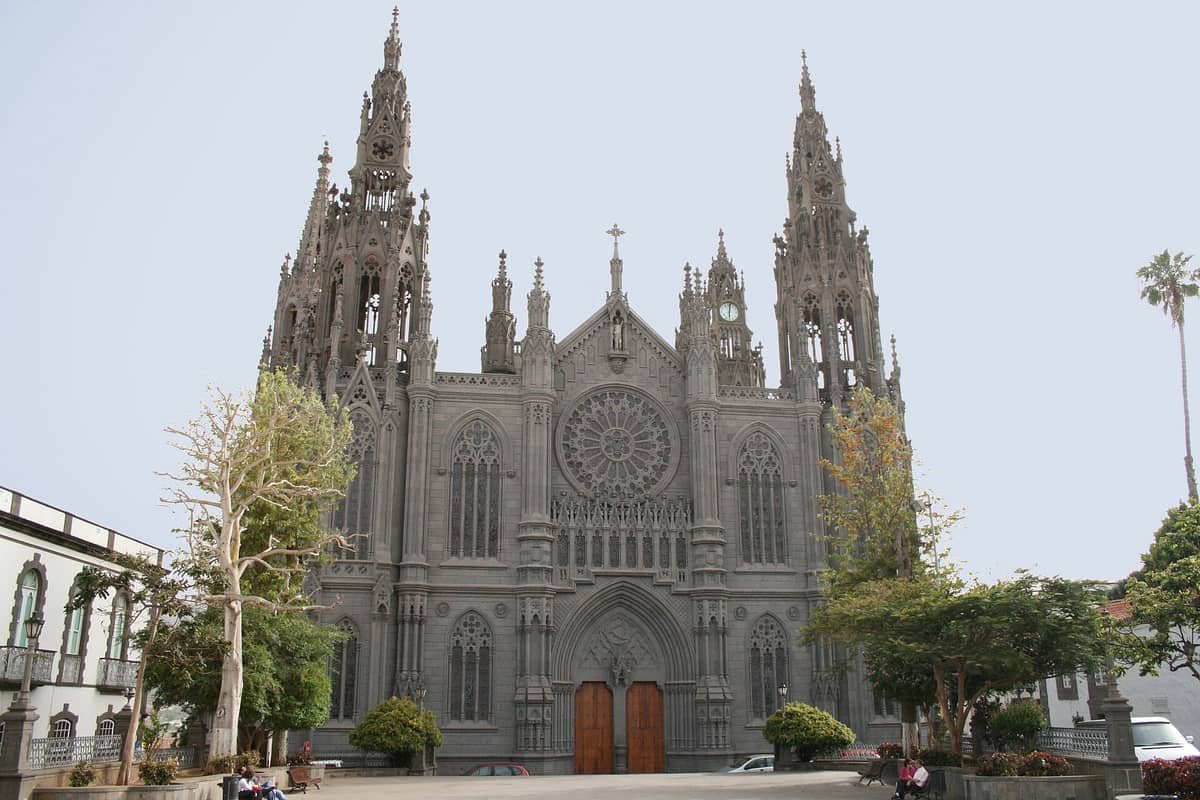
17. See the 'Cathedral of Arucas', Built from Black Basalt Stone
The neo-Gothic church in the small north-coast town of Arucas is one of Gran Canaria's most striking buildings, constructed from dark local basalt and a century in the making. Entry is free. Pair it with a walk around Arucas town and views of the banana plantations below.
Explore17. See the 'Cathedral of Arucas', Built from Black Basalt Stone
The neo-Gothic church in the small north-coast town of Arucas is one of Gran Canaria's most striking buildings, constructed from dark local basalt and a century in the making. Entry is free. Pair it with a walk around Arucas town and views of the banana plantations below.
Explore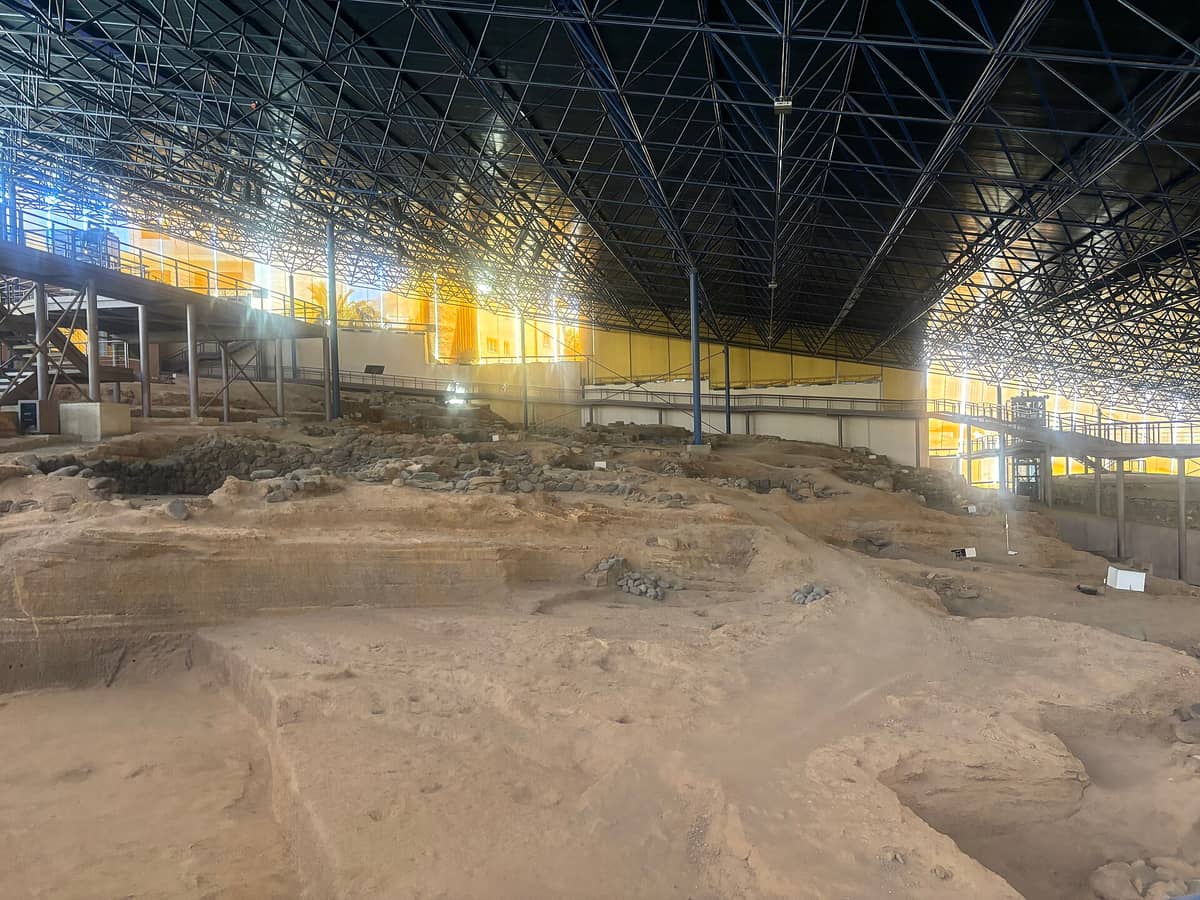
18. See Guanche Cave Paintings at the Cueva Pintada (Check Free Days)
The preserved geometric cave paintings in Gáldar are among the most important pre-Hispanic remains in the Canary Islands. Standard admission applies on most days, but free entry is offered on specific dates. Check the museum's website for current free-access days before visiting.
Explore18. See Guanche Cave Paintings at the Cueva Pintada (Check Free Days)
The preserved geometric cave paintings in Gáldar are among the most important pre-Hispanic remains in the Canary Islands. Standard admission applies on most days, but free entry is offered on specific dates. Check the museum's website for current free-access days before visiting.
ExploreVillages, Valleys & Scenic Drives
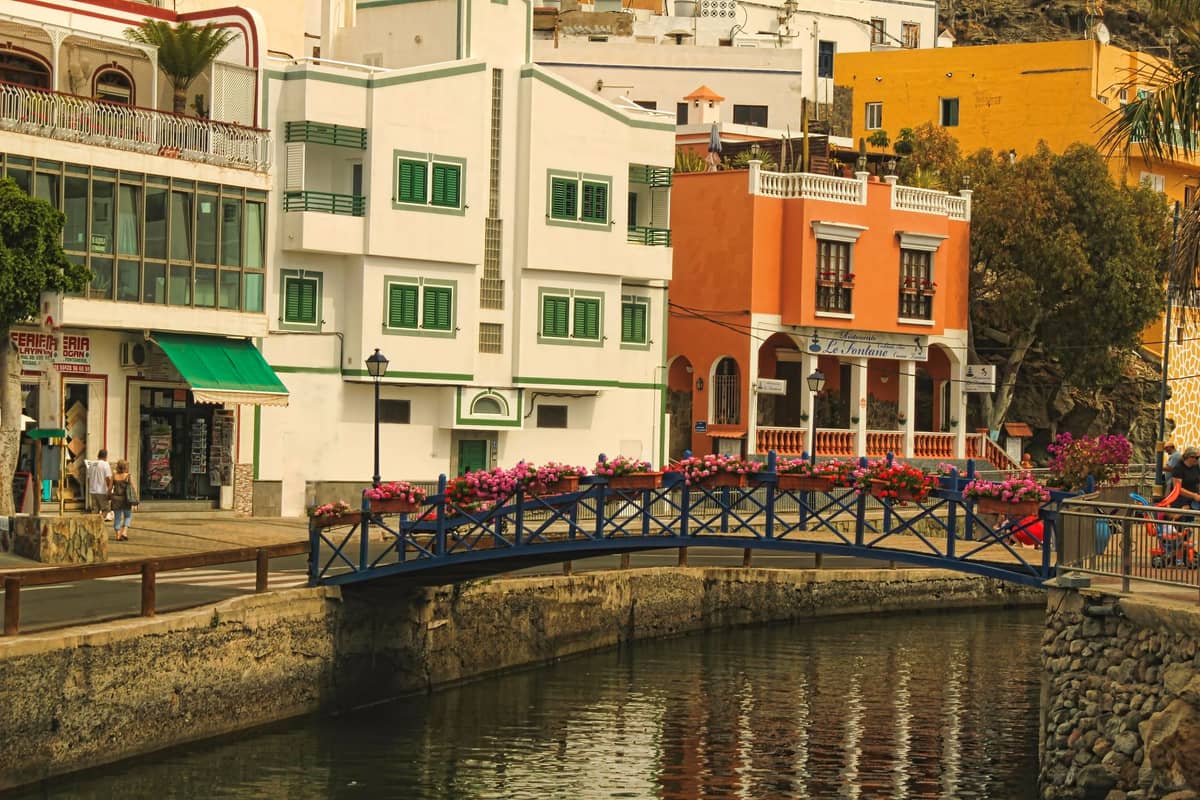
Some of Gran Canaria's most memorable experiences are simply about being in the right place: a flower-draped harbour, a palm-filled valley, or an ancient hillside village. These places cost nothing to visit and reward slow exploration. If you are planning to cover the island by car, see our Gran Canaria road trip guide for a structured route.
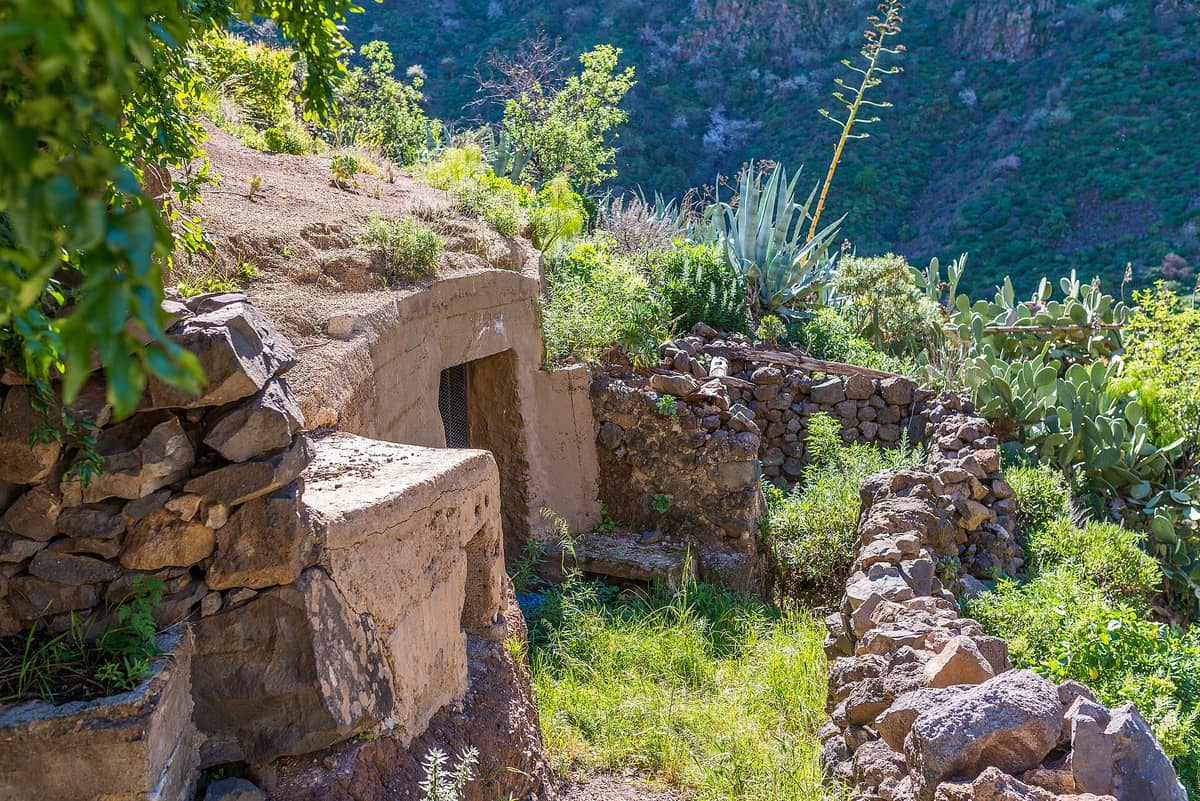
19. Explore the Atmospheric Ravine of Barranco de Guayadeque
A deep green valley on the eastern side of the island lined with cave dwellings, ancient burial sites, and endemic flora. Walking into the ravine is free; the cave restaurants inside charge for food but not for walking past. One of the most atmospheric valleys on the island.
Explore19. Explore the Atmospheric Ravine of Barranco de Guayadeque
A deep green valley on the eastern side of the island lined with cave dwellings, ancient burial sites, and endemic flora. Walking into the ravine is free; the cave restaurants inside charge for food but not for walking past. One of the most atmospheric valleys on the island.
Explore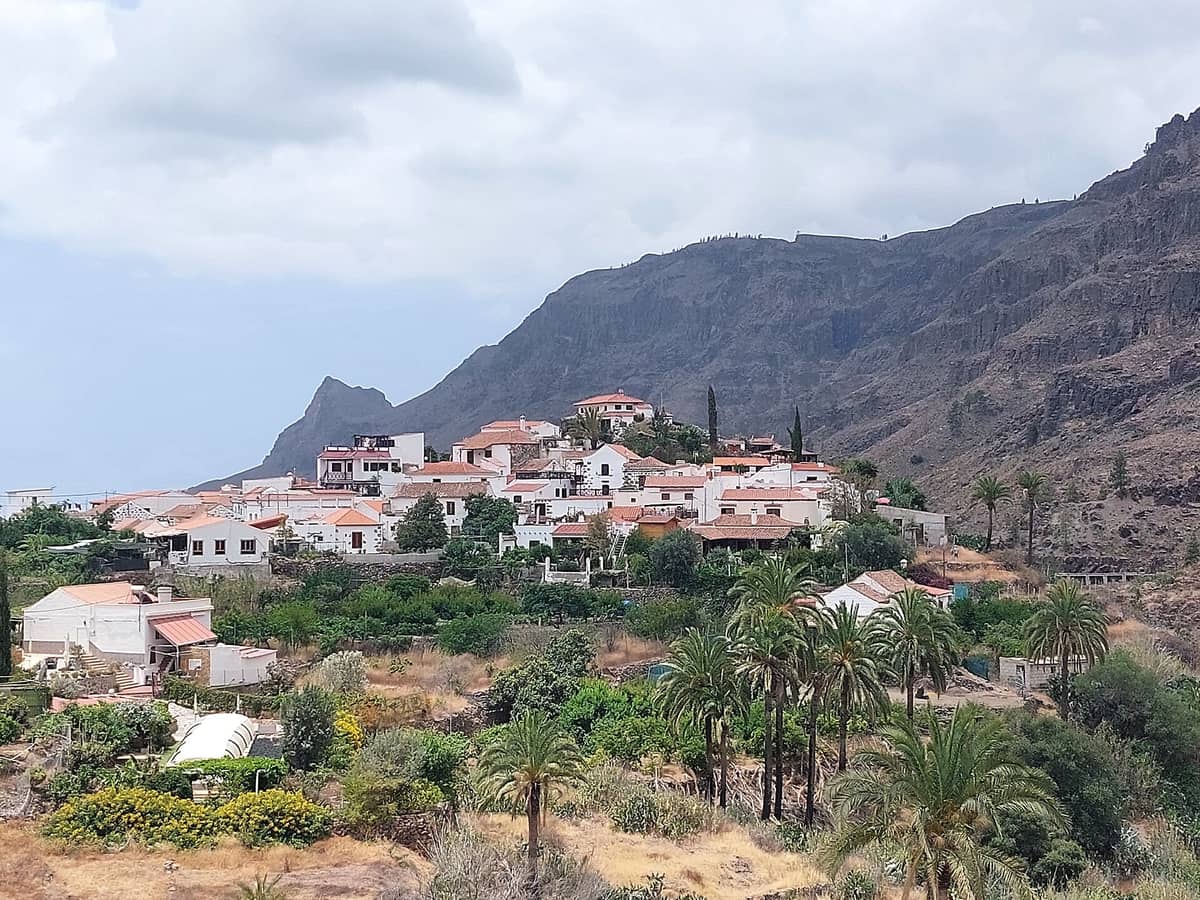
20. Walk Through Fataga, the Most Picturesque Village in the South
This tiny white-walled village above a palm-filled valley is one of Gran Canaria's most scenic spots, with flower-covered facades and views over a landscape that blends Saharan and tropical. The village takes about 30 minutes to explore on foot, all for free.
Explore20. Walk Through Fataga, the Most Picturesque Village in the South
This tiny white-walled village above a palm-filled valley is one of Gran Canaria's most scenic spots, with flower-covered facades and views over a landscape that blends Saharan and tropical. The village takes about 30 minutes to explore on foot, all for free.
Explore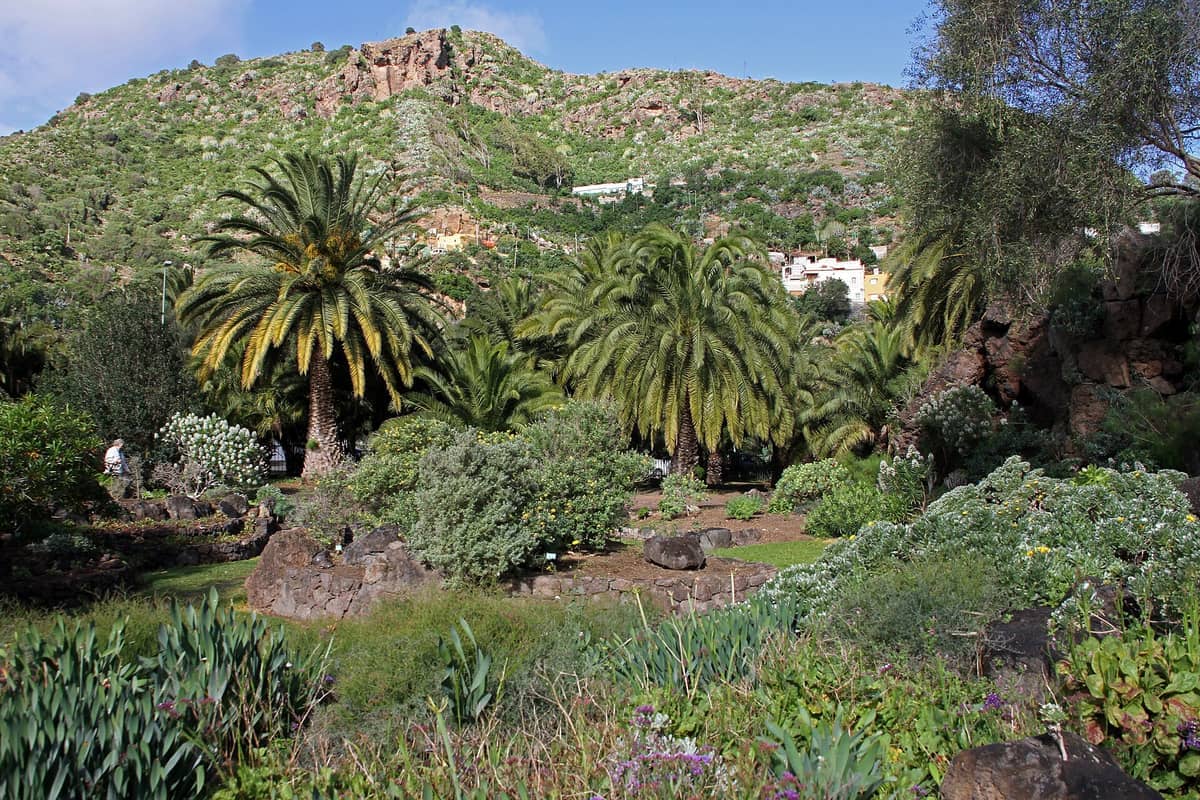
21. Walk Through One of Spain's Largest Botanical Gardens, Always Free
Over 500 species of Canarian endemic plants cascade down a ravine on the outskirts of Las Palmas — dragon trees, giant euphorbias, and laurel forest species among them. Entry is always free, making it one of the best-value natural escapes near the capital.
Explore21. Walk Through One of Spain's Largest Botanical Gardens, Always Free
Over 500 species of Canarian endemic plants cascade down a ravine on the outskirts of Las Palmas — dragon trees, giant euphorbias, and laurel forest species among them. Entry is always free, making it one of the best-value natural escapes near the capital.
Explore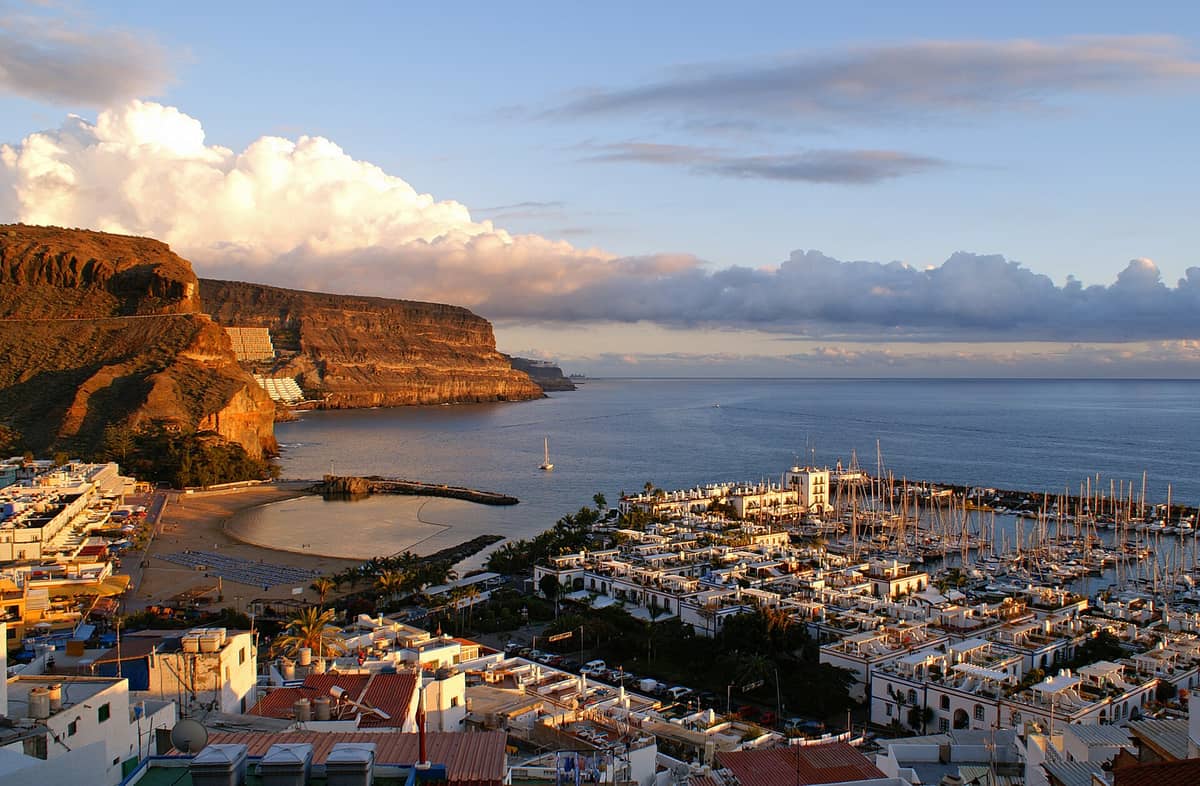
22. Stroll the Flower-Draped Marina at Puerto de Mogán
The whitewashed harbour at Puerto de Mogán, with its bougainvillea-covered bridges and bobbing yachts, is free to walk through at any time. Visit on a Friday for the weekly market. It is the most charming harbour on the island and takes about an hour to explore properly.
Explore22. Stroll the Flower-Draped Marina at Puerto de Mogán
The whitewashed harbour at Puerto de Mogán, with its bougainvillea-covered bridges and bobbing yachts, is free to walk through at any time. Visit on a Friday for the weekly market. It is the most charming harbour on the island and takes about an hour to explore properly.
Explore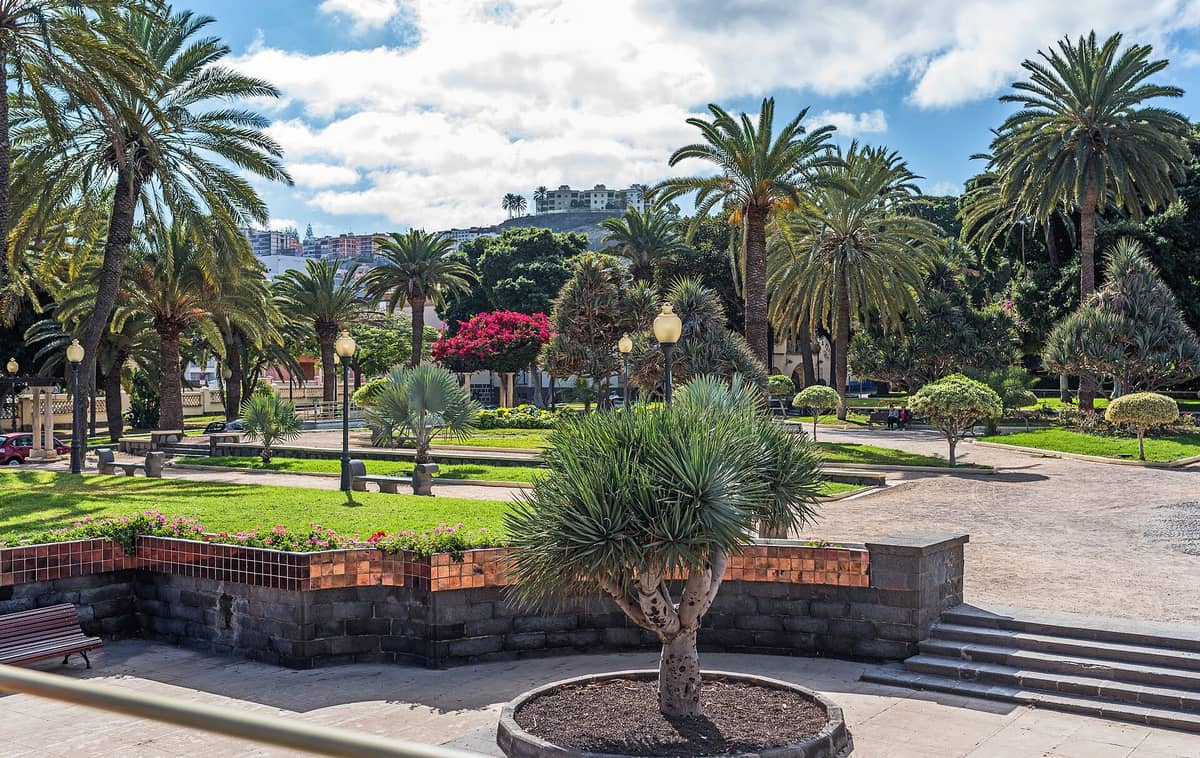
23. Watch Free Folk Music and Dance at Parque Doramas on Sundays
The Pueblo Canario within this leafy Las Palmas park hosts free folk music and dance performances on Sunday mornings. The park itself is a pleasant green escape from the city centre, and the Néstor Museum of Canarian art inside has free or low-cost entry.
Explore23. Watch Free Folk Music and Dance at Parque Doramas on Sundays
The Pueblo Canario within this leafy Las Palmas park hosts free folk music and dance performances on Sunday mornings. The park itself is a pleasant green escape from the city centre, and the Néstor Museum of Canarian art inside has free or low-cost entry.
Explore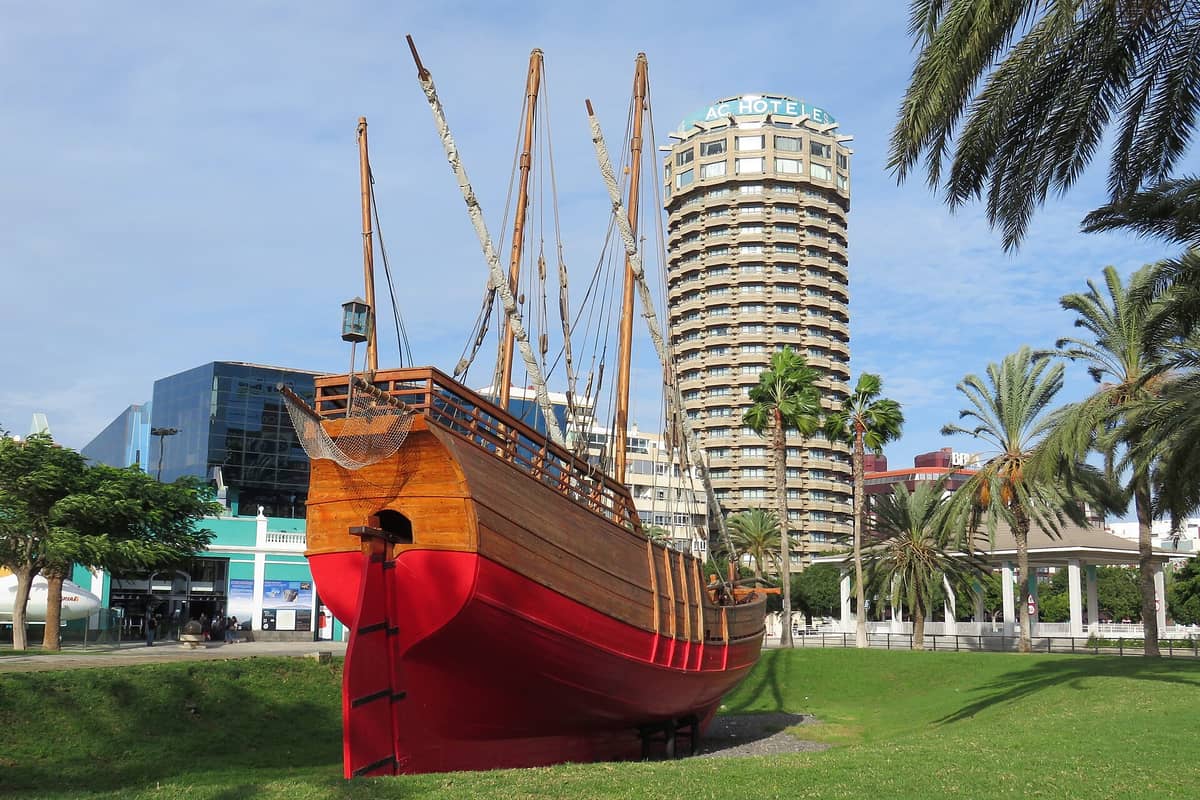
24. People-Watch in Parque de Santa Catalina, Las Palmas's Living Room
This central square in the Santa Catalina neighbourhood is where Las Palmas gathers: outdoor chess games, street performers, café terraces, and a genuinely multicultural crowd reflecting the city's Atlantic port history. Sit down with a coffee and watch the world go by for free.
Explore24. People-Watch in Parque de Santa Catalina, Las Palmas's Living Room
This central square in the Santa Catalina neighbourhood is where Las Palmas gathers: outdoor chess games, street performers, café terraces, and a genuinely multicultural crowd reflecting the city's Atlantic port history. Sit down with a coffee and watch the world go by for free.
ExploreAncient Sites & Archaeological Wonders
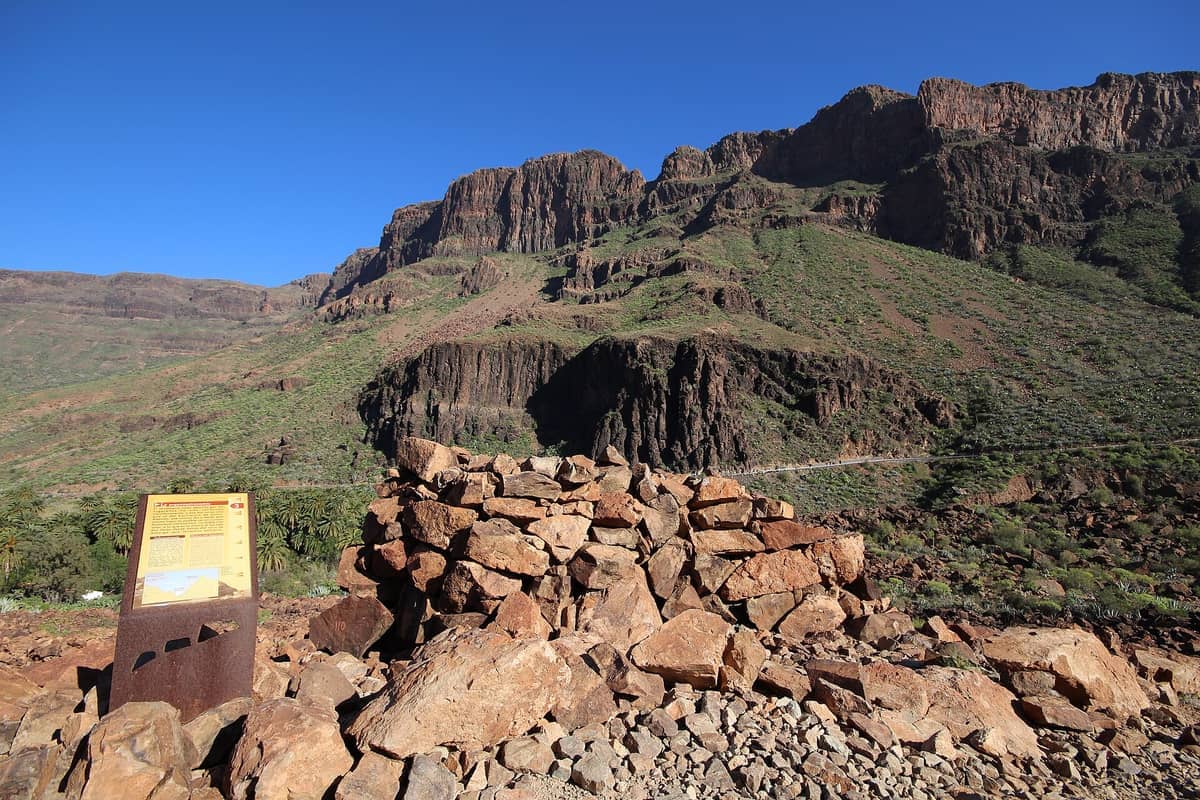
25. Discover the Largest Guanche Burial Site in Gran Canaria
Hundreds of stone tombs dot a dramatic rocky hillside above the Fataga palm oasis at Arteara. Access is free and the site is largely unvisited by mass tourism. Walking among the tombs with the valley below is one of the most affecting historical experiences on the island.
Explore25. Discover the Largest Guanche Burial Site in Gran Canaria
Hundreds of stone tombs dot a dramatic rocky hillside above the Fataga palm oasis at Arteara. Access is free and the site is largely unvisited by mass tourism. Walking among the tombs with the valley below is one of the most affecting historical experiences on the island.
Explore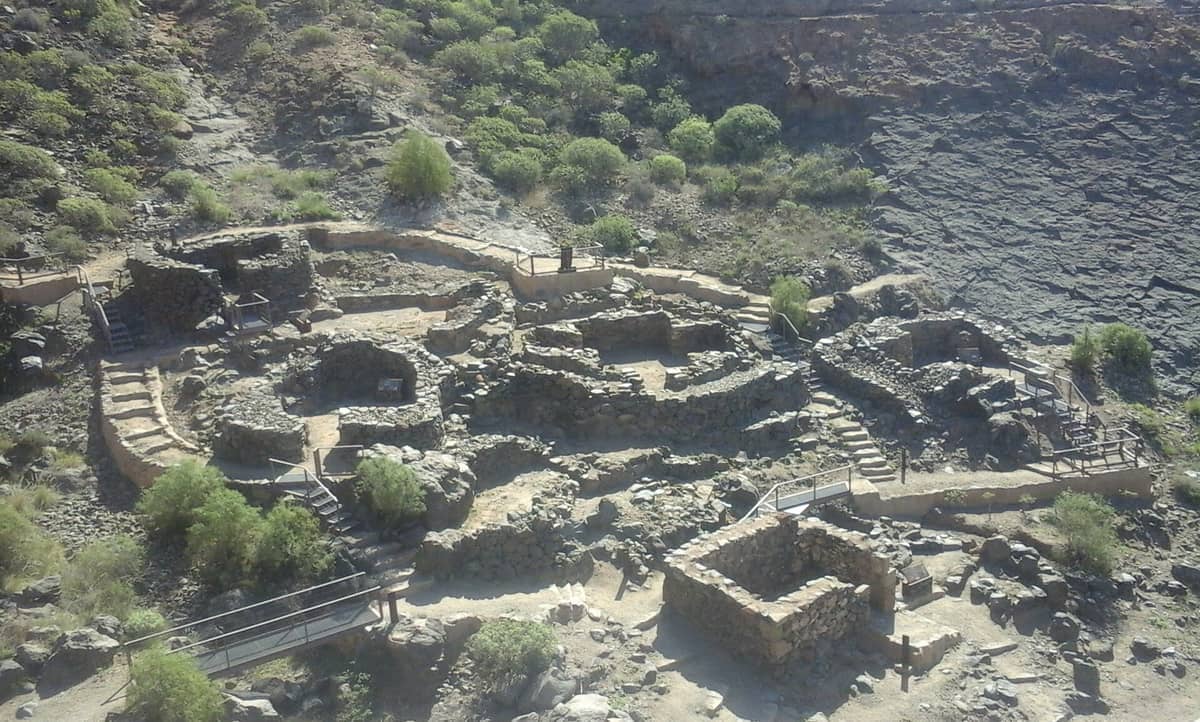
26. Visit the Guanche Coastal Settlement at Tufia, Largely Overlooked
A coastal headland on the eastern shore preserves cave dwellings and stone structures from Gran Canaria's pre-Hispanic inhabitants, next to a small beach. It is freely accessible, rarely crowded, and one of the most complete surviving examples of a Guanche coastal village.
Explore26. Visit the Guanche Coastal Settlement at Tufia, Largely Overlooked
A coastal headland on the eastern shore preserves cave dwellings and stone structures from Gran Canaria's pre-Hispanic inhabitants, next to a small beach. It is freely accessible, rarely crowded, and one of the most complete surviving examples of a Guanche coastal village.
Explore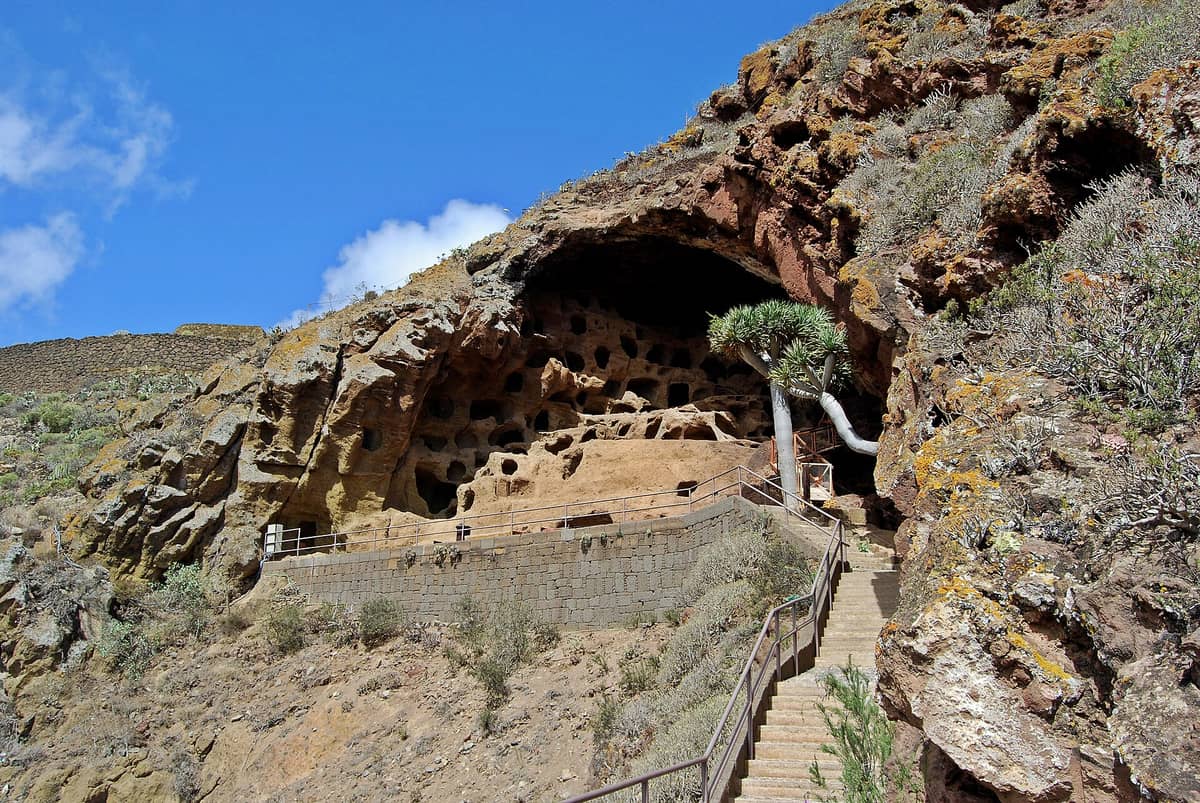
27. See 300 Ancient Grain Silos Carved Into a Volcanic Cliff
The Cenobio de Valerón in the north is one of the most visually striking pre-Hispanic monuments in the archipelago, with over 300 Guanche grain chambers carved into a cliff face. There is a small admission fee, but you can view and photograph the site from the roadside for free.
Explore27. See 300 Ancient Grain Silos Carved Into a Volcanic Cliff
The Cenobio de Valerón in the north is one of the most visually striking pre-Hispanic monuments in the archipelago, with over 300 Guanche grain chambers carved into a cliff face. There is a small admission fee, but you can view and photograph the site from the roadside for free.
ExploreFAQ
Are there genuinely free museums in Gran Canaria?
Yes. CAAM (Centro Atlántico de Arte Moderno) in Vegueta is free every day, as is the Casa-Museo Pérez Galdós. Casa de Colón charges a small admission fee but is free every Sunday and on several public holidays. The Jardín Botánico Viera y Clavijo is also always free.
Is it free to walk through the Maspalomas Dunes?
Yes, the Maspalomas Dunes nature reserve has free public access at all times. There are no gates or entry fees. Sunbeds and umbrellas on the adjacent beach cost extra, but bringing your own towel is perfectly fine.
Can I visit the Arteara Necropolis for free?
Access to the Arteara Necropolis site normally requires a paid ticket, with a small admission fee charged at the entrance, and the site is currently listed as temporarily closed; it sits above the Fataga valley and can be reached on foot when open, with limited facilities.
What is the cheapest way to get around Gran Canaria to reach free attractions?
The island-wide Global bus network connects Las Palmas, the south coast resorts, and many interior towns at low cost. A single urban bus ticket in Las Palmas costs a few euros, with rechargeable TransGC cards offering cheaper per-journey rates. Verify current fares before travel as prices may change.
Are Gran Canaria's natural pools free to visit?
Most of Gran Canaria's natural rock pools are freely accessible, including those at Puerto de las Nieves on the west coast. Some managed lido facilities may charge a small fee. For a full overview, see our natural pools guide.