Gran Canaria Luxury Travel Guide: Best Hotels, Areas & Insider Tips
Gran Canaria has over 130 luxury hotels spread across beach resorts, spa retreats, boutique city properties, and adults-only hideaways. This guide cuts through the marketing to tell you exactly where to stay, what to spend, and which areas suit different styles of upscale travel.
TL;DR
- Gran Canaria's luxury hotel scene is concentrated in the south and southwest: Maspalomas, Meloneras, Puerto de Mogán, and Puerto Rico are the top areas.
- Expect to pay roughly €150–€350 per night for genuine luxury, with some flagship suites and villas going significantly higher.
- Las Palmas de Gran Canaria offers a city-based alternative for luxury travellers — check the Las Palmas travel guide for cultural context.
- The island has 138 listed luxury hotels (TripAdvisor), so supply is strong — booking direct often beats OTA prices.
- Shoulder season (May and October) gives the best combination of good weather, lower rates, and fewer crowds at pool bars and spa facilities.
Why Gran Canaria Works for Luxury Travel
Gran Canaria is a 1,560 km² island in the Atlantic, sitting just off the northwest coast of Africa at roughly 28°N. It is part of Spain's Canary Islands autonomous community, which means EU standards apply across hospitality, food safety, and infrastructure — without the prices of mainland European capitals. The island's subtropical climate means daytime highs rarely drop below 21°C in winter or climb above 28°C in summer, making it a genuine year-round destination rather than a seasonal one.
What separates Gran Canaria from the typical sun-and-sand package destination is its dramatic geographic variety. The interior reaches nearly 2,000 metres at Morro de la Agujereada, meaning a single day can combine a morning at a beachside infinity pool with an afternoon in pine forests or volcanic crater landscapes. Luxury travellers who want more than a sun lounger get strong value here.
ℹ️ Good to know
Gran Canaria operates on Western European Time (UTC+0), switching to UTC+1 during daylight saving. This is the same time as mainland Spain — worth knowing when booking airport transfers or restaurant reservations.
The Best Areas to Stay for Luxury in Gran Canaria
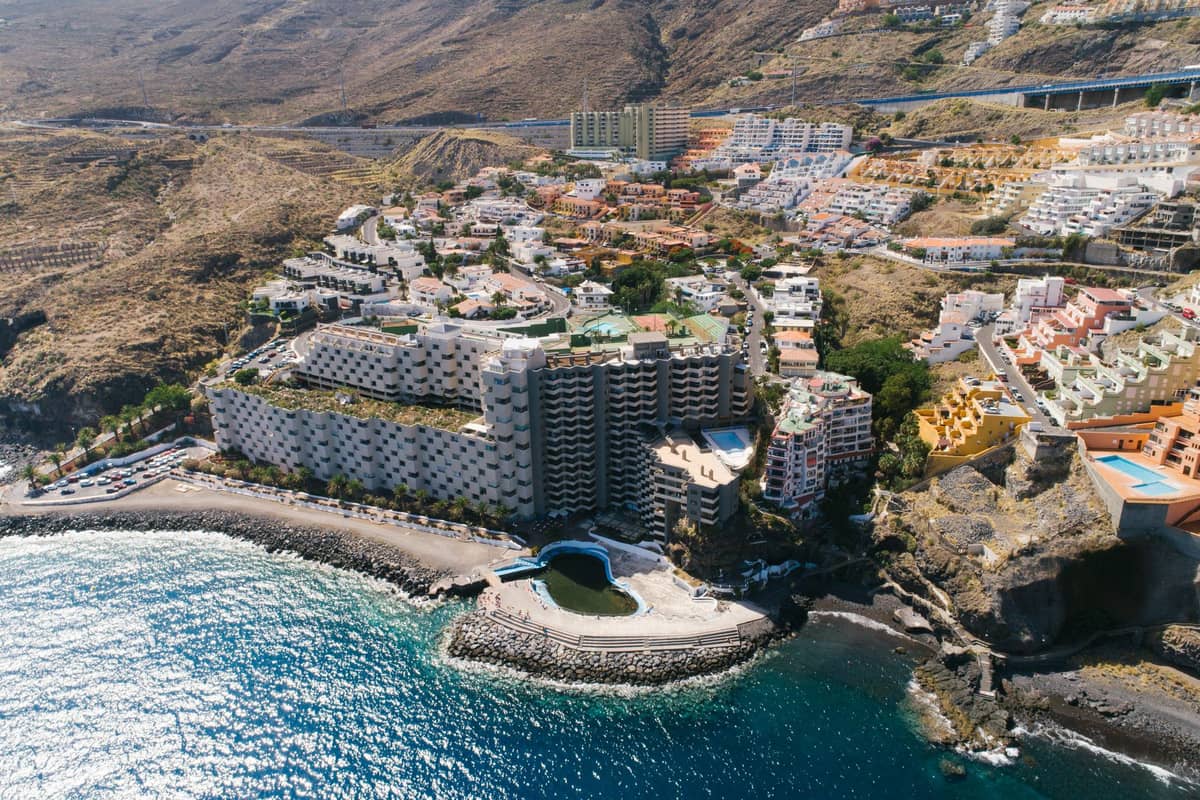
Location matters more here than on smaller islands. The south coast is warmer and drier than the north, which makes it the dominant hub for resort-style luxury. But each area has a distinct character, and picking the wrong zone is the most common mistake luxury travellers make.
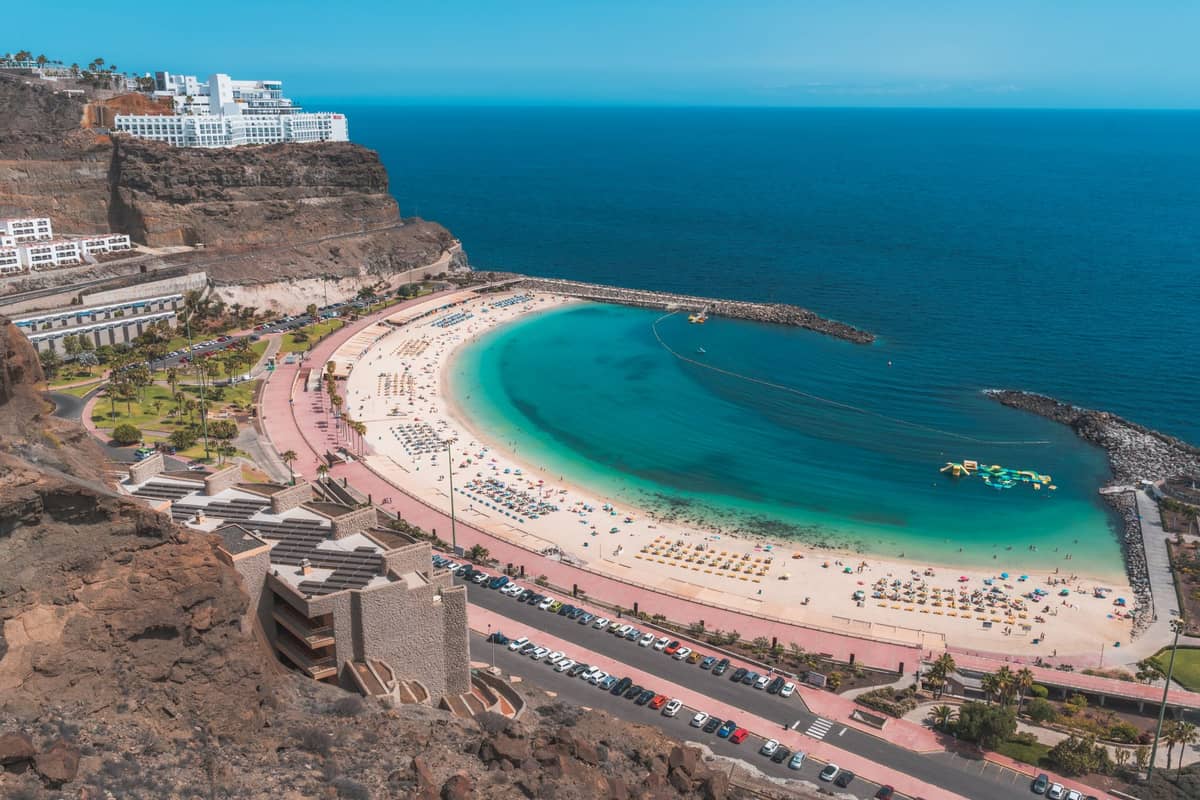
- Meloneras The purpose-built zone between Maspalomas and Puerto de Mogán is where the island's highest concentration of five-star infrastructure sits. Quieter than Playa del Inglés, with a seafront promenade, casino, and Golf Course Maspalomas nearby. Best for couples and travellers who want calm without isolation.
- Maspalomas Home to the famous dune system and the Maspalomas lighthouse, this area has several landmark resort properties with direct beach access. Expect more activity and a broader mix of travellers than Meloneras, but also better access to the dunes themselves — one of the island's genuinely spectacular natural features.
- Puerto de Mogán The most visually distinctive resort town on the island, built around a marina with flower-draped bridges and whitewashed architecture. The pace is slower, the restaurants are better on average, and the beach is small but exceptionally protected. A strong choice for travellers prioritising aesthetics and gastronomy over pool-bar nightlife.
- Puerto Rico A busy resort with a solid range of upper-mid and luxury apartment-style properties. Better for active travellers: watersports, boat trips, and access to quieter coves nearby. Less refined than Mogán or Meloneras, but the infrastructure is excellent and prices can be competitive for the quality.
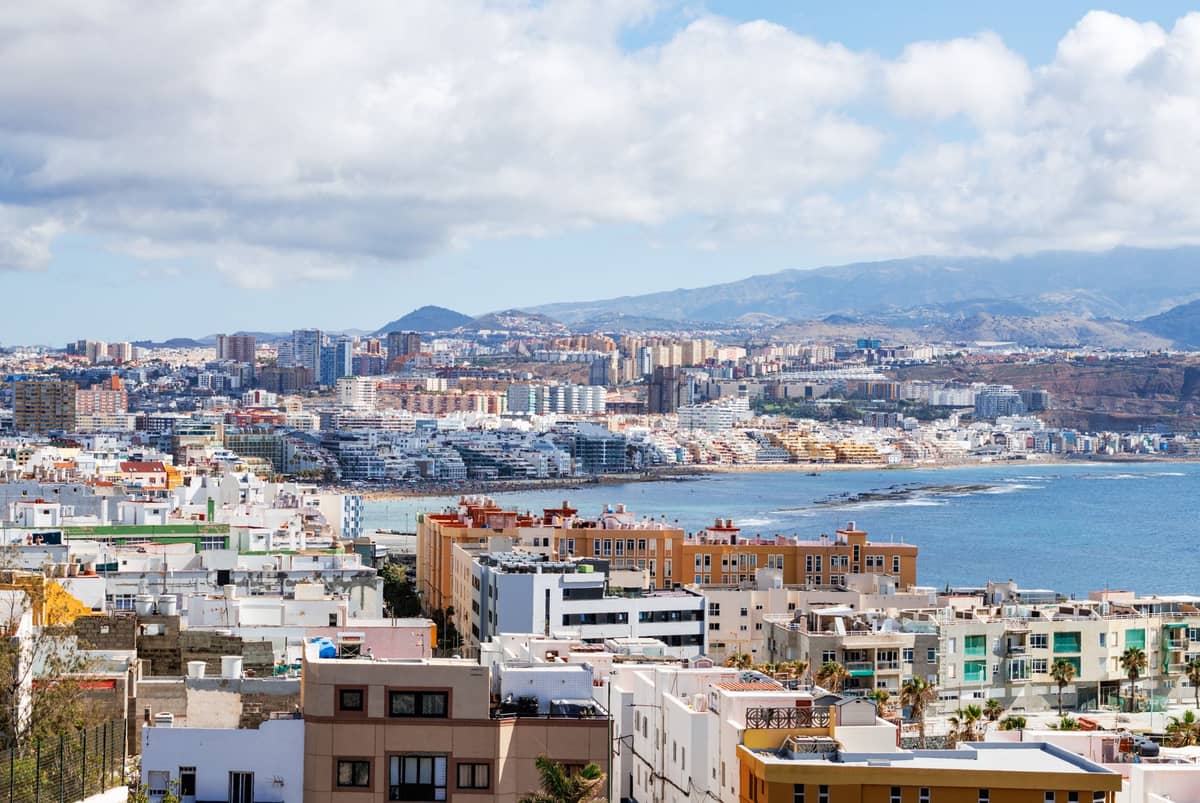
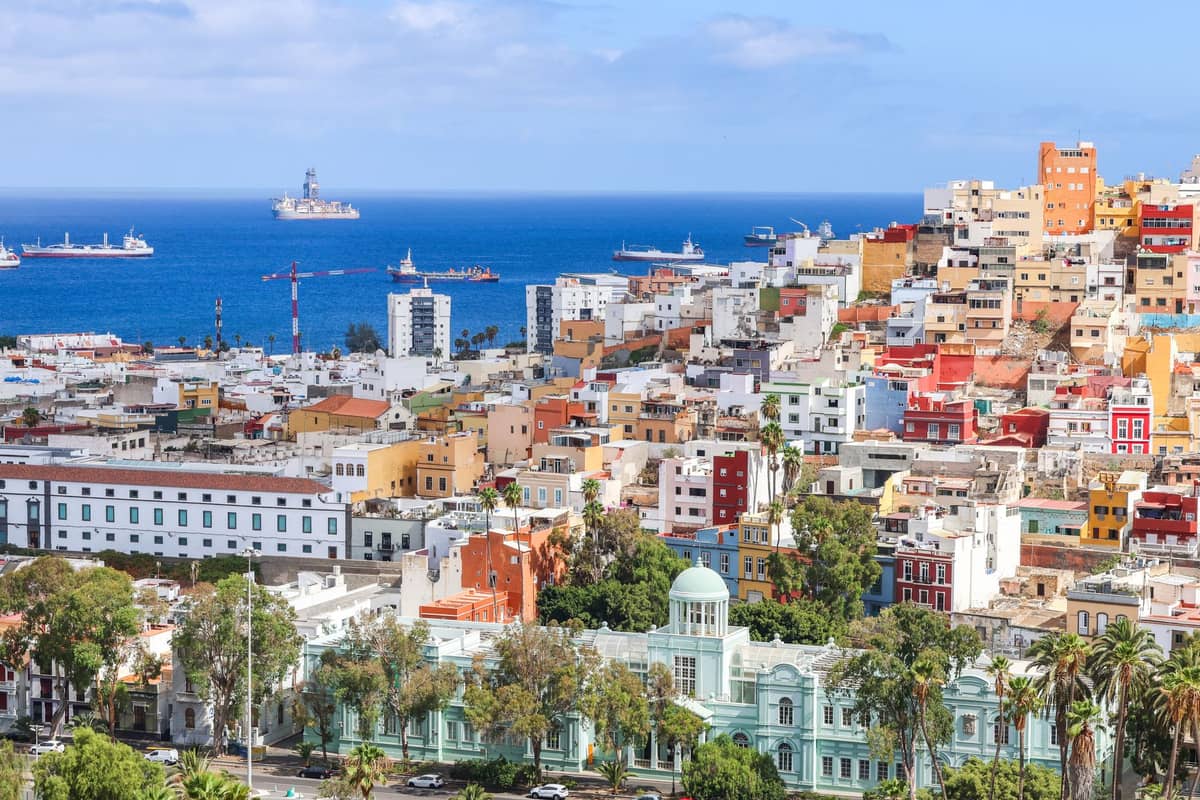
- Las Palmas de Gran Canaria The island's capital is underrated as a luxury base. Properties like the Santa Catalina, a Royal Hideaway Hotel, sit near the 3 km Las Canteras urban beach and give access to Vegueta's colonial old town. Choose Las Palmas if you value architecture, restaurants with actual locals in them, and cultural programming over a pool complex.
The south coast gets notably more sun than the north, particularly from November through March, when cloud can sit over Las Palmas for days at a time. If your primary goal is reliable winter sun, Maspalomas and Meloneras have a consistent edge over the capital. For the full picture on seasonal weather patterns, the best time to visit Gran Canaria guide covers this in detail.
Standout Luxury Properties Worth Knowing
Gran Canaria has around 138 properties that classify as luxury on major booking platforms, so this is not a niche market. The challenge is identifying properties with genuine quality versus those using 'luxury' as a marketing tag. A few hotels consistently appear at the top of both independent rankings and repeat-visitor recommendations.
- Seaside Grand Hotel Residencia (Maspalomas) One of the island's most decorated properties, designed in the style of a colonial Canarian hacienda. Adults-only, with a renowned spa, multiple restaurants, and direct access to the Maspalomas dune reserve. Rates typically start around €350–€500 per night for standard rooms in high season. Not a pool-party hotel — deliberately quiet and refined.
- Santa Catalina, A Royal Hideaway Hotel (Las Palmas) A historic landmark opened in 1890, restored and repositioned under the Barceló Royal Hideaway brand. Central location near Parque Doramas and a 20-minute walk from Las Canteras beach. Strong choice for business travellers or those who find resort zones too insular. Mid-range luxury pricing by Canary Islands standards.
- Bohemia Suites & Spa (Maspalomas) Adults-only boutique property with a strong design identity and a rooftop pool that gets genuinely good reviews. Smaller than the grand resorts and more intimate in feel. Typically priced in the €200–€350 range depending on season.
- Salobre Hotel & Resort Serenity (Salobre) Set inland near two golf courses, this property targets a different kind of luxury traveller: golfers, spa seekers, and those who actively want distance from resort-strip energy. Shuttle connections to the beach are provided, but this is a self-contained property by design.
✨ Pro tip
Hotel groups like Be Cordial and Corallium by Lopesan advertise best-price guarantees on their direct booking sites. For stays of four nights or more, booking direct rather than through an OTA can save 10–15% and sometimes includes extras like spa credits or room upgrades not available on third-party platforms.
What Luxury Actually Costs on Gran Canaria
Pricing across the island's luxury segment varies significantly by season, area, and property type. As a general benchmark, Booking.com shows an average of around $143 per night for properties listed in the luxury category — but that figure includes four-star-plus properties that sit below the true high-end tier. Genuine five-star hotels with full spa facilities, multiple restaurants, and private beach or pool access typically run €200–€400 per night for standard rooms.
Suite categories at top properties can reach €600–€900 per night in peak season (Christmas, New Year, February school holidays in northern Europe). The summer months of July and August see high occupancy from Spanish domestic travellers and families, which pushes prices up at family-oriented resorts but not necessarily at adults-only properties in Meloneras.
The most overlooked value window is May and October. Temperatures are comfortable (23–26°C), the island is not at full capacity, and rates at premium properties can be 20–35% lower than peak season. Corallium's seasonal offers, for example, target May through October as their summer promotion window — which tells you something about where they have availability to fill.
⚠️ What to skip
Package deals marketed as 'luxury Gran Canaria holidays' from flight-plus-hotel aggregators sometimes start from £179–£289 per person. At that price point, the hotel is almost certainly four-star at best. The package can be good value, but don't expect the same standards as a standalone booking at a genuine five-star property.
Getting to and Around Gran Canaria as a Luxury Traveller
Gran Canaria Airport (IATA: LPA) sits on the island's east coast, roughly midway between Las Palmas and the southern resorts. A taxi to Maspalomas or Meloneras takes around 25–40 minutes and costs approximately €40–€55. To Las Palmas, expect €25–€35 and 20–30 minutes. Most luxury hotels in the south offer private airport transfers — always worth asking about at booking, as shared-shuttle alternatives can turn a 30-minute journey into 90 minutes of resort-hopping. For full transport options, the getting around Gran Canaria guide covers buses, taxis, and car hire in detail.
A rental car is genuinely useful if you plan to explore beyond your resort zone. The island's interior, including the volcanic caldera at Bandama, the mountain village of Tejeda, and the Tamadaba Natural Park, is inaccessible without private transport or a guided day trip. Many luxury travellers book a car for two or three days mid-stay rather than keeping one for the full trip.
For those who prefer guided experiences, day trips from Gran Canaria range from boat excursions to Puerto de Mogán to jeep safaris through the central mountains. Several luxury properties offer in-house concierge booking for these, often with private vehicle options at a premium over standard group tours.
Beyond the Pool: Luxury Experiences on the Island
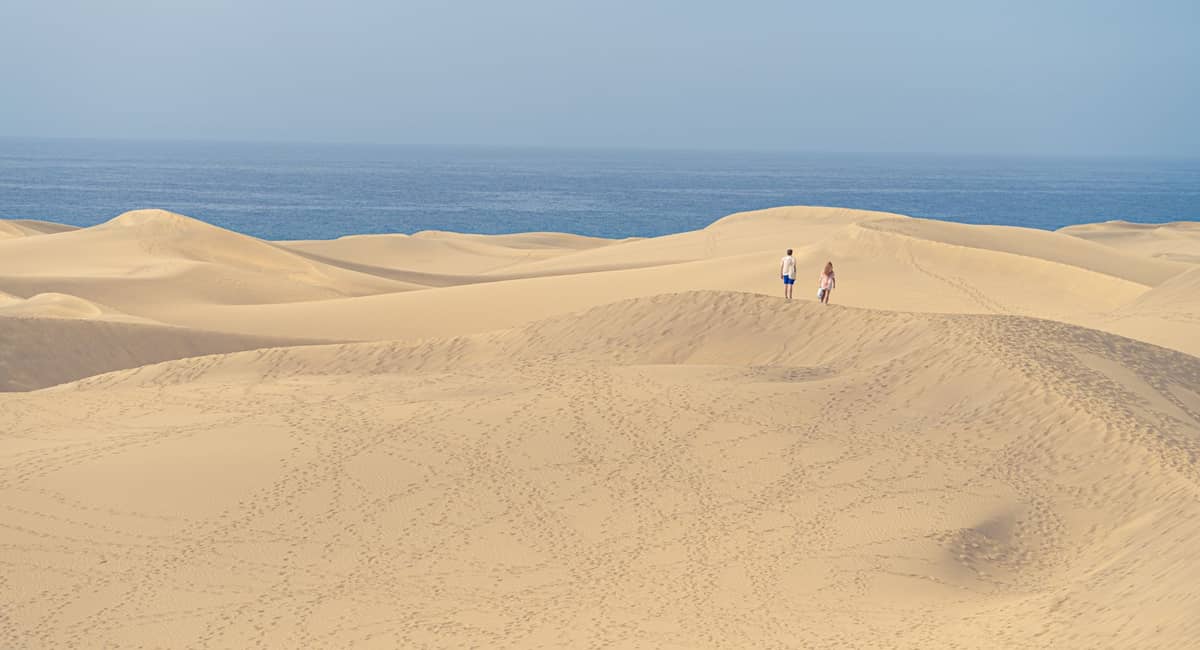
The strongest argument for Gran Canaria as a luxury destination is the range of experiences available outside the resort fence. The Maspalomas dune system is one of the most visually dramatic coastal landscapes in Europe — a protected nature reserve that begins at the edge of the resort zone and extends for several kilometres. Early morning or late afternoon visits, when the light is low and the main crowds haven't arrived, are a different experience entirely from the midday tourist rush.
For food, Gran Canaria's gastronomy is more interesting than its reputation suggests. Las Palmas has a genuine restaurant scene centred around the Vegueta and Triana neighbourhoods, with several restaurants earning regional recognition. The island's signature dishes — papas arrugadas with mojo sauces, fresh seafood from the Atlantic, gofio-based desserts — are worth seeking out in proper sit-down form rather than at hotel buffets. A Gran Canaria food guide is a useful starting point for restaurant planning.
Water sports are well-developed across the island's west coast, particularly around Puerto Rico and Puerto de Mogán. Sailing, deep-sea fishing, diving, and whale-watching charters can all be arranged at a premium level with private or small-group options. The Gran Canaria water sports guide covers operators and conditions in detail.
- Golf: two courses near Maspalomas (Maspalomas Golf Club) and the Salobre Golf & Resort complex with 27 holes in the hills above the south coast
- Spa and wellness: most five-star properties have full-service spas; day access is sometimes available to non-guests at a fee of around €30–€60
- Private boat charters: full-day catamaran trips from Puerto Rico or Mogán marina run €150–€350 per person depending on group size and inclusions
- Cultural day trips to Las Palmas: the Casa de Colón, Museo Canario, and Vegueta market are all within walking distance of each other for an efficient half-day in the capital
- Helicopter tours: available from the island for aerial views of the dunes, coast, and central mountains — prices vary significantly by operator and duration
FAQ
What is the best area in Gran Canaria for a luxury holiday?
Meloneras and Maspalomas are the strongest overall choices for resort-based luxury, with the highest concentration of five-star hotels, golf courses, and a calmer atmosphere than Playa del Inglés. Puerto de Mogán suits travellers who prioritise boutique character and good dining over large resort infrastructure. Las Palmas works best for urban luxury and cultural access.
How much does a luxury hotel in Gran Canaria cost per night?
Entry-level luxury properties typically start around €150–€200 per night for a standard room. True five-star resorts with full spa facilities and beach access run €250–€450 for standard categories in peak season (December–February and summer). Suites at the top properties can exceed €700 per night. May and October offer the best rates relative to quality.
Are there adults-only luxury hotels in Gran Canaria?
Yes — several of the island's best-regarded luxury properties are adults-only. Seaside Grand Hotel Residencia and Bohemia Suites & Spa in Maspalomas are two consistently well-reviewed options. Meloneras in general skews toward adult-focused properties compared to the family-oriented zones further north.
Is Gran Canaria worth it for luxury travel compared to other Canary Islands?
Gran Canaria has stronger infrastructure and more geographic variety than Lanzarote or Fuerteventura, and a wider hotel selection than La Palma or La Gomera. Tenerife is its closest competitor, with more high-end hotels in the north near Teide. Gran Canaria wins on value-to-quality ratio and the combination of genuine city culture (Las Palmas) with resort-standard beach infrastructure in the south.
When is the best time to book a luxury hotel in Gran Canaria?
For best rates, target May or October. For guaranteed sun and warmth, the south coast is reliable from April through November. December through February is peak season for northern European visitors escaping winter, so prices are high and top properties fill quickly — book at least three to four months ahead for Christmas and New Year travel.