3 Days in Gran Canaria: The Short Break Itinerary That Actually Works
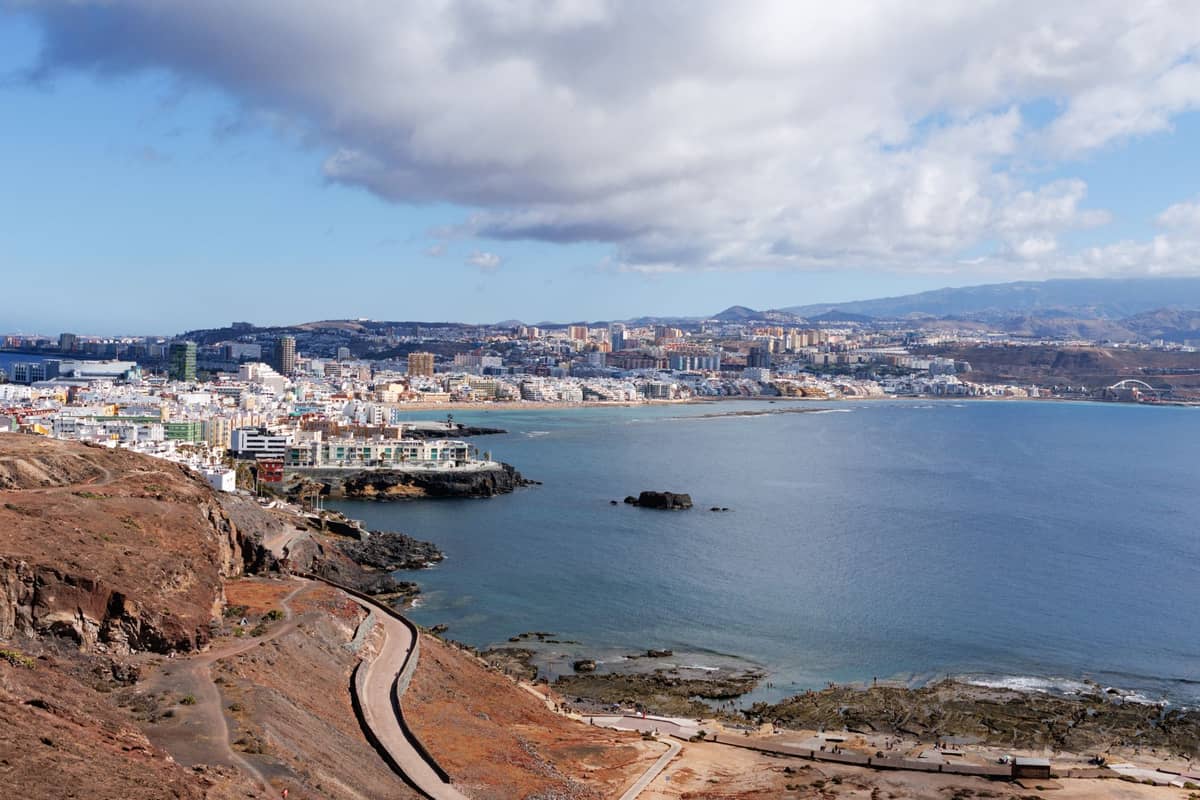
Three days is enough to experience Gran Canaria's remarkable range: a well-preserved colonial old town, Atlantic dune fields, volcanic mountain villages, and some of Spain's best urban beaches. This itinerary is built around real transport logistics, honest time estimates, and a deliberate mix of coast and interior.
TL;DR
- Three days covers Las Palmas (Day 1), the south coast dunes and resorts (Day 2), and the mountain interior (Day 3) with manageable travel times between each.
- Gran Canaria Airport (LPA) is on the east coast, roughly 20-30 minutes from Las Palmas by taxi or bus (Global Line 60, around €2.95). See the full getting around Gran Canaria guide for route details.
- Renting a car for Day 3 unlocks the interior villages and viewpoints that buses can't reach efficiently in a day.
- Gran Canaria is not just a beach destination. The official tourism portal actively promotes inland routes, and the full range of things to do rewards visitors who venture beyond the south coast resorts.
- The island sits at UTC+0 (UTC+1 in summer), uses Euros, and runs on Type F (Schuko) plugs at 230V.
Before You Arrive: Logistics Worth Sorting in Advance
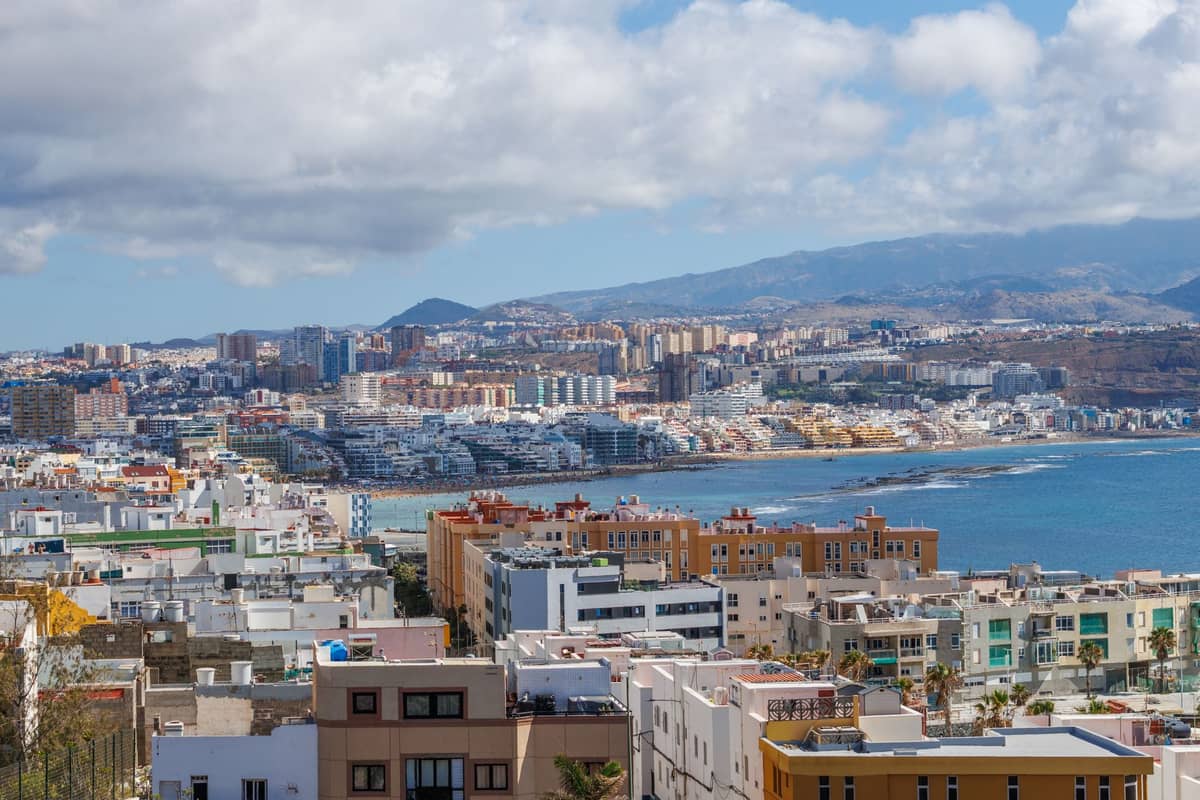
Gran Canaria Airport (IATA: LPA) sits on the island's east coast, positioned roughly between Las Palmas in the north and the southern resort corridor. This central location actually works in your favour on a short break: you can be at a Las Palmas beach in 25 minutes or walking into Maspalomas in under 35 minutes. The airport has a tourist information office on arrival, staffed to help you plan, so don't feel rushed to figure everything out before you land.
For getting into the city, Global Line 60 runs between the airport and Las Palmas (Santa Catalina stop) for around €2.95 one-way, with service roughly every 30 minutes at peak times on weekdays. If you're heading straight to the south coast, Line 66 goes to Faro de Maspalomas. Taxis to Las Palmas cost around €25-35 depending on exact destination and time of day. If you plan to explore the island's interior on Day 3, booking a hire car in advance is worth it. Prices and availability at the airport are reasonable, but supply shrinks during peak periods. For a full breakdown of routes, fares, and tips, the getting around Gran Canaria guide covers everything in detail.
💡 Local tip
The Global TransGC rechargeable card cuts bus fares significantly compared to single tickets. If you plan to use buses across multiple days, load it up at the airport or any Global office. Verify current fares before travel, as prices are updated periodically.
Where you base yourself matters. Las Palmas suits travellers who want culture, good restaurants, and an excellent urban beach. The south coast (Maspalomas, Playa del Inglés, Puerto Rico) suits those prioritising beach time and reliable sun. Splitting accommodation across the trip adds time and logistics. Pick one base and move by bus or car for day trips.
Day 1: Las Palmas de Gran Canaria
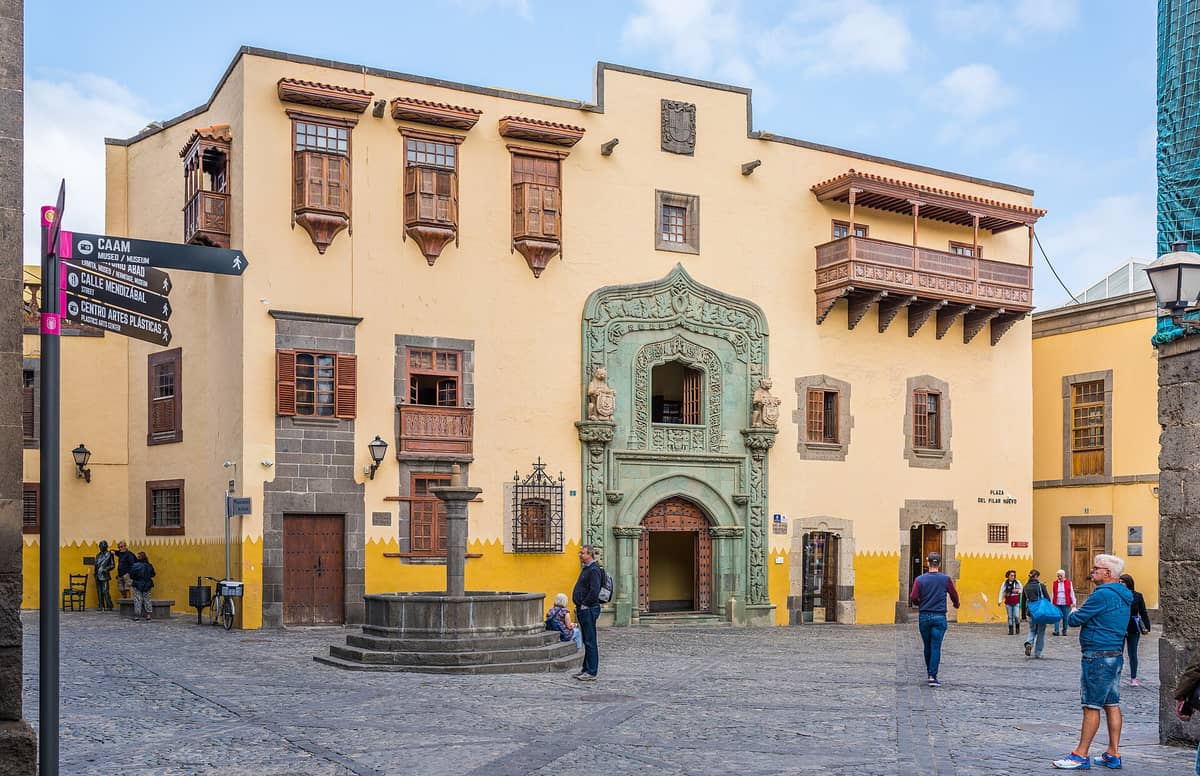
Las Palmas is the capital of Gran Canaria and, with around 380,000 residents, the most populated municipality in the Canary Islands. It rewards an entire first day. Start in Vegueta, the historic quarter that UNESCO has recognised as a heritage site. The street layout here is 15th-century colonial, and the architecture reflects Gran Canaria's position as a critical waypoint between Europe and the Americas.
- Catedral de Santa Ana The cathedral dominates Plaza de Santa Ana and took over 300 years to complete. Climb the tower for a panoramic view over Vegueta's rooftops. Entry to the museum and tower is a few euros.
- Casa de Colón The House of Columbus museum sits where Columbus reportedly stayed before his 1492 voyage. Free entry, well-curated, and far more interesting than the name implies for non-history buffs.
- Museo Canario Gran Canaria's pre-Hispanic history is documented here through Guanche artefacts. The mummy collection is unsettling in the best possible way. Allow 90 minutes.
- Vegueta Market (Mercado de Vegueta) Shop for local cheeses, mojo sauces, and fresh produce. Saturday mornings are liveliest. Weekdays are quieter but still worth a visit for lunch supplies.
After Vegueta, take a bus or walk north through Triana, the city's traditional shopping district, which connects the historic south to the Santa Catalina area. By mid-afternoon, head to Las Canteras beach. This 3km urban beach is protected by a natural reef called La Barra, which keeps the water calm enough for swimming almost year-round. It's one of the best city beaches in Spain, and that's not hyperbole.
ℹ️ Good to know
Las Palmas sits on Gran Canaria's north coast, which means it gets slightly more cloud than the south. Don't be surprised if mornings start grey. It usually clears by 11am, and even on overcast days the city itself is worth exploring.
Day 2: The South Coast, Dunes, and Resort Towns
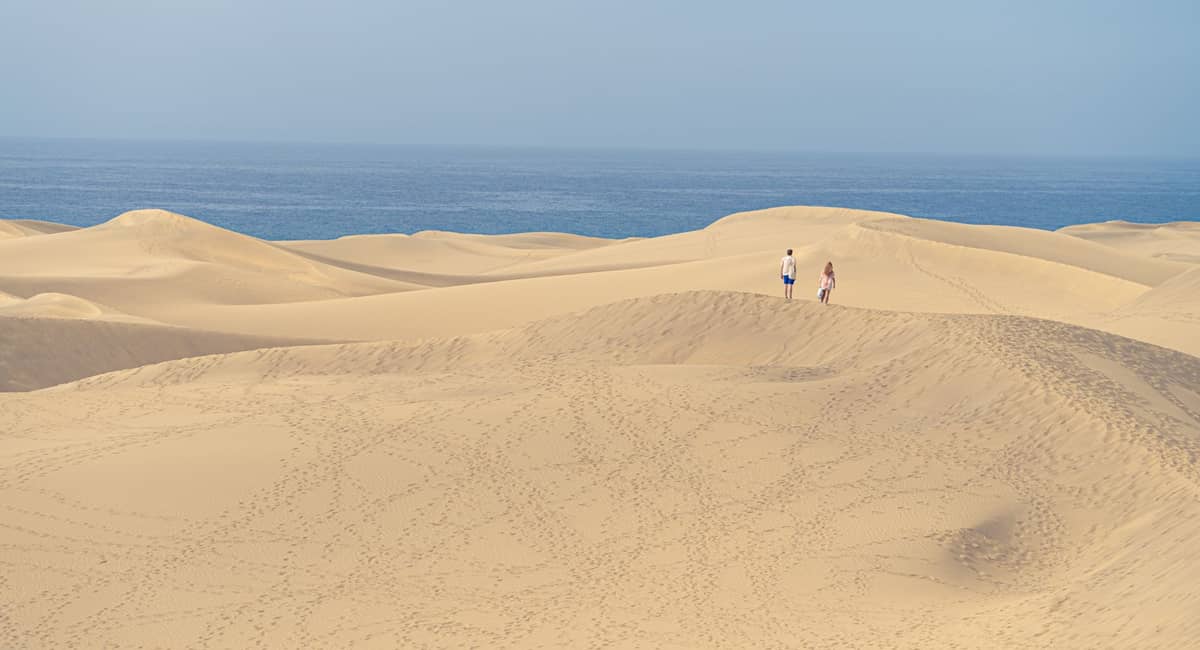
The south of Gran Canaria is what most first-time visitors picture: wide sandy beaches, near-guaranteed sunshine, and the extraordinary dune system at Maspalomas. If you're based in Las Palmas, Global buses run south regularly. If you're based in the south already, the day is simpler. The Maspalomas dunes are the headline act: 400 hectares of shifting sand abutting the Atlantic, with a protected nature reserve status that means no resort development directly on them. Walk into the dunes early morning before the heat builds and before the tourist quad-bikes take over the perimeter.
The Maspalomas lighthouse marks the island's southern tip and makes a good landmark to orient yourself. The beach stretches west from here toward Playa del Inglés, one of Gran Canaria's busiest resort strips. It delivers exactly what it promises: long beaches, all-inclusive hotels, and a well-oiled tourism infrastructure. If you're after a quieter afternoon, continue west to Puerto de Mogán, sometimes called 'Little Venice' for its flower-draped waterways. The nickname is a stretch, but the marina area is genuinely pretty and considerably less crowded than Playa del Inglés.
⚠️ What to skip
The quad-bike tours around Maspalomas dunes are a significant source of complaints from visitors. They're noisy, expensive (often upwards of €80 per person), and disrupt the natural environment. Walking the dunes takes under an hour and is free. Skip the quads.
- Start at the Maspalomas dunes before 9am to avoid crowds and midday heat
- Walk south toward the lighthouse from the main dune entrance for the best dune-to-sea views
- Global bus 30 connects Maspalomas to Puerto de Mogán in about 45 minutes if you don't have a car
- Puerto de Mogán's Tuesday market (verify current schedule before visiting) is one of the better local markets on the south coast
- The south coast gets more reliable sunshine than the north, especially between October and April
Day 3: The Mountain Interior
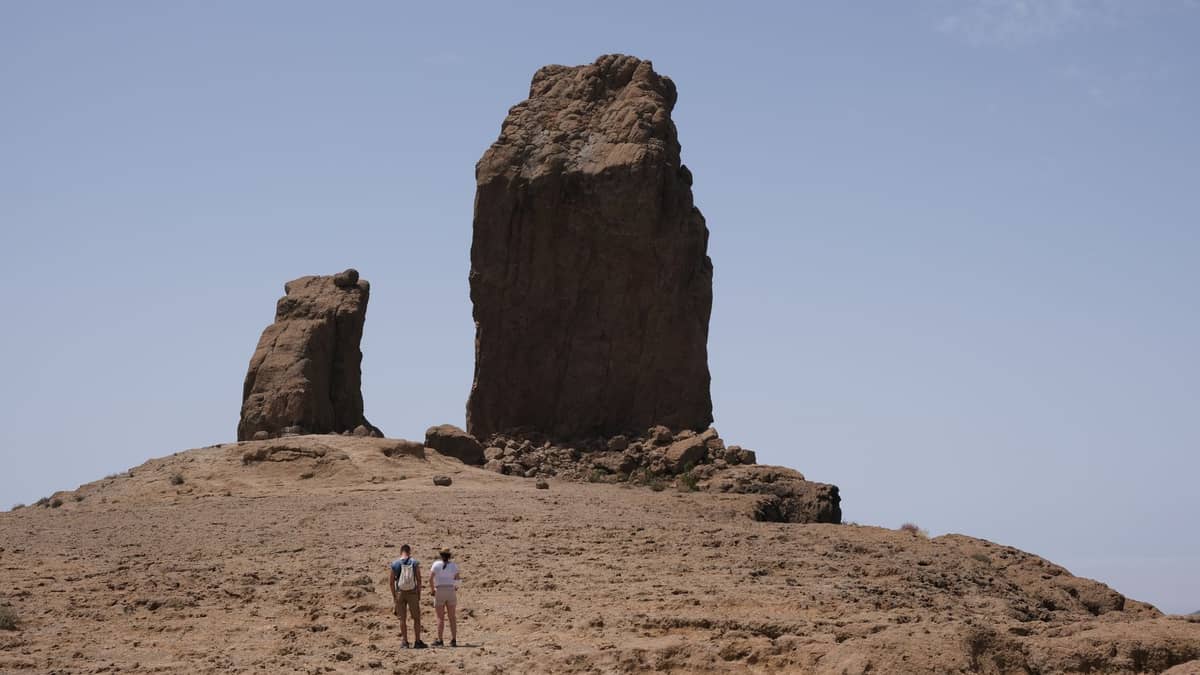
This is the day most three-day visitors get wrong by skipping it. Gran Canaria's interior is dramatically different from the coast: the terrain rises steeply to nearly 2,000 metres, pine forests replace palm trees, and small villages with stone churches sit at altitudes that give them an entirely different microclimate to the beach resorts below. A hire car is strongly recommended for this day. Buses serve the interior, but the timetables make it difficult to visit more than one village efficiently.
The logical circuit from either Las Palmas or the south takes you through Tejeda, a village at around 1,000 metres that sits in the caldera of Gran Canaria's ancient volcano. From Tejeda, it's a short drive to Roque Nublo, a volcanic monolith at 1,813 metres that's one of the most recognisable rock formations in the Canary Islands. The walk from the parking area takes around 45 minutes each way on a well-marked path. On a clear day, Teide on Tenerife is visible across the water.
From Roque Nublo, continue to Cruz de Tejeda, the island's geographical centre and a traditional stopping point with a parador (state-run hotel) and craft stalls selling local almond products. Tejeda is famous for its bienmesabe (almond cream) and mazapán de Tejeda, and buying some here rather than at airport shops is both cheaper and more authentic. If time and energy allow, the drive through the Tamadaba Natural Park on the west side of the island adds pine forest scenery and Atlantic-facing cliffs.
✨ Pro tip
The GC-60 road between Tejeda and the south coast is one of the most dramatic drives on the island, with steep hairpin bends and sweeping valley views. If you're driving back to the south after the mountain circuit, this route is more scenic than the motorway and only adds about 20 minutes.
Practical Planning: Budget, Timing, and Honest Expectations
Three days in Gran Canaria works best between October and April when the south coast sun is reliable but the interior isn't baking hot. Summer (June to September) on the coast is fine for beach days, but the mountain interior can feel very exposed midday. For a fuller picture of when to visit, the best time to visit Gran Canaria guide breaks down each month in detail, including crowd levels and pricing patterns.
- Budget (mid-range estimate per person per day) Accommodation €50-120 depending on area and season; meals €25-45 including sit-down lunch and dinner; transport €10-30 depending on bus vs car hire; entrance fees minimal (most attractions under €10).
- Language Spanish is the official language. In resort areas, English and German are widely spoken. In the interior and Las Palmas, Spanish is more useful. Learning básico phrases earns goodwill.
- Tap water Technically safe, but much of Gran Canaria's water is desalinated and the taste can be unpleasant. Most locals and visitors drink bottled water. Restaurants generally serve bottled water.
- Tipping Not obligatory but appreciated. Rounding up or leaving a small amount (5-10%) in restaurants is standard. No expectation in bars for single drinks.
- Emergency services Call 112 for all emergencies. Operators speak multiple languages including English. Country code for Spain is +34.
Travellers on tighter budgets will find Gran Canaria genuinely accessible. Many of the best experiences, from Las Canteras beach to hiking Roque Nublo, cost nothing. The Gran Canaria on a budget guide and the free things to do in Gran Canaria guide are both worth reading before you finalise plans.
If You Have More Time
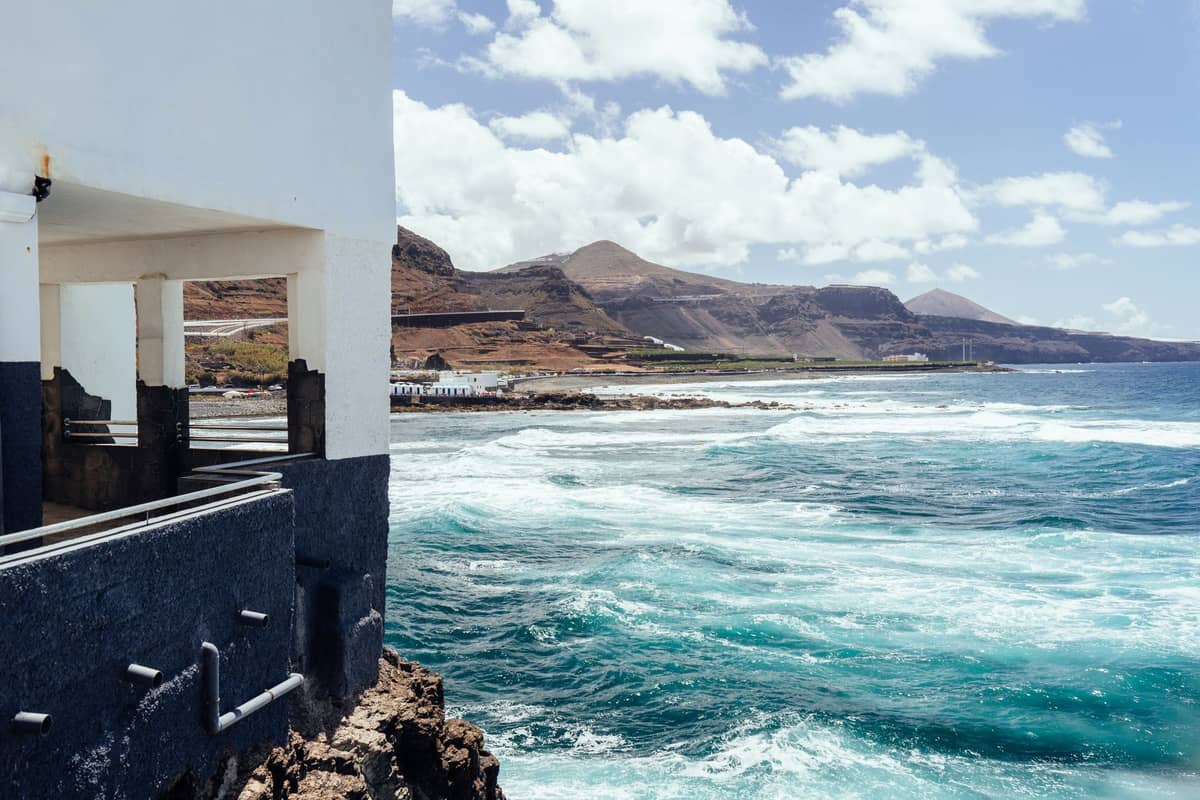
Three days gives you a solid foundation, but Gran Canaria rewards longer stays. The north and west coasts are largely bypassed by short-break itineraries and hold some of the island's most interesting places, including Agaete and the natural pools at Puerto de las Nieves. The one week in Gran Canaria itinerary extends this logic into a fuller circuit covering hidden corners, village markets, and the island's best hiking routes.
For specific deep-dives on what to do in the capital, the Las Palmas activities guide covers the city comprehensively, including neighbourhood-by-neighbourhood recommendations. For those planning around a specific event, Gran Canaria's February Carnival is one of the largest in Spain and requires its own logistical planning. The Gran Canaria Carnival guide is the place to start.
FAQ
Is 3 days enough for Gran Canaria?
Three days is enough to cover the main zones: Las Palmas and its historic quarter, the Maspalomas dunes and south coast beaches, and the mountain interior around Tejeda and Roque Nublo. You won't cover everything, but you'll get a genuine sense of how varied the island is. Longer stays allow the north coast, west coast, and deeper hiking routes.
Do I need a car for 3 days in Gran Canaria?
Not necessarily, but it helps significantly on Day 3. Global buses connect the airport, Las Palmas, and the south coast efficiently. For the mountain interior, buses do run, but timetables make it hard to visit multiple stops in a single day without a car. Car hire at Gran Canaria Airport (LPA) is straightforward, and roads in the interior are well-maintained but winding.
Where should I stay for a 3-day Gran Canaria trip?
Las Palmas suits culture-focused travellers who want restaurants, nightlife, and an excellent city beach. The south (Maspalomas, Playa del Inglés, Puerto Rico) suits those prioritising beach and sun. Staying in one place and doing day trips is more efficient than moving accommodation mid-trip. Both areas have good bus connections to the airport.
What is the best time of year for a Gran Canaria short break?
October to April is the most comfortable period overall. The south coast stays warm and sunny (around 21-26°C), the interior is cool enough for comfortable hiking, and hotel prices are often lower than peak summer. December through February can bring occasional rain to the north and interior, but the south coast stays drier. Summer works well for pure beach breaks but can be busy and hot at altitude.
How do I get from Gran Canaria Airport to Las Palmas or Maspalomas?
By bus: Global Line 60 runs to Las Palmas (Santa Catalina) for around €2.95, and Line 66 serves Maspalomas (Faro de Maspalomas). Other routes also serve Las Palmas and the south, with connections onward to Puerto de Mogán. Frequency is roughly every 30 minutes at peak times on weekdays. By taxi: around €25-35 to Las Palmas (20-25 minutes) or €35-40 to Maspalomas (around 30 minutes). Fares and timetables should be verified before travel as they are updated periodically.