Gran Canaria Ferry Guide: Inter-Island Connections Explained
Everything you need to know about taking a ferry from Gran Canaria to the other Canary Islands. Covers the main routes, operators, realistic prices, departure ports, and the common mistakes that catch first-time travellers off guard.
TL;DR
- Gran Canaria has two main departure ports for inter-island ferries: Las Palmas de Gran Canaria (east coast) and Agaete / Puerto de las Nieves (northwest).
- The fastest and most popular route is Agaete to Santa Cruz de Tenerife, taking around 80-85 minutes with Fred. Olsen Express. See also our Agaete area guide for what to do before or after your crossing.
- Three main operators run year-round services: Fred. Olsen Express, Naviera Armas Trasmediterránea, and Baleària Canarias.
- Non-resident one-way fares to Tenerife typically start around €49. Resident-subsidised fares are only available to qualifying Spanish residents.
- All key routes operate year-round. Frequency increases in high season but the ferries never stop. If you are planning a multi-island trip, our day trips guide covers how to structure a ferry day excursion.
The Two Departure Ports You Need to Know
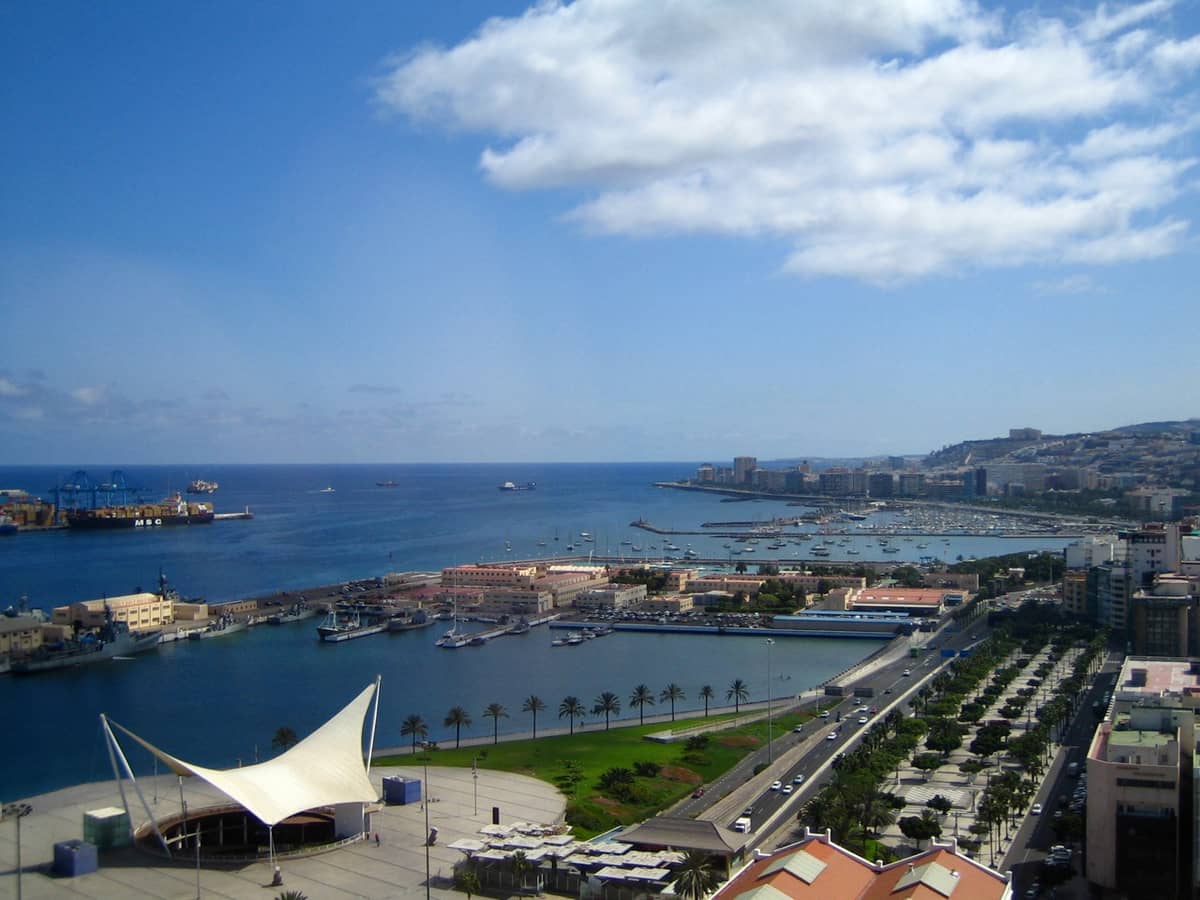
The single biggest source of confusion for first-time ferry travellers in Gran Canaria is the port situation. The island has two entirely separate departure points, and choosing the wrong one means missing your boat. Las Palmas de Gran Canaria, the island capital on the northeast coast, handles ferry routes to Lanzarote and Fuerteventura. Agaete, specifically the port of Puerto de las Nieves on the northwest coast, is where the high-speed catamaran to Tenerife departs.
Agaete is roughly 30 kilometres from Las Palmas by road, about a 30-40 minute drive, or accessible by Global bus. If you are staying in the south of the island in areas like Maspalomas or Puerto de Mogán, factor in at least 90 minutes of travel time to reach Agaete before your departure. Many travellers underestimate this and miss their crossing.
⚠️ What to skip
Do not assume all ferries leave from Las Palmas city. The popular high-speed service to Tenerife departs from Agaete / Puerto de las Nieves in the northwest, not from the Las Palmas ferry terminal. Double-check your departure port when booking.
Route by Route: What to Expect
Gran Canaria connects to several other Canary Islands by regular ferry: Tenerife, Fuerteventura, Lanzarote, and La Palma (the latter less frequently). Each route has a different character in terms of crossing time, vessel type, and practical use for tourists.
- Gran Canaria to Tenerife (Agaete to Santa Cruz) The busiest inter-island crossing. Fred. Olsen Express operates high-speed catamarans doing the 80-85 minute crossing with 6-8 daily departures, roughly every two hours from around 06:00 to 20:00. Non-resident fares typically start around €49 one way. Canarian residents with subsidy eligibility pay as little as €12-13. Seats fill fast on weekends and public holidays — book at least a few days ahead in peak months.
- Gran Canaria to Lanzarote (Las Palmas to Arrecife) A longer conventional crossing of around 5-6.5 hours, operated by Naviera Armas Trasmediterránea and Baleària Canarias, usually with 1-2 daily departures year-round. Typical adult fares run from around €50-80 one way. The longer crossing means this is often done as an overnight option or a committed day trip rather than a casual hop.
- Gran Canaria to Fuerteventura (Las Palmas to Puerto del Rosario) Services operated primarily by Naviera Armas with crossing times ranging from 2 to 6 hours depending on the vessel and specific route variant. Tourist fares typically sit in the €49-53 range one way. Fuerteventura is only 100km away as the crow flies, making it one of the more logical island combinations.
- Gran Canaria to La Palma and other islands Less frequent services exist to La Palma and occasionally La Gomera, but these are not daily routes and the crossings are substantially longer. These are better suited to travellers doing extended island-hopping rather than a day trip.
💡 Local tip
For the Tenerife crossing, aim for an early morning departure from Agaete. This gives you a full day on Tenerife and a late afternoon return, making it genuinely viable as a day trip without feeling rushed.
The Three Main Ferry Operators
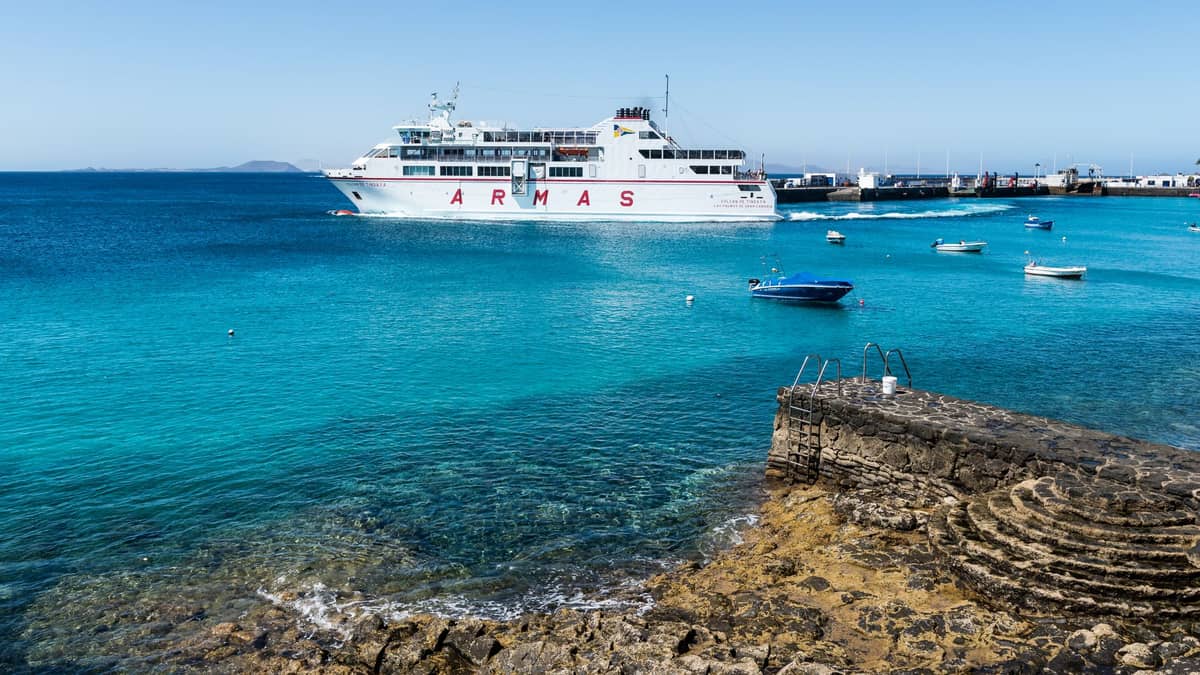
Three companies divide up most of the inter-island ferry market from Gran Canaria. They are not interchangeable, and knowing which one operates which route saves time during booking.
Fred. Olsen Express is the dominant player for the Tenerife route out of Agaete. Their high-speed fleet is modern, well-maintained, and the service is reliable. Booking directly at fredolsen.es gives you access to live timetables and is the most straightforward option for that route. Naviera Armas Trasmediterránea handles much of the Fuerteventura and Lanzarote traffic out of Las Palmas, and Baleària Canarias provides an additional option on some Lanzarote services. Their conventional ferries are larger and slower, but they can accommodate vehicles, as can Fred. Olsen on specific sailings.
✨ Pro tip
Use a comparison aggregator like Ferryhopper or CanaryFerries to see all operators on a given route side by side before committing. Prices between operators on the same route can vary by €15-20, and promotional fares appear without much notice.
Prices, Resident Discounts, and What You Actually Pay
Ferry pricing in the Canary Islands operates on a two-tier system that confuses many visitors. Spanish residents of the Canary Islands benefit from a government subsidy on inter-island transport, which can reduce fares by 75% or more. A non-resident paying around €49 for the Agaete-Tenerife crossing would pay significantly less as a qualifying resident. This subsidy is not available to tourists, regardless of nationality, and operators will require proof of residency at the port.
For non-residents, expect to pay roughly €49 and up for the Tenerife fast ferry, €49-53 for Fuerteventura, and €50-80 for Lanzarote. These are starting prices for a basic seat on a standard sailing; peak dates, specific seat categories, and vehicle transport all add to the cost. Children's fares are typically reduced. Prices are dynamic: they fluctuate with demand in the same way as budget airline tickets, so booking in advance usually pays off, especially for summer and Spanish public holidays.
- Book directly with the operator or through a verified aggregator — third-party resellers sometimes add significant handling fees
- Bring your booking confirmation on your phone or printed; the ferry terminals in Las Palmas and Agaete have counters but can get busy
- Arrive at least 30-45 minutes before departure for foot passengers; more if you are taking a vehicle
- Canarian resident discounts require official documentation — do not attempt to claim them without eligibility
- Children under a certain age travel free or at reduced cost on most operators, but check the specific policy when booking
Seasonal Patterns, Crowd Levels, and When to Book
All major inter-island routes from Gran Canaria operate year-round. Unlike some Mediterranean ferry networks that shut down in winter, the Canary Islands ferry system keeps running through every month. What changes is frequency and how quickly boats fill up. Peak travel periods in Gran Canaria align with northern European school holidays: July and August, Christmas and New Year, and Easter week (Semana Santa). During these windows, the Agaete-Tenerife route in particular books out several days in advance, especially for weekend sailings.
The shoulder months of April-June and September-October offer the best combination of reliable services, manageable crowds, and reasonably priced tickets. Crossing conditions are generally calm in the sheltered eastern passages between Gran Canaria and Fuerteventura, but the Atlantic swell between Gran Canaria and Tenerife can be significant in winter months, particularly November to February. The high-speed catamarans are affected by rough seas more than conventional ferries, and occasional cancellations do happen. If you are doing a Tenerife day trip in winter, build flexibility into your return plans.
ℹ️ Good to know
Gran Canaria's ferry network is not seasonal but it is weather-dependent. The Agaete-Tenerife fast ferry route is occasionally suspended or delayed in rough winter swells. This is uncommon but worth knowing if you are booking non-refundable connecting transport on the Tenerife side.
Combining Ferries with an Island-Hopping Itinerary
Gran Canaria works well as a base for day trips to Tenerife given the 80-minute crossing time. Arriving in Santa Cruz de Tenerife by mid-morning leaves plenty of time to explore the capital or head south toward the Teide area before returning. For a longer multi-island trip, combining Gran Canaria with Fuerteventura by ferry and flying back to Gran Canaria from Fuerteventura is a logical circuit, since inter-island flights are relatively cheap. See our for how to combine ferry travel with the island's bus network and rental car options. Arriving in Santa Cruz de Tenerife by mid-morning leaves plenty of time to explore the capital or head south toward the Teide area before returning. For a longer multi-island trip, combining Gran Canaria with Fuerteventura by ferry and flying back to Gran Canaria from Fuerteventura is a logical circuit, since inter-island flights are relatively cheap. See our guide to getting around Gran Canaria for how to combine ferry travel with the island's bus network and rental car options.
If your ferry departs from Agaete and you have time before or after the crossing, the town of Agaete and the surrounding Valle de Agaete are worth the visit in their own right. The area produces some of the only commercially grown coffee in Europe, and the town has a relaxed, non-touristy character that contrasts sharply with the southern resort strip. The port itself at Puerto de las Nieves has a handful of good seafood restaurants within walking distance of the ferry terminal.
Travellers who want to experience Gran Canaria's interior before catching a ferry north should note that the route from the south through the mountains to Agaete passes near Roque Nublo and Tejeda. With an early start, combining a mountain stop with a mid-morning ferry is feasible but requires a car and precise timing. If this sounds appealing, our Gran Canaria road trip guide lays out the logistics in detail.
FAQ
Which port does the Gran Canaria to Tenerife ferry leave from?
The high-speed ferry to Santa Cruz de Tenerife departs from Agaete (Puerto de las Nieves), on the northwest coast of Gran Canaria, not from Las Palmas. Allow around 30-40 minutes to drive from Las Palmas to Agaete, or longer if travelling from the southern resorts.
How long is the ferry from Gran Canaria to Tenerife?
The fast catamaran operated by Fred. Olsen Express takes approximately 80 minutes from Agaete to Santa Cruz de Tenerife. Conventional slower services exist but are less commonly used for this route.
How much does the Gran Canaria to Tenerife ferry cost?
Non-resident adult fares typically start around €49 one way for a standard seat. Canarian residents with government subsidy eligibility pay significantly less, but the discount requires proof of residency and is not available to tourists.
Do I need to book Gran Canaria ferries in advance?
For the Tenerife route, advance booking is strongly recommended, especially on weekends, Spanish public holidays, and during July-August. The Lanzarote and Fuerteventura routes have more capacity but can also fill up during peak periods. Booking online a few days ahead is safer than buying at the port.
Are Gran Canaria inter-island ferries year-round?
Yes. All main routes (Tenerife, Lanzarote, Fuerteventura) run year-round, though frequency is slightly higher in summer. The exception is weather-related disruptions: the Agaete-Tenerife fast ferry occasionally suspends sailings in rough winter Atlantic swells, so build some flexibility into winter travel plans.