Warsaw

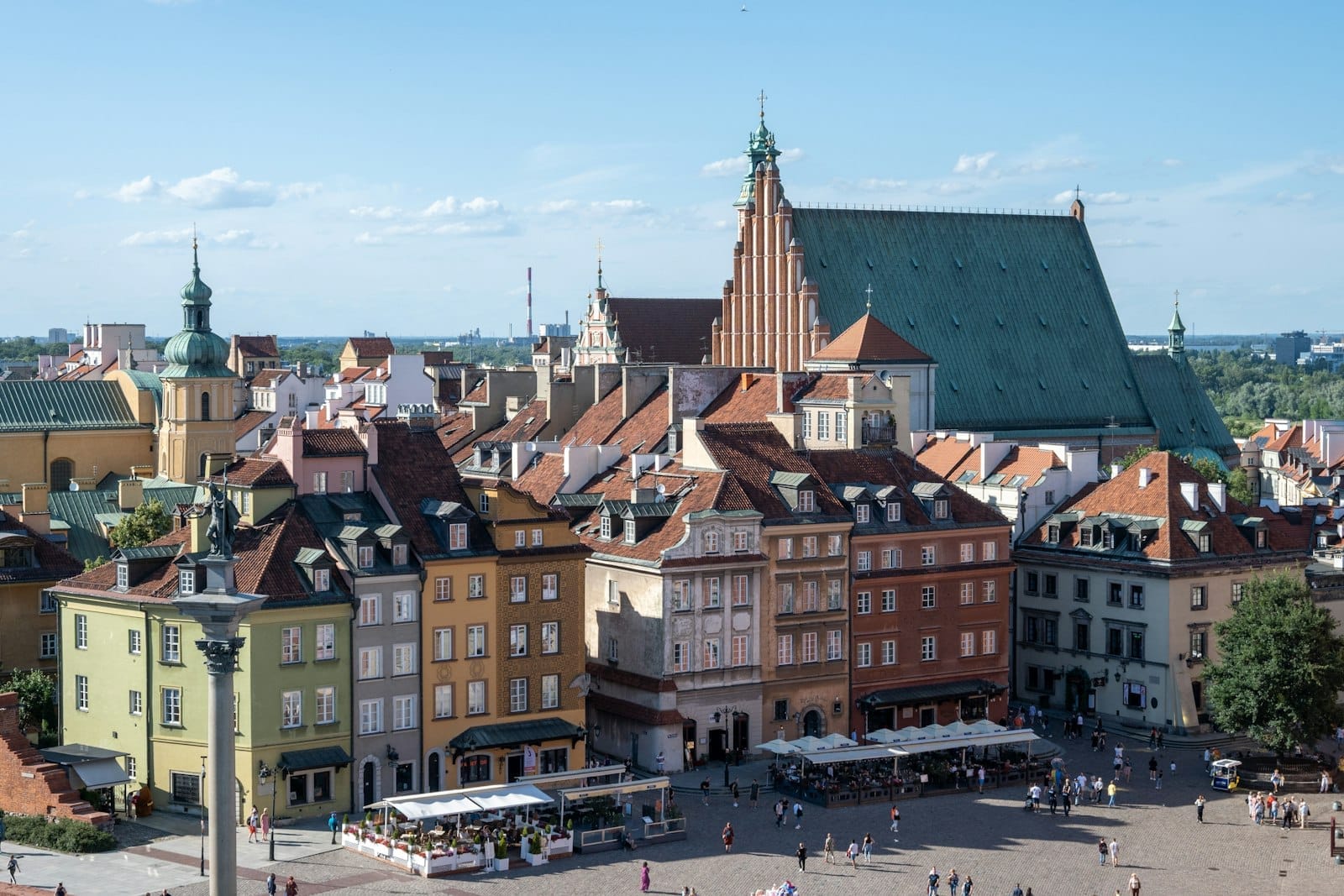
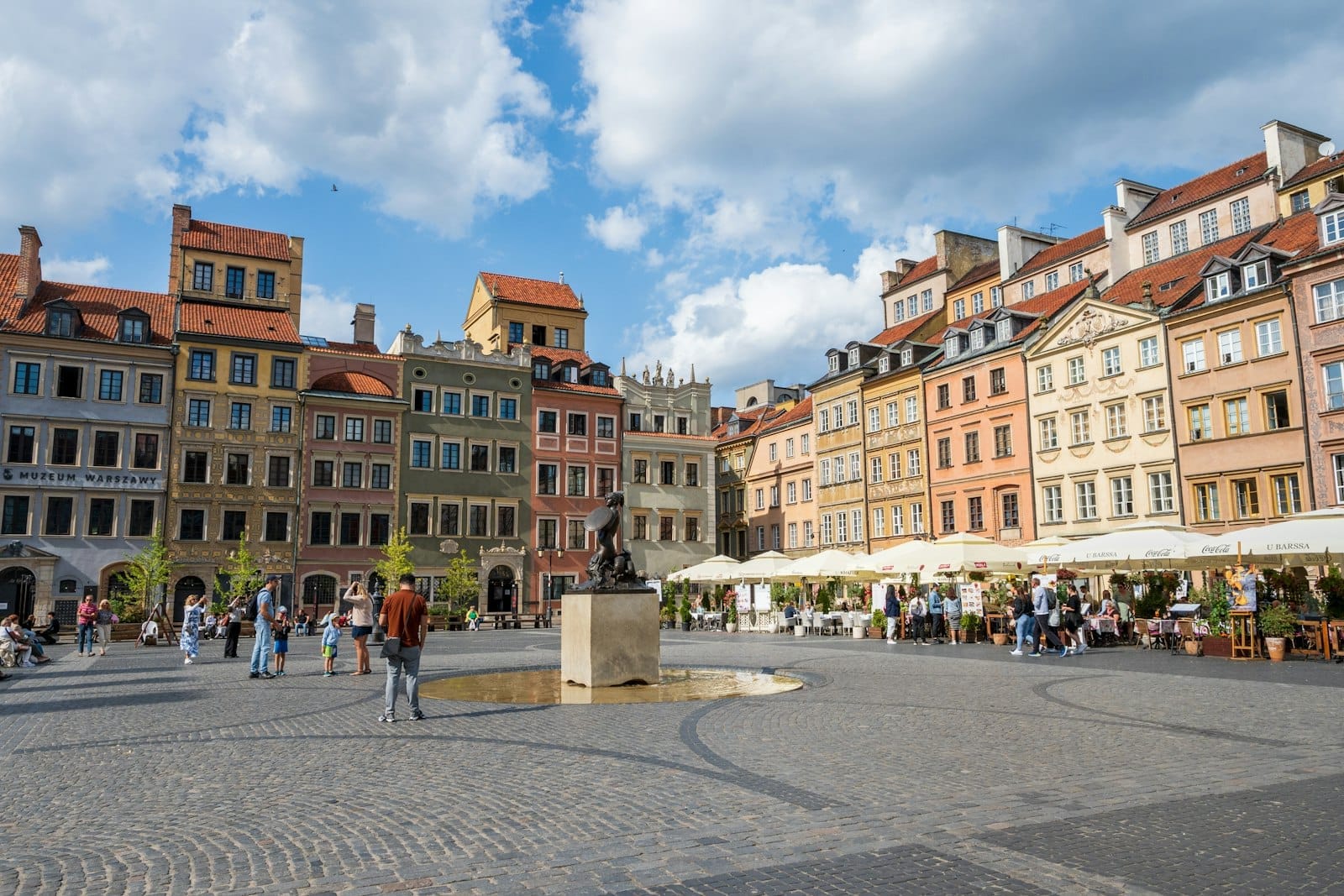
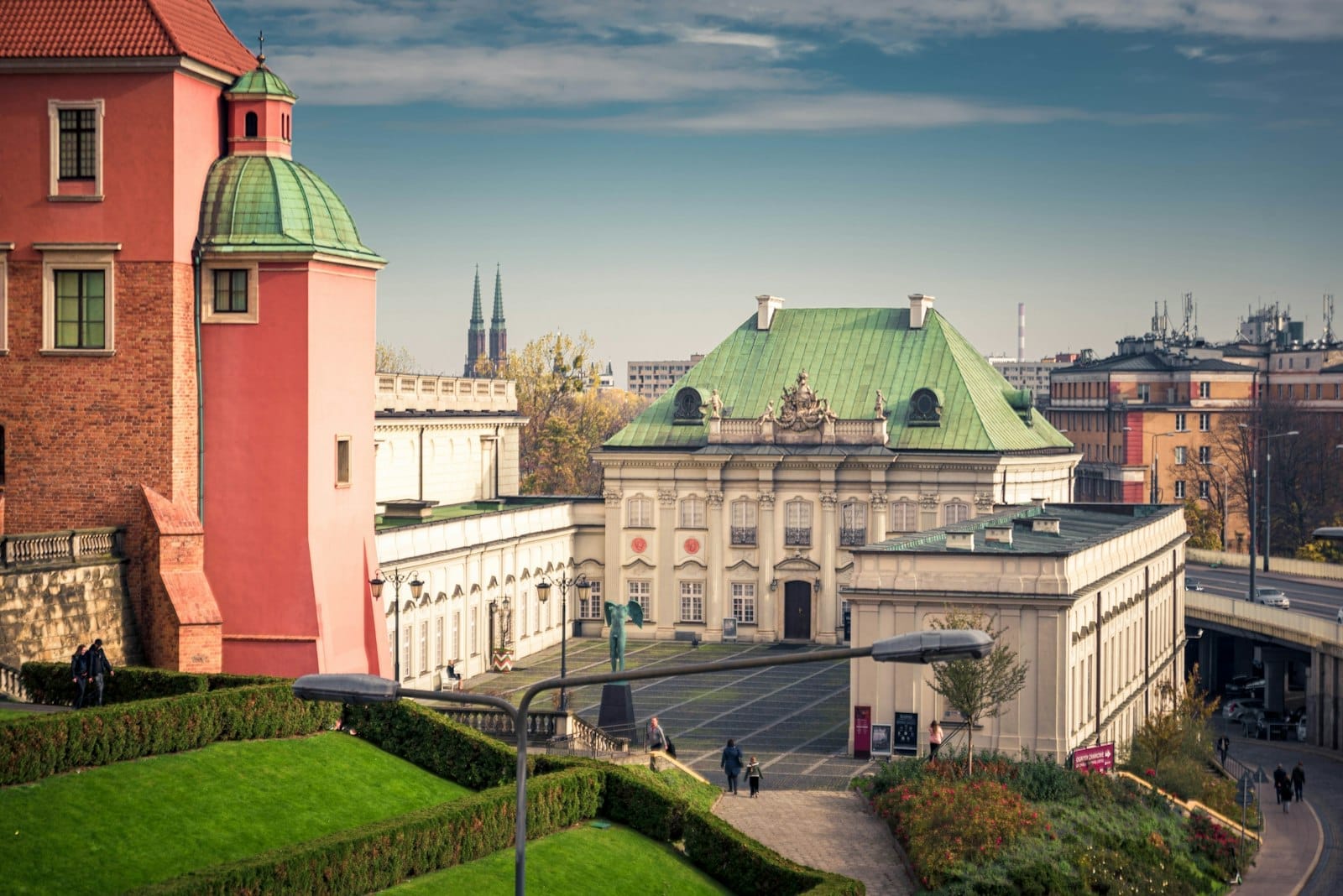
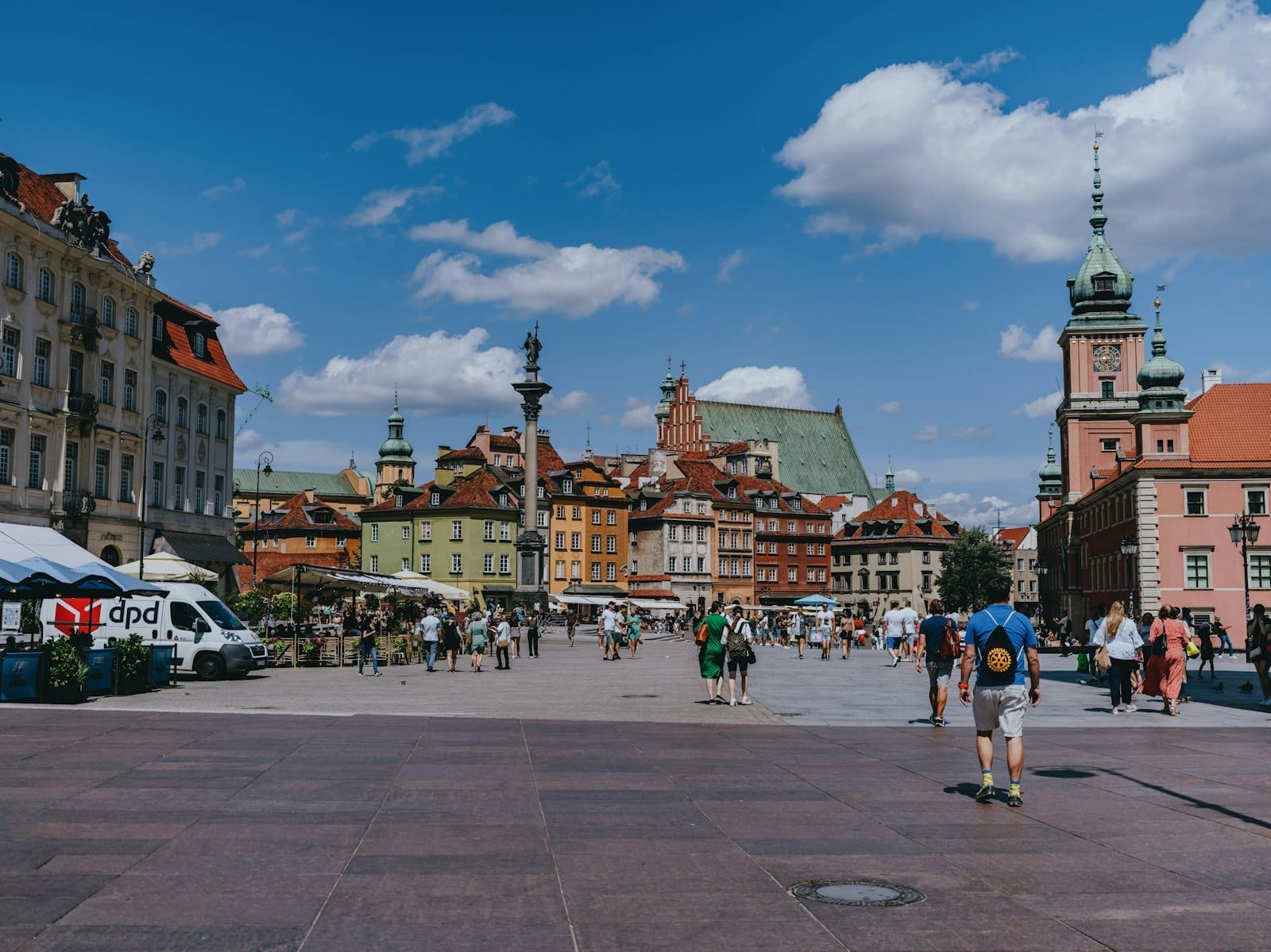
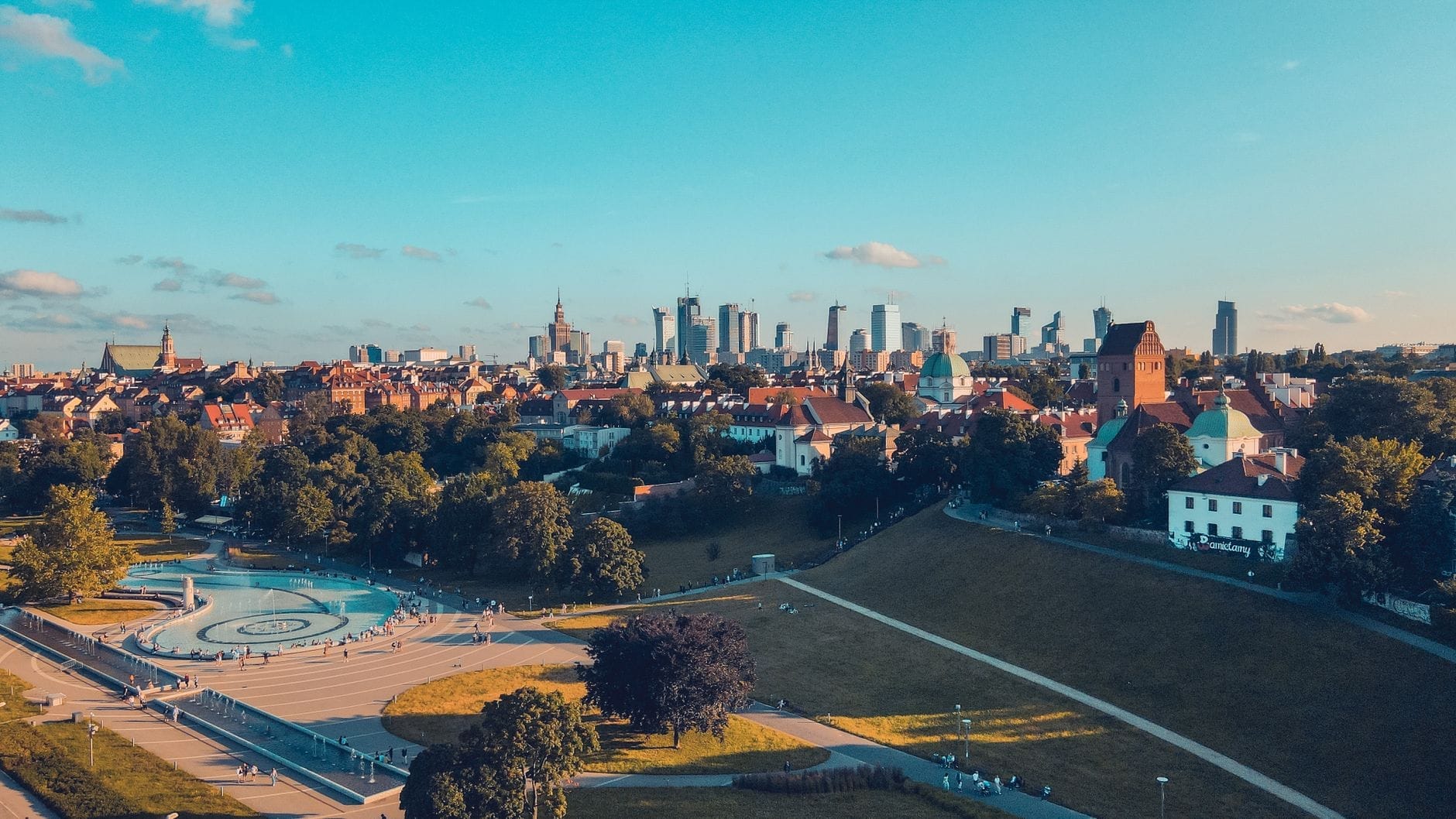
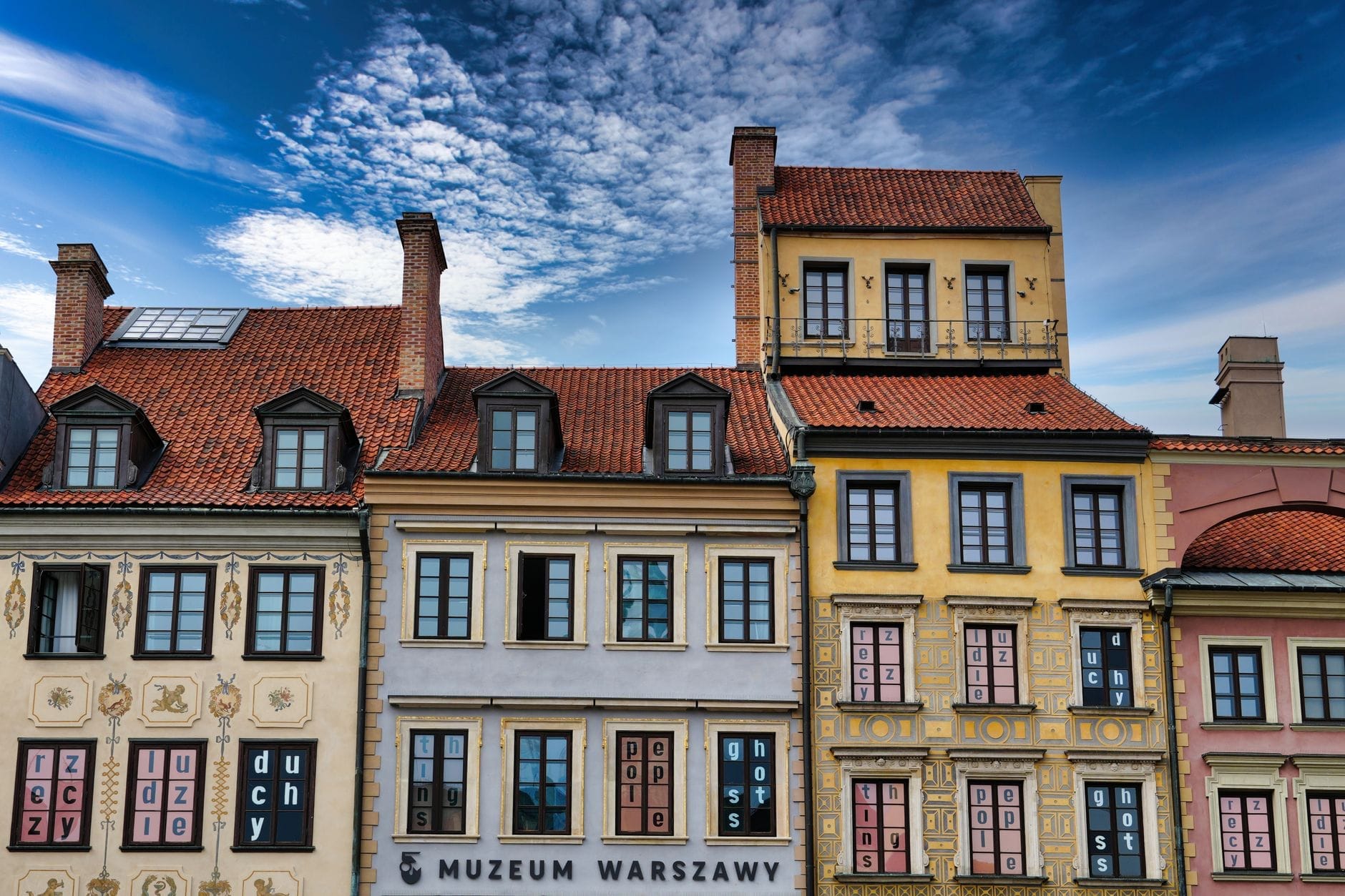
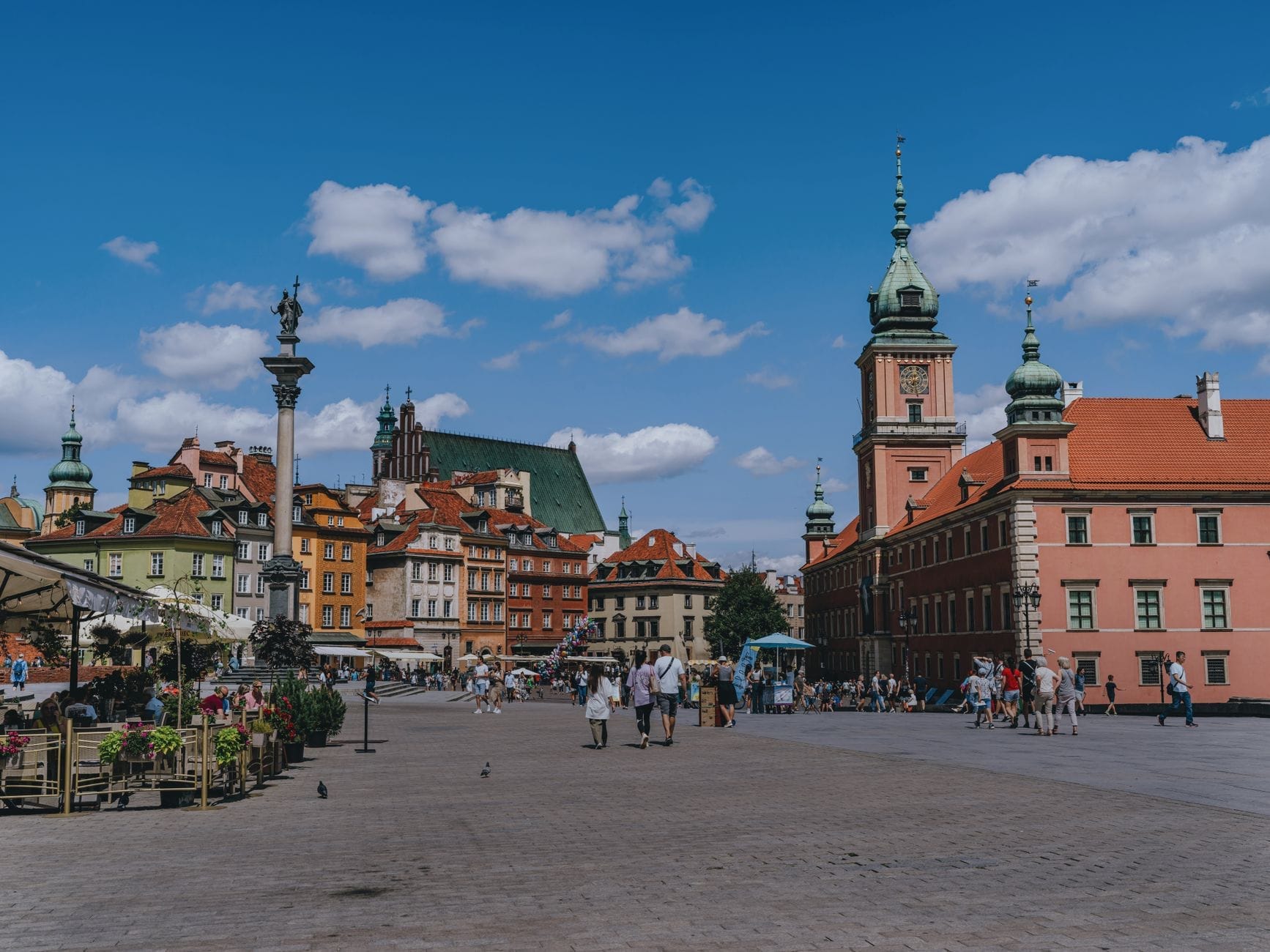
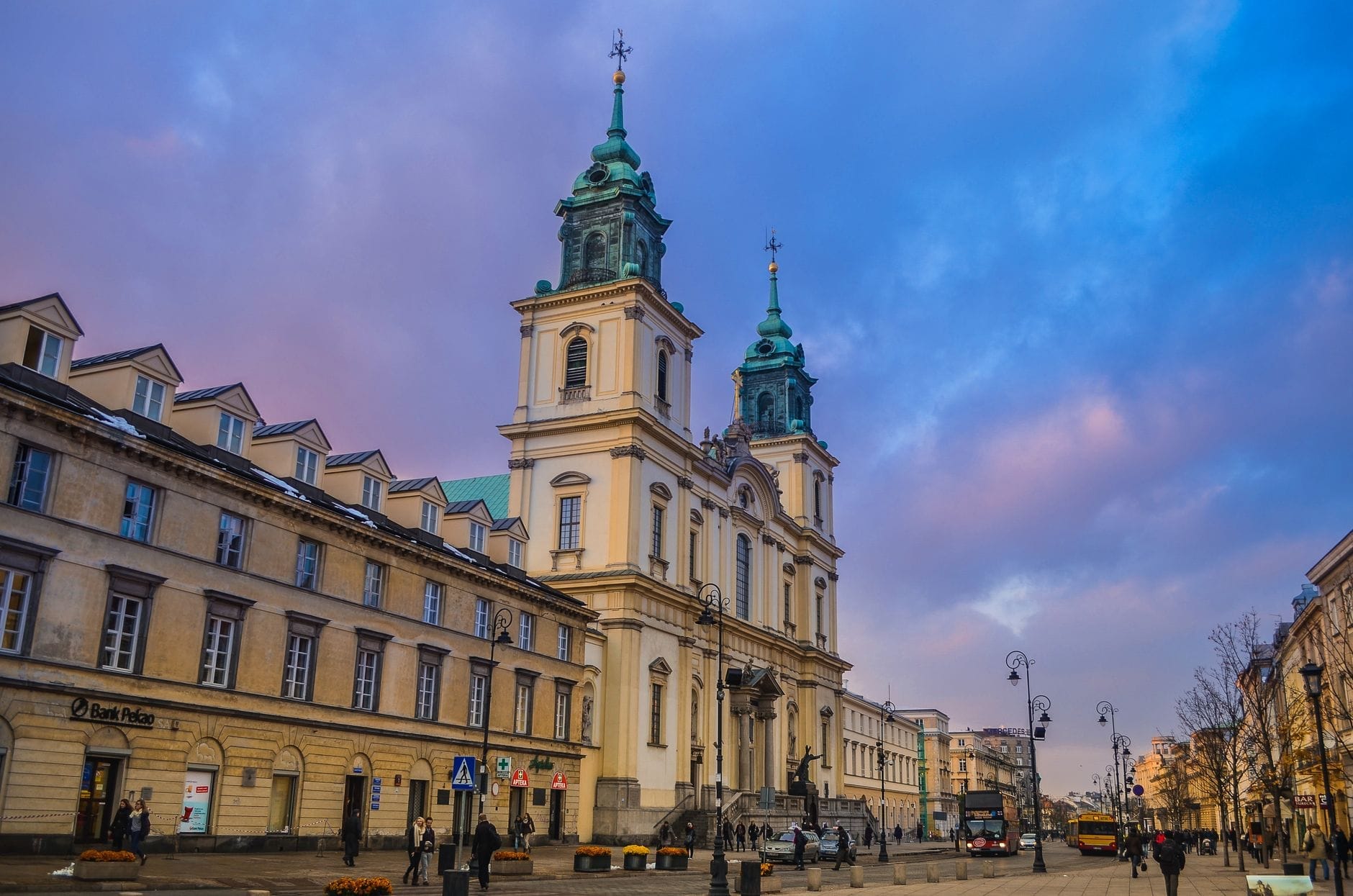
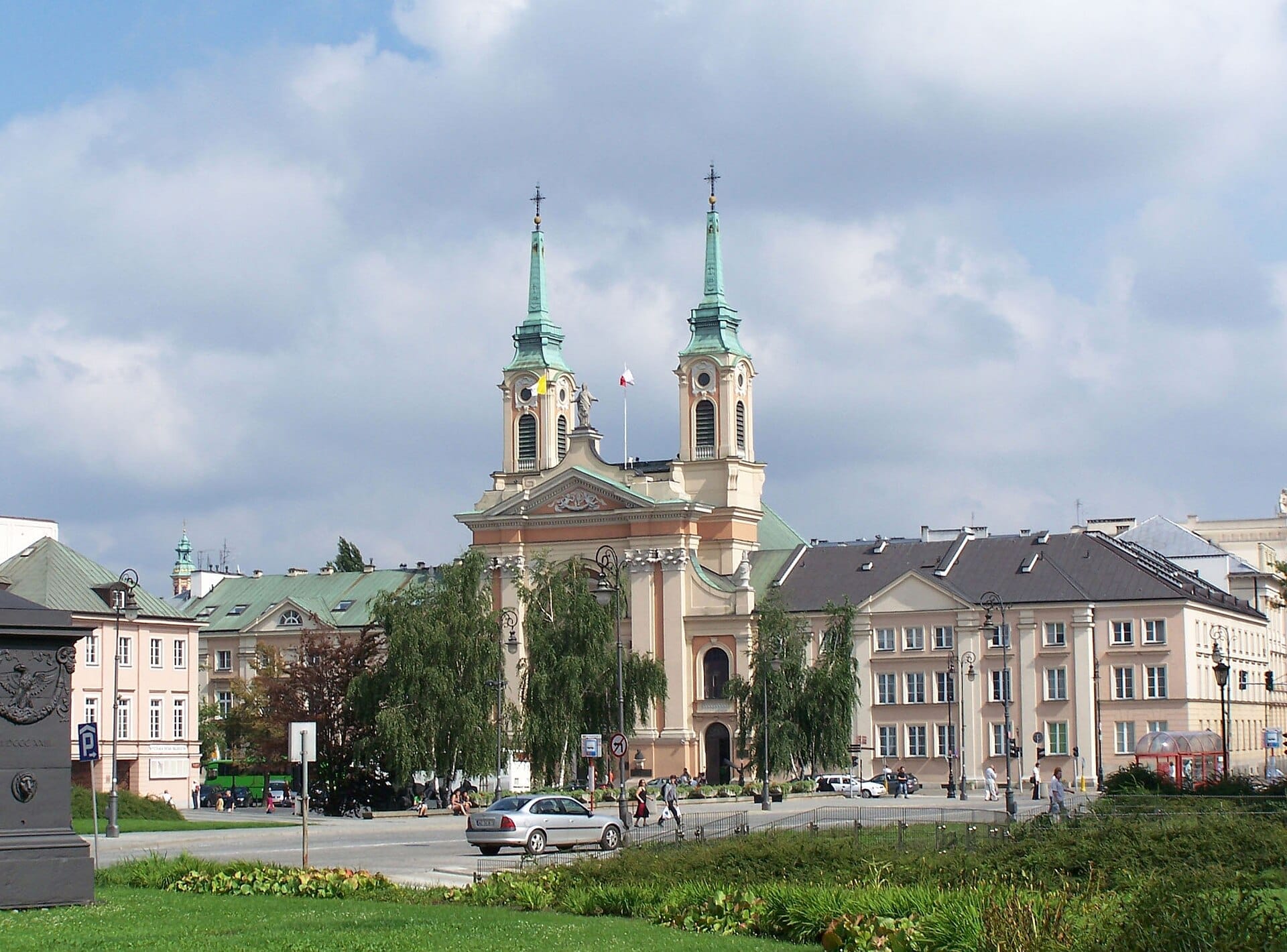
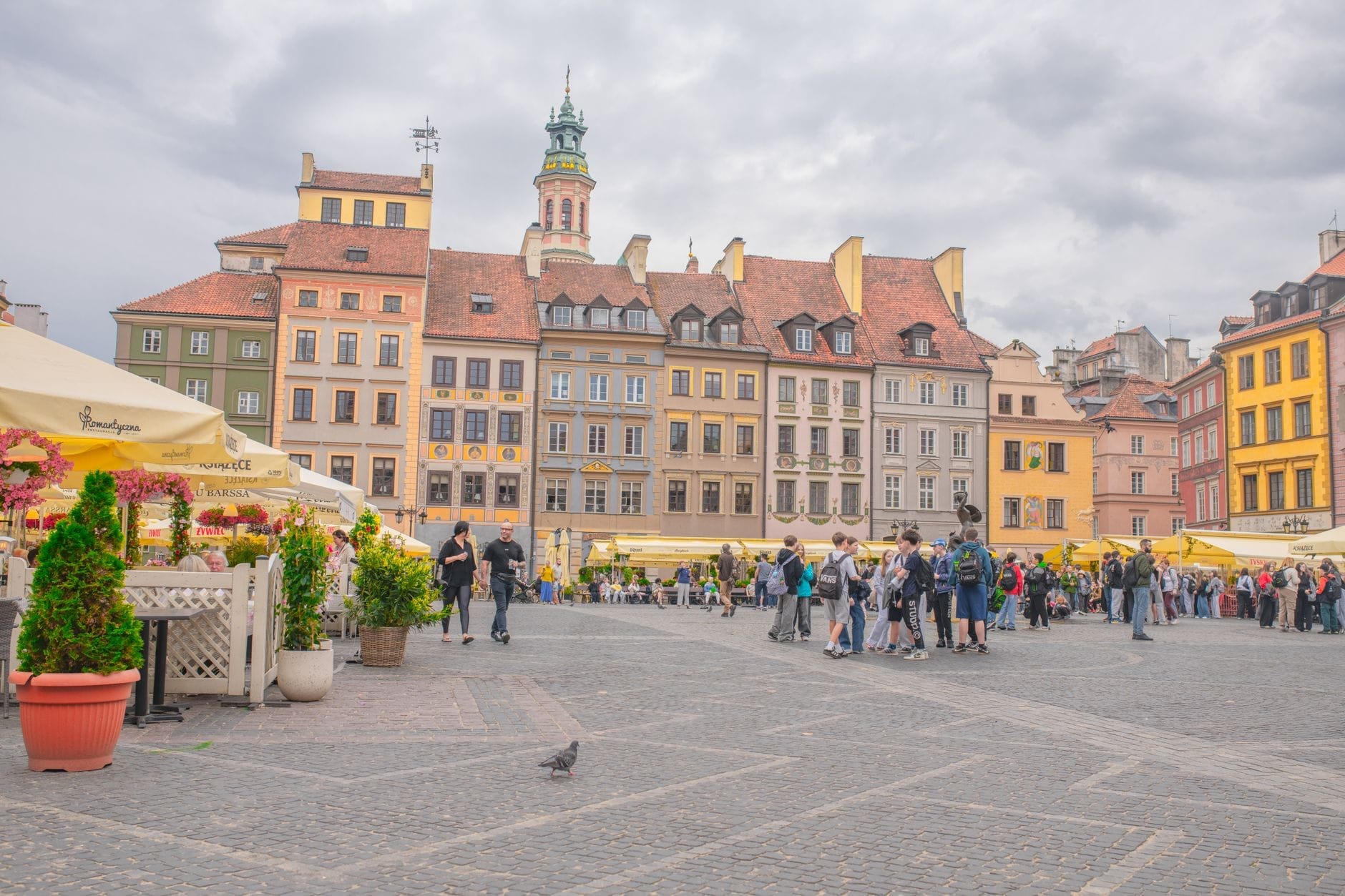
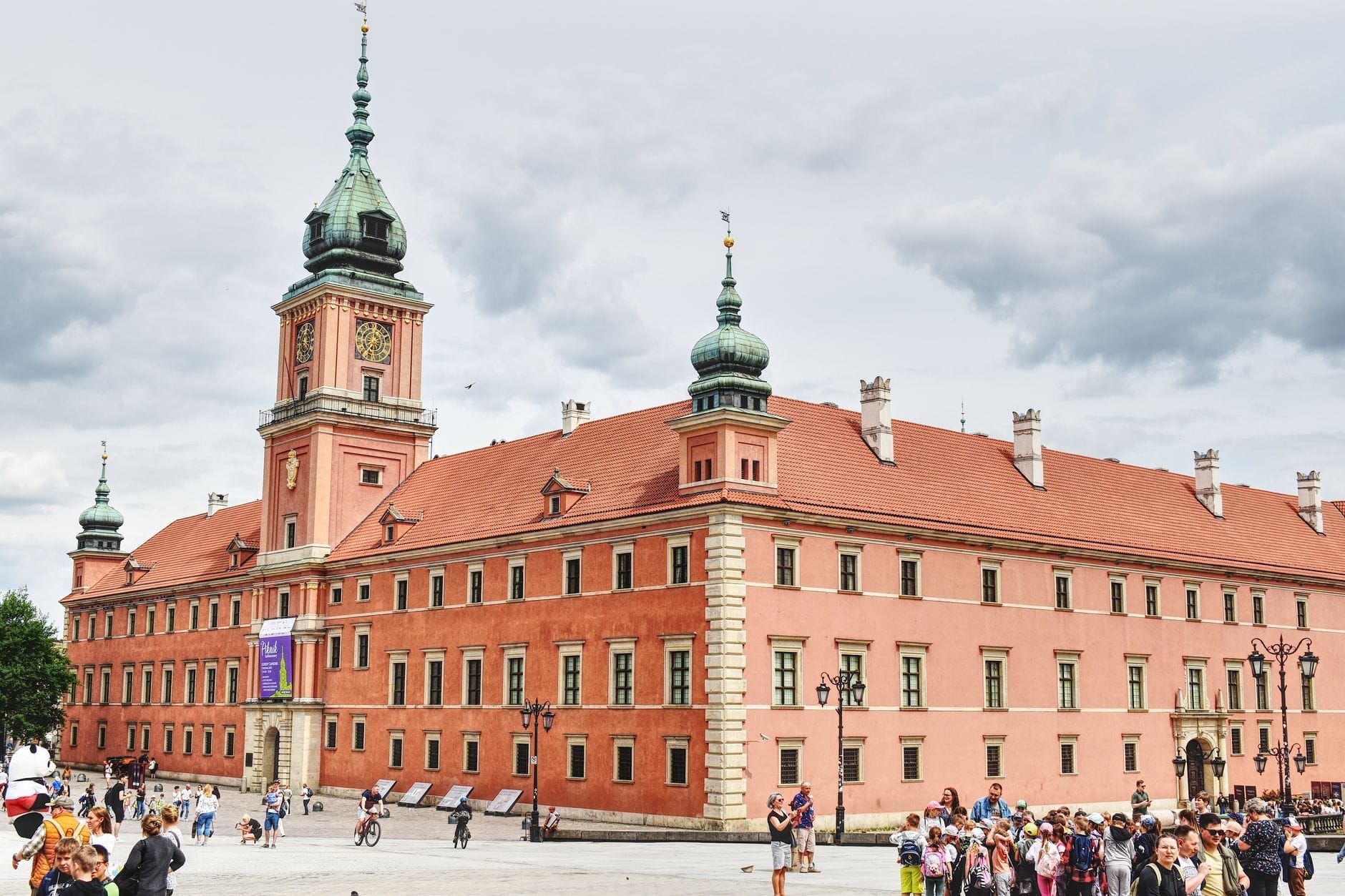
Warsaw is Poland's resilient, endlessly fascinating capital — a city that was razed to rubble in World War II and rebuilt almost entirely from scratch, yet pulses today with world-class museums, a thriving food scene, and one of Central Europe's most energetic nightlife cultures. Its UNESCO-listed Old Town, reconstructed brick by brick from historic paintings and photographs, stands alongside brutalist communist-era landmarks and gleaming 21st-century skyscrapers in a skyline unlike any other in Europe.

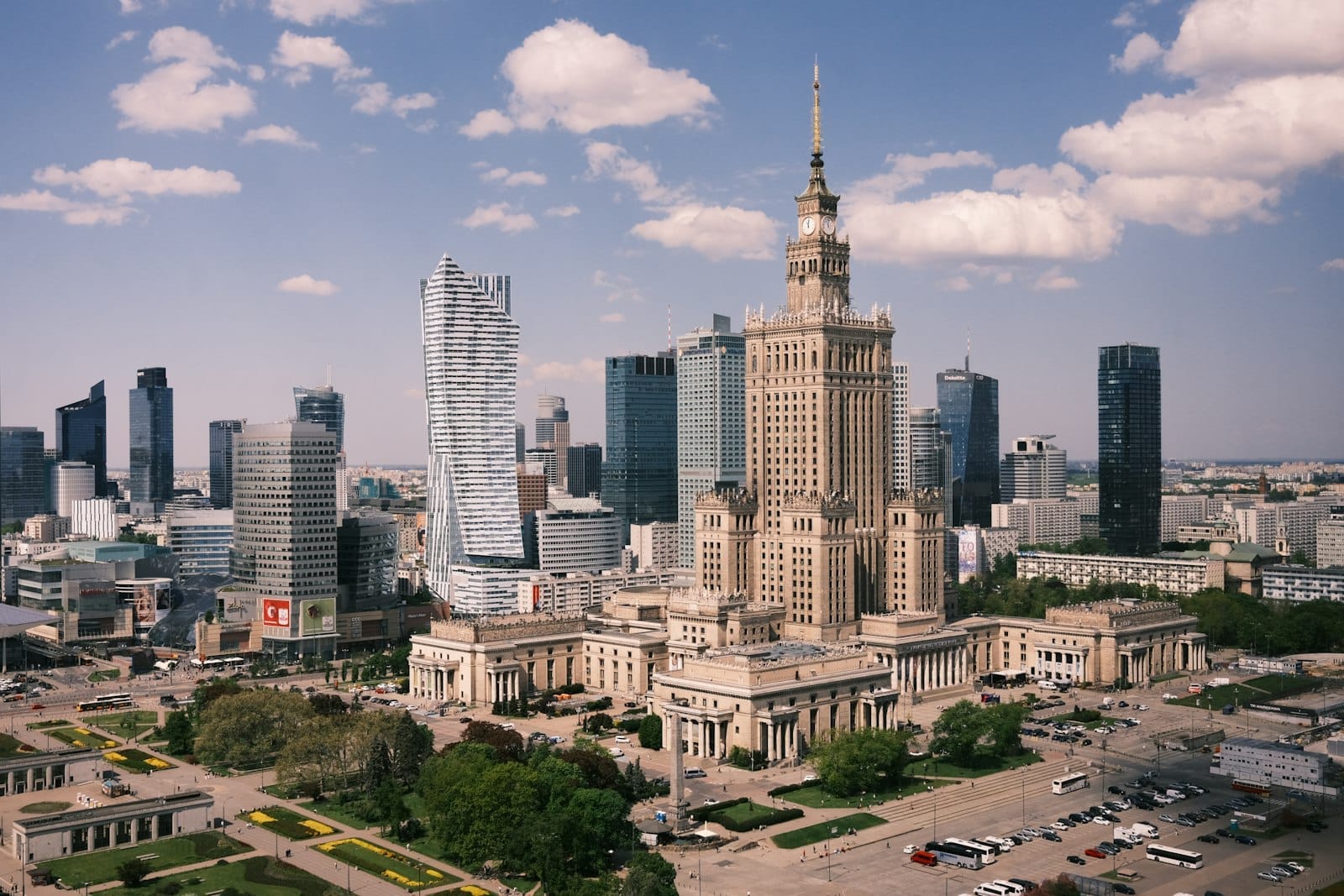
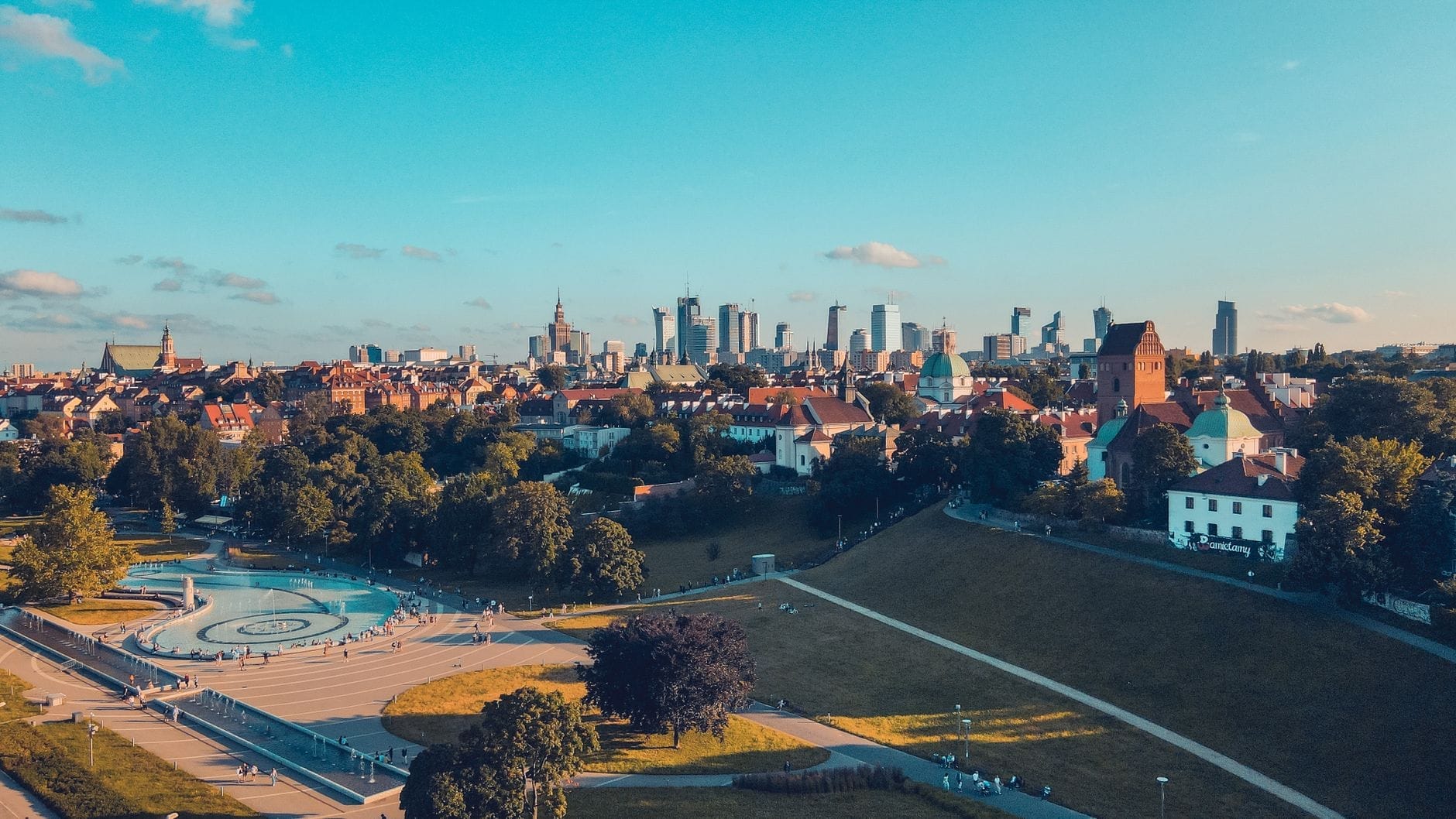
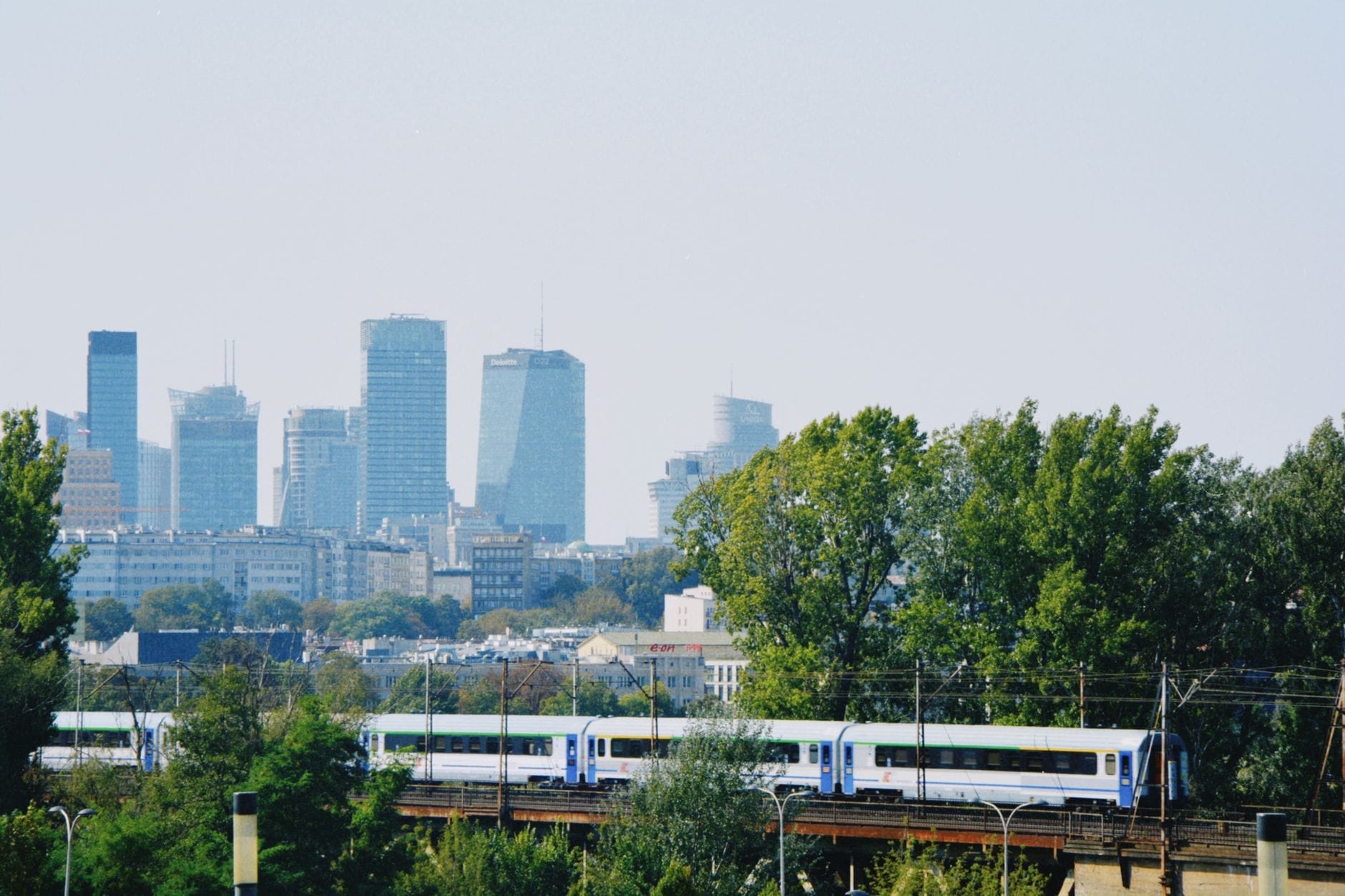
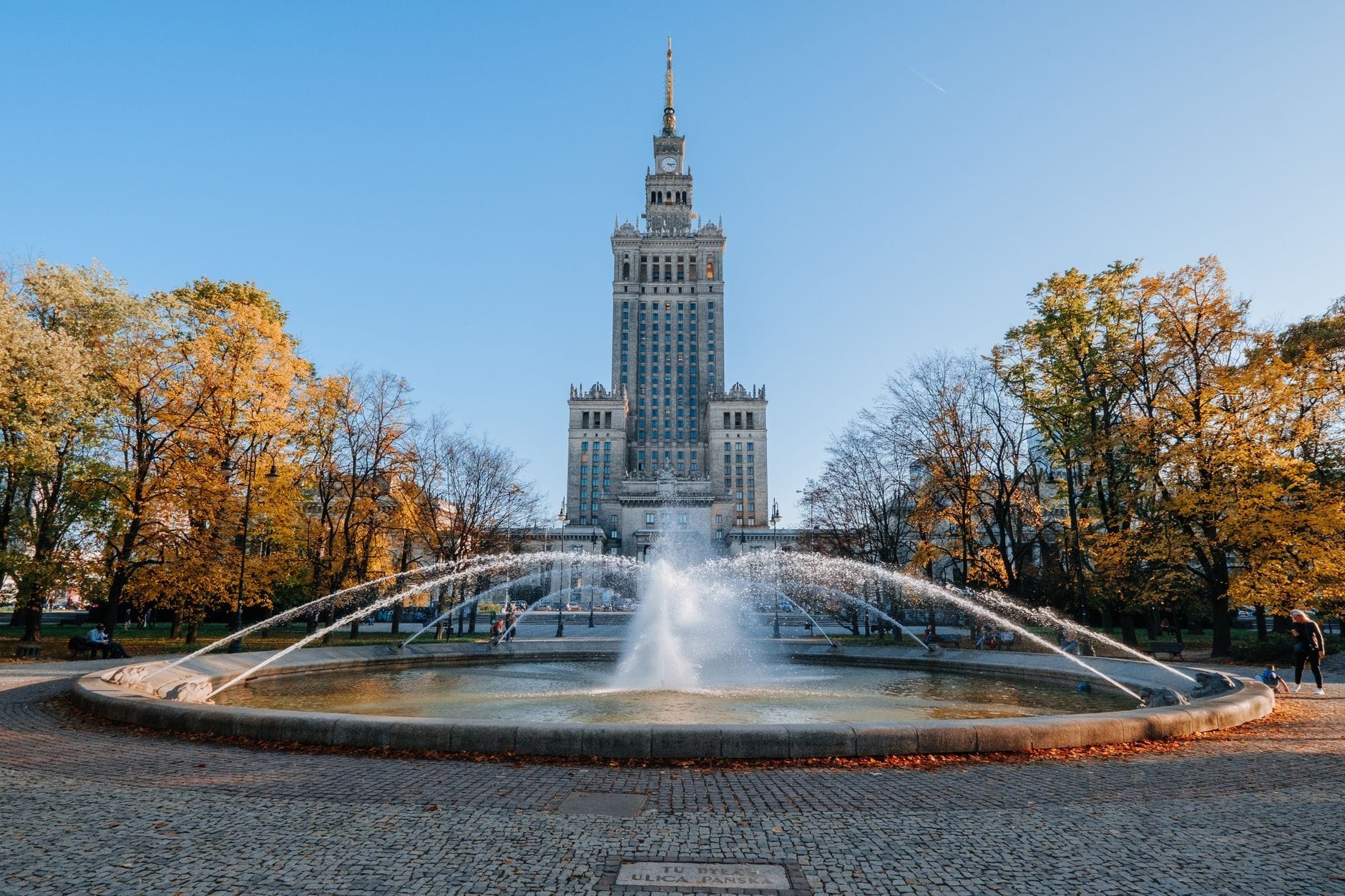
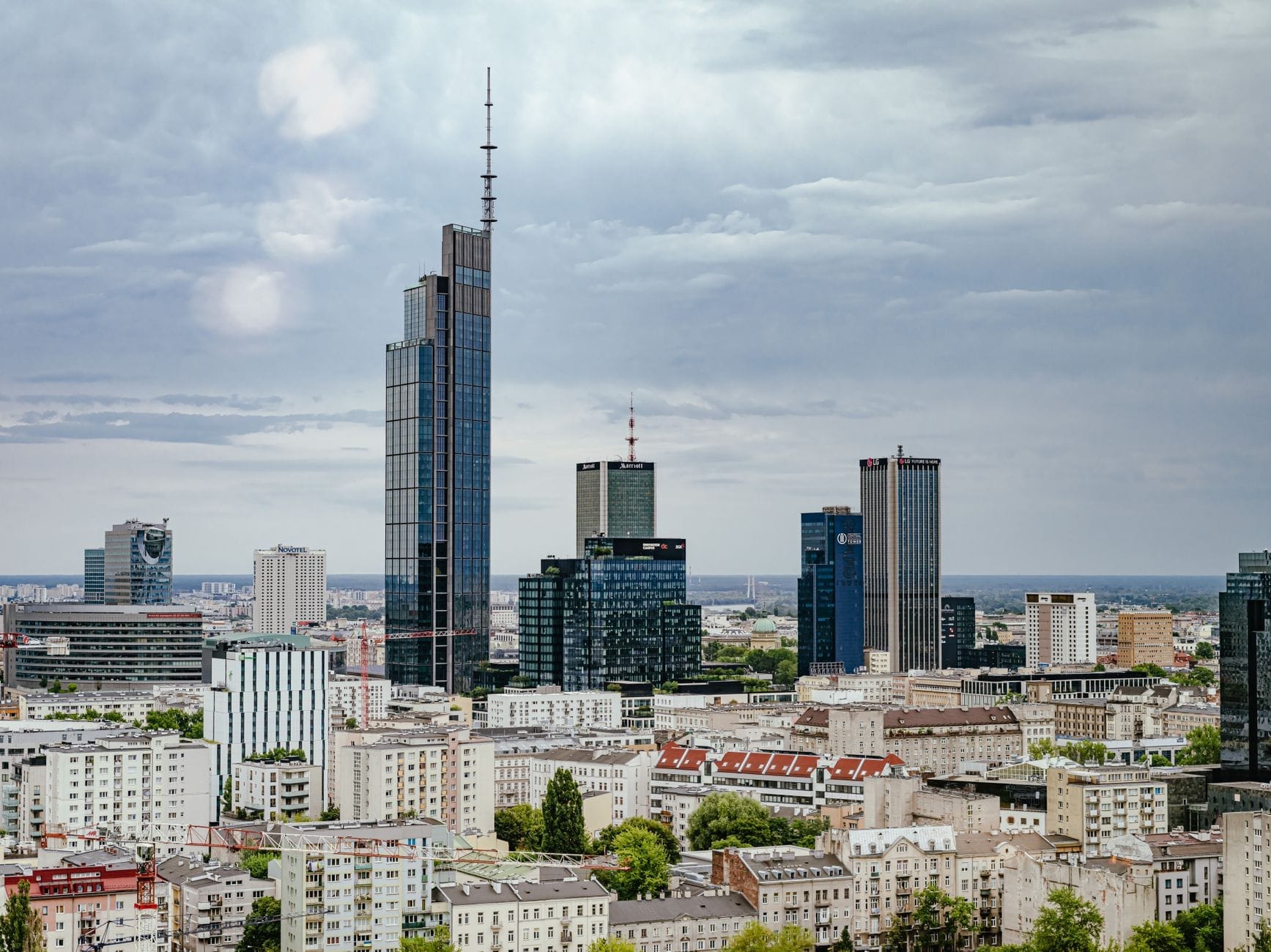
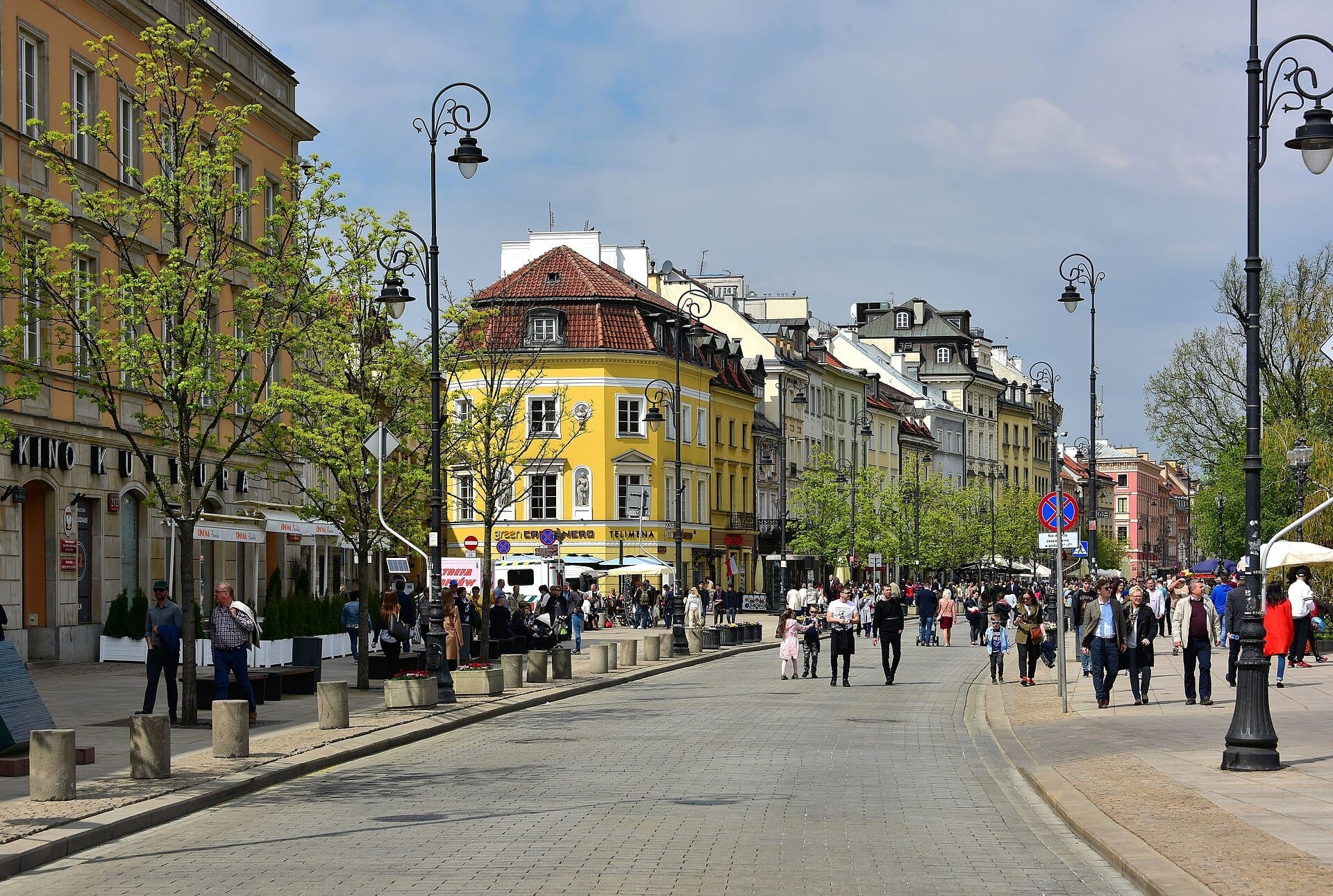
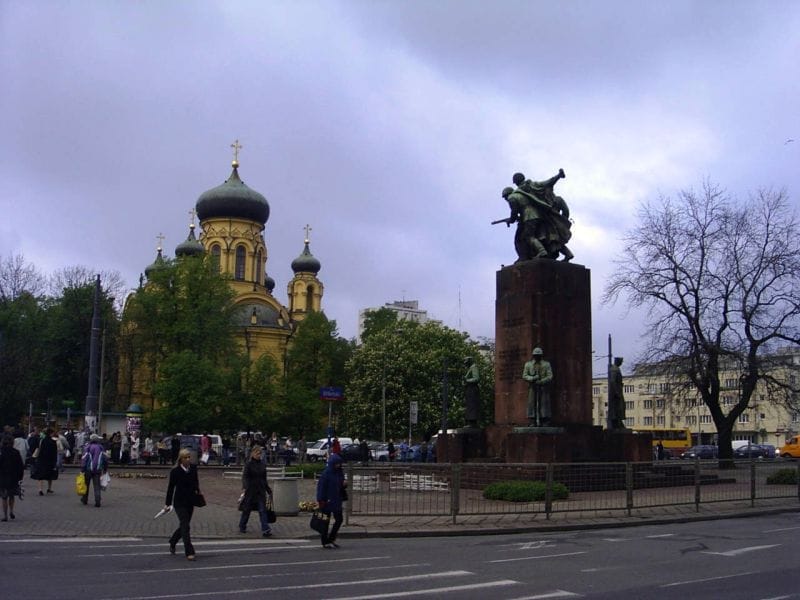
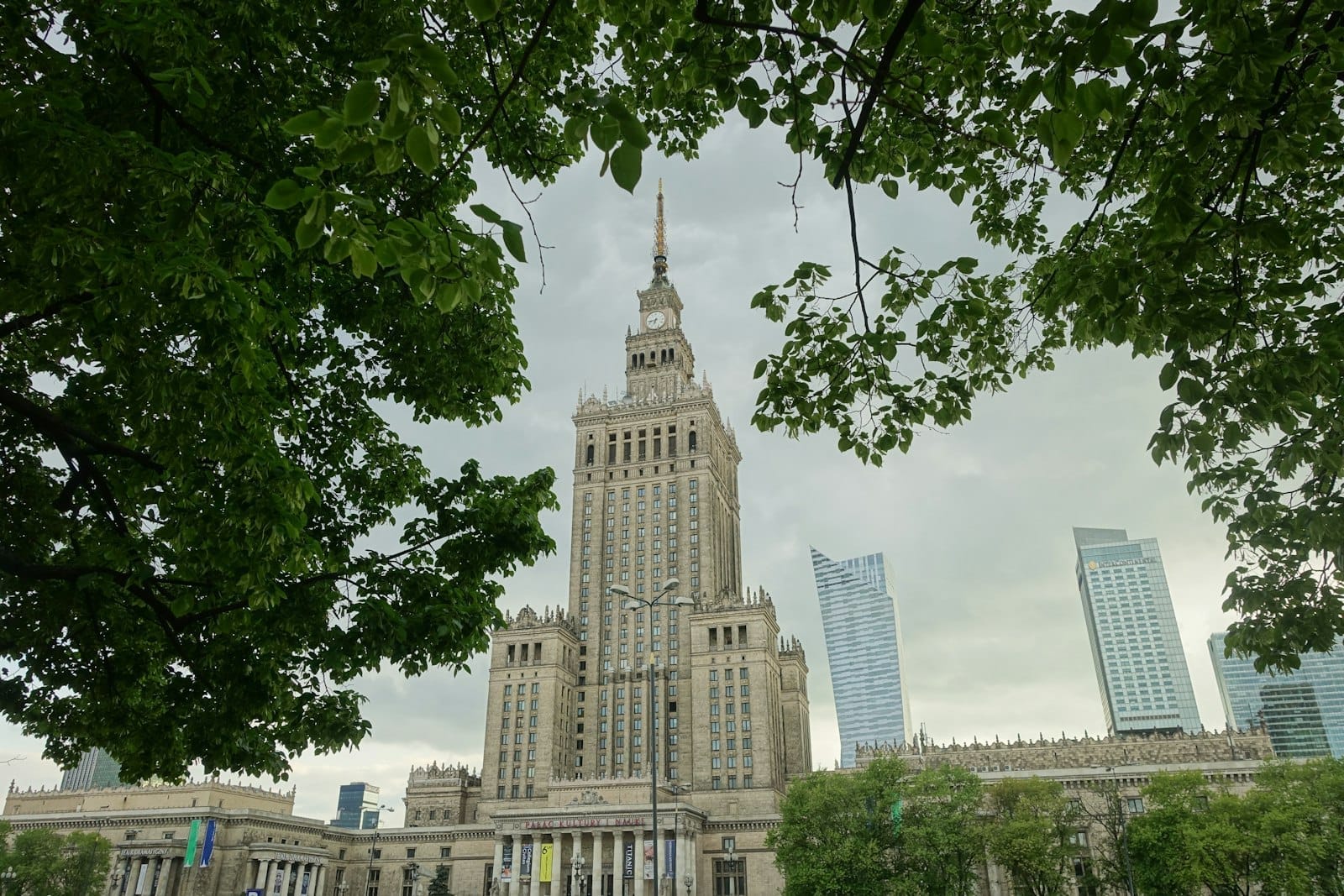
Iconic view of Warsaw’s city center featuring the Palace of Culture and Science framed by leafy green trees, with modern skyscrapers in the background.

WarsawTravel Essentials

Currency
Polish Złoty (PLN)
Language
Polish (English widely spoken in tourist areas)
Best time
May–September
Plug
Type C/E, 230V

Overview

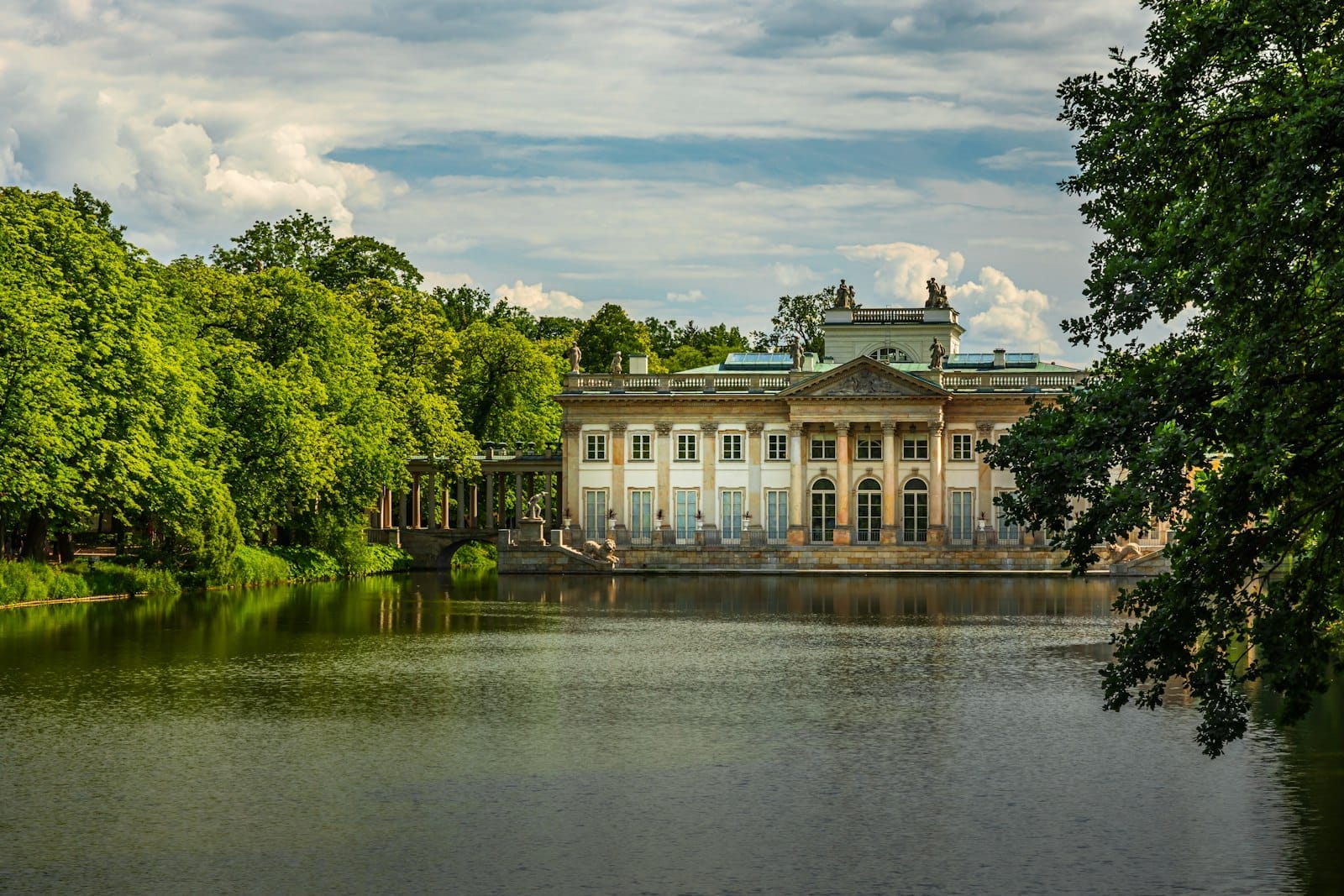
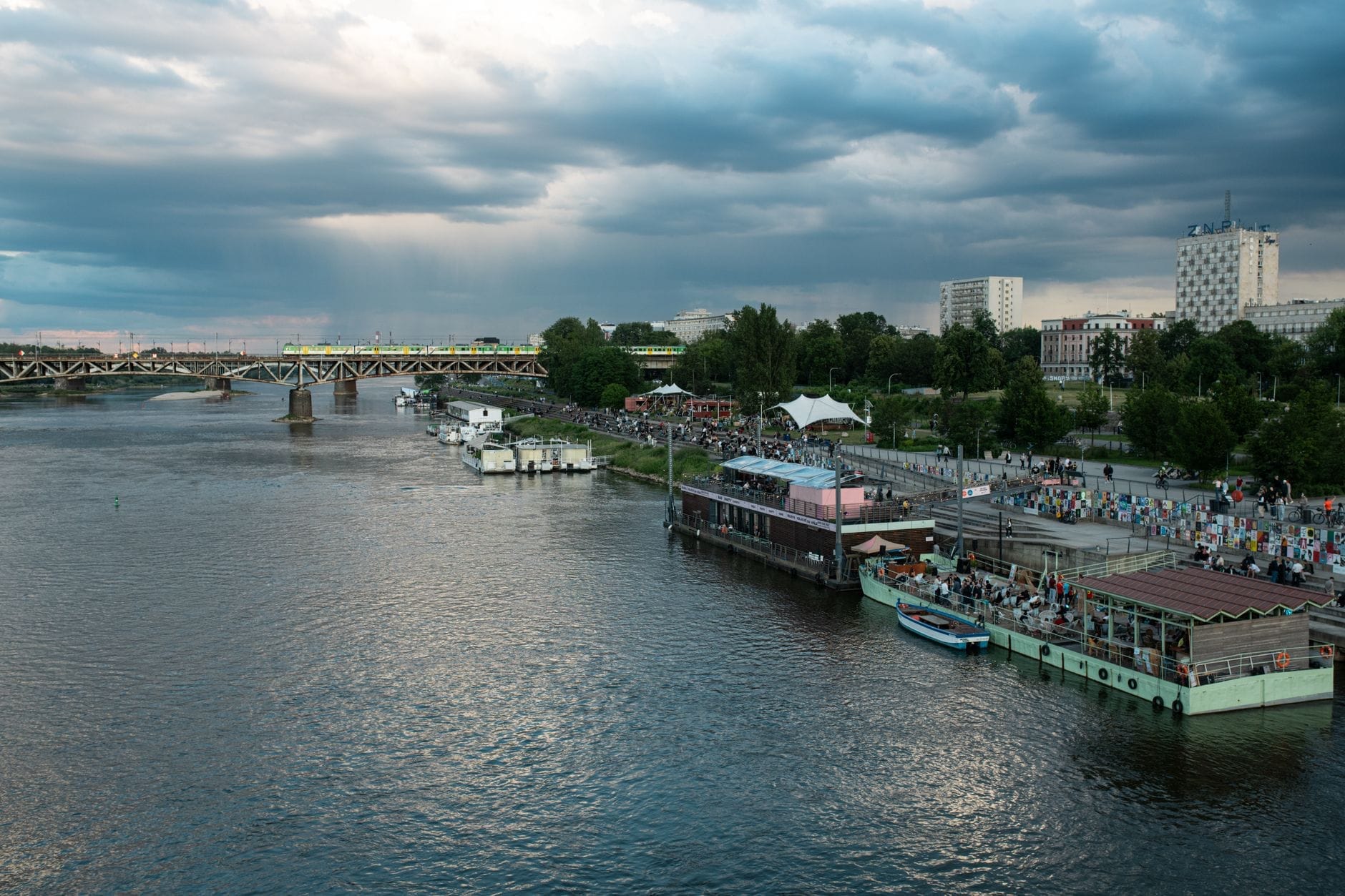
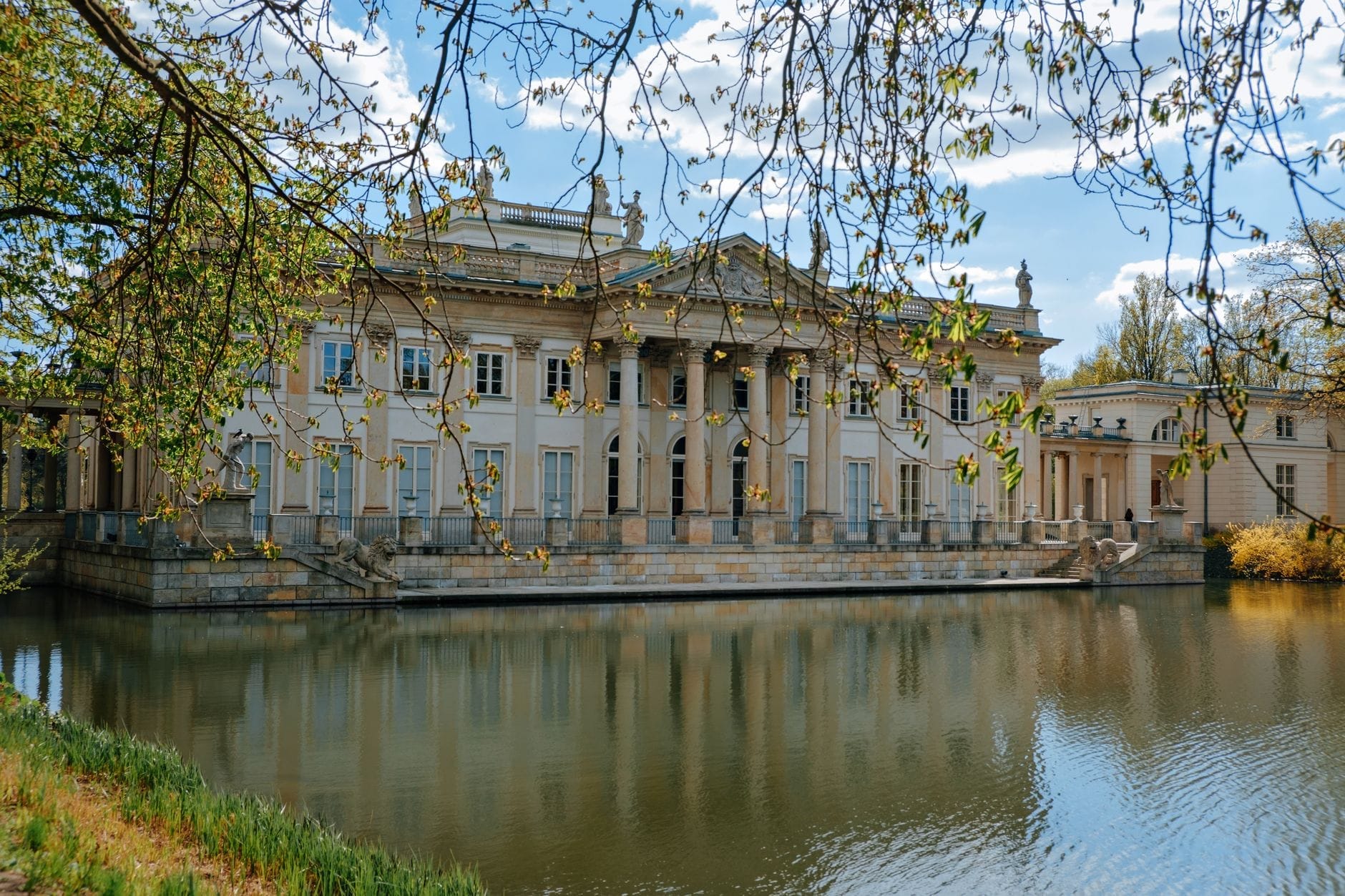
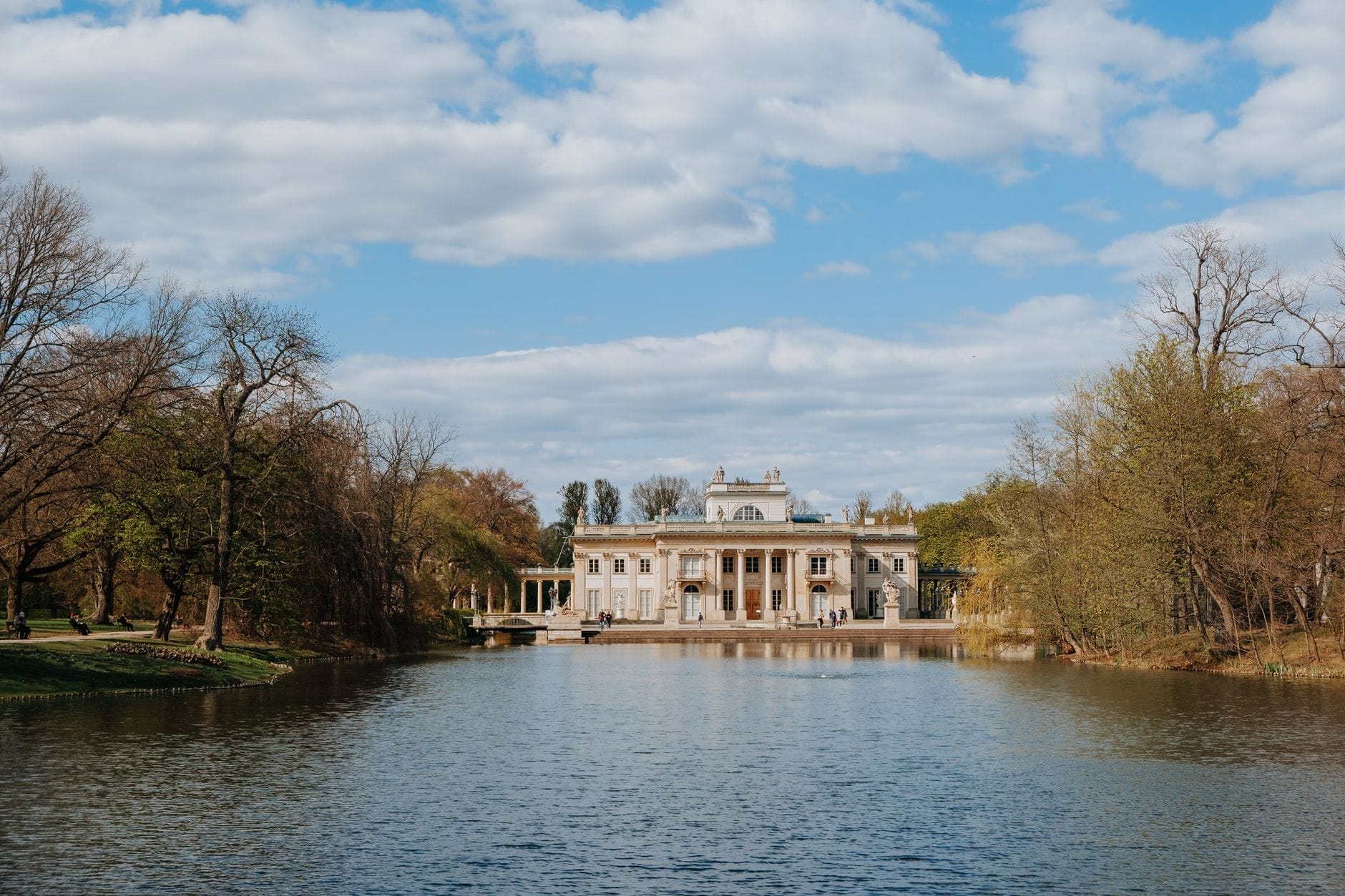
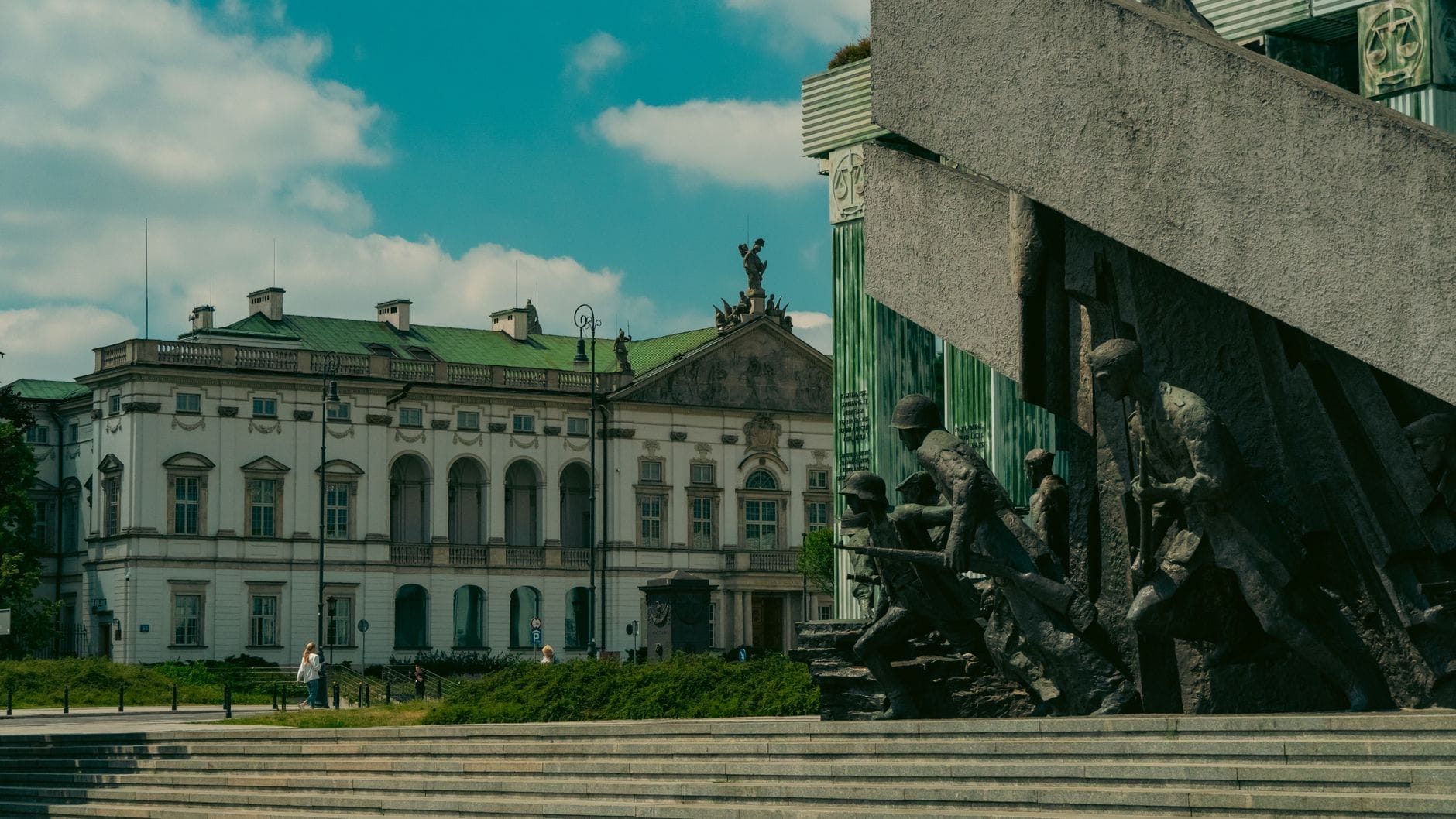
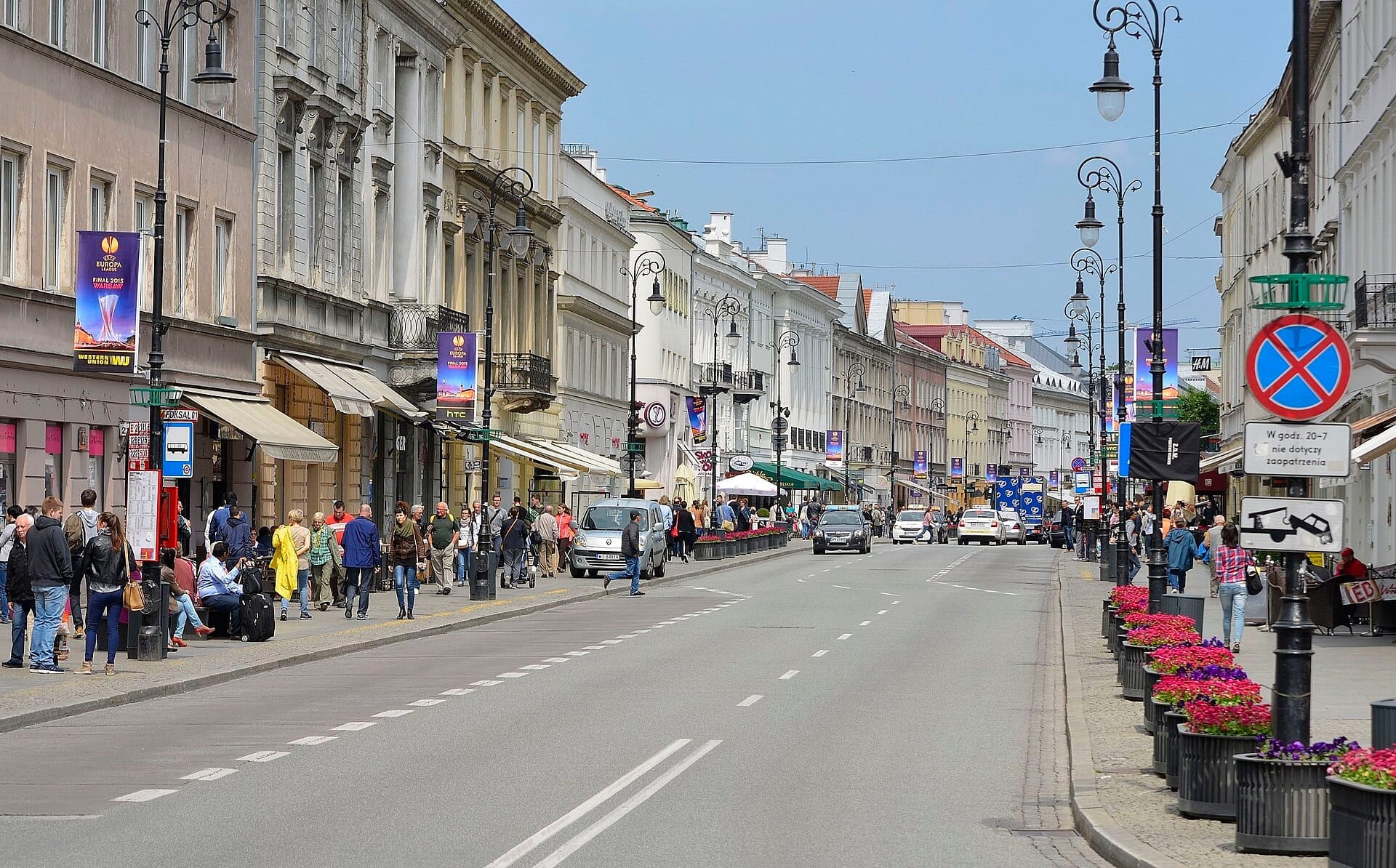
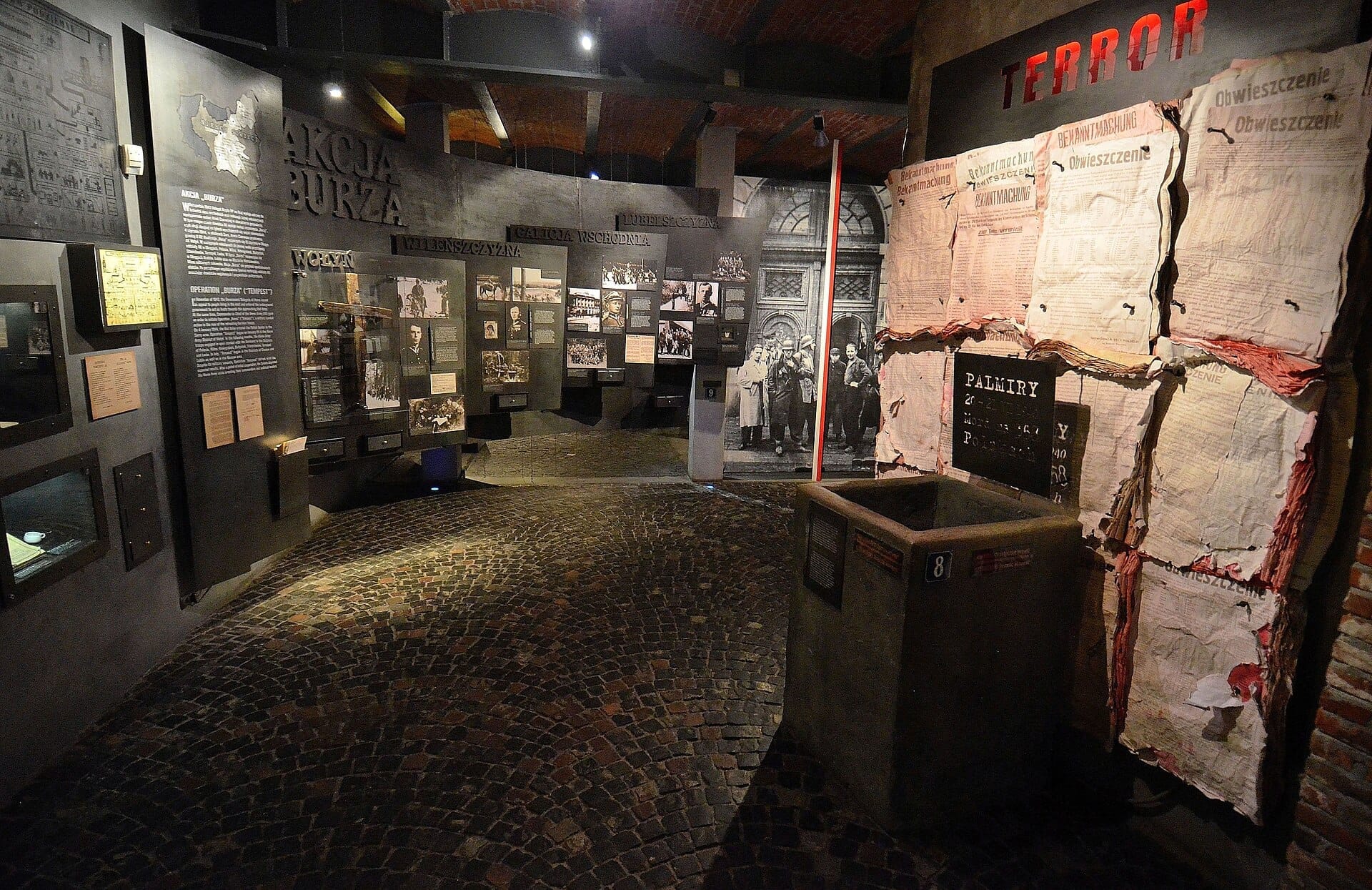
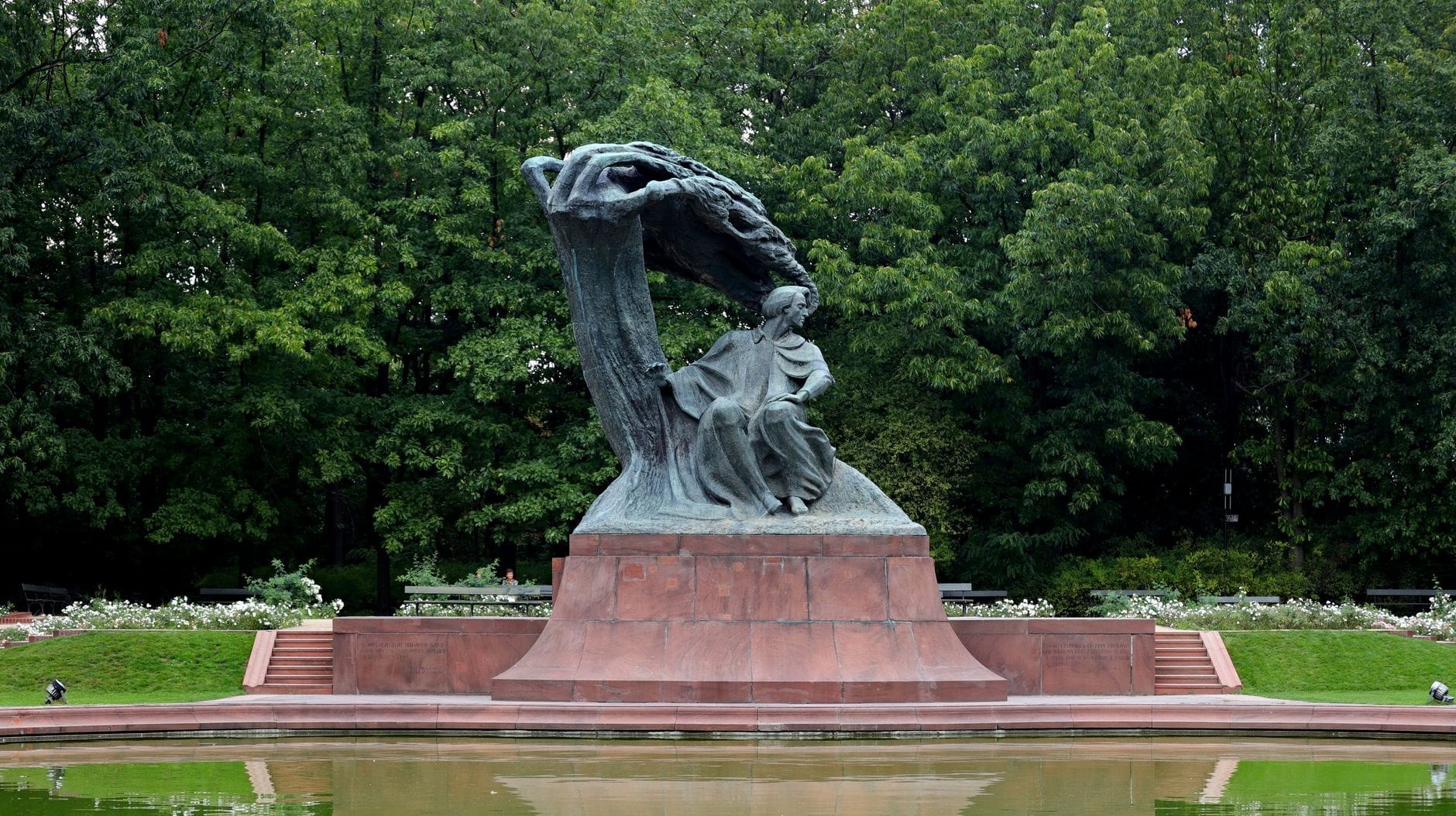
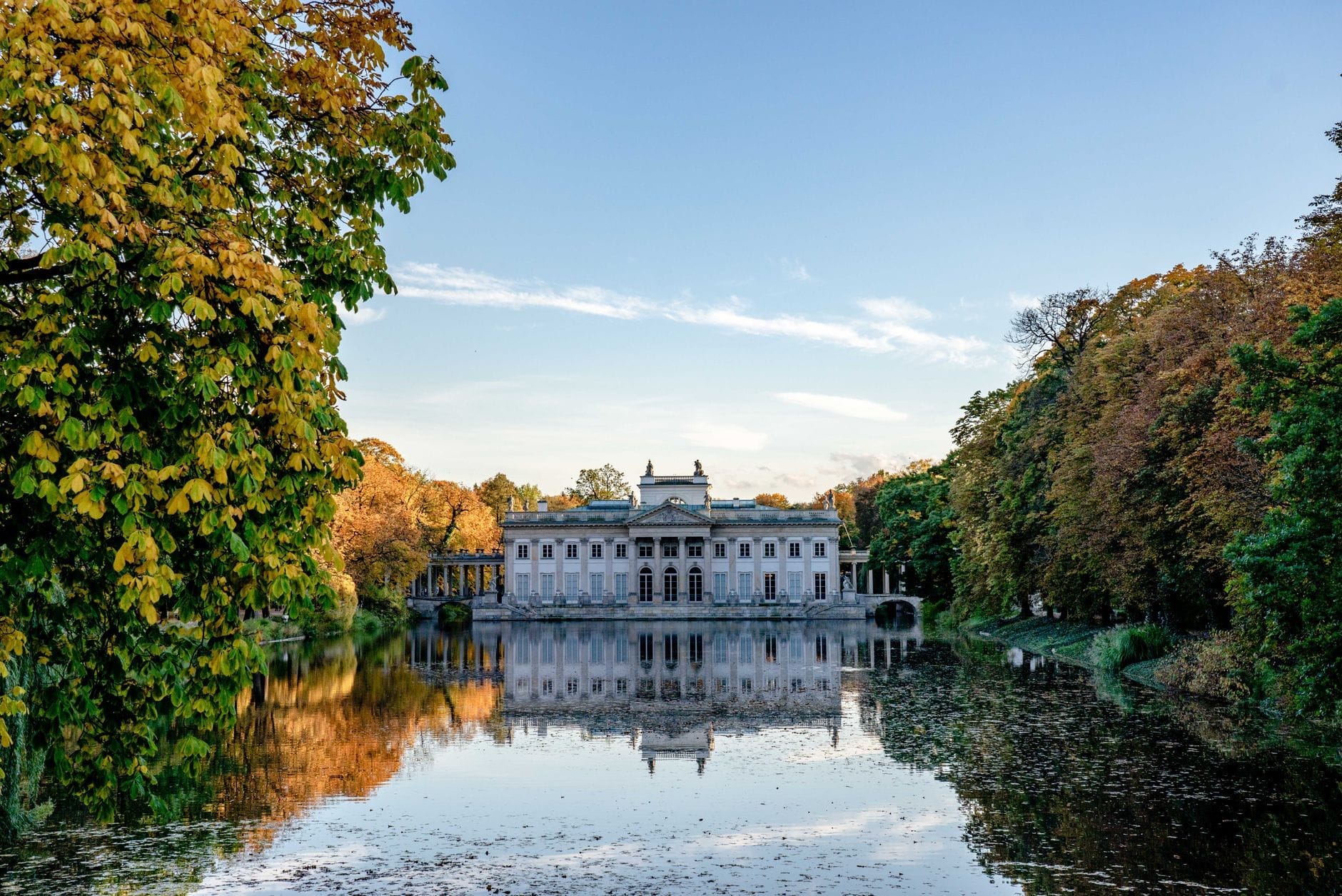
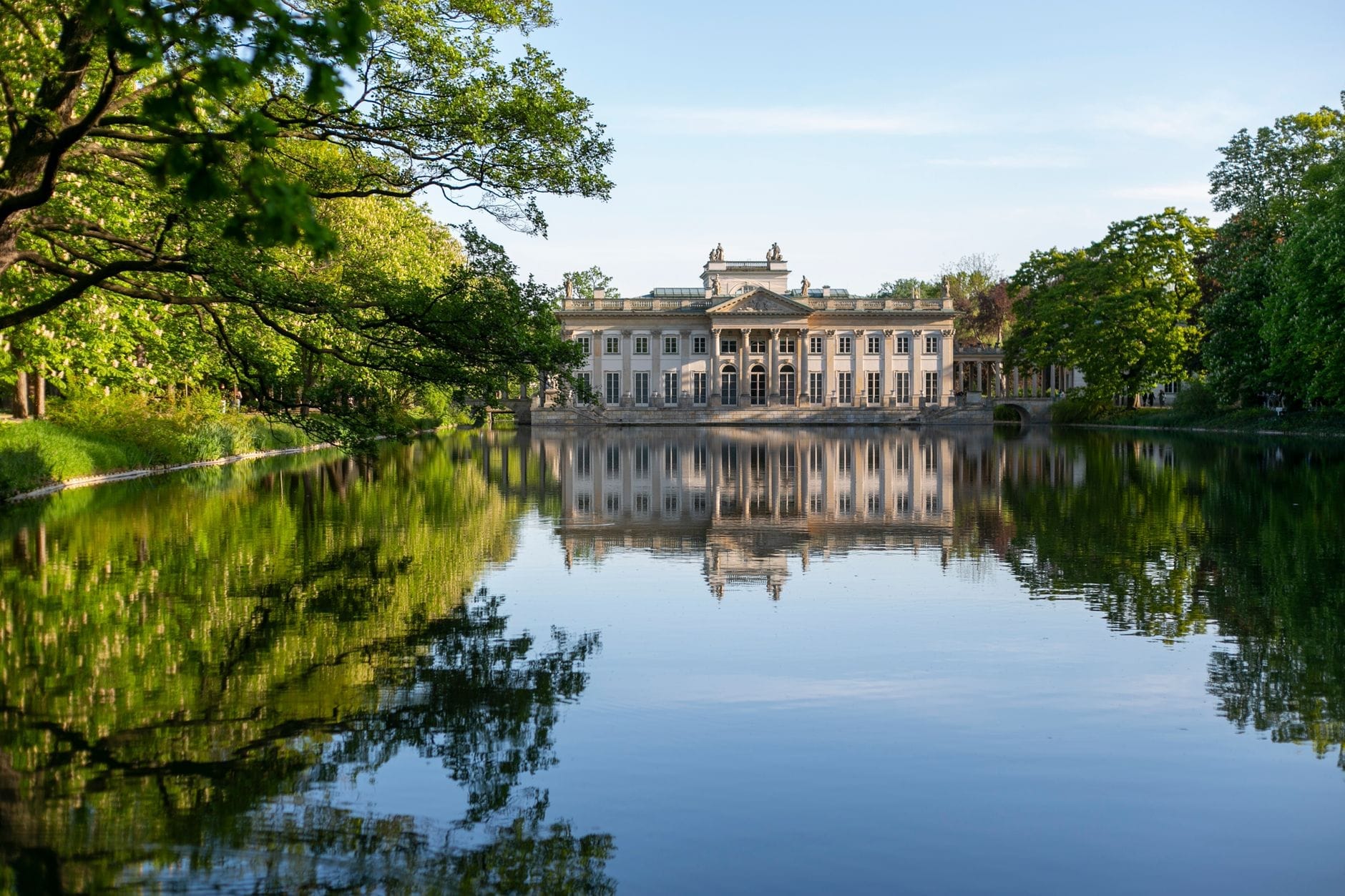
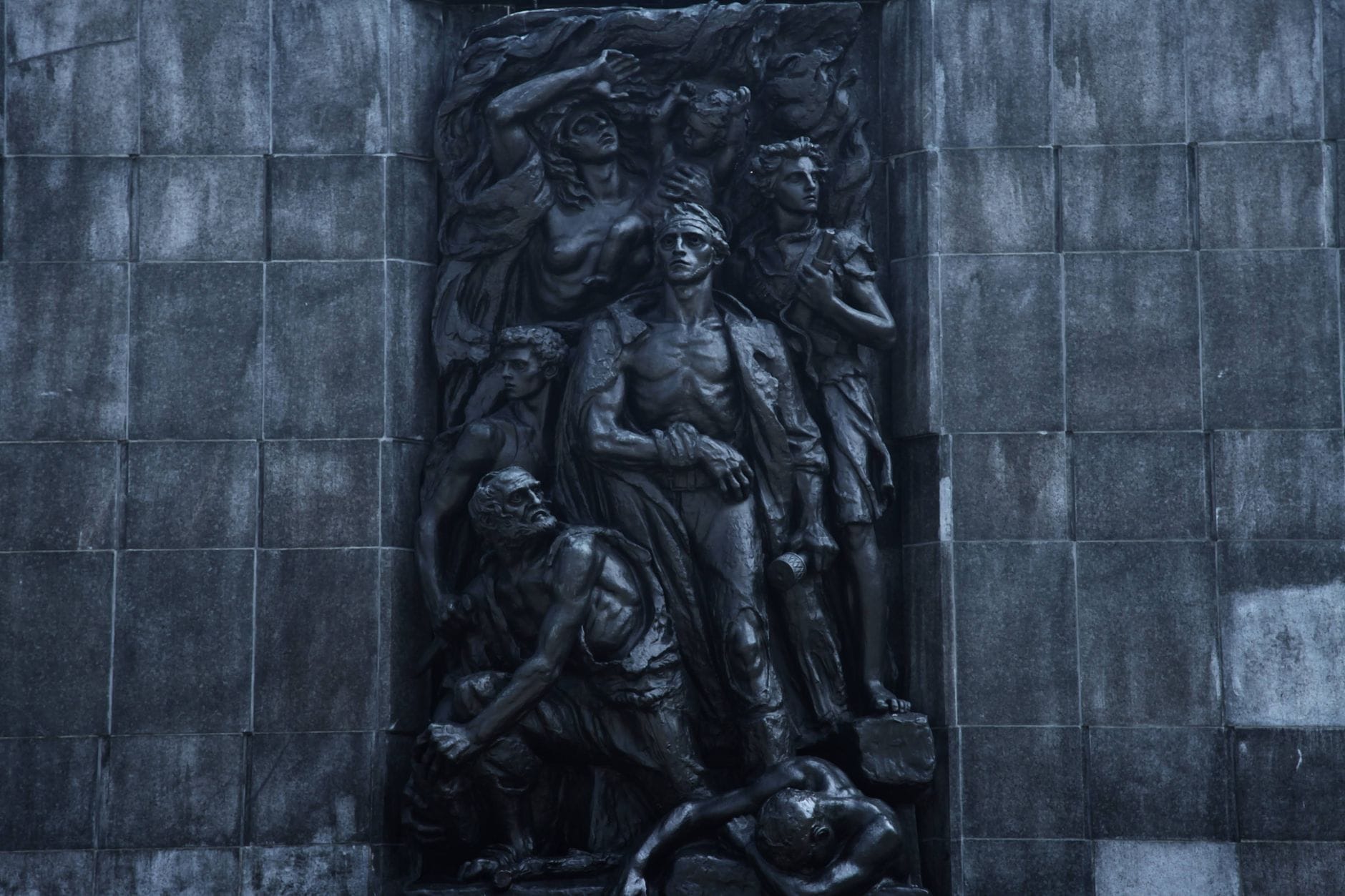
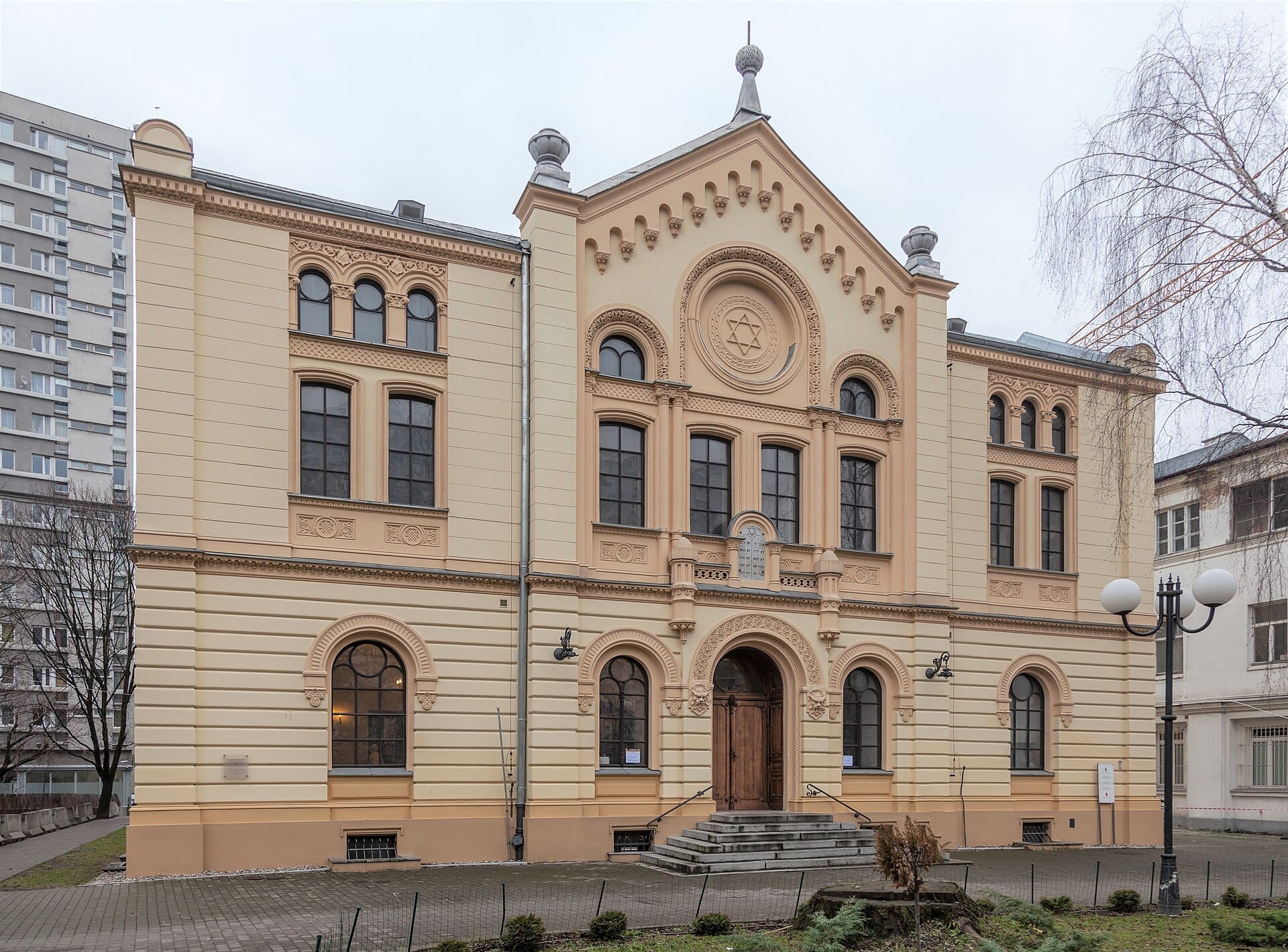
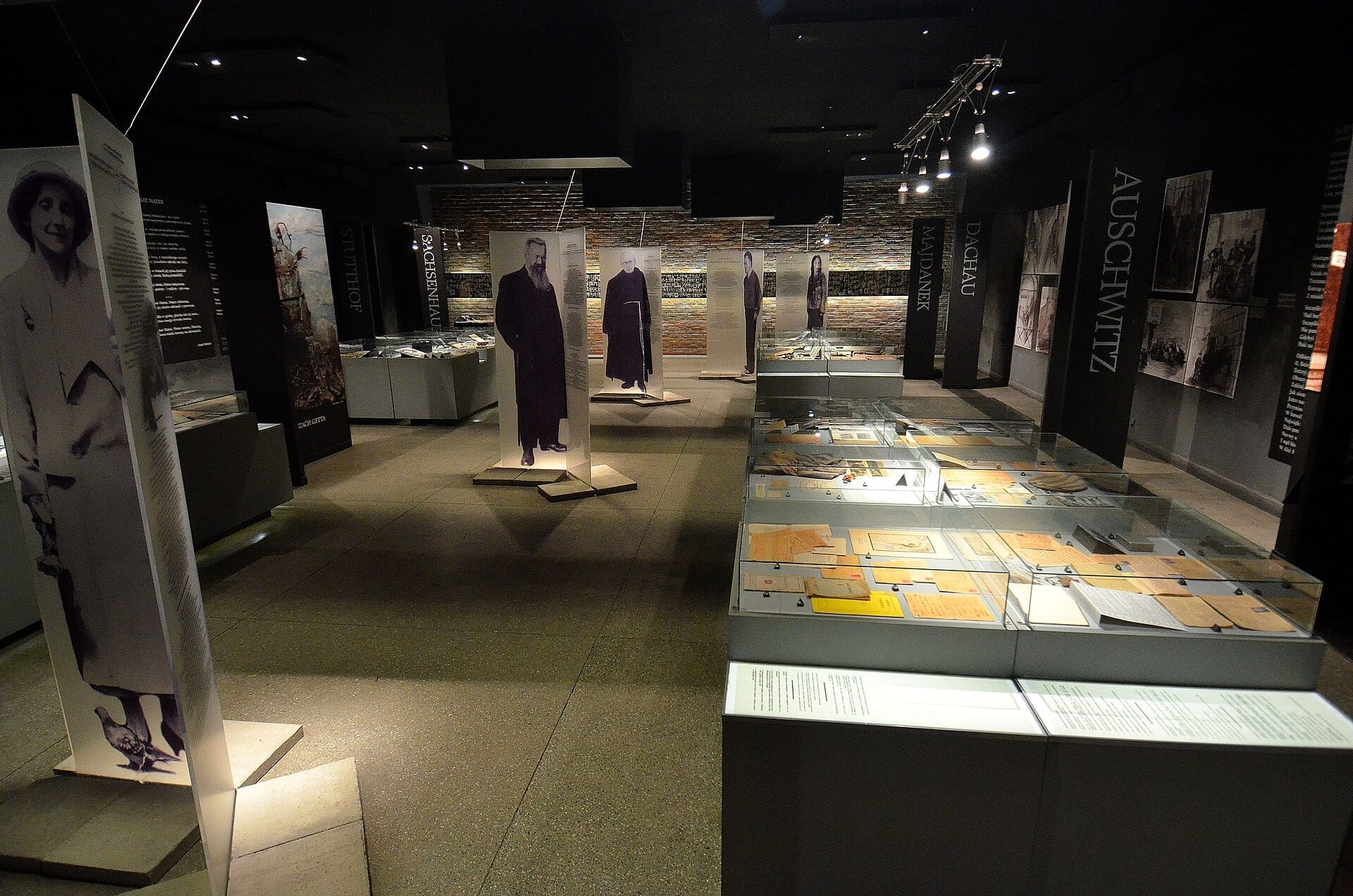
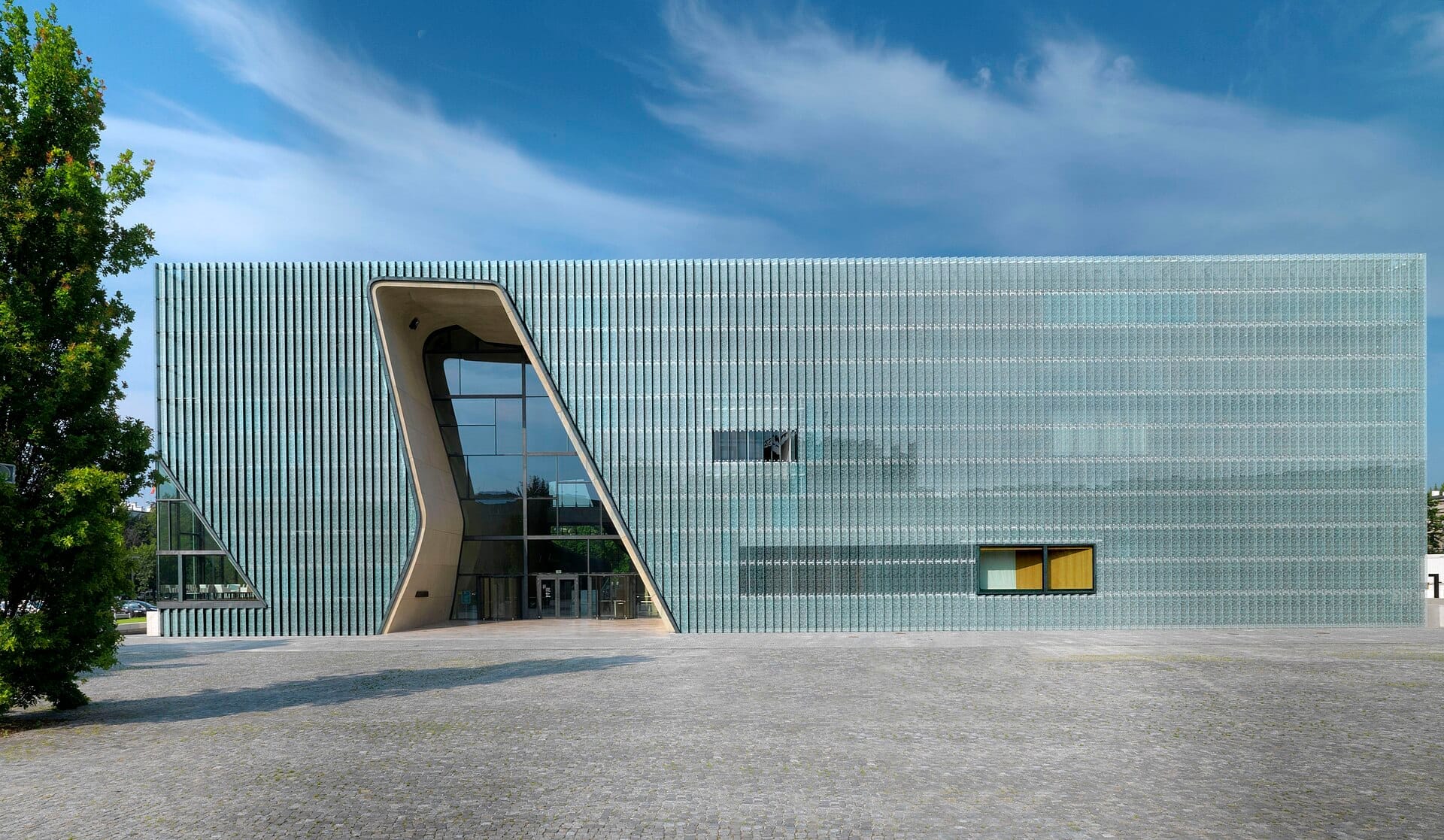
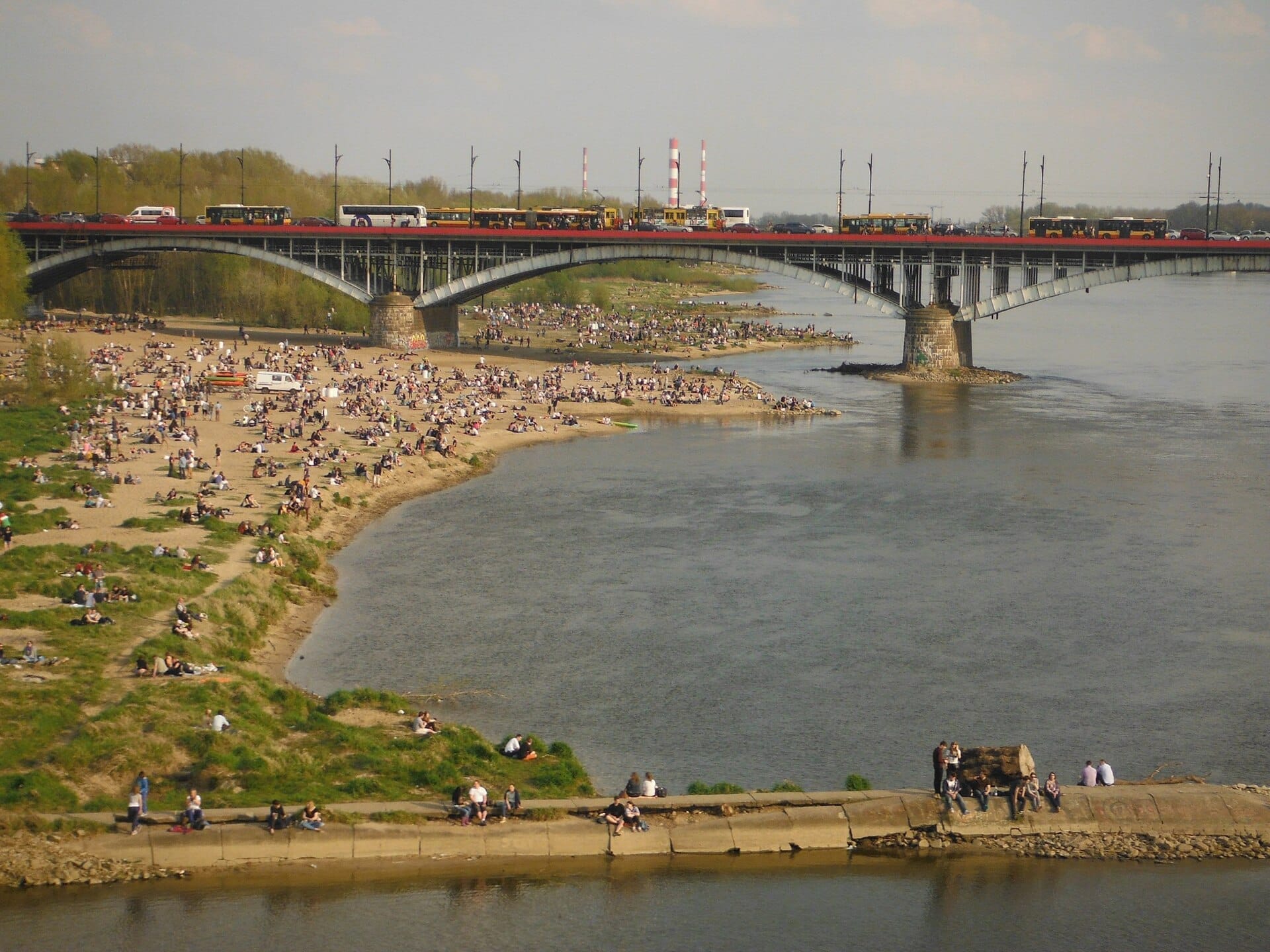
Few European capitals carry as much historical weight as Warsaw, where the scars of the Warsaw Uprising, the Holocaust, and decades of communist rule are preserved in some of the continent's most powerful museums. Yet the city refuses to be defined solely by tragedy: the Vistula riverfront buzzes with beach bars and kayakers in summer, Łazienki Park hosts free Chopin concerts on Sunday afternoons, and the Praga district has become a magnet for artists, craft breweries, and street-art enthusiasts. Warsaw rewards travelers who look beyond the postcard-perfect Old Town — its neighborhoods, food halls, and hidden courtyards reveal a city that is simultaneously ancient and fiercely contemporary. Whether you come for the history, the pierogis, the nightlife, or all three, Warsaw consistently surprises visitors who arrive with low expectations and leave as devoted fans.

Why visit Warsaw

Warsaw offers a rare combination of profound history, vibrant contemporary culture, and outstanding value for money — all packed into a walkable, well-connected Central European capital that still feels genuinely underdiscovered compared to Prague or Kraków.

At a glance

  • Capital city of Poland, population ~1.8 million
  • Old Town is a UNESCO World Heritage Site, rebuilt after WWII
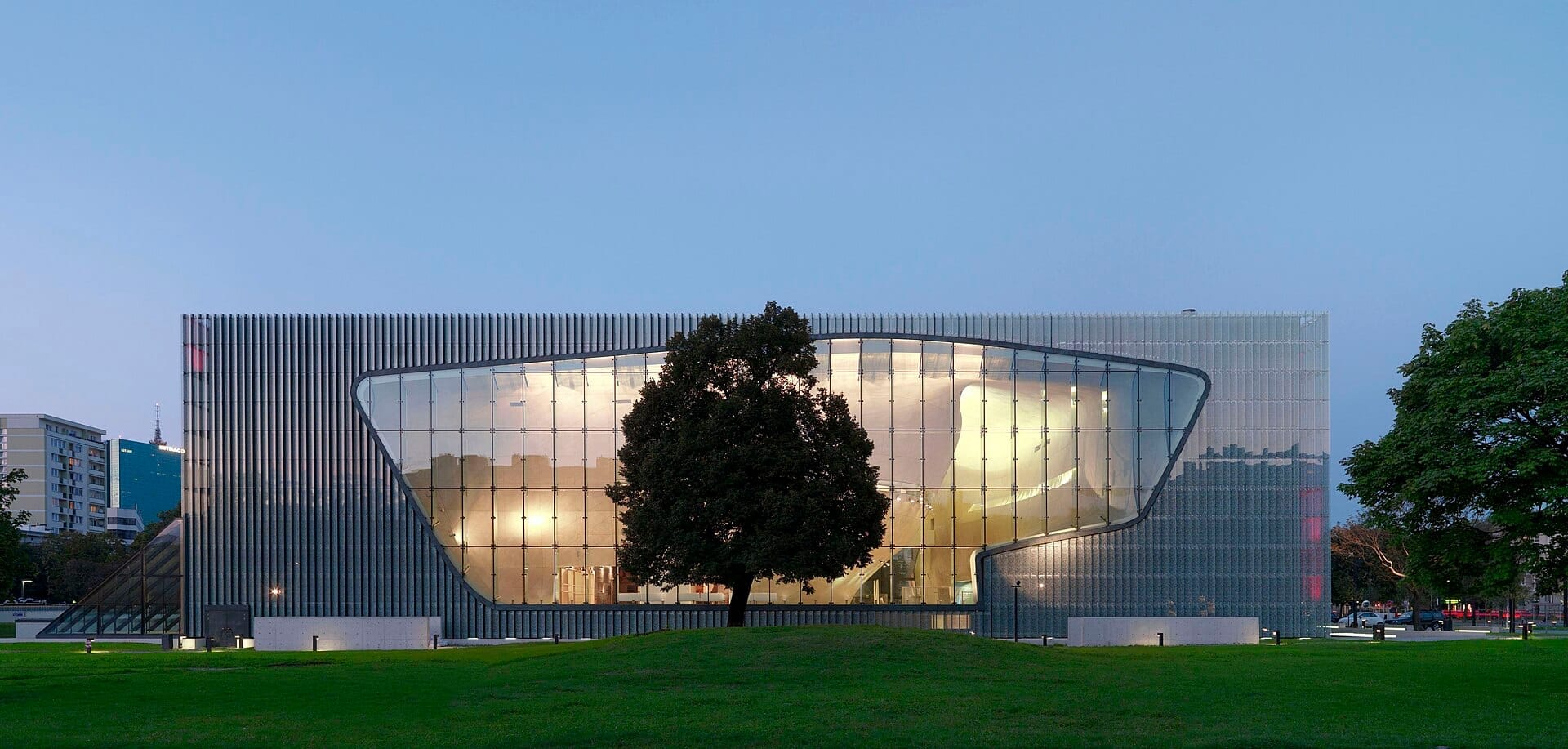
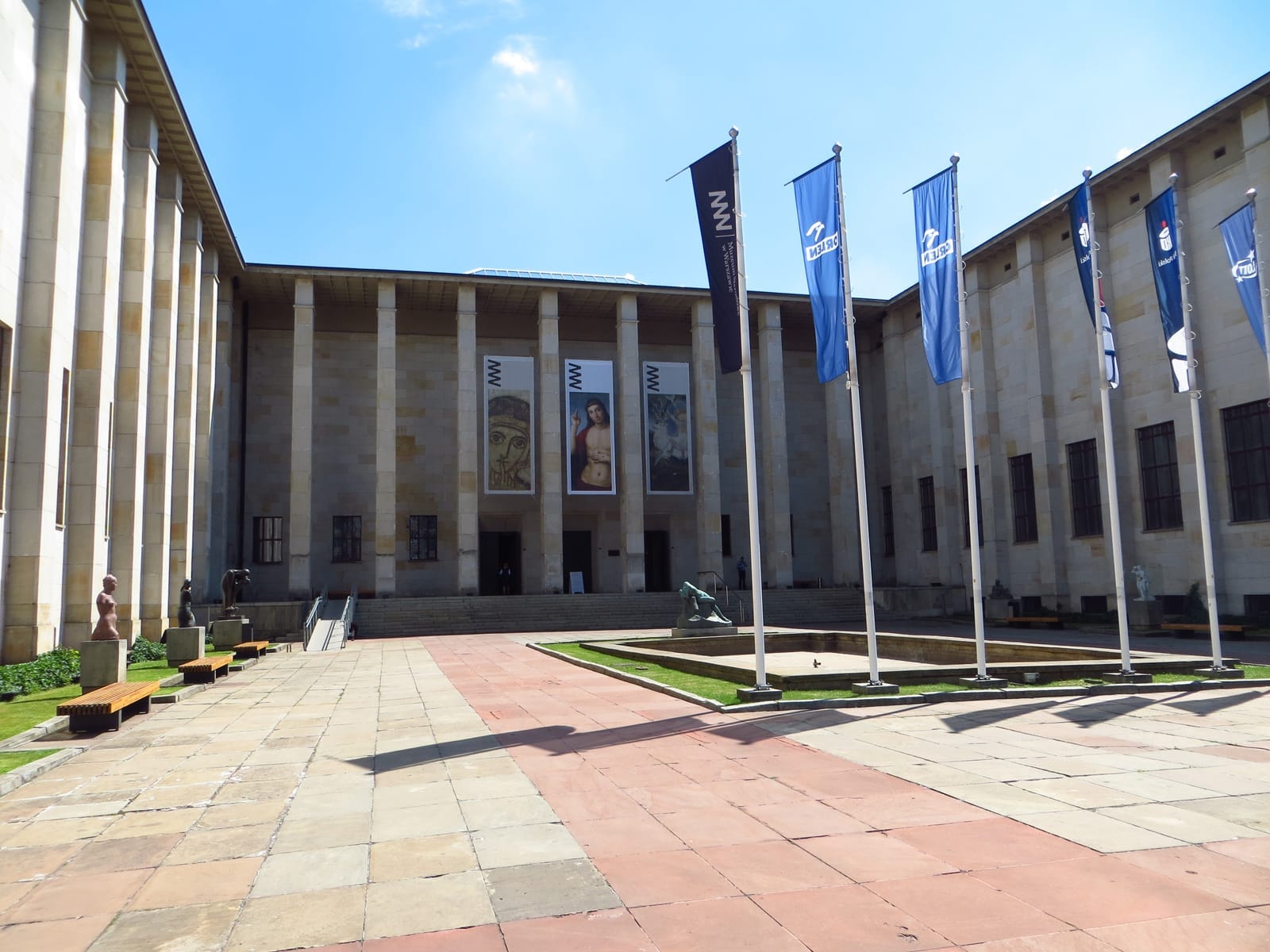
  • Home to the Warsaw Uprising Museum and POLIN Museum — two of Europe's finest history museums
  • Chopin was born near Warsaw; the city celebrates his legacy with free park concerts
  • Well connected by train to Kraków (2.5 hrs) and by air to most European cities
  • Polish złoty (PLN) is the currency — significantly cheaper than Western Europe

Best time to visit Warsaw

May to September is the best time to visit Warsaw, when long daylight hours, outdoor Vistula beach bars, and free Chopin concerts in Łazienki Park make the city feel most alive; July and August are peak months, while May and September offer pleasant weather with smaller crowds. Read our best time to visit guide.

Places to visit in Warsaw

Guides

Top attractions in Warsaw

🛫 From Warsaw, Berlin is a natural next stop

Warsaw and Berlin share a deeply intertwined 20th-century history, and the two capitals are connected by direct trains and budget flights in under two hours — making a Warsaw–Berlin pairing one of the most rewarding city-break combinations in Central Europe.

Explore our Berlin guide