3 Days in Warsaw: The Complete Itinerary
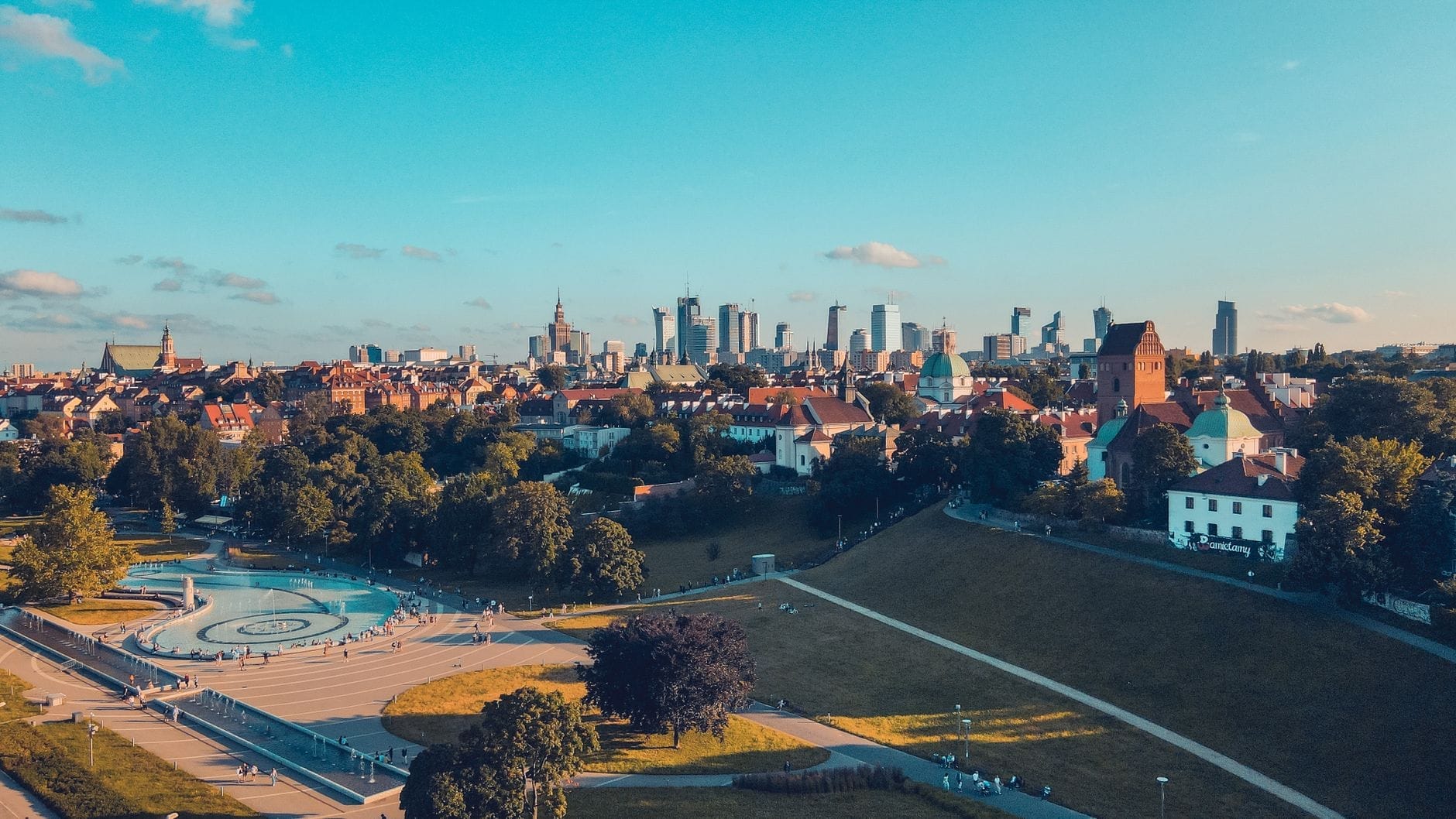
Three days is the sweet spot for Warsaw: enough time to walk the Royal Route, absorb the city's layered wartime history, cross the river into Praga, and still catch a sunset from the Vistula Boulevards. This itinerary structures the city's best attractions into three logical days so you don't waste a single hour backtracking.
Plan and book this trip
Tools from our partner Travelpayouts help you compare flights and hotels. If you book through them, we may earn a commission at no extra cost to you.
Flights
Hotels map
Warsaw rewards a three-day visit more than almost any other European capital. The city is compact enough to cover on foot and by tram, yet dense with world-class museums, reconstructed royal architecture, and a food scene that has quietly become one of Poland's best. This itinerary is built around three distinct zones: the historic center and Royal Route on Day 1, Jewish heritage and the city's WWII story on Day 2, and Łazienki Park plus a cross-river excursion into Praga on Day 3. If you want to go deeper into any single theme, check our guides on Warsaw's Jewish heritage and Warsaw's WWII history before you go. For the best neighborhood breakdown, our where to stay in Warsaw guide will help you choose a base that minimizes transit time.
✨ Pro tip
Buy a 72-hour public transport pass from any ZTM machine or the WarsawMobi app on arrival. At 36 PLN it covers unlimited metro, tram, and bus rides and pays for itself by Day 2.
Day 1: The Old Town & Royal Route
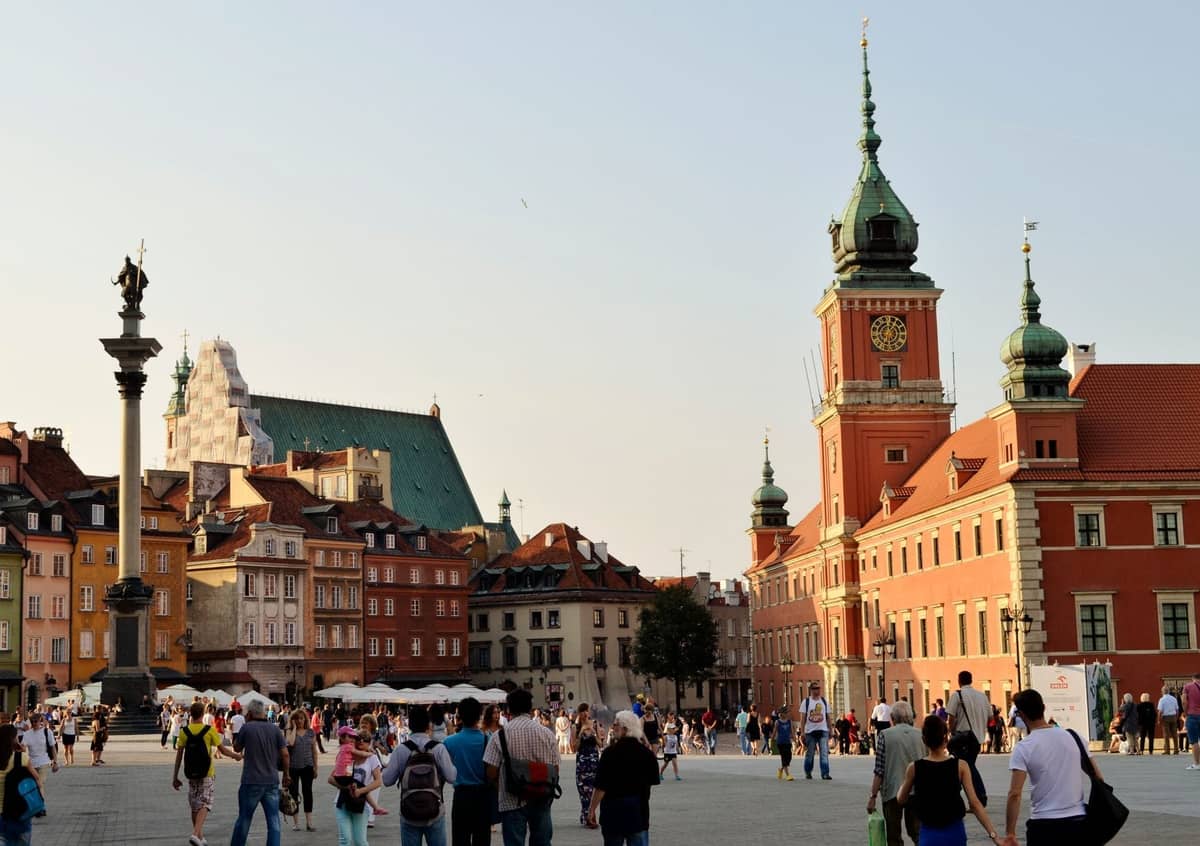
Start at Castle Square and work south along the Royal Route — Warsaw's architectural spine. The Old Town is fully walkable and the morning light on the pastel townhouses is hard to beat. Plan three to four hours here before heading down Krakowskie Przedmieście toward Nowy Świat for lunch and the afternoon stretch toward the Saxon Garden. This day is almost entirely on foot.
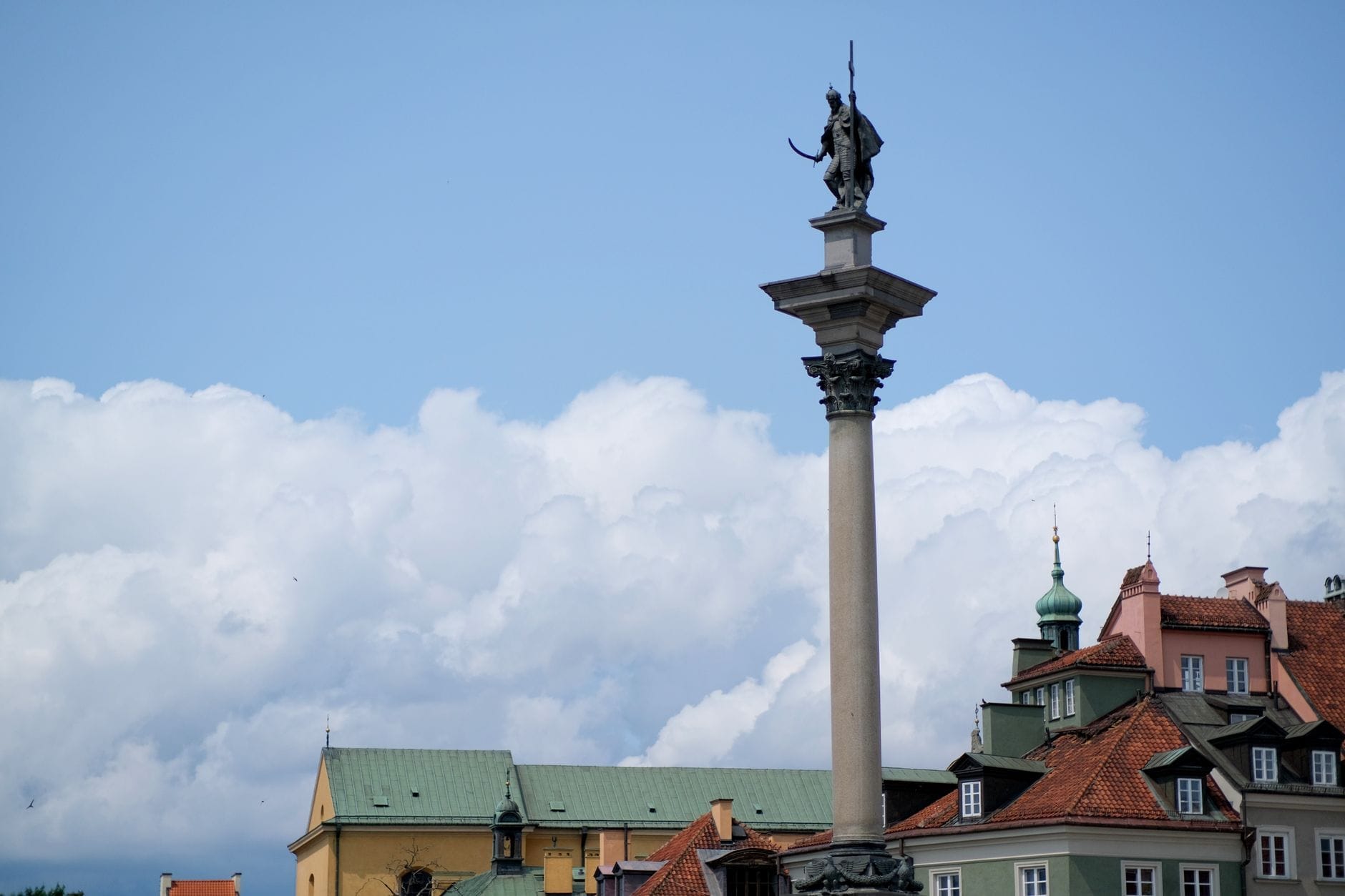
1. Start at Sigismund's Column, the Symbolic Heart of Warsaw
Begin Day 1 at Castle Square beneath this 1644 column, one of Europe's oldest secular monuments. It sets the tone for the day: a city that was obliterated and rebuilt with fierce determination. Good orientation point before entering the Royal Castle.
Explore1. Start at Sigismund's Column, the Symbolic Heart of Warsaw
Begin Day 1 at Castle Square beneath this 1644 column, one of Europe's oldest secular monuments. It sets the tone for the day: a city that was obliterated and rebuilt with fierce determination. Good orientation point before entering the Royal Castle.
Explore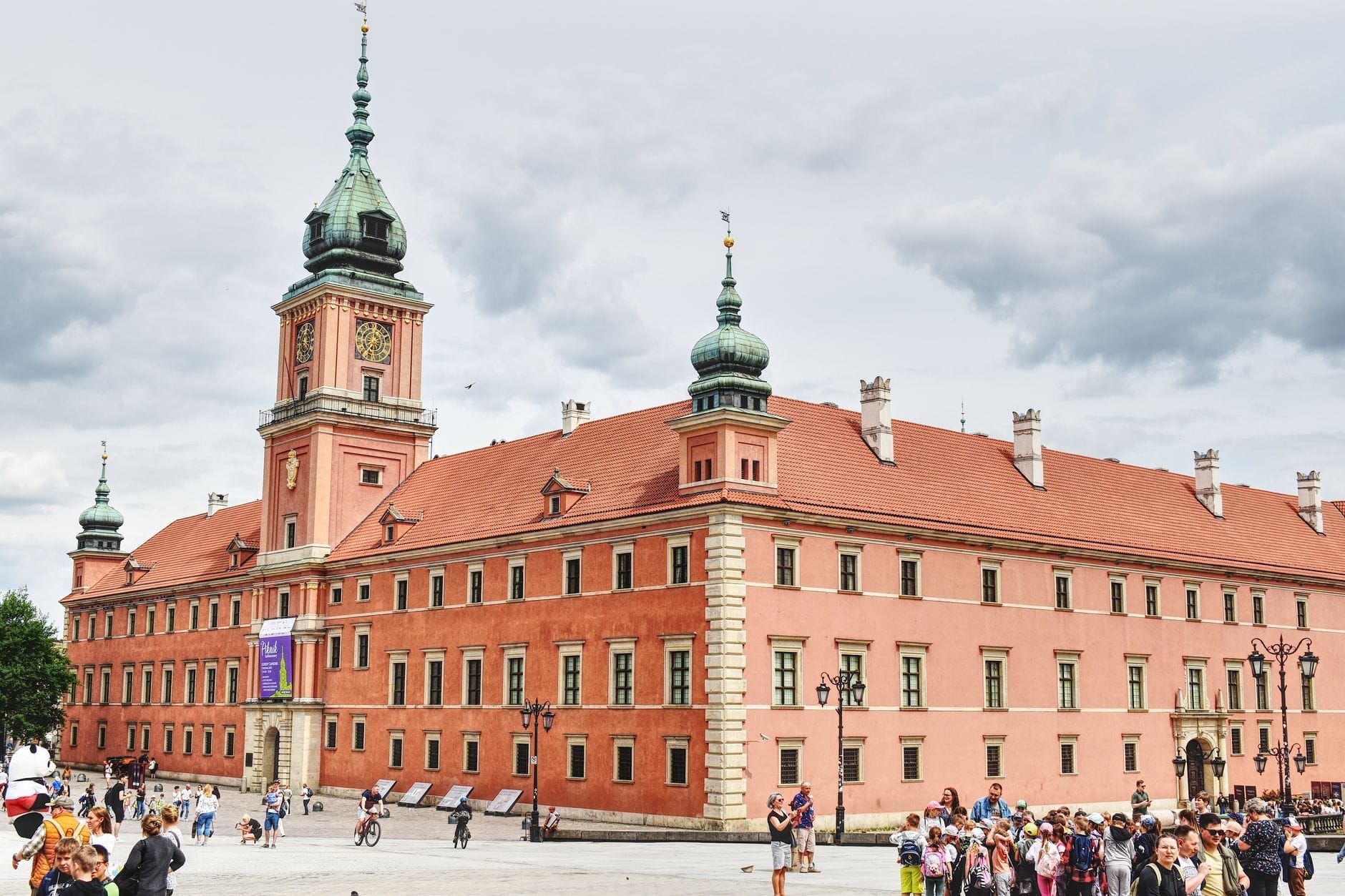
2. Tour the Rebuilt Royal Castle and Its Rembrandt Rooms
Destroyed by the Nazis, rebuilt stone by stone from public donations, the Royal Castle is Warsaw's most resonant landmark. Allow 90 minutes for the royal apartments, portrait galleries, and the two Rembrandt paintings saved by citizens before the city fell.
Explore2. Tour the Rebuilt Royal Castle and Its Rembrandt Rooms
Destroyed by the Nazis, rebuilt stone by stone from public donations, the Royal Castle is Warsaw's most resonant landmark. Allow 90 minutes for the royal apartments, portrait galleries, and the two Rembrandt paintings saved by citizens before the city fell.
Explore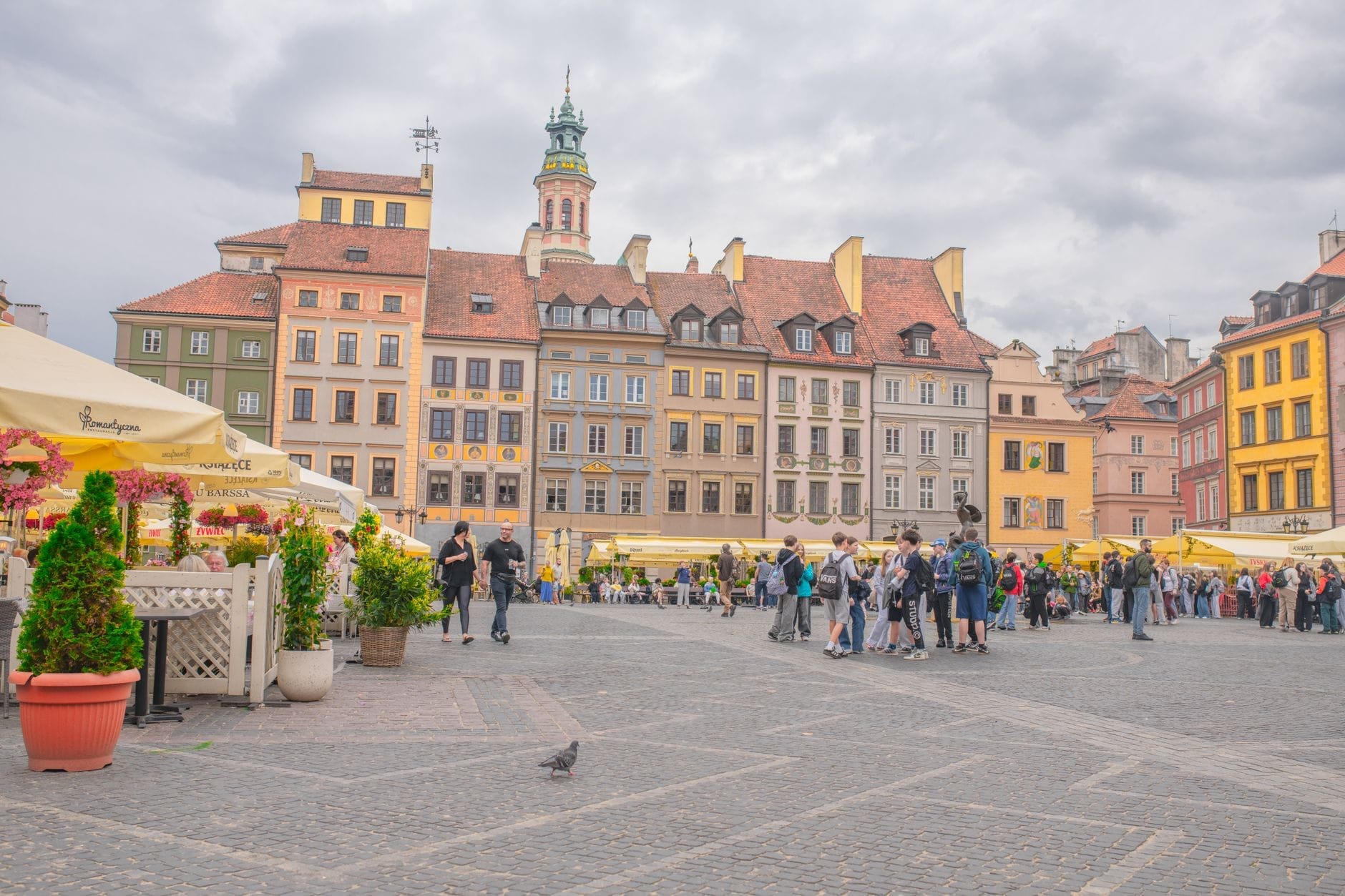
3. Walk the Old Town Market Square and Find the Mermaid Fountain
The cobbled market square is the visual payoff of Day 1 morning. Every building is a postwar reconstruction, yet the effect is convincing and charming. Have a coffee at one of the outdoor cafés, then find the Warsaw Mermaid fountain at the center.
Explore3. Walk the Old Town Market Square and Find the Mermaid Fountain
The cobbled market square is the visual payoff of Day 1 morning. Every building is a postwar reconstruction, yet the effect is convincing and charming. Have a coffee at one of the outdoor cafés, then find the Warsaw Mermaid fountain at the center.
Explore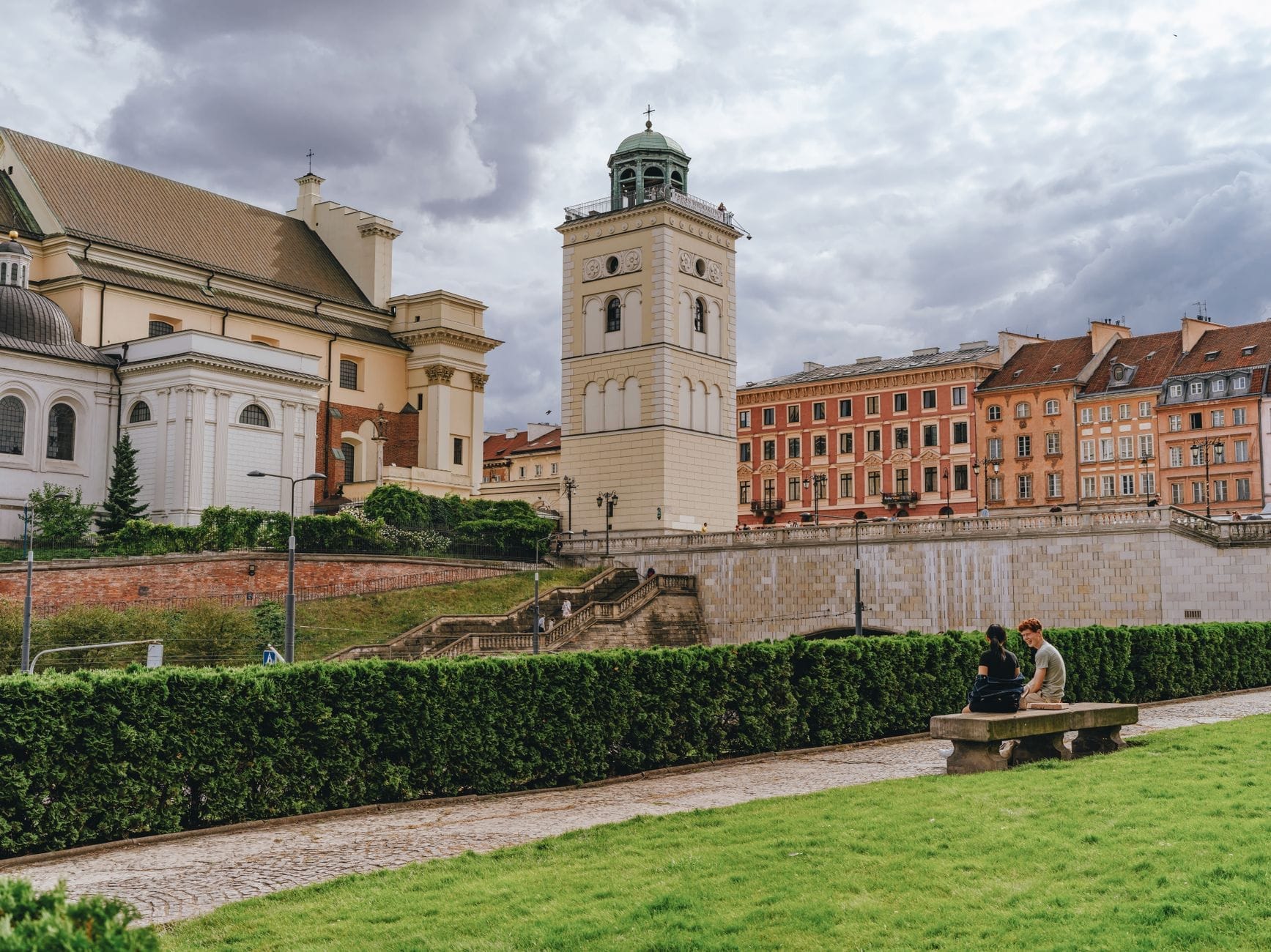
4. Climb St. Anne's Bell Tower for the Best Free View in the Old Town
Skip the paid viewpoints and climb St. Anne's bell tower instead. The panorama over Castle Square, the Vistula, and the Old Town rooftops is among the finest in the city, and it costs almost nothing. The Baroque church interior is worth five minutes too.
Explore4. Climb St. Anne's Bell Tower for the Best Free View in the Old Town
Skip the paid viewpoints and climb St. Anne's bell tower instead. The panorama over Castle Square, the Vistula, and the Old Town rooftops is among the finest in the city, and it costs almost nothing. The Baroque church interior is worth five minutes too.
Explore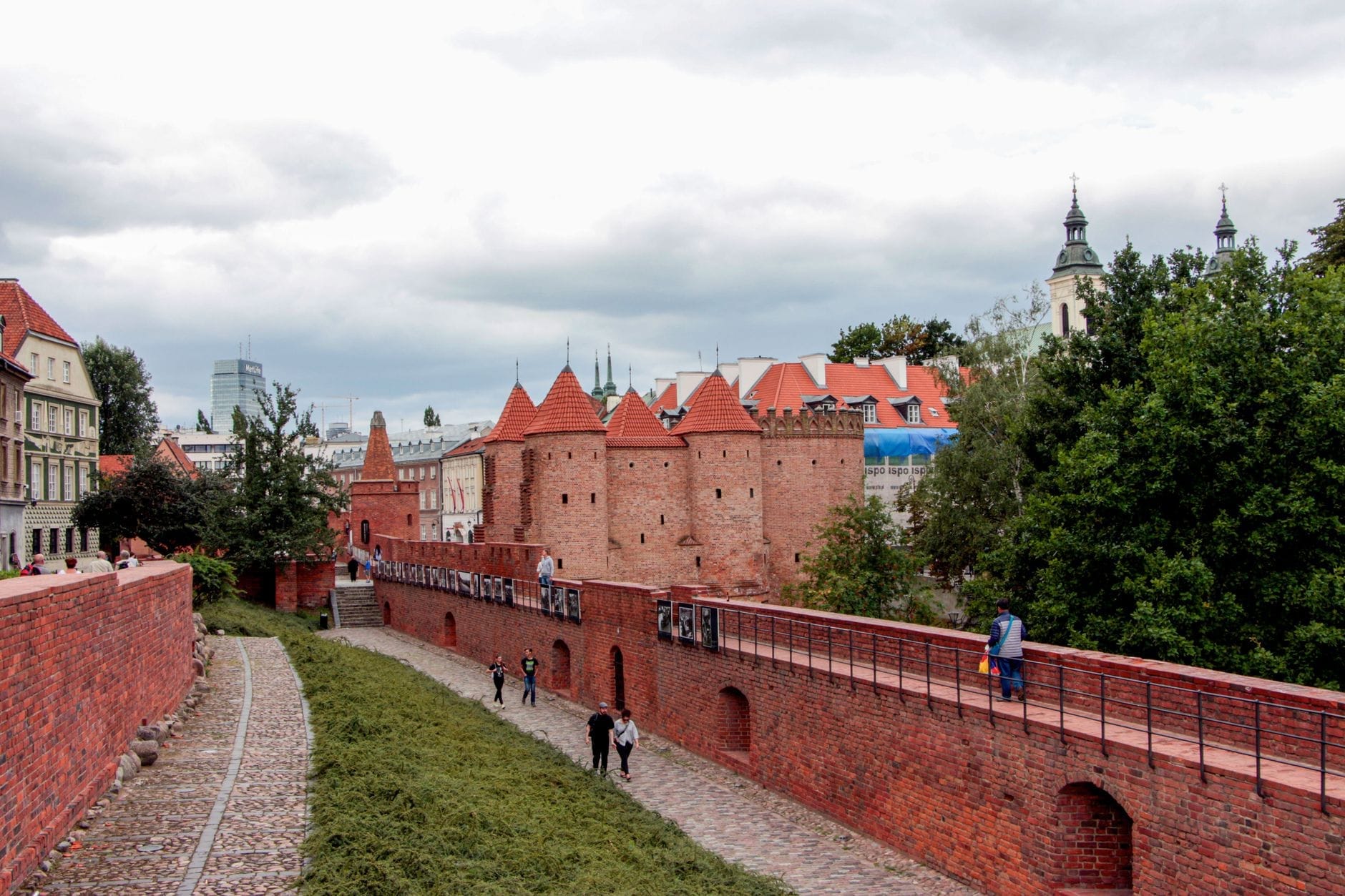
5. Walk Through the Medieval Barbican Gateway
The 16th-century red-brick Barbican is one of the few genuinely old structures in a city rebuilt from rubble. Pass through its arched gateway between the Old Town and New Town — it takes ten minutes but gives a real sense of Warsaw's pre-war defensive scale.
Explore5. Walk Through the Medieval Barbican Gateway
The 16th-century red-brick Barbican is one of the few genuinely old structures in a city rebuilt from rubble. Pass through its arched gateway between the Old Town and New Town — it takes ten minutes but gives a real sense of Warsaw's pre-war defensive scale.
Explore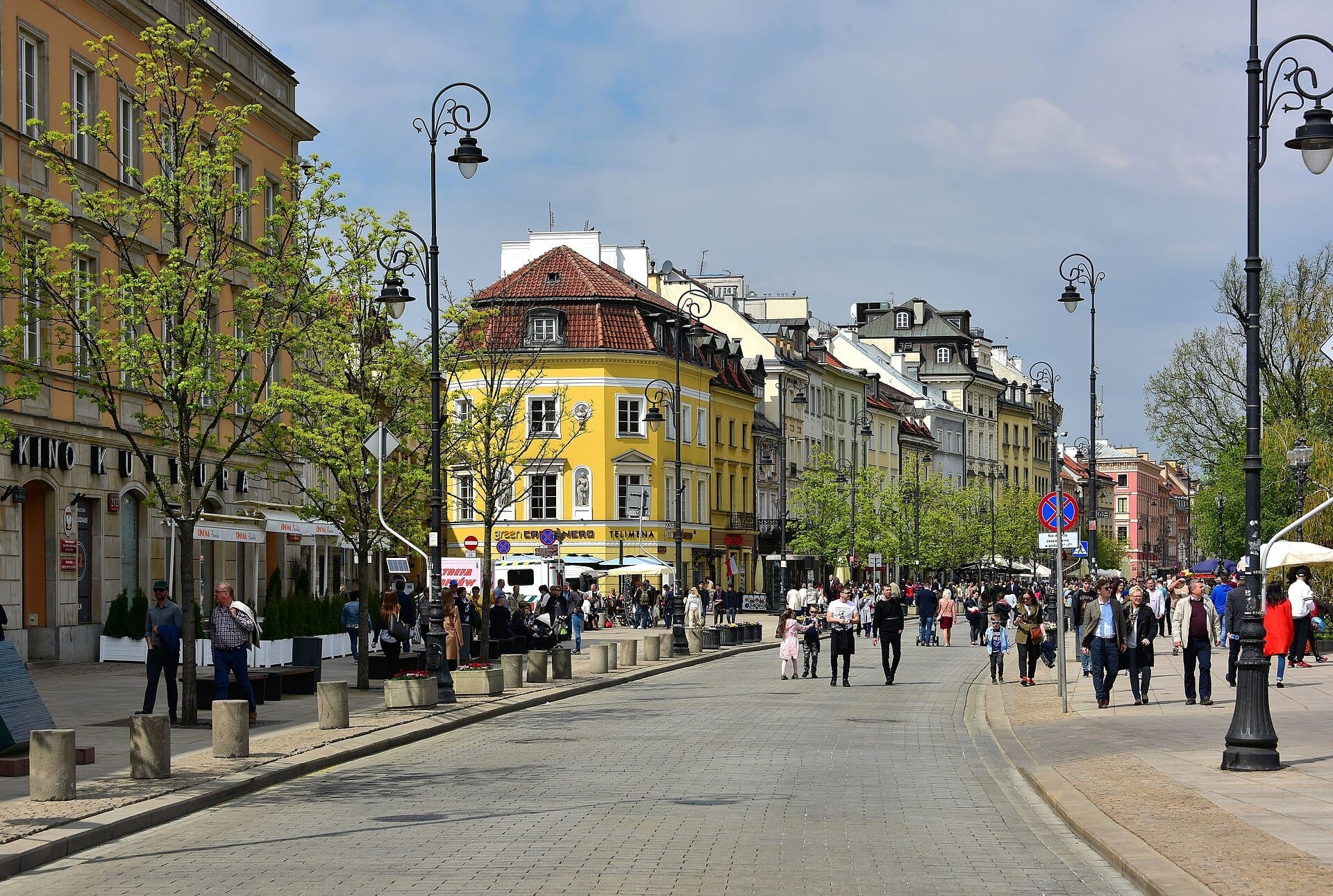
6. Stroll Krakowskie Przedmieście, Warsaw's Grand Boulevard
Walking south from Castle Square, this tree-lined avenue passes Baroque churches, the University of Warsaw, and the Presidential Palace. It is the most architecturally concentrated street in the city and connects the Old Town to Nowy Świat in about 20 minutes on foot.
Explore6. Stroll Krakowskie Przedmieście, Warsaw's Grand Boulevard
Walking south from Castle Square, this tree-lined avenue passes Baroque churches, the University of Warsaw, and the Presidential Palace. It is the most architecturally concentrated street in the city and connects the Old Town to Nowy Świat in about 20 minutes on foot.
Explore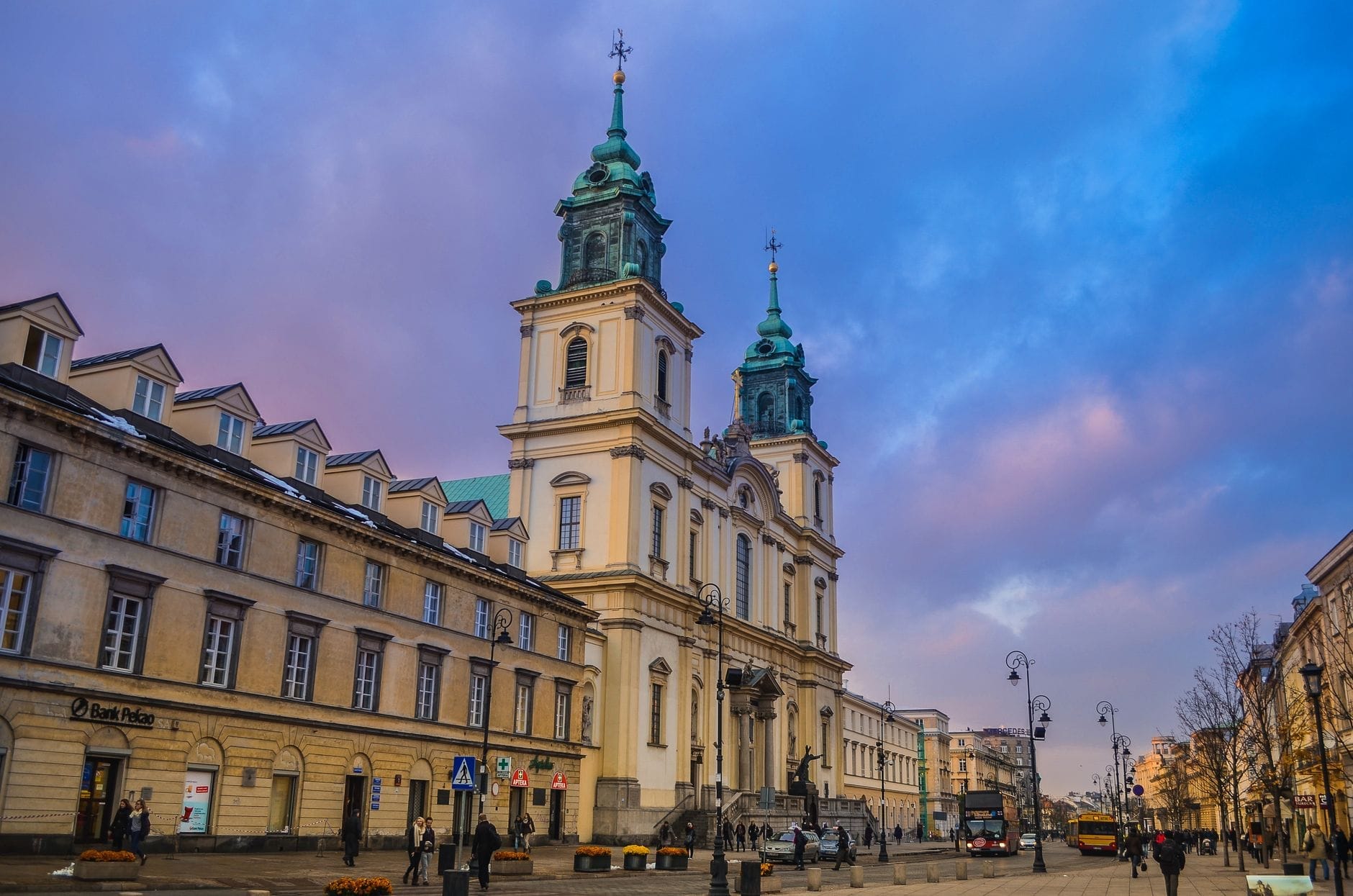
7. Pay Your Respects at Chopin's Heart in Holy Cross Church
Inside this 17th-century Baroque church, a pillar in the left nave contains an urn with Frédéric Chopin's preserved heart, brought back to Warsaw after his death in Paris. The detail is extraordinary and takes only 10 minutes to visit between the boulevard walks.
Explore7. Pay Your Respects at Chopin's Heart in Holy Cross Church
Inside this 17th-century Baroque church, a pillar in the left nave contains an urn with Frédéric Chopin's preserved heart, brought back to Warsaw after his death in Paris. The detail is extraordinary and takes only 10 minutes to visit between the boulevard walks.
Explore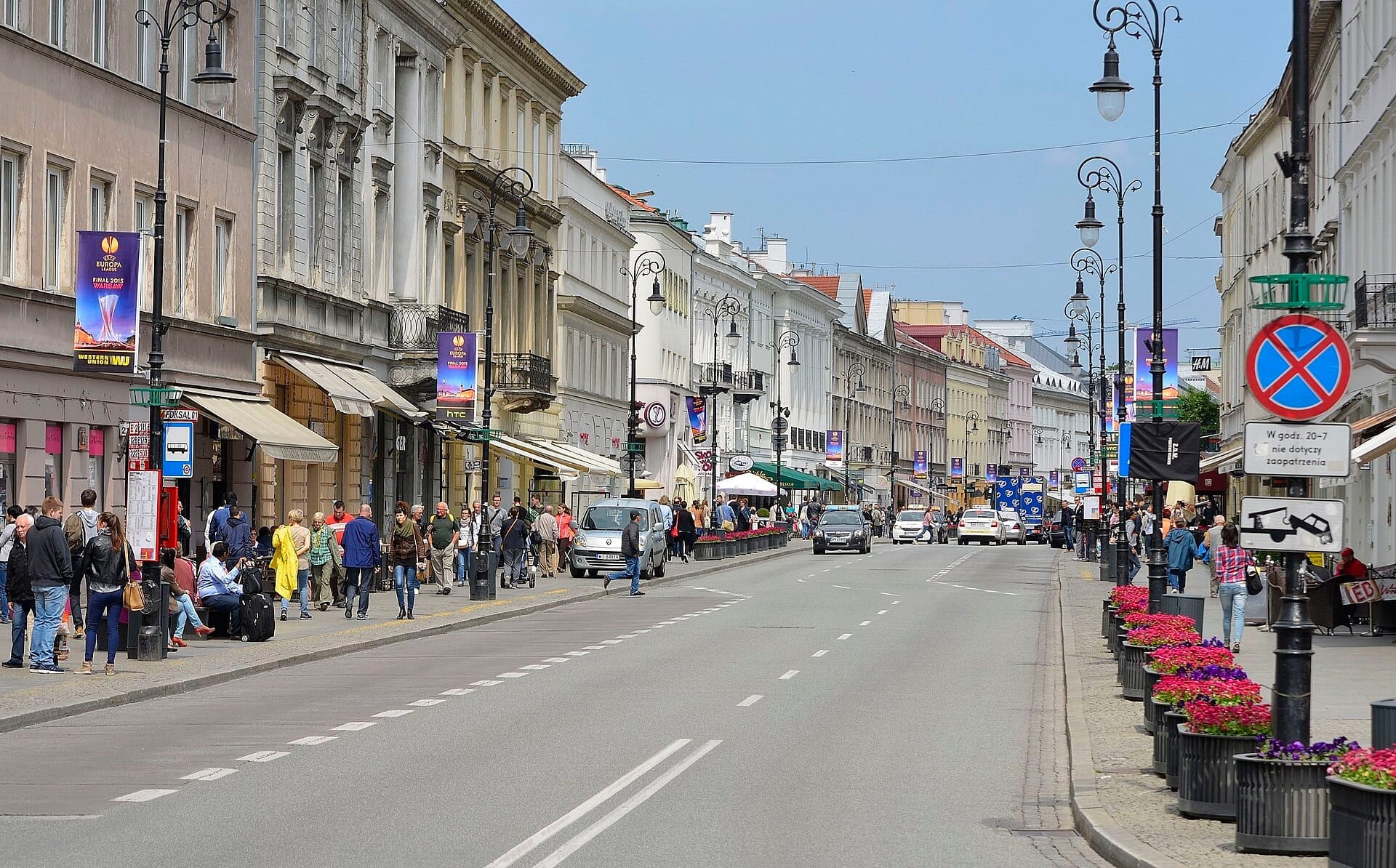
8. Have Lunch on Nowy Świat, Warsaw's Most Civilized Street
Nowy Świat is the right place for a midday break: outdoor café tables, excellent patisseries, and a relaxed pace. Try E. Wedel's chocolate café at No. 33 for a traditional hot chocolate, or pick one of the many Polish lunch spots in the side streets.
Explore8. Have Lunch on Nowy Świat, Warsaw's Most Civilized Street
Nowy Świat is the right place for a midday break: outdoor café tables, excellent patisseries, and a relaxed pace. Try E. Wedel's chocolate café at No. 33 for a traditional hot chocolate, or pick one of the many Polish lunch spots in the side streets.
Explore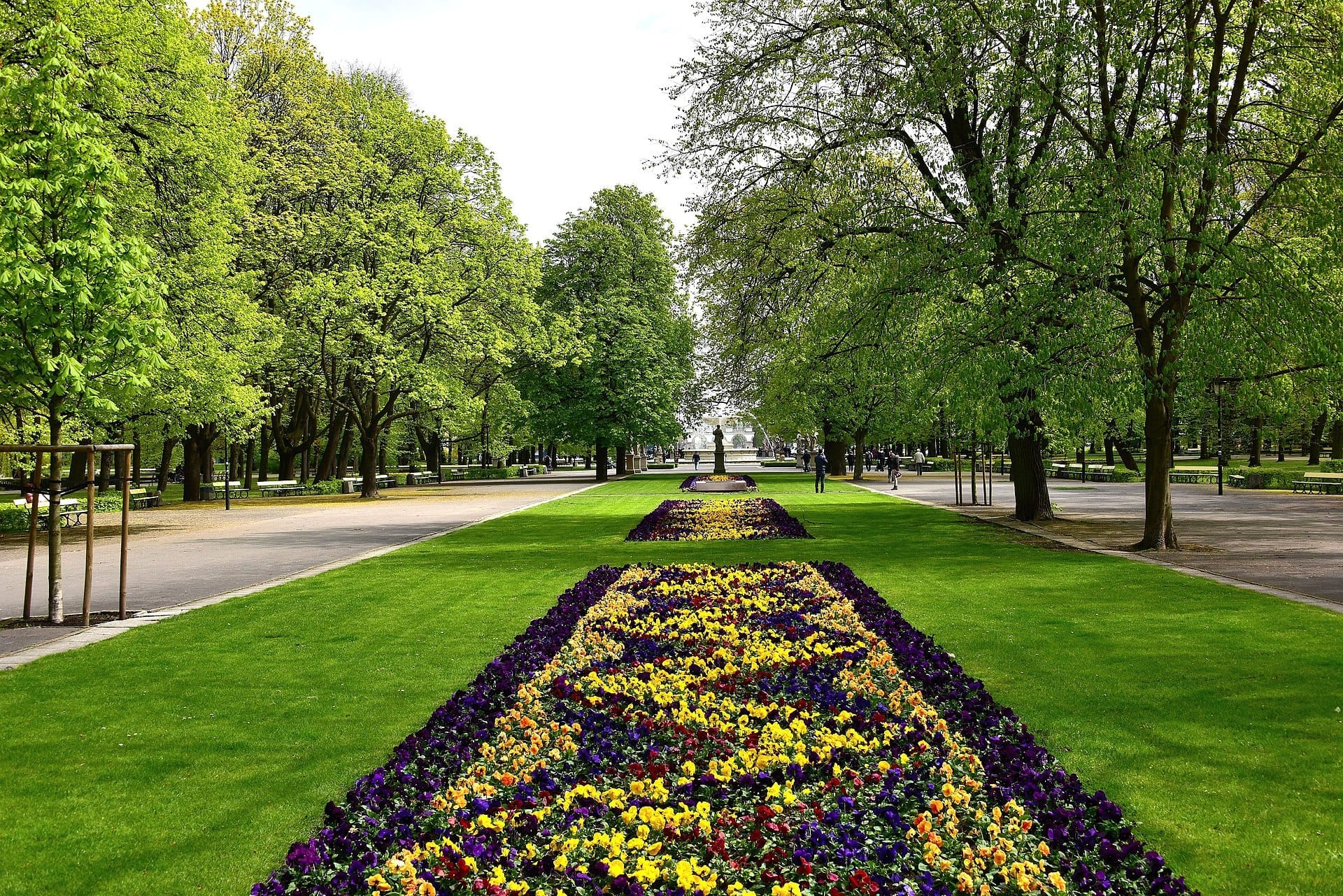
9. End the Afternoon at the Saxon Garden and Tomb of the Unknown Soldier
Warsaw's oldest public park is ideal for a late-afternoon rest. The formal French garden dates to 1727 and surrounds the Tomb of the Unknown Soldier, set beneath the only surviving arcade of the Saxon Palace. The changing of the guard happens here on Sundays at noon.
Explore9. End the Afternoon at the Saxon Garden and Tomb of the Unknown Soldier
Warsaw's oldest public park is ideal for a late-afternoon rest. The formal French garden dates to 1727 and surrounds the Tomb of the Unknown Soldier, set beneath the only surviving arcade of the Saxon Palace. The changing of the guard happens here on Sundays at noon.
Explore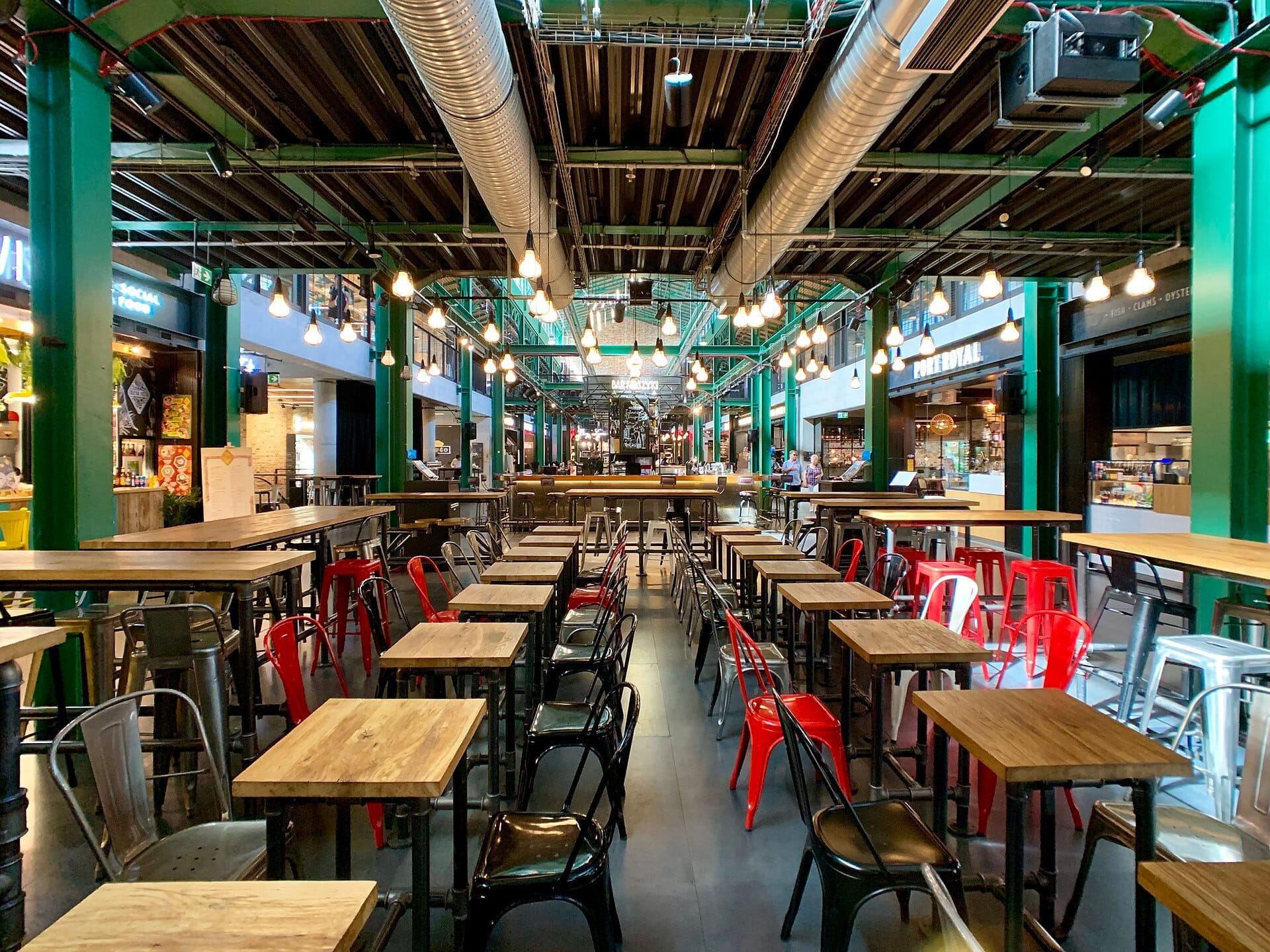
10. Dinner at Hala Koszyki Food Hall, the Best Roof Under One Roof
End Day 1 at this 1906 iron-and-glass market hall, now Warsaw's finest food hall. Dozens of stalls cover pierogi, craft beer, Japanese noodles, and specialty coffee. Arrive by 7 PM on weekends to avoid a wait for the most popular stalls. Lively until late.
Explore10. Dinner at Hala Koszyki Food Hall, the Best Roof Under One Roof
End Day 1 at this 1906 iron-and-glass market hall, now Warsaw's finest food hall. Dozens of stalls cover pierogi, craft beer, Japanese noodles, and specialty coffee. Arrive by 7 PM on weekends to avoid a wait for the most popular stalls. Lively until late.
ExploreDay 2: WWII History and Jewish Warsaw
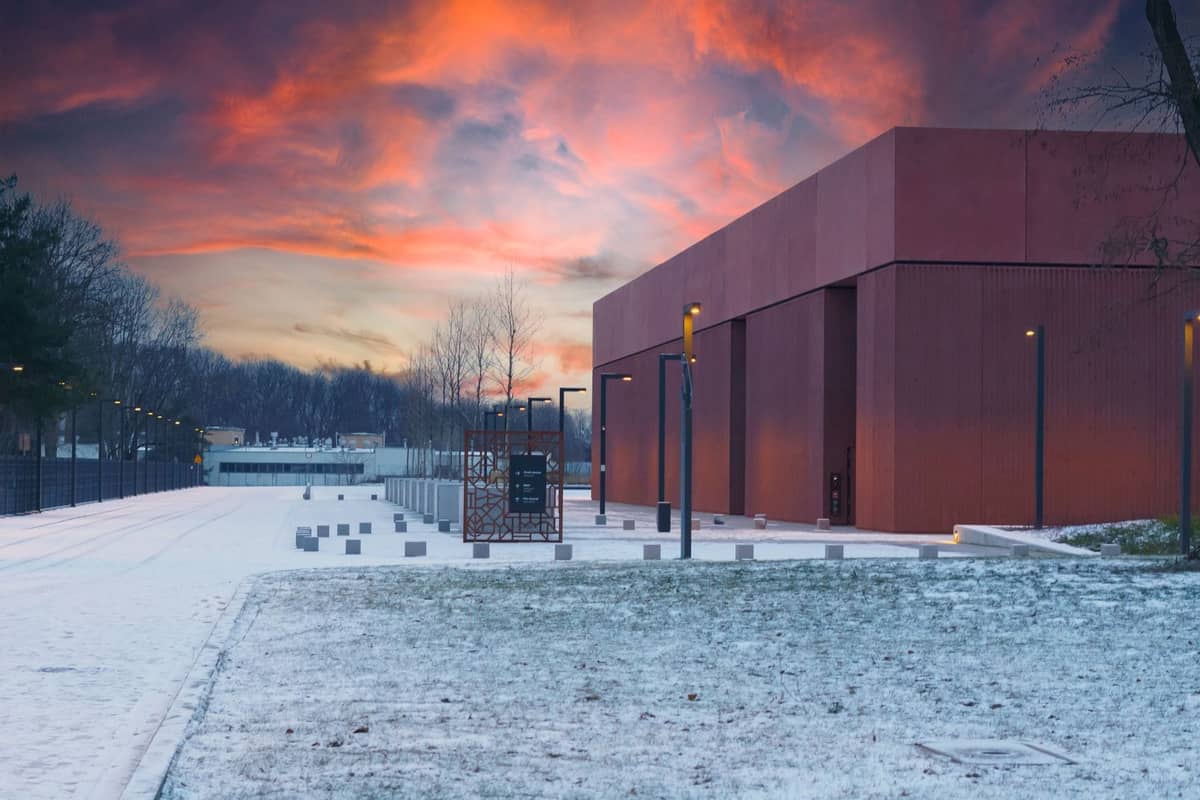
Day 2 is the most emotionally demanding day of the itinerary, but also the most important for understanding modern Warsaw. The Muranów district was once the heart of Jewish Warsaw and later the site of the wartime ghetto; today it is home to POLIN Museum and several key memorials. Book POLIN tickets in advance online, note it is closed on Tuesdays, and allow at least three hours inside. The Warsaw Uprising Museum is in a separate part of the city — take a tram west after lunch.
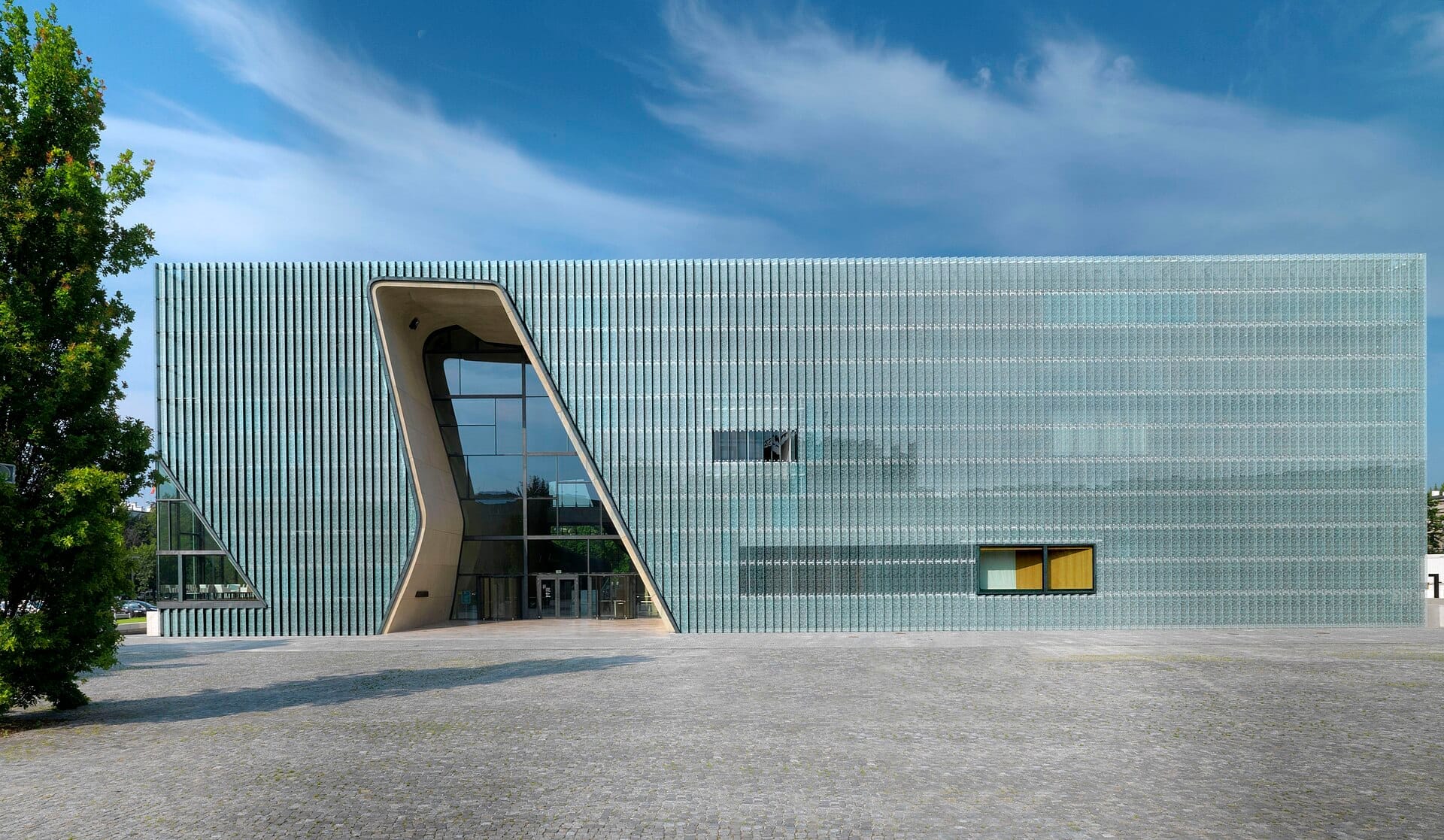
11. Spend the Morning at POLIN, One of Europe's Best History Museums
POLIN tells a thousand years of Jewish life in Poland across eight chronological galleries with reconstructed synagogue interiors and personal testimonies. It won the Council of Europe Museum Prize. Book tickets online, closed Tuesdays, and allow at least 3 hours.
Explore11. Spend the Morning at POLIN, One of Europe's Best History Museums
POLIN tells a thousand years of Jewish life in Poland across eight chronological galleries with reconstructed synagogue interiors and personal testimonies. It won the Council of Europe Museum Prize. Book tickets online, closed Tuesdays, and allow at least 3 hours.
Explore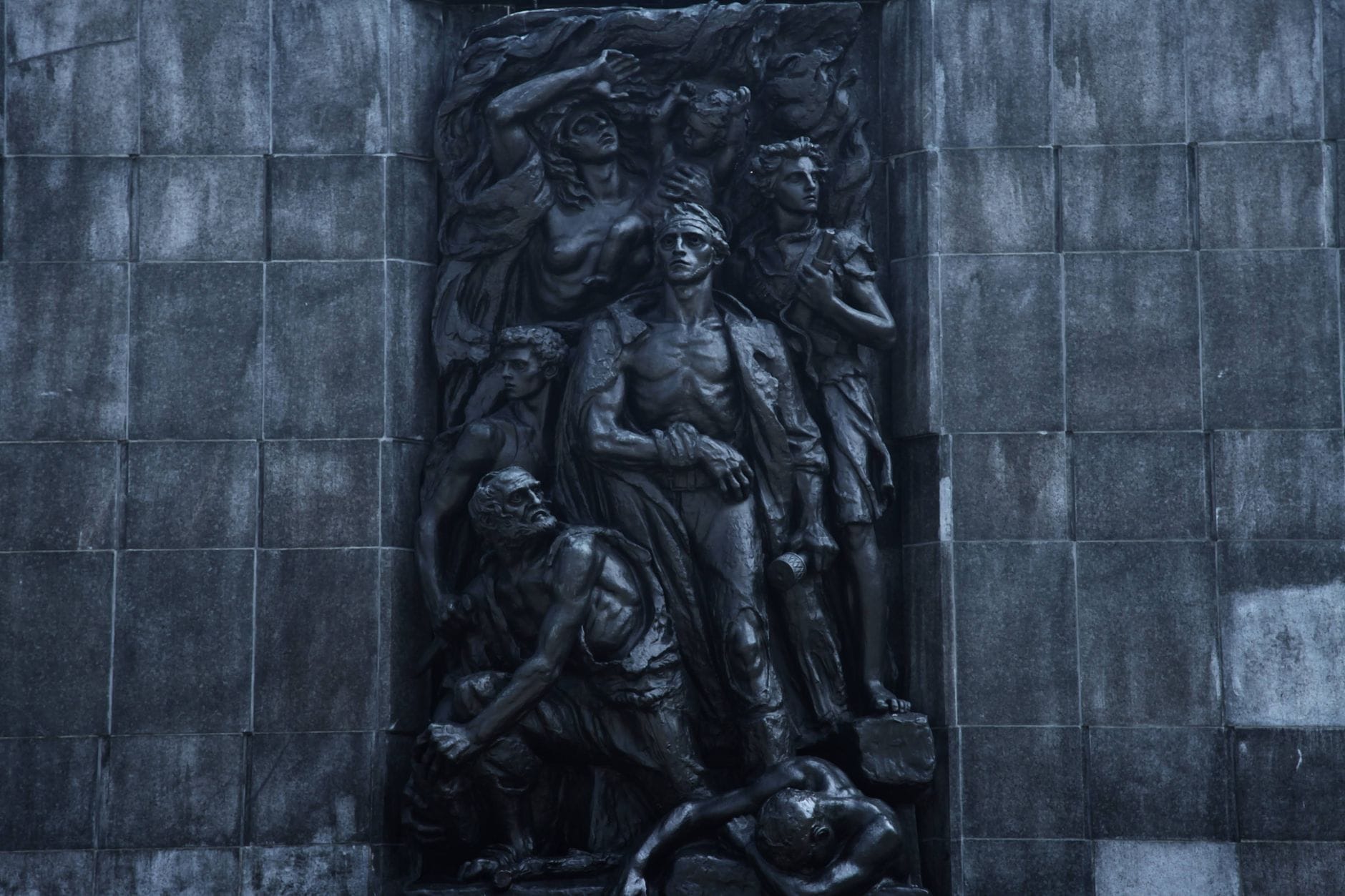
12. Stand at the Monument to the Ghetto Heroes, Steps from POLIN
Directly outside POLIN, this 1948 bronze monument marks the site where the 1943 Warsaw Ghetto Uprising began — the first urban uprising against Nazi occupation in Europe. Willy Brandt's famous kneeling gesture happened here in 1970. Allow 15 quiet minutes.
Explore12. Stand at the Monument to the Ghetto Heroes, Steps from POLIN
Directly outside POLIN, this 1948 bronze monument marks the site where the 1943 Warsaw Ghetto Uprising began — the first urban uprising against Nazi occupation in Europe. Willy Brandt's famous kneeling gesture happened here in 1970. Allow 15 quiet minutes.
Explore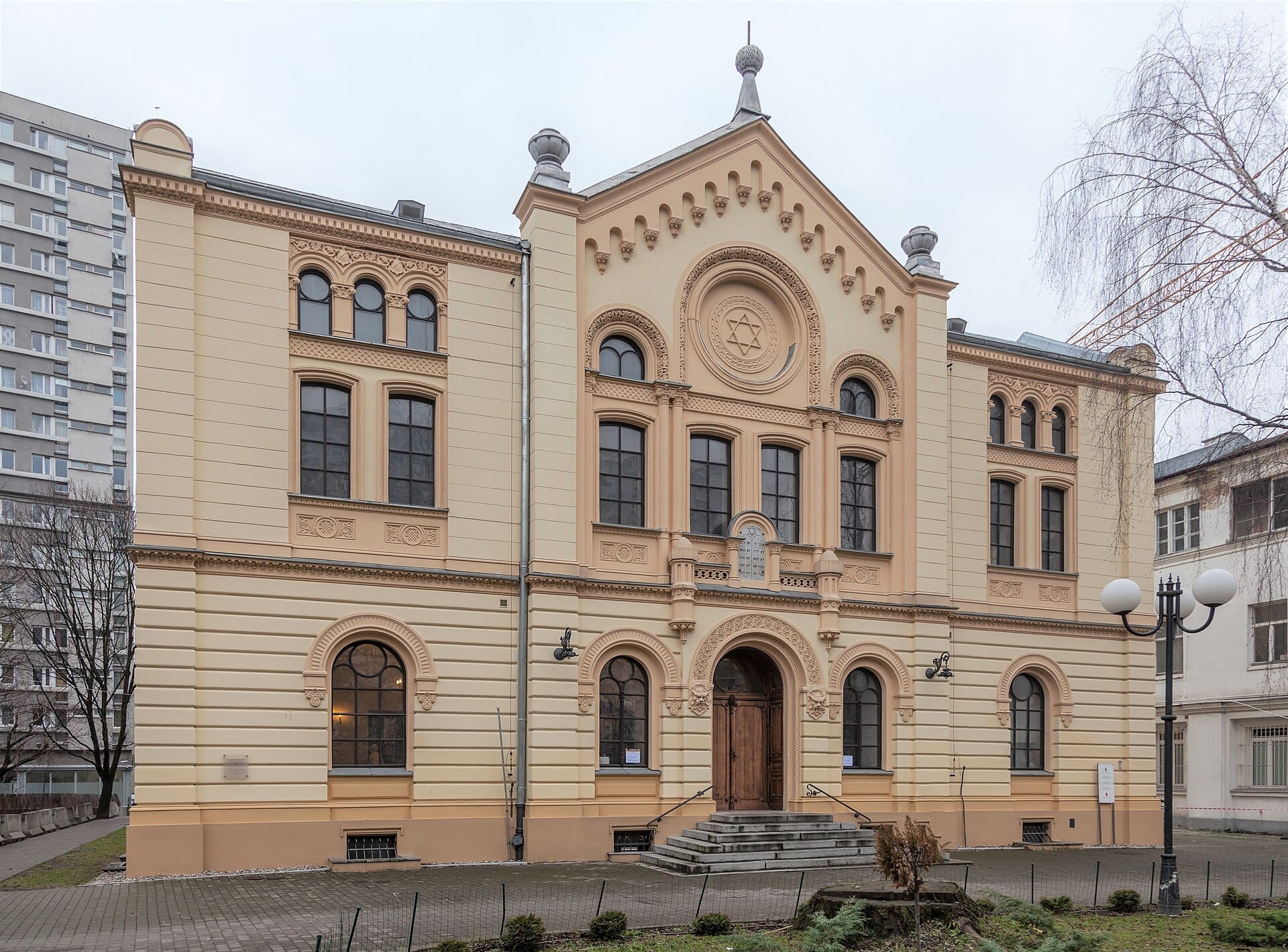
13. Visit the Nożyk Synagogue, the Only Prewar Synagogue to Survive
Built in 1902 and used as a stable during the occupation, the Nożyk Synagogue was painstakingly restored and remains an active house of worship. Its survival is remarkable given that Warsaw's Jewish quarter was almost entirely destroyed. Check opening hours before visiting.
Explore13. Visit the Nożyk Synagogue, the Only Prewar Synagogue to Survive
Built in 1902 and used as a stable during the occupation, the Nożyk Synagogue was painstakingly restored and remains an active house of worship. Its survival is remarkable given that Warsaw's Jewish quarter was almost entirely destroyed. Check opening hours before visiting.
Explore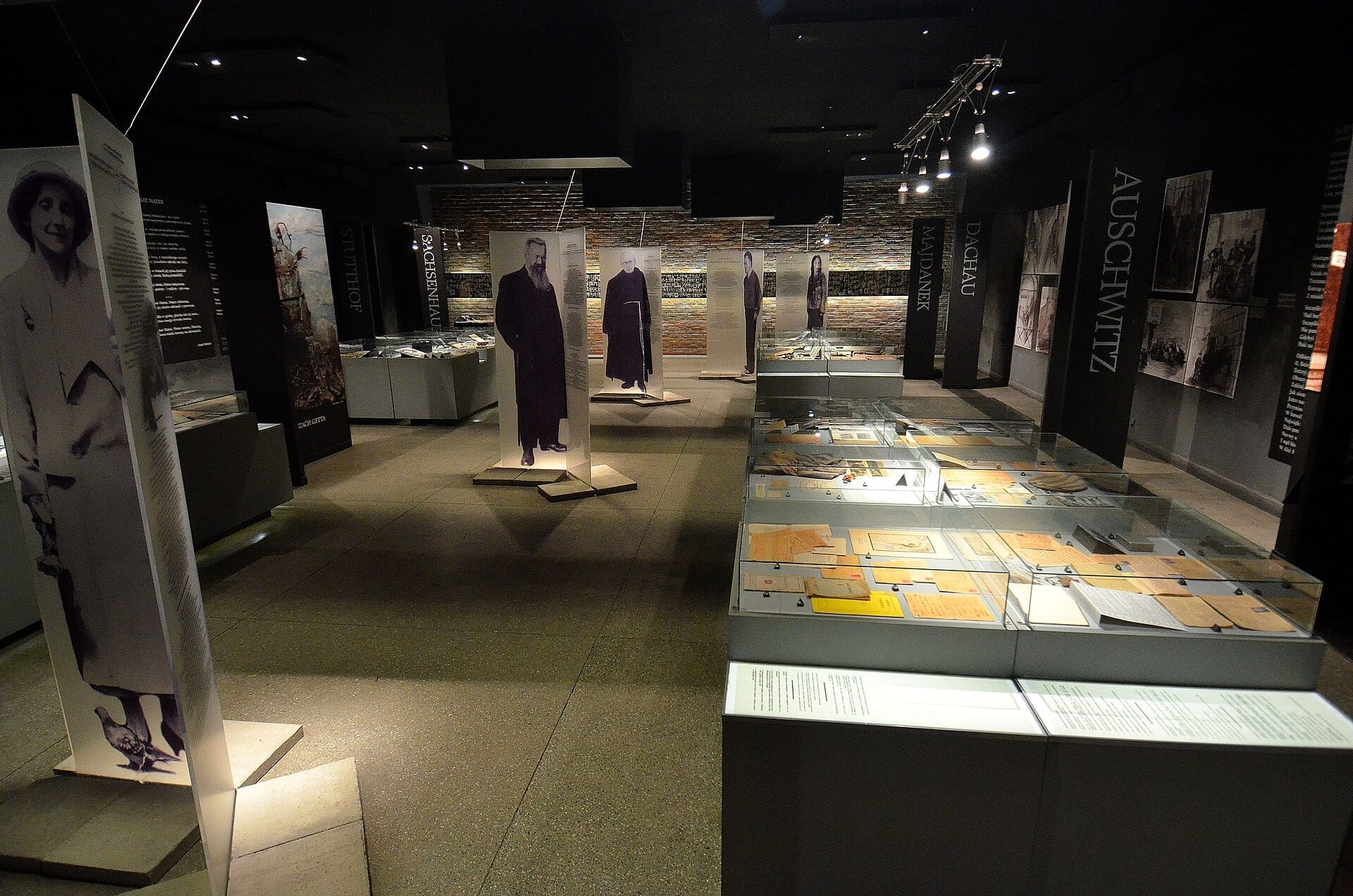
14. See the Gestapo's Main Warsaw Prison at Pawiak Museum
Over 100,000 Poles passed through Pawiak between 1939 and 1944; tens of thousands were executed. The museum preserves original cells, prisoner records, and personal effects. A dead elm tree outside is covered in memorial plaques left by victims' families. Sobering, essential.
Explore14. See the Gestapo's Main Warsaw Prison at Pawiak Museum
Over 100,000 Poles passed through Pawiak between 1939 and 1944; tens of thousands were executed. The museum preserves original cells, prisoner records, and personal effects. A dead elm tree outside is covered in memorial plaques left by victims' families. Sobering, essential.
Explore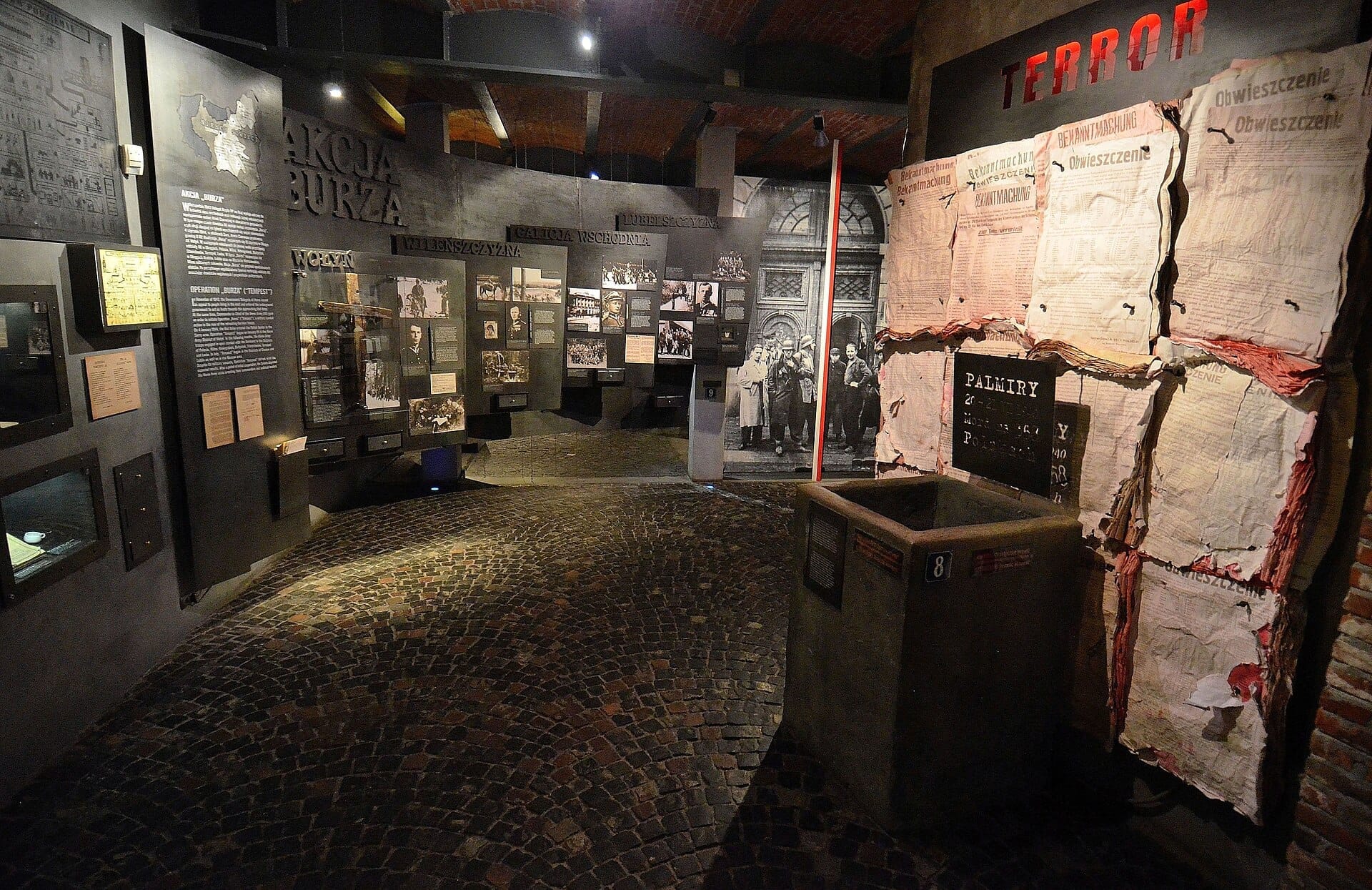
15. Spend the Afternoon at the Warsaw Uprising Museum
This immersive museum covers the 63-day 1944 uprising in extraordinary depth, with a full-scale B-24 Liberator replica, original weapons, personal letters, and film footage. Rated one of the best museums in Europe. Take a tram west from Muranów; allow 2-3 hours minimum.
Explore15. Spend the Afternoon at the Warsaw Uprising Museum
This immersive museum covers the 63-day 1944 uprising in extraordinary depth, with a full-scale B-24 Liberator replica, original weapons, personal letters, and film footage. Rated one of the best museums in Europe. Take a tram west from Muranów; allow 2-3 hours minimum.
Explore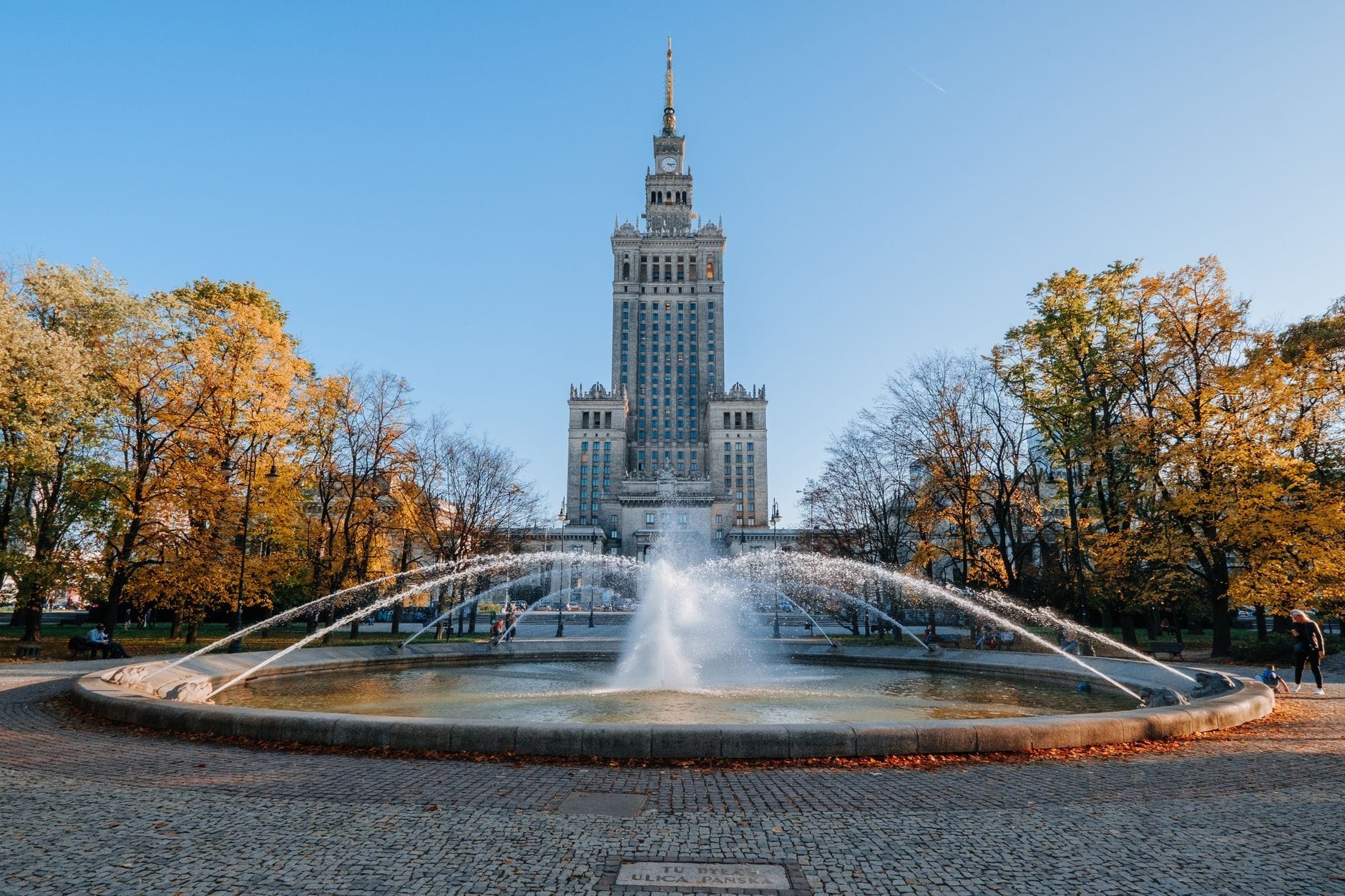
16. Ride to the Observation Deck of the Palace of Culture and Science
The Stalinist skyscraper gifted by the Soviet Union in 1955 still dominates Warsaw's skyline at 237 meters. Its 30th-floor observation deck offers the best panoramic views in the city center, open until 8 PM. The view at dusk, looking back over the Old Town, is excellent.
Explore16. Ride to the Observation Deck of the Palace of Culture and Science
The Stalinist skyscraper gifted by the Soviet Union in 1955 still dominates Warsaw's skyline at 237 meters. Its 30th-floor observation deck offers the best panoramic views in the city center, open until 8 PM. The view at dusk, looking back over the Old Town, is excellent.
Explore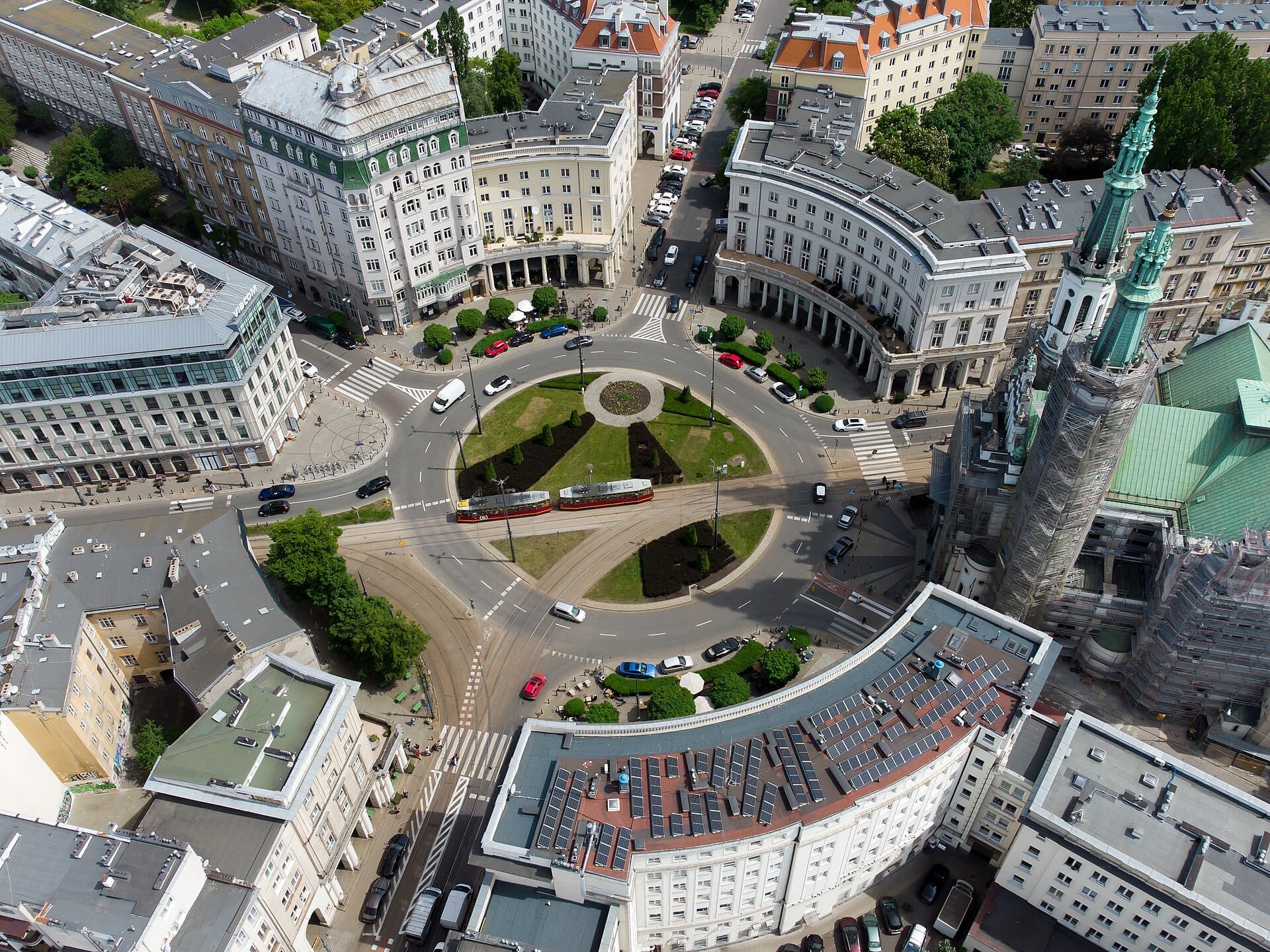
17. Evening Drinks at Plac Zbawiciela, the City's Coolest Square
After a heavy day of history, Plac Zbawiciela delivers exactly the right decompression: independent bars, good coffee, and a young local crowd on a circular square lined with Art Nouveau architecture. Plan Bułhak café and Charlotte bakery are both excellent stops here.
Explore17. Evening Drinks at Plac Zbawiciela, the City's Coolest Square
After a heavy day of history, Plac Zbawiciela delivers exactly the right decompression: independent bars, good coffee, and a young local crowd on a circular square lined with Art Nouveau architecture. Plan Bułhak café and Charlotte bakery are both excellent stops here.
ExploreDay 3: Royal Parks and Praga Across the River
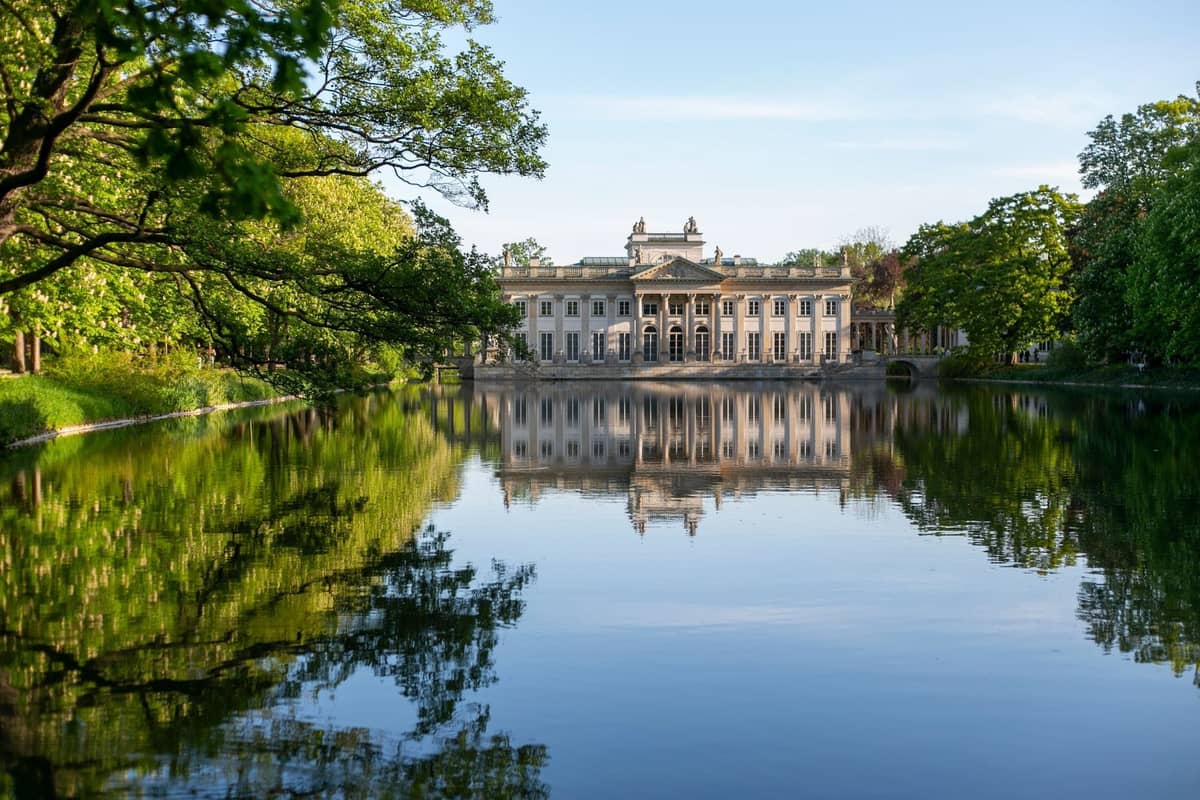
Day 3 balances the intensity of Day 2 with green space and the raw, unreconstructed atmosphere of Praga on the Vistula's right bank. Start late morning in Łazienki Park, which rewards at least two hours, then cross the river into Praga for the afternoon. In summer, finish on the Vistula Boulevards for sunset and street food. If you are visiting between May and September on a Sunday, time your Łazienki visit to catch the free noon Chopin concert at the monument.
18. Spend the Morning in Łazienki, Warsaw's Most Beautiful Park
76 hectares of royal landscape with peacocks, lakeside pavilions, and formal gardens. On summer Sundays, free Chopin concerts are performed at the monument from noon. Even without the concert, the park deserves two hours — it is the finest green space in Warsaw.
Explore18. Spend the Morning in Łazienki, Warsaw's Most Beautiful Park
76 hectares of royal landscape with peacocks, lakeside pavilions, and formal gardens. On summer Sundays, free Chopin concerts are performed at the monument from noon. Even without the concert, the park deserves two hours — it is the finest green space in Warsaw.
Explore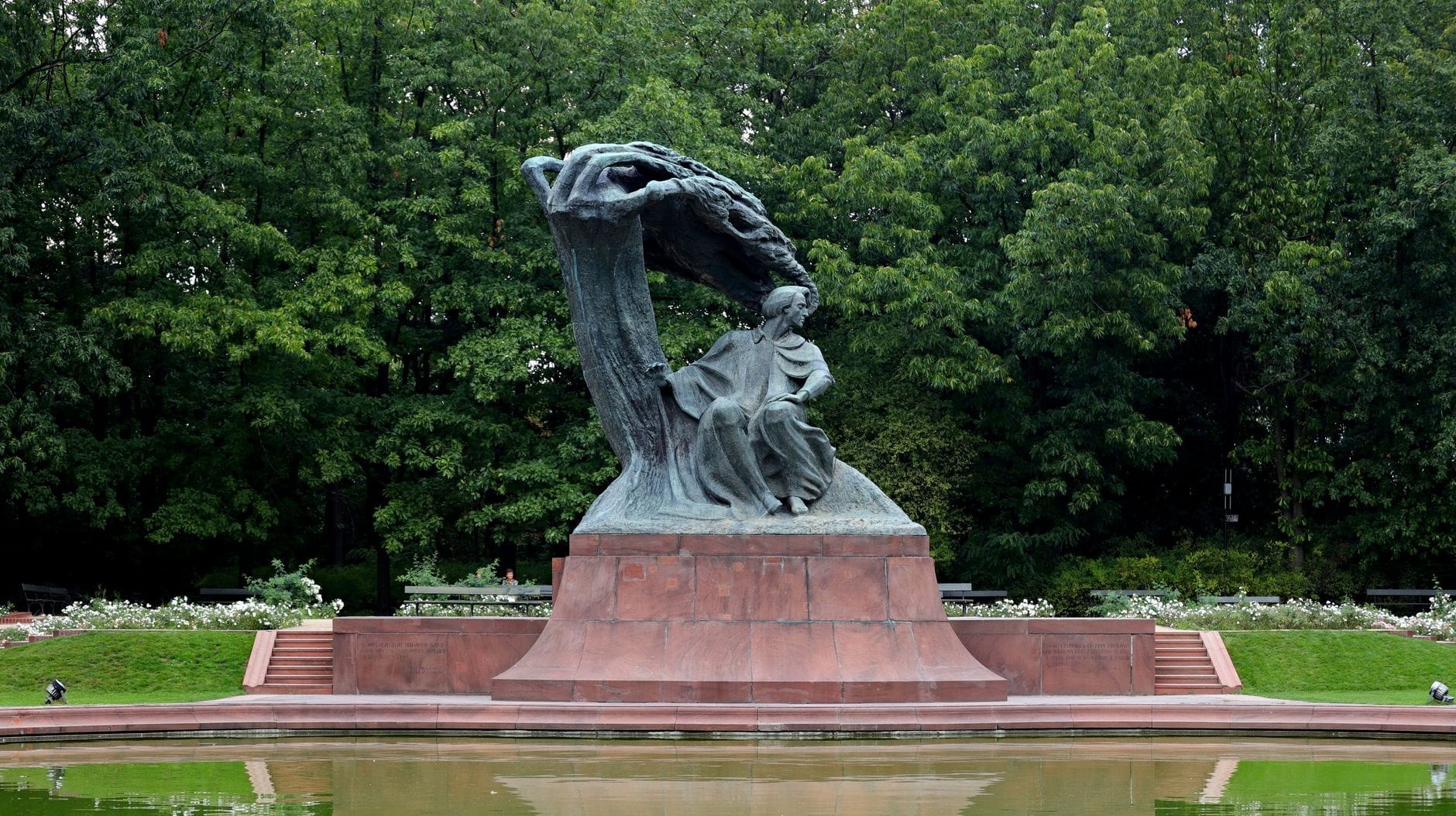
19. Catch a Free Sunday Chopin Concert at the Famous Bronze Monument
The 1926 bronze of Chopin beneath a willow tree is the stage for Warsaw's beloved free concerts every Sunday from May to September, performed at noon and 4 PM. Even outside concert season, the monument is one of the most photographed spots in Poland.
Explore19. Catch a Free Sunday Chopin Concert at the Famous Bronze Monument
The 1926 bronze of Chopin beneath a willow tree is the stage for Warsaw's beloved free concerts every Sunday from May to September, performed at noon and 4 PM. Even outside concert season, the monument is one of the most photographed spots in Poland.
Explore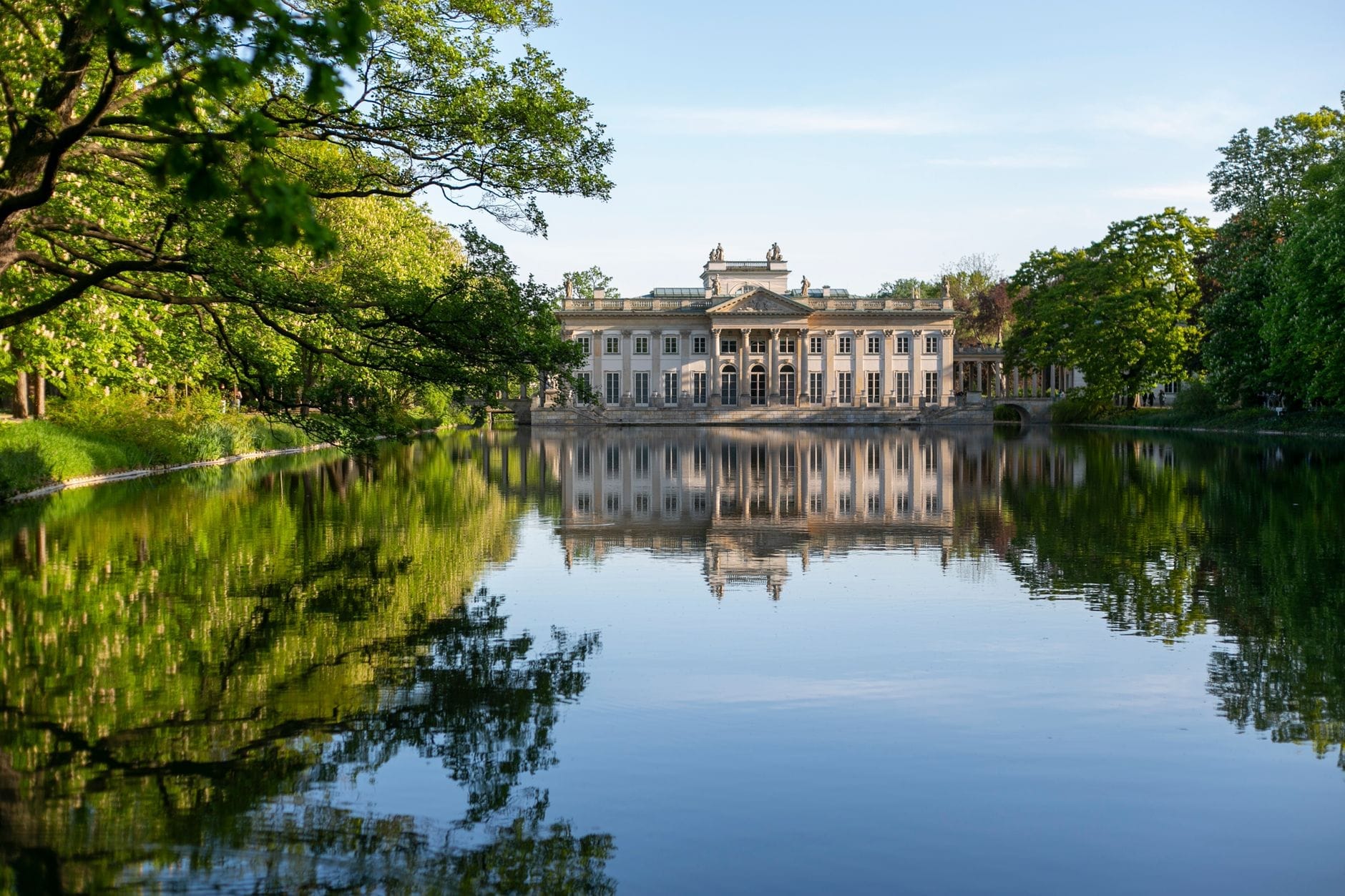
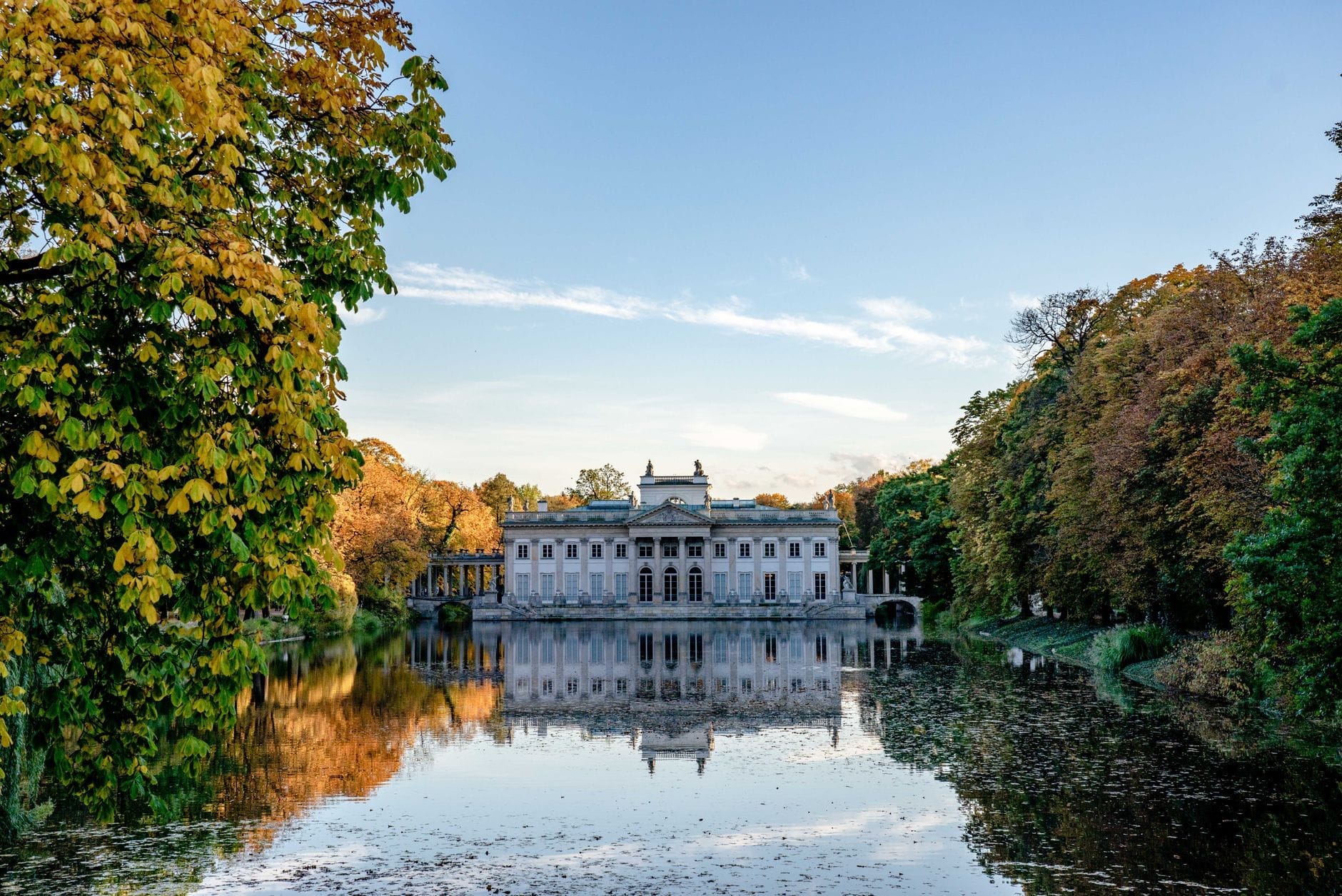
20. Tour the Palace on the Isle, a Neoclassical Island Retreat
The crown jewel of Łazienki Park sits on an artificial island reflected in the lake — a perfectly proportioned neoclassical summer palace of King Stanisław August. Its royal apartments and gallery of ancient sculpture are open to visitors; tickets are reasonably priced.
Explore20. Tour the Palace on the Isle, a Neoclassical Island Retreat
The crown jewel of Łazienki Park sits on an artificial island reflected in the lake — a perfectly proportioned neoclassical summer palace of King Stanisław August. Its royal apartments and gallery of ancient sculpture are open to visitors; tickets are reasonably priced.
Explore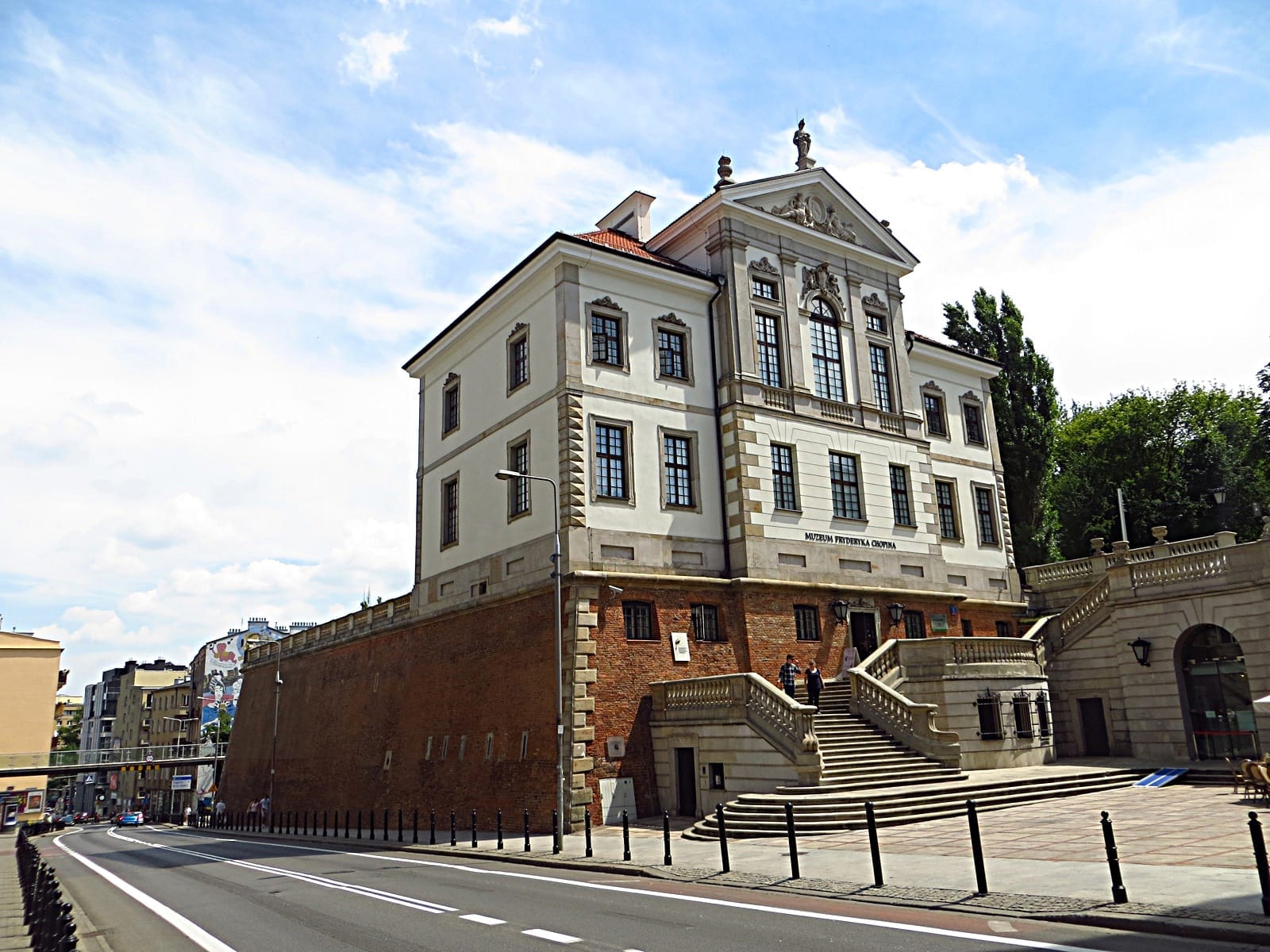
21. Visit the Chopin Museum for His Last Piano and Original Manuscripts
Housed in the Baroque Ostrogski Palace, this multimedia museum holds Chopin's last Pleyel piano, personal letters, and listening stations with his complete works. One of the most innovative music museums in Europe. Allow 90 minutes; book tickets online to avoid queues.
Explore21. Visit the Chopin Museum for His Last Piano and Original Manuscripts
Housed in the Baroque Ostrogski Palace, this multimedia museum holds Chopin's last Pleyel piano, personal letters, and listening stations with his complete works. One of the most innovative music museums in Europe. Allow 90 minutes; book tickets online to avoid queues.
Explore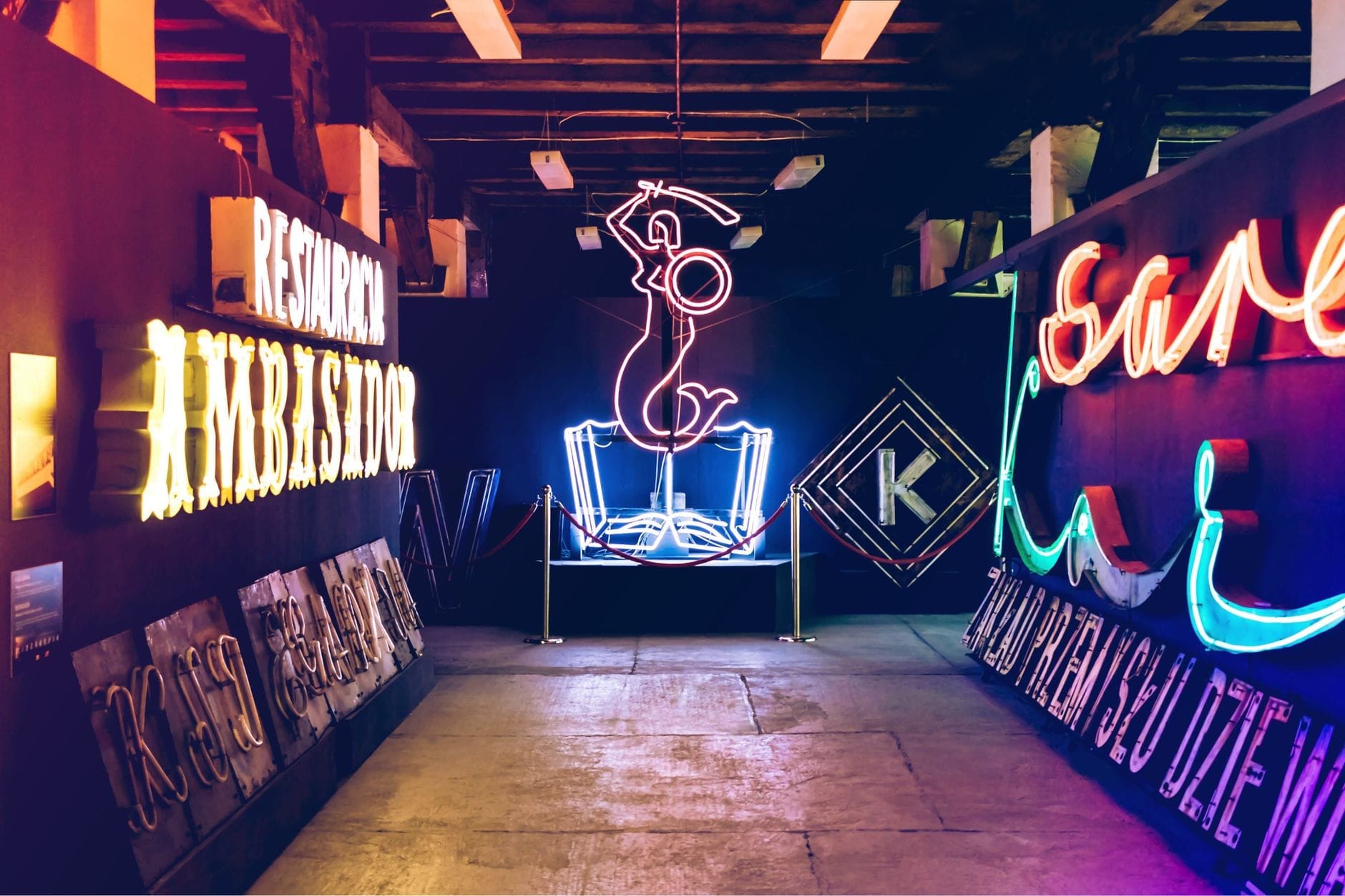
22. Visit the Neon Museum at the Palace of Culture
Over 200 original socialist-realist neon signs rescued from across Poland fill the Neon Museum inside the Palace of Culture and Science. It is unlike anything else in Europe and deeply photogenic, especially in the evening when the signs are illuminated. Allow 45 minutes; one of Warsaw's most distinctive stops.
Explore22. Visit the Neon Museum at the Palace of Culture
Over 200 original socialist-realist neon signs rescued from across Poland fill the Neon Museum inside the Palace of Culture and Science. It is unlike anything else in Europe and deeply photogenic, especially in the evening when the signs are illuminated. Allow 45 minutes; one of Warsaw's most distinctive stops.
Explore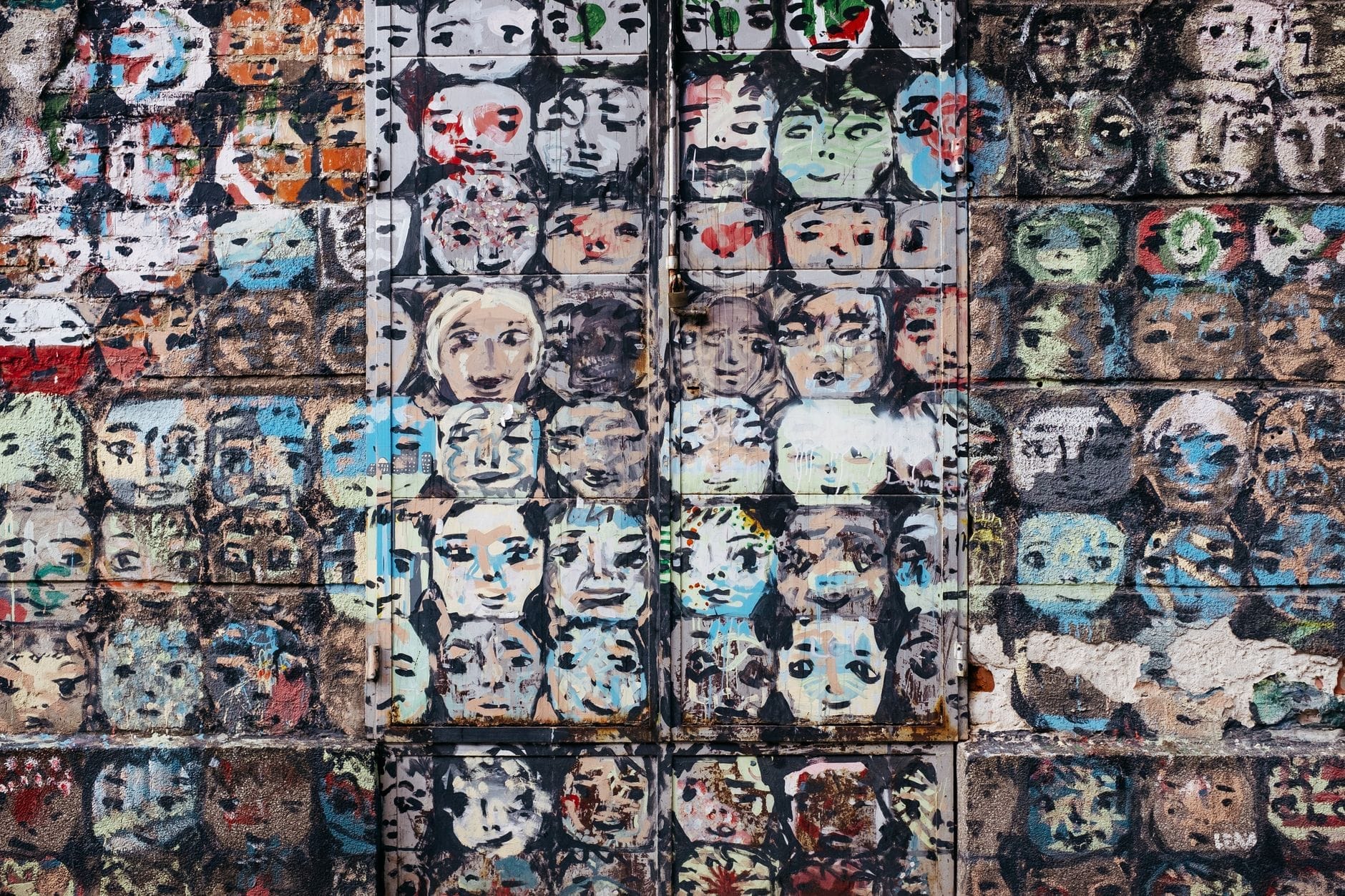
23. Walk Praga's Street Art Scene on Unreconstructed Tenement Streets
Unlike the rebuilt Old Town, Praga kept its prewar tenement buildings — and they are now covered in large-scale murals. A self-guided walk through the streets around Ząbkowska and Minska reveals both commissioned international works and grassroots local art.
Explore23. Walk Praga's Street Art Scene on Unreconstructed Tenement Streets
Unlike the rebuilt Old Town, Praga kept its prewar tenement buildings — and they are now covered in large-scale murals. A self-guided walk through the streets around Ząbkowska and Minska reveals both commissioned international works and grassroots local art.
Explore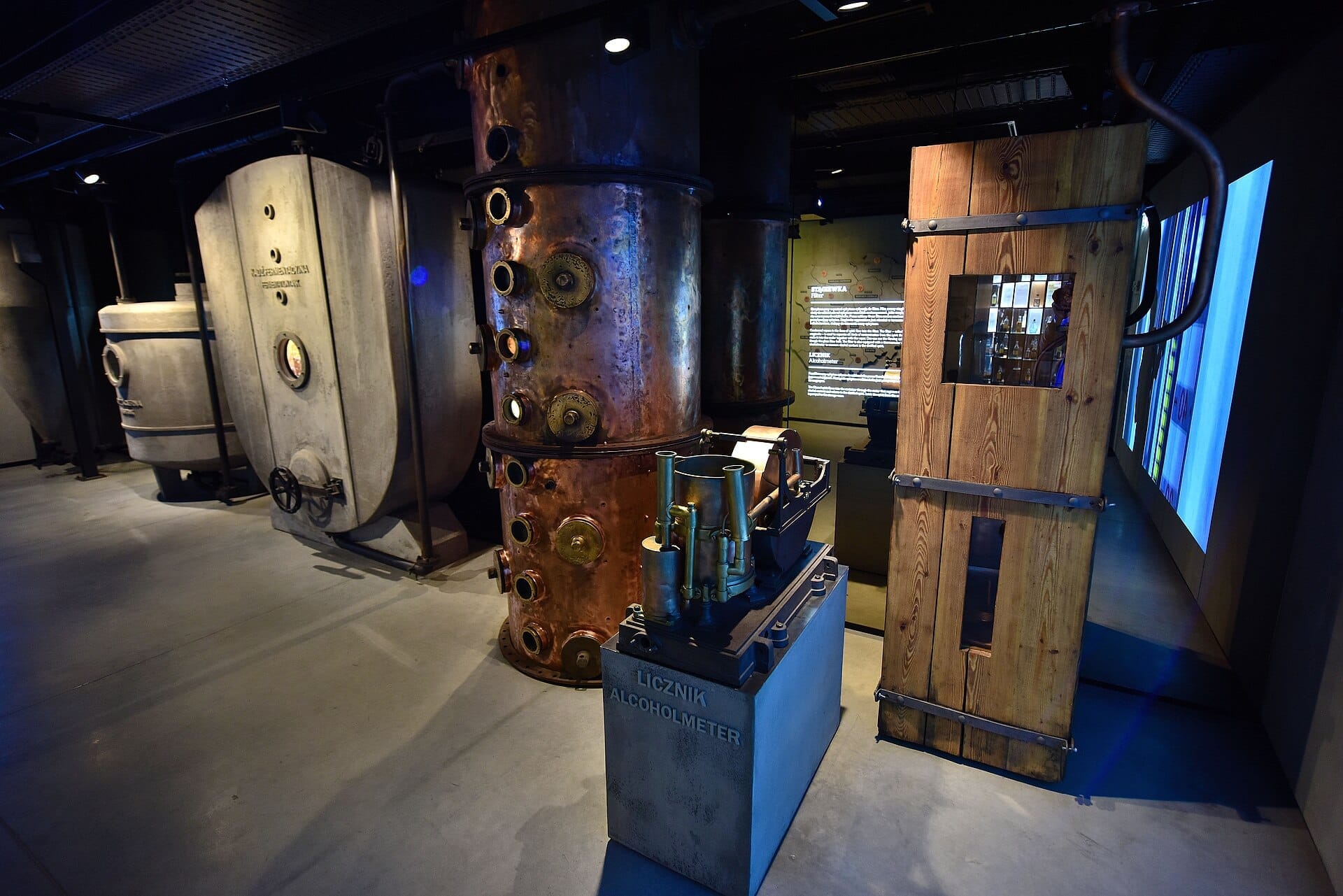
24. Try a Vodka Tasting at the Museum of Polish Vodka in Koneser
The beautifully restored 19th-century distillery complex in Praga houses a museum tracing 600 years of Polish distilling history, with interactive exhibits and guided tasting sessions. The surrounding complex has excellent restaurants for a Praga dinner before heading back.
Explore24. Try a Vodka Tasting at the Museum of Polish Vodka in Koneser
The beautifully restored 19th-century distillery complex in Praga houses a museum tracing 600 years of Polish distilling history, with interactive exhibits and guided tasting sessions. The surrounding complex has excellent restaurants for a Praga dinner before heading back.
Explore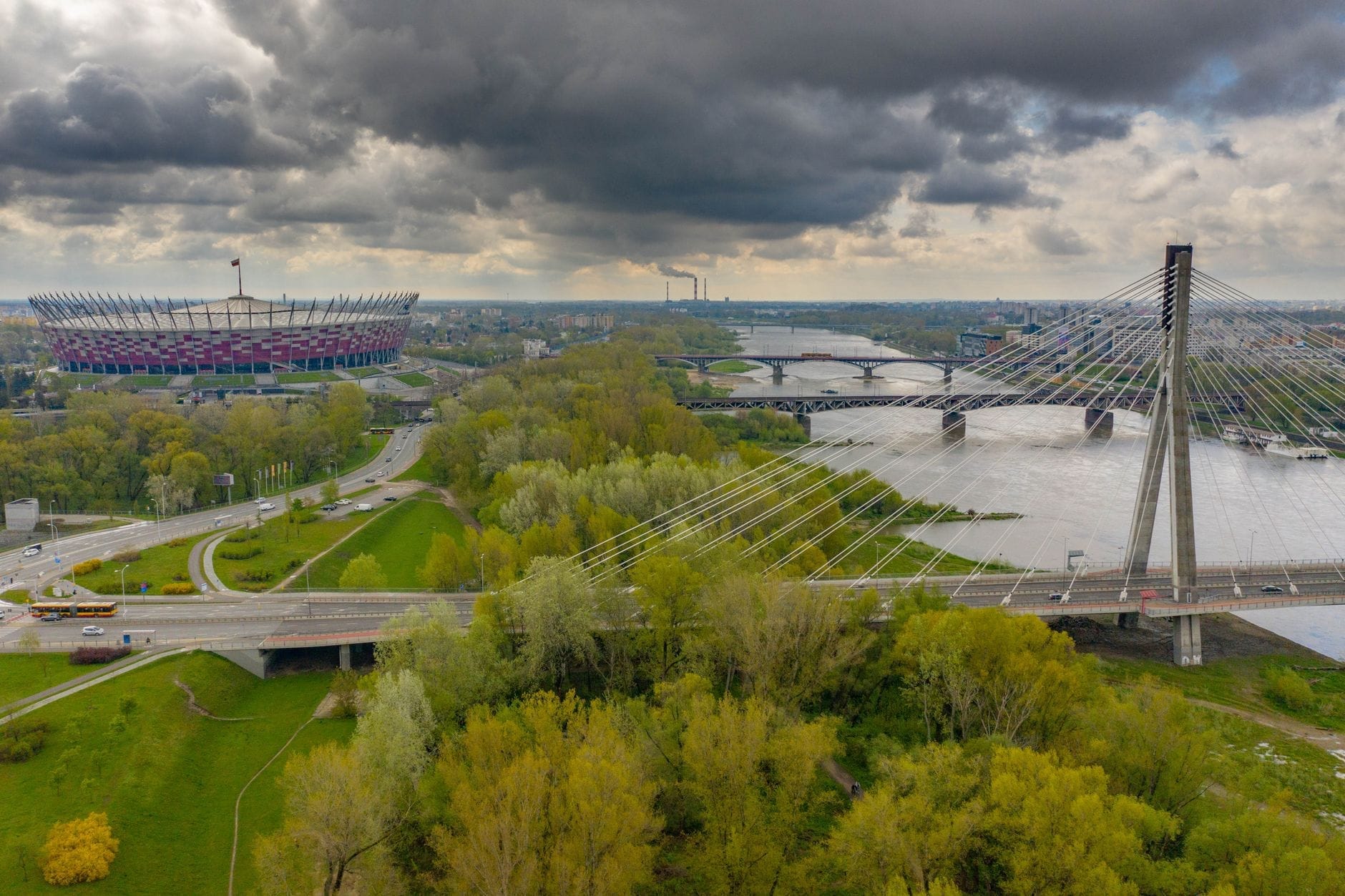
25. End the Trip on the Vistula Boulevards at Sunset
From May to September, the 4-kilometer riverside promenade fills with food trucks, beach bars, and kayak rentals. It is Warsaw at its most relaxed. Grab a beer, watch the National Stadium light up across the river, and walk back toward the Old Town as the sun goes down.
Explore25. End the Trip on the Vistula Boulevards at Sunset
From May to September, the 4-kilometer riverside promenade fills with food trucks, beach bars, and kayak rentals. It is Warsaw at its most relaxed. Grab a beer, watch the National Stadium light up across the river, and walk back toward the Old Town as the sun goes down.
ExploreOptional Add-Ons if You Have Extra Time
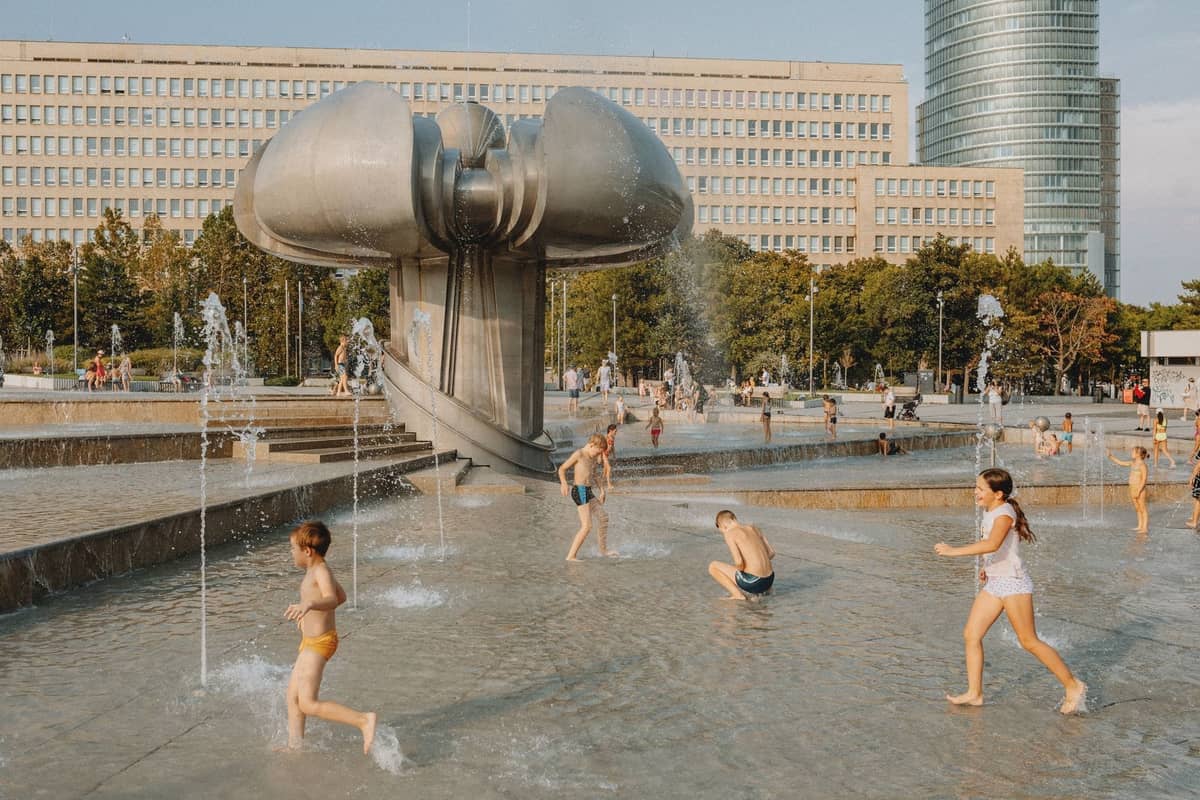
If your schedule allows a slower pace or an extended half-day, these attractions fill the gaps without requiring a full additional day. The Copernicus Science Centre is particularly worthwhile if you are traveling with children — see our Warsaw with kids guide for a full family-oriented itinerary.
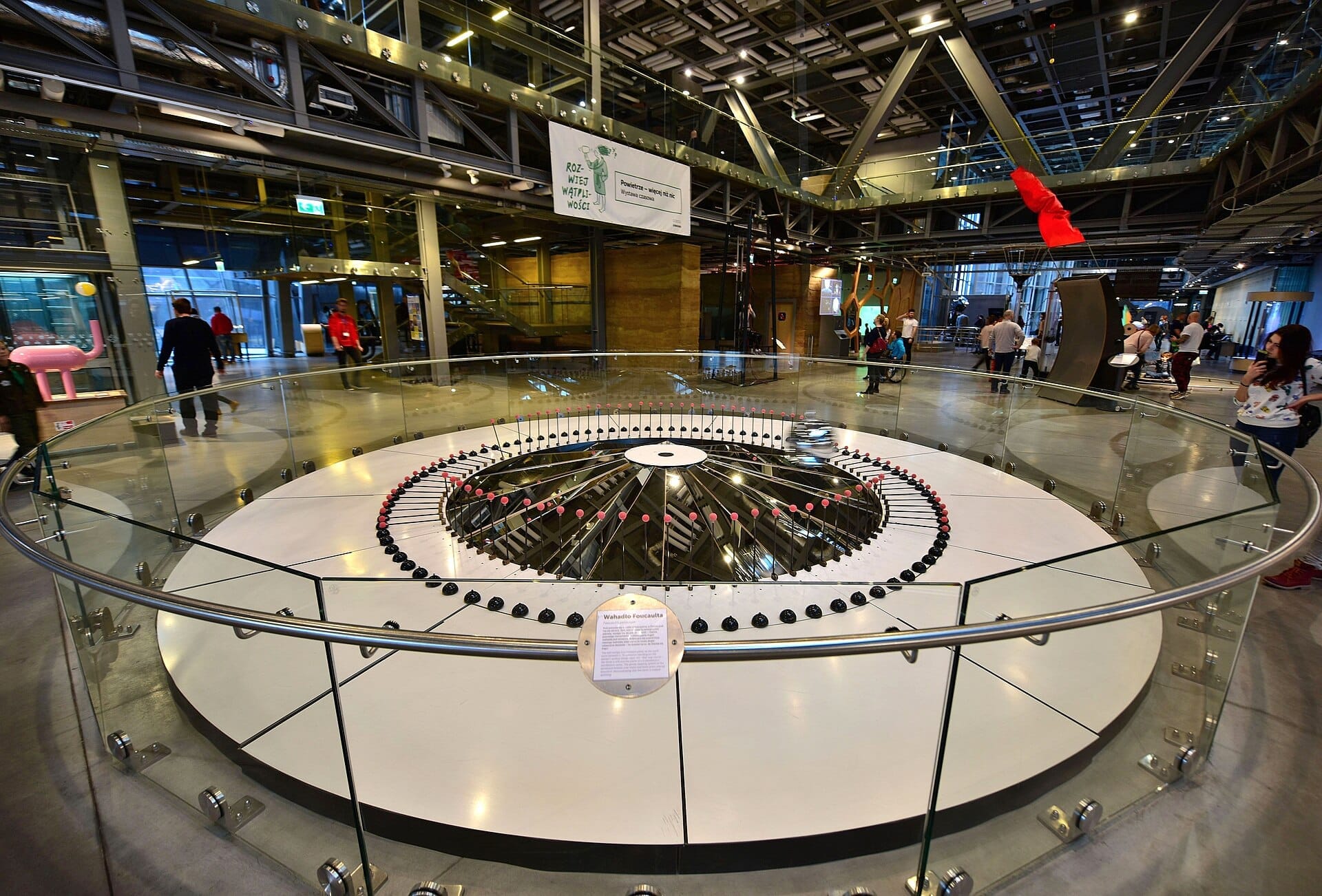
26. Spend an Hour (or Three) at the Copernicus Science Centre
One of Europe's largest interactive science museums sits on the Vistula riverfront with 450 hands-on exhibits and a planetarium. Adults get as absorbed as children. It is on the way between the Old Town and the boulevards, making it an easy add-on to Day 1 or Day 3.
Explore26. Spend an Hour (or Three) at the Copernicus Science Centre
One of Europe's largest interactive science museums sits on the Vistula riverfront with 450 hands-on exhibits and a planetarium. Adults get as absorbed as children. It is on the way between the Old Town and the boulevards, making it an easy add-on to Day 1 or Day 3.
Explore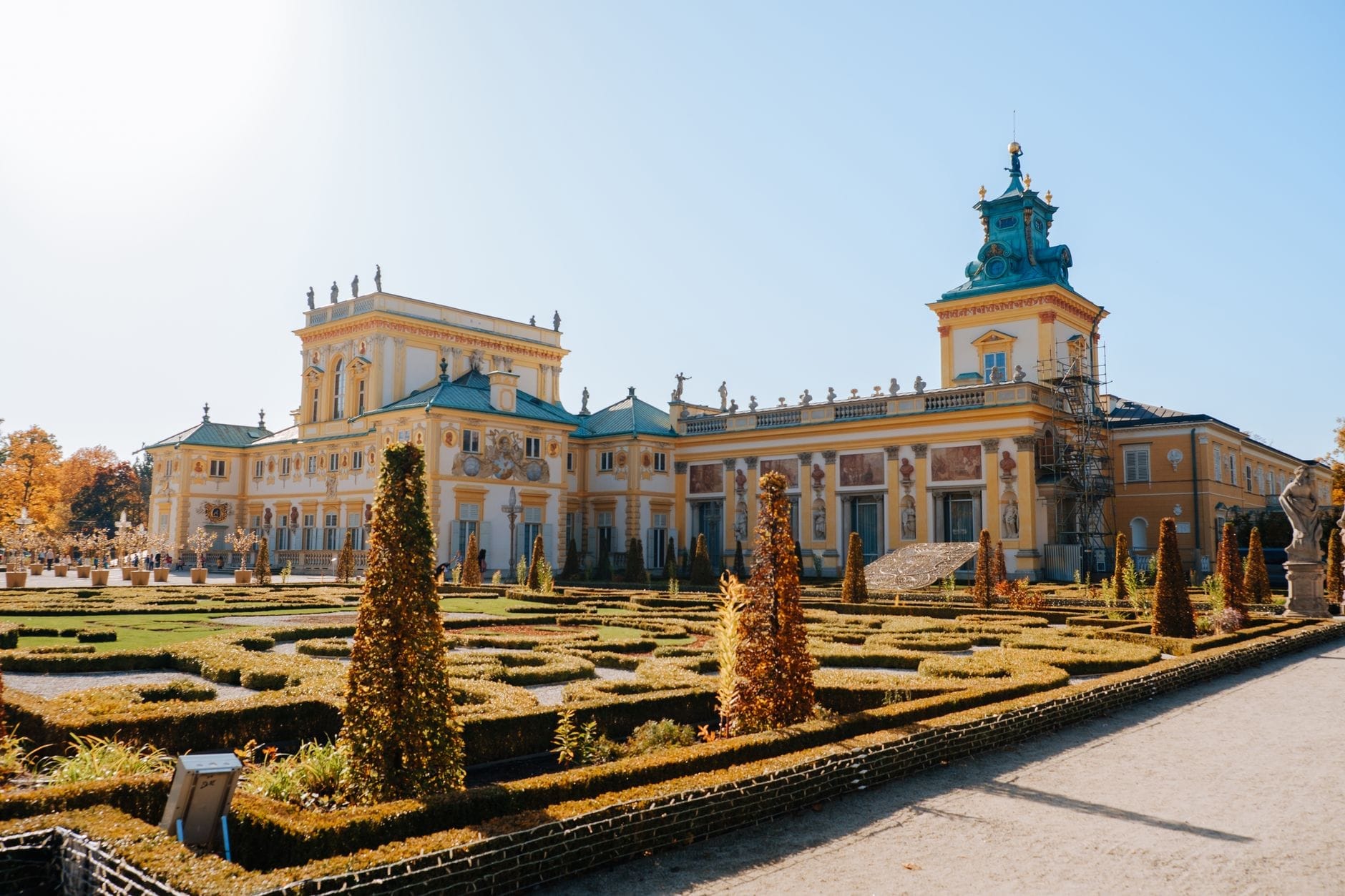
27. Day-Trip South to Wilanów Palace, Warsaw's Answer to Versailles
Built for King Jan III Sobieski in the 1680s, Wilanów is Warsaw's most complete royal estate with gilded state rooms and a formal park. It is 30 minutes by bus from the center; best visited on a weekday morning when crowds are thin. Allow a half-day including the gardens.
Explore27. Day-Trip South to Wilanów Palace, Warsaw's Answer to Versailles
Built for King Jan III Sobieski in the 1680s, Wilanów is Warsaw's most complete royal estate with gilded state rooms and a formal park. It is 30 minutes by bus from the center; best visited on a weekday morning when crowds are thin. Allow a half-day including the gardens.
Explore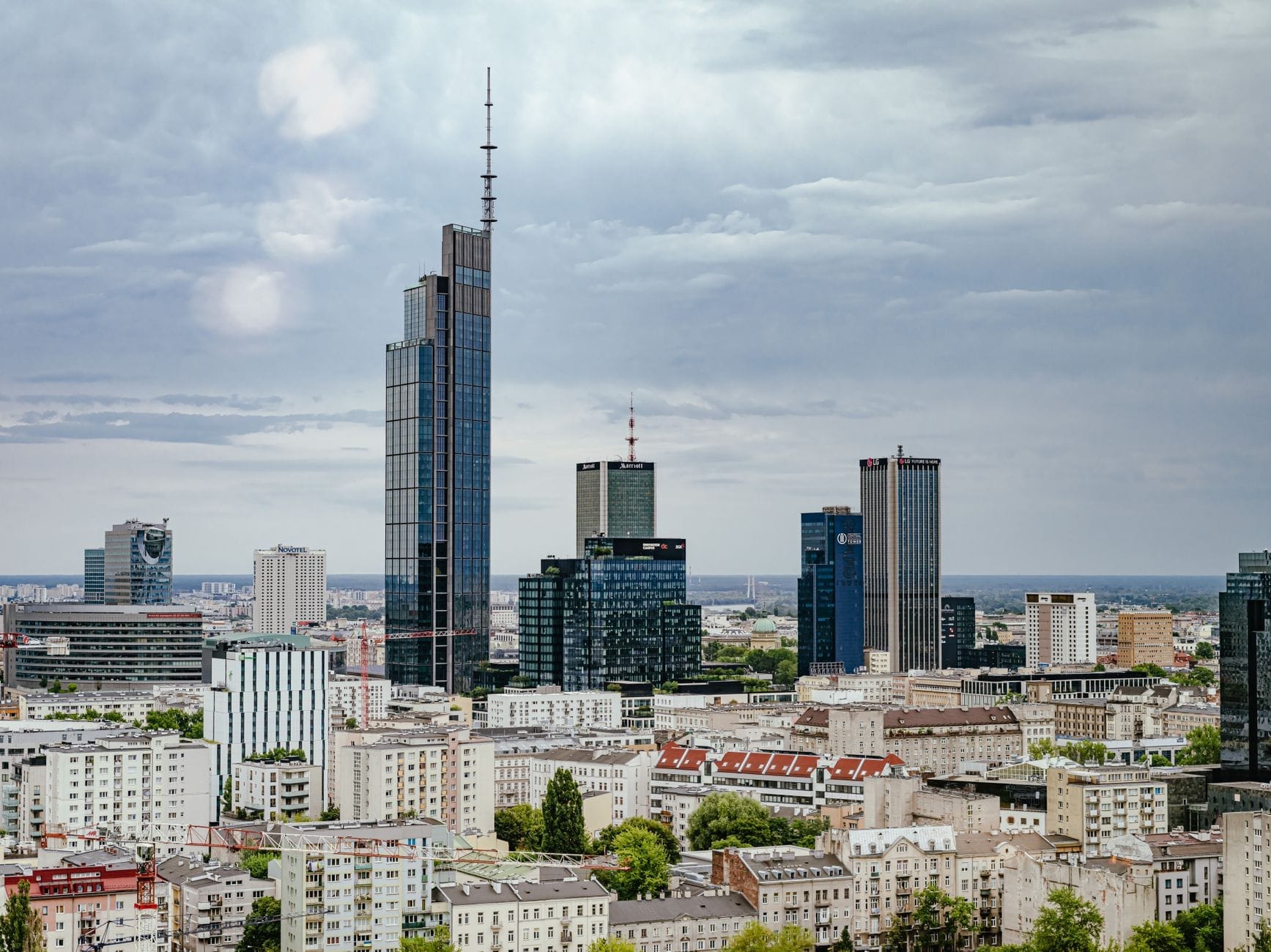
28. Go Higher: The EU's Tallest Building Has a 310-Meter Observation Deck
Completed in 2022, Varso Tower beats the Palace of Culture's viewing height by 73 meters. Its 46th-floor observation deck gives true 360-degree views over the whole Warsaw basin. Best visited on a clear day; pair it with Hala Koszyki nearby for lunch after.
Explore28. Go Higher: The EU's Tallest Building Has a 310-Meter Observation Deck
Completed in 2022, Varso Tower beats the Palace of Culture's viewing height by 73 meters. Its 46th-floor observation deck gives true 360-degree views over the whole Warsaw basin. Best visited on a clear day; pair it with Hala Koszyki nearby for lunch after.
Explore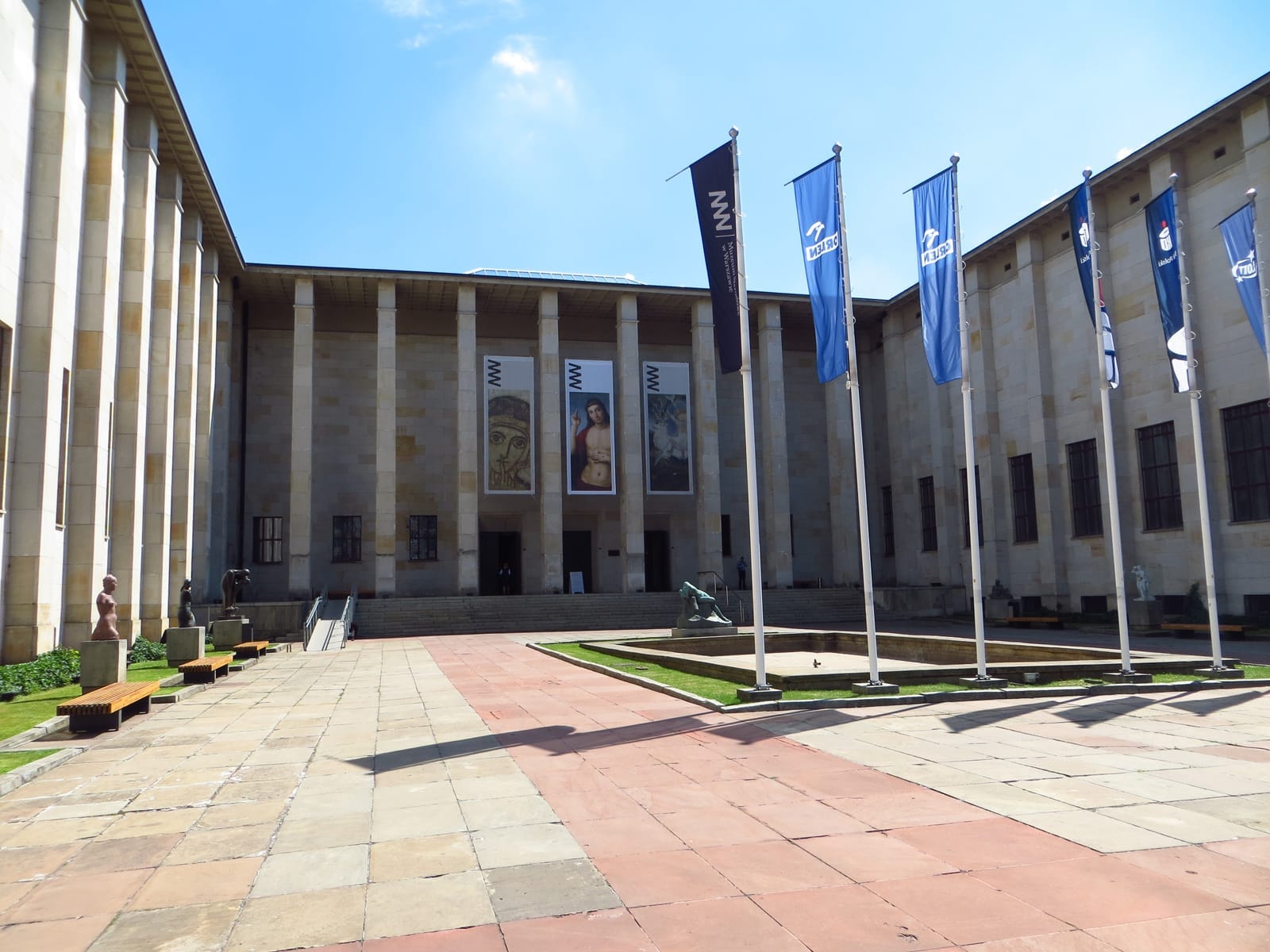
29. Explore Polish Art Through the Centuries at the National Museum
Poland's largest art museum holds 830,000 works, from ancient Faiyum portraits to Polish modernism and Stanisław Wyspiański's Art Nouveau designs. Two to three hours covers the highlights. Entry is free on Tuesdays; check the official site for current hours.
Explore29. Explore Polish Art Through the Centuries at the National Museum
Poland's largest art museum holds 830,000 works, from ancient Faiyum portraits to Polish modernism and Stanisław Wyspiański's Art Nouveau designs. Two to three hours covers the highlights. Entry is free on Tuesdays; check the official site for current hours.
Explore💡 Local tip
Warsaw is compact enough that Uber and Bolt rides between most attractions cost under 15 PLN. If your feet need a rest on Day 2, use ride-hailing rather than walking the full distance between Muranów and the Uprising Museum.
FAQ
Is 3 days enough to see Warsaw?
Yes, three days covers Warsaw's main historic and cultural highlights comfortably. You can see the Old Town, Royal Castle, POLIN Museum, Warsaw Uprising Museum, Łazienki Park, and still have time for the Vistula riverfront and Praga. Museum enthusiasts may want a fourth day, but three days is the standard recommended duration.
What is the best way to get around Warsaw in 3 days?
A 72-hour public transport pass covers unlimited metro, tram, and bus rides and is the most practical option. Trams are the fastest way between the city center and Muranów or the Uprising Museum area. For late nights or trips to Wilanów, Bolt and Uber are cheap and reliable alternatives.
Which Warsaw museum should I prioritize if I only have time for one?
POLIN Museum of the History of Polish Jews is the strongest single museum in Warsaw by most measures and consistently wins European museum awards. If your focus is specifically WWII, the Warsaw Uprising Museum is the more viscerally powerful experience. Both are worth at least three hours.
When is the best time to visit Warsaw for a 3-day trip?
Late spring (May to June) and early autumn (September) offer the best combination of mild weather, long daylight hours, and fewer crowds than peak summer. July and August are warm and lively, with the Chopin concerts in Łazienki Park and beach bars on the Vistula at their best. Avoid January to February for walking-heavy itineraries.
How much does a 3-day Warsaw trip cost per person?
Budget travelers can manage on roughly 200 PLN per day covering a hostel bed, public transport, museum entry, and inexpensive meals. Mid-range visitors spending on a hotel, sit-down restaurants, and all major museum entries should budget around 500 PLN per day. Warsaw is one of the more affordable European capitals for a three-day visit.