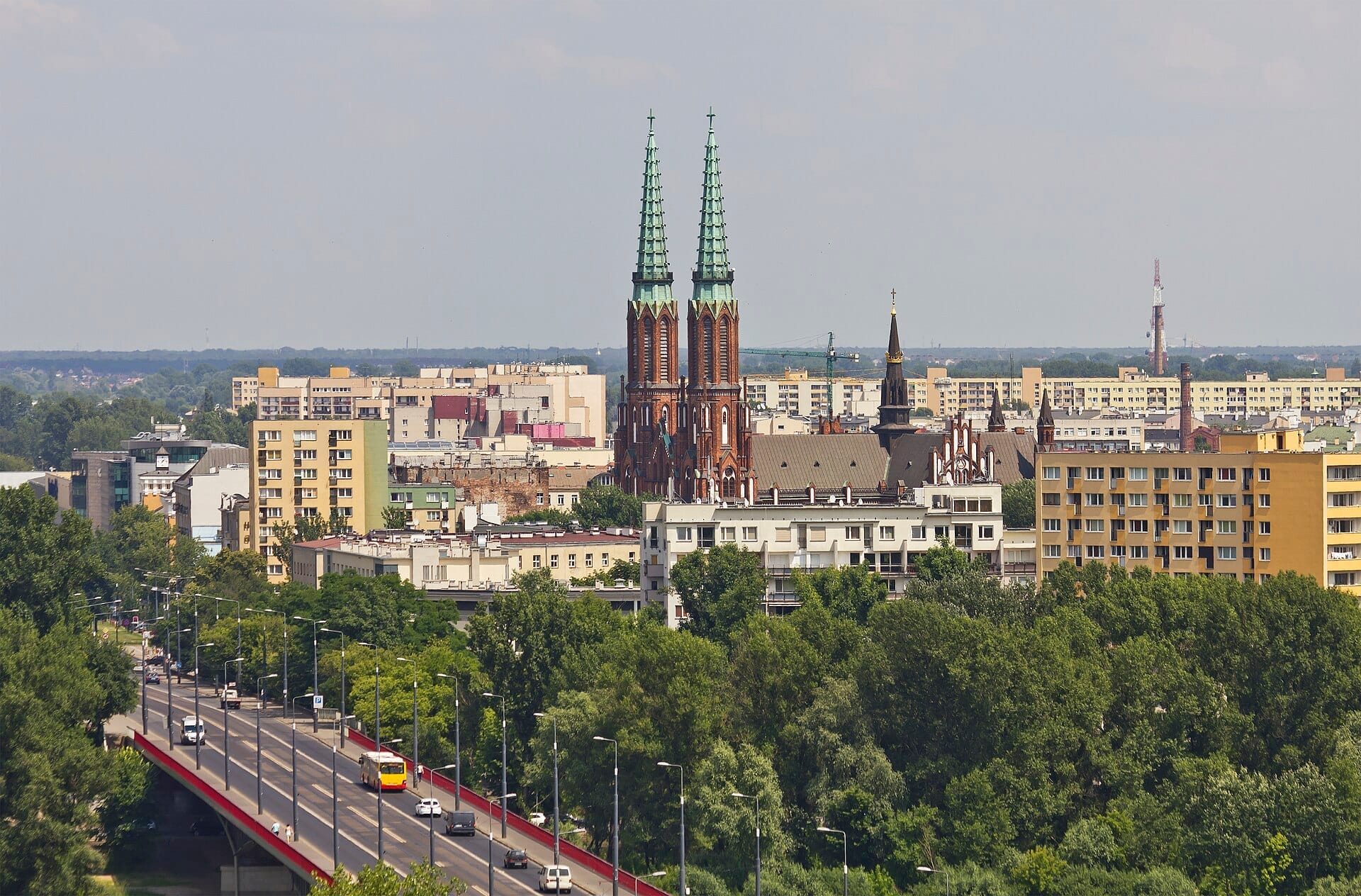
Praga sits on the east bank of the Vistula, separated from central Warsaw by the river and by decades of deliberate neglect. Where the left bank was rebuilt from rubble after World War II, Praga survived largely intact, preserving a streetscape of crumbling prewar tenements, factory yards turned galleries, and Orthodox churches that feel genuinely out of time. It is Warsaw's most visually distinct neighborhood, and the one that rewards slow, curious walking more than any other.
Praga is Warsaw's right-bank counterpart to the polished city centre: older in texture, rougher at the edges, and far more honest about the city's layered past. Its prewar tenements, revitalized factory complexes, and dense street-art scene make it unlike anywhere else in Poland's capital.
Orientation
Praga occupies the east bank of the Vistula River and is administratively split into two districts: Praga Północ (North Praga) and Praga Południe (South Praga), divided by a heavy band of railway lines. Most visitors are referring to Praga Północ when they say 'Praga,' since that is where the historic urban fabric, the galleries, and the reinvented industrial spaces are concentrated.
Praga Północ is bounded to the north and west by Aleja Solidarności, which runs across the Śląsko-Dąbrowski Bridge to the city centre. Targowa Street forms the main commercial spine running north to south through the district, with Jagiellońska and Grochowska marking the eastern edge. The neighbourhood's western boundary is the Vistula itself, visible from several points along the riverbank and the Vistula Boulevards just across the water.
The easiest way to build a mental map of Praga is to think of Dworzec Wileński as its anchor point. This transport hub at Targowa 72 is where the M2 metro line, tram lines, and suburban rail converge. From here, most of the district's key attractions are within 15 to 20 minutes on foot. Praga Południe, which stretches further south, includes the National Stadium, while the Koneser Centre near the Kamionka area is in Praga Północ, roughly a 20-minute tram ride from Wileńska.
ℹ️ Good to know
Praga Północ and Praga Południe are separate administrative districts, but locals and travel writers frequently use 'Praga' to refer to the entire right-bank area. When planning specific visits, check which district your destination sits in — the Koneser Centre, for example, is technically in Praga Północ near the Kamionka neighbourhood.
Character & Atmosphere
Praga is the part of Warsaw that did not burn. When German forces systematically destroyed the left bank of the city after the 1944 Warsaw Uprising, the right bank — already across the river and occupied by Soviet forces — survived largely untouched. The consequence is a neighborhood that feels unedited: prewar tenement courtyards with peeling paint, Orthodox churches alongside Catholic ones, small workshops operating in the same yards where they operated before the war. It is not picturesque in the way that the reconstructed Old Town is, but it is far more real.
On a weekday morning, Różycki Bazaar on Targowa is one of the few surviving open-air markets in Warsaw where the atmosphere still feels working-class and unperformed. Stall holders sell everything from loose vegetables to Soviet-era bric-a-brac. The light comes in sideways between the tenement blocks, catching the worn brick of walls that have not been repainted since the communist era. It smells like bread, diesel, and old wood.
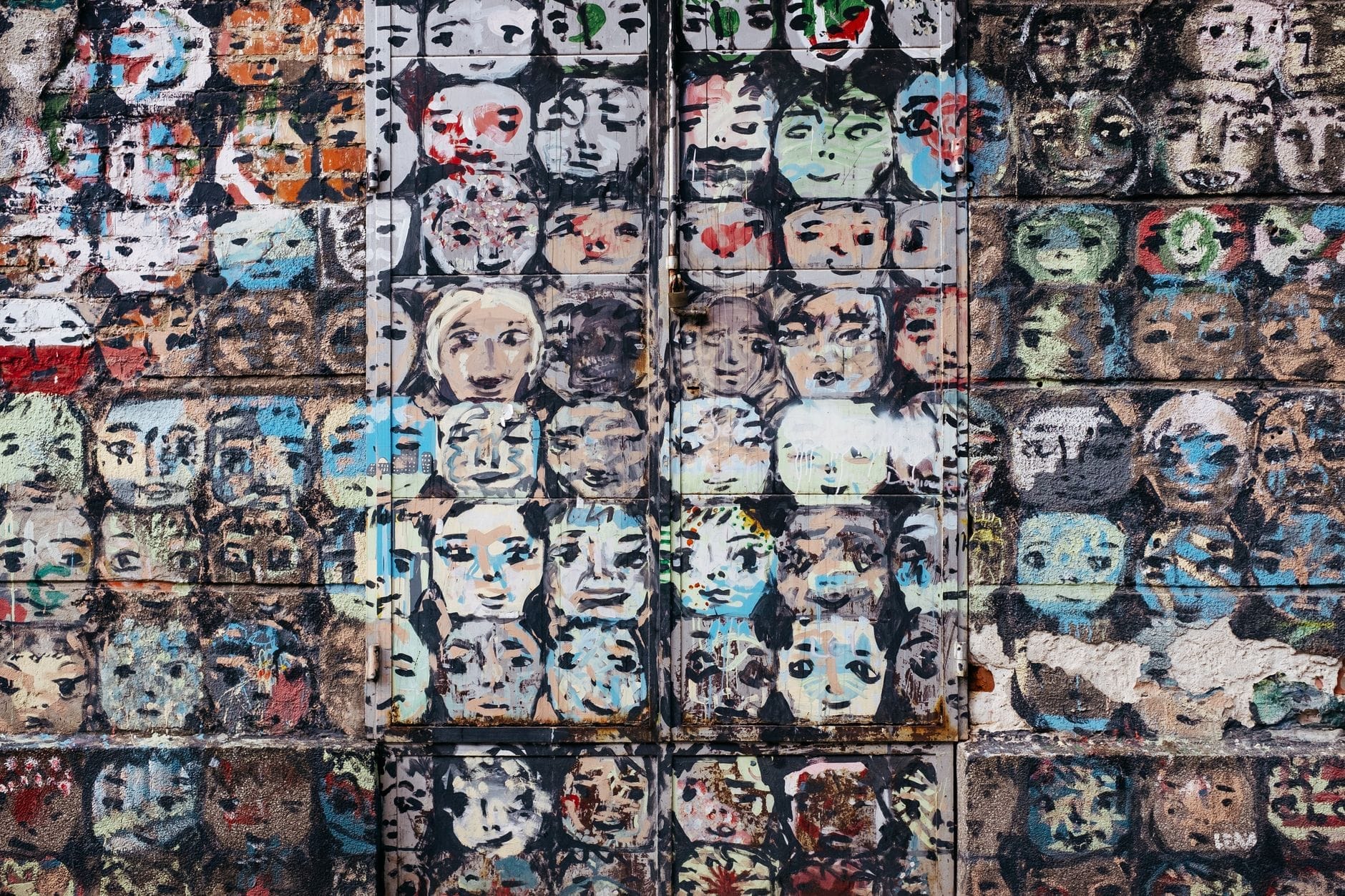
By afternoon, Praga's dual character becomes more apparent. Around Ząbkowska Street — the district's bar and café corridor — the crowd shifts toward younger Varsovians and weekend visitors from across the city. Murals cover entire gable walls. Converted factory spaces host galleries and design studios. The energy is more considered than raw, but it has not yet crossed into the kind of self-conscious cool that eventually hollows out a neighbourhood's original character.
After dark, Ząbkowska is where Warsaw's alternative nightlife anchors itself. The bars tend to stay open late, the music spills into the street in summer, and the clientele is mixed: art-school students, local residents who have been drinking here for decades, and curious visitors who crossed the bridge specifically because someone told them not to. That old reputation for being rough has not entirely disappeared, and a few streets away from the main strip, Praga still has blocks where late-night wandering off the main drag deserves some common sense.
⚠️ What to skip
Praga has undergone significant regeneration, but the district is not uniformly safe after dark. Stick to Ząbkowska, Targowa, and the areas immediately around well-lit venues. Side streets behind the tenement blocks can feel very quiet and poorly lit. Exercise the same awareness you would in any urban neighbourhood undergoing uneven gentrification.
What to See & Do
Praga's strongest suit is street-level experience rather than monument-ticking. The most rewarding thing to do here is walk: along Ząbkowska, through the tenement courtyards off Stalowa and Kłopotowskiego, and along the stretch of the Vistula bank where Warsaw Zoo sits on the river's edge. But there are specific points worth anchoring any visit around.
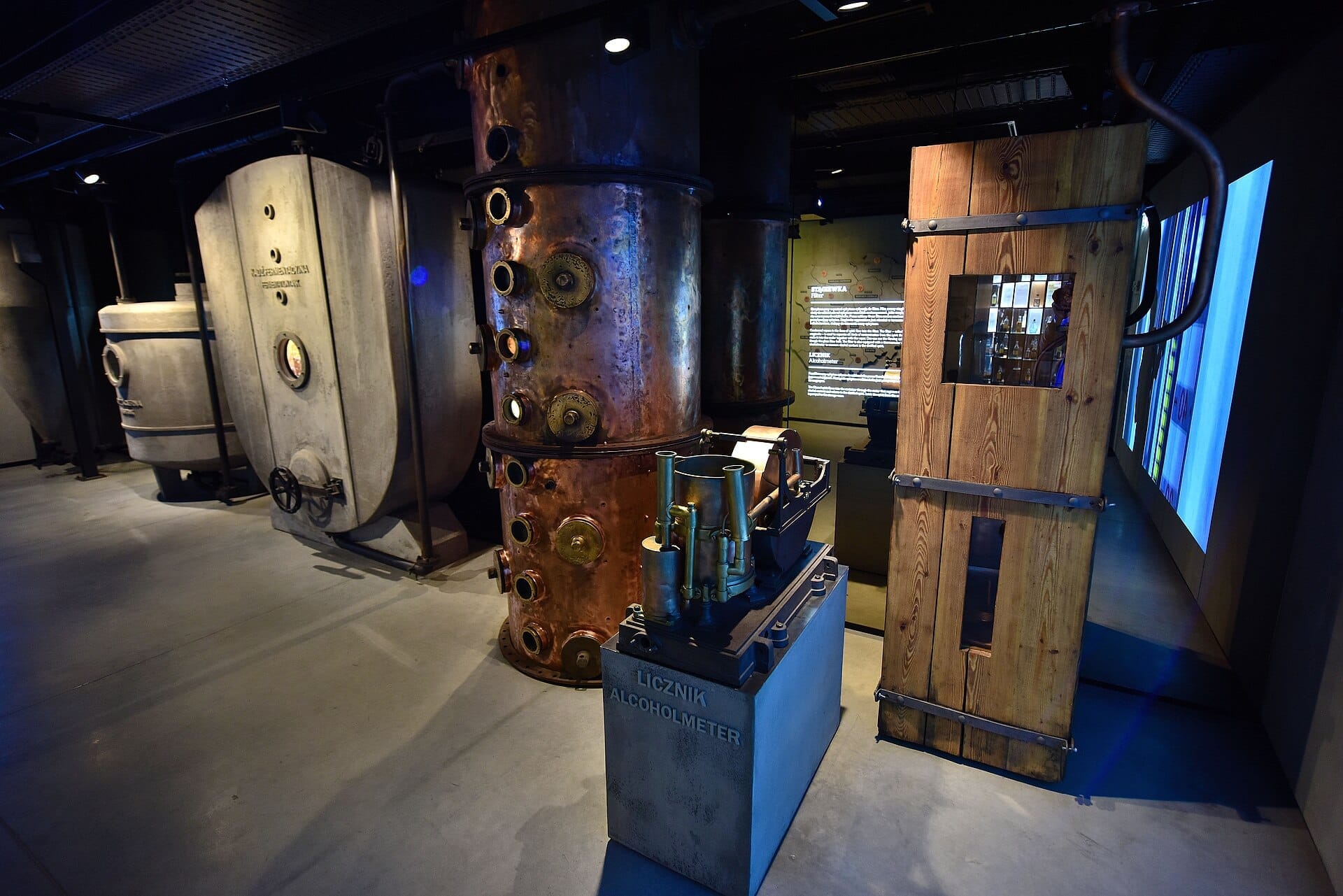
The Koneser Centre is the most polished of Praga's industrial reinventions: a former vodka distillery complex converted into a mixed-use space with restaurants, offices, apartments, and the Polish Vodka Museum. The museum itself is genuinely informative about the history and production of Polish spirits, and it offers tastings. The complex sits in Praga Północ near the Kamionka neighbourhood, about 20 minutes by tram from Wileńska station.
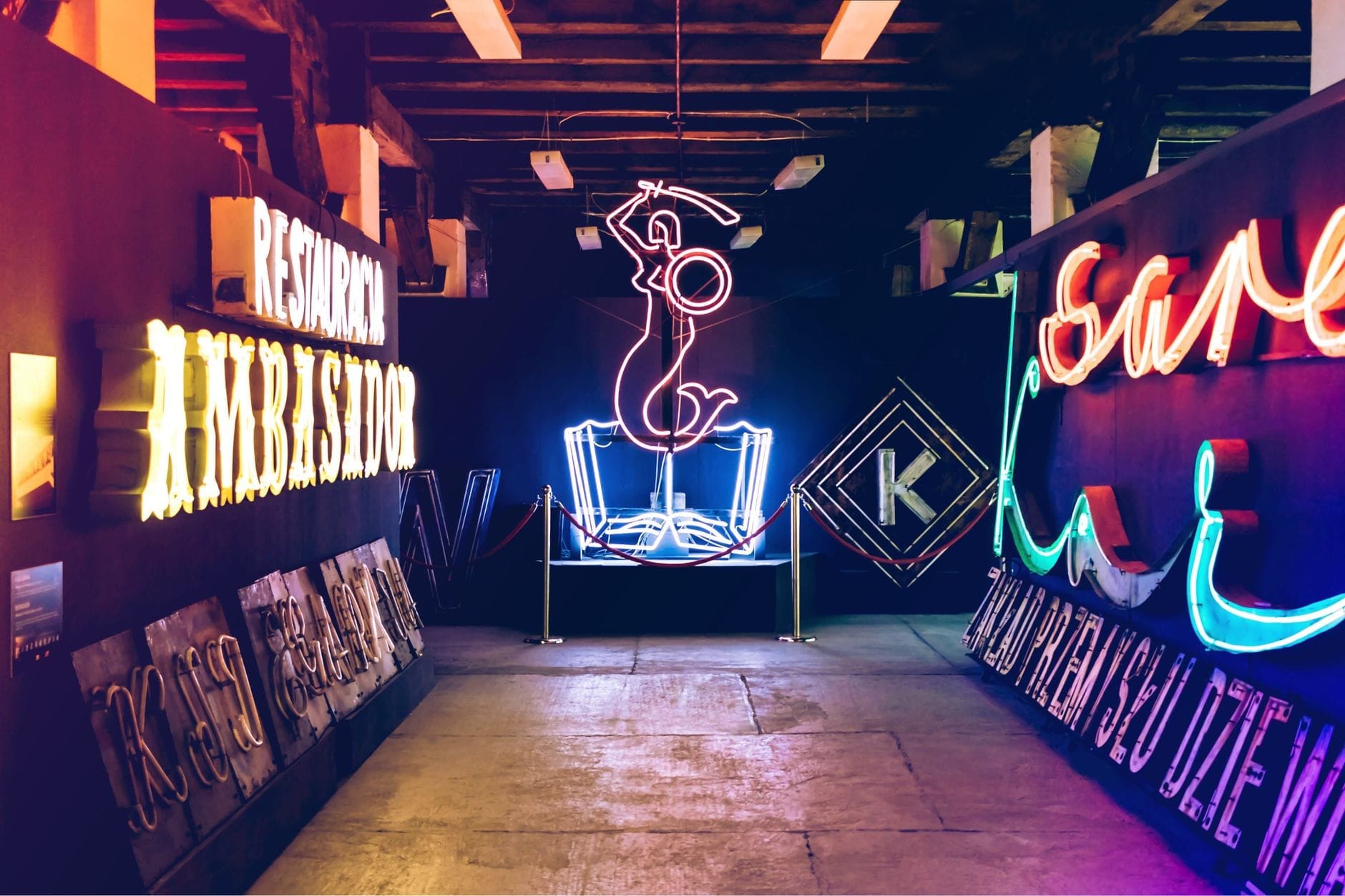
The Neon Museum Warsaw reopened inside the Palace of Culture and Science in Śródmieście in 2025. It is no longer in Praga, but remains worth pairing with a right-bank day if you plan the metro hop back to the centre.
Warsaw Zoo is one of the oldest in Central Europe and sits directly on the Vistula bank at the northern edge of Praga Północ. It is worth considering if you are visiting Warsaw with children, and its riverside location makes it easy to combine with a walk along the waterfront.
The street art scene in Praga is among the most concentrated in Poland. Large-format murals appear on gable walls throughout the district, ranging from photorealist portraits of local residents to abstract political statements. The best way to see them is on foot, working south from Wileńska along the back streets. Several dedicated street art routes through Praga have been mapped by local cultural organisations.
Różycki Bazaar on Targowa: one of Warsaw's last functioning open-air markets with a genuinely local character
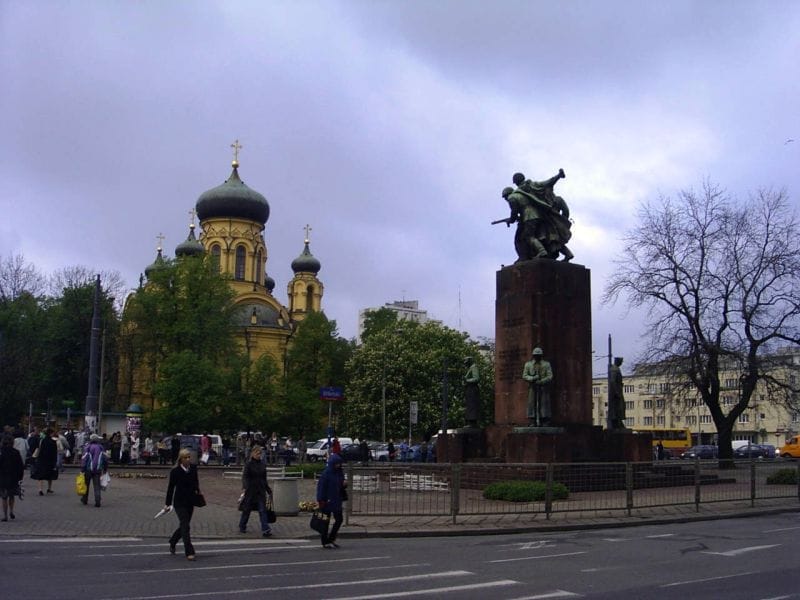
The Orthodox Cathedral of St Mary Magdalene on Aleja Solidarności: a striking piece of 19th-century Russian Imperial architecture that survived the war intact
Ząbkowska Street: the main gallery and bar corridor, best explored on foot in the late afternoon
Warsaw Zoo: large riverside zoo at the northern edge of the district
Koneser Centre and Polish Vodka Museum: the district's most visitor-ready attraction in Praga Północ
Neon Museum: Soviet-era neon signs inside the Palace of Culture and Science (Śródmieście)
💡 Local tip
The Museum of Warsaw Praga on Targowa Street offers a focused history of the right-bank district specifically, covering its prewar working-class culture, wartime survival, and communist-era life. It is a useful one-hour stop before walking the neighbourhood, since it gives context that the streets themselves do not always explain.
Eating & Drinking
The food scene in Praga has changed significantly in the last decade and continues to evolve. The district that once had almost nothing aimed at visitors now has a genuine range of options, from no-frills milk bars to thoughtful independent restaurants. Prices are generally lower than in Śródmieście for comparable quality, which partly explains why young Varsovians treat Praga as a place to eat well without spending much.
Ząbkowska Street is the densest concentration of bars and restaurants. The character here runs toward casual: exposed brick, mismatched furniture, menus that change seasonally. Craft beer is taken seriously at several bars on and around this street. There are also vodka bars where the Polish Vodka Museum's educational mission gets translated into practice: tasting menus of regional and small-batch spirits served with food.
The Koneser complex in Praga Północ has a cluster of restaurants inside the old distillery buildings. The setting is more polished than the Ząbkowska strip, with indoor-outdoor seating across the cobbled courtyard. Options range from Polish-inflected modern cooking to international menus.
For a broader sense of Warsaw's food culture beyond Praga, the guide to what to eat in Warsaw covers the city's essential dishes, from żurek and bigos to zapiekanka, the open-faced toasted baguette that originated as Warsaw street food and is still sold at Różycki Bazaar.
Getting There & Around
Praga is more accessible than it sometimes seems from the left bank. The M2 metro line crosses under the Vistula and stops at Dworzec Wileński (Wileńska station), which sits at Targowa 72 in the heart of Praga Północ. From Centrum station in the city centre, Wileńska is two stops and about five minutes by metro. This single connection eliminates the old friction of crossing to the right bank and is the main reason Praga has become significantly easier to visit in the last decade.
Trams run across the Śląsko-Dąbrowski Bridge and connect Aleja Solidarności on the Praga side to the city centre. The tram network in Praga is dense, with lines running along Targowa, Jagiellońska, and further south toward Praga Południe and the National Stadium. For the Koneser Centre and the Neon Museum, trams from Wileńska heading south along Targowa or east toward Kamionka are the most practical option.
Walking across one of the bridges is also a genuine option on a good day. The Śląsko-Dąbrowski Bridge connects directly to Aleja Solidarności at the northern edge of Praga Północ, and the crossing takes about 15 minutes on foot from the Old Town side of the river. For more on navigating the city as a whole, the guide to getting around Warsaw covers metro lines, tram routes, and ticket options in detail.
Ride-hailing apps including Bolt and Uber operate across Warsaw and are available in Praga. Taxis and rideshares are useful for late-night returns across the river when tram frequency drops. Cycling infrastructure has expanded along the Vistula bank, making a bike a reasonable way to move between Praga and the city-centre riverfront.
Where to Stay
Praga is not Warsaw's main accommodation hub, and most hotels are concentrated on the left bank in Śródmieście. For a full overview of the city's accommodation options, the guide to where to stay in Warsaw covers the tradeoffs between different neighbourhoods in detail.
That said, Praga Północ has seen a small increase in boutique accommodation options in recent years, typically in converted tenement buildings near Ząbkowska and Targowa. Staying on the right bank puts you inside the neighbourhood's daily rhythm in a way that commuting across the bridge does not, and the M2 connection means central Warsaw is genuinely five minutes away.
Praga suits travellers who want a less polished version of Warsaw: people with some interest in urban history and street culture, those who want to eat and drink well without paying city-centre prices, and anyone who finds the thoroughly reconstructed Old Town somewhat stage-managed. It is not the right base for families with young children or for visitors whose priority is proximity to the Royal Castle and the main museum corridor.
Praga in Context: The Wider City
Understanding Praga requires understanding the rupture in Warsaw's urban history. The left bank was rebuilt to a plan after 1944; the right bank was not. That asymmetry explains everything about why Praga looks and feels different from Śródmieście, Wola, or the Old Town. The communists invested in new housing blocks and heavy industry on the right bank, but the existing prewar streetscape was left to age without much maintenance, which is why those buildings still stand and still look the way they do.
The district also holds significance in the city's wartime memory. The Soviet forces that stopped on the right bank in the summer of 1944 watched from Praga as the Warsaw Uprising was suppressed across the river. That history, complex and contested, sits in the background of any visit. For a fuller account, the guide to Warsaw's World War II history provides essential context.
Praga also connects naturally to the Vistula riverfront, which has been substantially improved in recent years. The Vistula Boulevards on the left bank are accessible by crossing any of the bridges, and in summer the beach bars and pop-up venues on both banks create a continuous riverfront scene that links Praga to the wider city in a way that feels genuinely organic rather than planned.
TL;DR
Praga is the right-bank district where Warsaw's prewar urban fabric survived: the result is a neighbourhood of tenement courtyards, Orthodox churches, murals, and post-industrial creative spaces that looks nothing like the reconstructed left bank.
Best for: travellers interested in urban history, street art, alternative nightlife, and eating and drinking well at lower prices than central Warsaw.
Not ideal for: visitors who want polished tourist infrastructure, families prioritising proximity to the major left-bank museums and monuments, or anyone uncomfortable in a neighbourhood where regeneration is uneven.
Key attractions: Koneser Centre, Neon Museum, Warsaw Zoo, Różycki Bazaar, Museum of Warsaw Praga, and the street-art routes through the back streets.
Getting there is easy: the M2 metro reaches Wileńska station from the city centre in about five minutes, removing the friction that once made Praga feel remote.
Warsaw rewards a focused two-day visit more than most European capitals. This itinerary moves logically through the city's historic core, its most important museums, and its green escapes, so you leave with a real sense of the place rather than a blur of landmarks.
Warsaw's churches survived destruction, occupation, and reconstruction to remain among the most compelling religious buildings in Central Europe. This guide covers the best churches in Warsaw, from the Baroque grandeur of Holy Cross to the Gothic revival of St. John's Archcathedral and the military heritage of the Field Cathedral.
Warsaw is one of Central Europe's strongest museum cities. From world-class history museums built on the sites of WWII atrocities to interactive science centers and glowing neon archives, these are the best museums in Warsaw worth your time and zloty.
Warsaw rewards visitors year-round, but the experience shifts dramatically depending on when you arrive. This guide breaks down every season, from sun-drenched summer riverfront life to snow-dusted Christmas markets, helping you choose the right moment for your priorities and budget.
Warsaw is the beating heart of Chopin's world. This guide covers the key sites, live concert options, musical benches, and practical tips for tracing Fryderyk Chopin's legacy across the Polish capital, from the world's largest Chopin collection to free Sunday recitals in a royal park.
Warsaw preserves one of Central Europe's most complete collections of Stalinist and socialist realist architecture. This guide covers the key landmarks, the history behind them, practical visiting tips, and the common myths that distort what communist-era Warsaw actually looks like.
Warsaw has one of Central Europe's most integrated public transport networks, covering the entire city with metro, trams, buses, and suburban trains on a single ticket system. This guide breaks down every option, from Warsaw Chopin Airport transfers to night buses, with current fares and practical advice.
Warsaw divides opinion more than almost any European capital. This guide cuts through the noise with an honest look at what the city does well, where it falls short, how much it costs, and what kind of traveler will love it most.
Warsaw rewards visitors who look beyond its postwar facade. This guide covers the best things to do in Warsaw, Poland, from UNESCO-listed Old Town and world-class history museums to riverfront beaches and the city's creative Praga district, with clear advice on what's worth your time and money.
Three days is the sweet spot for Warsaw: enough time to walk the Royal Route, absorb the city's layered wartime history, cross the river into Praga, and still catch a sunset from the Vistula Boulevards. This itinerary structures the city's best attractions into three logical days so you don't waste a single hour backtracking.
Warsaw transforms each November into one of Central Europe's most atmospheric Christmas destinations, with free outdoor markets, a stunning Old Town backdrop, mulled wine, and festive activities spread across multiple city locations. This guide covers the best market spots, seasonal attractions, and everything you need to plan a perfect winter visit.
Warsaw rewards those who look past the postcard attractions. From a glowing neon archive in Praga to a rooftop garden above the Vistula, these lesser-known spots reveal the city's real character. This guide covers the neighborhoods, history sites, and local haunts that most visitors walk straight past.
Summer transforms Warsaw into an outdoor city, with free concerts in royal parks, sandy riverfront beaches, and long evenings spent at café terraces. This guide covers the best attractions and experiences across June, July, and August, from cultural landmarks to the places where locals actually spend their warmest months.
Winter in Warsaw generally runs from December through February, with temperatures hovering around freezing and short days that rarely exceed eight hours of daylight. But the city rewards cold-weather visitors with fewer crowds, atmospheric snowy streets, a thriving indoor cultural scene, and festive seasonal traditions that locals genuinely love.
Warsaw was once one of the great centers of Jewish life in Europe. This guide covers the history of the Jewish ghetto, the key memorials and museums, the only surviving prewar synagogue, and how to build a meaningful route through the Muranów district and beyond.
Warsaw's nightlife compares well with other European capitals. From Soviet-era neon-lit bars in Praga to rooftop cocktail lounges above the city skyline, the Polish capital offers a diverse after-dark scene that rewards those willing to explore beyond the Old Town.
Warsaw costs 30-50% less than most Western European capitals, yet delivers world-class museums, remarkable history, and excellent food. This guide breaks down exactly what to spend, where to save, and how to avoid the tourist-price traps that inflate budgets unnecessarily.
Warsaw is one of the greenest capital cities in Europe, with parks ranging from 18th-century royal landscapes to sandy Vistula riverbanks. This guide covers the best parks and green spaces in Warsaw, whether you want Chopin concerts on a Sunday afternoon, a long cycle through meadows, or a rooftop garden with river views.
Warsaw's shopping scene is far more interesting than a row of international malls. The city mixes beautifully restored market halls, independent boutique streets, flea markets, and food halls into a retail landscape that rewards explorers. This guide covers the best places to shop, browse, and eat your way through Warsaw.
The Warsaw to Kraków corridor is one of Poland's most traveled routes. This guide covers every realistic option, from PKP Intercity high-speed trains to FlixBus overnight departures, with clear price comparisons, booking strategy, and timing advice.
Warsaw rewards walkers more than almost any European capital. This guide covers the best self-guided walking routes, the apps that make them better, seasonal timing, and the context you need to actually understand what you're looking at.
Warsaw surprises families with a wide range of activities beyond its famous museums. From interactive science centers and a storied zoo to royal parks and riverside beaches, here is a practical guide to the best family experiences the Polish capital offers.
Warsaw suffered one of the most devastating urban destructions of the Second World War. This guide covers every major WW2 site and museum in the city, explains the crucial difference between the two Warsaw uprisings, and gives you practical logistics for visiting each location.
Warsaw's food scene runs deeper than Old Town tourist menus. This guide covers the essential Polish dishes to try, where to find them, how much to pay, and which spots locals rate over the obvious tourist traps — from budget milk bars to modern bistros.
Warsaw's food scene runs deeper than pierogi and bigos. With about 10 Bib Gourmand restaurants in Warsaw in the 2026 MICHELIN Guide Poland and a growing wave of creative chefs redefining Polish cuisine, the city rewards anyone willing to eat beyond the Old Town tourist strip. This guide covers where to eat in Warsaw at every budget, neighborhood, and time of day.
Choosing where to stay in Warsaw shapes your entire trip. This guide breaks down every major neighborhood by atmosphere, transport links, price level, and who it suits best — so you can book with confidence.