2 Days in Warsaw: The Perfect Weekend Itinerary
Warsaw rewards a focused two-day visit more than most European capitals. This itinerary moves logically through the city's historic core, its most important museums, and its green escapes, so you leave with a real sense of the place rather than a blur of landmarks.
Plan and book this trip
Tools from our partner Travelpayouts help you compare flights and hotels. If you book through them, we may earn a commission at no extra cost to you.
Flights
Hotels map
Warsaw is a city that earns its reputation the hard way: it was almost entirely destroyed in World War II, then rebuilt by hand from historical records and photographs. That story of destruction and reconstruction runs through everything you will see on a two-day visit. The good news is that the city is compact enough to explore largely on foot, with short bus or tram rides filling the gaps. Most of the essential sights cluster along the Royal Route between the Old Town and the city centre, with the Jewish heritage sites of Muranów just to the northwest and Łazienki Park to the south. This guide structures the two days logically, so you are never backtracking. If you need help deciding when to come, check the best time to visit Warsaw before you book.
✨ Pro tip
Book your Royal Castle and POLIN Museum tickets online before you arrive. Both sell out on weekends, especially between May and September. Warsaw's public transport is cheap (around 3.40 PLN for a 20-minute ticket, or 4.40 PLN for a 75-minute transfer ticket) and reliable for the few stretches too far to walk.
Day 1 Morning: The Old Town & Royal Route
Start at the top of the Old Town and work your way south along Krakowskie Przedmieście. The Historic Centre of Warsaw was rebuilt after WWII using 18th-century paintings, photographs, and historical plans, which makes it one of the most extraordinary reconstruction projects in history. which makes it one of the most extraordinary reconstruction projects in history. Allow two to three hours to move through these stops without rushing.
1. Start Your Old Town Walk at Sigismund's Column
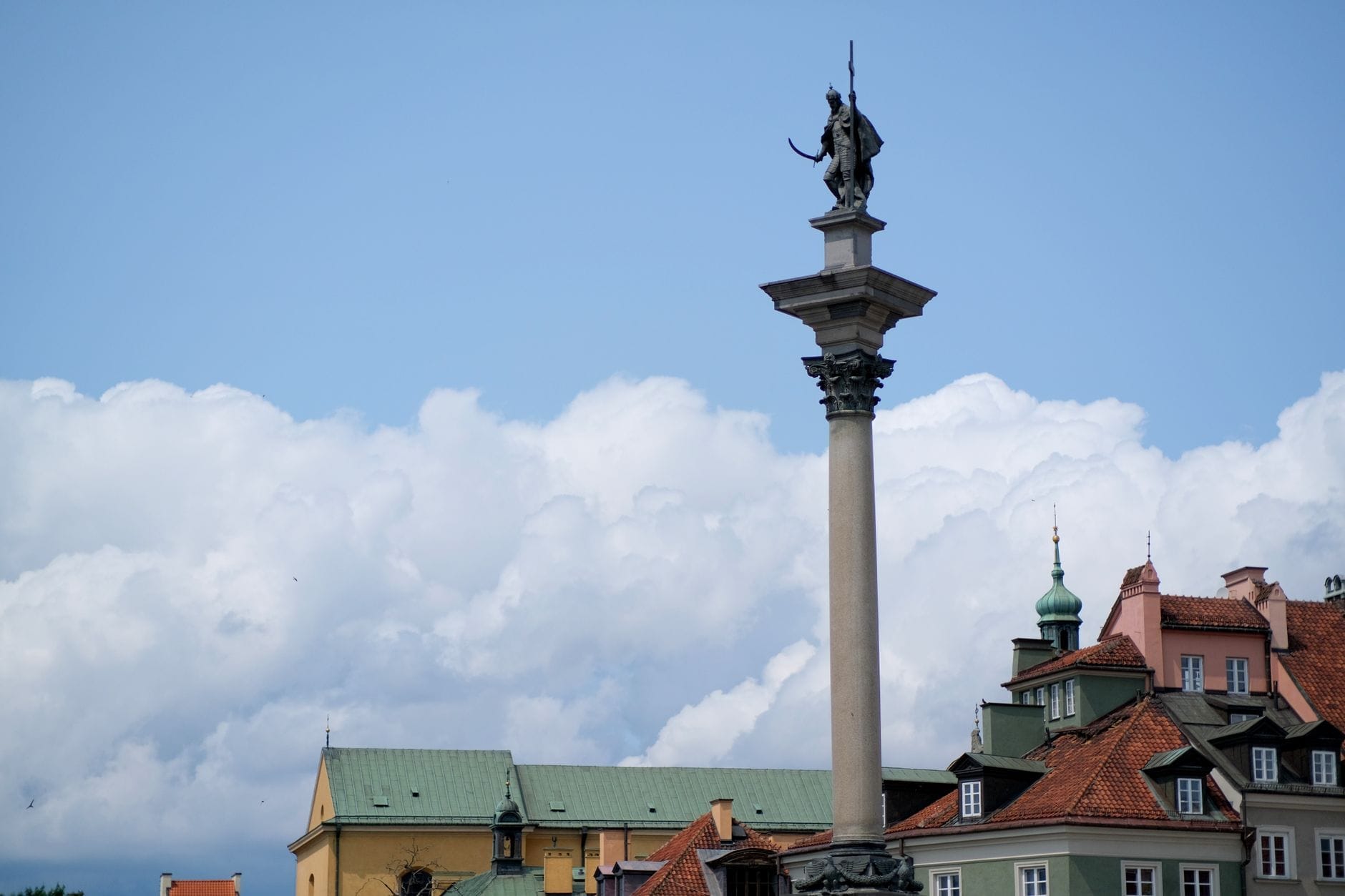
Castle Square is the natural starting point. The 1644 column is one of Europe's oldest secular monuments and frames the Royal Castle beautifully. Arrive early on weekday mornings to beat the tour groups that fill the square by mid-morning.
Explore1. Start Your Old Town Walk at Sigismund's Column
Castle Square is the natural starting point. The 1644 column is one of Europe's oldest secular monuments and frames the Royal Castle beautifully. Arrive early on weekday mornings to beat the tour groups that fill the square by mid-morning.
Explore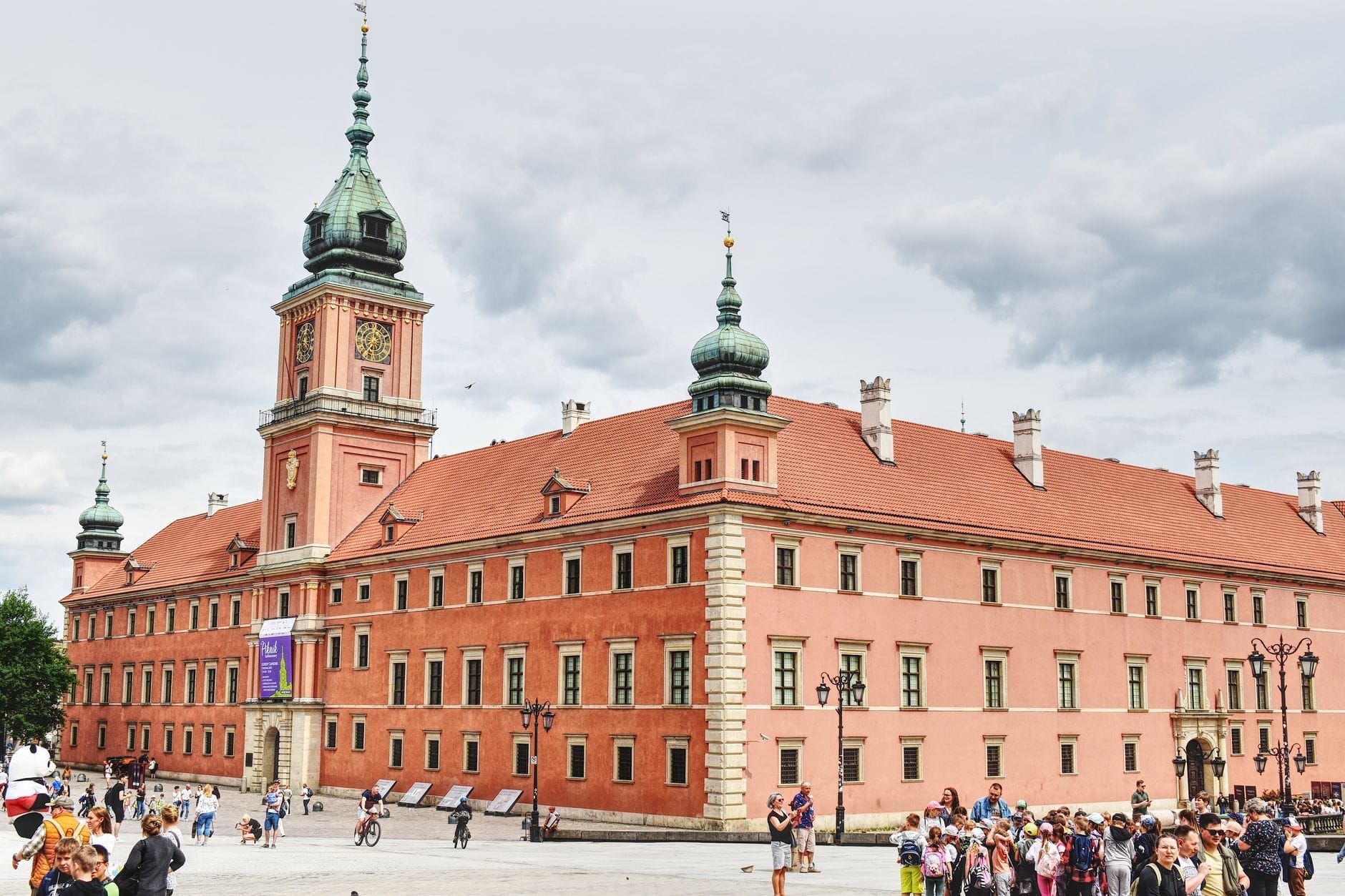
2. Explore the Rebuilt Royal Castle
Destroyed by the Nazis and rebuilt by public donation, the castle contains royal apartments, two Rembrandt paintings, and the extraordinary Canaletto Room hung with 22 views of 18th-century Warsaw. Budget 60 to 90 minutes inside.
Explore2. Explore the Rebuilt Royal Castle
Destroyed by the Nazis and rebuilt by public donation, the castle contains royal apartments, two Rembrandt paintings, and the extraordinary Canaletto Room hung with 22 views of 18th-century Warsaw. Budget 60 to 90 minutes inside.
Explore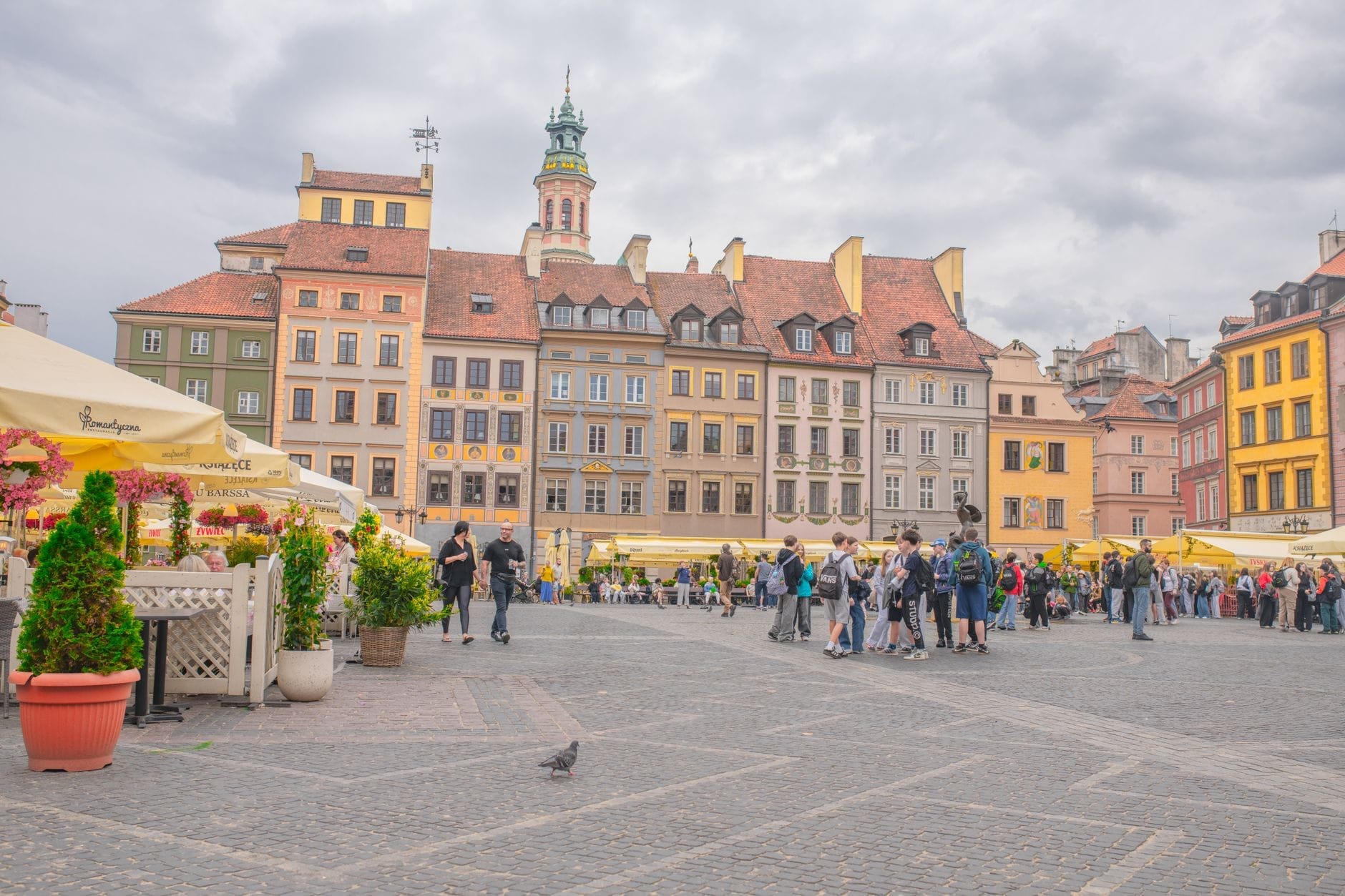
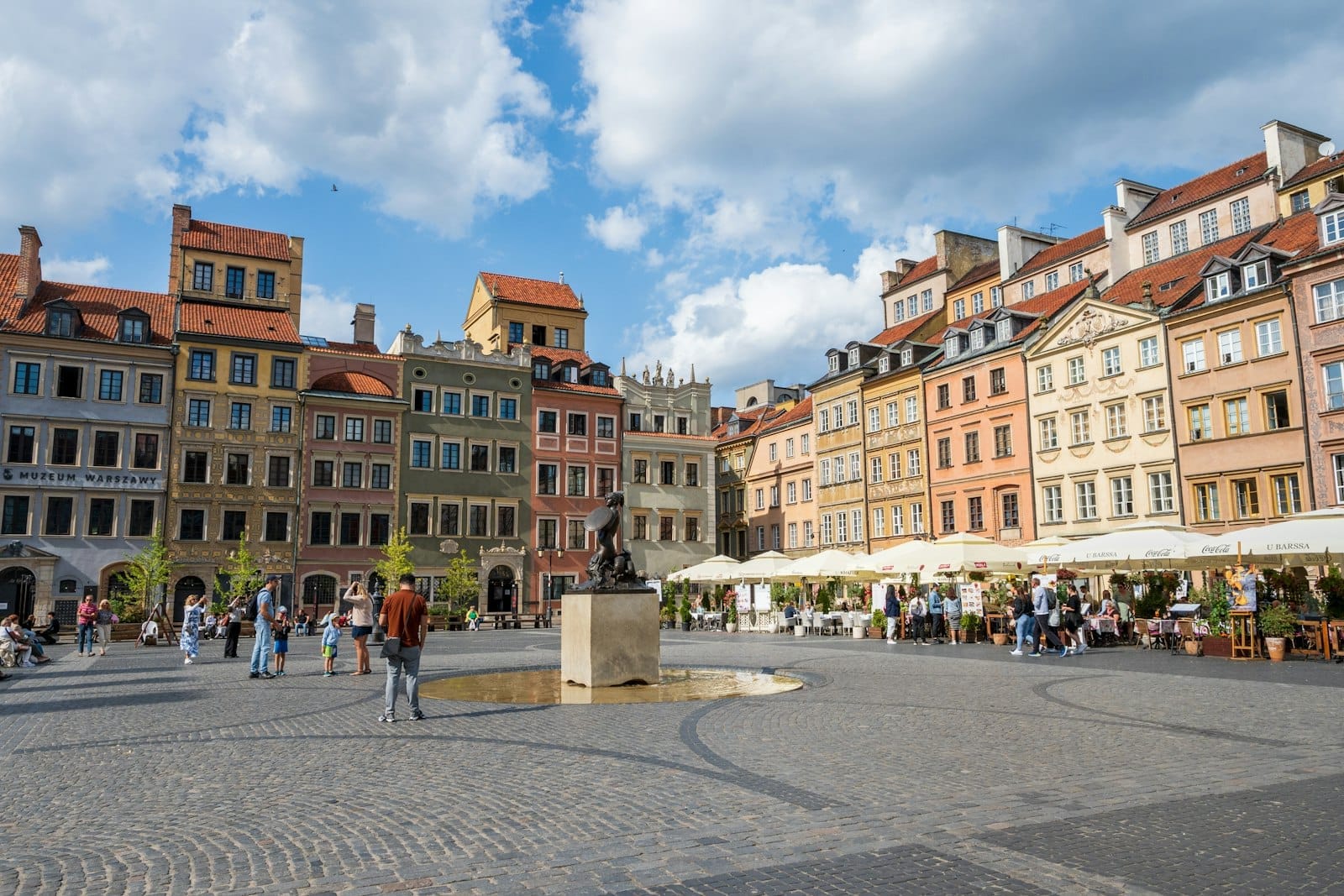
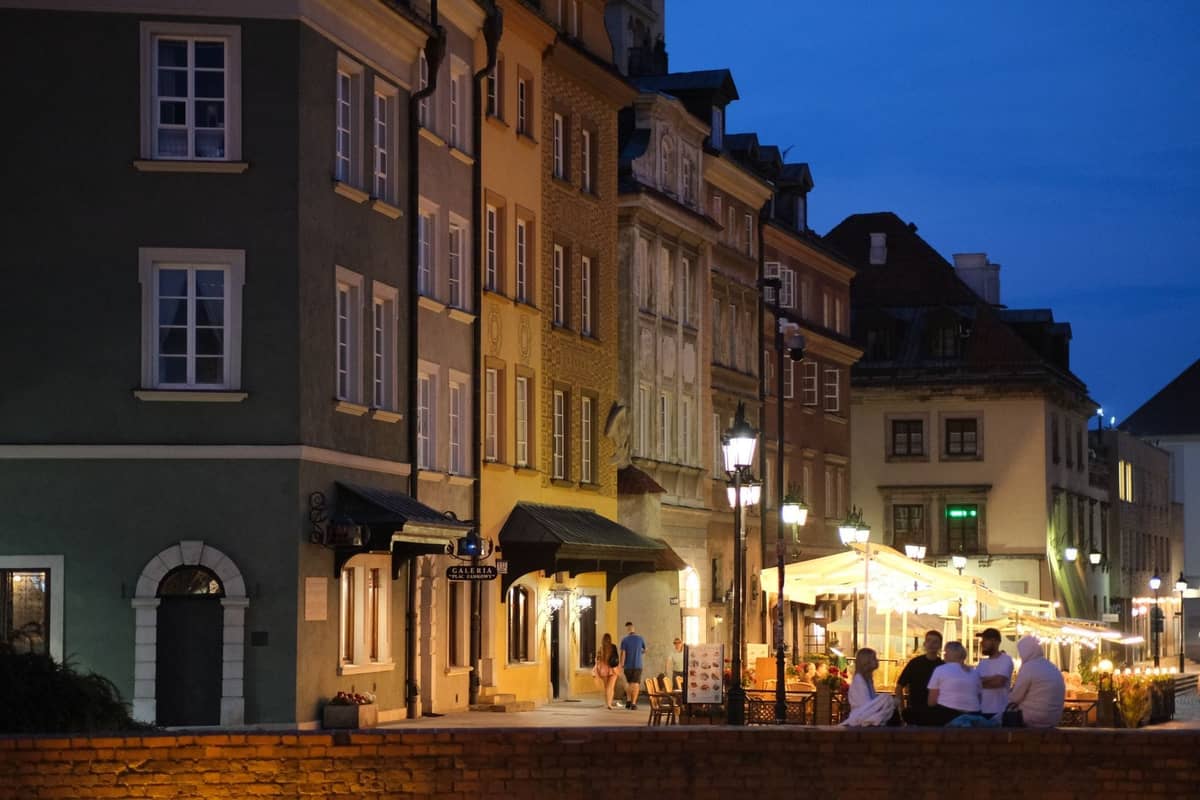
3. Walk the Pastel-Painted Old Town Market Square
The cobbled square ringed by reconstructed merchant townhouses is Warsaw's most photographed spot. Grab a coffee at one of the outdoor terraces and look for the Warsaw Mermaid fountain at the centre. It is busiest at noon; arrive before 10am for quieter photos.
Explore3. Walk the Pastel-Painted Old Town Market Square
The cobbled square ringed by reconstructed merchant townhouses is Warsaw's most photographed spot. Grab a coffee at one of the outdoor terraces and look for the Warsaw Mermaid fountain at the centre. It is busiest at noon; arrive before 10am for quieter photos.
Explore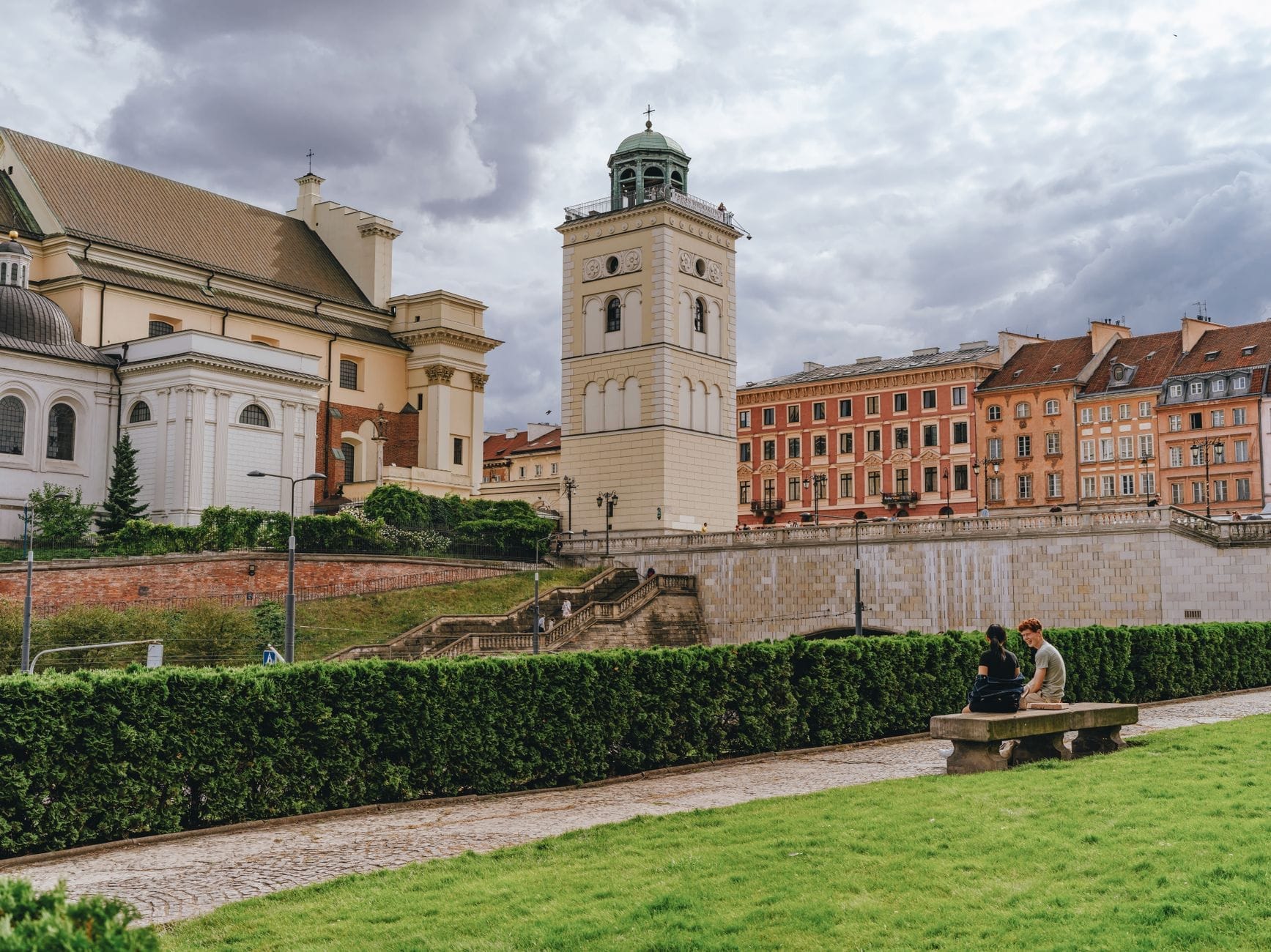
4. Climb St. Anne's Bell Tower for an Old Town Panorama
The bell tower of St. Anne's Church is one of Warsaw's best elevated viewpoints, giving you a sweeping look over Castle Square, the Vistula, and the city skyline for around 10 PLN (cash only). The Baroque church interior with its gilded altars is worth five minutes on the way in or out.
Explore4. Climb St. Anne's Bell Tower for an Old Town Panorama
The bell tower of St. Anne's Church is one of Warsaw's best elevated viewpoints, giving you a sweeping look over Castle Square, the Vistula, and the city skyline for around 10 PLN (cash only). The Baroque church interior with its gilded altars is worth five minutes on the way in or out.
Explore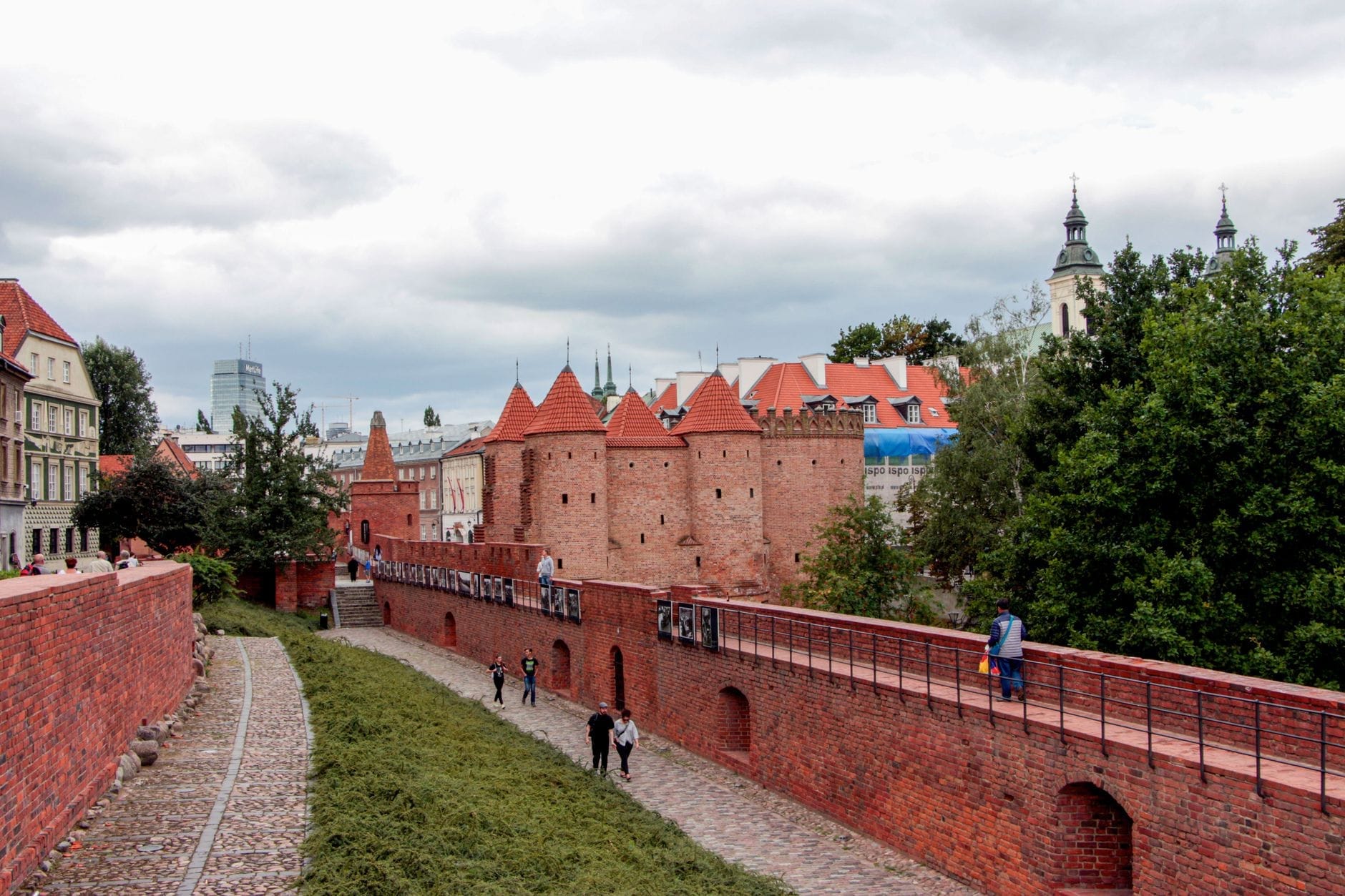
5. Pass Through the Medieval Warsaw Barbican
The 16th-century brick Barbican is one of the few genuinely medieval structures in a city that was otherwise rebuilt from scratch. Walk through its arched passage to transition from the Old Town into the New Town, and stop to read the plaques on the surviving city walls.
Explore5. Pass Through the Medieval Warsaw Barbican
The 16th-century brick Barbican is one of the few genuinely medieval structures in a city that was otherwise rebuilt from scratch. Walk through its arched passage to transition from the Old Town into the New Town, and stop to read the plaques on the surviving city walls.
Explore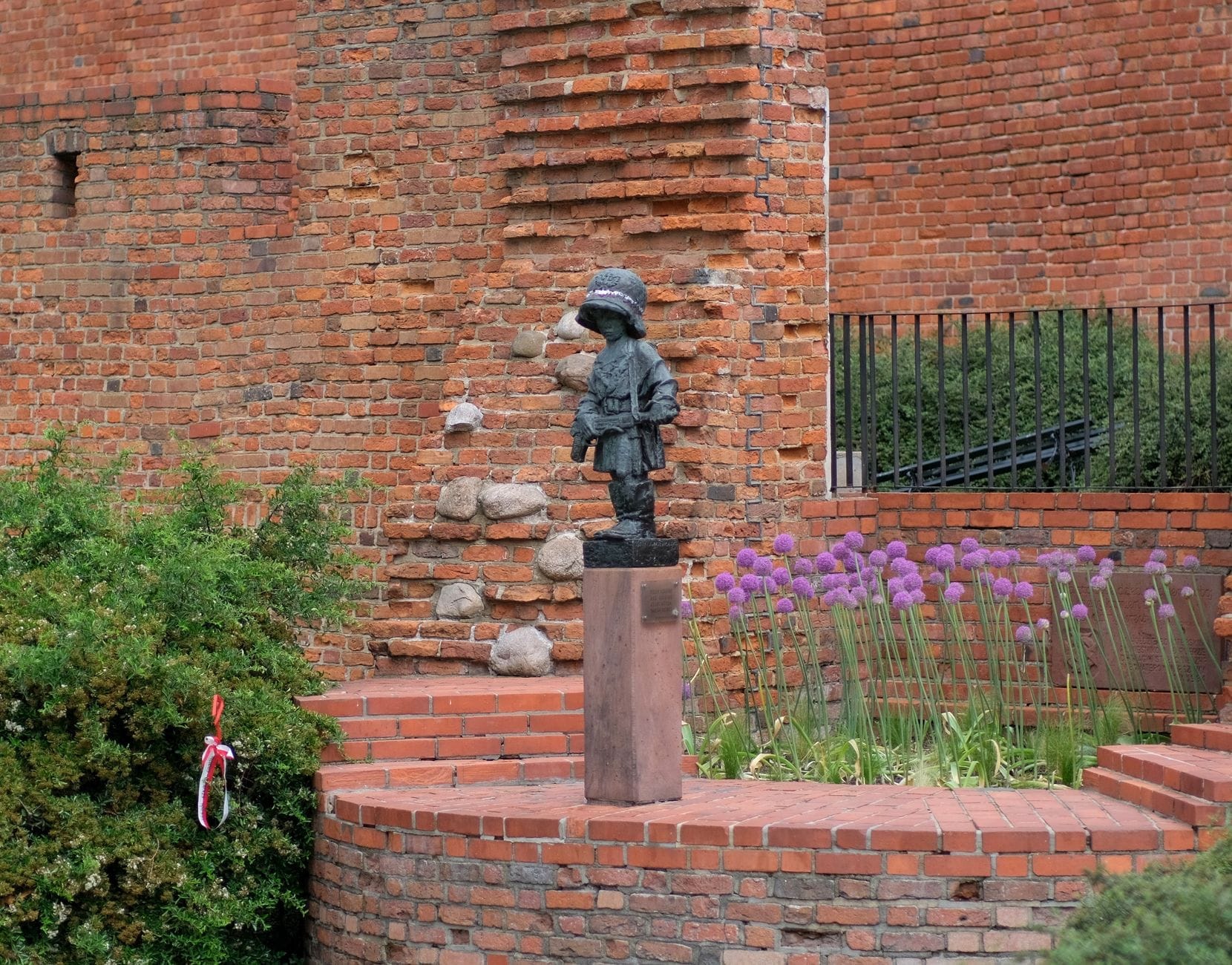
6. Pay Respects at the Little Insurgent Monument
Tucked into the Old Town walls, this small bronze of a child soldier in an oversized helmet commemorates the youngest fighters of the 1944 Warsaw Uprising, some barely ten years old. It takes two minutes to find but tends to stop visitors longer than expected.
Explore6. Pay Respects at the Little Insurgent Monument
Tucked into the Old Town walls, this small bronze of a child soldier in an oversized helmet commemorates the youngest fighters of the 1944 Warsaw Uprising, some barely ten years old. It takes two minutes to find but tends to stop visitors longer than expected.
Explore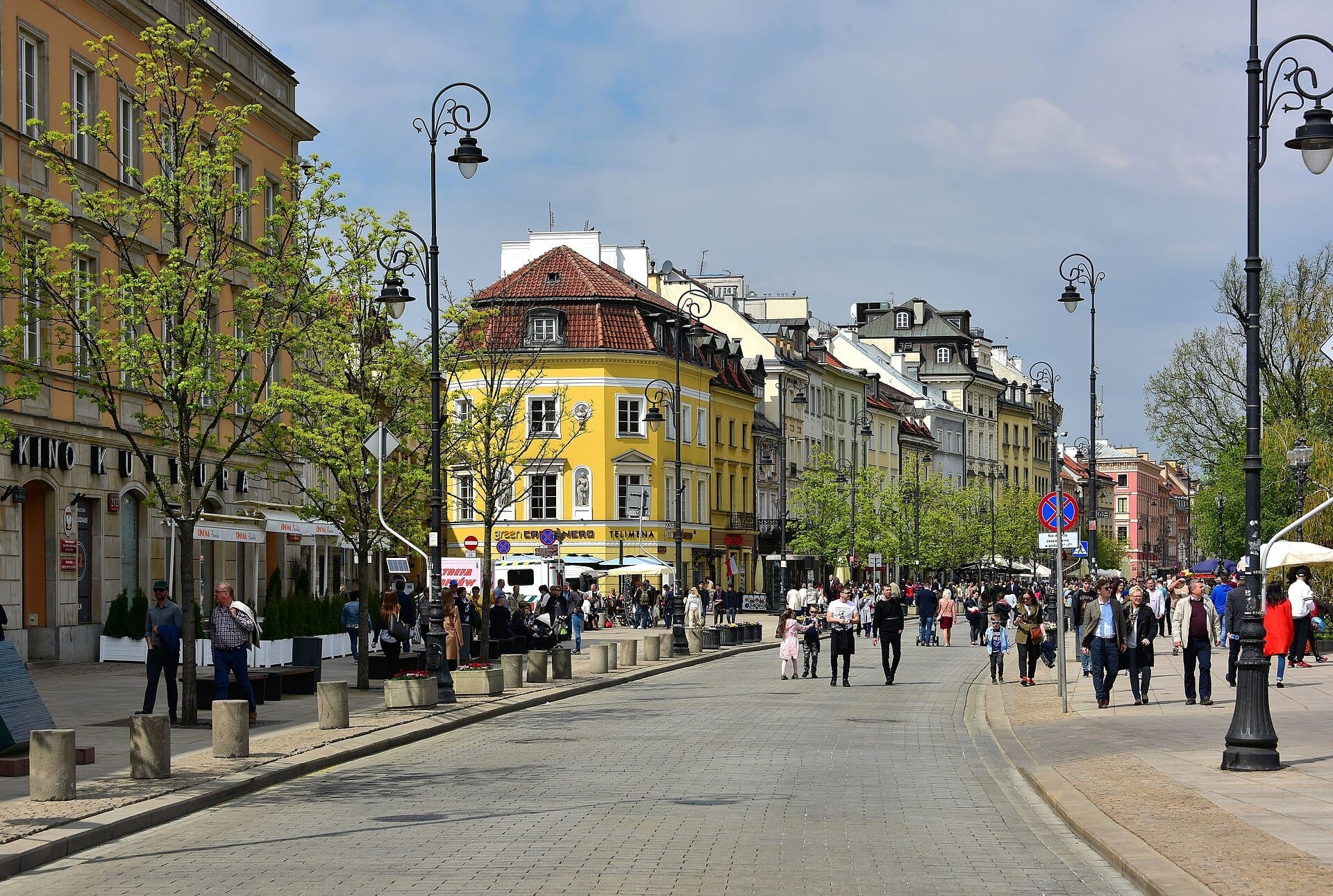
7. Stroll Warsaw's Grand Boulevard, Krakowskie Przedmieście
Warsaw's most impressive avenue connects the Old Town to Nowy Świat, passing Baroque churches, the University of Warsaw, and neoclassical palaces. The street is best appreciated on foot; the stretch from Castle Square to the Bristol Hotel takes about 20 minutes at a relaxed pace.
Explore7. Stroll Warsaw's Grand Boulevard, Krakowskie Przedmieście
Warsaw's most impressive avenue connects the Old Town to Nowy Świat, passing Baroque churches, the University of Warsaw, and neoclassical palaces. The street is best appreciated on foot; the stretch from Castle Square to the Bristol Hotel takes about 20 minutes at a relaxed pace.
ExploreDay 1 Afternoon: History Museums & a Foodie Detour
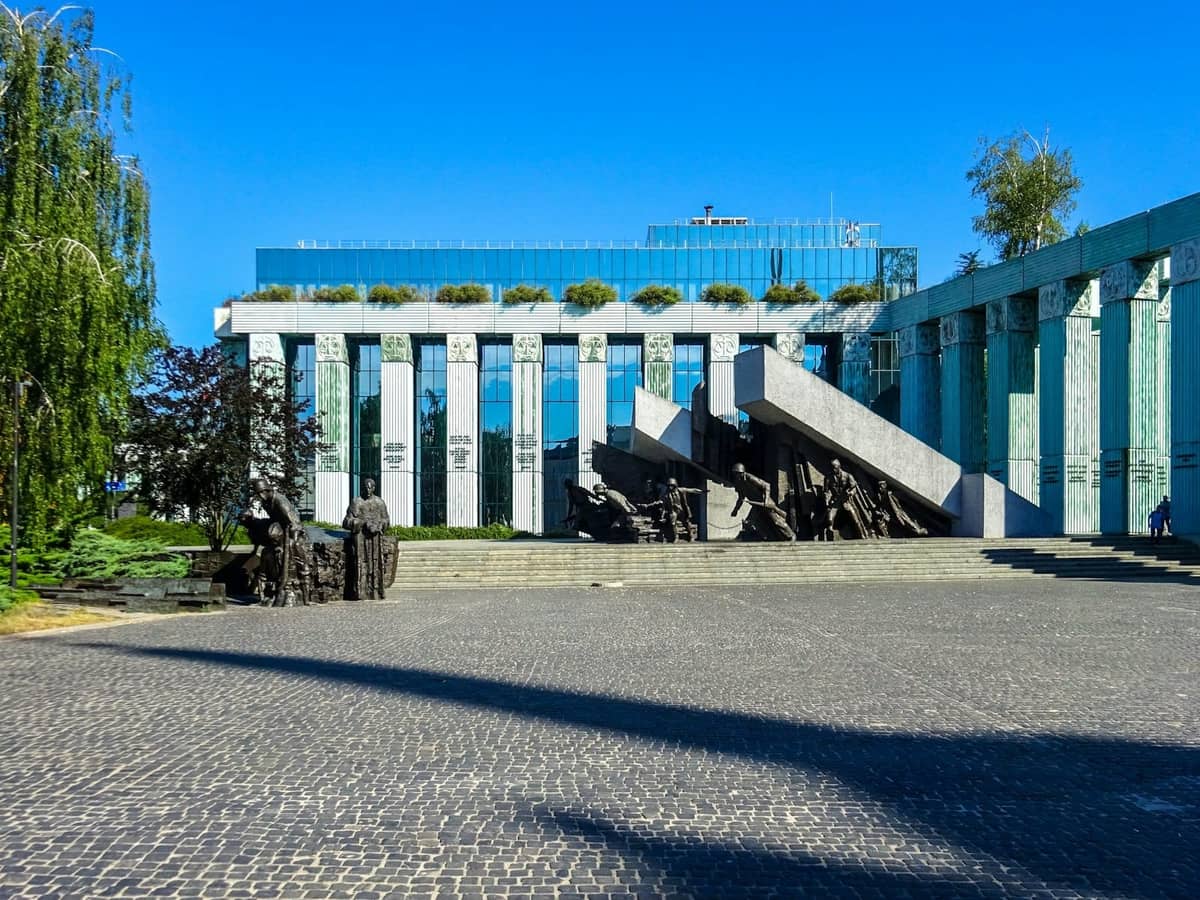
Warsaw's two most important history museums are on opposite sides of the city centre and each deserves two to three hours. The Warsaw Uprising Museum is in the west near Wola; POLIN is north in Muranów. Pick one for your afternoon and save the other for Day 2, or combine them if you start early. For a full breakdown of Warsaw's WWII sites, the Warsaw WW2 history guide maps them all out.
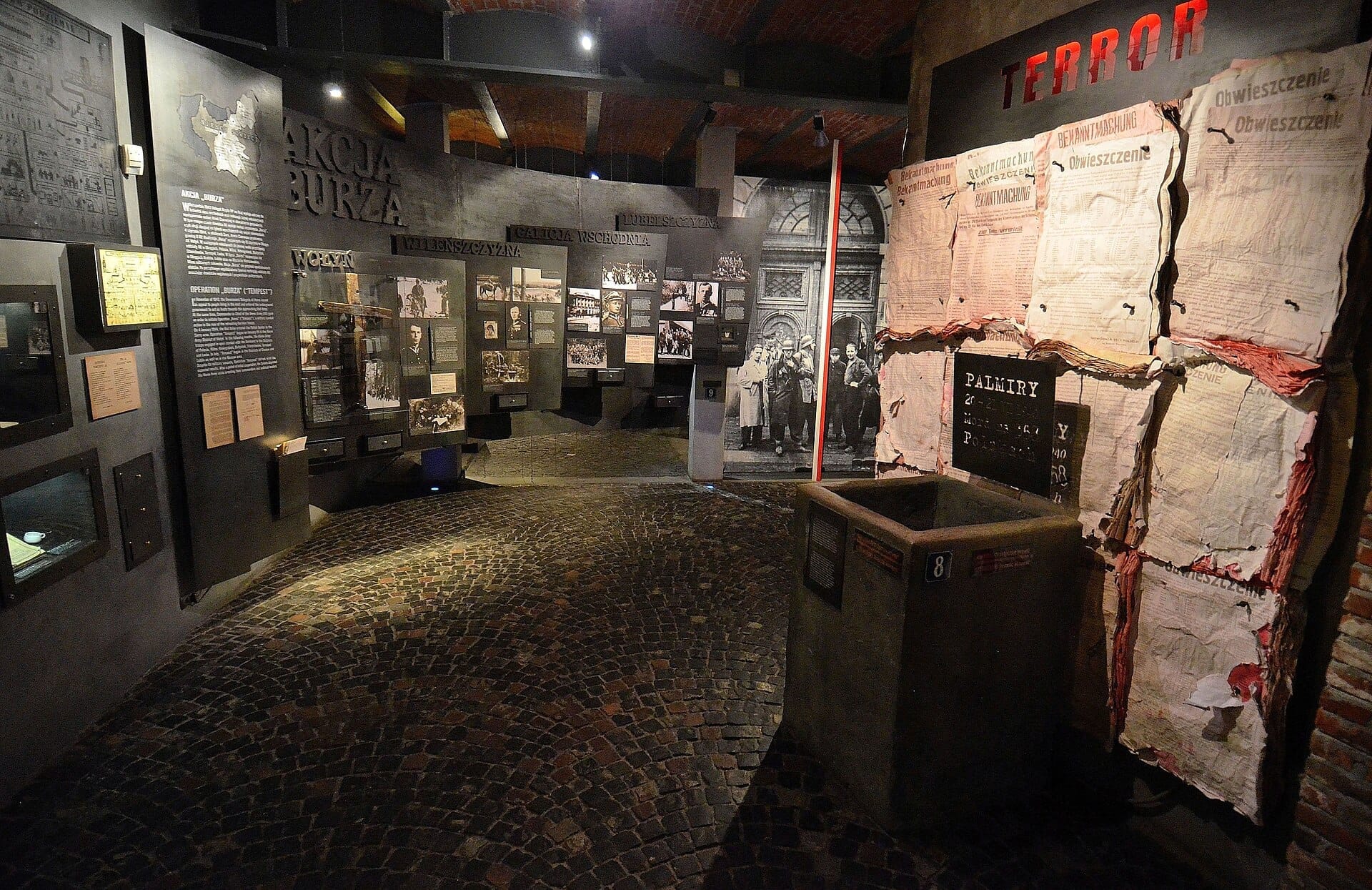
8. Spend Two Hours at the Immersive Warsaw Uprising Museum
Opened in 2004, this museum chronicles the 63-day 1944 uprising through original artifacts, audio testimonies, and a full-scale B-24 Liberator replica. It is emotionally demanding and consistently rated among Europe's best history museums. Book tickets online before arrival on weekends.
Explore8. Spend Two Hours at the Immersive Warsaw Uprising Museum
Opened in 2004, this museum chronicles the 63-day 1944 uprising through original artifacts, audio testimonies, and a full-scale B-24 Liberator replica. It is emotionally demanding and consistently rated among Europe's best history museums. Book tickets online before arrival on weekends.
Explore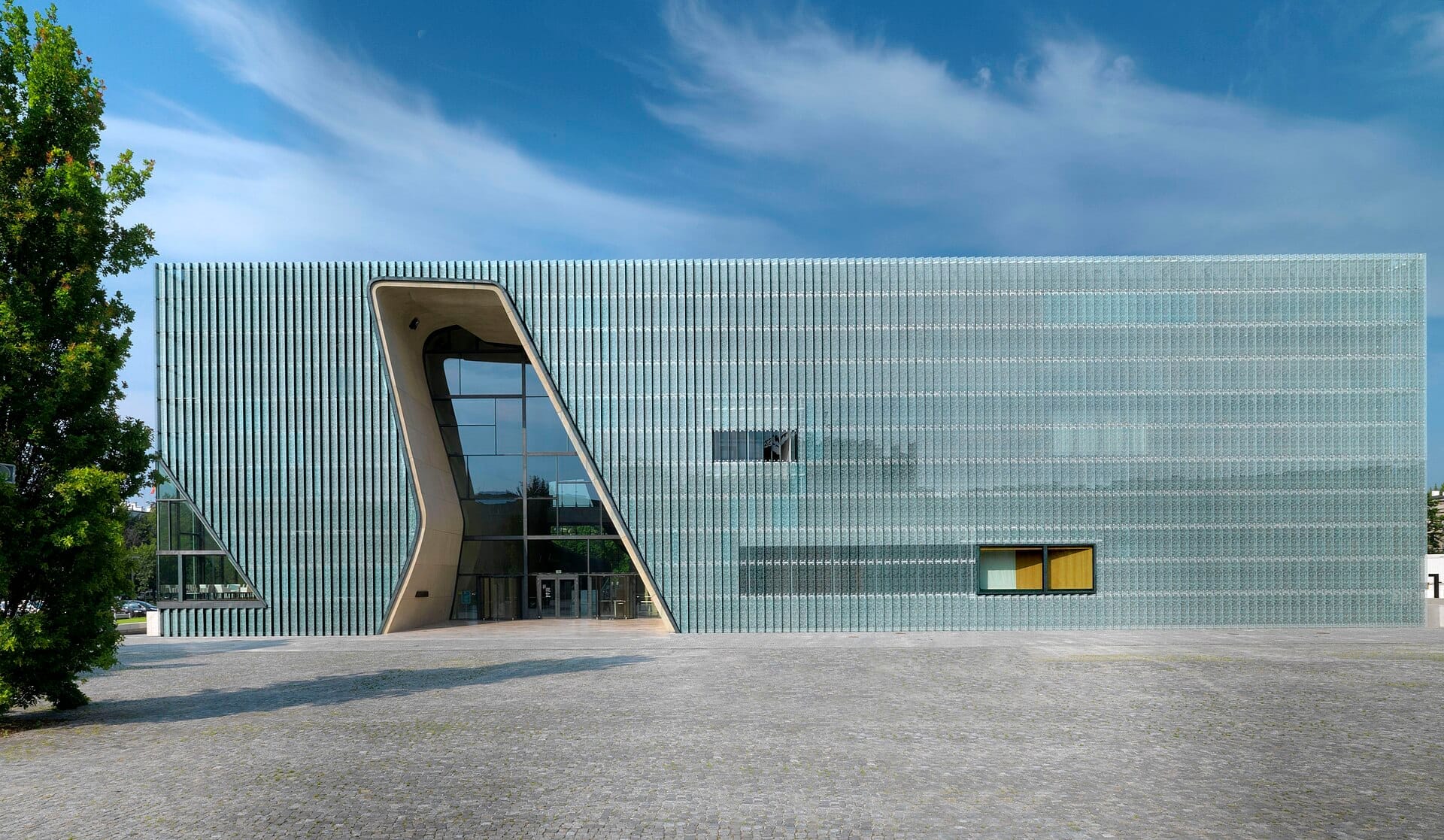
9. Discover 1,000 Years of Jewish History at POLIN
Built on the site of the former Warsaw Ghetto, POLIN traces Jewish life in Poland from medieval settlement to the Holocaust through stunning multimedia galleries and a reconstructed synagogue. Winner of the Council of Europe Museum Prize, it rewards at least two hours of focused attention.
Explore9. Discover 1,000 Years of Jewish History at POLIN
Built on the site of the former Warsaw Ghetto, POLIN traces Jewish life in Poland from medieval settlement to the Holocaust through stunning multimedia galleries and a reconstructed synagogue. Winner of the Council of Europe Museum Prize, it rewards at least two hours of focused attention.
Explore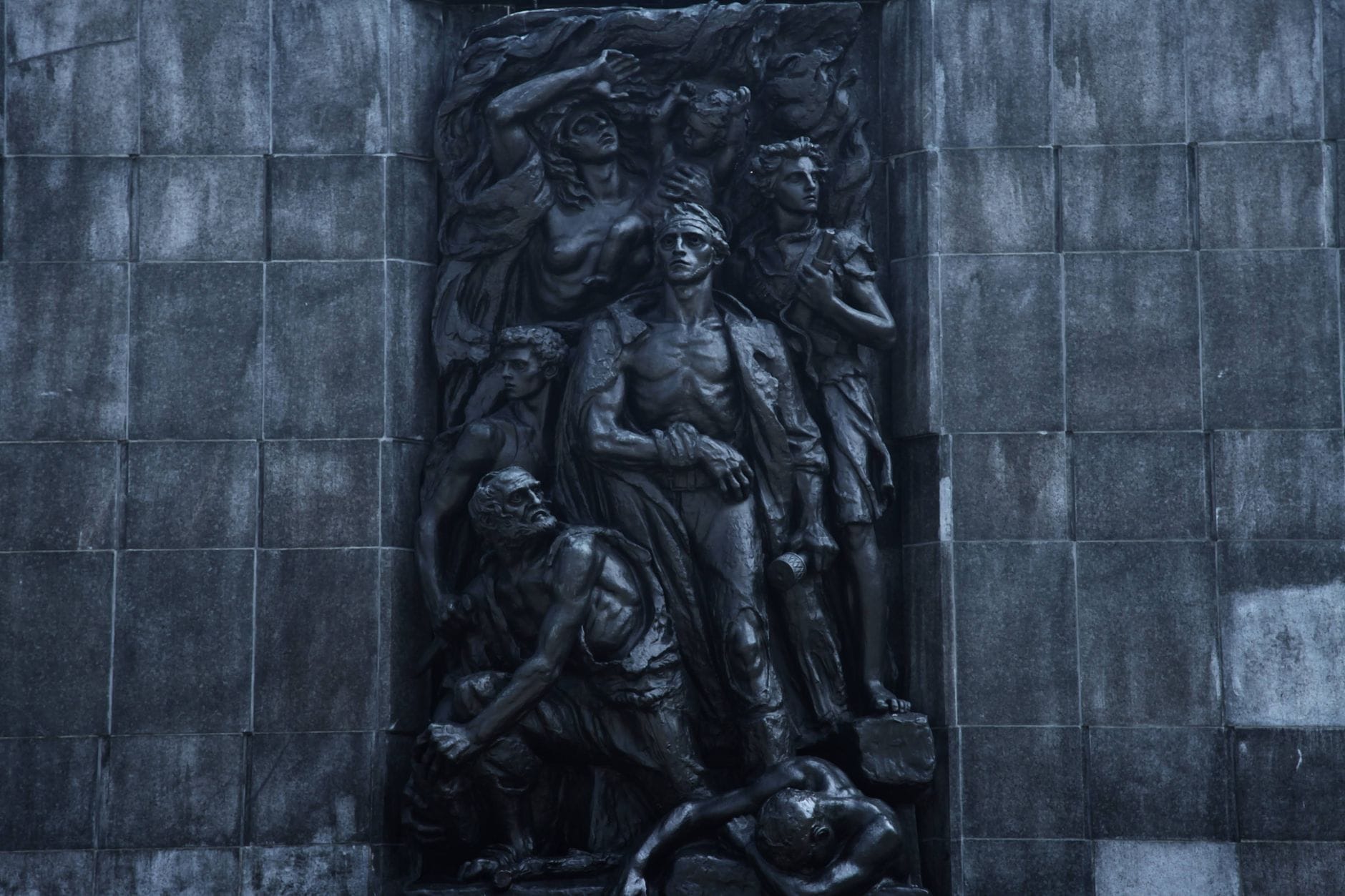
10. Stand Before the Monument to the Ghetto Heroes
Unveiled in 1948, this bronze monument outside POLIN marks the site of the 1943 Ghetto Uprising bunker. It was the first monument in Europe to commemorate Jewish resistance and remains one of the world's most significant Holocaust memorials. Pair it with your POLIN visit; they are steps apart.
Explore10. Stand Before the Monument to the Ghetto Heroes
Unveiled in 1948, this bronze monument outside POLIN marks the site of the 1943 Ghetto Uprising bunker. It was the first monument in Europe to commemorate Jewish resistance and remains one of the world's most significant Holocaust memorials. Pair it with your POLIN visit; they are steps apart.
Explore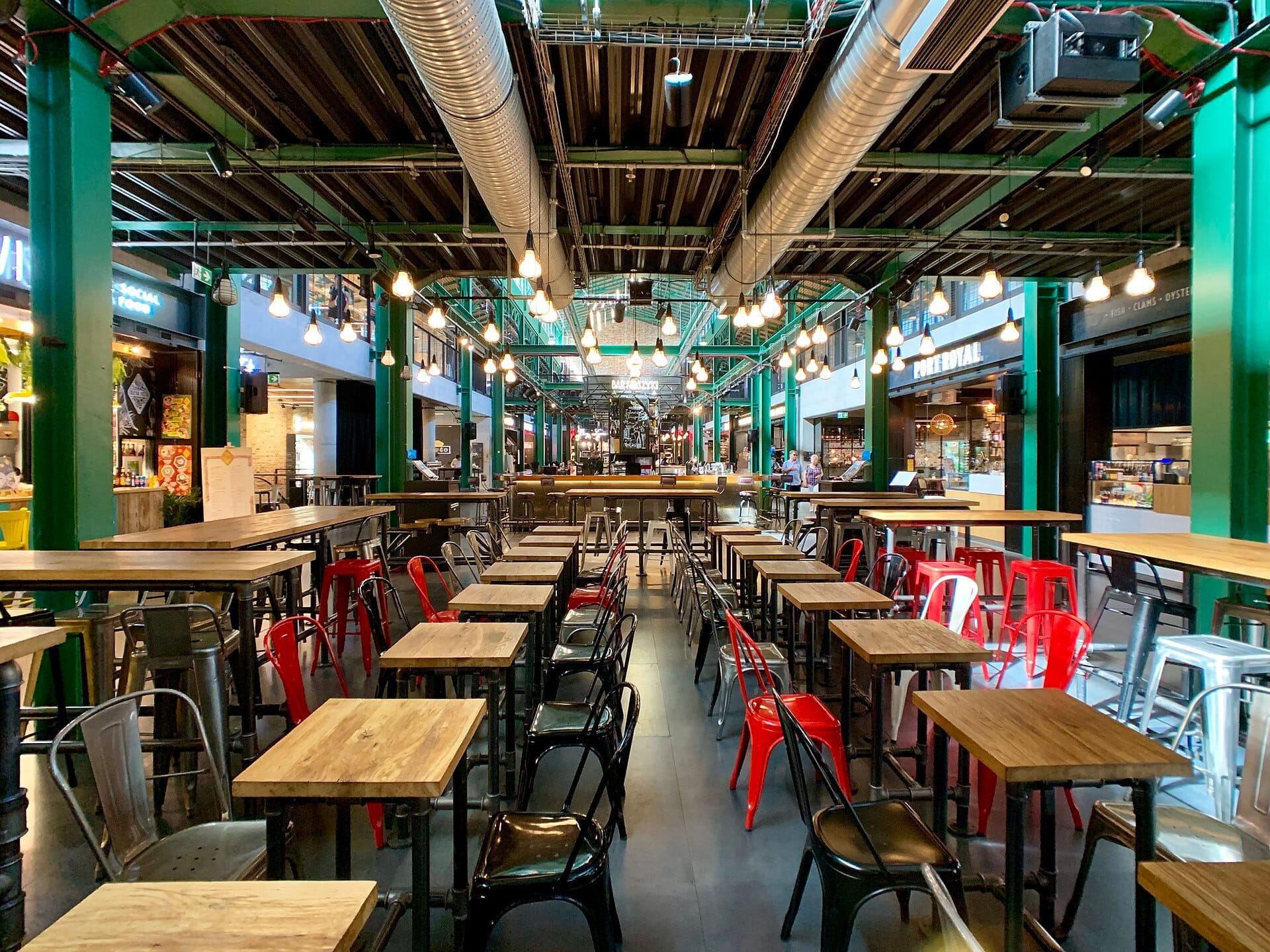
11. Eat Your Way Through Hala Koszyki Food Hall
This restored 1906 iron-and-glass market hall is the single best place in Warsaw to sample the city's food scene in one sitting. Dozens of stalls offer Polish pierogi, Japanese ramen, craft beer, and specialty coffee. It is ideal for a late lunch or early dinner after the museums.
Explore11. Eat Your Way Through Hala Koszyki Food Hall
This restored 1906 iron-and-glass market hall is the single best place in Warsaw to sample the city's food scene in one sitting. Dozens of stalls offer Polish pierogi, Japanese ramen, craft beer, and specialty coffee. It is ideal for a late lunch or early dinner after the museums.
Explore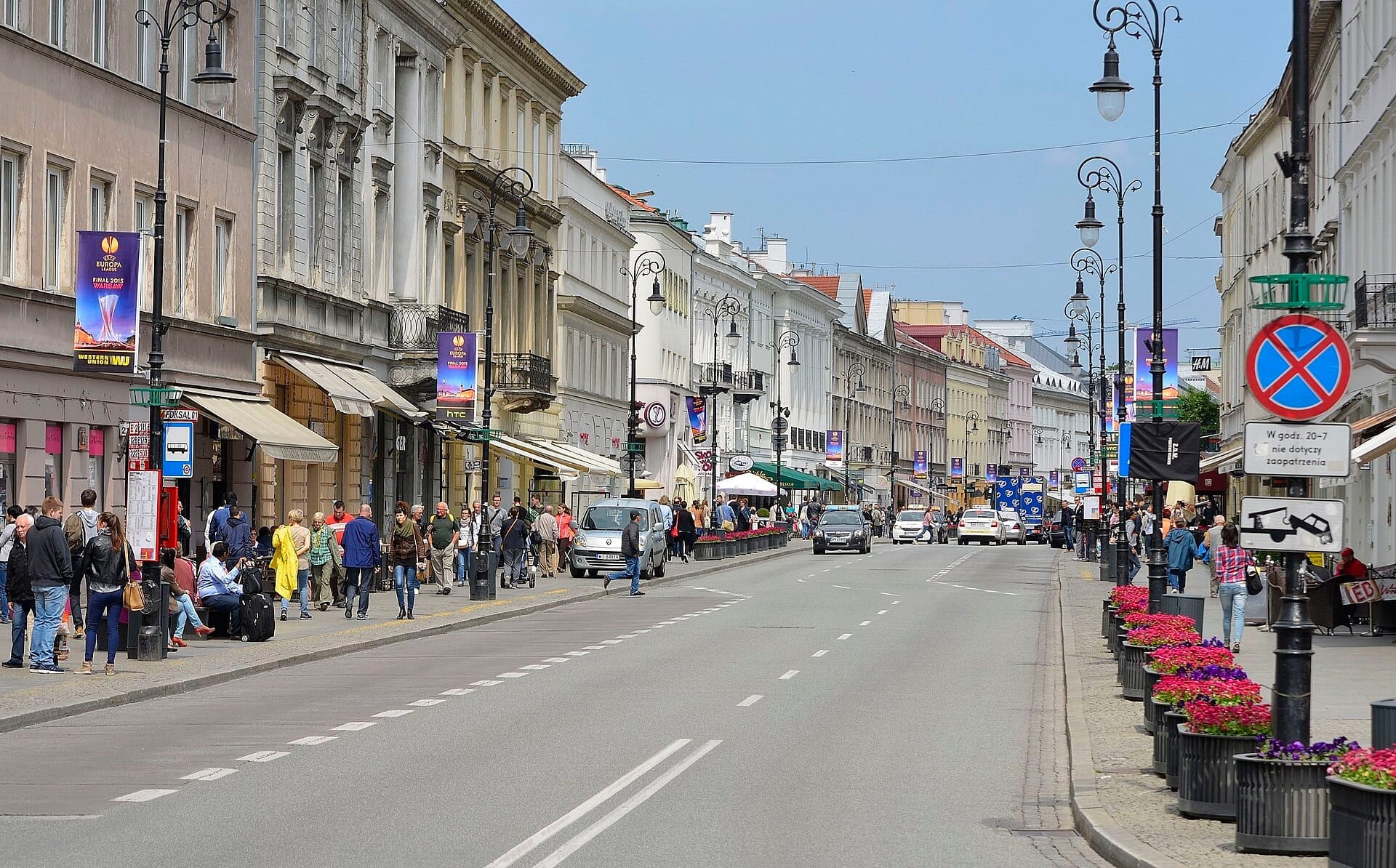
12. Wind Down the Day on Nowy Świat
Warsaw's most fashionable boulevard is the right place to slow down after a heavy afternoon of history. The street is lined with patisseries, independent cafés, and restaurants in restored 19th-century townhouses. Cukiernia Blikle, open since 1869, is the classic stop for coffee and rose doughnuts.
Explore12. Wind Down the Day on Nowy Świat
Warsaw's most fashionable boulevard is the right place to slow down after a heavy afternoon of history. The street is lined with patisseries, independent cafés, and restaurants in restored 19th-century townhouses. Cukiernia Blikle, open since 1869, is the classic stop for coffee and rose doughnuts.
ExploreDay 2 Morning: Chopin, the Royal Route South & Green Space
The second day moves south from the city centre into Warsaw's royal and musical heritage. Chopin's WarsawKrakowskie Przedmieście is a thread you can follow from the Holy Cross Church all the way to Łazienki Park in about two hours of walking. The park itself deserves a full morning, especially on Sundays in summer when free Chopin concerts are performed beside the monument at noon and 4pm.
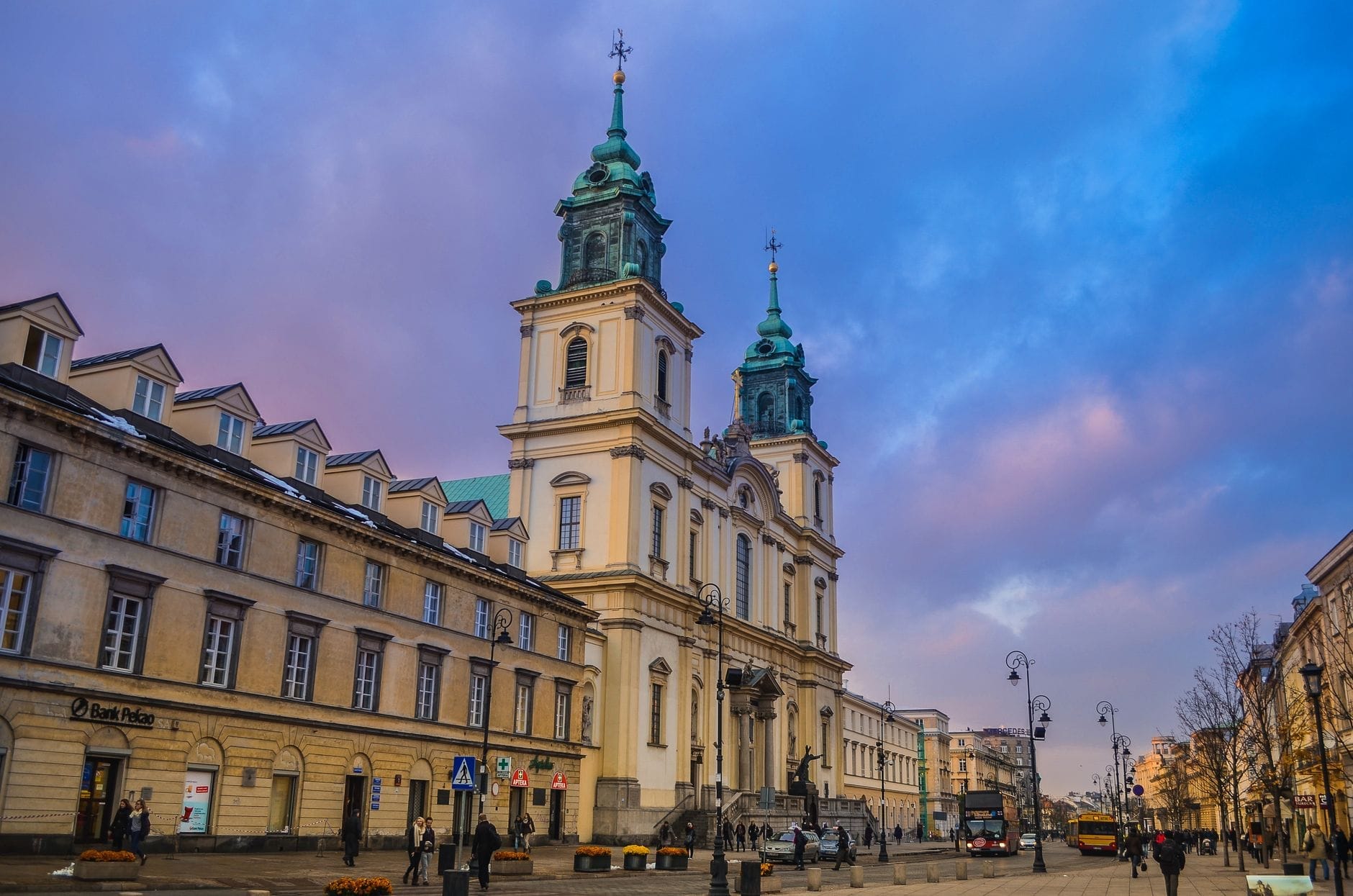
13. Visit Chopin's Heart at the Holy Cross Church
A pillar on the left nave of this 17th-century Baroque church contains an urn with Frédéric Chopin's heart, returned to Warsaw after his death in Paris. The ornate interior is worth seeing on its own merits, but the Chopin connection makes this one of the most quietly moving stops on any Warsaw itinerary.
Explore13. Visit Chopin's Heart at the Holy Cross Church
A pillar on the left nave of this 17th-century Baroque church contains an urn with Frédéric Chopin's heart, returned to Warsaw after his death in Paris. The ornate interior is worth seeing on its own merits, but the Chopin connection makes this one of the most quietly moving stops on any Warsaw itinerary.
Explore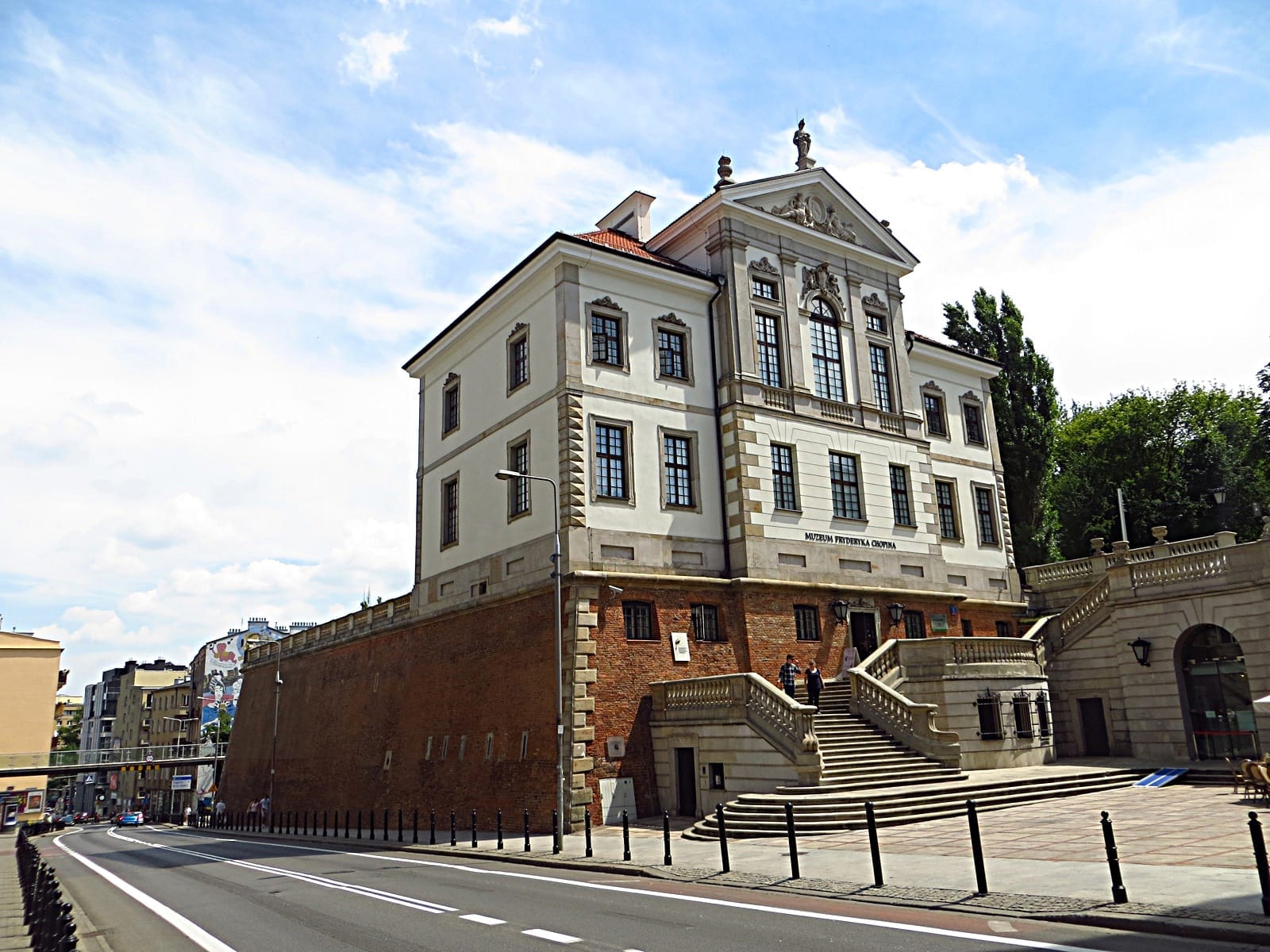
14. Hear Chopin's Own Piano at the Fryderyk Chopin Museum
Housed in the Baroque Ostrogski Palace, this multimedia museum holds Chopin's last Pleyel piano, original manuscripts, and personal letters. Interactive listening stations let you work through his complete compositions at your own pace. Allow 60 to 90 minutes; audio guide is essential.
Explore14. Hear Chopin's Own Piano at the Fryderyk Chopin Museum
Housed in the Baroque Ostrogski Palace, this multimedia museum holds Chopin's last Pleyel piano, original manuscripts, and personal letters. Interactive listening stations let you work through his complete compositions at your own pace. Allow 60 to 90 minutes; audio guide is essential.
Explore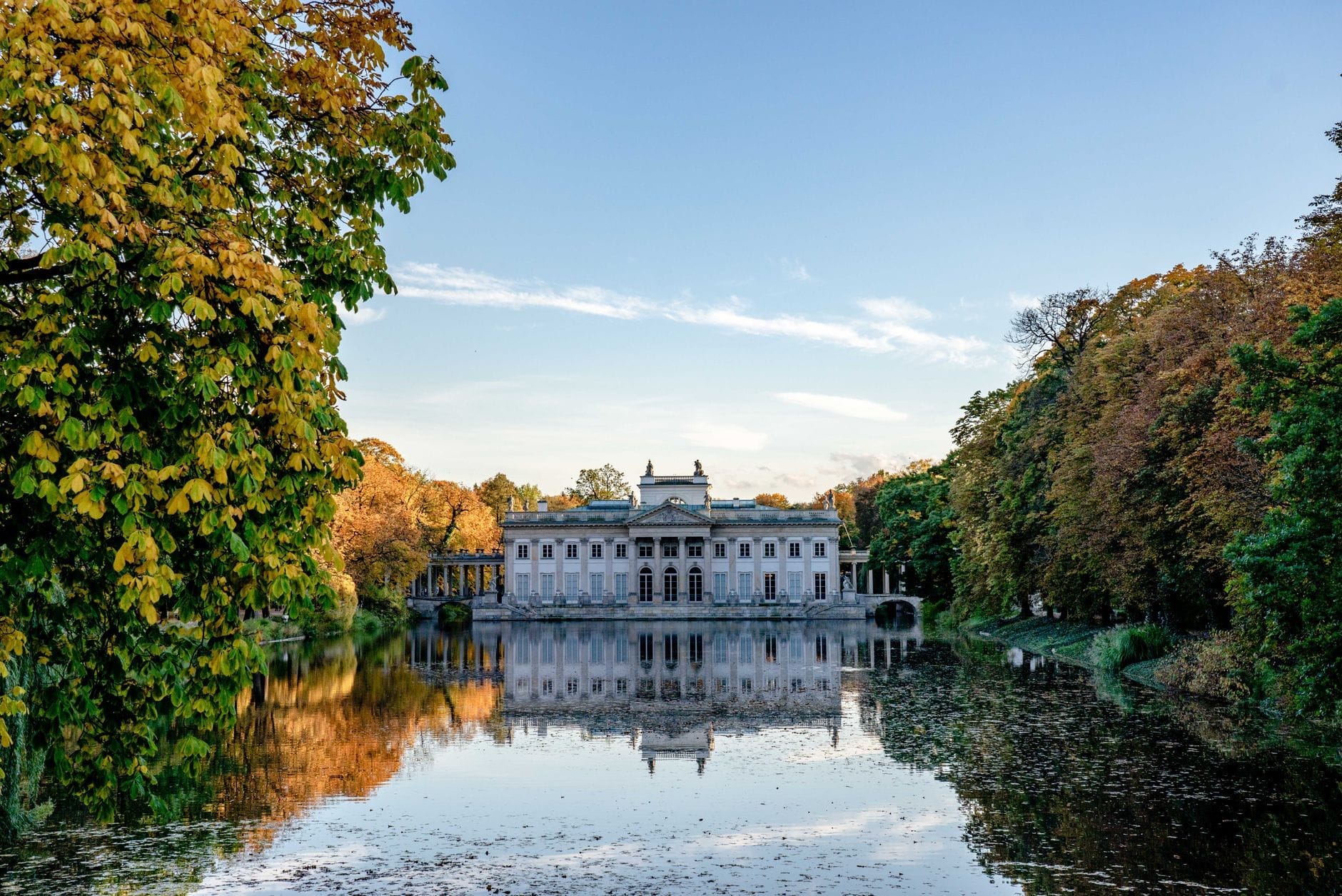
15. Spend a Morning in Łazienki, Warsaw's Royal Park
Seventy-six hectares of lakes, formal gardens, peacocks, and neoclassical pavilions in the city centre. On Sunday afternoons from May to September, free Chopin concerts are performed beside the famous monument. Allow at least 90 minutes to walk the main circuit comfortably.
Explore15. Spend a Morning in Łazienki, Warsaw's Royal Park
Seventy-six hectares of lakes, formal gardens, peacocks, and neoclassical pavilions in the city centre. On Sunday afternoons from May to September, free Chopin concerts are performed beside the famous monument. Allow at least 90 minutes to walk the main circuit comfortably.
Explore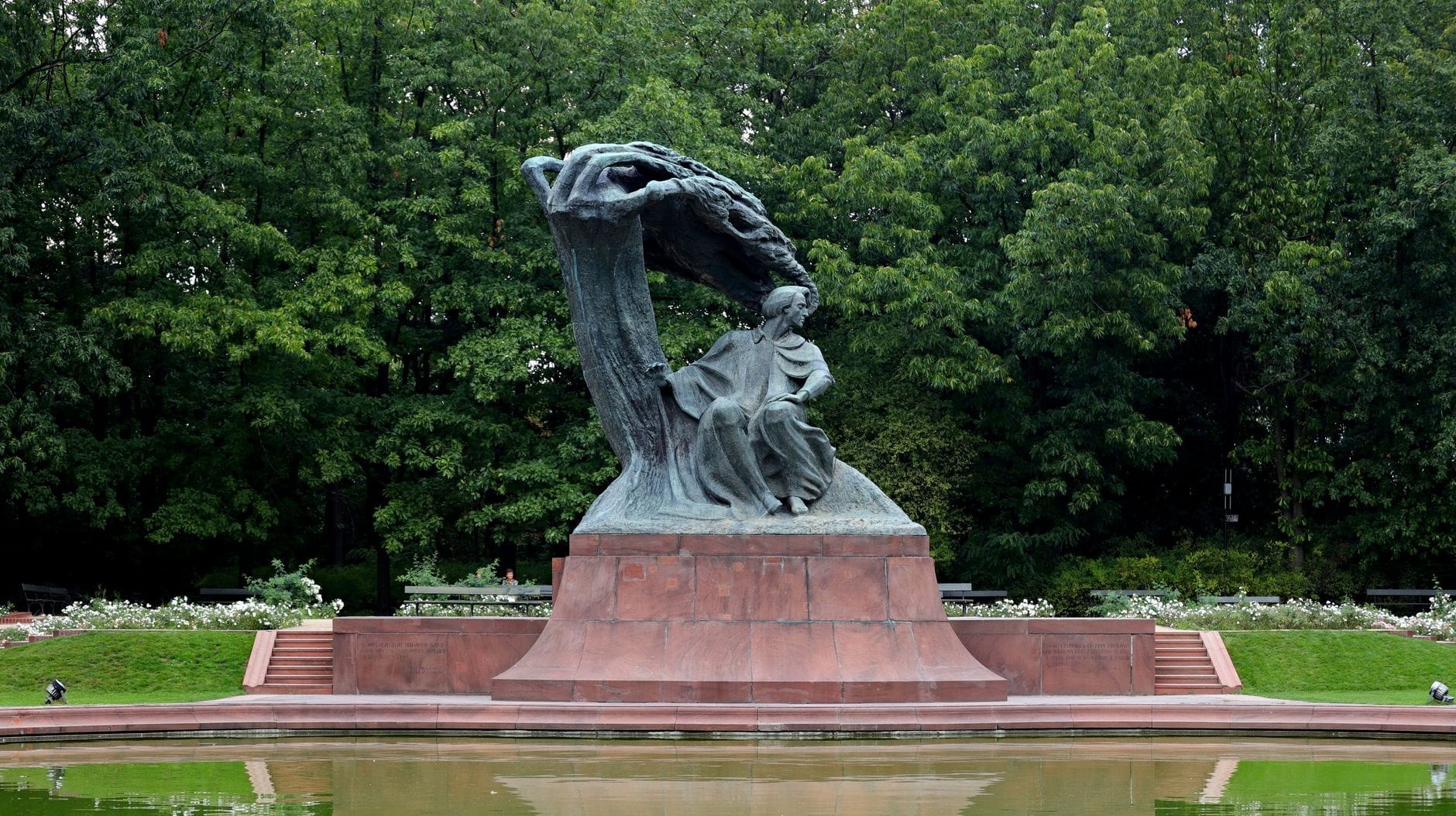
16. Catch a Free Sunday Chopin Concert at the Monument
The 1926 bronze of Chopin beneath a stylized willow is the park's focal point and the stage for Warsaw's beloved free outdoor concerts every Sunday from May to September. Performances run at noon and 4pm; arrive 20 minutes early to claim a spot on the surrounding benches.
Explore16. Catch a Free Sunday Chopin Concert at the Monument
The 1926 bronze of Chopin beneath a stylized willow is the park's focal point and the stage for Warsaw's beloved free outdoor concerts every Sunday from May to September. Performances run at noon and 4pm; arrive 20 minutes early to claim a spot on the surrounding benches.
Explore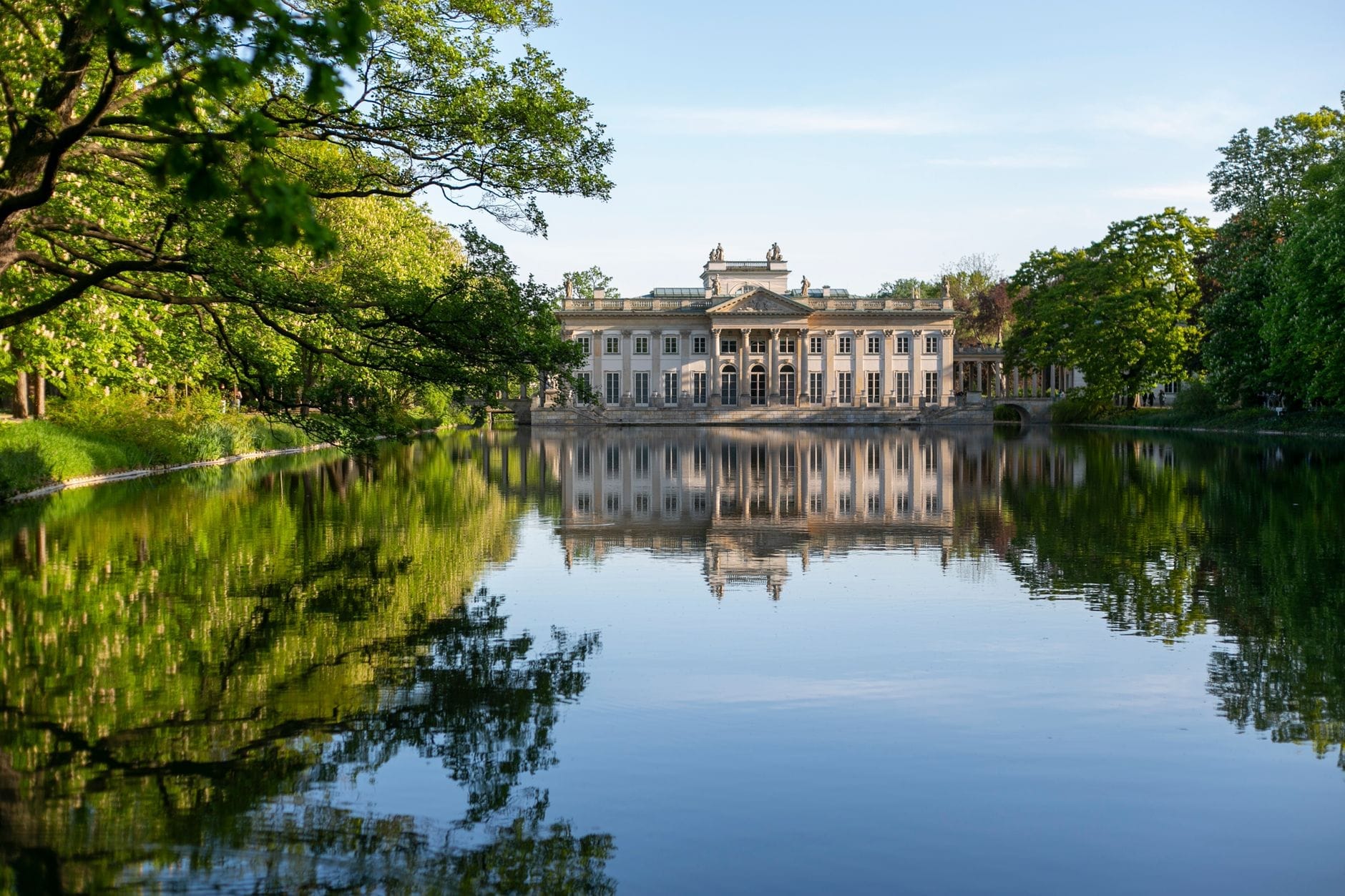
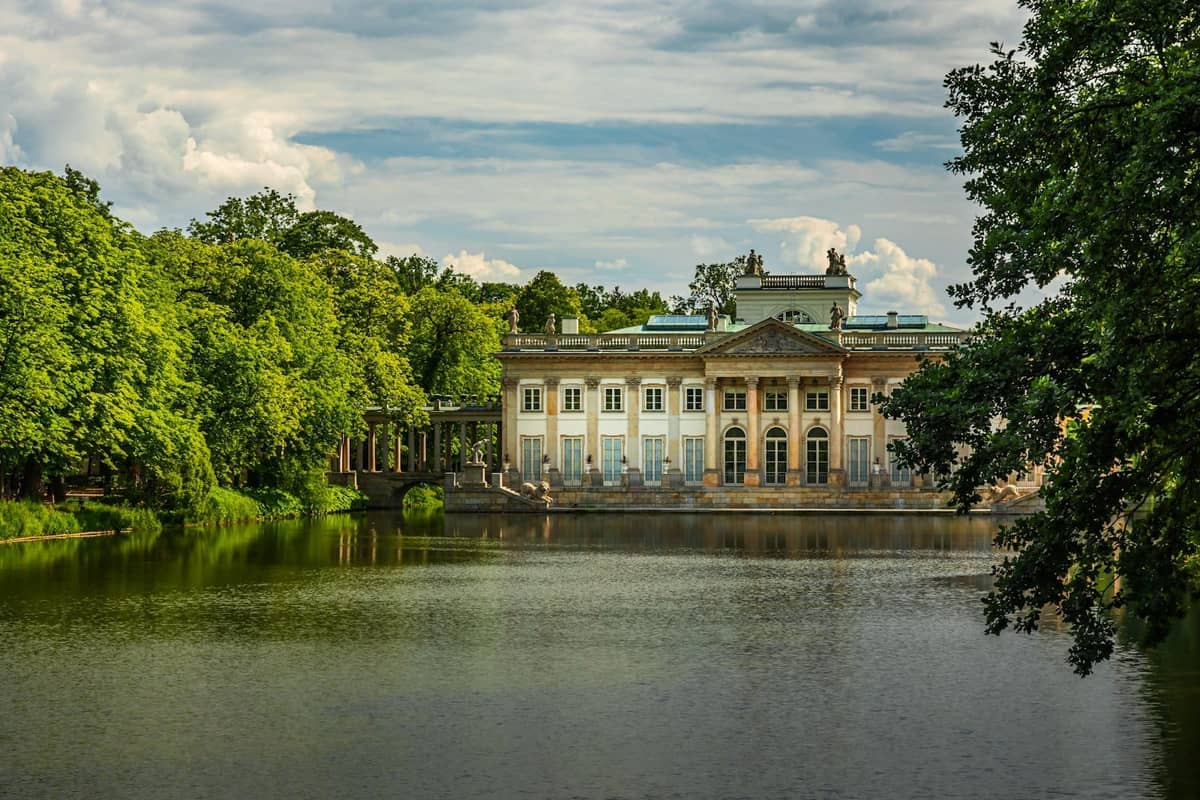
17. Tour the Palace on the Isle, the Park's Royal Centrepiece
King Stanisław August's neoclassical summer residence sits on an artificial island in Łazienki's central lake, mirrored in the still water. The interior houses royal apartments and an ancient sculpture gallery. Tickets are sold separately from the park entry and are worth adding if you have 45 minutes.
Explore17. Tour the Palace on the Isle, the Park's Royal Centrepiece
King Stanisław August's neoclassical summer residence sits on an artificial island in Łazienki's central lake, mirrored in the still water. The interior houses royal apartments and an ancient sculpture gallery. Tickets are sold separately from the park entry and are worth adding if you have 45 minutes.
ExploreDay 2 Afternoon: Skyline Views, Saxon Garden & the City Centre
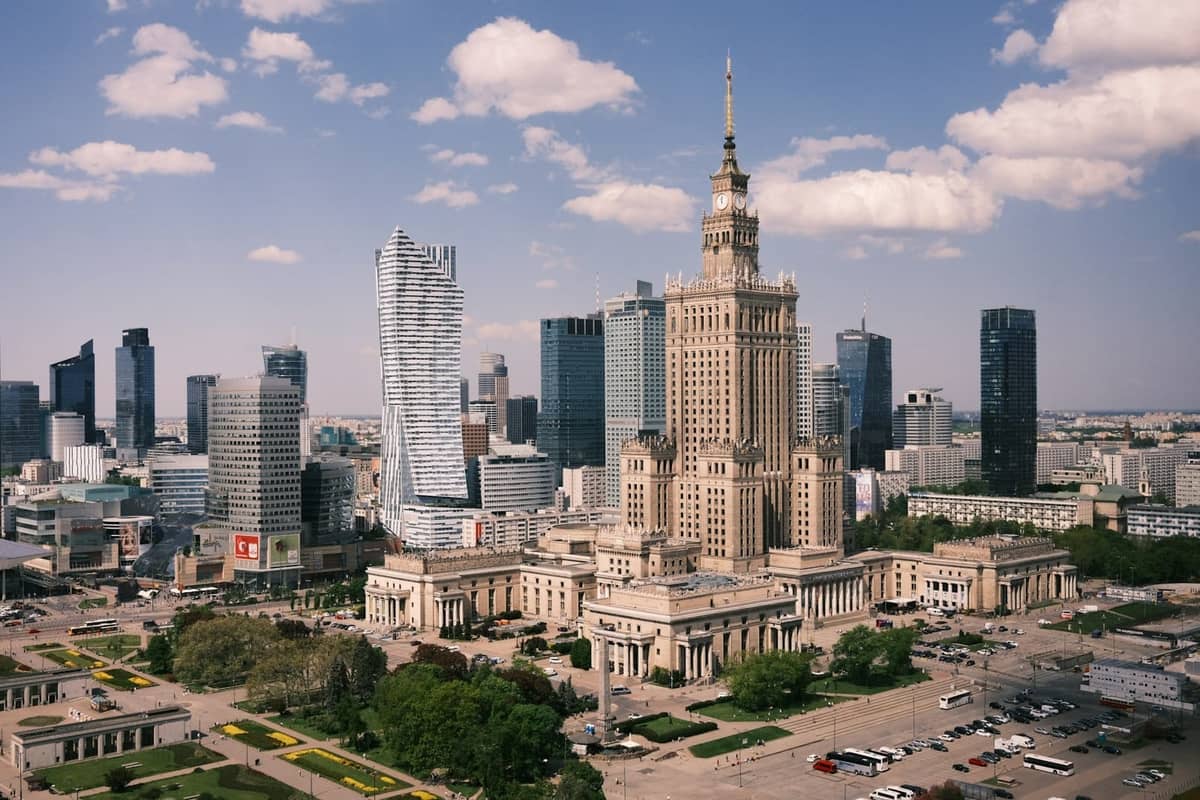
The second afternoon is best spent in the city centre, mixing architecture, a quick parks detour, and a high-altitude view of Warsaw before dinner. The city centre packs a lot into a walkable area: Piłsudski Square, the Saxon Garden, the Tomb of the Unknown Soldier, and the Palace of Culture and Science are all within 15 minutes of each other on foot.
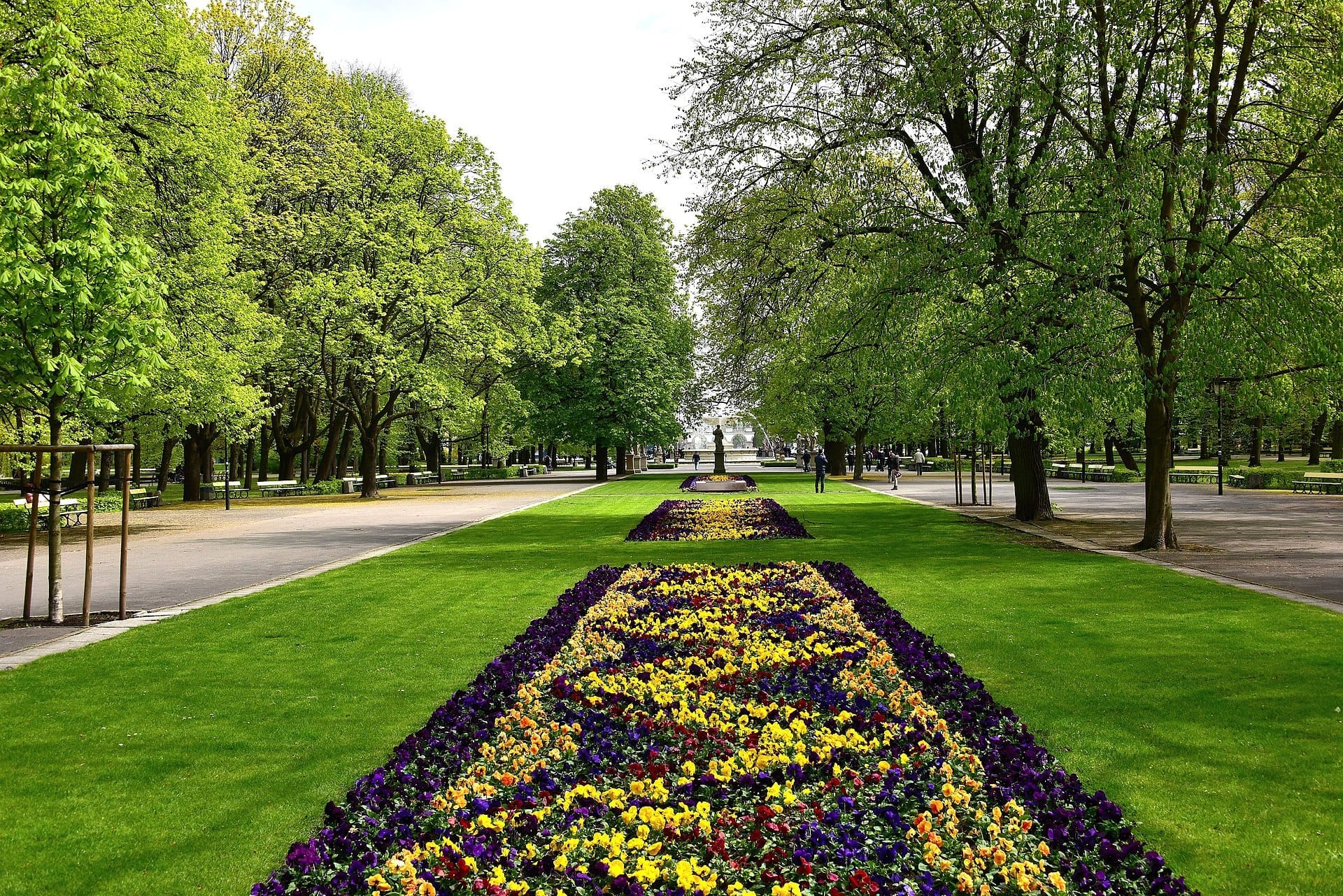
18. Walk the Saxon Garden, Warsaw's Oldest Public Park
This formal French-style garden dates to 1727 and contains Warsaw's most sacred national memorial. Its fountains, sundials, and allegorical statues make it a serene midday break between sights. The 18 statues of human virtues and vices lining the central avenue reward a slow walk.
Explore18. Walk the Saxon Garden, Warsaw's Oldest Public Park
This formal French-style garden dates to 1727 and contains Warsaw's most sacred national memorial. Its fountains, sundials, and allegorical statues make it a serene midday break between sights. The 18 statues of human virtues and vices lining the central avenue reward a slow walk.
Explore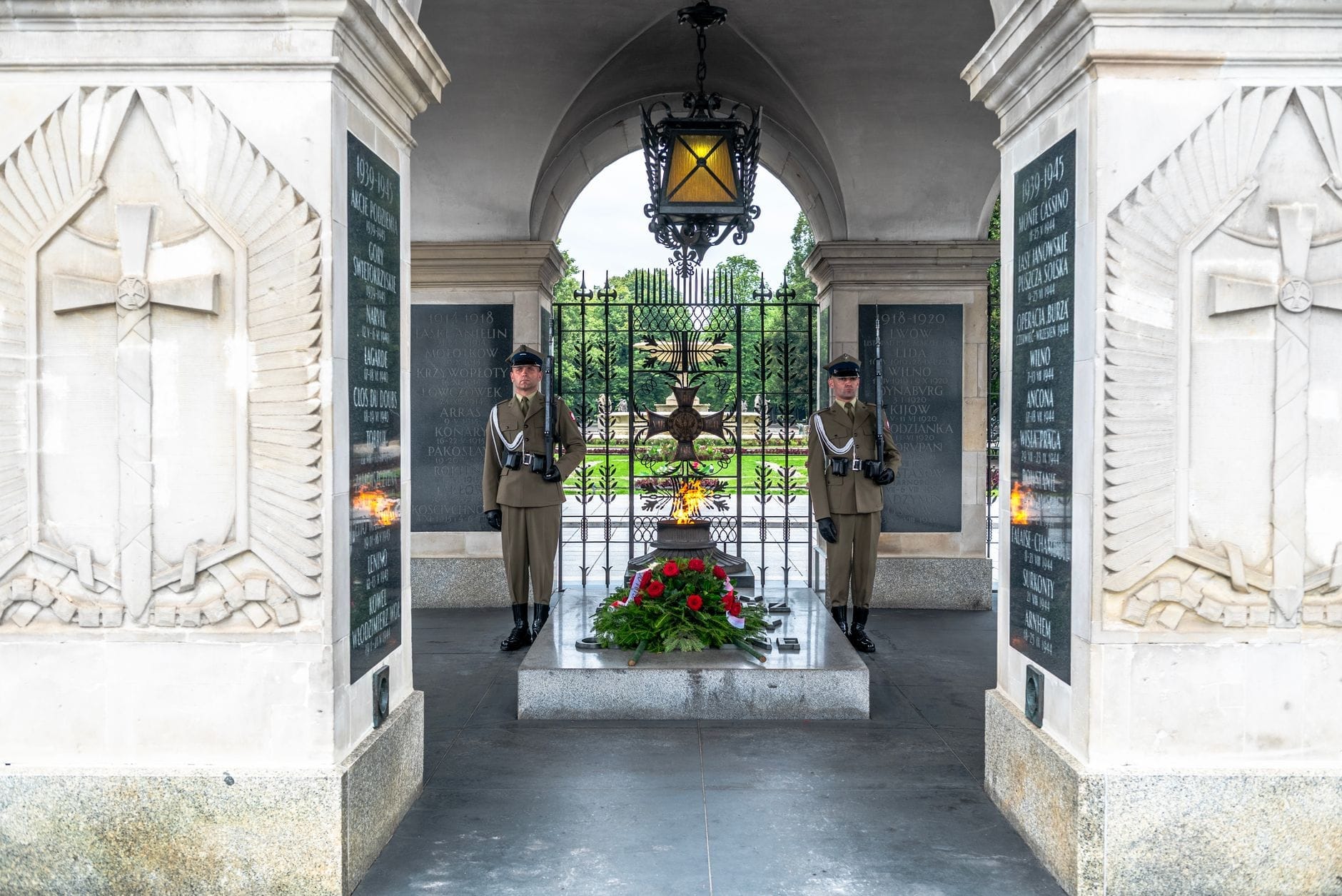
19. See the Changing of the Guard at the Tomb of the Unknown Soldier
Set beneath the surviving arcades of the Nazi-demolished Saxon Palace, this is Poland's most solemn national memorial, guarded around the clock. The changing-of-the-guard ceremony takes place on the hour and is formal, precise, and free to watch. Check the schedule, as it is occasionally adjusted for ceremonies.
Explore19. See the Changing of the Guard at the Tomb of the Unknown Soldier
Set beneath the surviving arcades of the Nazi-demolished Saxon Palace, this is Poland's most solemn national memorial, guarded around the clock. The changing-of-the-guard ceremony takes place on the hour and is formal, precise, and free to watch. Check the schedule, as it is occasionally adjusted for ceremonies.
Explore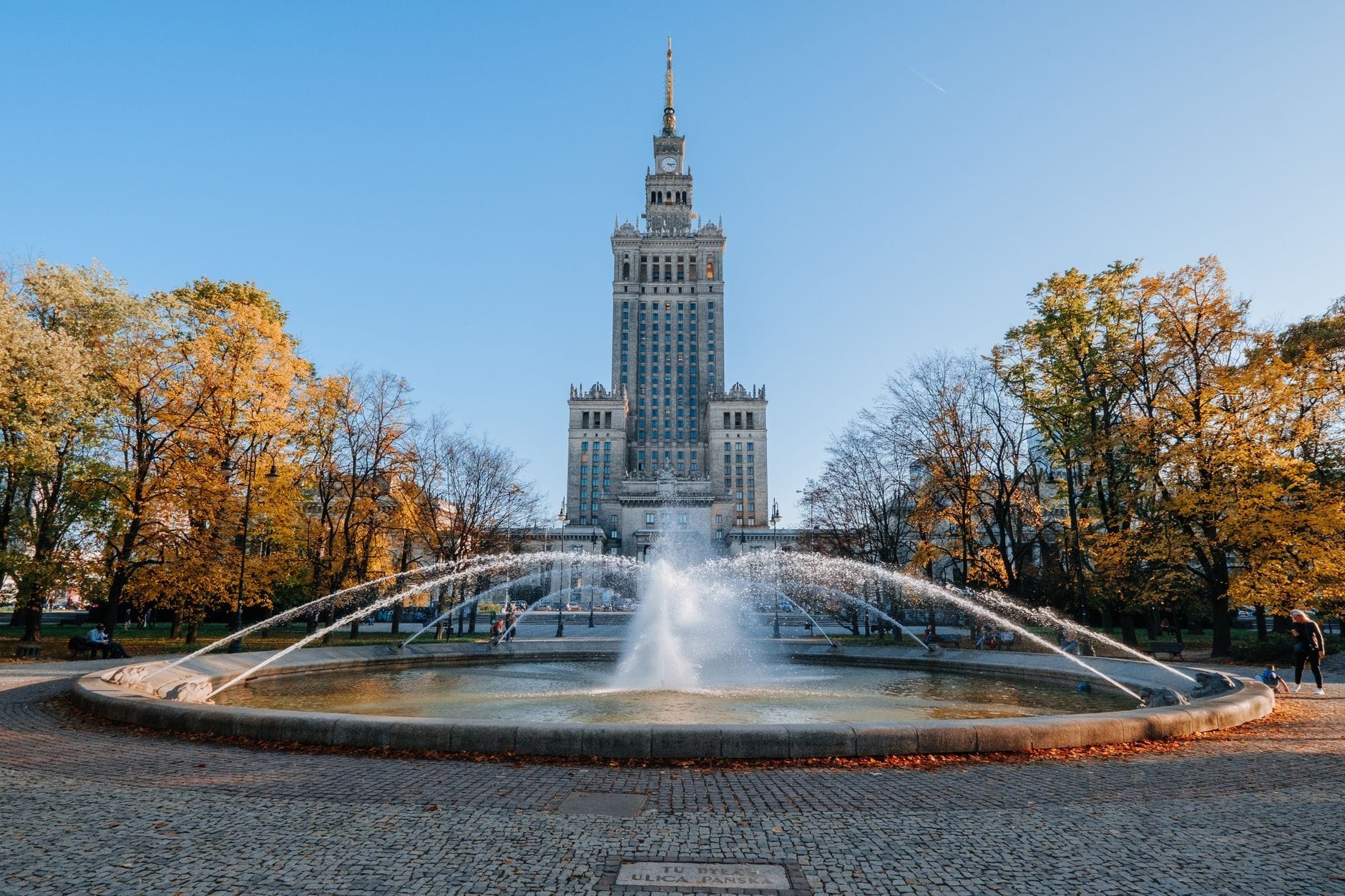
20. Ride to the Top of the Stalinist Palace of Culture and Science
Love it or debate it, the 237-metre Soviet gift that dominates Warsaw's skyline has the city's most accessible observation deck on the 30th floor. Views stretch across the full Warsaw panorama including the Vistula, Old Town, and the new glass towers of the financial district rising around it.
Explore20. Ride to the Top of the Stalinist Palace of Culture and Science
Love it or debate it, the 237-metre Soviet gift that dominates Warsaw's skyline has the city's most accessible observation deck on the 30th floor. Views stretch across the full Warsaw panorama including the Vistula, Old Town, and the new glass towers of the financial district rising around it.
Explore
21. Admire the Grand Theatre Facade on Piłsudski Square
One of the world's largest opera houses, with a neoclassical facade stretching 140 metres across Piłsudski Square. Even if you are not attending a performance, the exterior and the adjacent square are worth the five-minute detour. Check the programme in advance if you want tickets for an evening show.
Explore21. Admire the Grand Theatre Facade on Piłsudski Square
One of the world's largest opera houses, with a neoclassical facade stretching 140 metres across Piłsudski Square. Even if you are not attending a performance, the exterior and the adjacent square are worth the five-minute detour. Check the programme in advance if you want tickets for an evening show.
Explore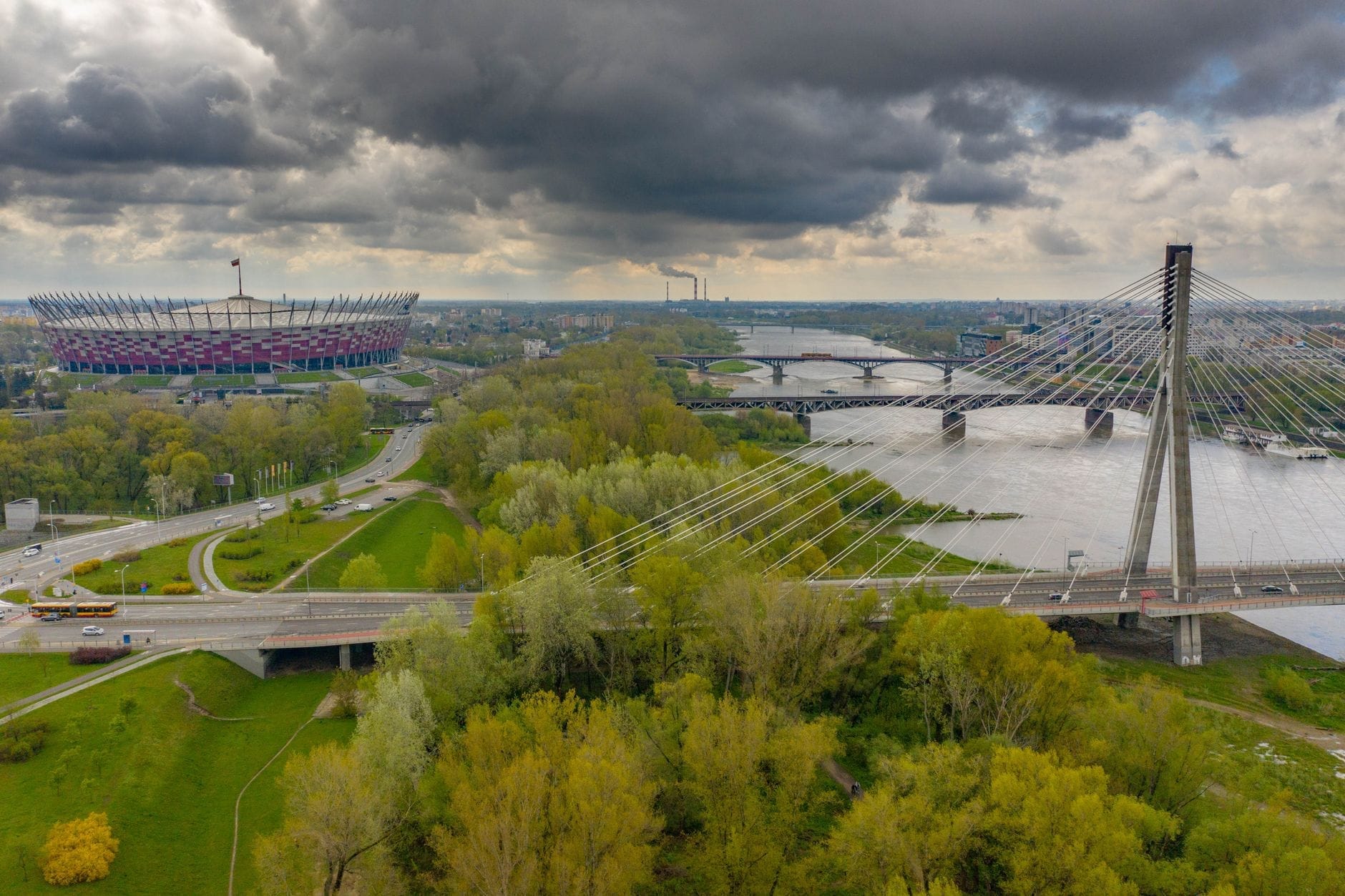
22. Finish the Day on the Vistula Boulevards
From May to September, the 4-kilometre riverside promenade fills with food trucks, beach bars, and open-air stages from late afternoon onward. It is the most relaxed and genuinely local way to end a Warsaw weekend. Take the steep stairs down from the Old Town waterfront or walk from the city centre in about 20 minutes.
Explore22. Finish the Day on the Vistula Boulevards
From May to September, the 4-kilometre riverside promenade fills with food trucks, beach bars, and open-air stages from late afternoon onward. It is the most relaxed and genuinely local way to end a Warsaw weekend. Take the steep stairs down from the Old Town waterfront or walk from the city centre in about 20 minutes.
Explore💡 Local tip
If you have a Sunday afternoon in Łazienki locked in for a Chopin concert, build your schedule backward from that 4pm end time. Łazienki is 20 minutes by bus or 40 minutes on foot from the Saxon Garden, which keeps the rest of the day's plan intact.
Optional Extras: If You Have More Time
These stops work well as add-ons if you arrive Friday evening, finish the main itinerary early, or want to extend into a third day. The Praga district makes a particularly good evening addition, especially if you are curious about the city's communist-era past or its emerging creative scene. For a deeper dive, the communist Warsaw guide maps out the key sites.
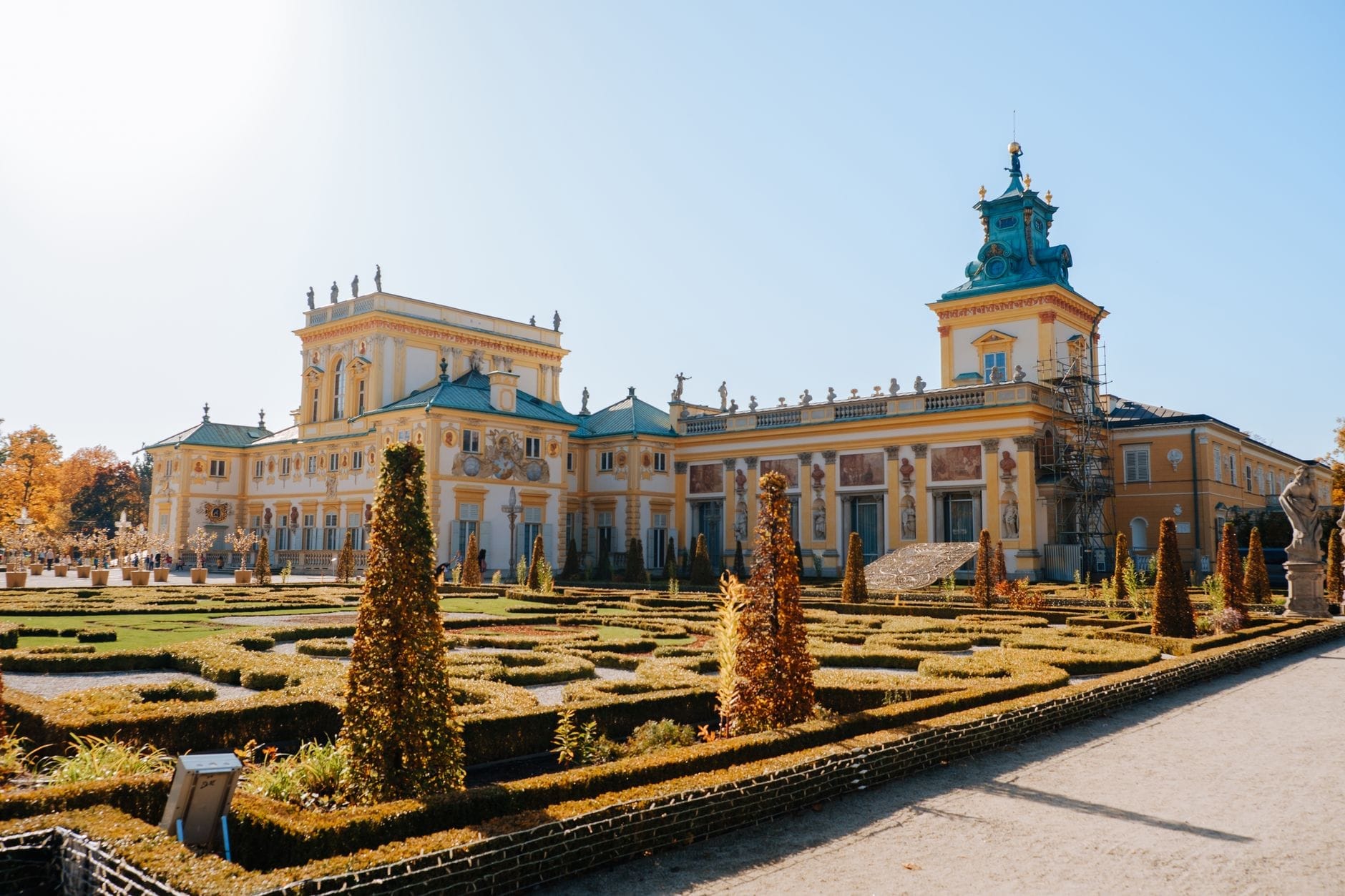
23. Take a Half-Day Trip to Warsaw's Polish Versailles
Built for King Jan III Sobieski in the 1680s, Wilanów is Warsaw's most complete royal estate, with gilded state rooms, a portrait gallery, and formal Baroque gardens. It sits 10km south of the centre; allow half a day for the palace and gardens together.
Explore23. Take a Half-Day Trip to Warsaw's Polish Versailles
Built for King Jan III Sobieski in the 1680s, Wilanów is Warsaw's most complete royal estate, with gilded state rooms, a portrait gallery, and formal Baroque gardens. It sits 10km south of the centre; allow half a day for the palace and gardens together.
Explore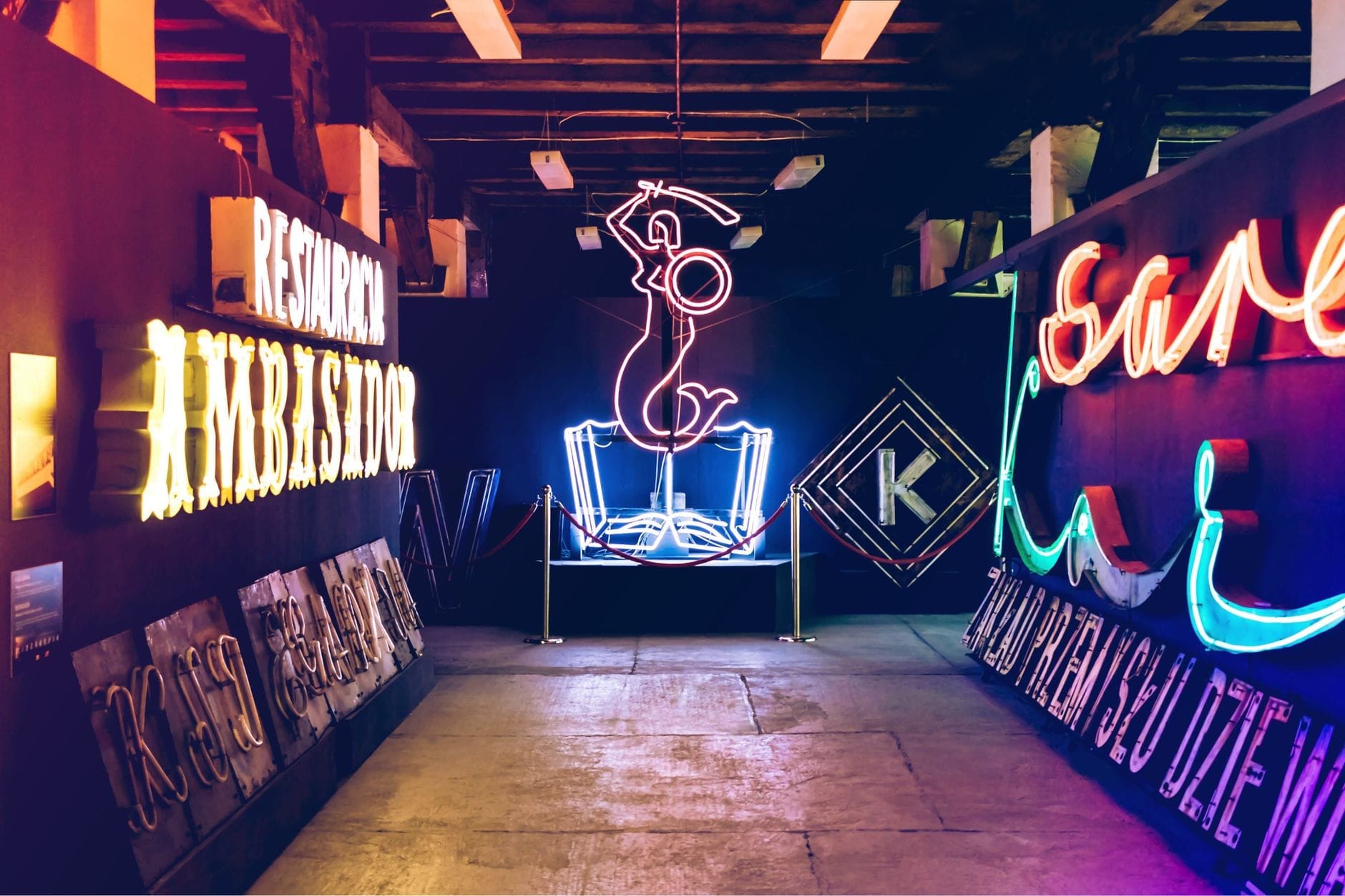
24. See Communist-Era Neon Signs at the Palace of Culture
Over 200 rescued socialist-realist neon signs glow inside the Neon Museum at the Palace of Culture and Science in Śródmieście, forming a collection that is uniquely photogenic and unlike anything else in Europe. Evening visits when the signs are fully illuminated are far more atmospheric than daytime. Allow 45 minutes.
Explore24. See Communist-Era Neon Signs at the Palace of Culture
Over 200 rescued socialist-realist neon signs glow inside the Neon Museum at the Palace of Culture and Science in Śródmieście, forming a collection that is uniquely photogenic and unlike anything else in Europe. Evening visits when the signs are fully illuminated are far more atmospheric than daytime. Allow 45 minutes.
Explore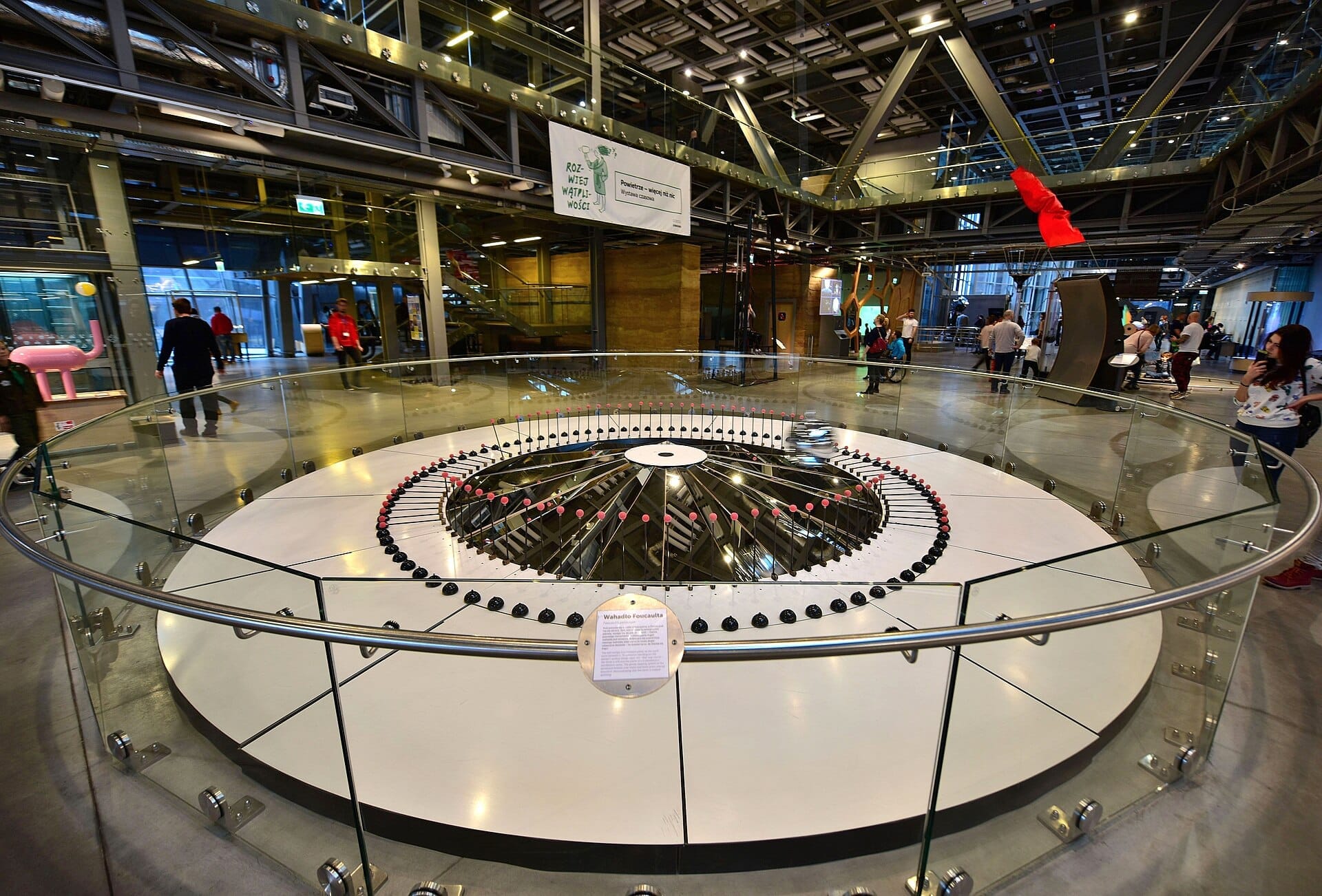
25. Spend Two Hours at Europe's Best Interactive Science Museum
The Copernicus Science Centre on the Vistula riverfront offers 450 hands-on exhibits covering physics, biology, and human perception, plus a planetarium. It is equally engaging for adults and families and often has queues, so book the planetarium session in advance when you buy entry tickets.
Explore25. Spend Two Hours at Europe's Best Interactive Science Museum
The Copernicus Science Centre on the Vistula riverfront offers 450 hands-on exhibits covering physics, biology, and human perception, plus a planetarium. It is equally engaging for adults and families and often has queues, so book the planetarium session in advance when you buy entry tickets.
Explore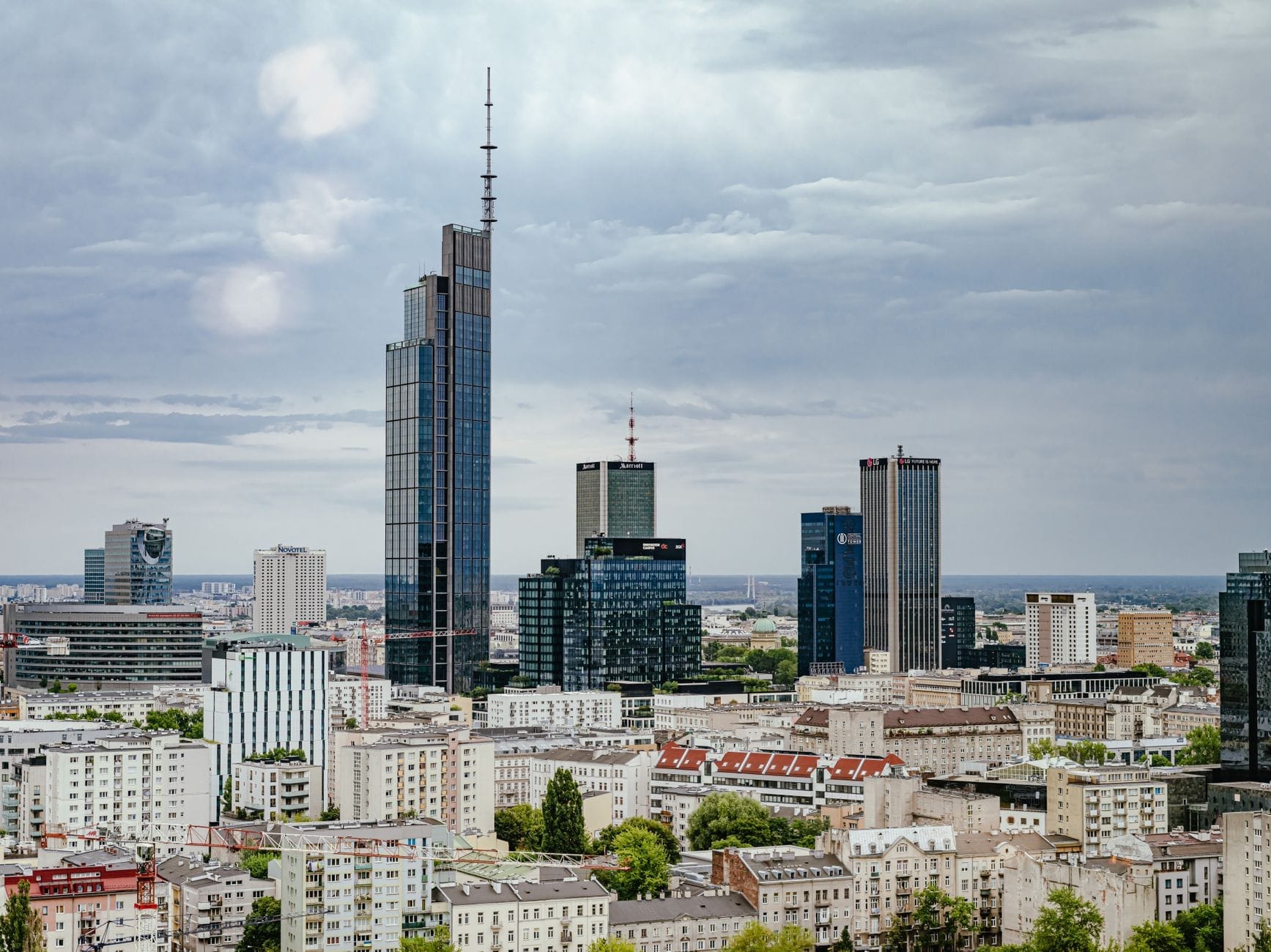
26. Go Higher at Varso Tower, the EU's Tallest Skyscraper
At 310 metres, the 2022-completed Varso Tower offers Warsaw's highest observation deck with 360-degree views. On a clear day you can see the Mazovian plains in every direction. Tickets are timed and must be booked in advance; the experience complements rather than replaces the Palace of Culture's deck.
Explore26. Go Higher at Varso Tower, the EU's Tallest Skyscraper
At 310 metres, the 2022-completed Varso Tower offers Warsaw's highest observation deck with 360-degree views. On a clear day you can see the Mazovian plains in every direction. Tickets are timed and must be booked in advance; the experience complements rather than replaces the Palace of Culture's deck.
Explore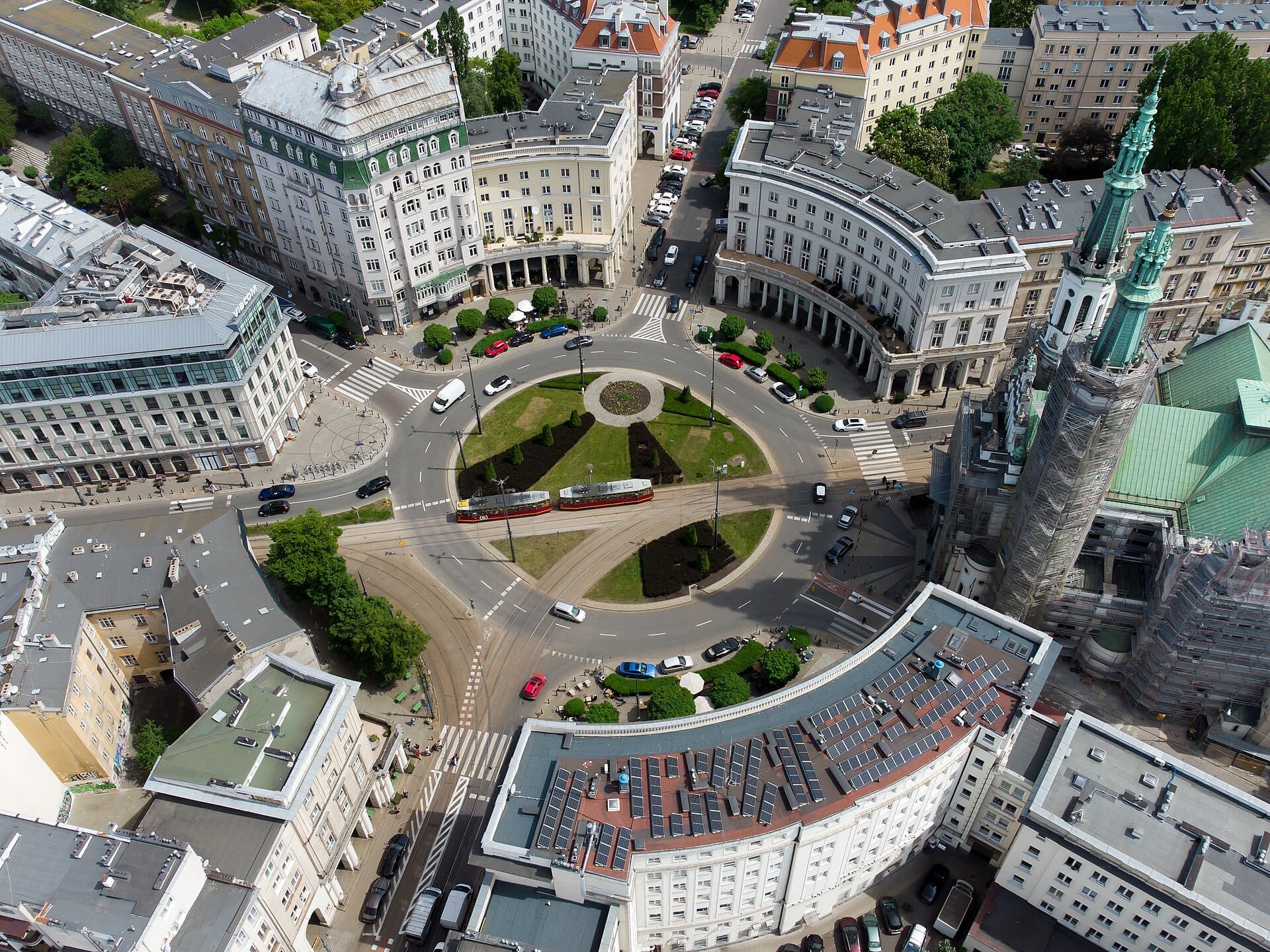
27. Have a Drink at Warsaw's Hippest Square, Plac Zbawiciela
This circular intersection in Śródmieście is lined with independent cafés, bars, and restaurants and serves as the city's creative social hub, particularly on weekend evenings. Charlotte, the French-style bistro and bakery occupying part of the square, is an ideal spot for an evening glass of wine.
Explore27. Have a Drink at Warsaw's Hippest Square, Plac Zbawiciela
This circular intersection in Śródmieście is lined with independent cafés, bars, and restaurants and serves as the city's creative social hub, particularly on weekend evenings. Charlotte, the French-style bistro and bakery occupying part of the square, is an ideal spot for an evening glass of wine.
ExploreFAQ
Is two days enough time to see Warsaw?
Two days is genuinely enough to see Warsaw's major highlights if you plan logically. The Old Town, Royal Castle, POLIN or the Warsaw Uprising Museum, Łazienki Park, and the city centre sights are all reachable in a focused weekend. A third day lets you add Wilanów, Praga, or slower museum visits.
What is the best way to get around Warsaw in a weekend?
Central Warsaw is walkable for most of the Old Town and Royal Route. Buses and trams cover longer stretches cheaply (around 4.40 PLN for a short ride). Ride-hailing apps Bolt and Uber are widely available. The metro is useful for north-south trips in the centre.
Which museums should I prioritize if I only have two days?
The Warsaw Uprising Museum and POLIN Museum are the two most important for understanding the city's 20th-century history. The Royal Castle is the key heritage attraction. If you have a music interest, add the Fryderyk Chopin Museum. All four together is a full day; choose two if your time is limited.
Is the Warsaw Old Town authentic or is it a reconstruction?
The Old Town was almost entirely destroyed in WWII and rebuilt using historical records, paintings, and photographs after the war. That reconstruction itself earned the Historic Centre of Warsaw UNESCO World Heritage status in 1980. It is historically significant, but not original medieval architecture.
When is the best time to visit Warsaw for a weekend trip?
Late spring through early autumn offers the best weather for walking and outdoor attractions like Łazienki Park and the Vistula Boulevards. Sunday Chopin concerts in Łazienki run from May to September. Outdoor time is more limited in winter.