Warsaw in World War II: The Complete Guide to History Sites & Museums
Warsaw suffered one of the most devastating urban destructions of the Second World War. This guide covers every major WW2 site and museum in the city, explains the crucial difference between the two Warsaw uprisings, and gives you practical logistics for visiting each location.
Plan and book this trip
Tools from our partner Travelpayouts help you compare flights and hotels. If you book through them, we may earn a commission at no extra cost to you.
Flights
Hotels map
TL;DR
- Around 85% of Warsaw's buildings were destroyed by 1945, making it one of the most heavily bombed cities of WW2.
- The Warsaw Rising Museum is the single best WW2 museum in the city and should anchor your itinerary.
- Do not confuse the 1944 Warsaw Uprising (Polish Home Army vs. Germans) with the 1943 Warsaw Ghetto Uprising (Jewish resistance): they are separate events covered by different sites.
- The POLIN Museum and the Muranów ghetto district together tell the Jewish chapter of the occupation; plan at least half a day for each.
- The Rising Museum is closed on Tuesdays — plan around this if your stay is short.
Why Warsaw's WW2 History Is Unlike Any Other European City
Most European capitals suffered damage during World War II. Warsaw was essentially erased. After the 1944 Warsaw Uprising was crushed, Adolf Hitler ordered the systematic demolition of whatever remained standing: German engineers moved block by block with flamethrowers and explosives. By January 1945, when Soviet and Polish forces entered the city, an estimated 85% of its buildings had been destroyed. The population, which stood at roughly 1.3 million before the war, had been reduced to a few thousand. Understanding this scale of destruction reframes everything you see in Warsaw today, because almost nothing in the city centre is genuinely old.
The city experienced two distinct phases of Jewish genocide and two separate armed uprisings, making its WW2 narrative more layered than almost any comparable site in Europe. Separating these threads is essential for making sense of the memorials, museums, and districts you will encounter. A dedicated Jewish heritage guide covers the broader cultural context, but this guide focuses specifically on the wartime sites and how to experience them.
ℹ️ Good to know
Key distinction: The Warsaw Ghetto Uprising (April–May 1943) was a Jewish resistance against the liquidation of the ghetto and is commemorated primarily at POLIN Museum and the Monument to the Ghetto Heroes. The Warsaw Uprising (August–October 1944) was a city-wide operation led by the Polish Home Army against German military occupation and is the subject of the Warsaw Rising Museum. These are separate events, separated by over a year.
Warsaw Rising Museum: The Essential Starting Point
The Warsaw Rising Museum (Muzeum Powstania Warszawskiego) at Grzybowska 79 in the Wola district is the most important WW2 museum in the city, and one of the finest history museums in Central Europe. Opened on 31 July 2004, exactly 60 years after the uprising began, the museum covers the 63-day battle fought from 1 August to 2 October 1944, as well as the broader history of the Polish Underground State. The collection includes weapons, personal effects, letters, underground press publications, and extensive audiovisual testimony from survivors.
Allow a minimum of two hours; three is more realistic if you read the exhibits properly. The museum is genuinely moving and dense with information, so it rewards patience. Standard admission is 35 PLN, with a reduced ticket at 30 PLN. Hours are Monday and Wednesday through Sunday 10:00 to 18:00 in the current summer schedule (Tuesday closed; check for seasonal variations). Check the official site at 1944.pl before you go, as special exhibition hours can vary.
⚠️ What to skip
The Rising Museum is closed every Tuesday. If you are following a 2-day itinerary, verify the day of the week before scheduling your visit. Arriving on a Tuesday is a frustratingly common mistake among short-stay visitors.
The museum sits in the Wola district, which saw some of the worst German massacres of the uprising's opening days, when SS units killed tens of thousands of civilians in a matter of hours. Walking the streets around the museum carries its own weight once you understand that context. The area today is a mix of postwar socialist housing and modern glass office towers, itself a physical summary of what Warsaw after WW2 looked like across most of the city.
POLIN Museum and the Warsaw Ghetto Sites
The POLIN Museum of the History of Polish Jews is built on the site of the former Warsaw Ghetto in the Muranów neighbourhood. Its permanent exhibition spans 1,000 years of Jewish life in Poland, but the WW2-era gallery is the section most visitors come specifically to see. The ghetto, established by German authorities in November 1940, enclosed over 400,000 people in approximately 4 square kilometres. Around 100,000 died from hunger and disease inside its walls, and more than 300,000 were deported and murdered at the Treblinka extermination camp during the summer of 1942.
Just outside the museum entrance stands the Monument to the Ghetto Heroes, unveiled in 1948 on the site where the Ghetto Uprising began in April 1943. It is one of the most significant memorial sculptures in Poland. Spend time here before or after the museum rather than rushing past it. A few minutes walk away, the Nożyk Synagogue on Twarda Street is the only prewar synagogue in Warsaw that survived the occupation, and it remains an active house of worship.
The Muranów district itself deserves a slow walk. Most of the neighbourhood was literally built on rubble: postwar planners constructed the housing blocks on top of the ruins of the ghetto rather than clearing them, which means the ground level in Muranów is noticeably higher than surrounding areas. Some residential buildings incorporate fragments of original ghetto walls. A guided walking tour of the area typically takes two to three hours and is far more informative than self-navigating, particularly for visitors less familiar with the layout of the wartime ghetto boundaries.
✨ Pro tip
Book a combined Jewish Warsaw walking tour that covers both POLIN Museum and the ghetto district on the same day. These typically run around 4 to 5 hours and are available through major booking platforms. Solo navigation through Muranów works fine if you download a good map of the ghetto boundary overlaid on the current street grid.
Pawiak Prison and Smaller Memorial Sites
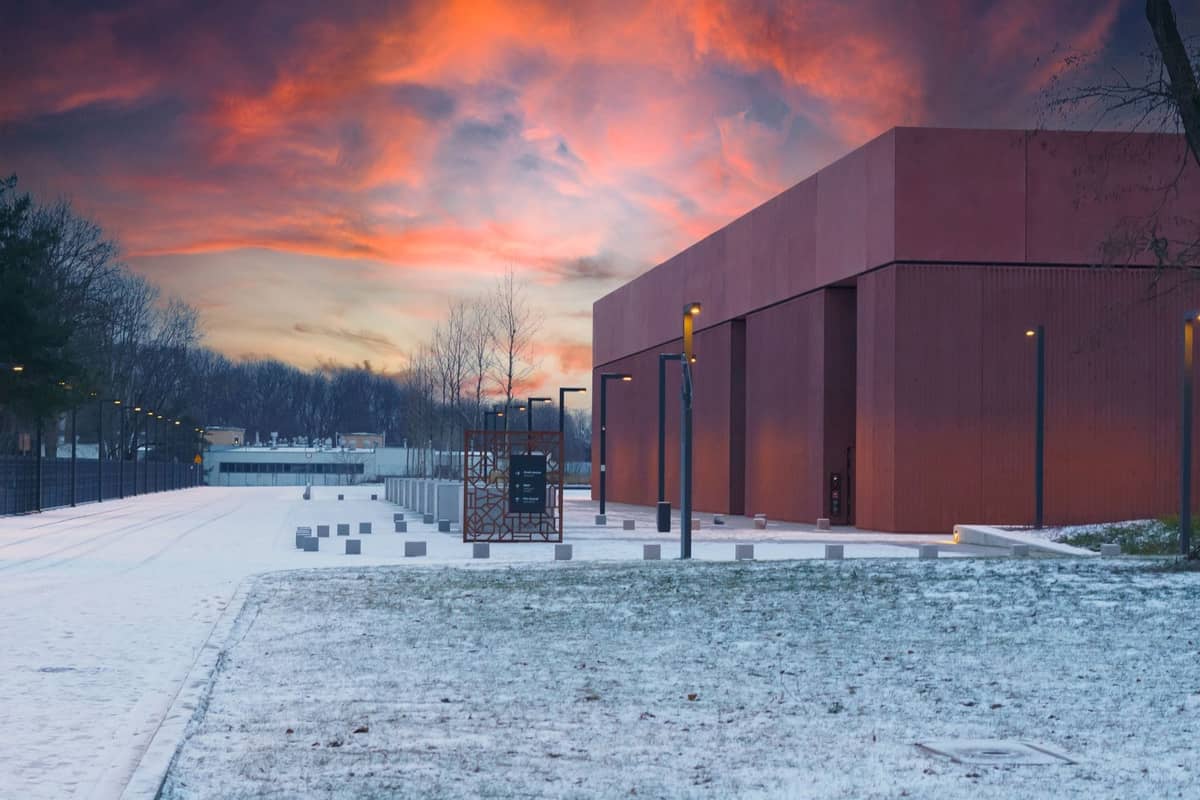
The Pawiak Prison Museum on Dzielna Street was Warsaw's main Gestapo detention facility during the occupation. Between 1939 and 1944, around 100,000 people passed through Pawiak; approximately 37,000 were executed on site or sent to concentration camps. The museum is built on the surviving foundations and ruins of the original prison. The most striking feature is a dead tree at the entrance covered in metal plaques bearing the names of victims, placed there by survivors and families over decades. Admission is free, and the museum is relatively compact, requiring about 45 to 60 minutes.
For visitors interested in the city's systematic wartime destruction and postwar reconstruction, the Museum of Warsaw on the Old Town Market Square has a compelling section on the occupation and rebuilding of the city. The Royal Castle itself was deliberately demolished by German forces in 1944; the reconstruction completed in 1984 used prewar surveys, paintings, and photographs, making it one of the most ambitious heritage rebuilding projects in European history.
- Warsaw Rising Museum The definitive account of the 1944 uprising. Allow 2-3 hours. 35 PLN standard admission. Closed Tuesdays. Wola district, Grzybowska 79.
- POLIN Museum of the History of Polish Jews Comprehensive Jewish history covering occupation, the ghetto, and the 1943 uprising. Full day recommended. Located in Muranów on the former ghetto site.
- Monument to the Ghetto Heroes Outdoor memorial at the site where the 1943 Ghetto Uprising began. Free, open at all times. Adjacent to POLIN Museum.
- Pawiak Prison Museum Gestapo detention site turned memorial. Free admission. Compact and sobering; pairs well with the nearby Muranów district walk.
- Old Town and Royal Castle Both are postwar reconstructions. Understanding what was destroyed here adds significant meaning to the tourist experience.
Planning Your WW2 History Itinerary in Warsaw
Two full days are the realistic minimum to cover the major WW2 sites properly. A suggested structure: dedicate day one to the Warsaw Rising Museum and the Wola district, then spend day two in Muranów covering POLIN, the ghetto memorials, and Pawiak. If you have a third day, the Old Town Market Square and the Royal Castle add the reconstruction dimension to the story. For a condensed one-day option, the Rising Museum plus POLIN is achievable but rushed.
Getting between the key sites is straightforward. The Rising Museum in Wola is about 1.5 kilometres west of POLIN in Muranów, walkable in 20 minutes or reachable by multiple tram lines. The Warsaw public transport network covers all of these areas well, and the metro connects the central zone to most districts. A 24-hour transport pass costs around 15 PLN (zone 1) and covers trams, buses, and metro.
- Buy Rising Museum tickets online in advance during summer (June to August), when queues can be significant on weekends.
- Morning visits to the Rising Museum are quieter; weekday afternoons are typically the busiest.
- POLIN is usually closed on Tuesdays; the Rising Museum is closed on Tuesdays. Both museums dark on the same day, so Tuesday is not a useful day for WW2 sites.
- Outdoor ghetto walking tours are best in April to October; winter tours are possible but cold and sometimes icy underfoot.
- Audio guides are available at both major museums and are worth the small additional cost if you are visiting without a guide.
Guided tours from specialist operators tend to provide far more historical context than audio guides alone. Look for operators with guides who hold formal history qualifications. Several offer full-day combined WW2 and communist-era tours that show how the Soviet-imposed postwar system rebuilt and reshaped the destroyed city, which adds another layer to understanding what Warsaw after WW2 actually looked like.
What the Reconstructed Old Town Tells You About Warsaw After WW2
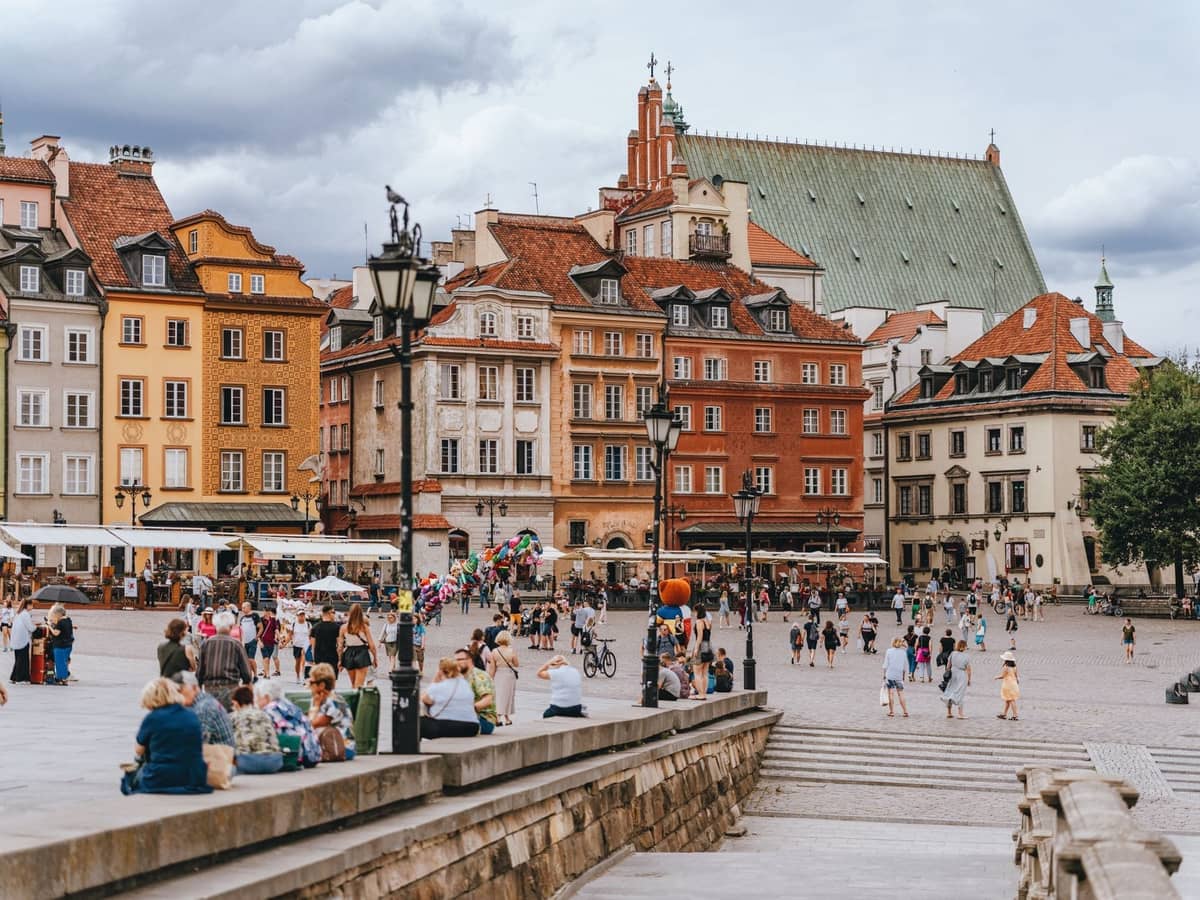
Many visitors arrive in the Old Town expecting medieval authenticity and are initially confused by how pristine it looks. The entire Old Town is a reconstruction completed primarily between the late 1940s and 1960s, based on 18th-century veduta paintings by Bernardo Bellotto (known as Canaletto) and detailed architectural surveys made before the war. Warsaw's decision to rebuild its historic centre brick by brick rather than modernise was partly political, partly a statement of national survival. UNESCO recognised the reconstruction itself as an act of outstanding universal value and listed it as a World Heritage Site in 1980.
Knowing this changes the experience. The Old Town is not a survivor; it is a statement. The same logic applies to the Royal Castle, the Barbican, and the cathedral. None of these buildings contain original fabric from before 1939. What they represent is the determination of Warsaw after WW2 to reclaim its own identity despite near-total obliteration. For a city that was explicitly meant to disappear from the map, that reclamation carries genuine emotional weight.
💡 Local tip
If you want to see what prewar Warsaw actually looked like, the Museum of Warsaw in the Old Town Market Square has the best photographic and archival collection showing the city before 1939, during the occupation, and during the systematic demolition that followed the Uprising. This before-and-after visual record is among the most affecting things you can see in the city.
FAQ
What is the best WW2 museum in Warsaw?
The Warsaw Rising Museum (Muzeum Powstania Warszawskiego) is the most comprehensive and best-presented WW2 museum in the city. It covers the 1944 Warsaw Uprising in depth with original artefacts, film footage, and survivor testimony. For Jewish WW2 history specifically, POLIN Museum of the History of Polish Jews is the leading institution. Both museums are closed on Tuesdays.
What is the difference between the Warsaw Uprising and the Warsaw Ghetto Uprising?
These are two separate events. The Warsaw Ghetto Uprising took place in April and May 1943, when Jewish fighters resisted German forces attempting to liquidate the ghetto. The Warsaw Uprising began on 1 August 1944, when the Polish Home Army launched a city-wide revolt against German occupation. The 1943 event is covered primarily at POLIN Museum and the ghetto memorial sites in Muranów. The 1944 event is the subject of the Warsaw Rising Museum in Wola.
How much of Warsaw was destroyed in WW2?
Approximately 85% of Warsaw's buildings were destroyed by January 1945. The destruction was partly a result of fighting during the 1944 Uprising and partly a result of deliberate German demolition ordered after the Uprising was suppressed. The city was rebuilt from near-total ruins over the following decades, which is why most of central Warsaw consists of postwar construction.
How long do you need to visit the main WW2 sites in Warsaw?
Two full days is the realistic minimum for the major sites. Day one: Warsaw Rising Museum (2-3 hours) plus the surrounding Wola district. Day two: POLIN Museum, the Muranów ghetto district walk, and Pawiak Prison Museum. If you have a third day, the Old Town and Royal Castle add important context about postwar reconstruction. A one-day condensed visit covering just the Rising Museum and POLIN is possible but leaves little room for depth.
Are there guided WW2 tours in Warsaw available in English?
Yes, English-language guided WW2 tours are widely available in Warsaw. Options include walking tours of the former ghetto in Muranów, combined Rising Museum and Old Town tours, and full-day specialist tours covering both the 1943 and 1944 uprisings. Several operators also offer Jewish heritage tours that combine POLIN with the ghetto memorial sites and the Nożyk Synagogue. Booking in advance is advisable in peak summer months.