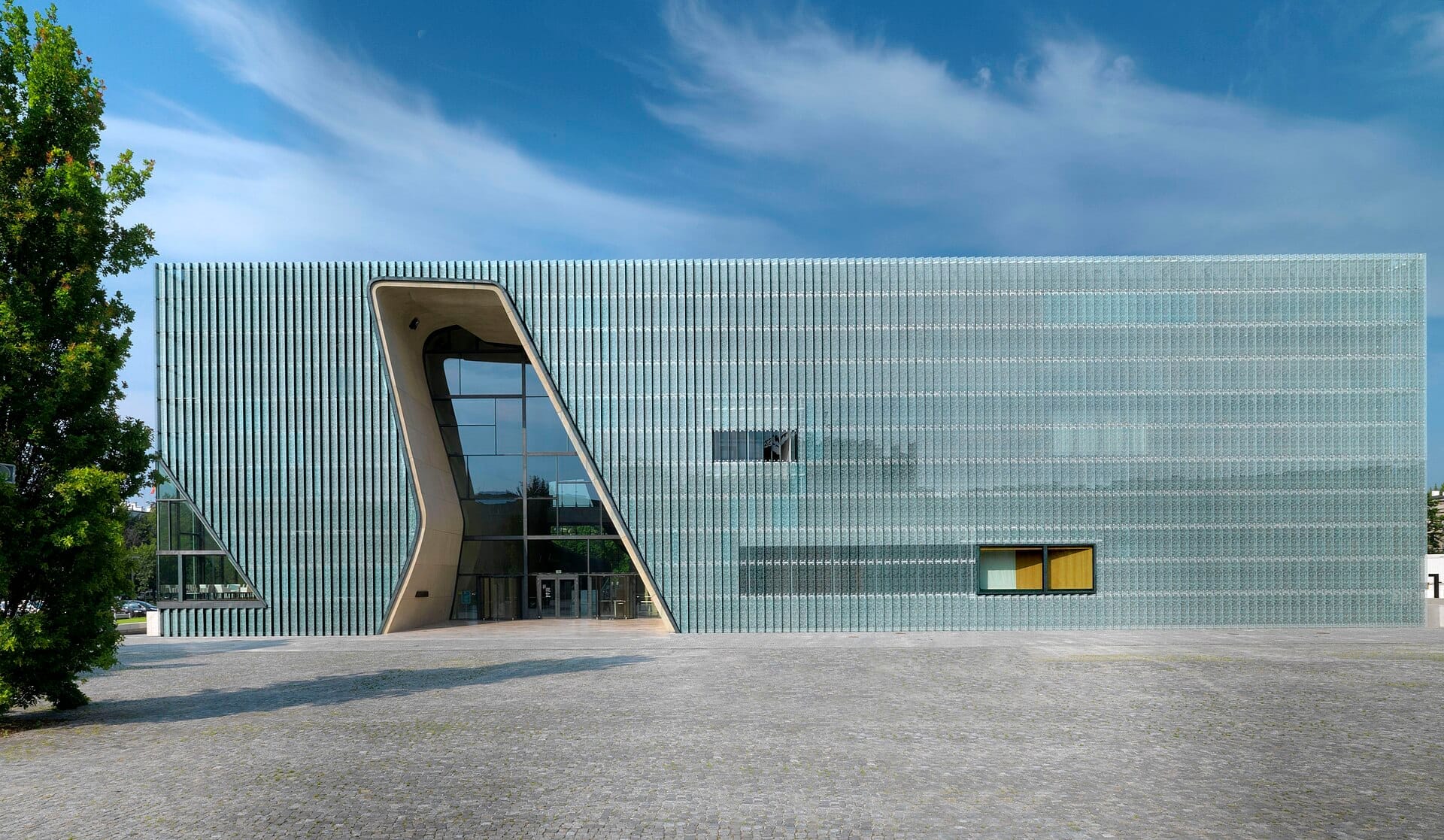
Muranów is Warsaw's most historically layered neighborhood, built on the ruins of the wartime Jewish Ghetto and now home to the world-class POLIN Museum, powerful memorials, and a quietly residential character that most visitors pass through but few truly explore. It sits just north of the city center, close enough to walk from the Old Town but distinct in atmosphere and meaning.
Muranów carries more history per square meter than almost anywhere in Warsaw. The entire neighborhood was raised on rubble several meters deep, the compressed remains of a city within a city that held over 400,000 people before the Second World War. Today it is a place of postwar housing blocks, Jewish memory, serious museums, and a local life that goes on with unusual calm given what lies beneath the streets.
Orientation
Muranów sits in the northern part of central Warsaw, straddling the districts of Śródmieście and Wola. Its rough boundaries run along al. Solidarności to the south, ul. Okopowa to the west, ul. Słomińskiego and the railway embankment to the north, and ul. gen. Józefa Zajączka to the east. The core of what visitors come to see clusters around ul. gen. Władysława Andersa, ul. Zamenhofa, and ul. Anielewicza, a triangular zone of memorials, the POLIN Museum, and Krasiński Garden.
The neighborhood sits about 15 to 20 minutes on foot north of Warsaw's Old Town, and roughly the same distance northwest of the Palace of Culture and Science. It connects naturally to the nearby district of Mirów to the south, which shares a similar postwar housing character, and to Żoliborz further north, a quieter residential area with a different, more bourgeois prewar identity. Muranów itself does not feel like a tourist quarter despite its significance. Most blocks are occupied by residents going about daily life, with the tourist and memorial geography concentrated in a relatively compact zone near POLIN.
ℹ️ Good to know
Muranów takes its name from Murano, the Venetian island, a reference to the historic Italian-style architecture of the original neighborhood that existed here before the 18th century. Today the name defines the postwar housing district built from 1949 onward.
Character & Atmosphere
Walking through Muranów in the morning is a quiet experience. Parents push strollers along the wide green strips between apartment blocks. Older residents sit on benches in the courtyards. The streets are broad and the buildings set back, following the socialist-modernist planning logic of the 1950s, which prioritized light and air over the dense street grids that characterized prewar Warsaw. The result is a neighborhood that feels spacious and slightly formal at street level, with the scale of the buildings more human than the socialist-realist showpieces you find in other parts of the city.
By midday, especially on weekends, the POLIN Museum and the Monument to the Ghetto Heroes attract visitors from across Warsaw and abroad. But step two or three streets away from that axis and you are in ordinary residential Warsaw almost immediately. There are corner shops, a pharmacy, a local café with regulars reading newspapers. The contrast between the weight of the memorial landscape and the ordinariness of daily life around it is one of the most striking things about Muranów, and it is not uncomfortable so much as honest.
After dark, Muranów is quiet. It is not a nightlife destination. The streets around the housing estates empty out early, and the area around POLIN and the memorial sites is largely silent. This is not a place to look for a late-night bar crawl. What it does offer on a clear evening is an unusual kind of solemnity: walking through the Krasiński Garden after sunset, with the lights of the neighborhood reflected in the paths, is genuinely affecting if you know the history of the ground you are standing on.
What to See & Do
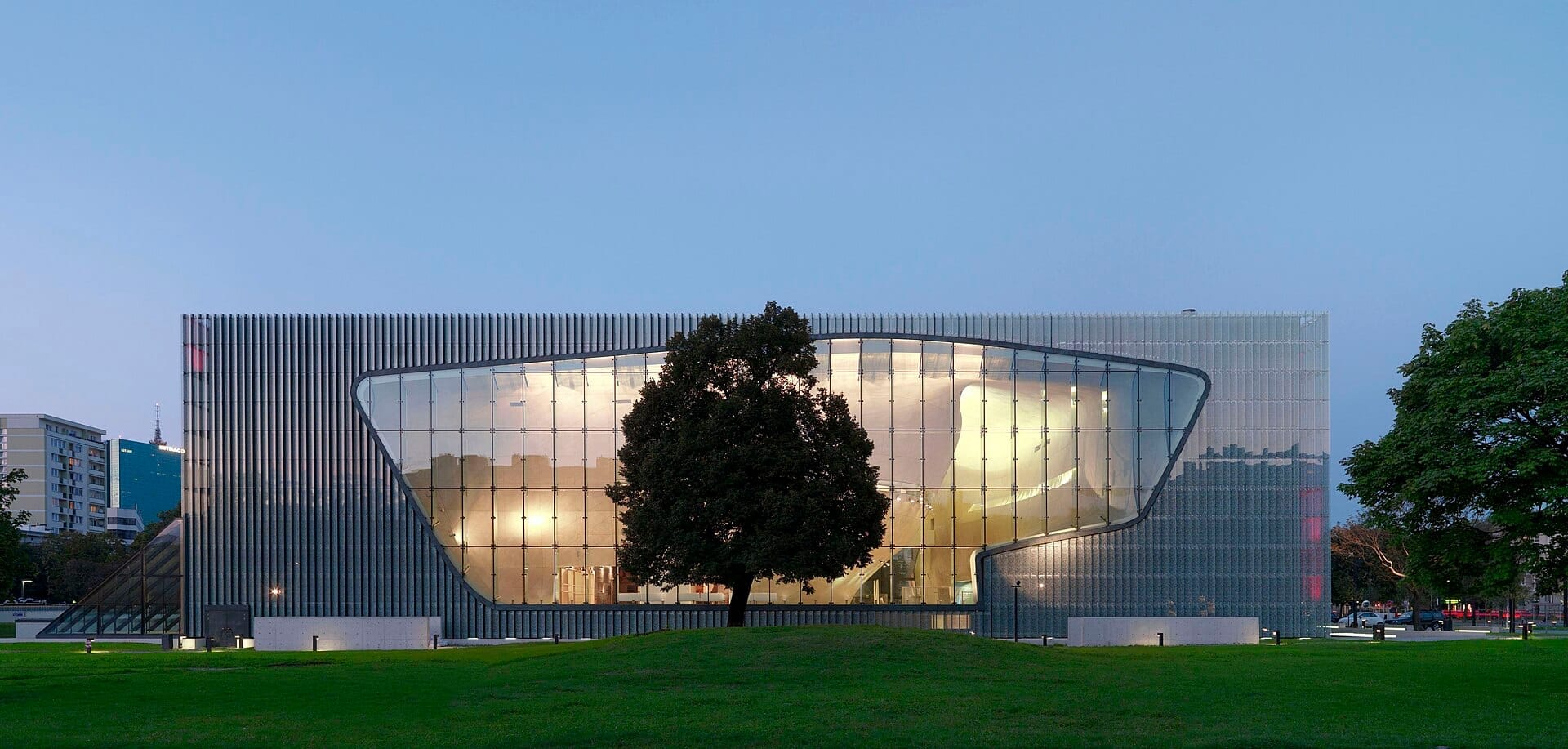
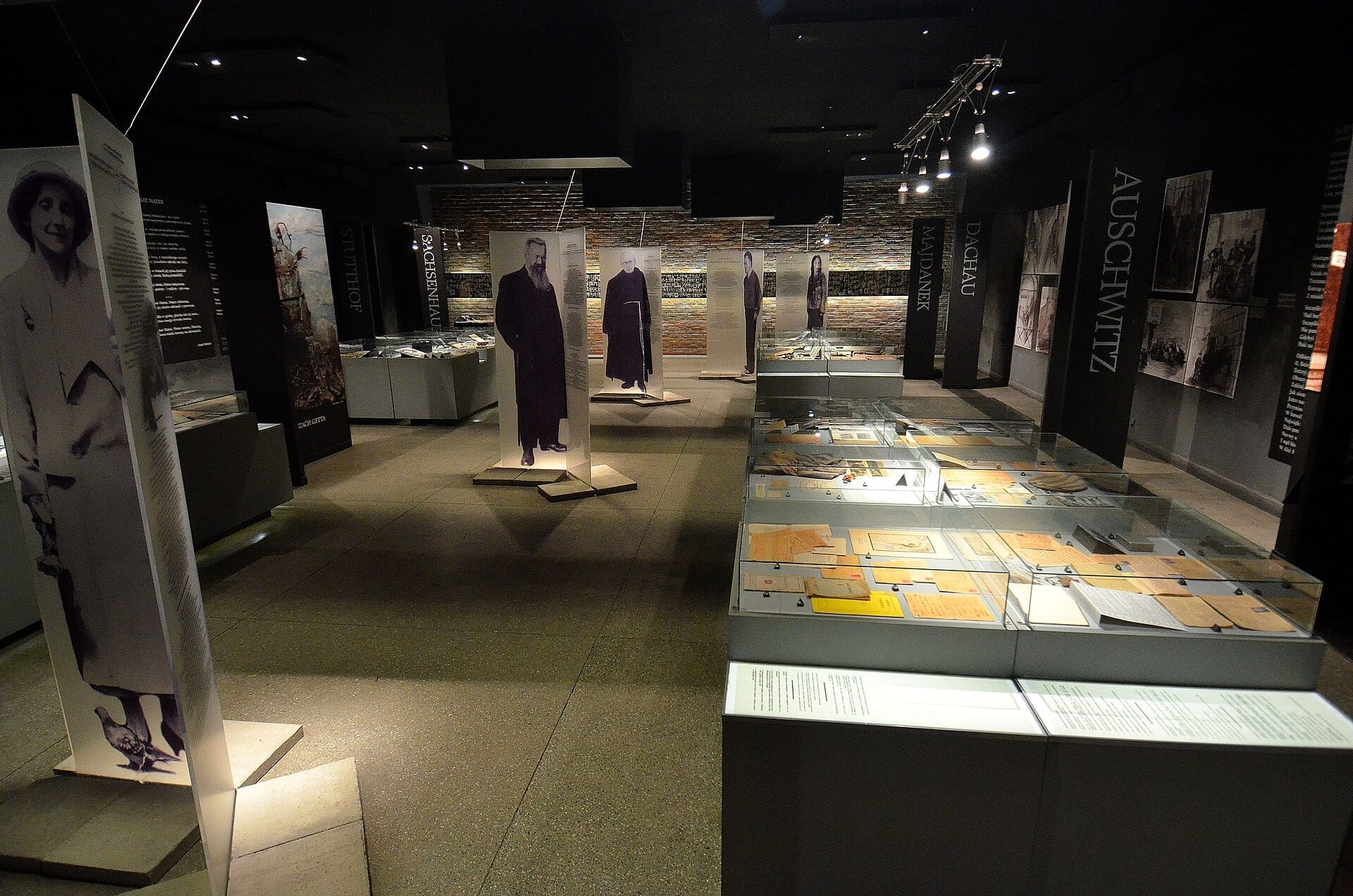
The centerpiece of any visit is the POLIN Museum of the History of Polish Jews. Opened in 2013 and awarded the Council of Europe Museum Prize, POLIN is one of the finest history museums in Europe. Its permanent exhibition spans a thousand years of Jewish life in Poland, from medieval trade routes through the catastrophe of the Holocaust, using immersive architecture, original artifacts, and multilingual interactive displays. Budget at least two to three hours; the exhibition is genuinely dense. Book tickets in advance on weekends.
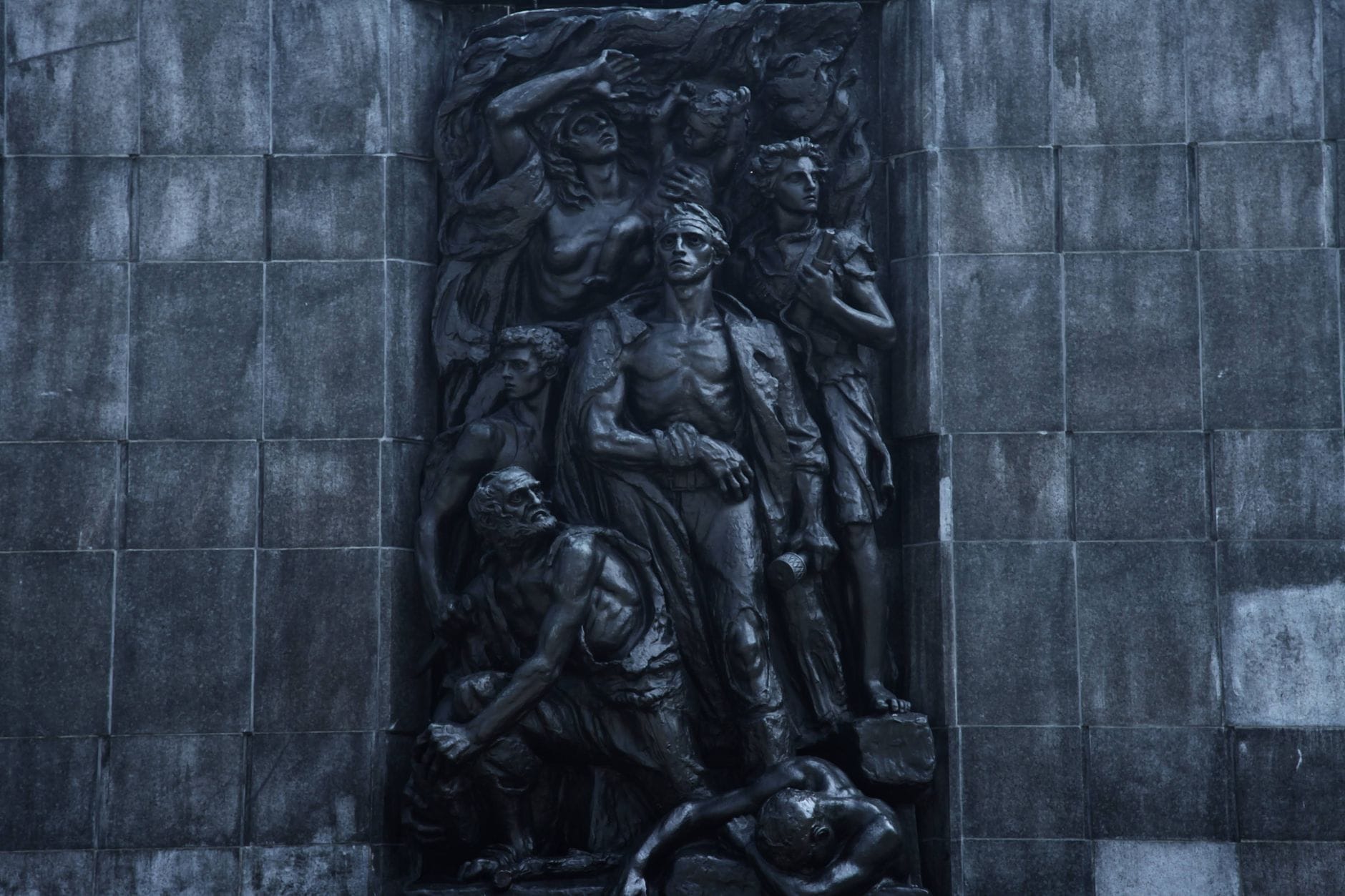
Directly in front of the museum stands the Monument to the Ghetto Heroes, unveiled in 1948 and one of the first Holocaust memorials in the world. The bronze figures by Nathan Rapoport depict fighters from the 1943 Warsaw Ghetto Uprising on one side and a procession of deported Jews on the other. Standing here early in the morning, before tour groups arrive, gives you a chance to take in the monument on your own terms. It is a powerful and deliberately unambiguous work.
A few minutes' walk north along ul. Stawki brings you to the Umschlagplatz memorial, marking the site of the collection point from which over 300,000 Jews were deported to the Treblinka extermination camp between July and September 1942. The memorial is modest in scale but extraordinarily affecting: a white marble enclosure bearing thousands of first names as a form of collective commemoration. It is often overlooked by visitors who stop only at POLIN and the main monument.
The Pawiak Prison Museum on ul. Dzielna stands on the site of the notorious Gestapo prison where over 100,000 Poles were held between 1939 and 1944, of whom around 37,000 were executed. The museum is sobering rather than sensational, with original cells and documentation. Just outside stands the Tree of Death, an elm cast in bronze hung with memorial plaques. The museum complements POLIN well and adds a dimension of Polish wartime suffering alongside the Jewish history of the quarter.
POLIN Museum of the History of Polish Jews: core attraction, allow 2-3 hours minimum
Monument to the Ghetto Heroes: visit early morning for atmosphere without crowds
Umschlagplatz memorial on ul. Stawki: often missed, strongly worth including
Pawiak Prison Museum: complements POLIN with Polish wartime context
Krasiński Garden: the large formal park on the eastern edge of the area, good for a rest between sites
Kino Muranów: the neighborhood's arthouse cinema, showing original-language films, on ul. gen. Władysława Andersa
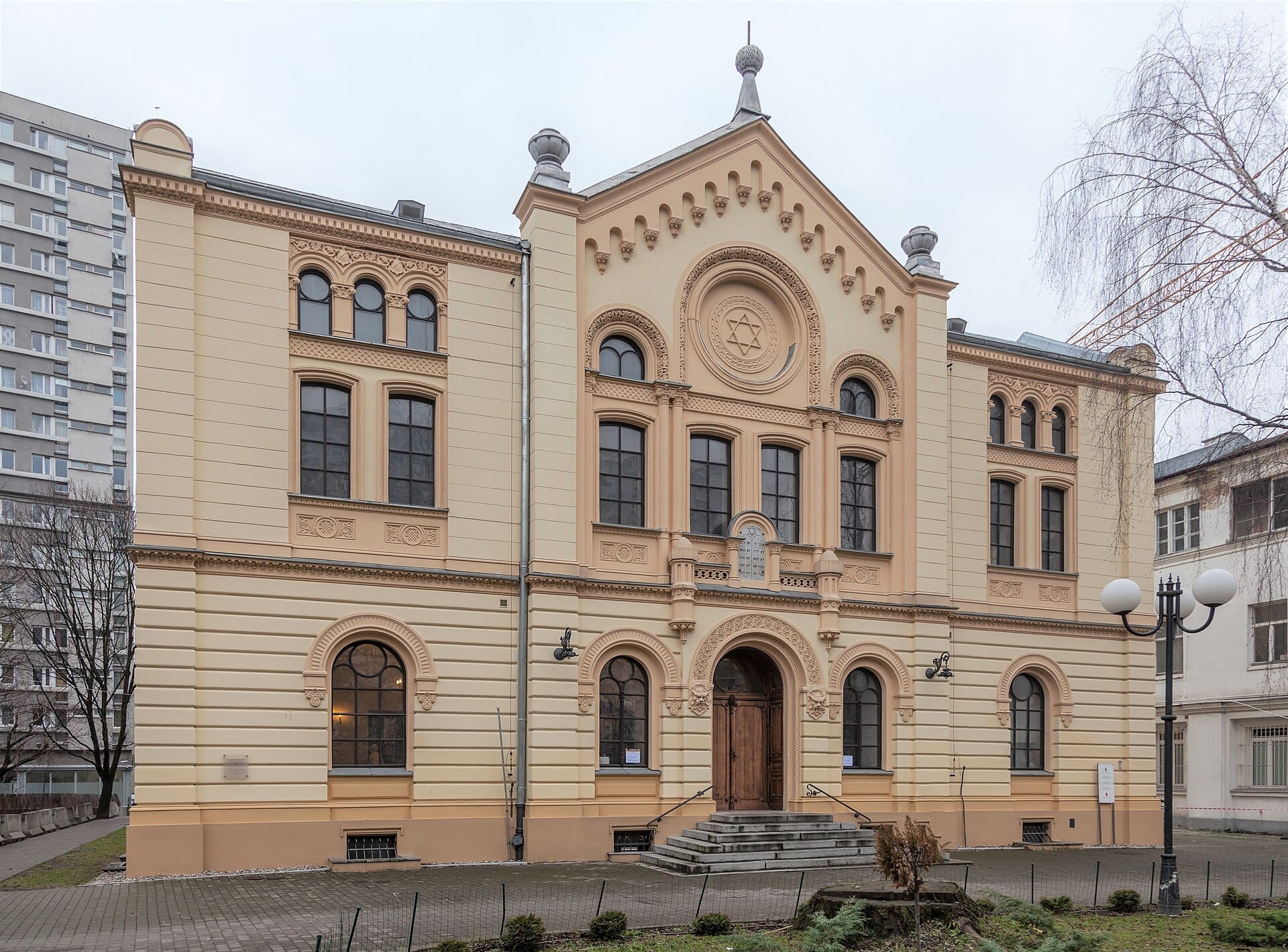
Nożyk Synagogue: a short walk south toward Śródmieście, Warsaw's only surviving prewar synagogue
If your interest in Warsaw's Jewish history goes beyond Muranów itself, the Warsaw Jewish heritage guide maps out sites across multiple neighborhoods including the Praga district and the city center, and is worth reading before you visit.
Eating & Drinking
Muranów is not a food destination in the way that Śródmieście or the area around Plac Zbawiciela is. The eating options here are functional and local, with a handful of places that have genuine character. The POLIN Museum has its own café-restaurant inside, which is a reasonable option for coffee and a light or full lunch between exhibition sections. The food is solid if unremarkable, but the location is convenient.
Along ul. gen. Władysława Andersa and the streets running off it, you will find a mix of local milk bars, small cafés, and neighborhood restaurants oriented toward residents rather than tourists. This is genuinely good news if you are trying to eat well on a budget: a bowl of borscht or a plate of pierogi in one of these places will cost significantly less than anything near the Old Town. Prices in this part of Warsaw are generally lower than in the tourist center.
For a wider range of dining options without a long walk, the southern edge of Muranów connects naturally toward the city center, where Hala Koszyki food hall offers a much broader range. It is about 20 to 25 minutes on foot heading south through Mirów, or two stops by tram. If you are planning an evening out after a day of museum visits, heading south toward Śródmieście is a better strategy than staying in Muranów.
💡 Local tip
The POLIN Museum café serves a small selection of dishes inspired by Jewish Polish cuisine, which makes it a fitting choice for lunch if you are mid-visit. Look for żurek soup and traditional pastries when available.
Getting There & Around
The most convenient metro stop for Muranów is Ratusz Arsenał on Line M1, which puts you roughly 10 to 12 minutes' walk from the POLIN Museum. From the station, walk north along ul. gen. Władysława Andersa, passing the junction with al. Solidarności, and you will reach the museum forecourt and the Monument to the Ghetto Heroes in about 10 minutes. The station sits on the southern boundary of the neighborhood and is a useful orientation point.
Bus and tram lines run along al. Solidarności, which forms the southern edge of the district, and along ul. Andersa. Tram routes connecting central Warsaw to the northern districts pass through here, making it easy to reach from the Old Town area or from Warsaw Central railway station (Warszawa Centralna) to the south. Tickets for buses, trams, and the metro are interchangeable within Warsaw's unified ZTM system and purchased from machines at stations and stops, or via official apps, with Jakdojade a recommended third-party app for journey planning.
From the Old Town, Muranów is walkable in about 15 to 20 minutes heading north along ul. Andersa or ul. Bonifraterska, passing through the area where the ghetto wall once ran. If you are following a structured itinerary, this walk is itself historically meaningful: you are tracing the former boundary of the Ghetto. For full context on getting around Warsaw more broadly, the getting around Warsaw guide covers transit options, ticketing, and navigation in detail.
⚠️ What to skip
Muranów is a neighborhood of wide streets designed for cars and postwar traffic planning. Cycling infrastructure has improved in recent years, but pedestrian crossings are sometimes spaced far apart. Allow more walking time than you might expect when moving between memorial sites.
Where to Stay
Muranów itself has limited hotel infrastructure. It is a residential neighborhood, and accommodation options here are mostly apartments rented through short-term platforms and a small number of boutique properties on or near ul. Andersa. Staying here makes sense primarily if you are visiting for Jewish heritage research, attending events at POLIN, or want a quieter residential base with easy access to the center.
For travelers who want to use Muranów as a day visit rather than a base, the Old Town and city center offer far more accommodation choice at a range of price points. The where to stay in Warsaw guide breaks down the city's neighborhoods by traveler type and budget, and explains the tradeoffs between staying near the tourist center versus in quieter residential areas like Muranów.
If you do stay in Muranów, the most practical section is along or just off ul. Andersa, within walking distance of both Ratusz Arsenał metro station and the POLIN Museum. This keeps you connected to the city without requiring a car or frequent taxi trips. The neighborhood is safe and walkable during the day; the streets are quiet at night but not threatening.
Why Muranów Matters
There is a particular quality to walking through Muranów once you understand what the ground itself represents. The postwar planners who built these housing estates in the late 1940s and 1950s were constructing a new city on top of an obliterated one, raising buildings several meters higher than the prewar street level because the rubble was simply left in place. The apartments that Muranów's residents live in today are, in a literal sense, built on the ruins of the Ghetto. This is not metaphor. It is the physical reality of the neighborhood.
That fact makes Muranów unlike almost any other postwar residential district in Europe. It is not a monument or a museum, though it contains both. It is a place where people live, where children go to school, where the local bakery opens at seven in the morning. The coexistence of ordinary life with extraordinary historical weight is what makes the neighborhood worth visiting beyond its individual attractions. If you are exploring Warsaw's wartime history more broadly, the Warsaw WW2 history guide and the Jewish heritage guide will help you structure a visit that takes in sites across multiple parts of the city.
ℹ️ Good to know
The route of the former Ghetto wall is marked in the pavement and on buildings at several points across Muranów and neighboring streets. Look for small plaques and embedded markers as you walk between sites. The Warsaw City tourist office and POLIN Museum provide maps and materials for self-guided walks in this area.
TL;DR
Muranów is the site of the former Warsaw Ghetto, rebuilt after the war as a residential district and now home to POLIN Museum, the Monument to the Ghetto Heroes, and the Umschlagplatz memorial.
The POLIN Museum alone justifies the trip: it is one of the best history museums in Central Europe and requires at least half a day.
Best suited to travelers with a serious interest in Jewish history, WW2 history, or Polish 20th-century history; less suited to those looking for nightlife or dining variety.
Getting here is easy from the city center: 15 to 20 minutes on foot from the Old Town, or one stop by metro to Ratusz Arsenał.
The neighborhood is quiet, safe, and walkable during the day, with very little going on after dark. Plan Muranów as a daytime itinerary and head south for evening options.
Warsaw rewards a focused two-day visit more than most European capitals. This itinerary moves logically through the city's historic core, its most important museums, and its green escapes, so you leave with a real sense of the place rather than a blur of landmarks.
Warsaw's churches survived destruction, occupation, and reconstruction to remain among the most compelling religious buildings in Central Europe. This guide covers the best churches in Warsaw, from the Baroque grandeur of Holy Cross to the Gothic revival of St. John's Archcathedral and the military heritage of the Field Cathedral.
Warsaw is one of Central Europe's strongest museum cities. From world-class history museums built on the sites of WWII atrocities to interactive science centers and glowing neon archives, these are the best museums in Warsaw worth your time and zloty.
Warsaw rewards visitors year-round, but the experience shifts dramatically depending on when you arrive. This guide breaks down every season, from sun-drenched summer riverfront life to snow-dusted Christmas markets, helping you choose the right moment for your priorities and budget.
Warsaw is the beating heart of Chopin's world. This guide covers the key sites, live concert options, musical benches, and practical tips for tracing Fryderyk Chopin's legacy across the Polish capital, from the world's largest Chopin collection to free Sunday recitals in a royal park.
Warsaw preserves one of Central Europe's most complete collections of Stalinist and socialist realist architecture. This guide covers the key landmarks, the history behind them, practical visiting tips, and the common myths that distort what communist-era Warsaw actually looks like.
Warsaw has one of Central Europe's most integrated public transport networks, covering the entire city with metro, trams, buses, and suburban trains on a single ticket system. This guide breaks down every option, from Warsaw Chopin Airport transfers to night buses, with current fares and practical advice.
Warsaw divides opinion more than almost any European capital. This guide cuts through the noise with an honest look at what the city does well, where it falls short, how much it costs, and what kind of traveler will love it most.
Warsaw rewards visitors who look beyond its postwar facade. This guide covers the best things to do in Warsaw, Poland, from UNESCO-listed Old Town and world-class history museums to riverfront beaches and the city's creative Praga district, with clear advice on what's worth your time and money.
Three days is the sweet spot for Warsaw: enough time to walk the Royal Route, absorb the city's layered wartime history, cross the river into Praga, and still catch a sunset from the Vistula Boulevards. This itinerary structures the city's best attractions into three logical days so you don't waste a single hour backtracking.
Warsaw transforms each November into one of Central Europe's most atmospheric Christmas destinations, with free outdoor markets, a stunning Old Town backdrop, mulled wine, and festive activities spread across multiple city locations. This guide covers the best market spots, seasonal attractions, and everything you need to plan a perfect winter visit.
Warsaw rewards those who look past the postcard attractions. From a glowing neon archive in Praga to a rooftop garden above the Vistula, these lesser-known spots reveal the city's real character. This guide covers the neighborhoods, history sites, and local haunts that most visitors walk straight past.
Summer transforms Warsaw into an outdoor city, with free concerts in royal parks, sandy riverfront beaches, and long evenings spent at café terraces. This guide covers the best attractions and experiences across June, July, and August, from cultural landmarks to the places where locals actually spend their warmest months.
Winter in Warsaw generally runs from December through February, with temperatures hovering around freezing and short days that rarely exceed eight hours of daylight. But the city rewards cold-weather visitors with fewer crowds, atmospheric snowy streets, a thriving indoor cultural scene, and festive seasonal traditions that locals genuinely love.
Warsaw was once one of the great centers of Jewish life in Europe. This guide covers the history of the Jewish ghetto, the key memorials and museums, the only surviving prewar synagogue, and how to build a meaningful route through the Muranów district and beyond.
Warsaw's nightlife compares well with other European capitals. From Soviet-era neon-lit bars in Praga to rooftop cocktail lounges above the city skyline, the Polish capital offers a diverse after-dark scene that rewards those willing to explore beyond the Old Town.
Warsaw costs 30-50% less than most Western European capitals, yet delivers world-class museums, remarkable history, and excellent food. This guide breaks down exactly what to spend, where to save, and how to avoid the tourist-price traps that inflate budgets unnecessarily.
Warsaw is one of the greenest capital cities in Europe, with parks ranging from 18th-century royal landscapes to sandy Vistula riverbanks. This guide covers the best parks and green spaces in Warsaw, whether you want Chopin concerts on a Sunday afternoon, a long cycle through meadows, or a rooftop garden with river views.
Warsaw's shopping scene is far more interesting than a row of international malls. The city mixes beautifully restored market halls, independent boutique streets, flea markets, and food halls into a retail landscape that rewards explorers. This guide covers the best places to shop, browse, and eat your way through Warsaw.
The Warsaw to Kraków corridor is one of Poland's most traveled routes. This guide covers every realistic option, from PKP Intercity high-speed trains to FlixBus overnight departures, with clear price comparisons, booking strategy, and timing advice.
Warsaw rewards walkers more than almost any European capital. This guide covers the best self-guided walking routes, the apps that make them better, seasonal timing, and the context you need to actually understand what you're looking at.
Warsaw surprises families with a wide range of activities beyond its famous museums. From interactive science centers and a storied zoo to royal parks and riverside beaches, here is a practical guide to the best family experiences the Polish capital offers.
Warsaw suffered one of the most devastating urban destructions of the Second World War. This guide covers every major WW2 site and museum in the city, explains the crucial difference between the two Warsaw uprisings, and gives you practical logistics for visiting each location.
Warsaw's food scene runs deeper than Old Town tourist menus. This guide covers the essential Polish dishes to try, where to find them, how much to pay, and which spots locals rate over the obvious tourist traps — from budget milk bars to modern bistros.
Warsaw's food scene runs deeper than pierogi and bigos. With about 10 Bib Gourmand restaurants in Warsaw in the 2026 MICHELIN Guide Poland and a growing wave of creative chefs redefining Polish cuisine, the city rewards anyone willing to eat beyond the Old Town tourist strip. This guide covers where to eat in Warsaw at every budget, neighborhood, and time of day.
Choosing where to stay in Warsaw shapes your entire trip. This guide breaks down every major neighborhood by atmosphere, transport links, price level, and who it suits best — so you can book with confidence.