Warsaw on a Budget: How to Visit for Less
Warsaw costs 30-50% less than most Western European capitals, yet delivers world-class museums, remarkable history, and excellent food. This guide breaks down exactly what to spend, where to save, and how to avoid the tourist-price traps that inflate budgets unnecessarily.
Plan and book this trip
Tools from our partner Travelpayouts help you compare flights and hotels. If you book through them, we may earn a commission at no extra cost to you.
Flights
Hotels map
TL;DR
- Budget travelers can manage on roughly 160-180 PLN (~$44) per day; mid-range comfort costs around 600-650 PLN (~$175) per day.
- Public transport is outstanding and cheap: a single 75-minute ticket costs about 4.40 PLN (~$1.10), with 24-hour passes around 15 PLN.
- Many of Warsaw's best attractions, including the Old Town, Łazienki Park, and the Vistula boulevards, cost nothing to visit.
- Eat at milk bars (bar mleczny) for traditional Polish food at 15-25 PLN per meal — locals eat there too.
- Visit in April-May or September-October for the best prices and least crowded conditions.
What Warsaw Actually Costs: Realistic Daily Budgets
Warsaw on a budget is genuinely achievable in a way that few European capitals allow anymore. The Polish złoty (PLN) gives visitors from the US, UK, and eurozone strong purchasing power, and the city's infrastructure rewards travelers who plan modestly. Warsaw is not Prague-cheap, but it is considerably more affordable than Berlin, Amsterdam, or Vienna for equivalent quality.
- Budget traveler (~162-180 PLN / ~$44-50 per day) Hostel dorm or simple guesthouse, milk bar or supermarket meals, public transport only, free attractions and one paid museum.
- Mid-range traveler (~500-650 PLN / ~$135-178 per day) 3-star hotel or apartment rental (~200-350 PLN/night), restaurant meals twice daily, public transport plus occasional Bolt ride, mix of free and paid attractions.
- Comfort traveler (~900+ PLN / ~$245+ per day) 4-star central hotel, full-service restaurants, private transfers, skip-the-line museum tickets and evening entertainment.
Accommodation is the biggest variable. Budget hostels and simple hotels in the centre typically run 80–150 PLN per night for a private room, with dorm beds from around 60–90 PLN. Mid-range hotels in the centre average 250–400 PLN per night, which feels reasonable compared with Western European capitals. Book direct through hotel websites or use aggregators with free cancellation — Warsaw's hotel market is competitive and last-minute deals exist outside summer peak weeks.
💡 Local tip
The Warsaw Tourist Card bundles unlimited public transport with free or discounted entry to many museums. If you plan to visit three or more paid attractions in a short trip, run the numbers — the card often pays for itself within a day.
Getting Around Without Spending Much
Warsaw's integrated public transport network, operated by ZTM (Zarząd Transportu Miejskiego), covers the city thoroughly via metro, trams, buses, and suburban rail. For budget travelers, it is the only transport option you realistically need. A single 75-minute ticket covering all modes costs around 4.40 PLN (under $1.20). A 24-hour pass runs about 15 PLN (~$4), and a 3-day pass is approximately 36 PLN (~$9). Even if you use transport six times a day for three days, the pass pays for itself easily.
The metro has two lines intersecting at Świętokrzyska station, connecting major residential districts to the centre. Trams are particularly useful along Krakowskie Przedmieście and through Śródmieście. Buy tickets from machines at metro stations, on-board validators via contactless card, or the Warsaw Public Transport app — inspectors do check, and fines for riding without a valid ticket are considerably higher than the fare itself.
The city's Veturilo bike-sharing scheme charges around 0.10 PLN per minute for standard bikes (roughly 2 PLN for 20 minutes and 6 PLN for the first hour). For short hops between boulevard stations it is inexpensive, but it is not free transport — budget accordingly if you plan multiple rides. Bolt and Uber operate throughout Warsaw and are inexpensive by Western standards, but they are an unnecessary expense for most journeys given how good the public network is.
⚠️ What to skip
Avoid hailing unmarked taxis outside the airport, train stations, or Old Town. These unmetered cabs sometimes charge 10-15x the going rate to unsuspecting tourists. Always use the Bolt or Uber app, or confirm a metered licensed taxi before getting in.
Free and Low-Cost Attractions Worth Your Time
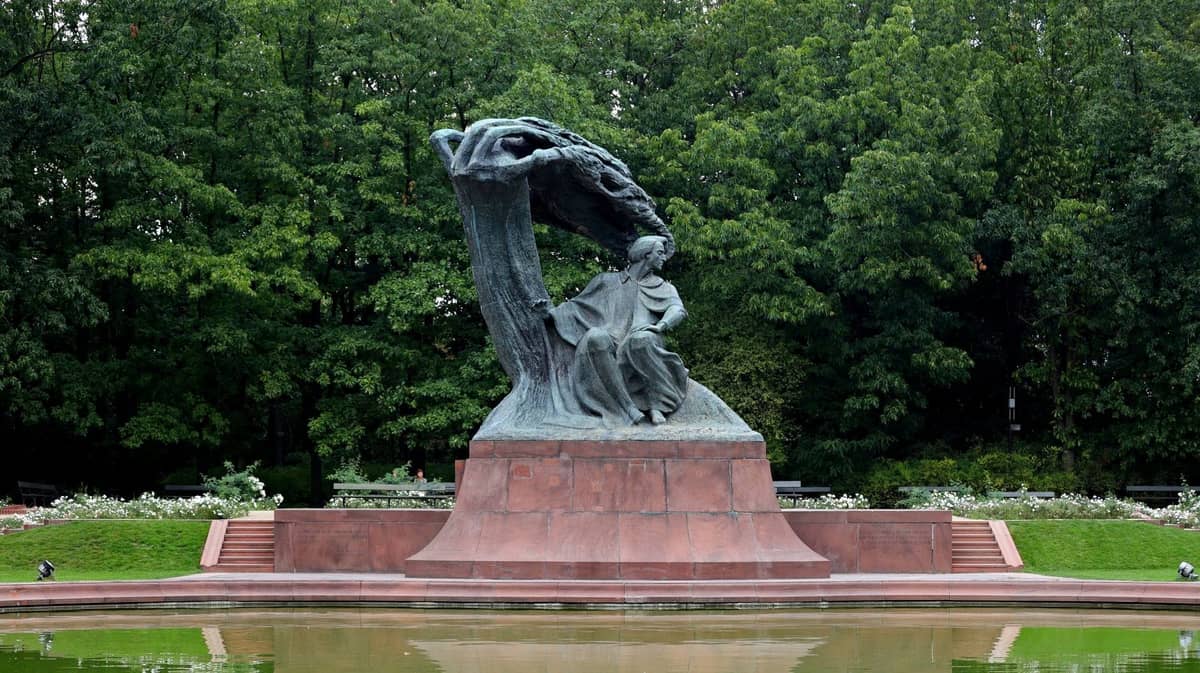
A surprising amount of Warsaw's best content is free. The Łazienki Park is one of the most beautiful urban parks in Central Europe and costs nothing to enter. Walk the formal gardens, find the Chopin Monument, and attend the free outdoor Chopin piano concerts that run on Sunday afternoons in summer — a genuinely special experience that budget travelers rarely miss.
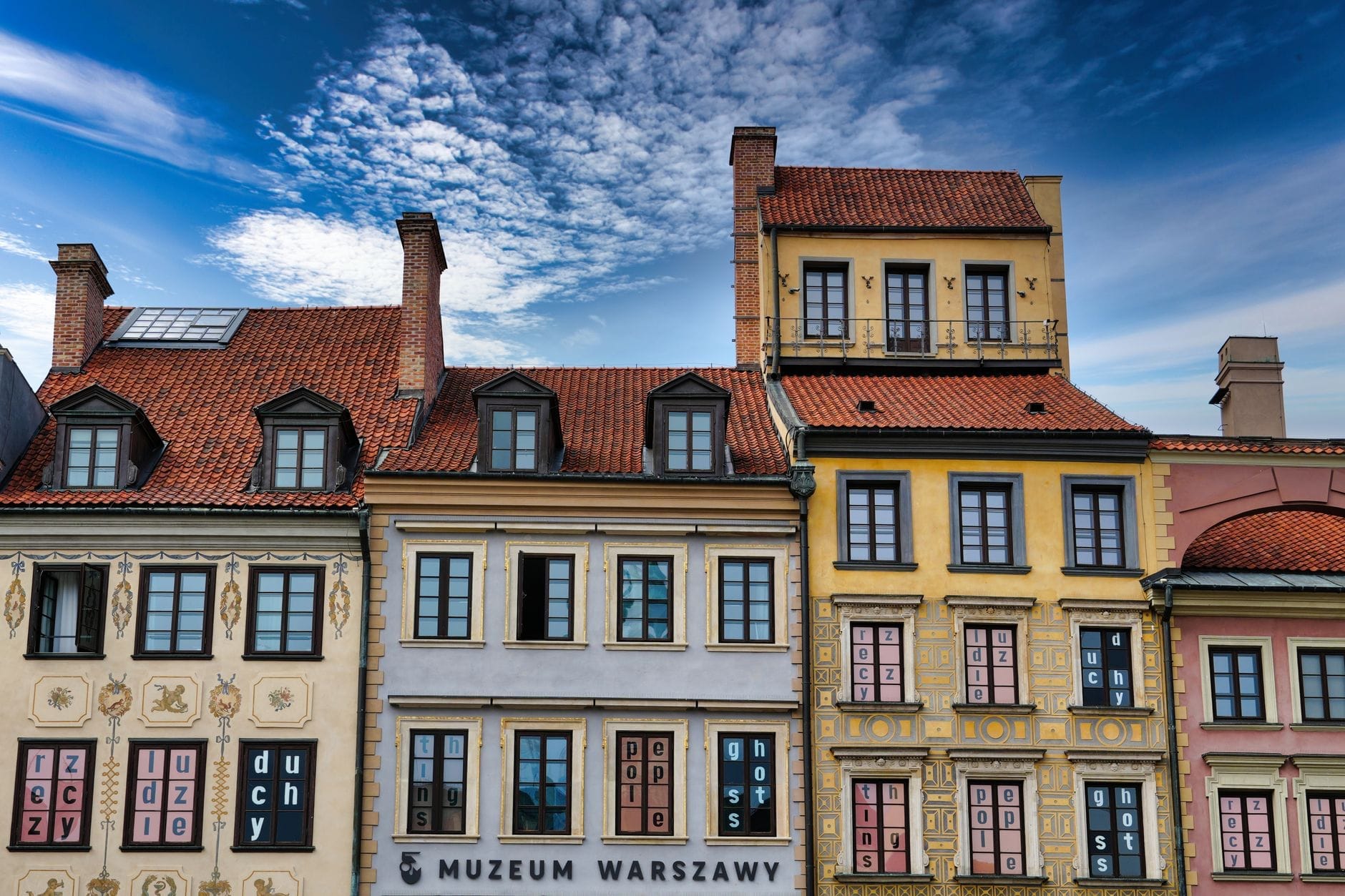
The Old Town Market Square and the surrounding streets, the Warsaw Barbican, and Sigismund's Column all cost nothing to visit. Walking the reconstructed Old Town is itself a history lesson about Warsaw's near-total destruction and meticulous postwar rebuilding — context that enriches every other site you visit.
- Łazienki Park: free entry year-round; free Chopin concerts on Sundays in summer
- Old Town and Royal Route (Krakowskie Przedmieście to Nowy Świat): free to walk; dozens of historic facades and monuments
- Saxon Garden (Ogród Saski): free public park with the Tomb of the Unknown Soldier
- Vistula Boulevards: free riverfront promenade with food trucks, bars, and beach areas in summer
- University of Warsaw Library Garden (rooftop): free public garden with views over the city
- Monument to the Ghetto Heroes and surroundings in Muranów: free, deeply significant historical site
- Street art in Praga district: free open-air gallery across the river
For paid attractions, typical museum admissions run 25-60 PLN (~6-16 EUR). The Warsaw Uprising Museum and the POLIN Museum of the History of Polish Jews are both worth the admission and rank among the best history museums in Europe. Many Warsaw museums offer free entry on one day per week — check individual websites before you go, as these policies change seasonally.
✨ Pro tip
The Palace of Culture and Science observation deck costs around 30 PLN and gives you the one view in Warsaw where the Palace itself is not in the frame. It is the highest publicly accessible viewpoint in the city and genuinely worth the price of a coffee.
Eating Well Without Overpaying
Food is where Warsaw rewards budget travelers most generously. A meal at a mid-level restaurant typically costs around 35-50 PLN (~$9-13), and street food or market options come in at 15-25 PLN. The Old Town restaurants are the notable exception: tourist-facing menus on the market square can charge 70-120 PLN for a main course, which is expensive by Warsaw standards even if it seems cheap by London or Paris standards.
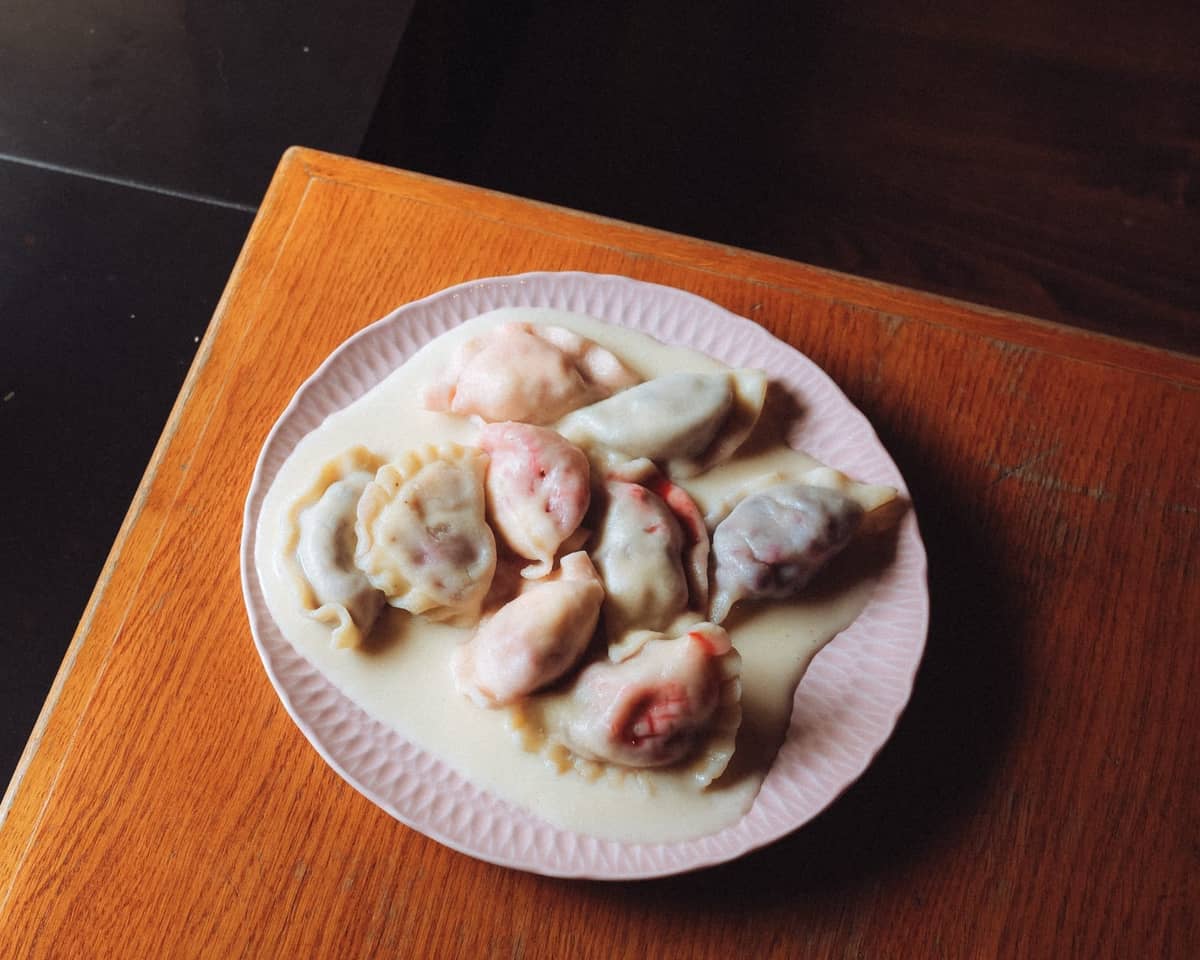
The single best budget eating strategy in Warsaw is the milk bar, known locally as bar mleczny. These subsidized canteen-style restaurants have been a Warsaw institution since the communist era and still serve generous portions of Polish classics: żurek (sour rye soup), pierogi, bigos (hunter's stew), and kotlet schabowy (breaded pork cutlet). A full meal rarely exceeds 20-30 PLN. The clientele is genuinely local, the portions are substantial, and the quality at the better-known milk bars is excellent. Familijny and Bar Bambino near the centre are frequently recommended by residents.
- Milk bars (bar mleczny): 15-30 PLN for a full meal; pay first, collect food at counter
- Food halls like Hala Koszyki or Hala Gwardii: 25-45 PLN per dish; more variety, higher quality, still reasonable
- Supermarket lunch: Żabka, Biedronka, and Lidl all sell ready meals and fresh food cheaply; 10-20 PLN for a filling lunch
- Zapiekanka (Polish open-faced baguette): 10-18 PLN from street stalls, particularly in the Praga district
- Avoid: restaurant meals directly on Rynek Starego Miasta (Old Town Market Square) unless you are happy to pay a location premium of 2-3x
For a deeper look at where to spend your food budget, the where to eat in Warsaw guide covers specific neighborhood recommendations by price range. If you want to understand what to order rather than just where to go, the what to eat in Warsaw guide walks through Polish dishes worth trying and where to find them.
When to Visit to Pay Less
Timing has a meaningful impact on Warsaw's cost. The most expensive periods are July-August (summer peak with school holidays and festivals), Christmas market season in December, and long holiday weekends. Outside these windows, Warsaw's prices are noticeably lower and the city is more comfortable to navigate.
April-May and September-October are the sweet spots for budget travelers. Temperatures are mild (typically 10-20°C), crowds are manageable, and both accommodation and flights tend to cost less than in summer. Spring is particularly good: Łazienki Park blooms, outdoor terraces open, and the city generally feels at its most livable. For a detailed seasonal breakdown, the best time to visit Warsaw guide covers weather, events, and crowd patterns month by month.
ℹ️ Good to know
Warsaw's Christmas markets in December are genuinely atmospheric but also one of the priciest times to visit. Accommodation fills up quickly and flights from Western Europe spike. If you want the festive experience, book at least 8-10 weeks in advance and compare prices carefully against a shoulder-season visit.
Budget Planning: Common Mistakes to Avoid
The biggest budget leak for first-time visitors is not accommodation or transport but the assumption that Warsaw's low prices mean everything is uniformly cheap. Tourist-facing businesses in the Old Town, airport transfer desks, and hotel exchange bureaus all charge significantly above market rates. Changing money through your bank card at ATMs with no foreign transaction fees typically gives better rates than any exchange office you will find near the major attractions.
For travelers arriving by budget airline through Warsaw Modlin Airport (WMI), factor in the transfer cost and time to the city centre — it is farther from central Warsaw than Chopin Airport (WAW). Public transport connections exist but take longer. The getting around Warsaw guide covers airport transfer options and fares in detail.
Finally, Warsaw is large enough that staying in the wrong neighborhood adds transport costs to every day. Staying near the city centre (Śródmieście), along the Royal Route, or near a metro line keeps you within easy reach of the major sites. The where to stay in Warsaw guide maps out which neighborhoods offer the best value for different travel styles and budgets.
FAQ
Is Warsaw cheaper than Krakow for tourists?
Warsaw and Krakow are broadly comparable in price, but Warsaw tends to have more extreme variation: the tourist center is pricier while the outer districts and local spots are very affordable. Krakow's Old Town is more compact and harder to escape for budget eating. For accommodation, Warsaw generally offers a wider range of mid-range options at competitive prices.
How much spending money do I need per day in Warsaw?
A realistic budget is 160-200 PLN (~$44-55) per day if you stay in a hostel, use public transport, eat at milk bars and supermarkets, and stick to free or low-cost attractions. Mid-range travelers spending on hotels, restaurants, and a paid museum or two should budget 500-650 PLN (~$135-178) per day.
What is the cheapest way to get from Warsaw Chopin Airport to the city centre?
The 175 express bus and suburban rail line S2/S3 from the airport to Warsaw Central Station are the cheapest options, each requiring a 75‑minute zone 1 ticket (4.40 PLN). Taxis and ride-hailing apps like Bolt cost roughly 30-50 PLN depending on traffic, which is still affordable but unnecessary for solo travelers with manageable luggage.
Are there free walking tours in Warsaw?
Yes, several operators run tip-based free walking tours departing from the Old Town area, typically covering the Royal Route, Old Town, and major historical sites. These run most mornings in the warmer months. The guide works for tips, so bring cash and tip according to the quality of the tour — the better operators are genuinely informative.
Is it safe to use ATMs in Warsaw?
Yes, ATMs are widely available and generally safe. Use machines attached to bank branches rather than standalone kiosks in tourist areas, which sometimes apply unfavorable dynamic currency conversion rates. Choose to be charged in PLN (not your home currency) when given the option at the ATM.