Best Time to Visit Warsaw: A Complete Seasonal Guide
Warsaw rewards visitors year-round, but the experience shifts dramatically depending on when you arrive. This guide breaks down every season, from sun-drenched summer riverfront life to snow-dusted Christmas markets, helping you choose the right moment for your priorities and budget.
Plan and book this trip
Tools from our partner Travelpayouts help you compare flights and hotels. If you book through them, we may earn a commission at no extra cost to you.
Flights
Hotels map
TL;DR
- The best time to visit Warsaw for most travelers is May or September, when weather is pleasant, crowds are thinner than peak summer, and prices are more reasonable.
- Summer (June–August) is peak season: warm temperatures around 22–24°C, lively riverfront bars, and a packed festival calendar, but higher accommodation prices.
- Winter is genuinely cold (lows around −4°C) with frequent snow; pack accordingly, but hotel rates drop and December brings excellent Christmas markets.
- Warsaw has four distinct seasons with a temperate continental climate. For a full picture of what to do in each period, see things to do in Warsaw.
- There is no single 'best' month for everyone: summer suits festival-goers, autumn suits culture seekers, and winter suits budget travelers and Christmas lovers.
Warsaw's Climate at a Glance
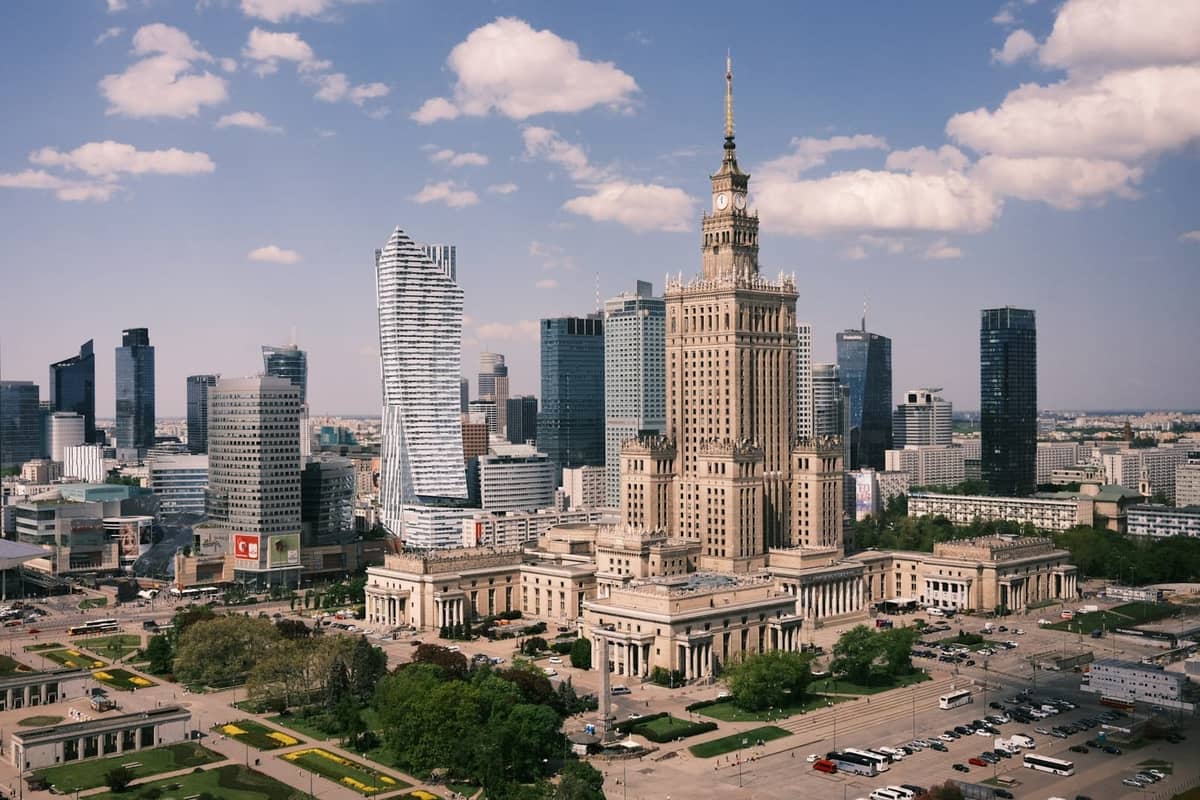
Warsaw sits on the Warsaw Plain in east-central Poland at roughly 78–117 meters above sea level. It has a temperate continental climate, which means four genuinely distinct seasons: warm, occasionally humid summers; crisp, colorful autumns; cold winters with regular snowfall; and bright, fresh springs. Understanding this rhythm is the foundation of any smart trip-planning decision.
Precipitation is spread fairly evenly across the year, but total amounts are modest. Summer months see the highest rainfall totals, mostly as short afternoon showers rather than all-day downpours. January through March tend to be the windiest months, which makes the cold feel sharper than the thermometer suggests. Visitors often underestimate Warsaw winters: daytime highs hover around 3–4°C (37–39°F) and overnight lows frequently fall to −4°C (25°F) or below, with real snowfall.
⚠️ What to skip
Do not assume Warsaw winters are 'mildly cold.' Temperatures regularly drop well below freezing from December through February. Pack a proper winter coat, waterproof boots, and layers if you visit during this period.
Spring (March to May): The Underrated Sweet Spot
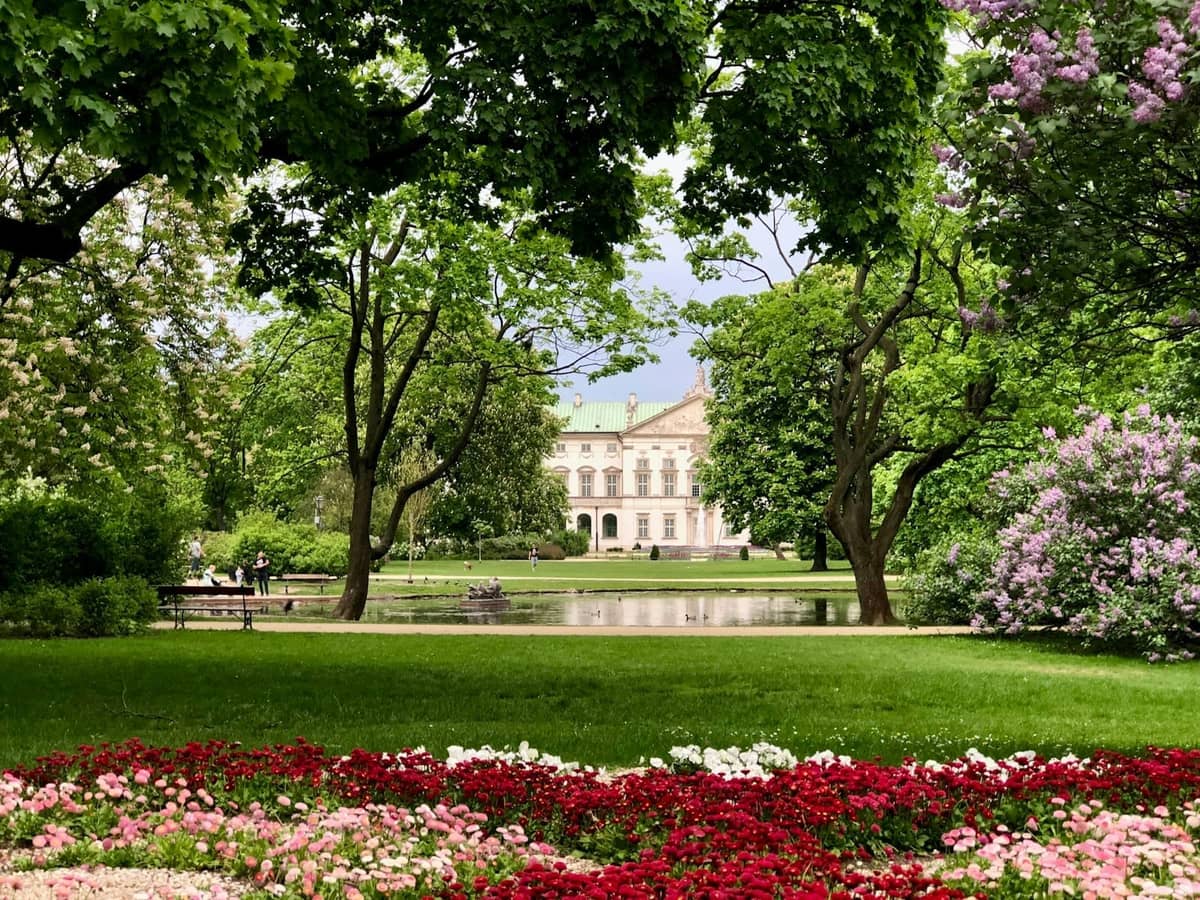
Spring is when Warsaw visibly exhales after a long winter. March is still cold and unpredictable, with occasional snow well into the month, but by April the city's parks start greening up and outdoor café terraces begin to appear. May is the standout month of the spring calendar and arguably the single best month to visit Warsaw for first-timers.
In May, daytime temperatures reach around 17–20°C (63–68°F), daylight extends past 8 pm, and Łazienki Park is in full bloom. The famous open-air Chopin concerts in Łazienki begin in May and run through September, drawing small, relaxed crowds on Sunday afternoons. Accommodation prices are noticeably lower than in July or August, and major attractions like the Royal Castle and POLIN Museum of the History of Polish Jews are accessible without summer queues.
✨ Pro tip
If you can only visit Warsaw once, aim for the second or third week of May. The weather is reliable, the city's green spaces look spectacular, Chopin concerts have just started, and you avoid the height of summer tourism pressure.
Summer (June to August): Peak Season Explained
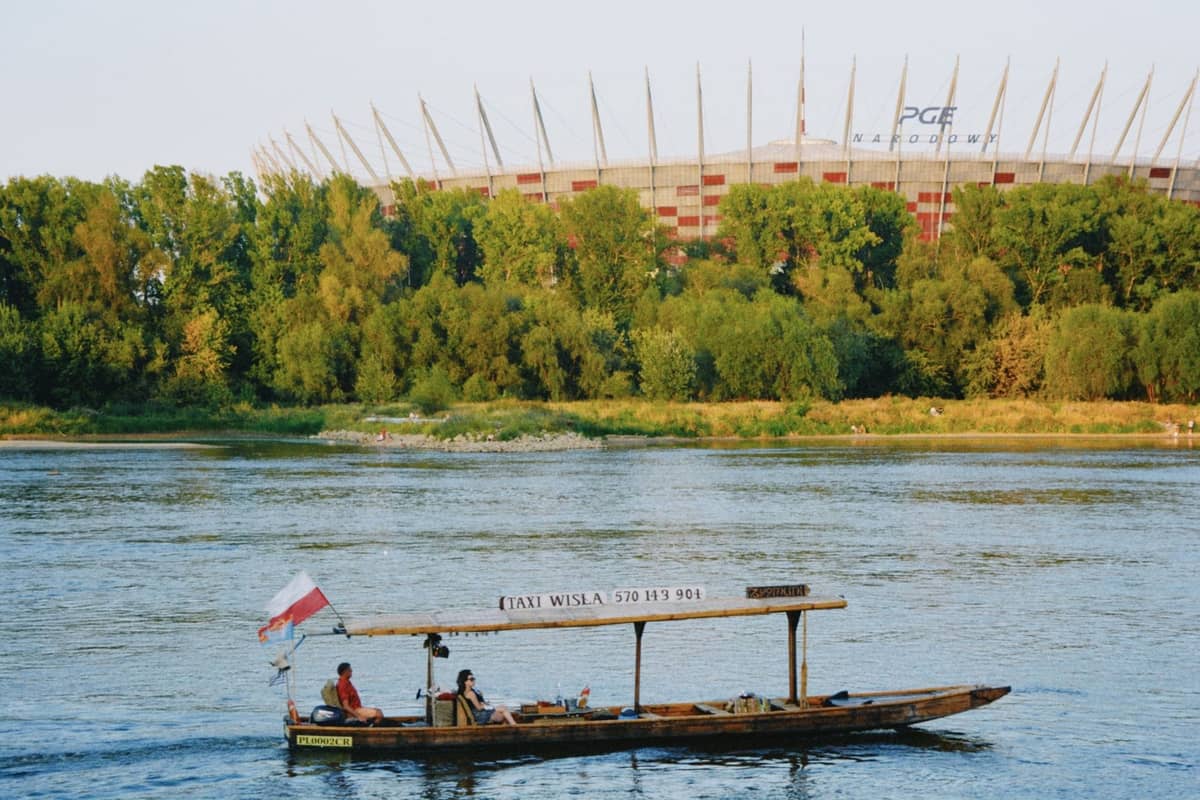
Summer is Warsaw's most popular season and the period when the city makes the strongest impression on first-time visitors. Temperatures average around 22–25°C during the day, but can exceed 27°C (80°F) during warmer periods, making it comfortable for walking. The Vistula riverfront transforms completely: seasonal beach bars open along the boulevards, outdoor cinema screens appear, and the city's cultural calendar is at its most packed.
The Vistula Boulevards become the social heart of the city on warm evenings, with locals and visitors alike sprawled on the grass or occupying the riverside bars that pop up each season. This is also when the Vistula river beaches are in full operation. For those interested in Warsaw's summer atmosphere specifically, there is much more detail in the dedicated Warsaw in summer guide.
The trade-off is straightforward: summer is the most expensive time to visit. Hotel prices increase significantly in July and August, popular restaurants fill up faster, and the Old Town Market Square draws much larger tour groups, particularly in July. That said, Warsaw is far less overwhelmed than Prague or Kraków in summer, so the crowds remain manageable if you time major attractions for early morning.
- Warsaw Uprising Anniversary (August 1) A deeply significant civic commemoration with sirens sounding citywide at 5:00 pm, memorial marches, and events at the Warsaw Uprising Museum. Emotionally powerful for visitors who understand the context.
- Open-air Chopin Concerts Free Sunday concerts at the Chopin Monument in Łazienki Park run from May through September. Arrive 20–30 minutes early for a good spot near the stage.
- Vistula Riverfront Season Seasonal bars, food trucks, and beach volleyball operate from roughly late May through early September. The atmosphere peaks in June and July.
- Jewish Culture Festival and other summer events Various cultural festivals populate the June–August calendar. Check the City of Warsaw official portal (um.warszawa.pl) for current year schedules, as dates shift annually.
Autumn (September to November): Culture Season
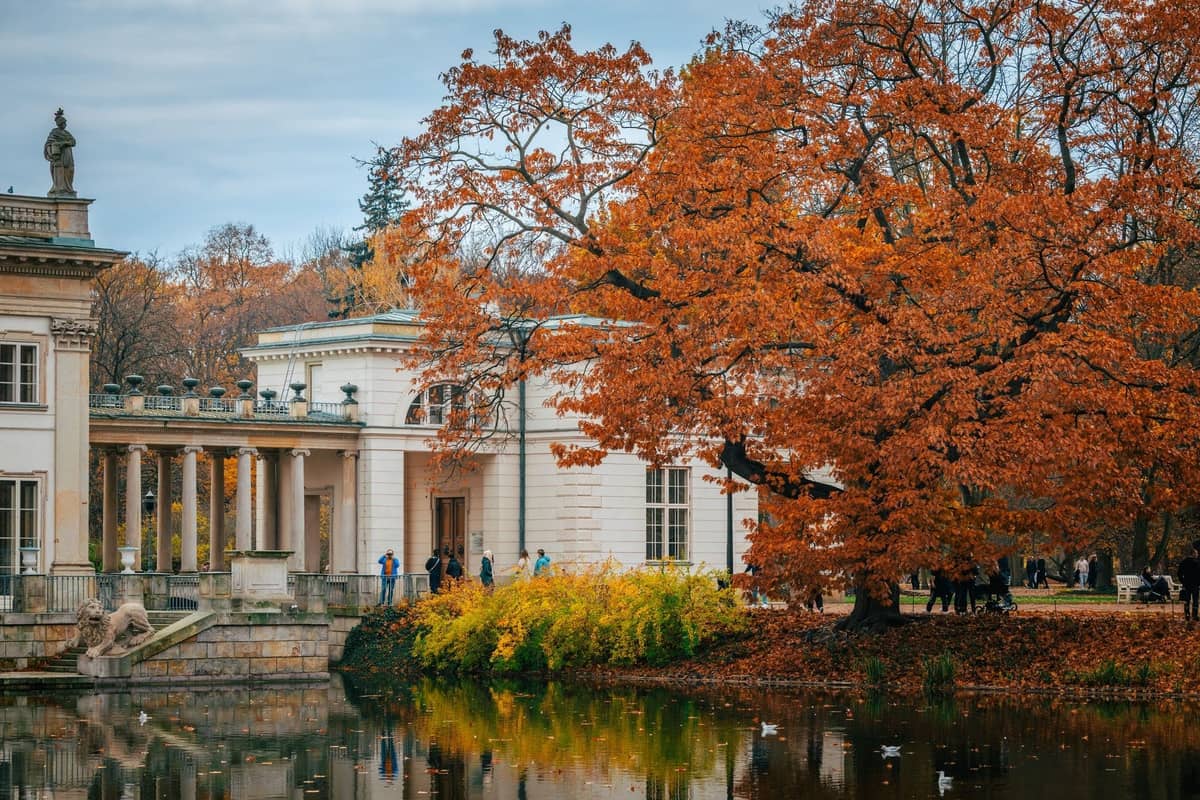
September is arguably the most underrated month in Warsaw's calendar. The summer crowds have largely dissipated, the weather remains genuinely pleasant (highs around 19°C/66°F, cooler evenings around 9°C/48°F), and the city's museums, theaters, and concert halls kick into their main season. The Grand Theatre and National Opera opens its full autumn program, and Warsaw's gallery scene becomes noticeably more active.
October brings the foliage. Warsaw's parks, particularly Łazienki and the Saxon Garden, shift to amber and gold, and the city's layout, with its broad avenues lined with mature trees, looks genuinely beautiful. Temperatures drop noticeably through October, and by November you are firmly in cold, grey, often rainy conditions. November is the least compelling month to visit Warsaw unless you have a specific cultural agenda or want the lowest possible prices.
💡 Local tip
The Warsaw Film Festival typically runs in October and screens international and Polish cinema across multiple venues. If you are interested in film, it is worth checking the schedule and booking tickets in advance at wff.pl.
Winter (December to February): Cold but Compelling
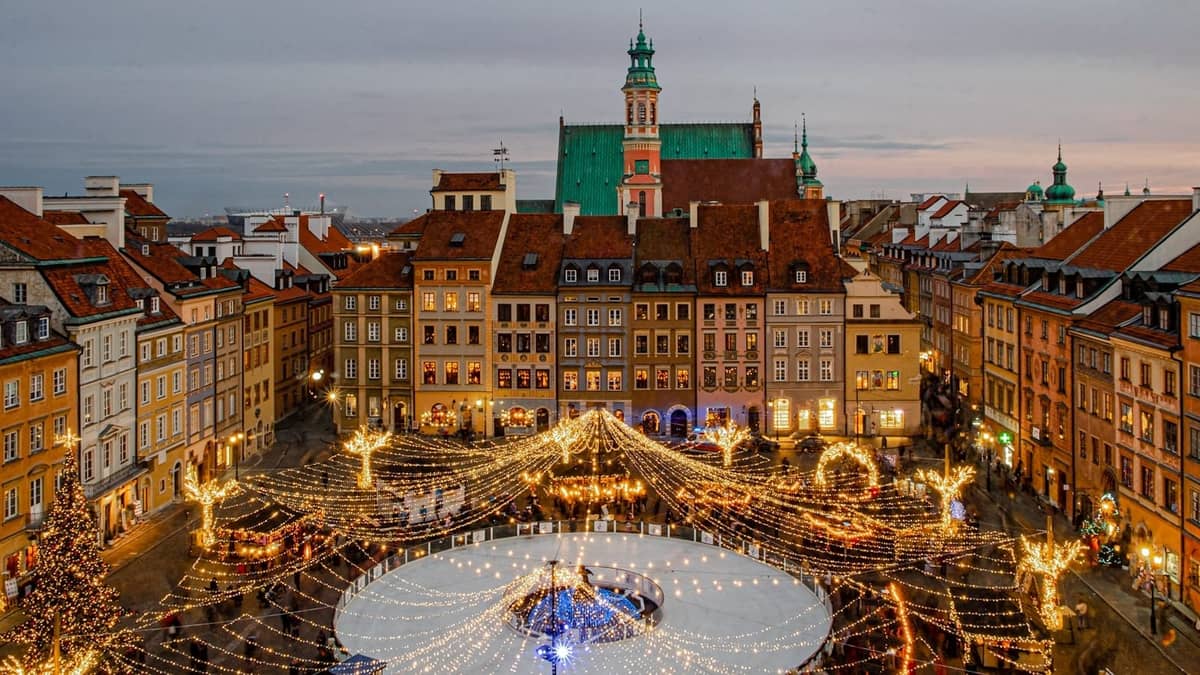
Winter in Warsaw is not for everyone, but it is unfairly overlooked by those who dismiss it as 'too cold.' December specifically offers something genuinely worth experiencing: the city's Christmas markets and festive lighting transform the Old Town and Krakowskie Przedmieście into something atmospheric and un-touristy compared to Western European equivalents. For more on this, the Warsaw Christmas markets guide covers the best locations and what to expect.
January and February are the quietest and coldest months. Accommodation prices are at their annual lowest, popular museums like the Warsaw Uprising Museum and POLIN Museum are uncrowded, and you can explore major sites at your own pace without competition. The flip side: many outdoor experiences are off the table, some smaller restaurants and cafés reduce hours, and grey skies can persist for days.
For travelers specifically interested in Warsaw's history-focused indoor attractions, winter is actually a strong choice. The Warsaw Uprising Museum, POLIN Museum, and Fryderyk Chopin Museum are all fully operational year-round and are among the best-executed museum experiences in Central Europe. Cold weather gives you a genuine excuse to spend several hours in each without feeling like you are missing outdoor Warsaw.
For a more detailed look at what winter Warsaw actually offers day to day, the Warsaw in winter guide covers practical tips, heating culture, and the best indoor experiences.
Practical Timing: Crowds, Prices, and Public Holidays
Beyond weather, a few practical factors should inform your timing. Polish public holidays can affect opening hours significantly. November 1 (All Saints' Day) sees most businesses closed and heavy domestic travel as Poles visit cemeteries. November 11 (Independence Day) involves large commemorative events in Warsaw that can disrupt central traffic and public transport. May 1 and May 3 (Constitution Day) create a long weekend that drives up hotel prices and fills trains from other Polish cities.
- Cheapest period to visit January and February offer the lowest hotel and flight prices. Expect to pay roughly 30–50% less for central accommodation compared to peak July rates.
- Best value with good weather May and September are the shoulder-season sweet spots: hotel prices are moderate, weather is reliable, and the city is fully operational.
- Most expensive period July and early August, particularly around any major events or festivals. Book accommodation at least 6–8 weeks ahead for central Warsaw hotels in this period.
- Avoid if crowds bother you The Old Town on summer weekends (Saturday and Sunday afternoons in July and August) sees its highest concentration of group tours. Visiting major Old Town sites before 9:30 am significantly improves the experience.
ℹ️ Good to know
Warsaw Chopin Airport (WAW) is the main international hub, located about 8–10 km from the city centre. Warsaw Modlin Airport (WMI), roughly 40 km north of the city, handles some low-cost and charter traffic. Factor travel time from Modlin into your planning, as the transfer is longer and less straightforward than from Chopin.
FAQ
What is the best time to visit Warsaw for good weather?
May and June consistently offer the most reliable combination of warmth and long daylight hours without peak-summer crowds. September is a strong alternative with slightly cooler but still comfortable temperatures. July and August are warm but bring the highest tourist numbers and prices.
Is Warsaw worth visiting in winter?
Yes, particularly in December for the Christmas markets and festive atmosphere in the Old Town. January and February are cold and grey but ideal for unhurried visits to Warsaw's world-class museums at their quietest. Temperatures regularly drop below freezing, so dress accordingly.
What is the cheapest time to visit Warsaw?
January and February are consistently the cheapest months for flights and hotels. Prices can be 30–50% lower than peak summer rates. November is also inexpensive but offers the least appealing weather and atmosphere.
How rainy is Warsaw in summer?
Summer sees the highest monthly rainfall totals, but showers tend to be short and intense rather than prolonged. Total precipitation remains relatively modest. Carrying a compact umbrella is sensible, but sustained rainy days are not the norm in July and August.
What is the best time to visit Poland if I am combining Warsaw with other cities?
Late May through early September works well for a multi-city Poland trip. This window covers Warsaw, Kraków, and Gdańsk with consistently good travel conditions. For a Warsaw-Kraków itinerary specifically, see our guide on travelling from Warsaw to Kraków for logistics and timing.