Best Things to Do in Warsaw: The Definitive Guide
Warsaw rewards visitors who look beyond its postwar facade. This guide covers the best things to do in Warsaw, Poland, from UNESCO-listed Old Town and world-class history museums to riverfront beaches and the city's creative Praga district, with clear advice on what's worth your time and money.
Plan and book this trip
Tools from our partner Travelpayouts help you compare flights and hotels. If you book through them, we may earn a commission at no extra cost to you.
Flights
Hotels map
TL;DR
- Warsaw's top draw is its history: the Warsaw Uprising Museum and POLIN Museum are two of the best history museums in Europe, full stop.
- Many major museums close on Mondays and offer one free-entry day per week — plan around this to save 20–60 PLN per ticket.
- The Old Town and Royal Castle area is compact and walkable in half a day; the city's other great sights are spread across neighborhoods and require trams or metro.
- Summer brings the Vistula riverfront to life with bars, kayak rentals, and river beaches — this side of Warsaw is invisible to most guidebooks.
- Warsaw is significantly cheaper than Western European capitals: a full day of sightseeing, meals, and transport can cost under 200 PLN (around €45) if you plan smart.
History That Actually Hits: Warsaw's Must-See Museums
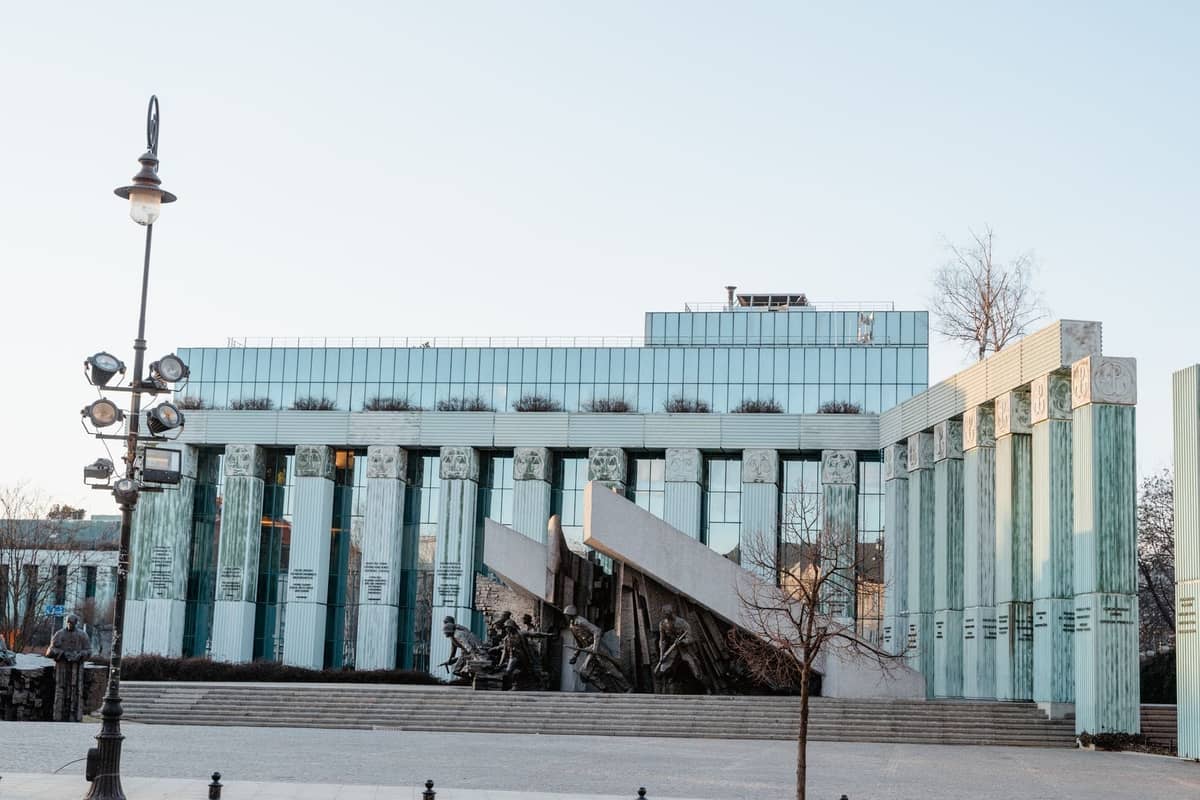
No city in Europe has a more dramatic modern history than Warsaw, and the things to do in Warsaw, Poland that stay with visitors longest are nearly always museum-based. The Warsaw Uprising Museum covers the 1944 revolt against Nazi occupation with an intensity that is genuinely unusual for a history institution. It is immersive, emotional, and dense with primary sources. Budget at least two hours, ideally three.
A short distance away in the Muranów district, the POLIN Museum of the History of Polish Jews covers a thousand years of Jewish life in Poland, not just the Holocaust. The core exhibition alone takes three to four hours to do justice. Both museums are widely regarded among the best of their kind in the world, and neither is overhyped.
💡 Local tip
Many major Warsaw museums do not open every day and several are closed on at least one weekday. Several offer free entry on one weekday: the Royal Castle on Wednesdays, the National Museum on Tuesdays. Check official sites before you go, as schedules shift seasonally.
For a very different register, the Pawiak Prison Museum covers the Nazi-era prison that held Polish resistance fighters, and the Living Under Communism Museum offers an unexpectedly entertaining look at daily life in the Polish People's Republic era. These are smaller and faster to visit, but both add important texture to Warsaw's layered past.
- Warsaw Uprising Museum The definitive account of the 1944 uprising. Tickets around 30 PLN; closed Tuesdays. Located in Wola district, about 20 minutes by tram from the Old Town.
- POLIN Museum of the History of Polish Jews World-class permanent exhibition. Tickets around 35 PLN; free on Thursdays. Located in Muranów, steps from the Monument to the Ghetto Heroes.
- National Museum (Muzeum Narodowe) Covers Polish art and European decorative arts. Free on Tuesdays. Good for half a day if art history interests you.
- Copernicus Science Centre Interactive exhibits genuinely engaging for adults, not just families. Tickets around 46 PLN; open Tuesday through Sunday.
- Fryderyk Chopin Museum Multimedia tribute to Poland's most famous composer. Worth visiting before attending a Chopin concert in Łazienki Park.
The Old Town and Royal Castle: What to Expect Honestly
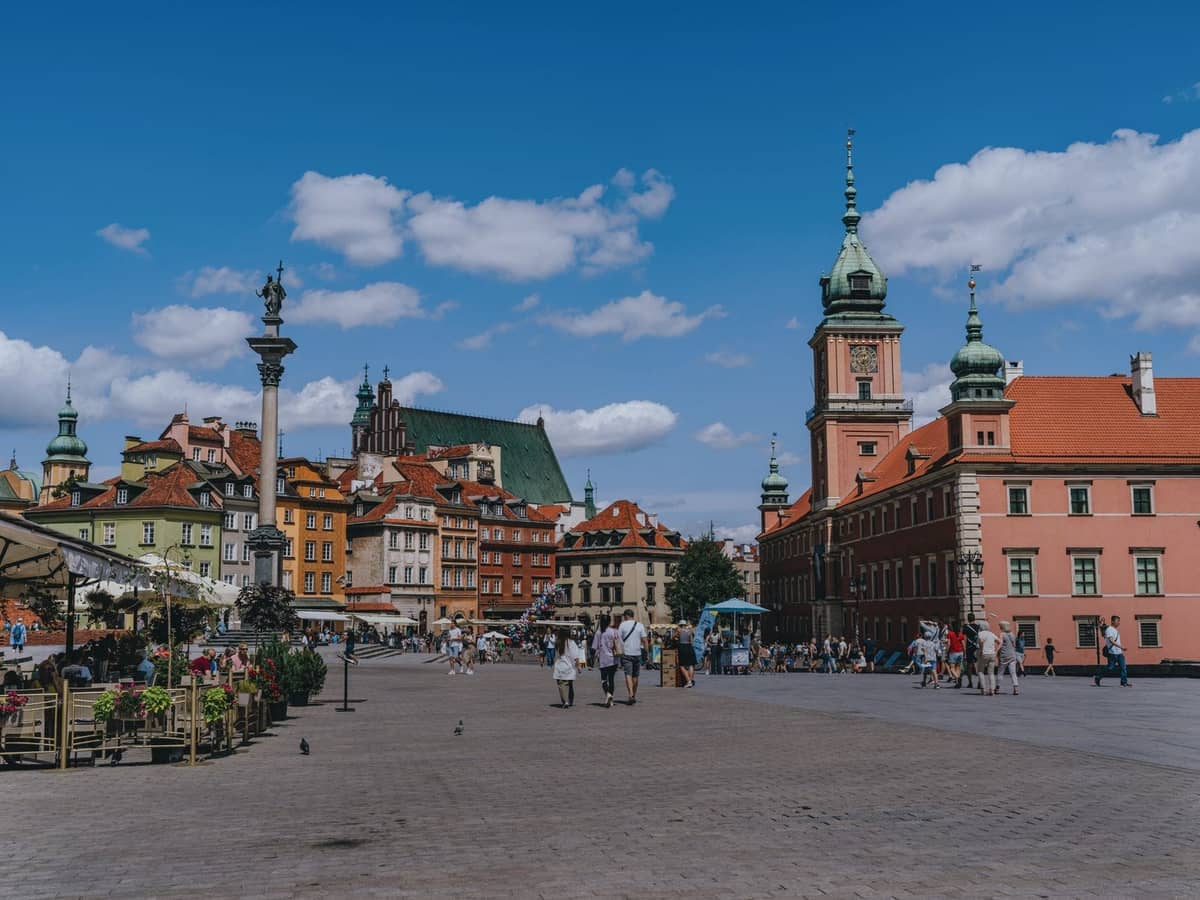
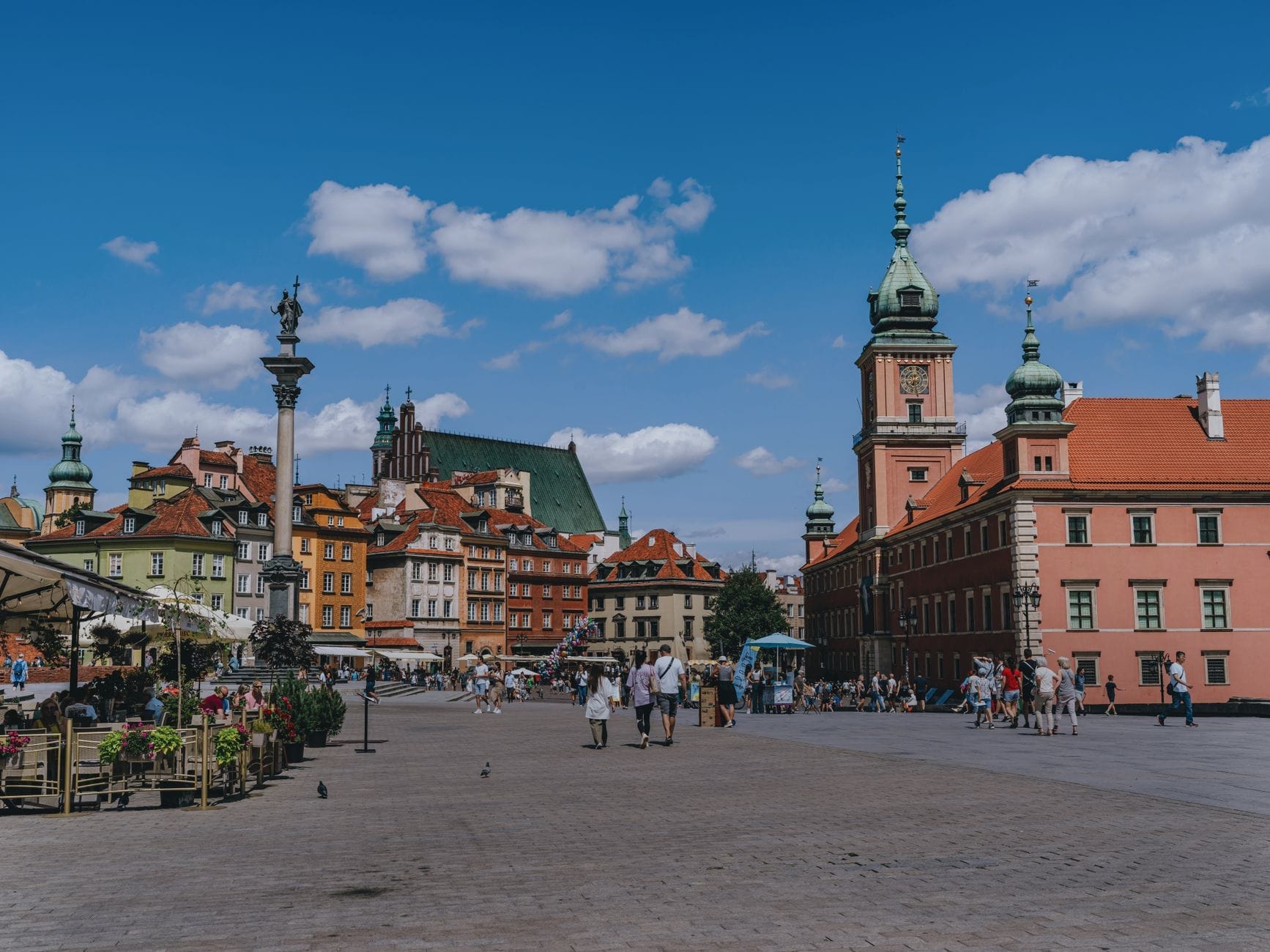
Warsaw's Old Town is a UNESCO World Heritage Site, though its heritage is unusual: the entire district was rebuilt from rubble after World War II using historical plans, paintings, and photographs. This context matters. It is not a medieval quarter that survived intact; it is a deliberate act of cultural reconstruction and, understood that way, it becomes far more interesting.
The Old Town Market Square (Rynek Starego Miasta) is the obvious centrepiece, lined with colourful townhouses and outdoor cafés. It is busiest between 11am and 4pm in summer. The Royal Castle on Castle Square is genuinely worth the entrance fee — the state apartments are impressive and the audio guide covers the castle's destruction and reconstruction in detail. Free entry on Wednesdays, though queues can be long on that day.
⚠️ What to skip
The Old Town's restaurant strip around the market square is one of Warsaw's few real tourist traps. Prices are 30–50% higher than elsewhere and quality is inconsistent. Walk two streets south toward Nowy Świat for far better value.
From the Old Town, the natural route south follows Krakowskie Przedmieście, Warsaw's grandest boulevard, lined with palaces, churches, and the University of Warsaw gate. This is one of the best free walks in the city and connects the Old Town to the lively Nowy Świat area in about 15 minutes on foot.
Parks, Palaces, and Green Space
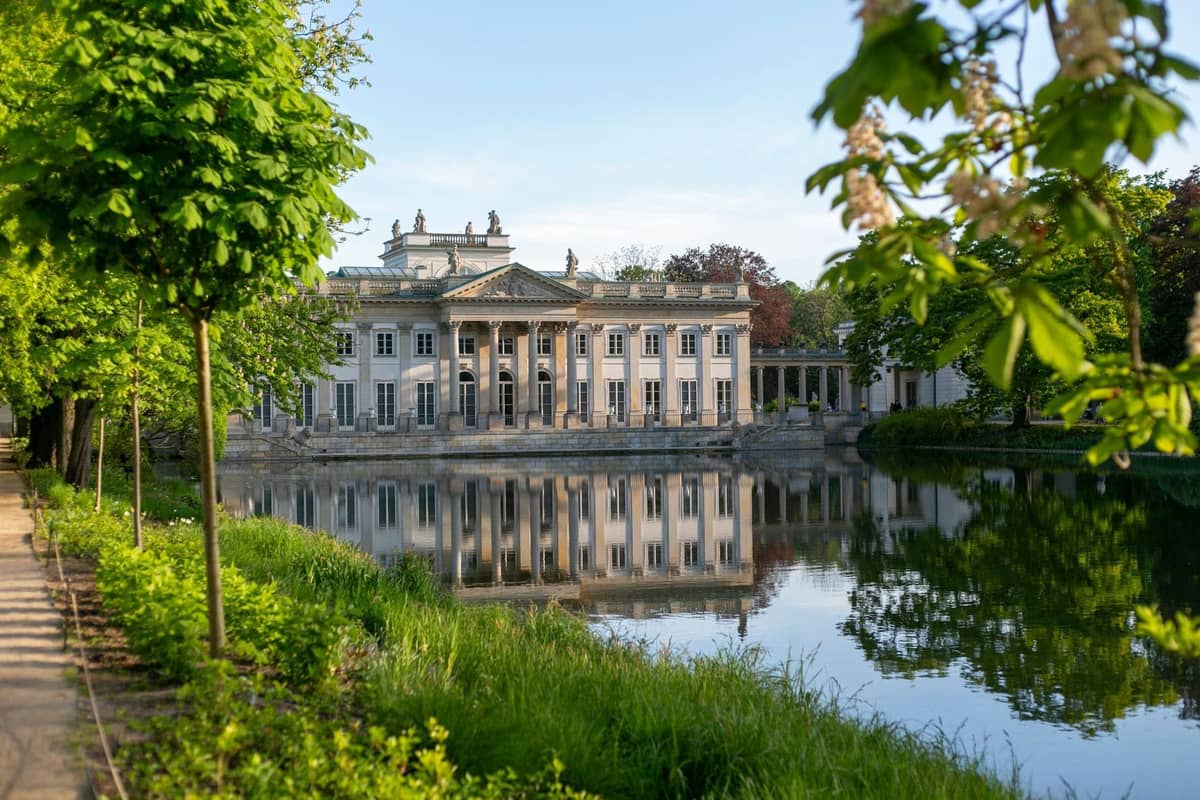
Łazienki Park is Warsaw's most celebrated green space, covering around 76 hectares in the city centre. It contains multiple palaces, orangeries, an open-air amphitheatre, peacocks walking freely on the paths, and the iconic Chopin Monument where free Sunday concerts take place from May through September. The concerts draw large crowds but the park is big enough that you can always find a quiet corner.
The Palace on the Isle within Łazienki is open Tuesday through Sunday with tickets around 60 PLN for adults, but entry on Fridays is free. The park itself has no entrance fee. For families, the Warsaw Zoo is adjacent to the Vistula's east bank in Praga and is one of the better zoos in Central Europe.
South of the city centre, Wilanów Palace and its formal gardens make a worthwhile half-day trip, particularly in spring when the parterres are at their best. It sits about 10 kilometres from the city centre and is reachable by bus. The palace is often called the Polish Versailles, which oversells it slightly, but the gardens alone justify the journey.
The Vistula Riverfront and Praga: Warsaw's Other Side
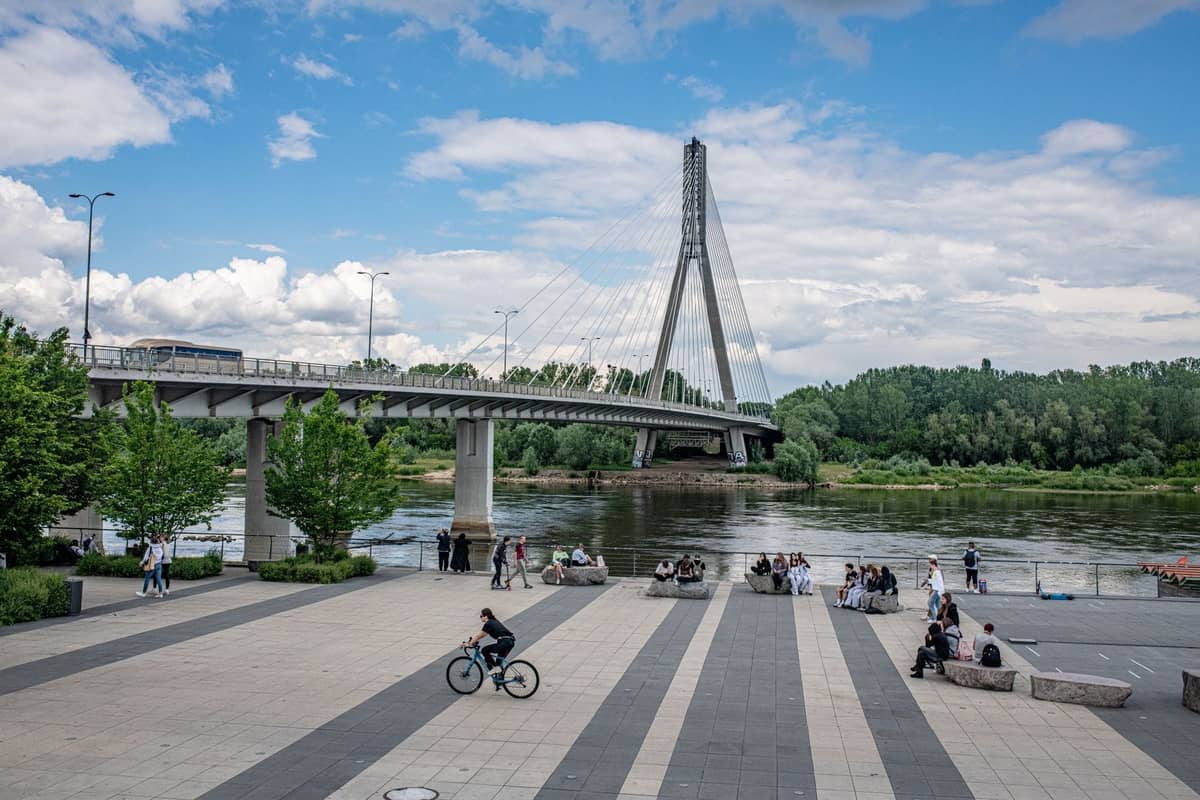
The Vistula Boulevards are one of Warsaw's best recent urban developments. Stretching along the west bank of the Vistula, they become the social spine of the city in summer: food trucks, beach bars, outdoor cinema screenings, kayak rentals, and cycling paths. On warm evenings from June through August, this is where Warsaw residents actually spend their time. Most tourists miss it entirely.
Across the river, the Praga district offers a completely different atmosphere from the polished centre. The streets around Praga's street art scene and the Neon Museum reward aimless walking. The Neon Museum preserves original communist-era neon signs from across Poland, a genuinely quirky and photogenic collection. The Koneser Center complex nearby has been converted from a historic vodka distillery into a food and culture hub with good restaurants and an interesting vodka history museum.
✨ Pro tip
If you visit Warsaw in summer, dedicate at least one evening to the Vistula Boulevards. Grab street food, rent a bike, or simply sit on the steps watching the river. This is Warsaw at its most relaxed and most local.
Practical Planning: Neighborhoods, Transport, and Costs
Warsaw's main sights are spread across a large city, so understanding the geography saves time. The Old Town, Royal Castle, and Krakowskie Przedmieście are all walkable together. Łazienki Park is about 3 kilometres south, an easy tram ride or a 35-minute walk. The Warsaw Uprising Museum is in Wola, roughly 20 minutes west by tram. POLIN Museum and the Jewish heritage sites are in Muranów, just north of the city centre. For a structured approach to all of this, the Warsaw 3-day itinerary sequences these neighborhoods sensibly.
Warsaw has a metro, tram, and bus network that covers the city well. A single ticket costs around 3.40 PLN; a 24-hour pass around 15 PLN. Trams are generally the most useful for tourists. The metro has two lines and is helpful for north-south movement. Ride-hailing apps including Bolt and Uber operate widely and are inexpensive by Western European standards. For full transport details, the guide to getting around Warsaw covers all the options.
- Museum tickets: 30–60 PLN per adult, with most major museums offering one free day per week
- A sit-down lunch at a non-tourist restaurant: 25–45 PLN per person
- 24-hour public transport pass: around 15 PLN
- Palace of Culture observation terrace: around 28 PLN
- Chopin concerts in Łazienki Park on Sundays: free to attend
Seasonal Timing: When Warsaw's Best Activities Are Available
Warsaw's calendar matters more than in most cities because several key activities are season-specific. The Chopin monument concerts in Łazienki Park run Sundays from May to September. The Vistula river beaches and boulevard bars typically open in late May and close by late September. Warsaw in summer is the most active period by far, with the most outdoor events, longest days, and warmest temperatures averaging around 22–24°C in July.
Winter is quieter but not without appeal. The Christmas market around the Old Town and Nowy Świat area runs through December and is genuinely atmospheric rather than purely commercial. Museums are less crowded from November through March, which is a real advantage at popular sites like the Warsaw Uprising Museum. For a full seasonal breakdown, see the best time to visit Warsaw guide.
ℹ️ Good to know
Warsaw things to do that are free year-round include Łazienki Park, the Saxon Garden (Warsaw's oldest public park), the Tomb of the Unknown Soldier, and walking the full length of Krakowskie Przedmieście and Nowy Świat. A free day can easily fill six hours.
FAQ
How many days do you need in Warsaw?
Two full days cover the main highlights: Old Town, Royal Castle, Palace of Culture, and one major museum. Three days allows you to add Łazienki Park, the Praga district, and a second museum. Four or more days suits visitors who want to include Wilanów Palace and deeper explorations of Jewish heritage sites.
Is Warsaw worth visiting compared to Kraków?
Warsaw and Kraków serve different interests. Kraków has a better-preserved medieval centre and is more immediately picturesque. Warsaw has more powerful history museums, a more dynamic contemporary city life, and tells a story of destruction and reconstruction that Kraków simply cannot match. For history and urban culture, Warsaw is the stronger destination. For architecture and atmosphere, Kraków has the edge.
What are the best free things to do in Warsaw?
Łazienki Park is free to enter. The Sunday Chopin concerts there (May–September) cost nothing. The Saxon Garden, walking Krakowskie Przedmieście, and exploring the Old Town streets require no ticket. Several major museums also have free-entry days: the Royal Castle on Wednesdays, the National Museum on Tuesdays, and POLIN Museum on Thursdays.
Is Warsaw safe for tourists?
Warsaw is generally considered a safe city for tourists. Normal urban precautions apply, particularly around the Central Railway Station (Warszawa Centralna) and on busy tram and metro lines. Petty theft is the main concern rather than violent crime. Emergency services can be reached on 112.
What is the best neighborhood to stay in for sightseeing?
The Śródmieście (city centre) district puts you within walking distance of the Palace of Culture, Nowy Świat, and easy tram access to most attractions. Staying near the Old Town is convenient but more expensive and less connected to daily Warsaw life. For a better balance of location and atmosphere, the area around Plac Zbawiciela or Nowy Świat is ideal.