Warsaw Zoo: The Full Visitor Guide to Miejski Ogród Zoologiczny
One of Poland's oldest and largest zoological gardens, Warsaw Zoo sits on the Praga side of the Vistula River across from the Old Town. Spread across 40 hectares of mature trees and winding paths, it houses over 500 species and carries a remarkable wartime history that sets it apart from most European zoos.
Quick Facts
- Location
- Ratuszowa 1/3, Praga district, Warsaw (right bank of the Vistula)
- Getting There
- Tram and bus stops along Ratuszowa and Starzyńskiego; second entrance near Gdański Bridge
- Time Needed
- 2.5 to 4 hours for a full circuit
- Cost
- 30–35 PLN adults, 20–25 PLN reduced (seasonal); free for children under 3 and visitors with disabilities
- Best for
- Families with children, history-curious travelers, a slower half-day in Praga
- Official website
- zoo.waw.pl
What Warsaw Zoo Actually Is
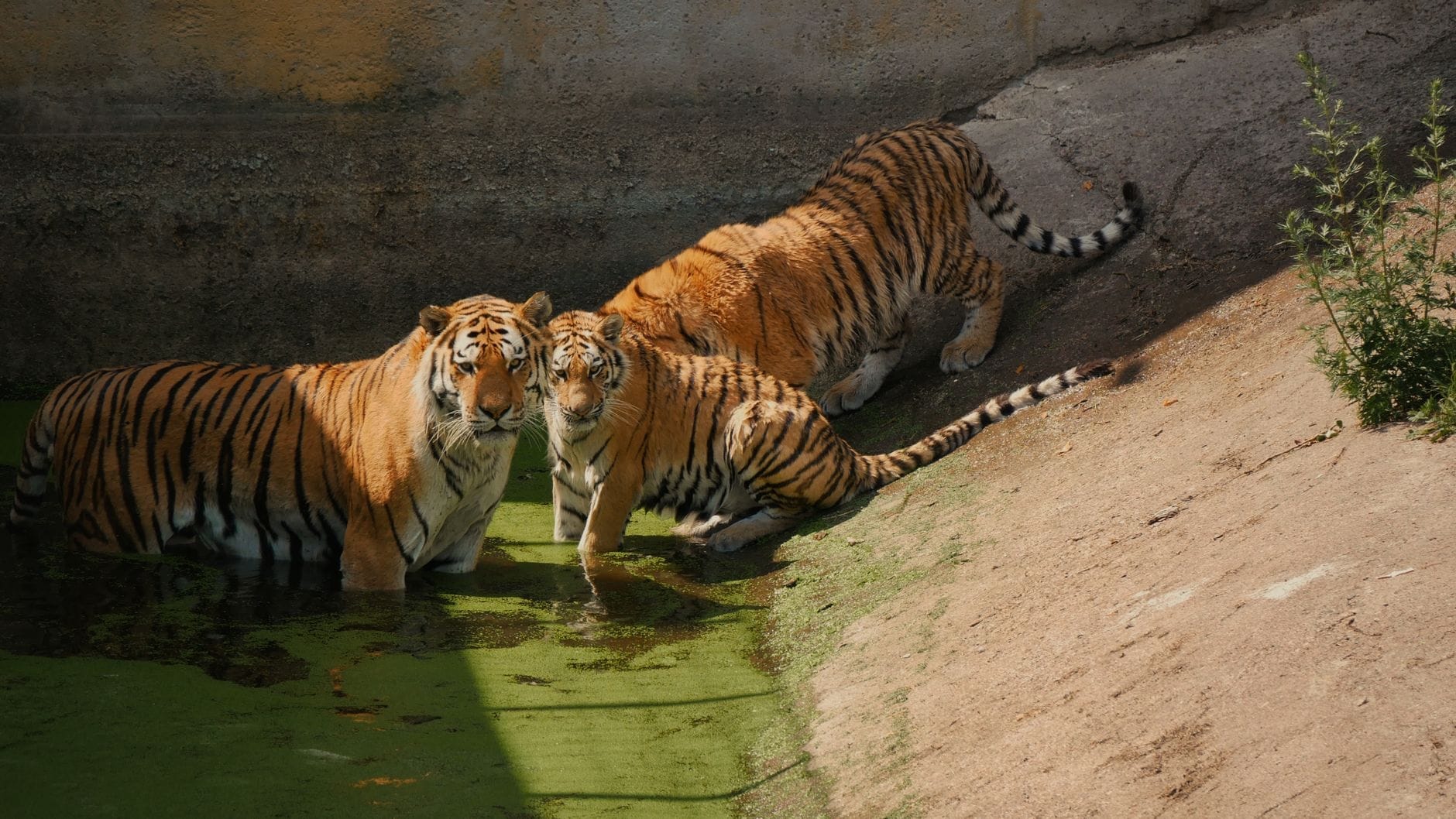
The Miejski Ogród Zoologiczny w Warszawie, known in English as Warsaw Zoo, is one of the oldest continuously operating zoological gardens in Poland. Founded by city resolution on 14 June 1927 and opened to the public on 11 March 1928, it now stretches across roughly 40 hectares of Praga-Północ, the historic right-bank district just across the Vistula from the city centre. The grounds hold more than 500 species of animals, with population figures cited by different sources ranging widely, so expect a collection that is substantial rather than encyclopedic by international standards.
What makes this zoo genuinely interesting to an adult visitor is not the size of the collection but the weight of history embedded in the site. During World War II, zookeeper Jan Żabiński and his wife Antonina used the bombed-out zoo grounds and the director's villa to hide Jewish refugees fleeing the ghetto, saving hundreds of lives. That story has been documented in scholarly accounts and popularized by Diane Ackerman's book 'The Zookeeper's Wife.' The villa still stands on the grounds, lending the whole place a layer of meaning that most family attractions simply do not have.
💡 Local tip
Ticket prices change seasonally: April through September costs more than the October through March rate. Check zoo.waw.pl for current pricing before you go, as figures are updated periodically.
The Layout and What You Will See
A wide central path runs north to south through the zoo, making orientation straightforward even without a map. From it, smaller paths branch toward distinct zones: ungulates and large grazing animals on one side, big cats and primates in dedicated enclosures, a polar bear area, aviaries, and reptile houses. The landscaping is mature, with old trees providing real shade in summer, and the paths are broad enough to feel comfortable even on a busy weekend afternoon.
The animal highlights shift with the season. In warmer months, outdoor enclosures are fully active and big cats move freely in their external runs. On cooler autumn days, some species retreat indoors, but the indoor tropical and reptile houses become more appealing to visitors who would otherwise rush past them. The elephant area, giraffe enclosure, and primate sections consistently draw the largest clusters of visitors, so if you want a clear view of those animals, arrive early or plan to be patient.
The zoo is not compact. A leisurely full circuit covering most major enclosures takes between two and a half and four hours. If you are visiting with young children who stop at every enclosure, budget the full four hours. Comfortable walking shoes matter here: paths are mostly level and paved, which also means the zoo is reasonably navigable with a stroller or wheelchair, though specific accessibility infrastructure beyond level terrain is not comprehensively documented by the zoo in English.
Tickets & tours
Hand-picked options from our booking partner. Prices are indicative; availability and final rates are confirmed when you complete your booking.
Warsaw Zoo Mobile Self-Guided Tour
From 50 €Instant confirmationWarsaw Zoo entrance ticket
From 10 €Instant confirmationPub crawl in Warsaw
From 28 €Instant confirmationFree cancellationWarsaw Museum of Modern Art entrance ticket
From 8 €Instant confirmation
How the Experience Changes by Time of Day and Season
Mornings are the most rewarding time to visit. The zoo opens daily at 9:00, and for the first hour or two, visitor numbers are low, animal enclosures are freshly serviced, and many species are at their most active before the heat of the day sets in. Big cats pace, primates are social, and the aviaries are noisy with morning calls. By 11:00 on a Saturday in July, the main paths begin to fill with families, school groups, and organised tours.
Summer (April through September) is peak season both for visitors and for the zoo's own extended hours: on weekdays the zoo typically closes around 18:00, and on Saturdays it stays open until 19:00. The light in late afternoon on a clear summer day is excellent for photography through glass enclosures because the low-angle sun reduces glare. In winter, closing times are significantly earlier than in summer (often around late afternoon), so a winter visit requires an early start if you want to see the full grounds without rushing.
Rain affects the experience meaningfully. Many of the most popular enclosures are fully outdoor, and a wet afternoon makes the larger animals less visible as they move to sheltered areas. On the other hand, the indoor houses become genuinely useful refuges, and the grounds take on a different, quieter atmosphere. If you are flexible on timing, a dry weekday morning in May or September offers the most comfortable conditions.
⚠️ What to skip
In winter, closing times are much earlier than in summer, often in the late afternoon. If you are visiting between November and February, arrive by noon at the latest to see the grounds at a reasonable pace.
The Żabiński Story: History Worth Knowing Before You Arrive
Jan Żabiński was appointed director of Warsaw Zoo in 1929, just a year after it opened. When the German occupation began in 1939, the zoo was bombed and most of its animals were killed, relocated to German zoos, or shot. Żabiński and his wife Antonina did not abandon the grounds. Instead, they used the empty enclosures and their own villa to conceal Jewish people escaping from the Warsaw Ghetto, among them academics, artists, and families. The Żabińskis were recognised as Righteous Among the Nations by Yad Vashem.
The director's villa is still on the zoo grounds and is identified for visitors. Standing in front of it with that knowledge in mind changes how the whole site feels. This is not a historical monument in the traditional sense, and the zoo does not turn it into a heavy memorial experience. But for a visitor who has read even a little about what happened here, the ordinary sight of families with children and animals grazing in the afternoon sun carries an unusual resonance.
If the wartime history of Warsaw is a significant part of your trip, the zoo visit pairs naturally with the POLIN Museum of the History of Polish Jews and the Monument to the Ghetto Heroes, both located in the Muranów district on the opposite bank. Together they provide a much fuller picture of what the occupation meant for Warsaw's Jewish community.
Getting There: Praga and the Right Bank
The zoo sits in Praga-Północ, the older working-class district on the east bank of the Vistula. The main entrance is at Ratuszowa 1/3, with a secondary entrance on Stefana Starzyńskiego Street near Gdański Bridge. Trams and buses connect the area to the city centre, with stops along both Ratuszowa and Starzyńskiego. The walk from Gdański Bridge itself takes only a few minutes once you cross the Vistula.
Visiting the zoo is a natural reason to spend a half-day in Praga, a district that rewards wandering. The neighbourhood has its own industrial character, a scatter of independent cafes and street art, and a growing cultural scene distinct from the polished centre. For more on what to do in the area, see the Praga neighbourhood guide.
ℹ️ Good to know
There are two entrances: the main gate at Ratuszowa 1/3 and a secondary entrance near Gdański Bridge on Stefana Starzyńskiego Street. If you are coming by tram from the city centre across Gdański Bridge, the secondary entrance may save you ten minutes of walking.
Photography, Practicalities, and Who Should Skip It
Photography is permitted throughout the grounds. Most enclosures have glass barriers rather than open bars, which means glare and reflections are the main obstacles. Early morning light from the east, which the zoo faces given its position on the right bank, is good for the outdoor enclosures. For glass-fronted indoor houses, turn off your flash entirely and press the lens hood gently against the glass to eliminate reflections.
There are cafes and snack kiosks within the grounds, though the selection is straightforward. Bringing your own water and snacks is practical, especially with young children. Picnic areas exist within the zoo, which makes this a genuinely affordable half-day out: the ticket price is low by European zoo standards, and you do not have to spend on food inside.
Travelers who are primarily interested in architecture, nightlife, or high-intensity cultural experiences should be honest with themselves that a zoo is a zoo. If your Warsaw itinerary is already full of the Royal Castle, the uprising museum, and a walk along Krakowskie Przedmieście, the zoo is probably not where your limited hours are best spent. It earns its place for families, for history-curious visitors interested in the Żabiński story, and for anyone who wants a quieter morning on the Praga side of the river. For itinerary help, the Warsaw with kids guide and the 2-day Warsaw itinerary both address where a zoo visit fits most naturally.
Insider Tips
- Arrive at 9:00 on a weekday, especially in summer. The first hour sees a fraction of the crowd you will encounter by mid-morning, and animals are at their most active before the heat builds.
- The secondary entrance near Gdański Bridge on Starzyńskiego Street is less known and less congested than the main Ratuszowa gate, and it is closer to tram stops on the bridge approach.
- Ticket prices drop in the October to March period: an adult regular ticket falls from 35 PLN to 30 PLN. A late October or early November visit is underrated, the autumn colours on the 40-hectare grounds are good, and the crowds are thin.
- The Żabiński villa on the grounds is a genuine historical site. Take a few minutes to read about the family before you visit rather than after: the context changes what you see.
- If you are visiting with children under 3, entrance is free. Family ticket categories for larger groups still tend to be the most cost-effective option compared with buying separate individual tickets.
Who Is Warsaw Zoo For?
- Families with children looking for a substantial half-day activity accessible from the city centre
- History-focused travelers interested in the Żabiński wartime story and the broader context of occupied Warsaw
- Visitors spending a day in Praga who want to pair a cultural neighbourhood walk with a structured attraction
- Budget-conscious travelers: at about 30 to 35 PLN per adult depending on season, this is one of Warsaw's most affordable major attractions
- Anyone who wants to experience the Praga right bank without the intensity of a museum-heavy itinerary
Nearby Attractions
Other things to see while in Praga:
- Koneser Center & Museum of Polish Vodka
Housed in a restored neo-Gothic vodka factory on Warsaw's east bank, the Polish Vodka Museum (Muzeum Polskiej Wódki) offers guided tours through five centuries of distilling history, original industrial architecture, and optional tastings. The Koneser Center complex surrounding it has become one of Praga's most compelling destinations.
- Neon Museum (Muzeum Neonów)
The Neon Museum (Muzeum Neonów) preserves over a hundred hand-crafted neon signs from communist-era Poland, now displayed inside the Palace of Culture and Science in central Warsaw. It is one of the few institutions in the world dedicated entirely to saving this form of socialist commercial art, and the juxtaposition of glowing mid-century signs inside Stalin's most iconic Warsaw building makes it one of the city's most visually striking cultural stops.
- Orthodox Cathedral of Saint Mary Magdalene
Built between 1867 and 1869, the Metropolitan Cathedral of Saint Mary Magdalene is Warsaw's first architecturally independent Orthodox church and the seat of the Polish Autocephalous Orthodox Church. Standing in the Praga district with its gleaming onion domes intact, it is one of the few Warsaw religious buildings to have survived World War II almost untouched.
- Praga Street Art
The Praga district on Warsaw's east bank hosts a notable concentration of murals and graffiti art, spread across pre-war tenements, former factory walls, and courtyards around ul. Ząbkowska. Free and accessible 24/7, it rewards slow walking and careful looking — especially in the flat, directional light of early morning or late afternoon.