Praga District Street Art: Warsaw's Open-Air Gallery on the East Bank
The Praga district on Warsaw's east bank hosts a notable concentration of murals and graffiti art, spread across pre-war tenements, former factory walls, and courtyards around ul. Ząbkowska. Free and accessible 24/7, it rewards slow walking and careful looking — especially in the flat, directional light of early morning or late afternoon.
Quick Facts
- Location
- Ul. Ząbkowska and surrounding streets, Praga-Północ, Warsaw
- Getting There
- Tram/bus stop: Park Praski; start near St. Florian's Cathedral
- Time Needed
- 1.5–3 hours for a self-guided walk; up to 4 hours with a guided tour
- Cost
- Free to view; paid guided walking tours available (prices vary by operator)
- Best for
- Photography, urban exploration, contemporary art, alternative culture
What Praga Street Art Actually Is
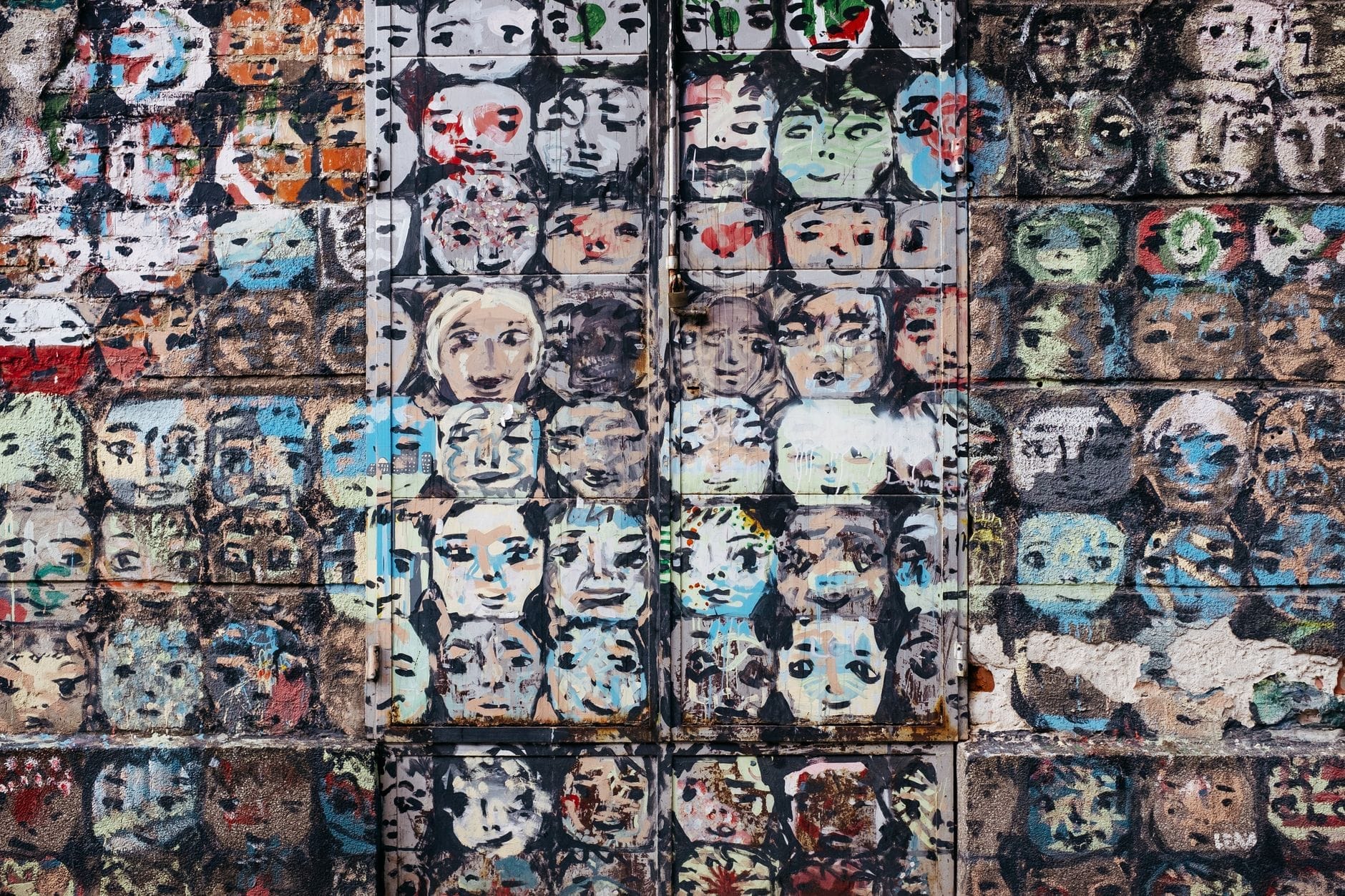
Unlike most gallery experiences, Praga Street Art is not a venue with opening hours or a map you pick up at a ticket desk. It is an open-air accumulation of murals, stencils, paste-ups, and large-scale paintings distributed across the Praga-Północ and Praga-Południe districts on the east bank of the Vistula River. The works appear on residential tenement facades, the sides of post-industrial warehouses, courtyard walls, and beneath railway overpasses. There is no entry fee, no turnstile, and no official curator.
What makes Praga specifically interesting is the architectural backdrop. Most of Warsaw west of the Vistula was destroyed during World War II and rebuilt from scratch. Praga, by contrast, retained much of its pre-1939 urban fabric, which means the murals here sit on genuinely old brickwork and worn plaster rather than on blank modernist panels. The combination of weathered 19th-century tenements and large-format contemporary painting creates a visual texture you will not find in the city centre.
ℹ️ Good to know
The core mural area includes ul. Ząbkowska and nearby streets around the former Koneser vodka factory complex. Start at Dworzec Wileński metro station and walk east on ul. Ząbkowska to pick up the trail.
The District's History and Why Art Ended Up Here
Praga spent decades carrying a reputation as Warsaw's rough side of the river. Its survival intact through the war was double-edged: the buildings remained, but so did poverty and neglect. Through the communist period and into the 1990s, Praga was associated with unemployment, petty crime, and crumbling housing stock. That reputation kept property prices low and, as a side effect, kept artists and subcultures in.
From roughly the 2010s onward, the district began a slow but visible transformation. Festivals such as Street Art Doping brought internationally recognised artists to Praga's walls. Lithuanian-born muralist Ernest Zacharevic, known for large-scale figurative work, painted in the area in 2015. The former Koneser vodka distillery, a sprawling 19th-century industrial complex on ul. Ząbkowska, was converted into a cultural and commercial centre that became an anchor for the broader regeneration of the street.
That regeneration is ongoing and uneven, which is part of what makes Praga worth visiting. You will walk past a meticulously restored facade and, ten metres further, a crumbling stairwell entrance with handmade stencils on its gate. For a broader sense of how Praga fits into Warsaw's post-war and post-communist geography, the communist Warsaw guide provides useful context on the city's divided urban history.
Tickets & tours
Hand-picked options from our booking partner. Prices are indicative; availability and final rates are confirmed when you complete your booking.
Warsaw Museum of Modern Art entrance ticket
From 8 €Instant confirmationMuseum of John Paul II and Primate Wyszyński entrance ticket
From 8 €Instant confirmationPub crawl in Warsaw
From 28 €Instant confirmationFree cancellationSafe and Convenient Luggage Storage in Warsaw Old Town
From 6 €Instant confirmationFree cancellation
What You Will Actually See: A Walkthrough
Ul. Ząbkowska is the logical starting point and the most commercially active street in Praga-Północ. The pavement here is wide enough to step back from a facade and look at murals properly. At street level, the mix of bars, small shops, and independent restaurants means you can break the walk without doubling back. The murals along Ząbkowska range from abstract geometric compositions to large figurative portraits; many are signed by the artist or carry a festival attribution painted in small text at the bottom corner.
The denser and more raw concentration of art is on the smaller streets to the north and south. Ul. Brzeska, historically one of Praga's most notoriously derelict streets, has been the site of both commissioned festival murals and informal tagging that coexists on the same buildings. The effect is layered and sometimes chaotic, which is aesthetically honest about what street art in a working-class urban neighbourhood actually looks like, as opposed to what it looks like in a curated public art programme.
Courtyards deserve particular attention. Many Praga tenements are built around internal courtyards, and some of the most striking work is on courtyard walls rather than street-facing facades. These spaces are generally accessible during daytime hours, but they are not public in the strict sense — they are entrances to residential buildings. Behave accordingly: do not linger, do not photograph residents, and treat access as something granted, not assumed.
The Koneser complex at the eastern end of Ząbkowska is a natural endpoint for the walk. The conversion has brought art installations, a craft beer hub, and event spaces into what were distillery buildings dating from the 1890s. The Koneser Center functions independently of the street art trail but is worth factoring into your itinerary, particularly if you want to stop for lunch or a drink mid-walk.
How the Experience Changes by Time of Day
Early morning, roughly 7–9am, is the quietest and most photogenic window. The streets carry almost no foot traffic, the light comes in flat and even from the east (since Praga faces west toward the river), and the colours on the murals read more accurately without the contrast of midday sun. The smell at this hour is bakery flour from the small shops opening along Ząbkowska and damp brick from overnight rain when the weather has been wet.
By mid-morning the street starts to fill with local residents going about ordinary business. This is actually the most interesting time to observe how the art sits inside daily life rather than apart from it — you will see a pensioner walking past a three-storey mural without a second glance, or a child waiting for a tram in front of a piece that would command a photograph in any gallery context.
Evening brings the bars on Ząbkowska to life, particularly on weekends. The street art becomes harder to see properly after dark, but the atmosphere shifts into something more social. If you are planning a photography-focused visit, morning is the clear choice. If you want to combine the art walk with Praga's bar culture, afternoon into evening works well.
💡 Local tip
Overcast days produce better mural photographs than direct sunshine. Bright midday sun creates harsh shadows across relief textures in old plasterwork, which can obscure detail in dark-toned paintings. A flat, cloudy sky acts as a natural diffuser.
Getting There and Getting Around
The most direct route from central Warsaw is the M2 metro line to Dworzec Wileński station. From the station exit, ul. Ząbkowska is a short walk east. Buses from the Old Town also serve Dworzec Wileński if you are starting from that part of the city.
Trams and buses stopping at Park Praski, slightly to the north, are used as the starting point for some organised walking tours of the district. If you are arriving from the Vistula riverfront on foot, you can cross via the Most Świętokrzyski bridge and reach Praga-Północ in around 20–25 minutes of walking, which gives you a useful sense of the river's role as a physical and cultural dividing line in Warsaw.
The walk itself requires comfortable shoes. Pavements in Praga are uneven in places — older cobblestone sections and patchy resurfacing are common on the smaller residential streets. The route between the main mural concentrations is flat and does not involve stairs, making it broadly accessible, though individual courtyards may have step access. For a fuller picture of moving around Warsaw, see the getting around Warsaw guide.
Guided Tours vs. Going Solo
A self-guided walk is entirely possible and free. The main limitation is that without context, you may walk past significant pieces without understanding who made them, under what circumstances, or what the neighbourhood history behind the wall actually is. Several operators run dedicated Warsaw street art walking tours focused on Praga, typically lasting two to three hours. These tours provide artist attribution, festival history, and commentary on the neighbourhood's social transformation that meaningfully enriches the visit.
Tour prices vary by operator and season; check individual booking platforms for current pricing. Tours are generally conducted in English and Polish, and many depart from Park Praski or Dworzec Wileński. Booking in advance is advisable on summer weekends when demand is higher.
⚠️ What to skip
Some online 'street art maps' of Praga are outdated. Murals are repainted, new works appear after festivals, and some pieces documented years ago no longer exist. Treat any fixed map as a rough guide rather than a definitive inventory.
Who Will Get the Most from This and Who Should Skip It
Praga Street Art suits people with genuine curiosity about urban culture, post-industrial regeneration, and contemporary art in context. It also works well as a half-day complement to other Praga attractions — the district has restaurants, a market, and the Koneser complex, so the street art walk integrates naturally into a longer visit to the east bank.
It is less suited to visitors with limited mobility, since the terrain is uneven and the best works are distributed across a walking radius of several hundred metres. It is also worth being honest that the visual quality of the work is inconsistent: significant commissioned festival pieces coexist with amateur tagging, and not every wall merits a detour. Visitors expecting something like a curated outdoor gallery will find Praga's street art scene messier and more improvised than that framing suggests. That messiness is, for many people, precisely the point.
If your primary interest is Warsaw's wartime history rather than its contemporary art scene, pair a Praga street-art walk with visits to the Warsaw Uprising Museum or the POLIN Museum on the west bank — both are a short tram or metro ride from Praga. If you are putting together a broader itinerary for the city, the things to do in Warsaw guide maps out how Praga fits relative to other neighbourhoods.
Insider Tips
- Walk ul. Brzeska all the way from Ząbkowska toward ul. Targowa rather than just dipping in from the main street — the further you go from the tourist-facing end, the rawer and more layered the walls become.
- The courtyards at the residential tenements on ul. Inżynierska and nearby streets contain work rarely photographed online. Push the gate gently if it is unlocked, look in, and move on if anyone appears to be bothered by your presence.
- Festival murals from Street Art Doping events are usually attributed in small painted text at the base of the work — year, artist name, and sometimes nationality. These attributions are easy to miss but worth finding before you photograph a piece.
- The Neon Museum has moved to the Palace of Culture and Science in Śródmieście (2025), but a Praga street-art walk still pairs well with that collection if you visit both in one day — communist-era neon signs and contemporary murals document different layers of Polish visual culture.
- If you are visiting in summer, the walk is significantly more comfortable before 10am. By early afternoon, south-facing walls accumulate heat and the streets on the smaller residential blocks have almost no shade.
Who Is Praga Street Art For?
- Photography enthusiasts looking for urban textures and large-format contemporary painting
- Travellers interested in neighbourhood-level social history and post-industrial regeneration
- Contemporary art followers who want to see work outside institutional gallery settings
- Visitors wanting a half-day itinerary on the east bank that combines art, food, and atmosphere
- People returning to Warsaw who have already covered the main historic sites and want something less visited
Nearby Attractions
Other things to see while in Praga:
- Koneser Center & Museum of Polish Vodka
Housed in a restored neo-Gothic vodka factory on Warsaw's east bank, the Polish Vodka Museum (Muzeum Polskiej Wódki) offers guided tours through five centuries of distilling history, original industrial architecture, and optional tastings. The Koneser Center complex surrounding it has become one of Praga's most compelling destinations.
- Neon Museum (Muzeum Neonów)
The Neon Museum (Muzeum Neonów) preserves over a hundred hand-crafted neon signs from communist-era Poland, now displayed inside the Palace of Culture and Science in central Warsaw. It is one of the few institutions in the world dedicated entirely to saving this form of socialist commercial art, and the juxtaposition of glowing mid-century signs inside Stalin's most iconic Warsaw building makes it one of the city's most visually striking cultural stops.
- Orthodox Cathedral of Saint Mary Magdalene
Built between 1867 and 1869, the Metropolitan Cathedral of Saint Mary Magdalene is Warsaw's first architecturally independent Orthodox church and the seat of the Polish Autocephalous Orthodox Church. Standing in the Praga district with its gleaming onion domes intact, it is one of the few Warsaw religious buildings to have survived World War II almost untouched.
- Warsaw Zoo
One of Poland's oldest and largest zoological gardens, Warsaw Zoo sits on the Praga side of the Vistula River across from the Old Town. Spread across 40 hectares of mature trees and winding paths, it houses over 500 species and carries a remarkable wartime history that sets it apart from most European zoos.