What to Eat in Warsaw: The Complete Polish Food Guide
Warsaw's food scene runs deeper than Old Town tourist menus. This guide covers the essential Polish dishes to try, where to find them, how much to pay, and which spots locals rate over the obvious tourist traps — from budget milk bars to modern bistros.
Plan and book this trip
Tools from our partner Travelpayouts help you compare flights and hotels. If you book through them, we may earn a commission at no extra cost to you.
Flights
Hotels map
TL;DR
- Warsaw's essential dishes include pierogi, bigos, żurek, gołąbki, and pączki — all widely available at very different price points.
- Milk bars (bar mleczny) are the best value for authentic Polish food — far better than most restaurants near the Old Town.
- Mid-range Polish restaurants charge roughly 30–70 PLN per main course; milk bars can feed you well for under 25 PLN.
- Polish cuisine is more vegetarian-friendly than its reputation suggests — mushrooms, cabbage, beetroot, and potato dishes are central, not an afterthought.
- Seasonal eating matters here: bigos and żurek hit differently in winter, while summer brings lighter fare and outdoor dining along the Vistula Boulevards.
The Dishes You Actually Need to Try
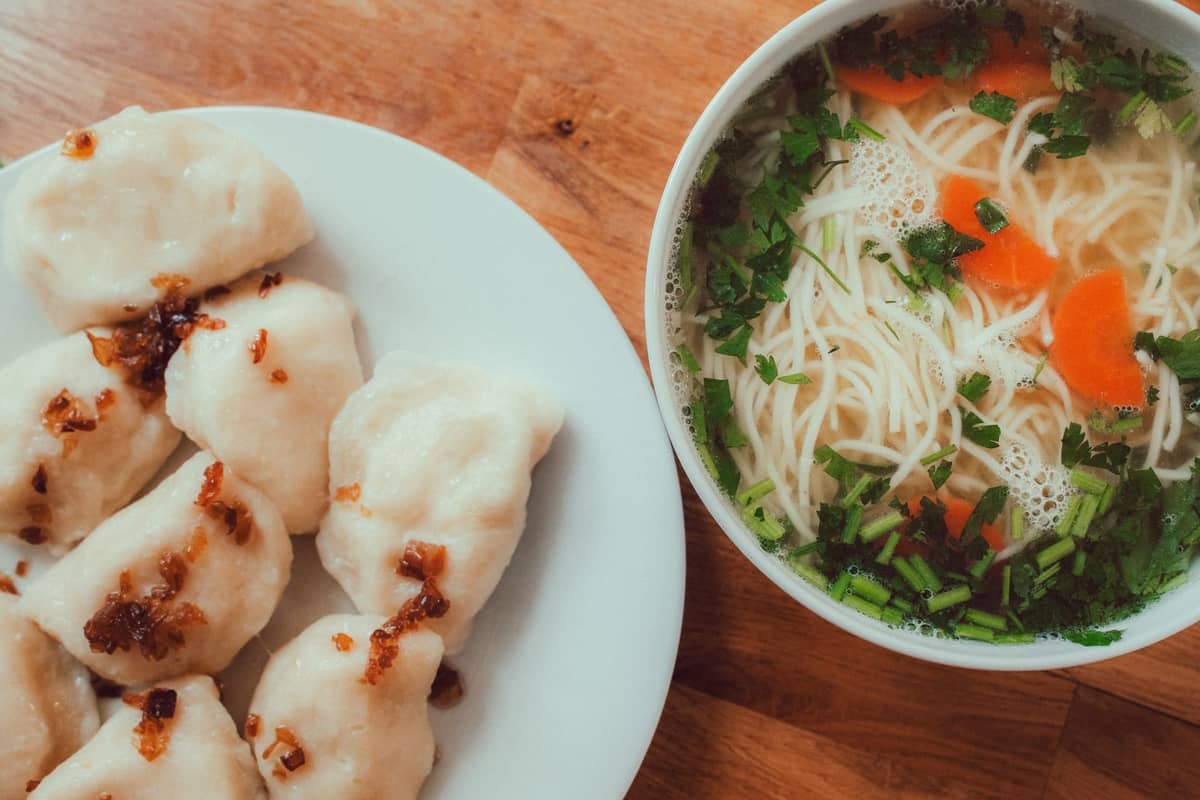
Warsaw restaurants serve the full spectrum of Polish cuisine, but a handful of dishes define what eating here is really about. Understanding what each one is — and what a good version looks like — saves you from settling for a mediocre tourist version when the real thing is a short walk away.
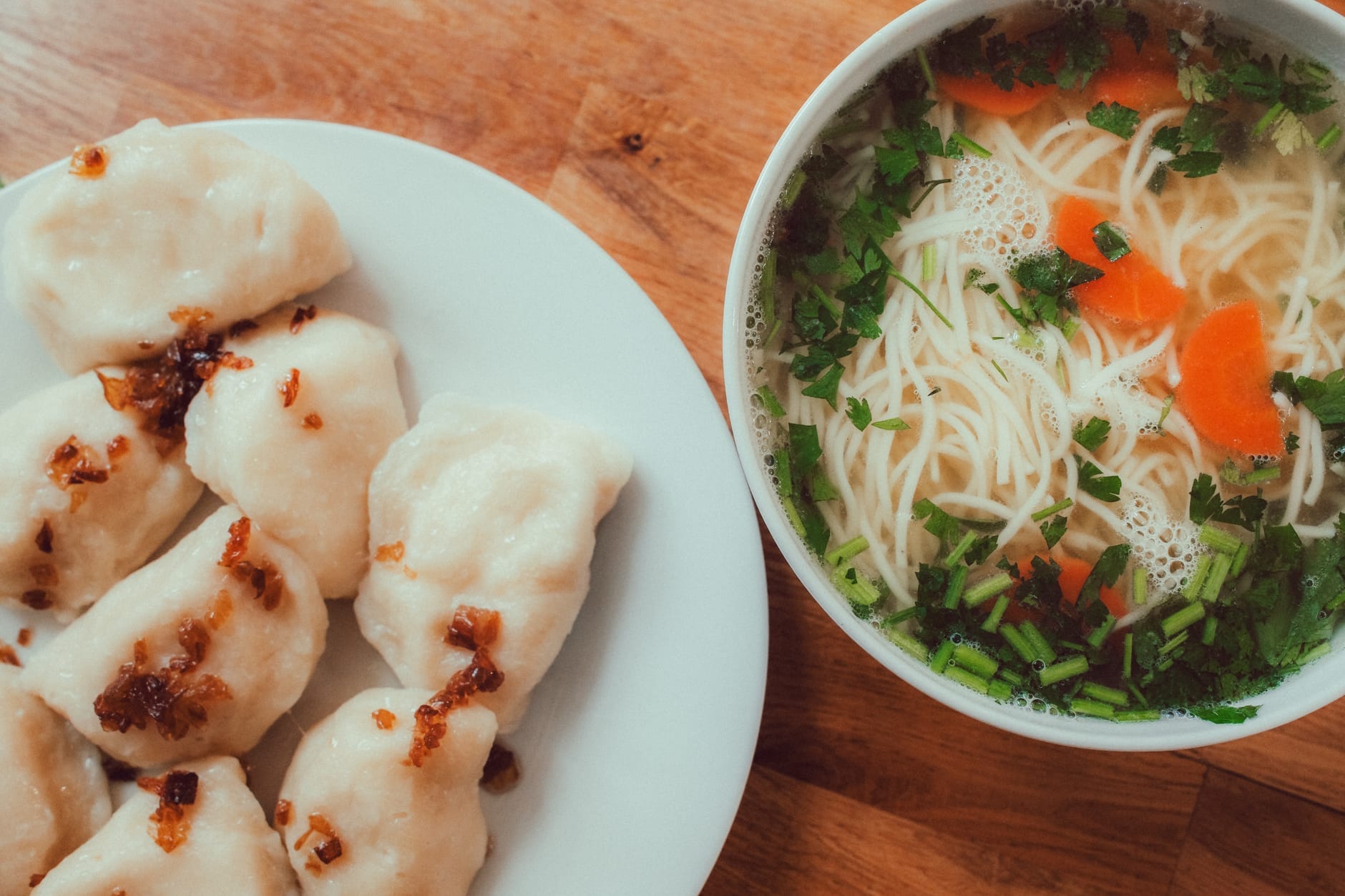
- Pierogi Unleavened dough pockets filled with ruskie (potato and cheese), meat and sauerkraut, or mushroom and cabbage. Sweet versions with fruit fillings also exist. Served with sour cream or fried onion. A good plate of 8-10 costs around 20-35 PLN at a mid-range spot.
- Żurek Sour rye soup with a sharp, fermented tang. Usually served with smoked or grilled white sausage (biała kiełbasa), a halved boiled egg, and sometimes served inside a hollowed bread roll. One of Warsaw's most distinctly local dishes.
- Bigos Often called hunter's stew: a slow-cooked combination of sauerkraut, fresh cabbage, various cuts of meat, dried mushrooms, and spices. The best versions are cooked over multiple days, which deepens the flavor considerably. Order it in autumn or winter — that is when cooks take it most seriously.
- Gołąbki Cabbage leaves stuffed with minced pork, rice, and onion, then baked and served in tomato sauce. Hearty, inexpensive comfort food that rarely disappoints.
- Pączki Polish doughnuts filled with rose-hip jam or custard, glazed with icing sugar and dried orange peel. Warsaw has a particular claim on these — Cukiernia Strzałkowski on Świętojańska 15 in the Old Town is one of the most cited spots to try them.
- Zapiekanka An open baguette half topped with mushrooms, melted cheese, and ketchup — often described as Polish street pizza. Street food, not restaurant food. Inexpensive, filling, and best eaten standing up.
- Kiełbasa Grilled or smoked Polish sausage in several regional styles. Paired with mustard and bread at street stalls, or served with sides at sit-down restaurants.
ℹ️ Good to know
Warsaw has a specific local identity within Polish food culture. The city is historically associated with tripe soup (flaki), pork knuckle in jelly (nóżki wieprzowe w galarecie), pączki, and tall layered cream cakes. These are not just generic Polish dishes — they have a genuine Warsaw tradition behind them.
Where to Eat: From Milk Bars to Modern Bistros
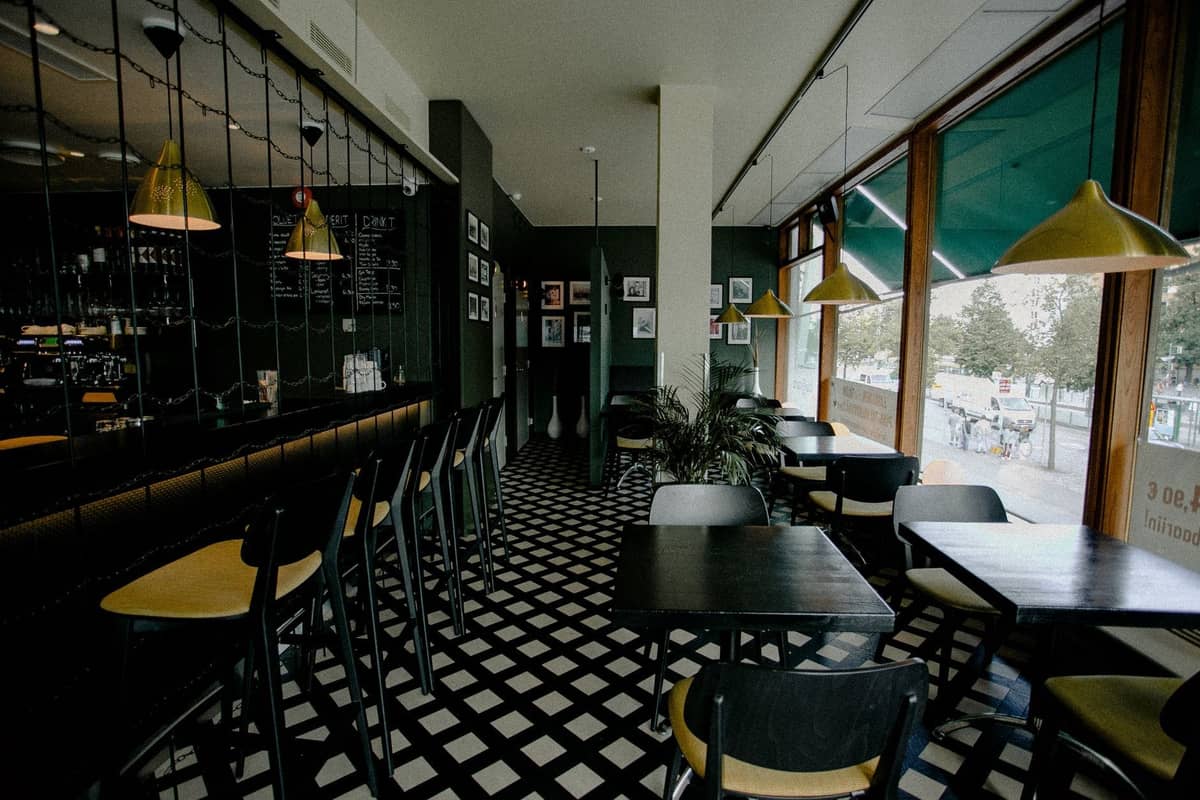
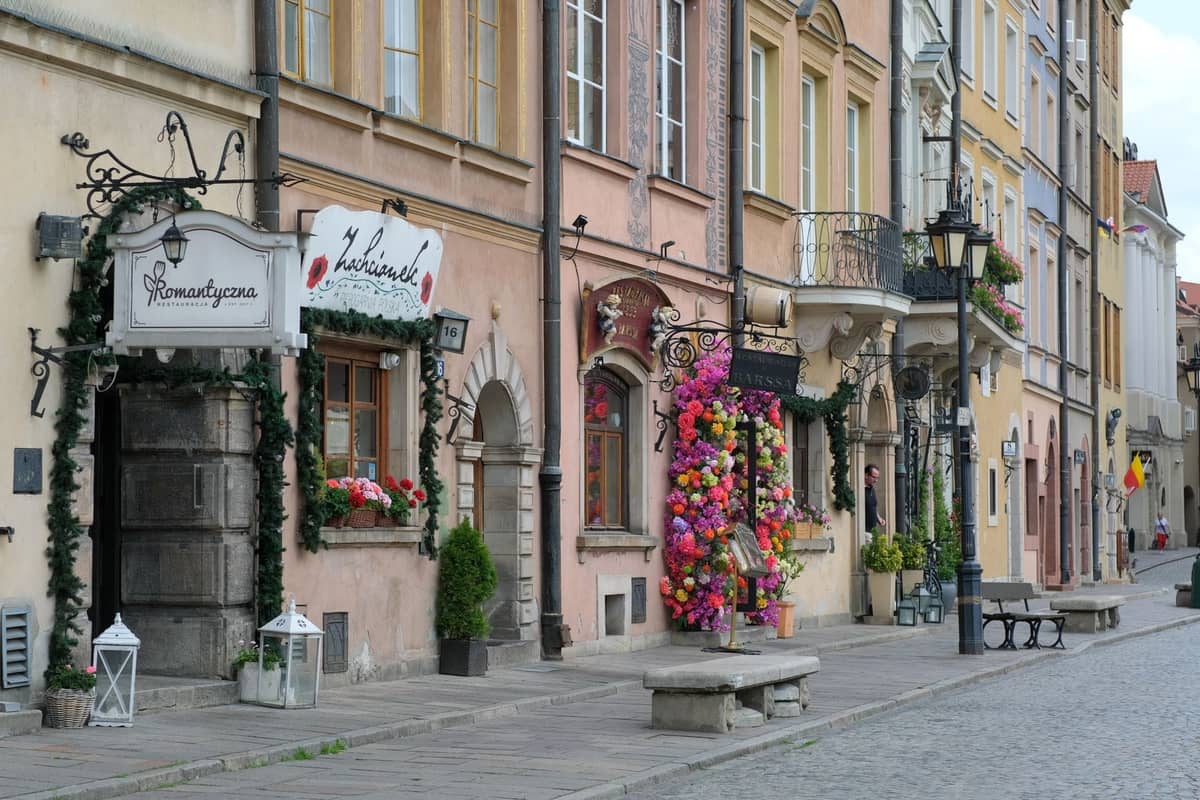
The single most useful piece of food advice for Warsaw is this: do not eat every meal in the Old Town. The tourist-facing restaurants around Rynek Starego Miasta charge a premium for an experience that locals rarely seek out. The better Polish food is in Śródmieście, Mokotów, and the neighborhoods that do not appear on the first page of travel blogs.
Milk bars, known locally as bar mleczny, are Warsaw's original canteen system. Originally subsidized by the state, many still operate on slim margins and serve traditional Polish dishes at prices that make everywhere else look expensive. Expect communal tables, laminated menus, and no-frills service. That is the point. For budget travelers in Warsaw, milk bars are non-negotiable. A full meal with soup, main course, and a glass of kompot (fruit drink) often comes to under 25 PLN.
- Zapiecek (Freta 18, Old Town) A reliable chain specializing in pierogi, bigos, kiełbasa, and żurek. Not the edgiest recommendation, but consistent quality and fairly priced for its Old Town location. Good for a first introduction to Polish staples.
- Patelnia Patera Polish cuisine with an Ashkenazi Jewish influence — a nod to Warsaw's prewar culinary history. Mid-range pricing (roughly $$). More interesting than the standard Polish menu you will find at most tourist-track restaurants.
- Stary Dom (Puławska 104/106) A traditional Polish restaurant in Mokotów, away from the tourist circuit. The Puławska location puts it in a residential area where the clientele is mostly local. Mid-to-upper range pricing, solid execution of classic dishes.
- Soul Kitchen Modern Polish and European dishes with contemporary presentation. Upper mid-range ($$-$$$). A better option if you want Polish ingredients done with more creative technique. Not traditional in the milk-bar sense, but worth it for a special meal.
- Cukiernia Strzałkowski (Świętojańska 15, Old Town) A bakery rather than a restaurant, but essential for pączki and the local specialty known as Sokół cake. Good for breakfast or an afternoon stop.
⚠️ What to skip
Restaurants immediately adjacent to the Old Town Market Square (Rynek Starego Miasta) frequently charge significantly more than comparable restaurants two streets away. The food is rarely better — you are paying for the view. If the menu is only in English with photographs, take that as a cue to walk further.
Street Food and Market Eating
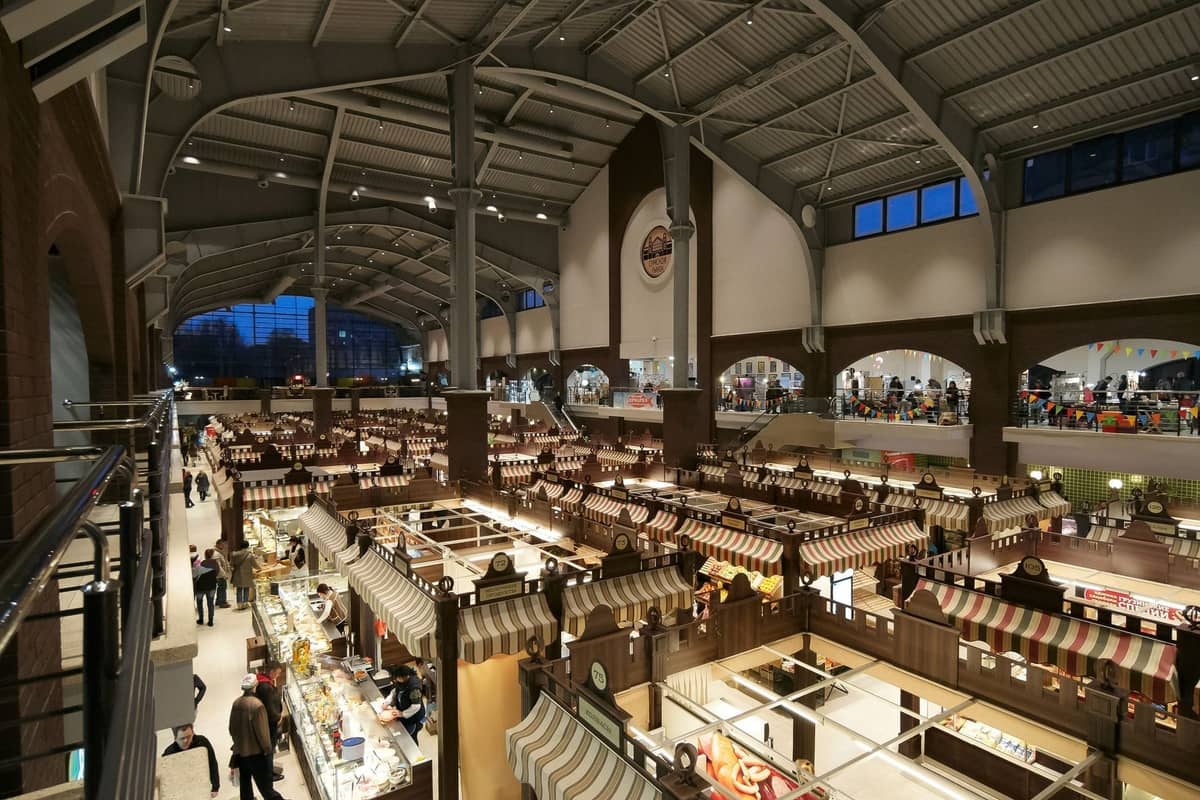
Warsaw's street food culture has expanded considerably in recent years, with food halls and market spaces adding to the traditional kiełbasa-and-zapiekanka street stall format. Hala Koszyki on Koszykowa Street is a renovated early 20th-century market hall that now houses around 30 food vendors and restaurants, covering everything from Polish staples to Japanese, Middle Eastern, and contemporary fusion. It draws a young local crowd and is genuinely good for a meal or a long Saturday afternoon.
The Praga district on the east bank of the Vistula has its own emerging food and drink scene centered partly around the Koneser Center, a converted vodka factory with restaurants, a vodka museum, and bar spaces. It is less central but worth the effort if you want to see a different side of Warsaw's food landscape.
✨ Pro tip
For zapiekanka, skip the versions sold in the Old Town and look for street stalls in Nowy Świat or around Plac Zbawiciela. The quality and price difference is noticeable. A good zapiekanka should cost around 10-15 PLN from a street vendor.
Vegetarian and Vegan Eating in Warsaw
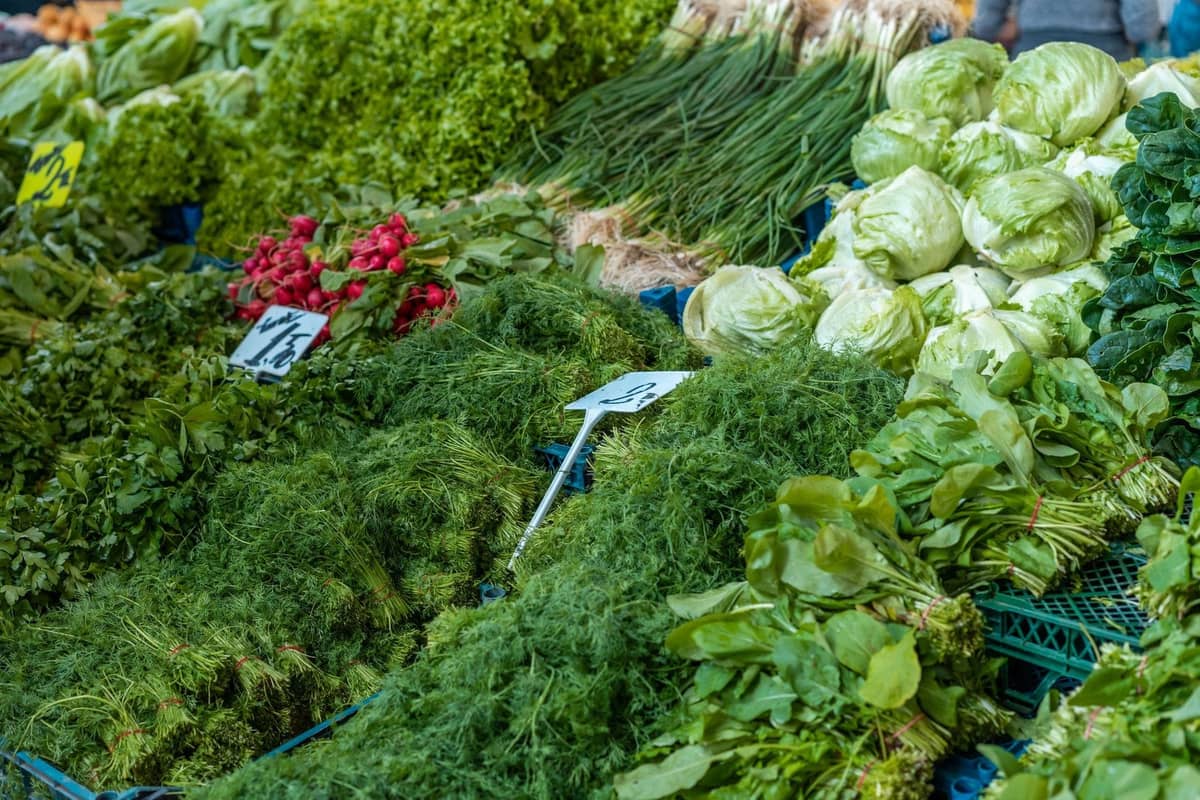
The persistent idea that Polish food is simply meat plus more meat is genuinely outdated. Traditional Polish cooking has always included substantial vegetable, mushroom, and dairy components — it just takes some navigation to find the right dishes. Pierogi ruskie (potato and cheese filled) and pierogi z kapustą i grzybami (sauerkraut and mushroom) are entirely vegetarian. Beet soup (barszcz), cold beetroot salad, cucumber in sour cream (mizeria), and mushroom-based sauces appear throughout standard menus.
Warsaw also has a developed modern vegetarian and vegan restaurant scene, particularly in the Śródmieście area around Plac Zbawiciela and Nowy Świat. Plant-based versions of Polish classics like żurek and bigos with mushrooms instead of meat are available at several restaurants. This is a genuinely good city for vegetarian travelers — better than its reputation suggests.
Eating by Season: What to Order and When
Warsaw has a temperate continental climate with cold winters and warm summers, and the food culture reflects this clearly. If you are visiting in the colder months, see our guide on Warsaw in winter for context on what the city is like — but from a food perspective, winter is actually an excellent time to eat here.
Autumn and winter are the seasons for bigos, żurek, grochówka (pea soup with smoked bacon), and pork-heavy roasted dishes. The cold amplifies why these dishes exist: they are warming, deeply savory, and built for low temperatures. Mulled beer (piwo grzane), flavored with ginger, raspberries, or spices and citrus, is a specifically Polish cold-weather drink that you will not find in many other countries. Worth trying once.
In summer, Warsaw eating shifts noticeably toward outdoor spaces. The summer in Warsaw brings river beach bars and terrace restaurants along the Vistula, lighter dishes, cold soups like chłodnik (cold beet soup with buttermilk), and an entirely different pace. Many restaurants open terraces from May onward.
💡 Local tip
Fat Thursday (Tłusty Czwartek) falls on the last Thursday before Lent, usually in February. It is the biggest pączki consumption day in Poland — bakeries sell out early and queues form outside the best spots by mid-morning. If you are in Warsaw during this period, it is worth the effort.
Practical Tips: Prices, Tipping, and Booking
Warsaw restaurants use the Polish złoty (PLN). As a rough guide: a main course at a milk bar runs 15-25 PLN, at a mid-range Polish restaurant 30-55 PLN, and at an upscale spot 60-120 PLN or more. These are indicative figures from recent visitor reports and should be treated as ballpark figures rather than fixed prices — Warsaw's restaurant costs have shifted in line with broader inflation.
Tipping is customary at sit-down restaurants, typically 10% of the bill for good service. The practice of saying the amount you want to pay when handing over cash (rather than waiting for change and then adding a tip separately) is common. For context on getting around between restaurants and neighborhoods, the Warsaw transport guide covers trams, metro, and ride-hailing options.
Booking ahead is only strictly necessary for popular spots on Friday and Saturday evenings. For milk bars, there is no booking — it is first come, first served. For food hall dining at places like Hala Koszyki, you generally just turn up. The full range of what Warsaw offers beyond just food is covered in the things to do in Warsaw guide if you are building a broader itinerary.
FAQ
What is the most traditional Warsaw food to try?
Warsaw has a few dishes that are particularly local: żurek (sour rye soup with sausage and egg), flaki (tripe soup), pączki (filled doughnuts), and pork knuckle in jelly. Żurek is probably the most accessible introduction to genuinely local Warsaw food culture, and you will find good versions at milk bars and mid-range restaurants across the city.
Are Warsaw restaurants expensive?
By Western European standards, Warsaw is still good value for food. A filling meal at a milk bar costs around 15-25 PLN. A sit-down meal with drinks at a mid-range Polish restaurant typically runs 60-120 PLN per person. Upscale restaurants can charge significantly more, but you are not obligated to go near them to eat well.
Where do locals eat in Warsaw, not tourists?
Locals use milk bars for everyday cheap eating, neighborhood restaurants in Mokotów, Żoliborz, and Praga, and food halls like Hala Koszyki for more casual meals. The Old Town is avoided by most Warsaw residents for regular dining — they treat it the same way New Yorkers treat Times Square restaurants.
Is Warsaw good for vegetarians?
Better than most visitors expect. Traditional Polish cooking includes many vegetable, mushroom, and dairy dishes. Pierogi with potato and cheese or sauerkraut and mushroom are vegetarian standards. Warsaw also has a solid modern vegan and vegetarian restaurant scene, particularly around the Śródmieście district.
What should I eat in Warsaw in winter?
Winter is actually an excellent time for Polish food. Focus on bigos (hunter's stew), żurek, grochówka (pea and bacon soup), and roasted pork dishes. Try piwo grzane (Polish mulled beer) at a bar. If you are there in February, do not miss Fat Thursday and the pączki queues.