Best Places to Eat in Warsaw: A Complete Food Guide
Warsaw's food scene runs deeper than pierogi and bigos. With about 10 Bib Gourmand restaurants in Warsaw in the 2026 MICHELIN Guide Poland and a growing wave of creative chefs redefining Polish cuisine, the city rewards anyone willing to eat beyond the Old Town tourist strip. This guide covers where to eat in Warsaw at every budget, neighborhood, and time of day.
Plan and book this trip
Tools from our partner Travelpayouts help you compare flights and hotels. If you book through them, we may earn a commission at no extra cost to you.
Flights
Hotels map
TL;DR
- Warsaw has 38 MICHELIN-listed restaurants in the 2026 Poland selection, ranging from starred fine dining to Bib Gourmand value picks.
- The smartest way to eat well for less: weekday lunch tasting menus at top restaurants run 85–319 PLN for 3–6 courses. See eating in Warsaw on a budget for more tactics.
- Milk bars (bar mleczny) are the city's most underrated institution: hot traditional meals for under 25 PLN.
- Modern Polish cuisine is the standout category right now, with chefs applying French technique to local, seasonal ingredients.
- Skip the tourist-facing restaurants around the Old Town Market Square. The better eating is in Śródmieście, Powiśle, and across the river in Praga.
Understanding Warsaw's Food Scene
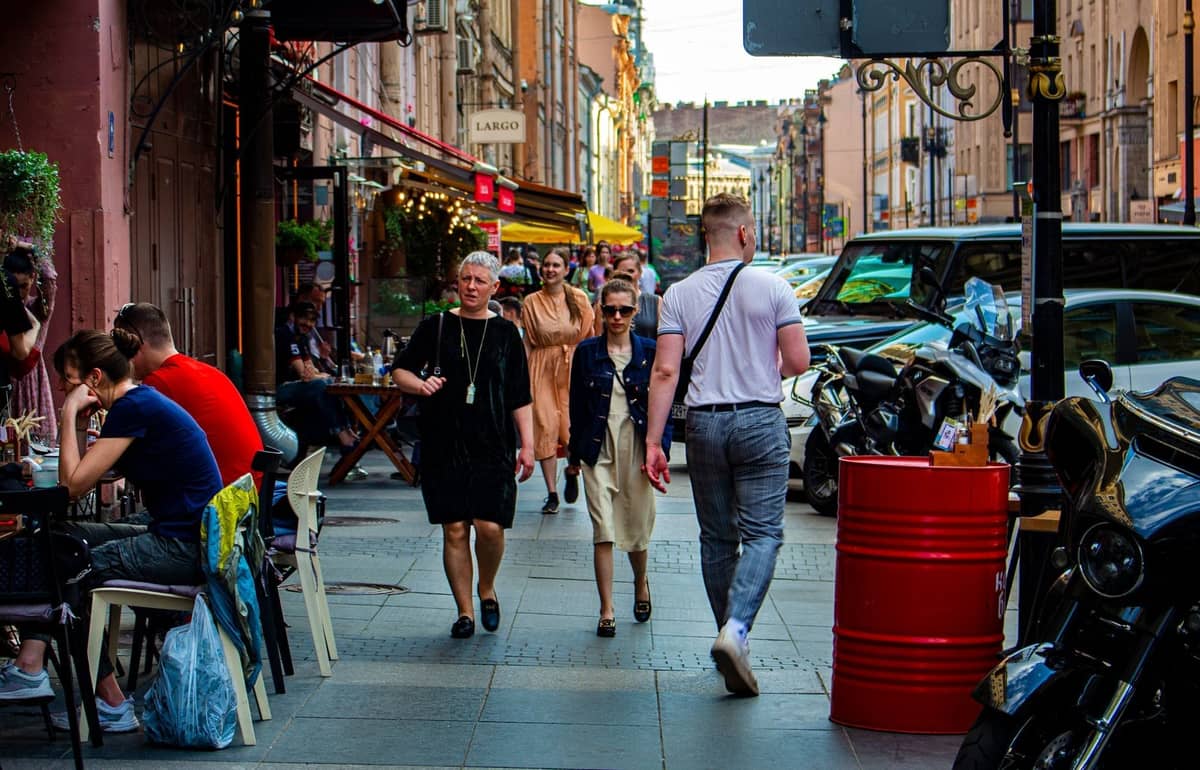
Warsaw restaurants have undergone a serious transformation over the past decade. The city is no longer just a stopover before Kraków — it is genuinely one of Central Europe's most interesting places to eat. The MICHELIN Guide Poland 2026 recognizes 196 restaurants overall, including starred venues, Bib Gourmand picks (quality cooking at a reasonable price), and recommended restaurants across multiple cuisines. For context on what to pair with a great meal, the Warsaw food guide covers the essential dishes every visitor should try.
The dominant trend is modern Polish cuisine: chefs working with fermentation, foraged ingredients, and regional products that most visitors have never encountered. Alongside that, the city has a mature Italian scene, a growing number of Japanese restaurants with serious credentials, and a café culture that rivals much larger European cities. What Warsaw lacks is the kind of generic tourist-trap restaurant saturation you find in Prague or Kraków's Rynek Główny. The traps exist, but they're easier to avoid.
⚠️ What to skip
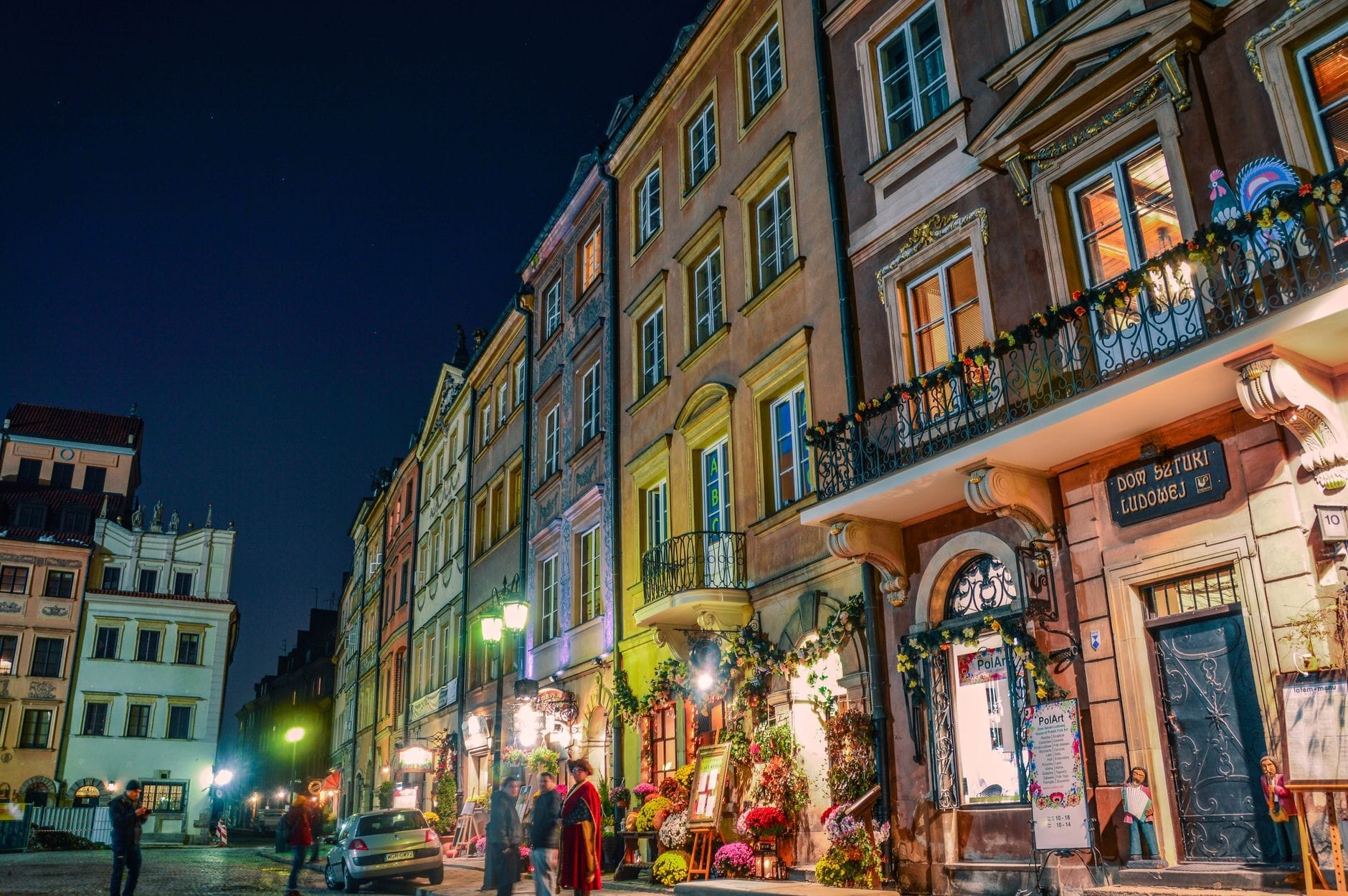
Restaurants directly on the Old Town Market Square and immediately around Krakowskie Przedmieście cater almost entirely to foot traffic. Prices are higher and quality is lower than equivalent spots three streets away. Budget an extra 10 minutes of walking and eat significantly better.
Fine Dining and Michelin-Recognized Restaurants
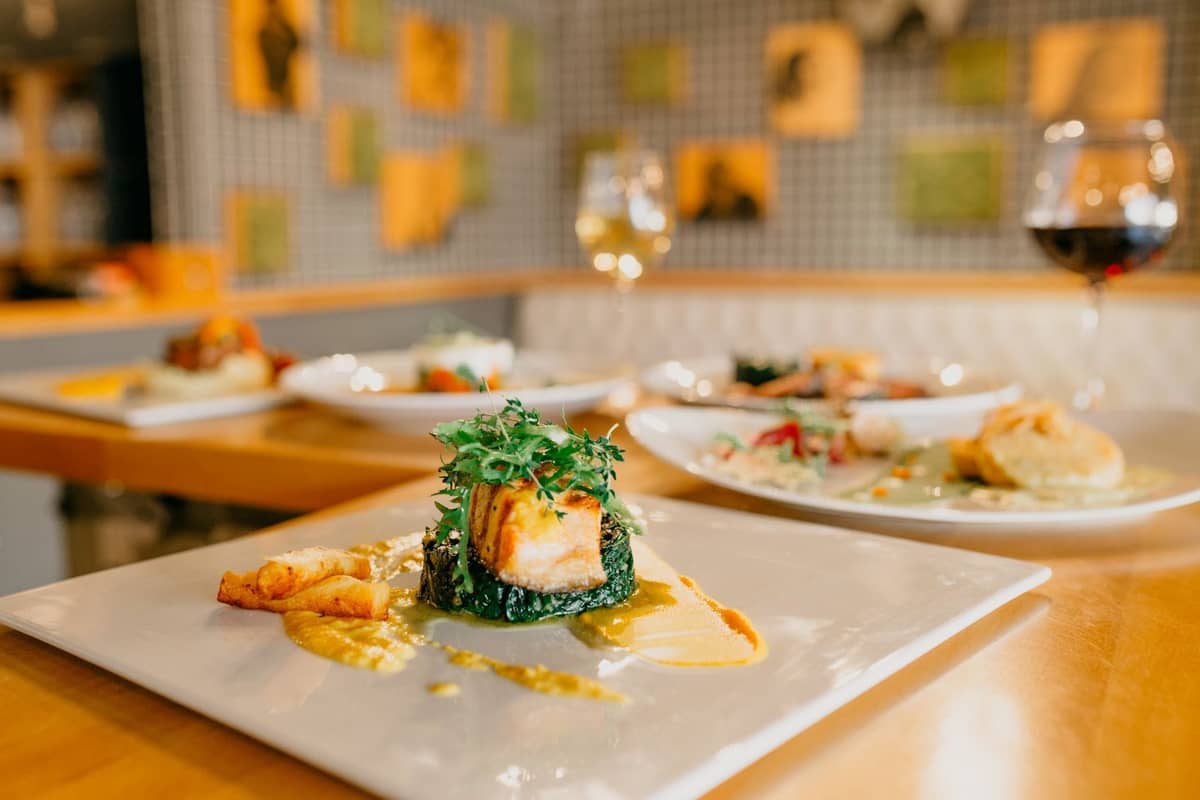
Rozbrat 20 is the clearest name to know at the top end: a MICHELIN-starred restaurant with a full tasting menu priced around 650 PLN (shorter menus from about 460 PLN; verify current prices at rozbrat20.com.pl). That is roughly 145 EUR at current exchange rates, which still compares favourably to starred restaurants in Western Europe. The cooking is rooted in Polish ingredients with contemporary technique, and the wine pairings are handled seriously. Reservations are essential and should be made at least a week in advance for weekend dates.
Other MICHELIN-recognized venues worth knowing: Kieliszki na Próżnej focuses on natural wine and creative small plates. Opasły Tom occupies a bookshop-adjacent space in the centre and blends Polish and European influences. WANDAL and Europejski Grill both appear in the MICHELIN selection and represent the wider depth of Warsaw's contemporary dining. Bez Gwiazdek (the name translates loosely as 'no stars', which is a deliberate wink) offers a 6-course menu around 350 PLN on weekdays.
✨ Pro tip
Many of Warsaw's best fine-dining restaurants offer weekday lunch tasting menus at a fraction of the evening price. Concept 13 in the Vitkac building runs a multi-course set for around 170–190 PLN on weekdays between 12:00 and 16:00. N31 does a three-course business lunch for about 95–110 PLN. If your schedule allows, this is the most efficient way to eat at the city's top tables.
Traditional Polish Food: Where to Find the Real Thing
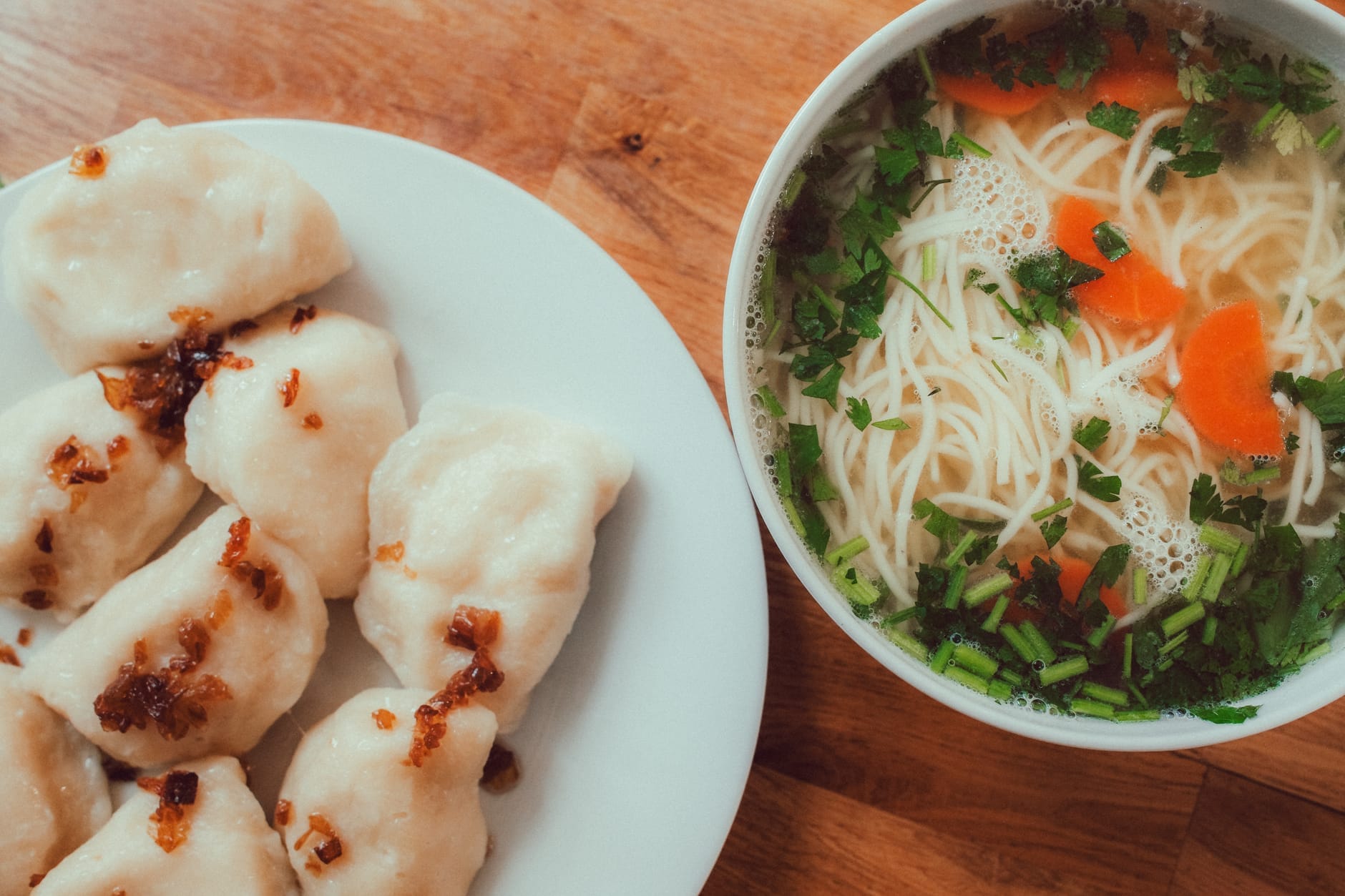
Milk bars (bar mleczny) are state-subsidized canteens that survived the communist era and have since become genuinely beloved by Varsovians of all ages. They serve hot, traditional Polish food at prices that seem impossible: borscht, pierogi, kotlet schabowy (breaded pork cutlet), and kopytka (potato dumplings) typically cost between 15 and 30 PLN per dish. Bar Mleczny Lindleya 14 and Mleczarnia Jerozolimska are both well-regarded options in the central districts. Expect a cafeteria-style queue, point-and-gesture ordering if your Polish is nonexistent, and no ambiance whatsoever. The food is the point.
For a more comfortable introduction to traditional Polish cooking, the food hall at Hala Koszyki is the best single destination in the city. This beautifully restored early-20th-century market hall in the Śródmieście district houses over 20 food vendors and restaurants, ranging from Polish cold cuts and cheese stalls to ramen, burgers, and craft beer. ĆMA, located inside Hala Koszyki, serves Polish comfort food late into the night and is one of the most reliable late-night options for proper food rather than fast food.
- Bar mleczny (milk bar) Cheapest hot meals in the city: 10–25 PLN per dish, cafeteria style, no reservations needed. Essential for budget travelers.
- Hala Koszyki food hall 20+ vendors in a renovated historic market hall. Good for groups with different tastes, or for grazing across several cuisines in one visit.
- Rozbrat 20 MICHELIN-starred modern Polish cuisine. Full tasting menu around 650 PLN; shorter menus from about 460 PLN. Book at least a week ahead for weekends.
- Bez Gwiazdek MICHELIN-recognized, 6-course menu around 290 PLN on weekdays. More relaxed atmosphere than Rozbrat 20.
- Concept 13 (Vitkac) Weekday 5-course set around 139 PLN, noon to 16:00. One of the best value fine-dining lunches in the city.
International Cuisine: Beyond Polish Food
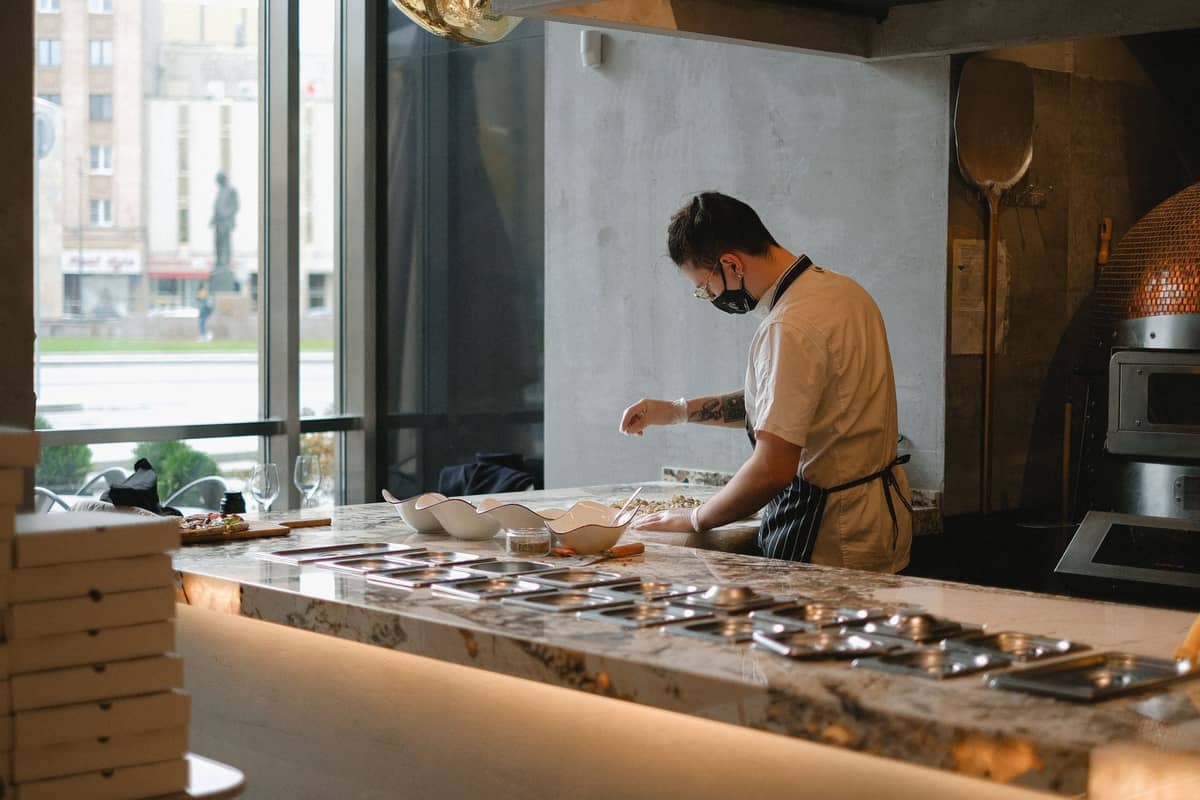
The misconception that Warsaw only does heavy Slavic food is worth dispatching directly. The city's international restaurant scene is strong across several categories. Italian is the most well-developed: Magari at the Puro Hotel is a practical example, with weekday lunch menus around 55–65 PLN for antipasti plus a main course. Japanese cooking has grown significantly in quality: Kiseki by Alon offers bento sets for about 60–90 PLN and ramen sets for about 45–55 PLN, with a weekday brunch menu starting closer to 20 PLN including coffee.
For a broader overview of Warsaw's food geography, the area around Plac Zbawiciela (Saviour Square) in the Mokotów-Śródmieście border zone is particularly dense with good restaurants and cafés. This neighbourhood is where many Varsovians actually eat on weekday evenings. It's walkable from the centre and significantly less crowded than the Old Town corridor. The Powiśle district, running along the Vistula riverbank, is another strong area, particularly in warmer months when terrace seating opens up along the Vistula Boulevards.
💡 Local tip
Warsaw has a serious vegan and vegetarian restaurant scene, which surprises many visitors. Multiple dedicated plant-based restaurants operate in the Śródmieście and Powiśle areas, and most modern Polish restaurants now include thoughtful vegetarian options on their menus. This is not a city where vegetarians need to survive on side dishes.
Neighborhood by Neighborhood: Where to Eat and Why
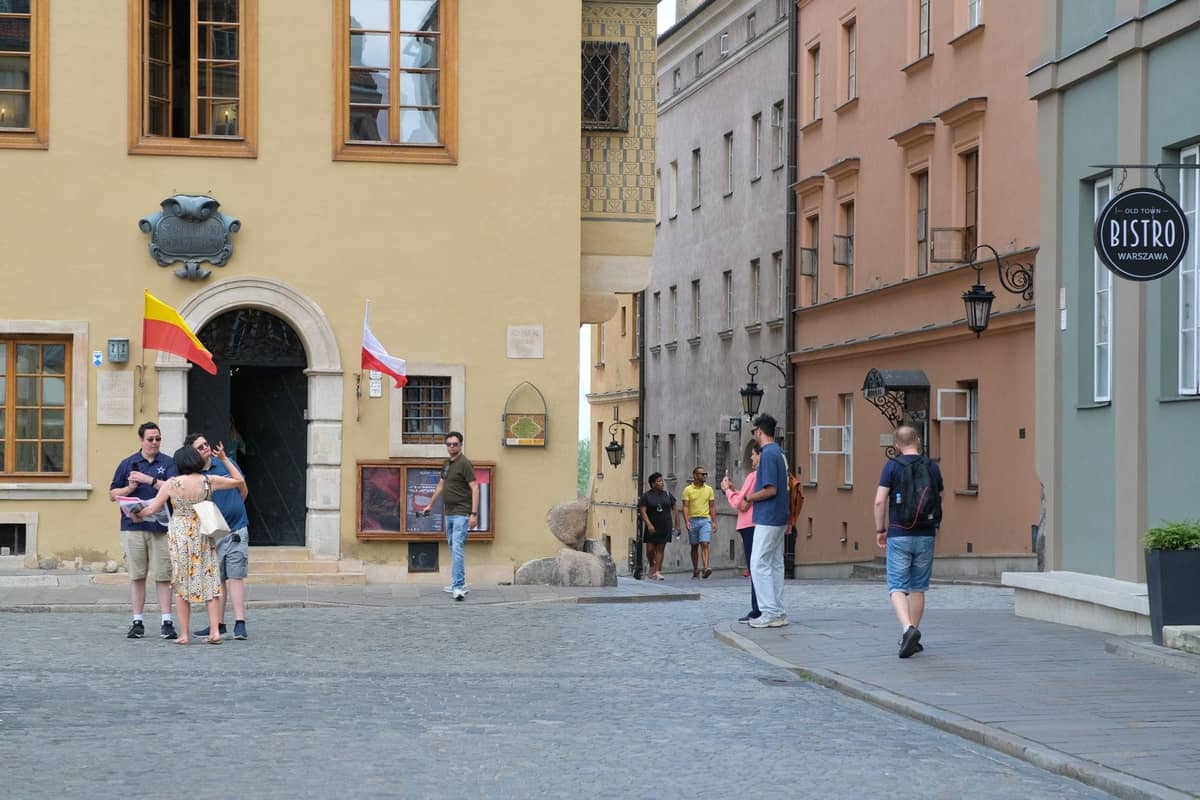
The eating landscape changes significantly depending on which part of Warsaw you're in. The Old Town has restaurants, but they are priced for tourists and the quality-to-price ratio is poor. One useful exception: a few wine bars and smaller bistros on the side streets off Freta and Mostowa streets hold up better than the main square options.
Śródmieście (the central district) is where most of the MICHELIN-listed restaurants are concentrated. This is also the area with the best lunch deals, since many restaurants here cater to office workers during the week. The Nowy Świat and Foksal street corridor has a strong density of cafés and mid-range restaurants.
Across the Vistula, Praga has developed a genuine food and bar scene over the past several years, centered on Ząbkowska and Targowa streets. The Koneser Center, a redeveloped vodka factory complex in Praga, hosts several restaurants and the Polish Vodka Museum, making it a useful combination destination for an evening.
- Old Town (Stare Miasto): Avoid the market square restaurants. A few wine bars on side streets are acceptable. Best used for a coffee or dessert stop, not a main meal.
- Śródmieście / Nowy Świat: The city's dining centre of gravity. Best weekday lunch deals, most MICHELIN-listed venues, widest range of cuisines.
- Powiśle / Vistula Boulevards: Strong in summer when terraces open. Good for casual dinners and drinks with a river view.
- Plac Zbawiciela area: Where Varsovians actually eat on weekday evenings. Dense with good mid-range restaurants and bars.
- Praga (across the river): More casual, younger crowd, lower prices. Koneser Center is the anchor destination.
Practical Tips: Booking, Tipping, and Timing
Top Warsaw restaurants fill up quickly on Thursday, Friday, and Saturday evenings. Rozbrat 20, Kieliszki na Próżnej, and similar venues require reservations days or weeks in advance for weekend dinner slots. Online booking platforms cover several well-known spots including Concept 13, while others must be reserved directly. The MICHELIN Guide's website lists official contact details and addresses for all recognized Warsaw venues, which is a reliable starting point for planning.
Tipping in Warsaw is customary but not compulsory. A standard tip at a sit-down restaurant is 10–15% for good service. The simplest method is to tell the server the total you want to pay when they bring the card reader, rather than leaving cash separately. At milk bars and cafeteria-style venues, tipping is not expected. For context on overall trip costs, the Warsaw budget guide breaks down daily spending across accommodation, food, and transport.
Outdoor terraces operate roughly from May through September, depending on weather. The Powiśle area and Vistula Boulevards get noticeably livelier from late spring onward. In winter, several restaurants lean into warming menus and extended wine lists, making the colder months a genuinely good time to eat in Warsaw if you're not dependent on outdoor seating. ĆMA at Hala Koszyki remains the most practical all-season, all-hours option in the city.
ℹ️ Good to know
All prices in Warsaw restaurants are in Polish złoty (PLN). At the time of writing, 1 EUR is approximately 4.25–4.45 PLN and 1 USD is approximately 3.9–4.1 PLN, though exchange rates fluctuate. Budget meals at milk bars run 15–30 PLN. Mid-range restaurant mains run 45–90 PLN. Fine-dining tasting menus run 340–450 PLN. Always verify current rates before budgeting.
FAQ
What are the best restaurants in Warsaw right now?
The most reliable benchmark is the 2026 MICHELIN Guide Poland, which lists 196 restaurants nationwide, including about 10 Bib Gourmand picks in Warsaw and roughly 38 MICHELIN-listed venues in the city across all categories. Rozbrat 20 is the clearest recommendation for fine dining with a MICHELIN star. For a wider range of quality options, Kieliszki na Próżnej, Opasły Tom, WANDAL, and Bez Gwiazdek are all MICHELIN-recognized. For more casual eating, Hala Koszyki food hall is the single best destination.
Is Warsaw food expensive?
By Western European standards, Warsaw is affordable. A full meal at a milk bar (bar mleczny) costs 15–30 PLN. Mid-range restaurant mains run 40–80 PLN. A 5 or 6-course tasting menu at a top restaurant is typically 290–450 PLN, which is comparable to a mid-range restaurant in many Western cities. The best value play is weekday lunch tasting menus at fine-dining spots, where prices drop significantly.
Where should I eat in Warsaw for traditional Polish food?
For the most authentic and affordable traditional Polish cooking, go to a milk bar (bar mleczny). Bar Mleczny Lindleya 14 and Mleczarnia Jerozolimska are well-regarded options in central Warsaw. For a more comfortable setting, Hala Koszyki has Polish food vendors alongside international options. For modern interpretations of Polish cuisine using traditional ingredients, Rozbrat 20 and Bez Gwiazdek are the top recommendations.
Do I need to book restaurants in Warsaw in advance?
For top-end restaurants (Rozbrat 20, Kieliszki na Próżnej, Concept 13), reservations for weekend evenings should be made at least a week in advance, sometimes more. Mid-range restaurants in Śródmieście can usually accommodate walk-ins on weeknights. Milk bars and Hala Koszyki require no reservations. OpenTable handles bookings for several well-known Warsaw venues.
What part of Warsaw has the best restaurants?
Śródmieście (the central district) has the highest concentration of quality restaurants, including most of the MICHELIN-listed venues. The Plac Zbawiciela area and Powiśle neighborhood are both strong for mid-range dining. Praga, across the Vistula, has a growing casual food and bar scene at lower prices. The Old Town is the weakest area for value: it has restaurants, but they are priced for tourists and rarely match the quality of equally priced spots in Śródmieście.