Where to Stay in Warsaw: Best Neighborhoods & Hotels Guide
Choosing where to stay in Warsaw shapes your entire trip. This guide breaks down every major neighborhood by atmosphere, transport links, price level, and who it suits best — so you can book with confidence.
Plan and book this trip
Tools from our partner Travelpayouts help you compare flights and hotels. If you book through them, we may earn a commission at no extra cost to you.
Flights
Hotels map
TL;DR
- Warsaw hotels cluster in several distinct zones: Śródmieście (City Centre) is the most practical base, while Old Town suits first-timers who want atmosphere close to the sights — see our things to do in Warsaw guide for context.
- Old Town is a UNESCO-listed rebuild, not original medieval architecture — beautiful, but pricier and more touristy than the rest of the city.
- Business hotels around the Palace of Culture and Science discount significantly on weekends when corporate guests leave. Good timing saves real money.
- Praga, on the east bank of the Vistula, is no longer the rough neighbourhood of its reputation — it's now a creative district with some of Warsaw's best street art and bars.
- All neighbourhoods listed here connect well via Warsaw's metro, tram, and bus network — read getting around Warsaw before finalising your base.
How Warsaw's Neighbourhoods Actually Work
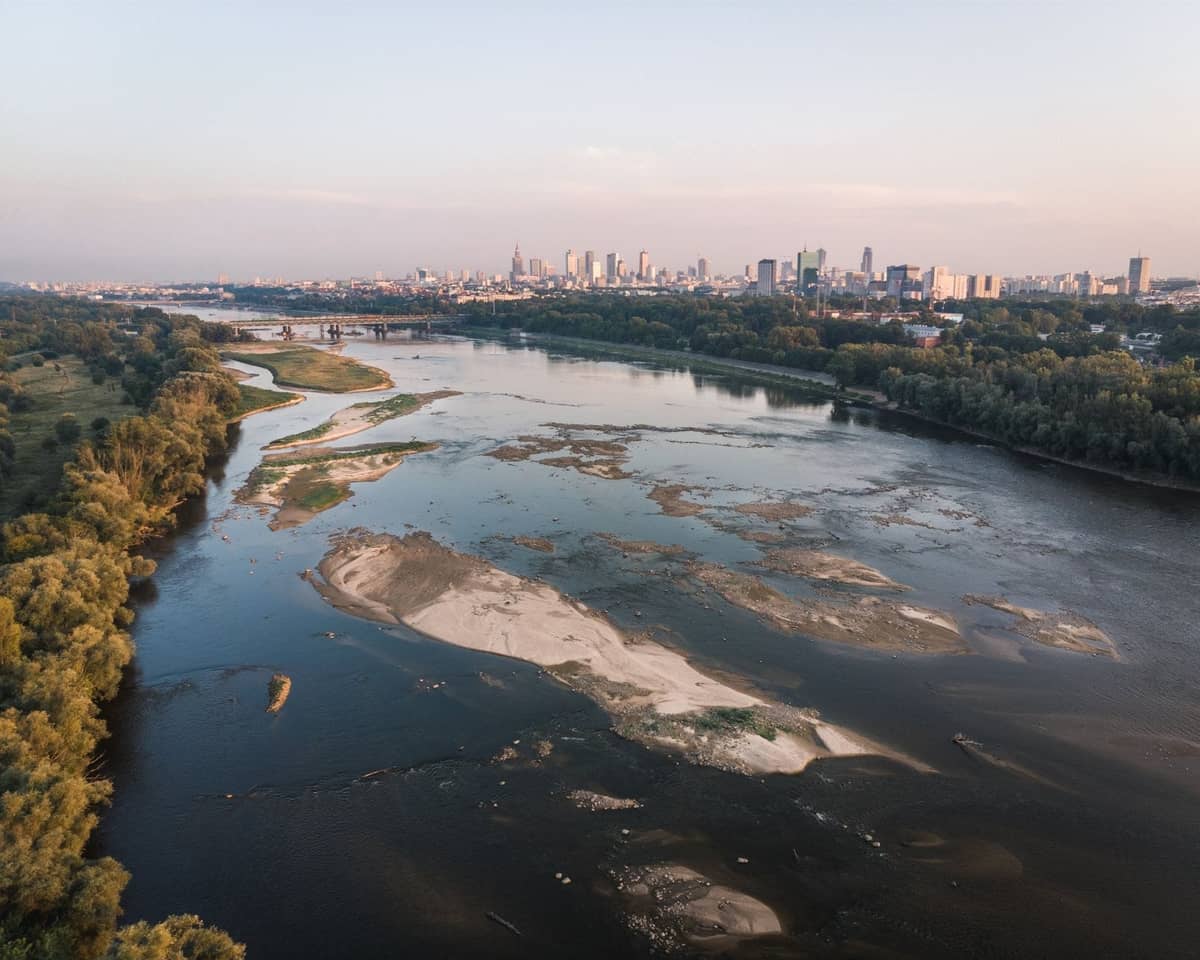
Warsaw is a sprawling capital of 1.86 million people spread across 517 km², but most visitors rarely need to leave a compact core. The city sits on the Vistula River, with the historic left bank holding the bulk of hotels and attractions, and the right bank (Praga) offering an increasingly compelling alternative. Warsaw's metro has two lines, and the tram network fills in the gaps efficiently. This means neighbourhood choice is less about proximity to sights and more about the atmosphere, price point, and pace of life you want.
One practical note before diving into specifics: Warsaw is a major business destination. Hotels in the central business district — around the Palace of Culture and Science and along Al. Jana Pawła II — fill Monday to Thursday with corporate travellers and empty out on weekends. If your trip includes weekend nights, you can find four-star rooms at three-star prices. If you're visiting on weekdays only, book early.
💡 Local tip
Warsaw prices are quoted in Polish złoty (PLN). As a rough orientation, budget accommodation starts around 150–250 PLN per night for a private room, mid-range hotels run 300–600 PLN, and upscale properties go 700 PLN and above. Always check current exchange rates before budgeting.
Śródmieście (City Centre): Best All-Round Base
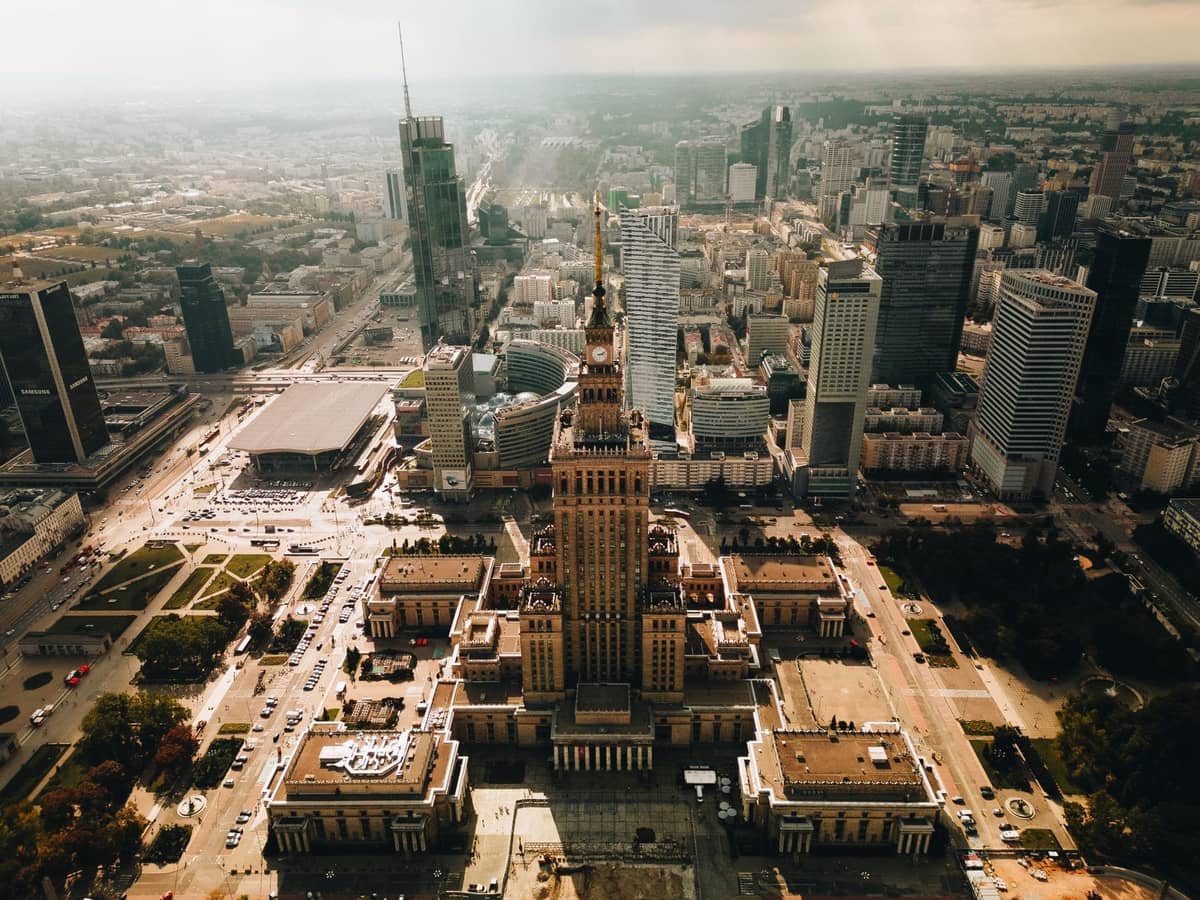
Śródmieście is Warsaw's central district and the most practical base for most visitors. It contains the Palace of Culture and Science, major shopping zones, the highest density of hotels at every price point, and direct metro access to both Old Town and the airport rail link. The atmosphere is urban and modern rather than quaint, which suits travellers who want efficiency over scenery from their window.
The streets worth knowing here are Nowy Świat and Krakowskie Przedmieście, which run south to north through the heart of the district and are lined with cafés, restaurants, and bookshops. Plac Zbawiciela (Saviour's Square) anchors the neighbourhood's café culture and is consistently one of the most lively spots on a warm evening.
- Best for First-time visitors, business travellers, anyone wanting maximum transport flexibility
- Price level All ranges available; business hotels discount heavily on weekends
- Transport Metro lines M1 and M2, extensive tram and bus routes, central railway station (Warszawa Centralna) within walking distance
- Drawback Less atmospheric than Old Town or Powiśle; some streets feel corporate rather than characterful
Old Town (Stare Miasto): Atmosphere With a Catch
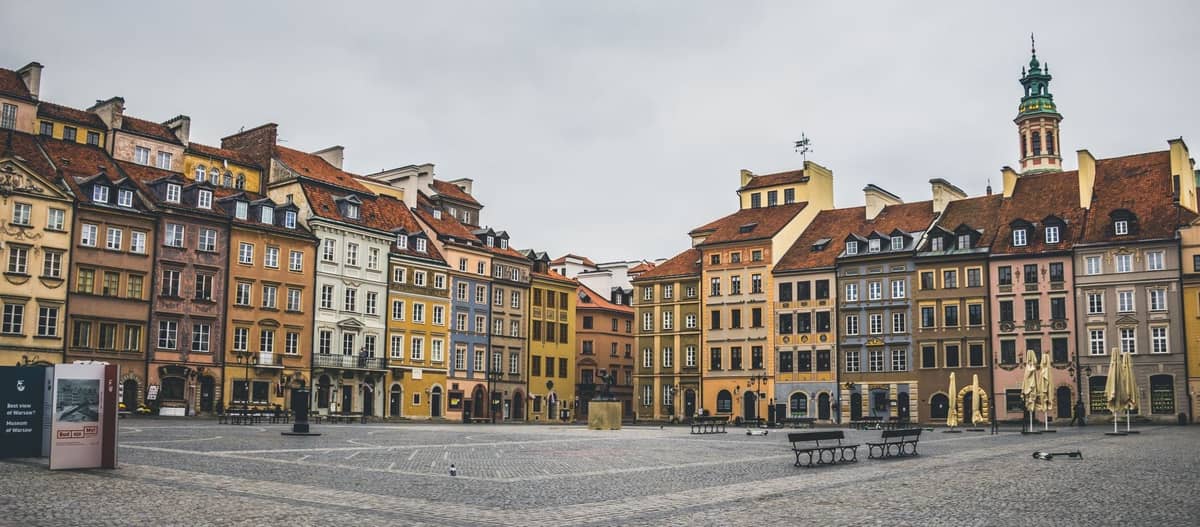
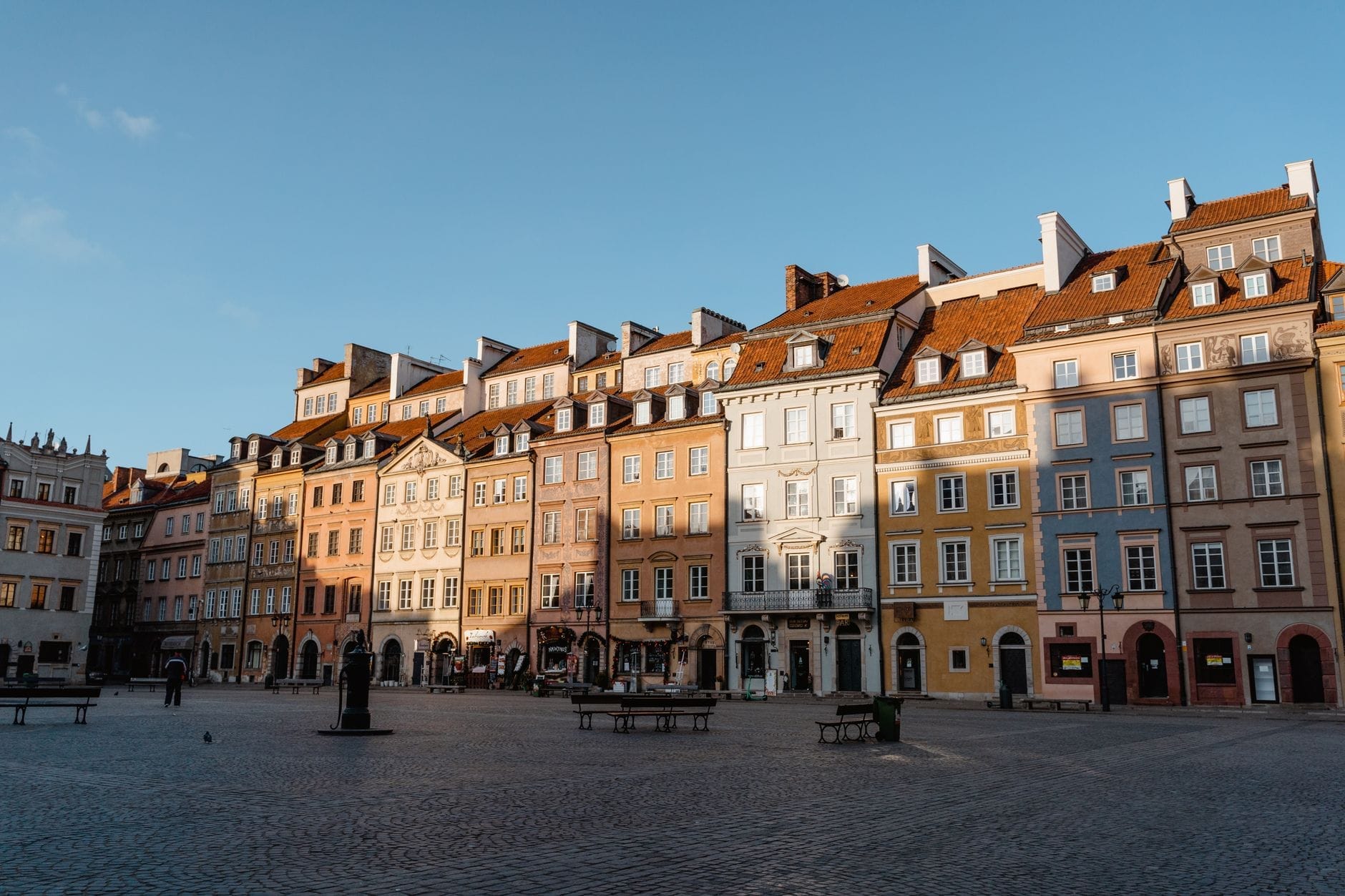
Warsaw's Old Town is the most immediately impressive part of the city, and it comes with a significant caveat: almost everything you're looking at was rebuilt from scratch after WWII, when the city suffered near-total destruction. The reconstruction followed historic plans so faithfully that UNESCO added it to the World Heritage List in 1980 — but it's worth knowing you're walking through a 20th-century project, not medieval stonework. The Royal Castle, Old Town Market Square, and the Barbican are all reconstructions, and they're genuinely beautiful ones.
Staying in Old Town puts you on top of the main tourist circuit. That's ideal for families with young children or visitors on a single night who want everything walkable. The downside is price: restaurants and cafés here charge a premium for the address, and the area thins out after the sightseeing crowds leave in the evening. For dinner and nightlife, you'll likely be walking or taking a tram to Śródmieście or Powiśle anyway. Hotel supply is also limited compared to the city centre, so options book up faster in peak summer months (June through August).
⚠️ What to skip
Restaurants lining the Old Town Market Square target tourists and price accordingly. Walk one or two streets back from the square and prices drop noticeably. Locals rarely eat on the main square itself.
Powiśle: The Neighbourhood Locals Recommend Most
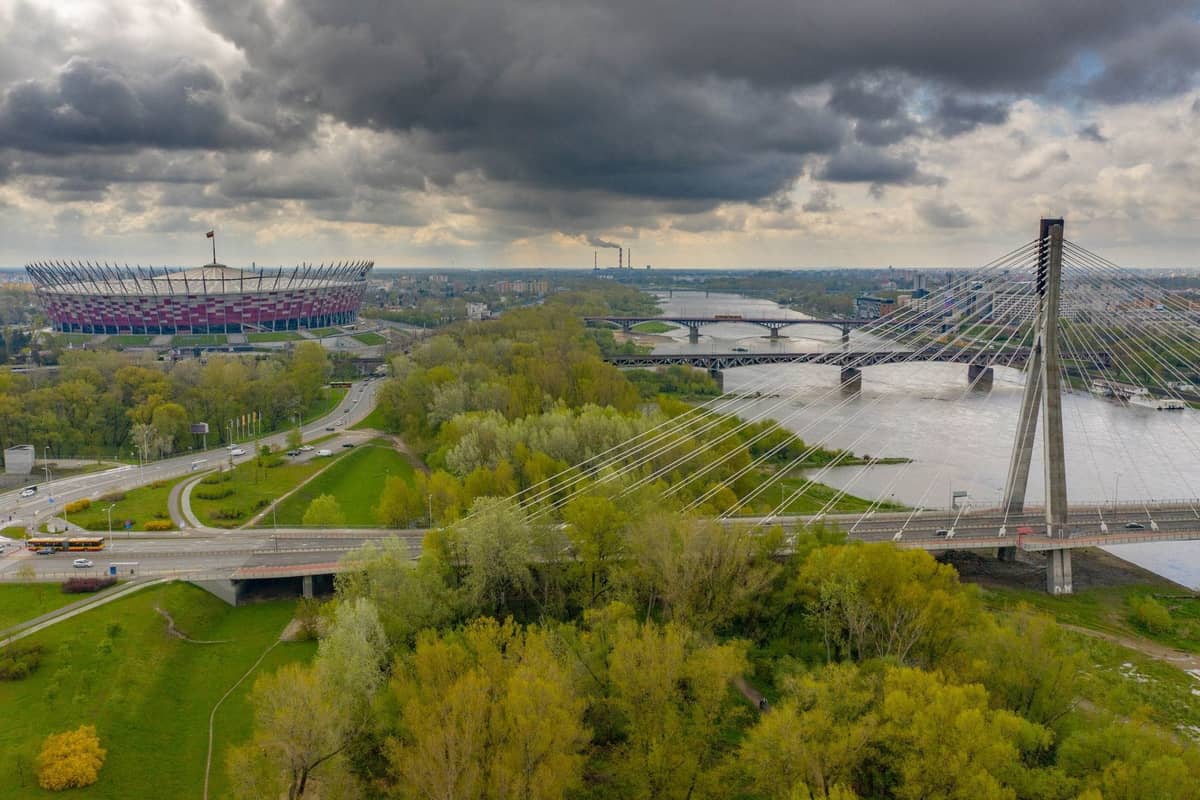
Powiśle sits between Old Town and the Vistula riverbank, sloping down from Śródmieście toward the water. It's been transformed over the past decade from a quiet backwater into one of Warsaw's most appealing residential zones. The Vistula Boulevards run along its edge, giving easy access to the riverfront parks, beach bars in summer, and the Copernicus Science Centre — one of the best family attractions in the city.
What makes Powiśle work as a base is its combination of central location with a calmer, more residential feel. You can walk to Old Town in 15 minutes, reach the city centre by tram in under 10, and be on the riverbank for a morning run in five. Hotels here tend to be smaller boutique properties rather than large chains. The trade-off is a slightly thinner selection, and the hillside geography means some walking between the upper and lower parts of the neighbourhood.
Wola: Warsaw's New Business District
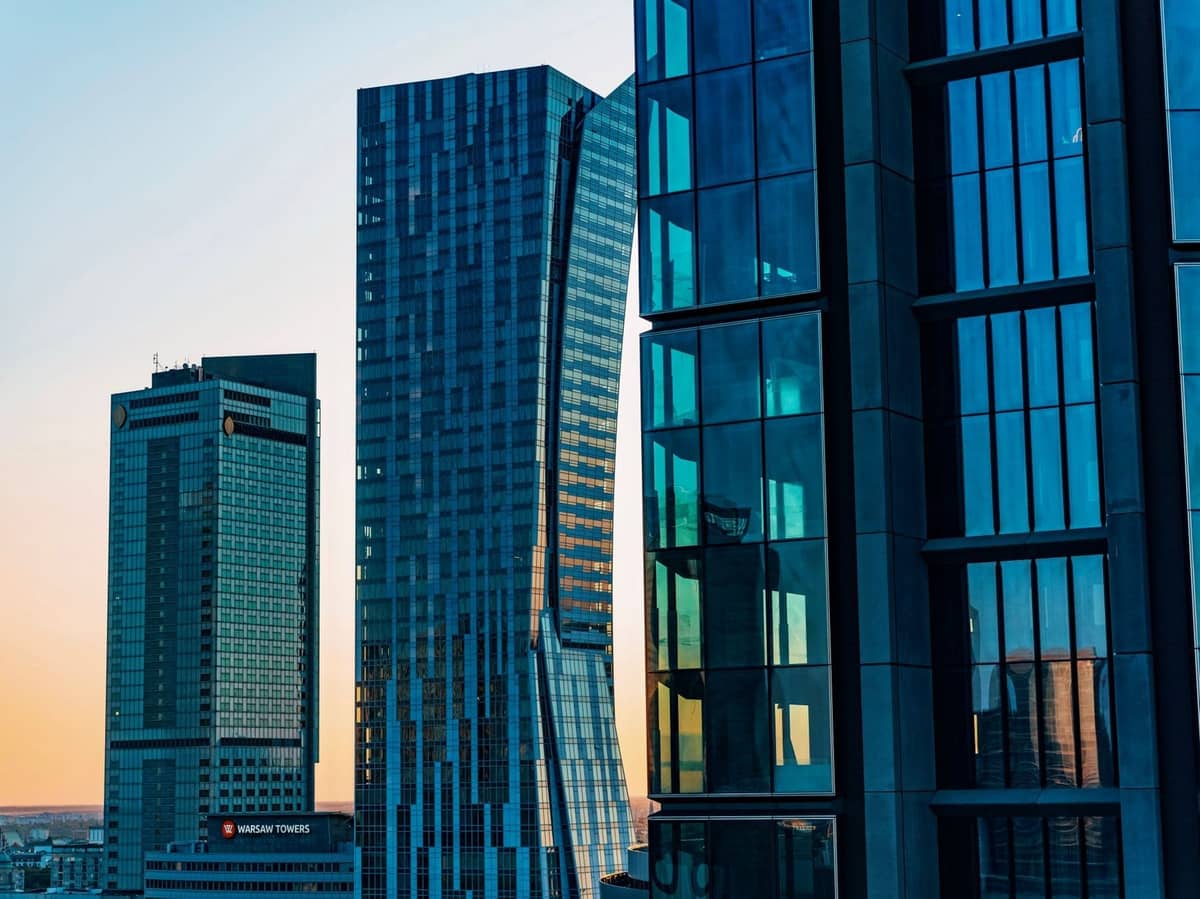
Wola lies west of the city centre and has undergone the most dramatic transformation of any Warsaw district in recent years. It was historically a working-class industrial area and the site of some of the most brutal events of World War II. Today, it's packed with glass office towers, the Varso Tower (one of the tallest buildings in the EU), and a growing number of hotels catering to business travellers who prefer not to commute from the centre.
Metro line M2 runs directly through Wola, connecting it to the centre in around 10 minutes. The neighbourhood suits travellers attending conferences or meetings in the business district, and it works reasonably well as a general base given the transport links. It's less interesting to wander in than Śródmieście or Powiśle, but that's partly offset by lower hotel prices. The Warsaw Uprising Museum — one of the most important and moving museums in Poland — is located in Wola and worth planning a morning around.
✨ Pro tip
If you're staying in Wola for a weekend, check hotel rates on Thursday or Friday. The business hotels here can drop significantly compared to midweek rates. The same rooms at a fraction of the Monday night price are common for Saturday stays.
Praga: The East Bank Alternative
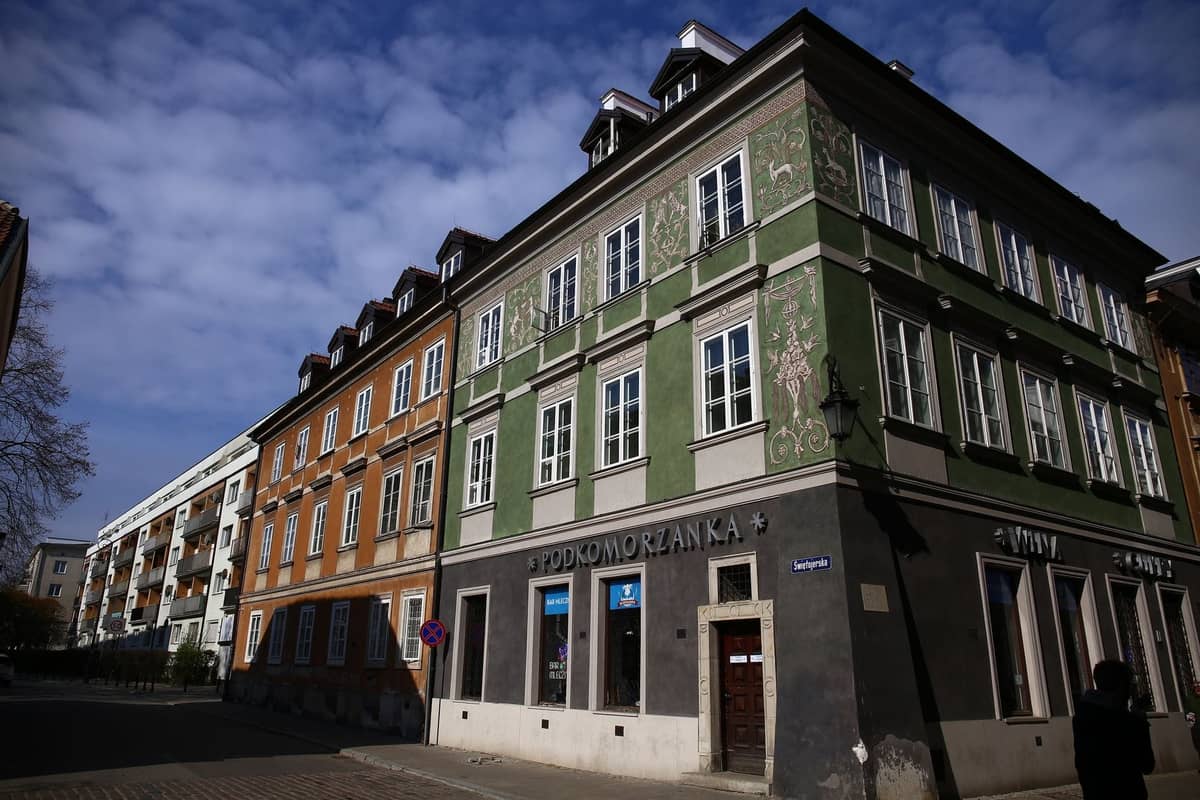
Praga occupies Warsaw's right bank, across the Vistula from the historic centre. It survived WWII largely intact, which makes it the rare part of Warsaw where you actually are walking through pre-war buildings. That survival also gave Praga decades of neglect, which is why it developed a rough reputation. That reputation is now outdated. Praga today is home to the Neon Museum, the Koneser Center with its craft brewery and museum, thriving street art, and some of Warsaw's most interesting bars and restaurants.
Hotel supply in Praga is thinner than in the main centre, and public transport connections to Old Town and Śródmieście require crossing the river, which adds 15–25 minutes to journeys depending on which bridge or tram line you use. That said, travellers who prioritise authenticity, creative culture, and lower prices over convenience often choose Praga and don't regret it. It's the neighbourhood that feels most like Warsaw's own city rather than a tourism product.
Wilanów and Saska Kępa: For Quiet and Longer Stays
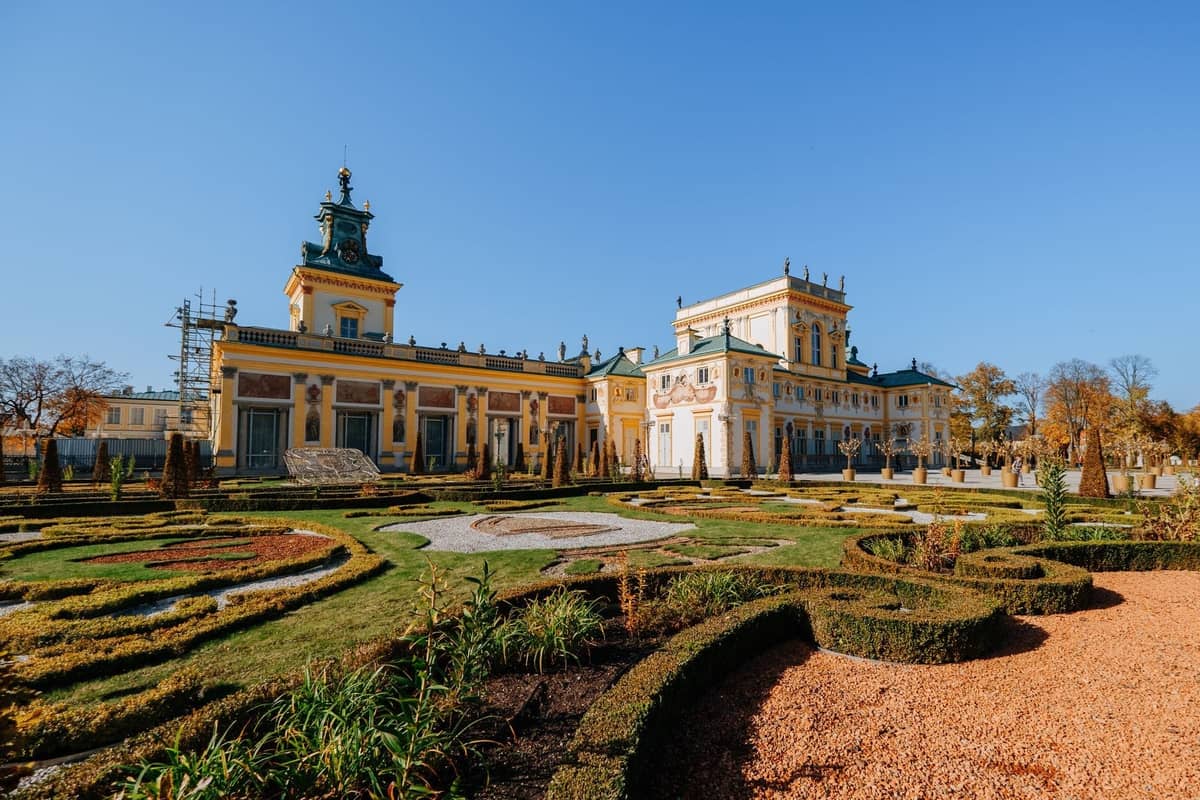
Wilanów is Warsaw's southern district, known primarily for Wilanów Palace and its baroque gardens. Staying here makes sense if the palace and its surrounding park are your main reason for visiting, or if you're in Warsaw on a longer trip and want a quieter, residential base. The trade-off is distance: Wilanów sits around 10 km from the city centre, and public transport, while functional, takes longer than central options.
Saska Kępa, a leafy neighbourhood on the east bank south of Praga, has a different character again — quieter residential streets, a concentration of good independent cafés and restaurants, and a reputation as one of Warsaw's more upscale east-bank zones. It appeals to travellers who want low-key neighbourhood life with good dining options. Like Wilanów, it requires planning around transport, but the area has a genuinely pleasant quality of life that central hotel zones don't replicate.
- Old Town: tourists and families wanting walkable sights, willing to pay more and eat worse for the location
- Śródmieście: most visitors, especially first-timers, business travellers, and weekend deal-hunters
- Powiśle: couples, repeat visitors, and anyone who wants a neighbourhood feel with central access
- Wola: business travellers, conference guests, and budget travellers on weekends
- Praga: independent travellers who want authentic Warsaw over polished tourist infrastructure
- Wilanów / Saska Kępa: longer stays, families, travellers prioritising peace over centrality
Practical Booking Advice for Warsaw Hotels
Warsaw has a well-developed hotel market with strong international chain presence alongside local boutique options. Booking platforms like Booking.com and Expedia both cover the market well. For context on what to actually do from whichever base you choose, the 2 days in Warsaw itinerary helps structure a short trip efficiently.
Seasonally, Warsaw hotels are busiest in June through August and around major events. Spring (April to May) and early autumn (September to October) offer a balance of reasonable prices and good weather — a point covered in more detail in the best time to visit Warsaw guide. Winter is genuinely cold but not without appeal, particularly around Christmas markets, and hotel prices drop across the board from November through February outside of the holiday period.
ℹ️ Good to know
Warsaw Chopin Airport (WAW) is the main international hub, located around 10 km southwest of the city centre. A direct rail link connects it to Warszawa Centralna station in around 20–25 minutes. From Centralna, most central hotels are within walking distance or a short metro ride.
FAQ
What is the best area to stay in Warsaw for first-time visitors?
Śródmieście (City Centre) is the most practical choice for first-time visitors. It offers the widest hotel selection at every price point, direct metro access to Old Town and other major sights, and the best mix of restaurants and nightlife. If you specifically want to be inside the historic area, Old Town works but costs more and has fewer hotel options.
Is it safe to stay in Praga, Warsaw?
Yes. Praga's reputation for being rough is significantly out of date. The area has undergone substantial regeneration and is now known for its creative culture, pre-war architecture, and independent bars and restaurants. It's less polished than central Warsaw, but there are no specific safety concerns for visitors staying there today.
How far is Old Town from the main Warsaw hotels?
Most hotels in Śródmieście are within a 15–20 minute walk or a 5–10 minute tram ride from Old Town. The metro does not stop directly at Old Town, but the Ratusz-Arsenal station on line M1 puts you within a 10-minute walk. Transport is frequent and reliable, so distance from Old Town should not be the primary driver of your neighbourhood choice.
Are Warsaw hotels cheaper on weekends?
Often, yes. Warsaw is a major business destination, and large hotels around the city centre and Wola tend to fill Monday through Thursday with corporate guests. Weekend rates at these properties can be noticeably lower, sometimes significantly so. Boutique hotels and Old Town properties are less affected by this pattern.
What neighbourhood in Warsaw is best for nightlife?
Śródmieście, particularly around Mazowiecka street and Plac Zbawiciela, is the main nightlife hub. Powiśle has a strong bar and café scene, especially along the riverfront in summer. Praga has a growing reputation for more alternative, less commercial nightlife. For a deeper breakdown, the Warsaw nightlife guide covers the specifics by area and night of the week.