Best Churches in Warsaw: Beautiful Baroque, Gothic Gems, and Sacred History
Warsaw's churches survived destruction, occupation, and reconstruction to remain among the most compelling religious buildings in Central Europe. This guide covers the best churches in Warsaw, from the Baroque grandeur of Holy Cross to the Gothic revival of St. John's Archcathedral and the military heritage of the Field Cathedral.
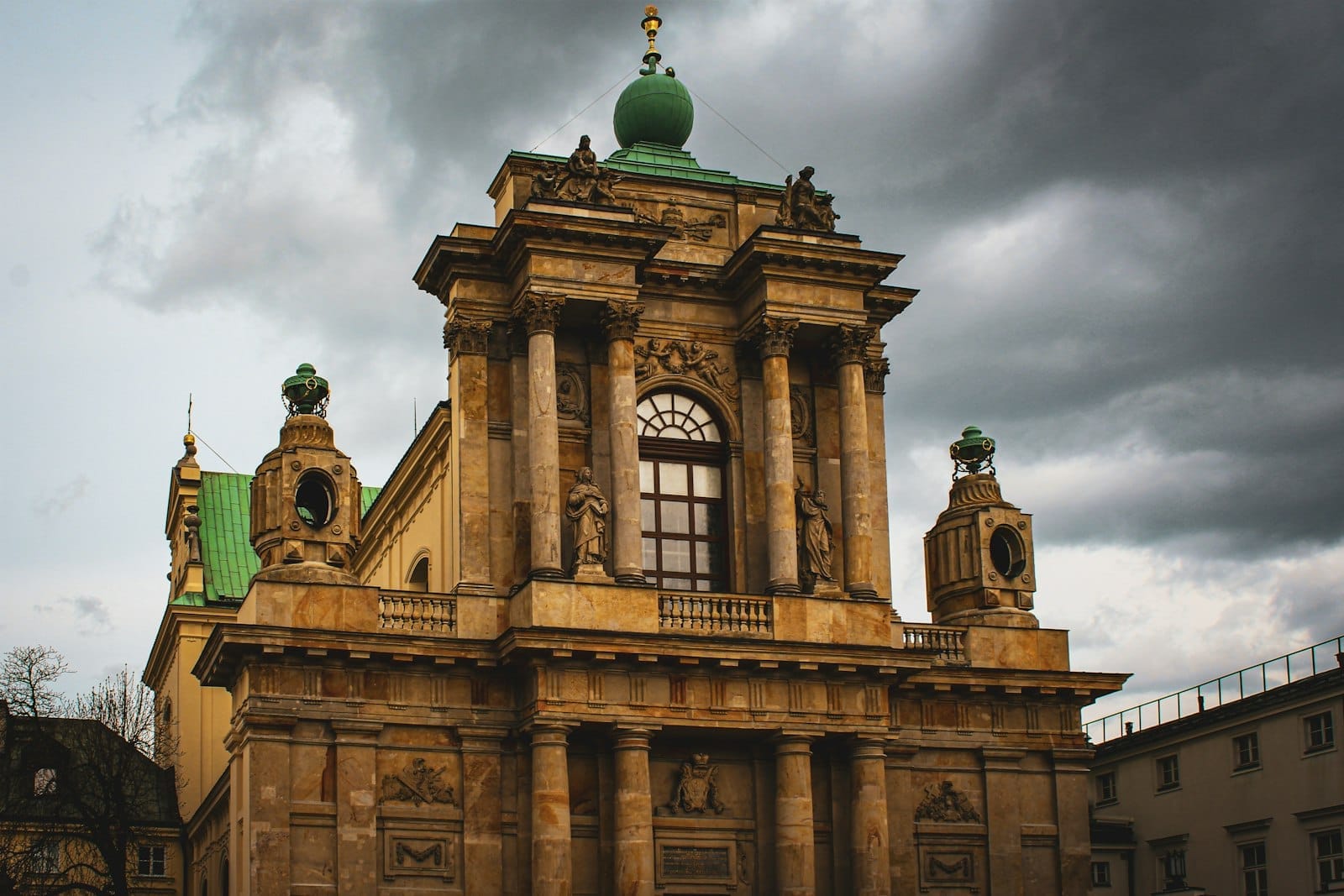
Plan and book this trip
Tools from our partner Travelpayouts help you compare flights and hotels. If you book through them, we may earn a commission at no extra cost to you.
Flights
Hotels map
Warsaw's religious architecture tells the city's story as directly as almost anything else. Most of these churches were reduced to rubble in WWII, then painstakingly rebuilt from historical records, paintings, and sheer civic determination. What you see today is largely a faithful reconstruction, and knowing that only deepens the experience. The churches cluster naturally along the Old Town and the grand boulevard of Krakowskie Przedmieście, making it easy to visit several in a single afternoon. For a broader picture of what Warsaw offers beyond its churches, the things to do in Warsaw guide is a good starting point.
💡 Local tip
Most churches in Warsaw are free to enter. Visiting hours for tourists are typically restricted during Mass, so check parish websites or posted schedules before you go. Dress modestly: covered shoulders and knees are expected.
Old Town Churches: Gothic Foundations and Baroque Splendor
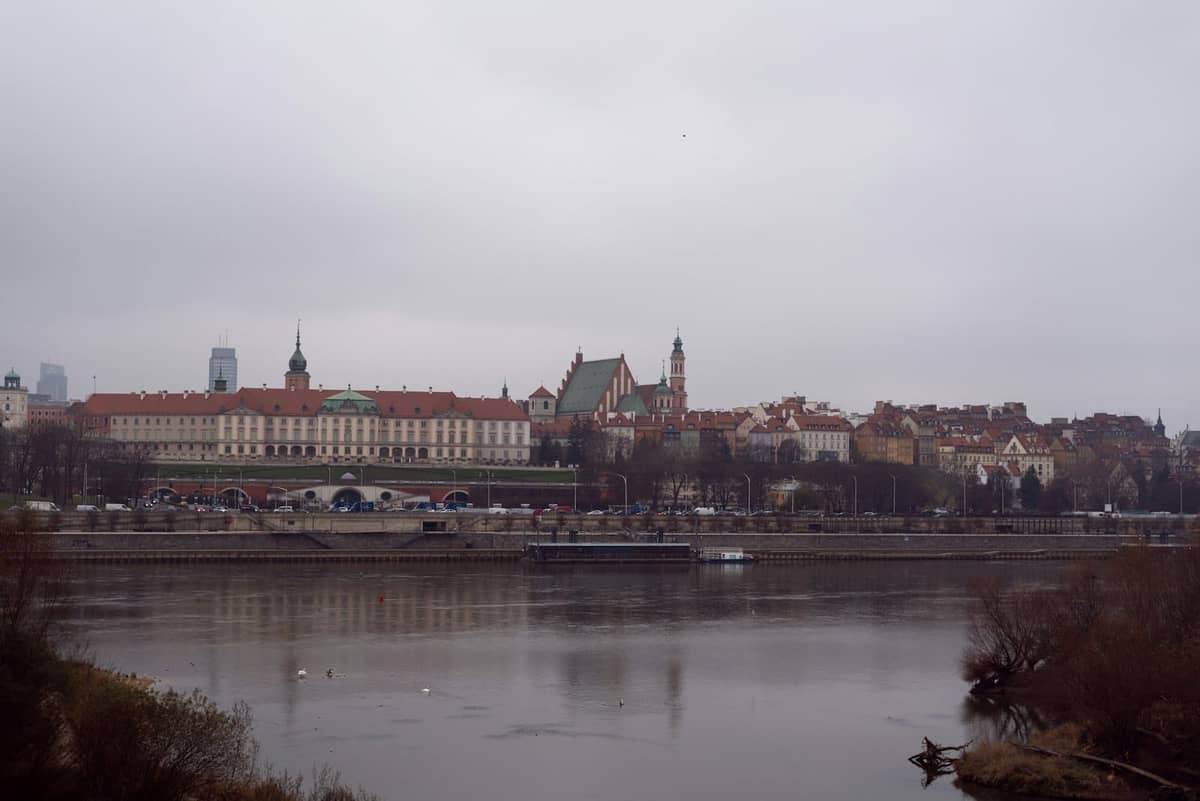
The churches around Warsaw's Old Town form the densest cluster of historic religious buildings in the city. Nearly all were rebuilt after WWII, but the reconstructions are impressively faithful to their original forms. St. John's and St. Anne's alone justify a walk through the area.
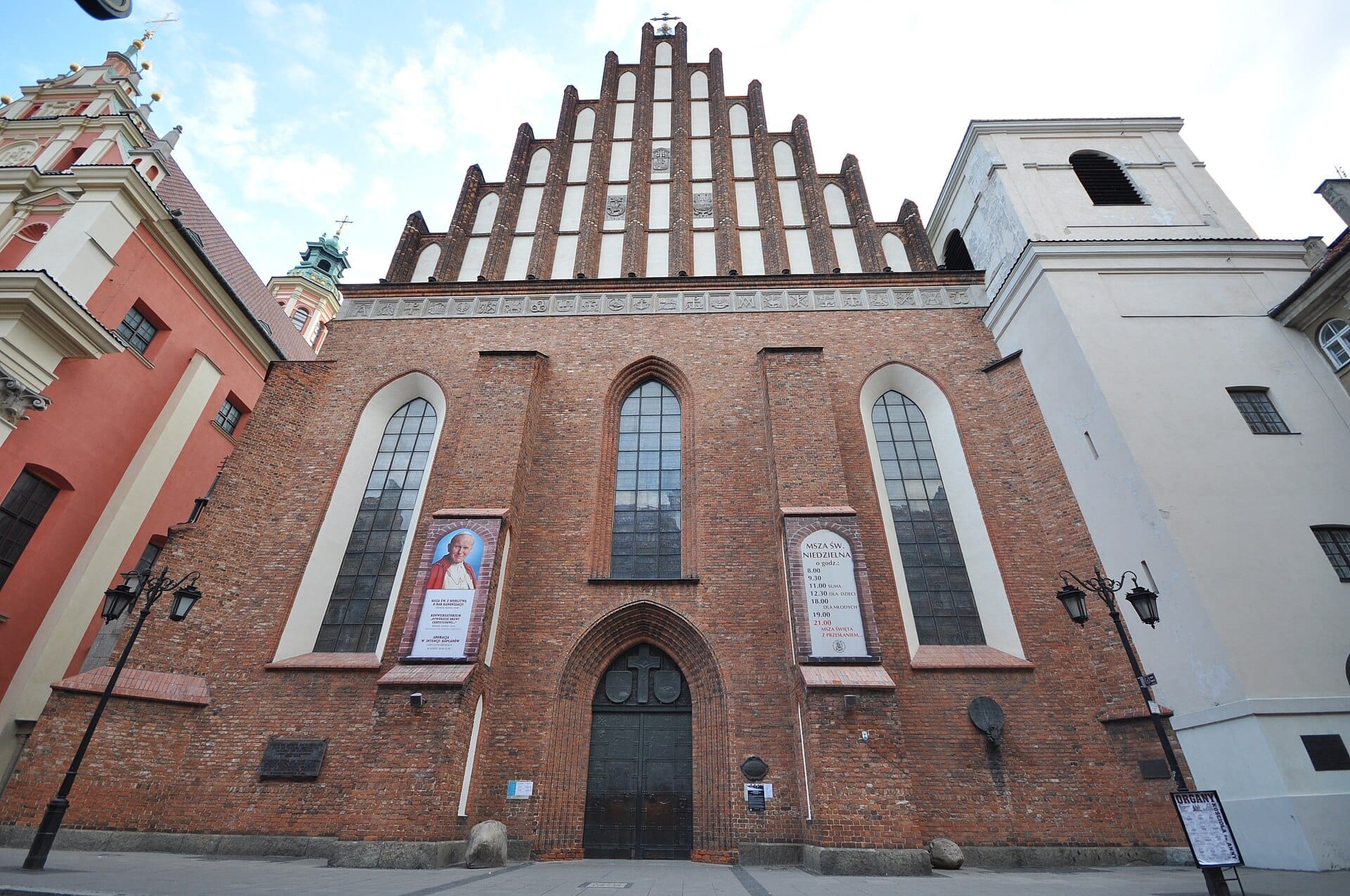
1. Start at Warsaw's Oldest Church: St. John's Archcathedral
Warsaw's oldest church, dating to the 14th century, contains royal tombs and historic crypts beneath a rebuilt Gothic nave. Coronations happened here. The stark, carefully reconstructed interior is more moving for its history than its decoration.
Explore1. Start at Warsaw's Oldest Church: St. John's Archcathedral
Warsaw's oldest church, dating to the 14th century, contains royal tombs and historic crypts beneath a rebuilt Gothic nave. Coronations happened here. The stark, carefully reconstructed interior is more moving for its history than its decoration.
Explore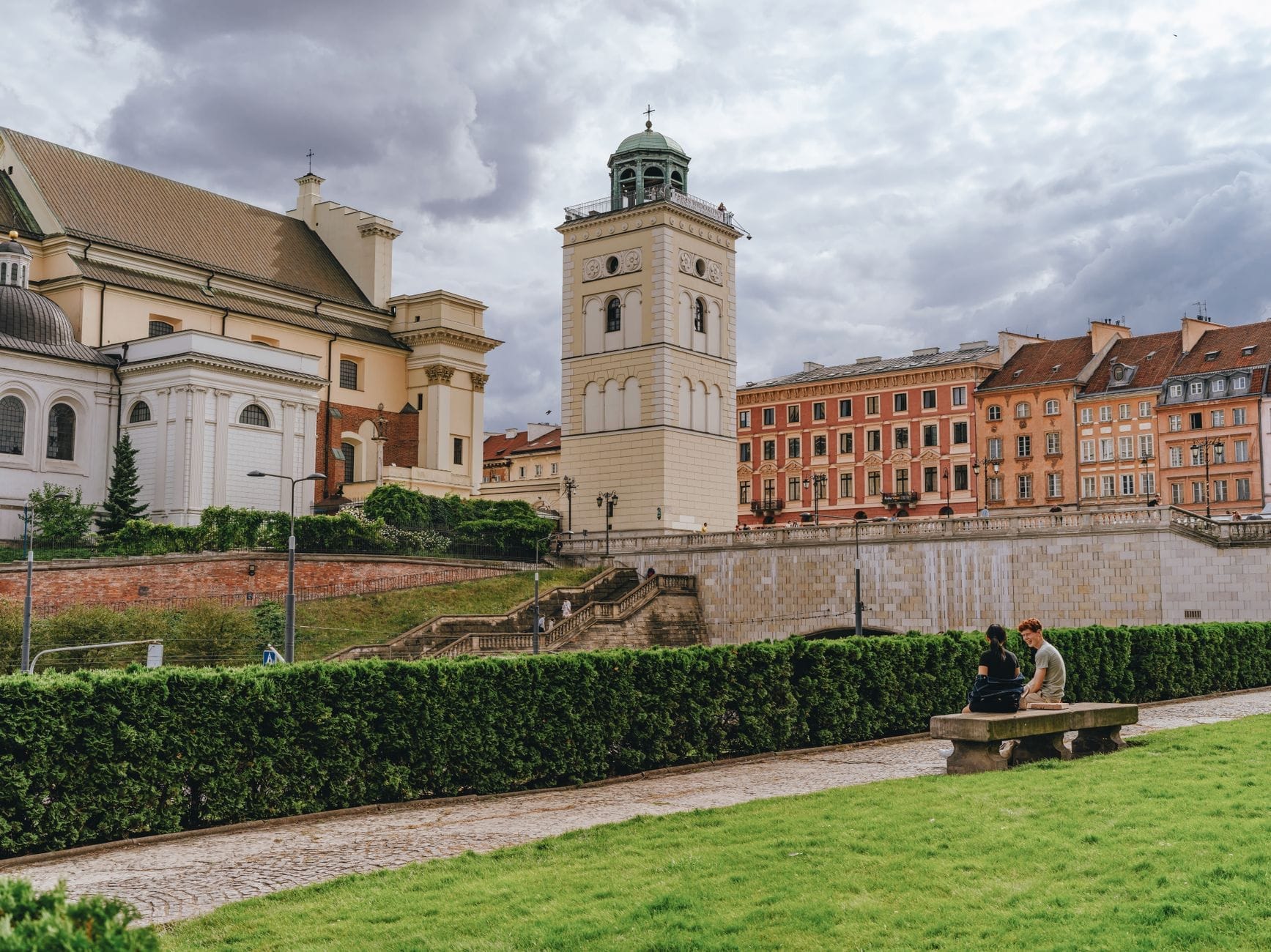
2. Climb the Bell Tower at St. Anne's for the Best Free View in Warsaw
This Baroque church on Krakowskie Przedmieście, originally completed in 1530, pairs gilded altars and historic frescoes with a bell tower offering one of Warsaw's best paid panoramas over Castle Square and the Vistula River (around 10 PLN, cash only).
Explore2. Climb the Bell Tower at St. Anne's for the Best Free View in Warsaw
This Baroque church on Krakowskie Przedmieście, originally completed in 1530, pairs gilded altars and historic frescoes with a bell tower offering one of Warsaw's best paid panoramas over Castle Square and the Vistula River (around 10 PLN, cash only).
ExploreKrakowskie Przedmieście: The Royal Route's Sacred Landmarks
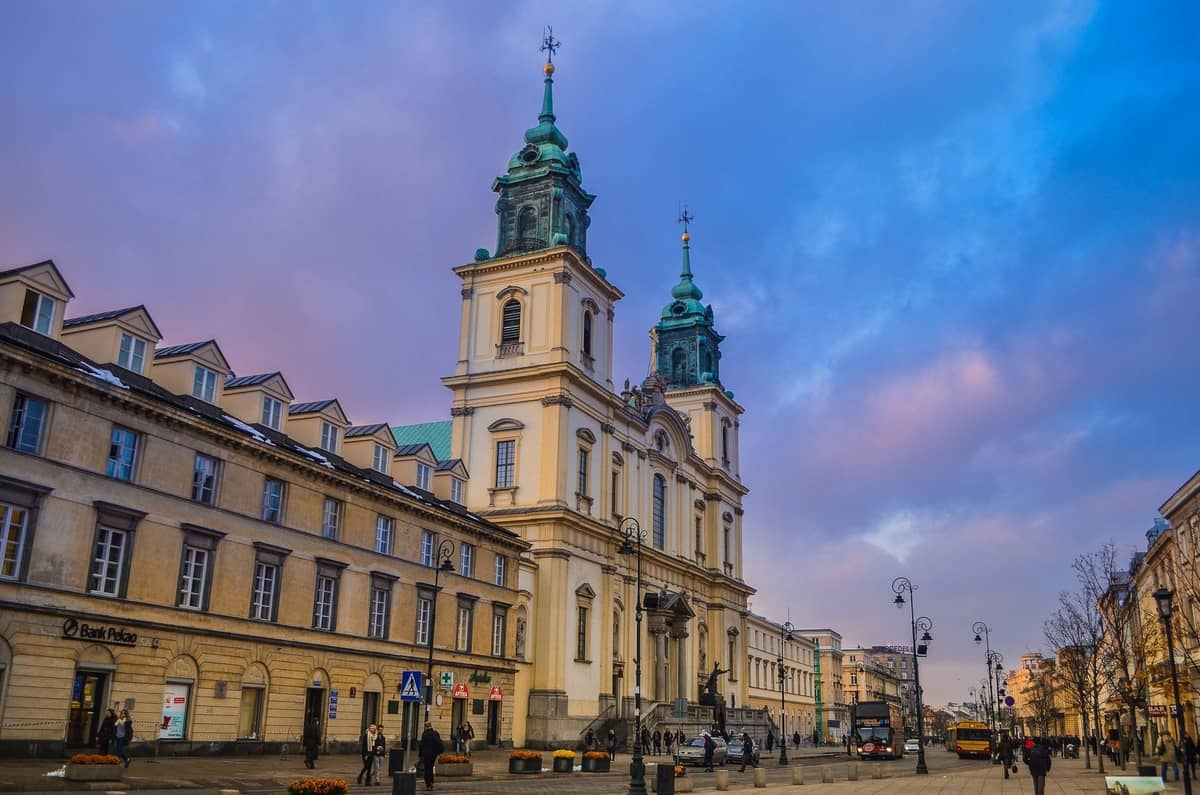
The Royal Route running through Warsaw's city centre is lined with churches that served Polish royalty and nobility for centuries. Holy Cross is the undisputed highlight for international visitors, but the stretch between Castle Square and Nowy Świat rewards anyone who slows down and steps inside.
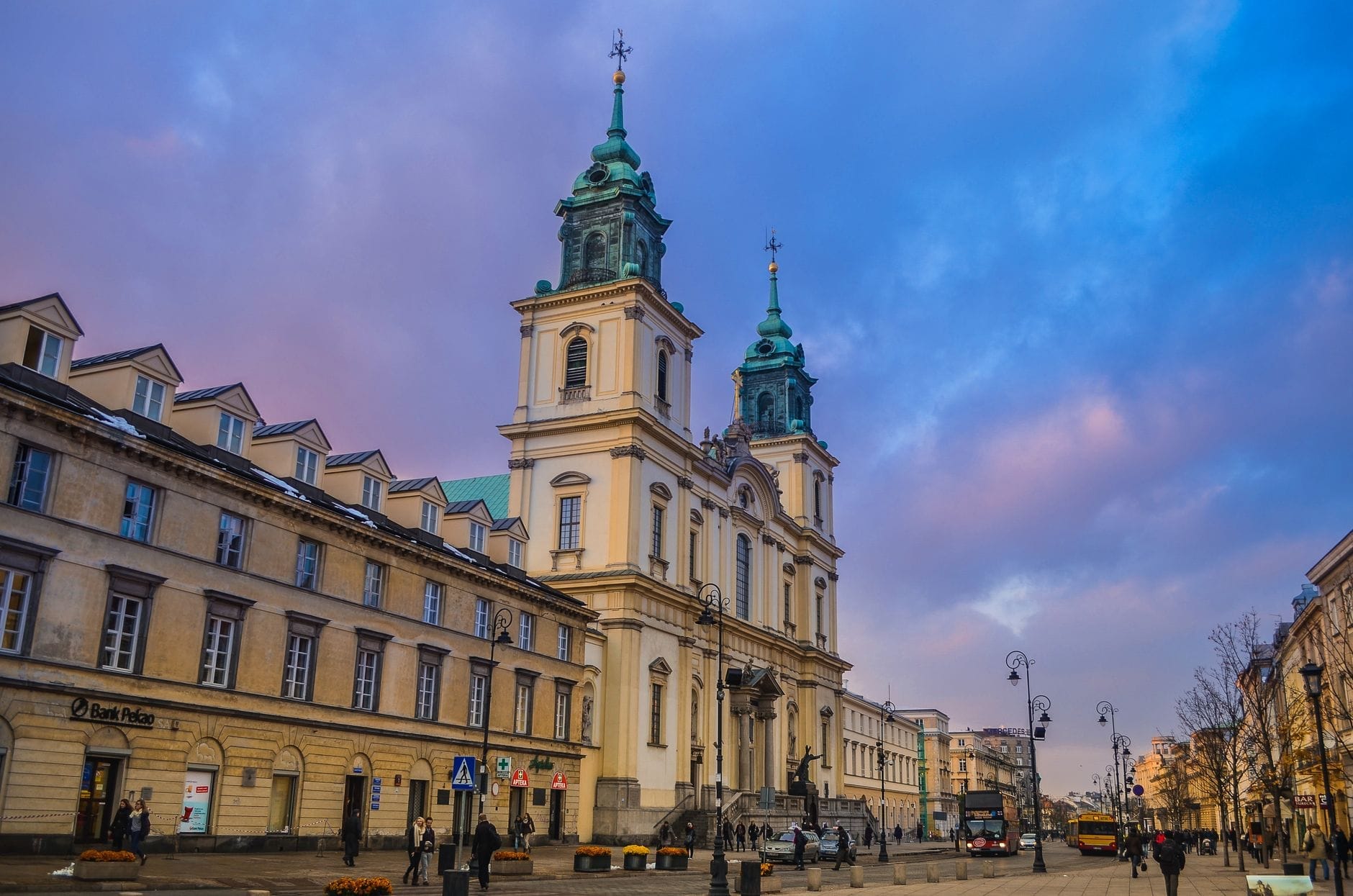
3. Pay Respects to Chopin's Heart at the Church of the Holy Cross
This 17th-century Baroque church on Krakowskie Przedmieście houses an urn with Frédéric Chopin's heart, preserved in a pillar on the left nave after his dying wish. The ornate interior makes it one of Warsaw's most visited and emotionally charged churches.
Explore3. Pay Respects to Chopin's Heart at the Church of the Holy Cross
This 17th-century Baroque church on Krakowskie Przedmieście houses an urn with Frédéric Chopin's heart, preserved in a pillar on the left nave after his dying wish. The ornate interior makes it one of Warsaw's most visited and emotionally charged churches.
Explore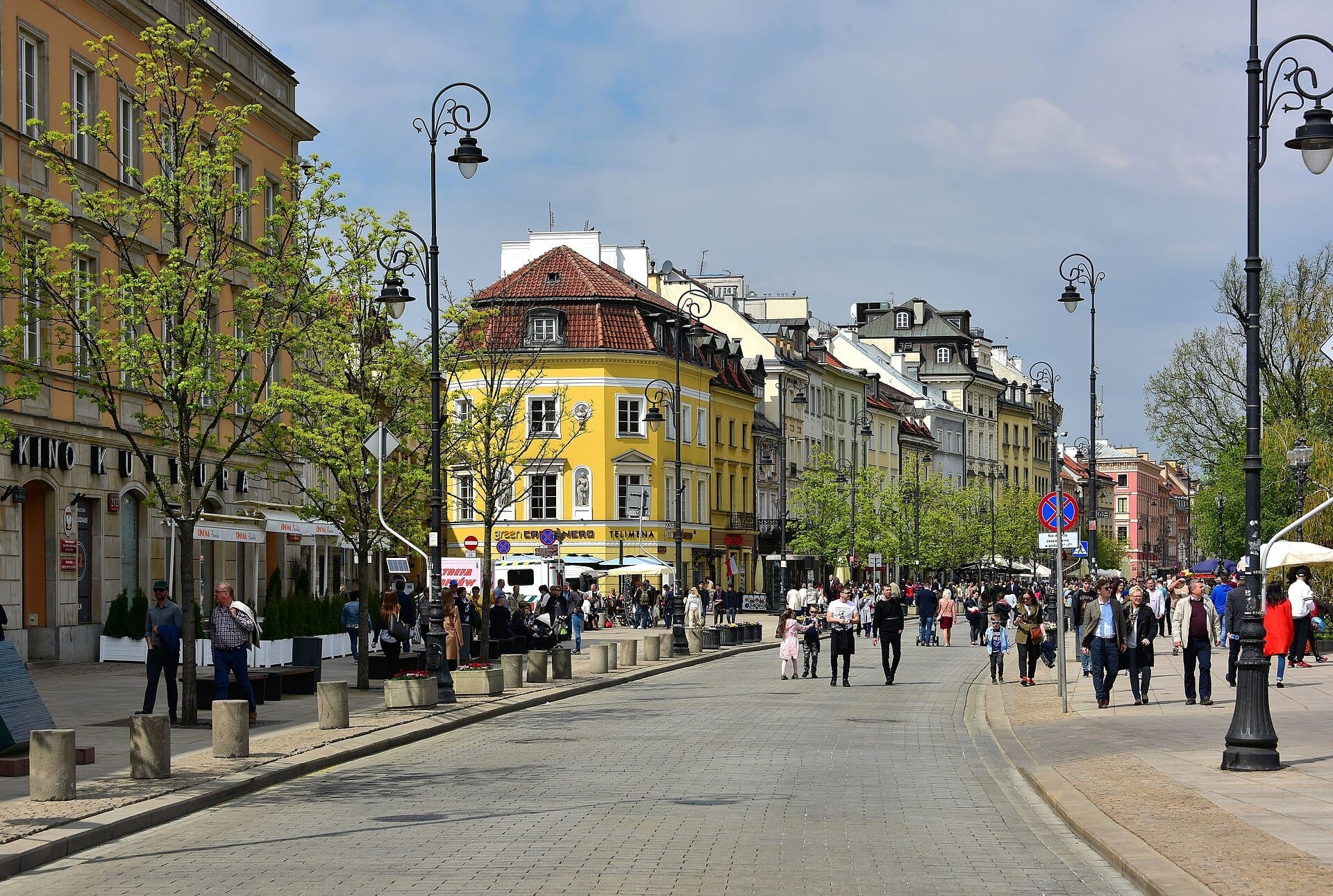
4. Walk the Royal Route Past Warsaw's Finest Church Facades
The grandest boulevard in Warsaw passes Baroque and neoclassical church facades at nearly every block, from St. Anne's at the top to Holy Cross further south. Walking its full length is the most efficient way to appreciate the city's ecclesiastical architecture.
Explore4. Walk the Royal Route Past Warsaw's Finest Church Facades
The grandest boulevard in Warsaw passes Baroque and neoclassical church facades at nearly every block, from St. Anne's at the top to Holy Cross further south. Walking its full length is the most efficient way to appreciate the city's ecclesiastical architecture.
ExploreMilitary and National Faith: Churches of Ceremony and Memory
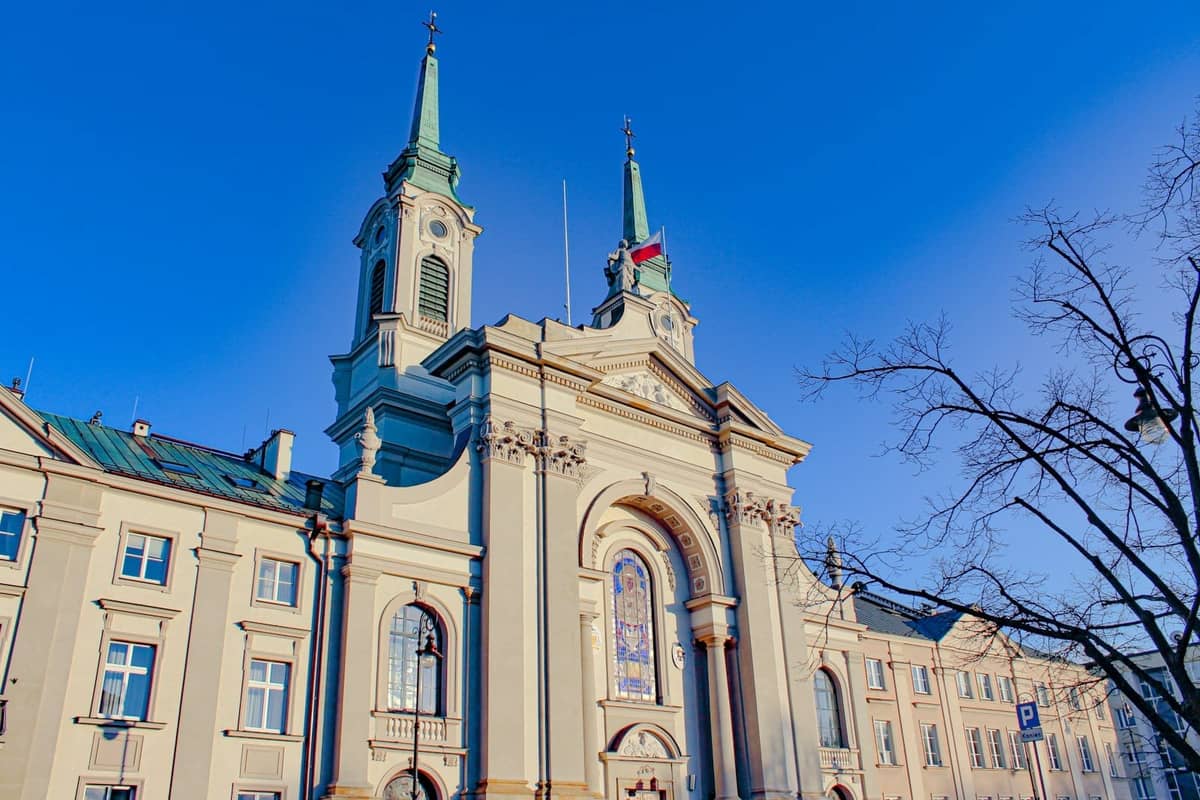
Several Warsaw churches function as national memorials as much as places of worship, woven into the story of Polish statehood, military sacrifice, and survival. The Field Cathedral in particular has one of the most complex histories of any building in the city, shifting between Catholic and Orthodox use over the centuries before returning to its current role.
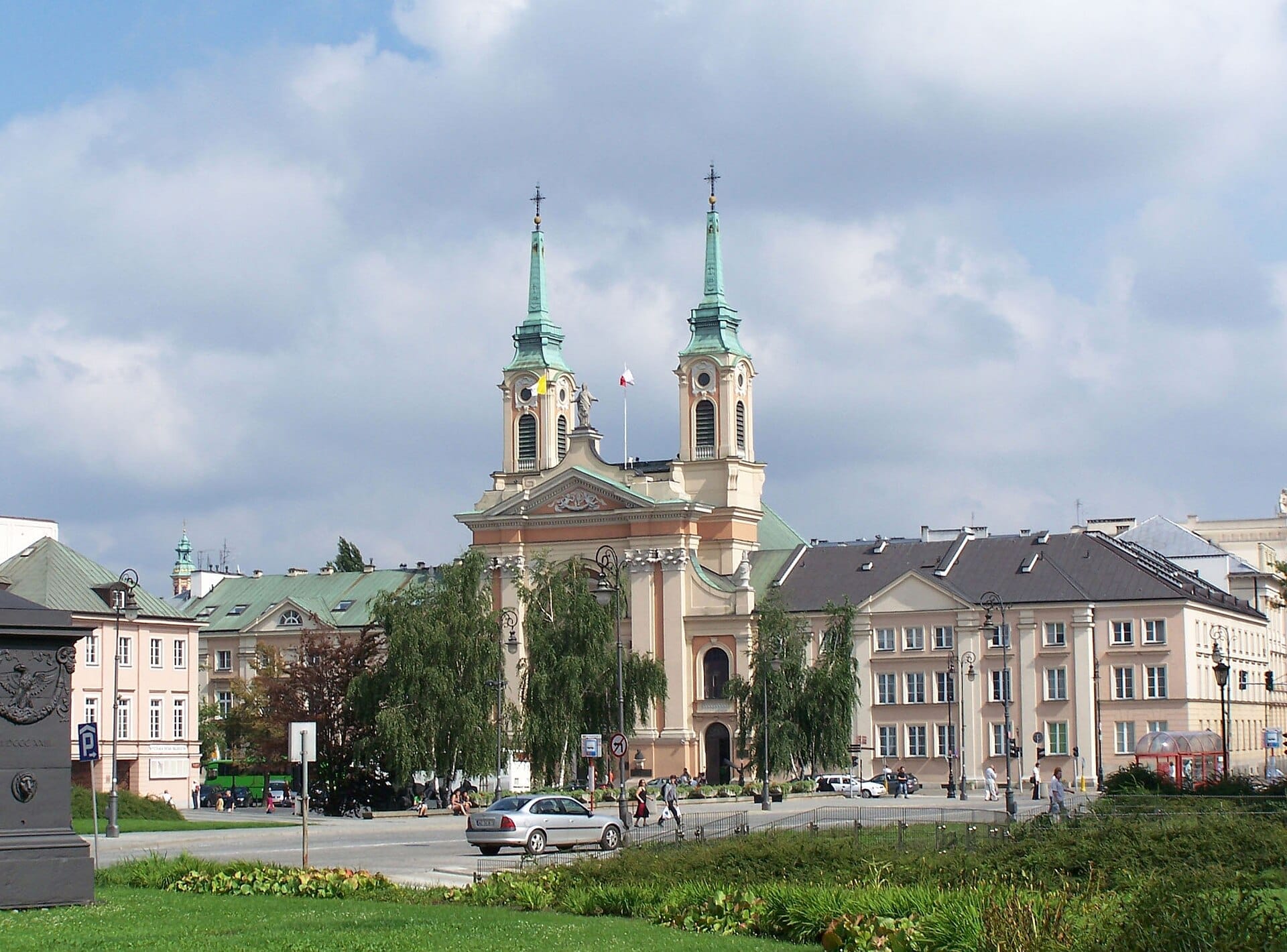
5. Explore the Military Heritage of the Field Cathedral of the Polish Army
This ornate Baroque church on Długa Street, completed in 1701, serves as the official church of the Polish Armed Forces. Its interior holds battle standards, military votive offerings, and memorials spanning centuries of Polish military history, making it one of the richest church interiors in Warsaw.
Explore5. Explore the Military Heritage of the Field Cathedral of the Polish Army
This ornate Baroque church on Długa Street, completed in 1701, serves as the official church of the Polish Armed Forces. Its interior holds battle standards, military votive offerings, and memorials spanning centuries of Polish military history, making it one of the richest church interiors in Warsaw.
Exploreℹ️ Good to know
The Field Cathedral has a layered history: it was converted to an Orthodox church by Russian authorities in 1834, complete with onion domes and an iconostasis, before being restored to Catholic use in the 20th century. The current interior reflects its Catholic identity.
Beyond Catholic Warsaw: Orthodox Traditions and Jewish Heritage
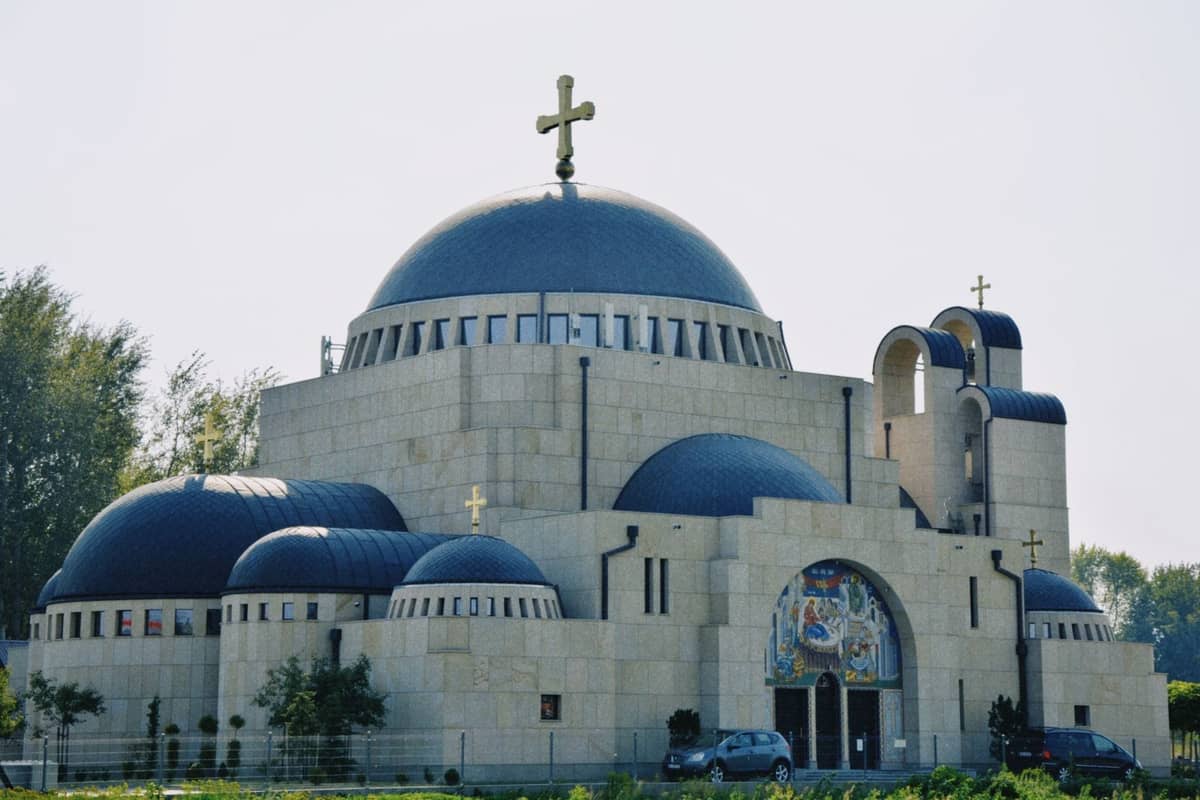
Warsaw's religious landscape extends well beyond Catholic Christianity. The Praga district east of the river holds one of the most visually striking Orthodox churches in Poland, while the Muranów Jewish Quarter preserves the only pre-war synagogue to survive the Holocaust. For context on the Jewish history of this area, the dedicated Warsaw Jewish heritage guide goes much deeper.
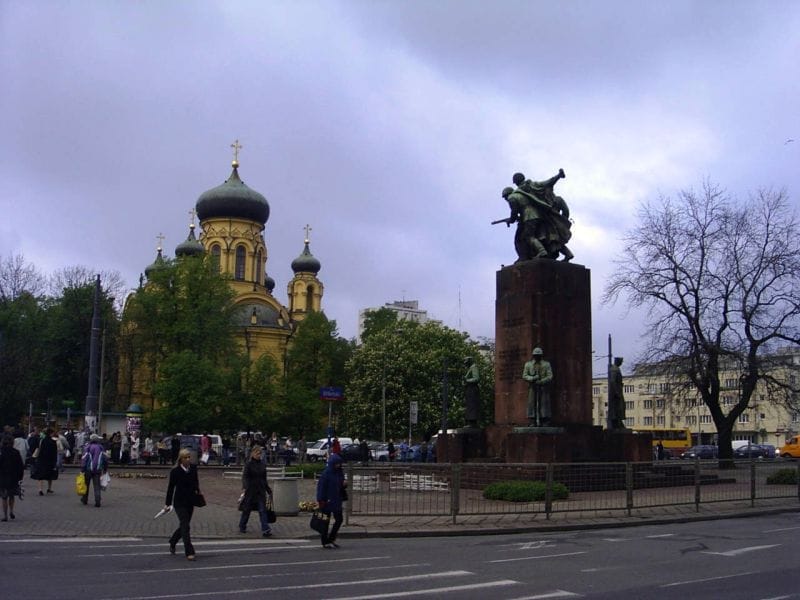
6. See Warsaw's Golden Onion Domes at the Orthodox Cathedral of Saint Mary Magdalene
This striking Russian Orthodox cathedral in Praga, with golden onion domes and an elaborate Byzantine interior, is one of the most visually distinctive religious buildings in Warsaw and one of the largest Orthodox churches in Poland. A reminder of the city's multi-ethnic past.
Explore6. See Warsaw's Golden Onion Domes at the Orthodox Cathedral of Saint Mary Magdalene
This striking Russian Orthodox cathedral in Praga, with golden onion domes and an elaborate Byzantine interior, is one of the most visually distinctive religious buildings in Warsaw and one of the largest Orthodox churches in Poland. A reminder of the city's multi-ethnic past.
Explore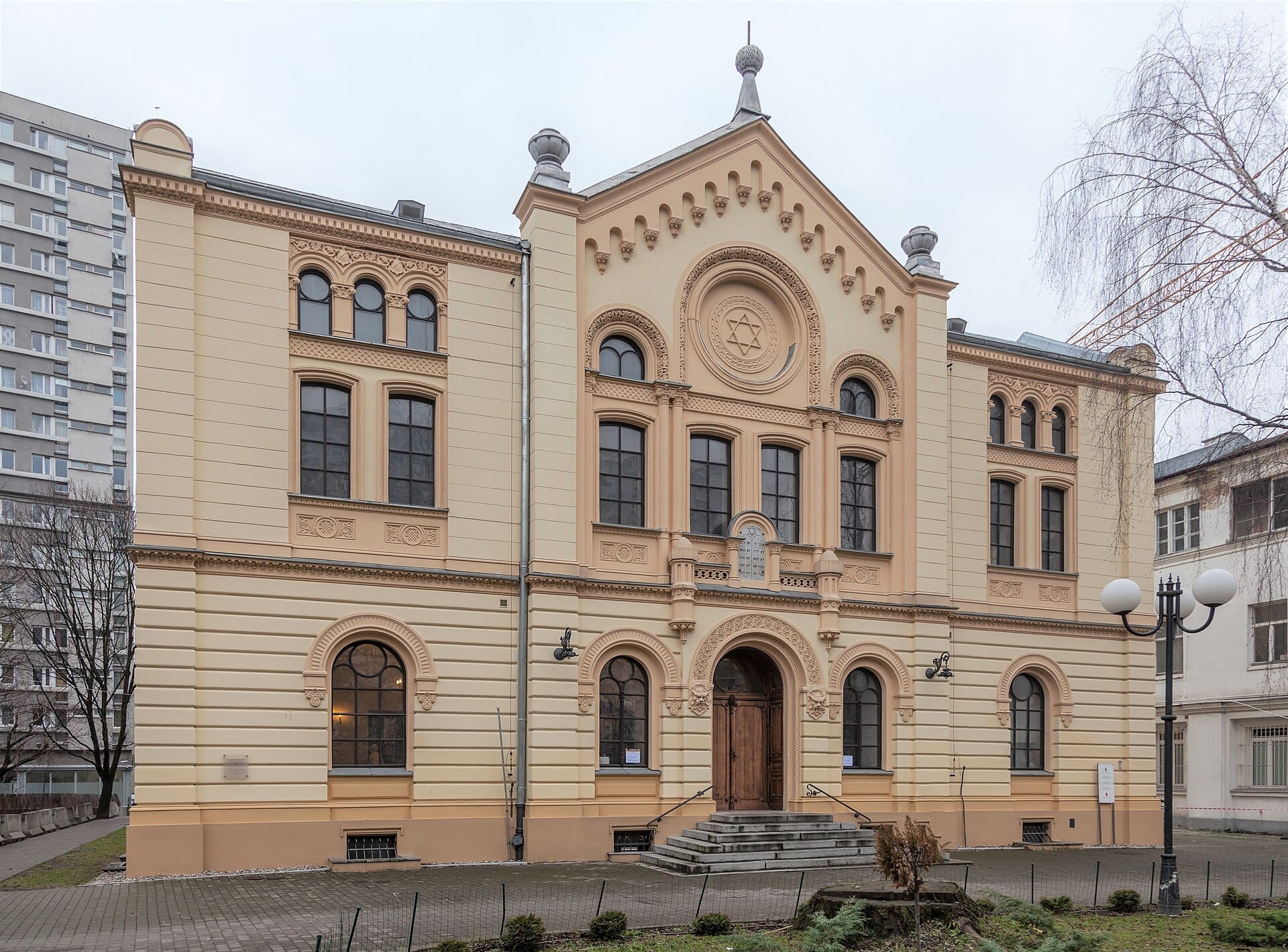
7. Visit the Only Pre-War Synagogue to Survive the Holocaust: Nożyk Synagogue
Built in 1902, the Nożyk Synagogue survived WWII as a German stable and warehouse before being restored to its original splendor. It remains an active place of worship and a deeply moving symbol of Jewish Warsaw's continuity, worth visiting alongside the nearby POLIN Museum.
Explore7. Visit the Only Pre-War Synagogue to Survive the Holocaust: Nożyk Synagogue
Built in 1902, the Nożyk Synagogue survived WWII as a German stable and warehouse before being restored to its original splendor. It remains an active place of worship and a deeply moving symbol of Jewish Warsaw's continuity, worth visiting alongside the nearby POLIN Museum.
ExploreContext and Surroundings: Making the Most of Your Church Visit
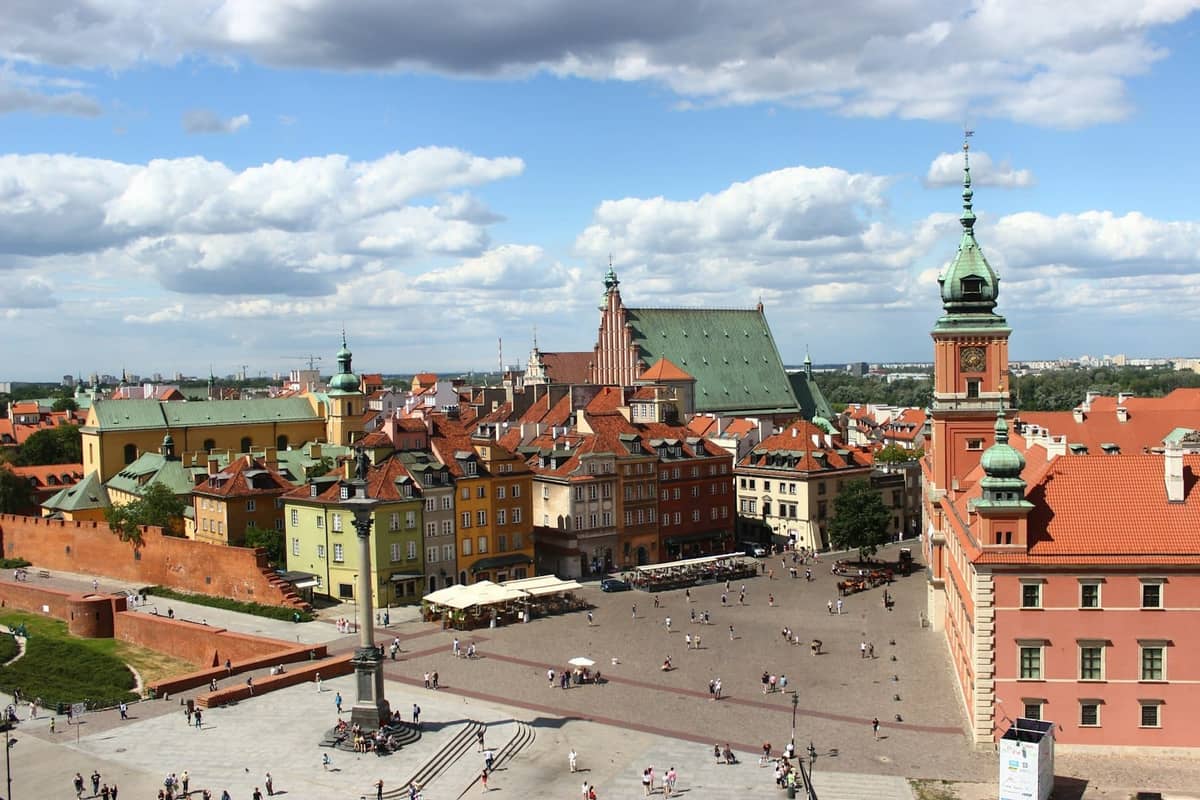
Warsaw's churches are almost never standalone visits. St. Anne's sits steps from Sigismund's Column and the Royal Castle; Holy Cross is on the same street as the Chopin Museum and the Presidential Palace. Pairing church visits with the surrounding architecture and history makes for richer half-day itineraries. The 2 days in Warsaw itinerary shows how to fit the key churches into a short trip efficiently.
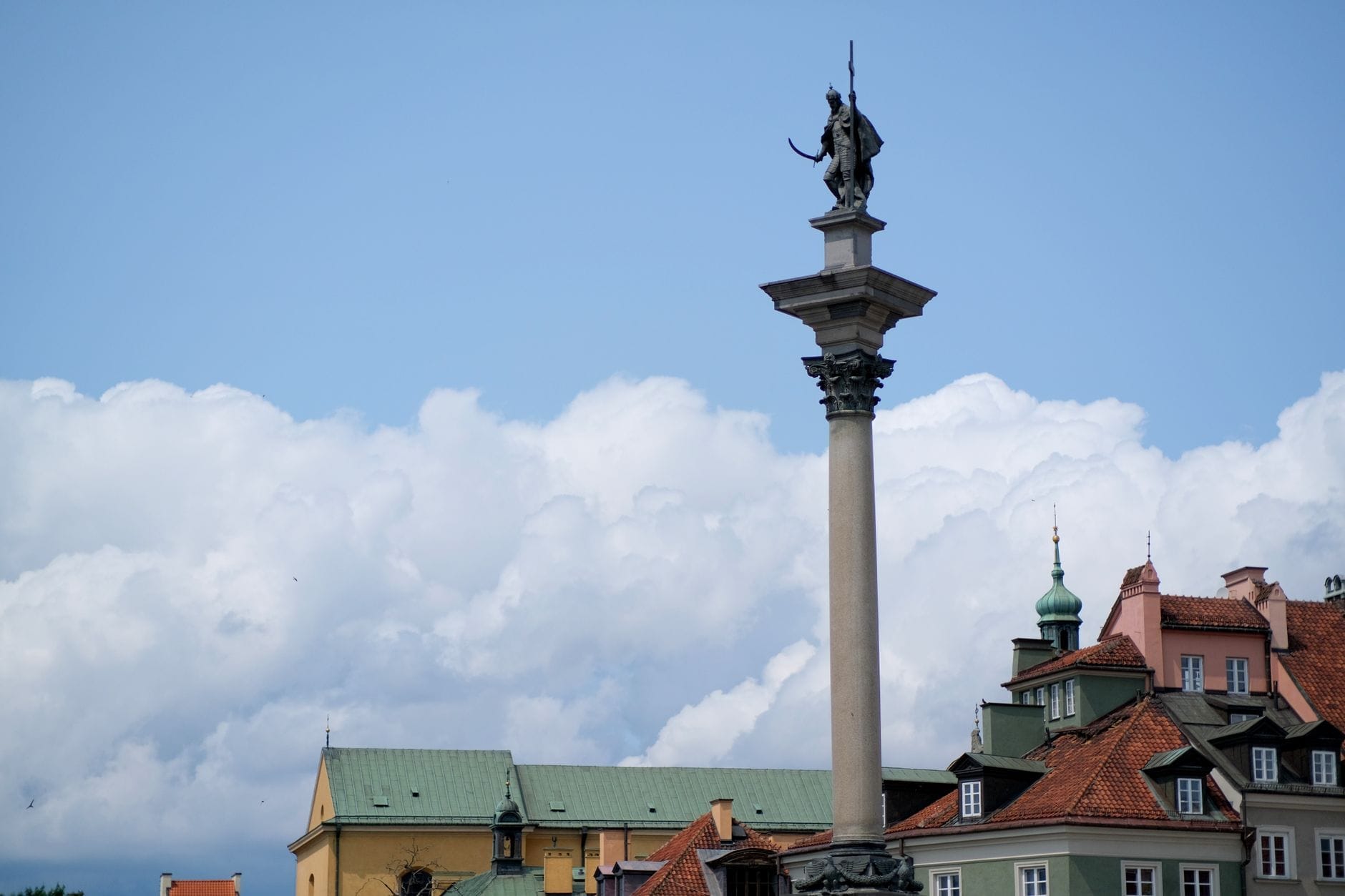
8. Begin at Castle Square: Sigismund's Column and the Gateway to the Old Town Churches
Erected in 1644, this column anchors Castle Square and marks the natural starting point for visiting the Old Town churches. St. Anne's bell tower is immediately adjacent, and St. John's Archcathedral is two minutes on foot through the Old Town gate.
Explore8. Begin at Castle Square: Sigismund's Column and the Gateway to the Old Town Churches
Erected in 1644, this column anchors Castle Square and marks the natural starting point for visiting the Old Town churches. St. Anne's bell tower is immediately adjacent, and St. John's Archcathedral is two minutes on foot through the Old Town gate.
Explore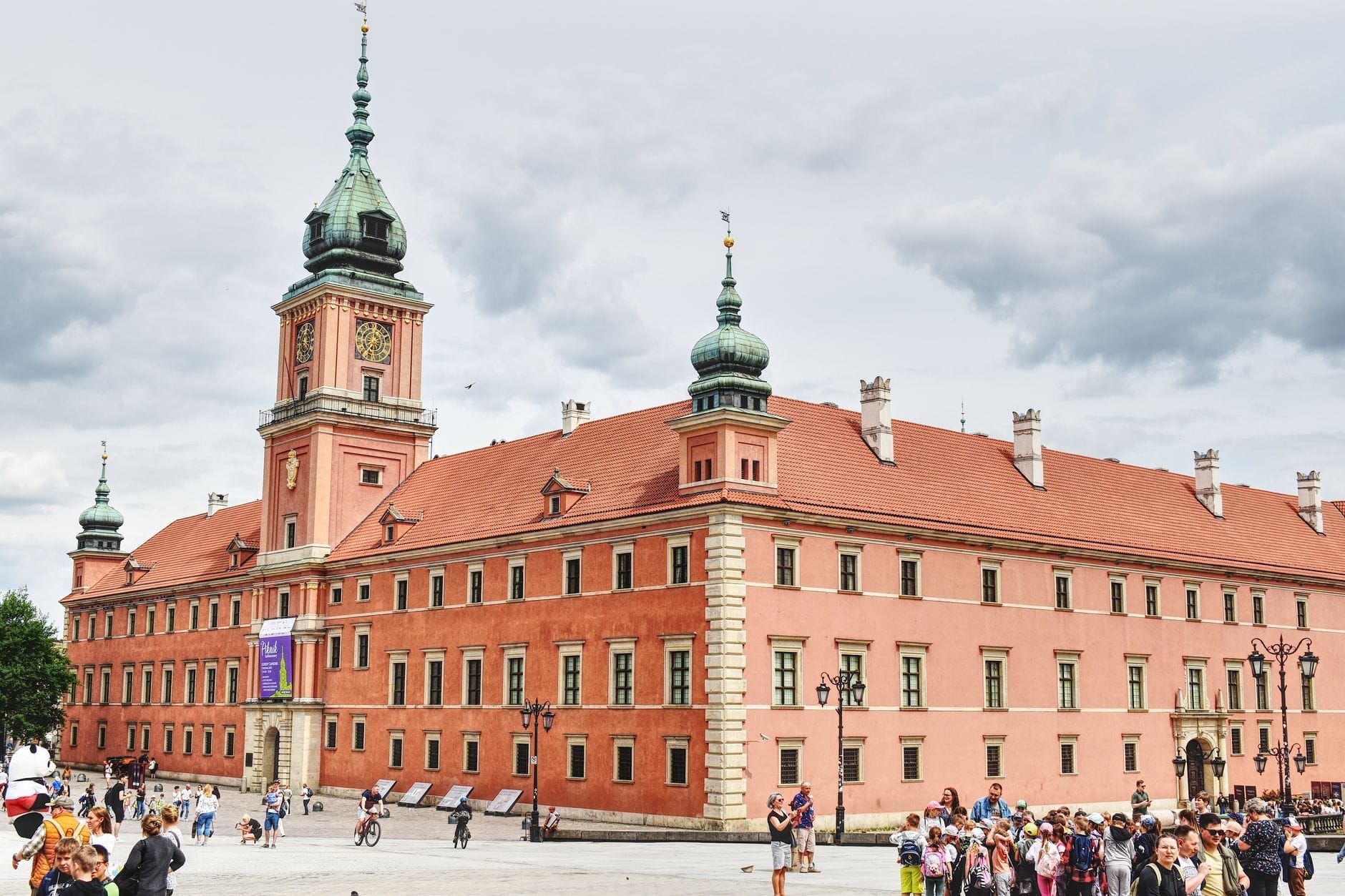
9. Pair the Royal Castle with St. John's Archcathedral for a Full Old Town Morning
The Royal Castle and St. John's Archcathedral are separated by a two-minute walk and share centuries of Polish royal history. Polish kings who prayed in the cathedral lived in the castle next door, and royal tombs in the church crypts connect directly to the castle's story.
Explore9. Pair the Royal Castle with St. John's Archcathedral for a Full Old Town Morning
The Royal Castle and St. John's Archcathedral are separated by a two-minute walk and share centuries of Polish royal history. Polish kings who prayed in the cathedral lived in the castle next door, and royal tombs in the church crypts connect directly to the castle's story.
Explore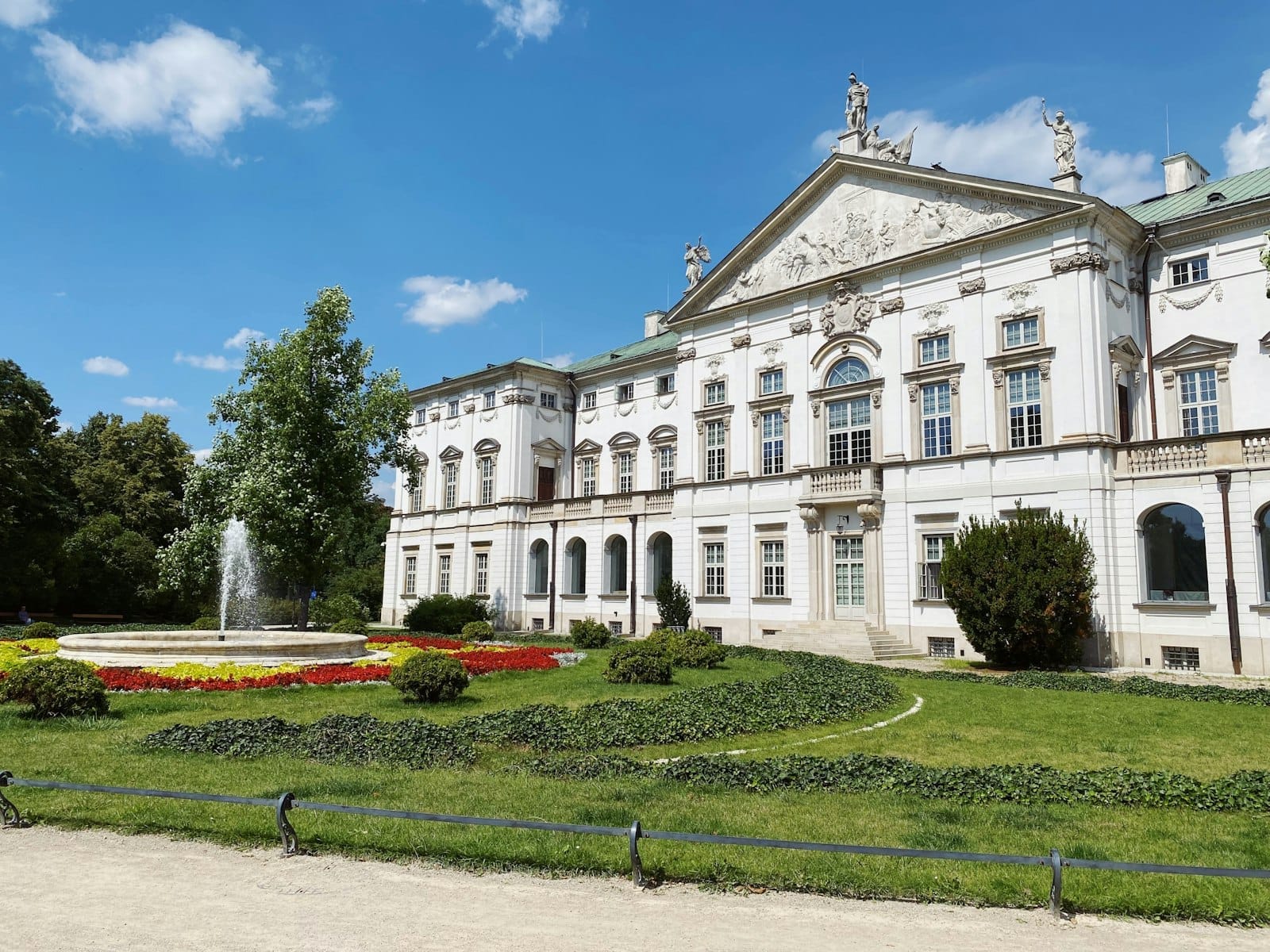
10. Extend Your Walk to the Baroque Krasiński Palace Near the Field Cathedral
After visiting the Field Cathedral on Długa Street, the Krasiński Palace and its garden are a five-minute walk away. The palace's dramatic relief sculptures and the peaceful garden make a natural complement to the military and religious history of the nearby cathedral.
Explore10. Extend Your Walk to the Baroque Krasiński Palace Near the Field Cathedral
After visiting the Field Cathedral on Długa Street, the Krasiński Palace and its garden are a five-minute walk away. The palace's dramatic relief sculptures and the peaceful garden make a natural complement to the military and religious history of the nearby cathedral.
ExploreFAQ
Is entry to churches in Warsaw free?
Most major churches in Warsaw, including Holy Cross, St. John's Archcathedral, and the Field Cathedral, are free to enter. The bell tower at St. Anne's Church charges a small fee for access. Donations are encouraged at all churches.
Can you visit Warsaw's churches during Mass?
Tourist access is typically restricted during Mass. Churches usually post visiting hours at the entrance and on their parish websites. Weekday mornings before 10am and weekend afternoons (when morning Masses have ended) are often the quietest times for visitors.
Where is Chopin's heart in Warsaw?
Frédéric Chopin's heart is preserved in an urn inside a pillar on the left nave of the Church of the Holy Cross (Kościół Świętego Krzyża) on Krakowskie Przedmieście. This was Chopin's own dying wish, as he wanted part of him returned to Poland.
Are Warsaw's historic churches originals or reconstructions?
Most were extensively damaged or destroyed in WWII and carefully rebuilt afterward. St. John's Archcathedral and the Church of the Holy Cross are reconstructions faithful to their original forms. The Nożyk Synagogue is the only pre-war synagogue building in Warsaw to have survived the Holocaust, though it was damaged and later restored. Knowing this adds rather than detracts from a visit.
What is the dress code for visiting churches in Warsaw?
Warsaw's churches are active places of Catholic worship. Visitors are expected to dress modestly: covered shoulders and knees are the standard expectation. Some churches provide scarves or coverings at the entrance if needed.