Śródmieście is Warsaw's central district and the beating heart of the Polish capital, where reconstructed baroque streets give way to socialist-era towers and glass office blocks within the space of a few blocks. It holds the bulk of Warsaw's major museums, restaurants, hotels, and historic landmarks, making it the natural base for most visitors.
Śródmieście is Warsaw in concentrated form: centuries of history, postwar reconstruction, and 21st-century ambition layered onto the same streets. From the cobblestones of the Old Town Market Square to the looming silhouette of the Palace of Culture and Science, almost everything that defines Warsaw as a city exists within this one sprawling central district.
Orientation
Śródmieście occupies the left bank of the Vistula River, stretching from the water's edge westward through the historic core and into the modern business centre. The district is large enough to contain several distinct sub-neighborhoods: the tourist-dense Old Town in the north, the royal promenade of Krakowskie Przedmieście running south from the castle, the commercial heart around Centrum and the Palace of Culture and Science, and the quieter residential streets further south toward Ujazdów and the embassy quarter.
The district's eastern boundary is the Vistula itself. To the north, the railway line along ul. Słomińskiego separates Śródmieście from Żoliborz. Al. Jana Pawła II forms much of the western edge, beyond which lies Wola. To the south, the boundaries follow al. Niepodległości and a series of quieter streets (including ul. Batorego, ul. Boya-Żeleńskiego, ul. Klonowa, ul. Spacerowa, ul. Gagarina, ul. Podchorążych, ul. Nowosielecka, and ul. Czerniakowska) down through Mokotów. The central spine running north to south is ul. Marszałkowska, one of Warsaw's great arterial streets, connecting Centrum station in the middle to the Old Town area to the north.
The most useful mental map for a visitor: think of Śródmieście as having a northern historic zone anchored by the Old Town and Royal Castle, a central commercial zone around the Palace of Culture and Science and the Centrum metro station, and a southern cultural and diplomatic zone stretching toward Łazienki Park. These three zones each have a distinct atmosphere and are walkable between each other, though the distances are longer than they first appear on a map.
Character & Atmosphere
Warsaw's city centre does not have the effortless, preserved beauty of Kraków's old quarter. What it has instead is something more complicated and, for many visitors, more compelling: a city that was almost entirely destroyed and then rebuilt in layers, each layer reflecting the ideology and aesthetics of the era that produced it. The result is a streetscape that shifts dramatically within a few hundred metres, from 18th-century townhouses to Stalinist neoclassical blocks to glass-and-steel towers.
Early mornings in the Old Town feel almost theatrical. The cobbled streets and pastel-painted facades glow in the flat northern light, and before the tourist groups arrive, local residents walk dogs through the market square and the smell of fresh bread drifts from the bakeries. By mid-morning the tourist coaches begin to arrive, and by afternoon the Old Town Market Square is busy with visitors, street performers, and restaurant touts. It is worth noting that the Old Town, however beautiful, is primarily a tourist zone at this point: most daily commerce and local life happens elsewhere in the district.
Walking south from the Old Town along Krakowskie Przedmieście toward Nowy Świat, the atmosphere shifts to something more interesting. This is the street where students from the University of Warsaw spill out of lectures, where Varsovians browse bookshops and stop at cafés, and where the weight of the city's literary and intellectual history is tangible on almost every corner. The afternoon light along this corridor, falling through the linden trees onto the university gates and church facades, is one of Warsaw's quieter pleasures.
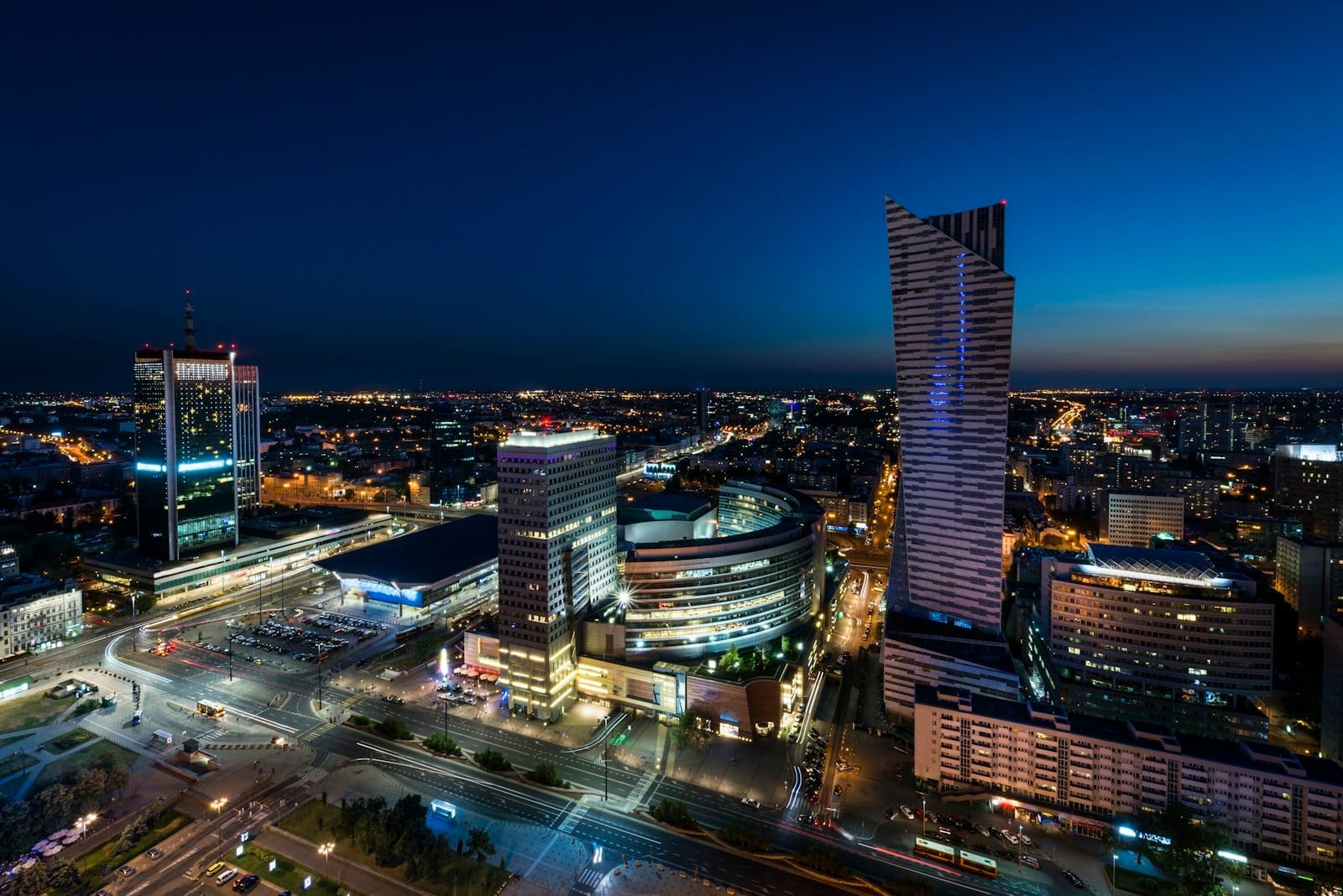
The area around Centrum station and the Palace of Culture is a different proposition entirely: functional, fast-paced, and dominated by the daily rhythms of a working city. Office workers cross al. Jerozolimskie at rush hour, tram lines converge on ul. Marszałkowska, and the area around the main railway station (Warszawa Centralna) has the slightly anonymous energy of a major transit hub. After dark, the Palace of Culture is illuminated and the surrounding streets come alive with bars, restaurants, and occasional open-air events on the plaza.
ℹ️ Good to know
Śródmieście covers a large area with genuinely different characters in different sub-zones. Where you stay within the district significantly affects your experience. The Old Town is quieter at night and more tourist-facing; the Centrum area is louder and more central for transit; the Ujazdów and Nowy Świat zones are the most balanced for visitors who want both atmosphere and convenience.
What to See & Do
The northern part of Śródmieście holds the district's most iconic sights. The Royal Castle sits at the top of the Old Town, its rebuilt exterior giving no hint that the structure was deliberately demolished by German forces and only reconstructed using pre-war documentation and surviving fragments. The interior is meticulously restored and houses an important collection of Polish art and royal furnishings. Just outside the castle, Sigismund's Column is one of Warsaw's defining images: a bronze king perched atop a tall stone column at the edge of Castle Square.
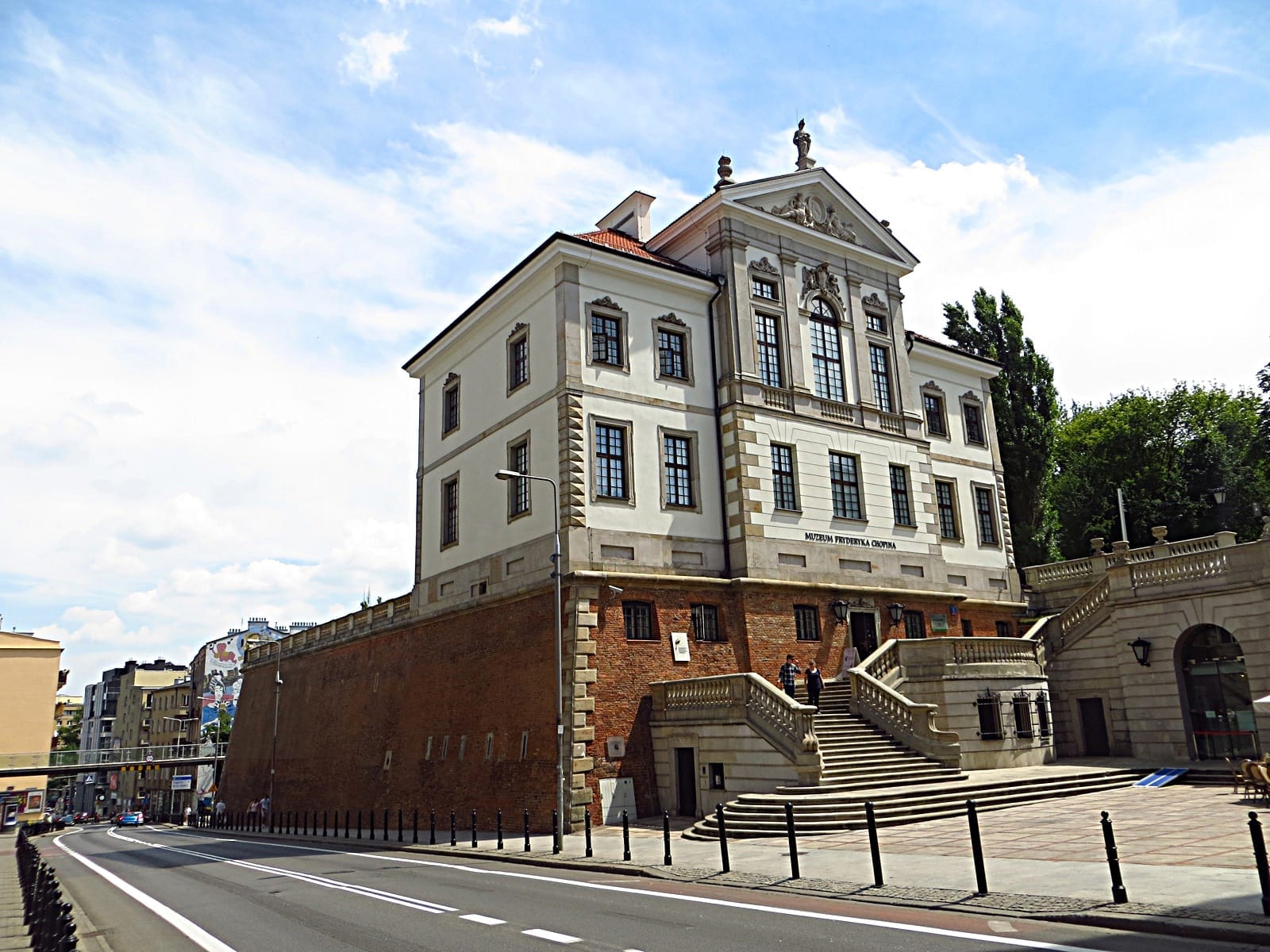
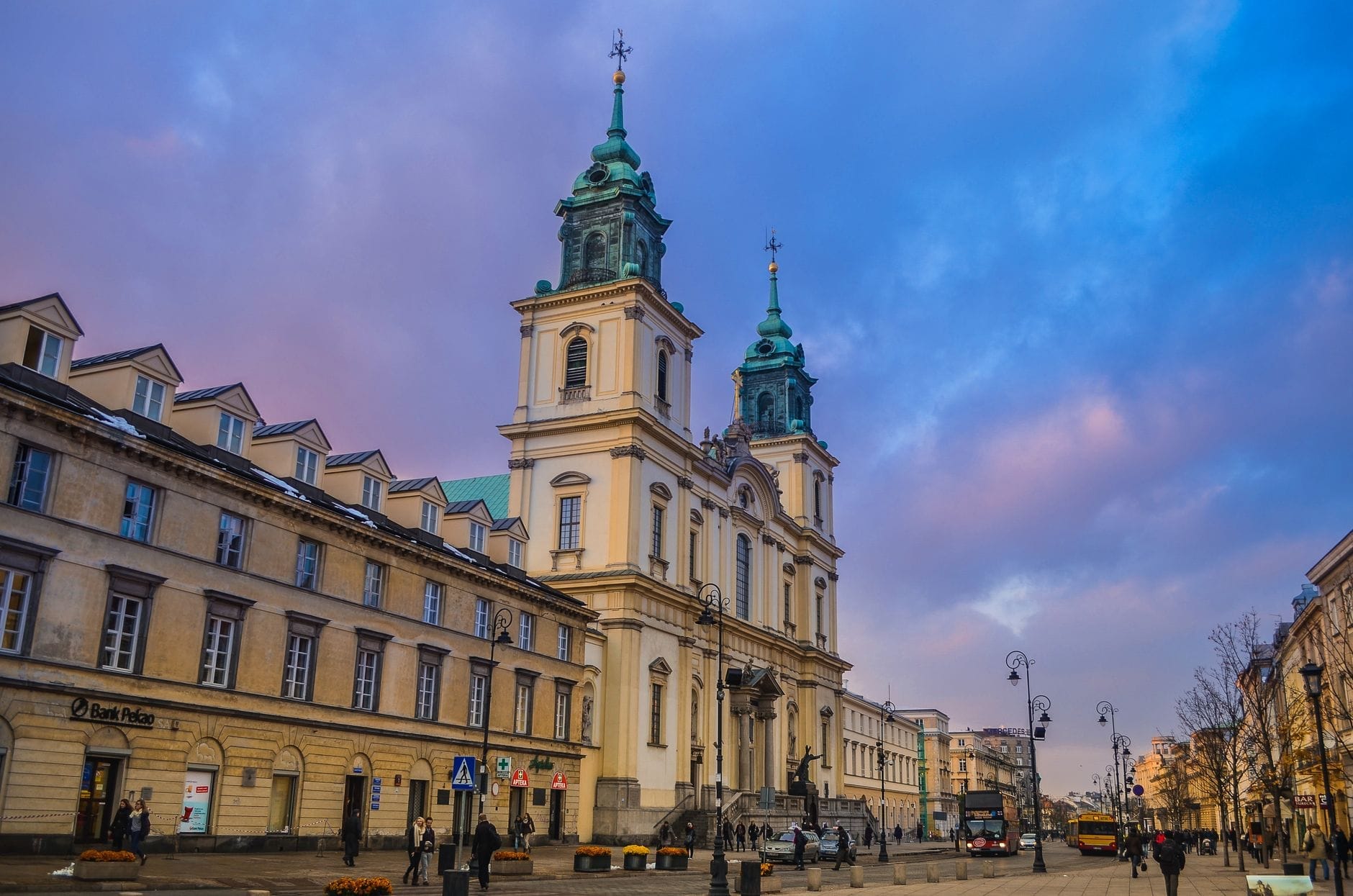
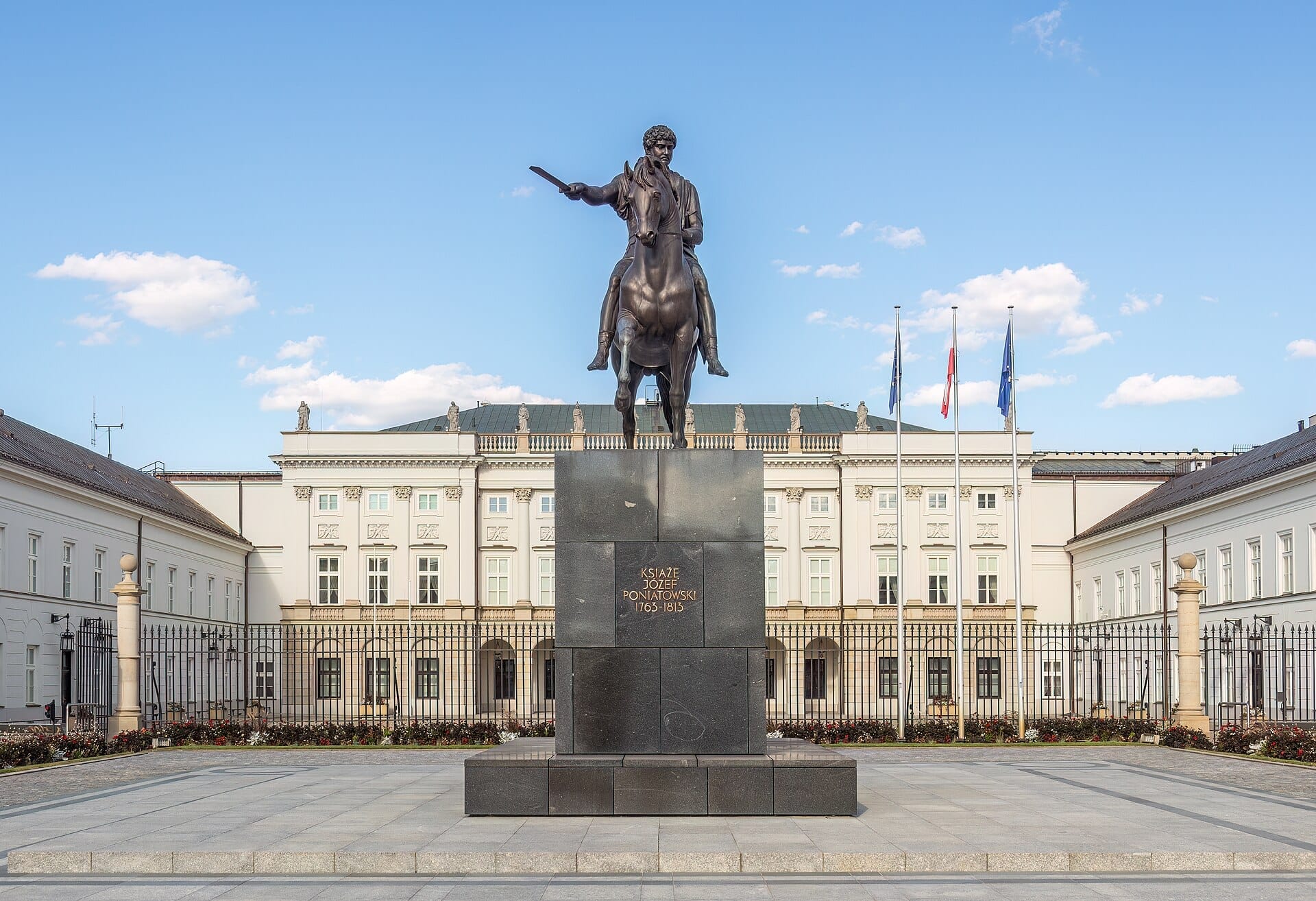
Walking south from the castle, Krakowskie Przedmieście passes some of Warsaw's most significant religious and civic buildings. The St. Anne's Church tower offers one of the best rooftop views in central Warsaw. Further south, the Presidential Palace faces the street with its neoclassical colonnade, flanked by the Holy Cross Church where an urn containing Chopin's heart is preserved in a pillar. The Fryderyk Chopin Museum on ul. Okólnik, just off Nowy Świat, is one of the best-designed music museums in Europe, with interactive exhibits that reward a slow visit.
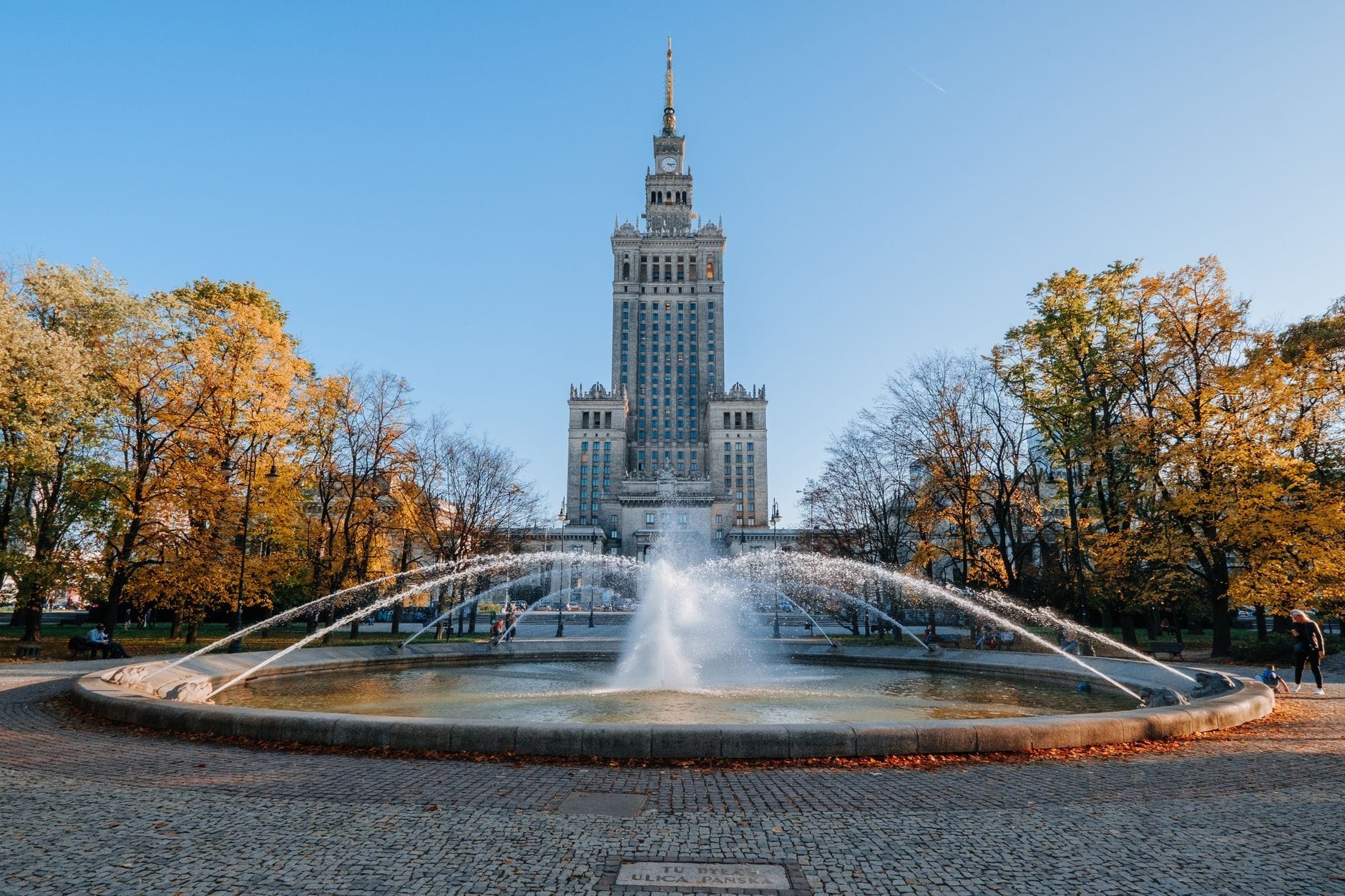
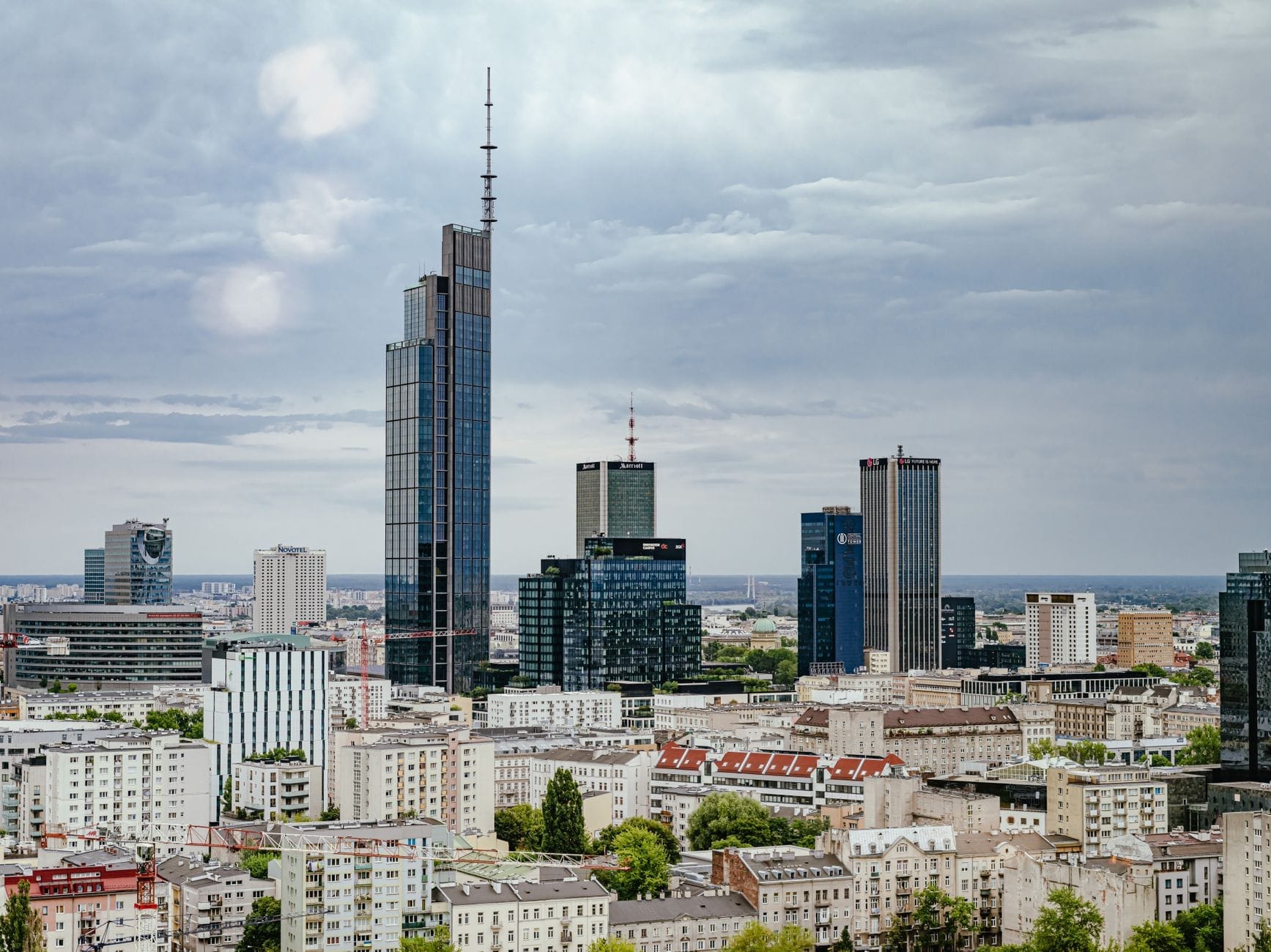
The centrepiece of the commercial district is the Palace of Culture and Science, a Soviet-gifted skyscraper completed in 1955 that Warsaw has never quite known what to do with. The observation deck on the 30th floor provides an unobstructed panorama of the city and its surrounding plains. Whether you find the building magnificent or oppressive says something about your relationship with the 20th century. The newer Varso Tower nearby has overtaken it in height but not in cultural weight.
Old Town Market Square (Rynek Starego Miasta): the emotional and visual centre of Warsaw's historic district
Warsaw Barbican: one of the few surviving fragments of the medieval city walls
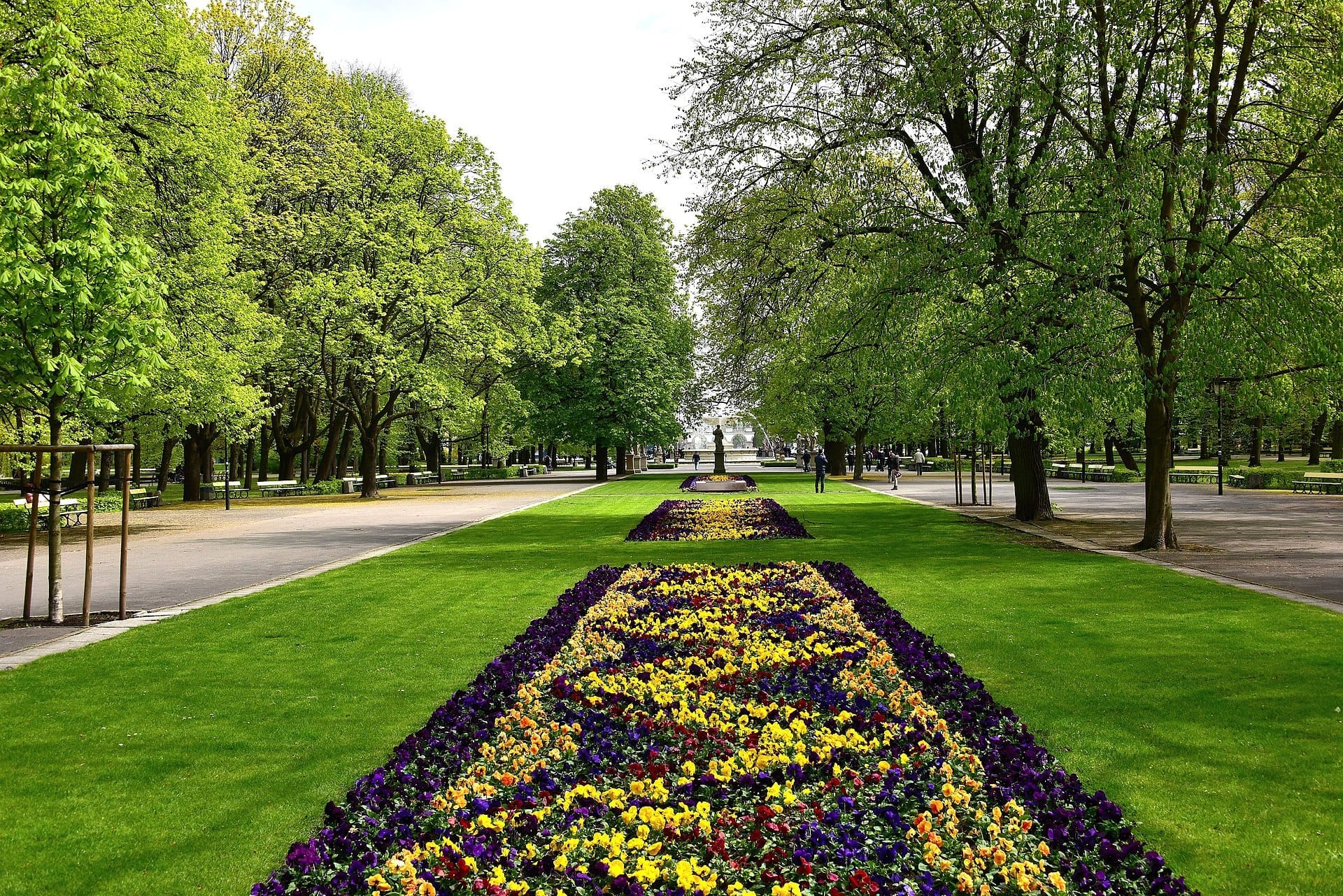
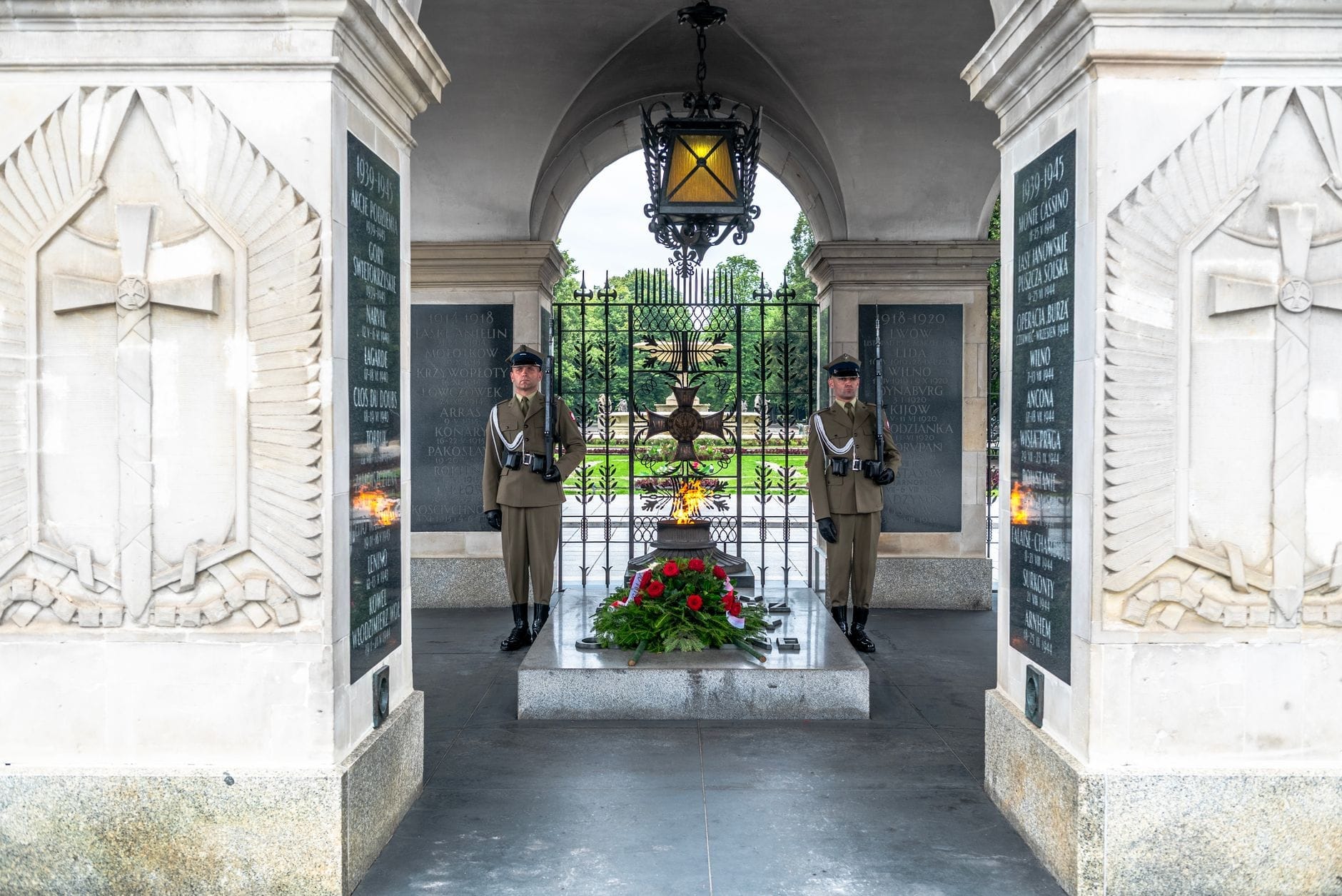
Saxon Garden (Ogród Saski): Warsaw's oldest public park, with the Tomb of the Unknown Soldier at its southern edge
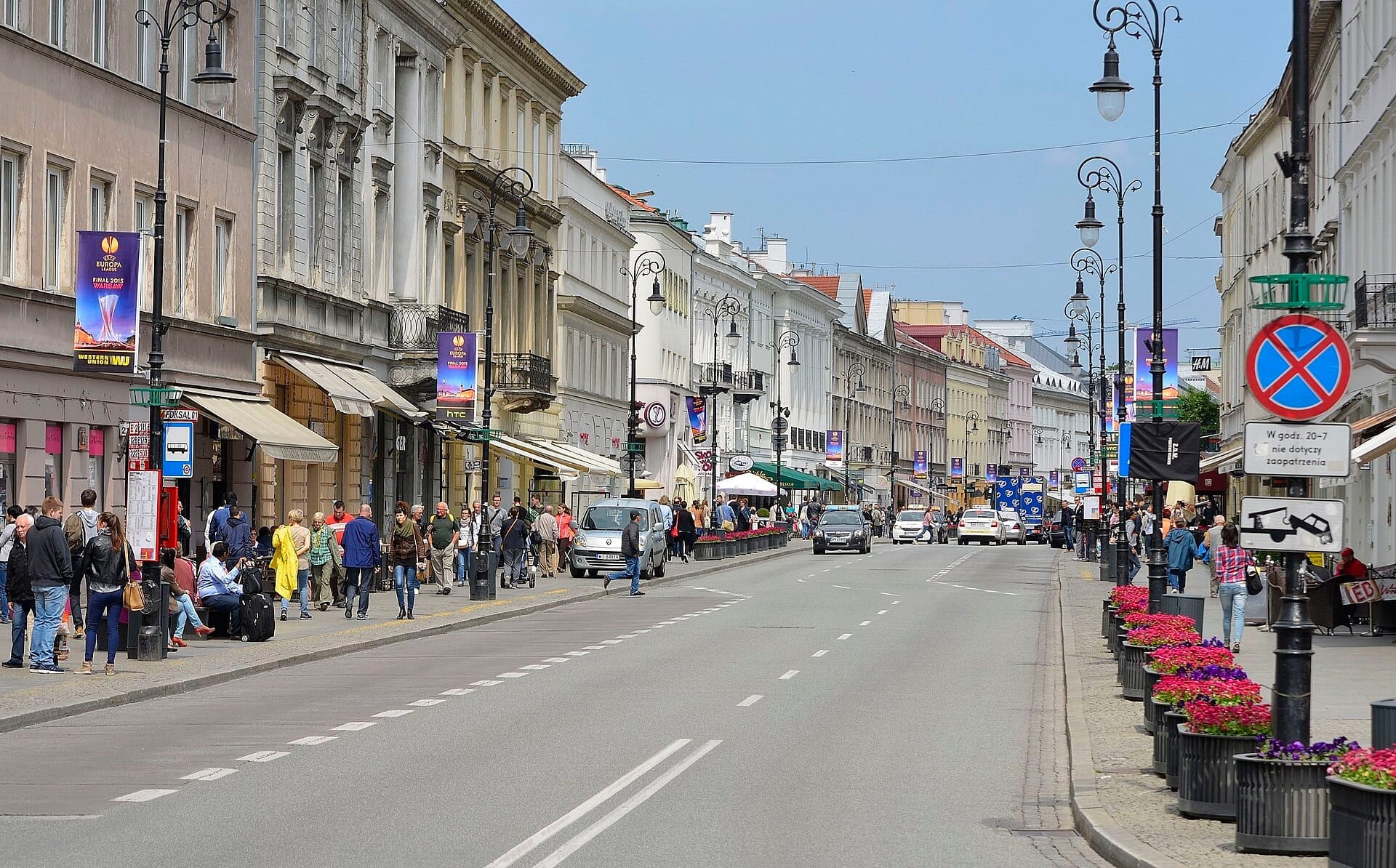
Nowy Świat: a pedestrian-friendly street lined with cafés, bookshops, and 19th-century townhouses
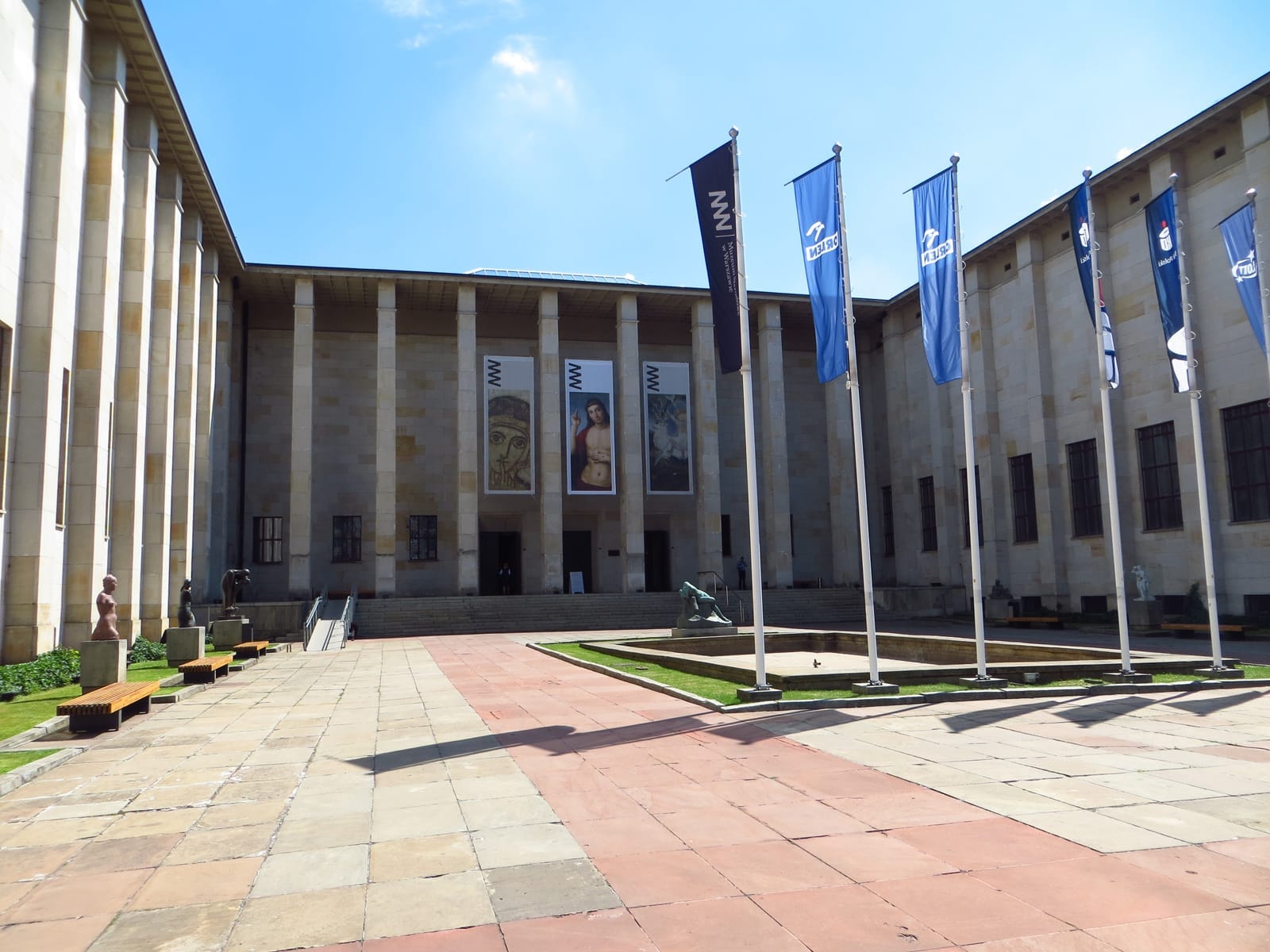
National Museum Warsaw (Muzeum Narodowe): one of Poland's largest art collections, on al. Jerozolimskie
Zachęta National Gallery of Art: Poland's foremost contemporary and modern art institution
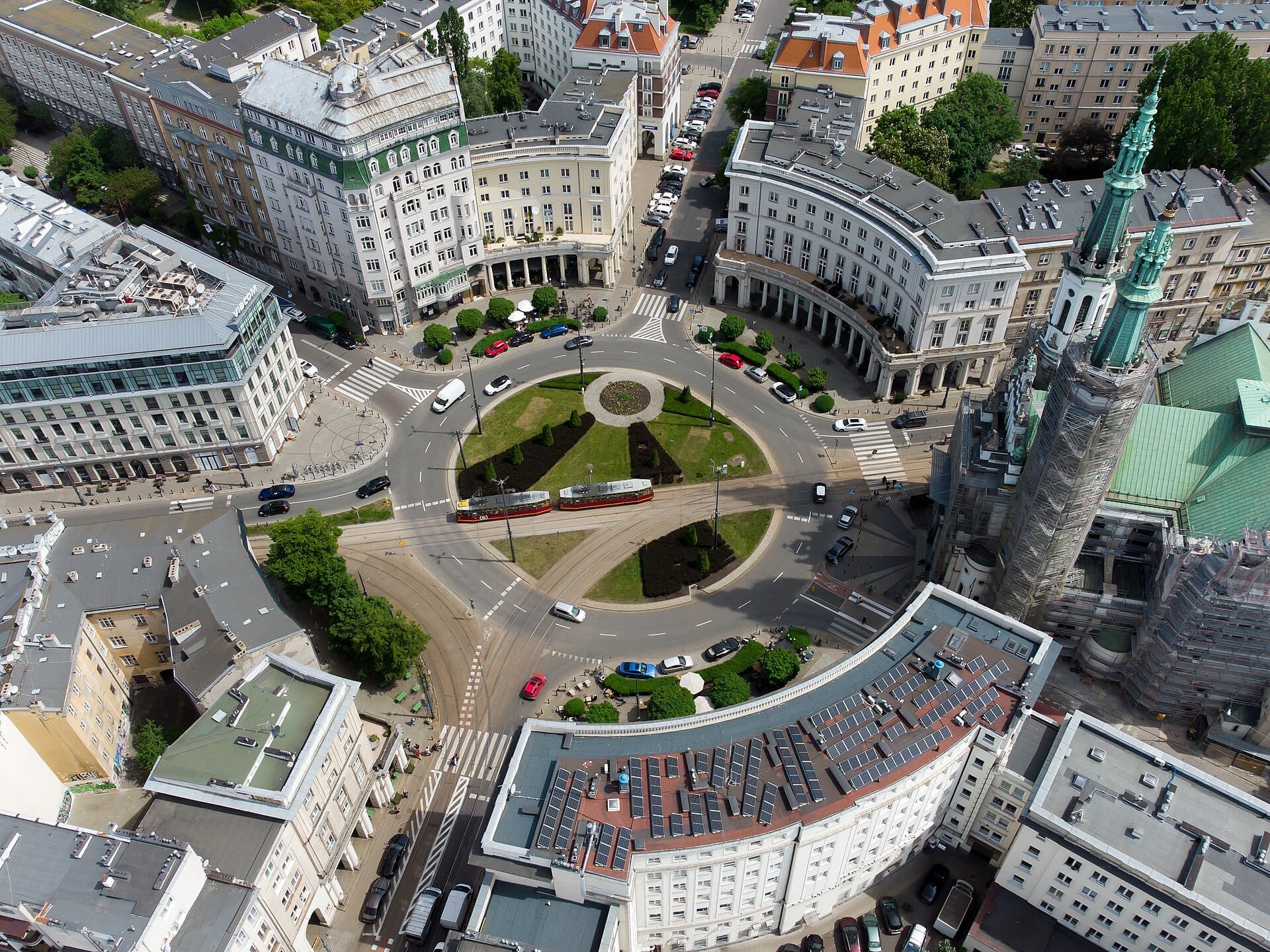
Plac Zbawiciela: a square with a reputation as Warsaw's social and cultural hub
💡 Local tip
If you only have one day in Warsaw, spend the morning in the Old Town and along Krakowskie Przedmieście, stop at the Chopin Museum in the early afternoon, then walk up to the Palace of Culture observation deck at dusk for the city panorama at its most dramatic.
Eating & Drinking
The food scene in Śródmieście covers the full range from tourist-trap pierogi restaurants on the Old Town Market Square to genuinely serious dining rooms and the kind of relaxed neighbourhood cafés that Varsovians actually use. Knowing which is which matters, because the gap in quality and value between the two ends of that spectrum is significant.
The Old Town itself is best treated as a place to have a coffee and take in the architecture, not to eat a serious meal. Prices are higher and quality is inconsistent. Walk five minutes south onto Nowy Świat or Nowy Świat street and the options immediately improve. This corridor has some of Warsaw's better independent cafés, and the density of interesting restaurants increases as you move further into the Śródmieście interior.
The area around Plac Zbawiciela and the streets radiating off it is arguably the best eating and drinking district in central Warsaw. This is where the bar-restaurants with proper kitchens, craft beer selections, and a local clientele are concentrated. Weekend brunch spots fill up by 11am. The square itself has a relaxed social energy that is as close as Warsaw gets to the sidewalk café culture of western European cities.
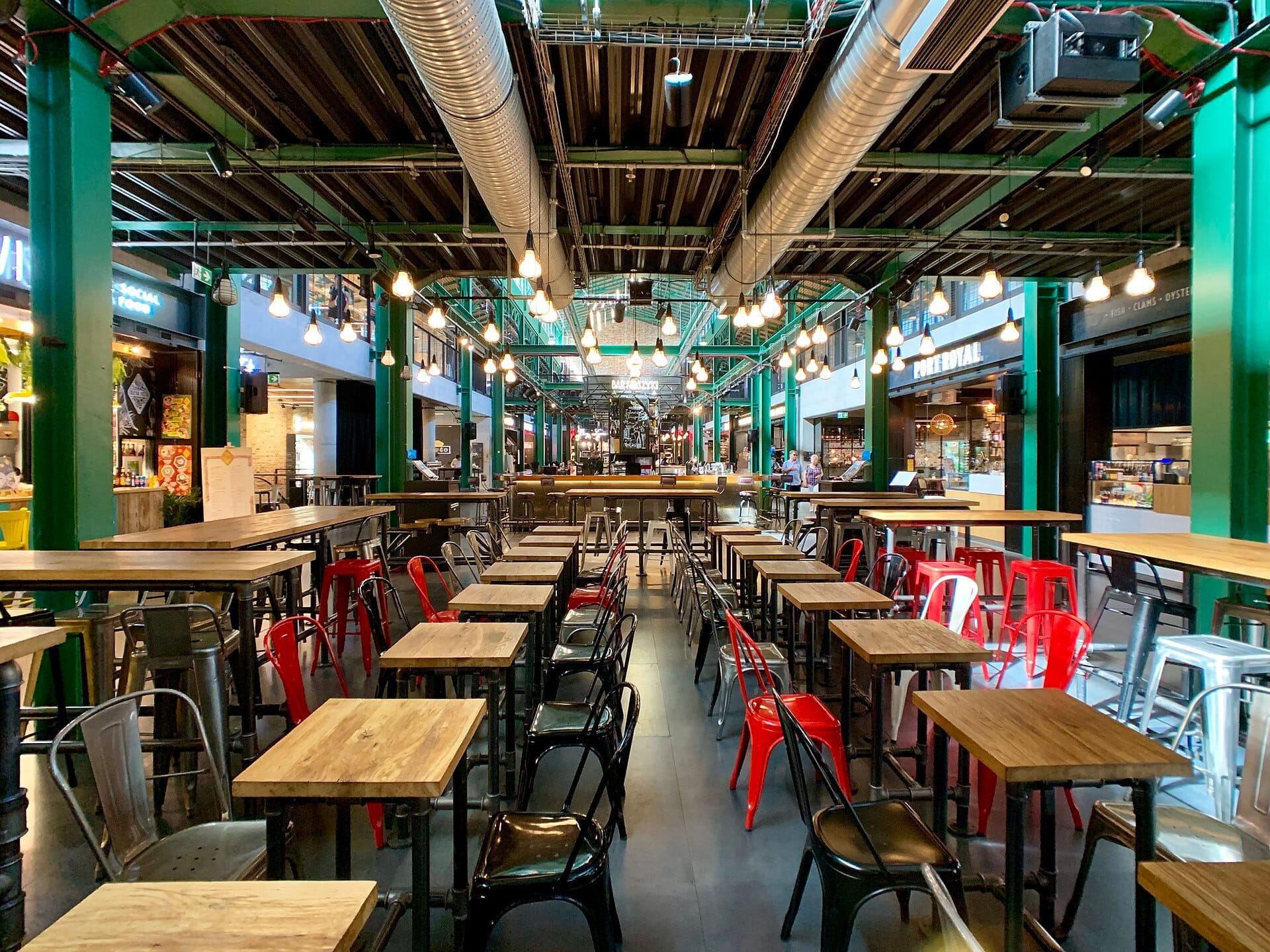
For a more curated food-hall experience, Hala Koszyki on ul. Koszykowa is a restored 1908 market hall that now houses food stalls, restaurants, and bars under a beautifully renovated iron-and-glass roof. It works equally well for a quick lunch or a long evening. Prices are mid-range by Warsaw standards, which means very reasonable by western European ones.
For a broader overview of what and where to eat in the city, the what to eat in Warsaw guide covers local specialties including żurek, bigos, and the city's evolving modern Polish cuisine scene.
⚠️ What to skip
Restaurant touts on the Old Town Market Square and Krakowskie Przedmieście aggressively pitch menus at tourists. A restaurant that needs someone standing outside to pull in customers is, in almost every case, one to avoid. The better places in this neighbourhood do not need to work that hard.
Getting There & Around
Śródmieście is the most transit-connected district in Warsaw and the easiest to navigate without a car. The district sits at the intersection of both metro lines: the M1 line runs north to south through the commercial centre, with key stops at Ratusz Arsenał (for the Old Town), Świętokrzyska (the interchange), Centrum (the commercial heart), and Politechnika (for the southern end of the district). The M2 line runs west to east, crossing the Vistula and connecting the centre to Praga on the east bank, with stops at Nowy Świat-Uniwersytet and Świętokrzyska.
Trams run along ul. Marszałkowska and al. Jerozolimskie, providing additional north-south and east-west coverage. The tram network is efficient and covers many of the areas between metro stops. Buses provide coverage across the district, including into the Old Town area where the metro does not reach directly.
Warszawa Centralna, the main railway station, sits within the district on al. Jerozolimskie, adjacent to the Centrum metro station. Trains to Kraków, Gdańsk, Wrocław, and all other major Polish cities depart from here. For arrivals from Warsaw Chopin Airport (WAW), the most practical options are the SKM/KM suburban rail services to Warszawa Centralna (around 20 minutes) or bus line 175, which also serves the Old Town. Ride-hailing apps including Bolt and Uber operate throughout the district.
Most of the northern and central parts of Śródmieście are walkable between themselves. The walk from the Old Town Market Square to the Palace of Culture takes about 20-25 minutes at a comfortable pace. For more practical transport advice and orientation, the getting around Warsaw guide covers routes, tickets, and transit apps in detail.
Where to Stay
Śródmieście holds the majority of Warsaw's hotel stock, from international business chains clustered near Centrum station and Warszawa Centralna to boutique hotels on the quieter streets of the Old Town and the Nowy Świat corridor. Choosing where within the district to base yourself depends largely on what kind of trip you are planning.
Staying in or immediately adjacent to the Old Town puts you within a few minutes of the Royal Castle, the market square, and Krakowskie Przedmieście, but the immediate area is tourist-facing and less convenient for the metro. The streets just south of the Old Town, including around pl. Zamkowy and the beginning of Krakowskie Przedmieście, offer a better compromise: atmosphere with slightly more practical access.
For visitors who prioritise transit access and proximity to the full range of restaurants and nightlife, the zone between ul. Marszałkowska and ul. Nowy Świat, from al. Jerozolimskie up to the Chopin Museum area, is the strongest base in the district. Hotels here are mid-range to upscale, metro access is immediate, and the best eating and drinking streets are within walking distance. For a broader overview of accommodation options across the city, the where to stay in Warsaw guide covers all major neighbourhoods.
One practical note for light sleepers: the streets around Centrum station, Warszawa Centralna, and the Złote Tarasy shopping centre area are busy at all hours and can be noisy. Hotels on side streets, even a block or two from the main arteries, are significantly quieter. Ask specifically about room position and street-facing vs. courtyard-facing options when booking.
Practical Notes
Śródmieście is a safe district by any reasonable standard. Pickpocketing is the primary risk, concentrated in the tourist-heavy zones of the Old Town and around major transit hubs, particularly Centrum station and Warszawa Centralna. Standard city precautions apply: keep bags closed and in front of you, be aware of your surroundings in crowded spaces, and be especially alert on packed trams.
The district is large enough that even experienced Warsaw visitors do not know all of it well. For a more thematic approach to exploring the centre, the Warsaw walking tour guide lays out a sensible route through the most significant parts of Śródmieście, and the best museums in Warsaw guide helps prioritise the district's considerable cultural offer.
Currency across Poland is the Polish złoty (PLN). While many central Warsaw restaurants and hotels accept card payments, smaller cafés, market stalls, and some local shops prefer cash. ATMs are plentiful throughout the district. Warsaw is in the CET timezone (UTC+1, shifting to UTC+2 during daylight saving time). Emergency services are reached on 112.
TL;DR
Śródmieście is Warsaw's central district and the essential base for first-time visitors: it holds the Royal Castle, the Palace of Culture, the top museums, and the best dining and nightlife strips.
The district divides into distinct zones with very different atmospheres: the tourist-facing Old Town in the north, the commercial Centrum area in the middle, and the more locally-oriented Nowy Świat and Plac Zbawiciela zone to the south.
Transit access is exceptional, with two metro lines, extensive trams and buses, and the main railway station all within the district boundaries.
The Old Town is worth a morning visit but is not where Warsaw's authentic daily life plays out: the streets around Nowy Świat, Hala Koszyki, and Plac Zbawiciela offer a more genuine sense of the city.
Best suited to visitors who want to walk between major sights, eat well, and have easy access to the rest of the city by public transport. Less suited to anyone seeking a quiet retreat or a neighbourhood with a single clear identity.
Warsaw rewards a focused two-day visit more than most European capitals. This itinerary moves logically through the city's historic core, its most important museums, and its green escapes, so you leave with a real sense of the place rather than a blur of landmarks.
Warsaw's churches survived destruction, occupation, and reconstruction to remain among the most compelling religious buildings in Central Europe. This guide covers the best churches in Warsaw, from the Baroque grandeur of Holy Cross to the Gothic revival of St. John's Archcathedral and the military heritage of the Field Cathedral.
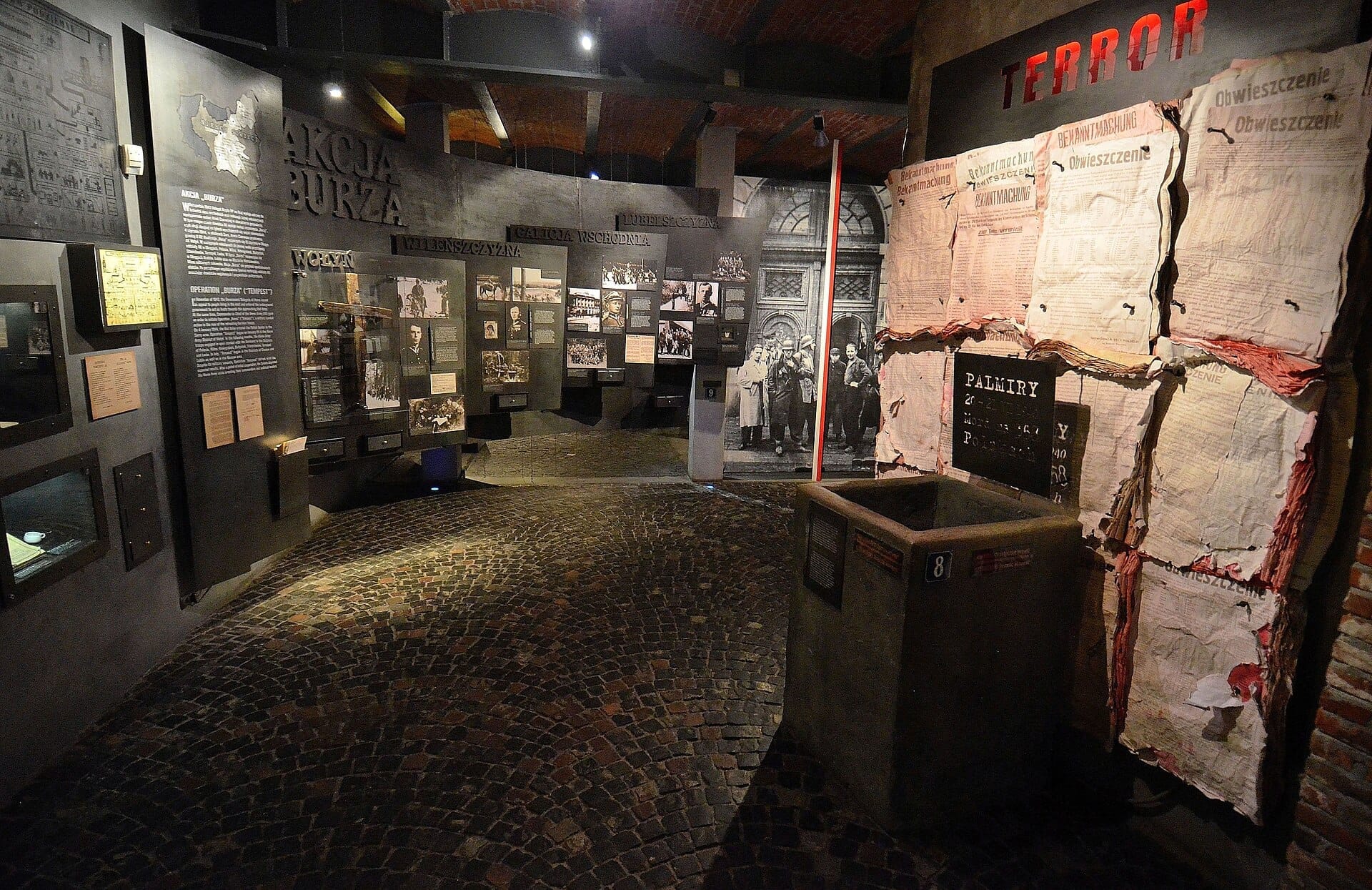
Warsaw is one of Central Europe's strongest museum cities. From world-class history museums built on the sites of WWII atrocities to interactive science centers and glowing neon archives, these are the best museums in Warsaw worth your time and zloty.
Warsaw rewards visitors year-round, but the experience shifts dramatically depending on when you arrive. This guide breaks down every season, from sun-drenched summer riverfront life to snow-dusted Christmas markets, helping you choose the right moment for your priorities and budget.
Warsaw is the beating heart of Chopin's world. This guide covers the key sites, live concert options, musical benches, and practical tips for tracing Fryderyk Chopin's legacy across the Polish capital, from the world's largest Chopin collection to free Sunday recitals in a royal park.
Warsaw preserves one of Central Europe's most complete collections of Stalinist and socialist realist architecture. This guide covers the key landmarks, the history behind them, practical visiting tips, and the common myths that distort what communist-era Warsaw actually looks like.
Warsaw has one of Central Europe's most integrated public transport networks, covering the entire city with metro, trams, buses, and suburban trains on a single ticket system. This guide breaks down every option, from Warsaw Chopin Airport transfers to night buses, with current fares and practical advice.
Warsaw divides opinion more than almost any European capital. This guide cuts through the noise with an honest look at what the city does well, where it falls short, how much it costs, and what kind of traveler will love it most.
Warsaw rewards visitors who look beyond its postwar facade. This guide covers the best things to do in Warsaw, Poland, from UNESCO-listed Old Town and world-class history museums to riverfront beaches and the city's creative Praga district, with clear advice on what's worth your time and money.
Three days is the sweet spot for Warsaw: enough time to walk the Royal Route, absorb the city's layered wartime history, cross the river into Praga, and still catch a sunset from the Vistula Boulevards. This itinerary structures the city's best attractions into three logical days so you don't waste a single hour backtracking.
Warsaw transforms each November into one of Central Europe's most atmospheric Christmas destinations, with free outdoor markets, a stunning Old Town backdrop, mulled wine, and festive activities spread across multiple city locations. This guide covers the best market spots, seasonal attractions, and everything you need to plan a perfect winter visit.
Warsaw rewards those who look past the postcard attractions. From a glowing neon archive in Praga to a rooftop garden above the Vistula, these lesser-known spots reveal the city's real character. This guide covers the neighborhoods, history sites, and local haunts that most visitors walk straight past.
Summer transforms Warsaw into an outdoor city, with free concerts in royal parks, sandy riverfront beaches, and long evenings spent at café terraces. This guide covers the best attractions and experiences across June, July, and August, from cultural landmarks to the places where locals actually spend their warmest months.
Winter in Warsaw generally runs from December through February, with temperatures hovering around freezing and short days that rarely exceed eight hours of daylight. But the city rewards cold-weather visitors with fewer crowds, atmospheric snowy streets, a thriving indoor cultural scene, and festive seasonal traditions that locals genuinely love.
Warsaw was once one of the great centers of Jewish life in Europe. This guide covers the history of the Jewish ghetto, the key memorials and museums, the only surviving prewar synagogue, and how to build a meaningful route through the Muranów district and beyond.
Warsaw's nightlife compares well with other European capitals. From Soviet-era neon-lit bars in Praga to rooftop cocktail lounges above the city skyline, the Polish capital offers a diverse after-dark scene that rewards those willing to explore beyond the Old Town.
Warsaw costs 30-50% less than most Western European capitals, yet delivers world-class museums, remarkable history, and excellent food. This guide breaks down exactly what to spend, where to save, and how to avoid the tourist-price traps that inflate budgets unnecessarily.
Warsaw is one of the greenest capital cities in Europe, with parks ranging from 18th-century royal landscapes to sandy Vistula riverbanks. This guide covers the best parks and green spaces in Warsaw, whether you want Chopin concerts on a Sunday afternoon, a long cycle through meadows, or a rooftop garden with river views.
Warsaw's shopping scene is far more interesting than a row of international malls. The city mixes beautifully restored market halls, independent boutique streets, flea markets, and food halls into a retail landscape that rewards explorers. This guide covers the best places to shop, browse, and eat your way through Warsaw.
The Warsaw to Kraków corridor is one of Poland's most traveled routes. This guide covers every realistic option, from PKP Intercity high-speed trains to FlixBus overnight departures, with clear price comparisons, booking strategy, and timing advice.
Warsaw rewards walkers more than almost any European capital. This guide covers the best self-guided walking routes, the apps that make them better, seasonal timing, and the context you need to actually understand what you're looking at.
Warsaw surprises families with a wide range of activities beyond its famous museums. From interactive science centers and a storied zoo to royal parks and riverside beaches, here is a practical guide to the best family experiences the Polish capital offers.
Warsaw suffered one of the most devastating urban destructions of the Second World War. This guide covers every major WW2 site and museum in the city, explains the crucial difference between the two Warsaw uprisings, and gives you practical logistics for visiting each location.
Warsaw's food scene runs deeper than Old Town tourist menus. This guide covers the essential Polish dishes to try, where to find them, how much to pay, and which spots locals rate over the obvious tourist traps — from budget milk bars to modern bistros.
Warsaw's food scene runs deeper than pierogi and bigos. With about 10 Bib Gourmand restaurants in Warsaw in the 2026 MICHELIN Guide Poland and a growing wave of creative chefs redefining Polish cuisine, the city rewards anyone willing to eat beyond the Old Town tourist strip. This guide covers where to eat in Warsaw at every budget, neighborhood, and time of day.
Choosing where to stay in Warsaw shapes your entire trip. This guide breaks down every major neighborhood by atmosphere, transport links, price level, and who it suits best — so you can book with confidence.