Hidden Gems in Warsaw: Off the Beaten Path Explorers Will Love
Warsaw rewards those who look past the postcard attractions. From a glowing neon archive in Praga to a rooftop garden above the Vistula, these lesser-known spots reveal the city's real character. This guide covers the neighborhoods, history sites, and local haunts that most visitors walk straight past.
Plan and book this trip
Tools from our partner Travelpayouts help you compare flights and hotels. If you book through them, we may earn a commission at no extra cost to you.
Flights
Hotels map
Most visitors to Warsaw follow a well-worn circuit: Old Town, Royal Castle, Palace of Culture. That circuit is fine, but it misses the city that Varsovians actually inhabit. The real Warsaw is in Praga, where pre-war tenements carry enormous murals and a restored vodka distillery houses a surprisingly excellent museum. It's in the rooftop gardens that locals use as lunchtime escapes, and in the riverside beaches that appear each summer like a seasonal secret. If you want the fuller picture, our complete Warsaw guide is a good starting point, but this list is for the places that take a little more intention to find.
Praga: Warsaw's Most Rewarding Detour
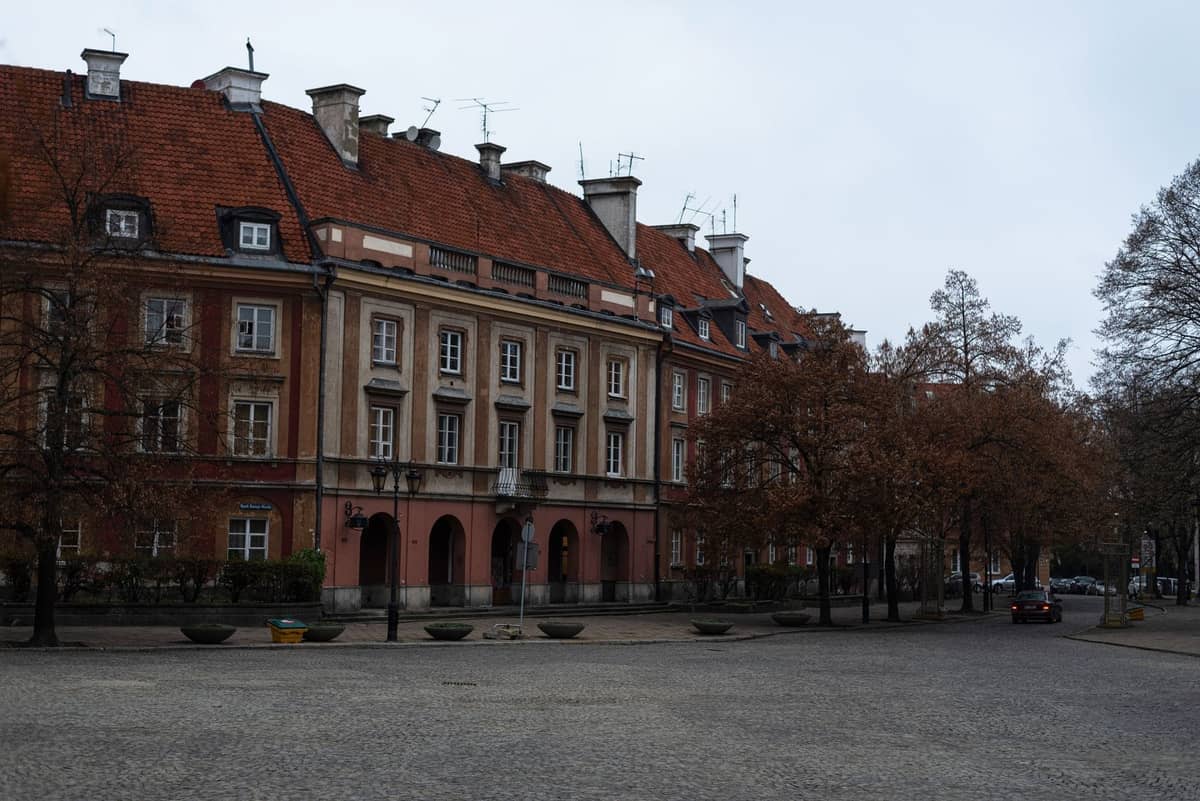
Praga sits on the east bank of the Vistula, separated from central Warsaw by water and, until recently, by reputation. It survived WWII largely intact while the west bank was leveled, which means its pre-war tenements, cobbled courtyards, and early 20th-century Orthodox churches are the real thing. Today it's Warsaw's most interesting neighborhood for art, independent restaurants, and atmospheric wandering. The Warsaw walking tour barely touches Praga, which is exactly why it belongs at the top of any off-the-beaten-path list.
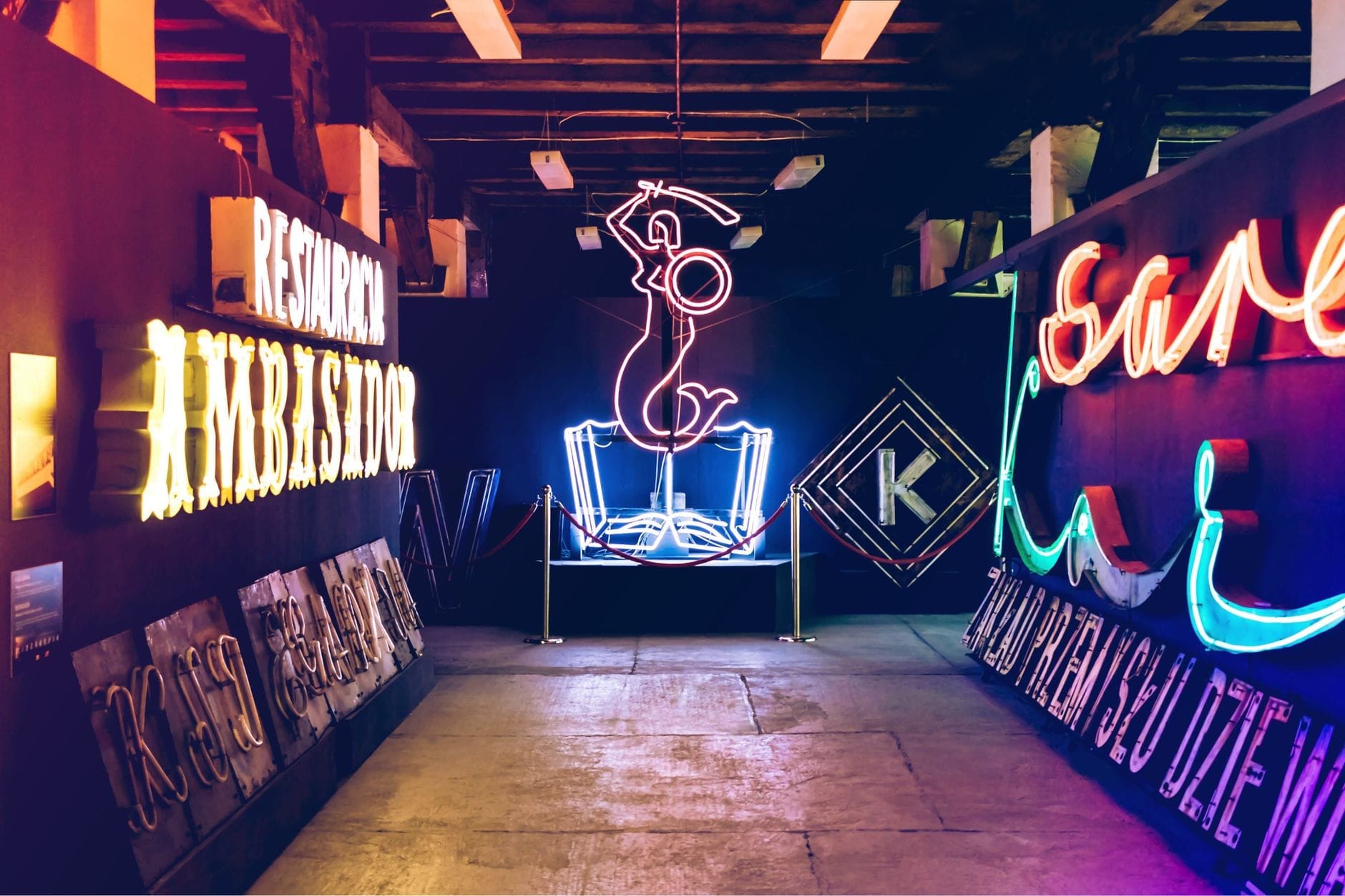
1. Step Inside Warsaw's Glowing Archive of Communist-Era Neon
Over 200 original neon signs rescued from across socialist Poland fill this museum inside the Palace of Culture and Science in Śródmieście (it moved from Praga in 2025). Evening visits, when the signs are lit, are the most atmospheric. Check hours before going as they vary.
Explore1. Step Inside Warsaw's Glowing Archive of Communist-Era Neon
Over 200 original neon signs rescued from across socialist Poland fill this museum inside the Palace of Culture and Science in Śródmieście (it moved from Praga in 2025). Evening visits, when the signs are lit, are the most atmospheric. Check hours before going as they vary.
Explore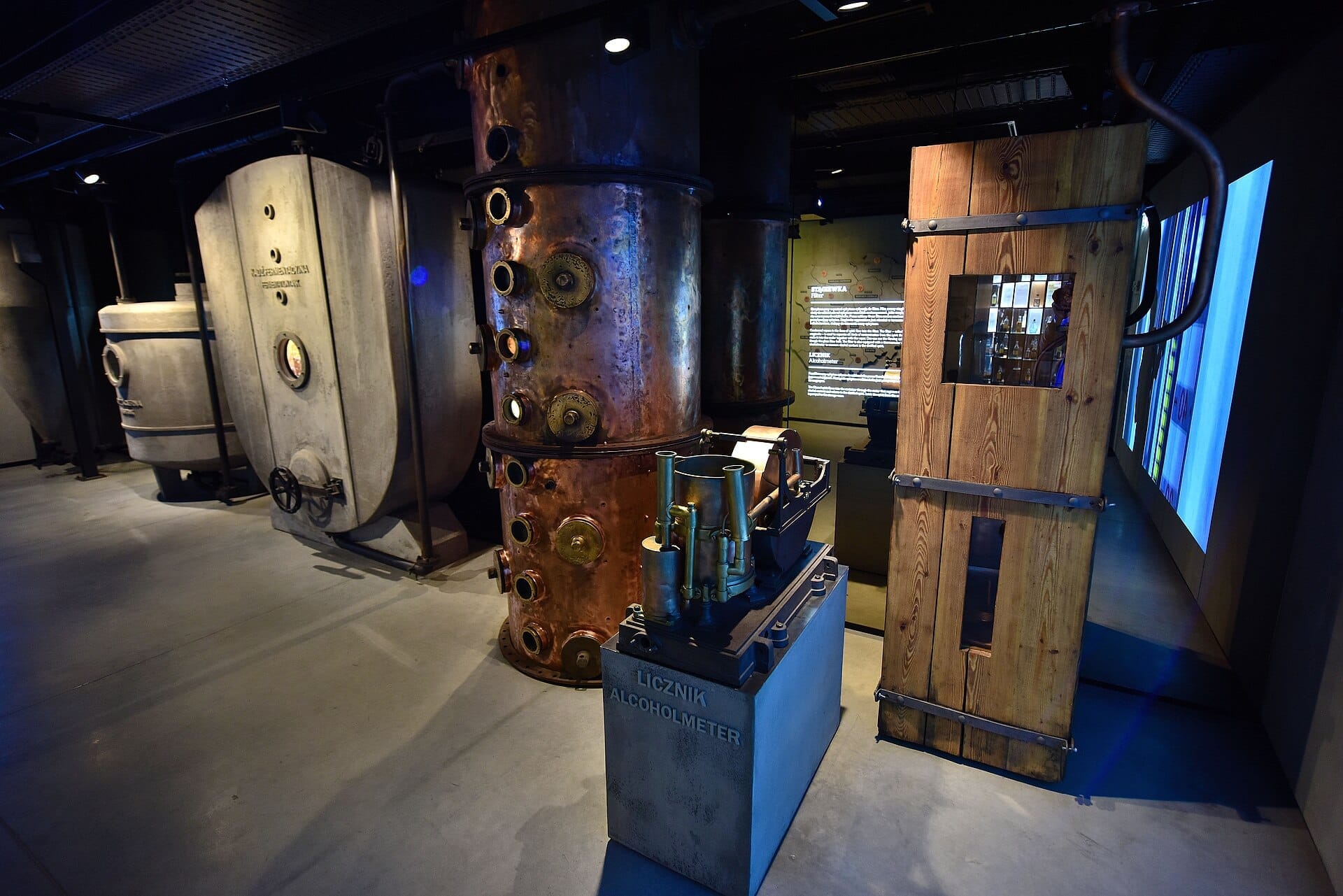
2. Tour 600 Years of Polish Vodka at a Restored Praga Distillery
The Koneser complex is a beautifully converted 19th-century vodka factory with a genuine museum tracing Polish distilling history, interactive exhibits, and tasting sessions. The architecture alone justifies the trip across the river.
Explore2. Tour 600 Years of Polish Vodka at a Restored Praga Distillery
The Koneser complex is a beautifully converted 19th-century vodka factory with a genuine museum tracing Polish distilling history, interactive exhibits, and tasting sessions. The architecture alone justifies the trip across the river.
Explore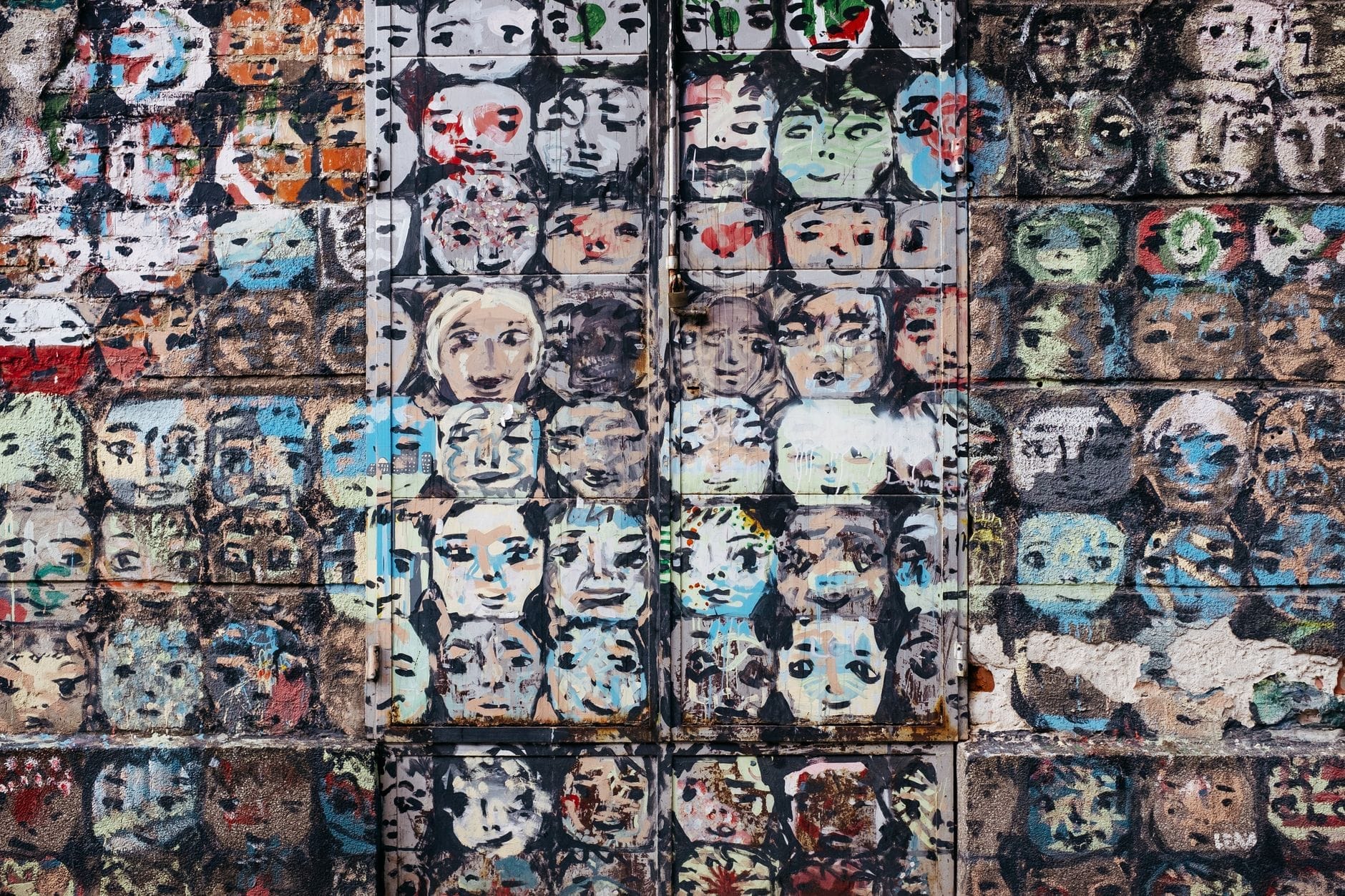
3. Walk Praga's Open-Air Mural Gallery on a Self-Guided Route
Praga's tenement walls carry large-scale murals from both internationally commissioned artists and local crews. A self-guided walk between Ząbkowska Street and the Soho Factory area covers the densest concentration in under two hours.
Explore3. Walk Praga's Open-Air Mural Gallery on a Self-Guided Route
Praga's tenement walls carry large-scale murals from both internationally commissioned artists and local crews. A self-guided walk between Ząbkowska Street and the Soho Factory area covers the densest concentration in under two hours.
Explore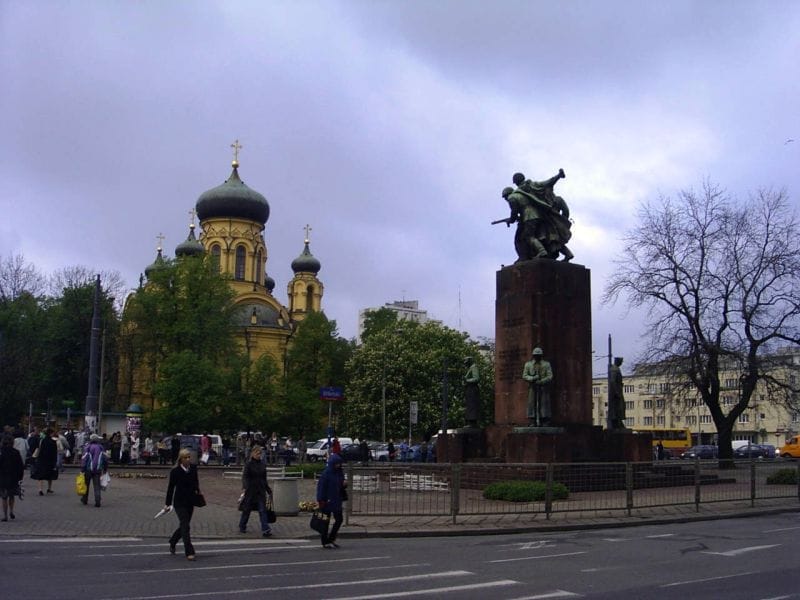
4. Visit the Golden-Domed Orthodox Cathedral That Most Tourists Skip
This Russian Orthodox cathedral in Praga, with its golden onion domes and Byzantine interior mosaics, is one of Warsaw's most visually striking religious buildings. It reflects the city's layered ethnic history and sees a fraction of the crowds at Old Town churches.
Explore4. Visit the Golden-Domed Orthodox Cathedral That Most Tourists Skip
This Russian Orthodox cathedral in Praga, with its golden onion domes and Byzantine interior mosaics, is one of Warsaw's most visually striking religious buildings. It reflects the city's layered ethnic history and sees a fraction of the crowds at Old Town churches.
ExploreRooftops, Parks & Green Escapes
Warsaw has more green space per capita than most European capitals, but the spots locals favor are rarely on the tourist map. The Warsaw parks guide covers the full range, from the grand Łazienki to the smaller neighborhood escapes. The places below are the ones that take a little extra finding.
5. Discover Warsaw's Best Secret: A Free Rooftop Garden Over the Vistula
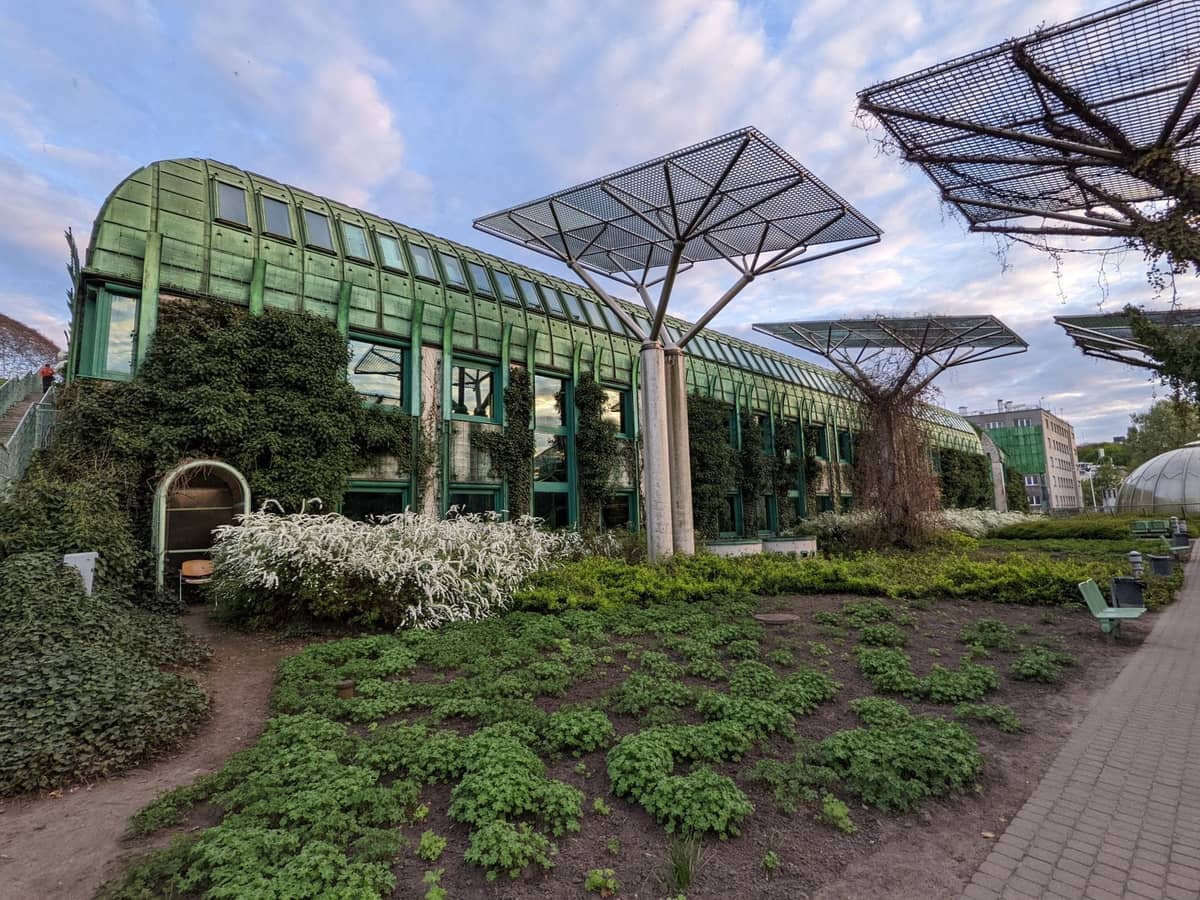
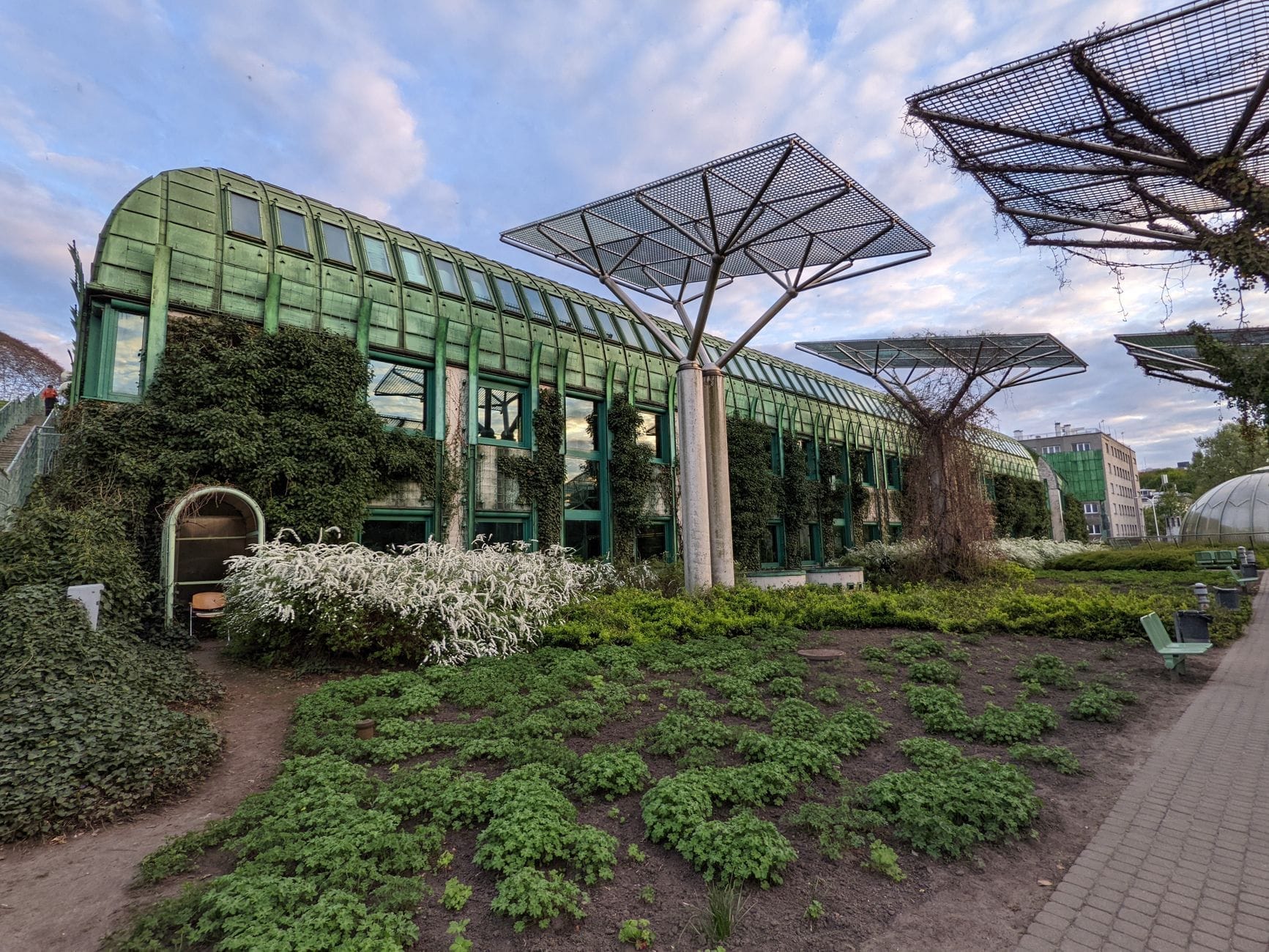
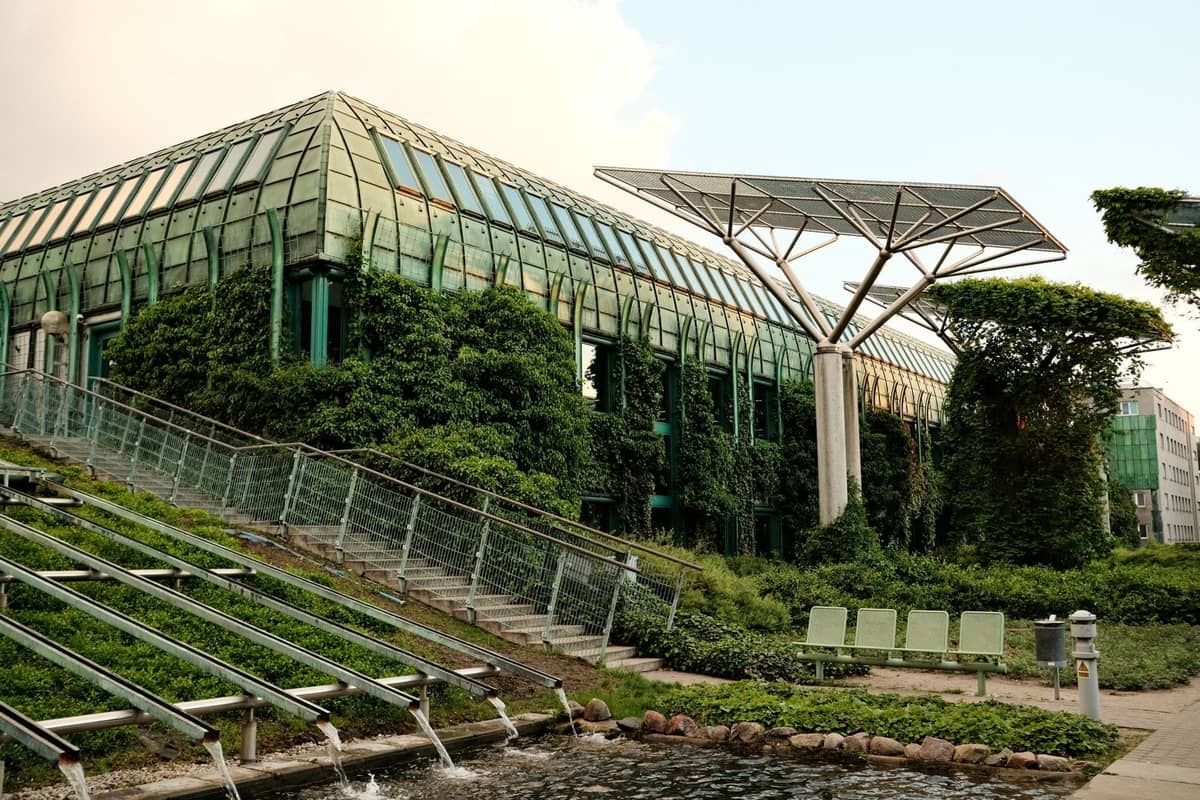
The rooftop garden of the University of Warsaw Library is one of Europe's largest and is free to enter. Terraced planting, panoramic Vistula views, and almost no tourist crowds. Open seasonally in warmer months; verify hours before visiting.
Explore5. Discover Warsaw's Best Secret: A Free Rooftop Garden Over the Vistula
The rooftop garden of the University of Warsaw Library is one of Europe's largest and is free to enter. Terraced planting, panoramic Vistula views, and almost no tourist crowds. Open seasonally in warmer months; verify hours before visiting.
Explore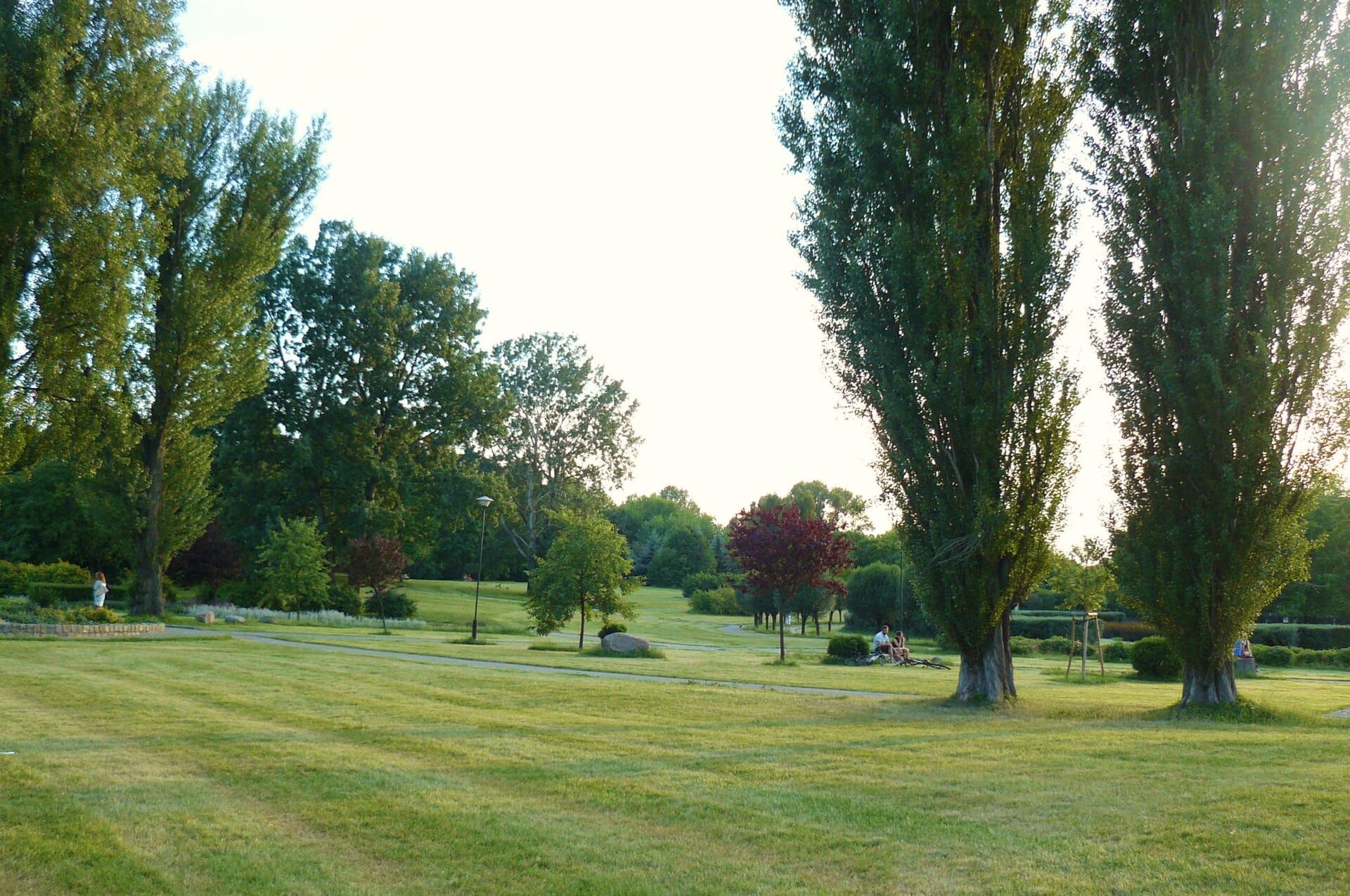
6. Join the Locals at Pole Mokotowskie, Warsaw's Favorite Neighborhood Park
This sprawling meadow park in Mokotów is where Varsovians actually spend their weekends: jogging, cycling, flying kites, and hosting picnics. It's off the tourist trail entirely and gives a genuine sense of daily city life away from the centre.
Explore6. Join the Locals at Pole Mokotowskie, Warsaw's Favorite Neighborhood Park
This sprawling meadow park in Mokotów is where Varsovians actually spend their weekends: jogging, cycling, flying kites, and hosting picnics. It's off the tourist trail entirely and gives a genuine sense of daily city life away from the centre.
Explore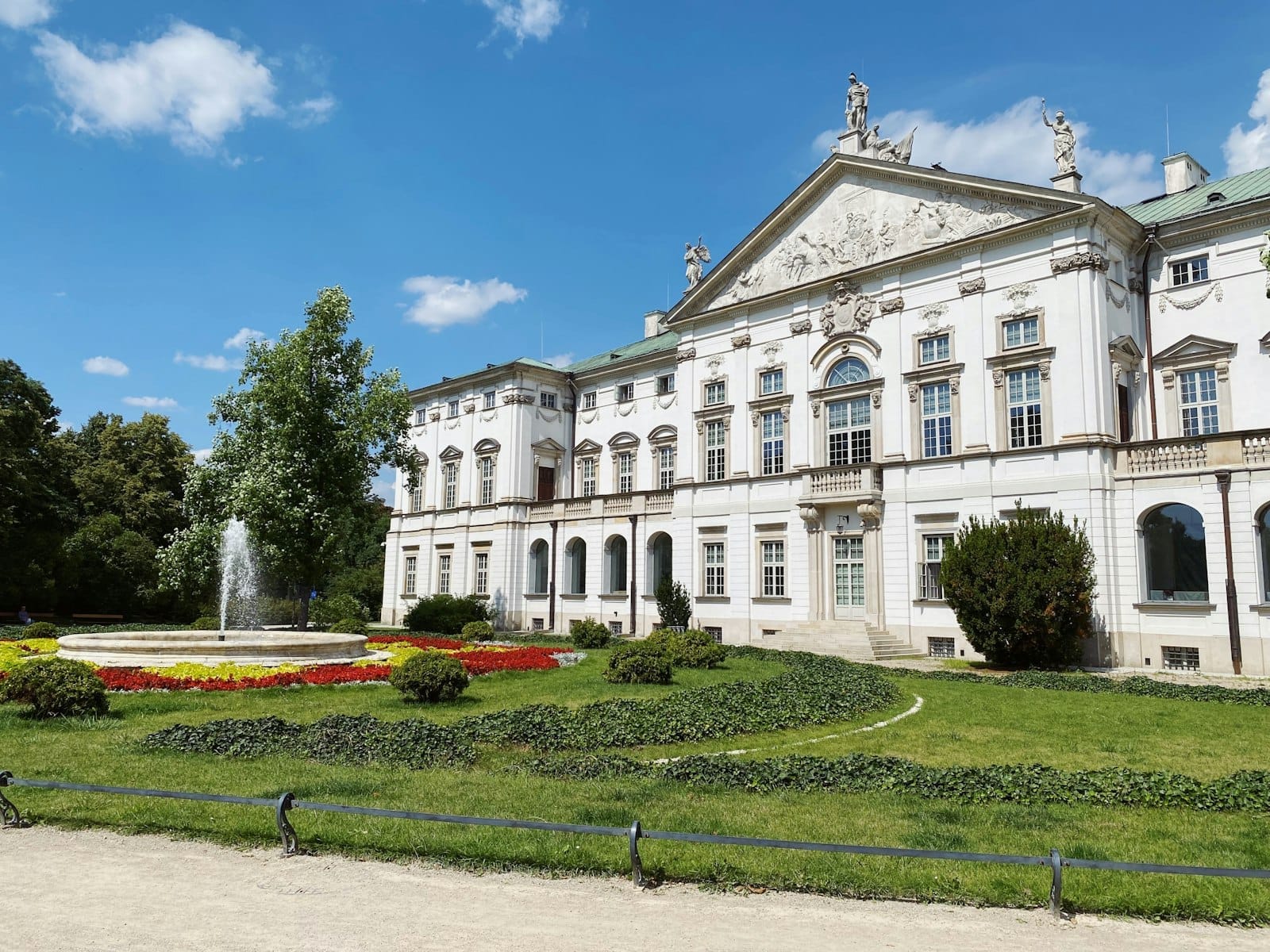
7. Find Quiet in the Krasiński Garden, One of Warsaw's Overlooked Green Spaces
The garden behind the Baroque Krasiński Palace is peaceful on even the busiest summer days. The palace facade features dramatic Roman battle reliefs, and the garden's shaded paths make it a genuine retreat just minutes from the Old Town crowds.
Explore7. Find Quiet in the Krasiński Garden, One of Warsaw's Overlooked Green Spaces
The garden behind the Baroque Krasiński Palace is peaceful on even the busiest summer days. The palace facade features dramatic Roman battle reliefs, and the garden's shaded paths make it a genuine retreat just minutes from the Old Town crowds.
Explore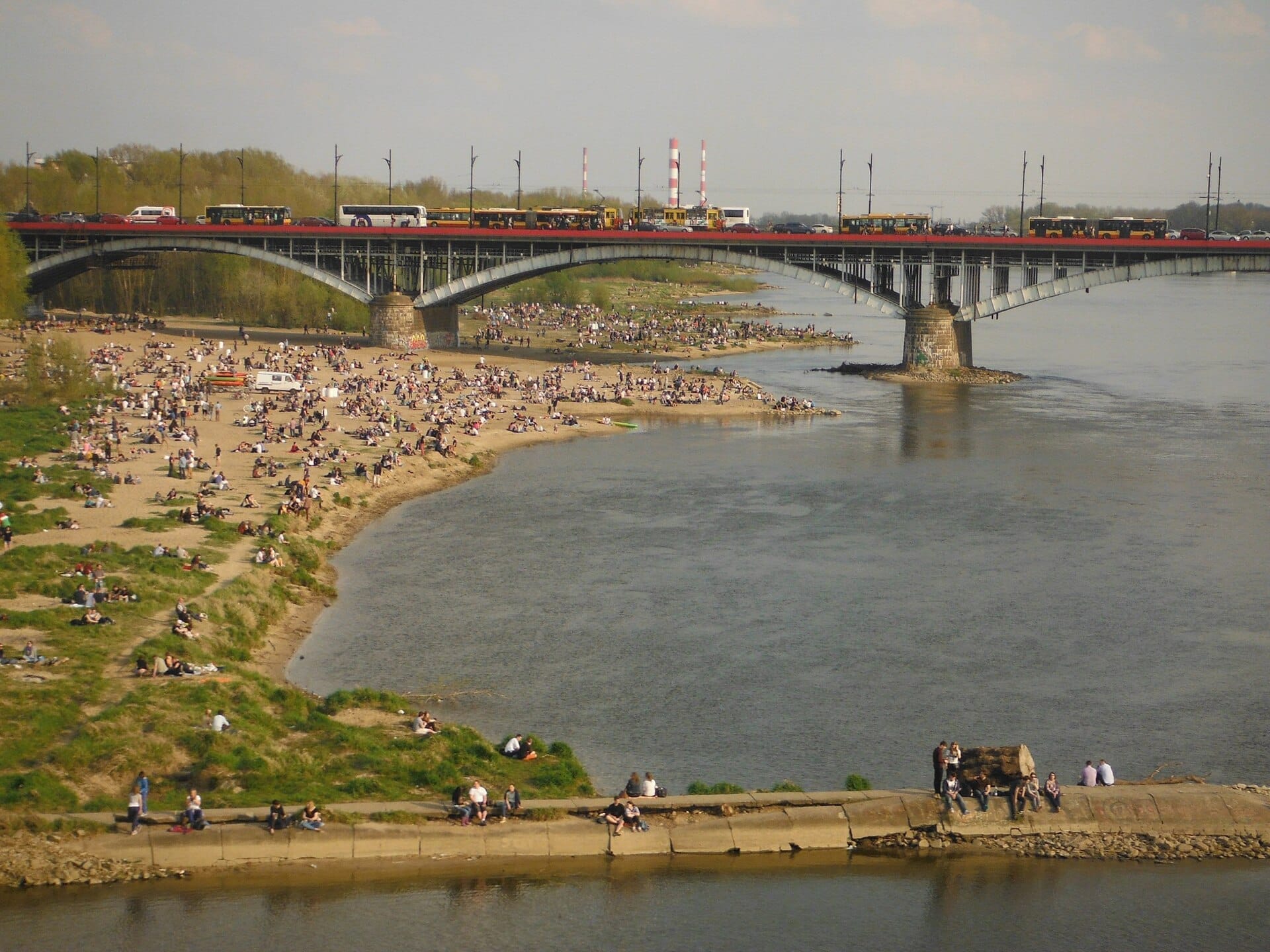
8. Spend a Summer Afternoon on Warsaw's Urban Riverbank Beaches
Sandy Vistula beaches at Poniatówka, Saska, and Czerniakowska fill each summer with sunbathers, volleyball players, and bar regulars. This is a distinctly Warsaw phenomenon: a proper beach atmosphere inside a major European capital, free and fully local.
Explore8. Spend a Summer Afternoon on Warsaw's Urban Riverbank Beaches
Sandy Vistula beaches at Poniatówka, Saska, and Czerniakowska fill each summer with sunbathers, volleyball players, and bar regulars. This is a distinctly Warsaw phenomenon: a proper beach atmosphere inside a major European capital, free and fully local.
ExploreHistory Off the Standard Route
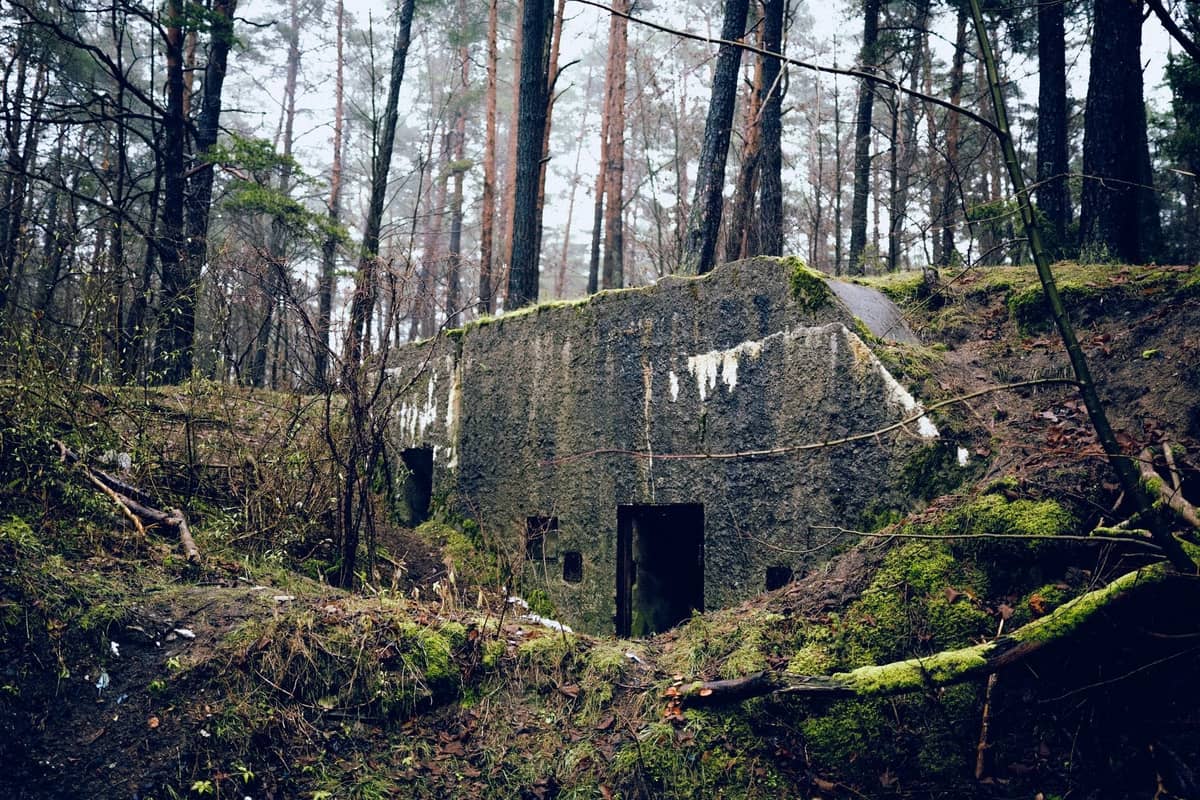
Warsaw's WWII and Cold War history is extensive, but most visitors only scratch the surface. Beyond the main WWII sites and the Jewish heritage trail covered in the Jewish heritage guide, there are sobering and unusual history spots that reward visitors willing to go a bit further from the center.
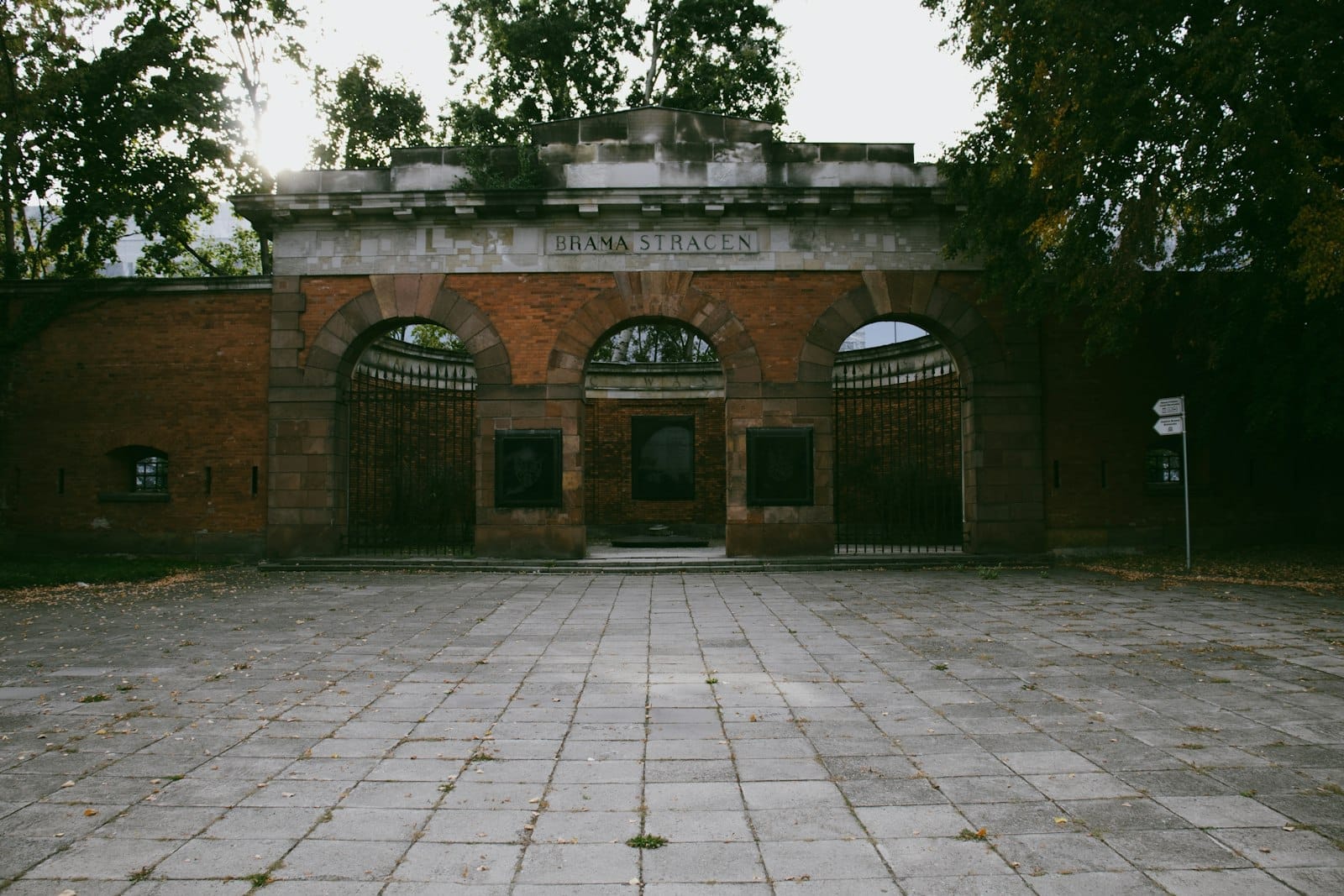
9. Walk the Grounds of the Russian Fortress Built to Crush Polish Resistance
The 19th-century Warsaw Citadel, built by Tsarist Russia to control the city, held thousands of Polish patriots before their executions. Today it's largely unvisited, making a walk through its original fortifications and gates unexpectedly atmospheric and moving.
Explore9. Walk the Grounds of the Russian Fortress Built to Crush Polish Resistance
The 19th-century Warsaw Citadel, built by Tsarist Russia to control the city, held thousands of Polish patriots before their executions. Today it's largely unvisited, making a walk through its original fortifications and gates unexpectedly atmospheric and moving.
Explore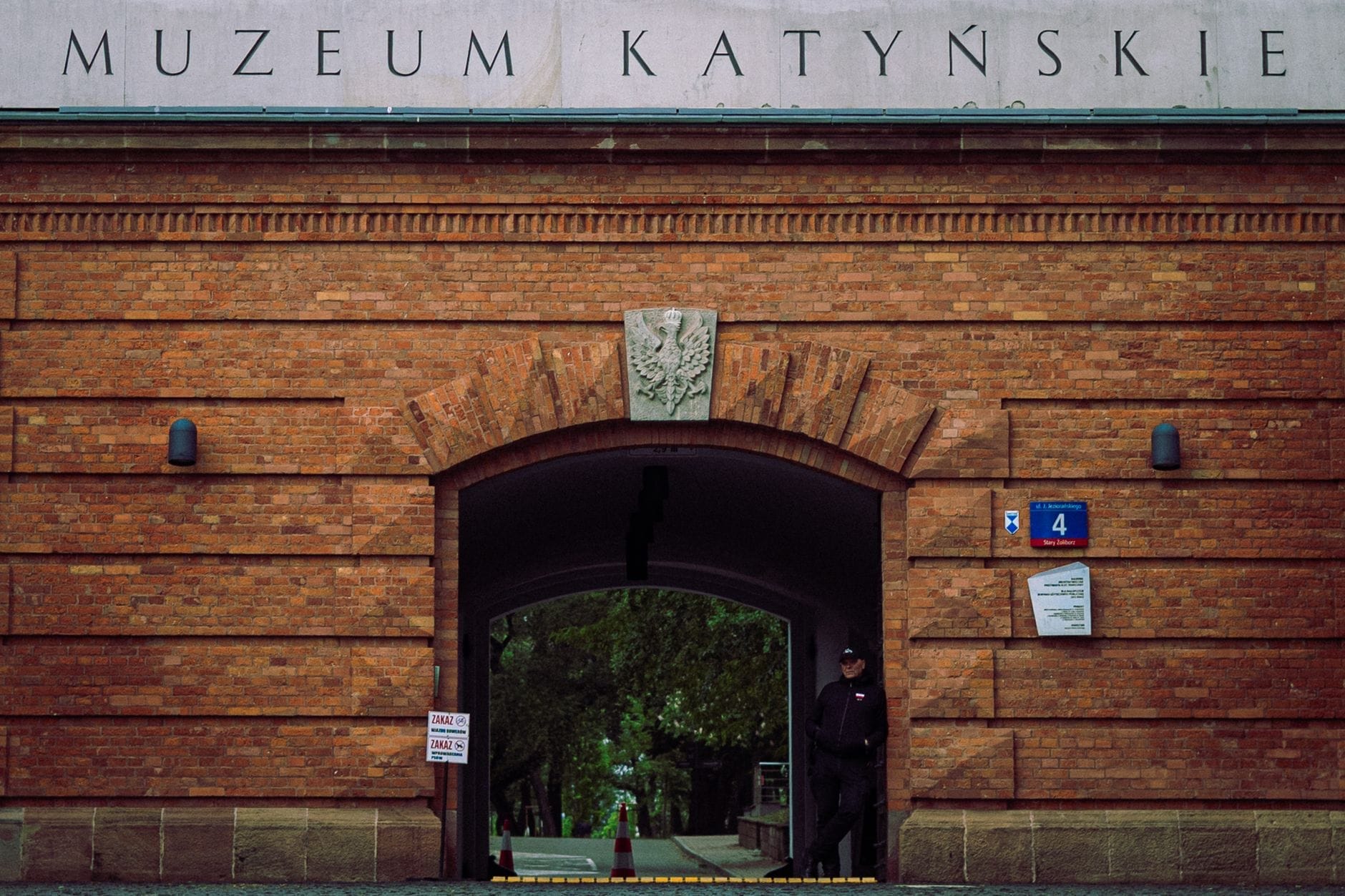
10. Confront One of Poland's Most Painful Histories at the Katyń Museum
Inside the Warsaw Citadel, this museum documents the 1940 Soviet massacre of over 22,000 Polish officers and civilians. Personal belongings, original documents, and photographs make this one of the most affecting and undervisited museums in the city.
Explore10. Confront One of Poland's Most Painful Histories at the Katyń Museum
Inside the Warsaw Citadel, this museum documents the 1940 Soviet massacre of over 22,000 Polish officers and civilians. Personal belongings, original documents, and photographs make this one of the most affecting and undervisited museums in the city.
Explore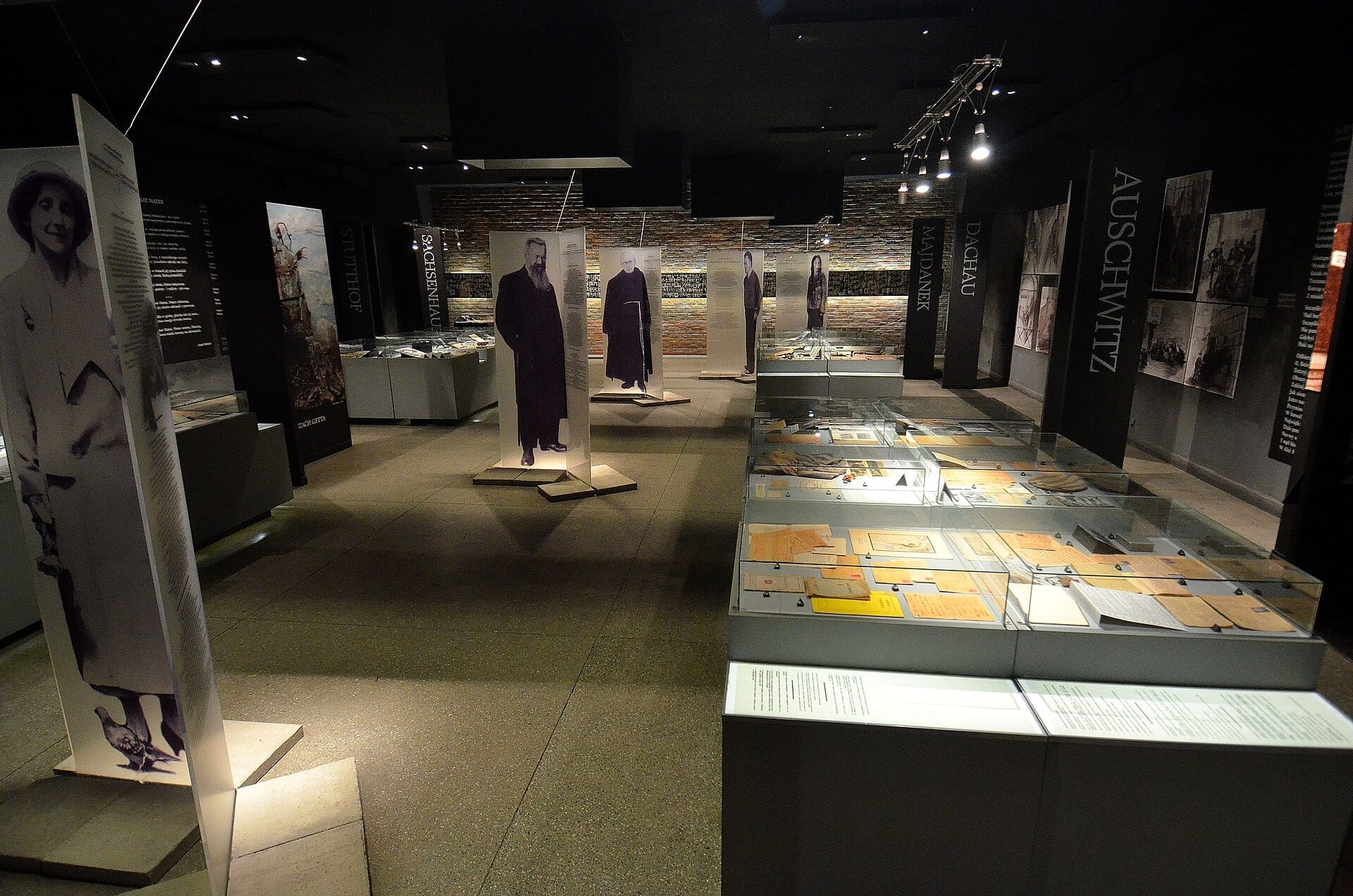
11. Visit the Gestapo Prison Where Over 100,000 Poles Were Held
Pawiak was the main Nazi detention site in occupied Warsaw; original cells, the execution courtyard, and personal effects of prisoners are preserved here. A dead elm outside is covered in memorial plaques left by victims' families, a detail that stays with you.
Explore11. Visit the Gestapo Prison Where Over 100,000 Poles Were Held
Pawiak was the main Nazi detention site in occupied Warsaw; original cells, the execution courtyard, and personal effects of prisoners are preserved here. A dead elm outside is covered in memorial plaques left by victims' families, a detail that stays with you.
Explore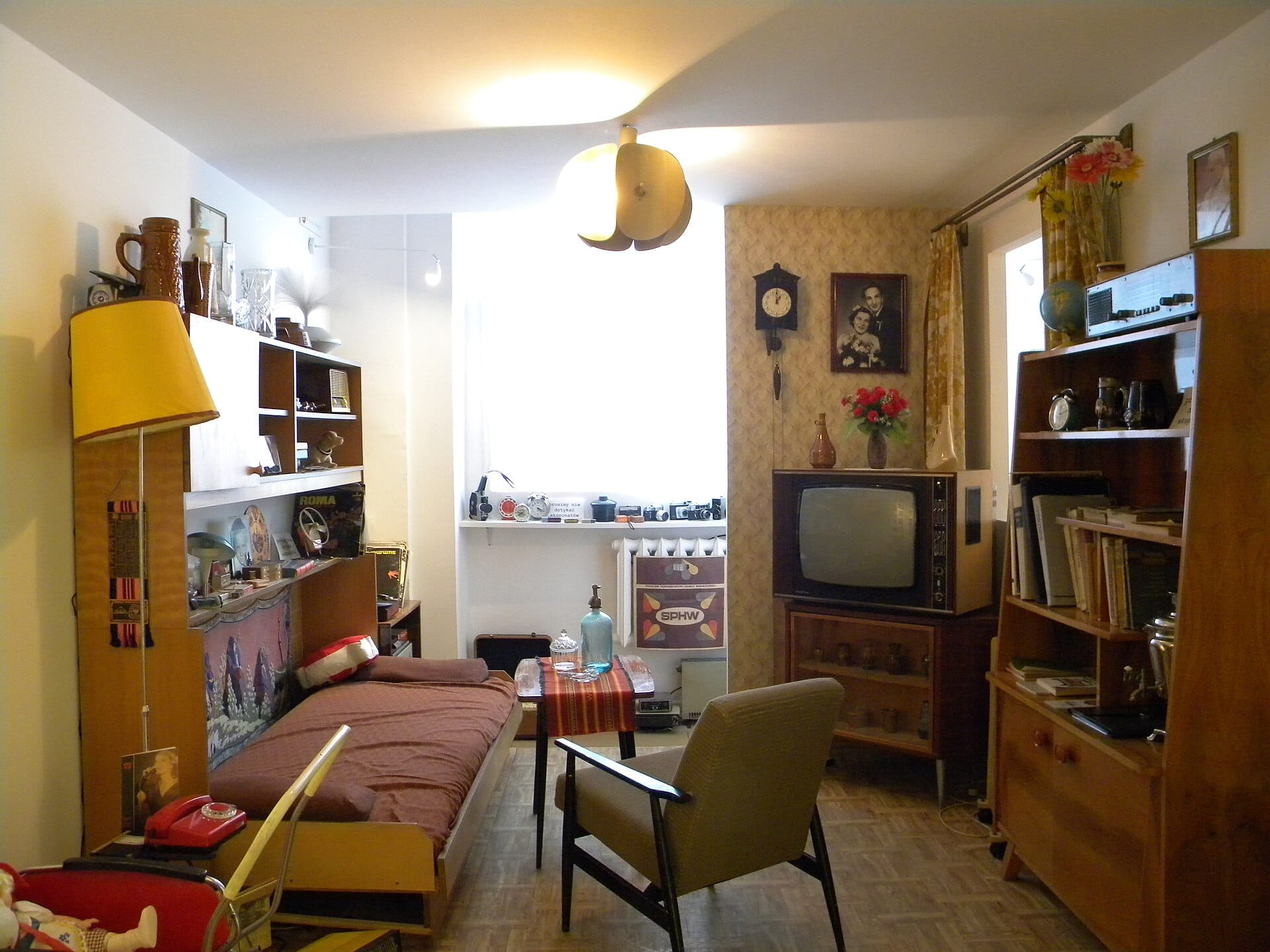
12. Explore Everyday Soviet-Era Life at This Quirky Communist Nostalgia Museum
Czar PRL recreates communist Poland through period furniture, propaganda posters, and authentic appliances from the era. It's a lighter counterpoint to heavier history museums and particularly interesting for visitors curious about life behind the Iron Curtain.
Explore12. Explore Everyday Soviet-Era Life at This Quirky Communist Nostalgia Museum
Czar PRL recreates communist Poland through period furniture, propaganda posters, and authentic appliances from the era. It's a lighter counterpoint to heavier history museums and particularly interesting for visitors curious about life behind the Iron Curtain.
Explore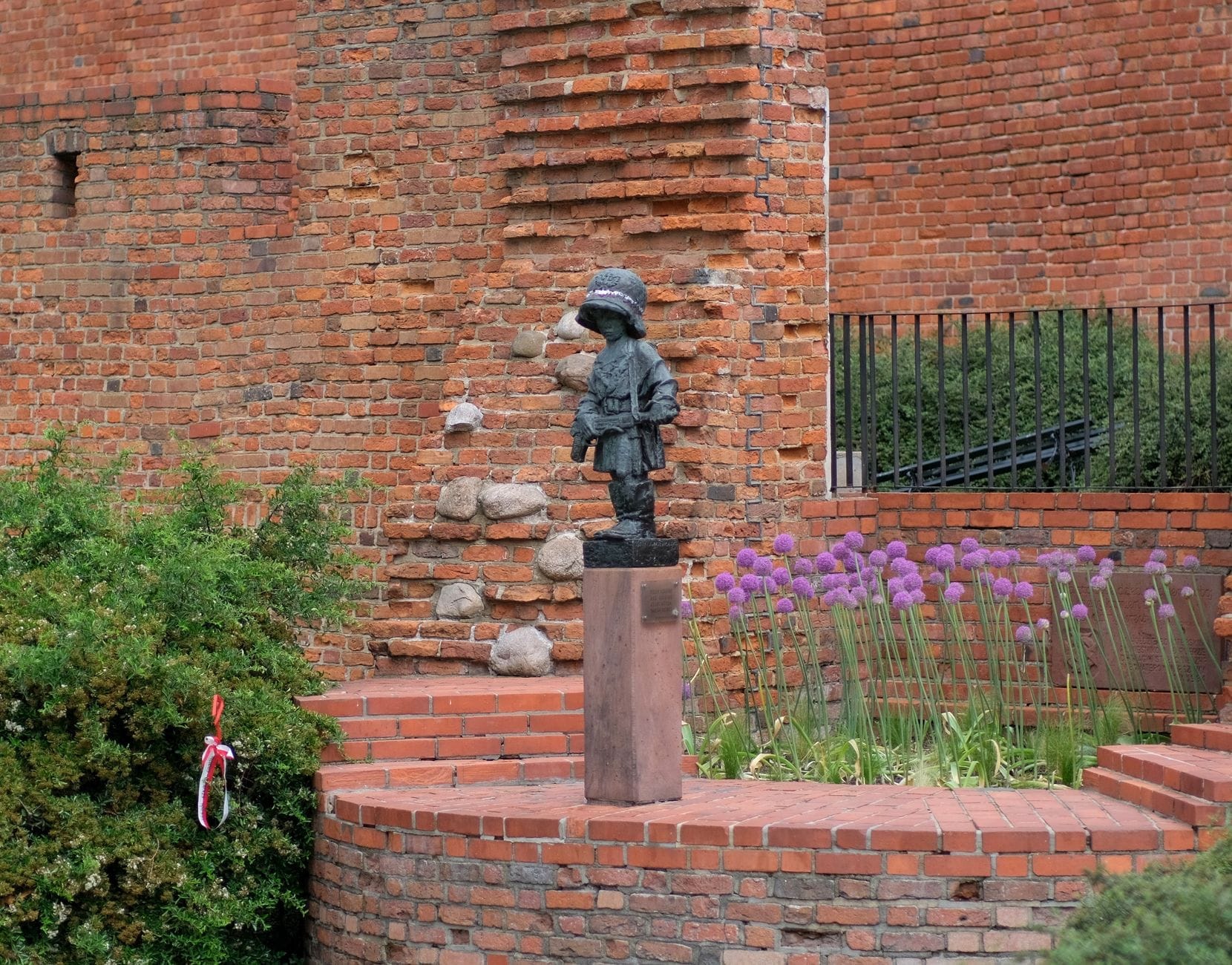
13. Find the Small Monument That Hits Harder Than Any Towering Memorial
Tucked into the Old Town walls, this bronze statue of a child soldier in an oversized helmet commemorates fighters as young as ten in the 1944 Warsaw Uprising. Easy to walk past, impossible to forget once you've noticed it. Give it five quiet minutes.
Explore13. Find the Small Monument That Hits Harder Than Any Towering Memorial
Tucked into the Old Town walls, this bronze statue of a child soldier in an oversized helmet commemorates fighters as young as ten in the 1944 Warsaw Uprising. Easy to walk past, impossible to forget once you've noticed it. Give it five quiet minutes.
ExploreChurches & Sacred Spaces Locals Prize
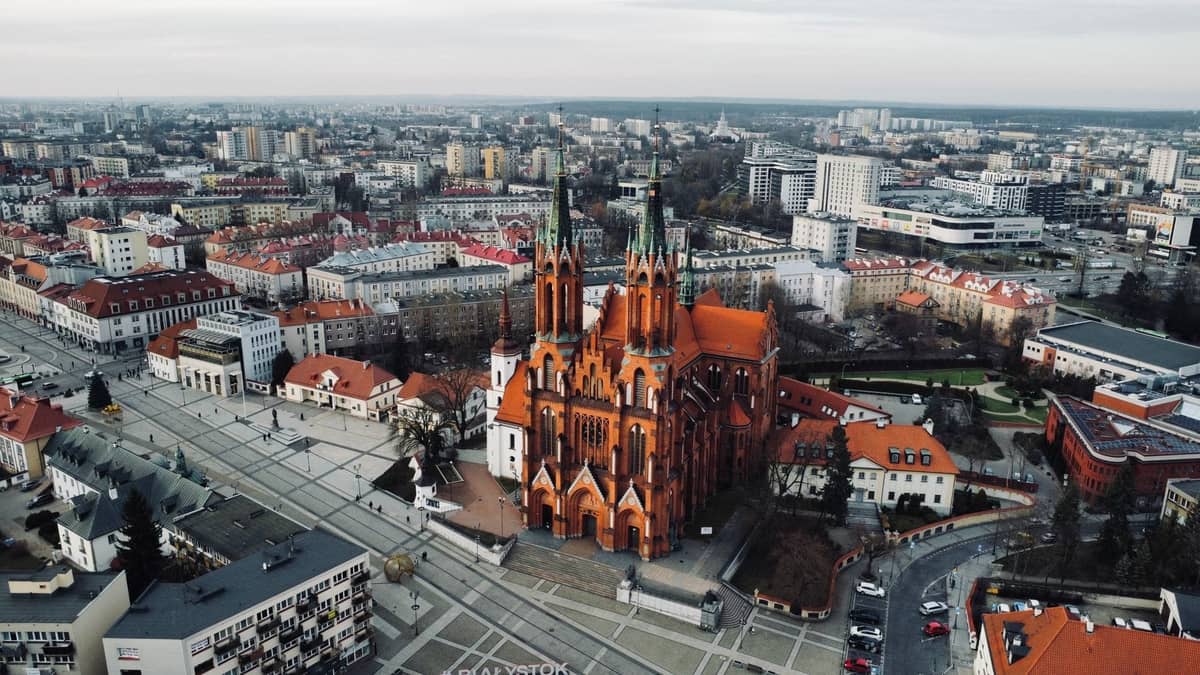
Warsaw has dozens of churches, but most visitors only enter the most famous. Several less-visited ones contain extraordinary interiors or unusual historical details worth seeking out. The best churches in Warsaw guide covers the full picture; the picks below are the ones that offer something genuinely unexpected.
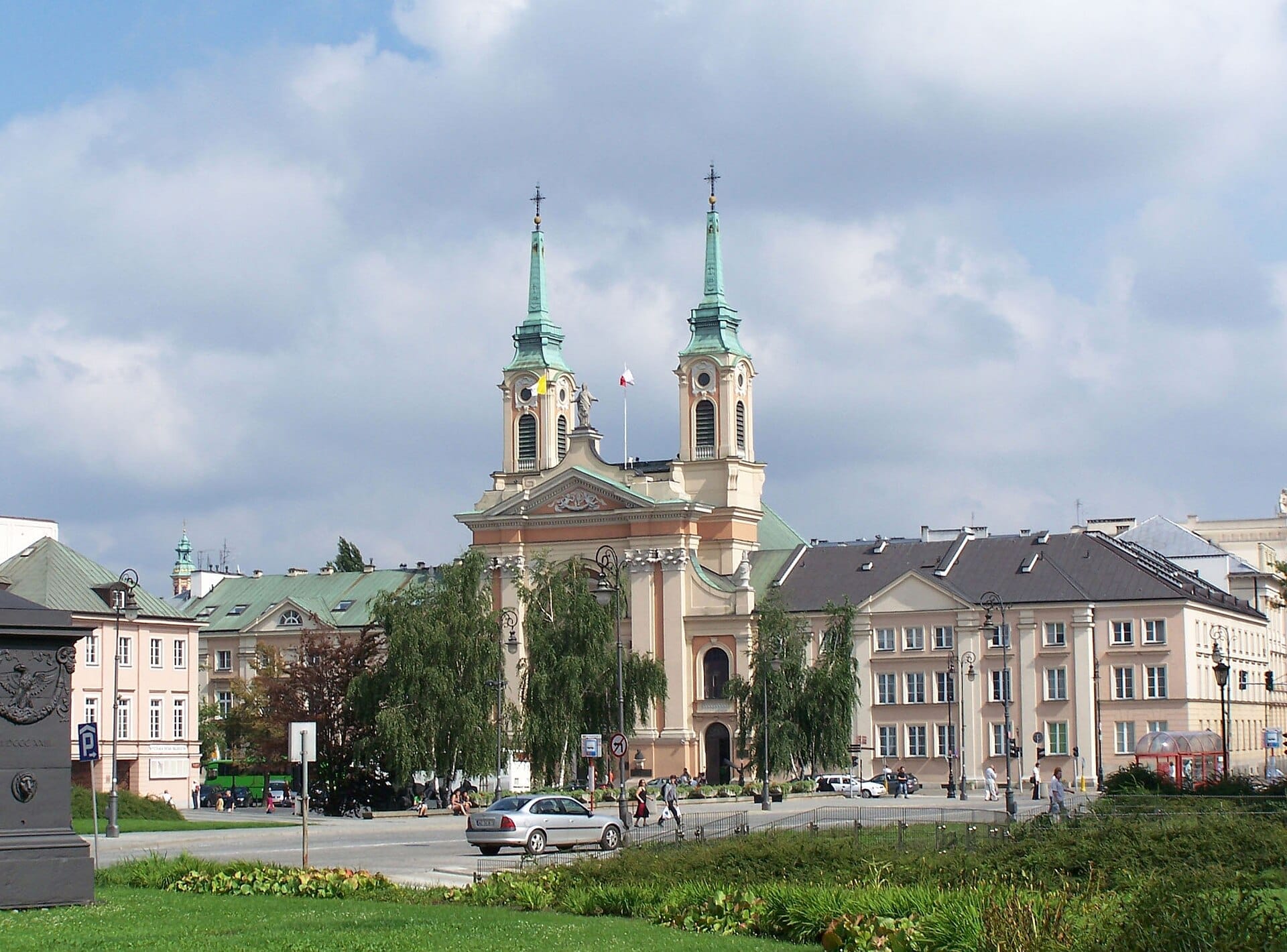
14. See Warsaw's Most Militarily Decorated Church Interior on Długa Street
The official church of the Polish Armed Forces holds battle standards, military votive offerings, and memorials spanning centuries of Polish soldiering. Its Baroque interior is among the richest in Warsaw and sees only a fraction of the visitors that crowd nearby Old Town churches.
Explore14. See Warsaw's Most Militarily Decorated Church Interior on Długa Street
The official church of the Polish Armed Forces holds battle standards, military votive offerings, and memorials spanning centuries of Polish soldiering. Its Baroque interior is among the richest in Warsaw and sees only a fraction of the visitors that crowd nearby Old Town churches.
Explore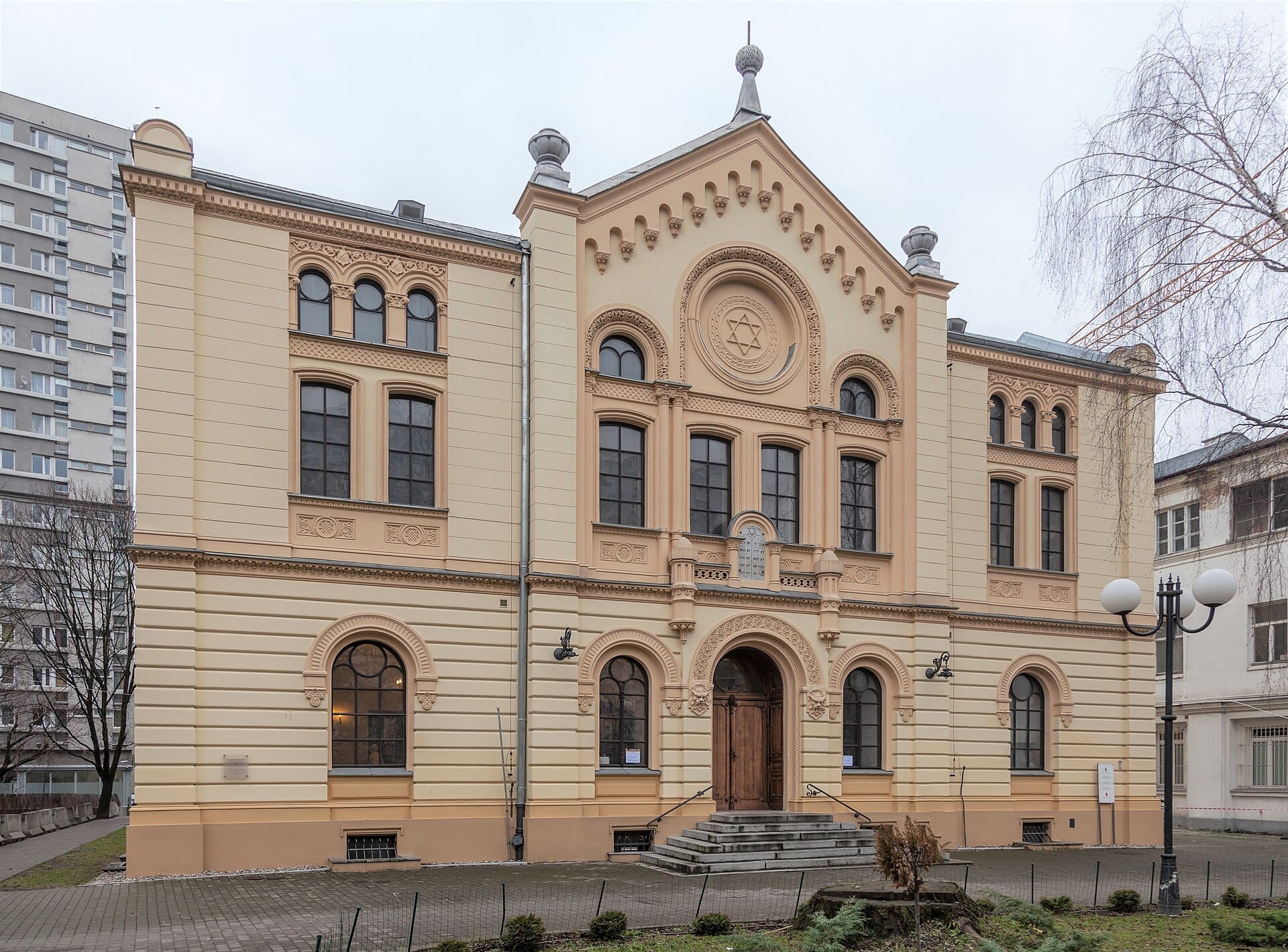
15. Visit the Only Pre-War Synagogue in Warsaw to Survive the Holocaust
Built in 1902 and used as a German stable during the occupation, the Nożyk Synagogue was restored after the war and remains an active place of worship. Visiting requires modest dress and may require advance checking of public visiting hours.
Explore15. Visit the Only Pre-War Synagogue in Warsaw to Survive the Holocaust
Built in 1902 and used as a German stable during the occupation, the Nożyk Synagogue was restored after the war and remains an active place of worship. Visiting requires modest dress and may require advance checking of public visiting hours.
Explore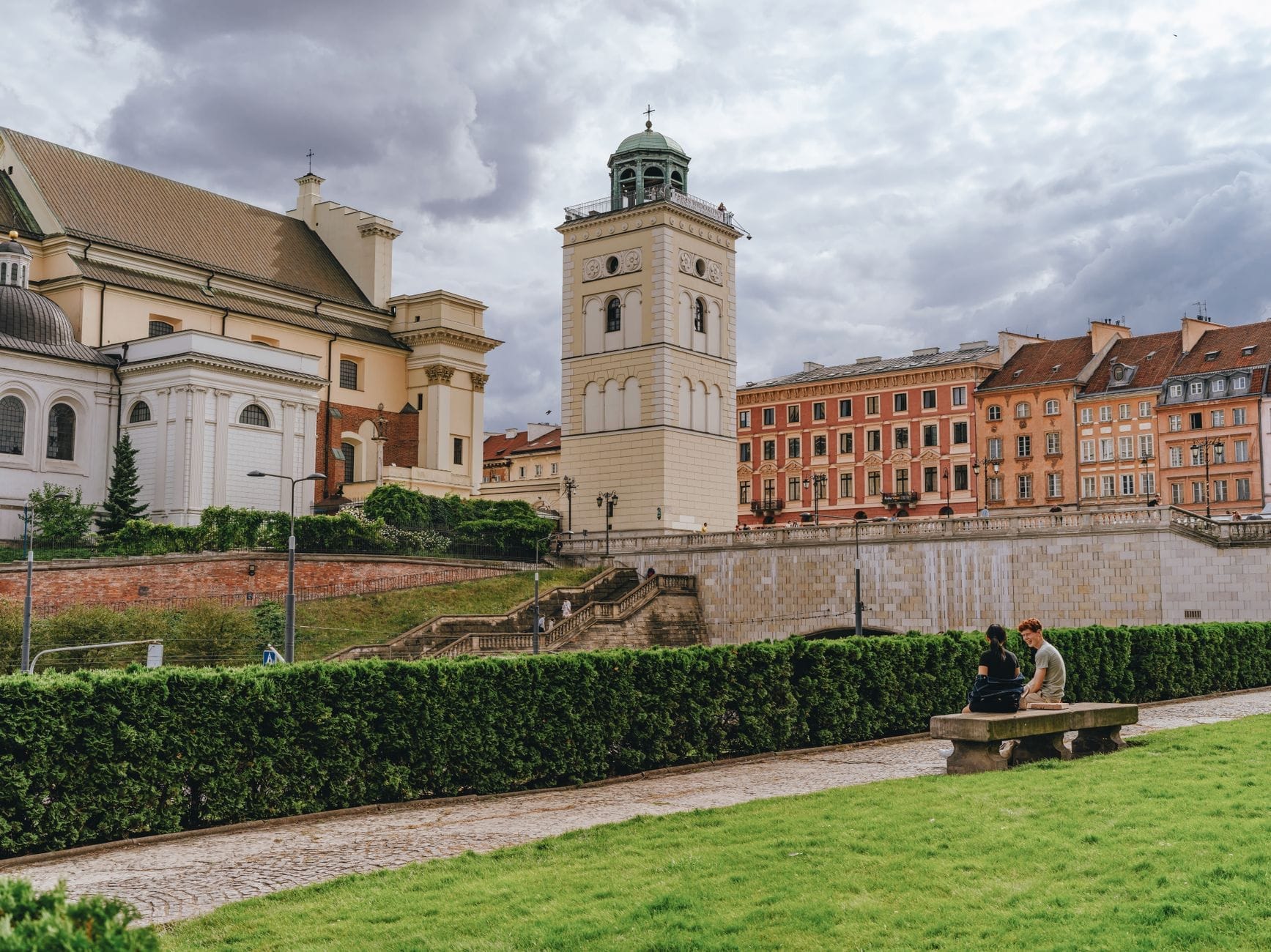
16. Climb St. Anne's Bell Tower for One of the Best Free Views in Warsaw
The bell tower of St. Anne's Church on Krakowskie Przedmieście gives a free panoramic view over Castle Square, the Old Town roofline, and the Vistula. It's one of the best vantage points in the city and almost always less crowded than the Palace of Culture observation deck.
Explore16. Climb St. Anne's Bell Tower for One of the Best Free Views in Warsaw
The bell tower of St. Anne's Church on Krakowskie Przedmieście gives a free panoramic view over Castle Square, the Old Town roofline, and the Vistula. It's one of the best vantage points in the city and almost always less crowded than the Palace of Culture observation deck.
ExploreModern Warsaw: Architecture & Urban Surprises
💡 Local tip
The Varso Tower observation deck and the UW Library rooftop garden are both best visited on clear days. Summer mornings before 10am give the clearest air and the smallest crowds at both spots.
17. See Warsaw From the Tallest Observation Deck in the European Union
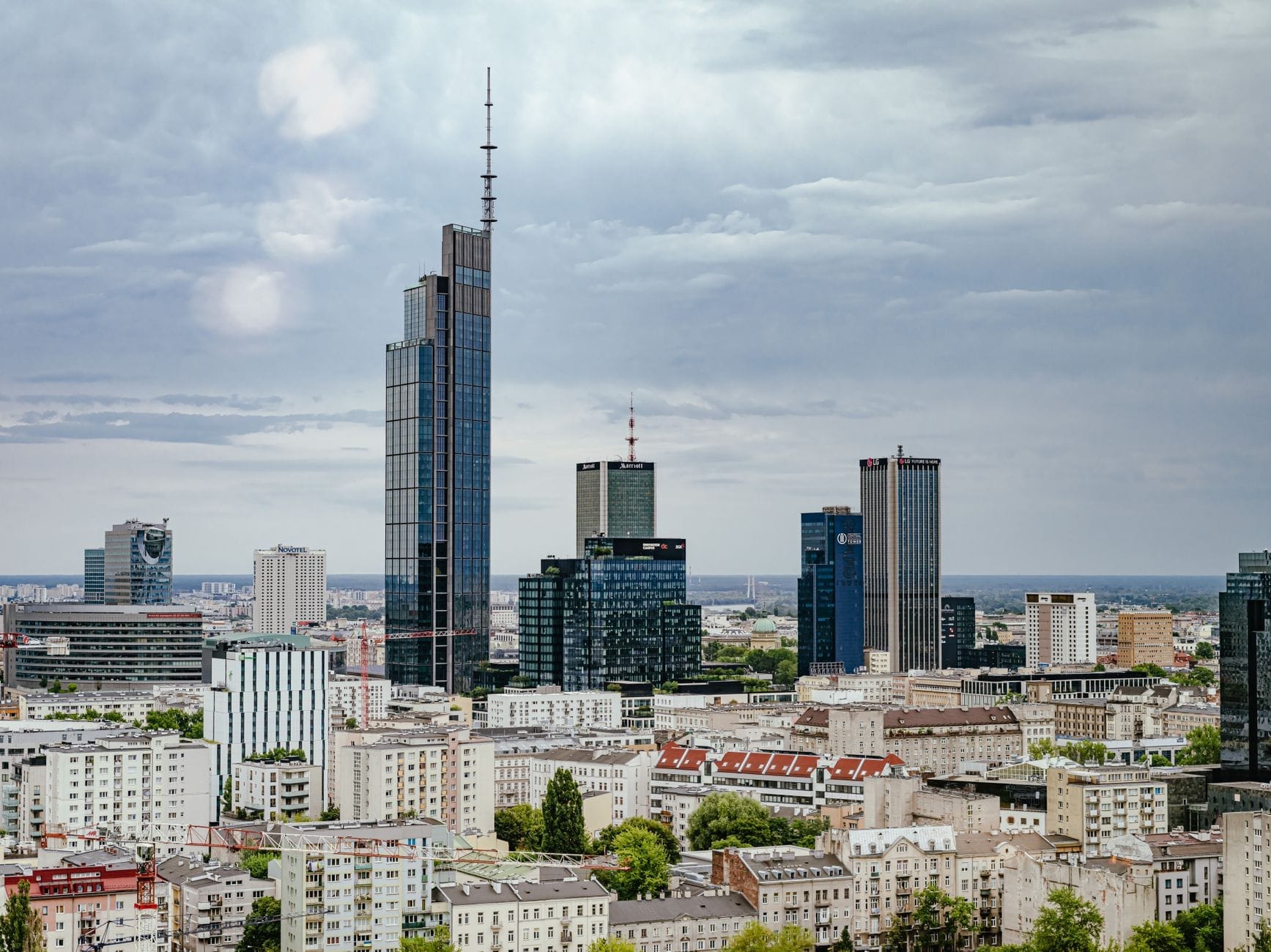
Varso Tower at 310 meters is the EU's tallest building, with a 46th-floor observation deck giving 360-degree views across Warsaw and far beyond. Most tourists still head to the Palace of Culture, leaving Varso Tower refreshingly uncrowded on most mornings.
Explore17. See Warsaw From the Tallest Observation Deck in the European Union
Varso Tower at 310 meters is the EU's tallest building, with a 46th-floor observation deck giving 360-degree views across Warsaw and far beyond. Most tourists still head to the Palace of Culture, leaving Varso Tower refreshingly uncrowded on most mornings.
Explore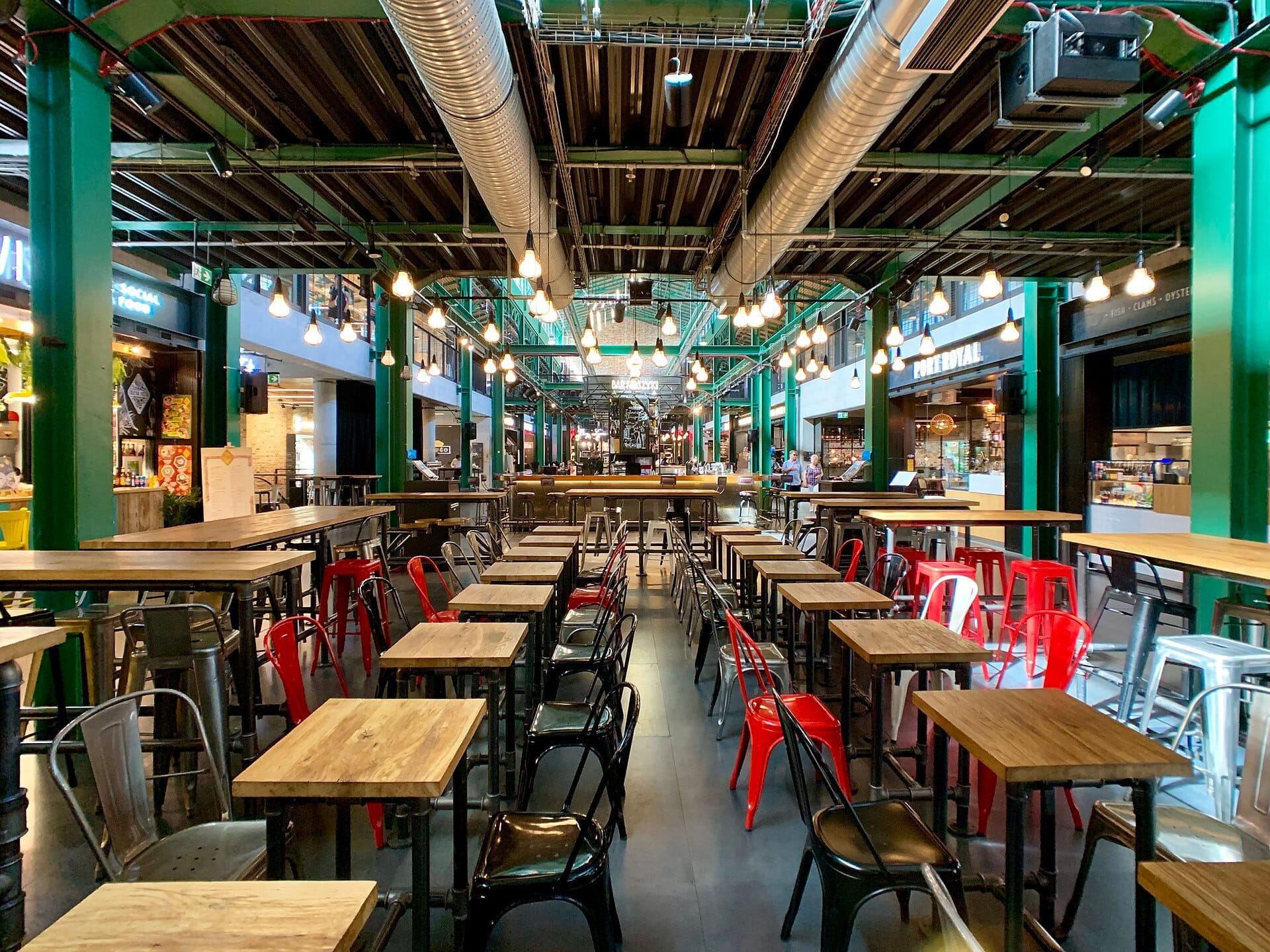
18. Eat Your Way Through a Restored 1906 Iron Market Hall in the City Centre
Hala Koszyki's beautifully restored iron-and-glass structure houses Warsaw's best food hall, with stalls covering Polish pierogi, Japanese ramen, craft beer, and specialty coffee under one roof. It's a local lunch destination that most tourists walk past without realizing what's inside.
Explore18. Eat Your Way Through a Restored 1906 Iron Market Hall in the City Centre
Hala Koszyki's beautifully restored iron-and-glass structure houses Warsaw's best food hall, with stalls covering Polish pierogi, Japanese ramen, craft beer, and specialty coffee under one roof. It's a local lunch destination that most tourists walk past without realizing what's inside.
Explore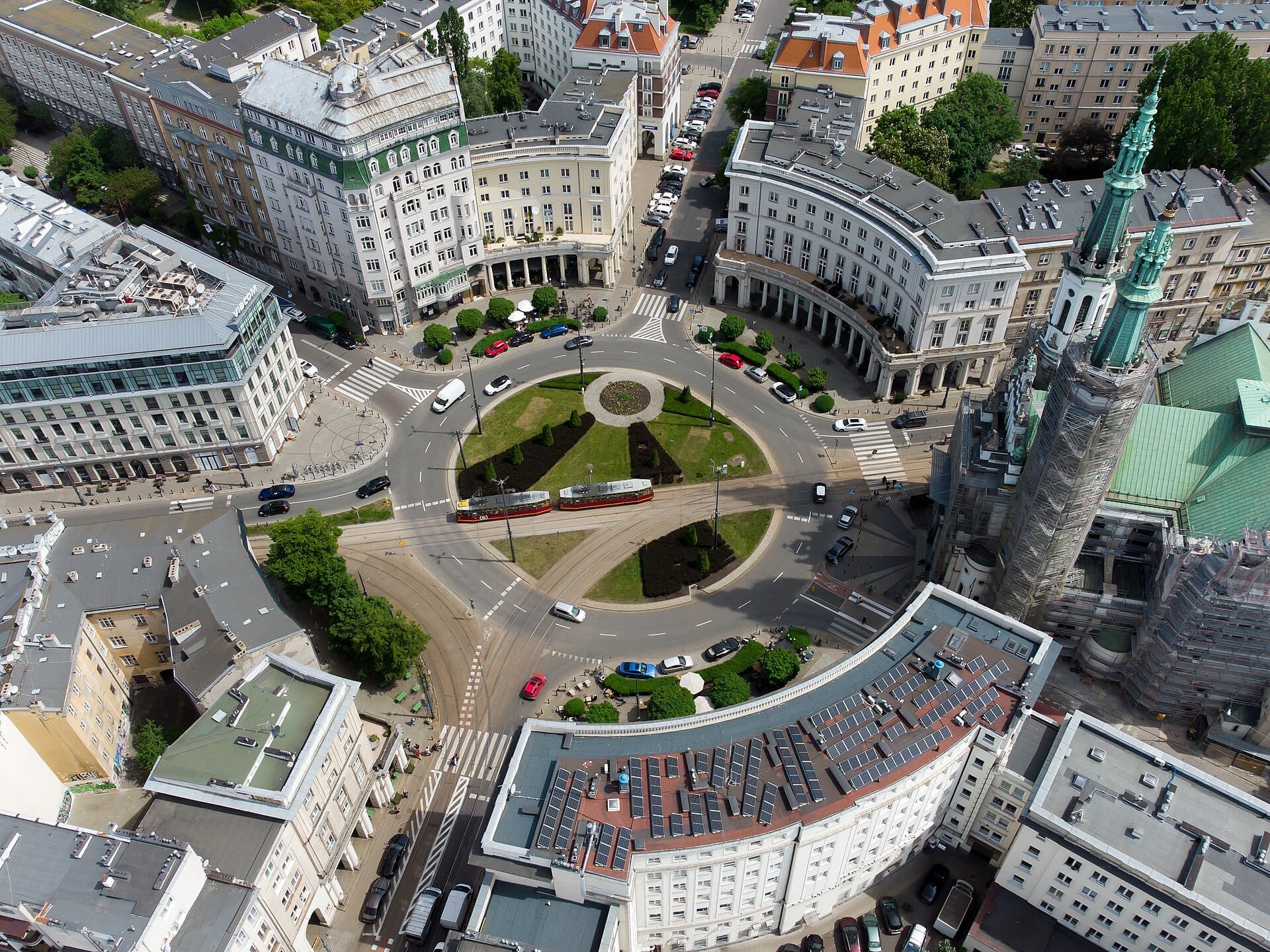
19. Settle Into Plac Zbawiciela, Warsaw's Creative Neighborhood Square
This circular square in central Warsaw is lined with independent cafés, bars, and bookshops and functions as the meeting point for the city's creative class. It's unremarkable on paper and exactly the kind of place you'd return to every day if you lived here.
Explore19. Settle Into Plac Zbawiciela, Warsaw's Creative Neighborhood Square
This circular square in central Warsaw is lined with independent cafés, bars, and bookshops and functions as the meeting point for the city's creative class. It's unremarkable on paper and exactly the kind of place you'd return to every day if you lived here.
Explore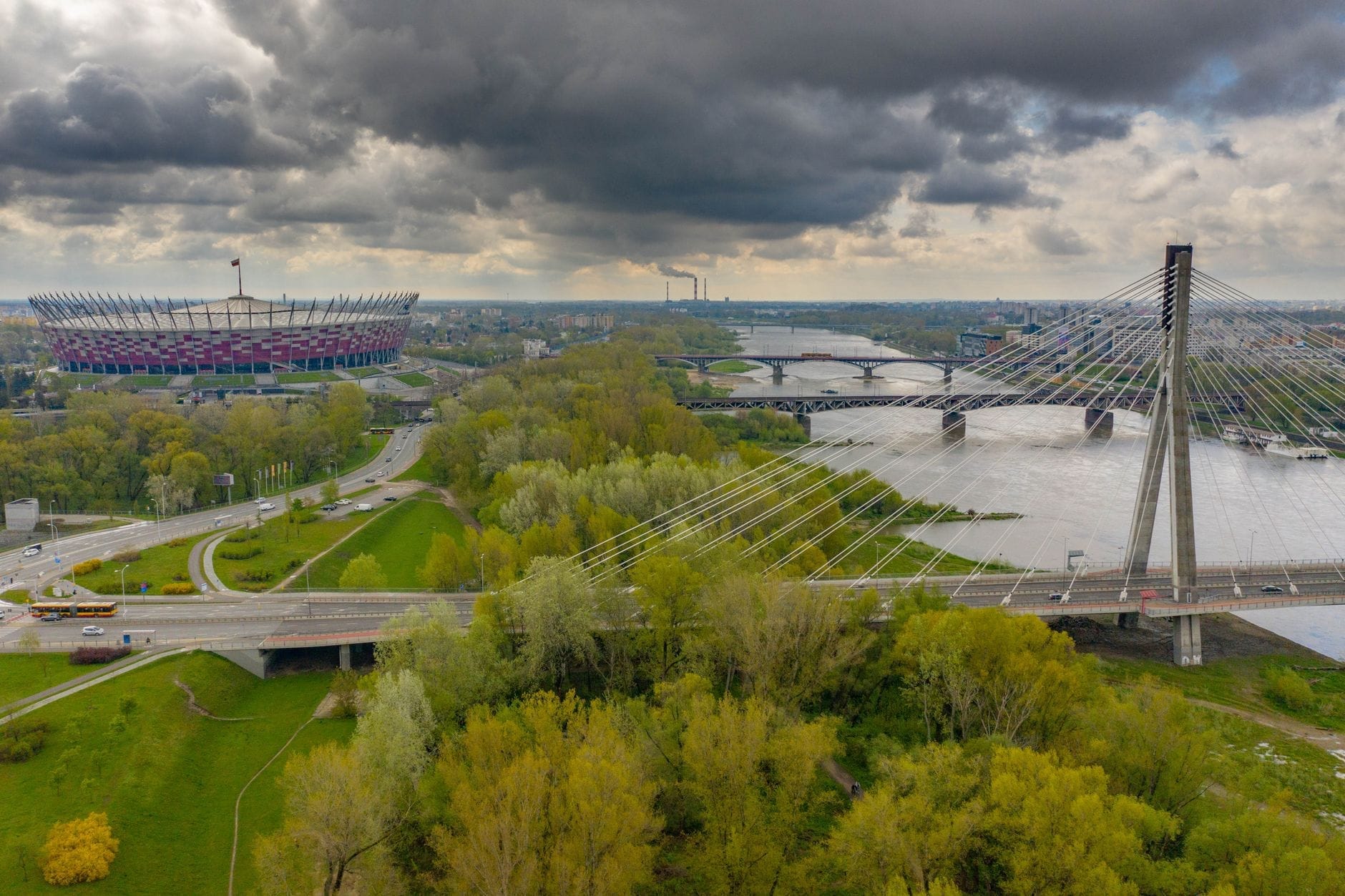
20. Walk the Vistula Boulevards When the City Moves Outdoors Each Summer
From May to September, the 4km left-bank promenade becomes Warsaw's outdoor living room: food trucks, kayak rentals, beach bars, and open-air music along the river. The atmosphere after 6pm on a warm weekday evening is something most tourists never experience.
Explore20. Walk the Vistula Boulevards When the City Moves Outdoors Each Summer
From May to September, the 4km left-bank promenade becomes Warsaw's outdoor living room: food trucks, kayak rentals, beach bars, and open-air music along the river. The atmosphere after 6pm on a warm weekday evening is something most tourists never experience.
ExploreFAQ
What are the best hidden gems in Warsaw that most tourists miss?
The Neon Museum (now inside the Palace of Culture and Science rather than in Praga), the University of Warsaw Library rooftop garden, the Koneser vodka distillery complex, and the Warsaw Citadel consistently appear on local recommendations. The rooftop garden is free; the others charge entry fees, so check current hours before visiting.
Is Praga safe to visit in Warsaw?
Yes. Praga has changed significantly in the past decade and is now a mainstream destination for restaurants, street art, and cultural venues. The main streets and the area around Soho Factory and Ząbkowska Street are busy and well-lit. As with any city neighborhood, basic awareness applies at night.
What is the best time of year to visit Warsaw's off-the-beaten-path spots?
Late spring and summer (May to September) are best for outdoor spots like the Vistula beaches, boulevards, and the rooftop library garden, which are seasonal. Indoor sites like the Neon Museum, Katyń Museum, and Koneser work year-round. Autumn gives fewer crowds at most attractions.
Are Warsaw's lesser-known museums worth it if I've already visited the big ones?
Yes, especially the Katyń Museum, the Living Under Communism Museum (Czar PRL), and the Museum of Polish Vodka at Koneser. They cover topics the major museums don't and are typically much less crowded, which makes for a calmer, more focused visit.
How do I get from central Warsaw to Praga?
Praga is directly across the Vistula from the Old Town. Tram and bus lines cross the river bridges in under 10 minutes from the centre. In summer, seasonal river ferries also connect left-bank stops to Praga, which is a scenic and enjoyable way to cross. Verify current ferry schedules before relying on them.