Is Warsaw Worth Visiting? A Guide for First-Timers
Warsaw divides opinion more than almost any European capital. This guide cuts through the noise with an honest look at what the city does well, where it falls short, how much it costs, and what kind of traveler will love it most.
Plan and book this trip
Tools from our partner Travelpayouts help you compare flights and hotels. If you book through them, we may earn a commission at no extra cost to you.
Flights
Hotels map
TL;DR
- Yes, Warsaw is worth visiting, particularly if history, WWII heritage, and Jewish culture matter to you — but it rewards those who dig deeper than the Old Town.
- The city is significantly cheaper than Prague, Berlin, or Vienna, making it one of Europe's better value capitals. See our Warsaw on a budget guide for a full cost breakdown.
- About 40% of Warsaw's area is parks and green space — the 'grey concrete' reputation is outdated and inaccurate.
- Two days covers the essentials; three days lets you breathe. Check the 3-day Warsaw itinerary for a structured plan.
- Warsaw is not a party capital or a foodie scene in the Barcelona sense, but it holds its own on museums, architecture contrast, and authenticity.
The Honest Case For Warsaw
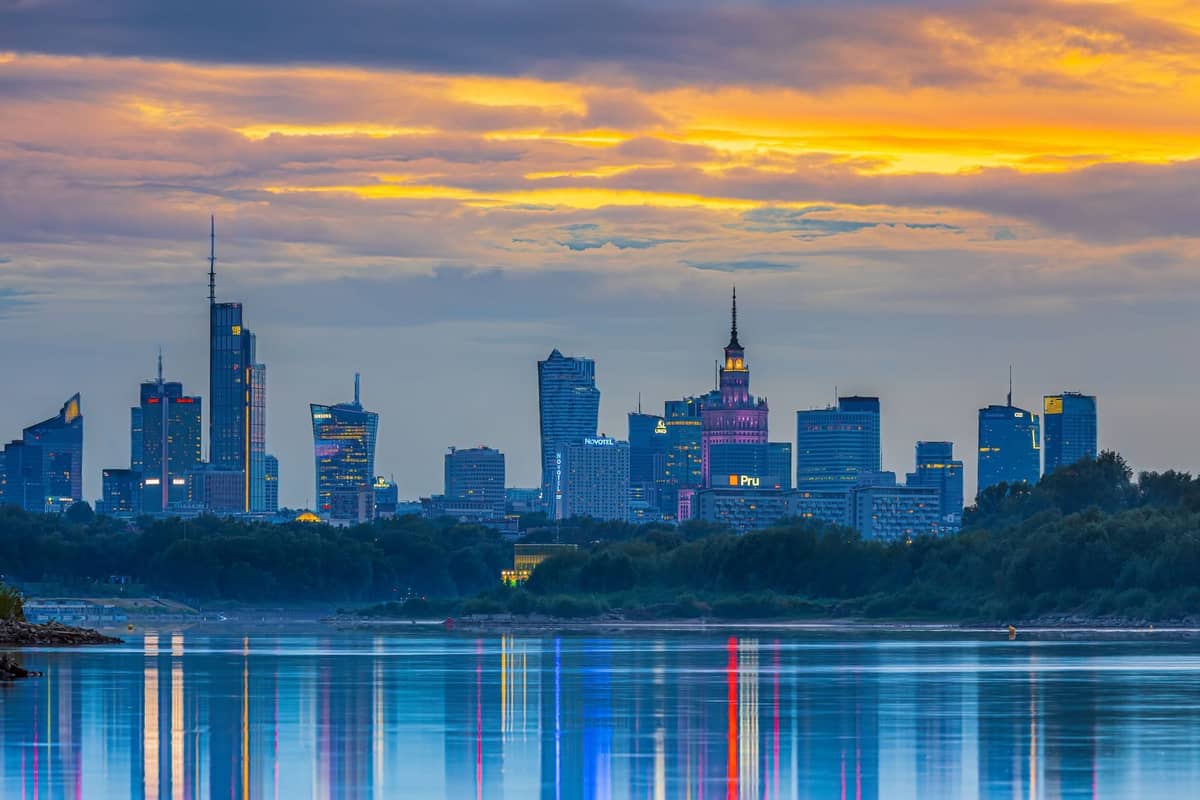
Is Warsaw worth visiting? For most travelers, the answer is an unambiguous yes, provided they arrive with the right expectations. Warsaw is not a postcard city. It does not have the fairy-tale skyline of Prague or the canal romance of Amsterdam. What it has instead is one of Europe's most layered, emotionally resonant stories — a city that was systematically destroyed and then painstakingly rebuilt, a capital that carries the weight of the Holocaust, the Warsaw Uprising, and Soviet-era reconstruction all within walking distance of each other.
The museums alone justify the trip. The Warsaw Uprising Museum is routinely ranked among the best historical museums in Europe — not for its size, but for the emotional force of its storytelling. The POLIN Museum of the History of Polish Jews is equally extraordinary: a world-class institution that documents one of the most significant Jewish communities in pre-war history. These are not museums you visit passively.
ℹ️ Good to know
Warsaw was the capital of one of Europe's largest pre-war Jewish communities. Before 1939, roughly one in three Warsaw residents was Jewish. The POLIN Museum and the sites of the former ghetto in the Muranów district bring this history into sharp, unforgettable focus.
Beyond the heavy history, Warsaw functions as a genuinely modern European capital with a population of about 1.86 million. It has a growing restaurant scene, a metro system (the only one in Poland), excellent craft beer bars, and a nightlife calendar that runs deep into the week. The contrast between the meticulously reconstructed Old Town, the Stalinist bulk of the Palace of Culture and Science, and the gleaming glass towers of the new business district creates an urban texture that is unlike anywhere else in Europe.
What Warsaw Does Better Than Most European Capitals
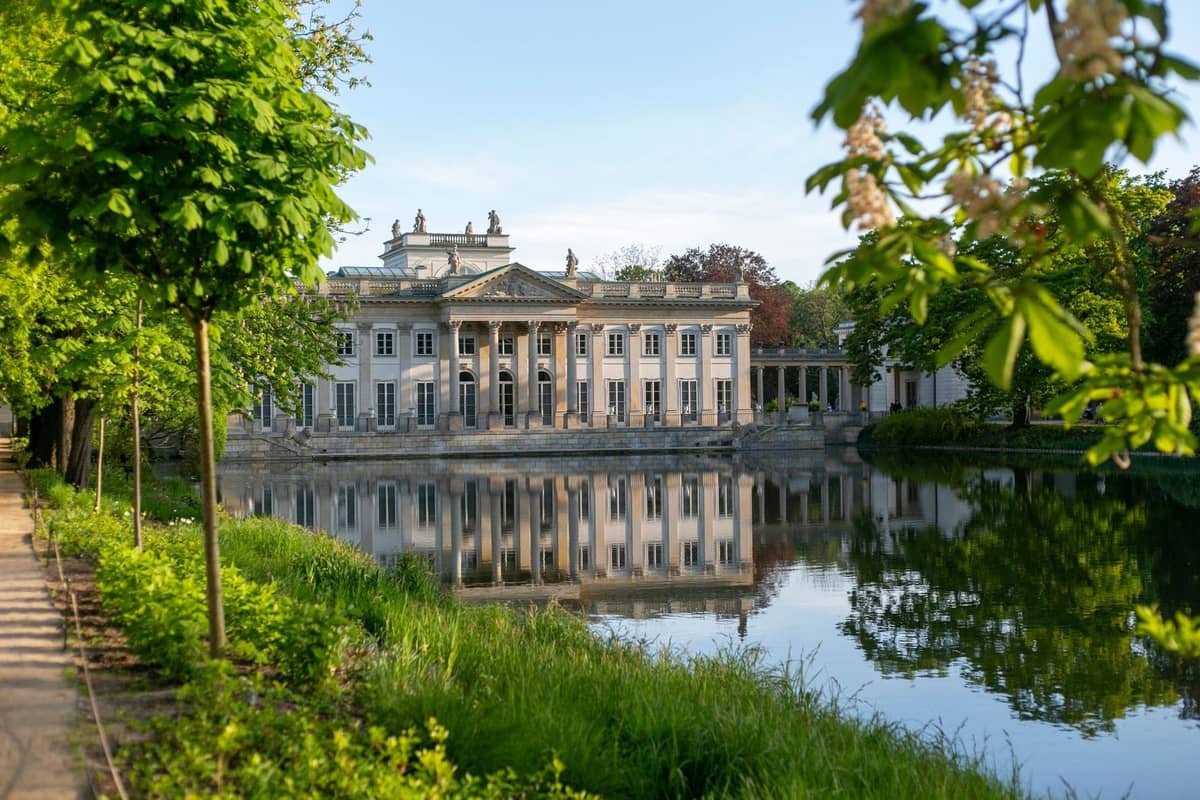
The green space argument is consistently underrated. Roughly 40% of Warsaw's total area is parks, forests, and gardens. Łazienki Park — a 76-hectare royal park in the city centre — is where locals jog, picnic, and attend free open-air Chopin piano concerts every Sunday in summer. It is one of the most pleasant urban parks in Central Europe, and almost entirely free to enjoy.
- Value for money A sit-down lunch in a mid-range Warsaw restaurant typically costs 35-60 PLN (around €8-14). A public transport single ticket is around 4.40 PLN. Compare that to equivalent costs in Paris or Amsterdam.
- Authenticity Warsaw draws far fewer tourists than Kraków or Prague. You will share the Old Town with visitors, but most of the city feels genuinely lived-in rather than optimised for tourism.
- World-class museums POLIN, the Warsaw Uprising Museum, and the Fryderyk Chopin Museum are each among the best of their type in Europe. All three require advance booking on busy weekends.
- Green space density Over 80 parks including Łazienki, Pole Mokotowskie, and the Saxon Garden. The Vistula riverfront has been transformed into a public leisure zone with beaches, bars, and cycling paths.
- Architecture contrast No other European capital compresses reconstructed baroque, Stalinist socialist realism, and 21st-century glass towers into such a compact, walkable area.
Where Warsaw Falls Short: The Honest Downsides
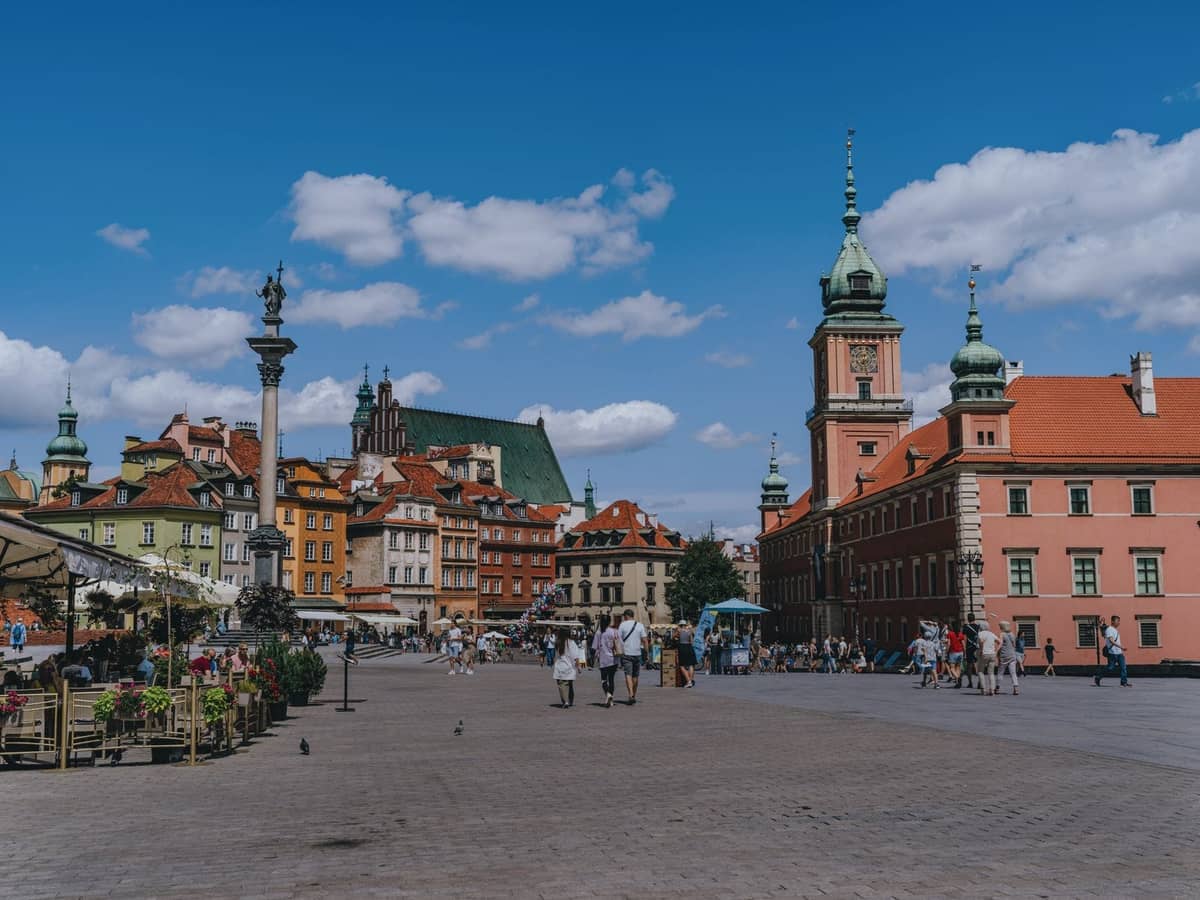
The Old Town deserves a clear-eyed assessment. It looks medieval and feels historic, but almost every building you see was reconstructed after the war using 18th-century paintings and architectural drawings as guides. The result is impressive as an act of civic will, but the tourist infrastructure around it — overpriced restaurants, souvenir shops, horse carriages — is generic. Spend two hours here, then move on.
Warsaw's food scene has improved markedly over the past decade but it is not yet a destination in itself. You will eat well, particularly at modern Polish restaurants that have reimagined traditional ingredients, but the city lacks the density of outstanding restaurants you would find in a food-first destination. The same is broadly true of the nightlife: strong in patches, especially around Plac Zbawiciela and the Praga district, but not a reason to book a flight on its own.
⚠️ What to skip
The restaurants immediately surrounding the Old Town Market Square tend to be overpriced and average. Locals rarely eat there. Walk 10-15 minutes south toward Nowy Świat and Śródmieście for significantly better food at lower prices.
The weather is another honest consideration. Warsaw has a temperate continental climate: winters are genuinely cold (temperatures regularly drop below 0°C from December through February), and while the city handles snow well, it is not particularly appealing unless you are visiting for the Christmas markets. Summer brings warm, pleasant conditions but also the bulk of tourist traffic and occasional heavy rain. Late April through early June and September through mid-October offer the best balance of manageable crowds and decent weather.
The Neighborhoods That Actually Make the City Interesting
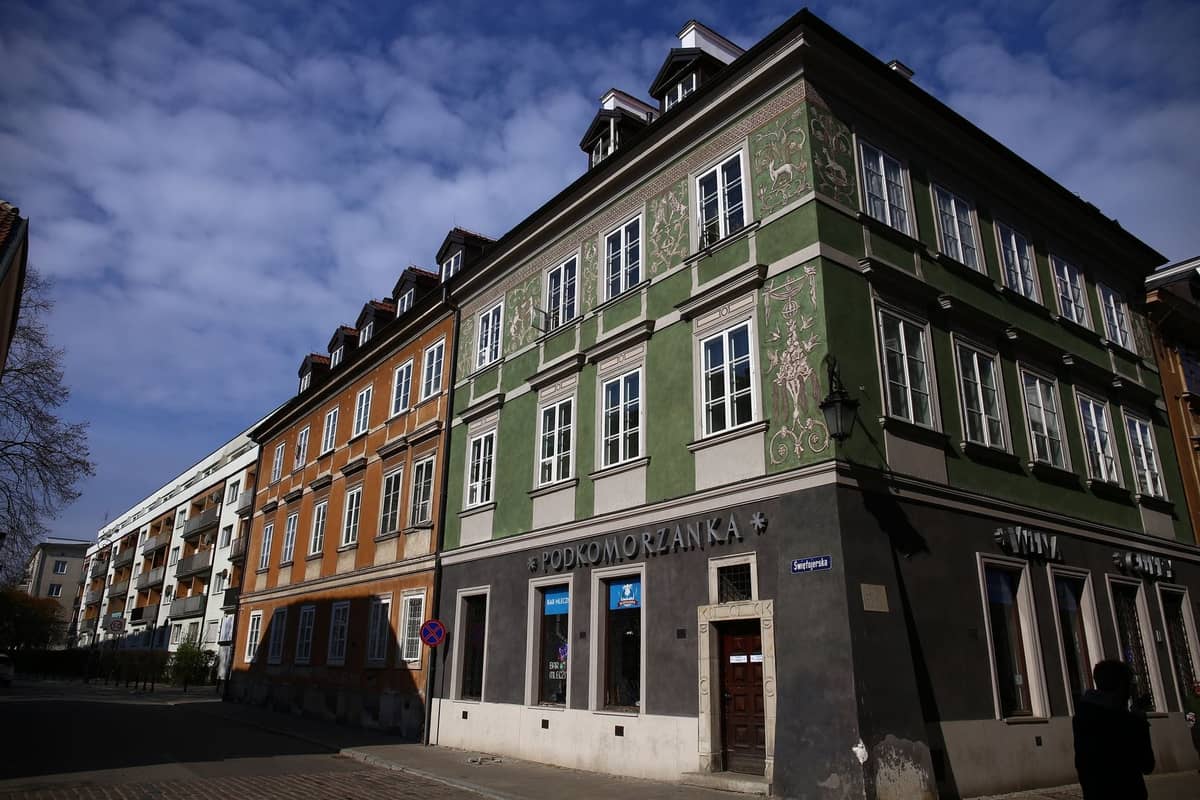
Most first-time visitors spend all their time in the Old Town and Śródmieście — which is understandable but incomplete. The Muranów district, built on the ruins of the former Jewish ghetto, is haunting and essential. The Monument to the Ghetto Heroes and the surrounding streets carry a weight that no museum can fully replicate.
Across the Vistula, the Praga district is the part of Warsaw that actually survived the war largely intact. Its pre-war tenement buildings, orthodox cathedral, and independent cultural spaces like the Koneser Center give it a character that the more polished western bank sometimes lacks. It is rougher around the edges, but that is precisely why it is worth crossing the river for.
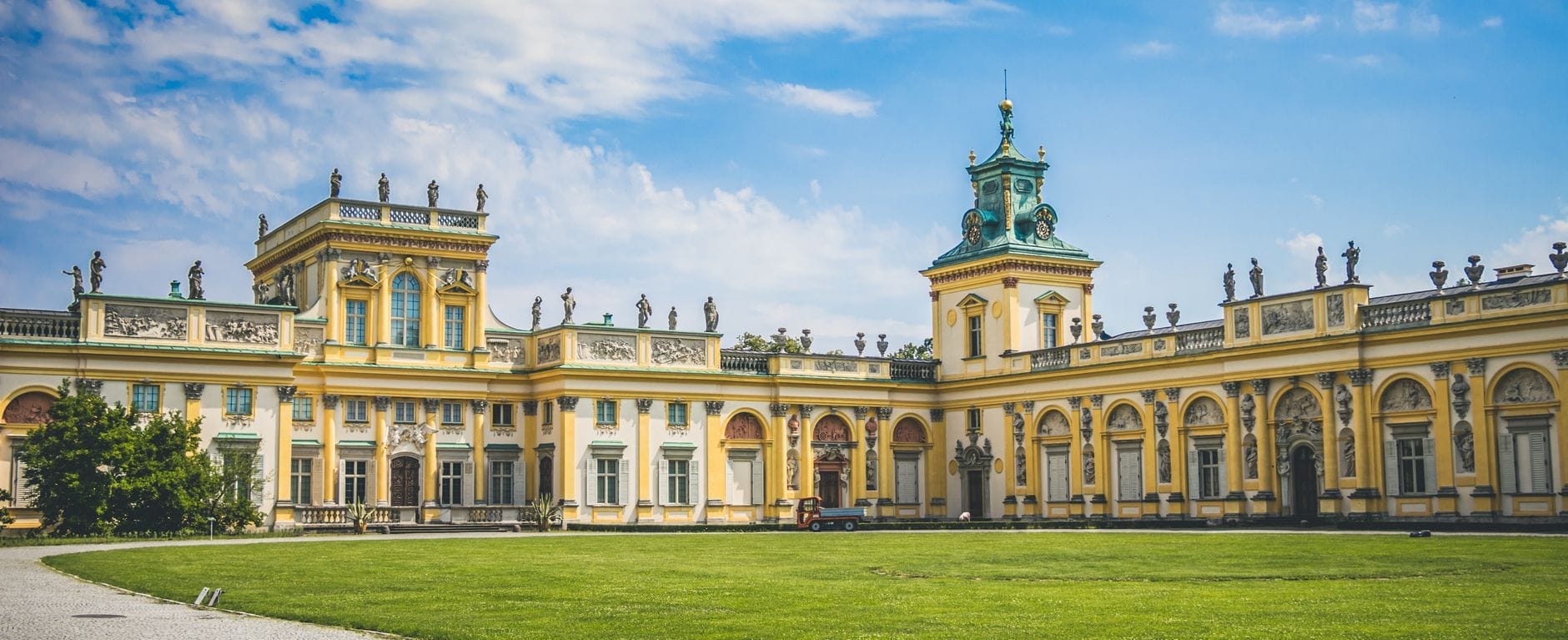
For something more palatial, Wilanów Palace in the southern district of the same name is Warsaw's answer to Versailles — a genuine 17th-century royal residence that was not destroyed in the war and requires around half a day to do justice to both the palace and its formal gardens.
Practical Logistics: Getting There and Getting Around
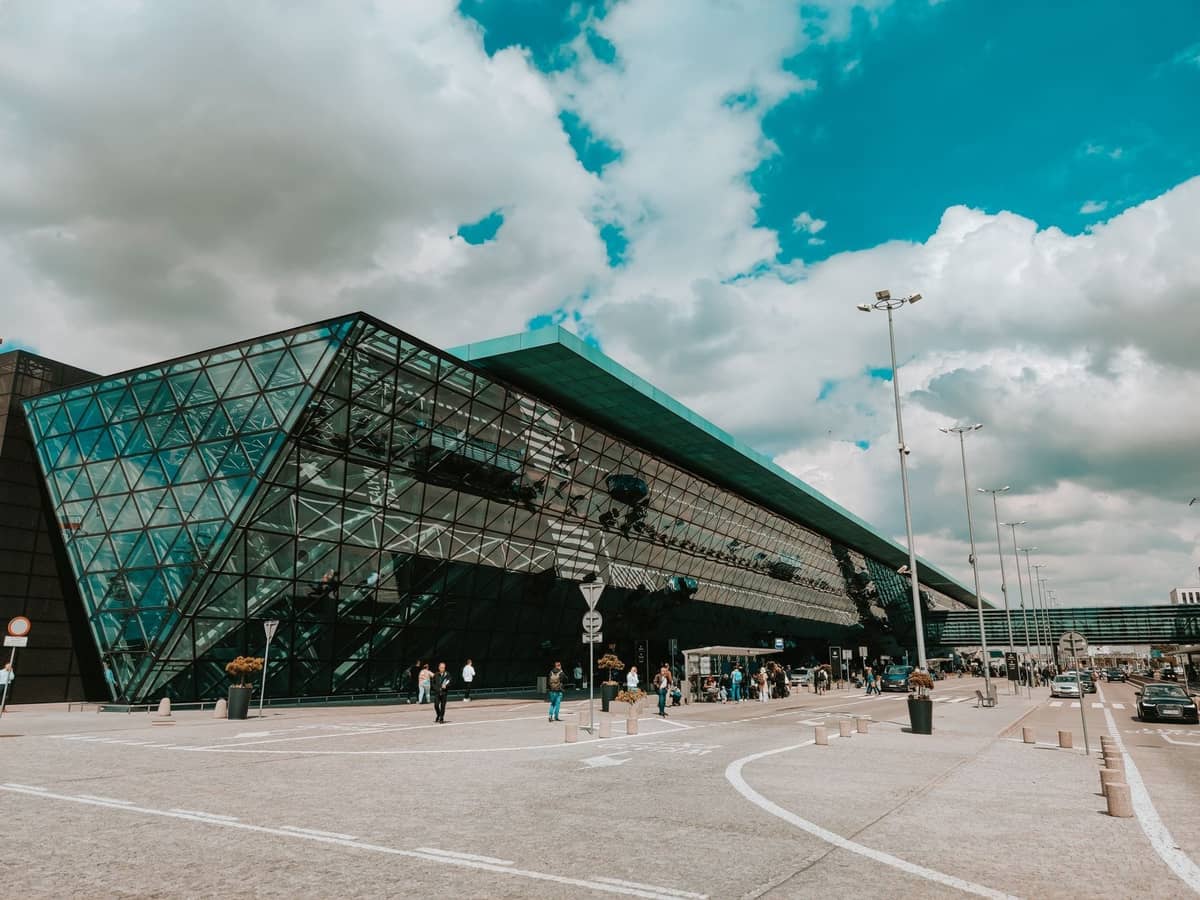
Warsaw Chopin Airport (WAW) is the main international hub, located about 10km southwest of the city centre. It is well connected to major European cities and serves as a LOT Polish Airlines hub with transatlantic routes. Warsaw Modlin Airport (WMI), about 35km north of the city, handles some budget and charter traffic — factor in the longer transfer time if you book through carriers using Modlin.
From Chopin Airport, a public bus to the city centre takes roughly 40 minutes and costs around 4.40 PLN on a standard ZTM ticket. There is also a suburban rail connection (SKM) that is faster in off-peak hours. Taxis and ride-hailing apps including Bolt and Uber operate from the airport; check current app prices before accepting a metered cab to avoid overcharging.
Within the city, Warsaw's public transport network is comprehensive. The metro (two lines), trams, and buses cover virtually every area you would want to reach. A 24-hour unlimited Zone 1 ticket costs around 15 PLN, which covers central Warsaw. For a detailed breakdown of how to navigate the city, see the getting around Warsaw guide.
✨ Pro tip
Buy multi-day ZTM tickets rather than single-ride tickets if you plan to use public transport frequently. Validate your ticket when boarding — inspectors do check, and fines for unvalidated tickets are issued on the spot. Tap water in Warsaw is safe to drink, so carry a refillable bottle.
Who Should Visit Warsaw (And Who Might Not Love It)
Warsaw rewards travelers who engage with history, architecture, and the texture of a real city rather than a curated tourism product. If WWII history, Jewish heritage, Cold War architecture, or Chopin's life matter to you, Warsaw will likely exceed your expectations. The same is true if you are a budget-conscious traveler: the cost advantage over Western European capitals is real and substantial.
- History and WWII travelers: exceptional, arguably the best single city in Europe for this focus
- Architecture enthusiasts: genuinely unique contrast of baroque, socialist realism, and contemporary
- Budget travelers: strong value proposition compared to Berlin, Prague, or Vienna
- Short-break visitors from within Europe: easy to reach, compact enough for 2-3 days
- Beach or Mediterranean seekers: wrong destination entirely
- Travelers primarily motivated by food or wine: the scene is improving but not yet a top-tier culinary destination
If you are deciding between Warsaw and Kraków for a first visit to Poland, note that the two cities serve very different purposes. Kraków has a largely intact medieval old town, a castle on a hill, and a more immediately photogenic centre. Warsaw has far more historical and intellectual depth. Ideally, visit both — they are about 2.5 hours apart by express train. For context on seasonal timing, the best time to visit Warsaw guide covers month-by-month conditions in detail.
FAQ
Is Warsaw worth visiting if you only have one day?
One day is tight but workable if you prioritise ruthlessly. Focus on Śródmieście and the Royal Route: walk from the Old Town Market Square south along Krakowskie Przedmieście past the Presidential Palace and University of Warsaw to Nowy Świat. Add either the Warsaw Uprising Museum or POLIN Museum — not both. One day is enough to get a genuine feel for the city, but not enough to understand it.
Is Warsaw safe for tourists?
Warsaw is considered one of the safer European capitals. Violent crime affecting tourists is rare. Standard urban precautions apply: watch for pickpockets in crowded transit and tourist areas, and use official taxis or ride-hailing apps rather than unmarked cabs. The emergency number throughout Poland is 112.
How expensive is Warsaw compared to other European capitals?
Significantly cheaper than Western Europe and modestly cheaper than Prague or Budapest in most categories. Public transport tickets cost around 4-5 PLN per ride. A mid-range restaurant meal runs 35-60 PLN per person. Museum entry fees are generally reasonable, with many offering free entry on specific days of the week.
What is the best time of year to visit Warsaw?
Late April through early June and September through October offer the best conditions: temperatures are comfortable (roughly 15-22°C), crowds are lighter than peak summer, and the city's parks are at their best. July and August are warm and lively but busiest. December can be rewarding if you enjoy Christmas markets and do not mind cold weather — temperatures regularly drop below freezing.
Is Warsaw's Old Town authentic?
This is a fair question. The Old Town was almost entirely destroyed in World War II and reconstructed afterwards using historical records, paintings, and architectural drawings. The reconstruction is remarkable and the area is a UNESCO World Heritage Site, recognised specifically because the rebuilding itself represents a significant cultural act. It looks convincingly historic, but it is not an organically preserved medieval quarter in the way that Kraków's is.