Crete, Greece

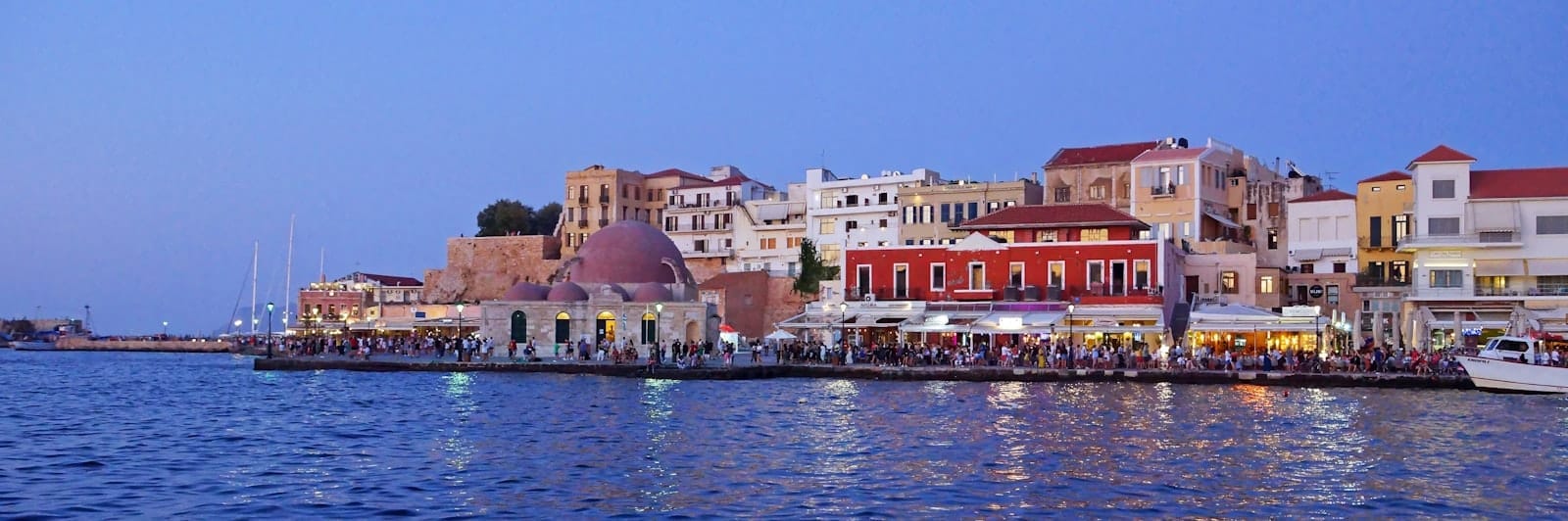
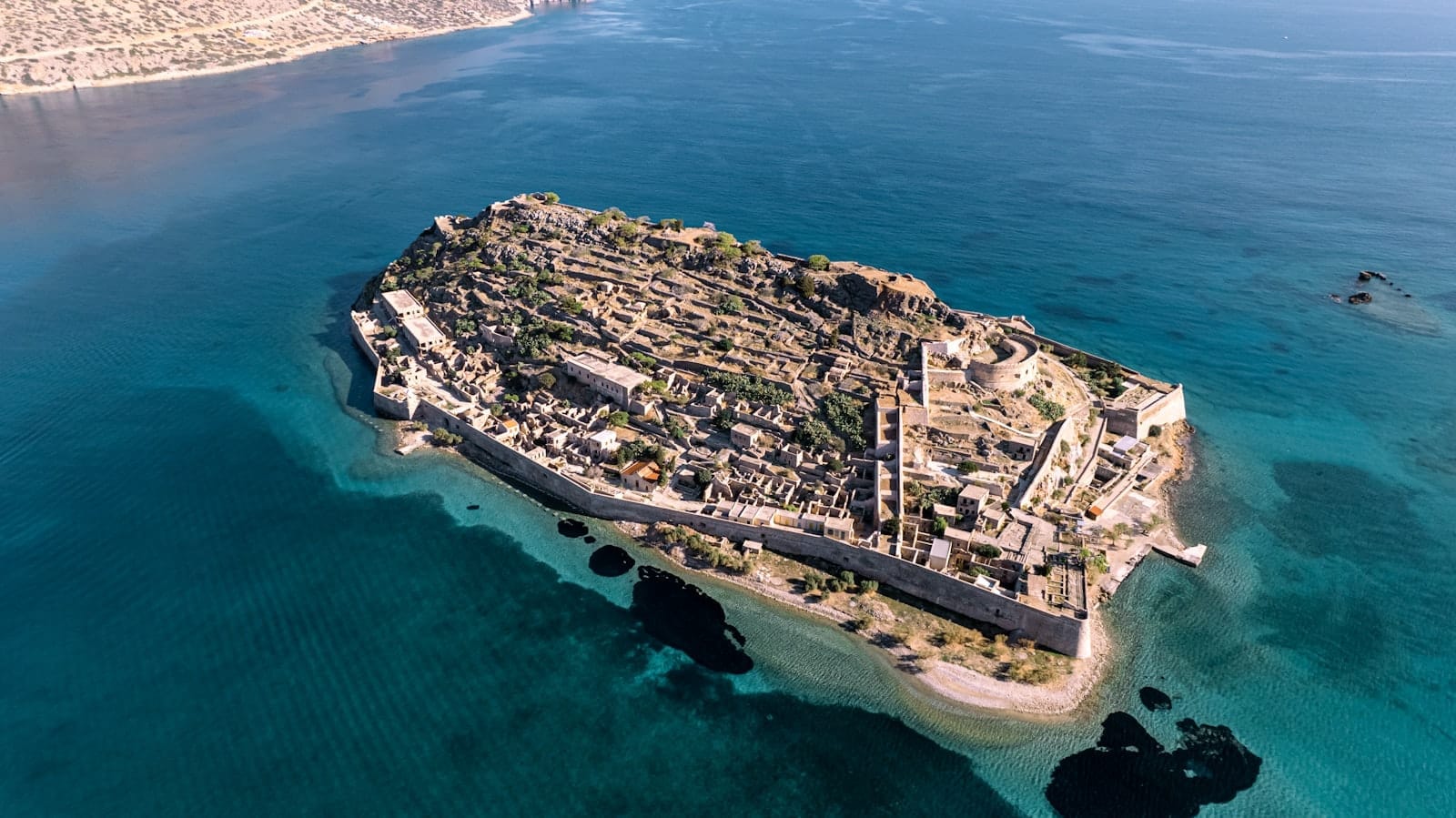
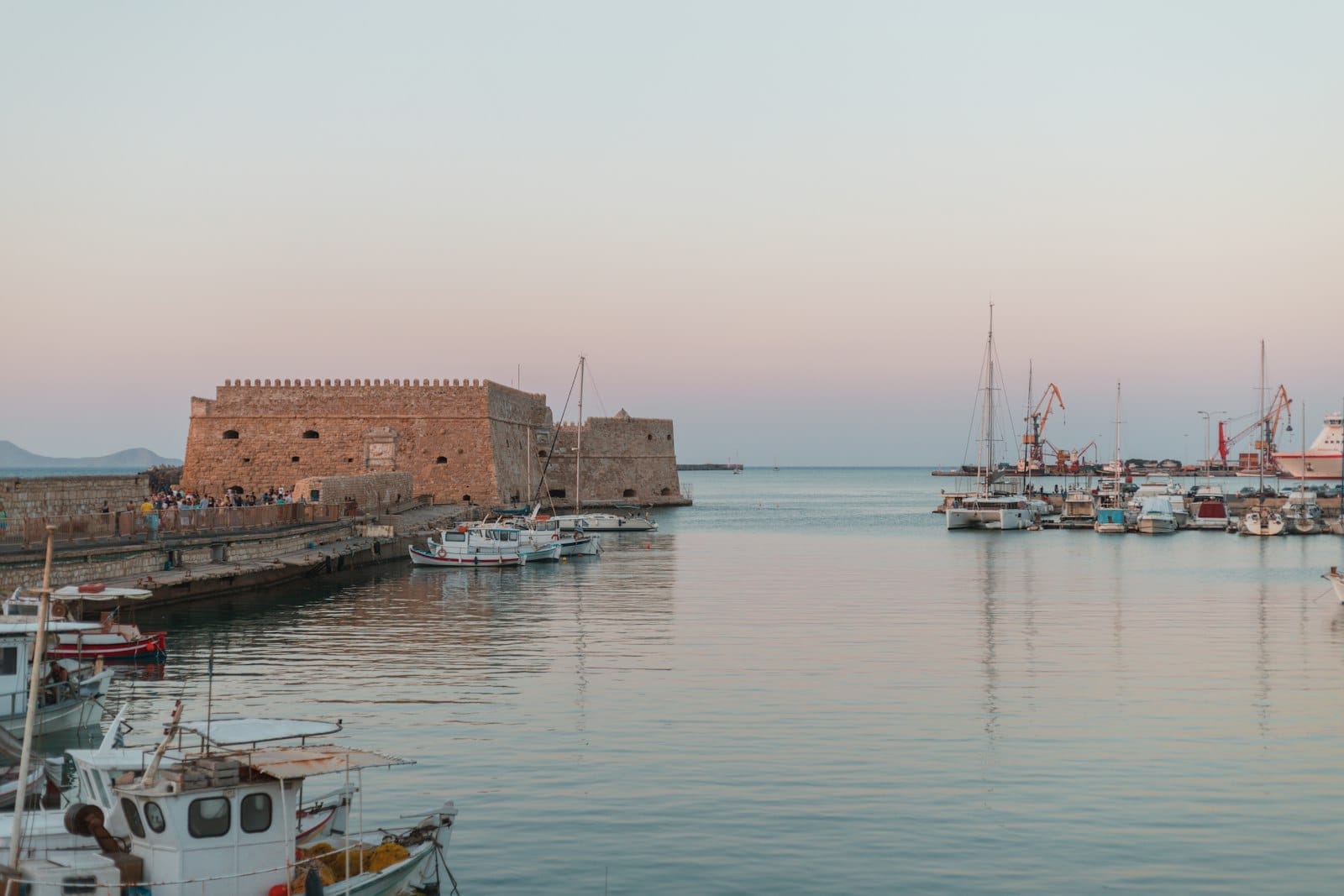
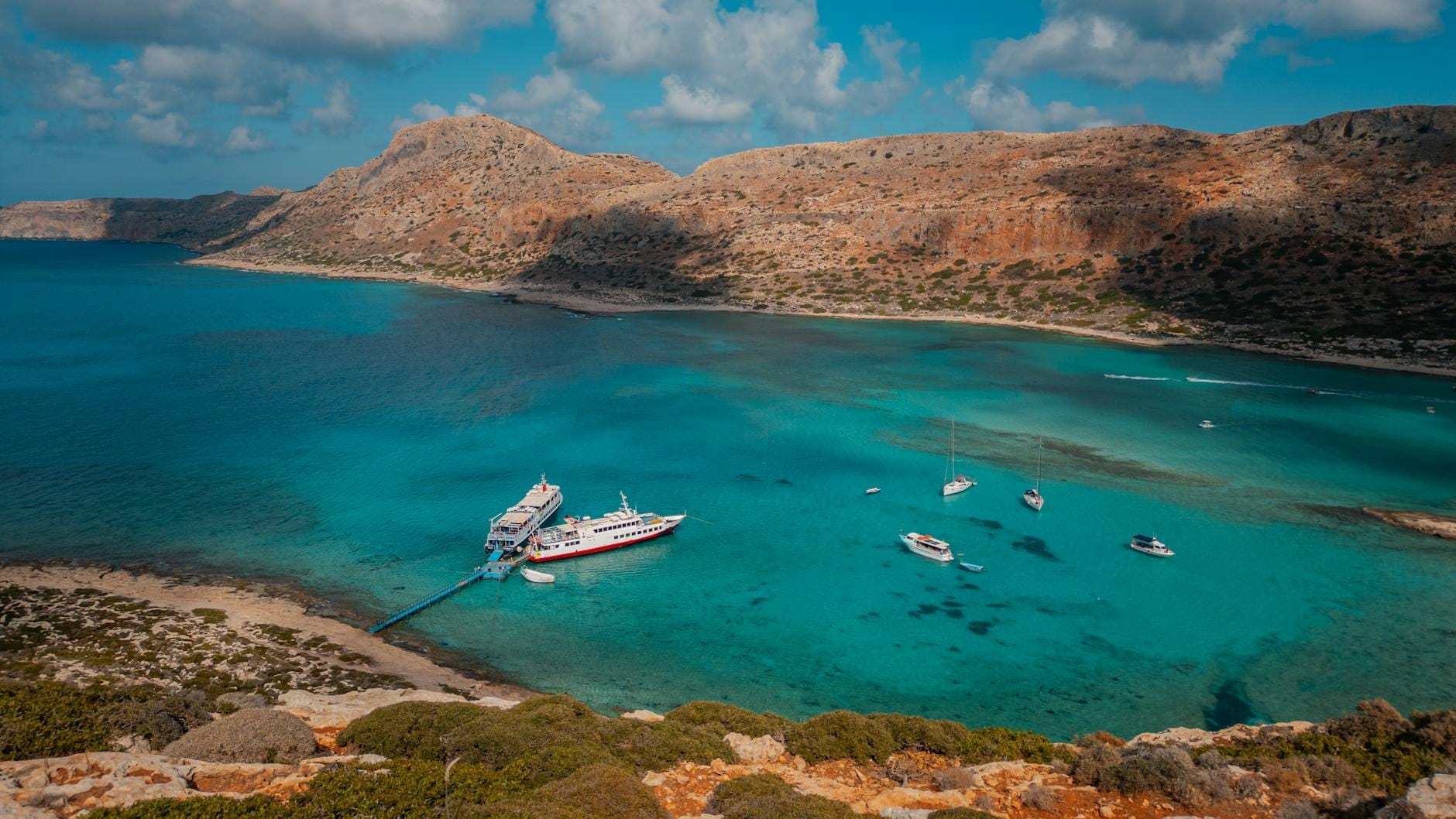
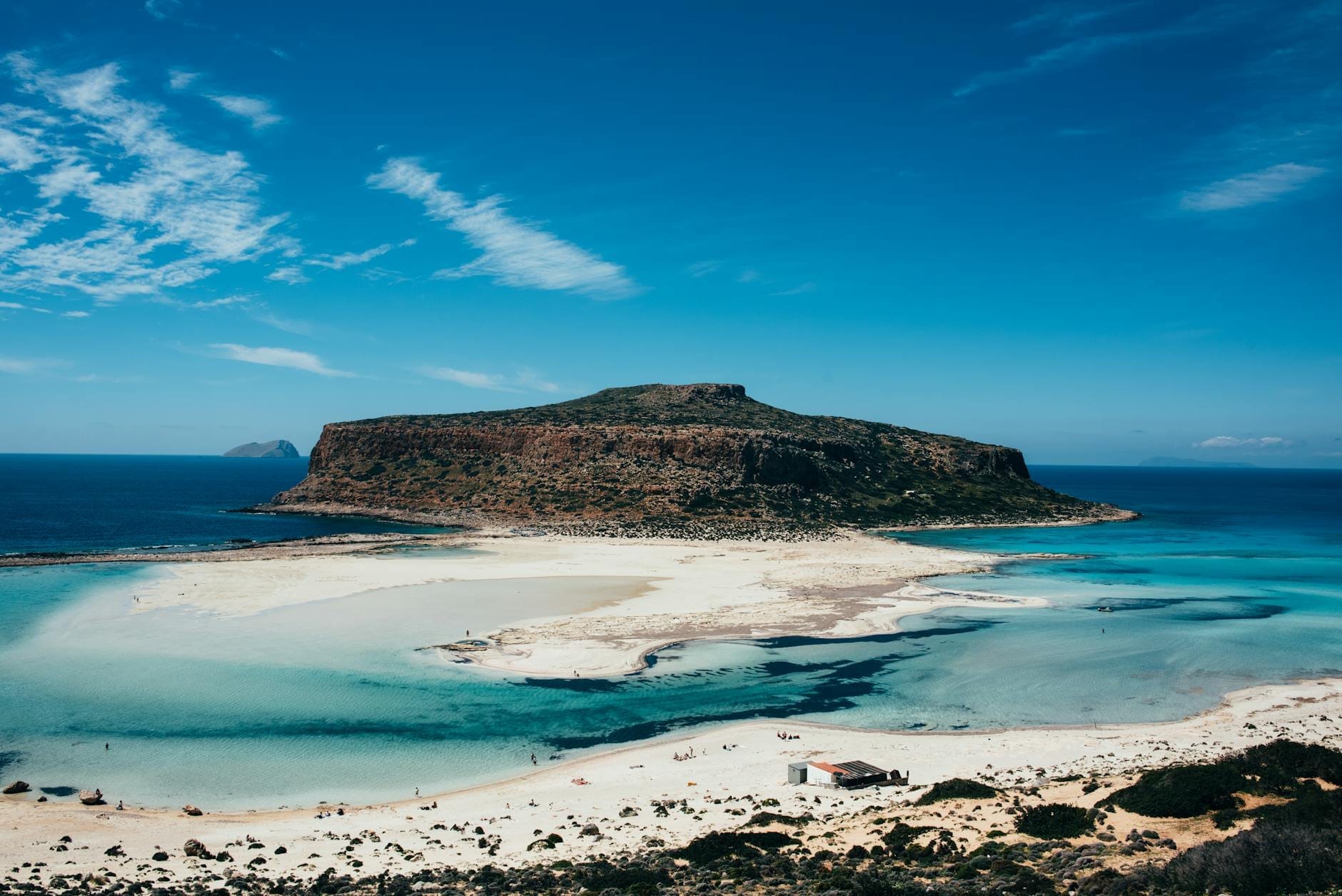
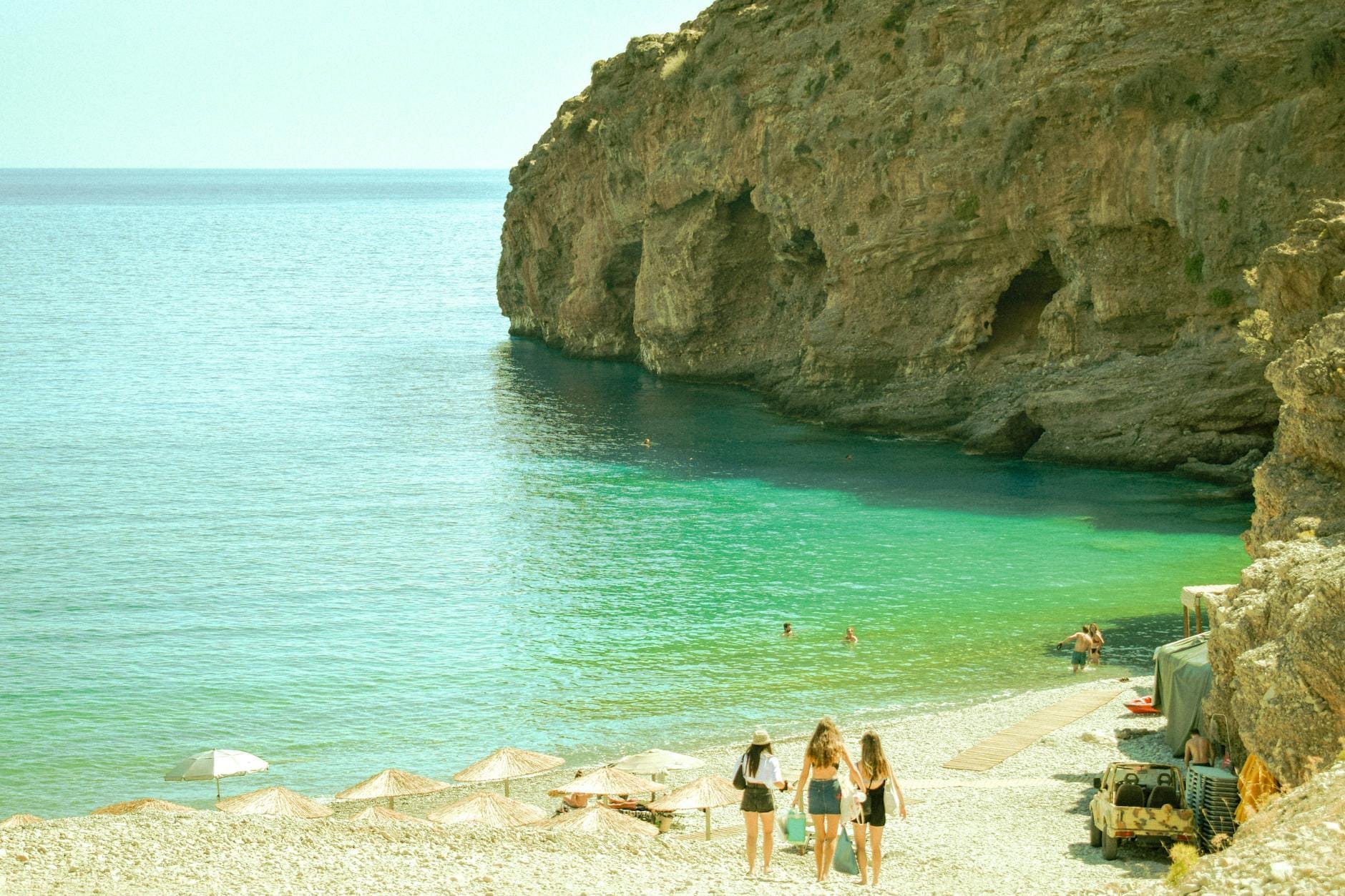
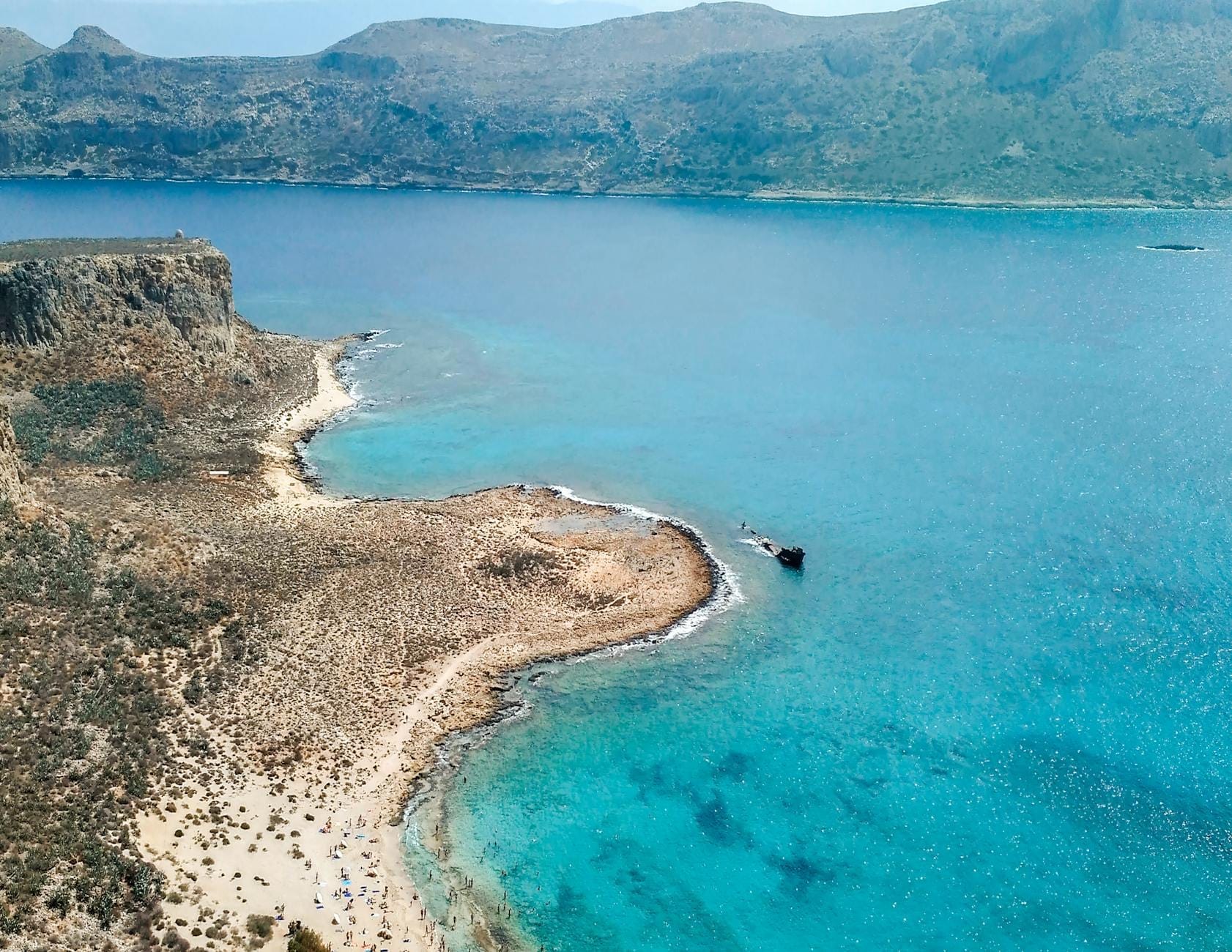
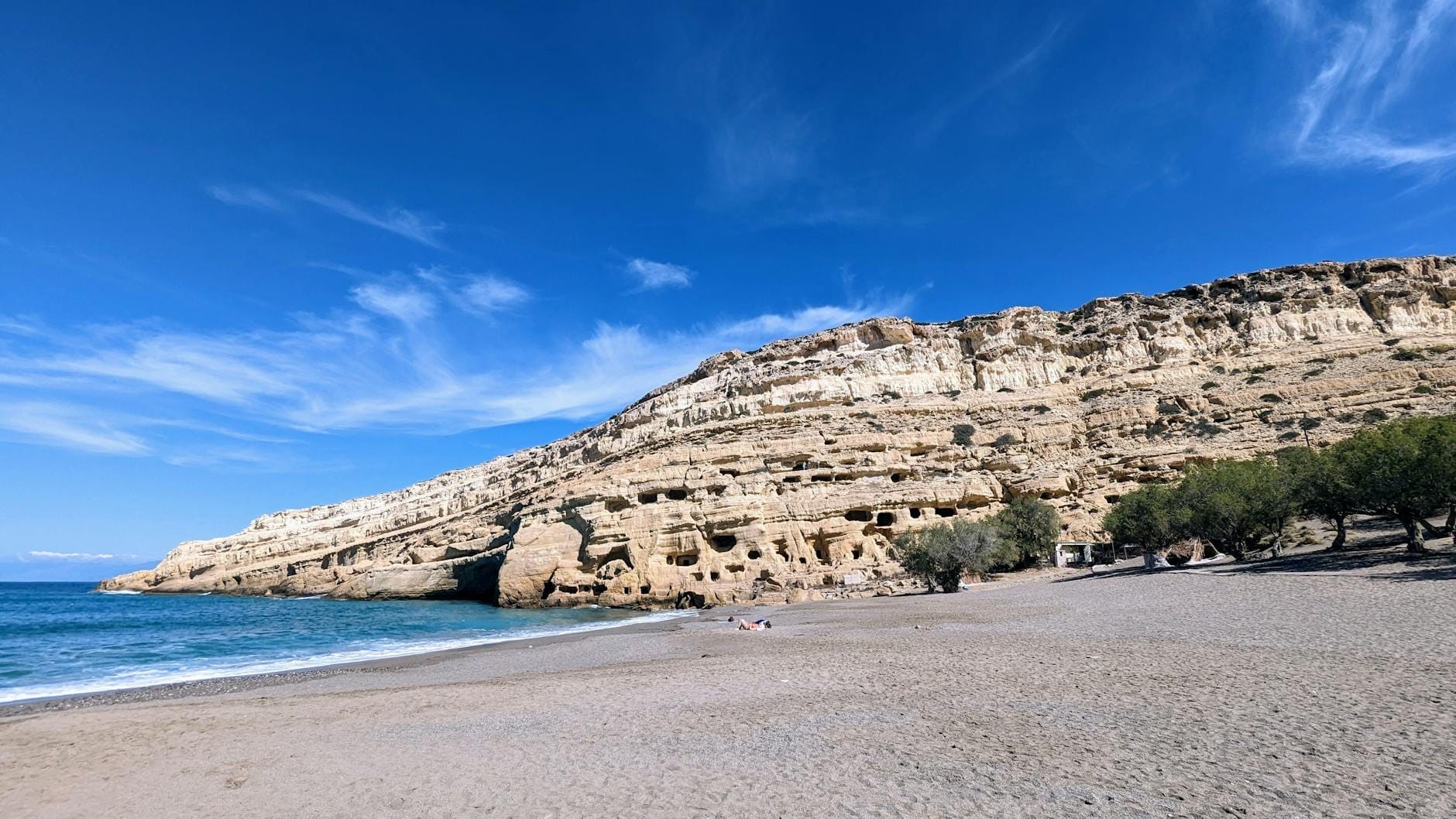
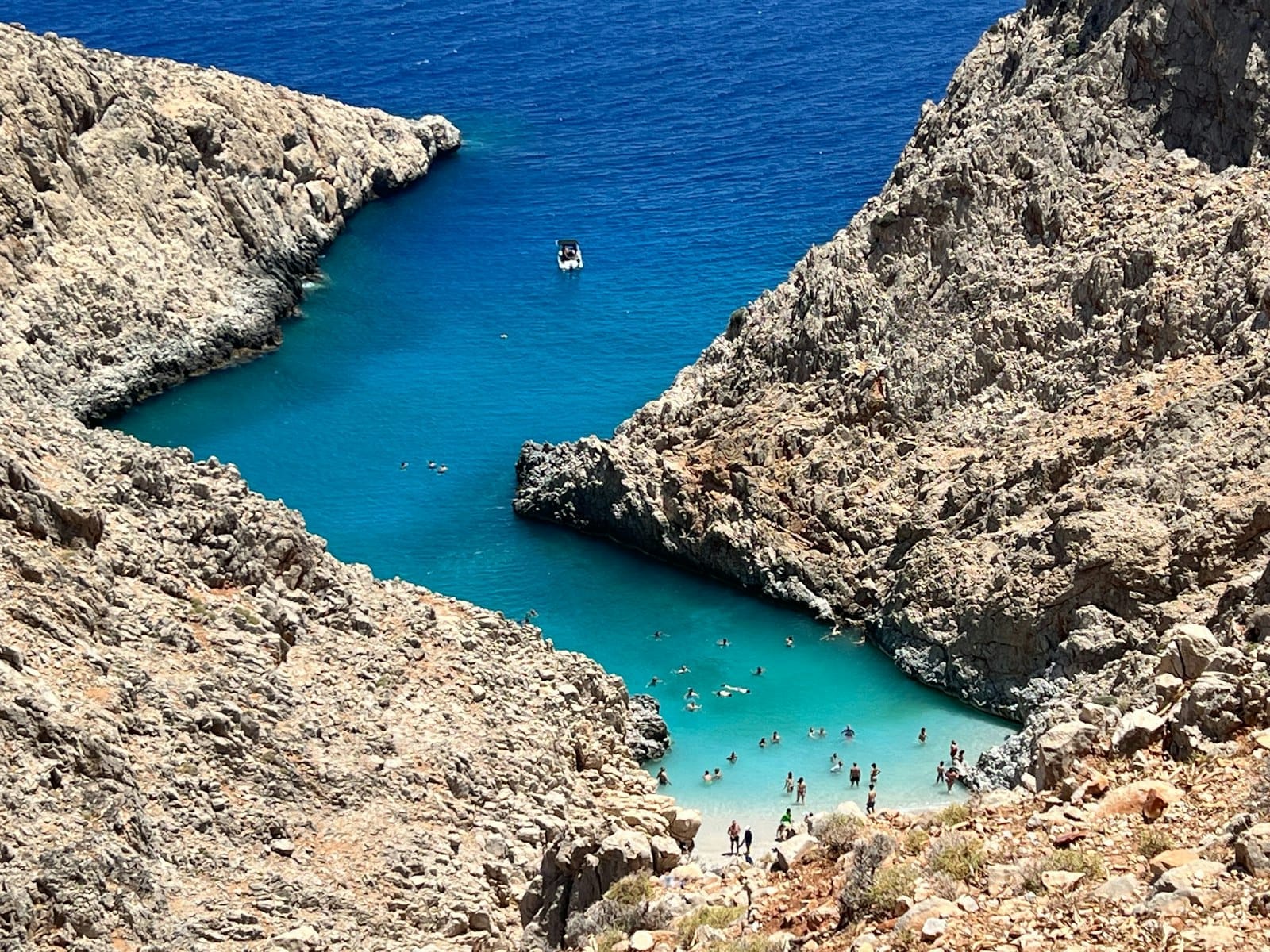
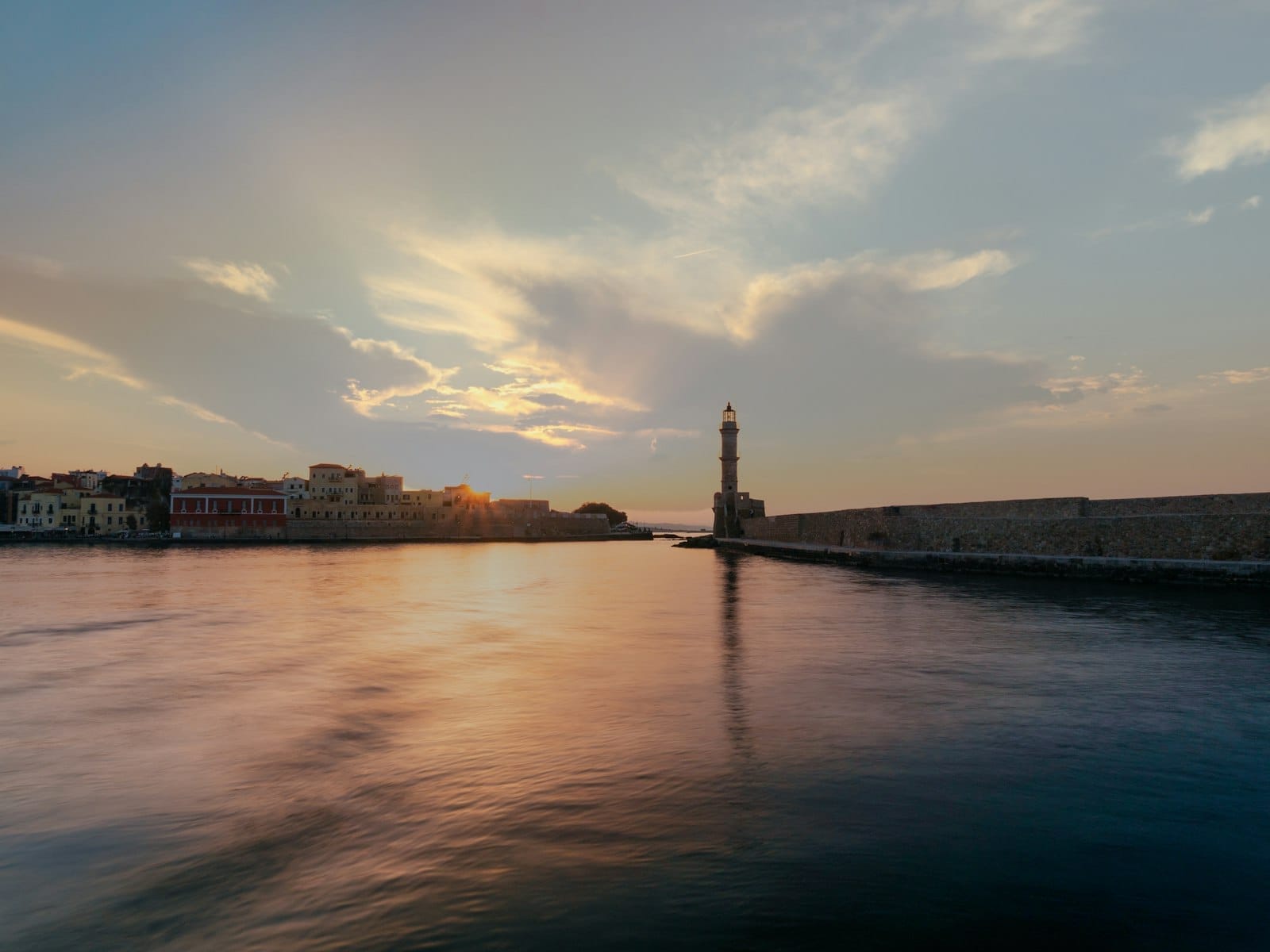
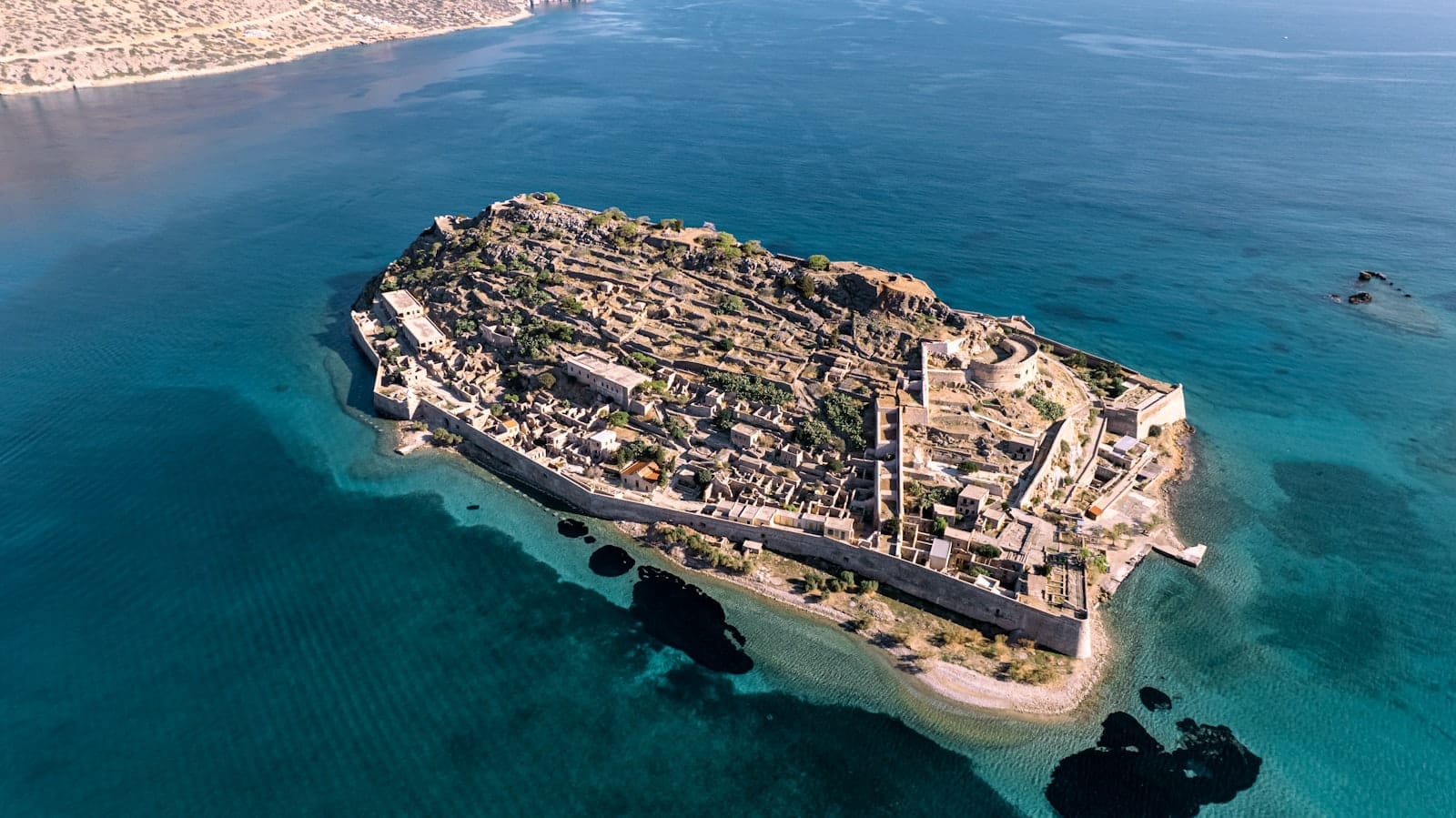
Crete is Greece's largest island and one of the Mediterranean's most storied destinations, where 4,000-year-old Minoan palaces, Europe's longest gorge, and some of the world's most beautiful beaches converge in a single island. From the Venetian harbors of Chania to the pink sands of Elafonissi, Crete rewards every type of traveler.

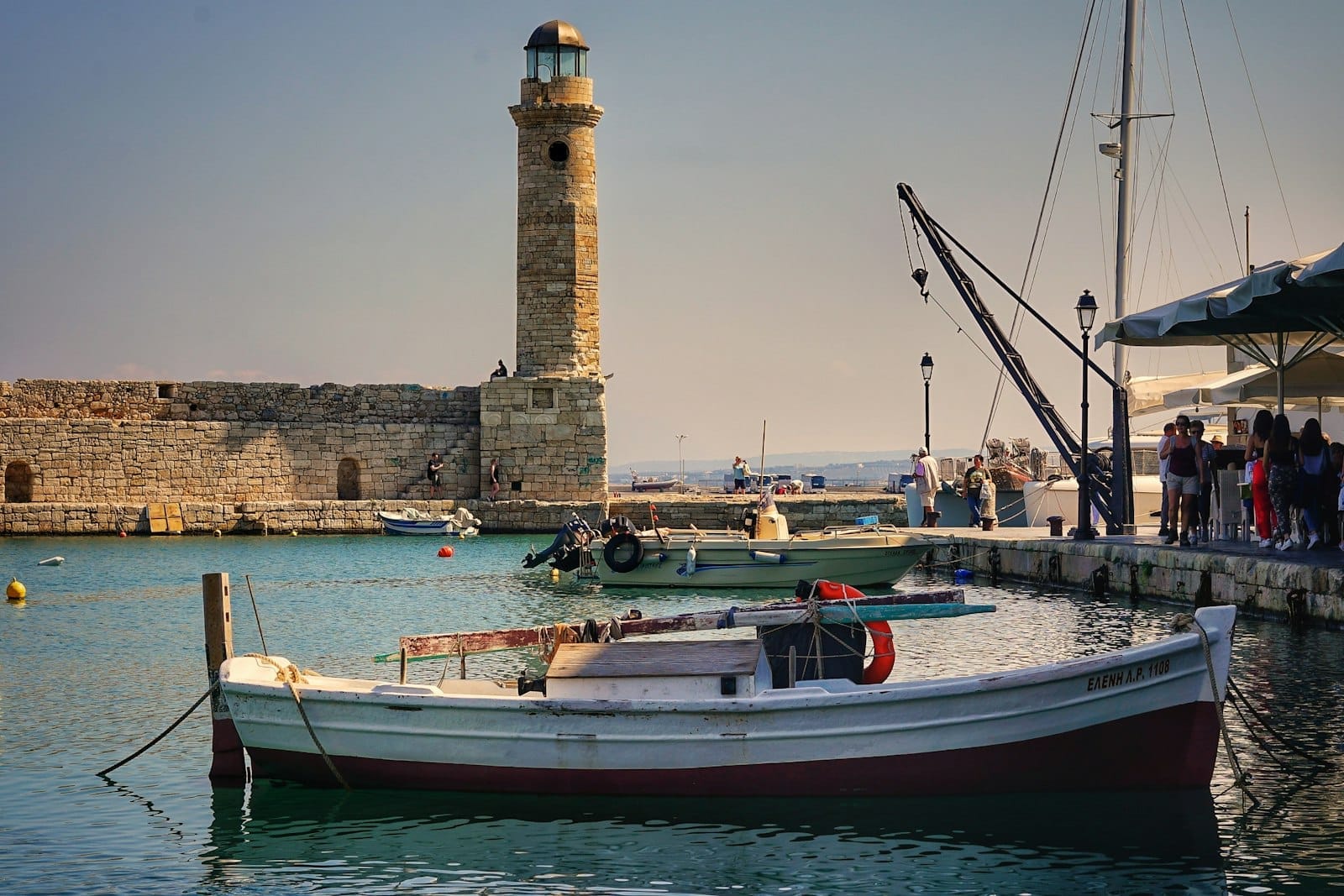
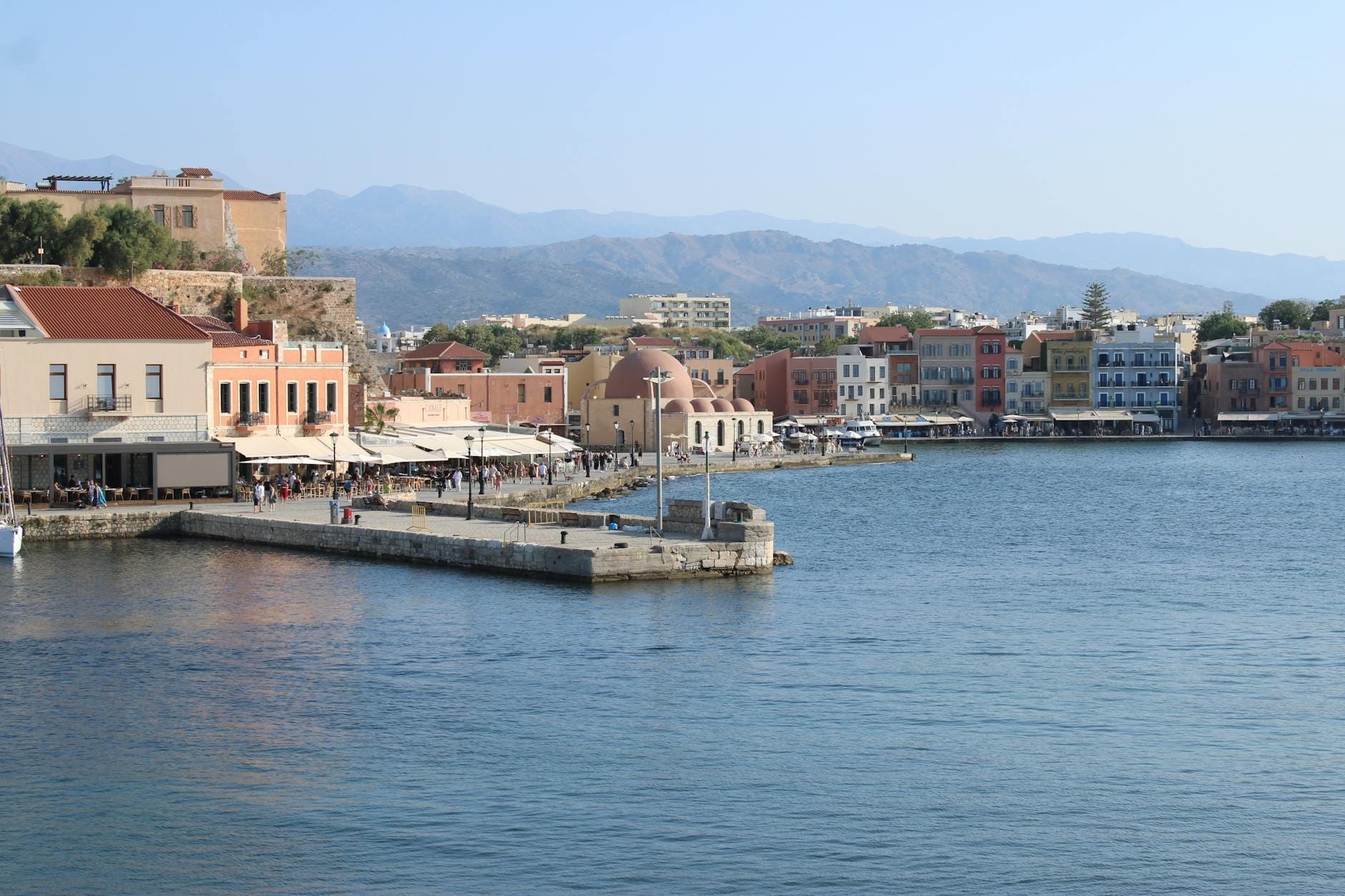
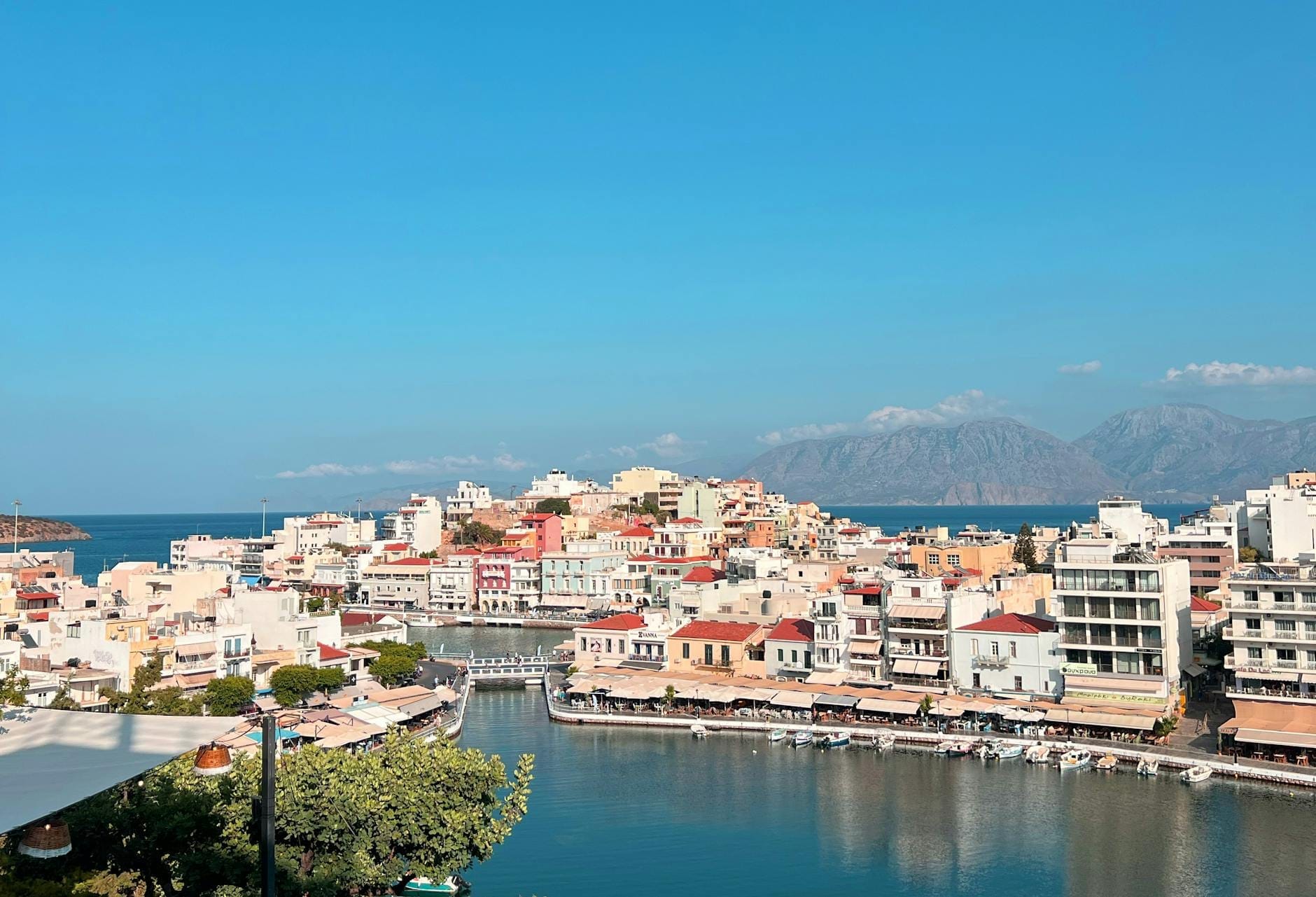
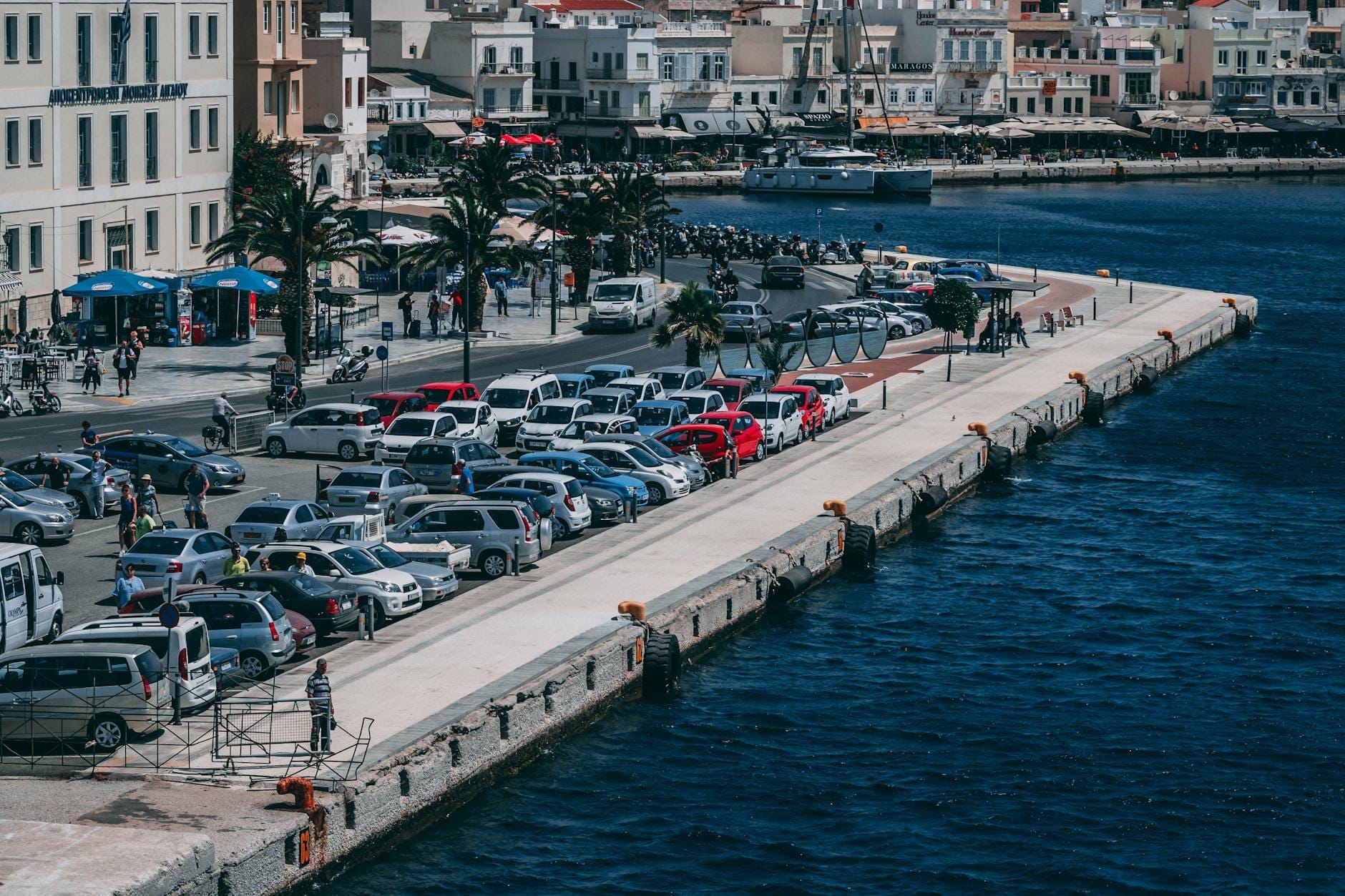
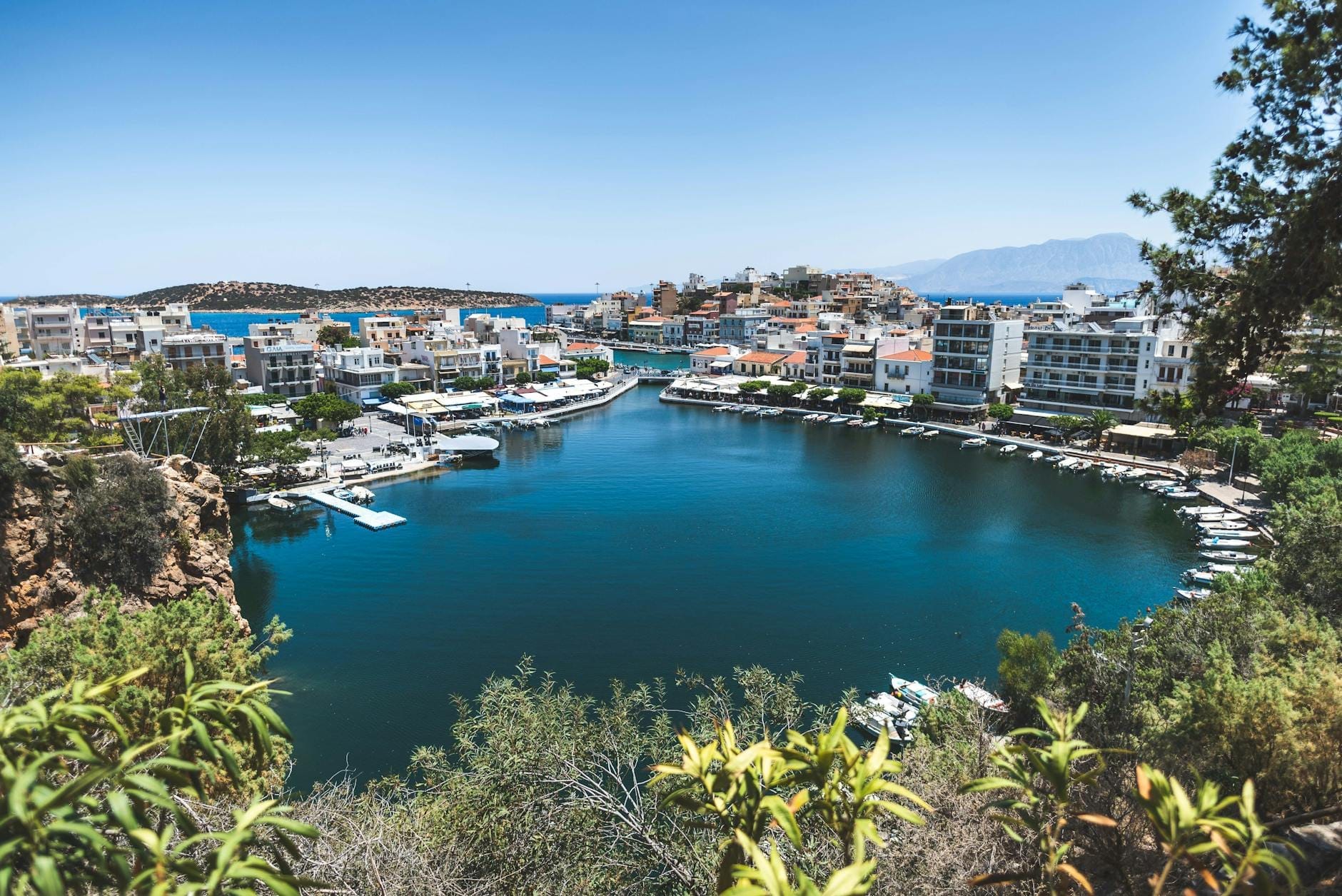
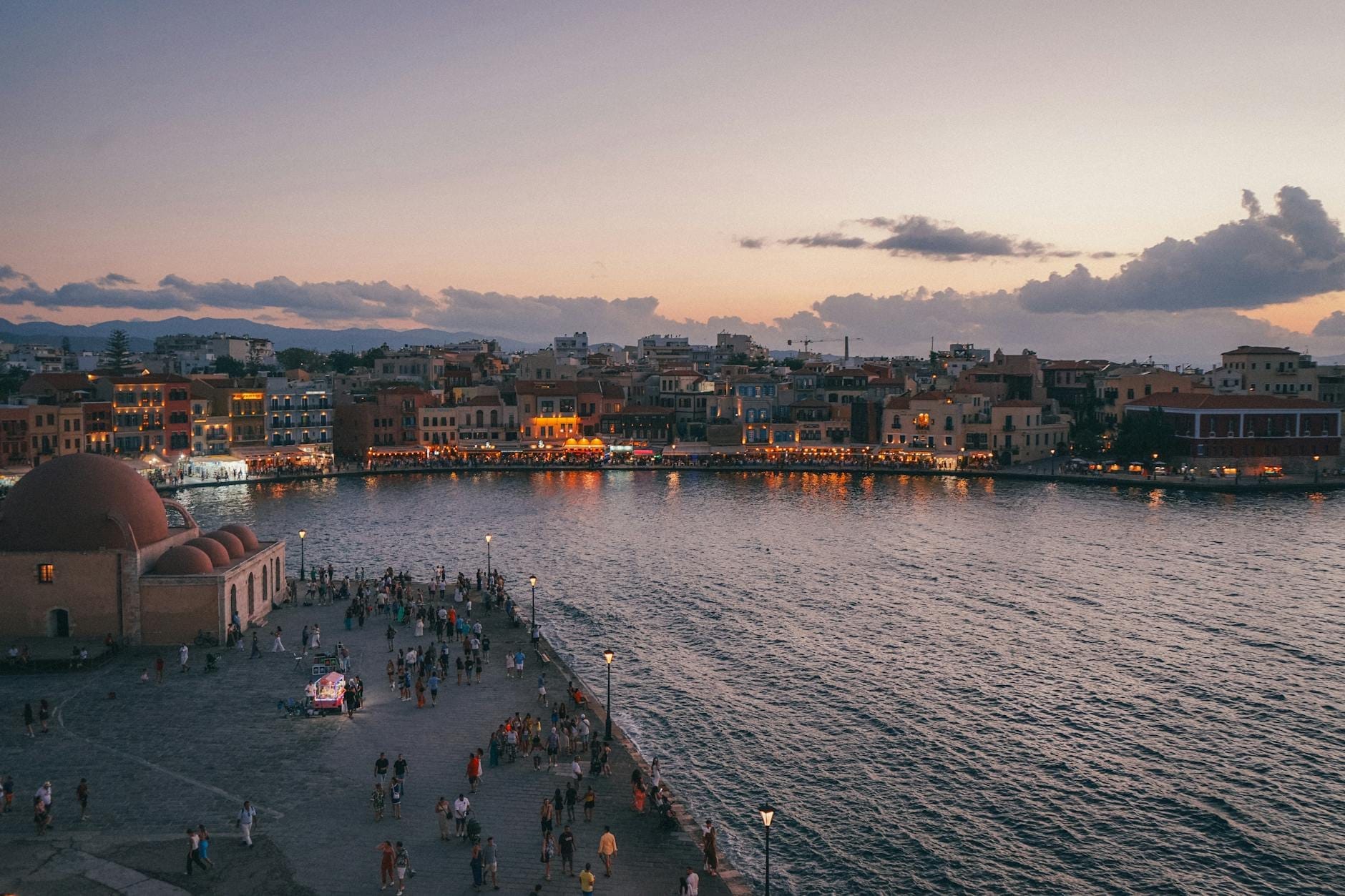
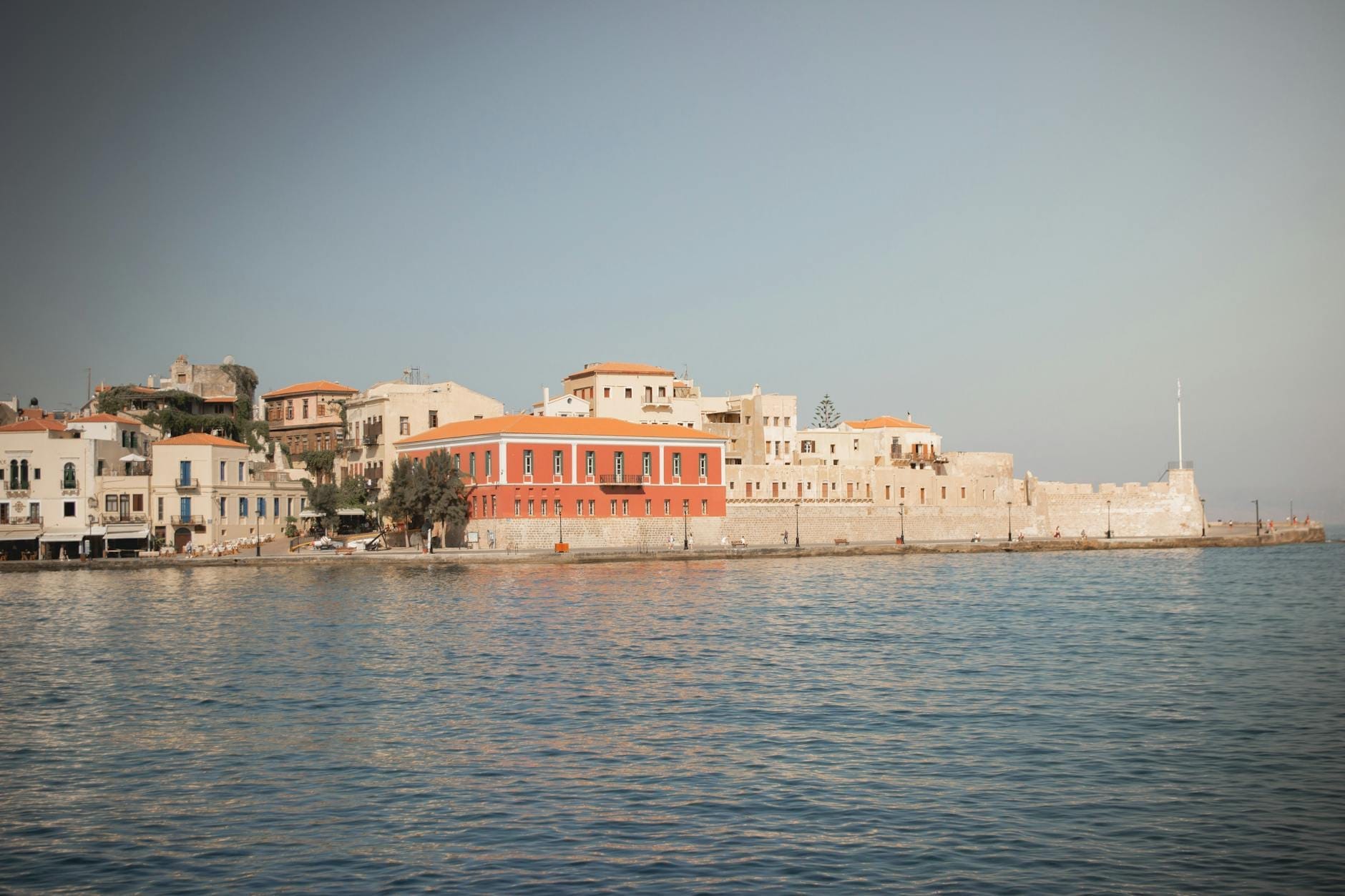
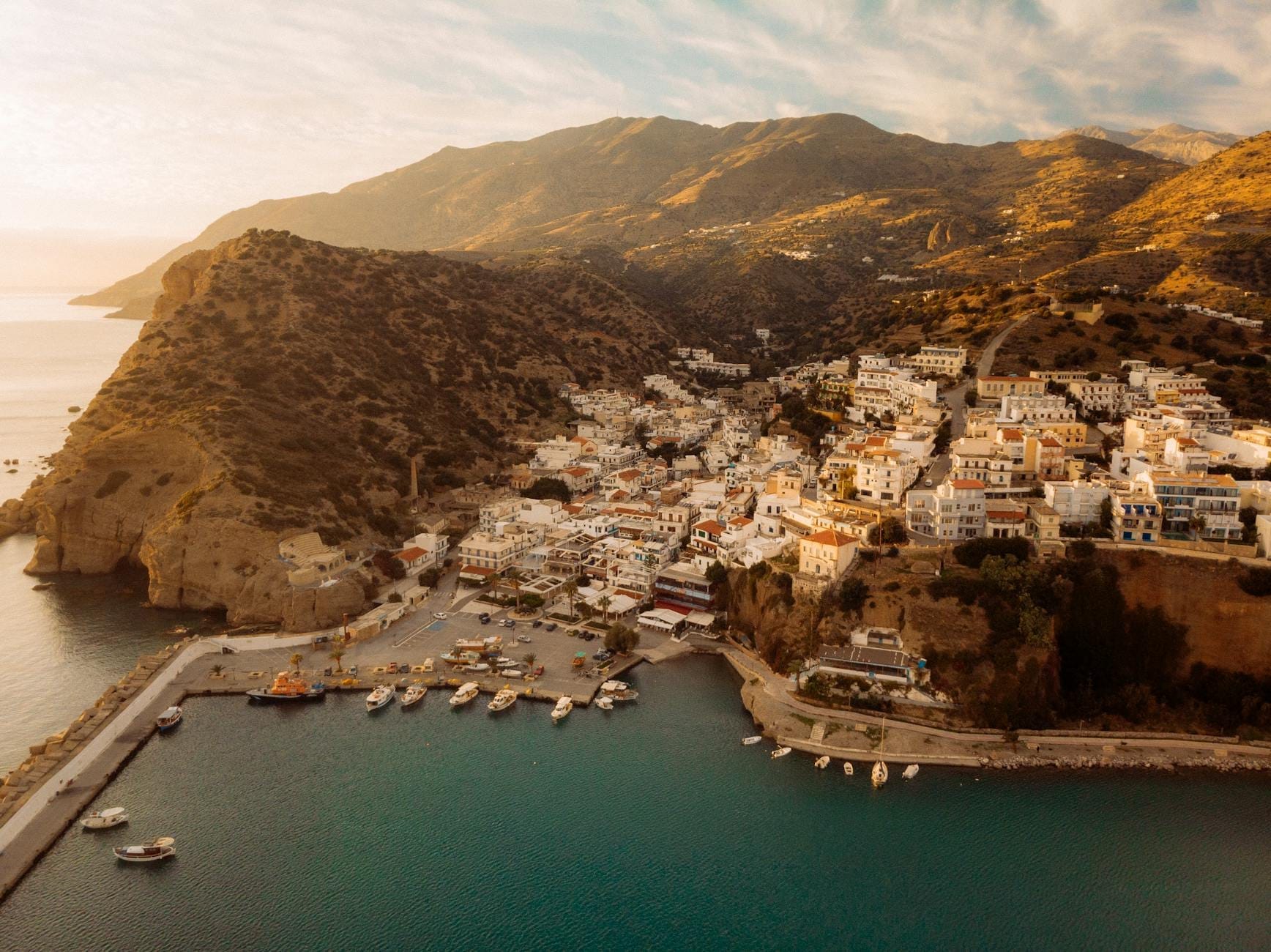
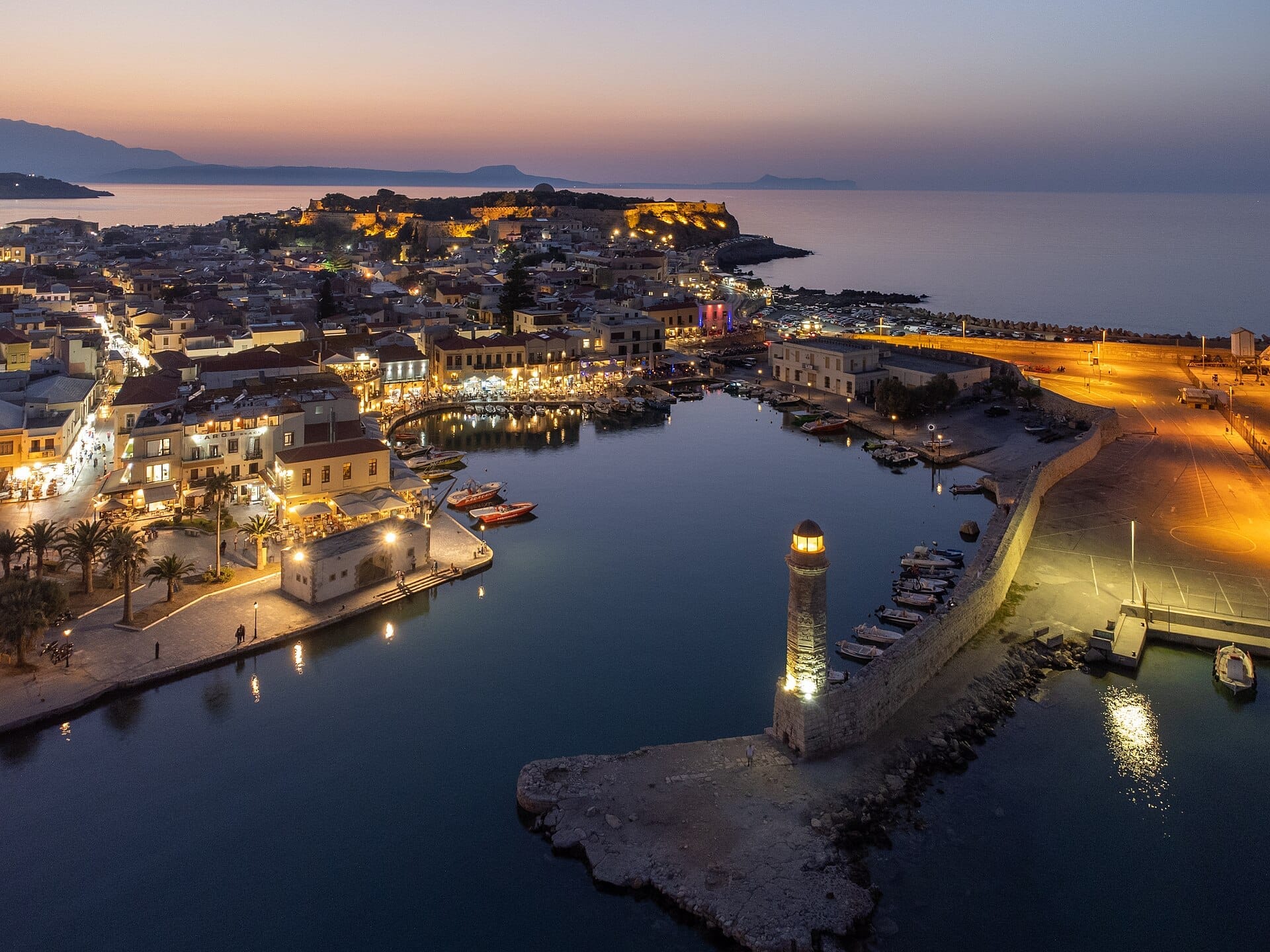
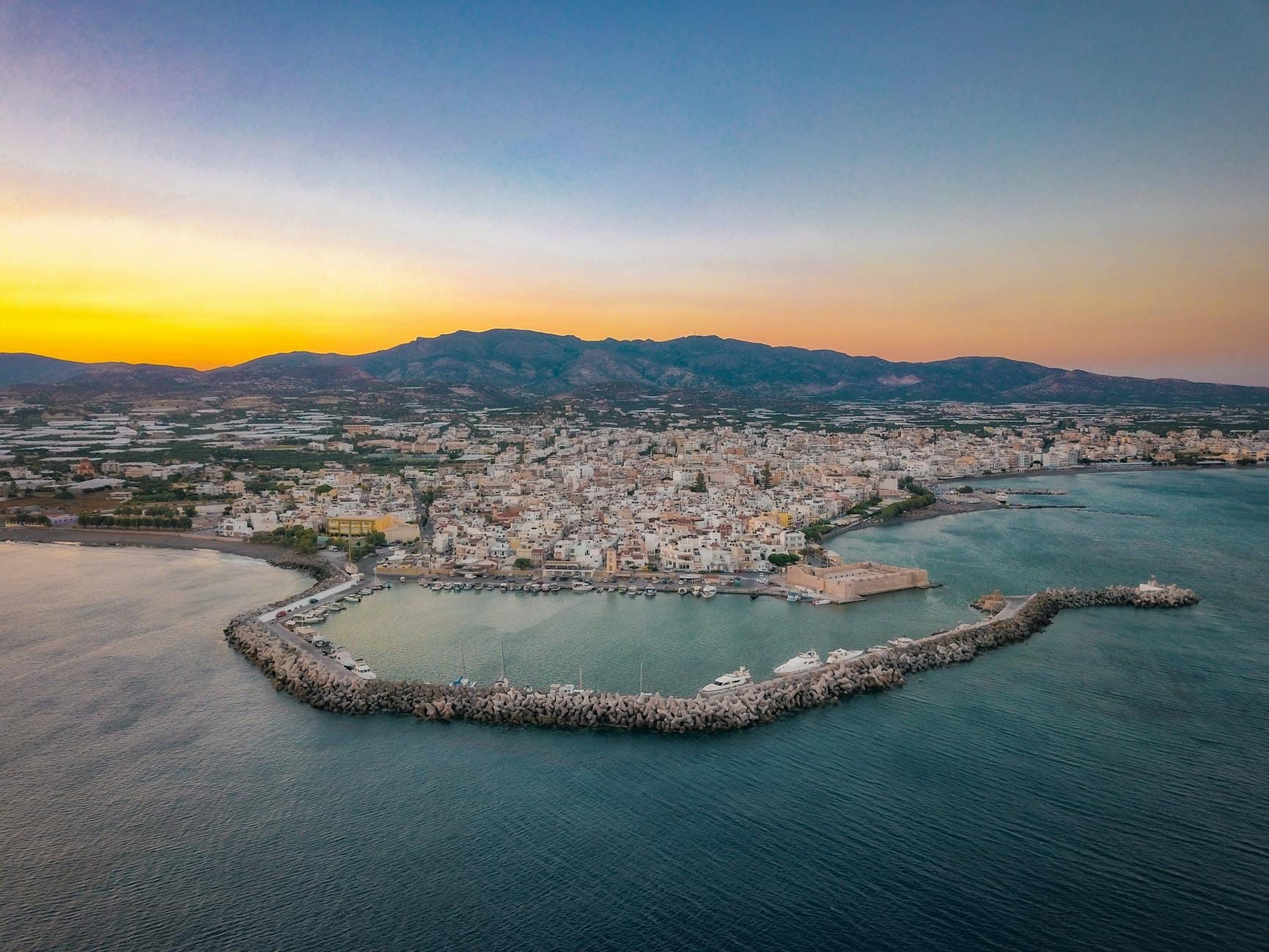
Aerial view of the coastal city of Rethymno in Crete at sunset, showing the picturesque harbor, mountains, and waterfront buildings.

Crete, GreeceTravel Essentials

Currency
Euro (EUR)
Language
Greek (English widely spoken in tourist areas)
Best time
May–June & September–October
Plug
Type C/F, 230V

Overview

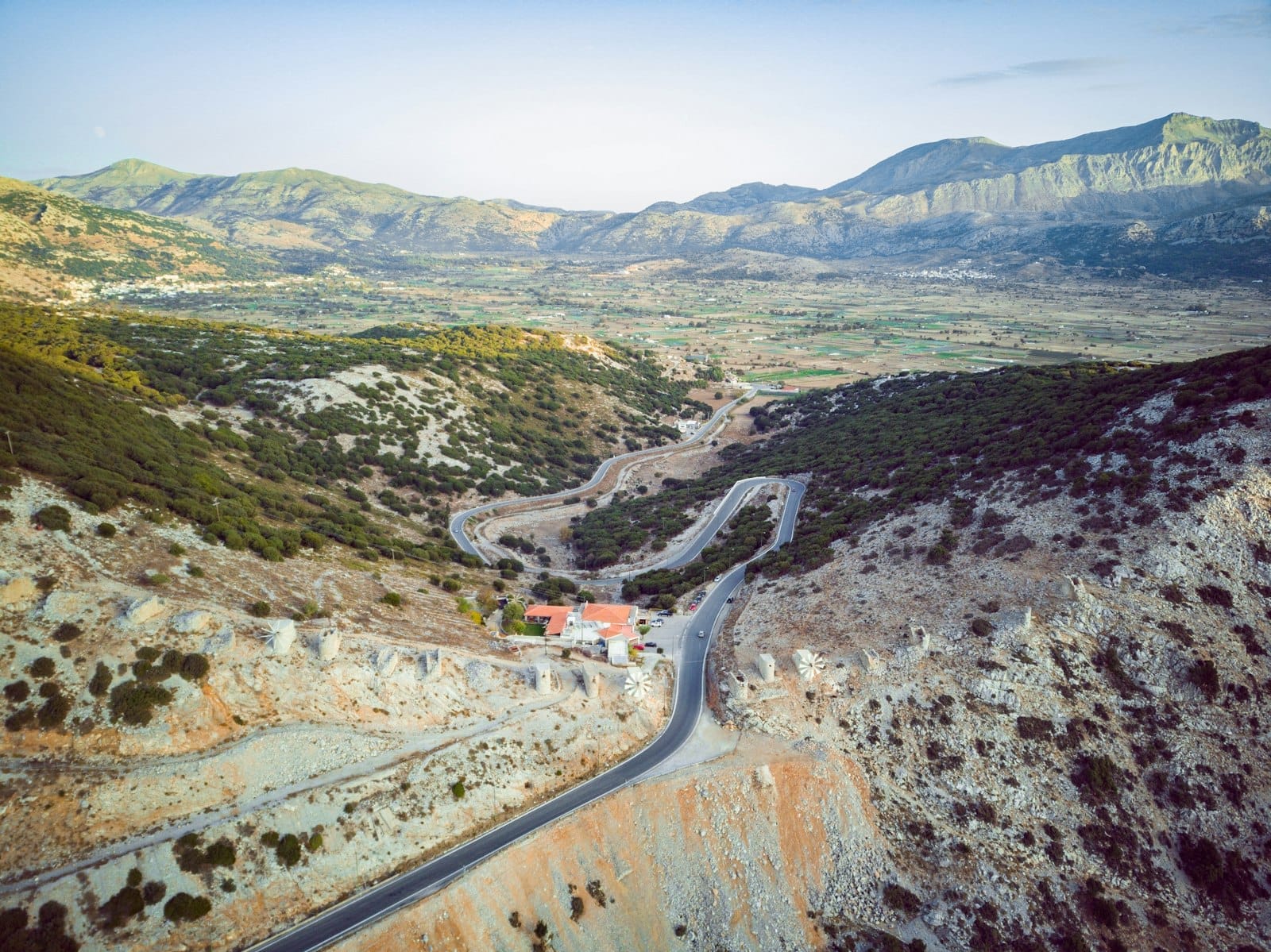
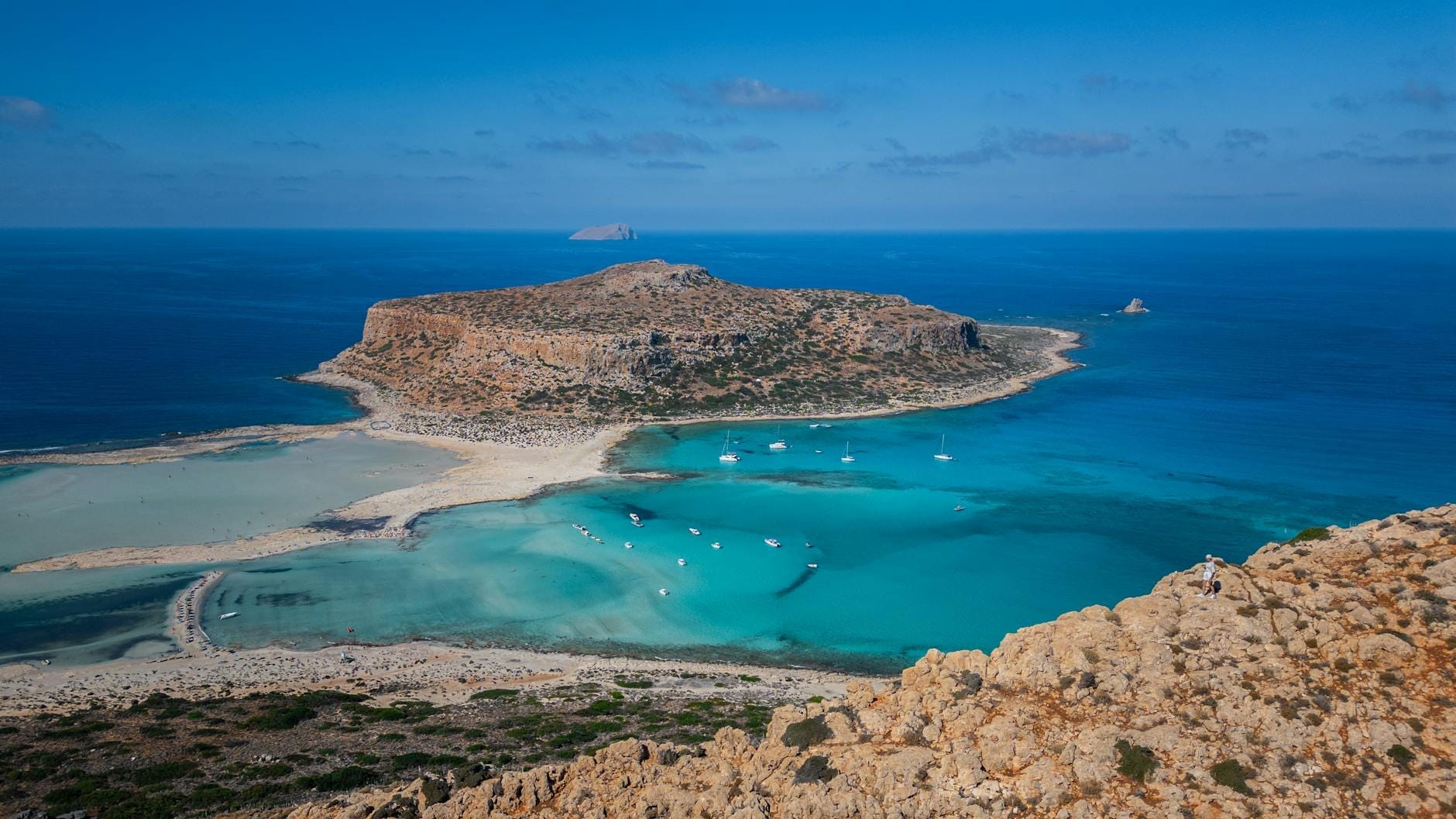
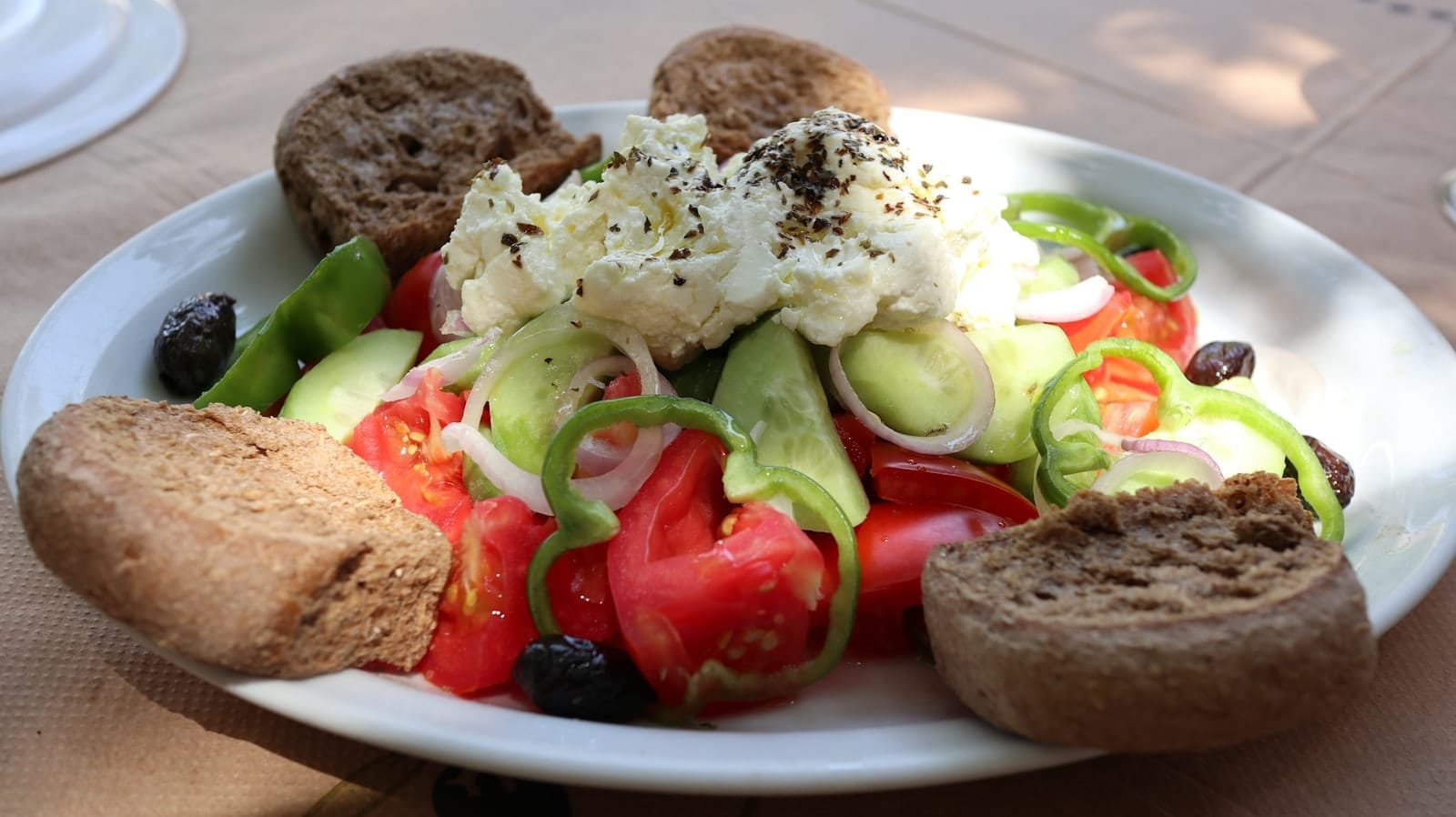
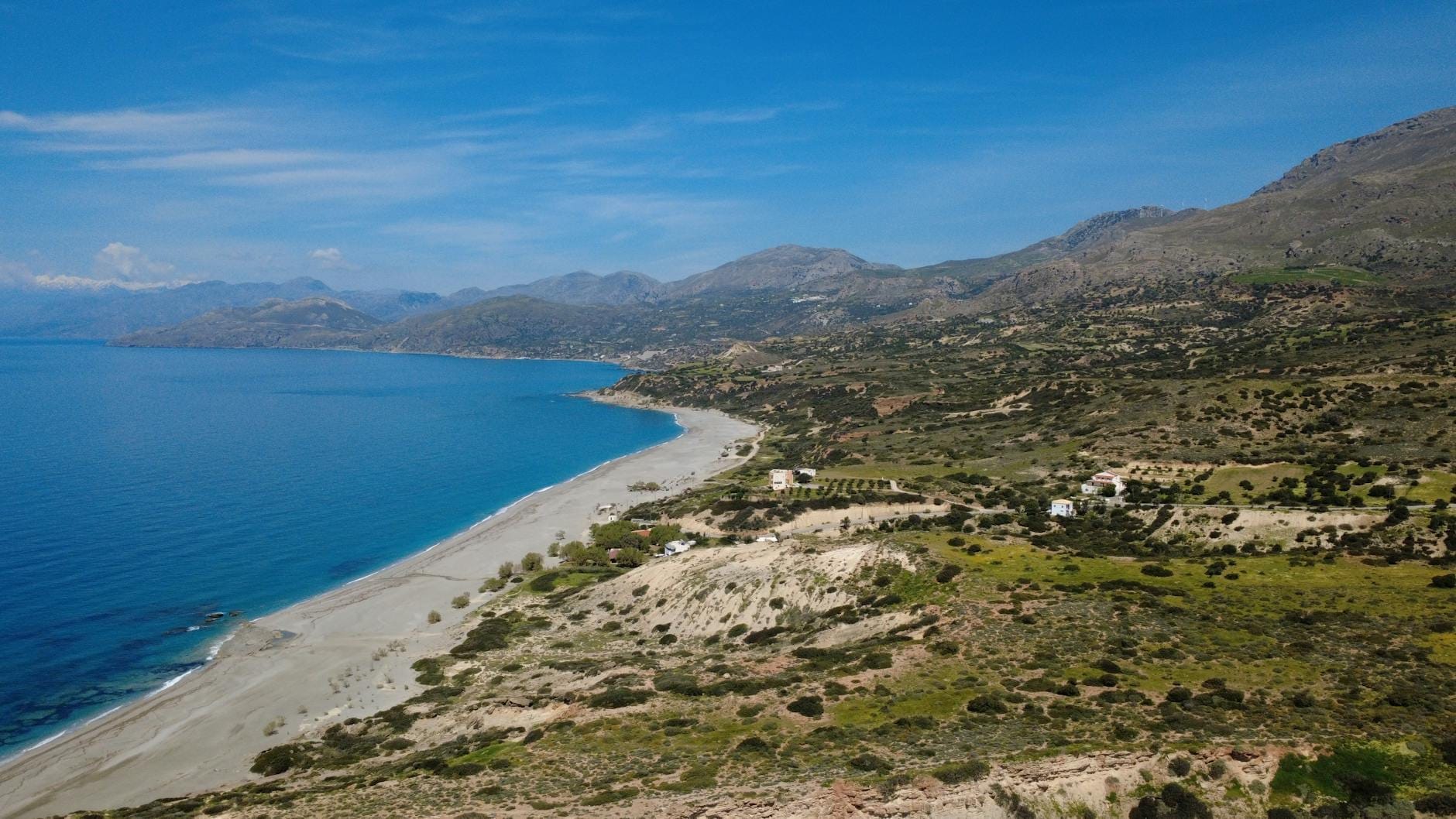
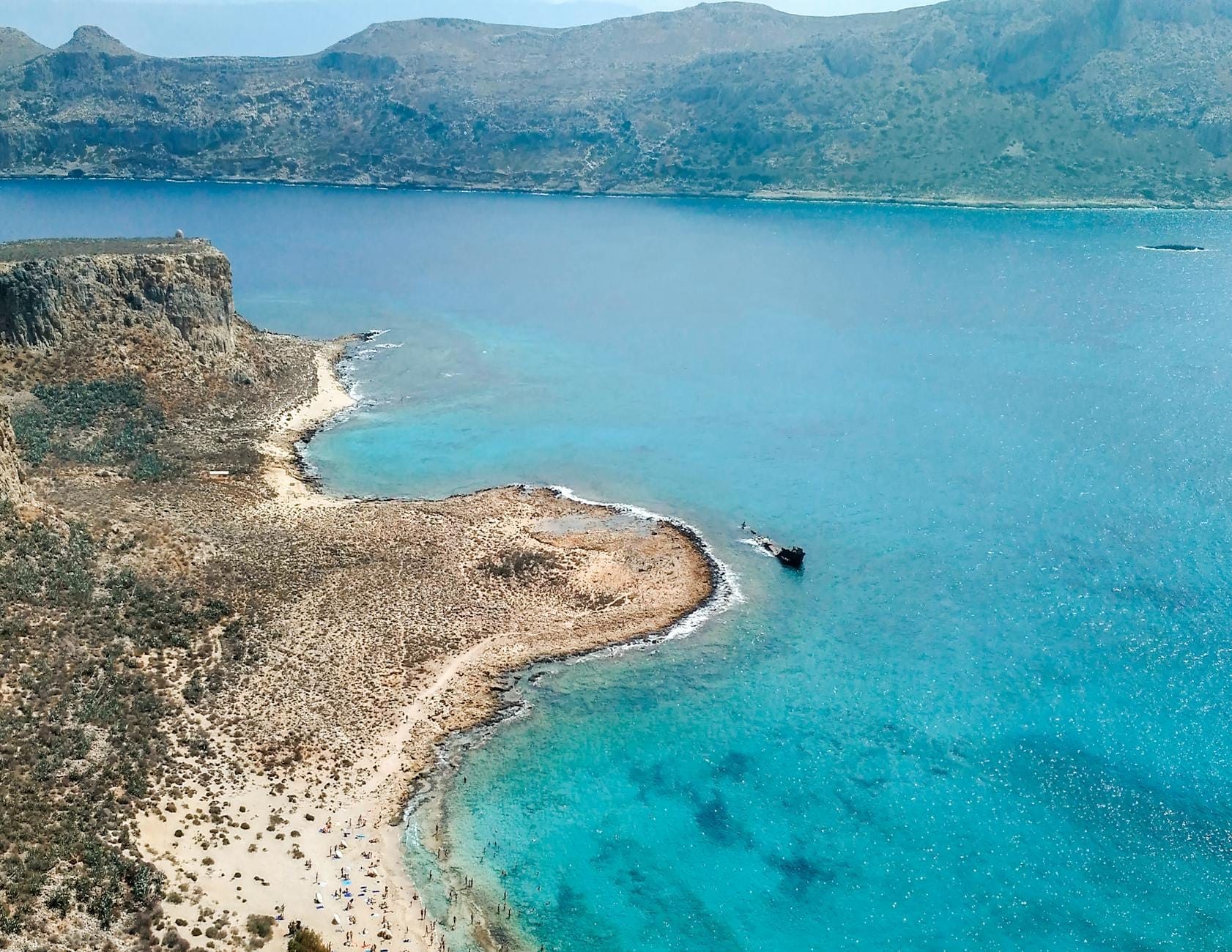
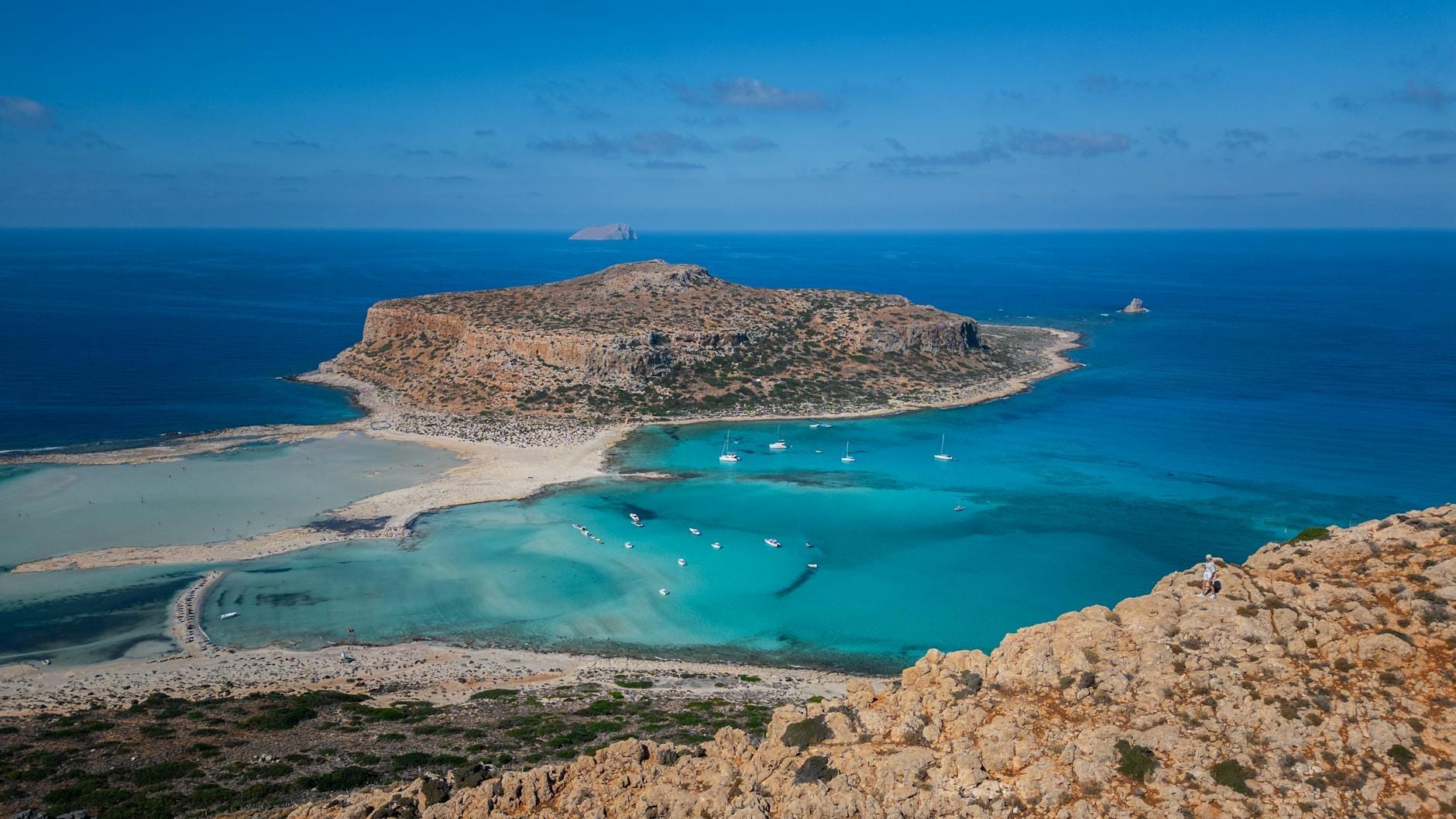
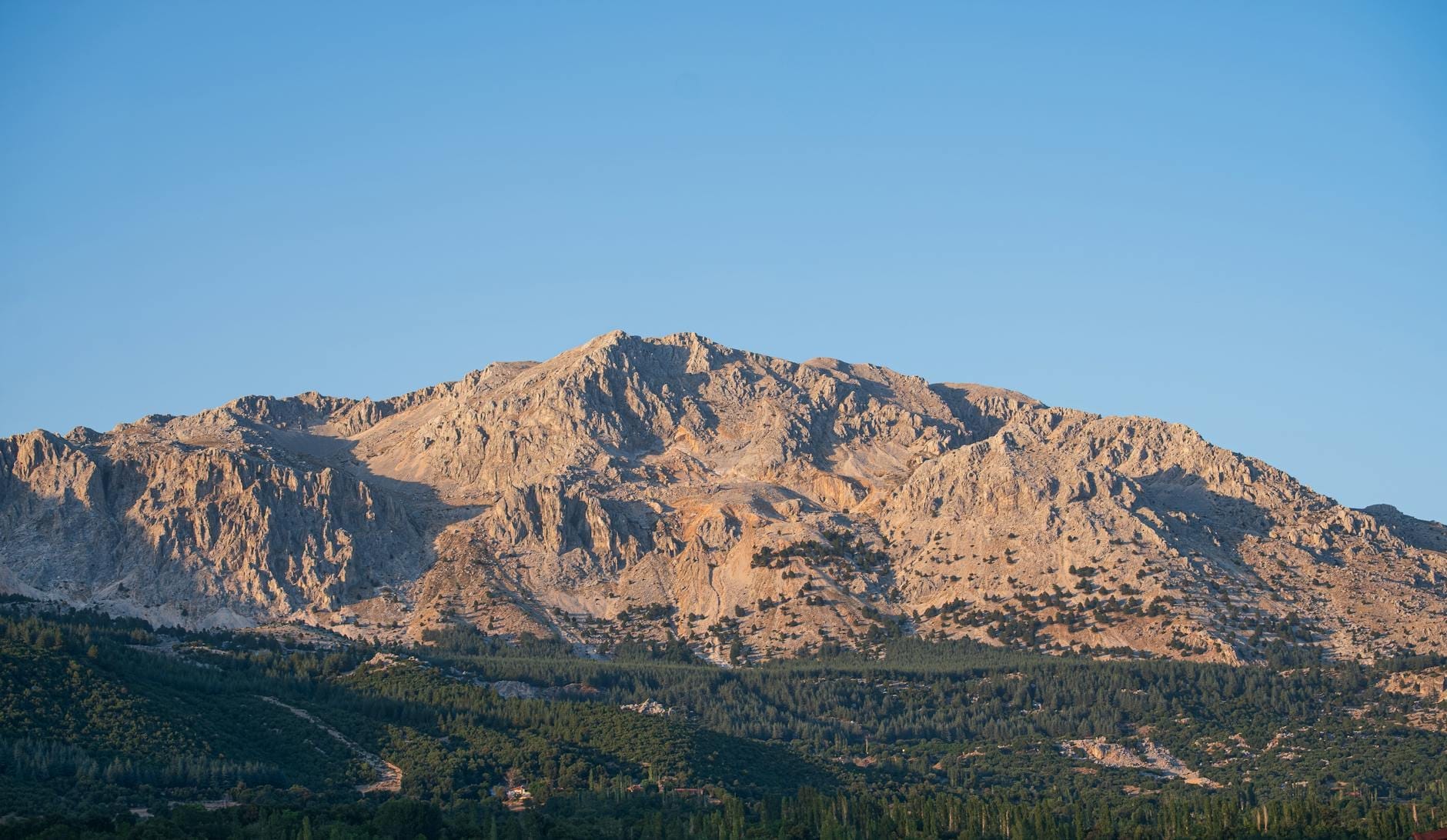
Stretching 260 kilometers across the southern Aegean, Crete packs an extraordinary range of experiences into one island: ancient Minoan ruins that predate classical Greece by millennia, dramatic mountain gorges cutting through the White Mountains, and a coastline dotted with turquoise lagoons and remote beaches. The island's four distinct regions — Heraklion, Chania, Rethymno, and Lasithi — each have their own character, from the cosmopolitan energy of the capital to the timeless villages of the Lassithi Plateau. Cretan cuisine, built on olive oil, wild herbs, and centuries of Mediterranean tradition, is considered among the healthiest and most distinctive in all of Greece. Whether you come for archaeology, hiking, beach-hopping, or simply to eat and drink well, Crete delivers at a scale no other Greek island can match.

Why visit Crete, Greece

Crete is the rare destination that genuinely has it all — Bronze Age archaeology, Europe's longest gorge, pink-sand beaches, and a food culture so distinctive it has its own UNESCO recognition. No other Greek island offers this breadth.

At a glance

  • Greece's largest island at 8,336 km², stretching 260 km east to west
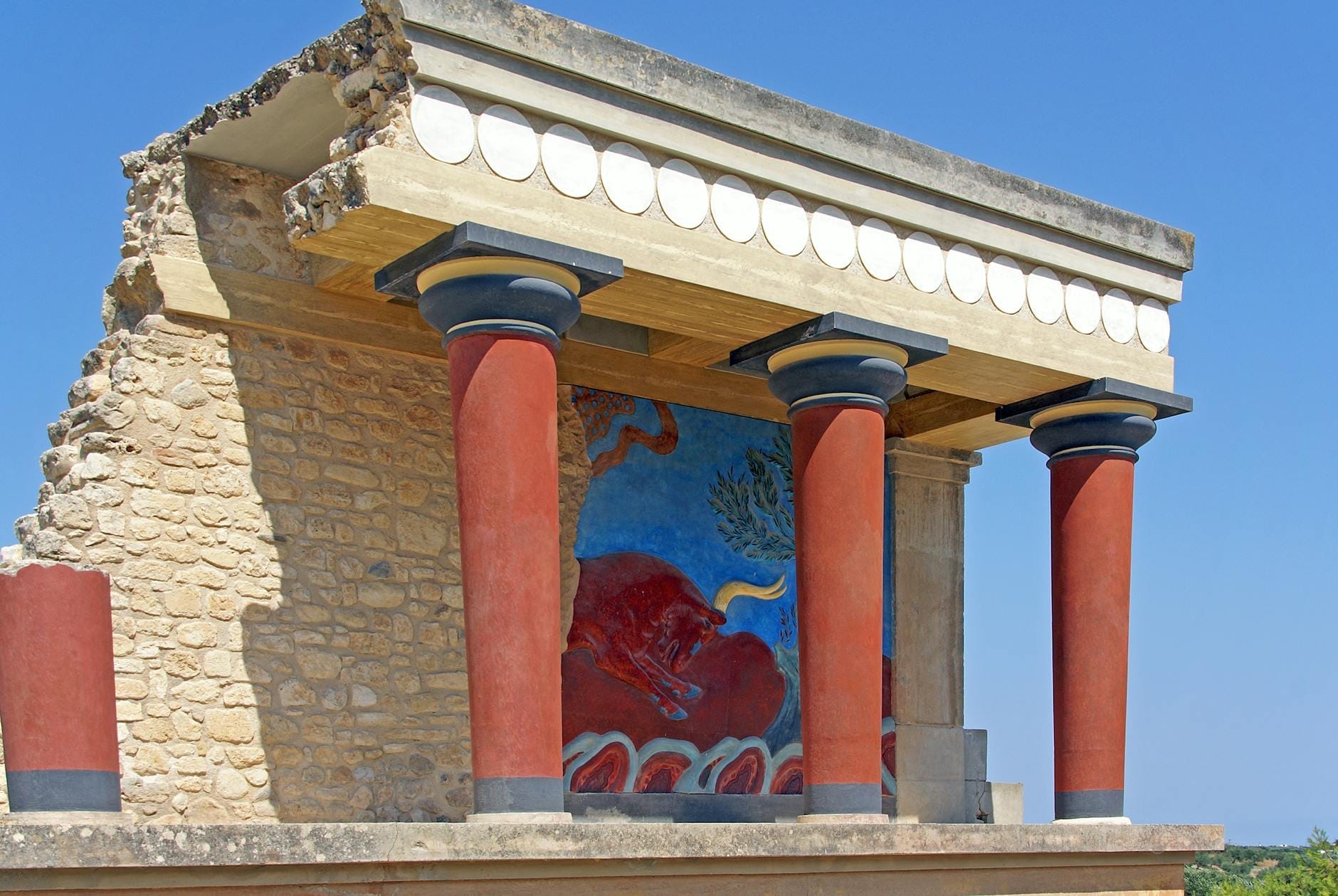
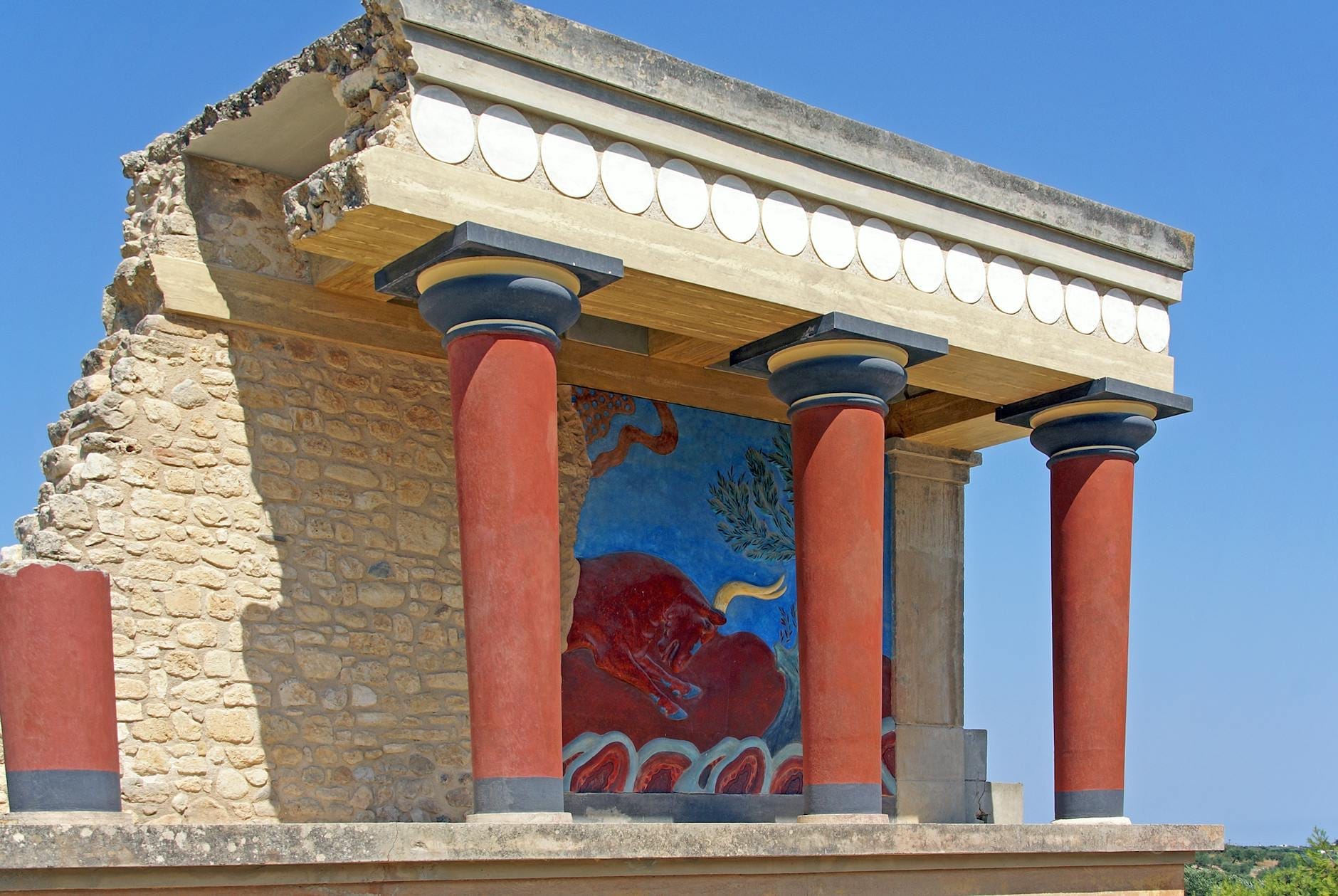
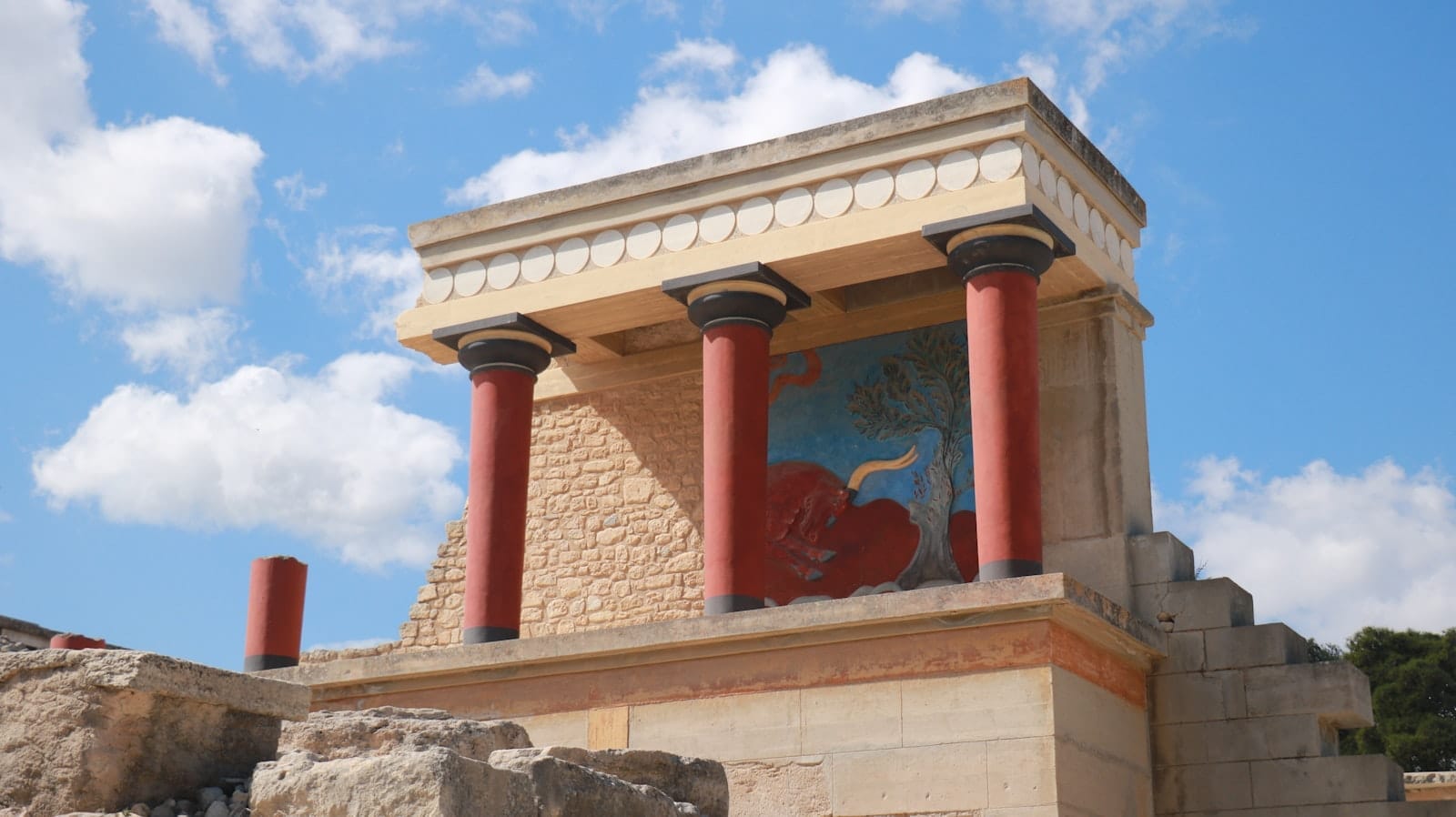
  • Home to the Palace of Knossos, Europe's oldest city and center of Minoan civilization
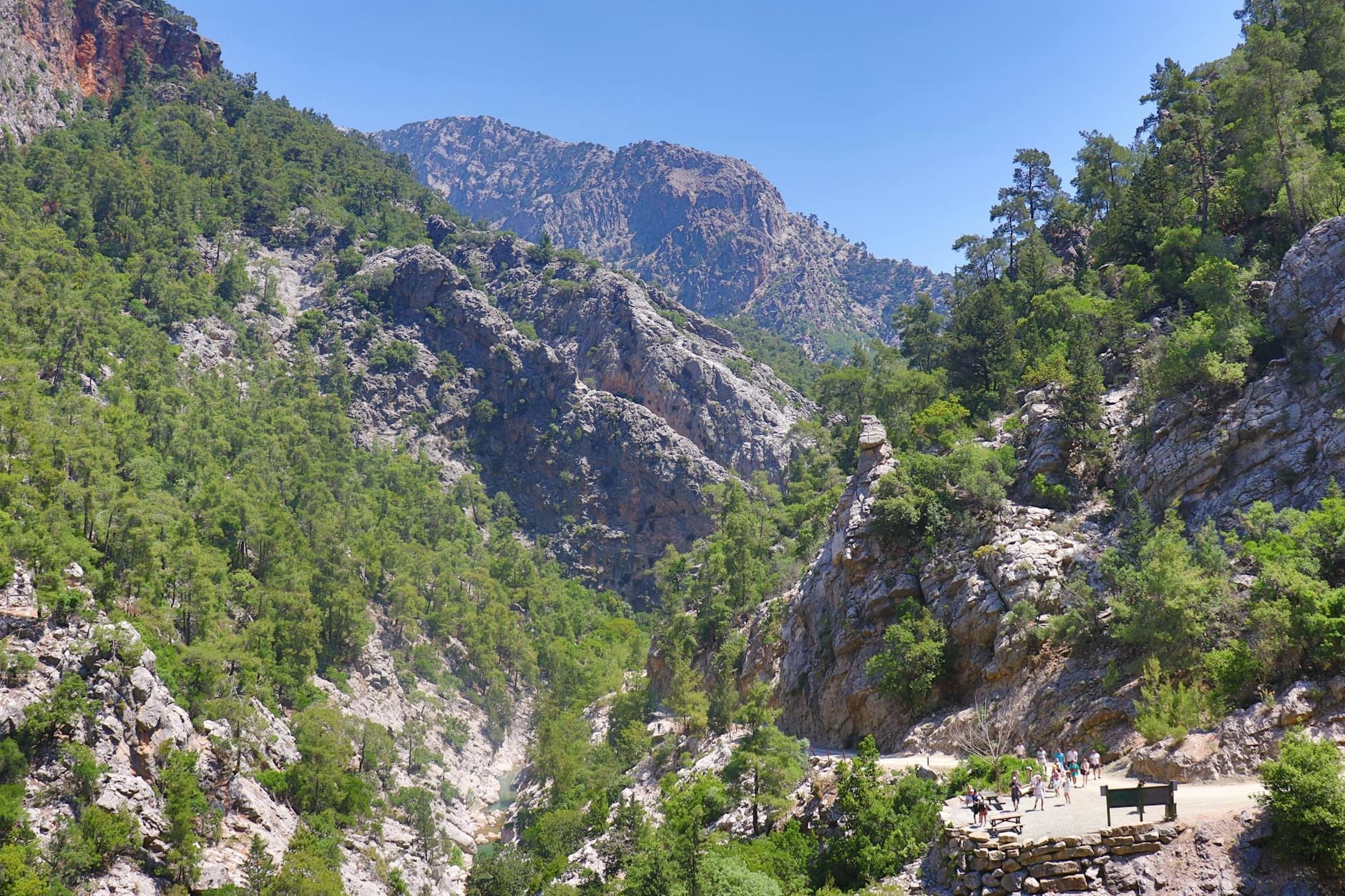
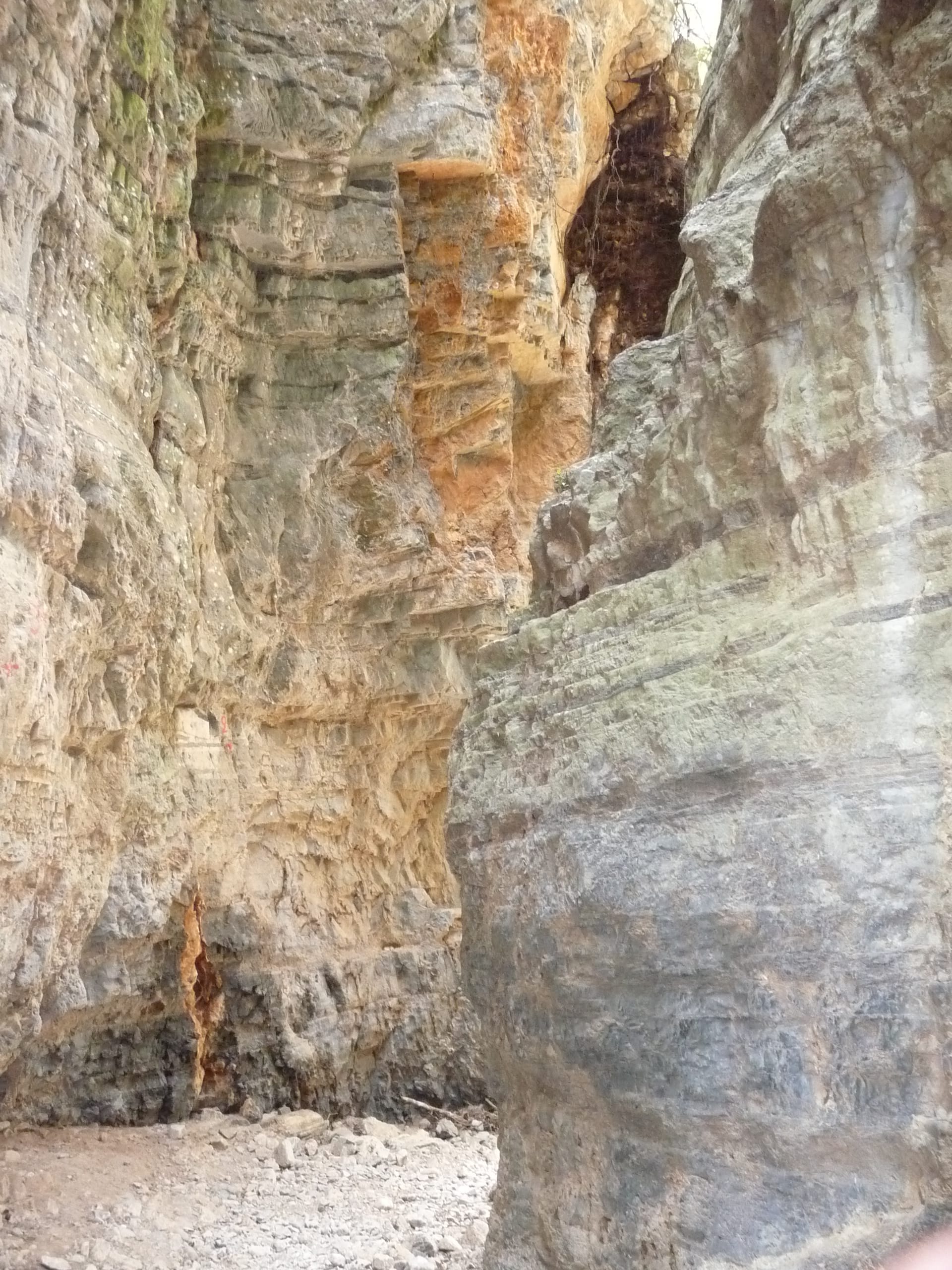
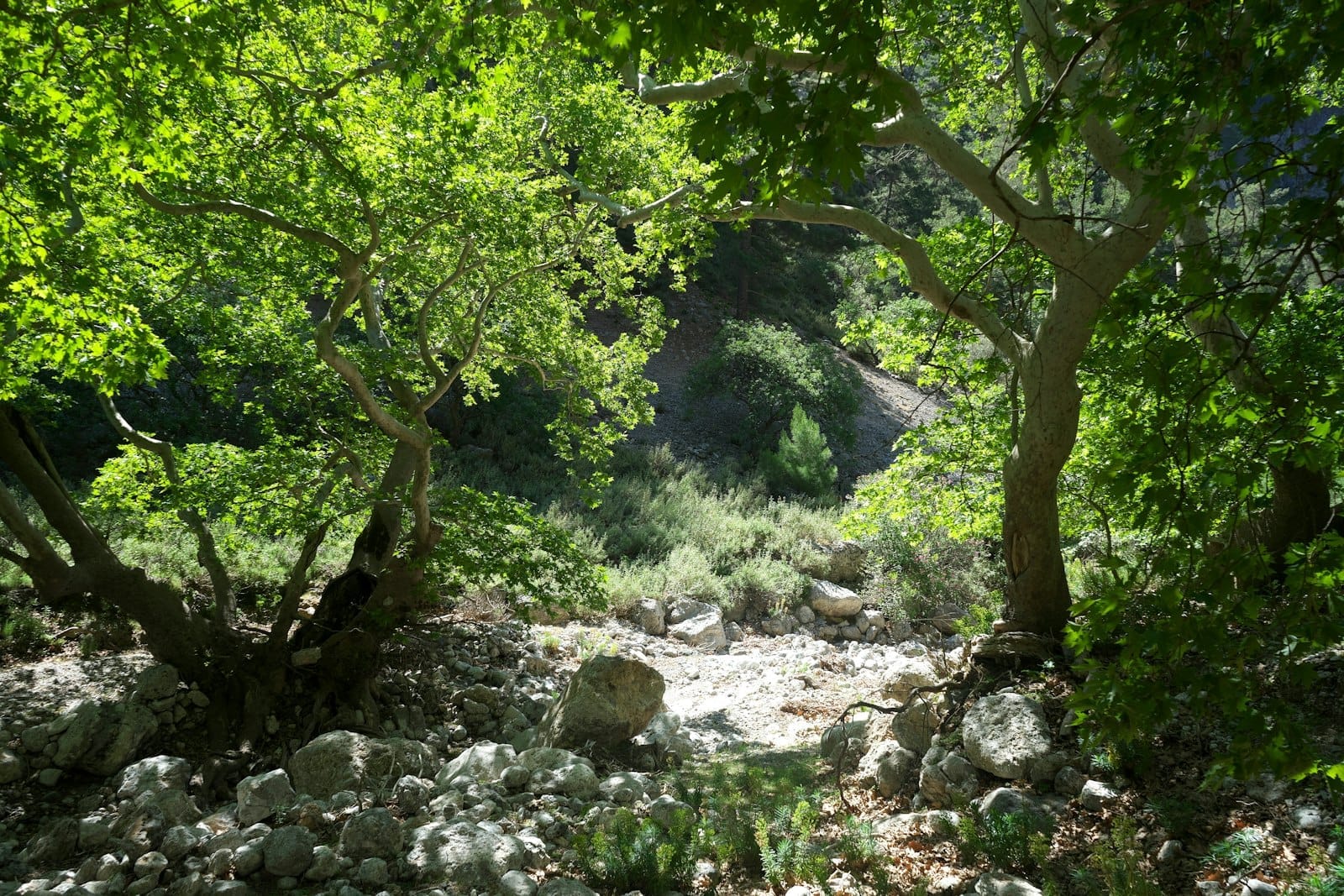
  • Samaria Gorge is the longest canyon in Europe at 16 km
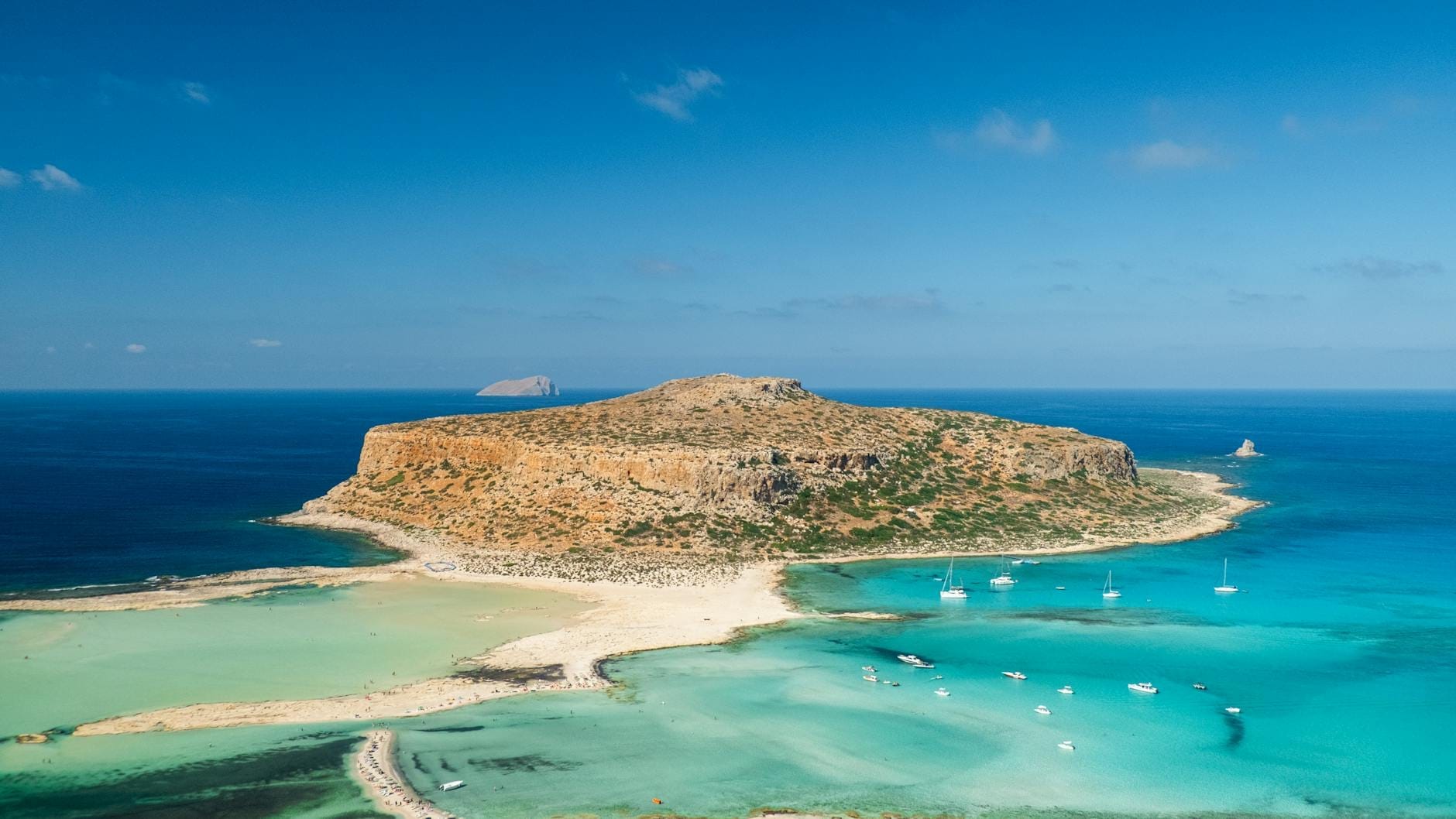
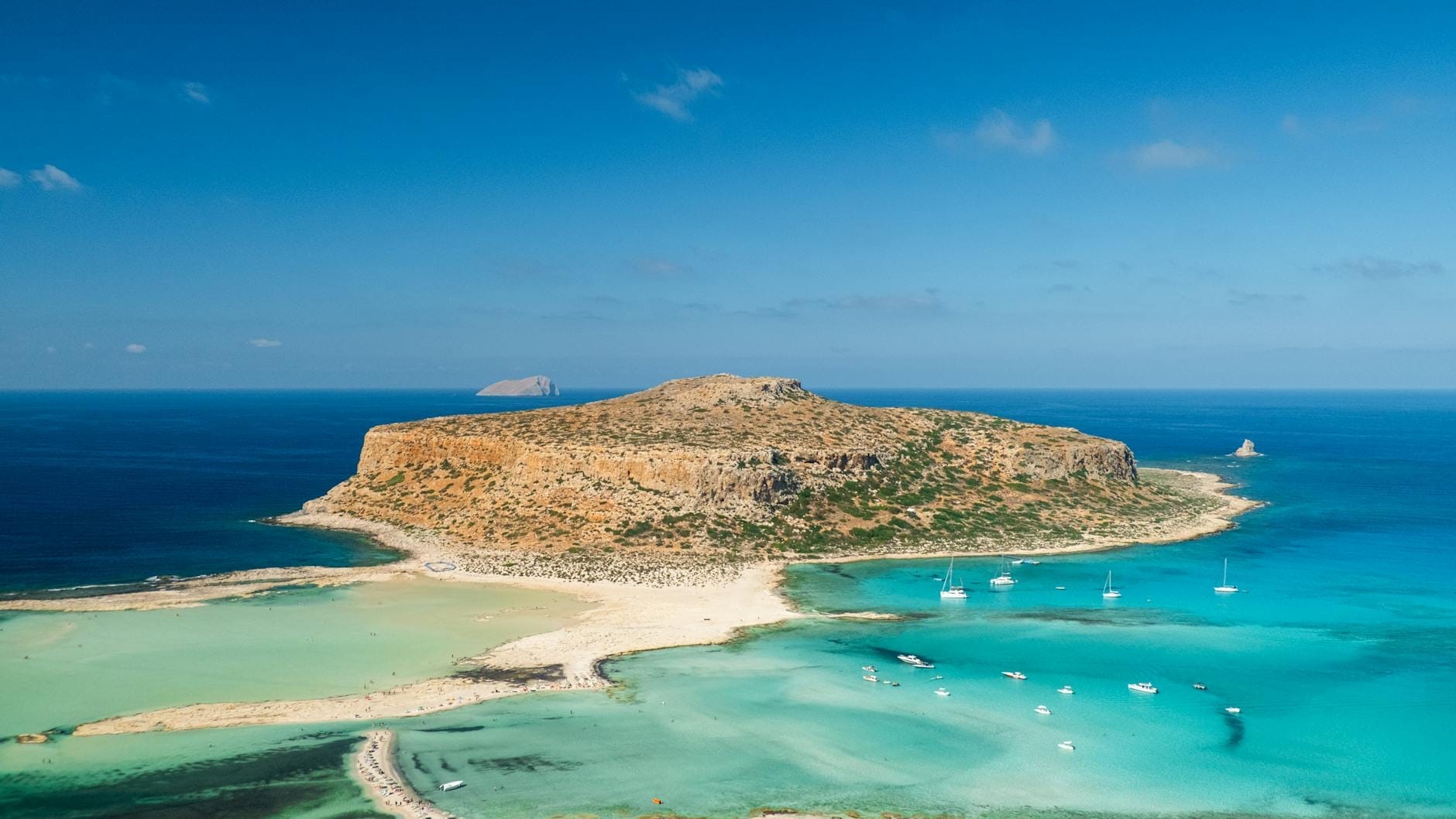
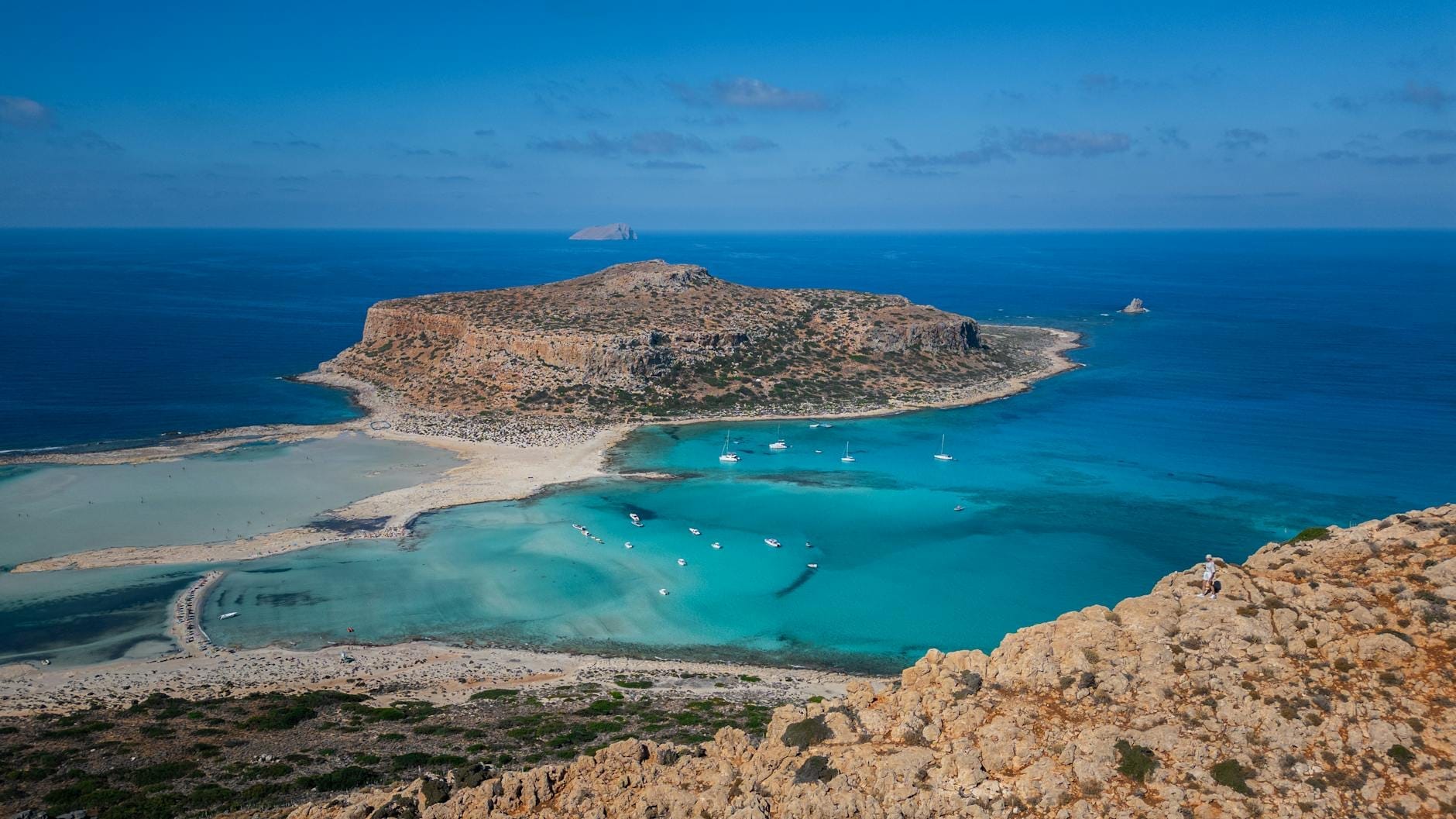
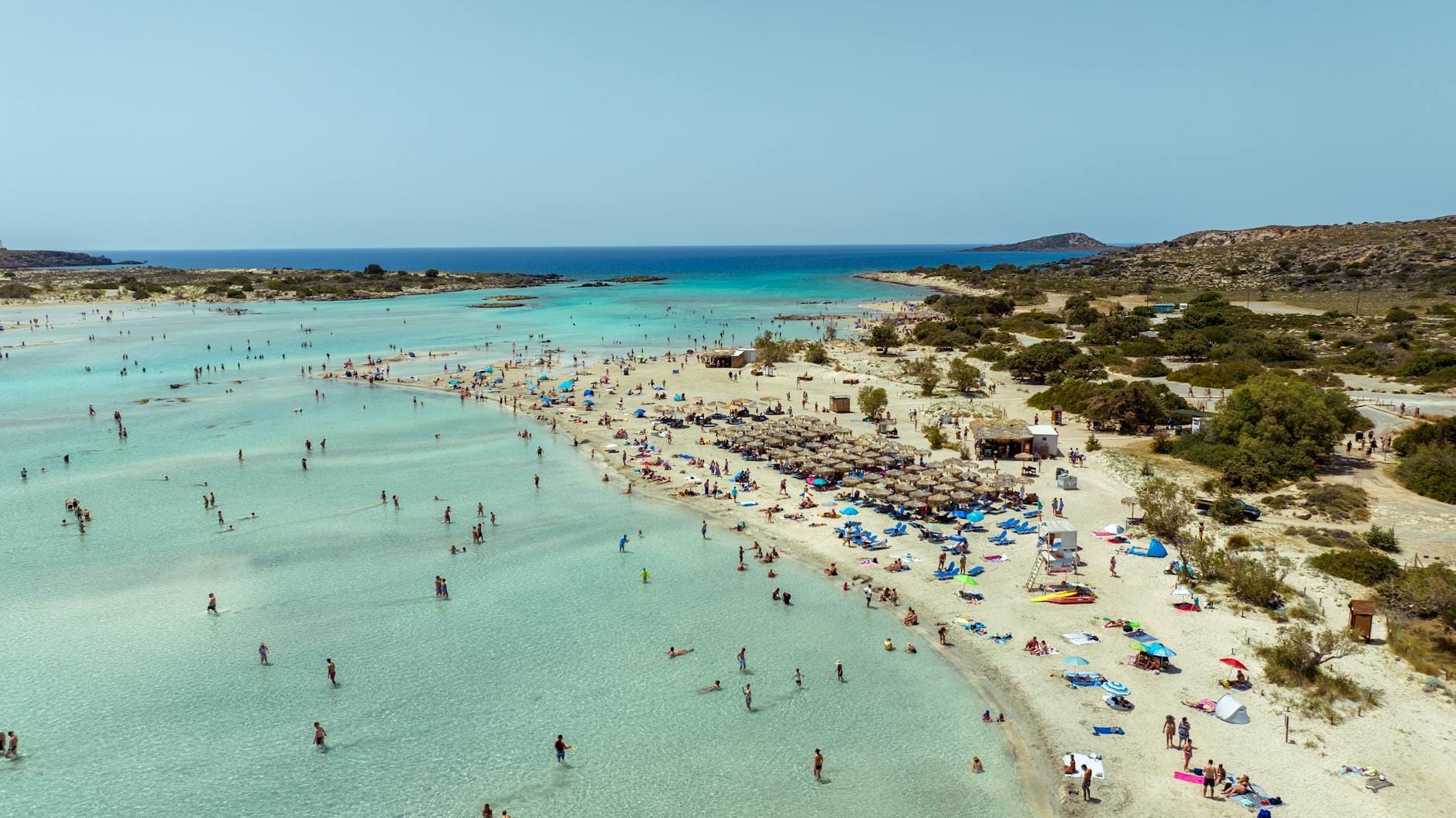
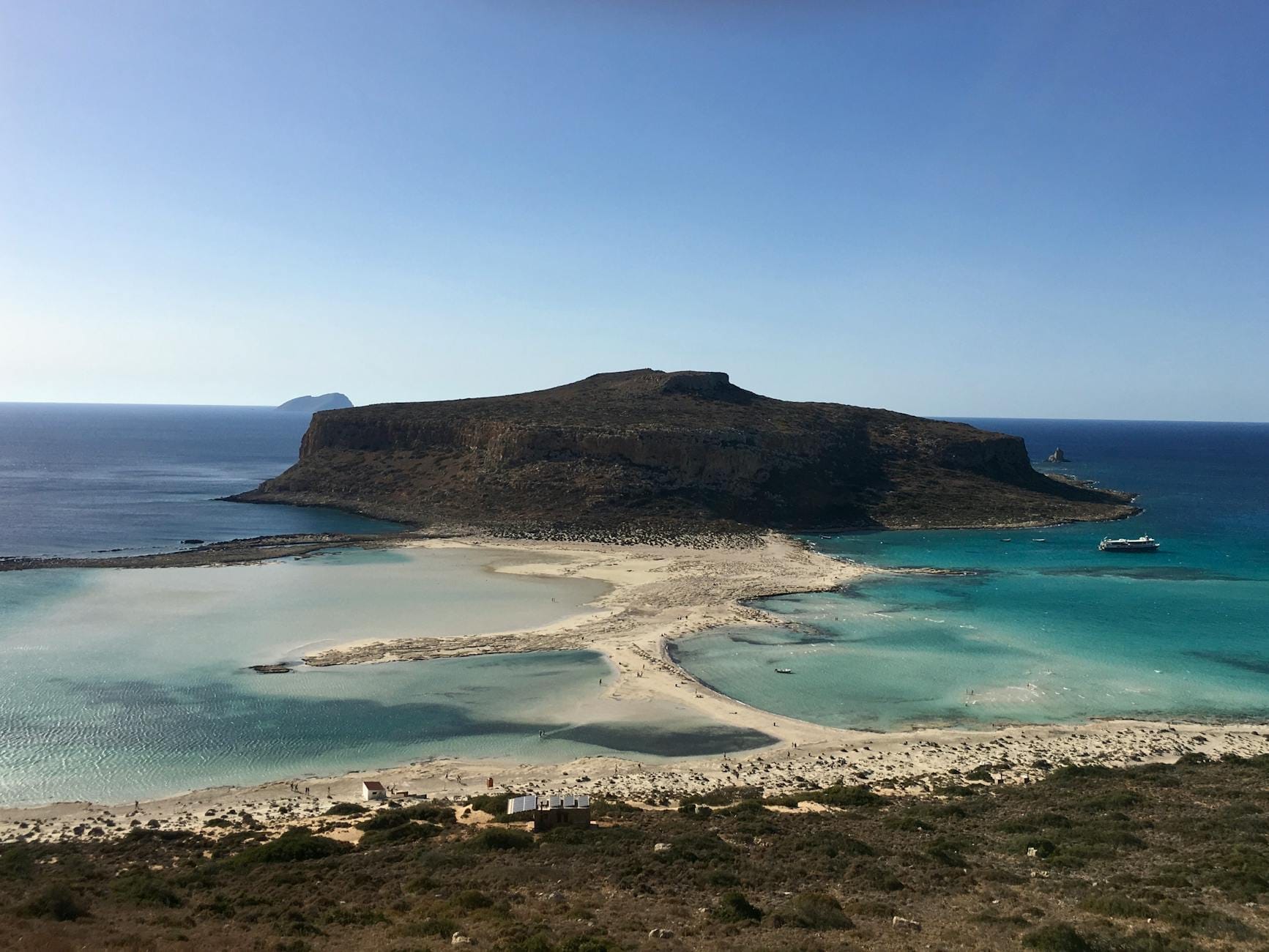
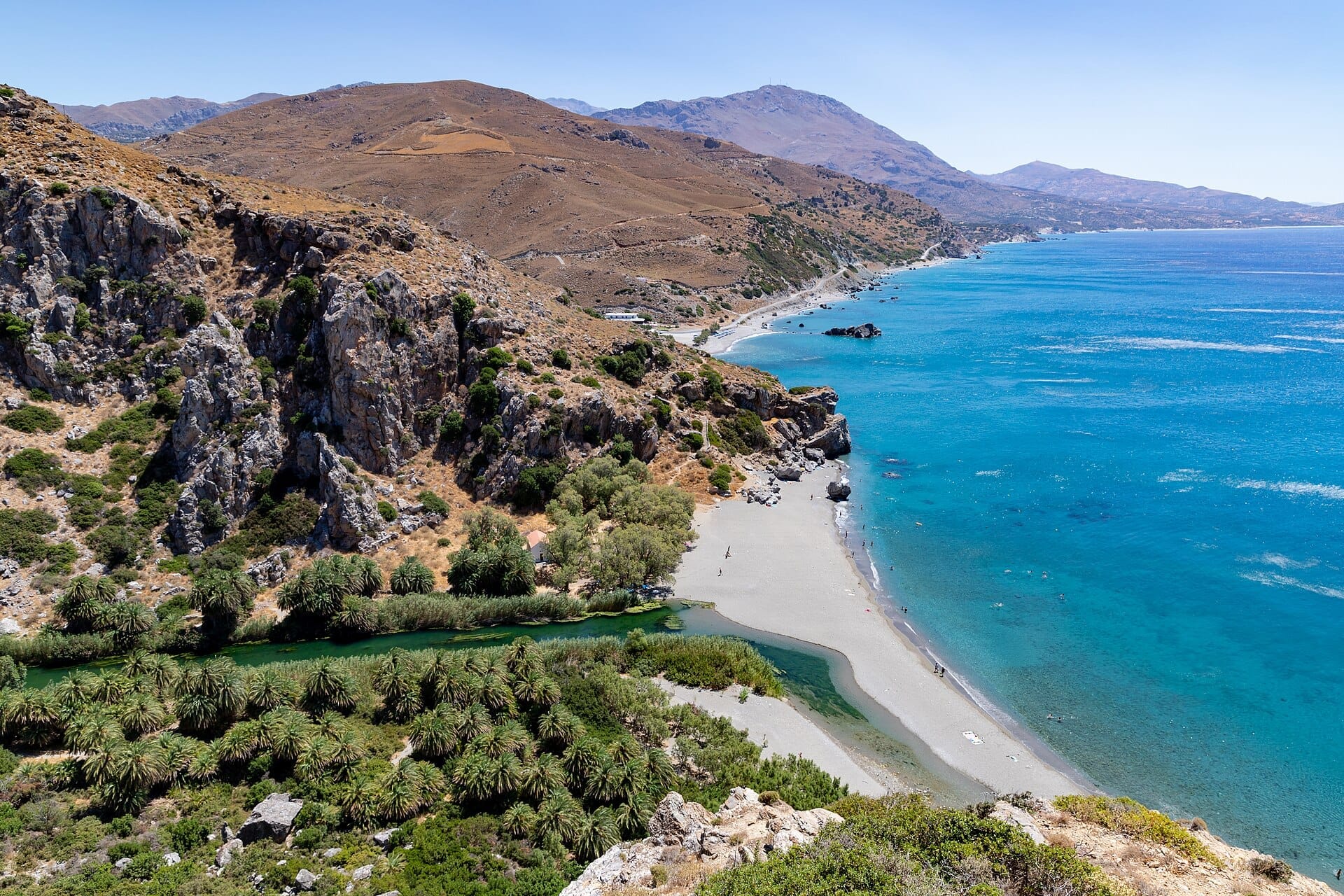
  • Elafonissi Beach is famous for its pink-tinged sand and shallow turquoise water
  • Four main regions: Heraklion (capital), Chania, Rethymno, and Lasithi
  • Receives over 4 million tourists annually, peaking July–August

Best time to visit Crete, Greece

May, June, and September offer the best balance of warm weather, manageable crowds, and lower prices. July and August are peak season with intense heat and packed beaches, while April and October are ideal for hiking and sightseeing without the summer rush. Read our best time to visit guide.

Places to visit in Crete, Greece

Guides

Top attractions in Crete, Greece

🛫 From Crete to Rhodes: More Greek Island Magic

Rhodes shares Crete's blend of ancient history, Venetian architecture, and stunning beaches, but on a more compact and easily navigable scale. It's a natural next stop for island-hoppers who want to continue exploring the Aegean.

Explore our Rhodes guide