Hidden Gems in Crete: 18 Off-the-Beaten-Path Places Worth Seeking Out
Crete rewards travelers who look beyond Knossos and Elafonissi. This guide uncovers the island's lesser-known beaches, gorges, ancient sites, and villages that most visitors drive straight past.
Plan and book this trip
Tools from our partner Travelpayouts help you compare flights and hotels. If you book through them, we may earn a commission at no extra cost to you.
Flights
Hotels map
Most visitors to Crete follow the same well-worn circuit: Knossos, Elafonissi, Balos, Chania Old Town. Those are all worth your time. But Crete is Greece's largest island, and its real depth lies in the places that don't appear on tour bus itineraries. The far east around the Lassithi Plateau holds mythological caves and windmill-dotted plains. The south coast hides palm-fringed canyons, cliff-top monasteries, and fishing villages you can only reach by boat. And the island's archaeological record extends far beyond Knossos to palaces and law codes that most travelers never see. If you have a rental car and a flexible itinerary, these are the places that will make your trip genuinely different.
Wild Beaches Off the Radar
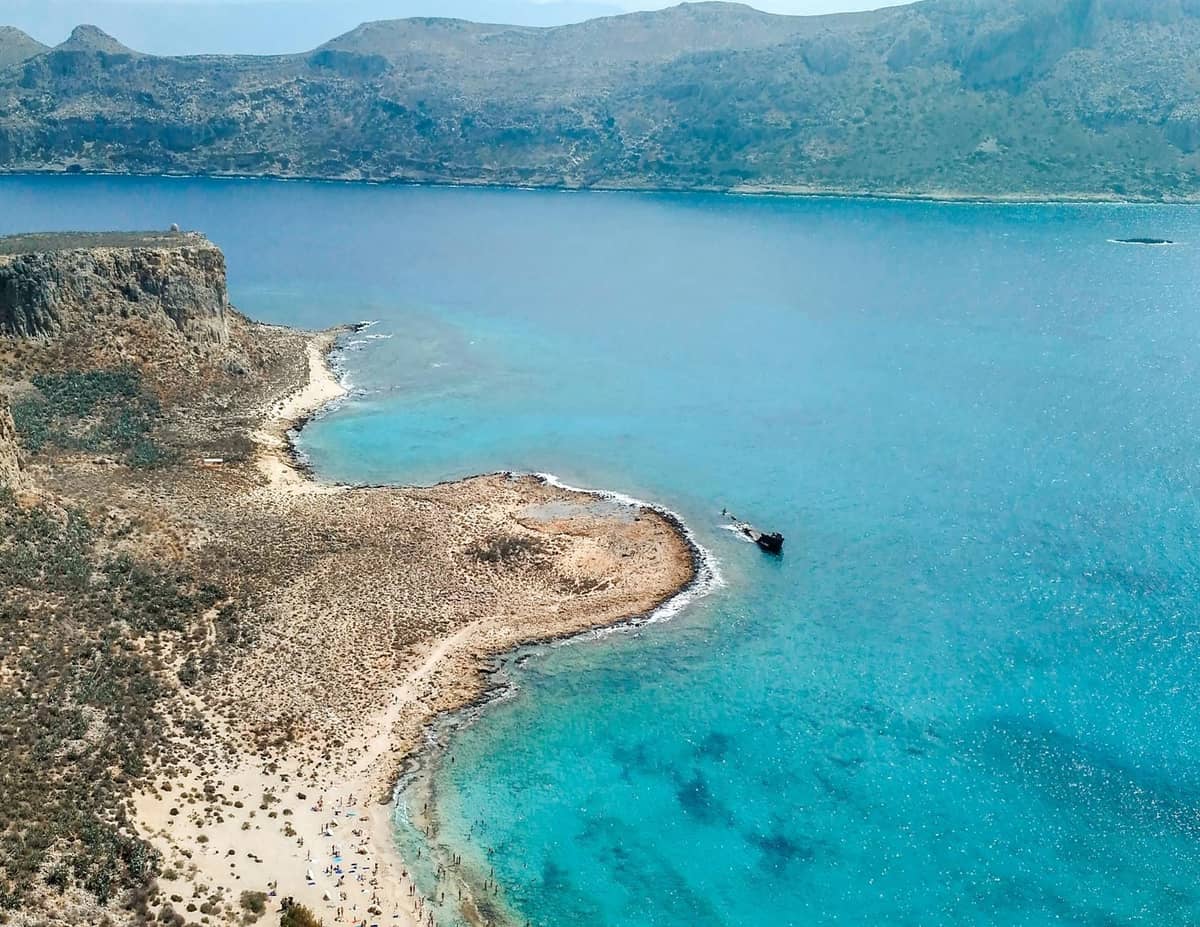
Crete has hundreds of beaches, and the famous ones are famous for a reason. But the best beaches in Crete for solitude are the ones that require a bit of effort: a steep path, a gravel track, or a short boat ride. The rewards are reliably worth it.
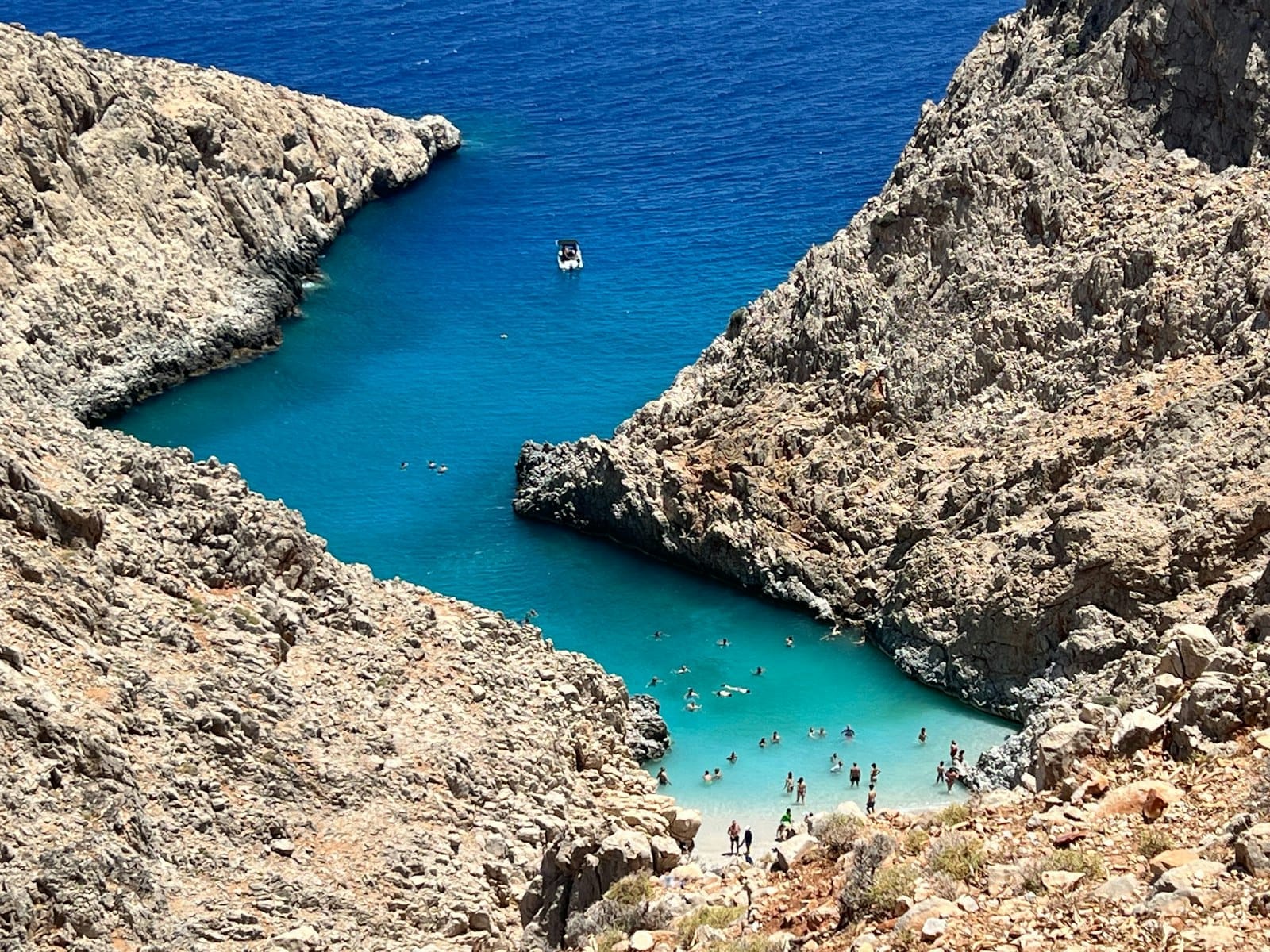
1. Swim the Turquoise Crack at Seitan Limani
A narrow cove of electric-blue water carved into the Akrotiri Peninsula, reached via a steep rocky descent. No facilities, no shade, no crowds if you arrive before 10am. Bring water, wear sturdy shoes, and prepare for one of Crete's most dramatic swimming spots.
Explore1. Swim the Turquoise Crack at Seitan Limani
A narrow cove of electric-blue water carved into the Akrotiri Peninsula, reached via a steep rocky descent. No facilities, no shade, no crowds if you arrive before 10am. Bring water, wear sturdy shoes, and prepare for one of Crete's most dramatic swimming spots.
Explore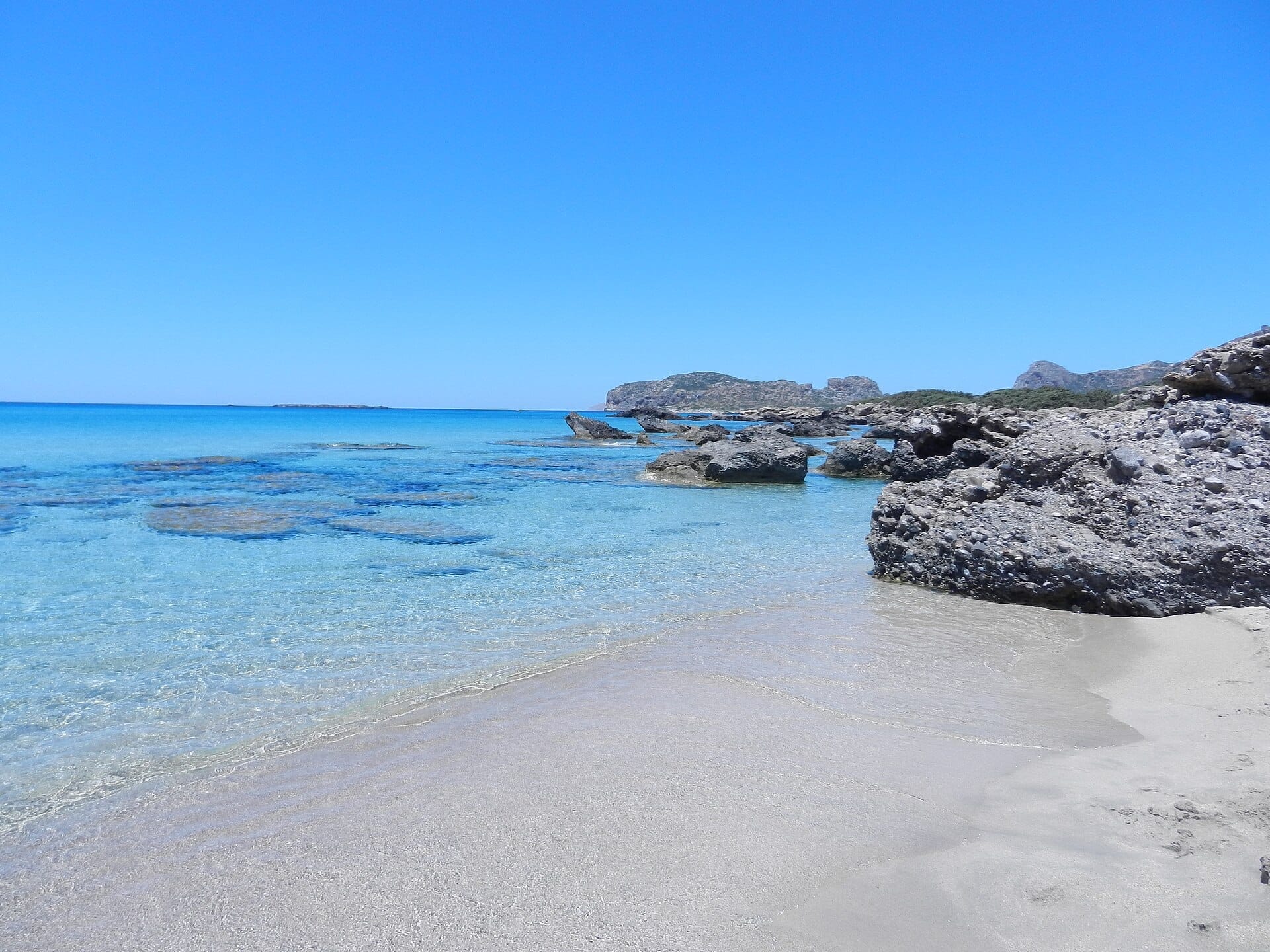
2. Watch the Sun Set Over Falassarna's Wide Wild Shore
Falassarna stretches wide and largely undeveloped on Crete's northwest coast, with powdery sand, clear water, and sunsets that rival anything on the island. Ancient Minoan harbor ruins sit at the north end. Far fewer visitors make it here than to Balos, just 30km south.
Explore2. Watch the Sun Set Over Falassarna's Wide Wild Shore
Falassarna stretches wide and largely undeveloped on Crete's northwest coast, with powdery sand, clear water, and sunsets that rival anything on the island. Ancient Minoan harbor ruins sit at the north end. Far fewer visitors make it here than to Balos, just 30km south.
Explore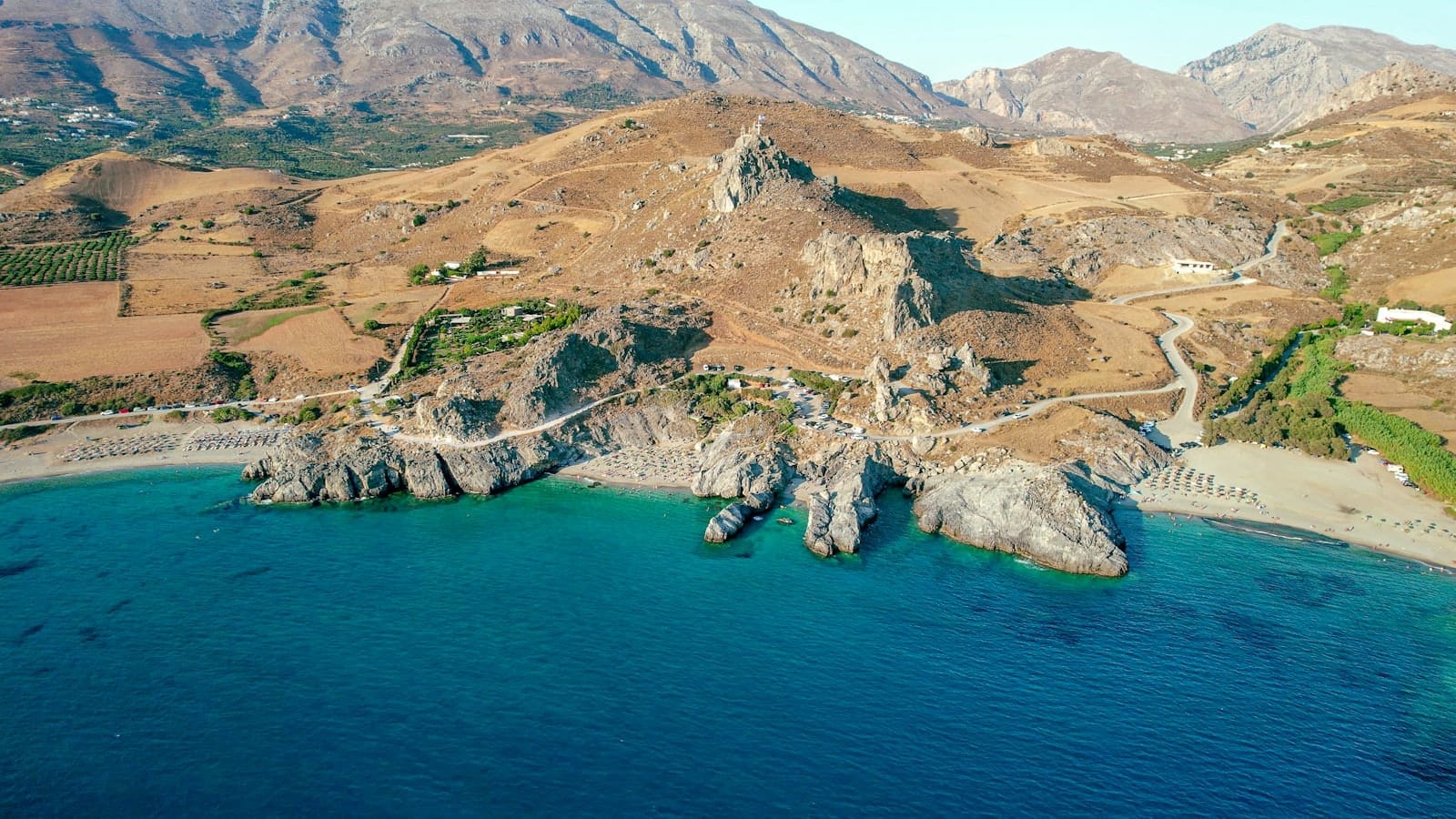
3. Find Quiet on the Long Shore at Plakias
A long pebble-and-sand beach backed by the Kourtaliotiko mountains, Plakias draws independent travelers who want proper beach time without beach-club crowds. The village has good tavernas and a laid-back pace that the north coast resorts have largely lost.
Explore3. Find Quiet on the Long Shore at Plakias
A long pebble-and-sand beach backed by the Kourtaliotiko mountains, Plakias draws independent travelers who want proper beach time without beach-club crowds. The village has good tavernas and a laid-back pace that the north coast resorts have largely lost.
Explore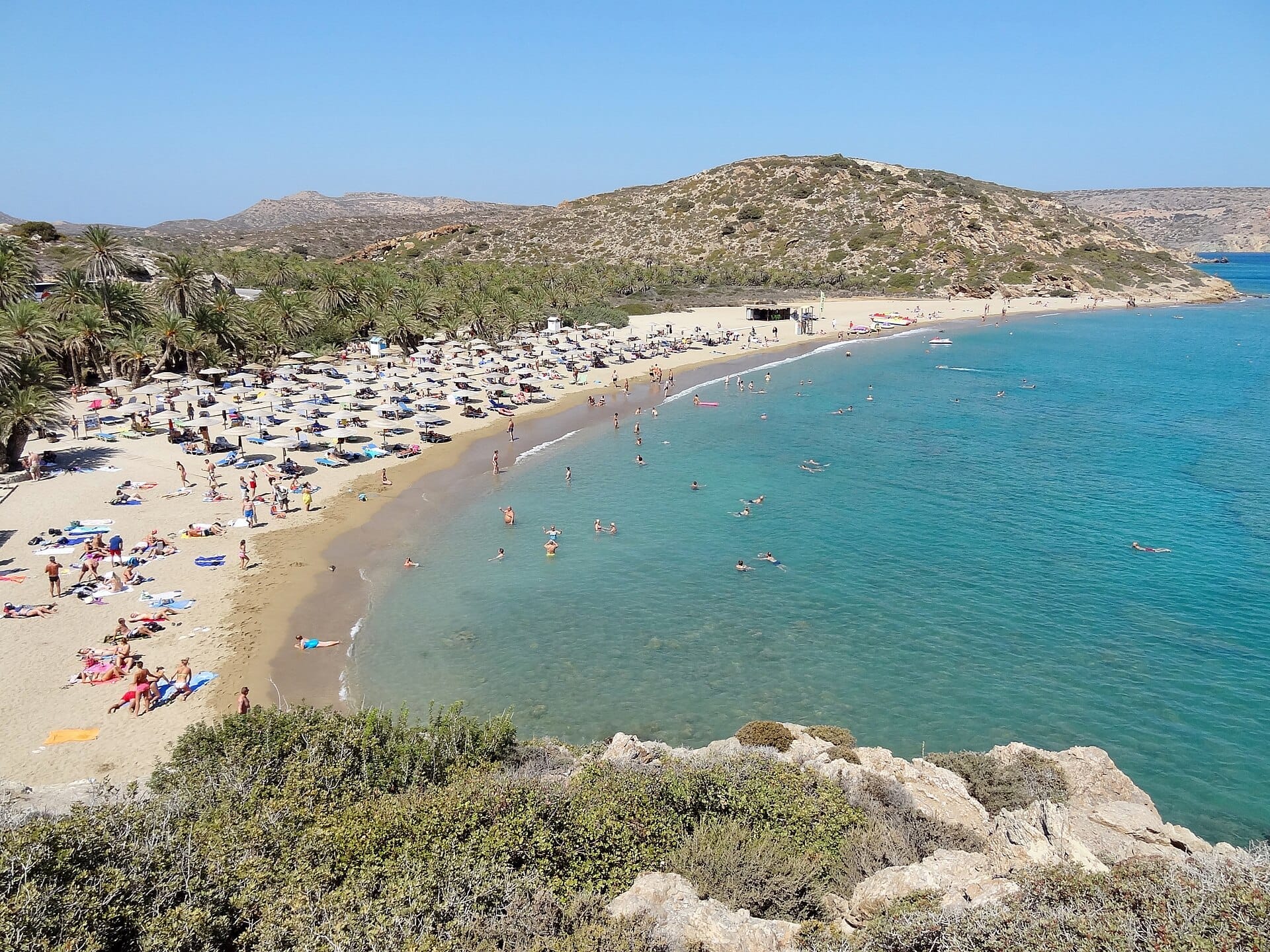
4. Explore Europe's Only Native Palm Forest at Vai
At Crete's eastern tip, thousands of Cretan date palms frame a sandy beach and turquoise bay in a scene that looks nothing like the rest of Greece. Arrive early or late in the day to avoid the midday coach groups. The surrounding headlands offer good short walks.
Explore4. Explore Europe's Only Native Palm Forest at Vai
At Crete's eastern tip, thousands of Cretan date palms frame a sandy beach and turquoise bay in a scene that looks nothing like the rest of Greece. Arrive early or late in the day to avoid the midday coach groups. The surrounding headlands offer good short walks.
Explore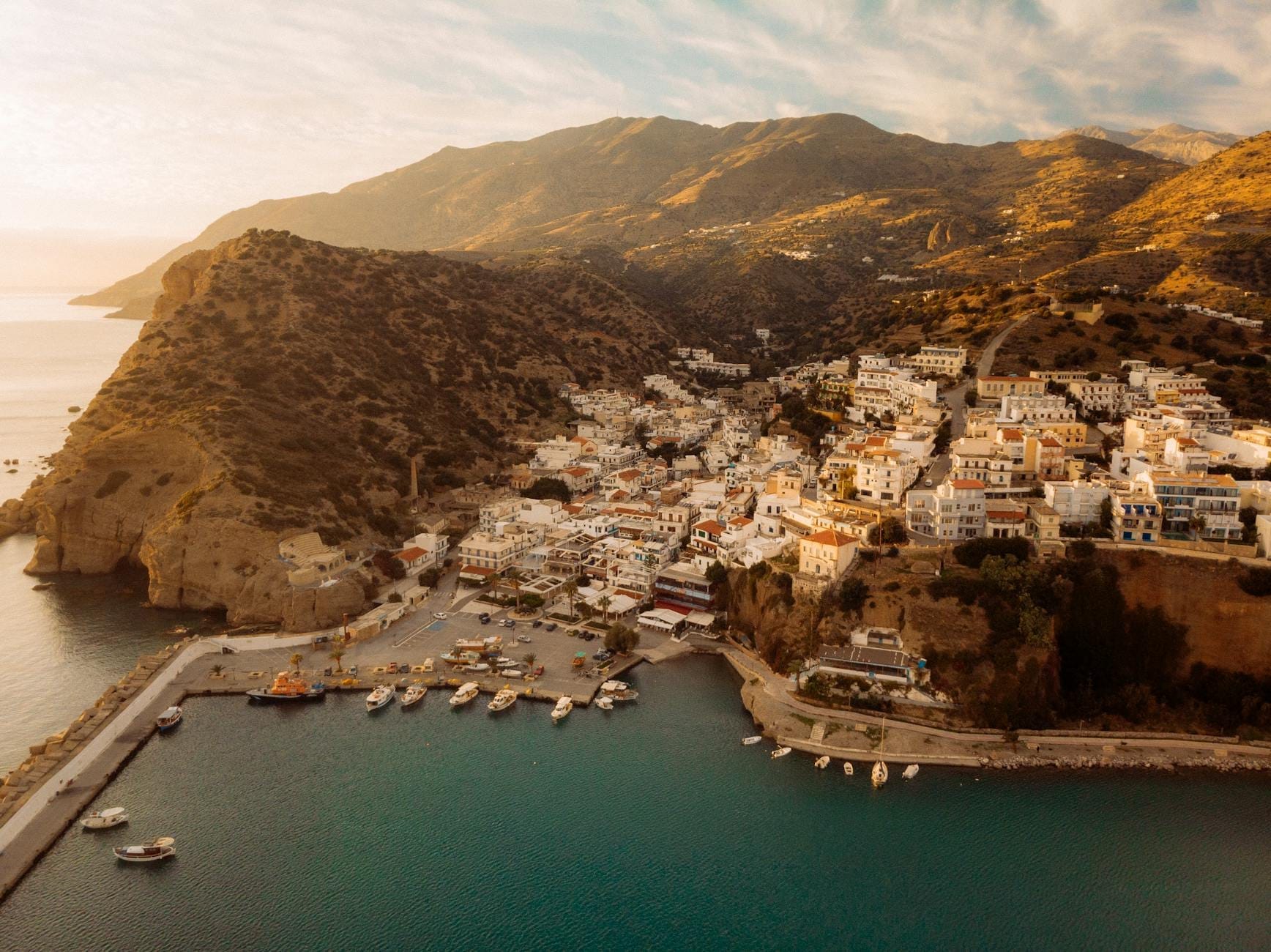
5. Settle Into the Slow Pace of Agia Galini's Fishing Harbor
A small harbor village on the south coast with colorful boats, good fish tavernas, and a relaxed atmosphere that's been drawing independent travelers for decades. Boat trips leave from the harbor to several beaches inaccessible by road, making it a practical base for exploring.
Explore5. Settle Into the Slow Pace of Agia Galini's Fishing Harbor
A small harbor village on the south coast with colorful boats, good fish tavernas, and a relaxed atmosphere that's been drawing independent travelers for decades. Boat trips leave from the harbor to several beaches inaccessible by road, making it a practical base for exploring.
ExploreGorges & Wild Landscapes
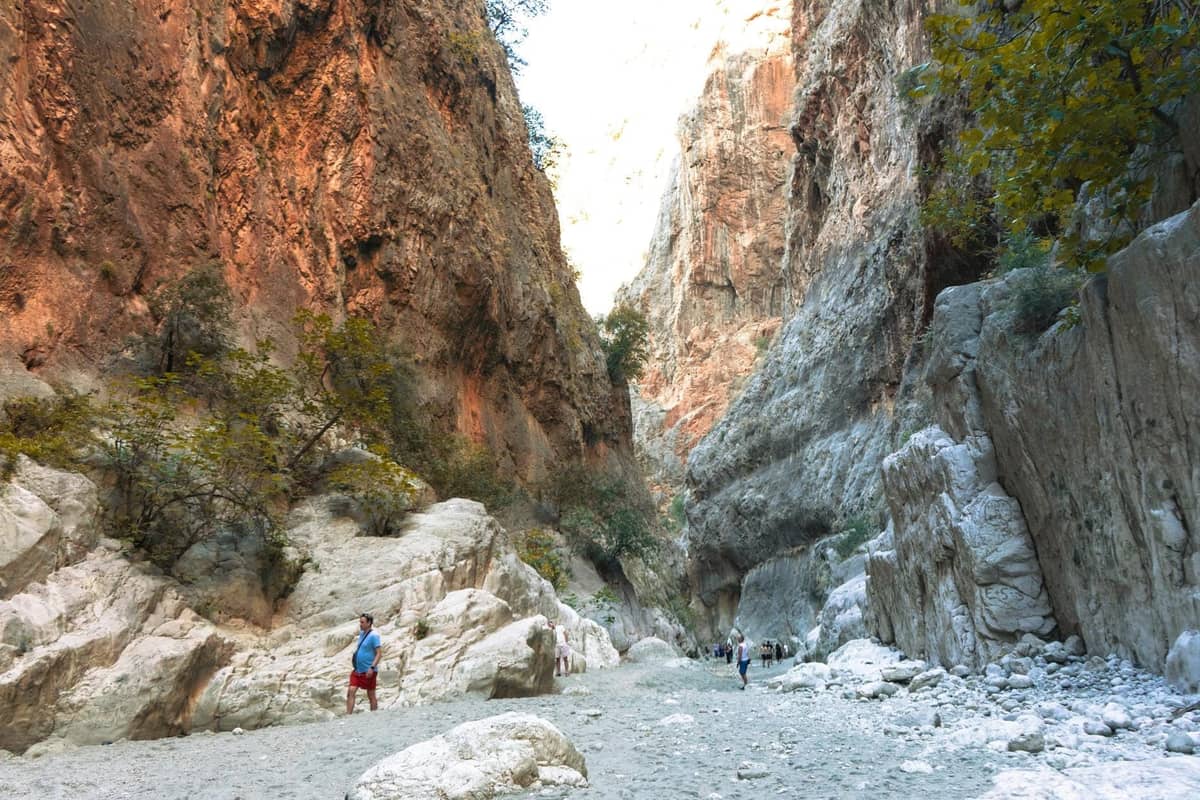
Samaria Gorge gets all the attention, but Crete has a dozen impressive gorges and most of them are far quieter. For anyone serious about hiking in Crete, these alternatives offer genuine wilderness without the crowds.
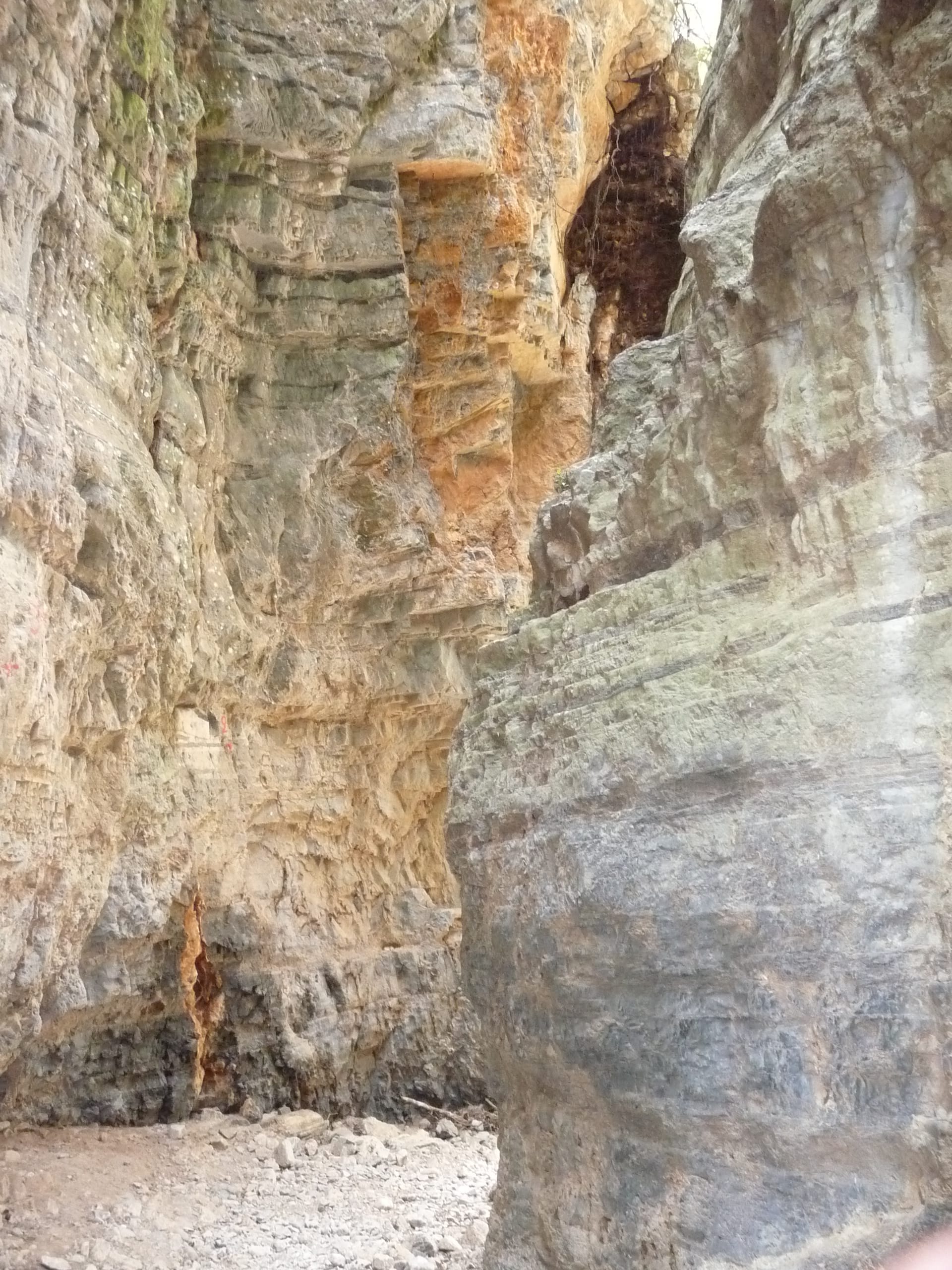
6. Hike the Imbros Gorge: Samaria Without the Crowds
At 8km, Imbros is shorter and more accessible than Samaria, with equally dramatic narrow passages through the White Mountains. The trail ends near the coast, making a full south-coast day trip feasible. Spring wildflowers and autumn light make it especially rewarding outside summer.
Explore6. Hike the Imbros Gorge: Samaria Without the Crowds
At 8km, Imbros is shorter and more accessible than Samaria, with equally dramatic narrow passages through the White Mountains. The trail ends near the coast, making a full south-coast day trip feasible. Spring wildflowers and autumn light make it especially rewarding outside summer.
Explore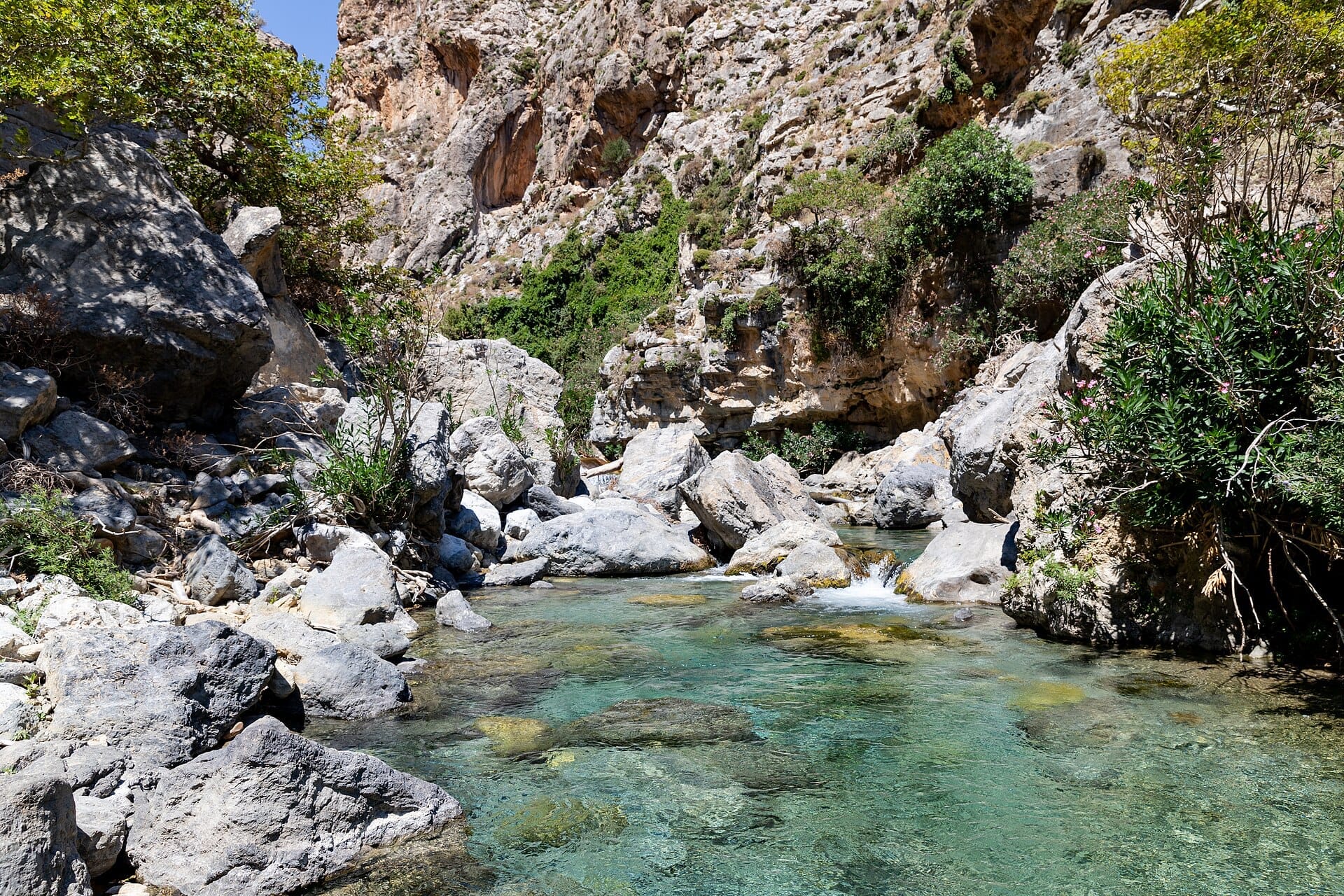
7. Drive Through the Dramatic Kourtaliotiko Gorge
The road south from Rethymno to Plakias cuts through sheer limestone walls where springs gush from the rock face and vultures circle overhead. Most travelers pass through without stopping. Pull over, walk the gorge floor, and follow the trail toward the ruined Byzantine chapel halfway down.
Explore7. Drive Through the Dramatic Kourtaliotiko Gorge
The road south from Rethymno to Plakias cuts through sheer limestone walls where springs gush from the rock face and vultures circle overhead. Most travelers pass through without stopping. Pull over, walk the gorge floor, and follow the trail toward the ruined Byzantine chapel halfway down.
Explore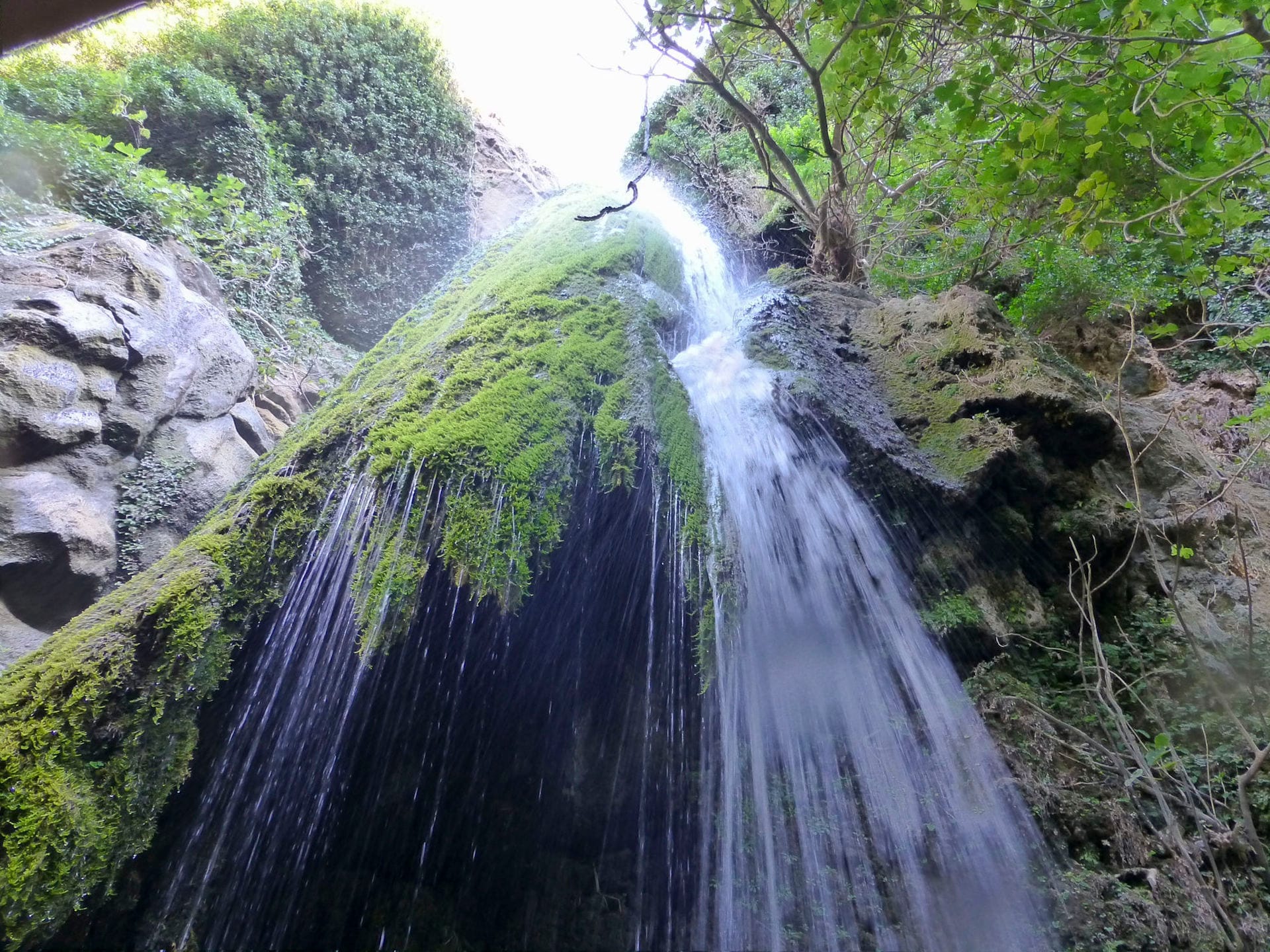
8. Walk the Lush Richtis Gorge to Its Hidden Waterfall
Eastern Crete's Richtis Gorge is unlike the dry western gorges: dense vegetation, old stone bridges, and a waterfall tucked among the trees make it one of the island's most refreshing walks. The trail takes about 2 hours return and rewards with a swim at the falls.
Explore8. Walk the Lush Richtis Gorge to Its Hidden Waterfall
Eastern Crete's Richtis Gorge is unlike the dry western gorges: dense vegetation, old stone bridges, and a waterfall tucked among the trees make it one of the island's most refreshing walks. The trail takes about 2 hours return and rewards with a swim at the falls.
Explore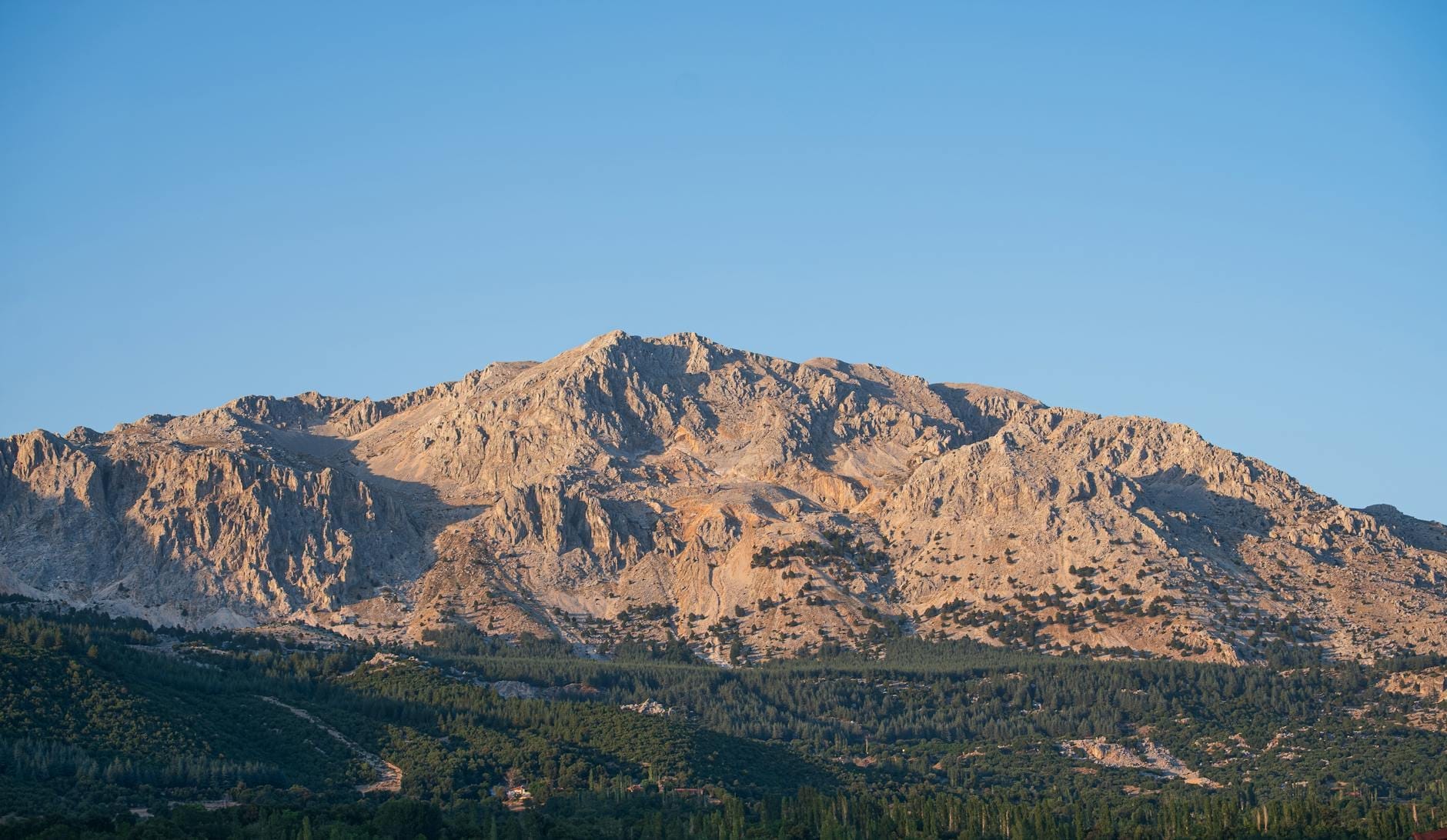
9. Go Deep Into the White Mountains Beyond the Tourist Trails
The Lefka Ori rise to 2,452m and contain high plateaus, remote villages, and gorges that see a fraction of Samaria's foot traffic. Base yourself in a mountain village and hire a local guide for routes into the interior. Spring is the best season, when snow still caps the peaks.
Explore9. Go Deep Into the White Mountains Beyond the Tourist Trails
The Lefka Ori rise to 2,452m and contain high plateaus, remote villages, and gorges that see a fraction of Samaria's foot traffic. Base yourself in a mountain village and hire a local guide for routes into the interior. Spring is the best season, when snow still caps the peaks.
ExploreAncient Sites Most Visitors Skip
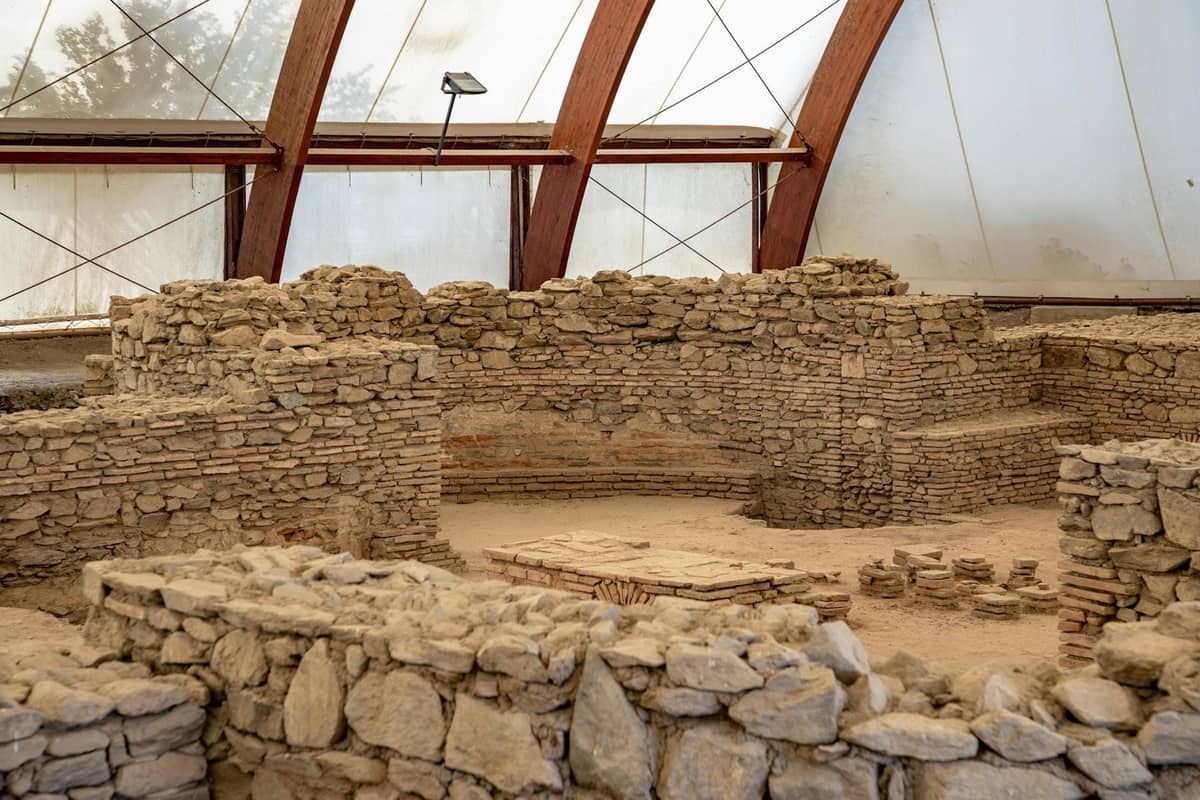
Knossos is essential, but it is also the most visited site in Greece after the Acropolis. Crete's Minoan history extends to three other major palaces and a Roman capital that most visitors drive past without stopping. These sites offer a more authentic archaeological experience and, in most cases, you'll have them almost to yourself.
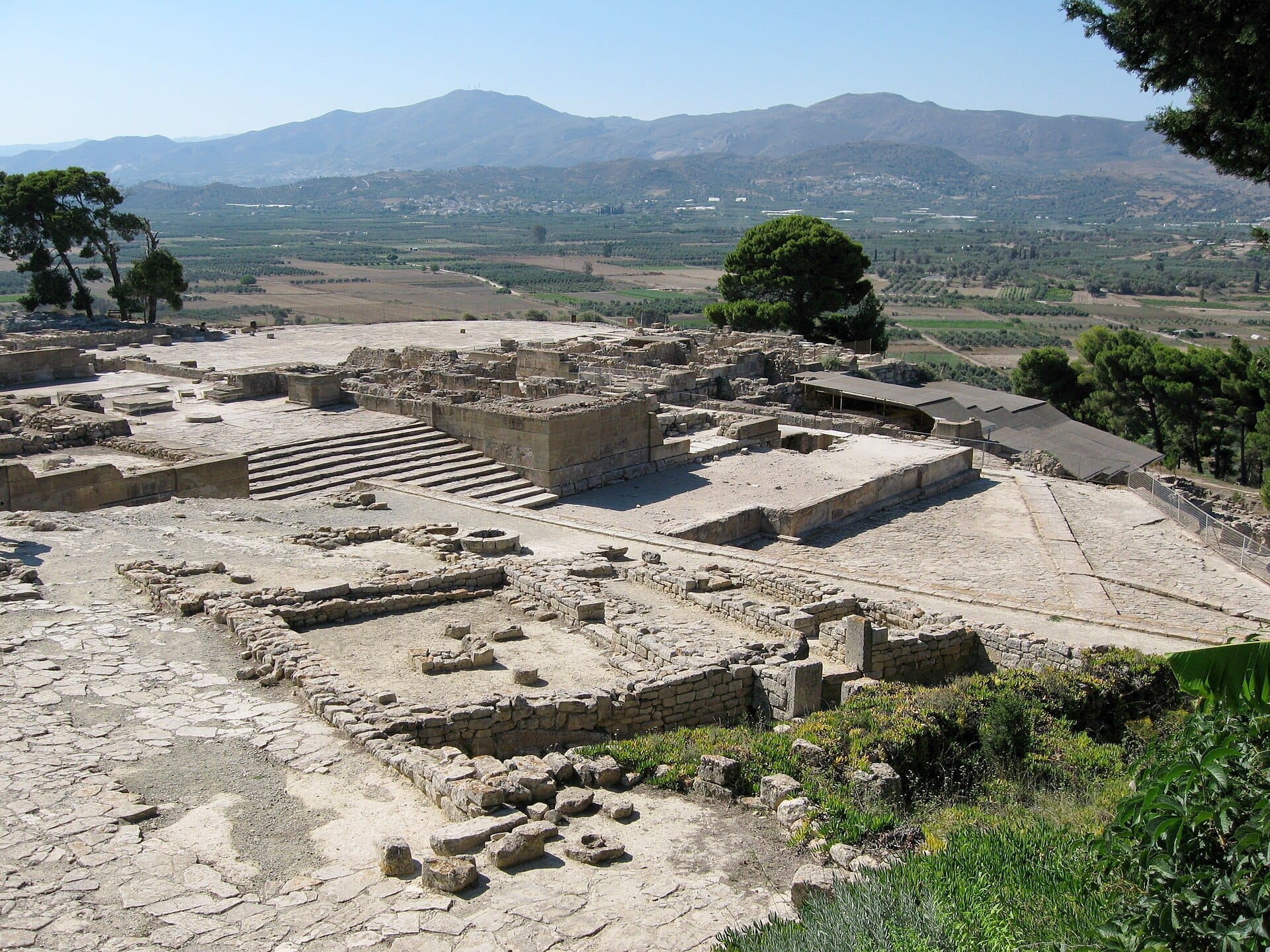
10. See Knossos's Rival: The Palace of Phaistos Without the Crowds
Phaistos sits on a hilltop in the Messara Plain with views of Mount Ida and the southern sea. Less reconstructed than Knossos, it feels genuinely ancient. This is where the famous Phaistos Disc was found. A fraction of Knossos's visitor numbers means you can take your time here.
Explore10. See Knossos's Rival: The Palace of Phaistos Without the Crowds
Phaistos sits on a hilltop in the Messara Plain with views of Mount Ida and the southern sea. Less reconstructed than Knossos, it feels genuinely ancient. This is where the famous Phaistos Disc was found. A fraction of Knossos's visitor numbers means you can take your time here.
Explore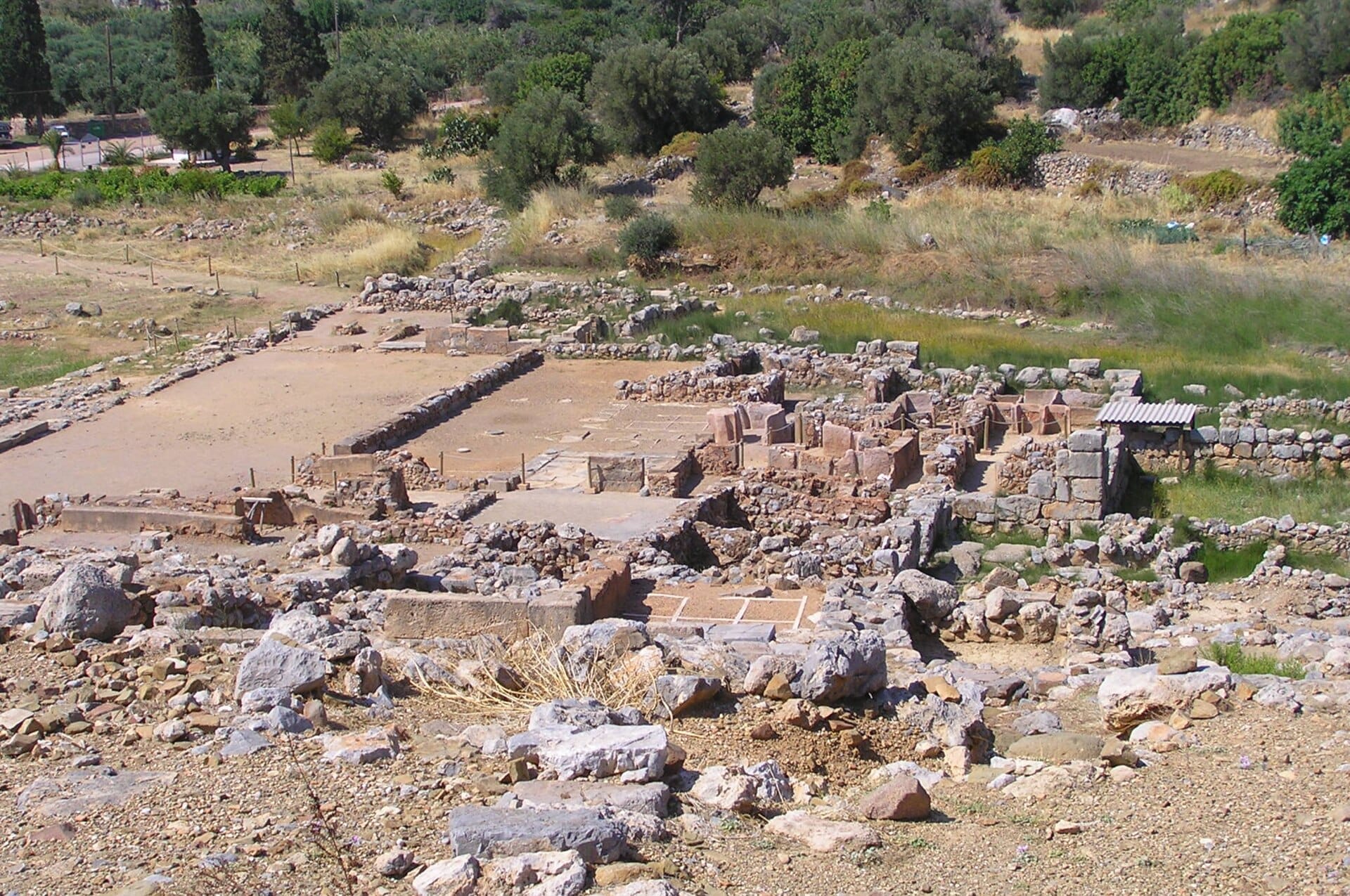
11. Reach the Remote Palace of Zakros at the End of the Road
The easternmost Minoan palace sits in a gorge near Crete's far tip and is the only one never looted in antiquity. Getting here requires commitment: it's 2.5 hours from Heraklion. Combine with a walk through the Valley of the Dead gorge and a swim at Kato Zakros beach.
Explore11. Reach the Remote Palace of Zakros at the End of the Road
The easternmost Minoan palace sits in a gorge near Crete's far tip and is the only one never looted in antiquity. Getting here requires commitment: it's 2.5 hours from Heraklion. Combine with a walk through the Valley of the Dead gorge and a swim at Kato Zakros beach.
Explore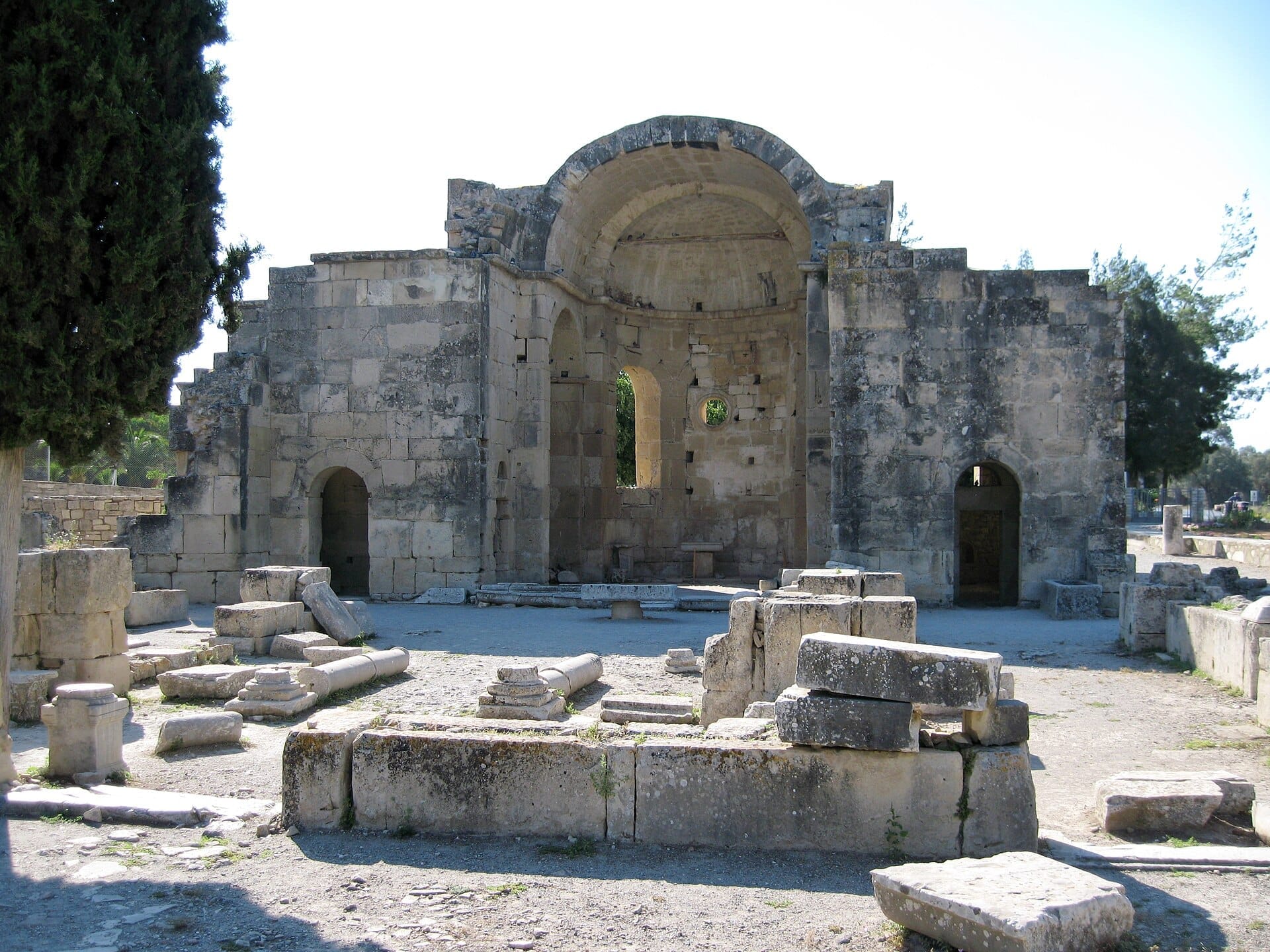
12. Read the World's Oldest Legal Code at Ancient Gortyna
Gortyna was the Roman capital of Crete, and its Law Code, inscribed on stone in the 5th century BC, is the oldest complete example of Greek law. The site includes a Roman Odeon and a basilica. Entry is cheap, crowds are rare, and the setting among olive trees is atmospheric.
Explore12. Read the World's Oldest Legal Code at Ancient Gortyna
Gortyna was the Roman capital of Crete, and its Law Code, inscribed on stone in the 5th century BC, is the oldest complete example of Greek law. The site includes a Roman Odeon and a basilica. Entry is cheap, crowds are rare, and the setting among olive trees is atmospheric.
Explore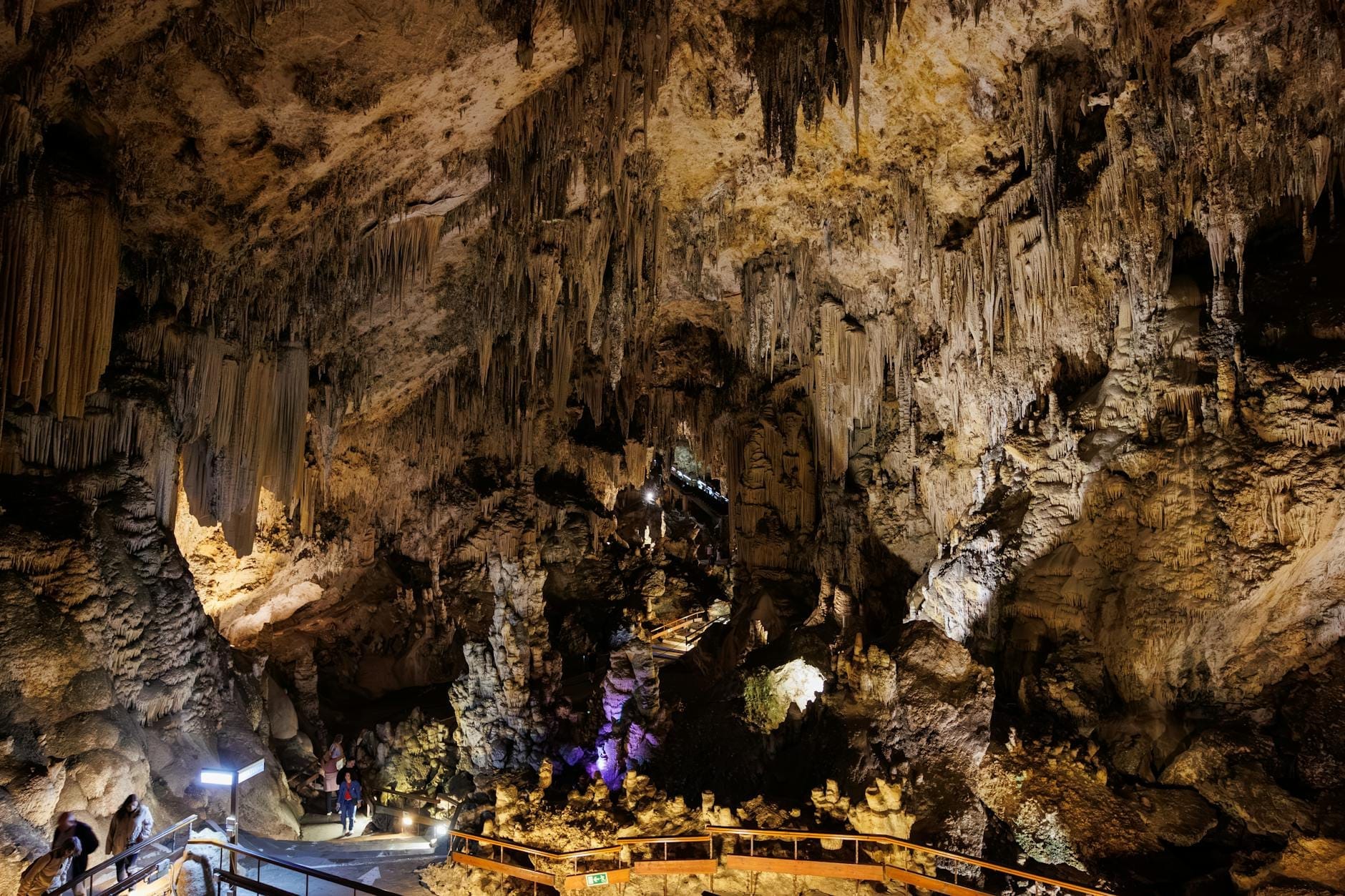
13. Descend Into the Cave Where Zeus Was Born
The Dikteon Cave on the Lassithi Plateau descends 63 meters through stalactites and stalagmites to the chamber where, according to myth, Rhea hid the infant Zeus from his father Kronos. Archaeologists found Minoan votive offerings here. The plateau village of Psychro makes a good base.
Explore13. Descend Into the Cave Where Zeus Was Born
The Dikteon Cave on the Lassithi Plateau descends 63 meters through stalactites and stalagmites to the chamber where, according to myth, Rhea hid the infant Zeus from his father Kronos. Archaeologists found Minoan votive offerings here. The plateau village of Psychro makes a good base.
ExploreVillages & Coastal Towns Beyond the Brochure
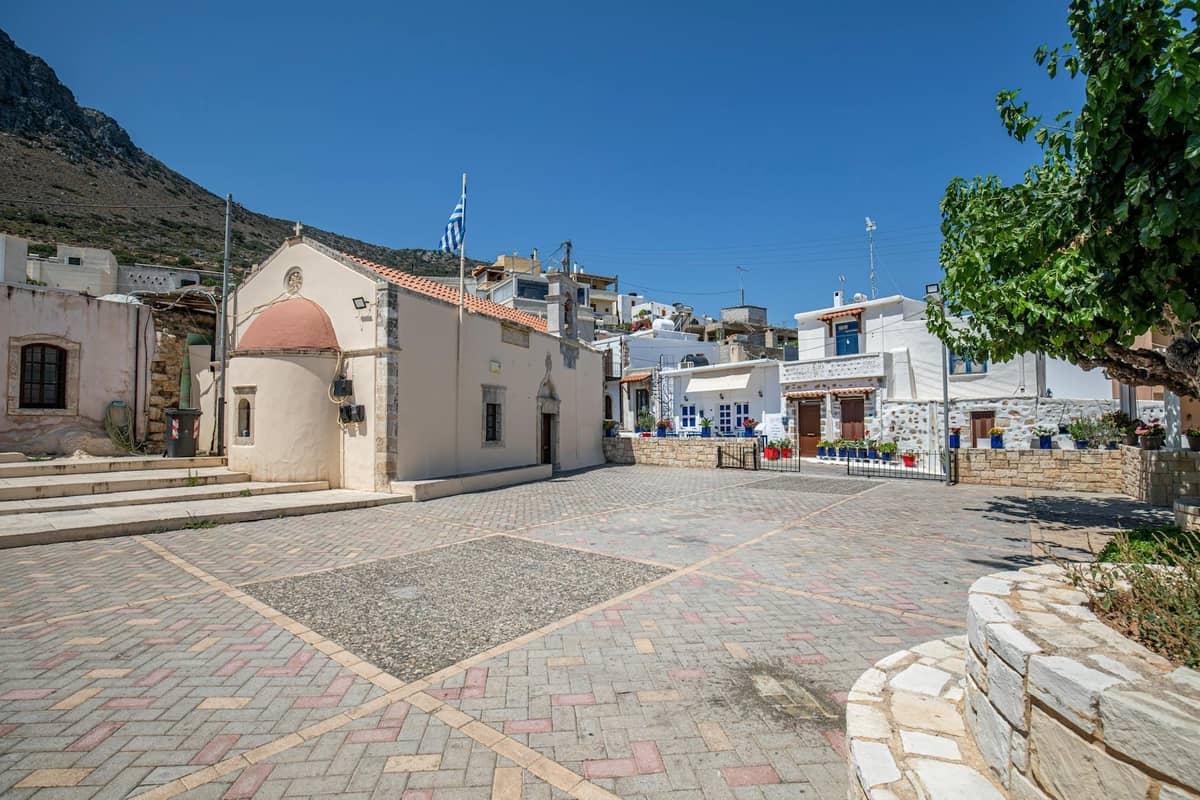
The well-known towns of Chania and Rethymno are genuinely worth visiting, but Crete has smaller towns and villages that show a more everyday side of island life. These are places where the kafeneion still outnumbers the tourist cafe.
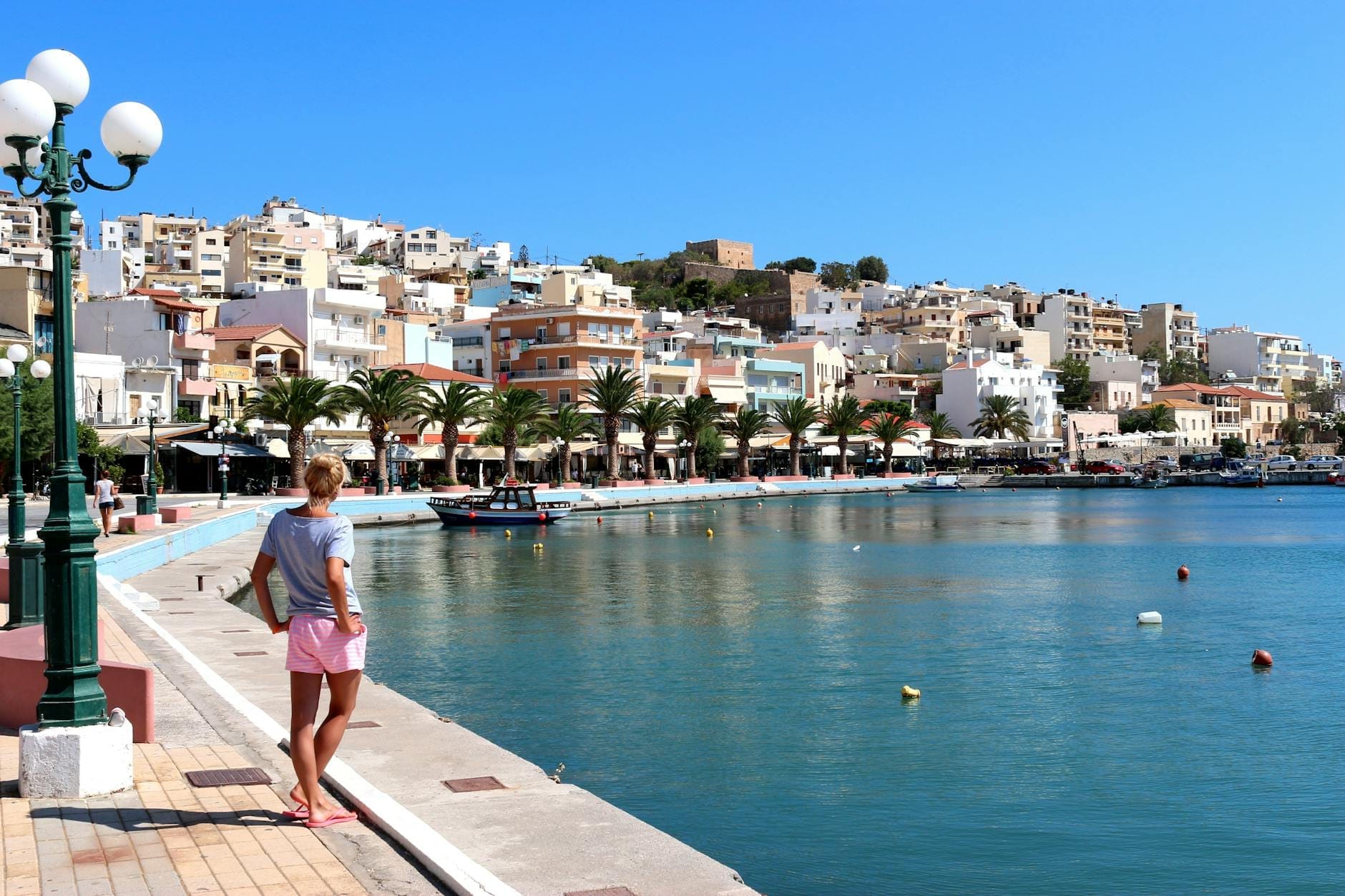
14. Explore Sitia: Crete's Most Relaxed Eastern Town
Sitia sits at the far east of the island and sees a fraction of the visitors that reach Agios Nikolaos. Its waterfront is lively, local, and largely unchanged. The town produces excellent wine, grows the best sultanas in Greece, and sits within day-trip range of Vai and Zakros.
Explore14. Explore Sitia: Crete's Most Relaxed Eastern Town
Sitia sits at the far east of the island and sees a fraction of the visitors that reach Agios Nikolaos. Its waterfront is lively, local, and largely unchanged. The town produces excellent wine, grows the best sultanas in Greece, and sits within day-trip range of Vai and Zakros.
Explore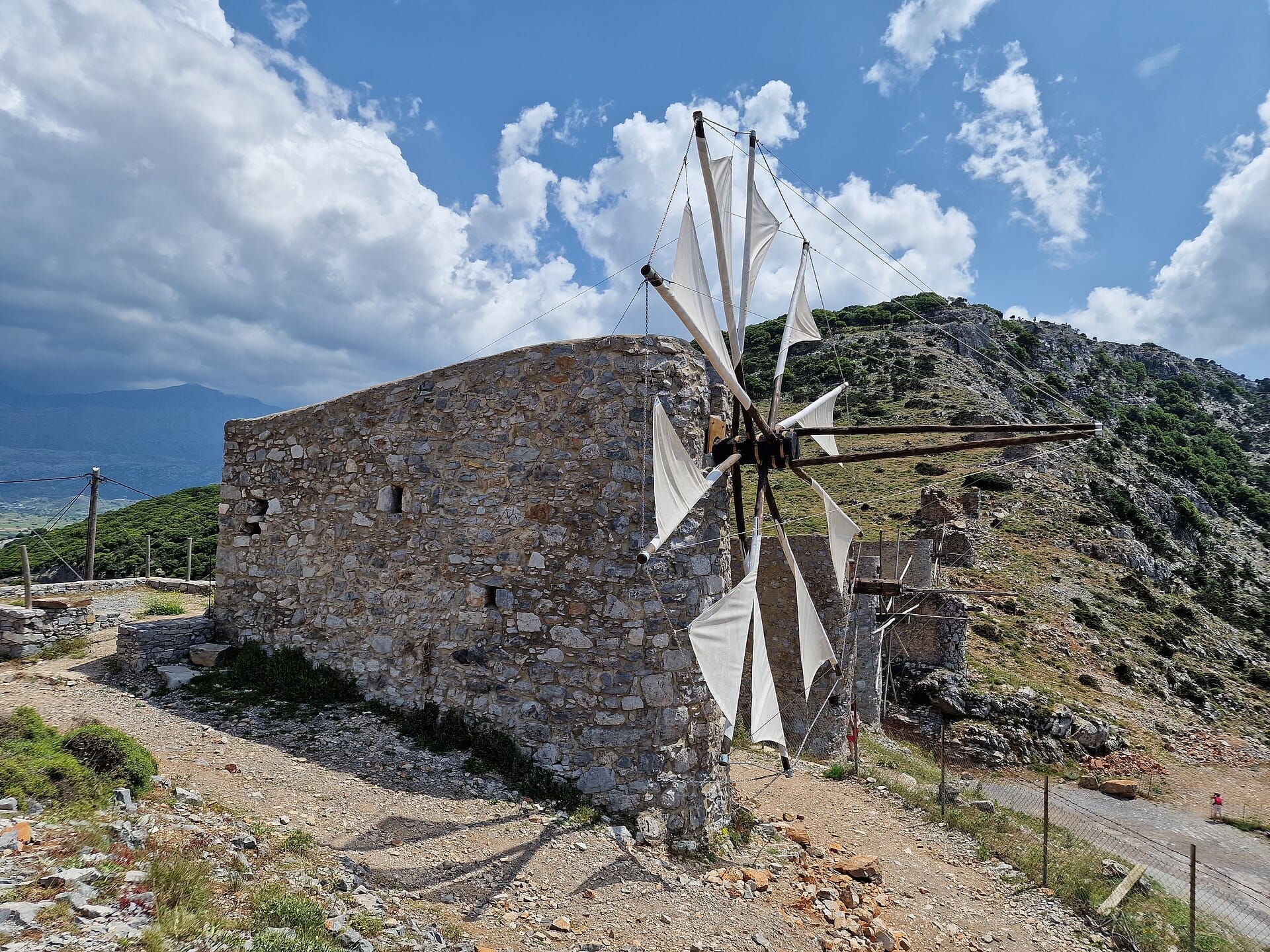
15. Drive the Lassithi Plateau Past Its Famous Windmills
The Lassithi Plateau sits at 840m and is ringed by mountains, its flat floor traditionally irrigated by thousands of stone windmills. Most are now derelict, which adds to the atmosphere. The drive up through the Dikti range is itself one of Crete's most spectacular road journeys.
Explore15. Drive the Lassithi Plateau Past Its Famous Windmills
The Lassithi Plateau sits at 840m and is ringed by mountains, its flat floor traditionally irrigated by thousands of stone windmills. Most are now derelict, which adds to the atmosphere. The drive up through the Dikti range is itself one of Crete's most spectacular road journeys.
Explore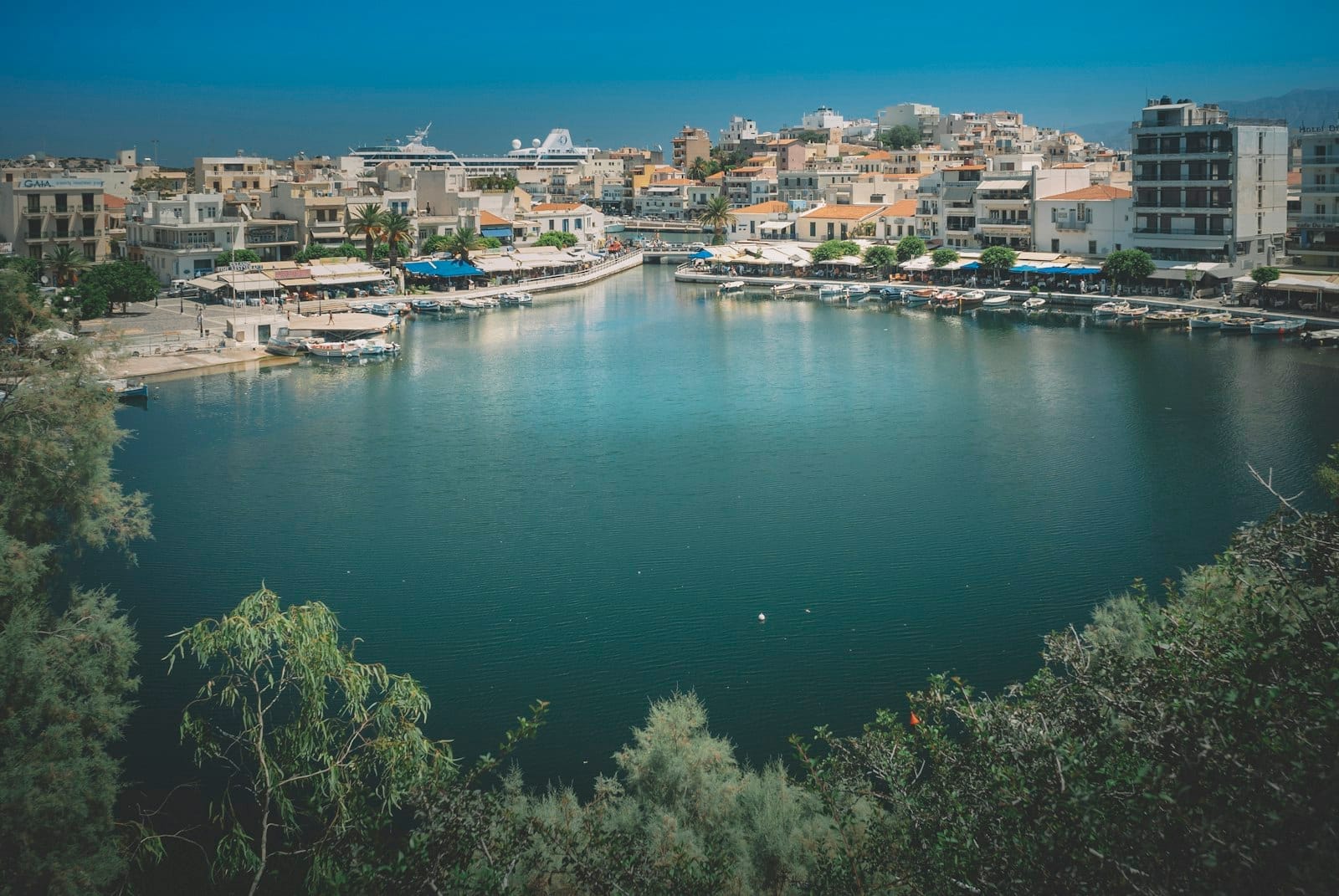
16. Sit Beside the Mysterious Lake Voulismeni in Agios Nikolaos
This circular lake in the center of Agios Nikolaos connects to the sea by a narrow channel and is surrounded by tavernas and bougainvillea-covered buildings. Legend says Athena bathed here. It's a genuinely unusual urban landscape, best appreciated over a long coffee at the waterside.
Explore16. Sit Beside the Mysterious Lake Voulismeni in Agios Nikolaos
This circular lake in the center of Agios Nikolaos connects to the sea by a narrow channel and is surrounded by tavernas and bougainvillea-covered buildings. Legend says Athena bathed here. It's a genuinely unusual urban landscape, best appreciated over a long coffee at the waterside.
Explore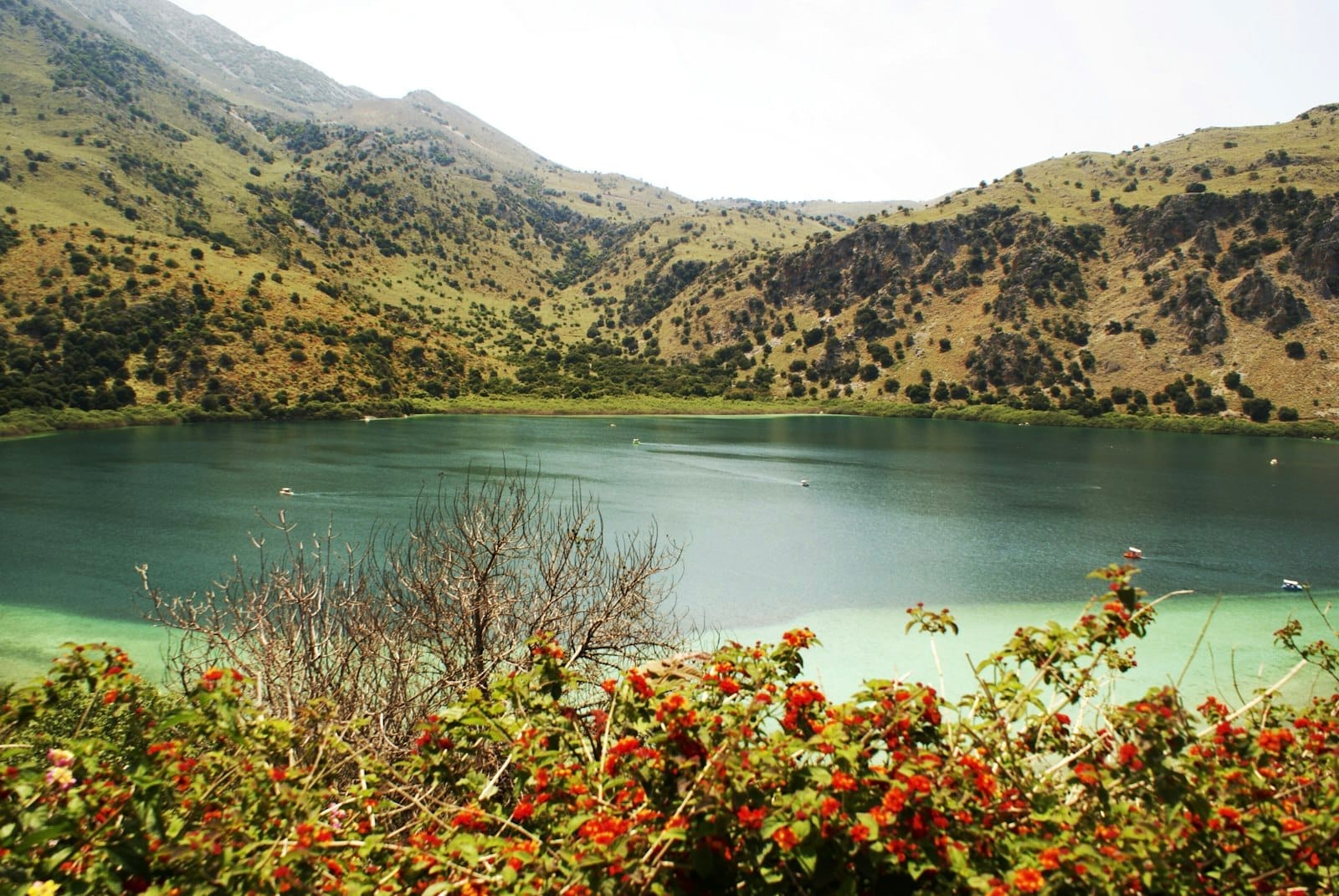
17. Pedal Across Crete's Only Freshwater Lake at Kournas
Lake Kournas sits in a natural bowl near Georgioupolis, its clear water home to terrapins and eels. You can rent pedal boats, swim, and eat at the lakeside tavernas. Few tourists outside of Georgioupolis know it exists, making it one of the easiest quiet escapes in western Crete.
Explore17. Pedal Across Crete's Only Freshwater Lake at Kournas
Lake Kournas sits in a natural bowl near Georgioupolis, its clear water home to terrapins and eels. You can rent pedal boats, swim, and eat at the lakeside tavernas. Few tourists outside of Georgioupolis know it exists, making it one of the easiest quiet escapes in western Crete.
ExploreSacred & Historic Places Rarely Visited
Crete's monasteries and fortresses carry layers of history that go well beyond architecture. From WWII shelters to symbols of resistance against Ottoman rule, these sites connect you to a side of Cretan identity that the beach resorts never will. For more context, the best museums in Crete guide covers where to deepen your understanding before or after visiting.
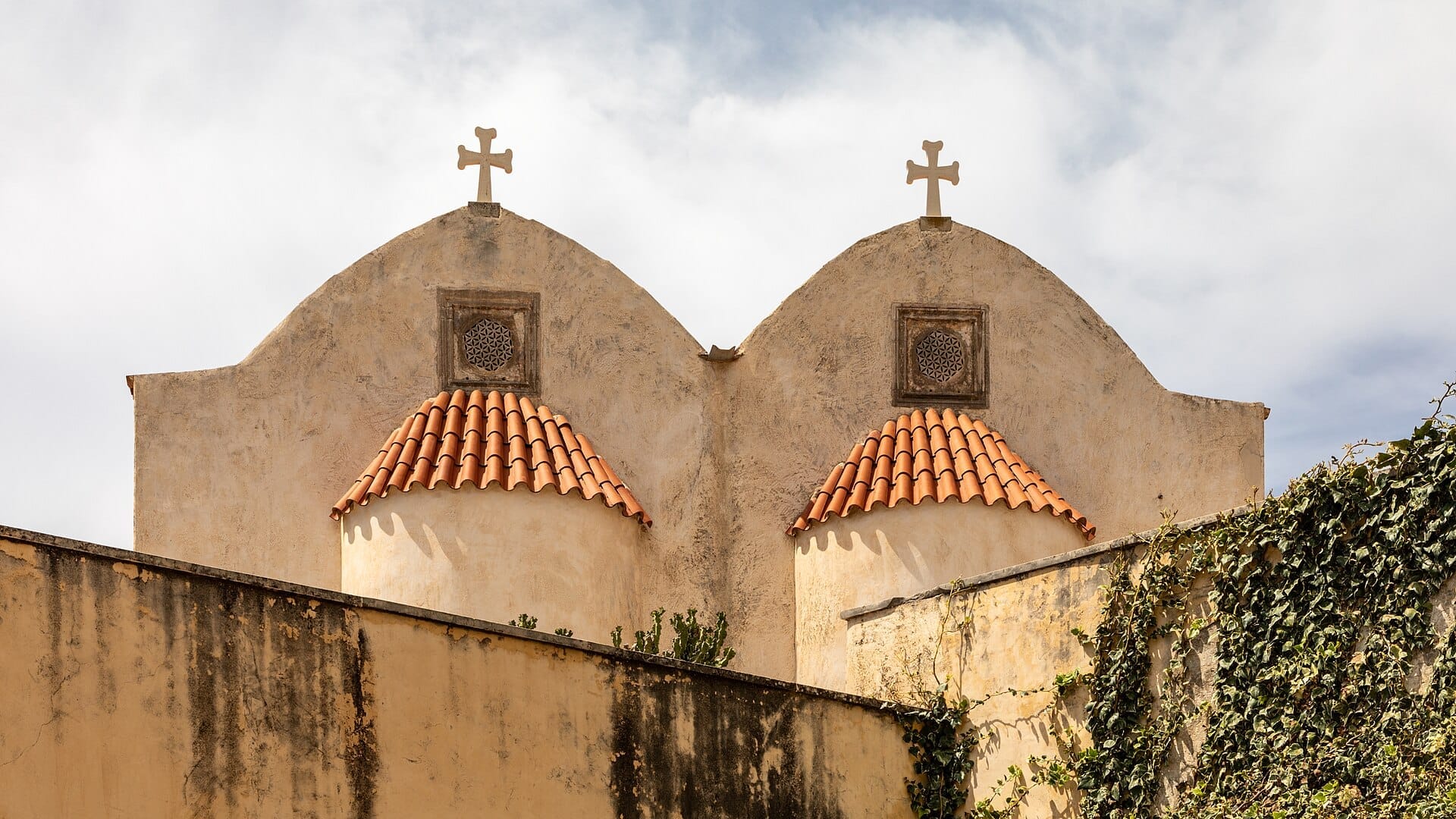
18. Visit Moni Preveli: The Monastery That Sheltered Allied Soldiers
Perched on cliffs above the Libyan Sea, Preveli Monastery sheltered hundreds of Allied soldiers after the 1941 Battle of Crete, helping them escape by submarine. The clifftop setting is extraordinary, and the small museum documents this little-known chapter of WWII resistance history.
Explore18. Visit Moni Preveli: The Monastery That Sheltered Allied Soldiers
Perched on cliffs above the Libyan Sea, Preveli Monastery sheltered hundreds of Allied soldiers after the 1941 Battle of Crete, helping them escape by submarine. The clifftop setting is extraordinary, and the small museum documents this little-known chapter of WWII resistance history.
Explore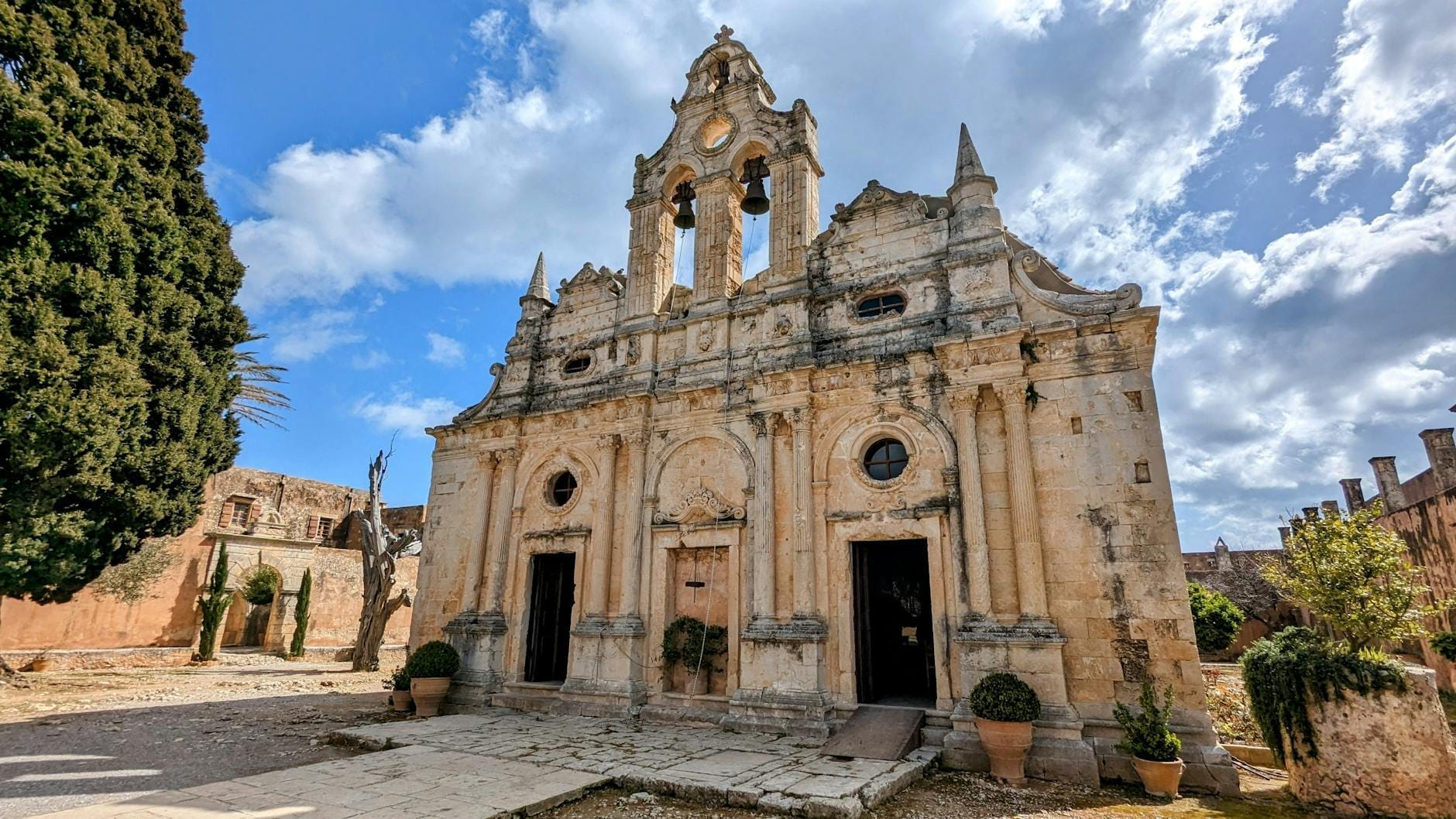
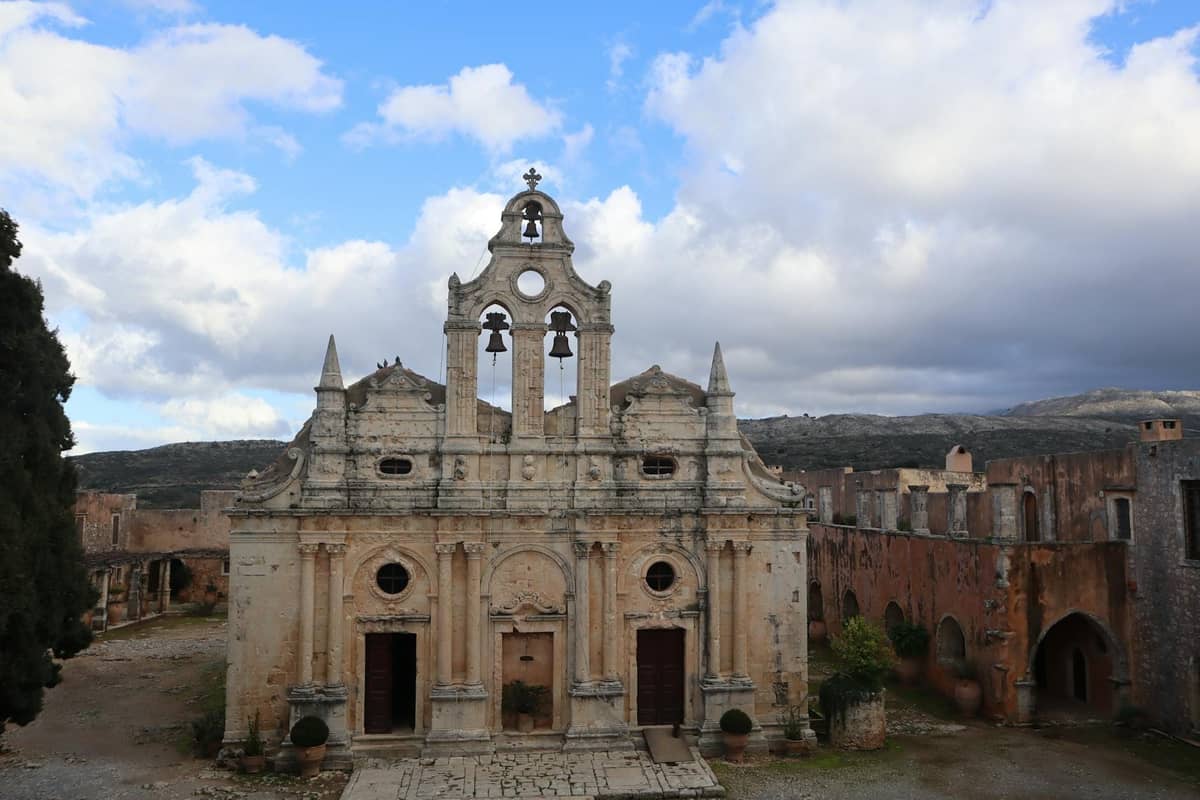
19. Pay Respects at Arkadi: Crete's Most Sacred National Monument
In 1866, hundreds of Cretans sheltering here chose to detonate their own powder magazine rather than surrender to Ottoman forces. The act shocked Europe and galvanized support for Cretan independence. The monastery is beautifully preserved and emotionally powerful in a way that most historical sites are not.
Explore19. Pay Respects at Arkadi: Crete's Most Sacred National Monument
In 1866, hundreds of Cretans sheltering here chose to detonate their own powder magazine rather than surrender to Ottoman forces. The act shocked Europe and galvanized support for Cretan independence. The monastery is beautifully preserved and emotionally powerful in a way that most historical sites are not.
Explore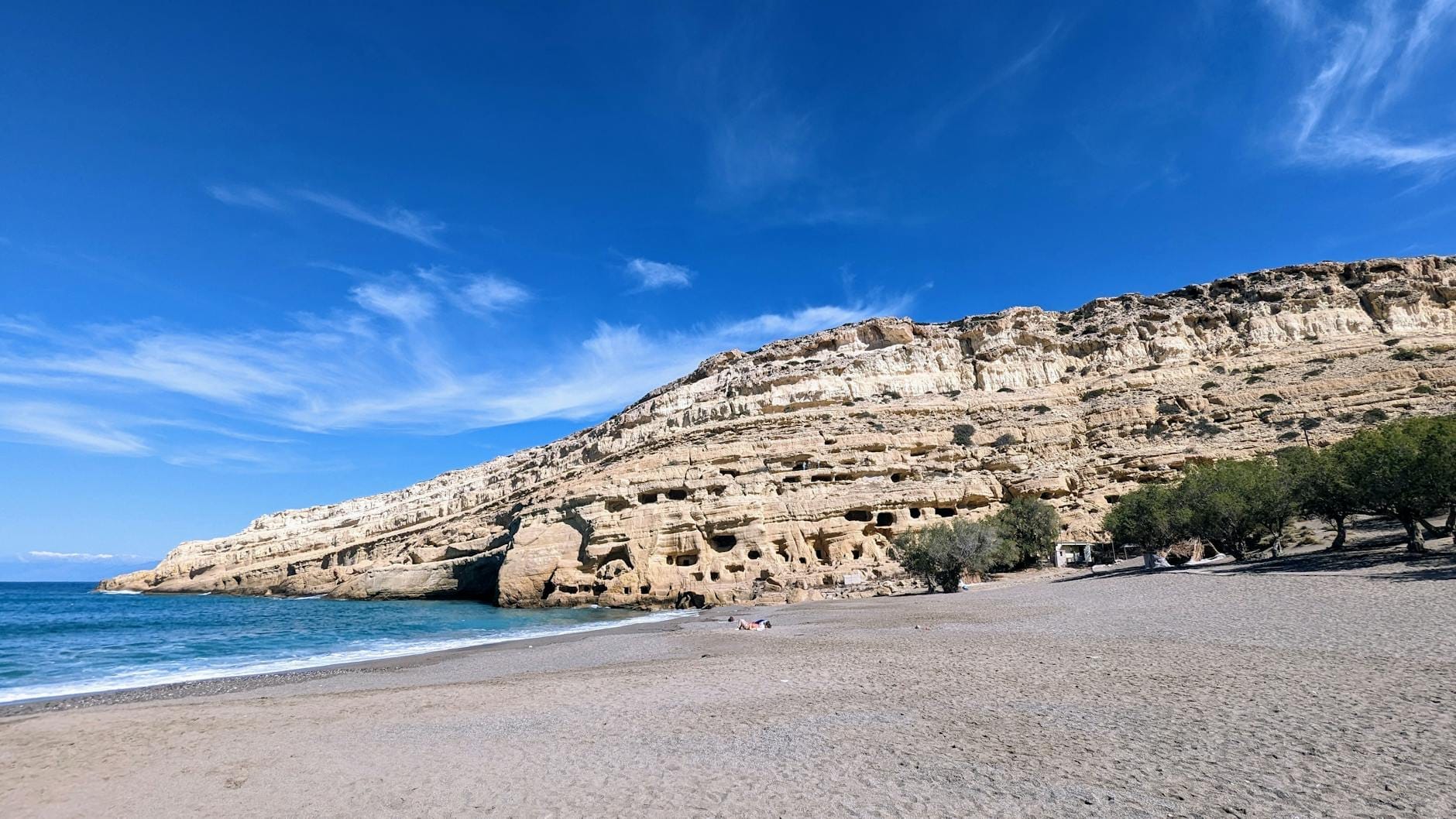
20. Climb the Matala Caves: From Roman Tombs to Hippie Hideout
Cut into sandstone cliffs above Matala Beach, these chambers began as Roman-era tombs and became famous in the 1960s when Joni Mitchell and other travelers lived in them. Now open as an archaeological site, they offer sweeping views over the bay and a genuinely eccentric piece of history.
Explore20. Climb the Matala Caves: From Roman Tombs to Hippie Hideout
Cut into sandstone cliffs above Matala Beach, these chambers began as Roman-era tombs and became famous in the 1960s when Joni Mitchell and other travelers lived in them. Now open as an archaeological site, they offer sweeping views over the bay and a genuinely eccentric piece of history.
Explore✨ Pro tip
A rental car is essential for most of these places. Gorges, remote palaces, and south coast villages are rarely served by public buses. Collect your car from Heraklion or Chania airport and plan routes that don't backtrack — the island rewards a circular itinerary.
FAQ
What are the most off-the-beaten-path beaches in Crete?
Seitan Limani, Falassarna, and Plakias consistently offer quieter experiences than Elafonissi or Balos. For true isolation, aim for south coast beaches like those accessible by boat from Agia Galini, or the beach at Kato Zakros in the far east.
Do I need a 4WD to reach Crete's hidden gems?
Most of the places in this guide are accessible by standard rental car. Seitan Limani requires a walk from a parking area, and some south coast routes use narrow roads, but a regular car handles all of them. A 4WD helps for a few very remote tracks, but it's not essential.
When is the best time to visit off-the-beaten-path spots in Crete?
May-June and September-October are ideal. Gorges are at their best in spring when water flows, and beaches are uncrowded in shoulder seasons. July and August bring crowds even to remote spots, and some mountain routes can be impassable after heavy winter rain.
Is Imbros Gorge easier than Samaria Gorge?
Yes, significantly. Imbros is 8km compared to Samaria's 13km and has no serious altitude change. Most fit walkers complete it in 2.5-3 hours. Unlike Samaria, it doesn't require an organized exit transfer, and the path is well-marked without being heavily managed.
How do I get to Loutro, Crete's car-free village?
Loutro is accessible by ferry from Hora Sfakion (a 20-minute ride) or on foot via a coastal path from Hora Sfakion or Agia Roumeli. No roads reach it. Ferries run regularly in summer; check current schedules locally as timetables change seasonally.