Best Museums in Crete: History, Art & Culture Guide
Crete holds one of the richest concentrations of museums in the Mediterranean, from world-class Minoan collections to maritime heritage and Byzantine icons. This guide covers the essential museums and historically significant sites across the island, organized by theme and region.
Plan and book this trip
Tools from our partner Travelpayouts help you compare flights and hotels. If you book through them, we may earn a commission at no extra cost to you.
Flights
Hotels map
Crete's museum scene goes far beyond the famous Minoan palaces. Spanning Neolithic prehistory through the Byzantine era, Venetian occupation, Ottoman rule, and World War II, the island's collections are strikingly diverse. Whether you're based in Heraklion, Chania, or Rethymno, you'll find major institutions within easy reach. For context on the Minoan civilization underlying so many of these collections, see our guide to Minoan history in Crete. And if you're planning a broader itinerary, our one-week Crete itinerary shows how to weave museums alongside beaches, gorges, and villages.
✨ Pro tip
Buy a combination ticket at Knossos that includes the Heraklion Archaeological Museum. It saves money and the two sites make perfect sense visited on the same day or on consecutive days.
Minoan Palaces & Archaeological Sites
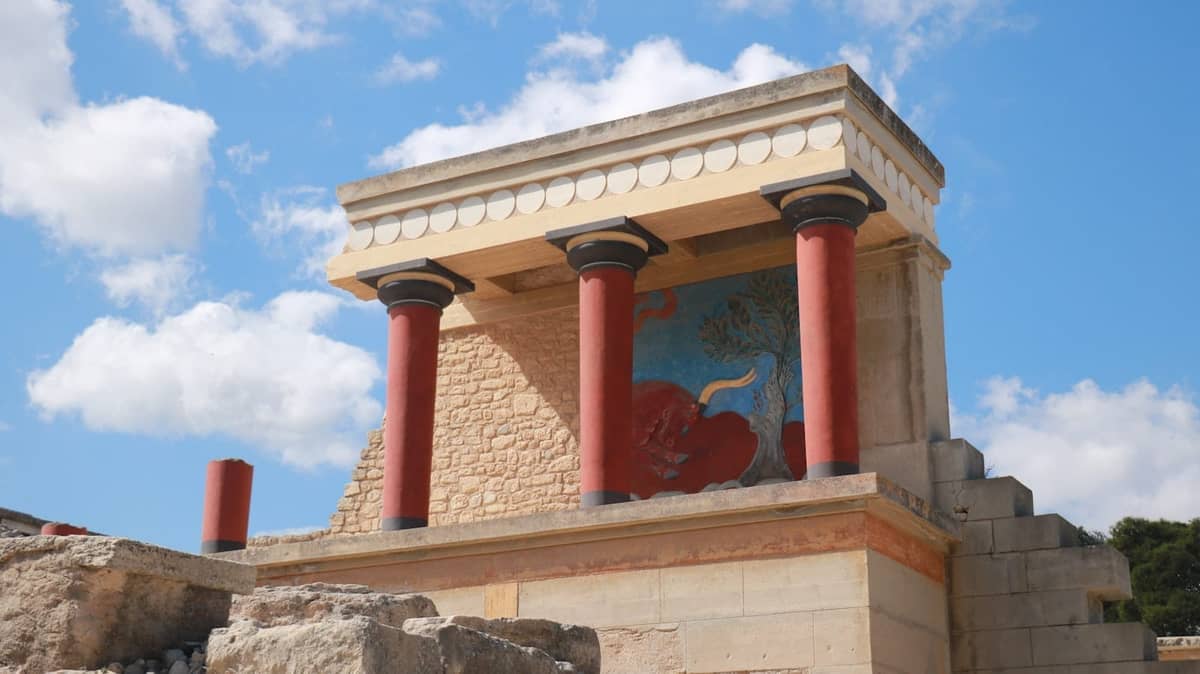
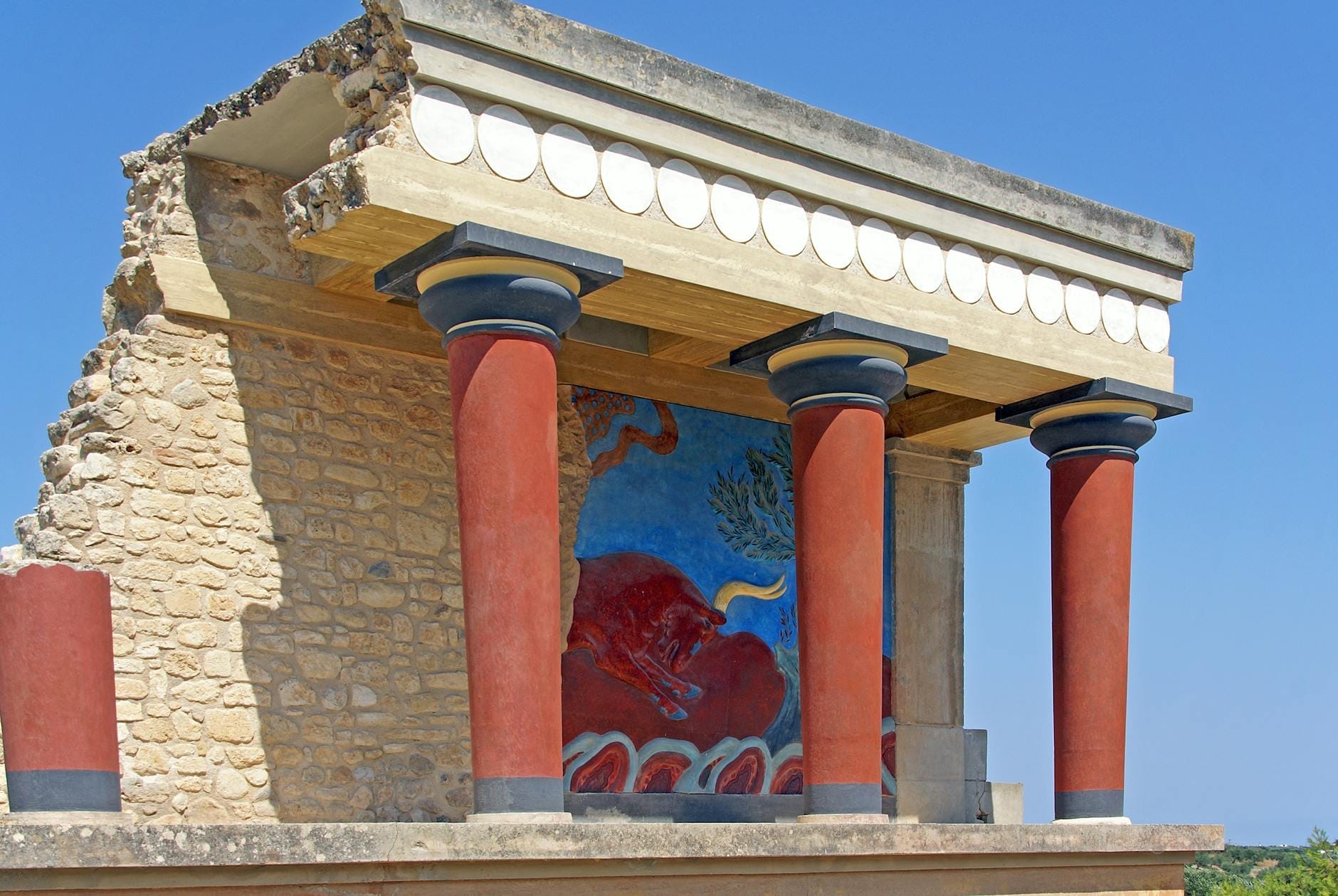
The Minoan civilization produced some of the ancient world's most sophisticated art and architecture, and Crete is the only place to experience it at full scale. The sites below range from the iconic to the genuinely undervisited. Five Minoan palace sites, including Knossos and Phaistos, were inscribed on the UNESCO World Heritage List in 2024, so expect growing international attention. For deeper background before you visit, the Minoan history guide is essential reading.
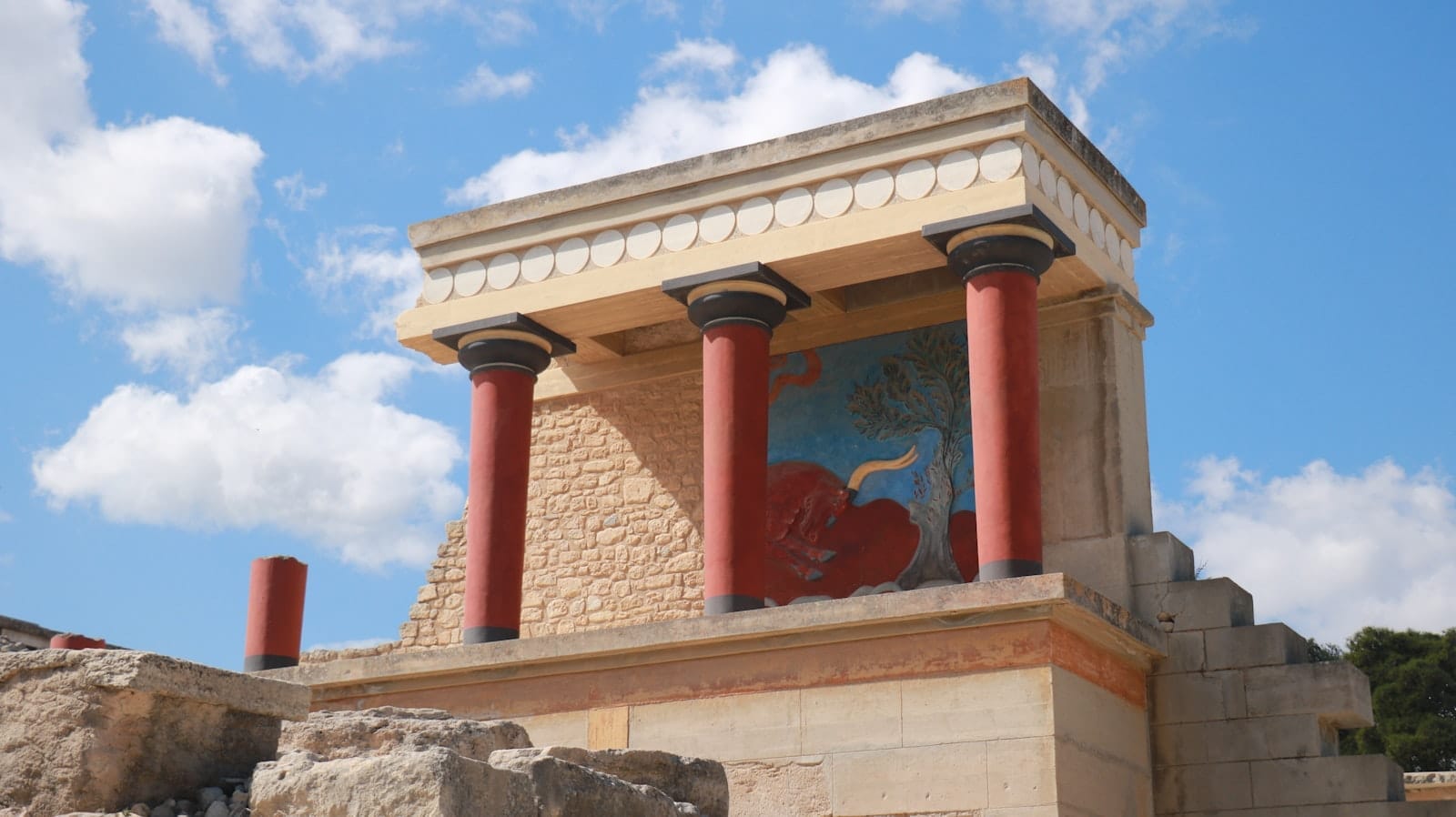
1. Walk the Labyrinth at the Palace of Knossos
Europe's most significant Bronze Age site, Knossos covers 20,000 square meters and dates to 1700 BC. Reconstructed frescoes, throne rooms, and storage magazines bring Minoan civilization to life in a way no museum display can replicate.
Explore1. Walk the Labyrinth at the Palace of Knossos
Europe's most significant Bronze Age site, Knossos covers 20,000 square meters and dates to 1700 BC. Reconstructed frescoes, throne rooms, and storage magazines bring Minoan civilization to life in a way no museum display can replicate.
Explore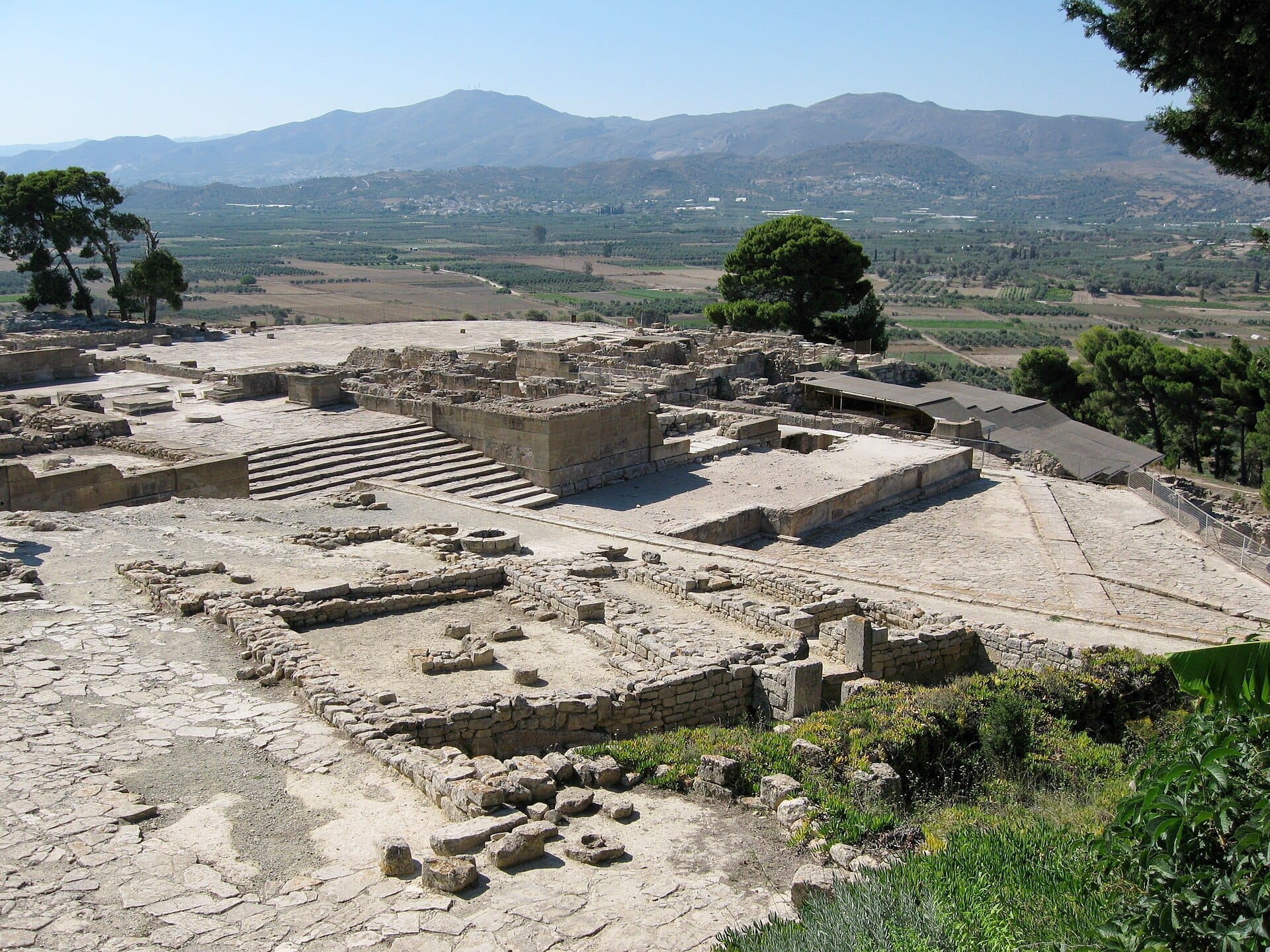
2. Explore the Authentic Ruins at the Palace of Phaistos
Crete's second-largest Minoan palace sits on a hilltop above the Messara Plain with panoramic countryside views. Unlike Knossos, Phaistos was never reconstructed, giving visitors a more raw and scholarly archaeological experience.
Explore2. Explore the Authentic Ruins at the Palace of Phaistos
Crete's second-largest Minoan palace sits on a hilltop above the Messara Plain with panoramic countryside views. Unlike Knossos, Phaistos was never reconstructed, giving visitors a more raw and scholarly archaeological experience.
Explore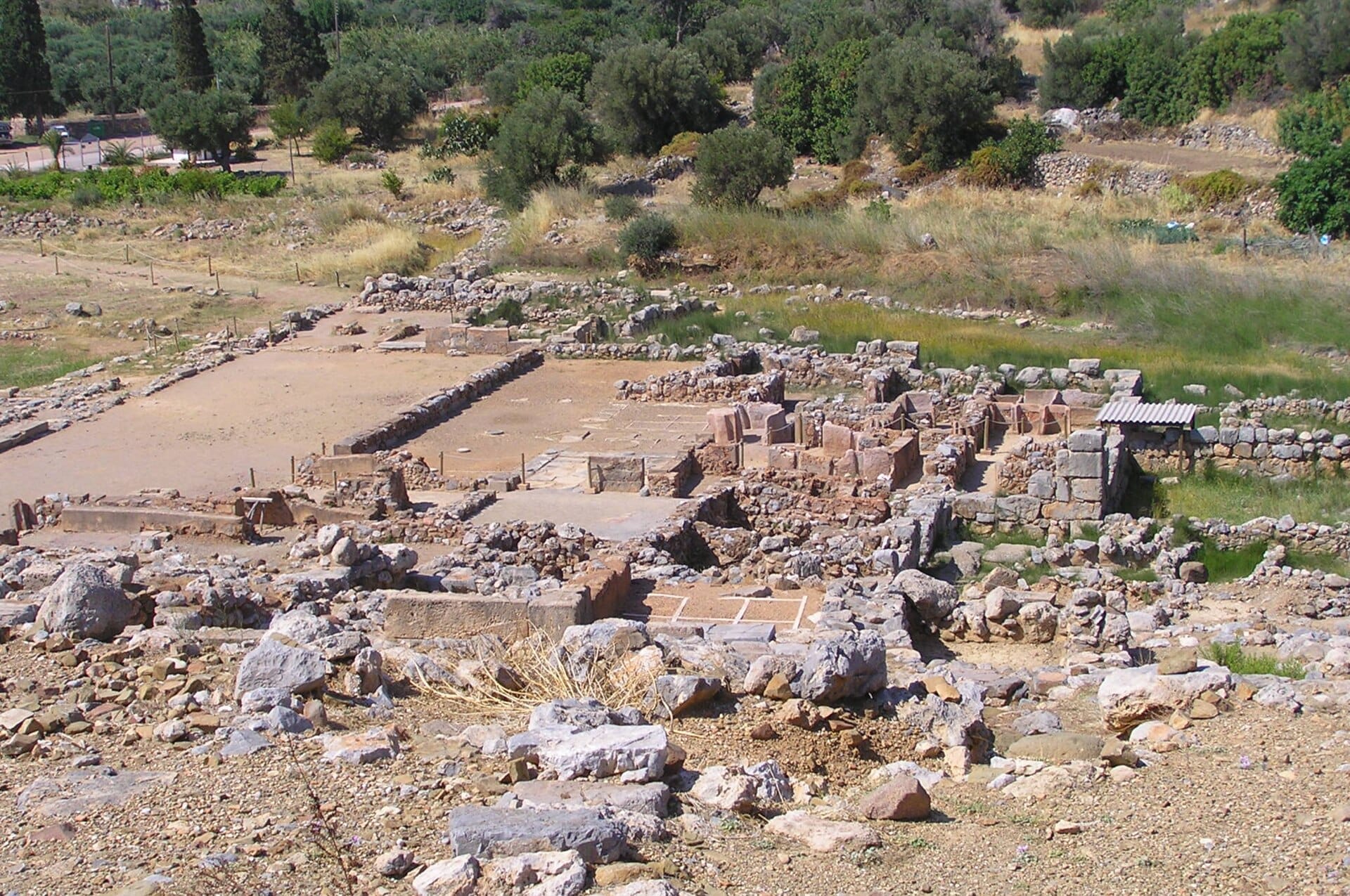
3. Discover the Only Unlooted Minoan Palace at Zakros
Zakros, in Crete's far east, is the only Minoan palace found intact, never pillaged in antiquity. Its remote location, dramatic gorge setting, and exceptional finds including bronze ingots and stone vessels make it unforgettable.
Explore3. Discover the Only Unlooted Minoan Palace at Zakros
Zakros, in Crete's far east, is the only Minoan palace found intact, never pillaged in antiquity. Its remote location, dramatic gorge setting, and exceptional finds including bronze ingots and stone vessels make it unforgettable.
Explore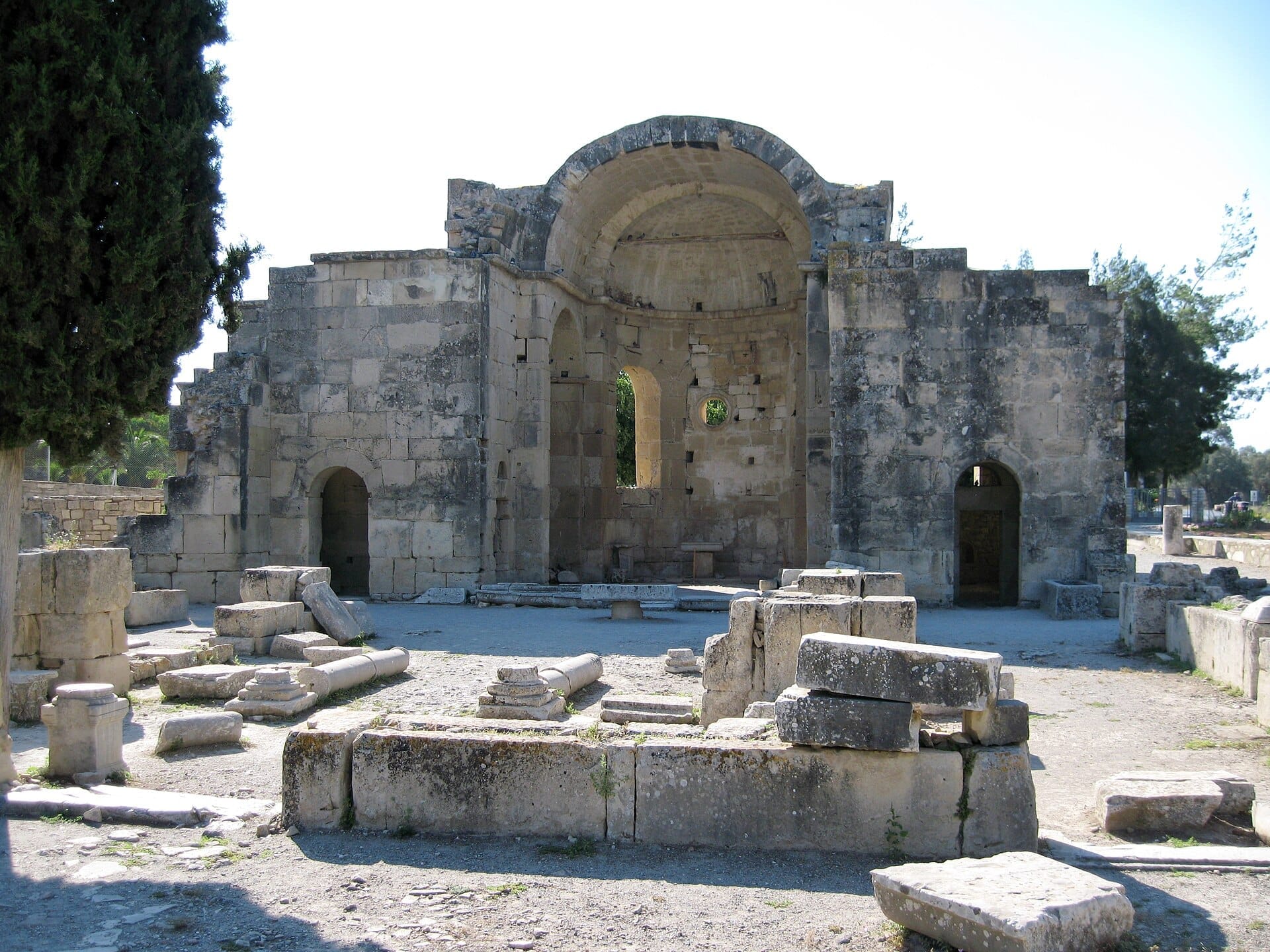
4. Read the World's Oldest Legal Code at Ancient Gortyna
Gortyna was Roman Crete's capital and contains the Law Code of Gortyn, inscribed on stone in the 5th century BC. It's the oldest and most complete ancient Greek legal text, displayed alongside a basilica, odeon, and Roman temple ruins.
Explore4. Read the World's Oldest Legal Code at Ancient Gortyna
Gortyna was Roman Crete's capital and contains the Law Code of Gortyn, inscribed on stone in the 5th century BC. It's the oldest and most complete ancient Greek legal text, displayed alongside a basilica, odeon, and Roman temple ruins.
Explore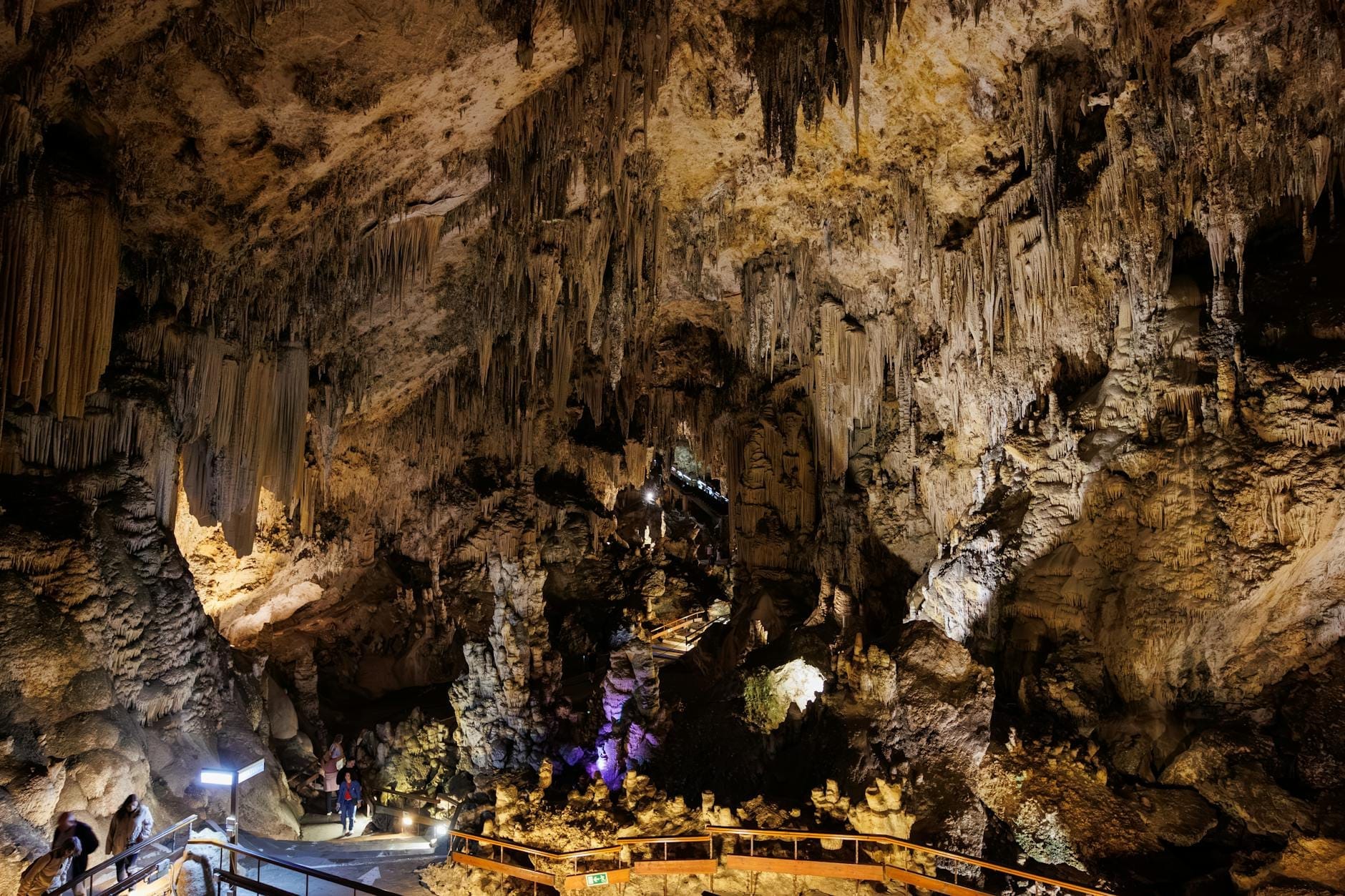
5. Visit Zeus's Mythical Birthplace at Dikteon Cave
This stalactite cave on the Lassithi Plateau descends 63 meters and contains Minoan votive offerings uncovered by archaeologists. As Zeus's legendary birthplace, it's one of Crete's most atmospheric sites combining mythology and real prehistory.
Explore5. Visit Zeus's Mythical Birthplace at Dikteon Cave
This stalactite cave on the Lassithi Plateau descends 63 meters and contains Minoan votive offerings uncovered by archaeologists. As Zeus's legendary birthplace, it's one of Crete's most atmospheric sites combining mythology and real prehistory.
ExploreMajor Archaeological Museums
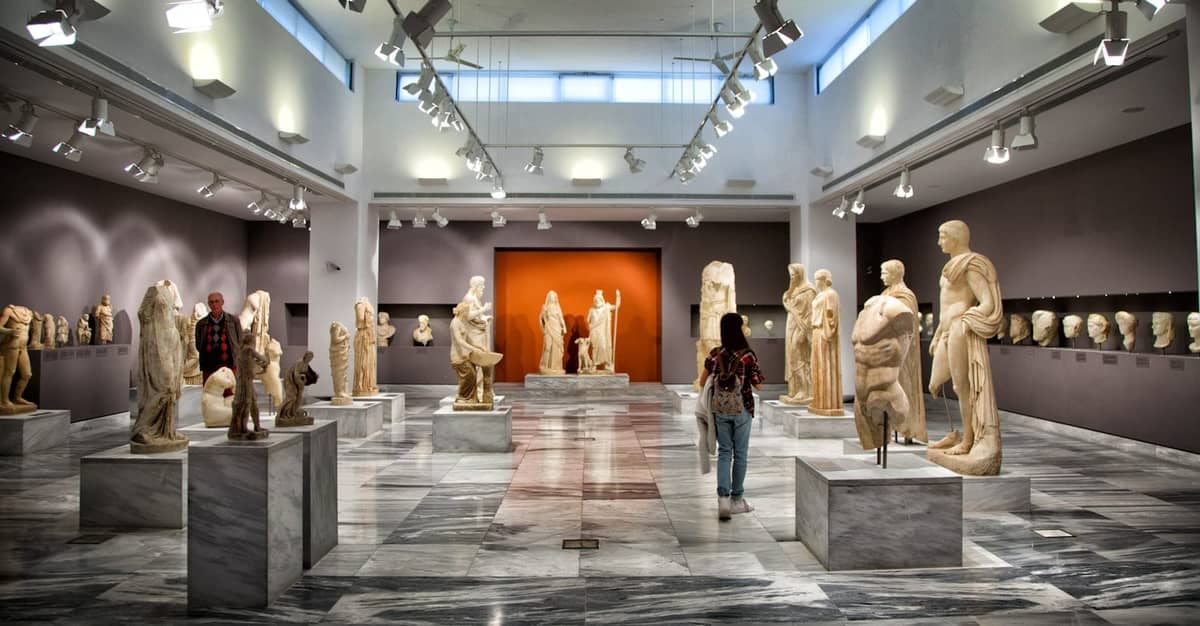
Crete's archaeological museums are where excavated treasures from the palaces and sites end up, and they reward a visit before or after seeing the ruins in context. The Heraklion museum in particular is a full day on its own. If you're deciding between the island's two main cities for your base, our Chania vs Heraklion comparison covers how the museum scenes differ between them.
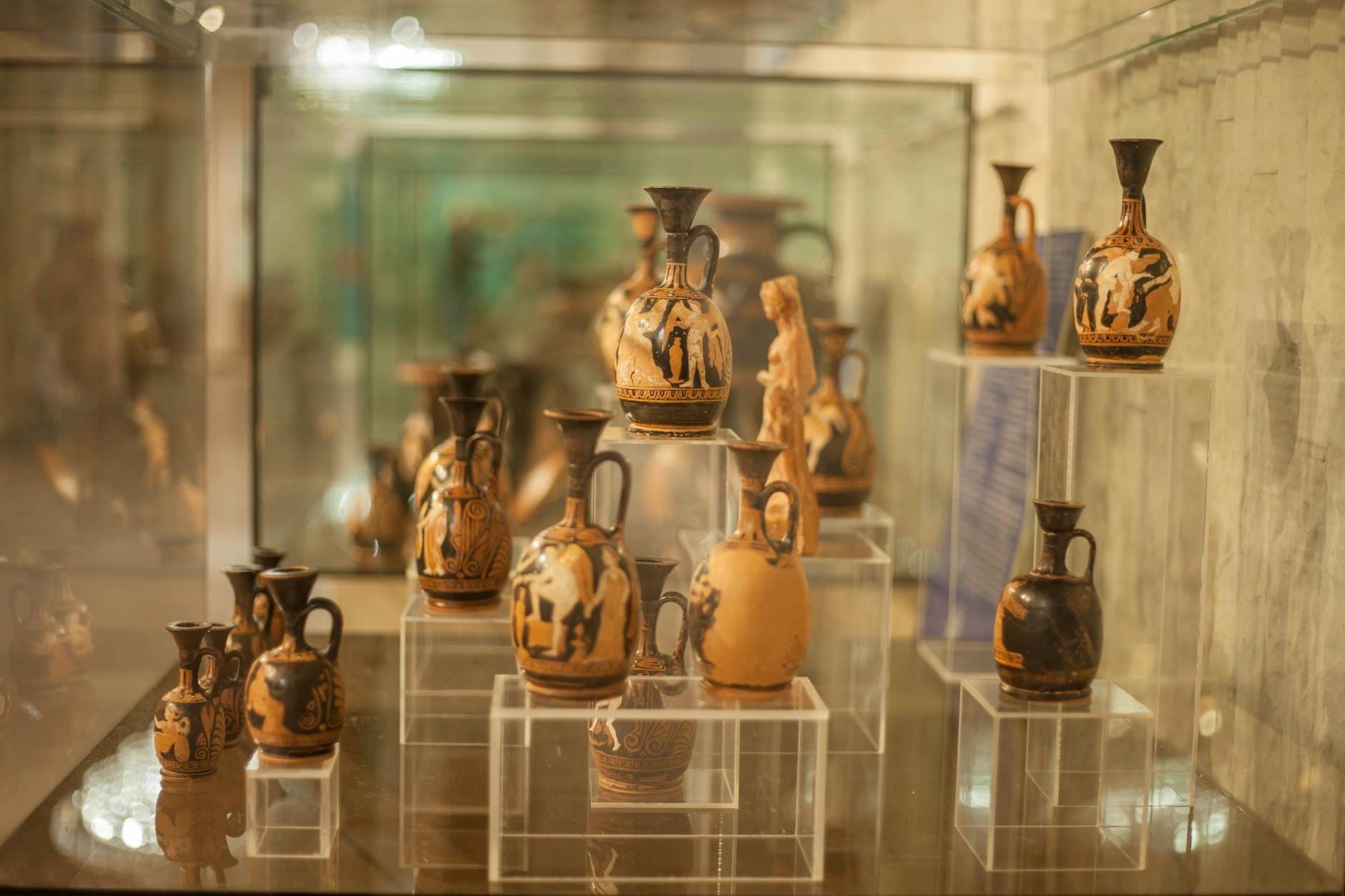
6. See the World's Greatest Minoan Collection in Heraklion
This is Europe's most important museum for prehistory. The Phaistos Disc, bull-leaping frescoes, gold jewelry, and sarcophagi span 5,500 years across 24 renovated rooms. Budget two to three hours and arrive early in summer to beat the crowds.
Explore6. See the World's Greatest Minoan Collection in Heraklion
This is Europe's most important museum for prehistory. The Phaistos Disc, bull-leaping frescoes, gold jewelry, and sarcophagi span 5,500 years across 24 renovated rooms. Budget two to three hours and arrive early in summer to beat the crowds.
Explore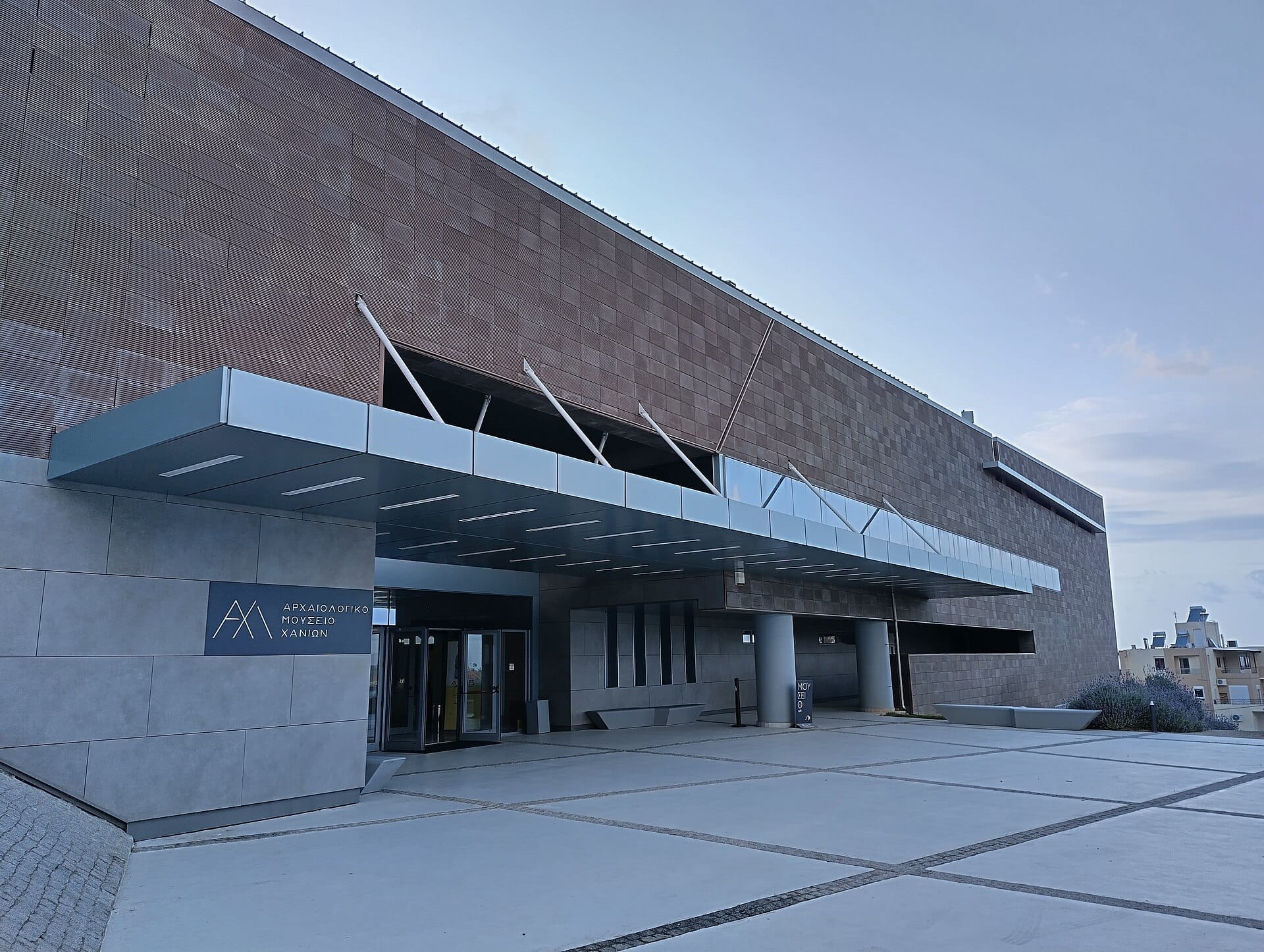
7. Trace Western Crete's Past in a Venetian Church in Chania
Set inside a Gothic Venetian church, this compact museum covers Neolithic through Roman periods with particular strength in Minoan pottery and Linear B tablets from the Chania region. The cloister courtyard alone is worth the entry fee.
Explore7. Trace Western Crete's Past in a Venetian Church in Chania
Set inside a Gothic Venetian church, this compact museum covers Neolithic through Roman periods with particular strength in Minoan pottery and Linear B tablets from the Chania region. The cloister courtyard alone is worth the entry fee.
Explore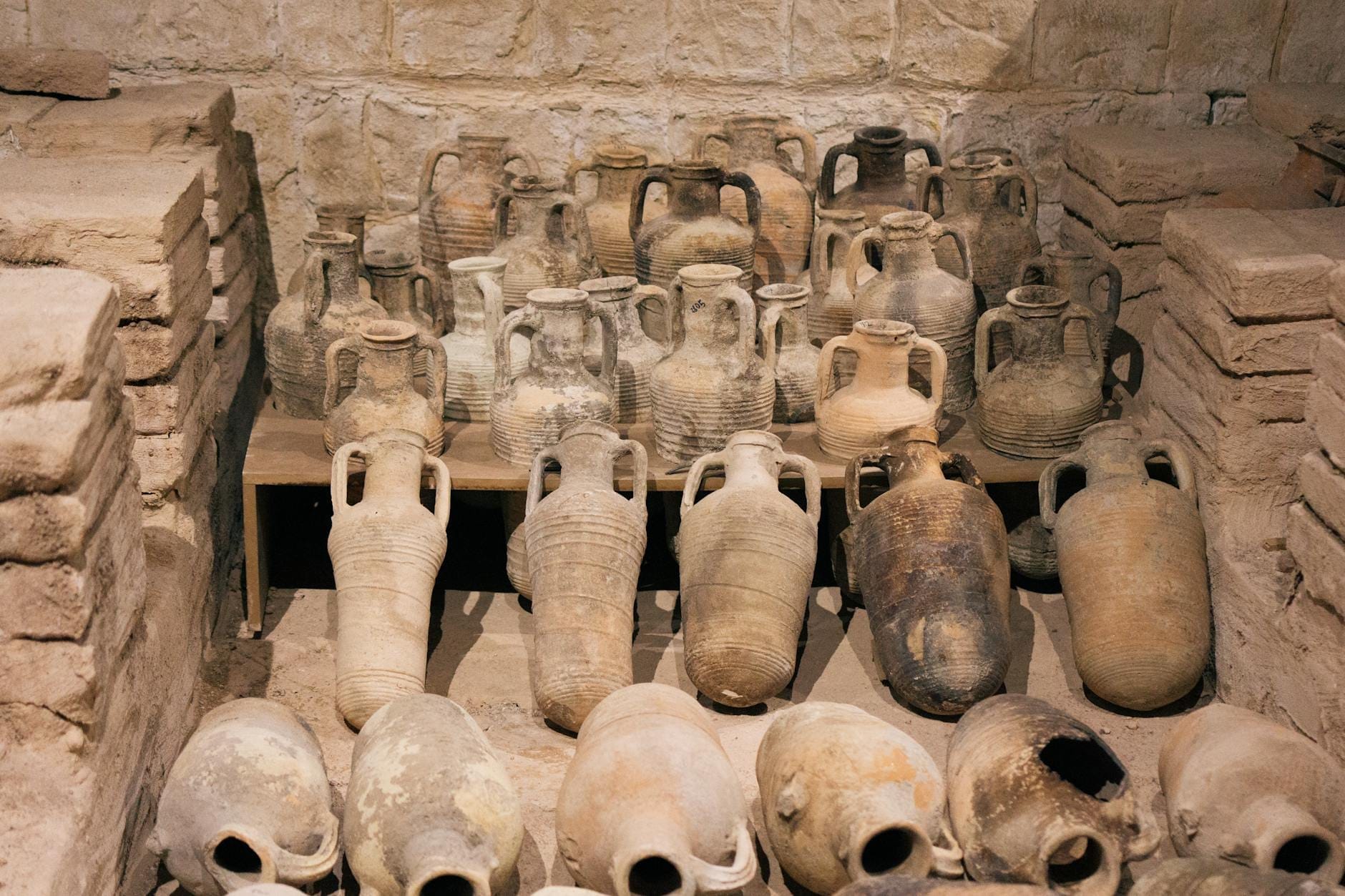
8. Explore Rethymno's Compact Museum Near the Fortezza
Housed in a former Ottoman mosque just outside the Fortezza walls, this manageable museum displays Minoan pottery, Geometric-period artifacts, and Roman sculptures from western Crete's excavations. Pair it with a walk around the fortress above.
Explore8. Explore Rethymno's Compact Museum Near the Fortezza
Housed in a former Ottoman mosque just outside the Fortezza walls, this manageable museum displays Minoan pottery, Geometric-period artifacts, and Roman sculptures from western Crete's excavations. Pair it with a walk around the fortress above.
ExploreMaritime & Military History
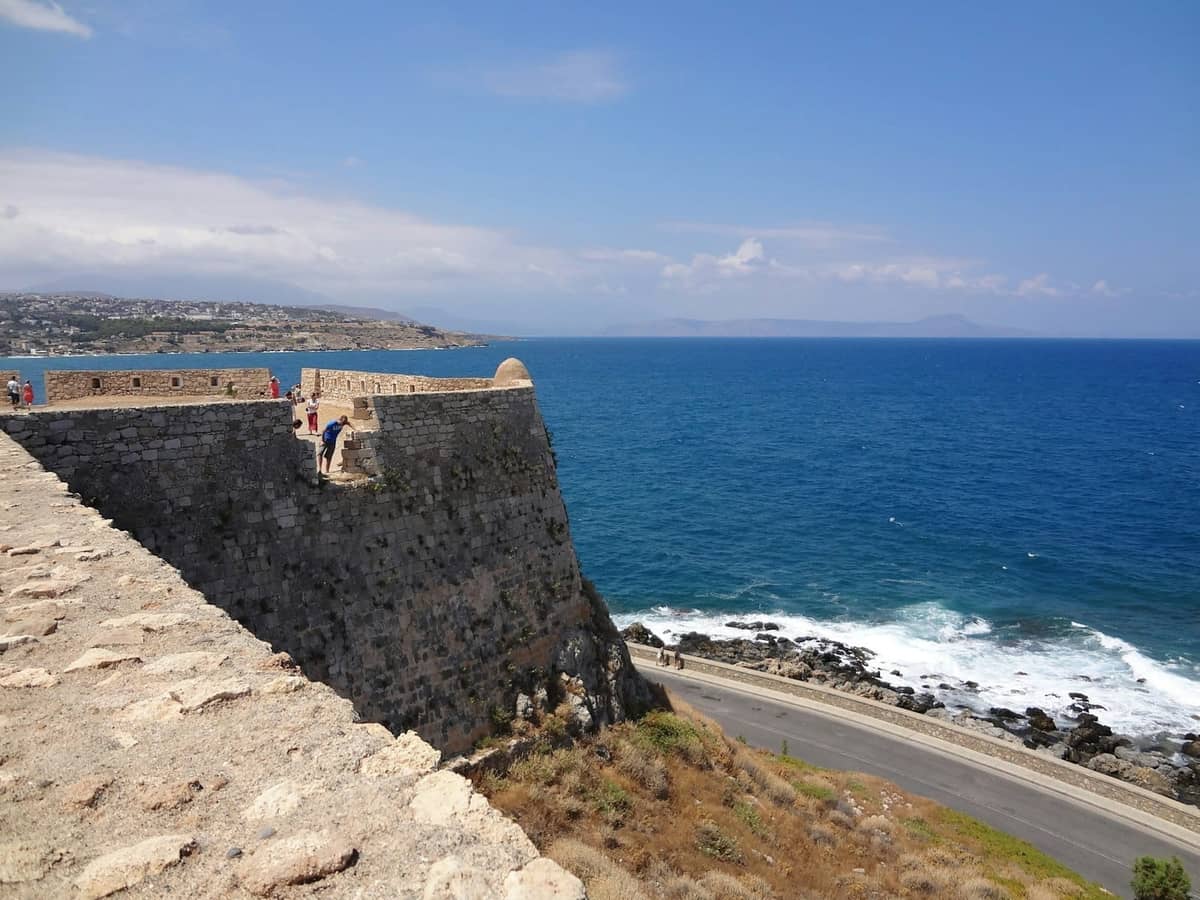
Crete's position at the crossroads of the Mediterranean made it a prize fought over for millennia. The maritime and military heritage here is exceptional, from Venetian sea fortresses to World War II resistance stories. The sites below reward visitors interested in how geography shaped Cretan history.
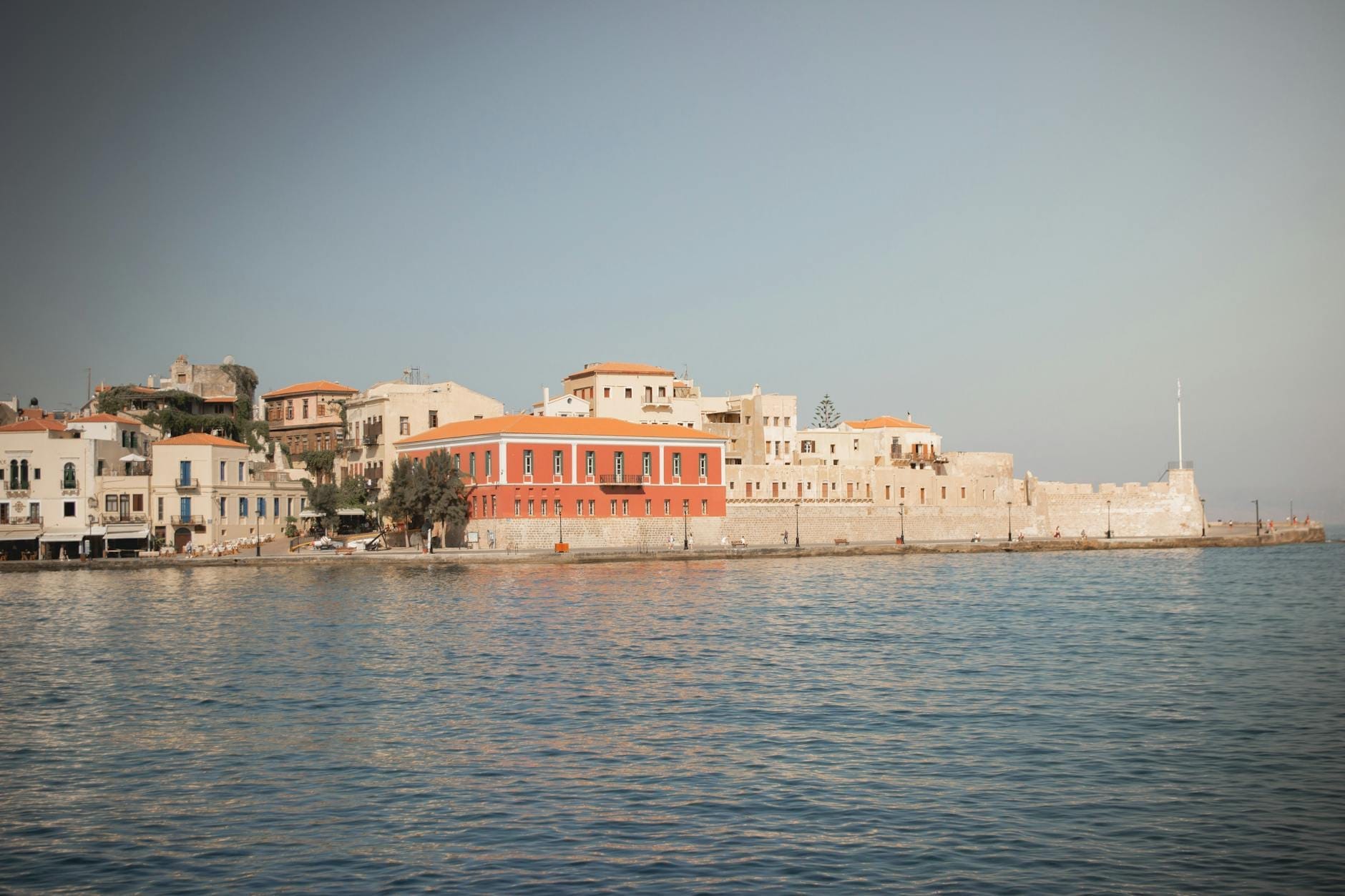
9. Chart 4,000 Years of Seafaring at the Maritime Museum of Crete
Located in the Firkas Fortress at Chania's harbor entrance, this museum holds over 2,500 artifacts across 13 sections. Ship models, naval maps, and an extensive Battle of Crete exhibition covering WWII make it one of the island's most underrated stops.
Explore9. Chart 4,000 Years of Seafaring at the Maritime Museum of Crete
Located in the Firkas Fortress at Chania's harbor entrance, this museum holds over 2,500 artifacts across 13 sections. Ship models, naval maps, and an extensive Battle of Crete exhibition covering WWII make it one of the island's most underrated stops.
Explore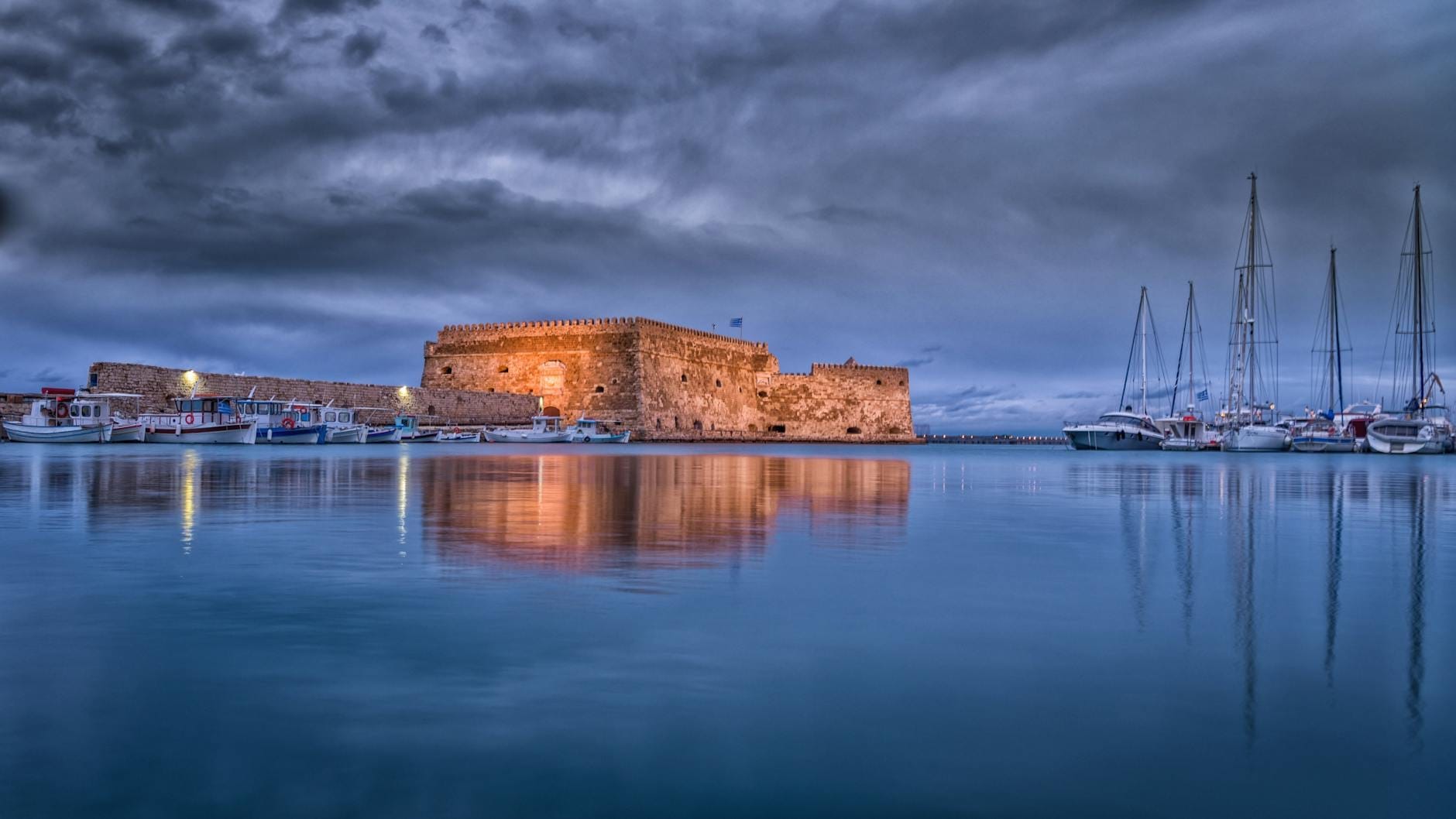
10. Walk the 16th-Century Venetian Walls and Koules Fortress in Heraklion
The Venetian fortifications encircling Heraklion are among the Mediterranean's best-preserved. The Koules sea fortress at the harbor mouth houses rotating historical exhibitions and offers excellent views of the city and the sea beyond.
Explore10. Walk the 16th-Century Venetian Walls and Koules Fortress in Heraklion
The Venetian fortifications encircling Heraklion are among the Mediterranean's best-preserved. The Koules sea fortress at the harbor mouth houses rotating historical exhibitions and offers excellent views of the city and the sea beyond.
Explore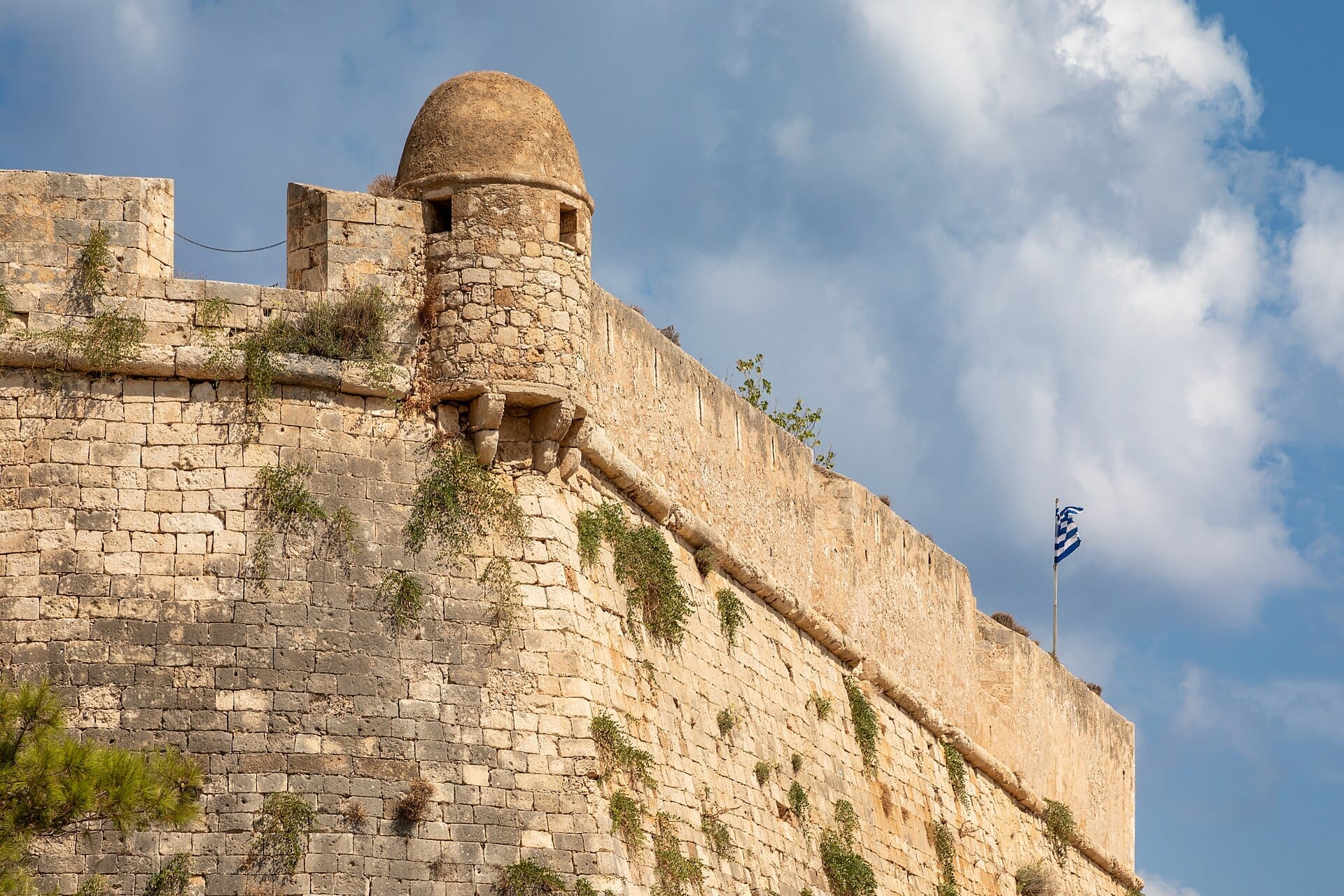
11. Climb the Largest Venetian Castle Ever Built at the Fortezza
The Fortezza above Rethymno was the largest Venetian fortress ever constructed and still dominates the town's skyline. Inside its walls you'll find ruins of a mosque, a church, and barracks, plus sweeping panoramic views over the old town and sea.
Explore11. Climb the Largest Venetian Castle Ever Built at the Fortezza
The Fortezza above Rethymno was the largest Venetian fortress ever constructed and still dominates the town's skyline. Inside its walls you'll find ruins of a mosque, a church, and barracks, plus sweeping panoramic views over the old town and sea.
Explore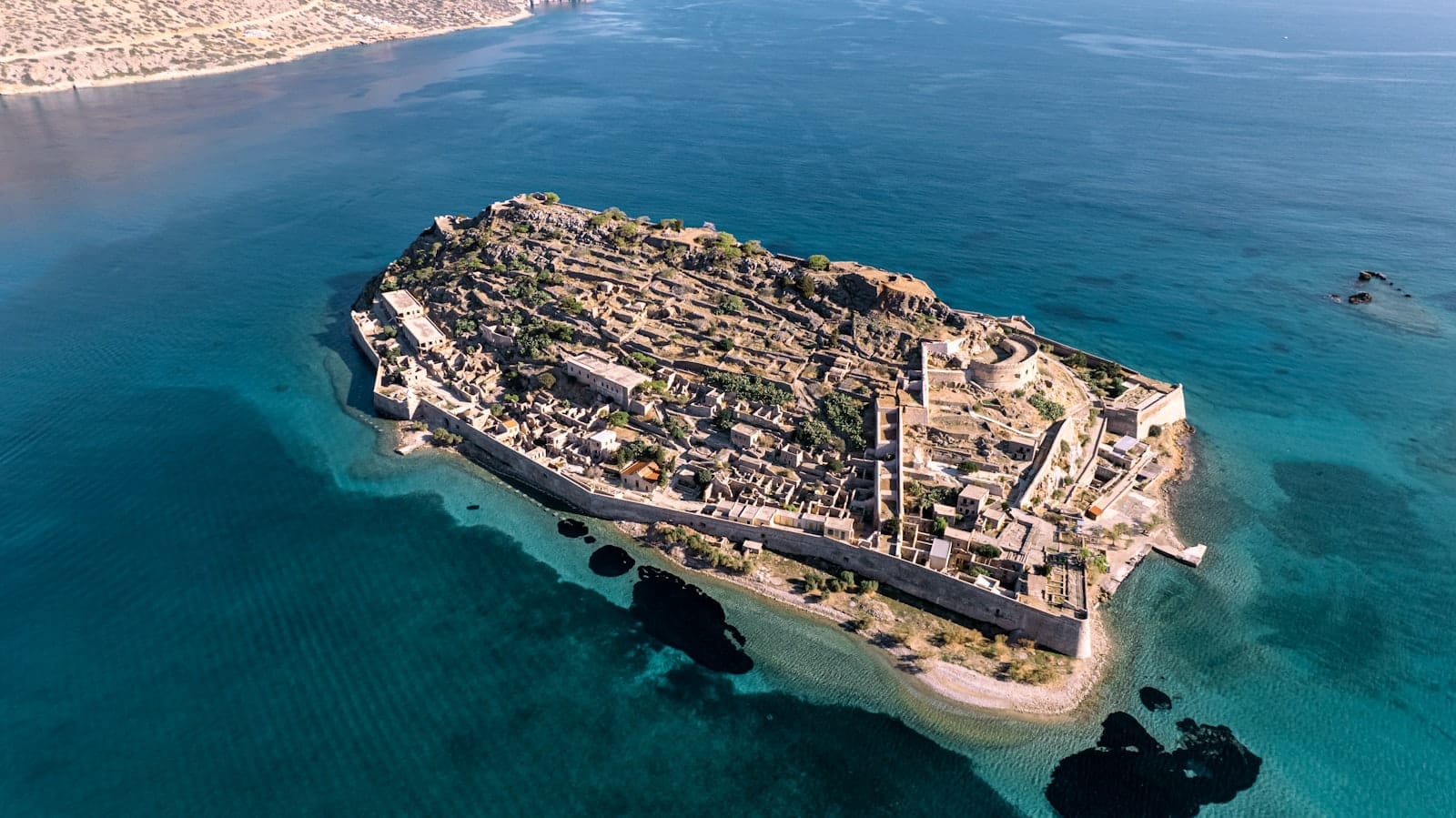
12. Explore the Haunting Venetian Fortress and Leper Colony at Spinalonga
Spinalonga holds both a remarkably intact Venetian fortress and the remains of Europe's last active leper colony, closed in 1957. Accessible by short boat trip from Elounda, it's one of Crete's most historically layered and emotionally resonant sites.
Explore12. Explore the Haunting Venetian Fortress and Leper Colony at Spinalonga
Spinalonga holds both a remarkably intact Venetian fortress and the remains of Europe's last active leper colony, closed in 1957. Accessible by short boat trip from Elounda, it's one of Crete's most historically layered and emotionally resonant sites.
Explore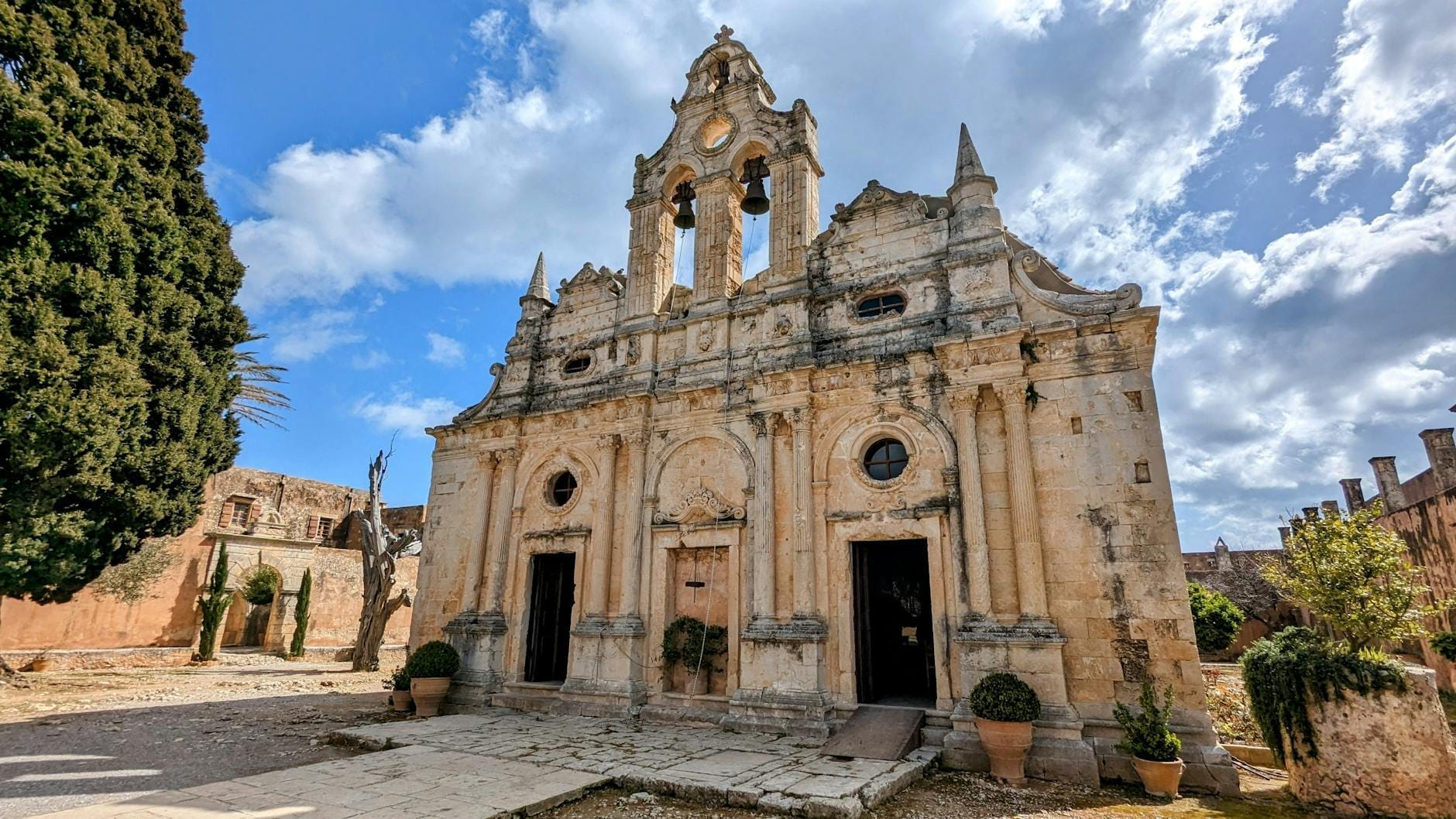
13. Pay Respects at Arkadi, Crete's Most Sacred Site of Resistance
In 1866, Cretan rebels chose to blow up Arkadi's gunpowder store rather than surrender to Ottoman forces, killing hundreds. The monastery museum preserves relics, documents, and personal effects from the siege. It remains deeply sacred to Cretans today.
Explore13. Pay Respects at Arkadi, Crete's Most Sacred Site of Resistance
In 1866, Cretan rebels chose to blow up Arkadi's gunpowder store rather than surrender to Ottoman forces, killing hundreds. The monastery museum preserves relics, documents, and personal effects from the siege. It remains deeply sacred to Cretans today.
ExploreArchitecture as Living Museum
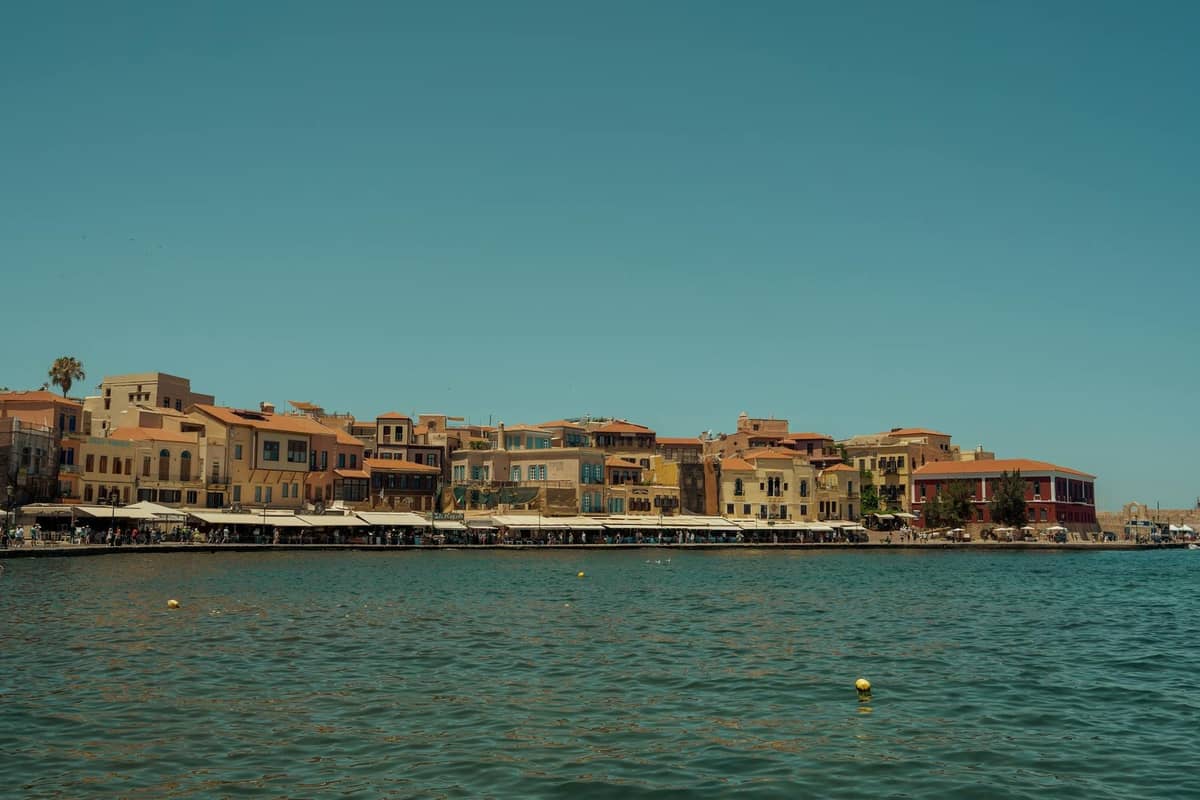
Some of Crete's richest cultural experiences aren't inside formal museums at all. The old towns of Chania and Rethymno are essentially open-air architectural museums where Venetian, Ottoman, and Byzantine layers overlap at every corner. These sites are best appreciated slowly, on foot, and ideally with a good guidebook or local guide.
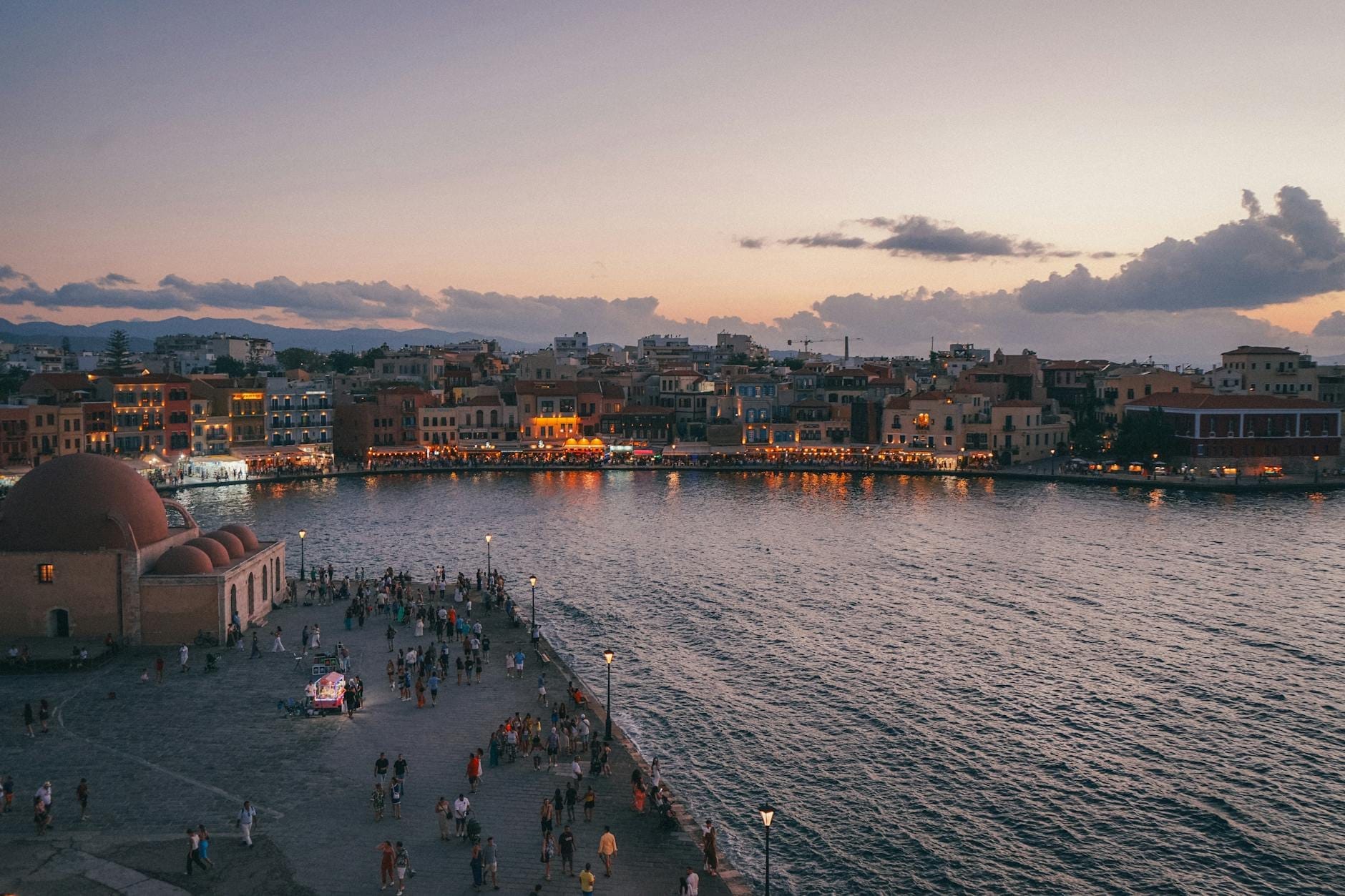
14. Read 700 Years of Architecture in Chania's Old Town
Chania's old quarter layers Venetian mansions, Ottoman mosques, and Byzantine fragments within a compact medieval street plan. The covered market, leather workshops on Skridlof Street, and the harbor itself are all readable chapters of the same long history.
Explore14. Read 700 Years of Architecture in Chania's Old Town
Chania's old quarter layers Venetian mansions, Ottoman mosques, and Byzantine fragments within a compact medieval street plan. The covered market, leather workshops on Skridlof Street, and the harbor itself are all readable chapters of the same long history.
Explore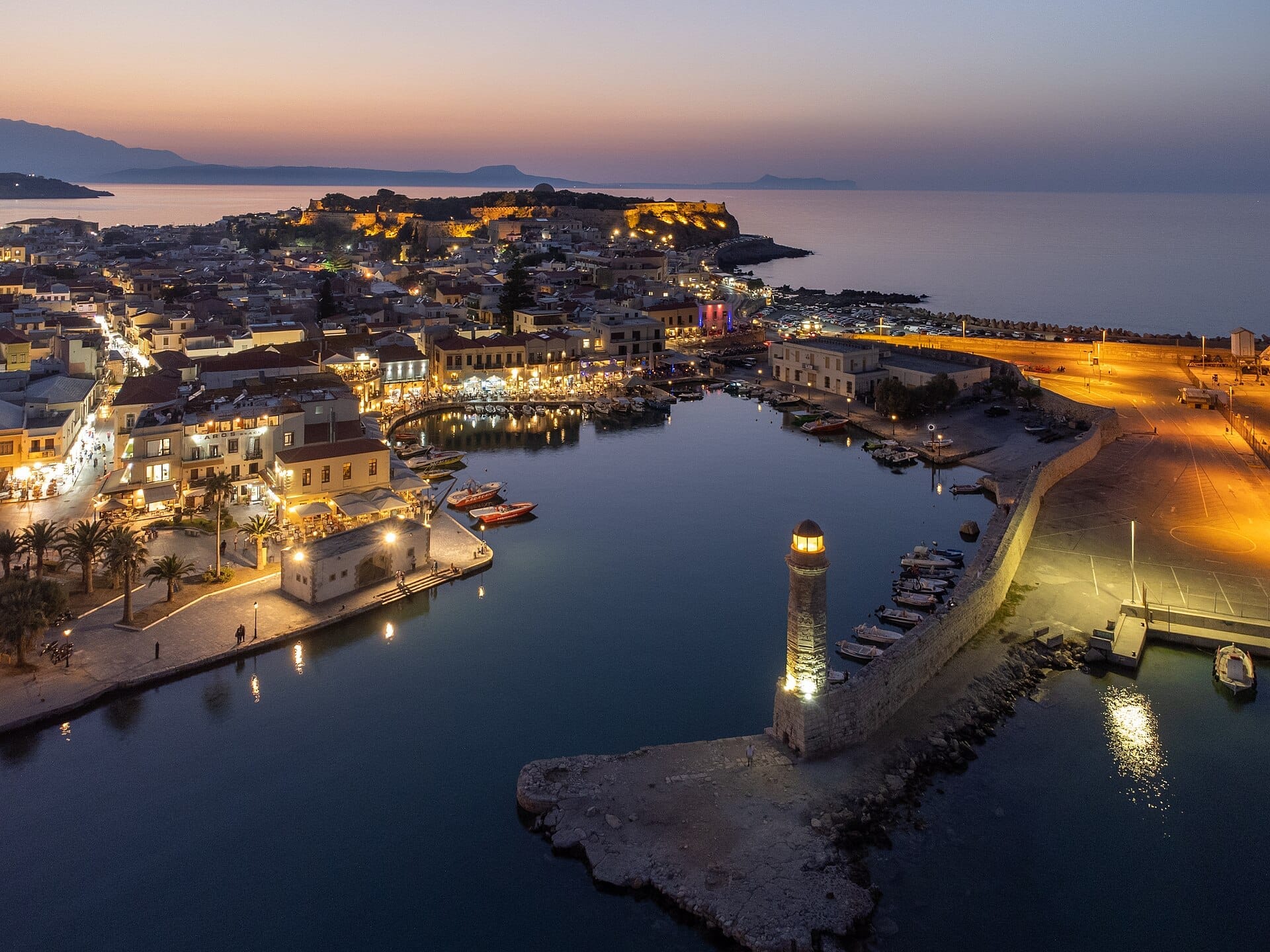
15. Wander Rethymno's Renaissance Quarter, One of Greece's Best-Preserved
Rethymno's old town is a functioning Renaissance city with Venetian loggia, Ottoman minarets, and baroque fountains still in situ. It consistently ranks as one of the best-preserved historic cores in Greece and rewards unhurried exploration over a full morning.
Explore15. Wander Rethymno's Renaissance Quarter, One of Greece's Best-Preserved
Rethymno's old town is a functioning Renaissance city with Venetian loggia, Ottoman minarets, and baroque fountains still in situ. It consistently ranks as one of the best-preserved historic cores in Greece and rewards unhurried exploration over a full morning.
Explore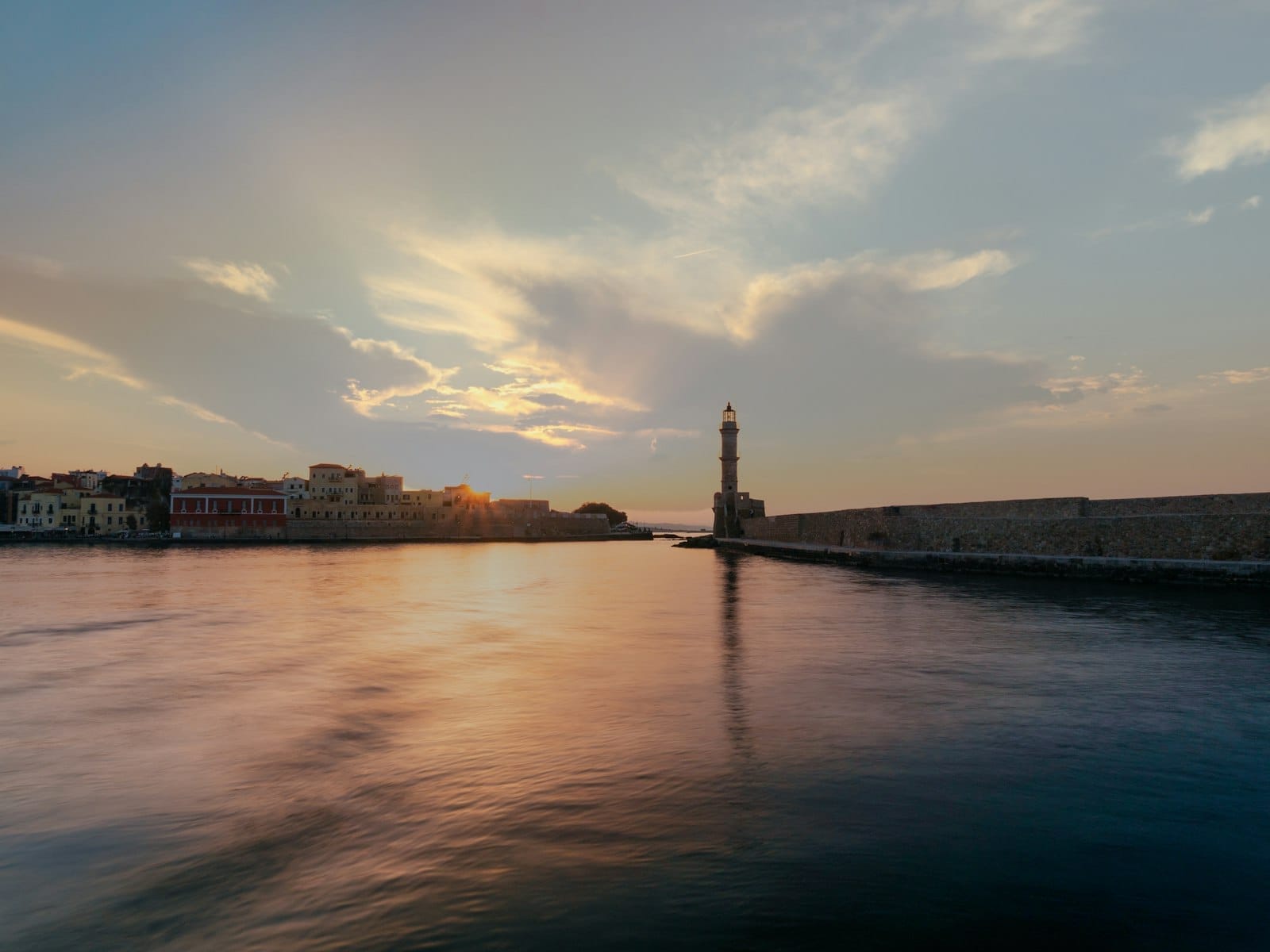
16. Walk the Venetian Harbor Promenade and Lighthouse at Chania
The 16th-century lighthouse anchoring Chania's crescent harbor is one of the most photographed structures in Greece. The surrounding Venetian arsenals, restored for cultural use, give context to the city's role as a major Mediterranean naval base.
Explore16. Walk the Venetian Harbor Promenade and Lighthouse at Chania
The 16th-century lighthouse anchoring Chania's crescent harbor is one of the most photographed structures in Greece. The surrounding Venetian arsenals, restored for cultural use, give context to the city's role as a major Mediterranean naval base.
Explore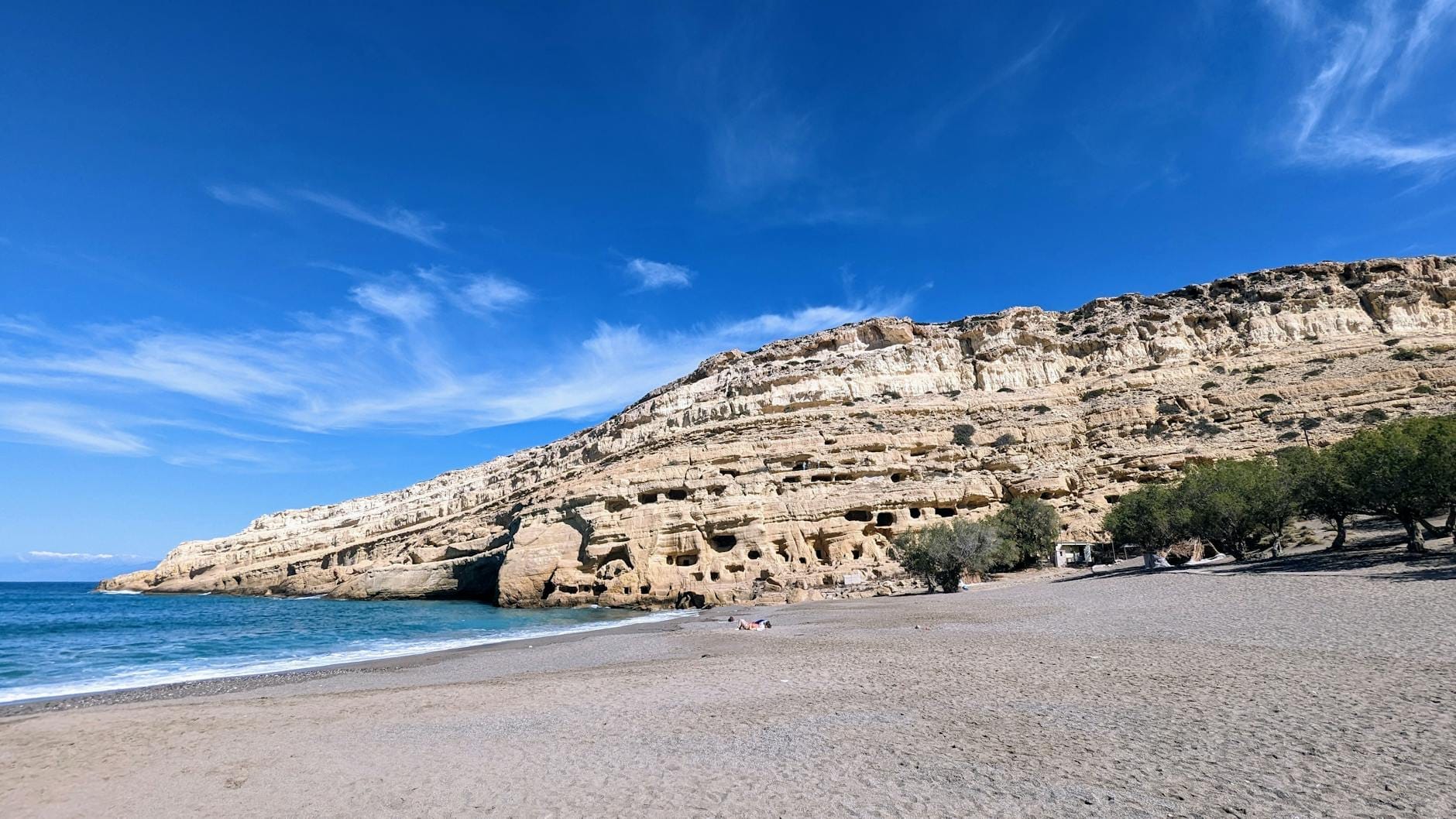
17. See the Rock-Cut Chambers at Matala Caves, Ancient to Modern
The sandstone cliff caves above Matala Beach were originally Roman-era burial chambers before becoming famous as 1960s hippie dwellings. Now an open-air archaeological site, they offer a genuinely unusual slice of Cretan cultural history with sea views included.
Explore17. See the Rock-Cut Chambers at Matala Caves, Ancient to Modern
The sandstone cliff caves above Matala Beach were originally Roman-era burial chambers before becoming famous as 1960s hippie dwellings. Now an open-air archaeological site, they offer a genuinely unusual slice of Cretan cultural history with sea views included.
ExploreNatural History & Family-Friendly Museums
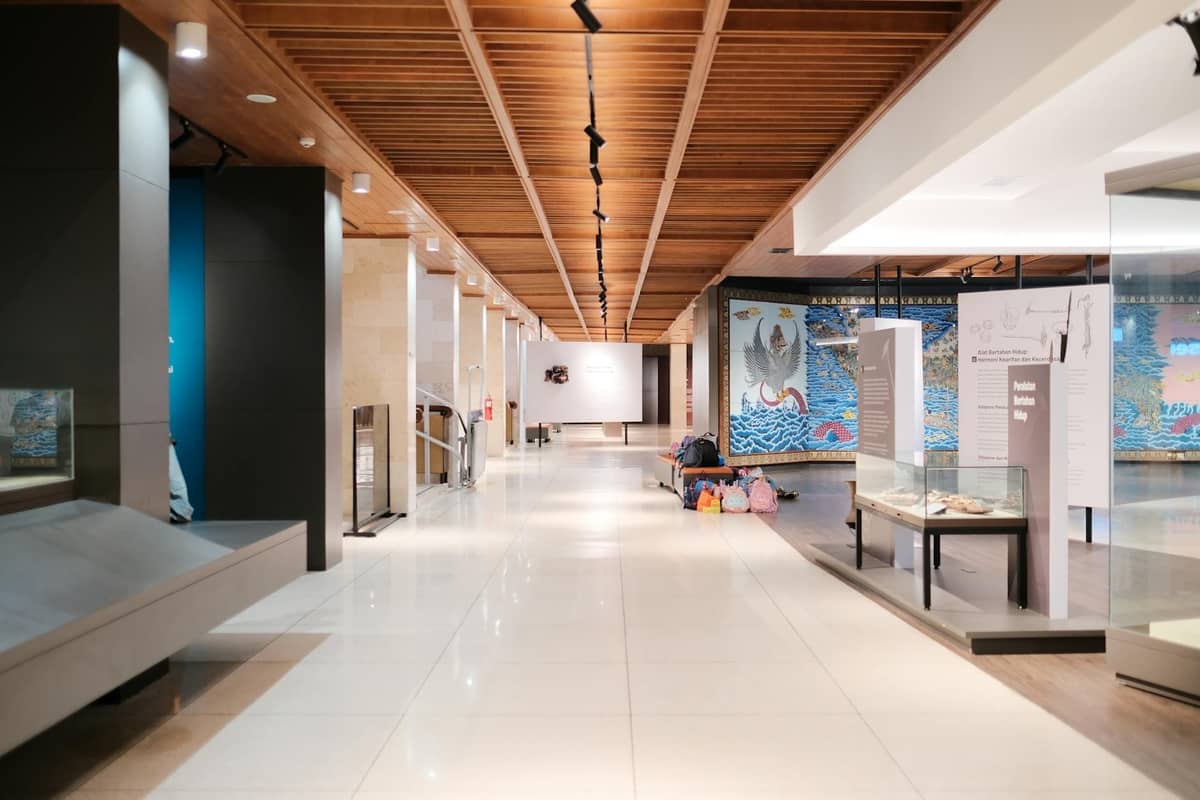
Not every great museum in Crete focuses on antiquity. The island's natural history museum is one of the most impressive in southeastern Europe, and sites like Dikteon Cave bridge the gap between natural spectacle and archaeological significance. If you're visiting with children, our guide to Crete with kids covers the best family-friendly options across the island.
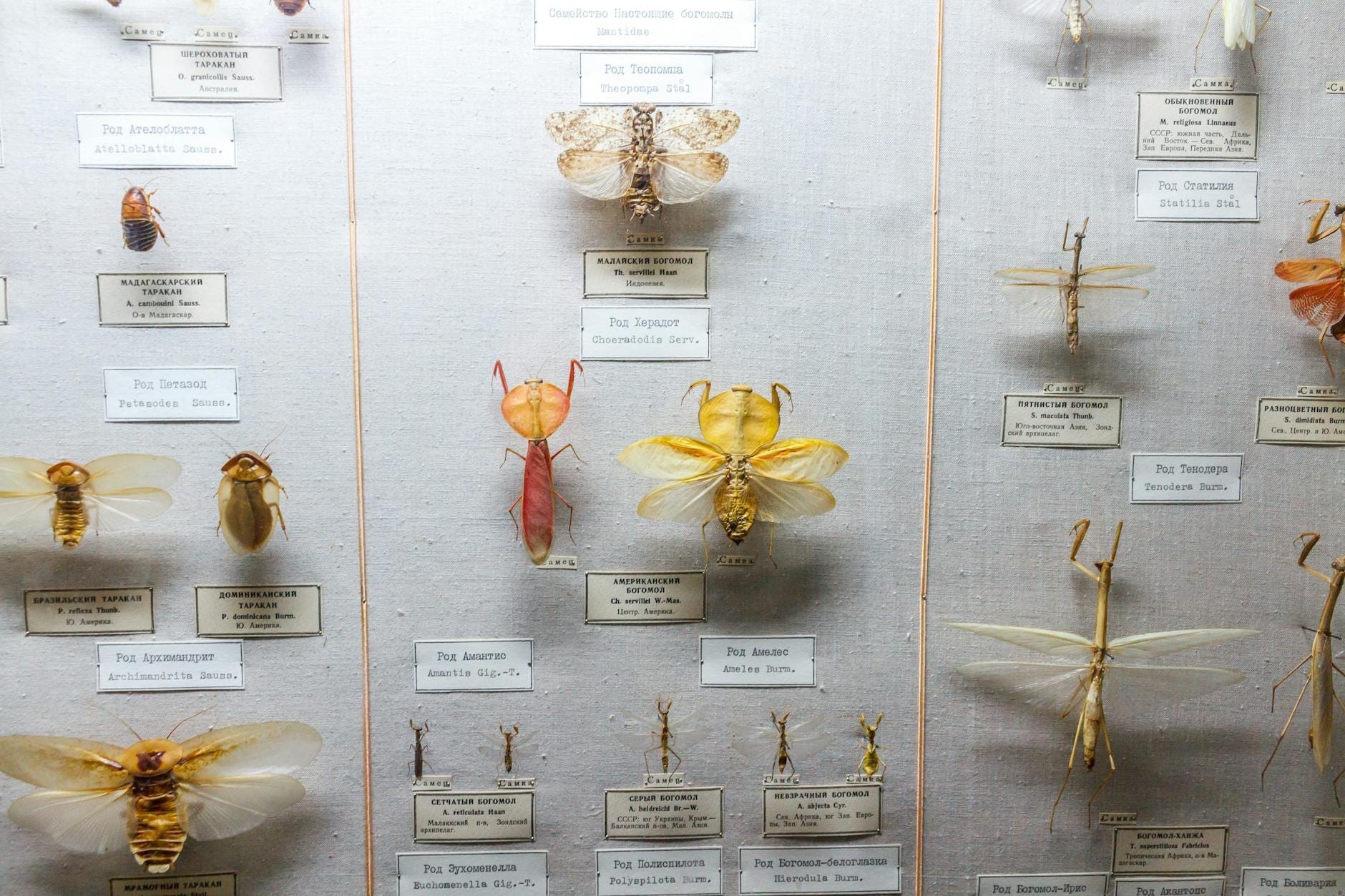
18. Discover Crete's Geology and Wildlife at the Natural History Museum
One of southeastern Europe's largest natural history museums, this Heraklion institution covers the geology, flora, and fauna of Crete and the eastern Mediterranean. The dinosaur exhibit and hands-on zones make it one of the island's best options for families.
Explore18. Discover Crete's Geology and Wildlife at the Natural History Museum
One of southeastern Europe's largest natural history museums, this Heraklion institution covers the geology, flora, and fauna of Crete and the eastern Mediterranean. The dinosaur exhibit and hands-on zones make it one of the island's best options for families.
Explore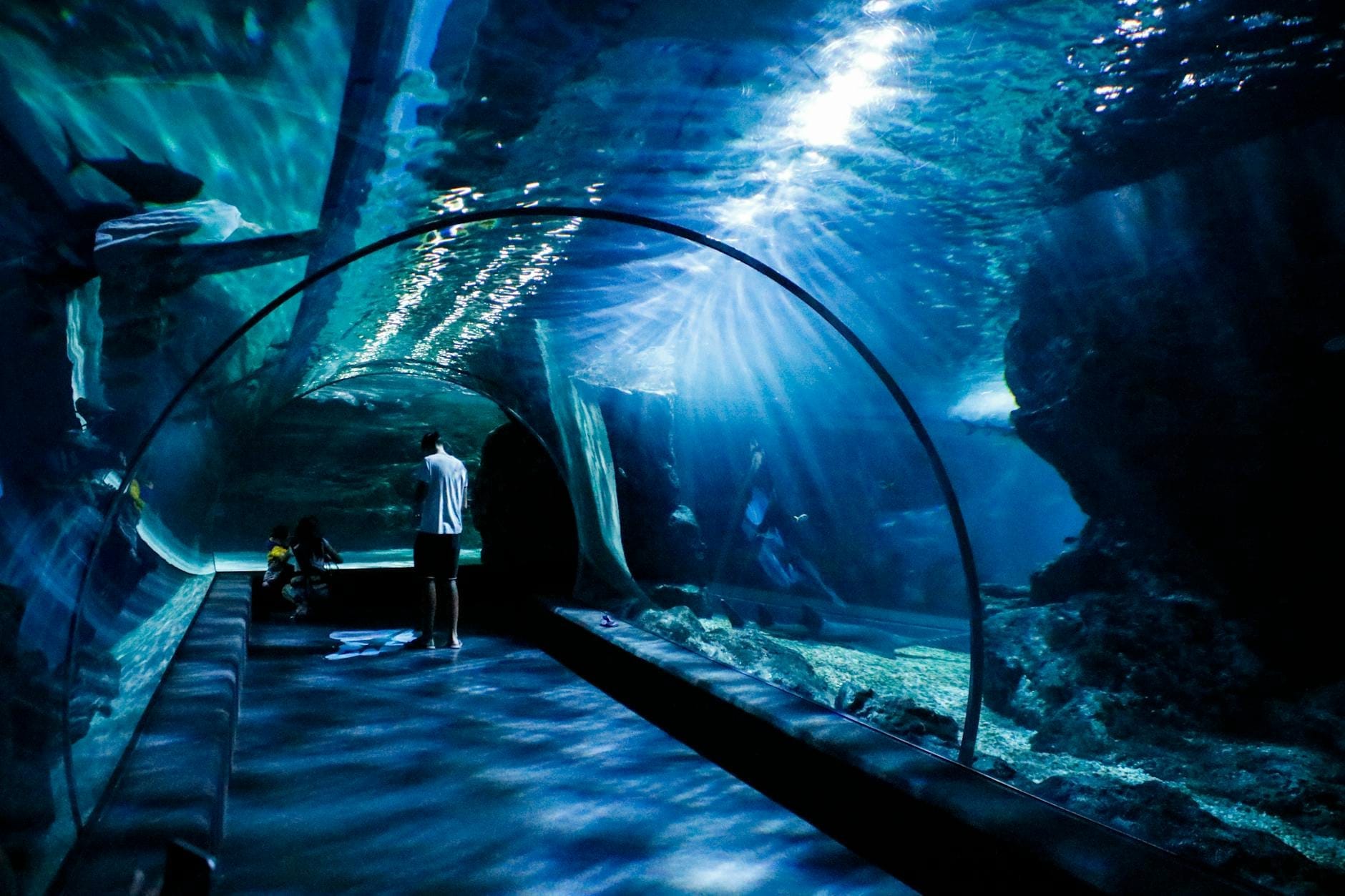
19. Explore the Mediterranean's Marine Life at CretAquarium
CretAquarium near Heraklion holds over 2,500 sea creatures across 60 tanks, including sharks, rays, and Mediterranean octopuses. It's scientifically serious (operated by HCMR researchers) and visually stunning, making it the top indoor family attraction in eastern Crete.
Explore19. Explore the Mediterranean's Marine Life at CretAquarium
CretAquarium near Heraklion holds over 2,500 sea creatures across 60 tanks, including sharks, rays, and Mediterranean octopuses. It's scientifically serious (operated by HCMR researchers) and visually stunning, making it the top indoor family attraction in eastern Crete.
ExploreFAQ
Which museum in Crete is the most important to visit?
The Heraklion Archaeological Museum is the clear priority. It houses the world's finest Minoan collection, including the Phaistos Disc and original bull-leaping frescoes from Knossos. Budget at least two to three hours and visit early in the day during summer months.
Is the Palace of Knossos the same as the Heraklion Archaeological Museum?
No, they are separate sites about 5 kilometers apart. Knossos is the outdoor Bronze Age palace complex, while the Heraklion Archaeological Museum in the city center displays the artifacts excavated from Knossos and other Minoan sites across Crete. A combination ticket covers both.
Are there good museums in Chania, or do I need to go to Heraklion?
Chania has two excellent museums: the Archaeological Museum of Chania, housed in a Gothic Venetian church, and the Maritime Museum of Crete inside the Firkas Fortress on the harbor. Both are well worth your time and easily combined with a walk through the old town.
When is the best time to visit Crete's museums?
Spring (April to June) and autumn (September to October) are ideal. Summer crowds peak at Knossos and the Heraklion museum. Many sites offer longer opening hours in summer but feel significantly more crowded. Most major museums are open year-round, though hours reduce in winter.
Are Crete's archaeological sites and museums free to enter?
Most charge admission, typically between 6 and 15 euros. Greece offers free entry to state archaeological sites and museums on the first Sunday of each month from November through March, and on certain national holidays. Under-18s from EU countries generally enter for free year-round.