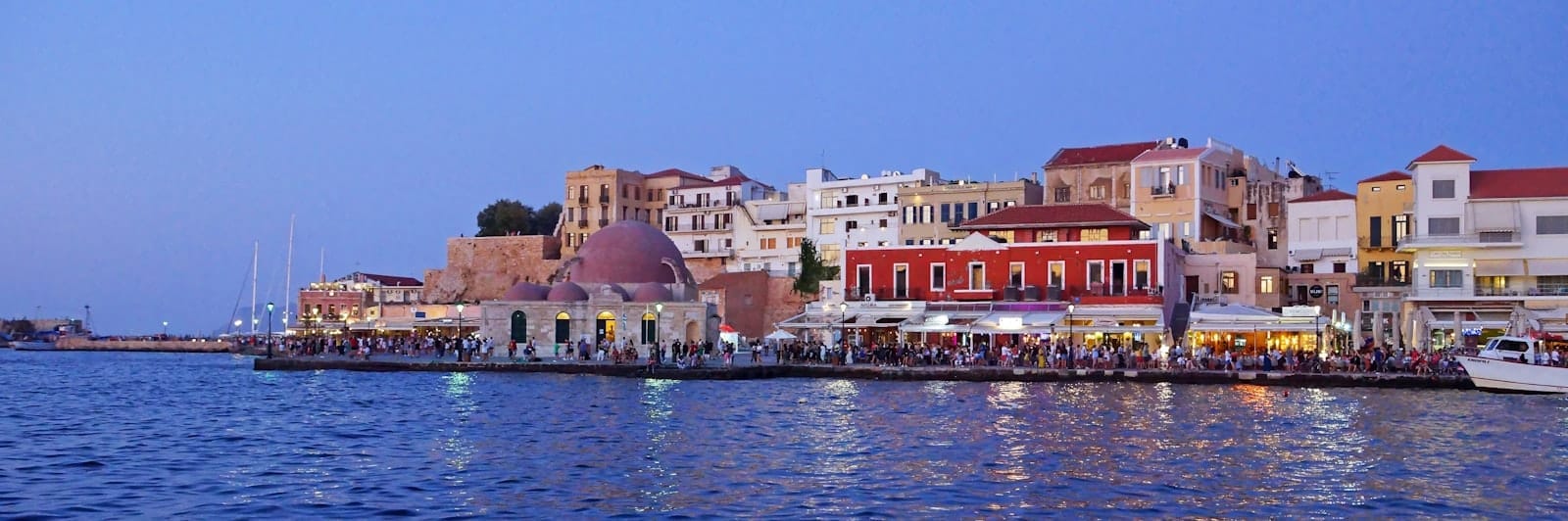
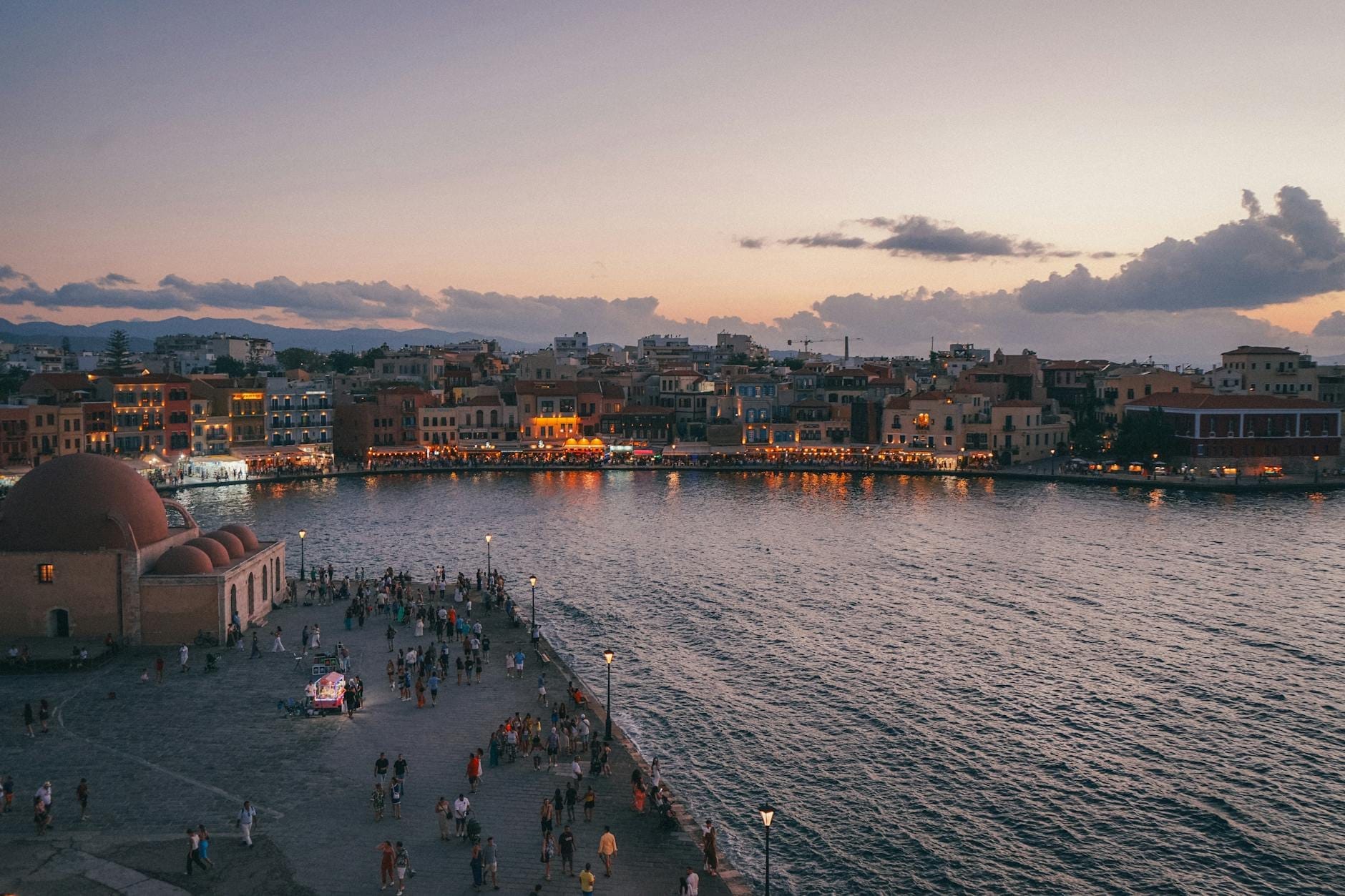
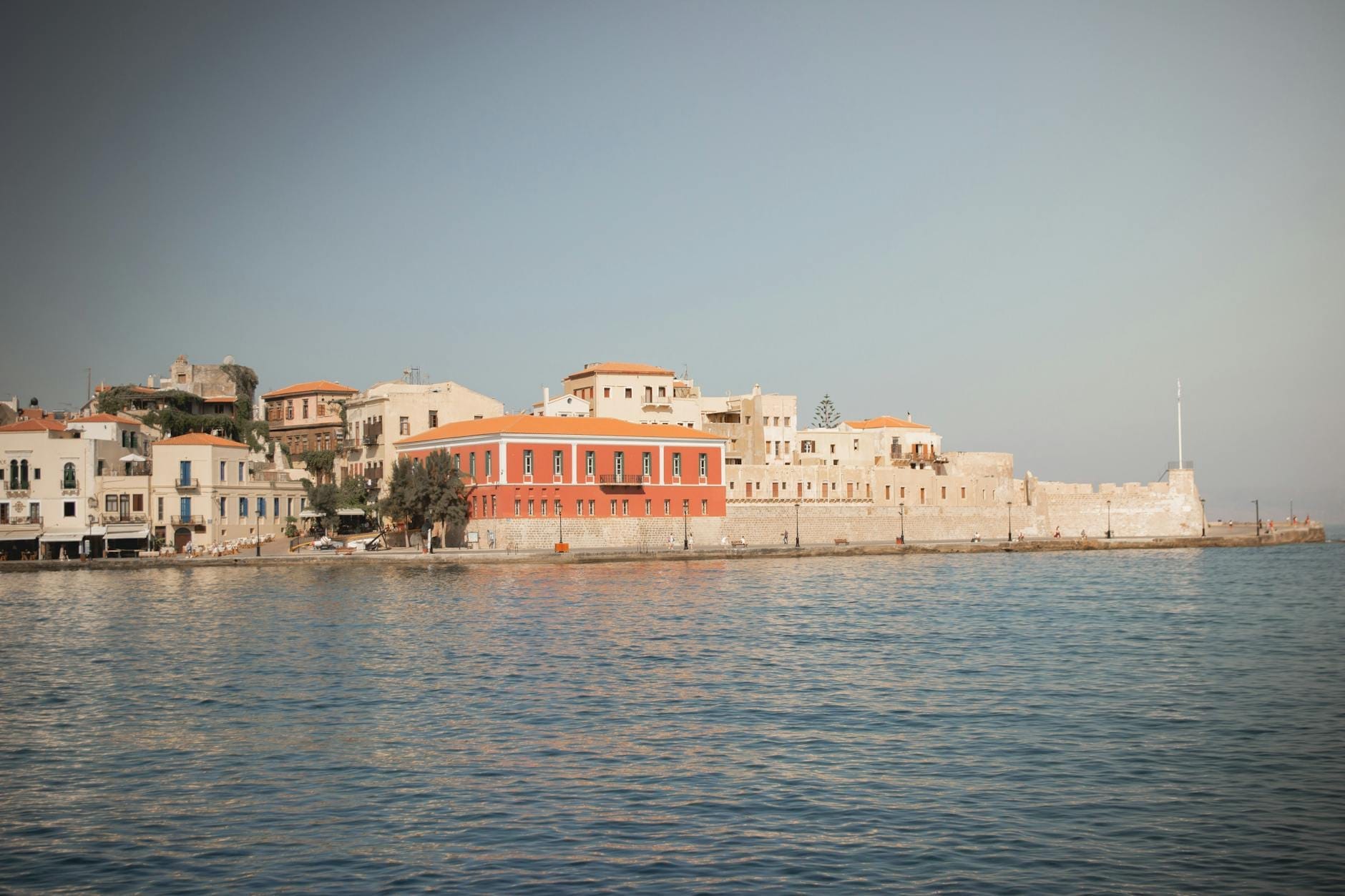
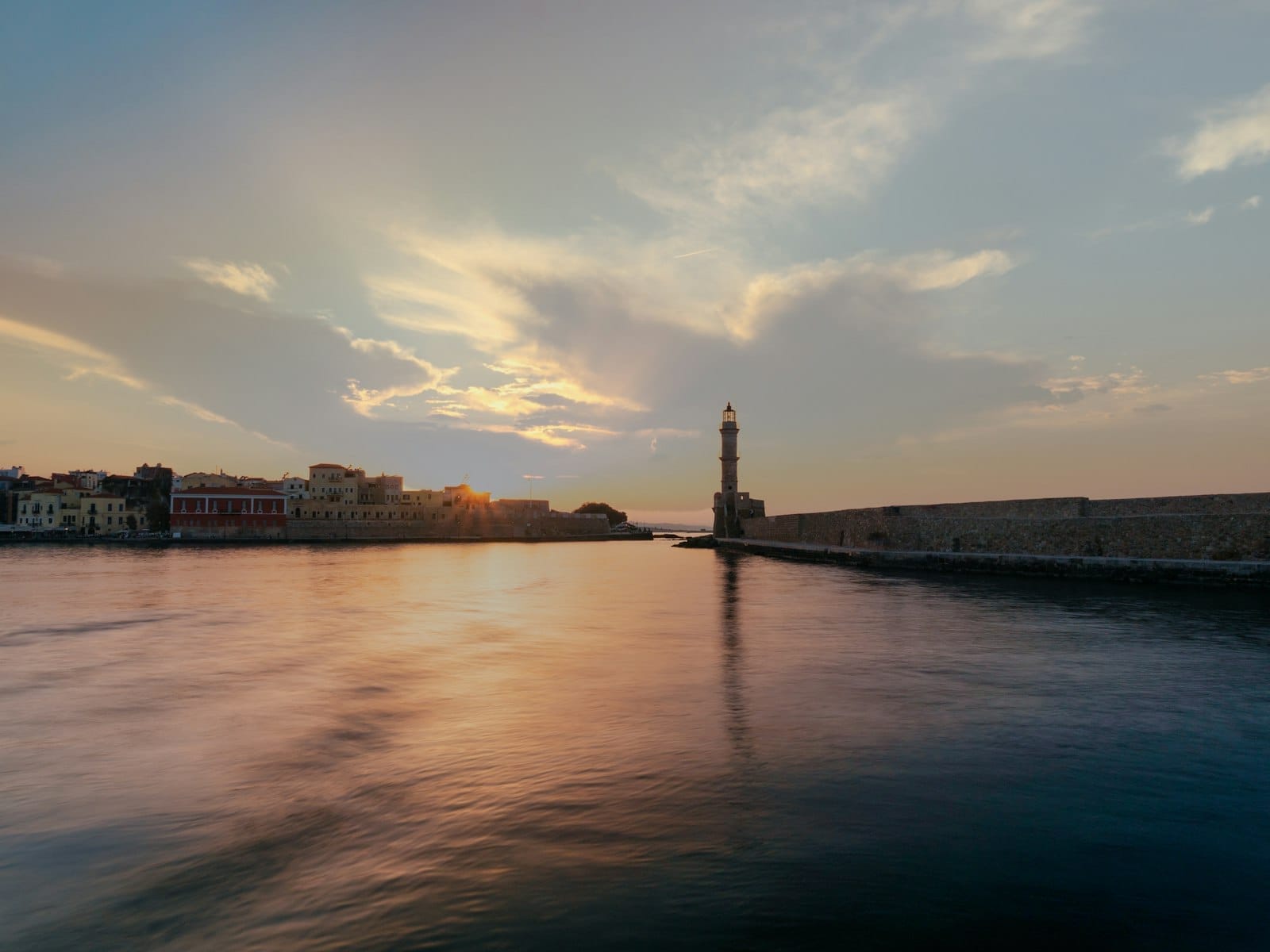
Chania is Crete's most architecturally rich city, built on the ruins of ancient Kydonia and shaped by Venetian, Ottoman, and Greek history. Its Old Town wraps around a crescent harbor lined with stone arcades, narrow lanes, and centuries-old buildings that now hold restaurants, boutique hotels, and small museums. Whether you're walking Halidon Street at noon or sitting at the harbor at dusk, Chania rewards slow, attentive exploration.
Chania is the kind of city where the layers of history are literally visible in the stone: Venetian loggia, Ottoman fountains, and Byzantine church foundations all occupying the same block. Built on the site of ancient Kydonia, it served as Crete's capital from 1841 to 1971, and that civic weight still shows in the quality of its architecture, the seriousness of its museums, and the pride locals take in the place. No other city on the island offers this combination of a working harbor, a walkable old quarter, and genuine year-round local life.
Orientation: Where Chania Sits and How It Fits Together
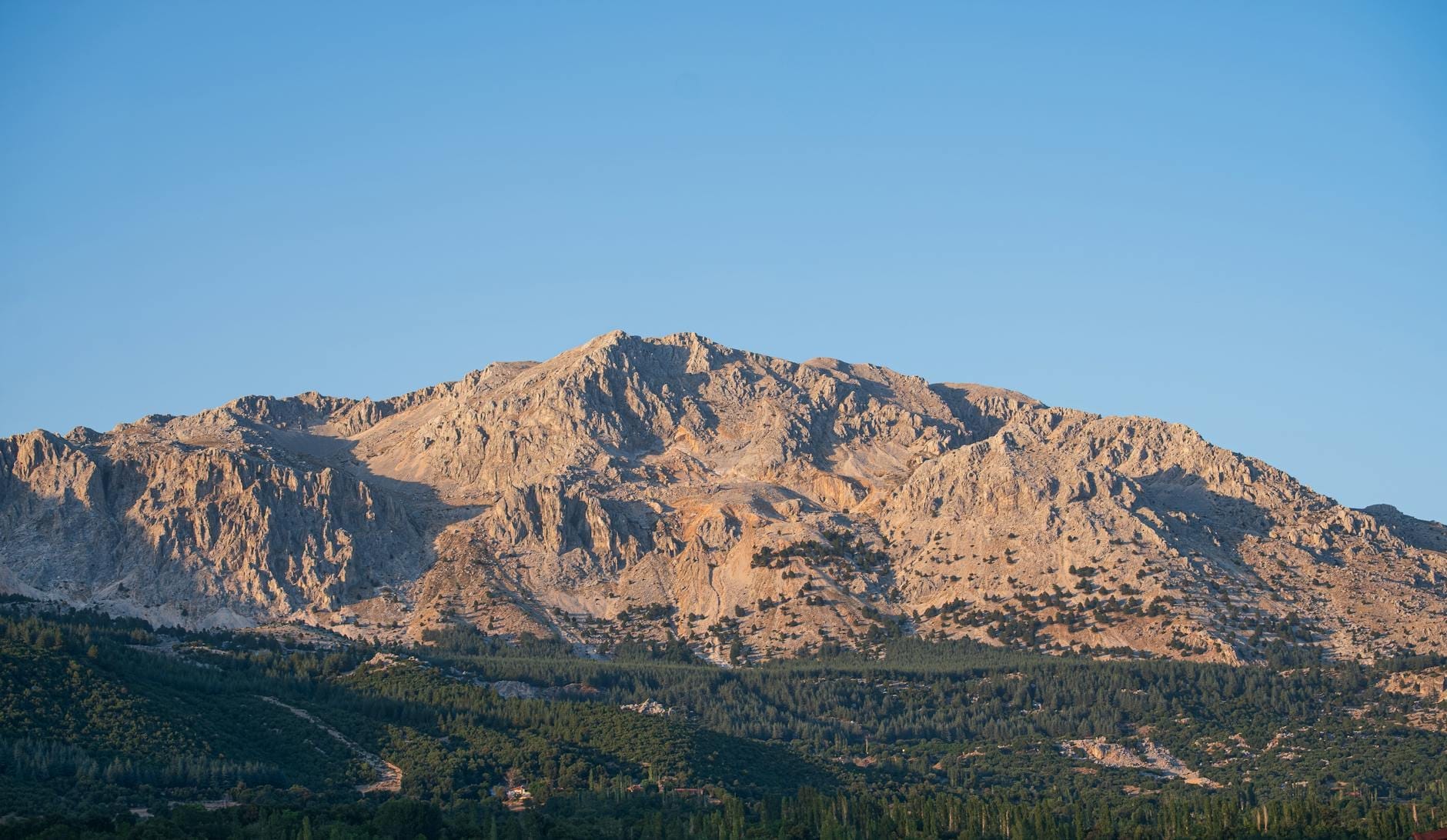
Chania sits at the northwestern tip of Crete, facing the Sea of Crete to the north and backed by the White Mountains (Lefka Ori) to the south. It is the second largest city on the island after Heraklion, and the administrative capital of the Chania regional unit. The city is roughly 150 kilometers west of Heraklion by road, about a two-hour drive, and that geographic separation gives it a distinct character: less frenetic than the capital, more polished than the resort strips to the east.
The heart of the city is the Old Town, which curves around the Venetian Harbor in a rough arc. North of the Old Town is the waterfront promenade and lighthouse. The Municipal Market, a cruciform stone building occupying roughly 4,000 square meters within a 12,000 square meter complex, marks the southeastern edge of the Old Town and serves as a practical boundary between the historic core and the more modern commercial streets of the new city. West of the Old Town, the residential neighborhood of Nea Hora stretches toward a quieter beach. To the east, the upscale Chalepa district, where Cretan statesman Eleftherios Venizelos once lived, connects the old city to the eastern suburbs.
For travelers deciding between Crete's two major cities, the Chania vs Heraklion comparison guide lays out the key differences in detail. In brief: Chania is more compact, more atmospheric in its historic core, and somewhat easier to navigate on foot.
Character and Atmosphere: What Chania Actually Feels Like
Early morning in the Old Town belongs to locals. Shopkeepers pull open heavy wooden shutters, the smell of bread drifts from bakeries near the Municipal Market, and the harbor is quiet enough to hear water lapping against the stone quays. The light at this hour is soft and low, hitting the facades of the Venetian warehouses along the waterfront at an angle that makes the ochre and cream stonework glow. It is the best time to walk Kondilaki Street or the lanes around the Kastelli hill without weaving between tour groups.
By late morning the harbor promenade fills with visitors, and the restaurant touts begin their work along Akti Enosseos. The area directly around the lighthouse and the outer harbor can feel crowded from June through August, with selfie stops at every photogenic corner. This is not a criticism so much as a warning: Chania is genuinely one of the most photographed harbors in Greece, and it knows it. If that kind of popularity bothers you, plan your harbor walks for before 9am or after 9pm.
Afternoons in summer push most people off the streets and into shaded cafes or toward the beaches at Nea Hora and Koum Kapi, a ten-minute walk west and east of the Old Town respectively. The lanes behind Halidon Street, particularly around the Etz Hayyim Synagogue on Kondilaki Street, stay quieter throughout the day because they lack the harbor view that draws crowds to the waterfront. These are also the blocks where you are most likely to stumble across a small workshop, an old-fashioned hardware store, or a house with a vine growing over a doorway that looks unchanged since the 1970s.
After dark, Chania has two distinct modes. The harbor-facing restaurants are busy and loud until midnight, with live music at some of the larger spots. But move one block inland and the volume drops sharply. The Splantzia neighborhood, north of the Municipal Market and east of the Venetian quarter, has become the city's most interesting bar district: narrow streets, outdoor seating, and a more local mix of drinkers. It is where you go when you want a glass of Cretan wine rather than a frozen cocktail.
💡 Local tip
Walk the harbor in both directions: west toward the Egyptian lighthouse, and east through the covered archways of the arsenali (Venetian shipyards). The two ends of the harbor have completely different characters, and most visitors only see the lighthouse side.
What to See and Do in Chania
The Chania Old Town is the primary attraction, and it justifies the reputation. The Venetian Harbor, the Kastelli hill (the oldest continuously inhabited part of the city, built on Minoan Kydonia), the Ottoman-era Yiali Tzami mosque at the harbor entrance, and the remains of the Venetian walls all occupy a compact area you can walk end to end in under twenty minutes. The quality of the architecture is unusually high for a Greek provincial city, a legacy of Chania's long role as a regional capital and trading port.
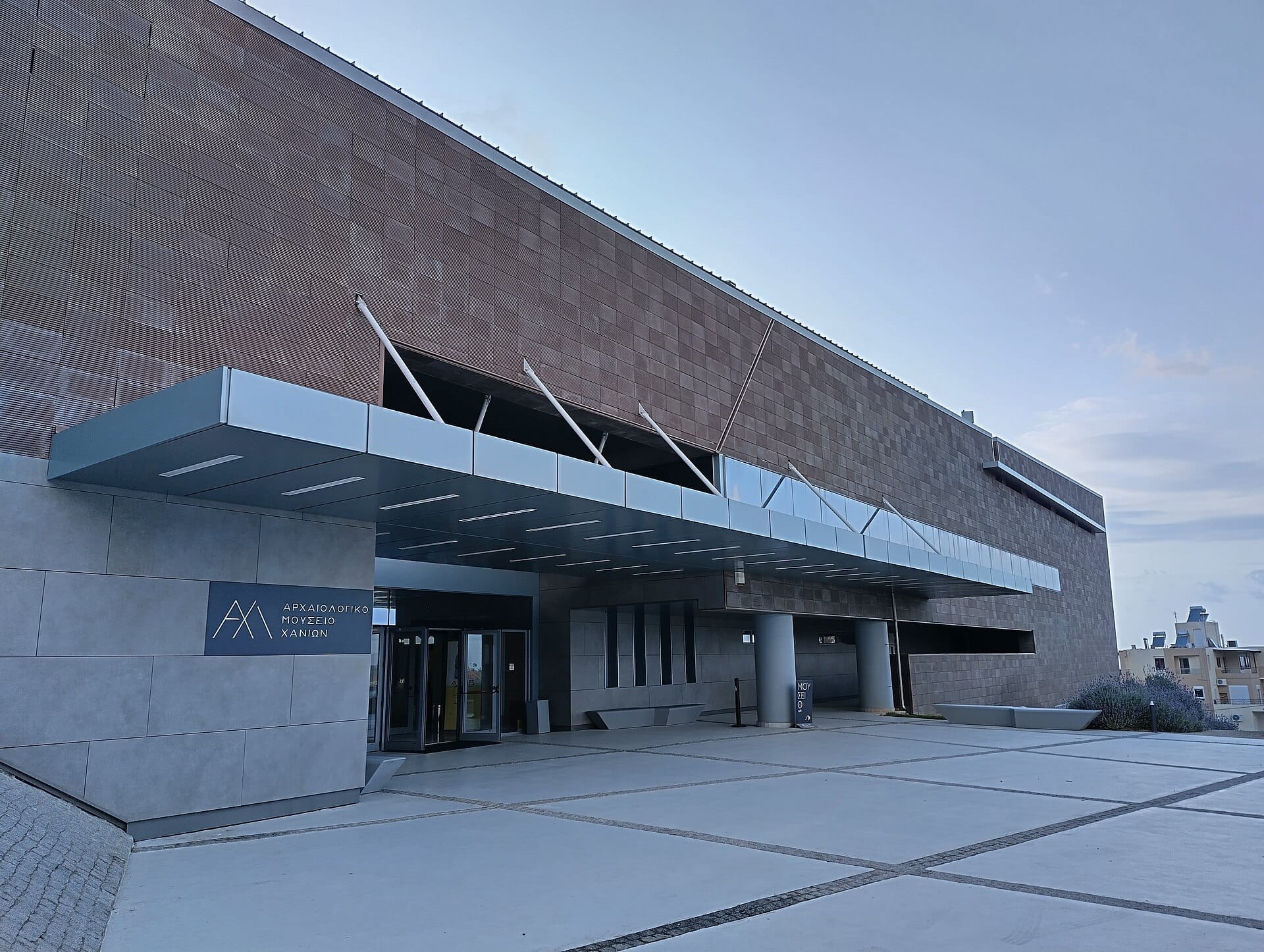
The Archaeological Museum of Chania on Halidon Street is housed in a former Venetian church and has been operating since 1962. Its collection covers finds from the Neolithic period through Roman occupation, with a particular focus on objects excavated from ancient Kydonia directly beneath the modern city. It is smaller than the Heraklion Archaeological Museum but well-organized and rarely crowded, making it a good introduction to Crete's layered prehistory.
The Etz Hayyim Synagogue on Kondilaki Street is one of the few functioning synagogues in Greece and one of the oldest in the eastern Mediterranean. The site was originally a Byzantine church, became a Catholic church under Venetian rule, and was converted to a synagogue in the 17th century. It is open to visitors on most days and maintains a small but affecting memorial to the Cretan Jewish community largely destroyed during World War II. The Cathedral of the Presentation of the Virgin Mary (known locally as Trimartiri), a three-aisle basilica completed in 1860 on the site of a former Turkish soap factory, stands a short walk away on Hatzimichali Daliani Street.
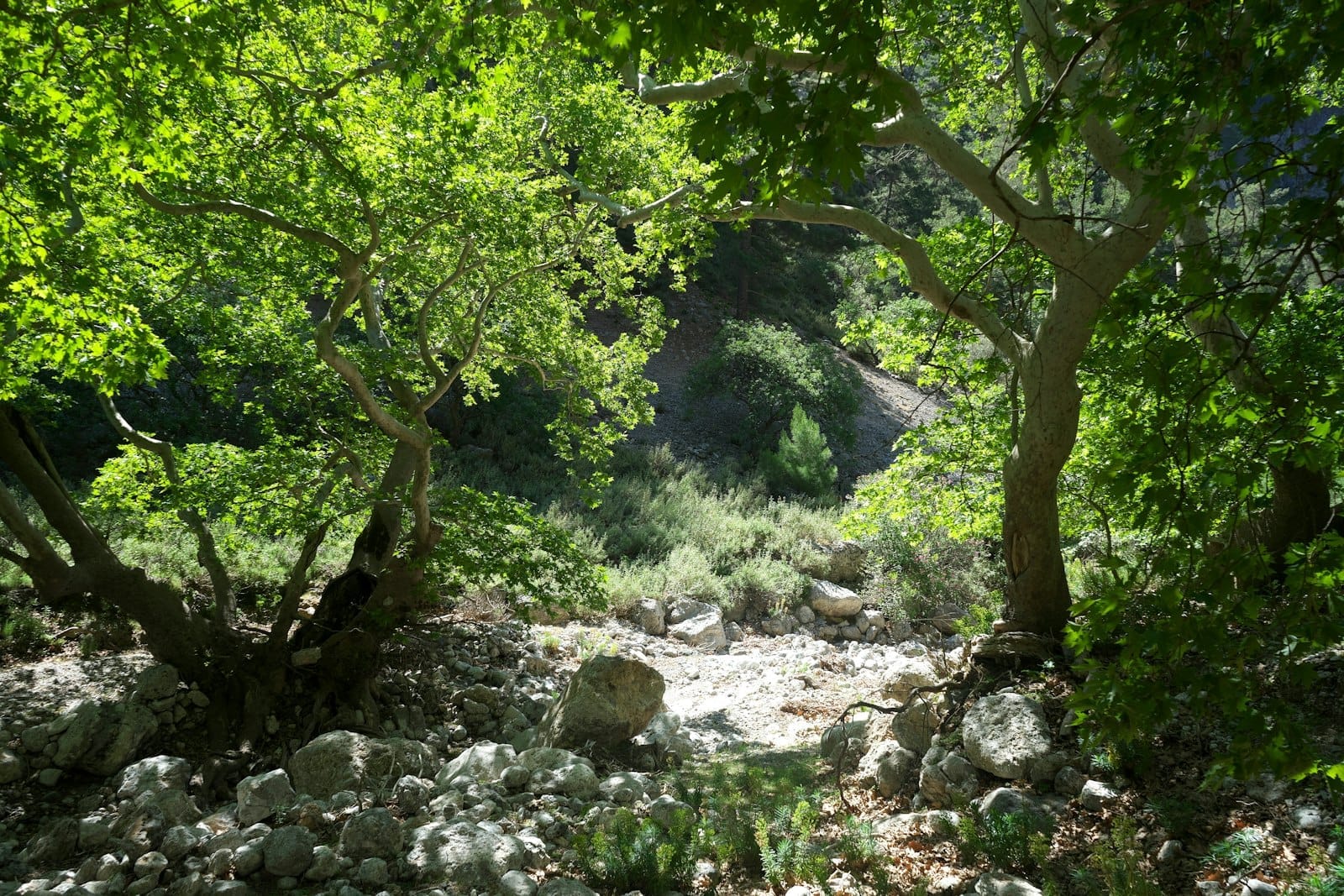
The Gate of Villa Renier on the Kastelli hill is often overlooked by visitors focused on the waterfront, but the elevated position provides some of the best panoramic views of the harbor. For day trips from Chania, the options are exceptional: the White Mountains fill the southern horizon and contain some of the most demanding hiking on the island.
Venetian Harbor and Egyptian Lighthouse: best at dusk, worth a second visit at dawn
Archaeological Museum of Chania: 1-2 hours, Halidon Street, closed Tuesdays
Etz Hayyim Synagogue: Kondilaki Street, historically significant, small entrance fee
Municipal Market (Agora): cruciform covered market, best on weekday mornings
Kastelli Hill: oldest part of the city, quieter than the harbor promenade
Trimartiri Cathedral: completed 1860, central to city life on Sundays
Maritime Museum of Crete: naval history and Battle of Crete exhibits
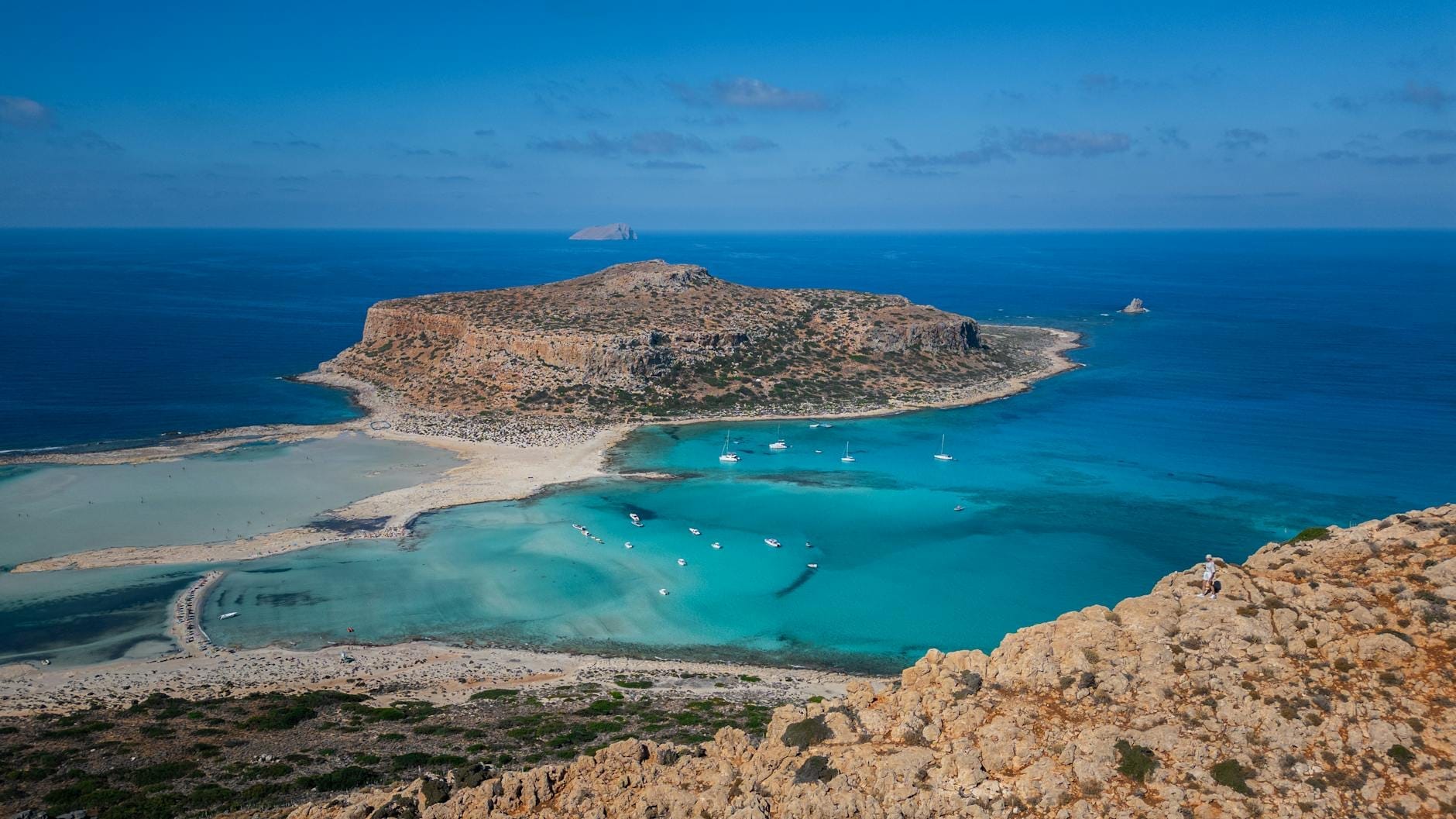
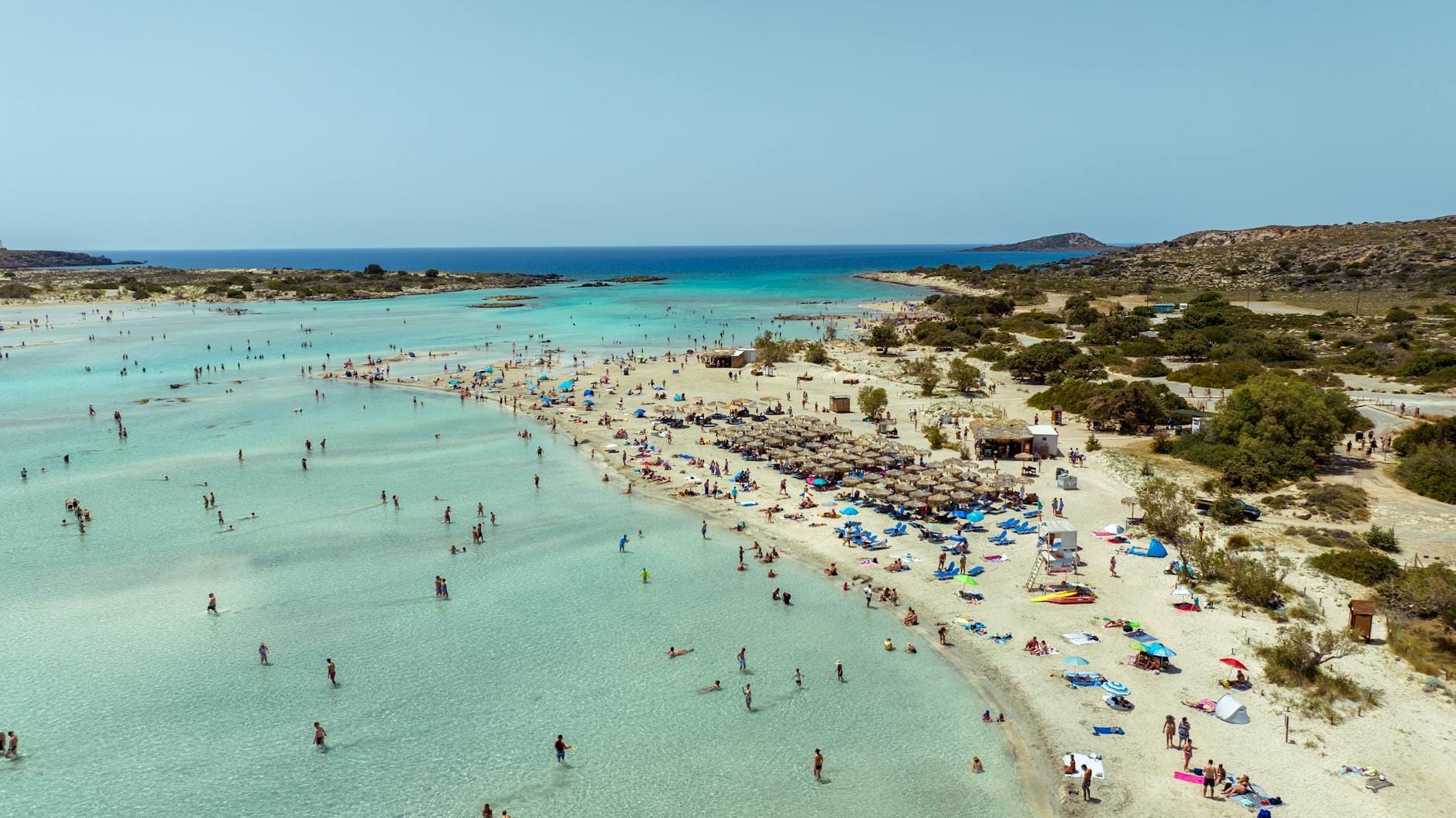
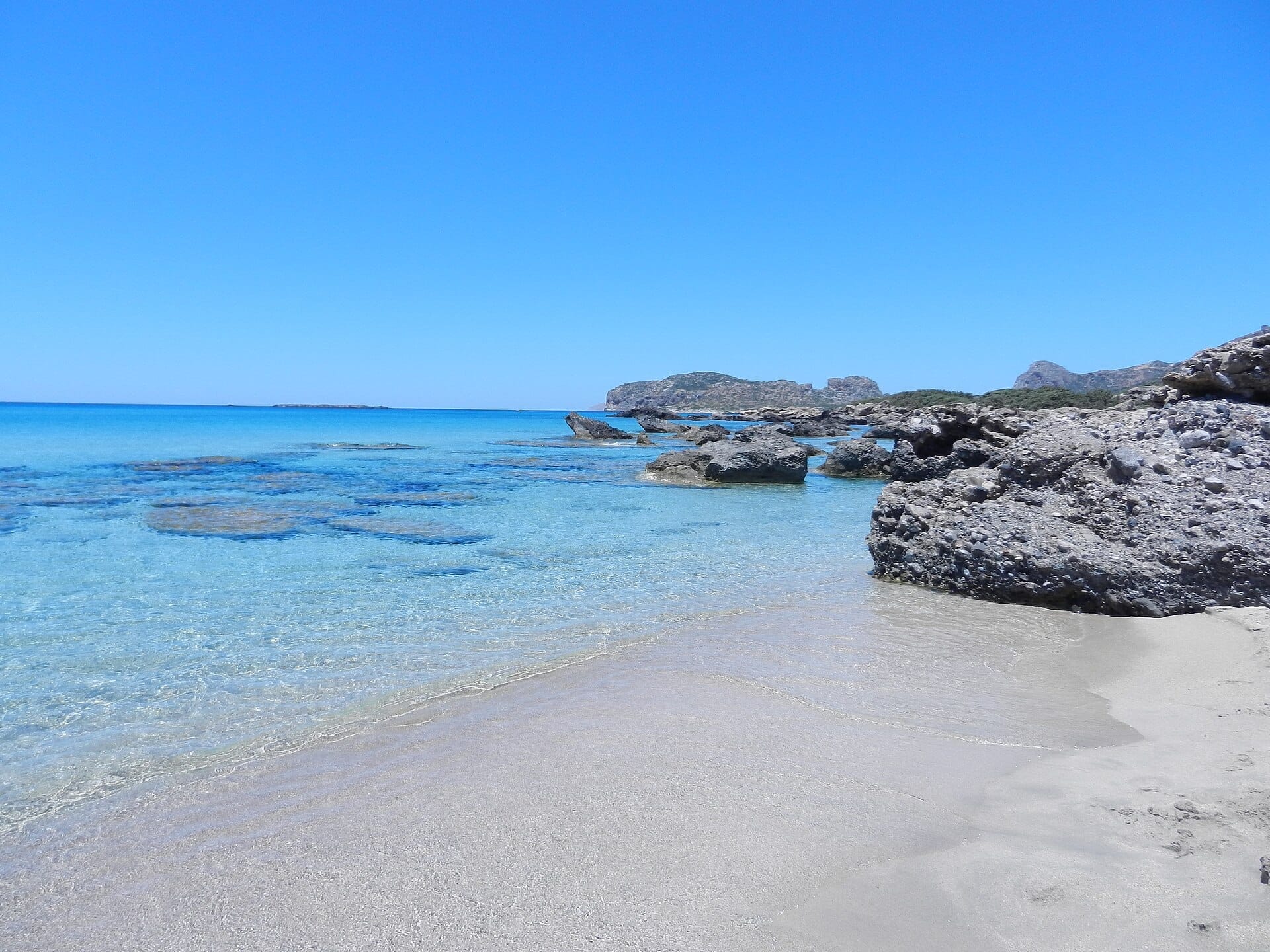
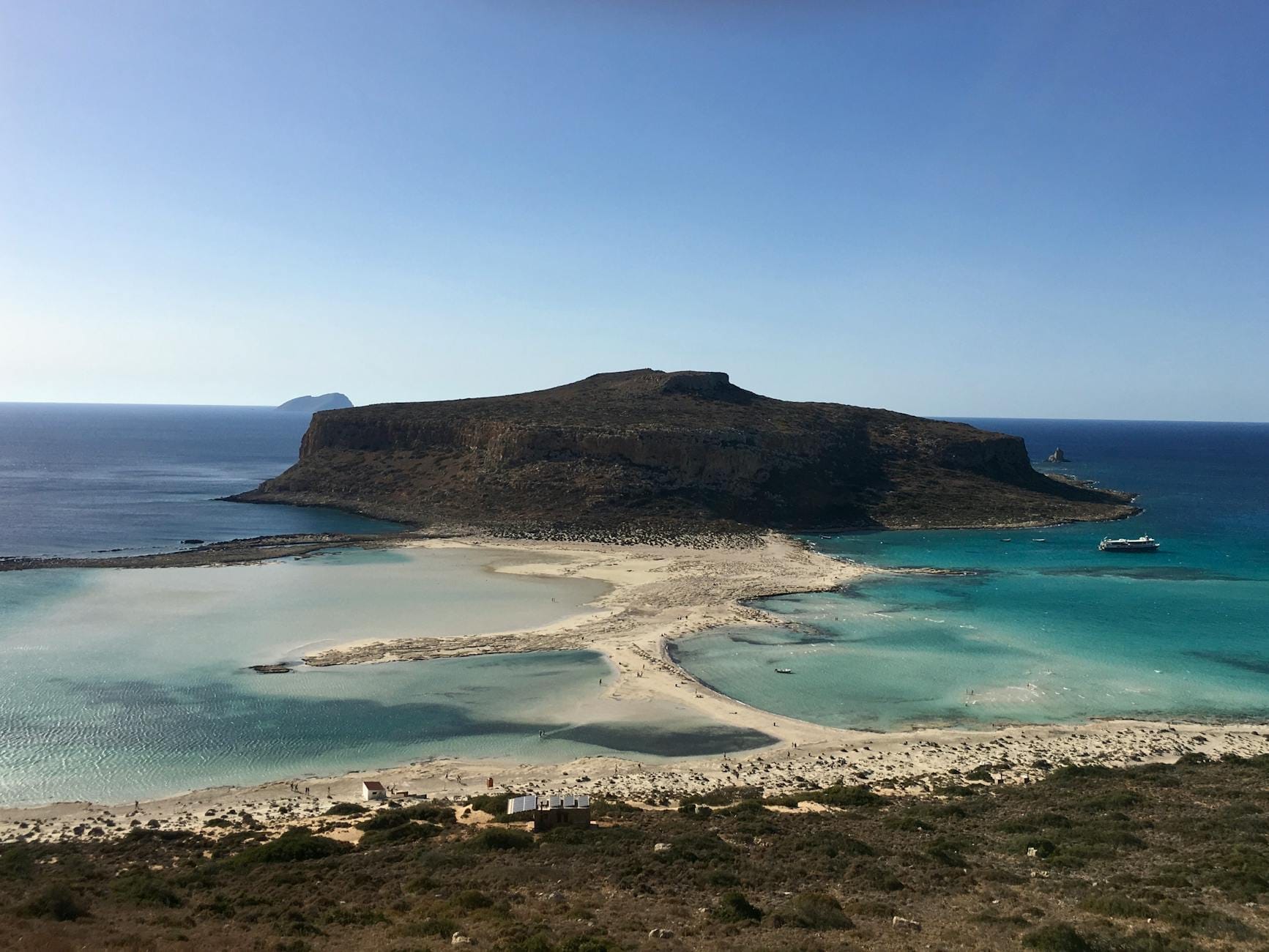
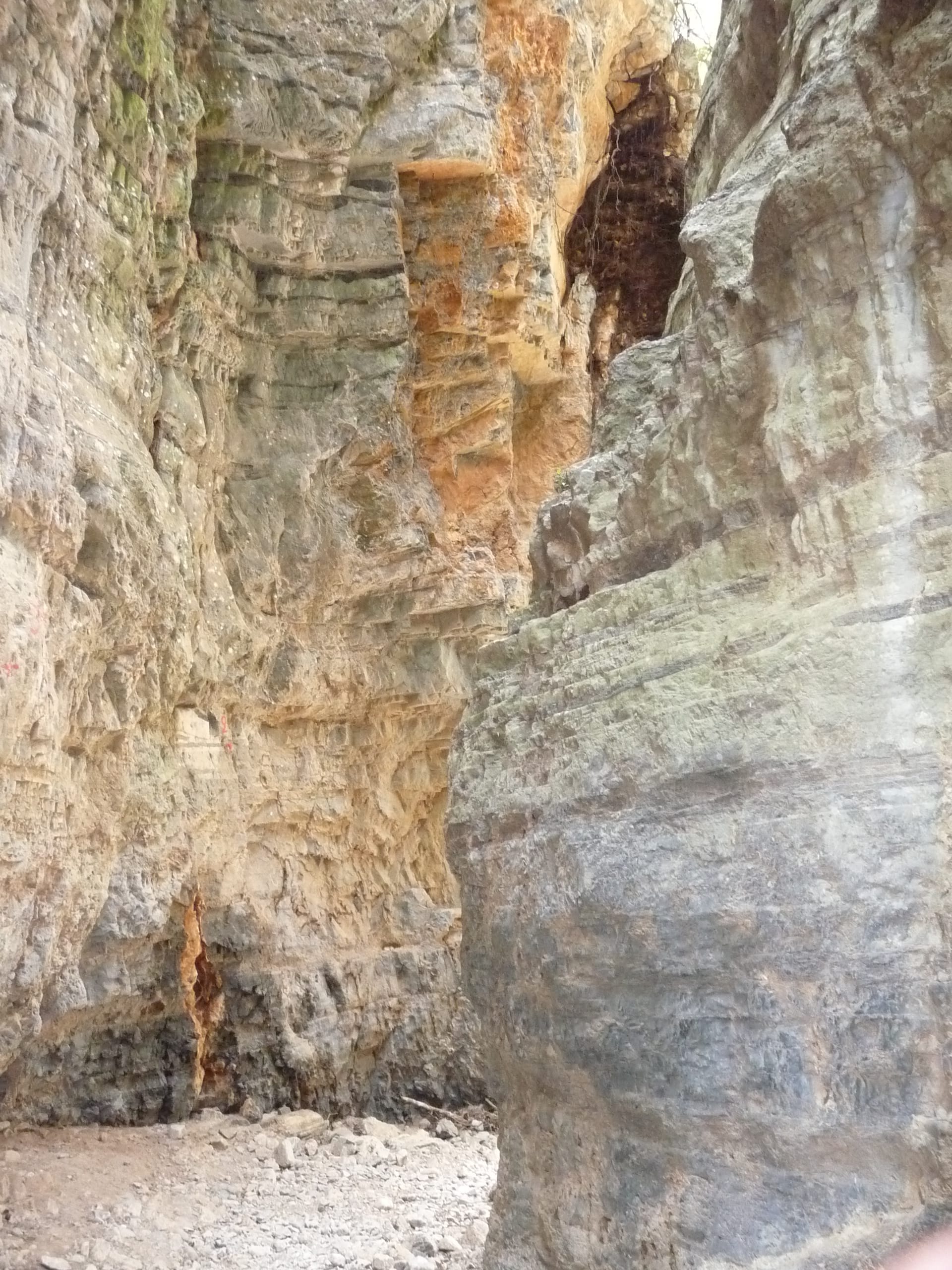
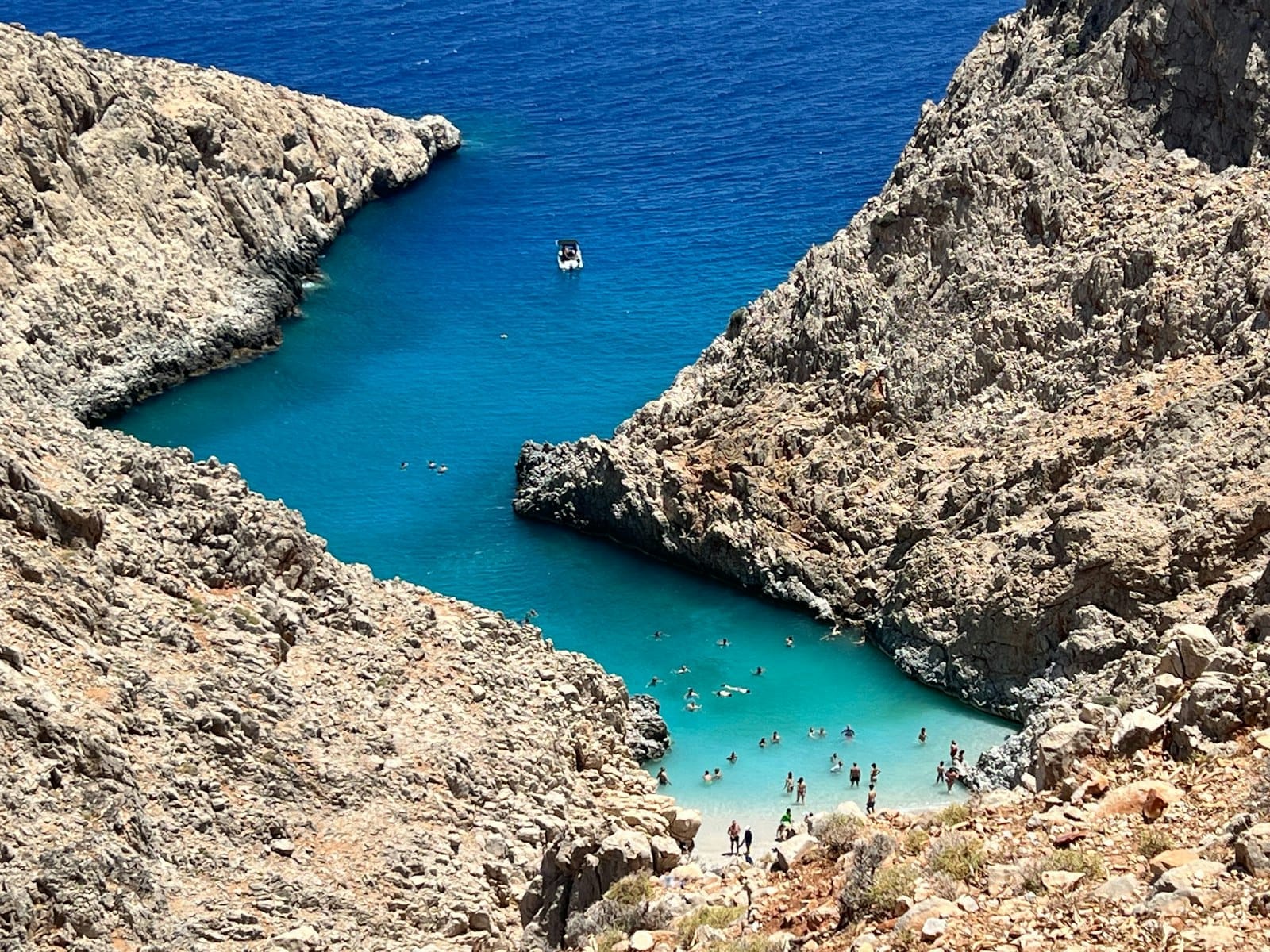
Chania is also the main launching point for some of Crete's most spectacular natural attractions. Samaria Gorge, Europe's longest gorge, begins about 44 kilometers south of the city. Balos Lagoon and Elafonissi Beach are both within 1.5 hours' drive and can be reached by organized day trips from the city.
ℹ️ Good to know
Six Minoan sites across Crete, including Knossos and Phaistos, have been nominated for the UNESCO World Heritage List. While these sites are not in Chania itself, the Archaeological Museum of Chania provides essential context for understanding the Minoan world before visiting them.
Eating and Drinking in Chania
The food in Chania is genuinely good, but it is unevenly distributed. The restaurants directly on the harbor promenade, particularly those with the best views of the lighthouse, are almost universally overpriced for what they deliver: standard Greek menus at tourist prices, with service calibrated to table turnover. Walk two blocks inland and the quality-to-price ratio improves significantly. The Splantzia neighborhood and the streets around the Municipal Market are where the city's better tavernas and mezedopoleion (small-plates restaurants) operate. For an overview of what Cretan cuisine actually involves, the Cretan food guide covers the essentials: dakos (barley rusk with tomato and mizithra cheese), lamb and snails prepared with local herbs, and fresh seafood prepared simply.
The Municipal Market is the best single stop for understanding the Cretan pantry. Stalls sell local cheeses (graviera, mizithra, anthotyros), olives cured in every possible way, Cretan honey, dried herbs from the White Mountains, and raki (the local firewater, served free with almost any meal in a traditional taverna). Go in the morning when the market is operating at full capacity, not in the afternoon when stalls begin to close.
Chania has a decent coffee culture in its own right. Cafes around Plateia Sindrivani (the square at the inner harbor) serve Greek coffee and freddo espresso from early morning, and the harbor-facing benches are legitimately pleasant for a slow breakfast if you arrive before the crowds. For wine, Crete produces distinctive varieties from indigenous grapes, and several wine bars in the Old Town specialize in bottles from the island's wineries. The Crete olive oil and wine guide explains what to look for.
Harbour promenade: atmospheric but overpriced, best for a drink rather than a full meal
Splantzia district: best concentration of genuine local restaurants and wine bars
Municipal Market area: street food, cheese shops, and lunch-focused tavernas
Nea Hora beachfront: casual fish restaurants, popular with locals on weekends
Budget tip: a full lunch with wine at a market-area taverna costs around 12-18 euros per person
⚠️ What to skip
Restaurants that display large photo menus and position staff outside to wave you in are almost always the ones to avoid. In Chania, the best places are usually identifiable by handwritten daily specials and a clientele that includes people speaking Greek.
Getting to Chania and Getting Around
Chania has its own international airport, Ioannis Daskalogiannis Airport (CHQ), located about 15 kilometers east of the city center near the town of Akrotiri. In summer, charter and low-cost flights connect it directly to many European cities. A taxi from the airport to the Old Town takes about 20-25 minutes and costs roughly 25-35 euros depending on time of day. Local buses also run between the airport and the city, though the schedule is less frequent than some travelers expect.
The KTEL Chania bus station is the hub for intercity travel. Buses run regularly to Heraklion (roughly every 30-60 minutes during peak hours, journey time about 3 hours), to Rethymno (about 1.5 hours), and to smaller towns and villages across the Chania regional unit. The station is located just outside the Old Town walls on Kydonias Street, about a 10-minute walk from the harbor. For exploring the wider island at your own pace, renting a car in Chania is the most practical option.
Within the Old Town itself, everything is walkable. The harbor-to-market distance is about 600 meters, and the entire historic core can be covered on foot in an afternoon. Taxis are available but not always easy to hail on narrow Old Town streets; the main taxi rank is at Plateia 1866 near the market. For anyone planning to explore beaches and gorges outside the city, the guide to getting around Crete covers all transport options in detail, including bus routes, car rental logistics, and what to know about driving on the island's mountain roads.
Day trips from Chania are among the best on the island. The drive south through the White Mountains toward Samaria Gorge passes through landscape that changes dramatically within 40 kilometers, from coastal flatlands to alpine plateaus. Organized boat trips to Gramvousa Island and Balos Lagoon depart from Kissamos harbor, about 45 minutes west of Chania. For a broader overview of what is reachable in a day, the best day trips in Crete guide is worth reading before you book anything.
Where to Stay in Chania
The Old Town is the obvious choice for atmosphere, and it delivers: waking up in a converted Venetian mansion or an Ottoman-era townhouse that now operates as a boutique hotel is a genuinely different experience from staying in a modern hotel block. The tradeoff is noise. The streets closest to the harbor, particularly along the waterfront and near the restaurants on Zambeliou Street, can be loud until 1am or later in high season. Rooms set further back from the water, in the Kastelli or Splantzia sections of the Old Town, tend to be quieter without sacrificing the atmosphere.
The Chalepa neighborhood to the east of the Old Town is quieter, slightly more residential in character, and a 15-minute walk to the harbor. It suits travelers who want access to the Old Town without being in the middle of it. Nea Hora, to the west, is predominantly local and has a long sandy beach; accommodation here is cheaper and the area functions more like a real neighborhood than a tourist zone, though it is less picturesque.
For couples, the intimacy of the Old Town's smaller boutique properties is hard to match anywhere on the island. The Crete honeymoon guide includes recommendations for the most romantic areas and properties in and around Chania. For broader decisions about where to base yourself during a Crete trip, the where to stay in Crete guide compares Chania against Heraklion, Rethymno, and the resort areas.
Old Town harbor-facing: maximum atmosphere, expect noise until midnight or later in summer
Kastelli and Splantzia: quieter Old Town options, still central, slightly better value
Chalepa: upscale residential, 15-minute walk to harbor, good for longer stays
Nea Hora: cheapest option, local feel, beachfront access, 10-minute walk to Old Town
Honest Assessment: Who Chania Is For
Chania is one of the genuinely beautiful cities in Greece, and it is worth at least two or three nights even for travelers using it primarily as a base for beaches and gorges. The Old Town rewards walking without a specific destination: the lanes between Kondilaki and Zambeliou streets, the quiet stretch of the old Venetian walls behind the lighthouse, the uphill path toward the Kastelli lookout. None of these require a guidebook or a ticket; they just require time.
The city does have a high season problem. In July and August, the harbor area can feel overwhelmed by visitors, and some of the smaller lanes become congested enough to make exploration frustrating. Shoulder season, particularly May, early June, September, and October, is when Chania is closest to its best self: warm enough to swim, uncrowded enough to have a cafe to yourself, and with enough local activity to feel like a city rather than a theme park version of one.
Travelers looking for active itineraries will find Chania particularly well-positioned. The hiking in Crete guide covers the gorge routes and mountain trails accessible from the city, while the best beaches in Crete guide maps out the options within an hour's drive of the Old Town, from the famous pink-tinged sands of Elafonissi to the quieter coves of the Akrotiri peninsula.
TL;DR
Chania's Old Town is the most architecturally complete historic quarter in Crete, built on ancient Kydonia and shaped by Venetian, Ottoman, and Greek history across more than two millennia.
The Venetian Harbor is the city's centerpiece, but the real Chania is found inland: in the Municipal Market, the Splantzia bar district, and the quieter lanes around the Kastelli hill.
High season crowds (July-August) can make the harbor area feel overwhelming; May, June, September, and October offer the same city with significantly less congestion.
Chania is the best base on the island for day trips to the White Mountains, Samaria Gorge, Balos Lagoon, and Elafonissi Beach, all within 1.5 hours' drive.
Best for: history-focused travelers, couples, hikers, and anyone who wants a city with genuine character rather than a resort experience.
Crete has over 1,000 beaches, ranging from famous pink-sand lagoons to wild river-mouth coves. This guide ranks the best by region so you can plan your base and your days on the water without the guesswork.
Crete is large enough that each of its main towns sits within reach of completely different landscapes, ruins, and coastlines. This guide organizes the best day trips by base town, so whether you're staying in Chania, Heraklion, Rethymno, or Agios Nikolaos, you'll know exactly where to go and how to get there.
Crete holds one of the richest concentrations of museums in the Mediterranean, from world-class Minoan collections to maritime heritage and Byzantine icons. This guide covers the essential museums and historically significant sites across the island, organized by theme and region.
Crete rewards visitors year-round, but the right time depends entirely on what you want. This guide breaks down every month by weather, crowds, prices, and activities so you can plan with confidence.
Choosing between Chania and Heraklion shapes your entire Crete experience. This guide breaks down both cities honestly, covering location, culture, beaches, day trips, and who each one actually suits.
Cretan cuisine is one of the most distinctive and well-studied food traditions in the world, rooted in 4,000 years of agricultural practice and the foundational principles of the Mediterranean diet. This guide covers the essential dishes, local ingredients, seasonal patterns, and practical tips for eating well across the island.
Crete's coastline is best explored from the water. From the tidal lagoon at Balos to the haunting island of Spinalonga, these are the boat trips worth planning your days around.
Crete delivers more romance than most Greek islands dare to promise. From the pink-sand shores of Elafonissi to candlelit dinners in Chania's Venetian harbour and private yacht trips around hidden sea caves, this guide covers every romantic experience worth planning, plus honest advice on where the crowds go and where couples actually find peace.
October is one of the most underrated months to visit Crete. The summer crowds have thinned, sea temperatures stay around 23°C, and the island shifts into a slower, more authentic rhythm. This guide covers what the weather actually looks like, which attractions stay open, where crowds still linger, and how to plan a genuinely rewarding trip.
July and August are Crete's most popular months, and for good reason. The sea hits 26°C, the days stretch to 12 hours of sunshine, and almost every beach, taverna, and archaeological site is fully operational. But peak season on Greece's largest island comes with real trade-offs. This guide breaks down exactly what to expect and how to handle it.
Crete's interior is a world apart from its famous coastline. This guide covers the island's most compelling mountain villages, the gorges and caves surrounding them, and the ancient sites tucked into its high plateaus and rugged massifs.
Crete after dark ranges from cocktails beside a Venetian harbour to all-night club marathons in Malia. This guide breaks down the best nightlife in Crete by city, venue type, and season, so you know exactly where to go and what to expect before you arrive.
Crete produces some of the world's finest olive oil and a range of wines from indigenous grapes found nowhere else on earth. This guide covers where to taste, what to look for, how to book tours, and what's actually worth bringing home.
Crete is one of the Mediterranean's most rewarding destinations, and it doesn't have to be expensive. This guide breaks down real daily costs, the cheapest ways to get around, where to eat well for under €10, and which experiences are completely free — so you can spend more time enjoying the island and less time worrying about your wallet.
Crete rewards self-drivers like few Mediterranean islands can. From the white-pebble coves of the south coast to the gorge-carved mountains of the interior, this guide covers every route, practical detail, and honest warning you need to drive Crete with confidence.
The ferry from Crete to Santorini is faster, cheaper, and more scenic than flying via Athens. This guide covers every option: high-speed ferries, slow overnight boats, the flight reality, day trip logistics, and what to book first in summer.
Two of Greece's most iconic islands, but they deliver very different experiences. This guide breaks down beaches, budget, activities, and logistics so you can decide which island actually suits your trip.
From pink-sand beaches with toddler-safe shallows to underwater aquariums and myth-soaked caves, Crete delivers a remarkable range of family experiences. This guide breaks down the best activities by age group, the seasonal realities parents need to know, and the honest warnings that travel brochures skip.
Crete rewards travelers who know where to look, and the best experiences here rarely require a ticket. From pink-sand beaches and mythological caves to Venetian harbors and ancient ruins, here are 20 genuinely free things to do across the island.
Crete is 260 km long and divided into four distinct regions. Getting around efficiently requires planning. This guide breaks down every transport option — from KTEL buses to car rental pricing — so you can move around Greece's largest island without wasting a day.
Crete rewards travelers who look beyond Knossos and Elafonissi. This guide uncovers the island's lesser-known beaches, gorges, ancient sites, and villages that most visitors drive straight past.
Crete is one of Europe's finest hiking destinations, with towering gorges, mountain plateaus, coastal paths, and ancient landscapes to explore. This guide covers the best trails across the island, from iconic gorge walks to quieter routes that reward those willing to go further.
Crete delivers a caliber of luxury that rivals anywhere in the Mediterranean. This guide cuts through the noise to identify the best high-end hotels, private villas, and exclusive experiences across the island's four regions, with honest advice on where to splurge and where to save.
The Matala Beach Festival is one of Europe's largest free-entry music events, held annually on the south coast of Crete. Running across four stages for three days each July, it draws thousands of visitors to a beach that has its own remarkable counterculture history. Here is everything you need to plan your visit.
The Minoans built Europe's first advanced civilization on Crete over 4,000 years ago, leaving behind palaces, frescoes, and artifacts that still astonish. This guide covers the essential sites, museums, and landscapes connected to their remarkable world.
Seven days is enough to cover Crete's four regional units, its best beaches, and its most significant ancient sites — if you plan it right. This guide gives you a day-by-day route built around a rental car, honest crowd warnings, and practical details on costs and timing.
Crete is Greece's largest island and one of its most rewarding destinations, with Minoan ruins, dramatic gorges, world-class beaches, and a food culture that puts most of Europe to shame. This guide covers the best things to do in Crete across every category, with honest advice on what's worth your time and what to skip.
Crete is 260 km long, and choosing the wrong base can cost you hours of driving each day. This guide breaks down the best areas to stay in Crete by location, travel style, and budget, with honest advice on which towns to avoid and which hotels are worth booking early.