Crete to Santorini: Ferry, Flight & Island-Hopping Guide
The ferry from Crete to Santorini is faster, cheaper, and more scenic than flying via Athens. This guide covers every option: high-speed ferries, slow overnight boats, the flight reality, day trip logistics, and what to book first in summer.
Plan and book this trip
Tools from our partner Travelpayouts help you compare flights and hotels. If you book through them, we may earn a commission at no extra cost to you.
Flights
Hotels map
TL;DR
- The fastest and most practical option is the high-speed ferry from Heraklion to Santorini, taking roughly 1 hour 45 minutes to 2.5 hours.
- Economy tickets on high-speed ferries run €110-€130 one-way; slower overnight ferries cost around €30 but take 6 hours.
- Sky Express operates seasonal direct flights between Heraklion and Santorini (about 30 minutes), though schedules are limited. Most other air routes connect through Athens.
- Summer departures (June-September) are popular and sell out. Book on Ferryhopper or Direct Ferries well in advance. Check our best time to visit Crete guide for seasonal context.
- A same-day return trip is feasible, giving you around 5-6 hours on Santorini, but it is a long day and Santorini crowds peak in summer.
Ferry From Crete to Santorini: The Main Route
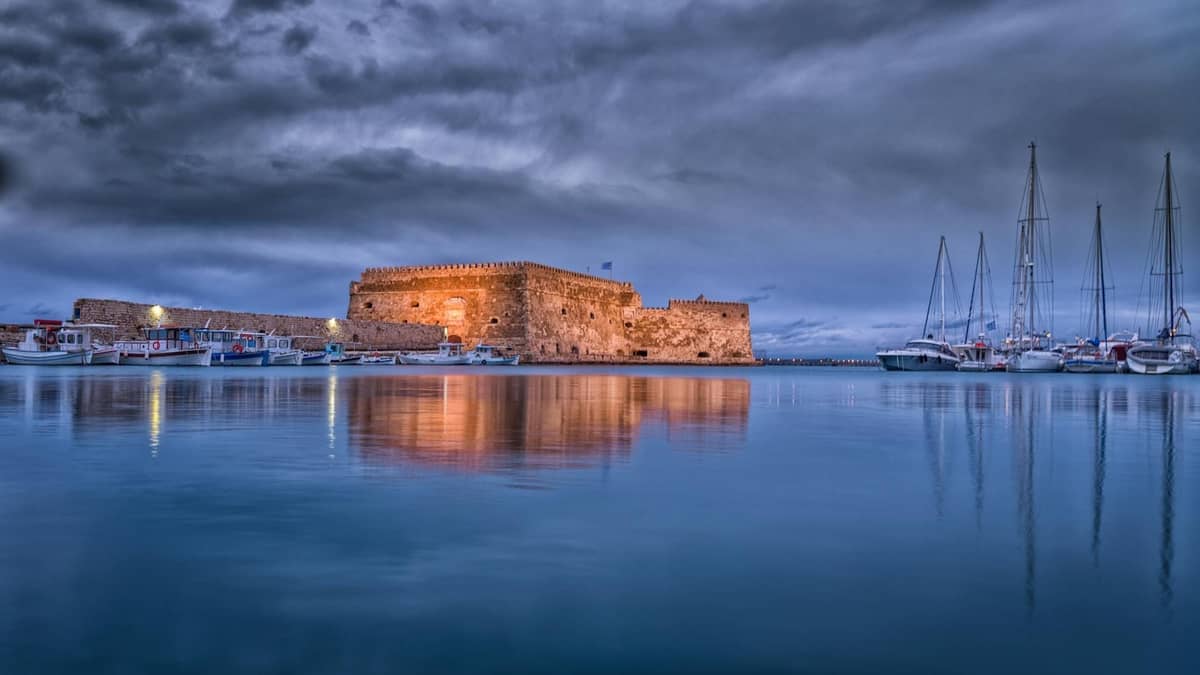
The high-speed ferry between Heraklion and Santorini (Thira) is the standard way to travel between these two islands, and for good reason. It is quicker door-to-door than flying, significantly cheaper, and you arrive directly at Athinios Port on Santorini rather than an airport 8 km from the caldera. In peak summer, SeaJets runs the route most frequently, with its Power Jet and Superjet catamarans completing the crossing in as little as 1 hour 45 minutes under good conditions.
Heraklion is the main departure port on the Crete side, which makes sense given it is the island's largest city and administrative capital. Heraklion's port is well organized and easy to reach from the city center, roughly a 10-15 minute walk or a short taxi ride from the main square. From June through September, expect 2-3 morning departures typically between 08:00 and 09:30, arriving at Santorini by late morning. Return ferries from Santorini generally leave between 16:00 and 17:30, putting you back in Heraklion by early evening.
💡 Local tip
Book high-speed ferry tickets at least 2-3 weeks ahead in July and August. This is one of the most popular short sea routes in all of Greece, and cheaper economy seats sell out first. Midweek departures (Tuesday-Thursday) tend to have more availability than weekend sailings.
Ferry Ticket Prices and Class Options
Pricing on the Heraklion-Santorini high-speed ferry is not as cheap as many travelers expect. Standard economy seats on SeaJets or Fast Ferries run around €110-€130 one-way per person. Business or VIP class cabins, which offer more space and a calmer boarding experience, cost €130-€170. These prices fluctuate based on season and availability, so early booking typically secures the lower end of those ranges.
- High-speed economy (SeaJets, Fast Ferries) €110-€130 one-way. Airline-style seating, crowded in peak summer. Journey time: 1h45m-2h30m.
- Business / Club Class €130-€170 one-way. Dedicated lounge seating, priority boarding at Athinios Port. Worth it for the calmer embarkation.
- Slow overnight ferry (Blue Star Ferries) Around €30-€40 one-way. Departs late evening, arrives early morning. Takes approximately 6 hours. Best if you want to save on accommodation but are not in a hurry.
The slow overnight ferry via Blue Star Ferries is worth knowing about if budget matters more than time. At roughly €30, it is a fraction of the high-speed price, and you save a night's hotel cost. The trade-off: departures are late and the journey takes about 6 hours, meaning you arrive at Santorini very early in the morning, often before accommodation check-in is possible. This works best for travelers who are flexible and want to maximize both islands without a rushed schedule.
⚠️ What to skip
Athinios Port on Santorini is notoriously congested during summer, especially at departure. Arrive at least 90 minutes before your scheduled sailing. The road up to Fira involves steep switchbacks and can be gridlocked when multiple ferries depart simultaneously. If upgrading to Club or Platinum Class, you typically benefit from a designated boarding area that bypasses some of the chaos.
Ferry Operators and Booking Platforms
Three main operators run the Heraklion-Santorini route with varying frequency and vessel types. SeaJets is the dominant high-speed operator, running catamarans that prioritize speed and frequency. Fast Ferries also operates on this corridor. Blue Star Ferries, owned by Attica Group, runs the conventional overnight service that also calls at other Cycladic islands, making it useful if you are multi-island hopping rather than going point-to-point.
- SeaJets: Most frequent high-speed service in summer, fastest crossing times, book direct on seajets.gr or via aggregators.
- Fast Ferries: Another high-speed option, worth comparing for price and schedule on specific dates.
- Blue Star Ferries: Best for the budget overnight crossing, also handy if stopping at Ios or Mykonos en route.
- Ferryhopper (ferryhopper.com): Best aggregator for comparing all operators, schedules, and seat classes in one search.
- Direct Ferries (directferries.com): Alternative aggregator, particularly useful for checking slower conventional ferry availability.
✨ Pro tip
Ferryhopper lets you filter by journey time, class, and operator in one view. Run your search there first, then check the operator's own site to see if direct booking is cheaper (it sometimes is by €5-10 per ticket). Always confirm the departure port on your ticket — Heraklion is the main Crete port but some routes depart from Rethymno or Sitia on certain dates.
Alternative Departure Points From Crete
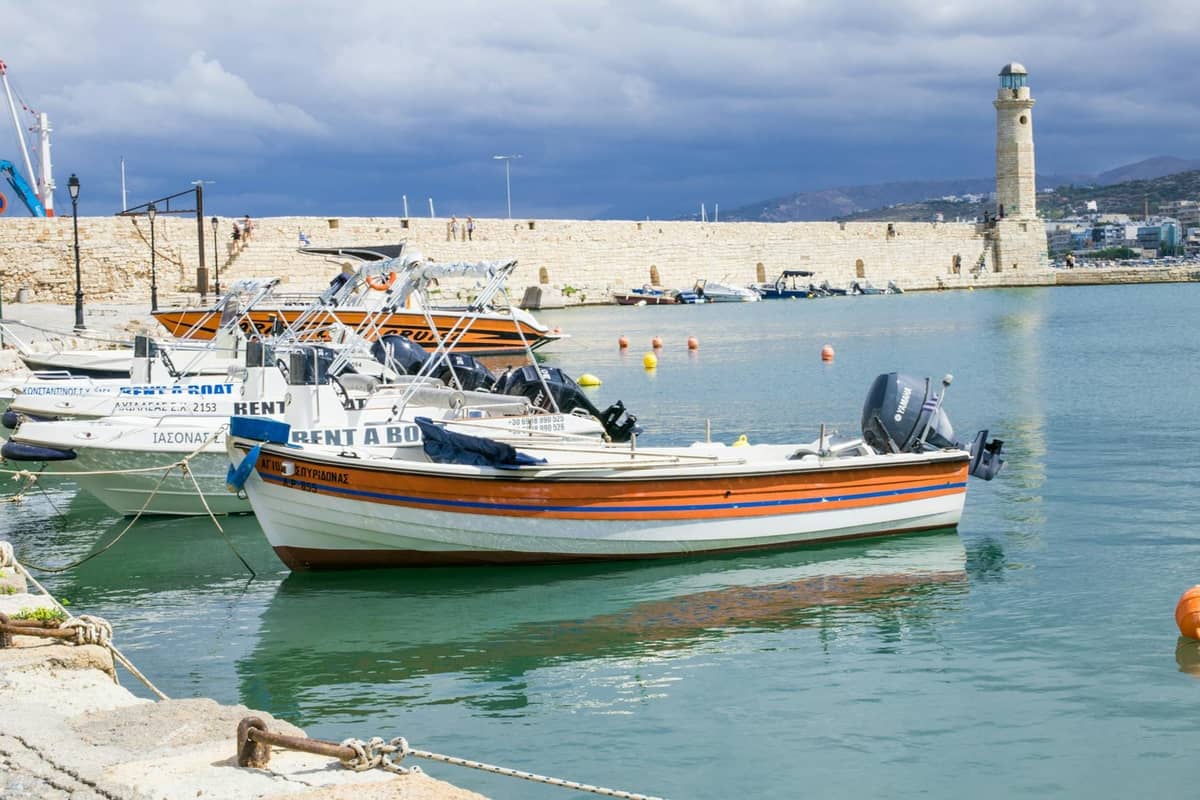
Heraklion handles the vast majority of Crete-to-Santorini traffic, but it is not the only port. Rethymno and Sitia in the east also have seasonal ferry connections to the Cyclades, though with far less frequency. If you are based in western Crete around Chania and want to avoid the drive east to Heraklion, Rethymno is worth checking, particularly for Blue Star routes. That said, Heraklion offers significantly more departure options and is the default starting point for the overwhelming majority of travelers.
Eastern Crete travelers staying near Agios Nikolaos or Elounda will find Heraklion most accessible since Sitia's connections are limited. Check current schedules on Ferryhopper before assuming any port other than Heraklion has the service you need.
Flying From Crete to Santorini: The Honest Reality

Sky Express operates seasonal direct flights between Heraklion and Santorini, taking about 25–30 minutes. Schedules are limited and seats sell out quickly in peak season, so book well in advance. Most other airlines route through Athens International Airport (ATH), which turns what looks like a short hop on a map into a 2.5–3 hour travel ordeal, and that is before accounting for check-in, security, and the wait for connecting flights. Total airfare for the Crete–Athens–Santorini journey typically runs $150–$200 per person one-way, which is more expensive than the fast ferry and takes longer door-to-door once you factor in getting to and from airports on both ends.
Flying makes sense in one specific scenario: if you are already transiting Athens for another reason, or if you are combining this with a mainland Greece leg. For a straight Crete-Santorini connection, the ferry wins on every practical measure except avoiding seasickness. If rough Aegean waters are a concern for you, bring motion sickness medication rather than routing via Athens.
Is a Day Trip From Crete to Santorini Worth It?
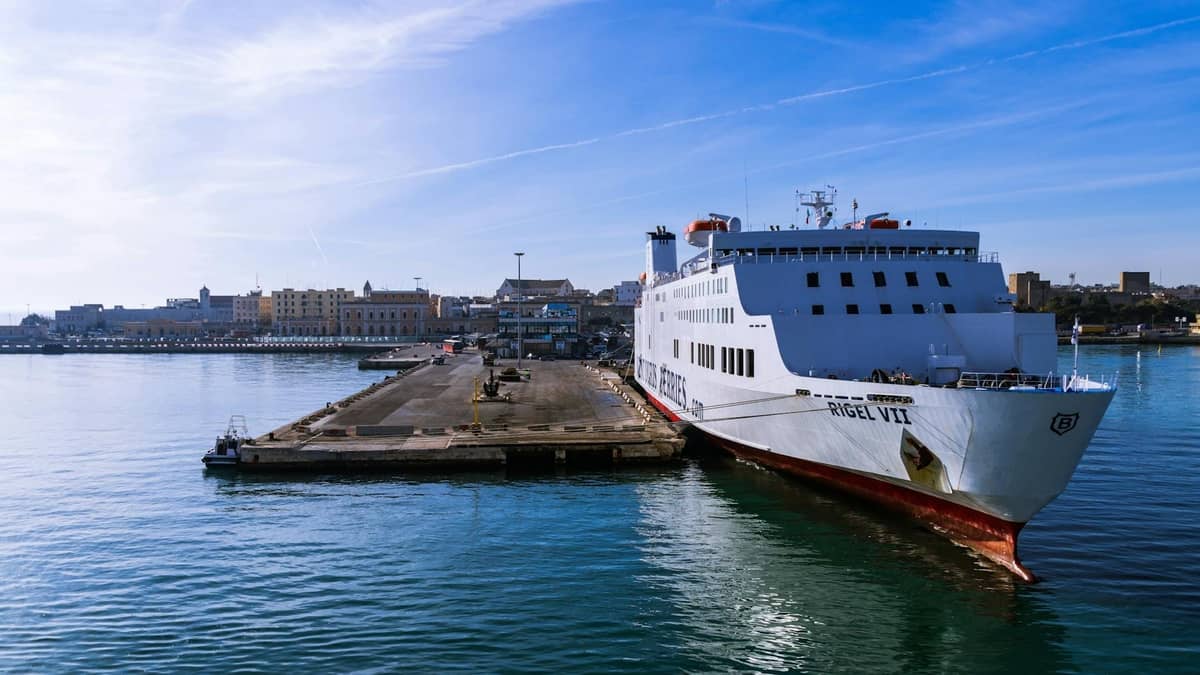
A same-day return trip from Heraklion to Santorini is physically possible: catch the 08:00-08:30 ferry, arrive on Santorini by mid-morning, explore until around 16:30-17:00, then board the return ferry and reach Heraklion by evening. That gives you roughly 5-6 hours on the island, which is enough to reach Oia, walk the caldera path to Fira, and have a late lunch, but only just.
Whether it is worth it depends on what you want. Santorini's famous caldera views, the villages of Oia and Fira, and the black sand beaches at Perissa are all accessible in half a day. But you will not be relaxed. July and August bring massive cruise ship crowds to Santorini's streets, and a day trip puts you right in the thick of peak hours with no ability to wait it out. If Santorini is a secondary priority and you are based in Crete for a longer trip, the day trip format works. If Santorini is a main draw, overnight stays give you the evenings, which are when the caldera is at its most atmospheric. For context on building a broader Crete itinerary, see our one-week Crete itinerary which covers when to slot in island hops.
- Day trip pros: No extra accommodation cost, works well as a break from a Crete-focused holiday.
- Day trip cons: 5-6 hours is tight, peak summer crowds on Santorini peak mid-morning to mid-afternoon, no time for the famous sunset from Oia (it happens at 19:30-20:30 in summer, after return ferries depart).
- Best day trip scenario: Late May or early June, before schools break and before cruise ship volumes peak.
- Overnight recommendation: If you can spare 2 nights on Santorini, you get the sunset, calmer mornings, and the post-dinner atmosphere.
Seasonal Schedules and When to Book
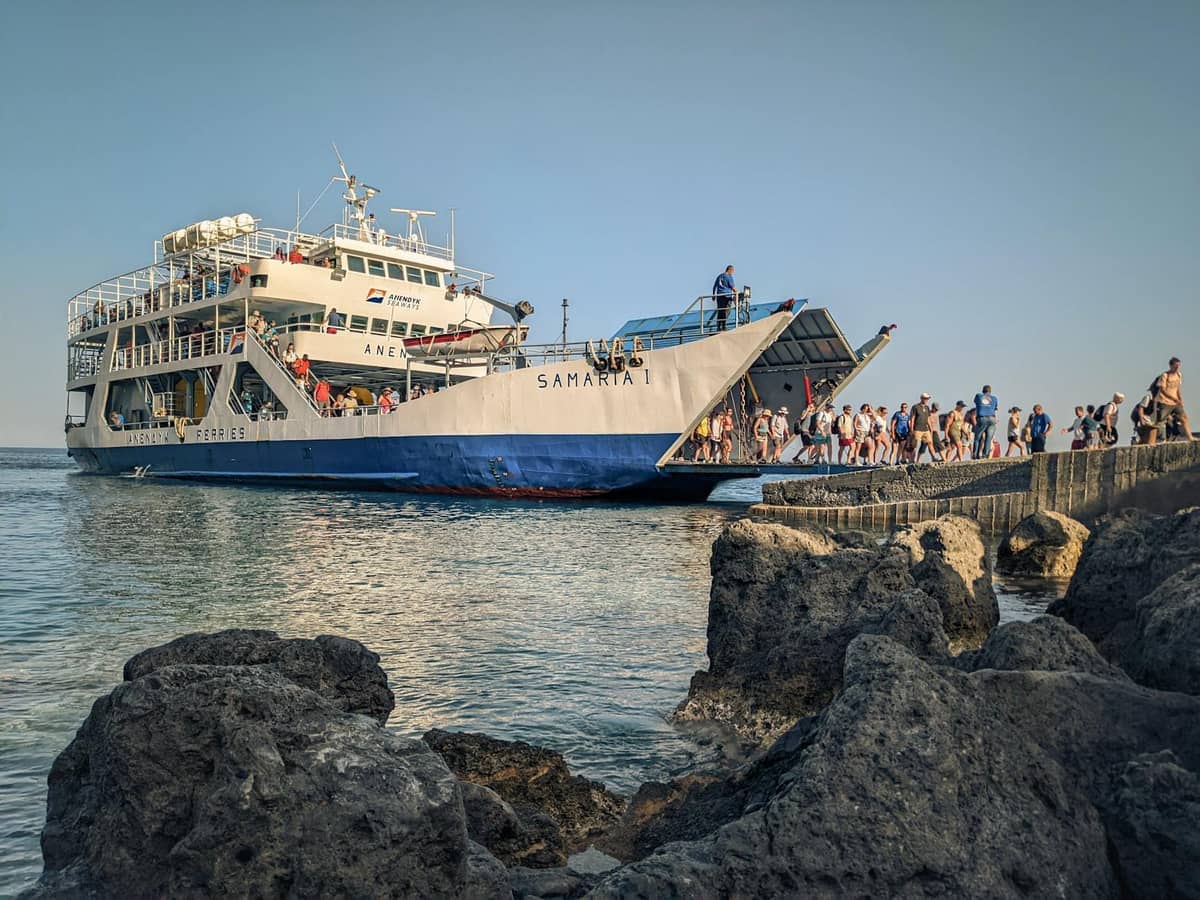
Ferry frequency between Crete and Santorini is heavily seasonal. From April to October, the route operates regularly with up to 4 daily crossings in peak summer. Outside that window, particularly November through March, sailings drop to a handful per week or may be suspended entirely depending on the operator. If you are traveling in shoulder season, check schedules on Ferryhopper well in advance. For a broader look at what each season brings to the island, the guide to Crete in October covers late-season ferry availability alongside what else remains open.
High winds in the Aegean, known locally as the meltemi, can disrupt or cancel high-speed catamaran services, particularly in July and August when the winds are strongest. If your travel schedule is tight, build in flexibility around ferry-dependent connections during meltemi season. Conventional ferries like Blue Star, which are larger and lower-profile, are less affected than the high-speed catamarans.
FAQ
How long does the ferry from Crete to Santorini take?
High-speed ferries from Heraklion to Santorini take approximately 1 hour 45 minutes to 2.5 hours depending on the vessel and sea conditions. Slower conventional ferries, such as Blue Star, take around 6 hours and typically operate overnight.
How much does the ferry from Heraklion to Santorini cost?
Economy seats on high-speed ferries cost roughly €110-€130 one-way per person. Business or Club Class runs €130-€170. The slow overnight ferry is significantly cheaper at around €30-€40, but the journey takes about 6 hours.
Are there direct flights from Crete to Santorini?
Sky Express operates seasonal direct flights between Heraklion and Santorini (about 30 minutes), but schedules are limited. Most other airlines route through Athens, making the total travel time around 2.5–3 hours and the cost typically $150–$200 per person one-way. For most travelers, the high-speed ferry is faster and cheaper than flying via Athens.
Can you do a day trip from Crete to Santorini?
Yes, it is possible. A morning departure around 08:00-08:30 from Heraklion gives you approximately 5-6 hours on Santorini before the return ferry. You will see the main highlights but the schedule is tight and you will miss the famous Oia sunset, which happens after return ferries depart in summer.
Which ferry company is best for Crete to Santorini?
SeaJets is the most frequent high-speed operator on this route and generally the fastest crossing. Fast Ferries is also worth checking for schedule and price comparisons. For budget travel, Blue Star Ferries runs the slower overnight route. Use Ferryhopper to compare all operators in one search before booking.