Heraklion is Crete's capital and largest city, a place where Minoan history, Venetian architecture, and everyday Greek urban life converge around a working harbor. It is the island's main gateway and, for many travelers, still underestimated as a destination in its own right.
Heraklion moves at a different pace than the rest of Crete. This is a real city, home to around 180,000 people, with a harbor fortress older than most European capitals, one of the world's great archaeology museums, and a street market that has been selling the same produce for centuries. It rewards the traveler who slows down enough to read the layers.
Orientation
Heraklion sits on the north-central coast of Crete, facing the Sea of Crete and, beyond it, the Greek mainland roughly 160 kilometers to the north. It is the administrative capital of both the Heraklion regional unit and the wider Region of Crete, and it functions as the island's commercial, transport, and cultural hub. If you arrive by ferry from Piraeus or fly into Heraklion International Airport Nikos Kazantzakis (IATA: HER), this is your first encounter with Crete.
The historic center is defined and physically enclosed by the Venetian Walls, a remarkably intact ring of fortifications that the Venetians completed over several centuries of occupation. Within those walls, the city's layout is relatively compact and walkable. The main artery is 25th August Street (Odos 25 Avgoustou), which runs south from the old Venetian harbor up through the heart of the center toward Eleftherias Square. Almost everything a visitor needs is within a 15-minute walk of this axis.
The historic port and its adjoining Venetian shipyards occupy the northern edge. Moving south along 25th August Street, you pass Saint Titus Church and arrive at the Morosini Fountain and Lions Square (Plateia Venizelou), the social heart of the old town. Further south still is Eleftherias Square, a large formal plaza that anchors the eastern side of the center and sits directly adjacent to the Heraklion Archaeological Museum. The Central Bus Station is positioned near the harbor, making connections to other parts of Crete straightforward.
ℹ️ Good to know
Heraklion's historic center is almost entirely walkable. The Venetian Walls form a clear mental boundary: inside them is the old city; outside, the modern urban sprawl extends in all directions. Most attractions, hotels, and restaurants sit within or immediately adjacent to the walled perimeter.
Character and Atmosphere
Heraklion is often unfairly dismissed by travelers rushing west to Chania or east to Elounda. That reputation belongs to an earlier era. The historic center has undergone significant investment over the past decade, and what you find today is a city that manages to be genuinely Greek in a way that overtly touristic towns rarely are. Locals shop at the same central market their grandparents did. Office workers eat lunch in the same tavernas as tourists. The city has a real pulse.
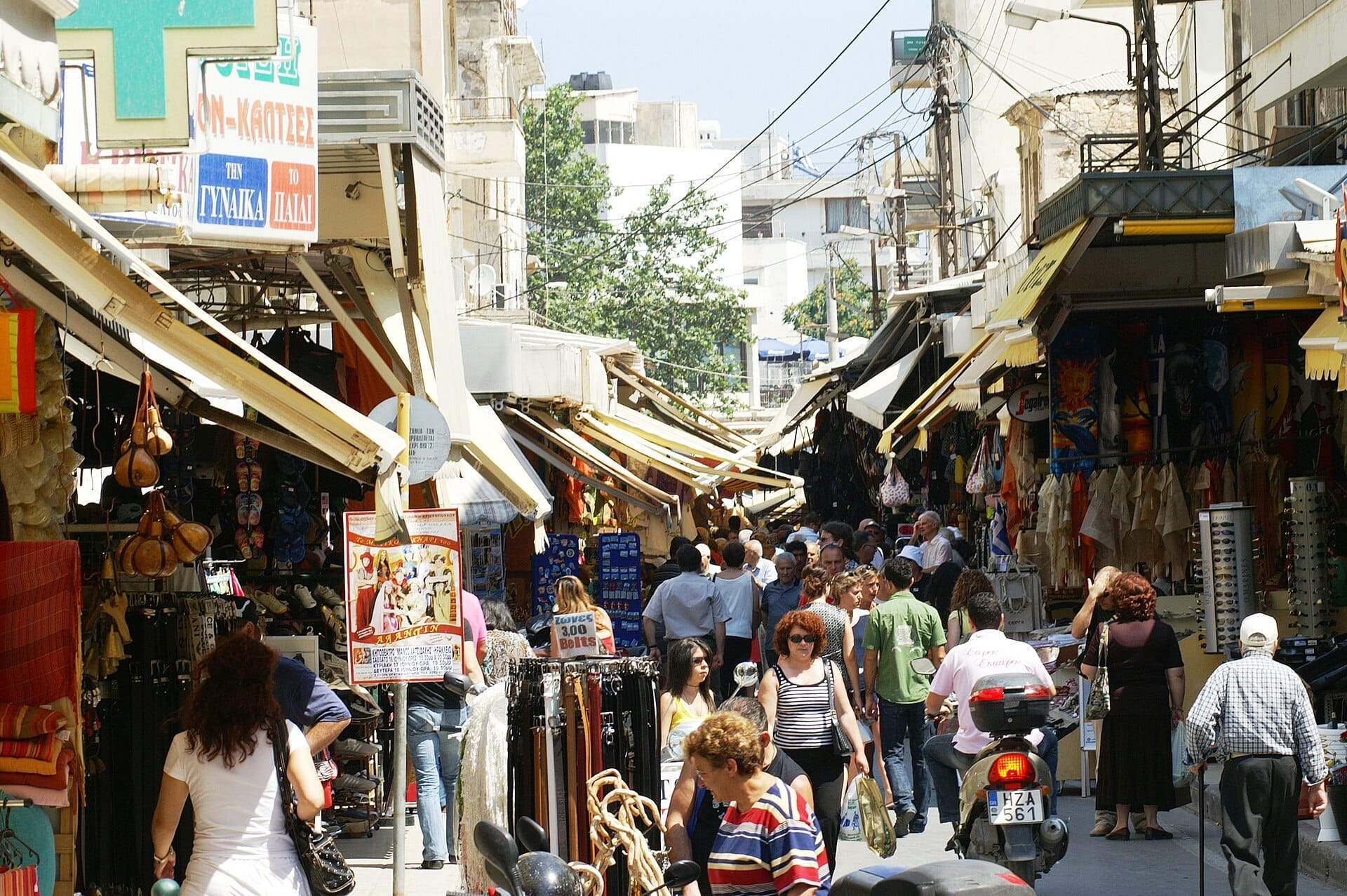
Early mornings belong to the market traders along Odos 1866, the covered street market running south from Eleftherias Square. By 8am the stalls are heavy with local herbs, Cretan cheeses, honey, and dried goods. The smell of fresh bread from bakeries on the side streets competes with coffee from the cafes already filling with residents. The light at this hour is low and golden, falling across the ochre stonework of the old buildings and the blue-painted shutters that line the narrower lanes.
By midday the center slows in summer, as temperatures climb and the tourist groups thin out from the main sites. Lions Square, which is lively at almost any other hour, empties slightly in the heat of the early afternoon. This is when the covered arcades and the shadowed interior of the archaeological museum become genuinely appealing rather than merely educational. Late afternoon brings the city back to life: the harbor promenade along Sof. Venizelou Quay fills with people, and the waterfront cafes facing the Koules fortress become the obvious place to be as the light drops toward the water.
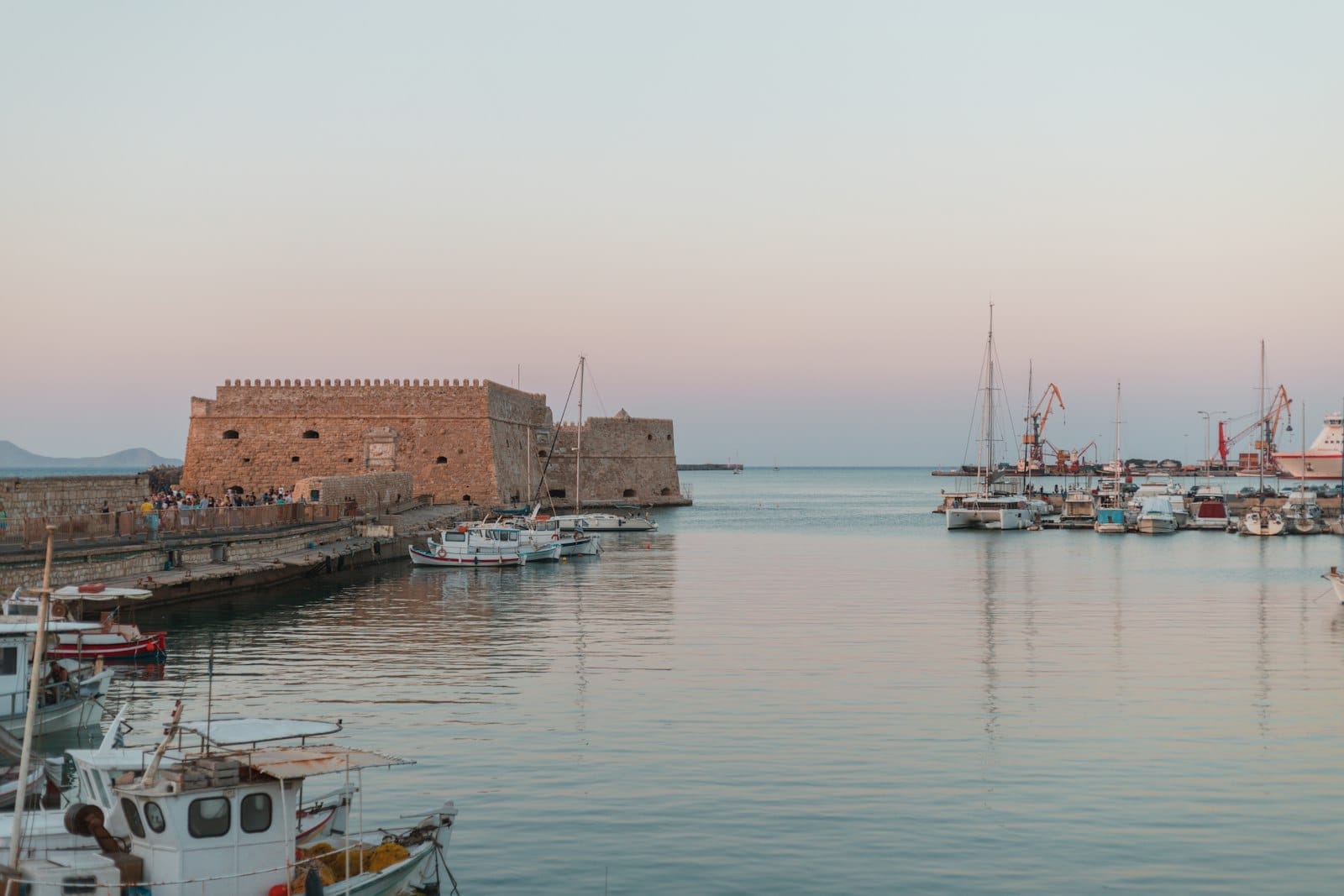
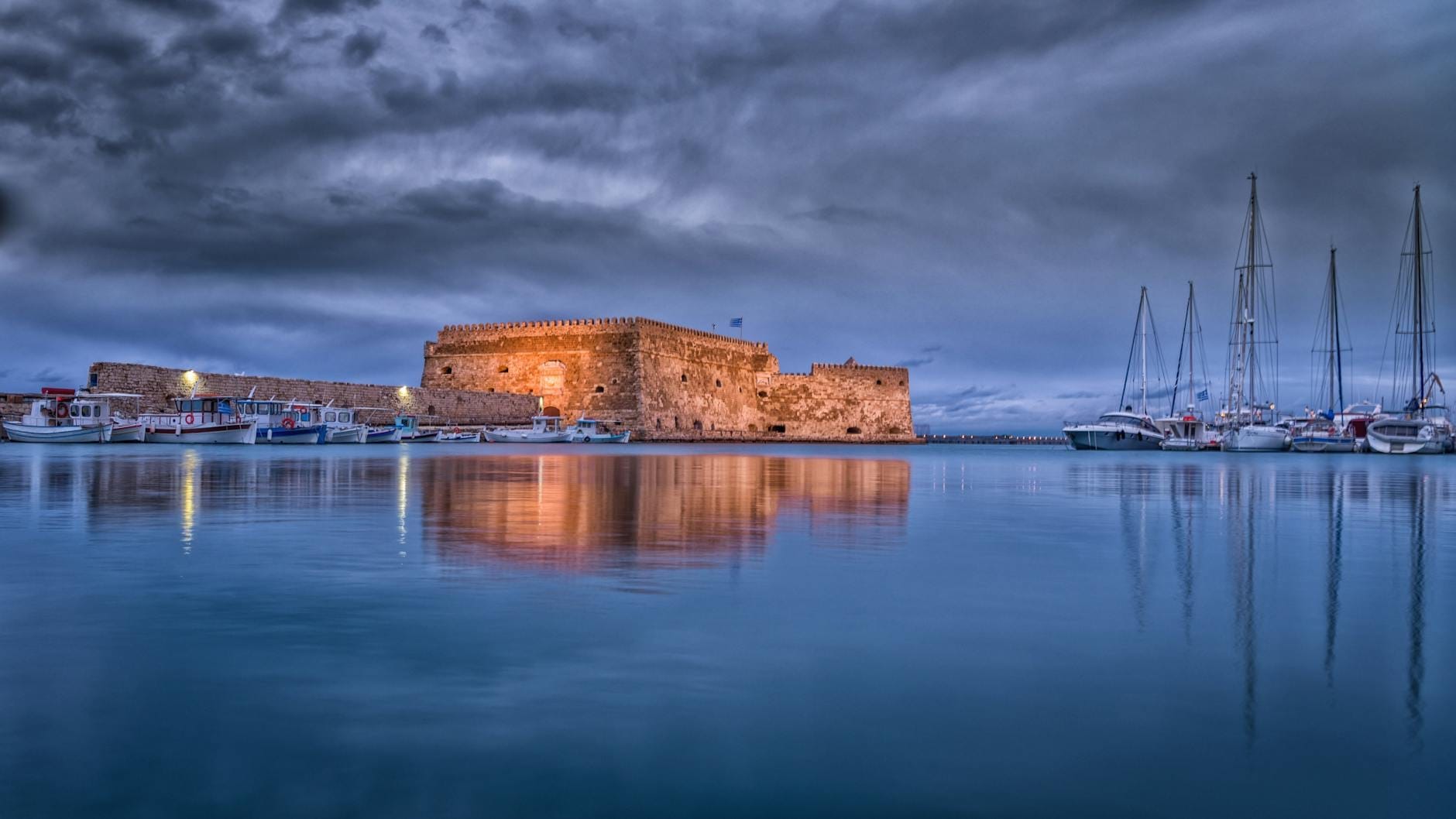
After dark, the center concentrates around Lions Square and the lanes radiating from it toward the harbor. This is not a city that performs for visitors at night: the bars and restaurants here serve locals as much as tourists, which keeps quality honest and prices reasonable by Greek island standards. The Venetian harbor takes on a different character entirely after 10pm, with the Koules fortress lit from below and the reflections on the water making the old port look much as it must have looked centuries ago.
What to See and Do
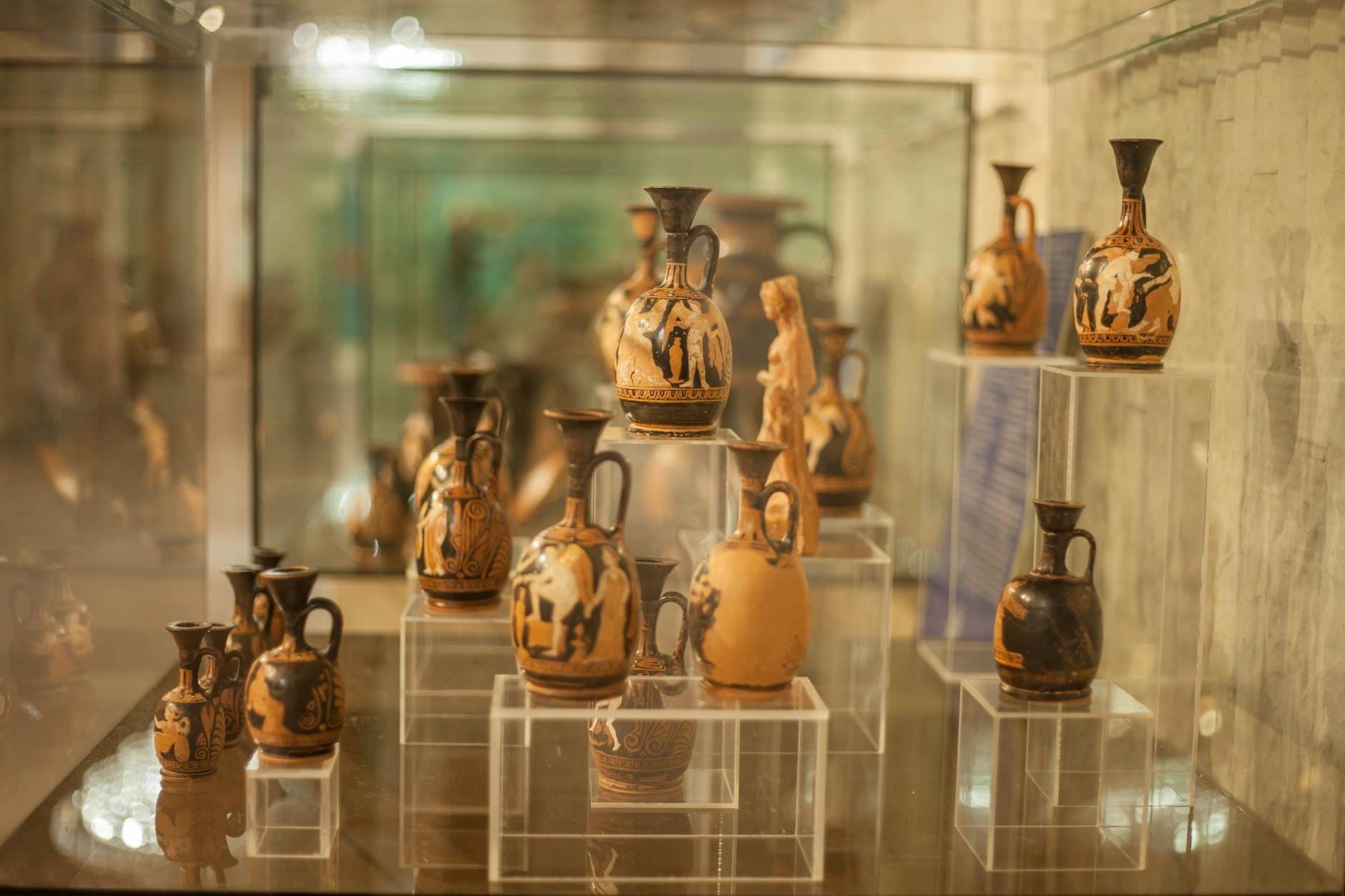
The single most important attraction in the city is the Heraklion Archaeological Museum, which holds the most significant collection of Minoan artifacts in the world. The frescoes from Knossos, the Phaistos Disc, the gold jewelry, and the ceremonial objects assembled here represent a civilization that flourished 3,500 years ago and whose influence on subsequent Greek and European culture was profound. Budget at least two hours; serious visitors often spend a full morning. The museum sits at the top of 25th August Street beside Eleftherias Square and is air-conditioned, which matters in high summer.
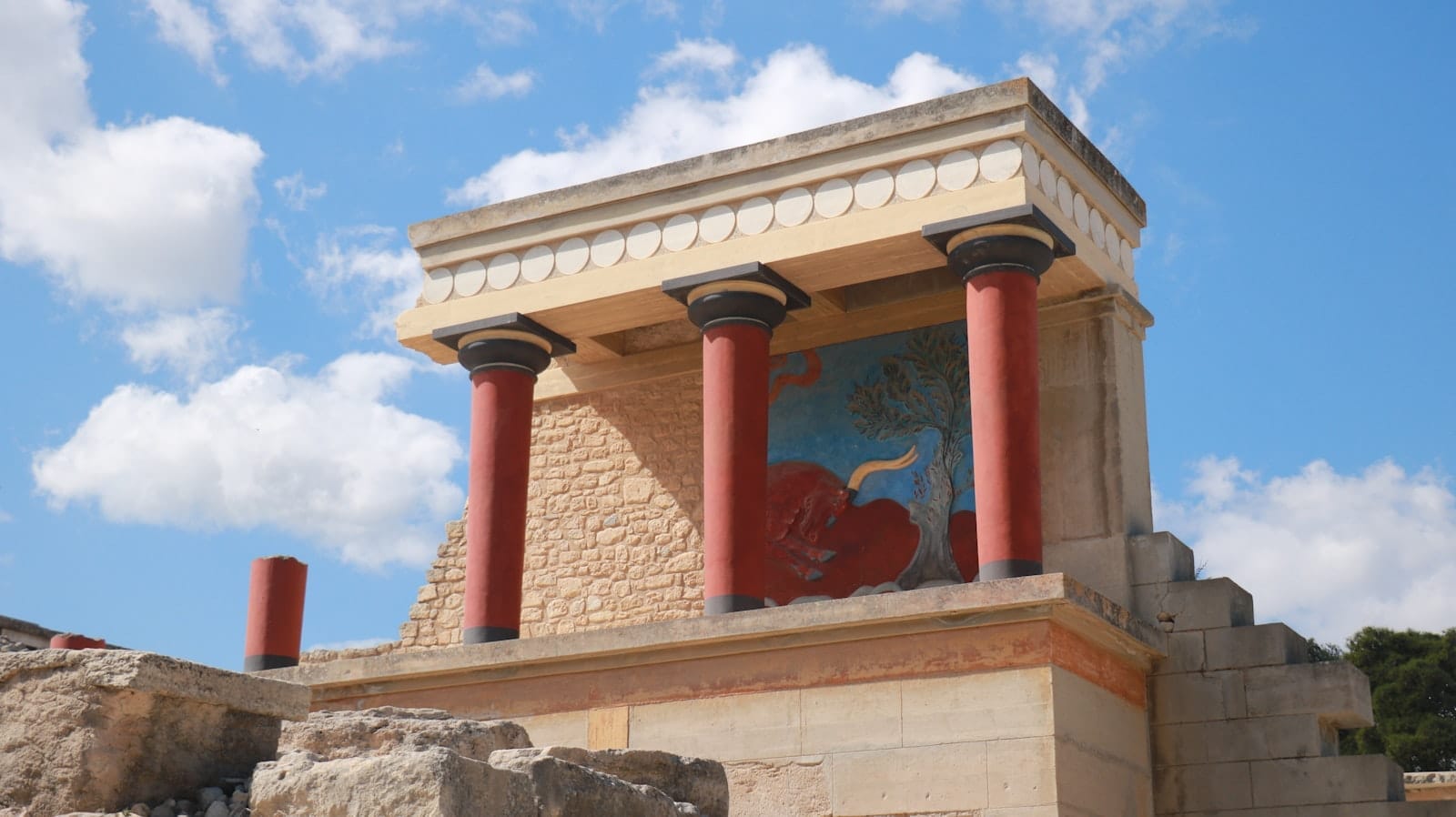
A short drive south of the city (about 5 kilometers along the main road toward the south) brings you to the Palace of Knossos, the great Minoan ceremonial complex that is one of the most visited archaeological sites in Greece. The site is best reached by city bus from the central terminal, and the journey takes around 20 minutes. Going early in the morning, before tour groups from the beach resorts arrive, makes a substantial difference to the experience. Knossos received UNESCO World Heritage status in 2024 alongside five other Minoan sites, confirming its standing as a site of global significance.
Back in the city center, the Venetian harbor is anchored by the Koules Fortress (officially the Rocca al Mare), a massive sea fortification at the end of the harbor mole that was built by the Venetians and later modified by the Ottomans. Walking out along the mole toward the fortress gives one of the best views of the city skyline and the older Venetian shipyards, the Arsenali, whose great stone arches still stand along the harbor's western edge. For more context on the island's past, the Historical Museum of Crete is nearby and often overlooked in favor of the Archaeological Museum.
The Heraklion Venetian Walls themselves are worth a deliberate walk. Several of the original bastions and gates remain accessible, including the Sabionara Gate and the Saint George Gate. Walking a section of the walls in the late afternoon gives a sense of the city's scale and the extraordinary defensive engineering the Venetians deployed to protect their most valuable Mediterranean possession.
The 1866 Street Market is not a tourist attraction in the performative sense: it is a functional daily market where Cretans shop for food. That is precisely what makes it worth visiting. The stalls selling local olive oil, thyme honey, aged cheeses, dried figs, and the herb mixture called 'mountain tea' are the same goods that have defined Cretan food culture for generations.
Koules Fortress and the Venetian harbor mole: best at sunset or after dark when lit
Palace of Knossos: 5km south, accessible by city bus, visit early morning
1866 Street Market: best on weekday mornings before 11am
Morosini Fountain at Lions Square: the social centerpiece of the old city
Municipal Gallery of Heraklion inside the Venetian Church of Saint Mark on Lions Square
The Venetian Walls: walk the southern bastions for city views in the late afternoon
💡 Local tip
If you are interested in Minoan civilization, pair your Knossos visit with a morning at the Archaeological Museum the day before. Understanding what you are looking at in the museum first makes the ruins far more meaningful in person.
Eating and Drinking
Heraklion has a food scene rooted in Cretan ingredients, which means good olive oil, excellent cheese, slow-cooked lamb and pork, fresh seafood from the harbor, and legumes prepared with a skill that places them at the center of the table rather than the edge. The Cretan food guide covers the broader island cuisine in detail, but Heraklion is where you are most likely to find the full range: from market-stall snacks to serious restaurants that take the local wine list as seriously as the menu.
The streets between Lions Square and the harbor are dense with cafes and restaurants catering to a mix of locals and visitors. Quality varies significantly. The tavernas on the harbor promenade itself often prioritize location over kitchen: the views are good, the prices are elevated, and the food is adequate rather than excellent. The better eating tends to happen one or two streets back, in smaller rooms without harbor views, where the kitchen does not rely on the scenery.
For lunch in particular, the area around 1866 Street market is worth exploring. Small mezedopolia (restaurants specializing in small plates) open for the midday trade, serving dakos (barley rusk with tomatoes and cheese), local olives, grilled octopus, and fried zucchini. Paired with a carafe of local Cretan wine, this constitutes one of the more honest meals you will have in the city. Prices at these spots are noticeably lower than on the waterfront.
Lions Square and the pedestrian zone around Nikiforou Foka Square are heavily concentrated with coffee shops. Greek cafe culture is serious business: people sit for extended periods over a single frappe or espresso, and this is not considered unusual. These squares make good observation posts in the early evening when the city's volta (evening stroll) is in full effect.
Heraklion is also the right base for exploring Cretan wine, which has a distinct character shaped by the island's highland vineyards and indigenous grape varieties like Vidiano and Kotsifali. The Crete olive oil and wine guide covers the regional context, but several wine bars and specialist shops in the historic center stock bottles from producers across the island.
Getting There and Around
Heraklion International Airport Nikos Kazantzakis (HER) sits about 5 kilometers east of the city center, close enough that a taxi takes 15-20 minutes in normal traffic. City bus routes connect the airport to the central terminal, and the cost is a fraction of the taxi fare. In high summer, traffic on the airport road can extend journey times significantly, particularly in the late afternoon when incoming charter flights cluster.
The ferry port is directly adjacent to the old city, immediately east of the Koules Fortress. Overnight ferries from Piraeus (Athens) arrive in the early morning, typically around 6-7am, which means you can be walking through the harbor area as the city wakes up. Several ferry companies operate this route with large car and passenger ferries.
The Central Bus Station (KTEL) is located near the harbor, within walking distance of the old town. From here, intercity buses depart frequently to Agios Nikolaos to the east, and to Rethymno and Chania to the west. A second bus terminal at Hourdou handles southern routes toward Matala, Mires, Timbaki, and Agia Galini. Crete has no metro or rail network: buses and cars are the primary way to move around the island.
Within the historic center, walking is the only practical option for sightseeing. The pedestrian zones along 25th August Street, around Lions Square, and through the market district are entirely car-free, and even in the areas that are not formally pedestrianized, the streets are narrow enough that walking is faster than driving. If you plan to explore the wider Heraklion region or venture to sites like Knossos or further afield, renting a car is the most flexible approach. The getting around Crete guide covers all transport options across the island in practical detail.
⚠️ What to skip
Driving inside the Heraklion old town is impractical and, in most of the pedestrian core, prohibited. If you rent a car, arrange hotel parking in advance or use the paid parking areas outside the Venetian Walls. Parking inside the center on an ad hoc basis is a reliable way to lose an hour of your day.
Where to Stay
Heraklion offers a wider range of accommodation than most of Crete's coastal resort towns: boutique hotels inside converted Venetian-era buildings, business hotels near the ferry port, and a growing number of design-focused smaller properties in the back streets of the historic center. The price premium for the waterfront tends to be significant. Properties on or very near 25th August Street and Lions Square carry the most central addresses but can be noisy at night, particularly on weekends when the square's bars are active until the early hours.
The area between the Venetian Walls and the market district, around Dafoti Street and the lanes behind Saint Titus Church, offers quieter alternatives within easy walking distance of every major sight. For travelers arriving primarily to visit Knossos and the archaeological museum before continuing west, a single night in this zone is sufficient and logistically straightforward.
Heraklion is not the obvious choice for a pure beach holiday: the city's own coastline is functional rather than scenic, and the resort beaches require a short drive or bus ride. Travelers whose priority is swimming and sunbathing will find better bases along the coast east and west of the city. For those who want the full Cretan historical and cultural experience, including Knossos, the museum, the Venetian harbor, and access to day trips across the island, Heraklion makes a strong central base. The where to stay in Crete guide places Heraklion in context alongside the island's other main options.
Day Trips and Wider Connections
Heraklion's central position on the north coast makes it the most practical base for exploring the island's interior and eastern reaches. The Minoan Palace of Phaistos on the Messara Plain south of the city is accessible by bus from the Hourdou terminal, and the drive through the agricultural lowlands is itself a worthwhile introduction to the island's working landscape. Gortyna, the ancient Roman capital of Crete, is on the same road south.
East of Heraklion, the coastal road passes through the resort strip toward Agios Nikolaos and beyond to the far eastern tip of the island. West of the city, the E75 highway runs toward Rethymno and Chania, with the journey to Chania's old town taking approximately 2.5 hours by bus. The best day trips in Crete guide covers the full range of options reachable from a Heraklion base.
💡 Local tip
The Lassithi Plateau, with its famous windmills and the Dikteon Cave associated with the birth of Zeus, is about 90 minutes from Heraklion by car and makes an excellent half-day or full-day excursion that avoids the coastal crowds entirely.
Honest Assessment: Who Heraklion Is For
Heraklion is not a place built for the Instagram itinerary. The harbor is spectacular but also a working commercial port. The old town has genuine character but also stretches of unremarkable modern development in between the Venetian monuments. The beach situation is not the city's strength: travelers expecting the turquoise water and isolated coves that define Crete's coastal reputation will need to travel at least 30-40 minutes to find them.
What Heraklion does exceptionally well is history, food, and the kind of urban energy that comes from a city people actually live in. If the Minoan world interests you at all, there is no substitute for the museum and Knossos together. If you want to understand Crete as a place rather than as a beach destination, arriving in its capital and spending two or three days walking its streets, eating in its tavernas, and reading the history written into its walls is time well spent. For a full picture of how the city compares to Crete's other main urban center, the Chania vs Heraklion guide lays out the differences clearly.
TL;DR
Heraklion is Crete's capital and largest city, best suited to travelers with an interest in Minoan history, archaeology, and authentic Greek urban life.
The Heraklion Archaeological Museum and the Palace of Knossos together form one of the most significant archaeological experiences in the Mediterranean world.
The historic center, defined by its Venetian Walls, is walkable and compact, with the harbor, Lions Square, and the 1866 market forming the main axes of daily life.
The city is an excellent transport hub for exploring the wider island by bus or car, with ferry connections to the Greek mainland and a busy international airport.
Travelers seeking beach resorts or the polished prettiness of Chania's old town may find Heraklion less immediately picturesque, but those who engage with it on its own terms will find a city that rewards attention.
Crete has over 1,000 beaches, ranging from famous pink-sand lagoons to wild river-mouth coves. This guide ranks the best by region so you can plan your base and your days on the water without the guesswork.
Crete is large enough that each of its main towns sits within reach of completely different landscapes, ruins, and coastlines. This guide organizes the best day trips by base town, so whether you're staying in Chania, Heraklion, Rethymno, or Agios Nikolaos, you'll know exactly where to go and how to get there.
Crete holds one of the richest concentrations of museums in the Mediterranean, from world-class Minoan collections to maritime heritage and Byzantine icons. This guide covers the essential museums and historically significant sites across the island, organized by theme and region.
Crete rewards visitors year-round, but the right time depends entirely on what you want. This guide breaks down every month by weather, crowds, prices, and activities so you can plan with confidence.
Choosing between Chania and Heraklion shapes your entire Crete experience. This guide breaks down both cities honestly, covering location, culture, beaches, day trips, and who each one actually suits.
Cretan cuisine is one of the most distinctive and well-studied food traditions in the world, rooted in 4,000 years of agricultural practice and the foundational principles of the Mediterranean diet. This guide covers the essential dishes, local ingredients, seasonal patterns, and practical tips for eating well across the island.
Crete's coastline is best explored from the water. From the tidal lagoon at Balos to the haunting island of Spinalonga, these are the boat trips worth planning your days around.
Crete delivers more romance than most Greek islands dare to promise. From the pink-sand shores of Elafonissi to candlelit dinners in Chania's Venetian harbour and private yacht trips around hidden sea caves, this guide covers every romantic experience worth planning, plus honest advice on where the crowds go and where couples actually find peace.
October is one of the most underrated months to visit Crete. The summer crowds have thinned, sea temperatures stay around 23°C, and the island shifts into a slower, more authentic rhythm. This guide covers what the weather actually looks like, which attractions stay open, where crowds still linger, and how to plan a genuinely rewarding trip.
July and August are Crete's most popular months, and for good reason. The sea hits 26°C, the days stretch to 12 hours of sunshine, and almost every beach, taverna, and archaeological site is fully operational. But peak season on Greece's largest island comes with real trade-offs. This guide breaks down exactly what to expect and how to handle it.
Crete's interior is a world apart from its famous coastline. This guide covers the island's most compelling mountain villages, the gorges and caves surrounding them, and the ancient sites tucked into its high plateaus and rugged massifs.
Crete after dark ranges from cocktails beside a Venetian harbour to all-night club marathons in Malia. This guide breaks down the best nightlife in Crete by city, venue type, and season, so you know exactly where to go and what to expect before you arrive.
Crete produces some of the world's finest olive oil and a range of wines from indigenous grapes found nowhere else on earth. This guide covers where to taste, what to look for, how to book tours, and what's actually worth bringing home.
Crete is one of the Mediterranean's most rewarding destinations, and it doesn't have to be expensive. This guide breaks down real daily costs, the cheapest ways to get around, where to eat well for under €10, and which experiences are completely free — so you can spend more time enjoying the island and less time worrying about your wallet.
Crete rewards self-drivers like few Mediterranean islands can. From the white-pebble coves of the south coast to the gorge-carved mountains of the interior, this guide covers every route, practical detail, and honest warning you need to drive Crete with confidence.
The ferry from Crete to Santorini is faster, cheaper, and more scenic than flying via Athens. This guide covers every option: high-speed ferries, slow overnight boats, the flight reality, day trip logistics, and what to book first in summer.
Two of Greece's most iconic islands, but they deliver very different experiences. This guide breaks down beaches, budget, activities, and logistics so you can decide which island actually suits your trip.
From pink-sand beaches with toddler-safe shallows to underwater aquariums and myth-soaked caves, Crete delivers a remarkable range of family experiences. This guide breaks down the best activities by age group, the seasonal realities parents need to know, and the honest warnings that travel brochures skip.
Crete rewards travelers who know where to look, and the best experiences here rarely require a ticket. From pink-sand beaches and mythological caves to Venetian harbors and ancient ruins, here are 20 genuinely free things to do across the island.
Crete is 260 km long and divided into four distinct regions. Getting around efficiently requires planning. This guide breaks down every transport option — from KTEL buses to car rental pricing — so you can move around Greece's largest island without wasting a day.
Crete rewards travelers who look beyond Knossos and Elafonissi. This guide uncovers the island's lesser-known beaches, gorges, ancient sites, and villages that most visitors drive straight past.
Crete is one of Europe's finest hiking destinations, with towering gorges, mountain plateaus, coastal paths, and ancient landscapes to explore. This guide covers the best trails across the island, from iconic gorge walks to quieter routes that reward those willing to go further.
Crete delivers a caliber of luxury that rivals anywhere in the Mediterranean. This guide cuts through the noise to identify the best high-end hotels, private villas, and exclusive experiences across the island's four regions, with honest advice on where to splurge and where to save.
The Matala Beach Festival is one of Europe's largest free-entry music events, held annually on the south coast of Crete. Running across four stages for three days each July, it draws thousands of visitors to a beach that has its own remarkable counterculture history. Here is everything you need to plan your visit.
The Minoans built Europe's first advanced civilization on Crete over 4,000 years ago, leaving behind palaces, frescoes, and artifacts that still astonish. This guide covers the essential sites, museums, and landscapes connected to their remarkable world.
Seven days is enough to cover Crete's four regional units, its best beaches, and its most significant ancient sites — if you plan it right. This guide gives you a day-by-day route built around a rental car, honest crowd warnings, and practical details on costs and timing.
Crete is Greece's largest island and one of its most rewarding destinations, with Minoan ruins, dramatic gorges, world-class beaches, and a food culture that puts most of Europe to shame. This guide covers the best things to do in Crete across every category, with honest advice on what's worth your time and what to skip.
Crete is 260 km long, and choosing the wrong base can cost you hours of driving each day. This guide breaks down the best areas to stay in Crete by location, travel style, and budget, with honest advice on which towns to avoid and which hotels are worth booking early.