Natural History Museum of Crete: Fossils, Flora, and a Giant You Won't Forget
Housed in a restored industrial power plant on Heraklion's waterfront, the Natural History Museum of Crete covers 3,500 square metres of Eastern Mediterranean biodiversity, geology, and paleontology. The star exhibit is a 4.5-metre Deinotherium skeleton — the largest land mammal ever found on Crete. It is a serious research institution that also works well as a family afternoon.
Quick Facts
- Location
- Leoforos Sofokli Venizelou, Dermata Bay, Heraklion (71202)
- Getting There
- Walkable from Heraklion port and old town; local buses and taxis serve the beachfront road
- Time Needed
- 2 to 3 hours
- Cost
- Check current admission on the official website before visiting
- Best for
- Families with children, natural science enthusiasts, rainy-day visits
- Official website
- www.nhmc.uoc.gr/en
What the Natural History Museum of Crete Actually Is
The Natural History Museum of Crete (NHMC), known in Greek as Μουσείο Φυσικής Ιστορίας Κρήτης, is a university research museum operated by the University of Crete. It was established in 1980 by Presidential Decree and occupies the fully restored former Heraklion Electricity Corporation power plant on Dermata Bay. The industrial shell of the building — brick walls, high ceilings, and broad industrial windows facing the sea — gives the exhibits an unusual amount of breathing room that most Greek museums simply cannot offer.
With 3,500 square metres of exhibition space spread across seven scientific divisions (Botany, Zoology, Geodiversity, Paleontology, and more), this is not a casual showcase. It is a functioning scientific institution with active research programs, which means the collections are maintained with a rigour you notice when you look closely at specimen labels and exhibit annotations. For a visitor, that translates to unusually dense, accurate information alongside the displays.
💡 Local tip
Opening hours shift seasonally. Winter hours (November 1 to April 30) are Monday to Friday 09:00–15:00 and Saturday to Sunday 10:00–18:00. Summer hours (May 1 to October 31) are Monday to Friday 09:00–17:00 and Saturday to Sunday 10:00–18:00. The museum is closed on January 1, Orthodox Easter Sunday, and December 25. Confirm current admission prices at nhmc.uoc.gr before your visit.
The Deinotherium: The Reason to Come
No amount of preparation quite readies you for the Deinotherium giganteum skeleton in the paleontology hall. Standing 4.5 metres tall and stretching 6.5 metres in length, it is the largest land mammal ever recovered from Cretan soil. The specimen dates to 7–9 million years ago, placing it firmly in the Late Miocene, when the eastern Mediterranean looked nothing like it does today. The Deinotherium was a distant relative of modern elephants, distinguished by tusks that curved downward from the lower jaw rather than forward from the upper — an anatomical detail that reads as almost wrong when you see it in three dimensions.
The skeleton occupies a dedicated space that allows you to walk around the full perimeter, and the exhibit annotations explain both the fossil's discovery context on Crete and the ecological conditions of Miocene Europe with genuine scientific depth. If you visit with children, budget extra time here: the scale of the animal produces a reliable, audible reaction from kids and adults alike.
Beyond the Deinotherium, the paleontology section traces the prehistoric land mammals and birds of the Eastern Mediterranean, including endemic dwarf species that evolved on Crete's ancient landmasses. The juxtaposition of gigantism and dwarfism in island evolution is one of the exhibit's more intellectually satisfying threads, and it is handled without excessive jargon.
Tickets & tours
Hand-picked options from our booking partner. Prices are indicative; availability and final rates are confirmed when you complete your booking.
Snorkeling experience in Crete
From 45 €Instant confirmationFree cancellationPrivate guided tour of Crete with Knossos Palace and Lassithi Plateau
From 650 €Instant confirmationFree cancellationFarm to Fork 4-Hour Cooking Class in Crete
From 200 €Instant confirmationFree cancellationEastern Crete and Mirabello Bay guided small group tour
From 116 €Instant confirmationFree cancellation
The Seven Divisions: What Each Floor Holds
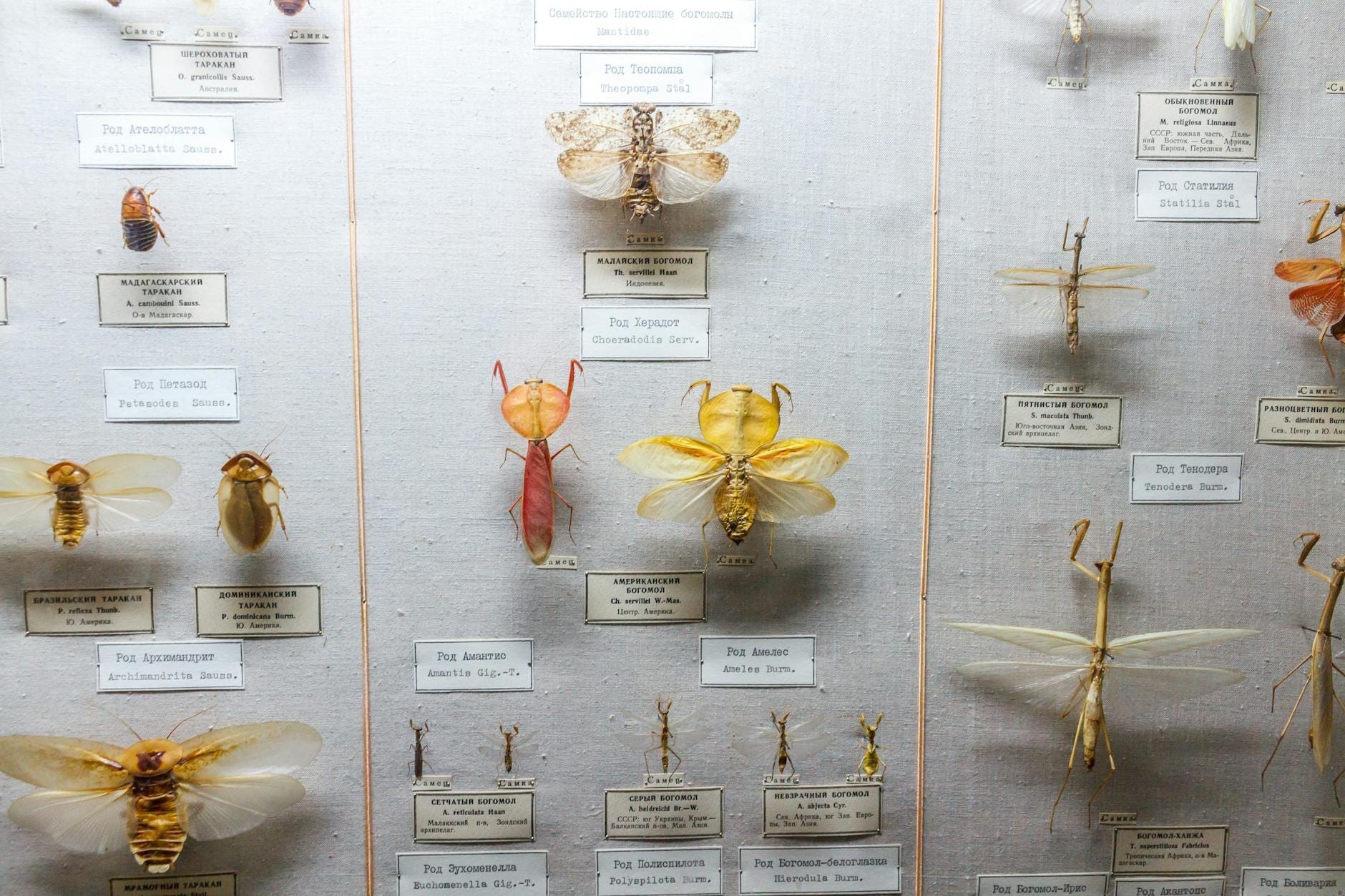
The museum is organised into seven scientific divisions: i) Botany ii) Geodiversity iii) Paleontology iv) Vertebrates v) Invertebrates (except Arthropods) vi) Arthropods and vii) Genomics and Genetic Resources. In practice, this means moving through rooms dedicated to Cretan flora (pressed herbarium specimens, live-model reconstructions), mineral and rock formations from across Crete's varied geology, and detailed zoological displays covering invertebrates, birds, reptiles, and marine life from the Eastern Mediterranean.
The geodiversity section is worth more time than most visitors give it. Crete sits at the convergence of the African and Eurasian tectonic plates, which has produced a geological complexity that explains both the island's dramatic topography and its mineral wealth. The exhibit maps this directly, connecting rock samples on display to the landscapes you may have already driven through.
The botany halls present an unusually thorough survey of Cretan endemic plant species, many of which you might recognise from hikes through the White Mountains or the gorges of the interior. Labelling is in both Greek and English throughout, which makes independent navigation straightforward for non-Greek visitors.
The Building Itself: Industrial Architecture on the Waterfront
The former Heraklion Electricity Corporation power plant is one of the more thoughtful adaptive reuse projects in Crete. The restoration preserved the building's early 20th-century industrial character while creating a climate-controlled interior suitable for natural history collections. Brick arches, exposed structural ironwork, and the building's original proportions remain intact and give a sense of scale that purpose-built museum buildings often fail to achieve.
The location on Dermata Bay means the building faces directly onto the sea. On a clear morning, light coming through the tall windows on the sea-facing side of the building creates a particular quality of illumination in the upper galleries. Arriving before 10:00 on a weekday gives you a version of the museum that is noticeably quieter and, in good weather, noticeably better lit in those upper spaces.
ℹ️ Good to know
The museum sits within easy walking distance of Heraklion's Venetian harbor and the city's main waterfront promenade. A visit pairs naturally with an afternoon in the old town, with both filling a full day without any transit needed.
Visiting in Context: Heraklion's Museum Landscape
Heraklion is unusually rich in museum options for a city of its size, and it is worth being deliberate about sequencing. The Heraklion Archaeological Museum holds the world's most important collection of Minoan artifacts and is almost certainly the higher priority for a first-time visitor to Crete. But the Natural History Museum provides a complementary lens: where the archaeological museum shows what Minoan civilisation made, the NHMC shows what the island's landscape, geology, and ecosystems looked like before, during, and after that civilisation. The two museums together give a fuller picture of Crete than either does alone.
If your Heraklion itinerary includes the Palace of Knossos, consider visiting the Natural History Museum on the same day, in the afternoon. The paleontology and geodiversity exhibits at the NHMC add context to the environmental conditions in which the Minoans developed, making the visit to Knossos feel less isolated from its deep ecological history.
Travelers with more than a couple of days in the city can also check what is on at the Archaeological Museum of Chania if they plan to travel west, or review our guide to the best museums in Crete for a fuller picture of what the island's cultural institutions offer.
Practical Notes: Getting There, Accessibility, and Photography
The museum's beachfront address on Leoforos Sofokli Venizelou puts it at the western edge of Heraklion's main waterfront, roughly a 15-minute walk from the city's central Lion Square (Plateia Eleftherias) and about 10 minutes from the ferry port on foot. Local city buses serve the coastal road, and taxis are readily available from the port. There is no dedicated museum car park, but street parking exists along the waterfront road and is usually manageable outside peak summer weekends.
The building is multi-level, and the available sources do not confirm the presence of lifts or ramps throughout. Visitors with mobility requirements should contact the museum directly at +30 2810 282740 or info.nhmc@uoc.gr before visiting to confirm current accessibility provisions.
Photography is generally welcomed in natural history museum settings, and the tall, industrial-scale rooms offer good conditions for wide-angle shots of the large exhibits. The Deinotherium's full length is best captured from the far end of its dedicated hall. Flash photography of delicate botanical specimens is best avoided.
⚠️ What to skip
Summer weekend afternoons (July to August) bring school groups and families with children. If you want to examine exhibits at your own pace without navigating around organised groups, weekday mornings are significantly calmer.
Who Will Get the Most from This Museum (and Who Might Not)
The Natural History Museum of Crete rewards visitors who arrive curious about the island's physical world: its rocks, its plants, its pre-human and early human ecological context. Families with children aged 6 and up will find the Deinotherium skeleton alone justifies the visit, and the diversity of display formats (specimens, models, interactive panels where available) holds attention across age groups.
Travelers whose primary interest is ancient human history, Minoan archaeology, or Byzantine art may find the NHMC is best treated as a secondary stop rather than a centrepiece of the day. It is intellectually serious but narrowly focused on natural sciences. If you are working through Crete on a tight itinerary, prioritise the Archaeological Museum first, and add the NHMC if time allows.
For visitors spending more time in Heraklion, the museum also makes an excellent choice on days when the weather turns. Crete's summers are reliably dry, but shoulder season visits in October or April can bring overcast or wet days. The NHMC fills two to three hours comfortably regardless of what is happening outside. See our notes on visiting Crete in October for more on planning around shoulder season conditions.
Insider Tips
- The museum's upper galleries receive direct morning light through their sea-facing windows on clear days. Arriving at opening time on a weekday gives you the best light and the smallest crowds simultaneously.
- The Deinotherium exhibit annotations are detailed enough to read at length. Most visitors spend 5 minutes; allow 15 if paleontology genuinely interests you, and the complexity of the specimen's discovery history becomes apparent.
- The geodiversity section is consistently undervisited relative to the paleontology hall. If you have any interest in how tectonic activity shaped the Cretan landscape you've been driving through, it is worth making a deliberate stop.
- The museum is operated by the University of Crete, which means it occasionally closes or adjusts hours around academic events or public holidays beyond the standard closures. A quick call to +30 2810 282740 before an early-morning weekday visit is never wasted.
- The beachfront walk between the museum and Heraklion's old town along Leoforos Sofokli Venizelou takes about 15 minutes and passes the Venetian walls. It is an efficient way to link the NHMC into a wider city exploration without backtracking.
Who Is Natural History Museum of Crete For?
- Families with school-age children looking for an engaging, air-conditioned afternoon
- Natural science enthusiasts with an interest in Mediterranean ecology, geology, or paleontology
- Repeat visitors to Crete who have already covered the main archaeological sites
- Travelers caught by bad weather needing a full-afternoon indoor option
- Anyone wanting to understand the physical landscape of Crete before heading into the mountains or gorges
Nearby Attractions
Other things to see while in Heraklion:
- CretAquarium
Located 15 km east of Heraklion on a former American military base, CretAquarium is one of Europe's largest modern aquariums. Run by the Hellenic Centre for Marine Research, it showcases around 2,000 animals from 200 Mediterranean species across 1,800,000 liters of seawater. It is a serious scientific institution that doubles as a compelling day out.
- Heraklion Archaeological Museum
The Archaeological Museum of Heraklion holds the most complete collection of Minoan artifacts on earth, spanning 5,500 years from the Neolithic period through Roman times. For anyone serious about ancient Mediterranean civilizations, this is the definitive stop in Crete.
- 1866 Street Market (Heraklion)
Running from Meidani Square to Kornarou Square in the heart of Heraklion, the 1866 Street Market is the most concentrated expression of Cretan food culture in the city. Free to enter, alive with vendors and locals, and framed by layers of Ottoman and Venetian history, it rewards anyone willing to slow down and look closely.
- Heraklion Venetian Walls & Koules Fortress
Rising from the breakwater of Heraklion's old harbor, the Koules Fortress is one of the best-preserved Venetian sea fortresses in the eastern Mediterranean. Combined with the city's sweeping land walls, this is Heraklion's most visually commanding historical site.