Crete in October: Weather, Crowds & What to Do
October is one of the most underrated months to visit Crete. The summer crowds have thinned, sea temperatures stay around 23°C, and the island shifts into a slower, more authentic rhythm. This guide covers what the weather actually looks like, which attractions stay open, where crowds still linger, and how to plan a genuinely rewarding trip.
Plan and book this trip
Tools from our partner Travelpayouts help you compare flights and hotels. If you book through them, we may earn a commission at no extra cost to you.
Flights
Hotels map
TL;DR
- Average daytime highs of 23–24°C and sea temperatures around 23°C make swimming and beach days fully viable throughout October.
- Crowds drop sharply after the first week — expect 40–60% fewer tourists than August at major sites like Knossos and Elafonissi.
- October is ideal for hiking in Crete — the heat has broken, trails are dry, and Samaria Gorge typically stays open until early November.
- Hotel rates fall 30–50% compared to July–August; car rental prices drop similarly, making this the best value month after June.
- Some beach bars and smaller tavernas close after mid-October, but all major attractions, restaurants, and transport options remain operational.
October Weather in Crete: What to Actually Expect
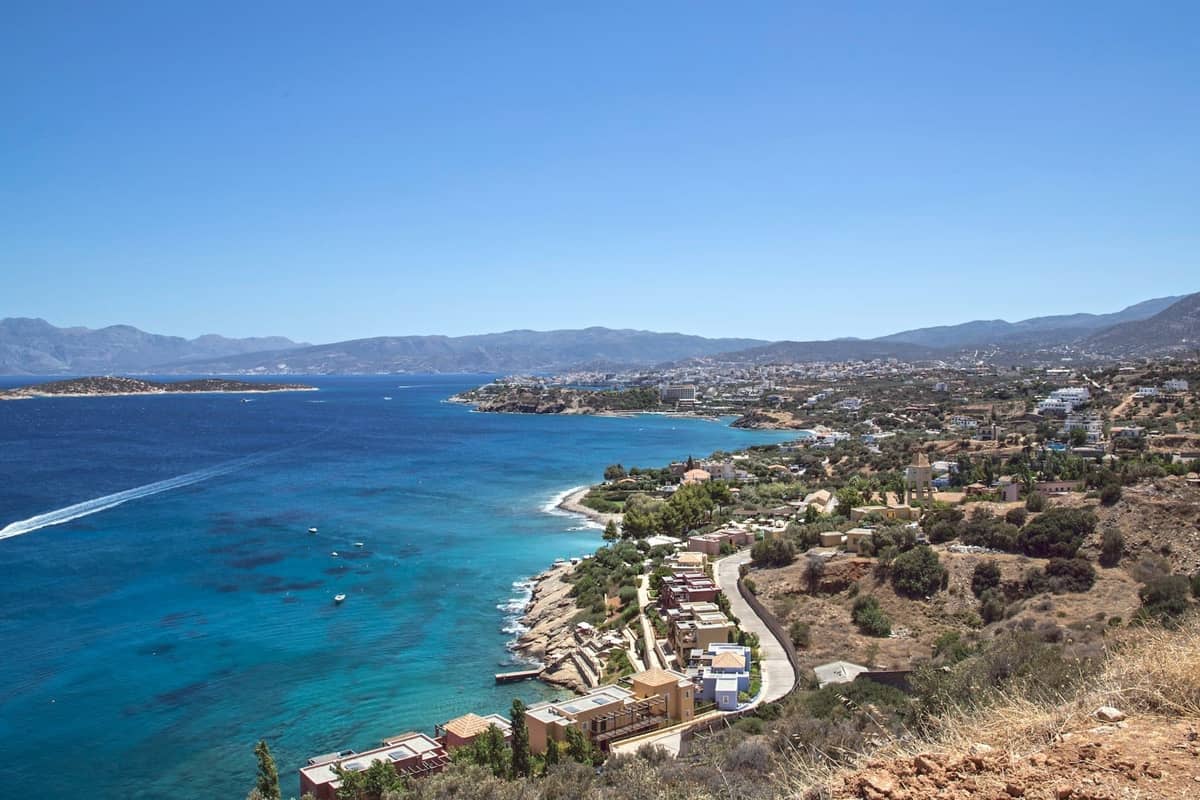
Crete in October sits in a Mediterranean sweet spot that surprises most first-time autumn visitors. Daytime temperatures average 23–24°C, dropping to 15–17°C overnight. You get around 6–8 hours of sunshine daily, with roughly 11 hours of daylight. Rainfall is minimal — typically 6 rainy days across the month, with precipitation ranging from 12mm to 70mm depending on the year and region. On most days, odds of clear skies run around 62%. In practical terms: pack sunscreen, a light jacket for evenings, and forget the umbrella unless you're extremely unlucky.
There is a meaningful north-south divide worth understanding before you book. The White Mountains act as a natural barrier, meaning the south coast — places like Plakias, Matala, and Agia Galini — tends to run 2–3°C warmer and significantly drier than the north. Heraklion and Chania on the north coast get the first rainfall when Atlantic systems push through, while the south coast can remain bone-dry and sunny even on days when the north looks overcast. If your trip falls in late October and you want maximum sunshine certainty, base yourself on the south coast.
ℹ️ Good to know
Late October can surprise you with warmth: forum reports from long-term visitors consistently mention afternoon temperatures of 25–28°C and sea temperatures of 25–26°C in the last week of the month, particularly in sheltered south-coast bays. This is not unusual — it happens more years than not.
One persistent myth worth dispelling: Crete in October is not cold, grey, or rainy. That impression often comes from people comparing it to summer, not to the alternatives. Compared to autumn in northern Europe, October in Crete feels like a warm summer. The UV index stays moderate, so sun protection still matters, but evenings are genuinely pleasant rather than oppressively hot.
Crowds and Costs: The Real Advantage of October
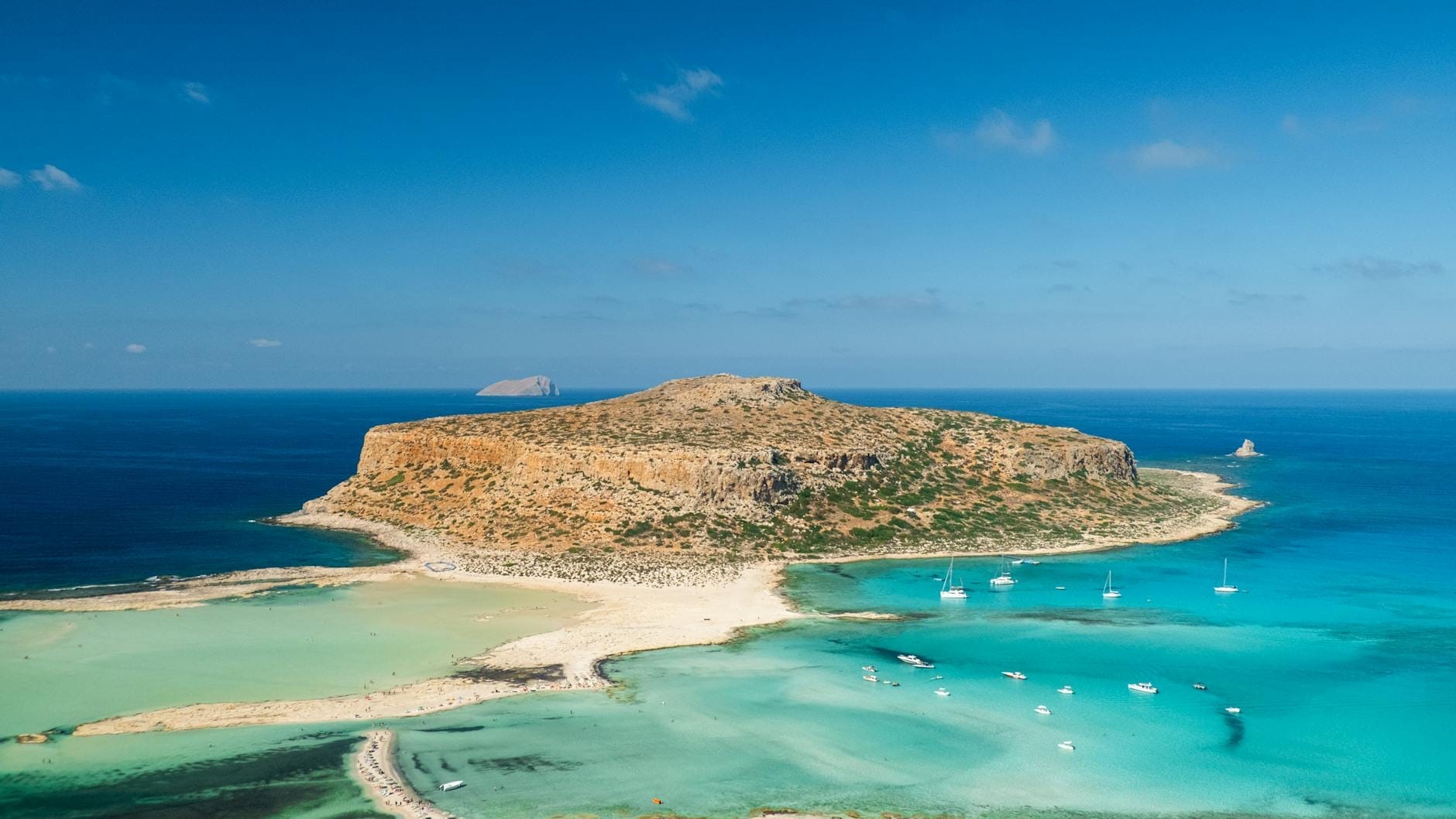
The shift in crowd levels between August and October is dramatic. Elafonissi beach in August sees several thousand visitors per day with parking gridlocked by 9am. By mid-October, you can walk the entire lagoon with perhaps a few dozen other people. The same transformation applies to Balos Lagoon, the narrow lanes of the Chania Old Town, and the entrance queue at the Palace of Knossos.
On costs: hotel rates across Crete typically fall 30–50% from their August peak. A mid-range room in Heraklion or Rethymno that costs €140–180 per night in summer routinely drops to €70–100 in October. Car rental, which is the single most important booking you can make for Crete, follows a similar pattern — expect to pay roughly half the summer rate from reputable local agencies. Flights from northern Europe are also cheaper, particularly after the first week when package-holiday season has largely ended.
- Best value window The second and third weeks of October offer the optimal balance: the weather remains reliably warm, crowds are noticeably thin, and prices have already dropped from the early-October shoulder period.
- What stays busy Heraklion city and the area around Knossos still sees day-trippers and cruise ship passengers on select days. Check cruise schedules if you want the palace entirely to yourself.
- What closes early Many beach clubs, water sports operators, and resort-area restaurants close between October 10–20. Verify specific businesses before you go, especially if you're heading to quieter spots like Paleochora or Loutro.
⚠️ What to skip
Some smaller accommodation options in beach-focused villages close for the season by mid-October. If you're planning to stay somewhere off the main tourist circuit, book in advance and confirm the property is open. Don't assume — call or email directly.
The Best Things to Do in Crete in October
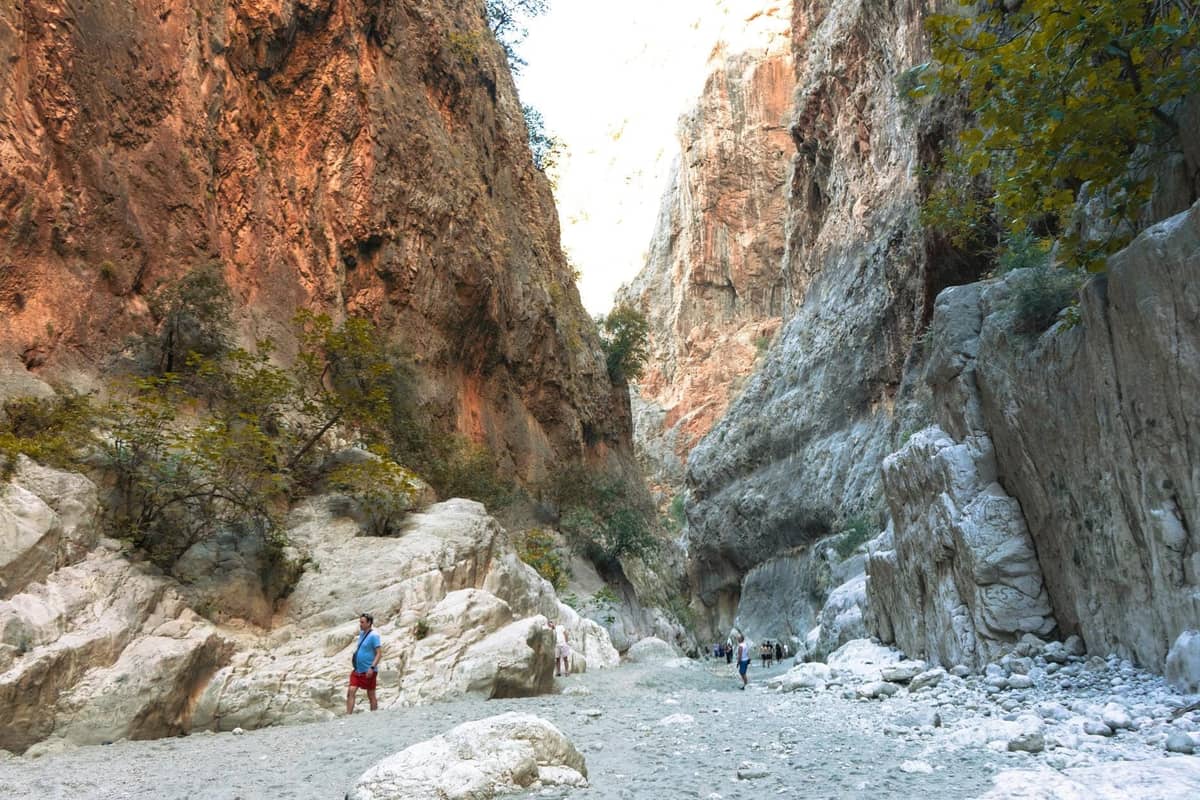
October is the best single month for hiking on the island, full stop. The summer heat that makes gorge walks brutal from June through September is gone. Samaria Gorge — Europe's longest gorge at 16km — typically stays open until late October or early November (check with the Chania Forest Directorate before visiting, as closure depends on rainfall). The Imbros Gorge near Sfakia is a shorter, less crowded alternative that stays open year-round and is genuinely beautiful in autumn light.
Archaeological sites come into their own in October. The Palace of Knossos — inscribed on the UNESCO World Heritage List in 2024 along with four other Minoan palace sites — is far more rewarding when you can actually stand and absorb the Bronze Age frescoes without being pushed through by tour groups. The same applies to Minoan Palace of Phaistos on the Messara Plain, which has arguably better views and context than Knossos but receives a fraction of the visitors even in summer.
Beach days remain entirely worthwhile. The sea at 23°C is warmer than most northern European seas ever get, and with reduced crowds, beaches that were barely enjoyable in August become genuinely relaxing. Preveli beach with its palm grove and river is particularly atmospheric in October when the light is golden and softer. Falassarna on the northwest tip is wide enough that it never really feels crowded, even in summer, and in October it's close to empty.
October is also the month to engage properly with Cretan food culture. Harvest season brings fresh olive oil pressing (starting late October in most areas), local wine from the recent grape harvest, and autumn produce in markets. The Heraklion Market on 1866 Street is worth at least an hour of your morning — the stalls shift with the season and October brings a different range of produce than summer. Pair this with a read through our Cretan food guide before you go.
Where to Base Yourself in October
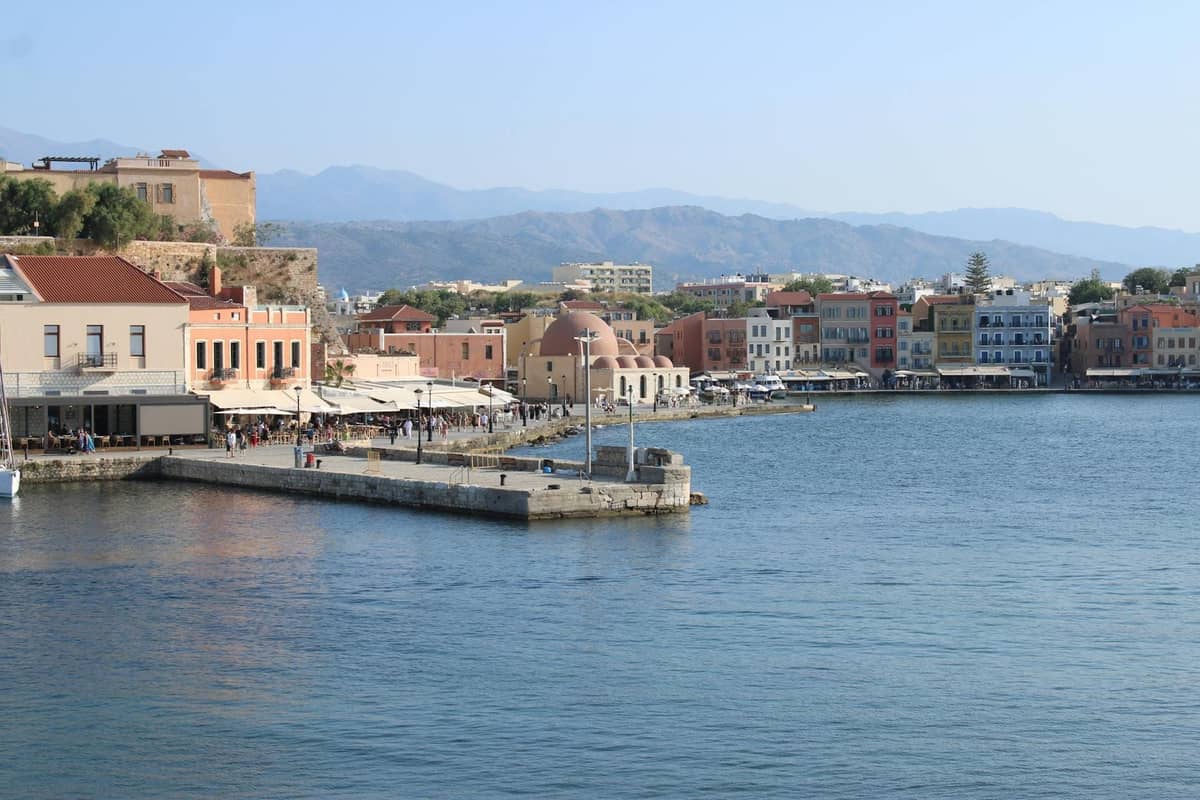
The choice of base matters more in October than in summer, because some areas lose services faster than others. Chania is the strongest choice for most visitors: the old town remains fully operational year-round, the restaurant scene is genuinely excellent, and it sits within easy reach of both the White Mountains and the northwest beaches. It's also the most atmospheric city on the island in autumn, when the light on the Venetian harbour turns amber in the late afternoon.
Rethymno is the second-best base, with a beautifully preserved old town, the Fortezza castle, and a long sandy beach that stretches east from the harbour. It's smaller and quieter than Heraklion but has enough restaurants and accommodation open in October to sustain a week-long stay comfortably. Heraklion suits people focused on archaeology and museums — the Heraklion Archaeological Museum alone justifies a full day — but its urban character means it lacks the scenic appeal of the other two as a base.
- Chania: Best overall — most atmospheric, best restaurant scene, open year-round, good access to west coast beaches and gorges.
- Rethymno: Best balance of old-town character and beach proximity; quieter than Chania but fully serviced in October.
- Heraklion: Best for archaeology and central island day trips; less charming as a stay but most practical if flying in and out of HER airport.
- South coast villages (Plakias, Agia Galini): Best for warmth and solitude, but verify accommodation is open and expect very limited nightlife and services after mid-October.
- Agios Nikolaos / Elounda: Upmarket eastern Crete option; Spinalonga island tours still run in early October but taper off by month's end.
✨ Pro tip
Rent a car. In October, road trip logistics become far easier with lighter traffic, cooler temperatures for mountain driving, and free parking almost everywhere that was gridlocked in August. Crete is 260km long — without a car, you'll spend the whole trip on bus routes and miss the interior entirely. Book in advance online for the best rates, and choose a local agency over the international chains for better pricing and flexibility.
October Practicalities: What to Pack and Plan For
Packing for October in Crete is simpler than most people make it. Bring swimwear and sunscreen — you will use both. Add a light jacket or fleece for evenings, particularly if you're in the mountains or at altitude. If you're hiking, proper trail shoes are worth the bag space; gorge paths are rocky and uneven. A small daypack, a reusable water bottle, and reef-safe sunscreen covers most situations.
Clocks go back one hour at the end of October (last Sunday), which Greece observes along with the rest of the EU. If your trip spans this date, factor in the extra hour of morning darkness. On the practical side: EU 112 is the emergency number, the country code is +30, and electricity is Type C/F at 230V (standard European plug). Tap water in Cretan cities is generally safe to drink, though many locals prefer bottled water in smaller villages.
- Swimwear and beach towel (sea stays warm all month)
- SPF 30+ sunscreen (UV index moderate but still significant)
- Light jacket or thin fleece for evenings and mountain areas
- Trail shoes if hiking gorges or mountain villages
- European Type C/F plug adapter if travelling from the UK or US
- Cash: many smaller tavernas and market stalls are card-unfriendly
FAQ
Is October a good time to visit Crete?
Yes, genuinely one of the best. You get warm, stable weather (23–24°C daytime highs), swimmable seas around 23°C, significantly fewer tourists than summer, and hotel and car rental prices that are 30–50% lower than the peak season. The main trade-off is that some beach-focused businesses close in mid-to-late October.
Can you swim in Crete in October?
Absolutely. Sea temperatures average around 23°C throughout October and can reach 25–26°C in sheltered south-coast bays during late October warm spells. The water is warmer than most northern European seas in their best summer months. Bring your swimwear.
What is the weather like in Crete in October?
Daytime highs of 23–24°C with overnight lows of 15–17°C. Around 6–8 hours of sunshine per day, roughly 6 rainy days across the month, and a 62% chance of clear skies on any given day. The south coast runs warmer and drier than the north due to the mountain barrier. Pack a light jacket for evenings but leave the heavy rain gear at home.
Is Crete busy in October?
Much quieter than summer. Visitor numbers drop significantly after the first week, and by mid-October most major beaches and sites are comfortably uncrowded. The exception is cruise ship days at Heraklion and Chania ports — check schedules if you're planning to visit those city centres on a specific day.
Which part of Crete is best in October?
Chania is the strongest overall base — fully operational, beautiful old town, easy access to gorges and northwest beaches. For warmth and solitude, the south coast (Plakias, Agia Galini) is excellent, but verify accommodation is open before booking. Heraklion suits archaeology-focused visitors who want proximity to Knossos and the island's best museum.