Getting Around Crete: The Complete Transport & Car Rental Guide
Crete is 260 km long and divided into four distinct regions. Getting around efficiently requires planning. This guide breaks down every transport option — from KTEL buses to car rental pricing — so you can move around Greece's largest island without wasting a day.
Plan and book this trip
Tools from our partner Travelpayouts help you compare flights and hotels. If you book through them, we may earn a commission at no extra cost to you.
Flights
Hotels map
TL;DR
- Renting a car is the single best way to get around Crete — it unlocks beaches, gorges, and mountain villages that buses simply don't reach.
- Car rental costs roughly €25-50/day in low season and €50-90/day in peak summer (July-August) — book early, especially for Chania and Heraklion pickups.
- KTEL buses connect the four major cities reliably and cheaply (Heraklion to Chania costs around €15), but schedules thin out in the evenings and don't cover rural areas.
- Ferries from Piraeus (Athens) to Heraklion run nightly and take about 9 hours — a practical overnight option if you're planning a road trip across the island.
- Crete drives on the right. Roads in the north are fast and well-paved; roads heading south into gorge and mountain country can be narrow and unpaved.
Why Getting Around Crete Requires More Planning Than Other Greek Islands
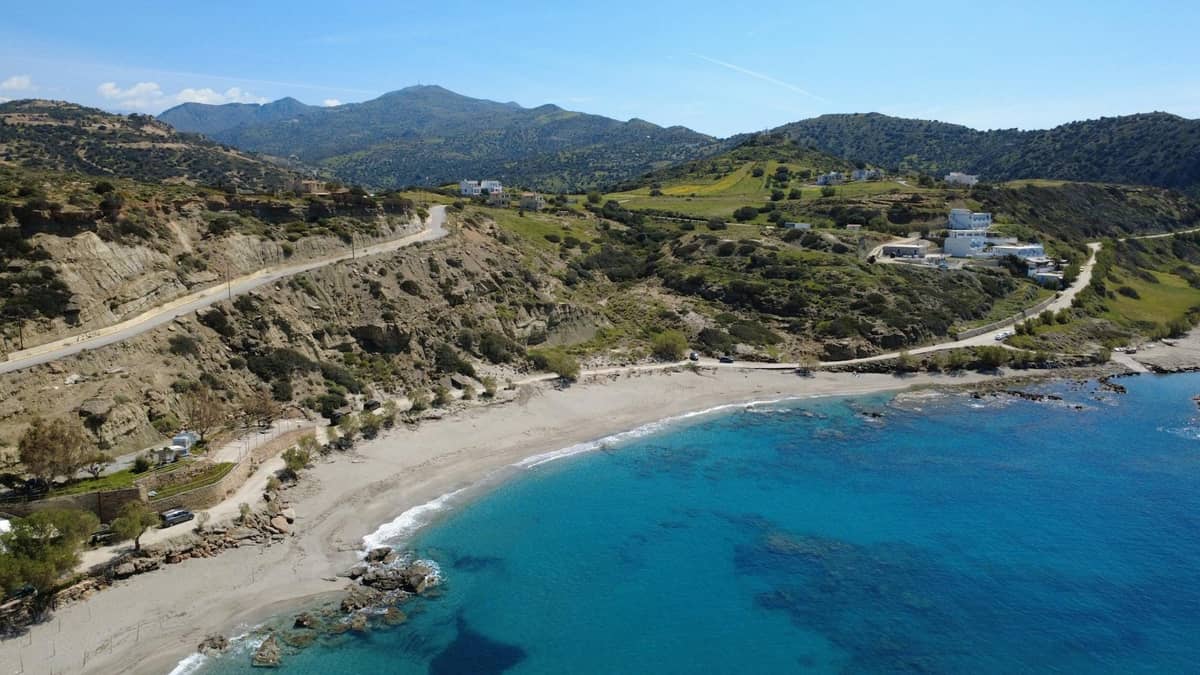
Crete is not a small island. At 260 km east to west and between 12 and 60 km north to south, it covers 8,336 square km — making it the largest island in Greece and the fifth largest in the entire Mediterranean. The island is divided into four regional units: Chania in the west, Rethymno in the west-centre, Heraklion in the east-centre, and Lasithi in the east. Each region has its own character, its own coastline, and its own set of attractions. A traveller staying in Chania who wants to visit the Minoan palace at Knossos or the palm-fringed beach at Vai in the far east is looking at a serious day-trip or, more sensibly, an overnight stay.
The island's topography adds another layer of complexity. A mountain chain runs the entire length of Crete, with the White Mountains in the west rising above 2,400 metres. This means the road network hugs the northern coast for its fast, modern stretches, while any road heading south — toward beaches like Preveli, Plakias, or Agia Galini — will involve steep gradients, tight bends, and occasionally unpaved sections. Factor in travel time accordingly: 100 km on Crete can take anywhere from 75 minutes on the northern highway to well over two hours on mountain roads.
ℹ️ Good to know
Crete has two international airports: Heraklion Nikos Kazantzakis (HER) and Chania Ioannis Daskalogiannis (CHQ). Most charter and budget flights land at Heraklion. If your itinerary focuses on the western half of the island, flying into Chania saves considerable driving time.
Car Rental in Crete: What You Need to Know Before You Book
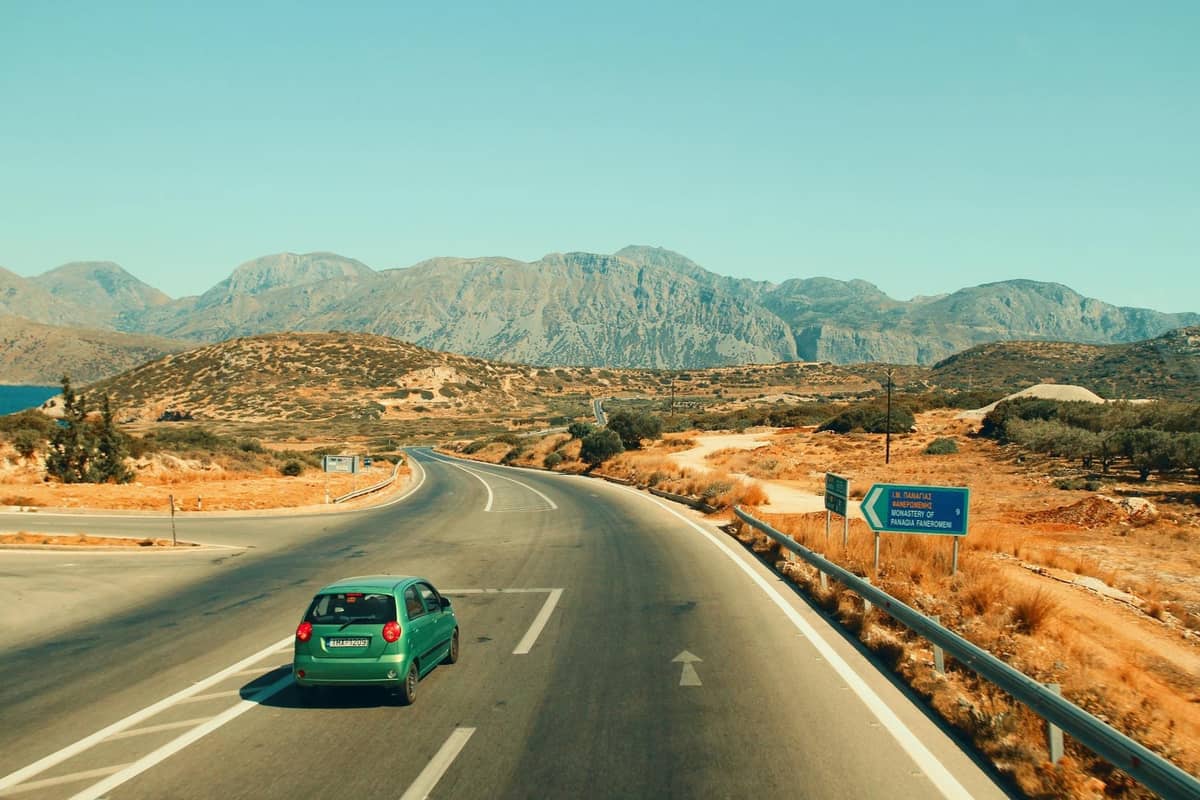
Renting a car in Crete is not just convenient — for most itineraries, it is essentially non-negotiable. The island's best beaches, its mountain villages, its gorges, and most of its archaeological sites are either unreachable by bus or accessible only at inconvenient times. Car rental is widely available at both airports and in all four main cities, with both international chains (Hertz, Avis, Europcar) and reputable local operators competing for business.
Pricing varies significantly by season. In low season (November through April), a compact car typically runs €25-45 per day. In shoulder season (May, June, September, October), expect €40-65 per day. Peak summer rates (July and August) can reach €70-90 per day for the same vehicle, and availability at major pickup points gets tight. If you're arriving in July or August, book your car at least 4-6 weeks in advance. Booking through comparison platforms like rentalcars.com or discovering local Cretan agencies directly often yields better rates than booking through hotel desks or airport counters on arrival.
- Insurance Collision Damage Waiver (CDW) is usually included but carries an excess of €500-1,500. Full protection to reduce the excess to zero costs an additional €10-20/day — worth it on mountain roads.
- Vehicle choice A standard compact or mid-size car handles Crete's road network well. Only book an SUV if you specifically plan off-road tracks — the added fuel cost rarely justifies it for paved itineraries.
- Fuel Most rentals use unleaded petrol. Return the car full to avoid refuelling surcharges, which tend to be significantly above pump prices.
- Driving licence EU licences are accepted without restriction. Non-EU drivers (including UK post-Brexit) should carry an International Driving Permit alongside their national licence.
- Tolls The northern highway (E75) charges tolls at several points, typically €2-4 per booth. Keep small change or a card ready.
⚠️ What to skip
Narrow roads in southern Crete — particularly around the Sfakia region, the Lassithi Plateau access roads, and tracks to remote beaches — see vehicles scrape the underside or catch the body on rock walls. Read the rental agreement carefully: damage to tyres, the undercarriage, and the roof is commonly excluded from basic CDW. If you plan to drive to off-road beaches, confirm in writing what is covered.
KTEL Buses: The Budget-Friendly Backbone of Crete's Public Transport
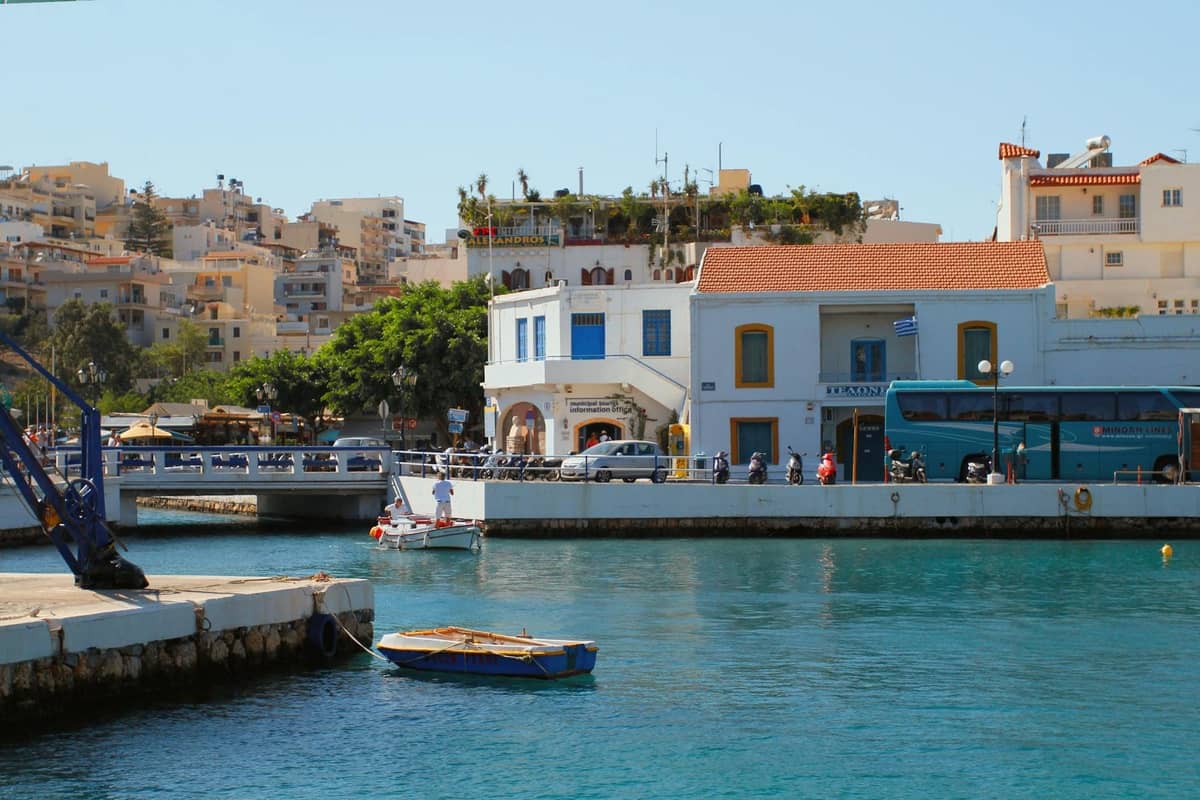
KTEL operates Crete's intercity bus network, and it does so reasonably well along the northern corridor. The main route connecting Heraklion, Rethymno, and Chania runs frequently throughout the day, with buses departing roughly every 30-60 minutes during peak hours. The Heraklion to Chania journey takes around 2.5 to 3 hours and costs approximately €15. Heraklion to Rethymno takes about 1.5 hours and costs around €8. Tickets are purchased at bus station kiosks or, in many cases, directly from the driver.
The KTEL network also covers Heraklion to Agios Nikolaos (around €8, 1.5 hours) and connects to smaller towns across the island, though frequencies drop sharply outside the main corridor. The key limitation is coverage of the south: KTEL does reach places like Matala, Ierapetra, and Sitia, but services are infrequent — often two or three buses per day — and connections to coastal villages near Preveli Beach or Plakias can involve long waits or taxi supplements. Check current schedules at ktelherlas.gr (Heraklion region) or e-ktel.com before planning bus-dependent days.
💡 Local tip
KTEL buses are a genuinely good option for single-city visitors or travellers staying in Heraklion who want day trips to Rethymno or Chania without dealing with parking. For everything else — particularly the south coast and mountain villages — a car is more practical.
Ferries: Getting to Crete and Moving Between Ports
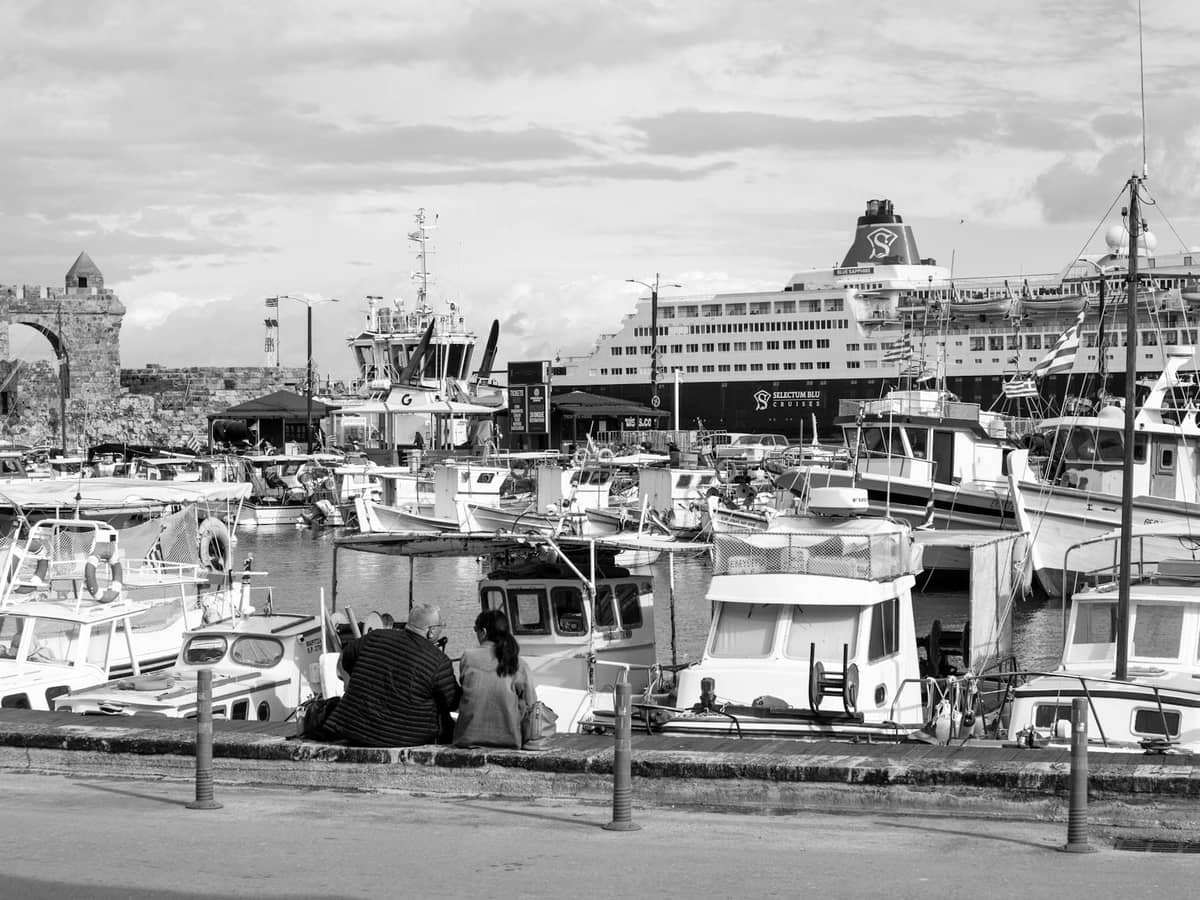
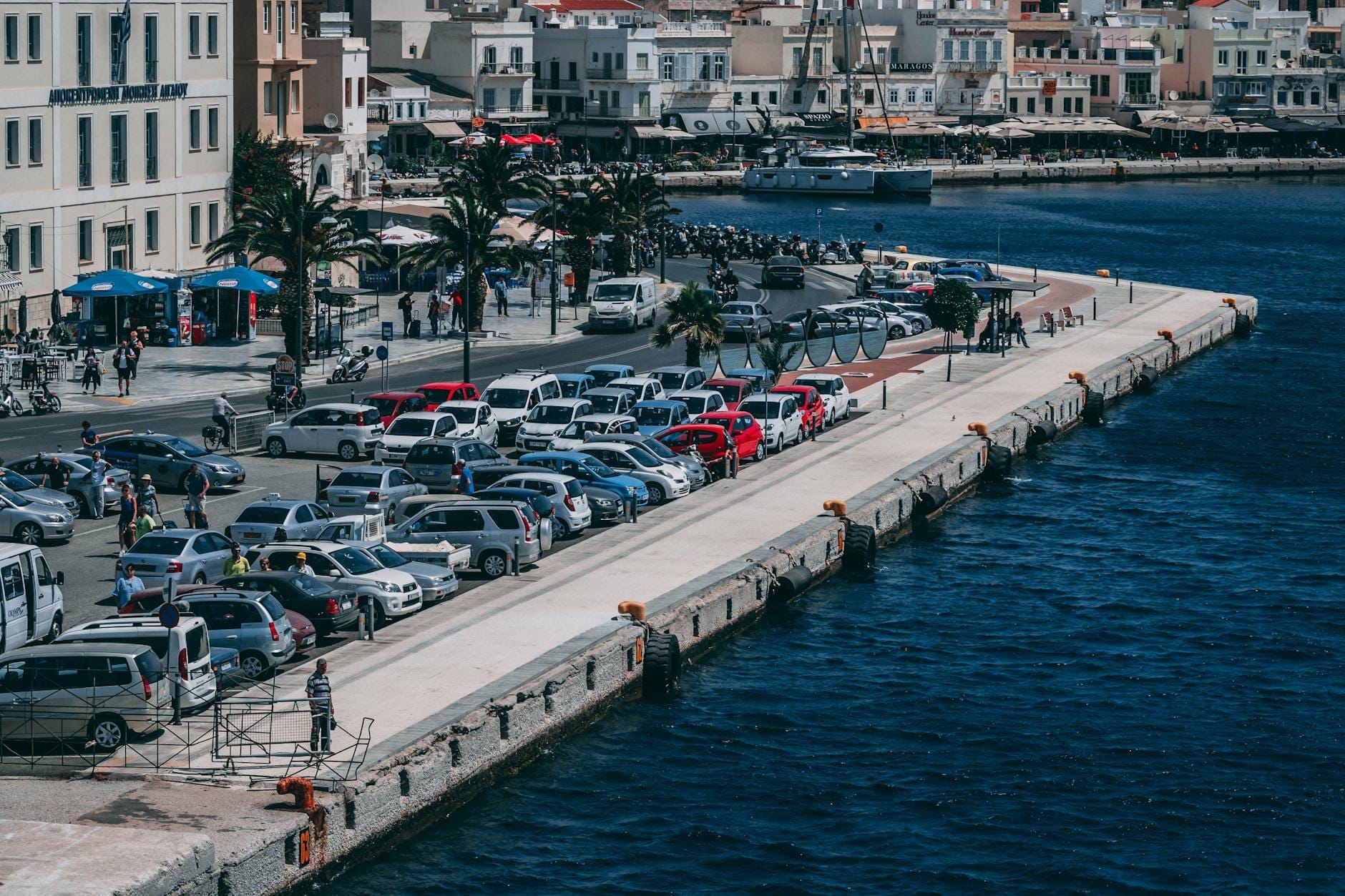
The overnight ferry from Piraeus (Athens) to Heraklion is one of the most practical ways to arrive in Crete, particularly if you're travelling with a vehicle. ANEK Lines and Minoan Lines run this route nightly, with crossing times of approximately 9 hours. Deck-class tickets start from around €40-50 per person; cabins cost €70-120 depending on the category. Bringing a car adds roughly €80-130 to the fare. The ferry docks at Heraklion Harbour early in the morning, which means you arrive refreshed, ready to drive, and have saved a night's accommodation.
There is also a Piraeus to Chania (via Souda port) route, useful for travellers focused on the western half of the island. Seasonal ferry connections link Heraklion and other Cretan ports to islands including Santorini, Mykonos, and Rhodes, though frequency drops significantly outside summer. For island-hopping logistics from Crete, check ferries.gr or directferries.gr for current routes and prices, as schedules change seasonally.
Taxis, Transfers, and Getting from the Airport
Taxis in Crete are metered and generally reliable, though availability varies by location. From Heraklion airport to the city centre, expect to pay around €15-20 for the 5 km ride. From Chania airport (CHQ) to Chania city centre, the distance is about 15 km and typically costs €25-35. Taxi apps are not as embedded in Cretan culture as in larger European cities — your hotel can usually call a reliable local driver, and airport taxi ranks are well-organised.
Private airport transfers are worth considering if you're arriving late, travelling with a group, or heading to a resort that's some distance from the airport. Pre-booked transfers typically cost €30-60 one-way depending on the destination, and the time savings and convenience often justify the cost. For those focused on specific parts of the island, our guide to where to stay in Crete breaks down the best bases by region, which directly affects your transport decisions.
Practical Driving Tips for Crete's Road Network
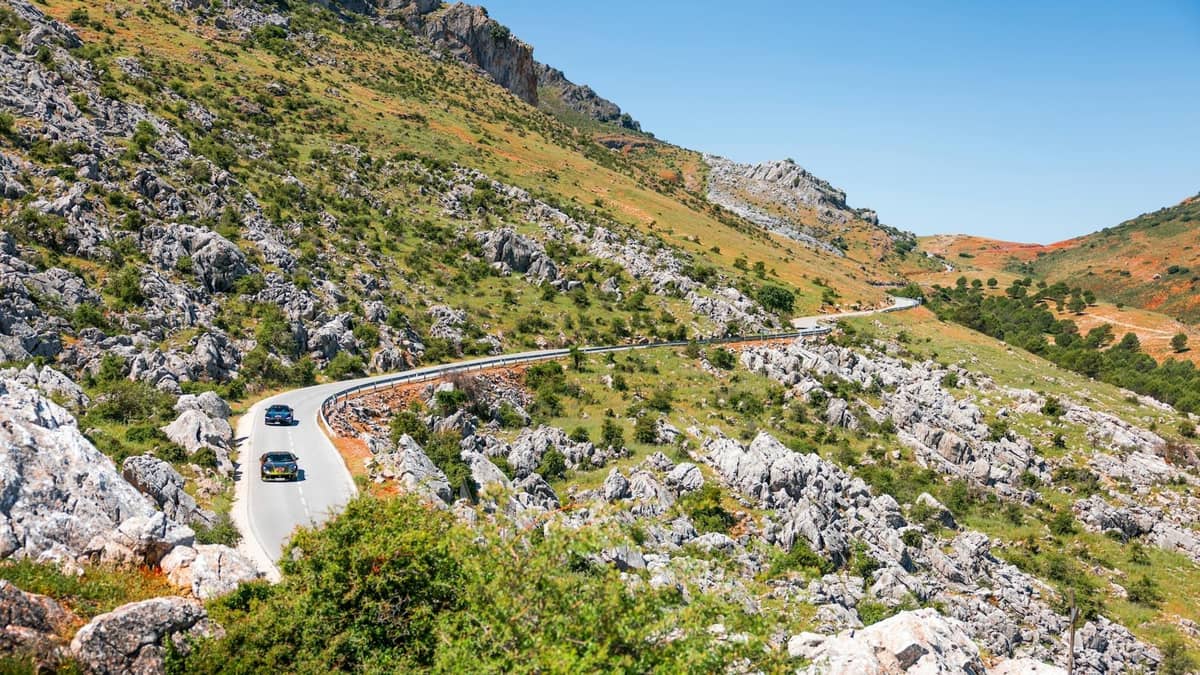
Driving in Crete is on the right, and the main E75 northern highway is modern, dual-carriageway, and straightforward. The challenge comes when you leave it. Secondary roads in the south and in mountain areas are often single-lane with passing places, and sat-nav routes don't always account for road quality. Google Maps tends to be more accurate than Apple Maps for rural Cretan roads, though neither is perfect. Download offline maps before heading into the mountains.
Petrol stations are well distributed across the north but sparse in the south. Fill up before heading into the Samaria Gorge area, the Lassithi Plateau, or the far eastern coast around Zakros. Running out of fuel on a mountain road in August, with no phone signal, is not a theoretical concern — it happens regularly to unprepared visitors.
- Speed limits: 50 km/h in urban areas, 90 km/h on rural roads, 110 km/h on the northern highway. Police use speed cameras, particularly near Heraklion.
- Parking: free and easy in most villages and rural areas; paid parking zones operate in Heraklion and Chania city centres.
- Seasonal road closures: mountain passes (including routes across the White Mountains) may close due to snow between December and March.
- Sheep and goats on the road: a genuine hazard at dawn and dusk, particularly in the Sfakia and Amari valley regions. Drive accordingly.
- Petrol station hours: many rural stations close by 8-9pm. Don't assume you can refuel after dinner in smaller towns.
✨ Pro tip
If you're visiting Crete's most popular beaches — Elafonissi, Balos, Seitan Limani — arrive before 9am in July and August. Parking areas fill completely by mid-morning, and the access road to Balos in particular becomes gridlocked. Some visitors rent ATVs for the Balos track, which is a legitimate option for small groups, but check your rental agreement: most car hire insurance does not cover ATV damage.
For travellers who want to see as much of the island as possible, combining a rental car with a well-planned itinerary is transformative. Our one-week Crete itinerary is structured around driving, and shows how to cover all four regions without backtracking unnecessarily. For those with more time, the Crete road trip guide covers a full cross-island route with overnight stops.
FAQ
Do I need a car in Crete?
For most visitors, yes. While you can survive without a car if you're staying in a single resort and taking organised tours, a rental car is the only realistic way to explore southern beaches, mountain villages, gorges, and the less-visited eastern region around Sitia and Zakros. Without one, you'll spend a significant portion of your holiday waiting for infrequent buses or paying for taxis.
How much does car rental in Crete cost?
Expect around €25-45 per day in low season (October to April), €40-65 in shoulder months, and €70-90 per day in peak summer (July-August). Always factor in insurance excess cover, which can add €10-20 per day but provides significant peace of mind on Crete's less forgiving roads.
How long does it take to drive across Crete?
From Chania in the west to Sitia in the east is approximately 260 km via the northern highway and takes around 3.5 to 4 hours without stops. The journey is broken up naturally by the cities of Rethymno and Heraklion, both worth at least a brief stop.
Are KTEL buses reliable in Crete?
On the main northern corridor (Heraklion-Rethymno-Chania), KTEL is reliable and affordable. On secondary routes, particularly to the south coast, buses are infrequent and can run late in summer when roads are congested. Always check current schedules at ktelherlas.gr rather than relying on third-party apps.
Can I take a ferry to Crete from Athens?
Yes. Overnight ferries depart from Piraeus (Athens) to Heraklion nightly and to Souda (Chania) most evenings throughout the year. The crossing takes approximately 9 hours. Economy deck tickets start from around €40-50; cabins cost more. This is a practical way to bring a rental car with you or avoid a flight.