One Week in Crete: The Perfect 7-Day Itinerary
Seven days is enough to cover Crete's four regional units, its best beaches, and its most significant ancient sites — if you plan it right. This guide gives you a day-by-day route built around a rental car, honest crowd warnings, and practical details on costs and timing.
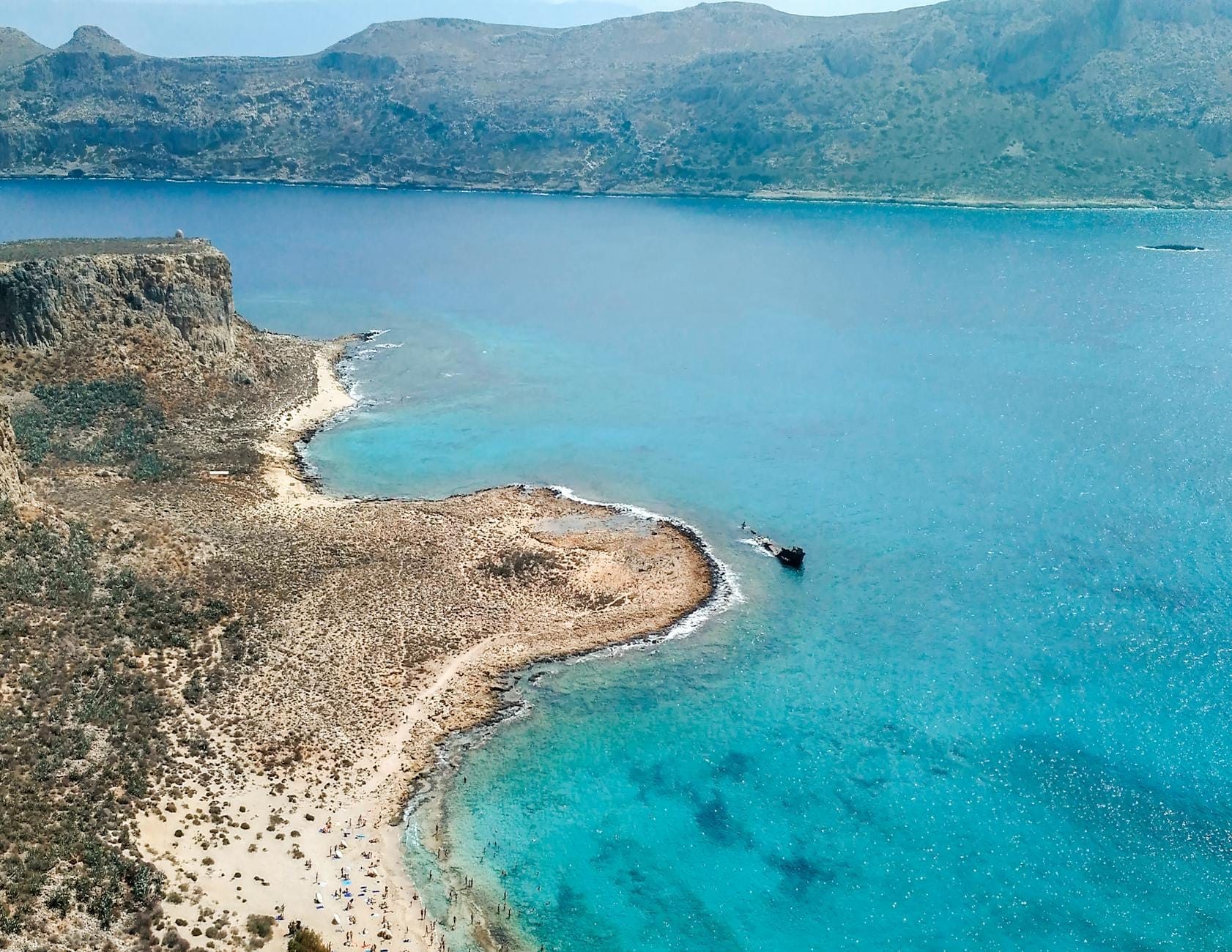
Plan and book this trip
Tools from our partner Travelpayouts help you compare flights and hotels. If you book through them, we may earn a commission at no extra cost to you.
Flights
Hotels map
TL;DR
- Rent a car from Heraklion or Chania airport — public buses are fine between cities but useless for remote beaches and mountain villages.
- The optimal flow is west to east: start in Chania, move through Rethymno, then base yourself in Heraklion for Knossos and eastern Crete — see the full Crete road trip guide for driving logistics.
- Visit Knossos before 9am or after 3pm in summer — midday heat and tour groups make the site nearly unbearable between 10am and 2pm.
- Shoulder season (May, September, October) is significantly better than peak summer for hiking and beach access — check the best time to visit Crete for a full month-by-month breakdown.
- Budget around €80-120 per person per day covering accommodation, food, car rental, and entry fees at a comfortable mid-range level.
Before You Start: Transport, Logistics, and the Case for a Rental Car
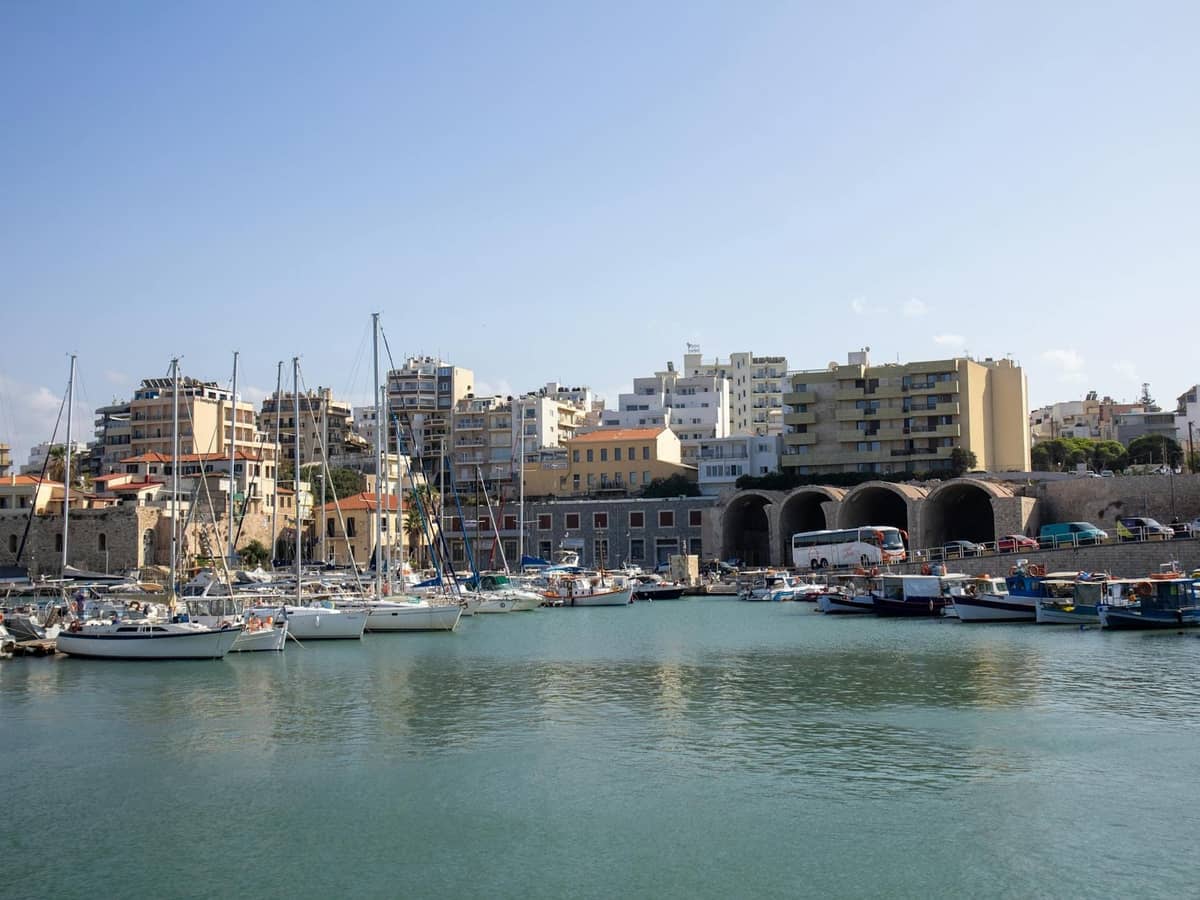
Crete is 260 km long and between 12 and 60 km wide, which sounds manageable until you realize that the mountain spine running east to west means coastal drives take far longer than the map suggests. The island has two international airports: Heraklion Nikos Kazantzakis (HER) in the center-north and Chania Ioannis Daskalogiannis (CHQ) in the west. The smartest move for a week-long trip is flying into Chania, driving east across the island, and flying home from Heraklion — or the reverse. This eliminates backtracking entirely.
KTEL buses connect the four major cities reliably and cheaply (Chania to Heraklion runs around €16 and takes roughly 3 hours), but they won't get you to Elafonissi beach without a 4-plus hour round trip on slow rural routes. A rental car from one of the airports costs around €30-50 per day depending on season and vehicle class. Book in advance for July and August — local fleets sell out. International licenses are accepted, and roads are generally good on the north coast highway; the south coast and mountain routes are narrower and slower but passable with a standard hatchback.
⚠️ What to skip
Crete has a notably high rate of rental car damage claims. Photograph every scratch before you drive off the lot, and check whether your credit card includes collision damage waiver coverage before paying for the rental company's insurance package.
Days 1-2: Chania — Venetian Harbors, Pink Sand Beaches, and the Samaria Gorge Question
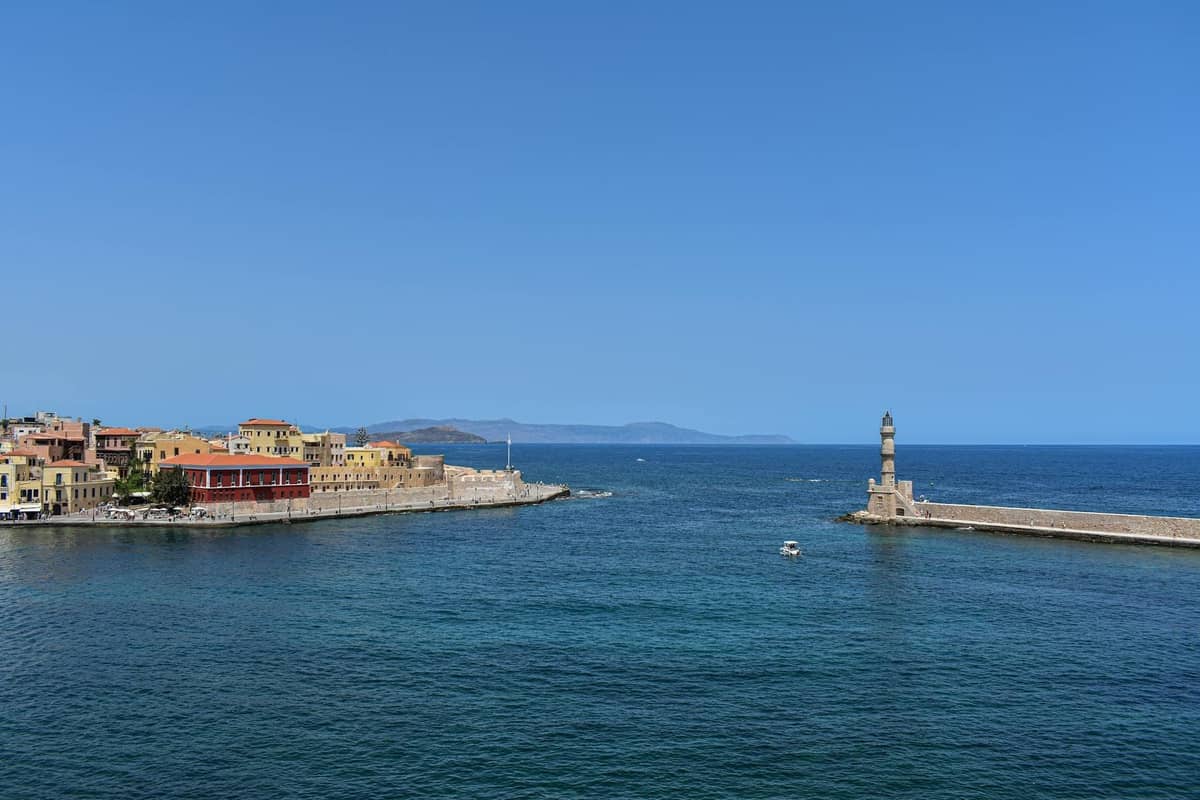
Chania is the most photogenic city on the island and the right place to begin a week in Crete. The Chania Old Town layers Venetian mansions, Ottoman minarets, and the famous Egyptian Lighthouse into a compact, walkable neighborhood. The Topanas, Splantzia, and Zudecca quarters each have their own character — Splantzia in particular is quieter and less touristy, with good tavernas and a shaded square. The Venetian Harbor is stunning at golden hour but extremely crowded at midday in summer.
On your second day, head south to Elafonissi — about 1.5 to 2 hours by car from Chania. The pink-tinted sand is caused by crushed shells and coral fragments, and the shallow lagoon is unusually calm, making it one of the few beaches on Crete where young children can wade safely for a long stretch. Arrive before 9:30am in July or August; by 11am the parking area is full and the beach is covered. An alternative day-two option is the Samaria Gorge — a 16 km hike that takes most people 5-7 hours and requires arranging transport back from the southern exit village of Agia Roumeli by ferry and bus. It's only open from around May to October and closes after heavy rain.
- Elafonissi Beach Best for families, swimmers, and beach photography. Go early or late in peak season. Accessible by car in under 2 hours from Chania.
- Samaria Gorge Best for serious hikers who want a full day out. Plan 6-8 hours total including transport. Not suitable if you have knee problems or are traveling in extreme heat.
- Balos Lagoon and Gramvousa Island A boat tour from Kissamos port, roughly 40 minutes west of Chania. The lagoon is genuinely spectacular but very busy in summer. Best done on a weekday.
💡 Local tip
If you want to do both Elafonissi and Balos, do not try to fit them into the same day. Both are exceptional but the drives are in opposite directions from Chania, and rushing either one defeats the point. Pick one per day.
Day 3: Rethymno — A Smaller City Worth More Than a Passing Stop
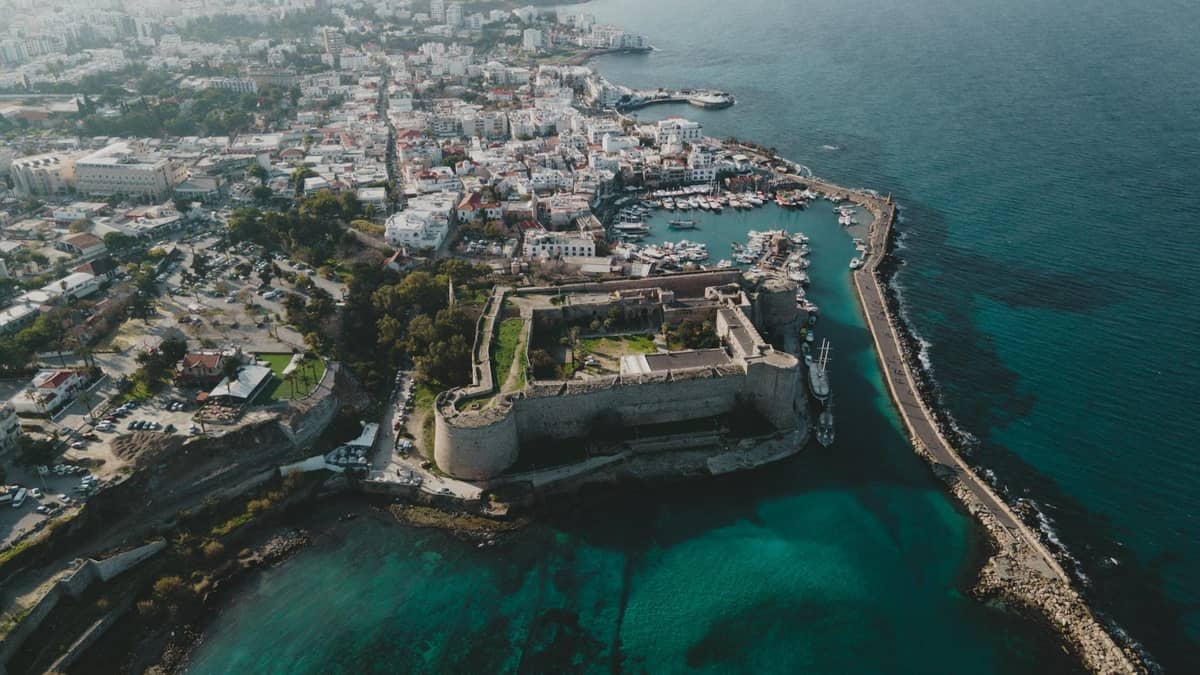
Most itineraries treat Rethymno as a lunch stop on the way from Chania to Heraklion. That's a mistake. The drive takes about an hour, and the Rethymno Old Town rewards a proper half-day. The Fortezza — the 16th-century Venetian fortress sitting above the harbor — is one of the best-preserved examples of Venetian military architecture in the Mediterranean. Entry costs around €4 and the views over the town and coast are excellent. Below the fortress, the narrow streets contain Ottoman fountains, a well-preserved minaret, and dozens of independent shops that are noticeably less touristy than their Chania equivalents.
Check in to your Heraklion-area accommodation in the late afternoon, giving yourself time to explore the city before your big Knossos day. If you're interested in Cretan history more broadly, the Minoan history guide provides useful context before you set foot inside any of the island's major archaeological sites.
Days 4-5: Heraklion and Knossos — The Archaeological Core of the Island
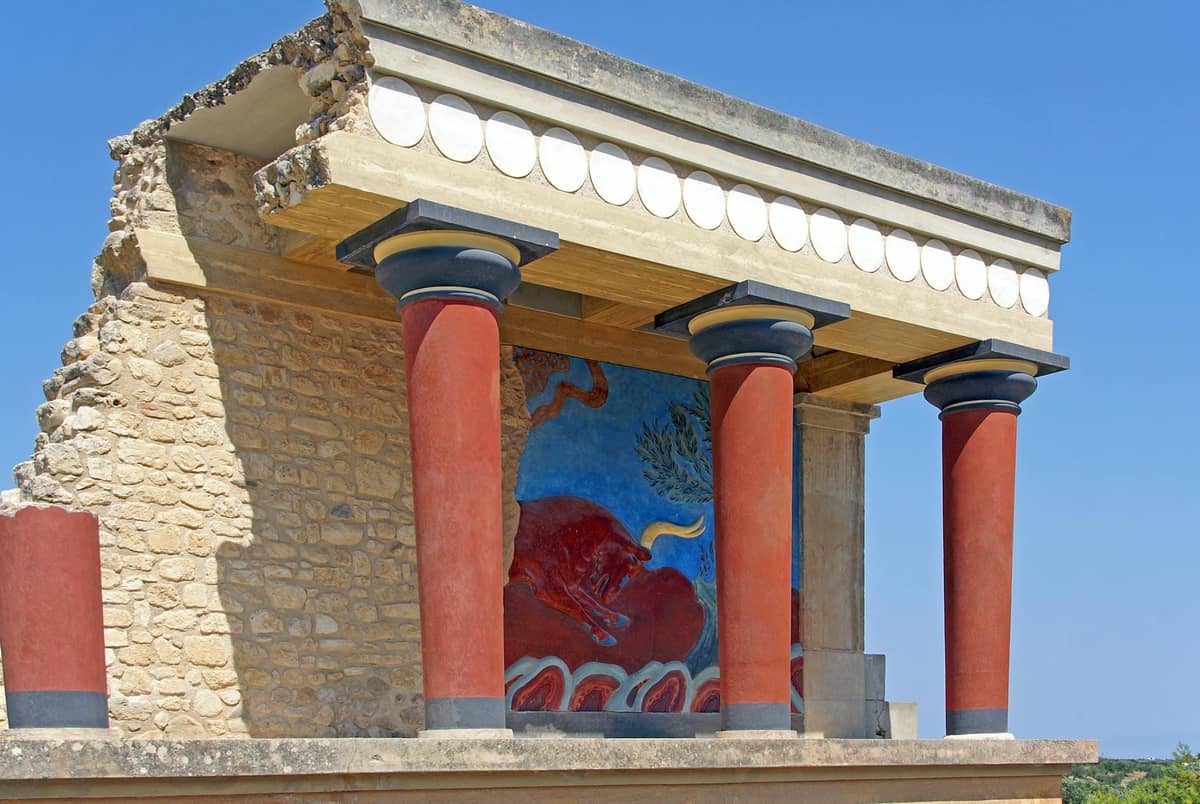
Heraklion is the administrative capital of Crete and home to the island's most significant ancient site. The Palace of Knossos sits 11 km southeast of the city center and is widely cited as the largest Bronze Age archaeological site in Crete. Entry costs €15, and a guided tour (typically €20-30 on top of entry) is worth it here — without context, the reconstructed frescoes and labyrinthine room layouts are difficult to interpret. Allow at least 2 hours. The site is open daily, but hours vary by season, so check the Greek Ministry of Culture website before visiting.
In Heraklion itself, the Heraklion Archaeological Museum is arguably the most important collection of Minoan artifacts in the world. The Phaistos Disc, Minoan frescoes, and bull-leaping imagery found here cannot be seen anywhere else at this quality or scale. Budget 2-3 hours. The 1866 Market Street nearby is a good place to pick up local food products — Cretan olive oil, dried herbs, honey, and thyme-flavored raki. This is where locals actually shop, which keeps quality high and prices honest.
Use your second Heraklion day to visit one of the regional Minoan palaces. Phaistos, in the south of the island (about 1 hour from Heraklion), offers a less reconstructed, arguably more authentic experience than Knossos. It sits on a hilltop above the Messara Plain with sweeping views. The site is quieter than Knossos and the setting is more dramatic. Note that Knossos, Phaistos, and Zakros were inscribed on the UNESCO World Heritage List in 2024 as part of the Minoan Palatial Centres nomination, so interest in these sites is increasing.
✨ Pro tip
Skip the Knossos audio guide in favor of a licensed human guide if you can. The site is complex enough that the spatial relationships between the throne room, storage magazines, and ceremonial areas only make sense when someone walks you through the sequence. Many guides operate at the gate and charge around €15-25 for a 90-minute walk.
Days 6-7: Eastern Crete — Spinalonga, Agios Nikolaos, and the Less-Visited East
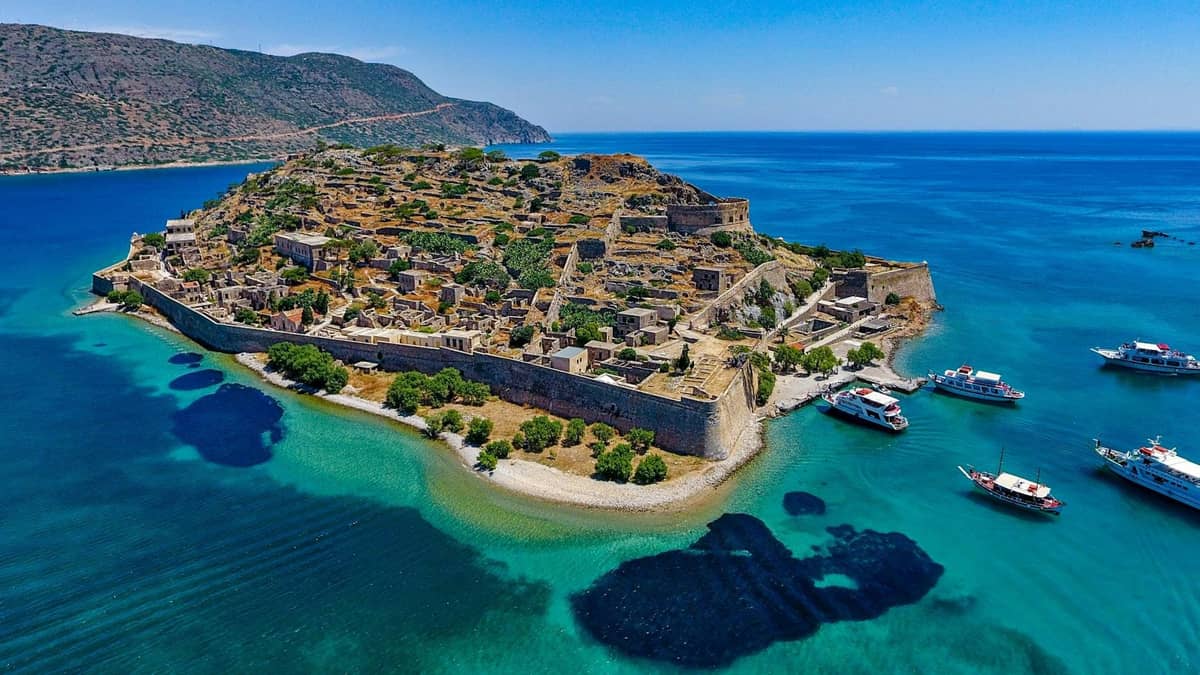
The eastern regional unit of Lasithi is the least visited part of Crete and contains some of its most rewarding experiences. Spinalonga Island is a fortified Venetian island that served as one of Europe's last active leprosy colonies, only closing in 1957. Boats run from Agios Nikolaos (around 30-40 minutes each way) and from the village of Plaka (about 10 minutes). The Plaka crossing is cheaper and less crowded, and the village itself makes a pleasant base for the night. Half-day is sufficient for the island; the ruins, tunnels, and church are all accessible on a single walking loop.
Agios Nikolaos is a small city that punches above its weight for dining and waterfront atmosphere. The Lake Voulismeni in the center connects to the sea via a canal and the restaurants lining its edge are genuinely good for Cretan cuisine, not just tourist food. If you have a second eastern day, the Lassithi Plateau to the northwest offers mountain villages, the Dikteon Cave (birthplace of Zeus in Minoan religion), and a completely different landscape to the coast.
- Spinalonga from Plaka village: cheapest and least crowded crossing, about 10 minutes by boat, runs from spring through October.
- Vai Palm Beach: Europe's largest natural palm forest, at the far eastern tip. Worth a detour on the drive back west if time allows, though it gets crowded in summer.
- Elounda: upscale resort village near Agios Nikolaos with some of Greece's most expensive hotels — fine for a splurge meal even if you're not staying.
- Zakros Palace: the fourth major Minoan palace, in the far east, usually uncrowded and set in a dramatic gorge. Worth it if you have a full second eastern day.
Practical Costs, Seasonal Timing, and What This Itinerary Doesn't Cover
A realistic mid-range budget for one week in Crete, Greece runs to roughly €80-120 per person per day including accommodation (€50-90/night for a double room outside peak August), a shared rental car (€30-50/day split two ways), meals (€15-25 per person for a full taverna dinner with wine), and entry fees. For context, Knossos is €15, the Archaeological Museum is €12, and Spinalonga boat tickets typically cost €10-15 return. See the Crete on a budget guide for specific money-saving strategies by region.
This itinerary prioritizes the western and central island because most first-time visitors have a week and want to balance beaches, history, and cities. What it doesn't cover: the south coast villages of Plakias and Agia Galini (beautiful, slower-paced, worth a dedicated trip), the White Mountains hiking routes, and the deep eastern reaches beyond Sitia. These are better suited to a second visit or a two-week itinerary. If Crete's beaches are your primary focus, the best beaches in Crete guide ranks options by region and accessibility. And if you're traveling in late summer or fall, Crete in October explains what's still open and why the shoulder season rewards flexible travelers.
ℹ️ Good to know
Crete is seismically active — the island sits on a major fault system and minor tremors are common. A significant earthquake (magnitude 5.8) affected the Heraklion area in 2021. This is not a reason to avoid the island, but it's worth knowing that some older buildings in rural areas may show earthquake damage, and that local emergency services are accustomed to seismic events. The EU emergency number 112 works across Greece.
- May and June Near-ideal conditions. Wildflowers on the hillsides, Samaria Gorge newly open, beaches uncrowded, temperatures 22-27°C.
- July and August Peak season. Temperatures 30-35°C, beaches and sites crowded, prices 30-50% higher. Knossos and Elafonissi require early starts. Not recommended for gorge hiking.
- September and October Best overall month for a first visit. Sea still warm (24-26°C), crowds thinned, Samaria still open in September, harvest season for Cretan produce.
- November to March Many coastal hotels and beach restaurants closed. Mountains get snow. The island is quiet and cheap but some sites have reduced hours. Good for archaeology and cities, poor for beaches.
FAQ
Is one week enough time to see Crete?
One week is enough to see the island's four main cities, its top archaeological sites, and several of its best beaches — provided you have a rental car. Without a car, you'll spend significant time waiting for buses and will miss most of the south coast and remote beaches entirely. Two weeks allows a slower, more thorough exploration including eastern Crete and the mountain interior.
What is the best base for a week in Crete?
There's no single best base because Crete is too long to see from one location. The most practical approach is to split your week: 2 nights in or near Chania, 1 night in Rethymno, 2 nights in the Heraklion area, and 2 nights in eastern Crete near Agios Nikolaos or Elounda. If you insist on one base, Rethymno sits in the geographic middle and is within 1-1.5 hours of both Chania and Heraklion.
Do I need to book Knossos tickets in advance?
In July and August, yes — timed entry slots sell out, especially for the morning sessions. In shoulder season (May, June, September, October), walk-up tickets are usually available but the site can still be busy between 10am and 1pm when tour buses arrive. Book through the official Greek Ministry of Culture website (odysseus.culture.gr) to avoid third-party markups.
Can I do the Samaria Gorge on a 7-day itinerary?
Yes, but it requires planning. The gorge is a full-day commitment: you hike 16 km from Xyloskalo down to Agia Roumeli, then take a ferry to Sfakia or Sougia, then a bus back to Chania. Total time including transport is typically 8-10 hours. Build it into Day 2 if you want the western beaches on Day 1, or skip it if you're not a confident hiker. The gorge is only open from approximately May through October.
Is Crete suitable for a honeymoon or a romantic trip?
Absolutely, particularly the western end of the island. Chania's Old Town, the clifftop villages above the south coast, and the luxury resort enclave around Elounda all offer genuinely romantic settings. Elounda has some of the most acclaimed boutique hotels in Greece. For a dedicated overview of what to expect and where to stay, the Crete honeymoon guide covers the best options in detail.