Minoan Crete: A Complete Guide to the Ancient Civilization
The Minoans built Europe's first advanced civilization on Crete over 4,000 years ago, leaving behind palaces, frescoes, and artifacts that still astonish. This guide covers the essential sites, museums, and landscapes connected to their remarkable world.
Plan and book this trip
Tools from our partner Travelpayouts help you compare flights and hotels. If you book through them, we may earn a commission at no extra cost to you.
Flights
Hotels map
The Minoan civilization flourished on Crete from around 3000 to 1100 BCE, producing monumental palaces, sophisticated art, and a trading network that reached Egypt and the Levant, all without a single defensive wall. Their legacy is scattered across the island in ruins, caves, and some of the finest museum collections in Europe. Whether you're planning a week-long itinerary or a focused archaeological trip, this guide covers every major site and museum where Minoan history comes alive. For context on where to base yourself while exploring these sites, see our guide on where to stay in Crete.
✨ Pro tip
Book Knossos and the Heraklion Archaeological Museum tickets in advance during summer. A combined ticket covers both sites and saves time at the gate. Visit by 8 AM or after 5 PM to avoid the worst of the crowds.
The Four Great Minoan Palaces
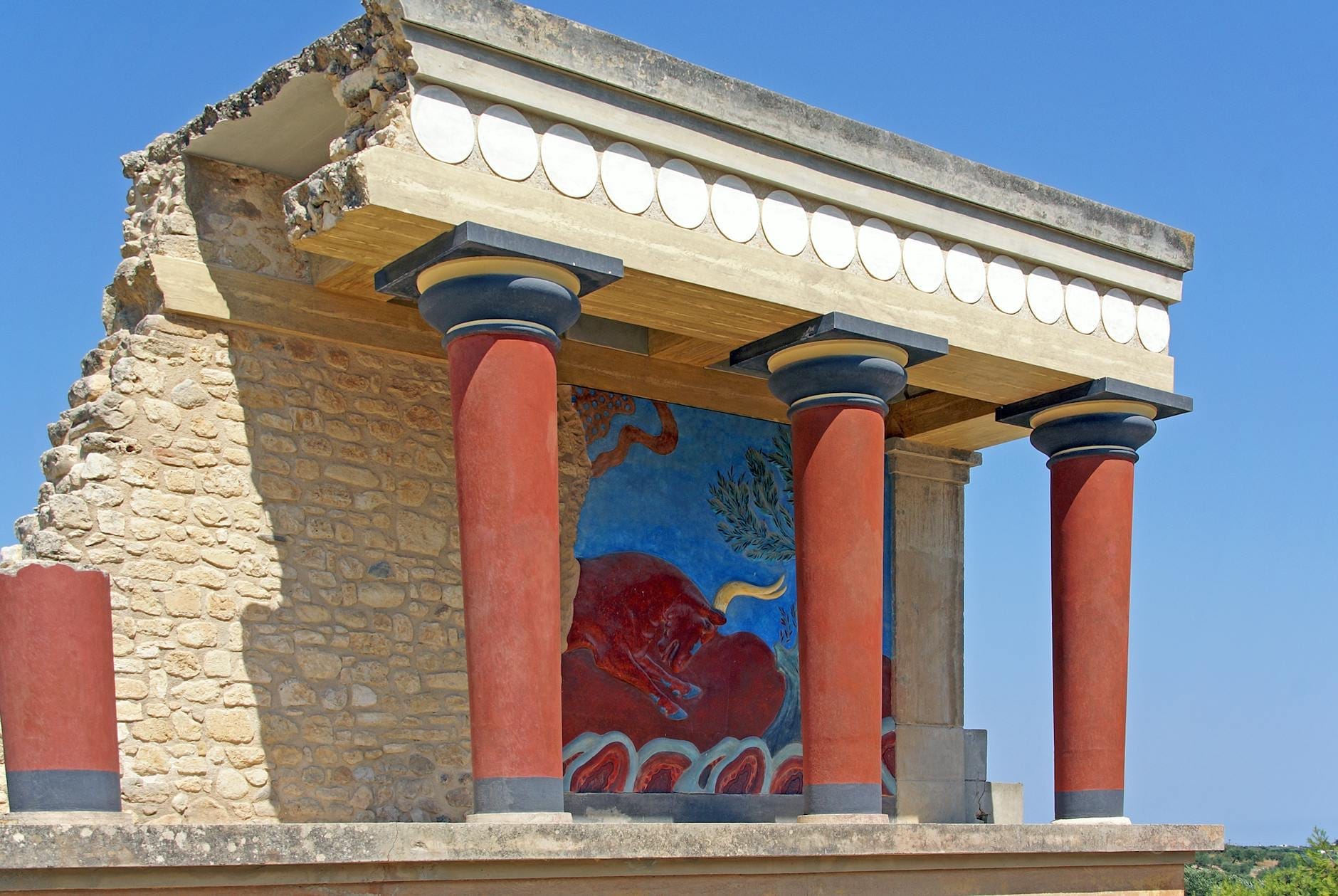
The Minoans built their civilization around palace complexes that served as administrative, religious, and economic centers. Four major palaces survive on Crete, each offering a different perspective on Minoan power and urban planning. All four were inscribed on the UNESCO World Heritage List in 2024. The two most accessible are near Heraklion, while Zakros rewards the effort of traveling to the remote east.
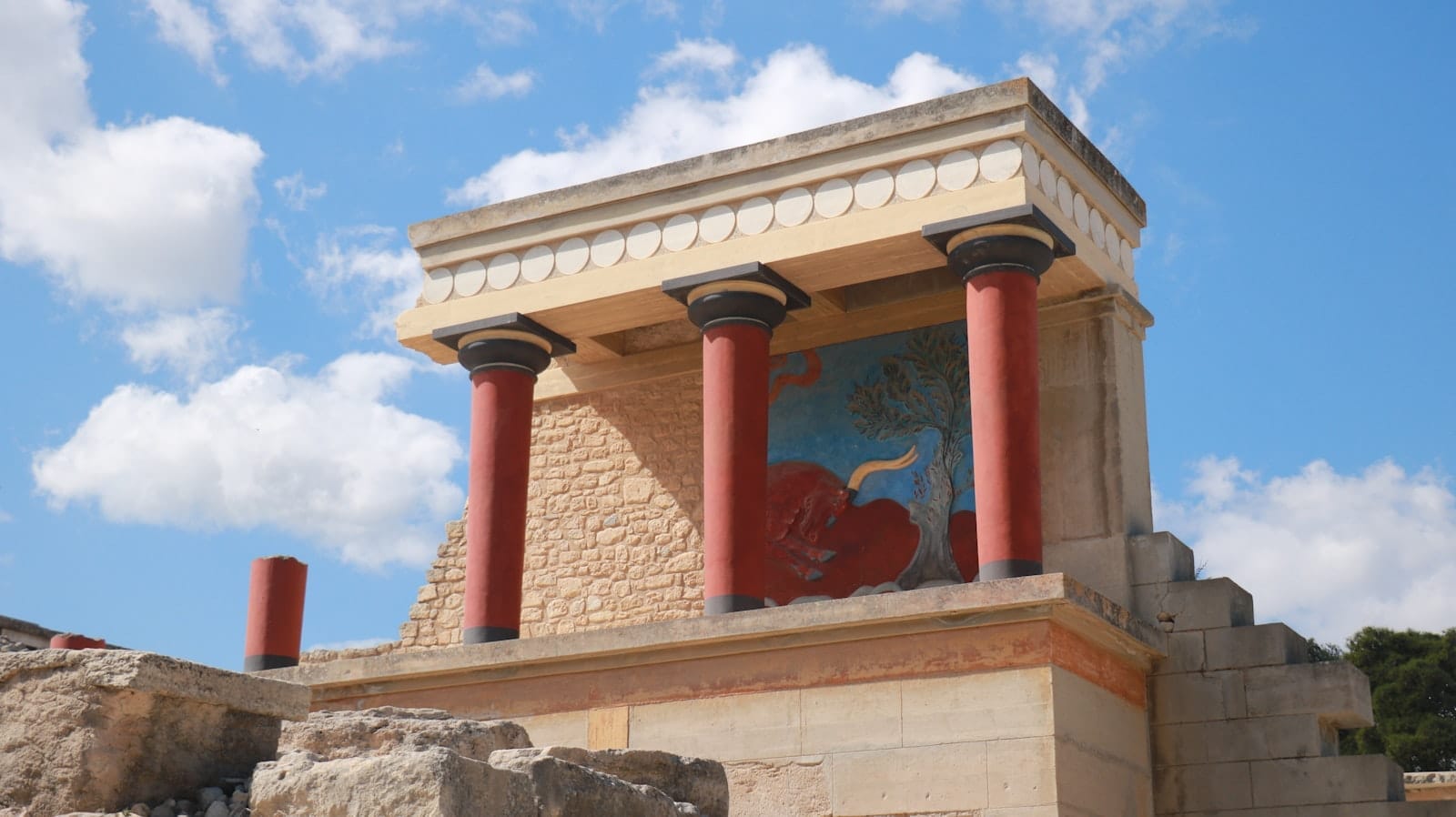
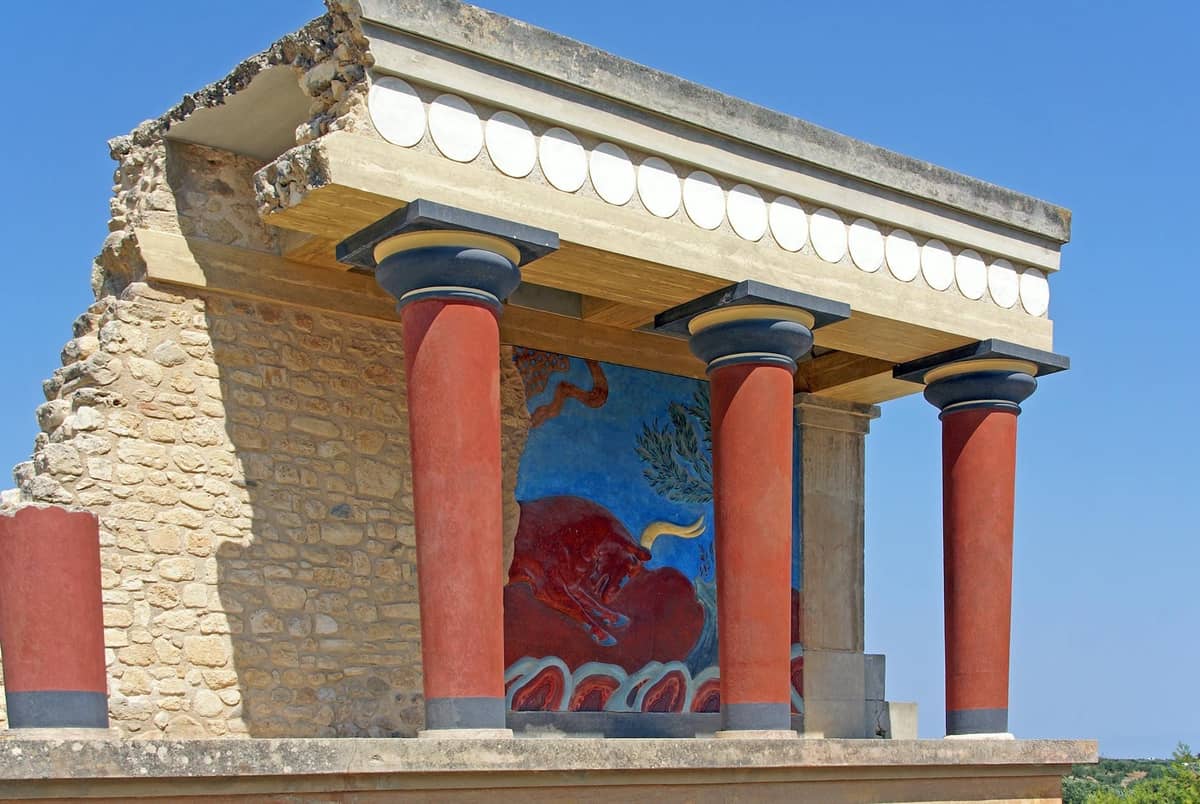
1. Walk the Labyrinth at the Palace of Knossos
The undisputed heart of Minoan civilization, Knossos covers 20,000 sq meters and dates to 1700 BCE. Arthur Evans's controversial reconstructions make it visually vivid, though some details are debated. Plan at least 2 hours and hire a guide for full context.
Explore1. Walk the Labyrinth at the Palace of Knossos
The undisputed heart of Minoan civilization, Knossos covers 20,000 sq meters and dates to 1700 BCE. Arthur Evans's controversial reconstructions make it visually vivid, though some details are debated. Plan at least 2 hours and hire a guide for full context.
Explore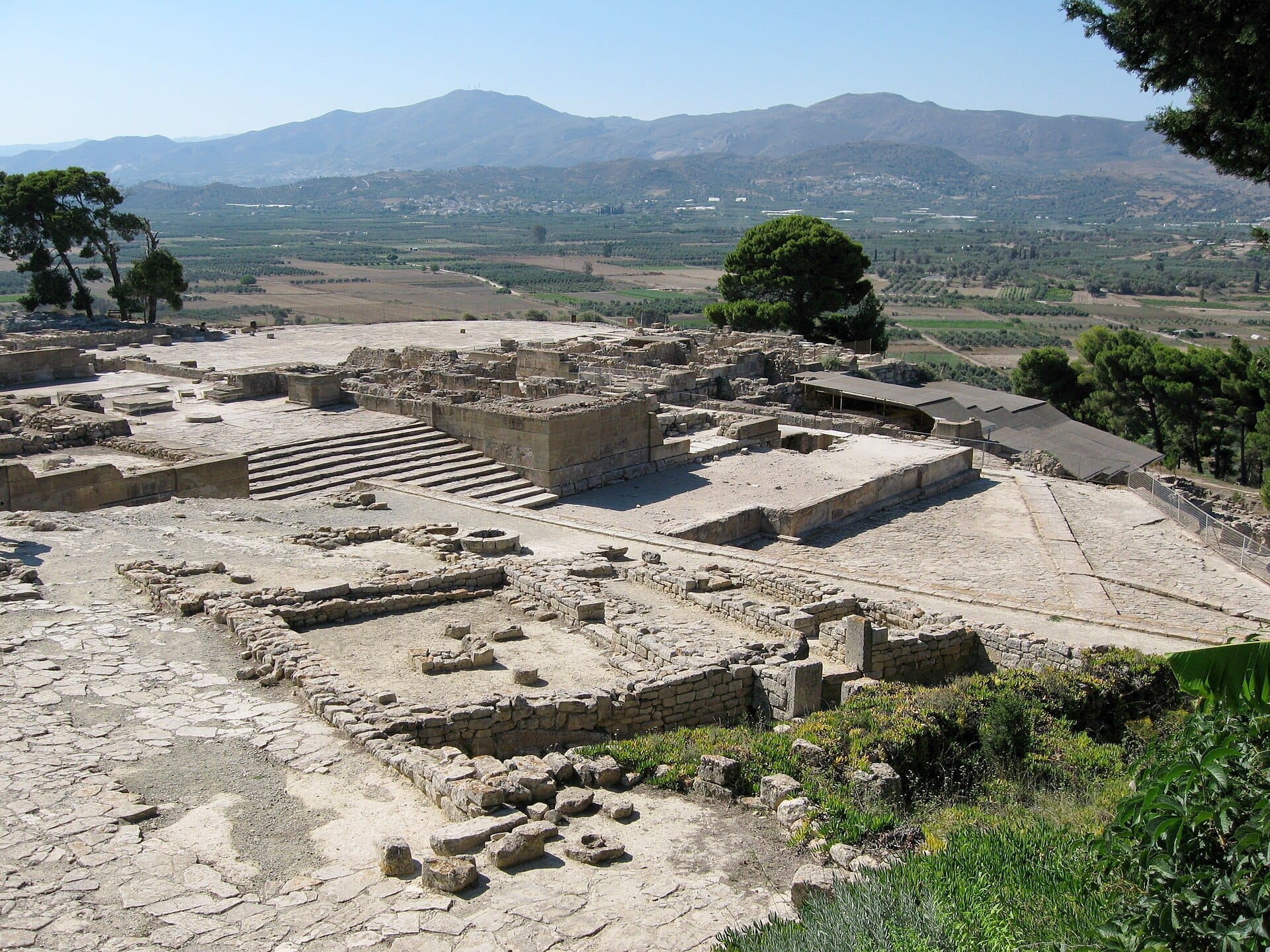
2. Experience Authentic Ruins at the Palace of Phaistos
Phaistos is the more honest archaeological experience: no concrete reconstructions, just raw Bronze Age stonework on a hilltop above the Messara Plain. The panoramic views are spectacular, and the site is far less crowded than Knossos. Allow 90 minutes.
Explore2. Experience Authentic Ruins at the Palace of Phaistos
Phaistos is the more honest archaeological experience: no concrete reconstructions, just raw Bronze Age stonework on a hilltop above the Messara Plain. The panoramic views are spectacular, and the site is far less crowded than Knossos. Allow 90 minutes.
Explore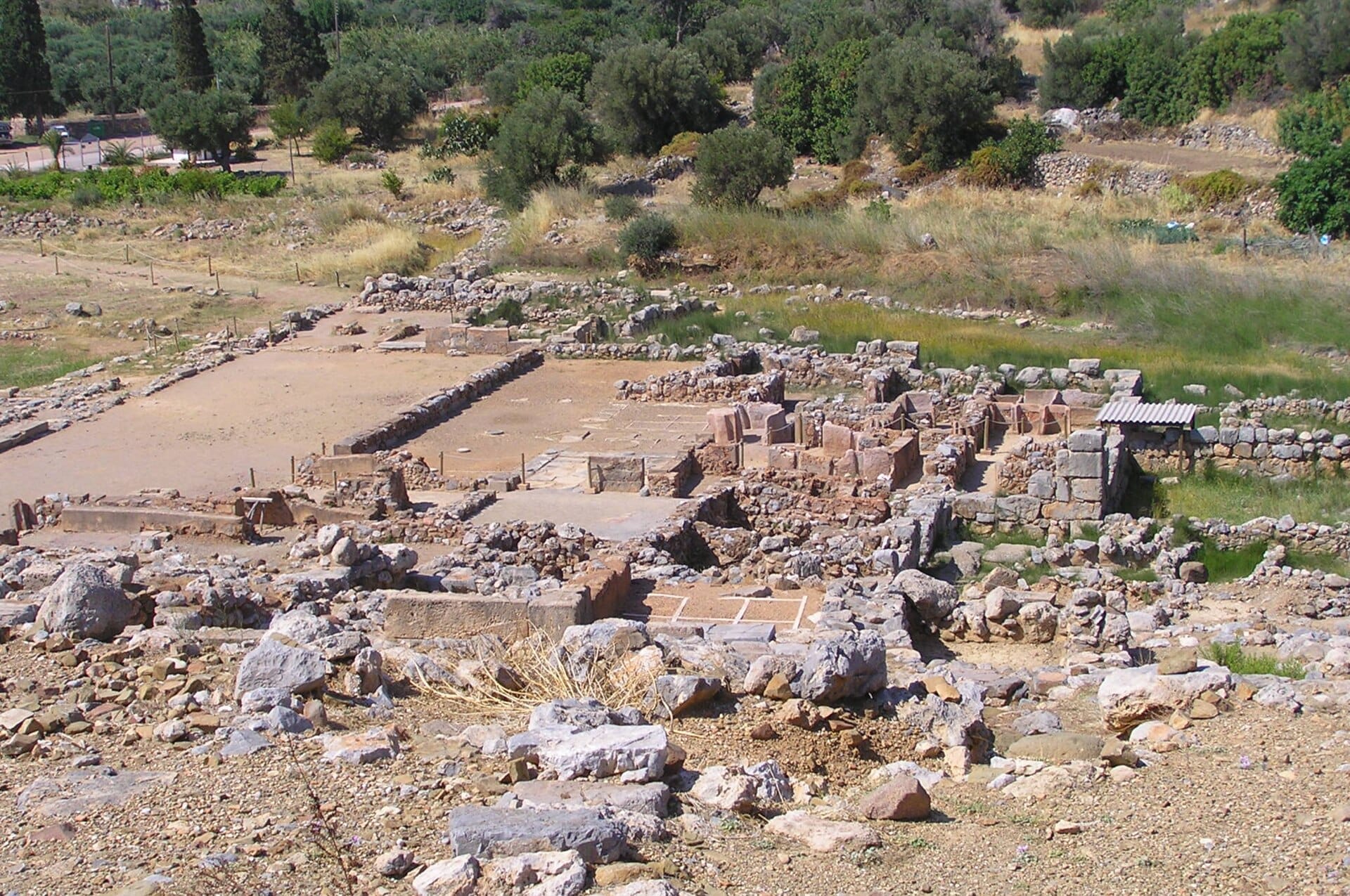
3. Discover the Untouched Palace of Zakros in Eastern Crete
Zakros is the only major Minoan palace found unlooted, making its artifacts uniquely intact. Reached via the dramatic 'Valley of the Dead' gorge, this remote eastern site rewards the journey with atmosphere no other Minoan palace can match. Half-day minimum.
Explore3. Discover the Untouched Palace of Zakros in Eastern Crete
Zakros is the only major Minoan palace found unlooted, making its artifacts uniquely intact. Reached via the dramatic 'Valley of the Dead' gorge, this remote eastern site rewards the journey with atmosphere no other Minoan palace can match. Half-day minimum.
ExploreEssential Museums for Minoan Artifacts
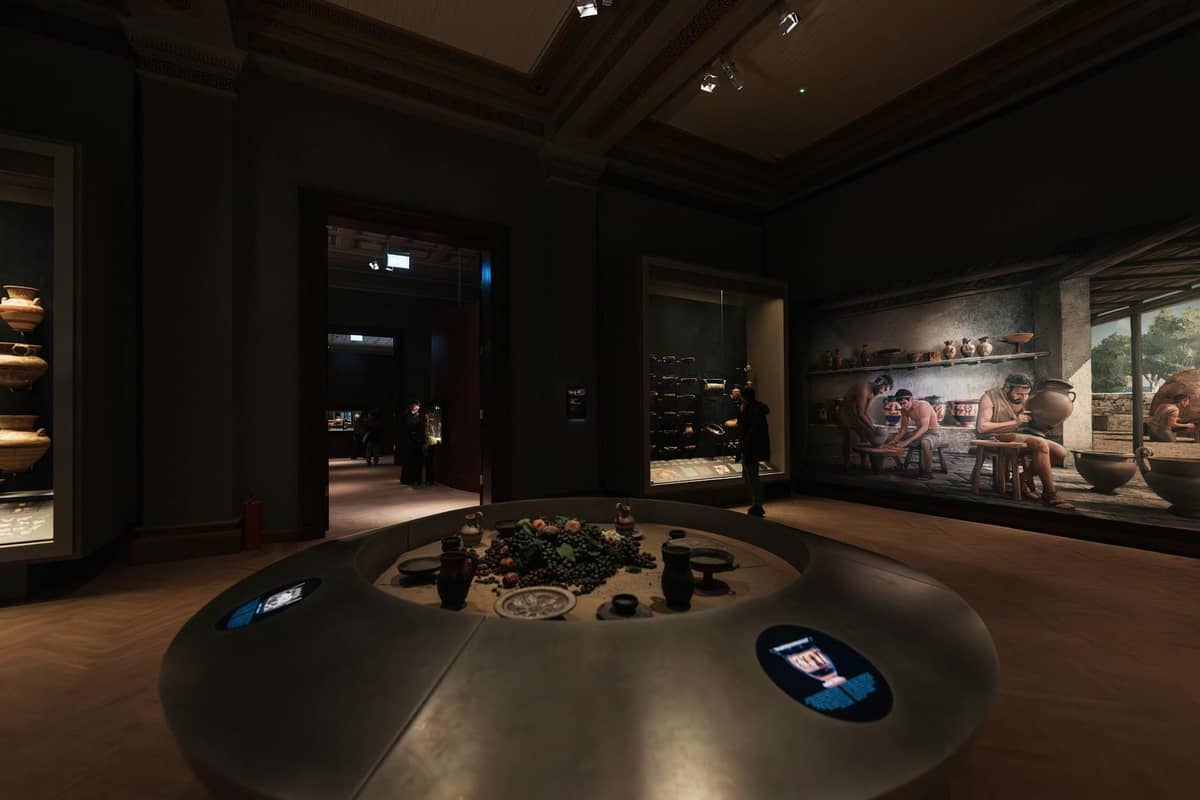
Seeing the palaces without the museums is like reading half a book. The objects recovered from Minoan sites, including frescoes, jewelry, ceramics, and the still-undeciphered Linear A tablets, fill some of the finest archaeological collections in Europe. Our deeper guide to Crete's best museums covers opening hours and ticketing in more detail.
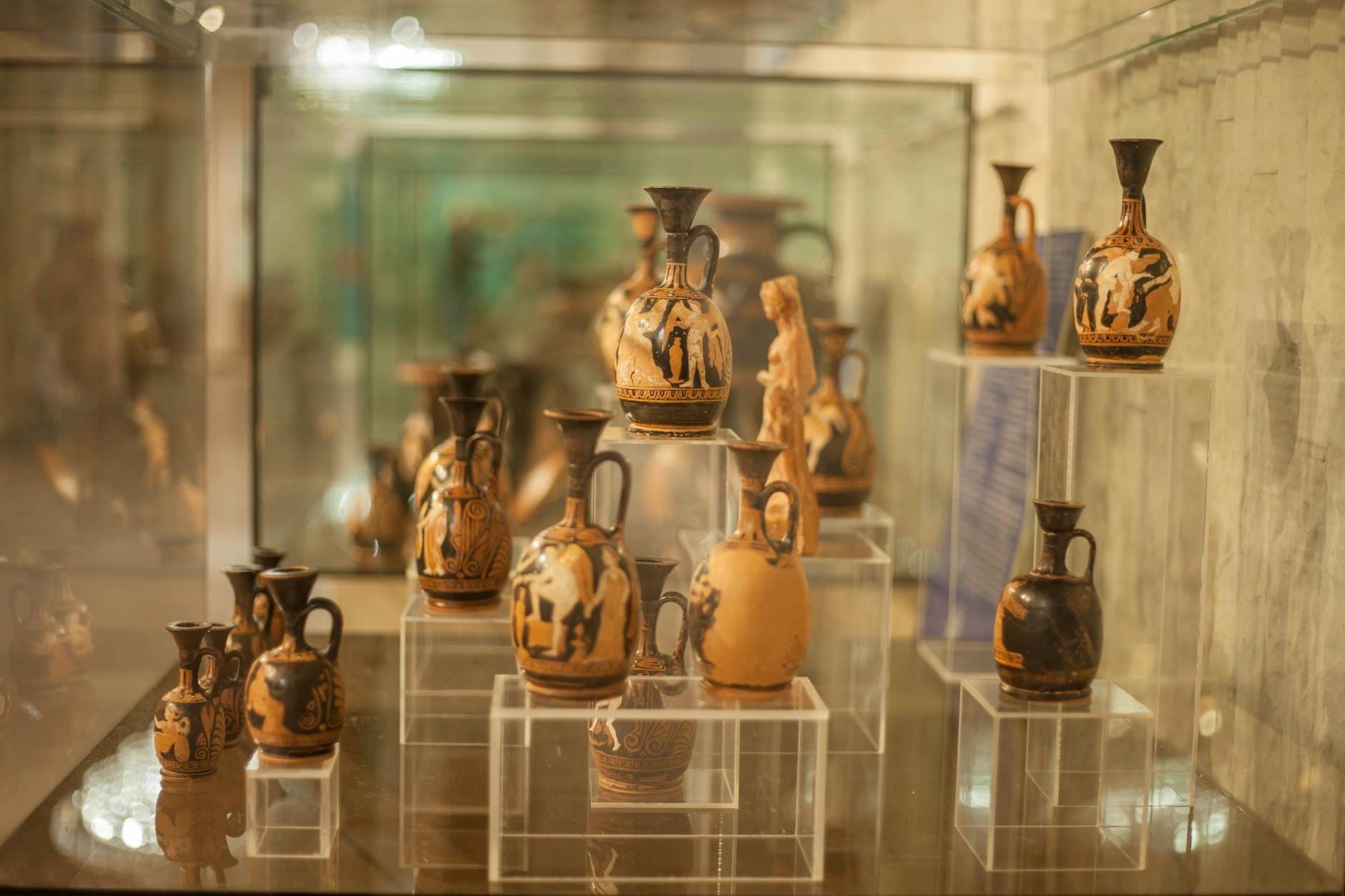
4. See the World's Greatest Minoan Collection in Heraklion
No other museum on earth holds more Minoan material. Highlights include the Phaistos Disc (still undeciphered), the bull-leaping fresco from Knossos, the Bee Pendant, and gold funerary masks. Budget 2-3 hours and visit before or after Knossos on the same day.
Explore4. See the World's Greatest Minoan Collection in Heraklion
No other museum on earth holds more Minoan material. Highlights include the Phaistos Disc (still undeciphered), the bull-leaping fresco from Knossos, the Bee Pendant, and gold funerary masks. Budget 2-3 hours and visit before or after Knossos on the same day.
Explore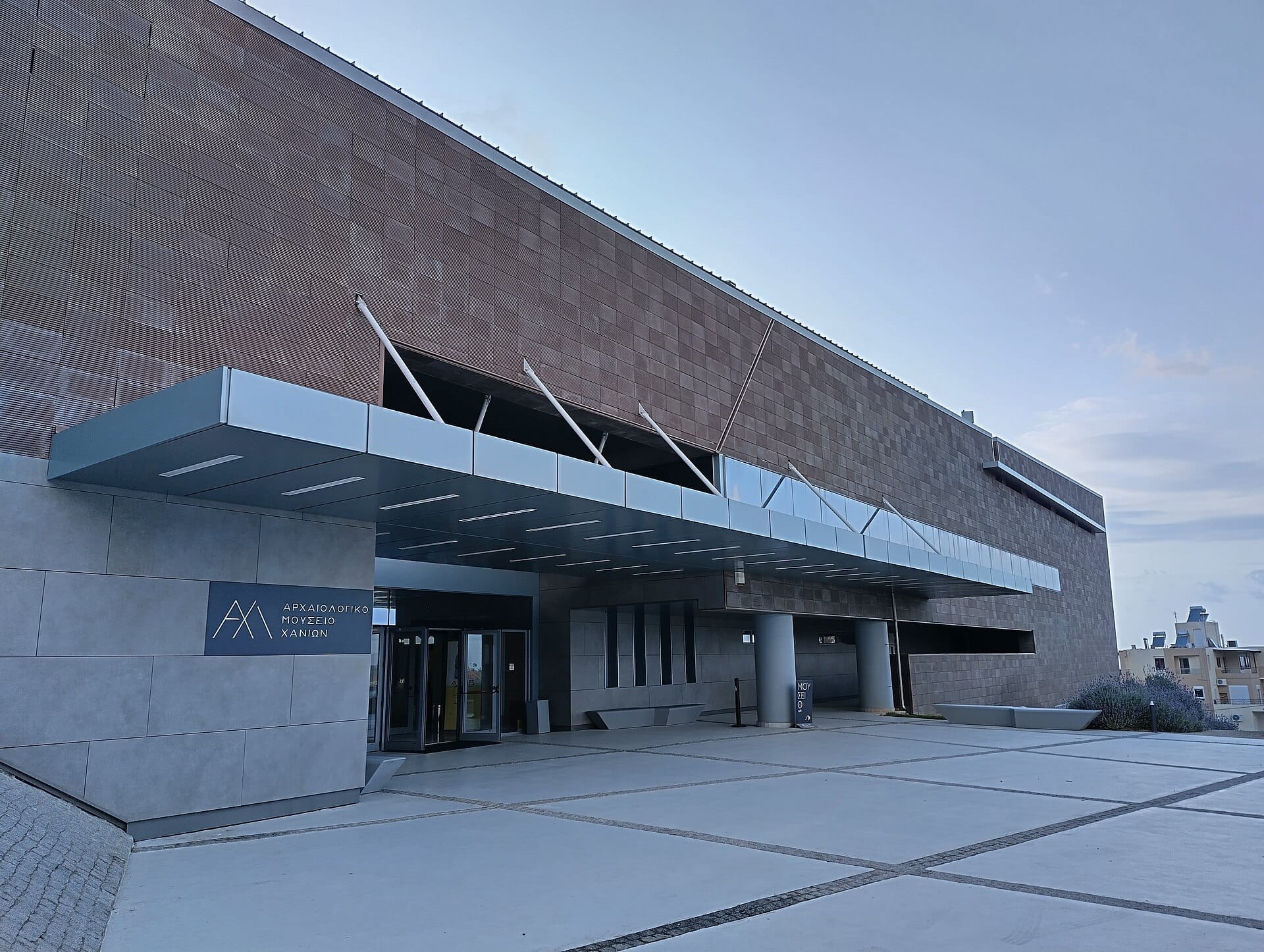
5. Explore Minoan Western Crete at the Chania Archaeological Museum
Set inside a restored Venetian church, this museum covers the Minoan period in western Crete with pottery, Linear B tablets, and ritual objects. It's compact enough to do in an hour and pairs well with an afternoon in Chania's old town.
Explore5. Explore Minoan Western Crete at the Chania Archaeological Museum
Set inside a restored Venetian church, this museum covers the Minoan period in western Crete with pottery, Linear B tablets, and ritual objects. It's compact enough to do in an hour and pairs well with an afternoon in Chania's old town.
Explore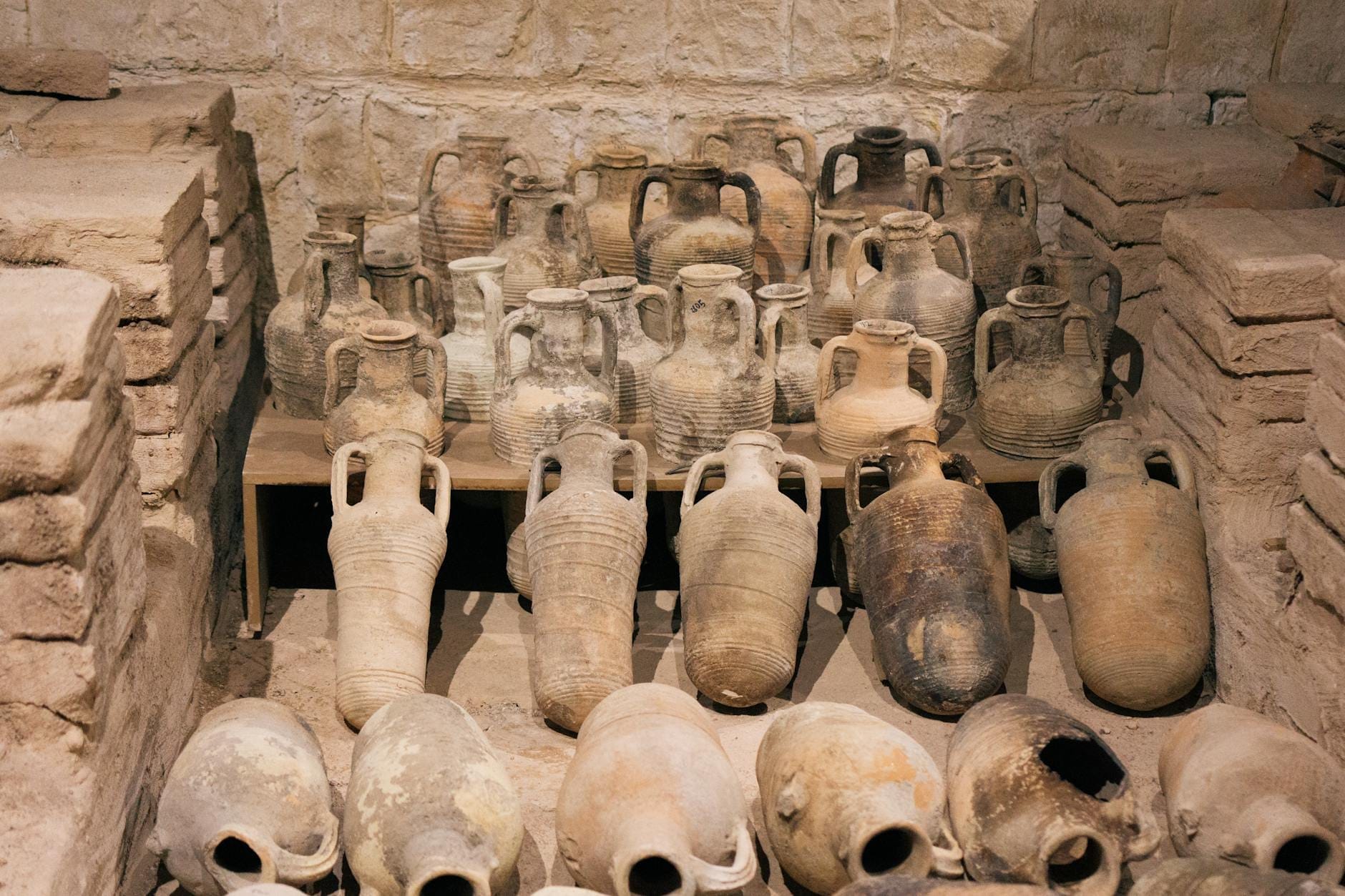
6. Uncover Regional Minoan Finds at Rethymno's Archaeological Museum
Housed in a converted Ottoman mosque near the Fortezza, this compact museum displays Minoan pottery and Geometric-period objects from western Crete's excavations. It's rarely crowded and easy to combine with a morning in Rethymno's old quarter.
Explore6. Uncover Regional Minoan Finds at Rethymno's Archaeological Museum
Housed in a converted Ottoman mosque near the Fortezza, this compact museum displays Minoan pottery and Geometric-period objects from western Crete's excavations. It's rarely crowded and easy to combine with a morning in Rethymno's old quarter.
ExploreSacred Sites and Mythological Landscapes
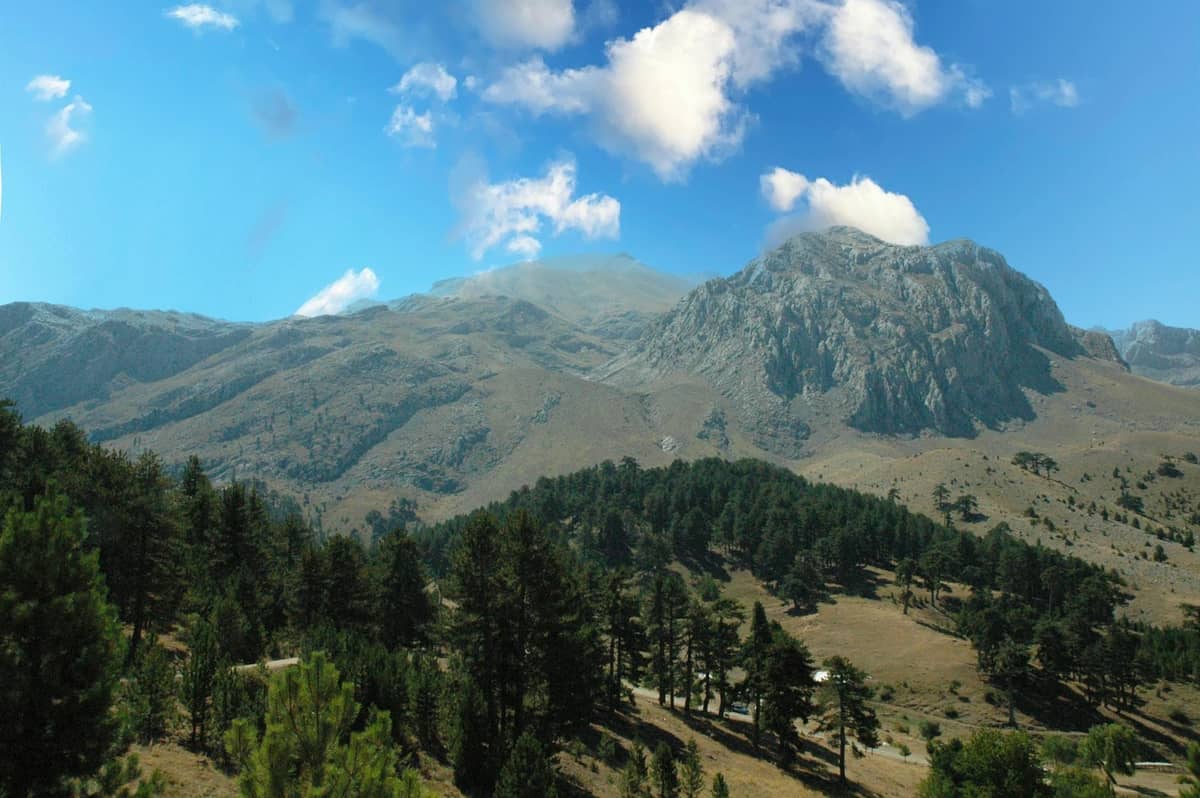
Minoan religion centered on nature, caves, and mountain sanctuaries. Several of Crete's most dramatic natural sites were places of worship for the Minoans, and exploring them connects the ancient past to the physical landscape of the island. The Lassithi Plateau is particularly rich in Minoan associations and makes for a rewarding day trip from Heraklion.
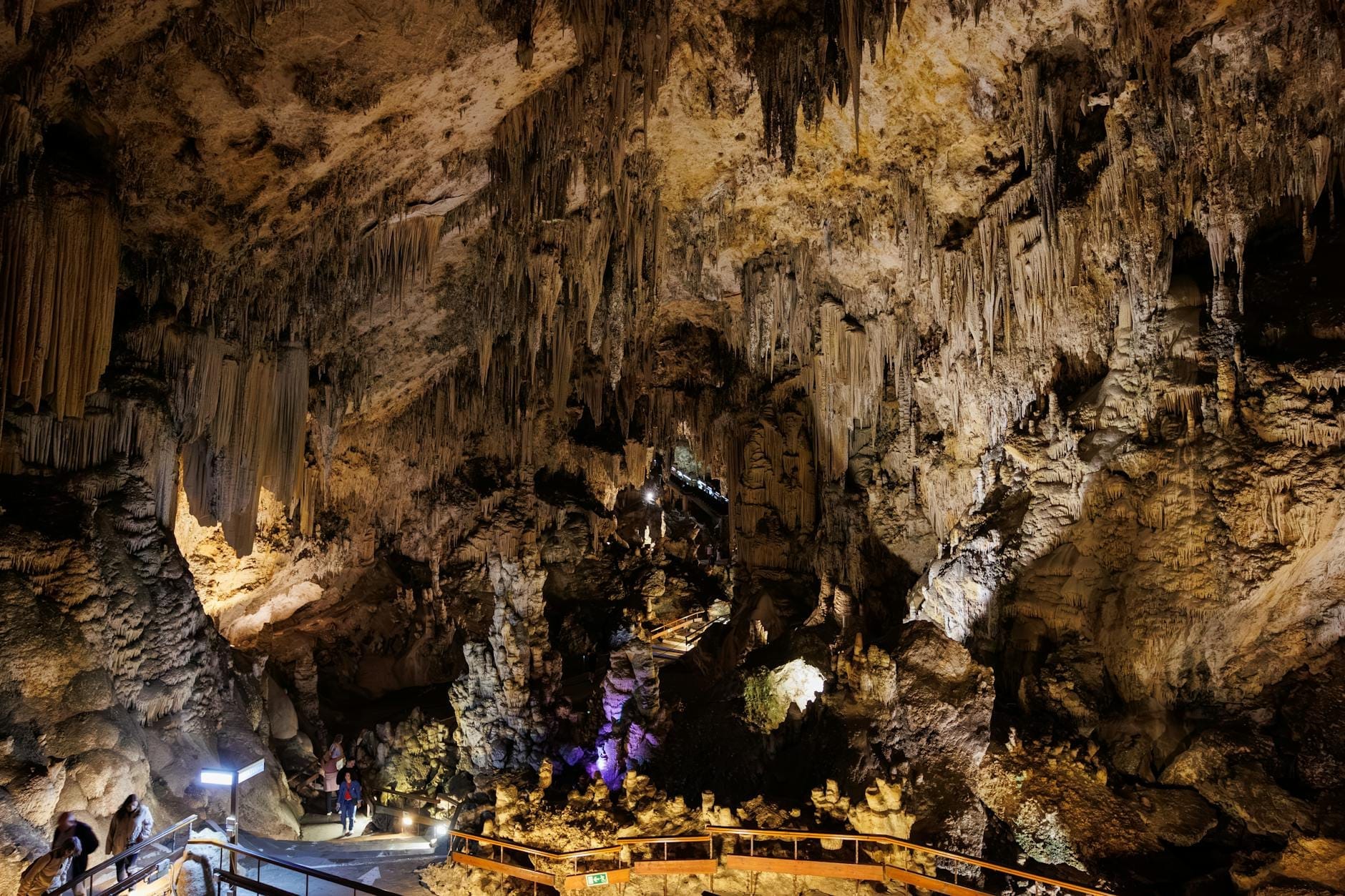
7. Descend into the Birthplace of Zeus at Dikteon Cave
Greek myth names this cave on the Lassithi Plateau as Zeus's birthplace, and Minoan votive offerings found here confirm it was an active sacred site. The cave descends 63 meters through impressive stalactites. The paved path is steep; wear non-slip shoes.
Explore7. Descend into the Birthplace of Zeus at Dikteon Cave
Greek myth names this cave on the Lassithi Plateau as Zeus's birthplace, and Minoan votive offerings found here confirm it was an active sacred site. The cave descends 63 meters through impressive stalactites. The paved path is steep; wear non-slip shoes.
Explore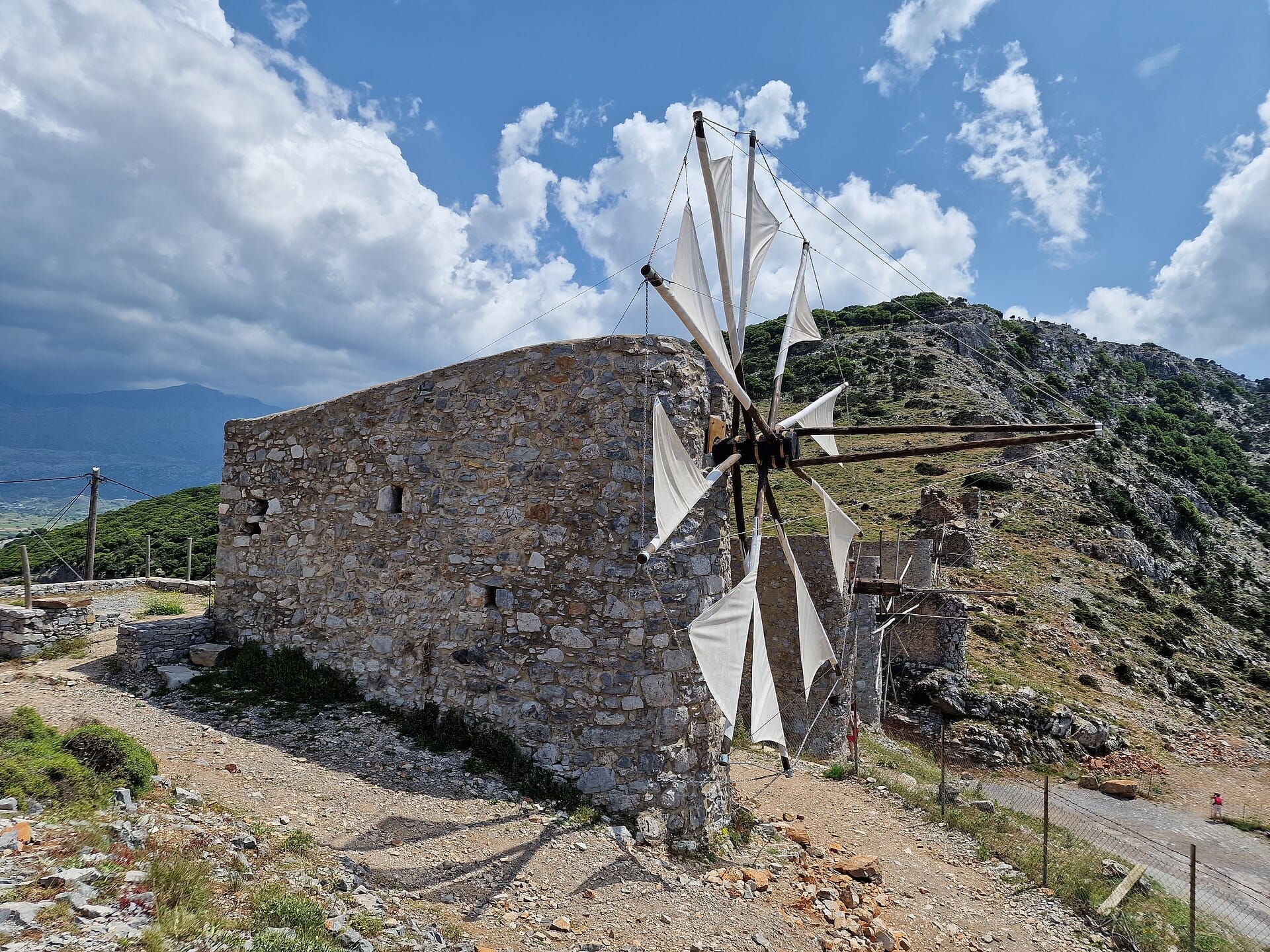
8. Visit the Lassithi Plateau, a Minoan Agricultural Heartland
The Lassithi Plateau was cultivated in Minoan times and remains one of Crete's most fertile plains. The iconic windmills are photogenic, but the setting itself, a high mountain bowl ringed by peaks near Dikteon Cave, is the real draw for historically minded visitors.
Explore8. Visit the Lassithi Plateau, a Minoan Agricultural Heartland
The Lassithi Plateau was cultivated in Minoan times and remains one of Crete's most fertile plains. The iconic windmills are photogenic, but the setting itself, a high mountain bowl ringed by peaks near Dikteon Cave, is the real draw for historically minded visitors.
Explore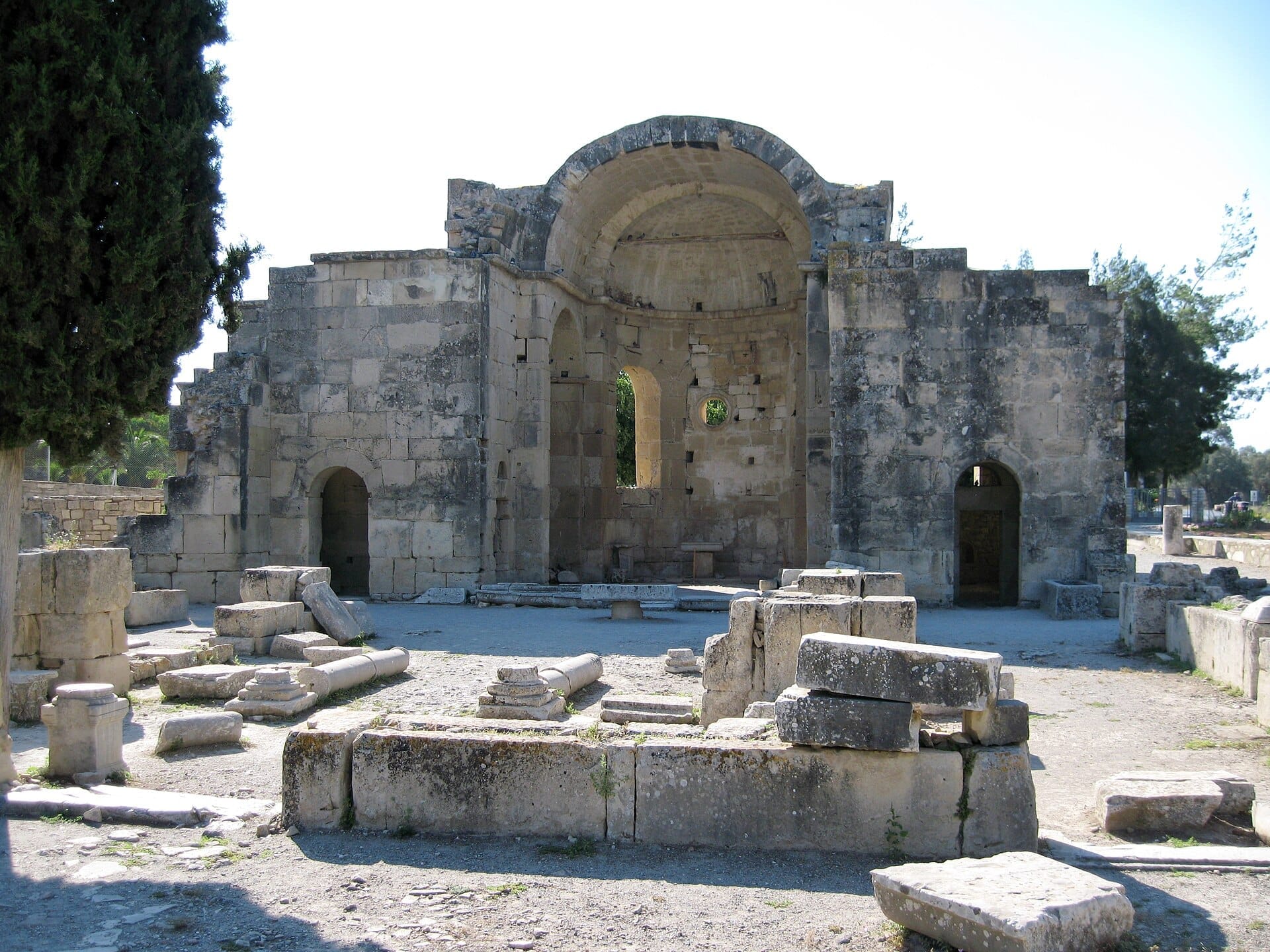
9. Read the Law Code at Ancient Gortyna
Gortyna rose to prominence after the Minoan decline, but its Law Code inscribed in the 5th century BCE drew on much older Cretan legal traditions. The site also reveals how post-Minoan Crete evolved. The inscribed stone wall in the Odeon is one of antiquity's most remarkable documents.
Explore9. Read the Law Code at Ancient Gortyna
Gortyna rose to prominence after the Minoan decline, but its Law Code inscribed in the 5th century BCE drew on much older Cretan legal traditions. The site also reveals how post-Minoan Crete evolved. The inscribed stone wall in the Odeon is one of antiquity's most remarkable documents.
ExploreCoastal Sites with Minoan Connections
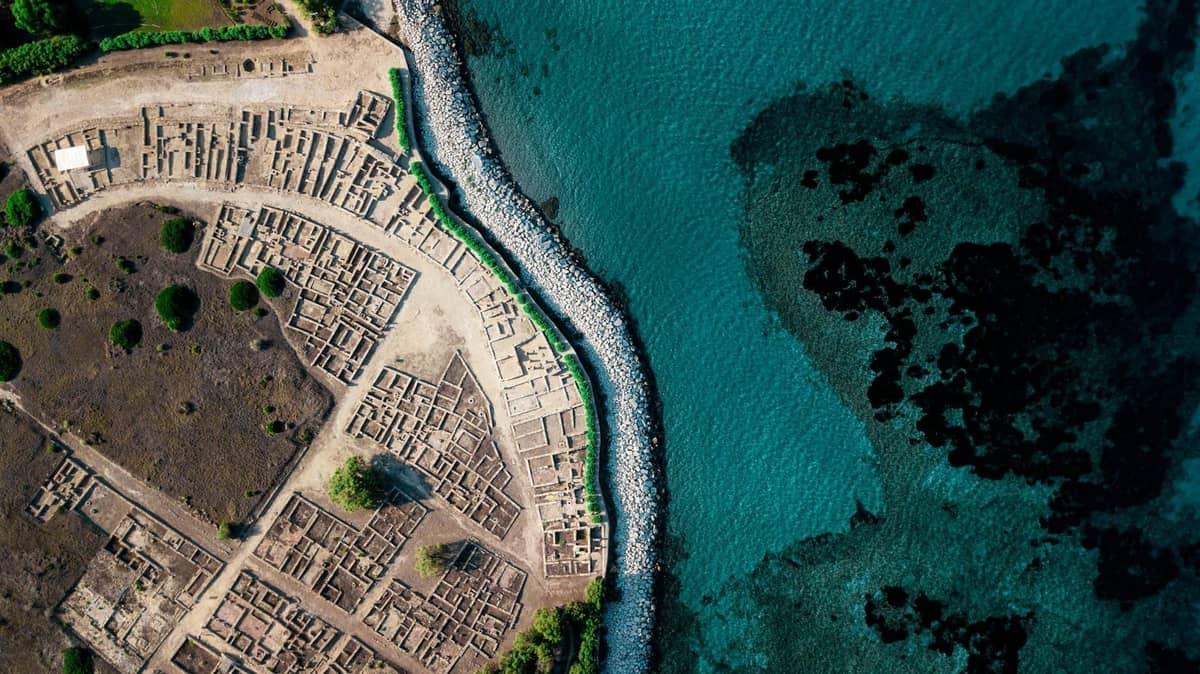
The Minoans were a maritime civilization, and their ports, trading posts, and coastal settlements extended across the island. Several of Crete's most compelling coastal destinations carry layers of Minoan history beneath their current appearance. A road trip around Crete is the best way to connect these dispersed sites.
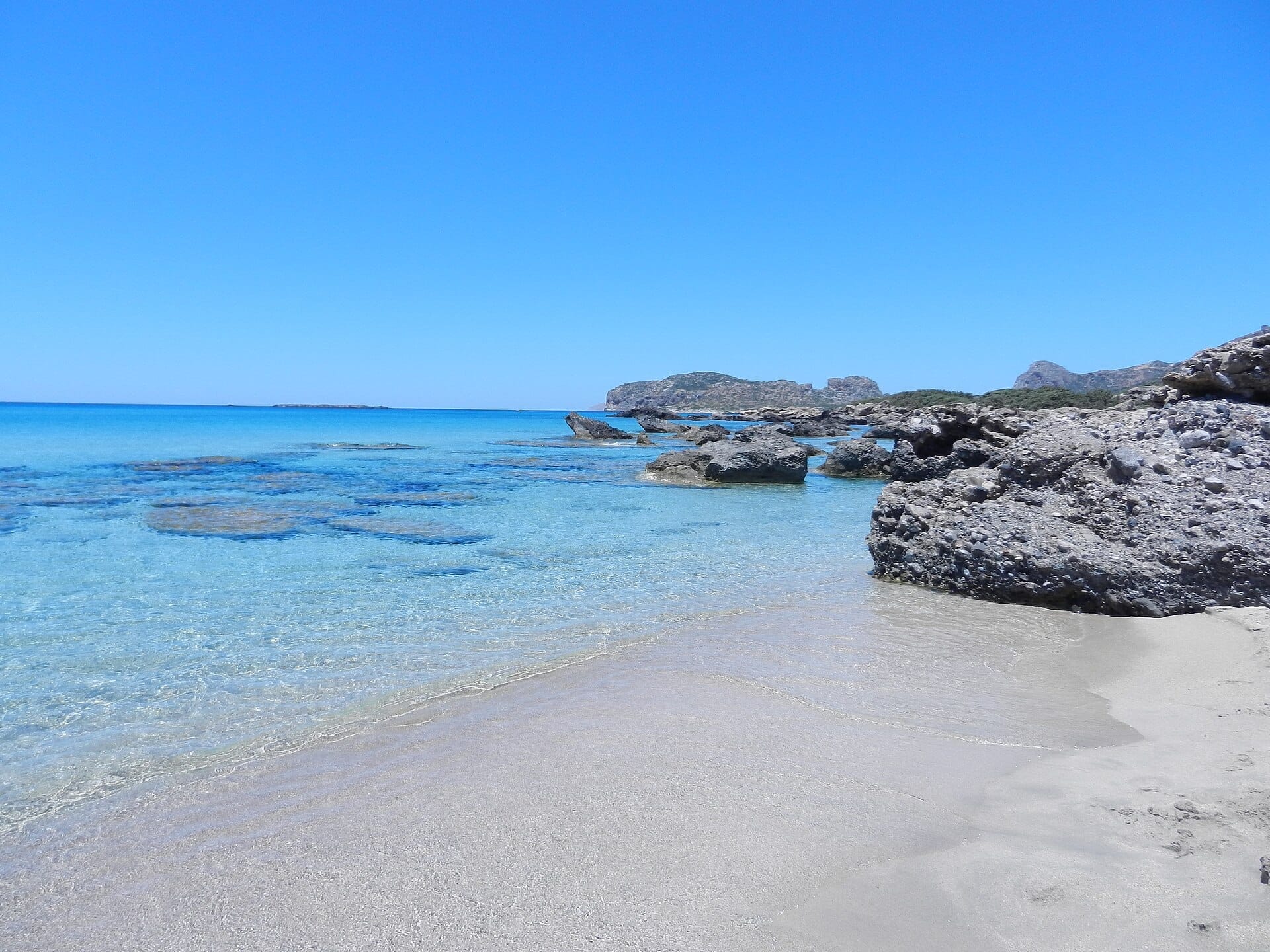
10. Swim Beside Minoan Harbor Ruins at Falassarna
Falassarna is best known for its wide beach and sunsets, but the ruins of an ancient harbor here date to a site occupied since Minoan times. The combination of archaeological interest and excellent swimming makes it one of western Crete's most rewarding stops.
Explore10. Swim Beside Minoan Harbor Ruins at Falassarna
Falassarna is best known for its wide beach and sunsets, but the ruins of an ancient harbor here date to a site occupied since Minoan times. The combination of archaeological interest and excellent swimming makes it one of western Crete's most rewarding stops.
Explore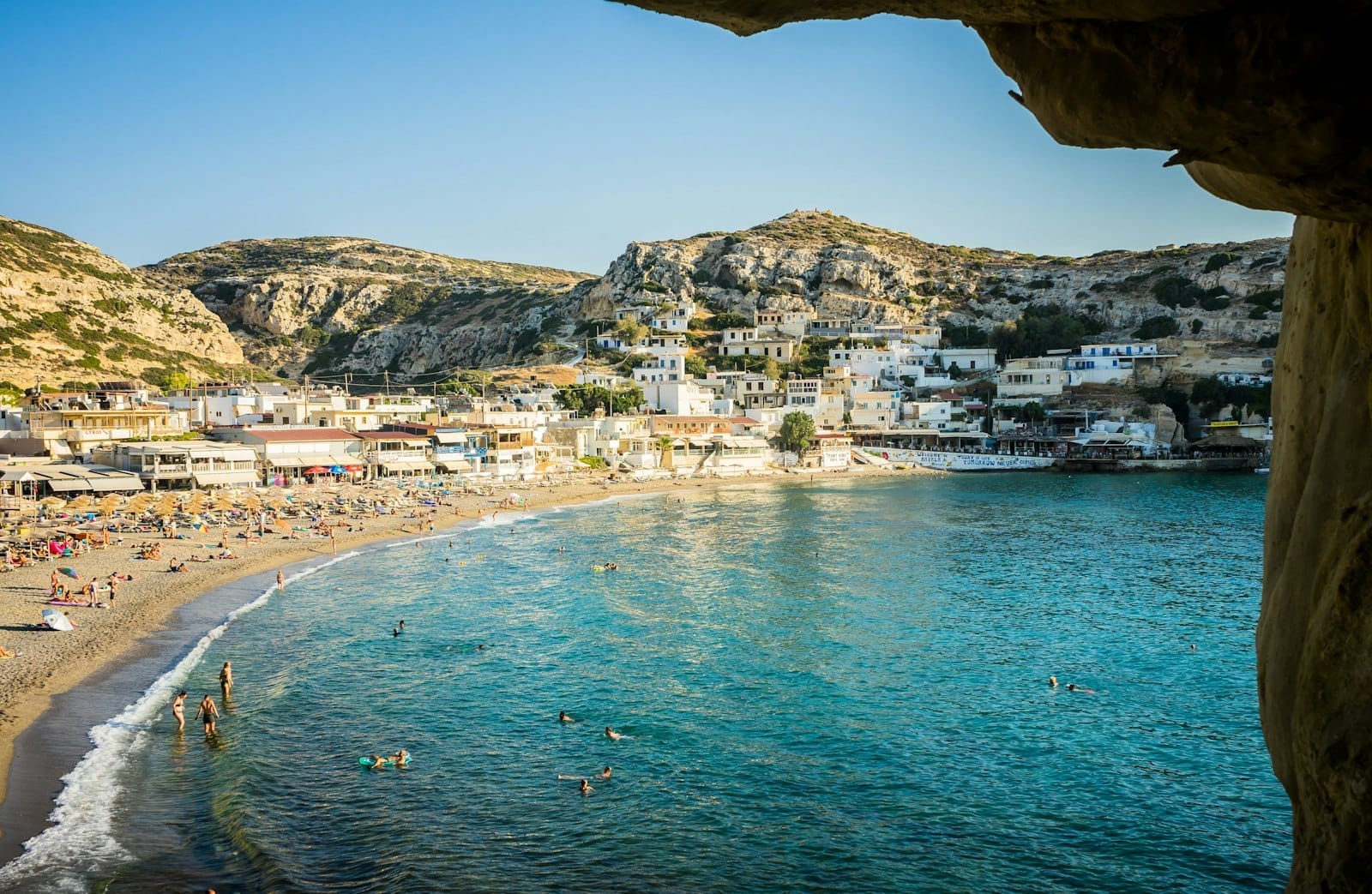
11. Visit Matala, a South Coast Site Near Minoan Phaistos
Matala sits just 11 km from Phaistos and served as the Minoan palace's port. The sandstone cliffs, golden beach, and dramatic bay make it a natural end to a Phaistos visit. The rock-cut caves above the beach have pre-Roman origins before their 1960s counterculture chapter.
Explore11. Visit Matala, a South Coast Site Near Minoan Phaistos
Matala sits just 11 km from Phaistos and served as the Minoan palace's port. The sandstone cliffs, golden beach, and dramatic bay make it a natural end to a Phaistos visit. The rock-cut caves above the beach have pre-Roman origins before their 1960s counterculture chapter.
Explore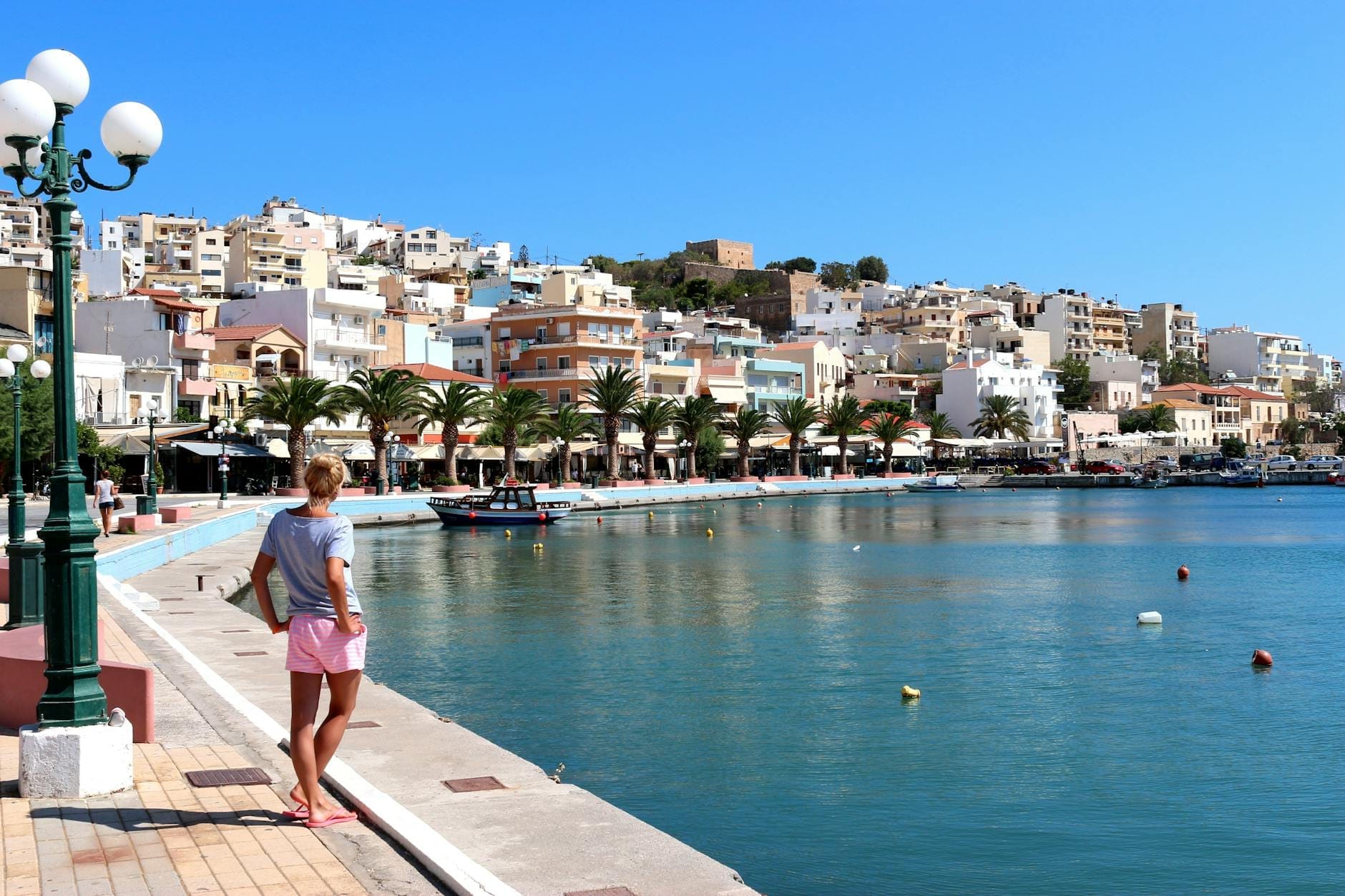
12. Use Sitia as Your Base for Zakros and Eastern Minoan Sites
This quiet east Cretan town is the practical gateway to the Palace of Zakros and Vai Palm Beach. Its small archaeological museum holds Minoan finds from the region, and the relaxed waterfront makes it a comfortable base for exploring the island's least-visited Minoan territory.
Explore12. Use Sitia as Your Base for Zakros and Eastern Minoan Sites
This quiet east Cretan town is the practical gateway to the Palace of Zakros and Vai Palm Beach. Its small archaeological museum holds Minoan finds from the region, and the relaxed waterfront makes it a comfortable base for exploring the island's least-visited Minoan territory.
ExploreBroader Context: Ancient Crete Beyond the Minoans
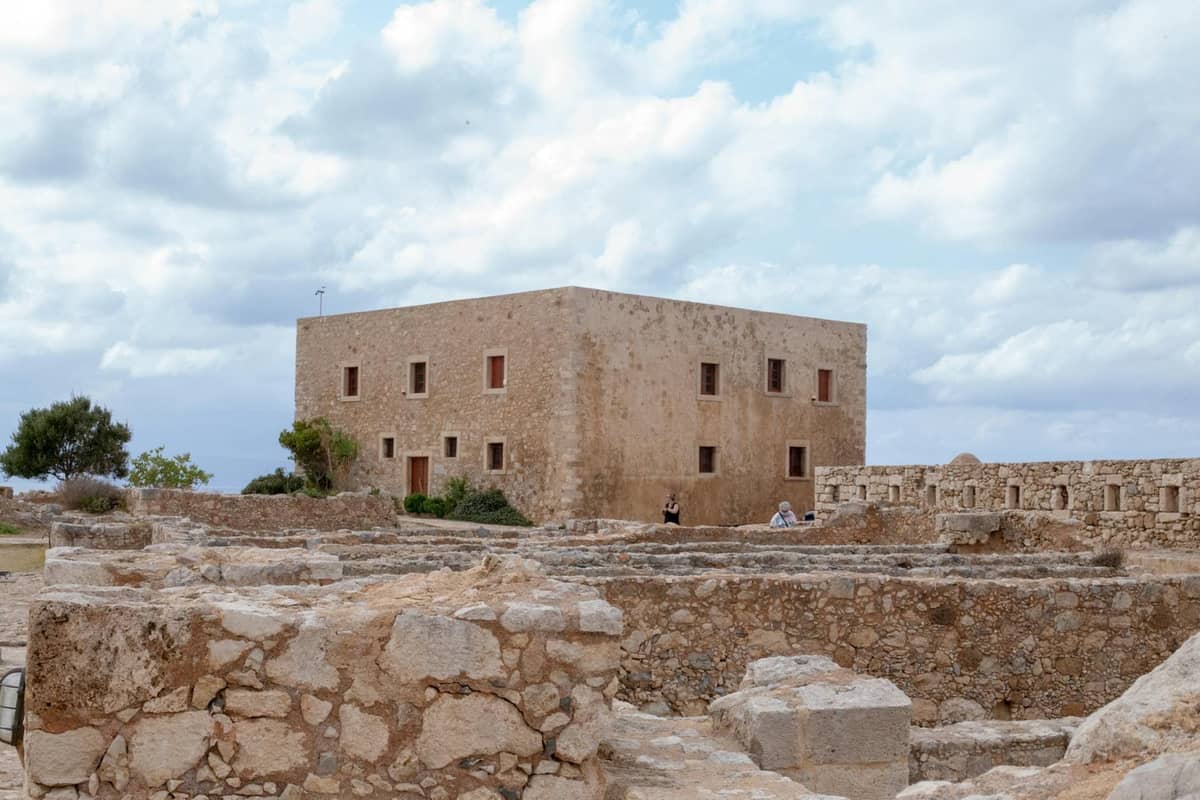
Understanding Minoan Crete is richer when you see how later civilizations built on, and over, what came before. The ancient Greeks, Romans, Venetians, and Ottomans all left their mark on an island already shaped by 2,000 years of Minoan culture. Sites like Gortyna and the Heraklion city walls show how that accumulation of history works in practice.
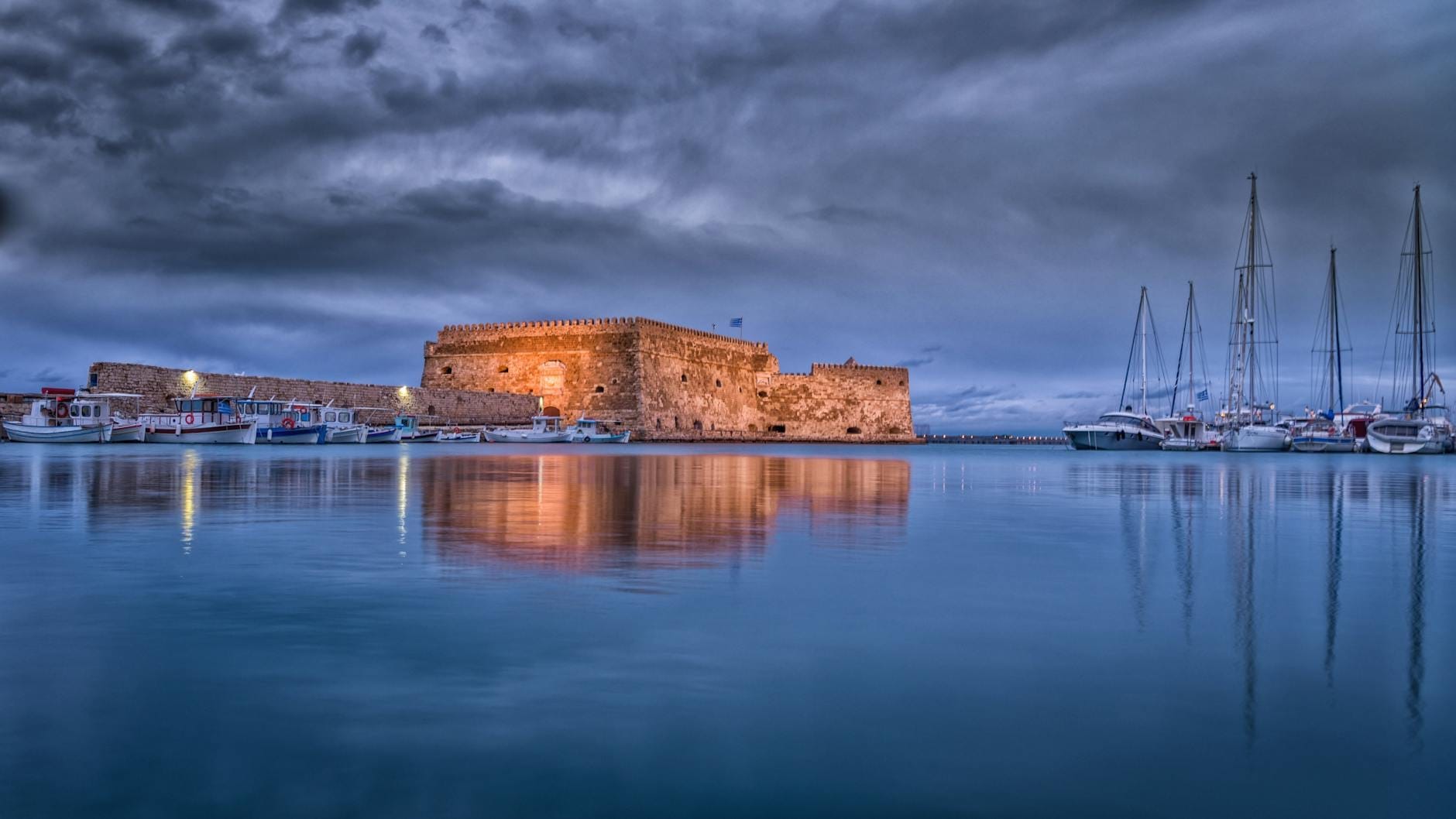
13. Put Minoan Heraklion in Context at the Venetian City Walls
Heraklion was built on layers of Minoan, Roman, Arab, and Byzantine occupation. Walking the 16th-century Venetian walls and visiting the Koules Fortress helps you feel the depth of the city's history, and how much the Minoans were only the beginning.
Explore13. Put Minoan Heraklion in Context at the Venetian City Walls
Heraklion was built on layers of Minoan, Roman, Arab, and Byzantine occupation. Walking the 16th-century Venetian walls and visiting the Koules Fortress helps you feel the depth of the city's history, and how much the Minoans were only the beginning.
Explore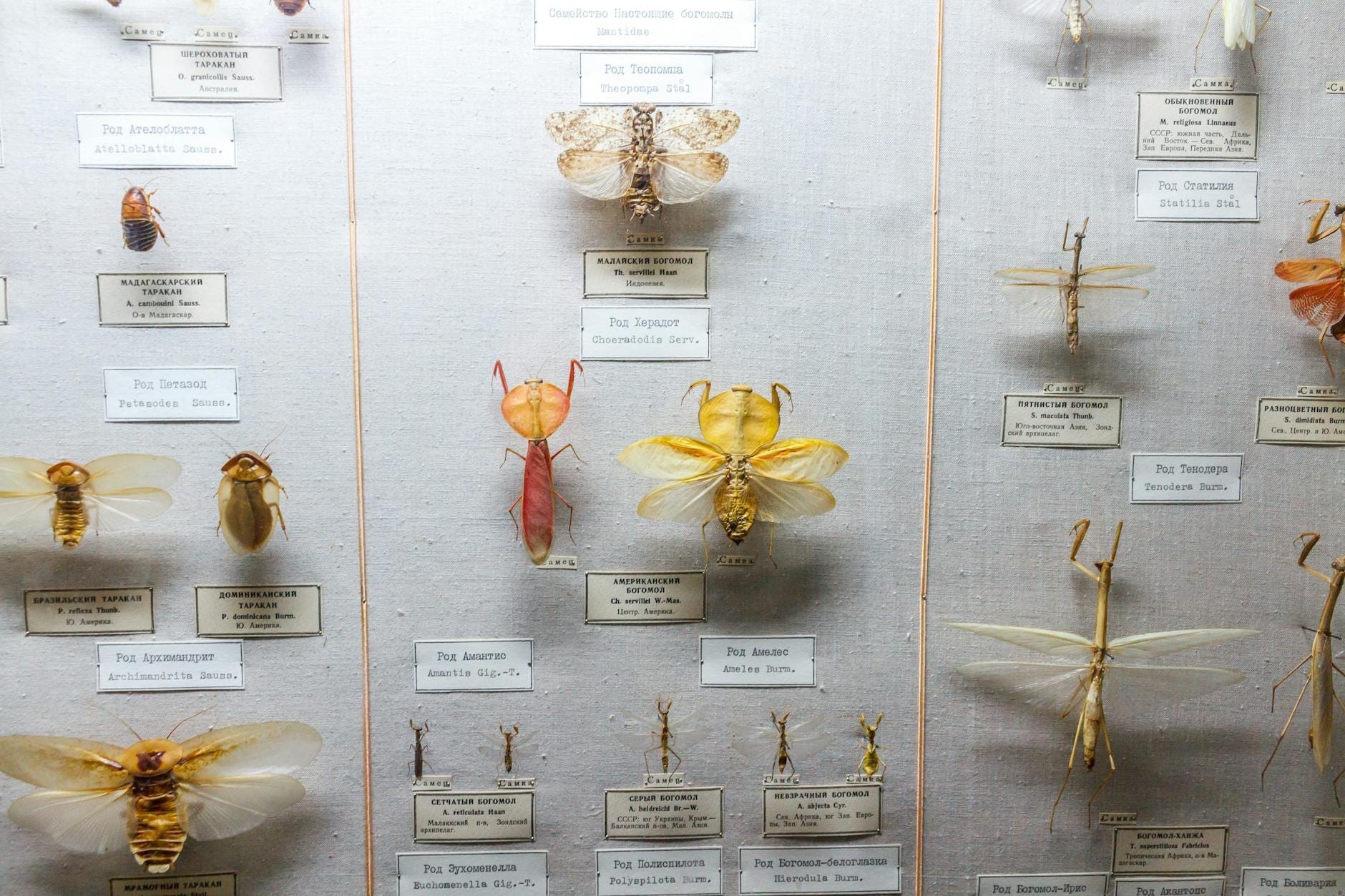
14. Understand the Minoan Environment at the Natural History Museum
This museum in Heraklion covers the geology, climate, and ecology that shaped Minoan Crete. Exhibits on ancient Mediterranean environments explain why the island's geography made it ideal for Europe's first palace civilization. A worthwhile 90-minute complement to the archaeological museum.
Explore14. Understand the Minoan Environment at the Natural History Museum
This museum in Heraklion covers the geology, climate, and ecology that shaped Minoan Crete. Exhibits on ancient Mediterranean environments explain why the island's geography made it ideal for Europe's first palace civilization. A worthwhile 90-minute complement to the archaeological museum.
ExploreFAQ
What is the best Minoan site to visit in Crete?
Knossos is the most impressive and accessible, with reconstructed frescoes and a sprawling layout that brings the Bronze Age to life. But pair it with the Heraklion Archaeological Museum on the same day to see the actual artifacts, since many originals are in the museum, not on site.
Is Phaistos worth visiting if I've already seen Knossos?
Yes, and for different reasons. Phaistos has no reconstruction, so you see the raw Bronze Age stonework exactly as excavated. The hilltop setting above the Messara Plain is also more dramatic. Most visitors who see both prefer Phaistos for authenticity, Knossos for visual impact.
Can I see Minoan artifacts outside of Heraklion?
Yes. The Archaeological Museum of Chania covers western Cretan finds including Minoan pottery and Linear B tablets. Rethymno's archaeological museum displays regional Minoan material. The site museum at Zakros also holds objects found in that palace's unique unlooted rooms.
How much time do I need to explore Minoan sites in Crete?
A minimum of three focused days covers the essentials: one day for Knossos and the Heraklion museum, one day for Phaistos and Gortyna (easily combined), and one day for Zakros and the Dikteon Cave. A week gives you time for smaller sites and museums without rushing.
When is the best time to visit Minoan archaeological sites in Crete?
April to early June and September to October are ideal. Summer temperatures at open sites like Knossos and Phaistos regularly exceed 35°C with little shade. If visiting in July or August, arrive when sites open at 8 AM and finish by late morning before the heat peaks.