Where to Stay in Crete: Best Areas & Hotels
Crete is 260 km long, and choosing the wrong base can cost you hours of driving each day. This guide breaks down the best areas to stay in Crete by location, travel style, and budget, with honest advice on which towns to avoid and which hotels are worth booking early.
Plan and book this trip
Tools from our partner Travelpayouts help you compare flights and hotels. If you book through them, we may earn a commission at no extra cost to you.
Flights
Hotels map
TL;DR
- Chania is the most attractive base in western Crete, close to the airport and ideal for couples and food lovers. See our Chania destination guide for the full picture.
- Rethymno suits families and first-timers: central location, sandy beach right in town, and fewer crowds than Chania.
- Heraklion is best for history buffs who want Knossos on their doorstep, not a postcard town to relax in.
- Crete is not small. Chania to Heraklion is roughly 2.5 to 3 hours by road. Do not try to base yourself in one city and explore the whole island.
- Malia and Hersonissos are party strips with water parks, not quiet beach retreats. Budget travelers have better options: see Crete on a budget.
The Single Most Important Rule About Staying in Crete
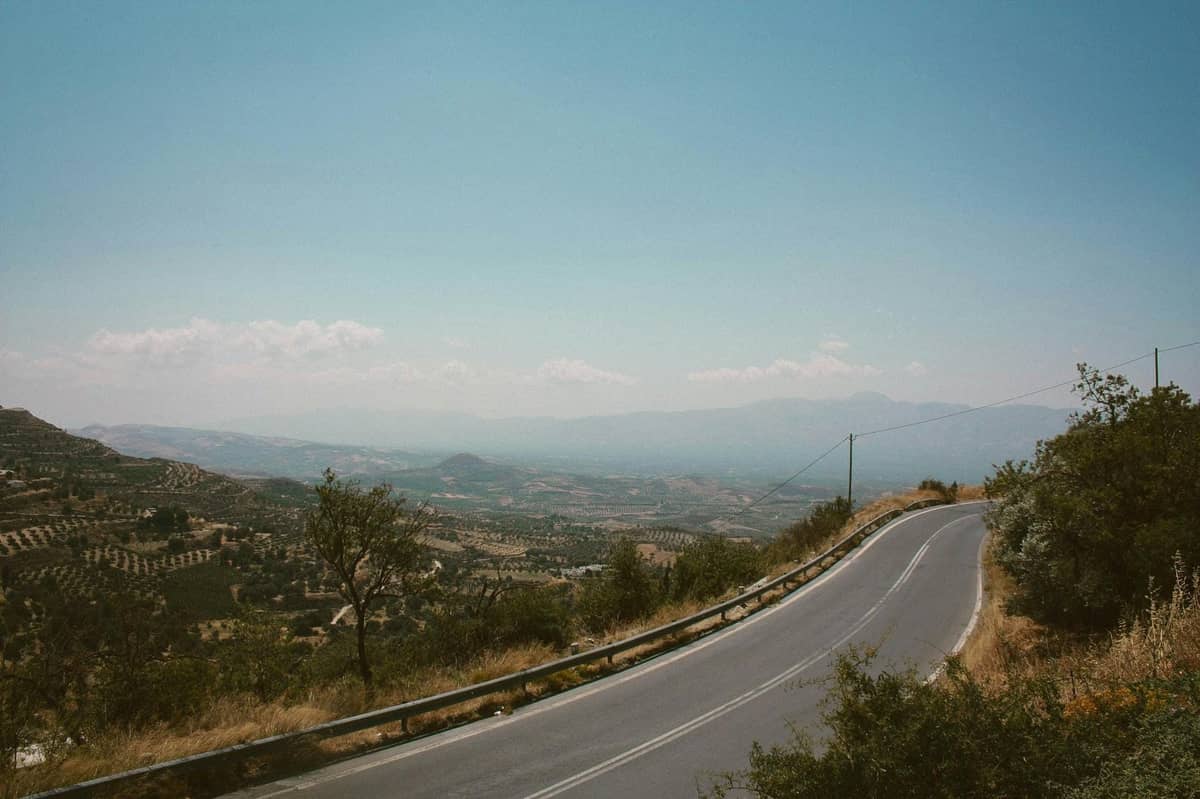
Most first-time visitors underestimate the size of Crete. The island stretches 260 km from west to east, and the mountain terrain means the E75 highway, while functional, rarely lets you drive fast. The journey from Chania in the west to Heraklion in the center takes around 2.5 to 3 hours under normal conditions. Add summer traffic near towns, and you are looking at a significant chunk of each day if you are trying to cover ground.
The practical takeaway: pick a base that matches where you actually want to spend most of your time. If your priority is the White Mountains and the Samaria Gorge, stay in Chania. If Knossos and Minoan history drive your itinerary, stay in Heraklion. If your trip spans 10 or more days, consider splitting between two bases. Most visitors spending a week or less should commit to one region.
⚠️ What to skip
Renting a car is almost essential in Crete outside of town centers. Public buses (KTEL) connect the main cities, but villages, gorges, and beaches off the main highway require your own wheels. Book a car at the same time you book your accommodation in peak season.
Chania: The Best All-Around Base for Most Visitors
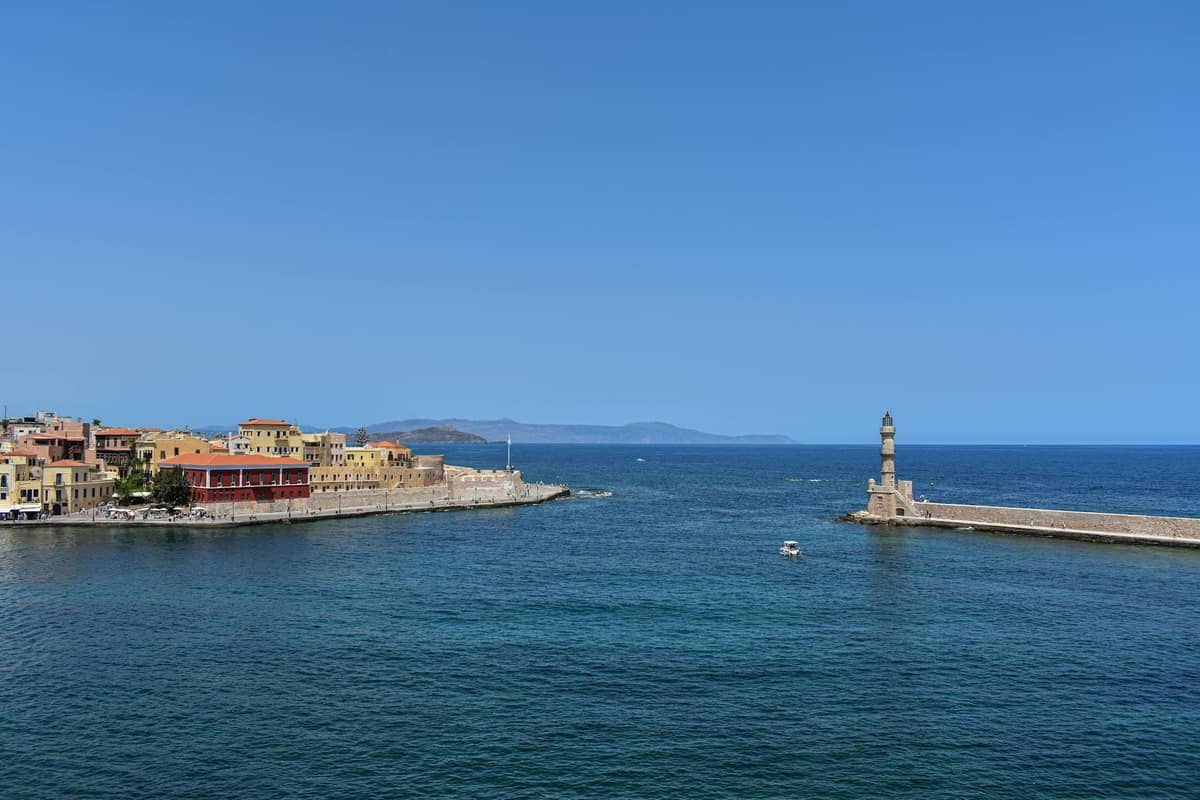
Chania is the former capital of Crete (until 1971) and still carries itself like one. The Old Town is built on the site of the ancient Minoan city of Kydonia, and its Venetian mansions, narrow streets, and harbor-front restaurants make it the most photogenic city on the island. For first-time visitors to Crete who want a balance of culture, beaches, and quality food, Chania is the right call.
The practical advantages are real too. Chania International Airport (CHQ) is just 15 km from the city center, a 20-minute taxi ride costing around €20-30. The city sits within easy reach of some of Crete's best beaches: Balos Lagoon and Falassarna Beach are both day-trip distance. The Samaria Gorge departs from Xyloskalo, about an hour's drive south.
- Best for Couples, first-timers, food lovers, travelers who want walkable evening atmosphere
- Avoid if You need to access eastern Crete daily or want a quieter, low-key village feel
- Price range Old Town boutique hotels: €90-250/night high season. Apartments slightly west in Platanias or Agia Marina: €60-130/night
- Book ahead Old Town properties fill by March or April for July and August. Anything within 200m of the Venetian Harbor sells out fastest.
One honest caveat about the Old Town: the narrow harbor-front streets can be genuinely noisy until midnight in summer, especially July and August. If you are a light sleeper, ask for a room facing an interior courtyard or look at properties one or two streets back from the waterfront. They are often better value and significantly quieter.
Rethymno: The Underrated Middle Ground
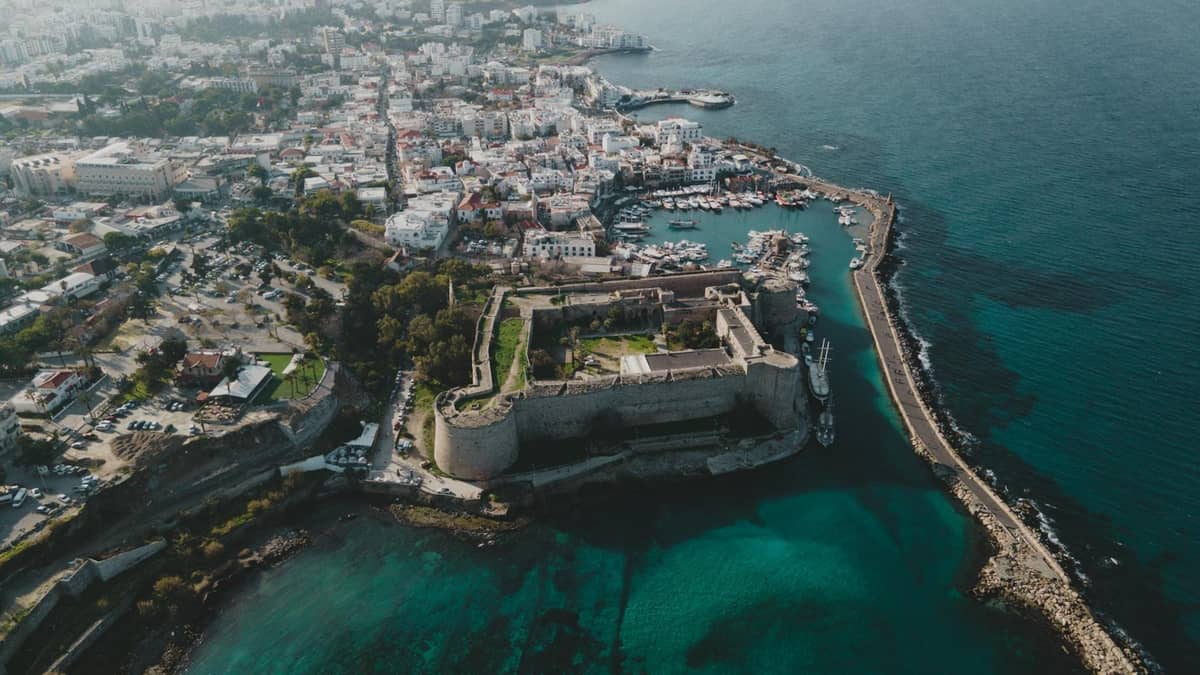
Rethymno sits roughly midway between Chania (about 75 km west) and Heraklion (about 80 km east), which makes it a logical base if you want to access both. The city has its own well-preserved Venetian old town, a working Venetian fortress, the Fortezza, and a long sandy beach that runs right alongside the town center. That beach is genuinely convenient: you can walk from your hotel room to the water in under 10 minutes.
Rethymno attracts fewer international package tourists than Chania or the Heraklion resort belt, which keeps the atmosphere more relaxed, particularly in the shoulder months of May, June, and September. Families with young children tend to do well here: the beach is shallow at the edges, the old town is compact and walkable, and there are good mid-range hotels with pools that do not require you to book a full resort.
✨ Pro tip
If Rethymno is your base, the drive to Preveli Beach and the Kourtaliotiko Gorge takes under an hour heading south. It is one of the most rewarding half-day routes in central Crete and a strong reason to stay in this area over Chania or Heraklion.
Heraklion: Right for History, Less Right for Relaxation
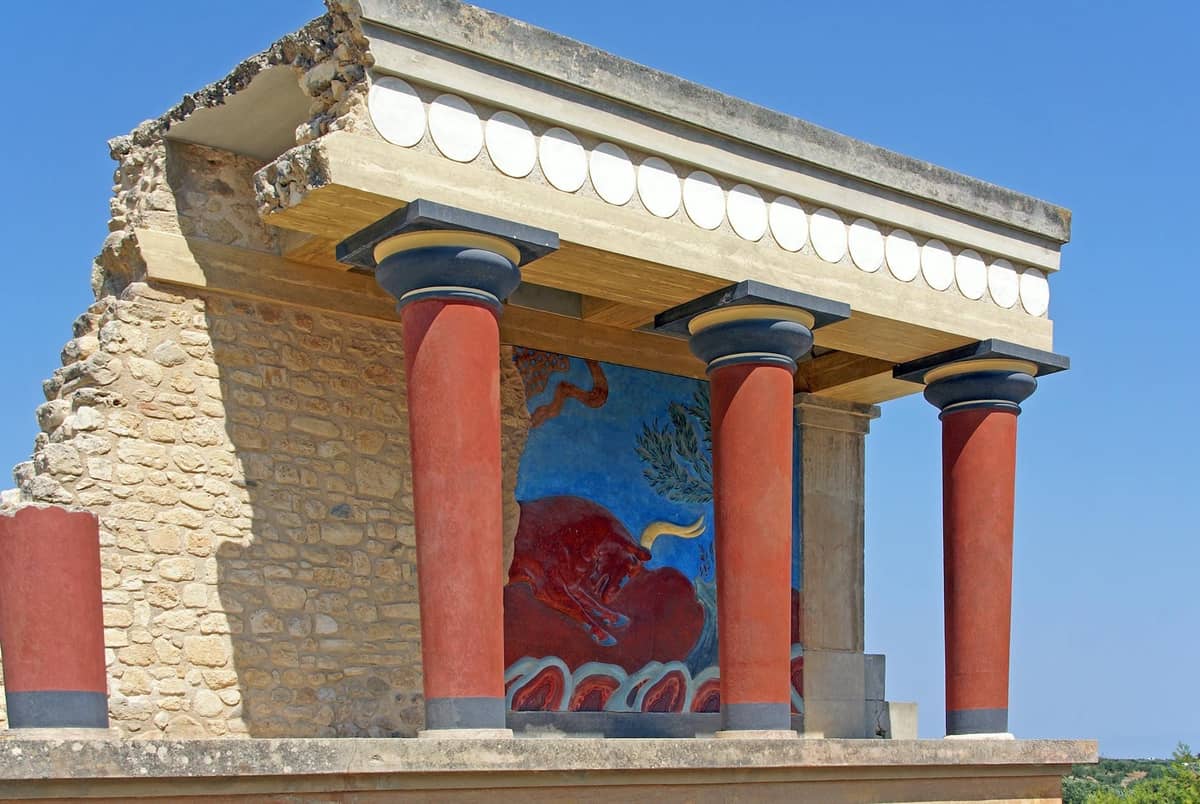
Heraklion is Crete's administrative capital and largest city, home to around 175,000 people. It has the island's main international airport (HER, Heraklion International Airport) and the best transport connections, including ferry services to Athens. The city's headline attraction is the Palace of Knossos, 5 km south of the center, and the Heraklion Archaeological Museum is the best Minoan collection in the world.
The honest assessment: Heraklion is a working city, not a resort destination. The waterfront has been improved in recent years, and the market street (1866 Street) and Venetian walls are worth exploring, but it lacks the charm of Chania's old town or the beach accessibility of Rethymno. Stay here if Knossos is a priority and you want straightforward airport logistics. Do not stay here if you are expecting a relaxing, picturesque Greek island town.
Eastern Crete: Agios Nikolaos, Elounda, and the Lasithi Region
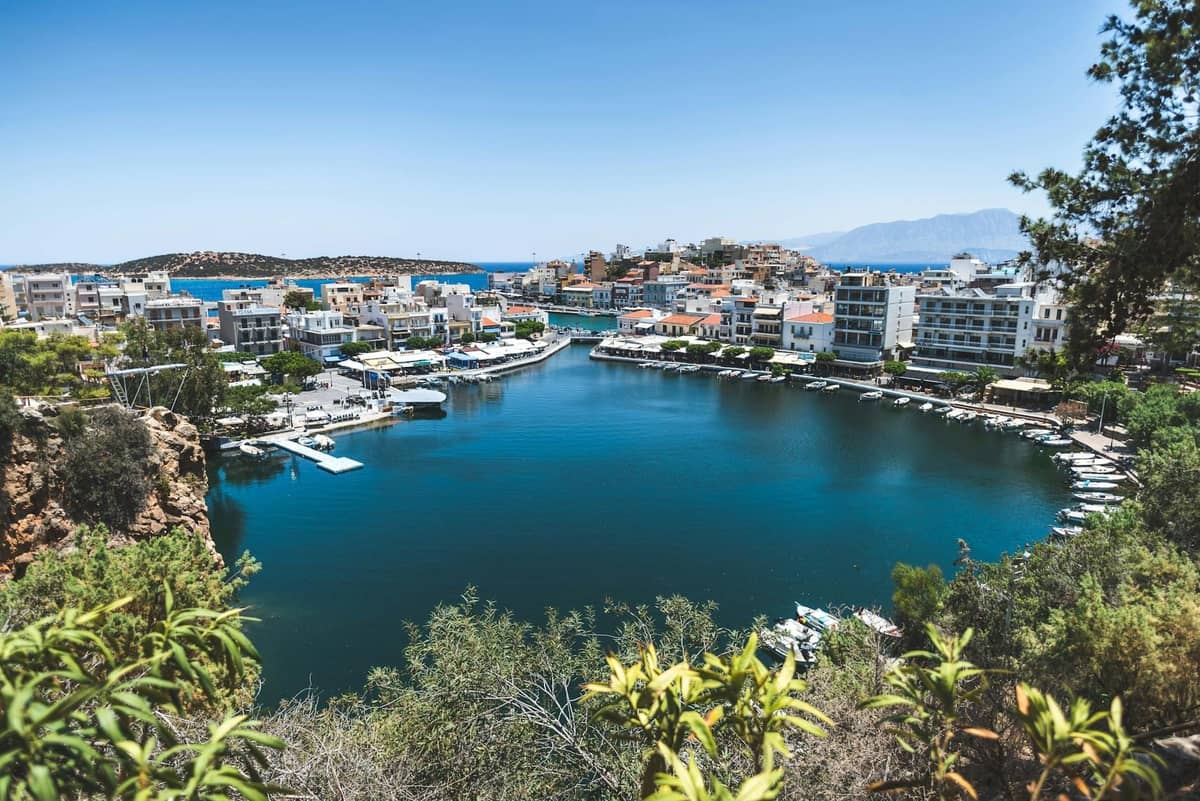
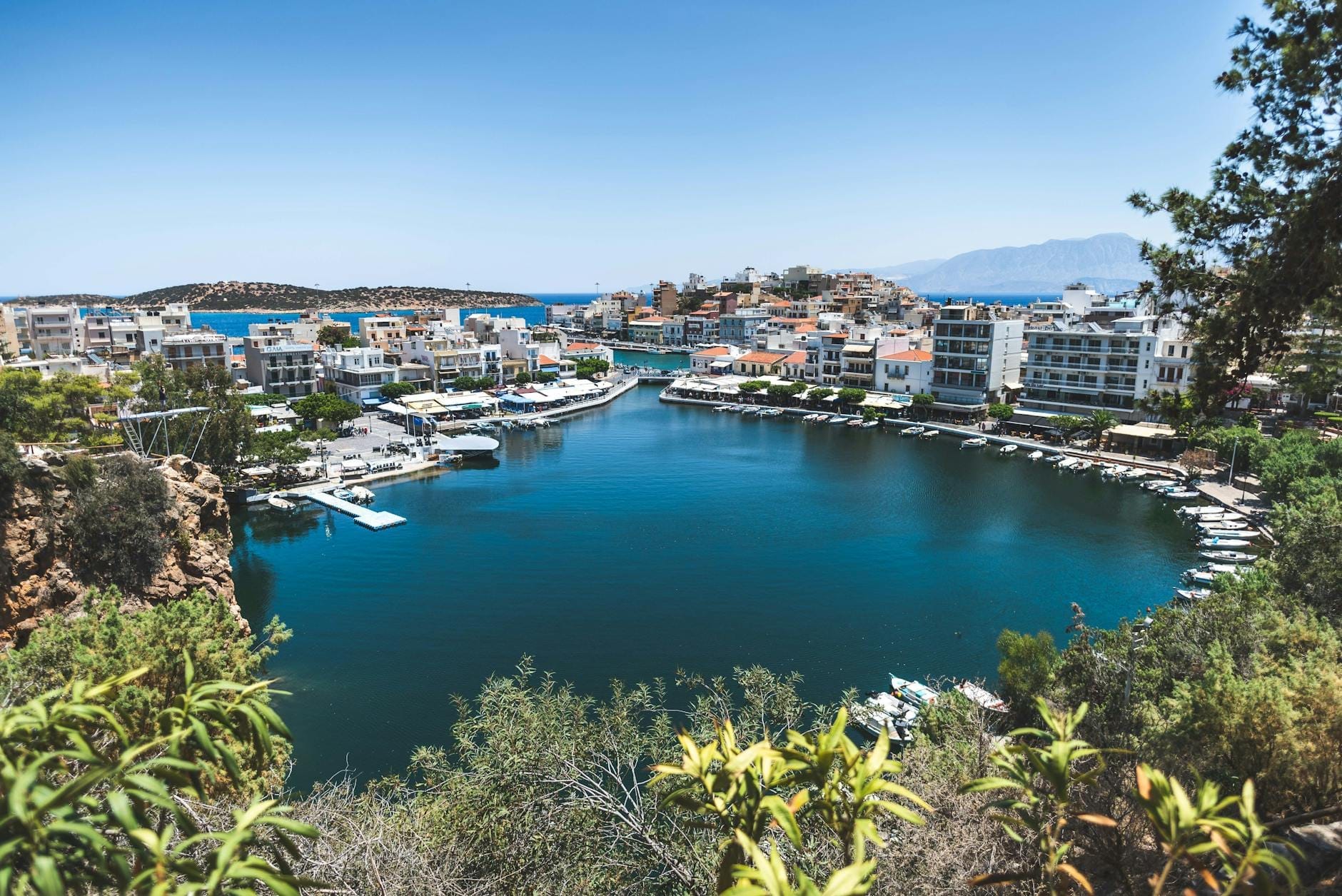
Eastern Crete, the Lasithi regional unit, is genuinely different in character from the west. The landscape is drier, the crowds are lighter outside of high season, and the main town of Agios Nikolaos is built around a photogenic lake connected to the sea. It is a comfortable base for day trips to the Spinalonga Island Venetian fortress, the Lassithi Plateau, and the remote beaches of the far east.
Elounda, 11 km north of Agios Nikolaos, is where Crete's luxury resort hotels concentrate. Several internationally known five-star properties sit along this coastline, some with private beaches and villa compounds. If a high-end stay in Crete is what you are after, this is where to look. Note that Elounda is not particularly walkable and requires a car for almost everything. The area also gets busy in August when well-heeled Athenians arrive.
- Agios Nikolaos: best for independent travelers who want a laid-back base with good restaurants and easy access to eastern Crete's sights
- Elounda: best for luxury travelers, honeymoons, and those who want resort facilities over local atmosphere
- Sitia: further east, quieter, with a local fishing-town feel and proximity to Vai Palm Beach and the Minoan palace at Zakros
- Ierapetra: southernmost town in Europe, on the Libyan Sea coast; good for those who want heat, long seasons, and fewer tourists
ℹ️ Good to know
Heraklion Airport is roughly 70 km west of Agios Nikolaos, about 1 hour 15 minutes by car. There is no direct public bus from the airport to eastern Crete. Renting a car or booking a private transfer on arrival is the practical solution if you are basing yourself in the east.
Areas to Approach With Caution: Malia, Hersonissos, and the Resort Strip
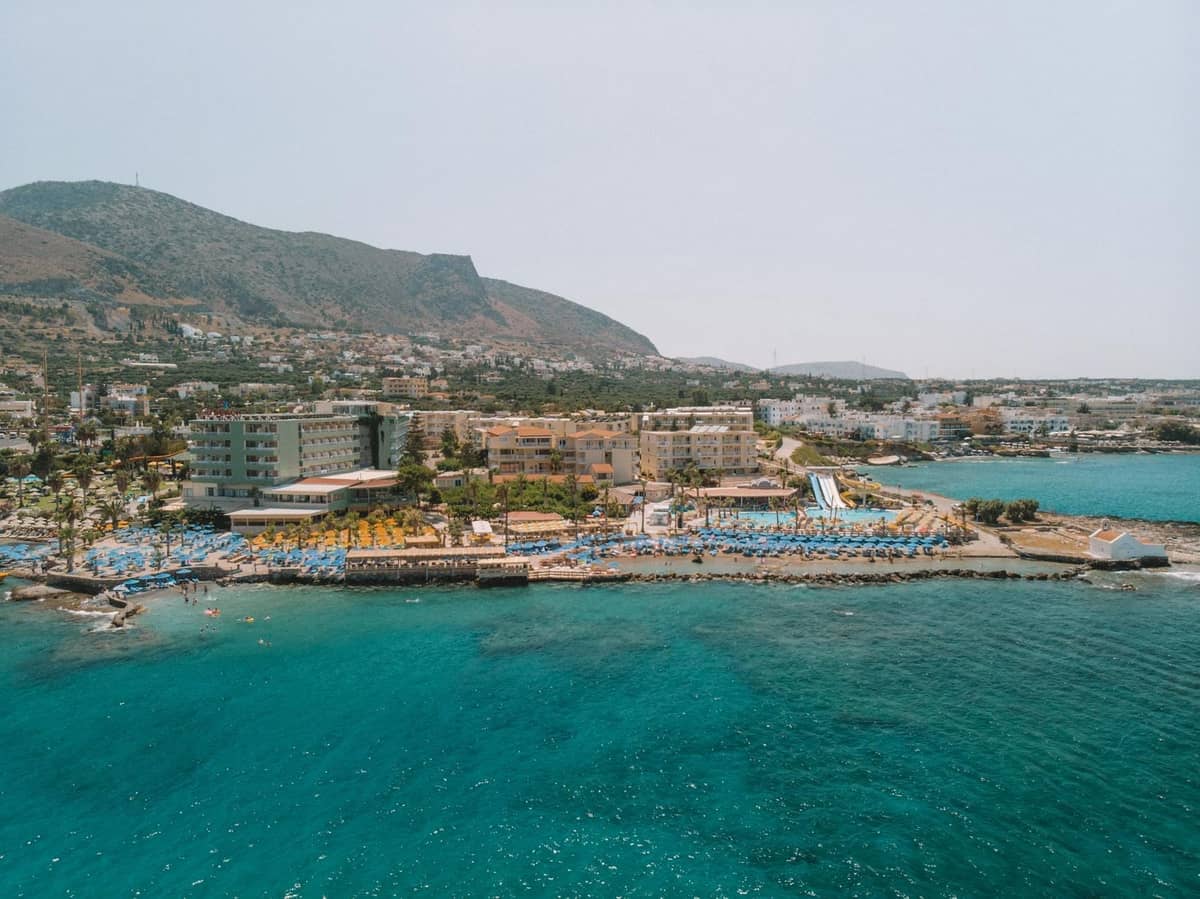
The stretch of coast between Heraklion and Agios Nikolaos includes Hersonissos and Malia, two towns that have developed almost entirely around package tourism. You will find large all-inclusive hotels, water parks, strip bars, and a very young crowd in summer. If that is what you are after, the infrastructure is good and prices are competitive. But if you are expecting a quieter beach holiday or anything resembling authentic Cretan life, these are the wrong places.
The same is true of Platanias and parts of Agia Marina, west of Chania, though these are considerably tamer than Malia. They offer good beach access and hotel value but require a car or bus to reach anything of cultural interest. Travelers who want both beach convenience and proximity to Chania's old town are better off staying within the city itself and driving or taking a short taxi to nearby beaches. Our guide to the best beaches in Crete can help you plan which beaches are worth the drive.
Seasonal Timing: When You Book Matters as Much as Where
Crete's peak season runs from late June through August, with the absolute busiest weeks in July and August. During this window, popular properties in Chania's old town and Elounda's luxury resorts can book out 4 to 6 months in advance. Prices reflect demand: a decent double room in Chania old town that costs €80 in May can hit €200 or more in August. If your dates are flexible, May, June, and September offer significantly better value and lighter crowds. For a full breakdown, the best time to visit Crete guide covers what each month actually delivers.
October is genuinely worth considering for travelers who do not need guaranteed beach weather. Temperatures are still warm enough to swim on most days, the crowds are gone, and room rates drop sharply. The trade-off is that some smaller hotels and beach-focused businesses close from late October onward, so confirm before booking.
- April to May Good weather, very few crowds, best hotel prices of the year. Some beach facilities not yet open. Ideal for hiking and sightseeing.
- June Warm, seas good for swimming, crowds building but manageable. Good balance of price and conditions.
- July to August Peak heat (often 35°C+), maximum crowds, highest prices. Book 4-6 months ahead for good central properties.
- September Still warm, seas at their warmest for swimming, noticeably fewer tourists from mid-September. Strong value.
- October Quiet, mild, affordable. Some closures toward month's end. Works well for cultural travel over beach holidays.
FAQ
Should I stay in Chania or Heraklion?
For most visitors, Chania is the better choice. It has more charm, better restaurants, a more walkable old town, and easier beach access. Heraklion makes sense if the Palace of Knossos and the Archaeological Museum are your primary reasons for visiting, or if you need the better flight connections. If you are flying into Heraklion but want to stay in Chania, it is a roughly 2.5-hour drive west.
Where is the best area to stay in Crete for families?
Rethymno is consistently the strongest family base: it has a sandy town beach that is calm and shallow, a good selection of mid-range hotels with pools, a walkable old town, and a central location that keeps driving distances to both eastern and western Crete reasonable. Agia Marina, west of Chania, is another solid family option with calmer beaches and good hotel facilities, though it is less culturally interesting.
How far in advance should I book hotels in Crete?
For July and August stays, especially in Chania's old town or Elounda's luxury resorts, booking 4 to 6 months ahead is realistic advice, not an exaggeration. For June or September, 6 to 8 weeks is usually sufficient. For April, May, and October, you can often book within a few weeks of arrival without losing out on good options.
Is it worth staying in a village rather than a town in Crete?
Yes, for the right type of traveler. Villages in the Cretan interior or on the south coast, such as Plakias or Agia Galini, offer genuine quiet, lower prices, and a pace of life that the main tourist towns no longer have. The trade-off is that you need a car for almost everything, and some villages have very limited dining and entertainment options. If that sounds like your idea of a holiday, a village stay in Crete can be exceptional.
What is the best area to stay in Crete for nightlife?
Malia and Hersonissos have the highest concentration of clubs and bars in the island and cater to a young international crowd throughout summer. Chania has a more sophisticated evening scene centered on its harbor and the Splantzia neighborhood, with good cocktail bars and late-night restaurants. Heraklion has a local Cretan nightlife scene that is active year-round but less oriented toward tourists.