Best Time to Visit Crete: A Month-by-Month Guide for Every Traveler
Crete rewards visitors year-round, but the right time depends entirely on what you want. This guide breaks down every month by weather, crowds, prices, and activities so you can plan with confidence.
Plan and book this trip
Tools from our partner Travelpayouts help you compare flights and hotels. If you book through them, we may earn a commission at no extra cost to you.
Flights
Hotels map
TL;DR
- The best overall time to visit Crete is late May, June, or September: hot and sunny (highs of 23-27°C), far fewer crowds than peak summer, and full access to beaches, gorges, and archaeological sites.
- July and August are the hottest and most expensive months; perfect for beach life, but expect packed resorts, queues at Knossos, and prices at their peak.
- Spring (April-May) is ideal for hiking in Crete and wildflower landscapes; the Samaria Gorge typically reopens in May and the sea is still cool for swimming.
- October is underrated: sea temperatures stay around 22-23°C, crowds drop sharply, and olive harvest season brings a distinct local atmosphere.
- Winter (December-February) is the only period to genuinely avoid for a beach holiday; Heraklion and Chania remain lively year-round for city-focused trips.
Quick Overview: Crete by Season
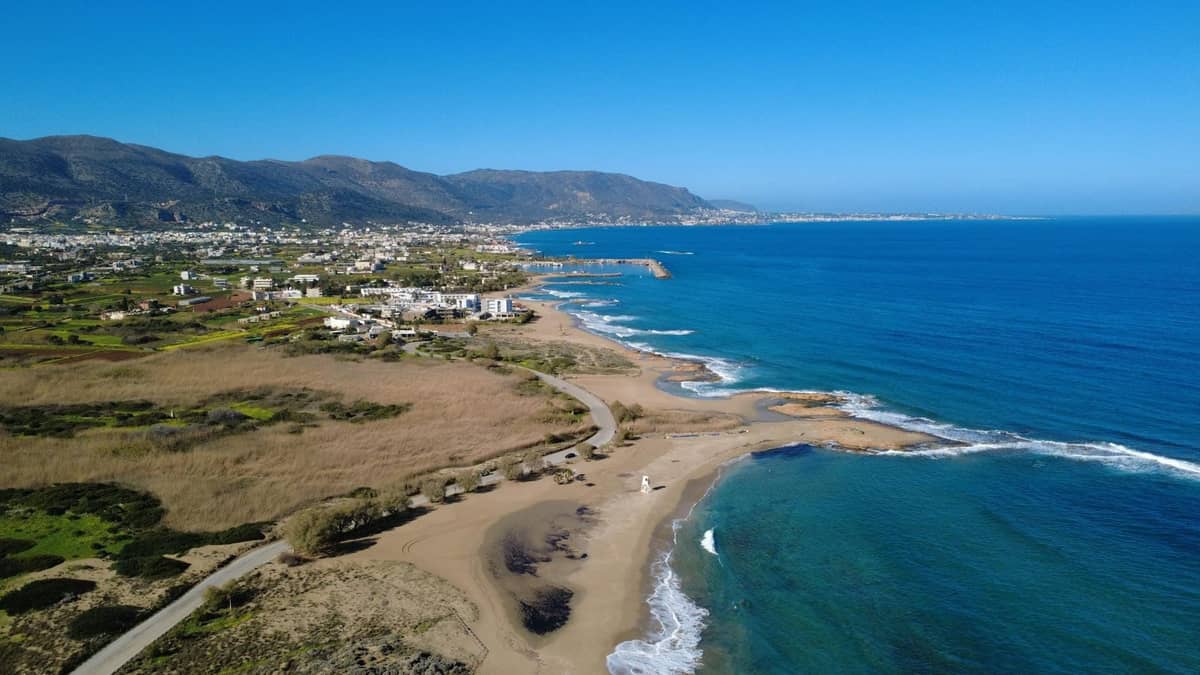
Crete sits in the eastern Mediterranean, about 160 km south of mainland Greece, and its subtropical climate means it gets more sunshine than almost anywhere in Europe. The island receives around 300 sunny days per year, but that number is heavily front-loaded between April and October. Understanding the seasonal rhythm is the single most important factor in planning a trip here.
- Spring (March to May) Mild temperatures of 17-23°C, wildflowers, Orthodox Easter celebrations, and far lower prices. The sea is still cold (around 17-19°C in April), and some smaller tavernas and beach bars remain closed until late May.
- Early Summer (June) The sweet spot. Highs around 27°C, 330 hours of sunshine, barely any rain, and accommodation prices that have not yet reached peak-season levels. Book at least 6-8 weeks ahead for popular areas.
- Peak Summer (July to August) Maximum heat (29-32°C in July-August), zero rain, sea temperatures up to 25-26°C. Everything is open, everything is crowded. Flights and hotels cost significantly more.
- Autumn (September to October) September mirrors June in many ways: still hot, sea still warm, but tourist numbers thinning. October brings harvest season and occasional rain showers, but daytime temperatures of around 23°C keep it comfortable.
- Winter (November to February) Cool, rainy, and quiet. Daytime highs of 14-18°C. Most beach resorts shut down completely. Best suited to budget travelers, long-stay visitors, or those focused on history and food rather than beaches.
Month-by-Month Weather Breakdown
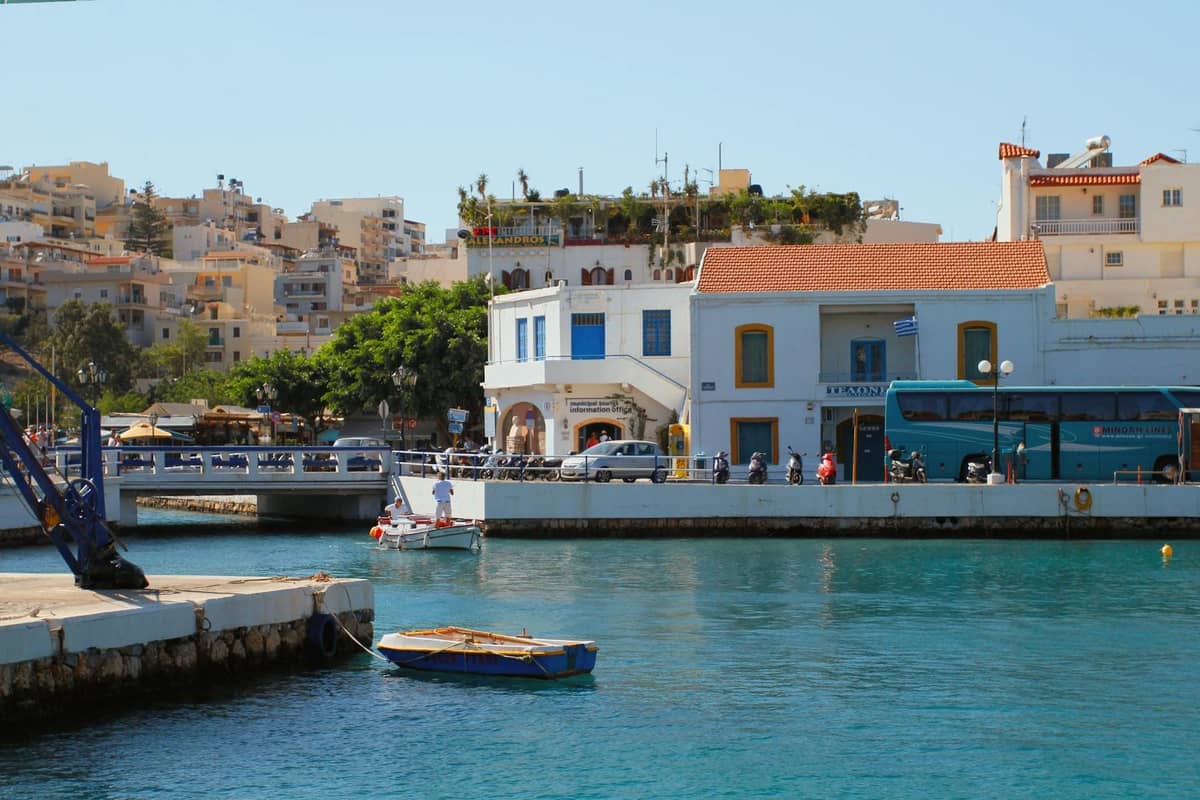
The following data applies to the Heraklion area, which represents central Crete. The west of the island (Chania region) tends to receive slightly more rainfall, while the far east (Lasithi/Sitia) is drier and windier. Mountain areas like the White Mountains and Lassithi Plateau can be significantly cooler and snow-capped well into April.
- January / February Highs of 14-16°C. Frequent rain (60-80mm/month). Very few tourists. Museums, historic sites open; most beach infrastructure closed. Good for city breaks in Heraklion or Chania.
- March Temperatures begin to climb to around 17°C. Rain decreasing. Orthodox Easter can fall in March, bringing domestic Greek tourism. Ideal for cultural sightseeing without crowds.
- April Highs around 20°C, 215 sunshine hours, ~32mm of rain. Wildflowers peak. Samaria Gorge usually still closed. Sea around 17°C — cold for most swimmers. Accommodation prices low.
- May Highs around 23°C, 270 sunshine hours, ~21mm of rain. Samaria Gorge typically reopens. Sea reaches 19-20°C. A strong month for active travelers: hiking, cycling, archaeological sites without crowds.
- June Highs around 27°C, 330 sunshine hours, only 6mm of rain. Sea hits 22-23°C. This is arguably the best month overall: beach-ready weather, manageable crowds, good value.
- July Highs around 29-31°C, 350 sunshine hours, essentially zero rain. Absolute peak season. Elafonissi and Balos reach maximum crowds. Book everything in advance.
- August Similar to July but often slightly hotter. Sea at 25-26°C. Busiest month of the year. Prices for accommodation peak. Best beach conditions; worst conditions for sightseeing in direct sun.
- September Highs around 27°C, ~330 sunshine hours, ~10mm of rain. Sea stays warm (24-25°C). Tourist numbers drop after the first week. Strong value for money. One of the best all-round months.
- October Highs around 23°C, 205 sunshine hours, ~52mm of rain (mostly brief showers). Sea still swimmable at 22-23°C for most of the month. Olive harvest begins. Some facilities begin to close mid-month.
- November / December Highs of 18-20°C in November, dropping to 14-16°C in December. Rain returns. Major beach resorts go quiet. Heraklion and Rethymno remain active with local life.
💡 Local tip
If you want beach weather but hate crowds, the first two weeks of September are the single best window in the entire year. Sea temperature is at or near its peak, the intense July-August rush has ended, and prices drop noticeably — sometimes by 20-30% compared to August highs.
Best Time to Visit for Different Trip Types
There is no single 'best' time to visit Crete. The right answer depends on what you are planning to do. A hiking trip, a beach holiday, a honeymoon, and a budget city break each have different ideal windows.
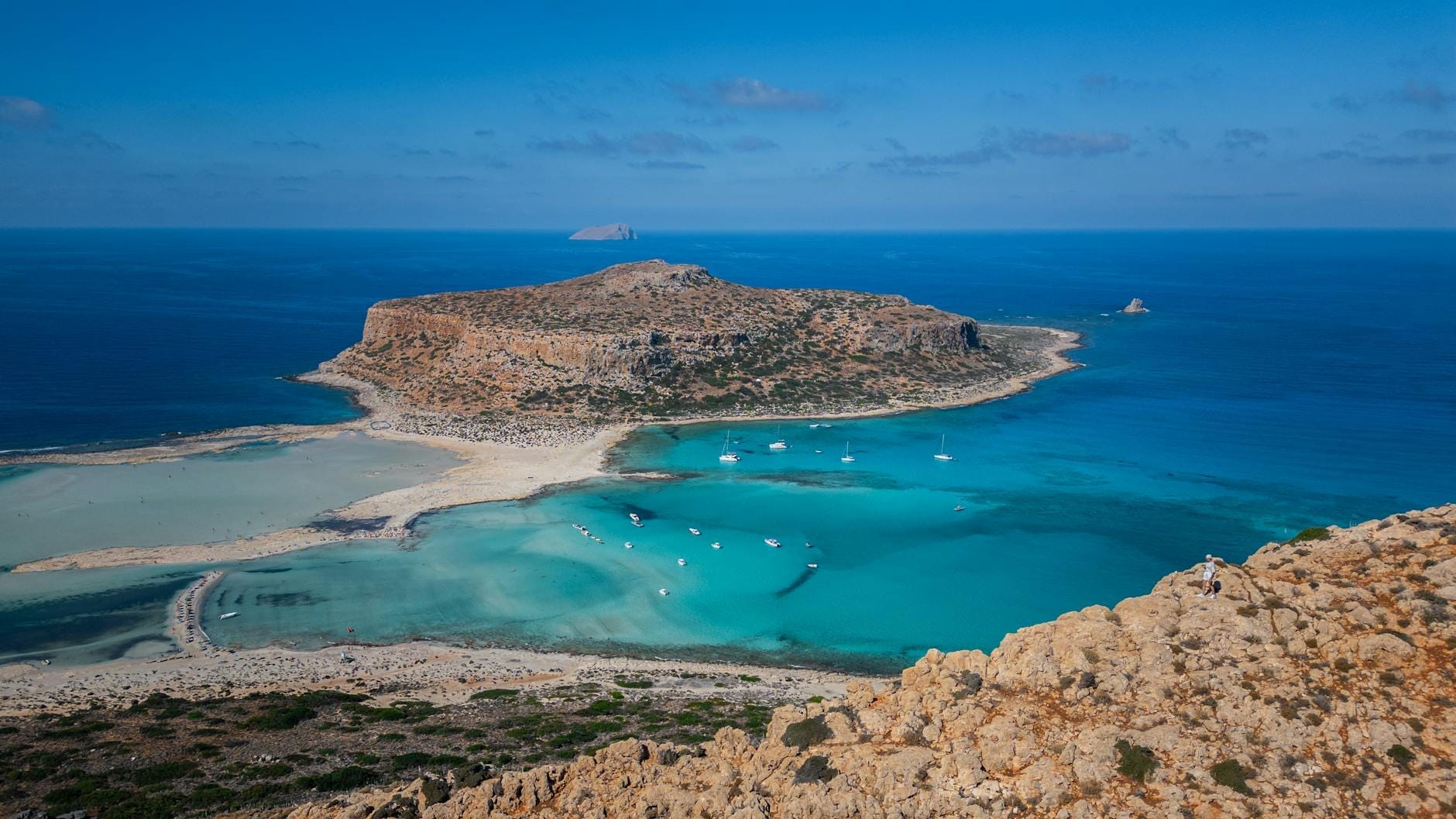
For beach-focused holidays, the window runs from late May to early October. The sweet spots are June and September, when the best beaches in Crete are accessible and warm without the July-August intensity. Elafonissi, Balos, and Falassarna see their worst crowds from late June to late August, and parking and boat access can become genuinely difficult.
For hiking and outdoor activities, April through early June is the prime window. The Samaria Gorge, one of Europe's longest gorges at 16 km, reopens in May and closes again in October or November depending on conditions. Spring also brings cooler temperatures that make multi-hour walks manageable. The White Mountains are dramatic with snow on the peaks well into April.
For history and culture, almost any time outside July-August works better. Knossos, Phaistos, and Gortyna receive a fraction of their peak visitors in April, May, or October, and the experience is incomparably better. Note that six Minoan sites, including Knossos, Phaistos, Zakros, and others, were inscribed on the UNESCO World Heritage List in 2024, so international interest in these sites is increasing.
For honeymooners and romantic travel, June and September offer the best combination of warm evenings, swimmable sea, and a more relaxed atmosphere than the July-August rush. The Crete honeymoon guide covers the best areas and accommodation options in detail.
For budget travel, the clearest savings come in April, May, and October. Hotel rates in these months can be 30-50% lower than August. If you are flexible on swimming, October in particular offers good weather, local harvest festivals, and a Crete that feels like itself again after the tourist season. The Crete on a budget guide has more on how to keep costs down regardless of when you go.
⚠️ What to skip
July and August are not recommended for families with young children or anyone sensitive to heat. Midday temperatures regularly exceed 32°C in inland areas, and exposed archaeological sites like Knossos offer very little shade. If you must travel in peak summer, plan all outdoor sightseeing before 10am or after 5pm.
Crowds, Prices, and Booking Advice
Crete is Greece's largest island and one of the most visited destinations in the Mediterranean, receiving several million tourists annually. The vast majority arrive between June and September, which means the shoulder months offer a meaningfully different experience, not just marginally quieter.
Flight availability varies significantly by season. Heraklion International Airport (IATA: HER) operates year-round but with far more direct European routes from May to October. Chania Airport (IATA: CHQ) is more seasonal and sees reduced connections outside summer. If you are traveling in winter or early spring, you will likely need to connect through Athens. Check the getting around Crete guide for logistics on inter-island transport and car hire, which is strongly recommended regardless of season.
Accommodation prices follow a clear pattern: lowest from November to March, rising sharply from late June, peaking in August, then dropping quickly after mid-September. The best value window is May, when the island is fully operational but summer pricing has not kicked in. For luxury villas and boutique hotels in popular areas like Elounda or the Chania old town, booking 3-4 months ahead for June is not excessive.
✨ Pro tip
If your travel dates are flexible by even one week, shift them to start mid-September instead of mid-August. You will pay less, have more space on beaches, get faster service at restaurants, and still have reliably warm sea and weather. The quality of the trip improves substantially.
Festivals, Events, and Local Calendar
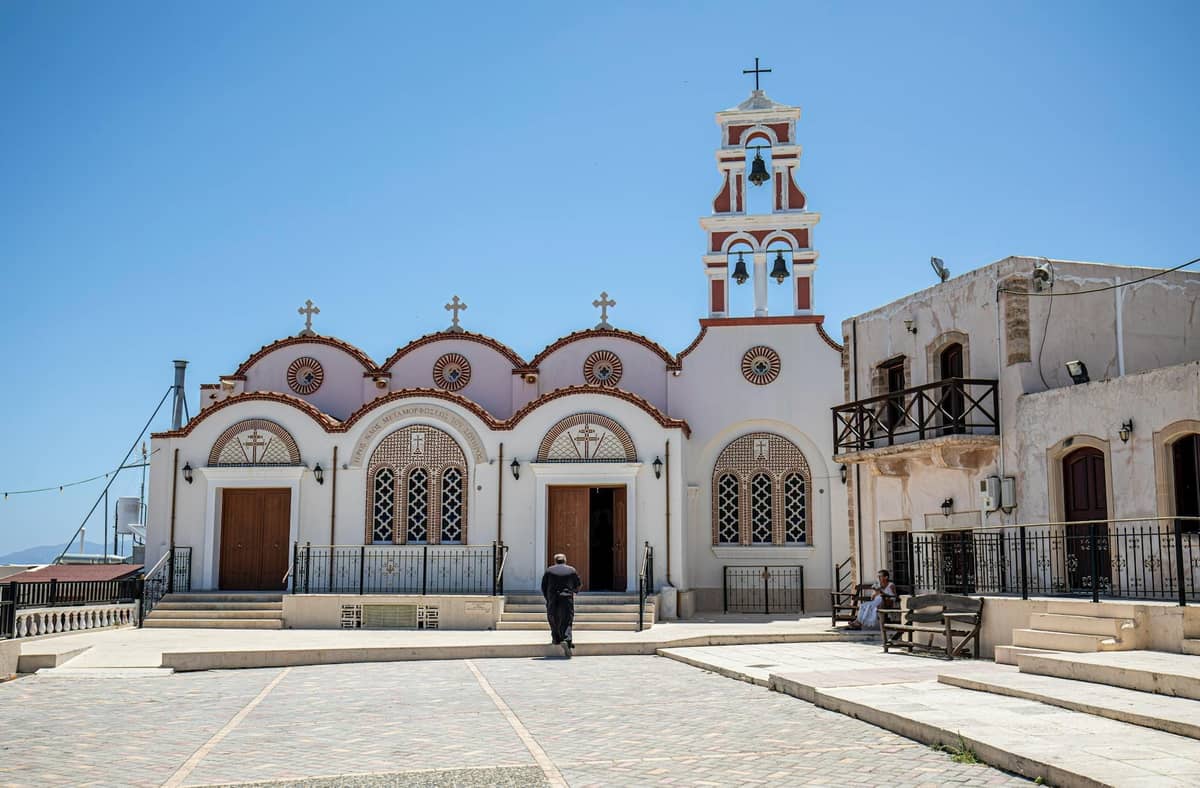
Crete has a rich calendar of religious and cultural events that can either enhance your visit or complicate logistics, depending on the timing. Orthodox Easter, which falls in March or April, is the most significant religious event of the year. Villages across the island hold midnight services and lamb roasts on Easter Sunday. It draws domestic Greek tourism and creates a warm, celebratory atmosphere, but popular areas fill up fast and advance booking is essential.
Summer brings open-air concerts, local panigýria (village festivals), and events linked to the wine and olive harvest. Crete produces some of Greece's best olive oil and wine, and the harvest season from October into November is a good time to visit Crete's wine and olive oil regions around Heraklion and Rethymno. The grape harvest typically runs through September, while olives are collected from October onward.
The Matala Beach Festival, held each June at the famous beach on the south coast, draws music fans and has built a following for its counterculture atmosphere. It is not for everyone, but if the timing works, it is a reason in itself to visit. More detail in the Matala Beach Festival guide.
Common Mistakes When Timing a Crete Trip
Several misconceptions circulate about timing a Crete visit, and they consistently lead to disappointment. The most common is assuming October is fully 'open' like August. In reality, beach infrastructure, boat trips to islands, and many smaller restaurants begin shutting down from mid-October onward. If access to specific attractions like Gramvousa or Spinalonga boat tours is important, go no later than the first week of October to be safe.
Another mistake is underestimating how hot July and August actually are. Crete is further south than most of mainland Europe, sitting at roughly the same latitude as parts of North Africa. The heat during peak summer is serious, and anyone expecting to spend hours walking around Knossos or the Samaria Gorge in August midday will struggle. The gorge itself closes during extreme heat events in summer, which is worth checking before you go.
Finally, some travelers assume May is fully summer-ready. It is a great month, but the sea is still cool (around 19-20°C), and swimming in the sea before late May can be uncomfortable for anyone not accustomed to colder water. If sea swimming is the primary objective, June is the safer bet. For everything else, including hiking, exploring Rethymno's old town, or visiting mountain villages, May is excellent.
FAQ
What is the best month to visit Crete for good weather and fewer crowds?
June and September are the two strongest months for this combination. Both offer highs around 27°C, little to no rain, and warm sea temperatures. June sees fewer tourists than August, while September has the warmest sea of the year alongside noticeably reduced crowds after the peak season ends.
Is October a good time to visit Crete?
Yes, with caveats. Early October is genuinely excellent: daytime temperatures around 22-23°C, sea still warm at 22-23°C, and prices well below summer levels. From mid-October onward, some beach facilities and boat excursions begin to close. Rain becomes more frequent but is usually brief. It is a good month for sightseeing, food, and hiking, but confirm that specific attractions or tours you want are still operating.
Is Crete worth visiting in winter?
For a beach holiday, no. Most beach resorts effectively shut down from November to March. However, Heraklion and Chania remain active with local restaurants, markets, and cultural sites. Winter is best suited to travelers interested in history, food, or budget long-stays. Prices are the lowest of the year, and major archaeological sites remain open. The Palace of Knossos in January with no queues is a very different, and arguably more atmospheric, experience than in August.
When does the Samaria Gorge open and close?
The Samaria Gorge typically opens in early to mid-May, after snow and winter flooding have cleared, and closes in late October or November depending on conditions. It can also close temporarily during extreme heat events in July and August for safety reasons. Always check official status with the White Mountains National Park or local authorities before planning your hike.
How far in advance should I book for a summer trip to Crete?
For July and August, book accommodation 3-4 months in advance, especially for popular areas like Chania Old Town, Elounda, or beachfront properties in Rethymno. For June and September, 6-8 weeks is usually sufficient for most options, though boutique hotels and villas in sought-after locations fill faster. Flights to Heraklion and Chania also see significant price increases as summer dates approach, so booking early saves money.