Crete's Olive Oil & Wine: The Complete Tasting & Buying Guide
Crete produces some of the world's finest olive oil and a range of wines from indigenous grapes found nowhere else on earth. This guide covers where to taste, what to look for, how to book tours, and what's actually worth bringing home.
Plan and book this trip
Tools from our partner Travelpayouts help you compare flights and hotels. If you book through them, we may earn a commission at no extra cost to you.
Flights
Hotels map
TL;DR
- Crete produces around 30% of Greece's olive oil — only extra virgin, cold-pressed oil is worth buying.
- Heraklion's Peza region hosts 80% of the island's wineries, with indigenous grapes like Vidiano and Kotsifali that you won't find elsewhere — see our things to do in Crete guide for context on planning your trip around tastings.
- Olive harvest runs October to December; grape harvest August to October — both seasons offer the most immersive visits.
- Guided day tours (with hotel pickup, tastings, and lunch) are the most efficient way to cover both products in one day.
- Not all Cretan olive oil is created equal — grade matters enormously, and tourist shops often stock inferior product.
Why Crete Is Serious Olive Oil Country
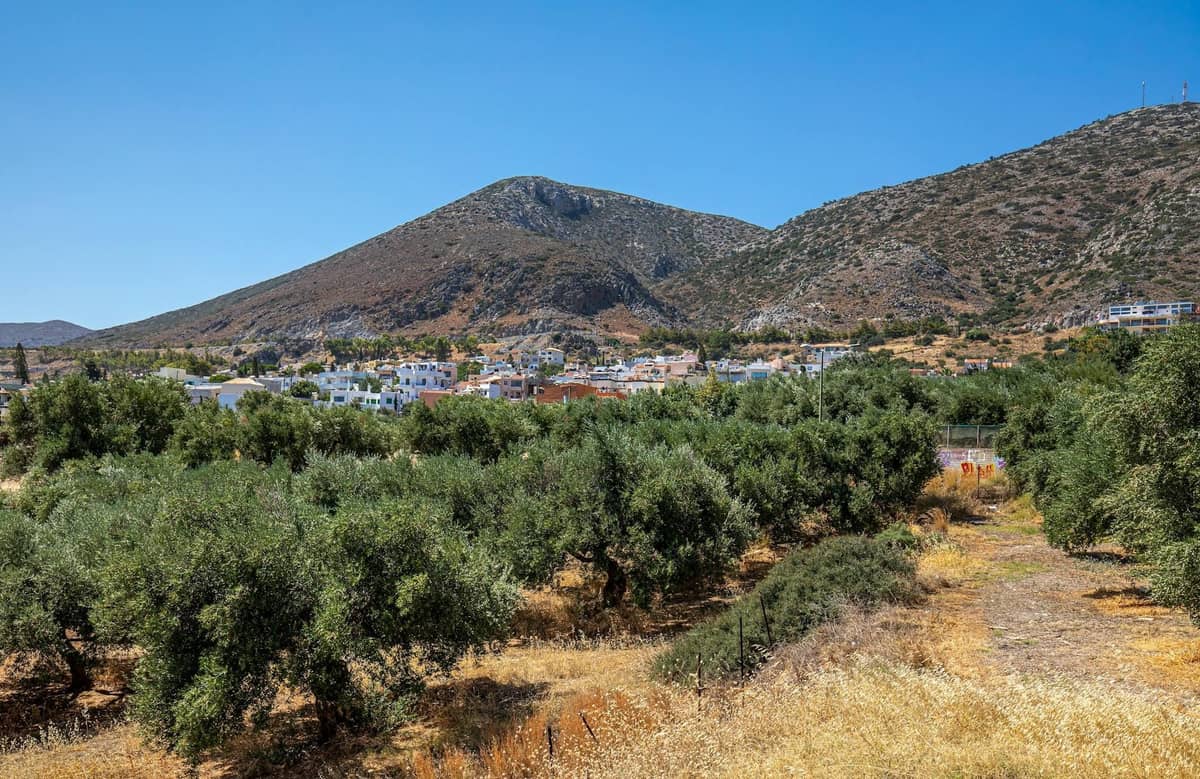
Olive oil is not a souvenir in Crete — it is infrastructure. Olive trees cover roughly a third of the island's cultivated land, and the island produces around 30% of all Greek olive oil. Greece itself ranks third globally in olive oil production, behind Spain and Italy, but consistently ranks first in per-capita consumption. What that means for visitors: the quality of everyday table olive oil here exceeds what most Europeans or Americans would consider premium at home.
The dominant variety grown across the island is Koroneiki, a small, high-polyphenol olive that thrives in Crete's dry, rocky hillsides. These olives produce oil with a distinctively grassy, peppery finish — the throat-burn you feel after a sip of quality extra virgin oil is a sign of high oleocanthal content, a natural anti-inflammatory compound. Producers in the Chania and Rethymno regions tend to harvest earlier (October to November), yielding a more intensely flavored, greener oil. Heraklion and Lasithi producers often harvest later, producing milder, more golden oils.
ℹ️ Good to know
Extra virgin olive oil is legally defined as oil produced by first cold-pressing (below 27°C / 80°F) without chemical solvents, with a free acidity below 0.8% (though premium producers target under 0.4%). Lower grades — 'virgin' and 'refined' olive oils — use heat or chemicals to extract additional oil from the pulp. These are fine for cooking but lack the nutritional and flavor depth of extra virgin. If a bottle in a souvenir shop doesn't specify 'extra virgin' and 'cold-pressed', skip it.
Crete's Wine Regions and Indigenous Grapes
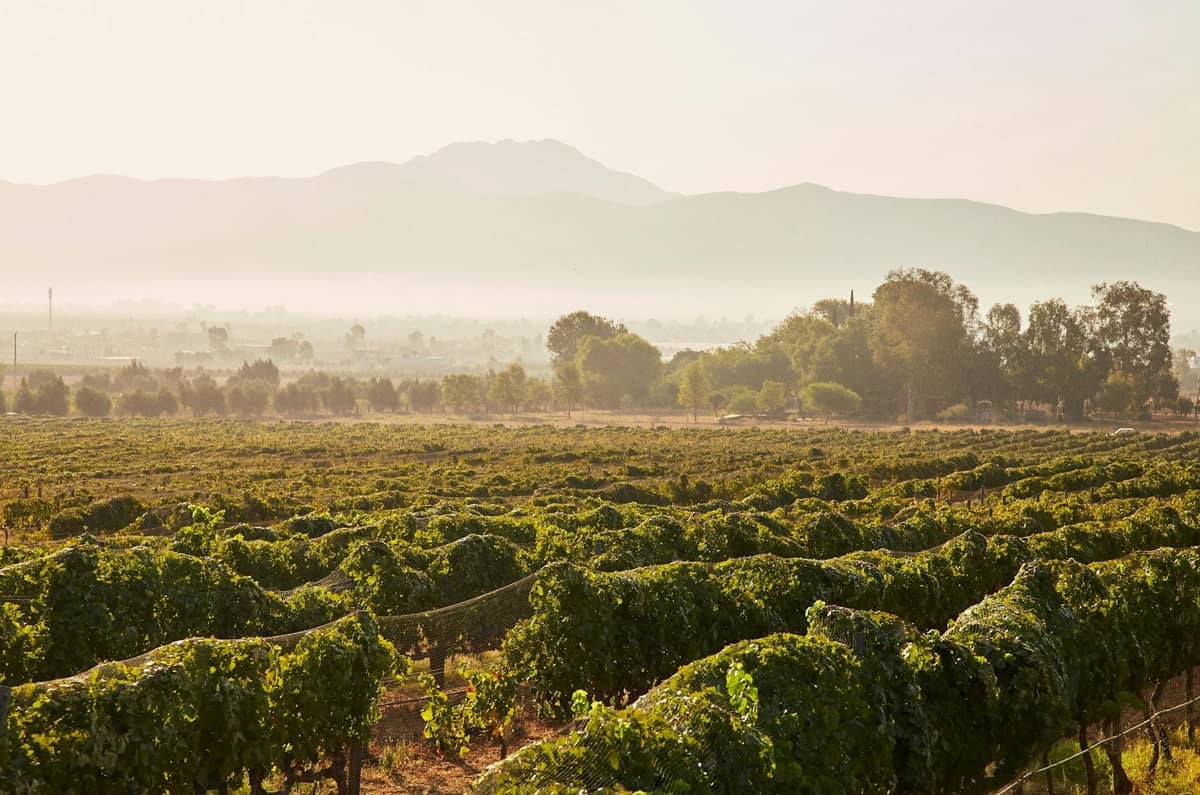
Crete produces roughly 20% of Greece's wine, and approximately 80% of its wineries are concentrated in the Heraklion regional unit, particularly in the Peza appellation south of the capital. Peza is the island's most recognized PDO (Protected Designation of Origin) zone, sitting at 400-600 meters elevation, where cooler nights preserve acidity in the grapes. Archanes, another PDO zone near Heraklion, produces fuller-bodied reds. Further west, producers around Chania and Kissamos are earning attention for experimental blends and organic viticulture.
What makes Cretan wine genuinely worth exploring is the lineup of indigenous varieties. Most are entirely unknown outside the island, which is both their appeal and the reason they're rarely found in export markets. This is wine tourism in its truest sense: you taste things here that simply don't exist elsewhere.
- Vidiano The standout white. Aromatic, textured, with stone fruit and citrus notes. It's gone from near-extinction to one of Greece's most-discussed whites in under 20 years.
- Vilana The workhorse white of Peza. Light, crisp, easy-drinking. Best consumed young and well-chilled on a hot afternoon.
- Kotsifali The dominant red grape of Peza PDO. Soft tannins, high alcohol, red fruit aromas. Usually blended with Mandilari for structure.
- Liatiko One of Greece's oldest documented varieties. Makes everything from dry reds to sweet vin santo-style wines. Look for the Sitia PDO for the best expressions.
- Romeiko A fascinating variety where individual bunches can contain red, white, and pink berries. Produces light-bodied, low-tannin reds. Not a defect — it's the grape's natural character.
- Thrapsathiri A white grape used in blends and increasingly as a single varietal. Floral and fresh, with more body than Vilana.
- Dafni Rare and aromatic white with a distinctive bay laurel note. Very limited production — if you see it on a tasting menu, order it.
💡 Local tip
When visiting a winery, ask specifically to taste single-varietal wines rather than house blends. Blends are often designed for commercial accessibility; single varietals show you what makes Cretan wine distinct. Most good producers will accommodate the request even if it's not on the standard tasting menu.
Olive Oil and Wine Tours: What to Expect
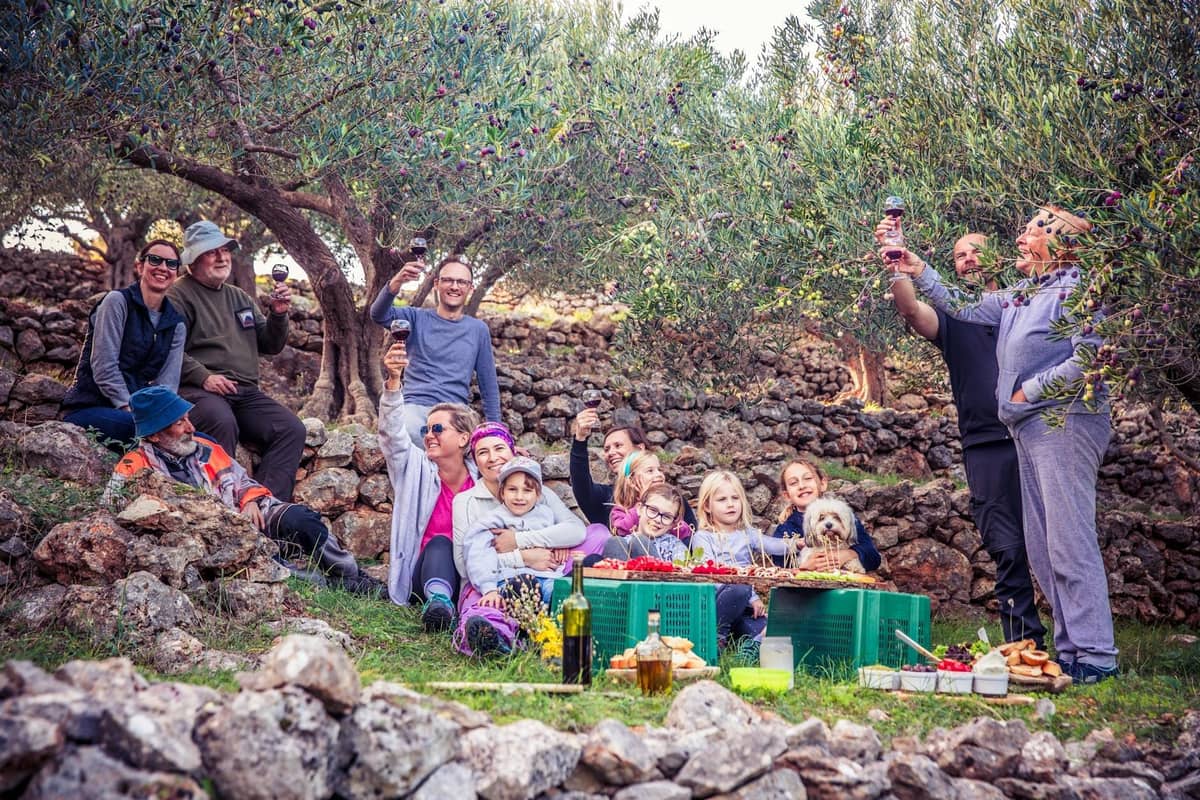
The most practical way to experience both products properly — without renting a car and navigating rural roads in the midday heat — is a guided day tour. Operators running out of Heraklion and Chania typically combine an olive oil mill visit with one or two winery stops, a Cretan lunch, and hotel pickup and drop-off. These tours run between roughly 6 and 8 hours and are designed to be informative rather than purely alcoholic.
In the Chania region, mills like Biolea (near Kolymvari) offer organized tastings with explanations of the cold-pressing process, including the difference between early-harvest and late-harvest oils. The Manousakis Winery near Vatolakkos is one of the more established stops on western Crete tours, known for its Nostos range made from Roussanne, Syrah, Grenache, and local varieties. In the Heraklion region, Peza Union and several smaller family-run wineries such as Anoskeli accept visitors and offer structured tastings covering 4-6 wines. Plan any self-drive exploration carefully — Peza is about 25 km south of Heraklion, and many cellar doors are on unmarked farm roads.
Tours operate year-round, but spring (April to June) and early autumn (September to October) offer the best experience: comfortable temperatures, no crowds at the mills, and the possibility of seeing harvest preparations. If you visit during the olive harvest (October to December), some mills allow visitors to observe or participate in the pressing process, which is genuinely educational and not a sanitized performance.
⚠️ What to skip
Greek law prohibits serving alcohol to anyone under 18. Tours that include wine tastings will require age verification. If you're traveling with teenagers, confirm with the operator before booking whether non-alcoholic alternatives are provided at winery stops.
What to Buy and What to Avoid
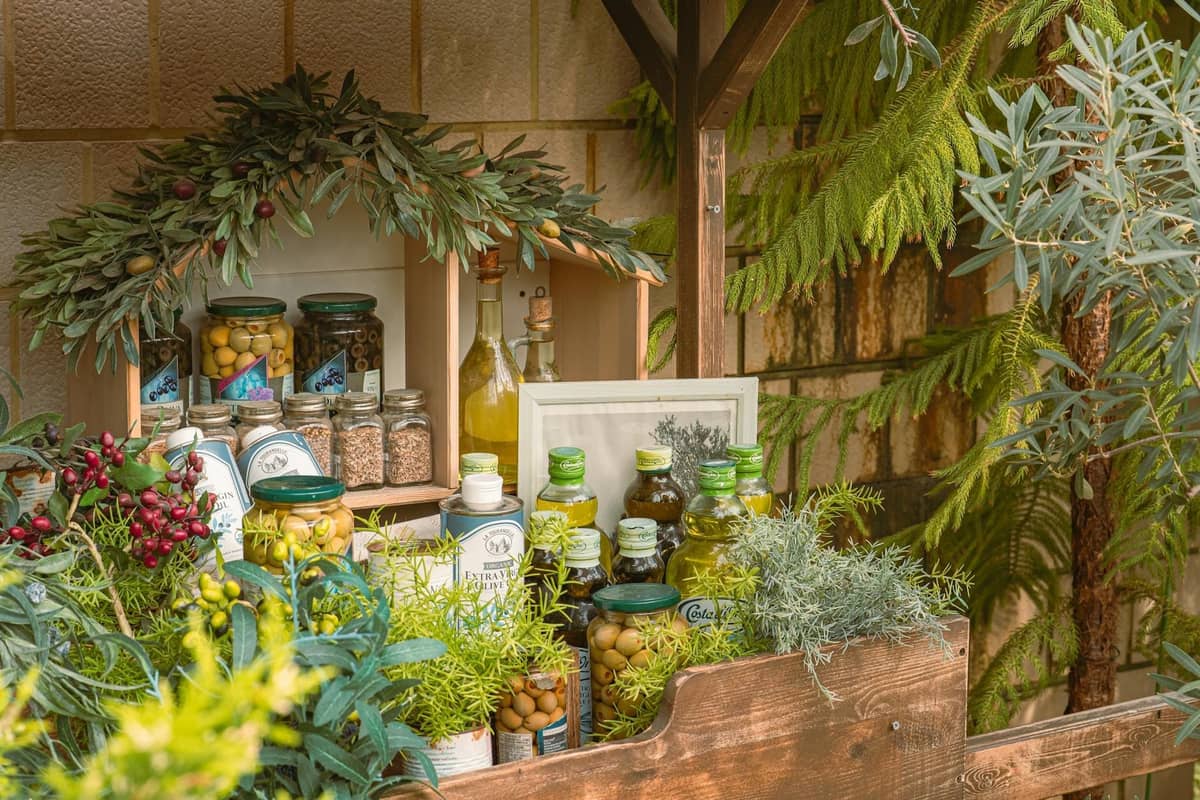
Buying directly from producers is always the better option, both for quality and price. Mill shops and winery gift stores sell at prices competitive with supermarkets, sometimes lower, and the provenance is completely transparent. A 500ml bottle of quality cold-pressed extra virgin olive oil direct from a mill typically costs between 8 and 15 euros. At upscale tourist shops in Chania's old town or Heraklion's market area, the same quality can cost 20 euros or more with no corresponding improvement in the product.
For wine, bottles purchased at the winery generally run 8-20 euros depending on the producer and wine style. Supermarkets across the island stock a solid range of Cretan PDO wines at 5-12 euros — the AB Vassilopoulos and Sklavenitis chains are reliable options in larger towns. Heraklion's 1866 Market Street has several independent delis with a curated selection of local olive oils, wines, and thyme honey. It's one of the better spots to compare products from different producers without committing to a full tour.
- Look for 'PDO Kolymvari', 'PDO Sitia', or 'PDO Viannos' on olive oil labels — these are the island's three protected olive oil designations, indicating specific origin and production standards.
- For wine, 'PDO Peza', 'PDO Archanes', 'PDO Sitia', and 'PDO Dafnes' are the quality benchmarks to look for on labels.
- Avoid large, unlabeled tins of olive oil sold at roadsides — provenance and storage conditions are unknown.
- Flavored olive oils (herb-infused, lemon, chili) make appealing gifts but are typically blended down in quality from the base oil used. Buy them for flavor, not nutrition.
- Wine cannot be transported in checked luggage without risk of breakage — bring a TSA-approved wine carrier or pack bottles in the center of your bag surrounded by clothing.
Pairing Tastings with the Rest of Your Crete Itinerary
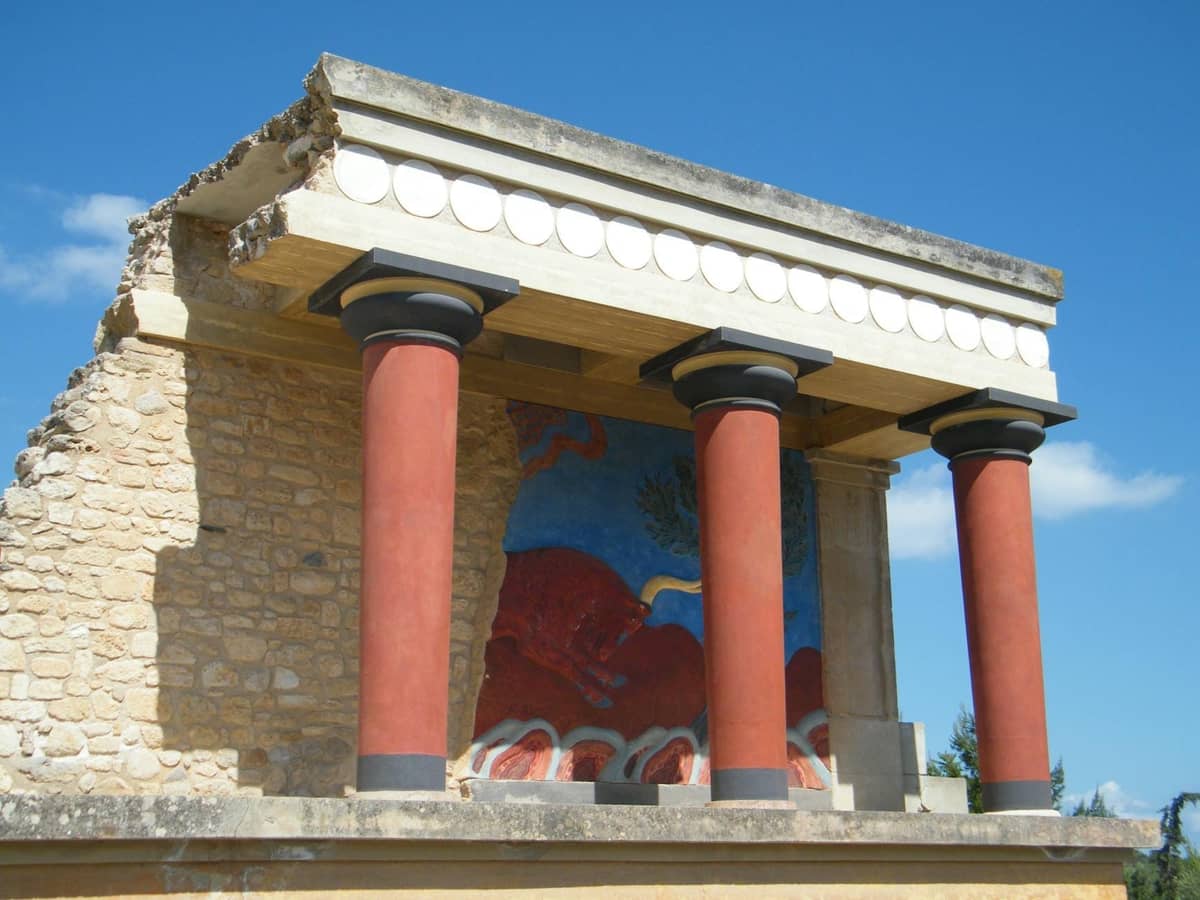
A winery or olive oil mill visit pairs naturally with other inland excursions. The Peza wine region sits close to several archaeological sites, and a half-day tasting can be combined with an afternoon at the Palace of Knossos (15 km north) or a drive through the Heraklion hinterland. In western Crete, olive oil tours from Chania often pass through the Apokoronas region, which connects well with a stop at Kournas Lake or the villages around the White Mountains foothills.
If you're building a longer trip, the Lasithi region deserves attention for its Liatiko-based wines from the Sitia PDO. The town of Agios Nikolaos works as a base for exploring eastern Crete's more rugged, less-visited wine landscape. Combine it with a visit to the archaeological sites around Lasithi and you have a compelling inland alternative to beach-focused days. For travelers focused on food and drink more broadly, the Cretan food guide covers how olive oil functions in the local diet and where to eat dishes that actually demonstrate why quality oil matters.
✨ Pro tip
The best time to book a winery tour is Tuesday through Thursday. Weekend tours fill up faster, guides are spread thinner, and the tasting experience is more rushed. Midweek visits to smaller family producers often turn into informal conversations with the winemaker rather than a structured group session — a significantly better experience for the same price.
FAQ
Is Cretan olive oil really better than Italian or Spanish olive oil?
It's a different style rather than objectively superior. Cretan Koroneiki-based extra virgin oil is typically higher in polyphenols and has a more intense, peppery, grassy flavor than most Italian oils. Spanish oils tend toward milder, buttery profiles. Whether Cretan oil is 'better' depends on what you're using it for. For raw applications like salads and dipping, high-polyphenol Cretan oil is exceptional. For delicate dishes where you don't want the oil to dominate, a lighter Italian variety might be more appropriate.
Can I visit Cretan wineries without a tour?
Yes, many wineries accept walk-in visitors, particularly Peza Union and several family estates in the Archanes area. However, independent visits work better if you have a car and speak at least basic Greek. Without a car, the logistics are difficult — most wineries are 20-30 km from major cities with no public transport. A guided tour removes the driving issue entirely and typically includes two winery visits plus an olive oil mill, which is hard to replicate independently in a single day.
What is the best time of year to visit olive oil mills in Crete?
October through December, during the harvest and pressing season. Mills are operational, you can observe the cold-pressing process in real time, and the oil available for tasting is the current season's production at its most fresh and flavorful. Outside harvest season, most mills offer tastings from stored oil, which is still high quality but not the same experience. Tours run year-round, so off-season visits (January to March) are possible and uncrowded, though the mills themselves are quieter.
How much wine and olive oil can I bring back from Crete to the EU or UK?
EU travelers face no quantity limits on personal-use purchases within the EU, though customs officers may question large quantities. UK travelers post-Brexit can bring back 18 liters of still wine (equivalent to 24 standard bottles) and 2 liters of fortified wine duty-free. For olive oil, there are no specific EU restrictions, but UK customs allows 20 kg of food products duty-free. If you're shipping rather than carrying, most producers can arrange courier delivery for larger orders.
Are there wineries near Chania, or is it all in Heraklion?
Around 80% of Crete's wineries are in the Heraklion region, concentrated in Peza and Archanes. However, Chania has a growing number of notable producers, particularly around Kolymvari, Kissamos, and the Apokoronas region. Manousakis Winery near Vatolakkos is the best-known Chania-area producer and runs organized visits. The Chania wine scene is smaller but more experimental, with several organic and biodynamic producers working with both indigenous and international varieties.