Best Things to Do in Crete: The Complete Guide
Crete is Greece's largest island and one of its most rewarding destinations, with Minoan ruins, dramatic gorges, world-class beaches, and a food culture that puts most of Europe to shame. This guide covers the best things to do in Crete across every category, with honest advice on what's worth your time and what to skip.
Plan and book this trip
Tools from our partner Travelpayouts help you compare flights and hotels. If you book through them, we may earn a commission at no extra cost to you.
Flights
Hotels map
TL;DR
- The Palace of Knossos is non-negotiable for first-timers — buy tickets online to skip queues and save a few euros. See our Minoan history guide for context before you visit.
- Samaria Gorge is the island's most famous hike (16 km, open May to October), but Imbros Gorge is shorter, less crowded, and nearly as impressive.
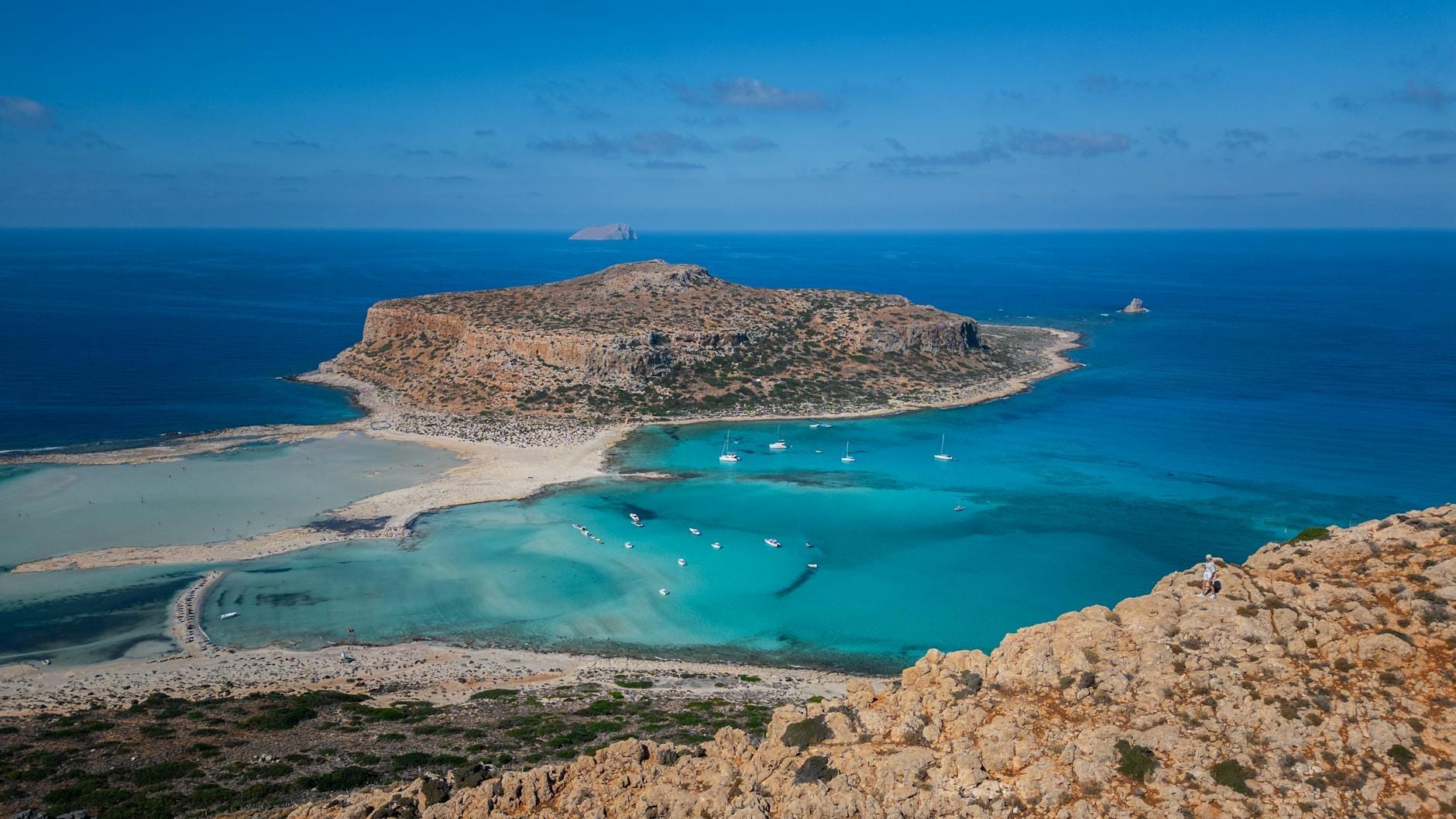
- Balos Lagoon and Elafonissi are the two beaches that define Crete for most visitors — both require planning. Compare Crete's top beaches before choosing where to base yourself.
- A rental car is not optional if you want to see more than your resort town — public buses don't reach the gorges, remote beaches, or mountain villages.
- Seven days is enough to cover the highlights if you plan by region. Two weeks lets you breathe.
Minoan History: Knossos and the Archaeological Sites
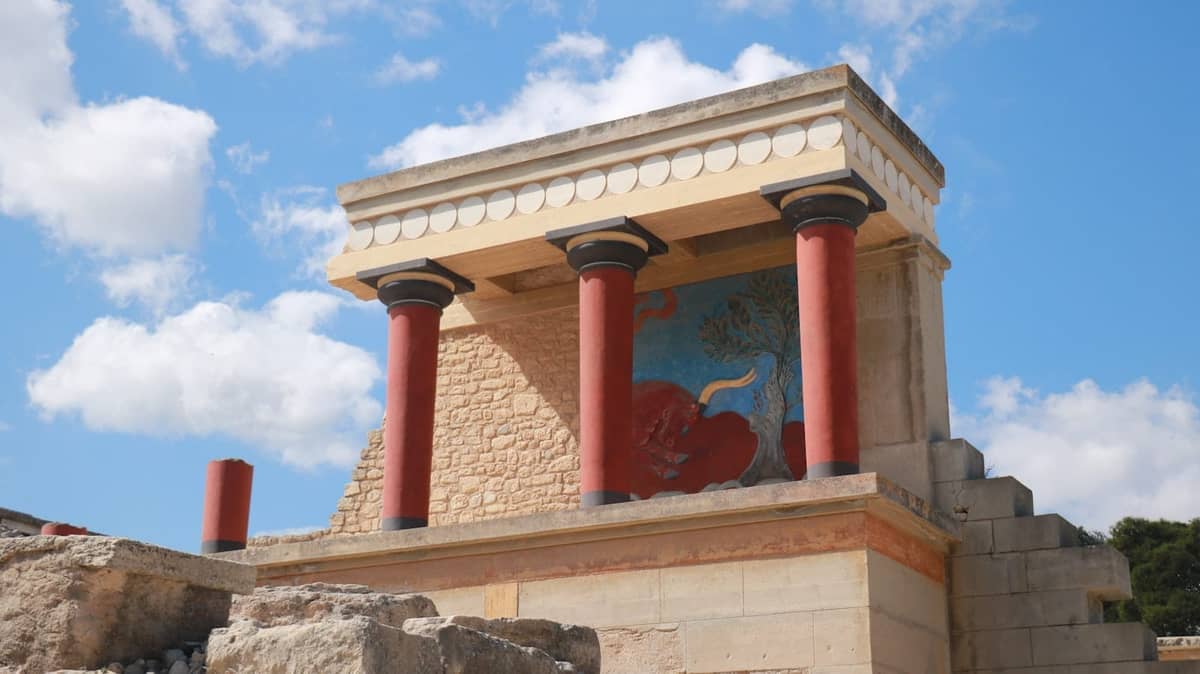
The best things to do in Crete almost always start with Knossos, and for good reason. The Palace of Knossos is one of Europe's oldest continuously inhabited settlements, occupied for roughly 7,000 years, and the centre of the Minoan civilisation that flourished here between 2700 and 1450 BCE. Knossos and other Minoan sites were inscribed on the UNESCO World Heritage List in 2024 as part of the Minoan Palatial Centres nomination, which makes this a genuinely significant moment to visit. The palace sits about 5 km south of Heraklion and takes 2 to 3 hours to explore properly.
Book tickets online in advance. On-site prices are slightly higher and the queues in July and August can run 45 minutes just to enter. A guided tour adds real value here because the reconstructed frescoes and labyrinthine layout are confusing without context. Budget around 2 to 3 hours including travel from central Heraklion.
✨ Pro tip
Pair Knossos with a visit to the Heraklion Archaeological Museum the same day. The museum holds the actual artifacts from Knossos (the site displays reproductions), including the famous Bull-Leaping Fresco. Together, they give you the complete picture of Minoan civilisation in one afternoon.
Beyond Knossos, Crete has serious depth for archaeology lovers. The Minoan Palace of Phaistos in the south offers a quieter, less reconstructed alternative with sweeping views over the Messara Plain. The Palace of Zakros in the far east is the most remote of the four main palaces and rewards those willing to make the drive. Combine it with a swim at the nearby beach and you have a full day in Lasithi.
Beaches Worth the Effort
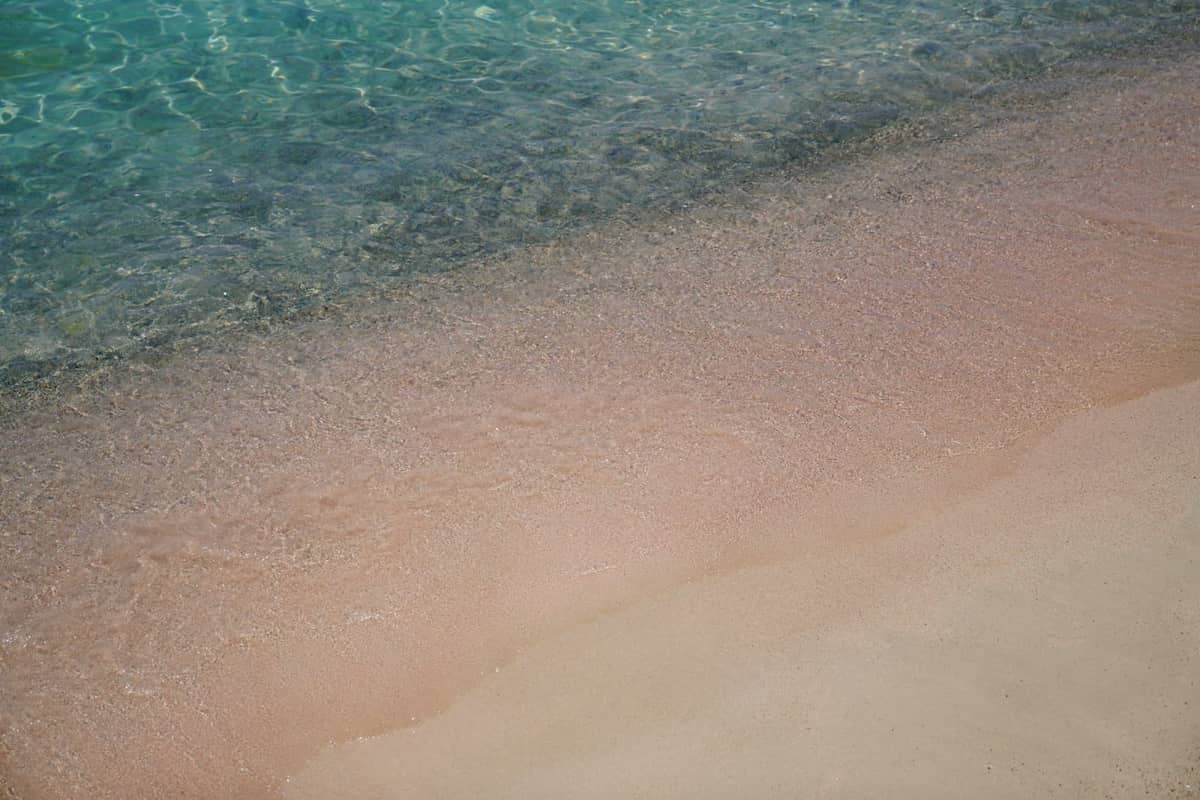
Crete has over 1,000 km of coastline, which means choosing wrong is genuinely easy. The two beaches that consistently justify the hype are Elafonissi and Balos Lagoon. Elafonissi sits at the southwestern tip of the island and gets its distinctive pinkish tint from crushed coral and shell fragments mixed into the sand. It's shallow, calm, and genuinely beautiful — but it's also extremely popular in July and August. Arrive before 10am or visit in late September when the light is softer and the crowds are half the size.
Balos is best reached by boat from Kissamos Port, about 42 km west of Chania. The cruise takes around 45 minutes each way and there is no separate entry fee to the lagoon itself (natural site), though boat fares include any minor parking/environmental fees (roughly €20 to €30 return as of 2026). You can also drive to a car park and hike down 20 minutes on a rocky trail, which saves money but requires decent footwear. For something quieter and less photographed, Falassarna and Preveli are both exceptional — Preveli in particular has a freshwater river running into the sea through a palm forest, which feels unlike anywhere else on the island.
⚠️ What to skip
Seitan Limani near Chania has become extremely popular on social media but the access road is genuinely dangerous — single-lane, no guardrails, and frequently gridlocked in summer. If you go, drive a small car and go very early in the morning. It is not suitable for large vehicles or anyone uncomfortable with steep, narrow roads.
Hiking: Gorges, Mountains, and Coastal Trails
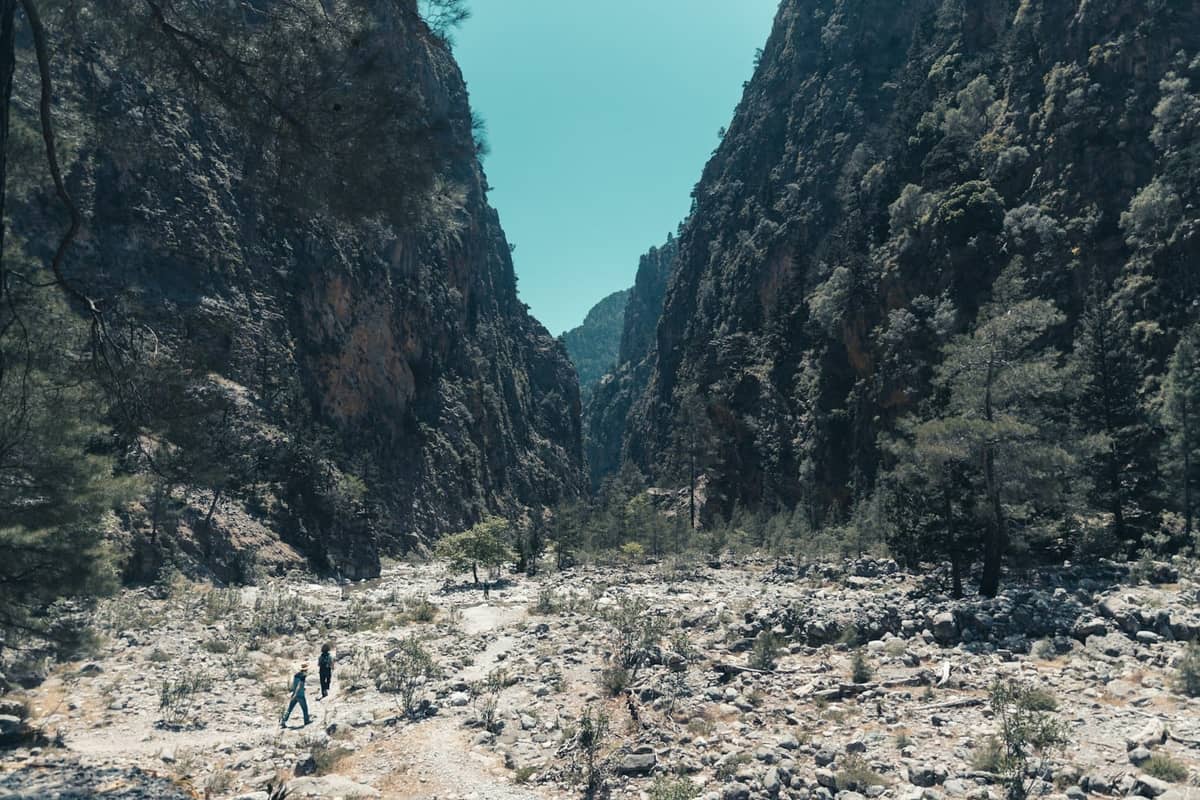
The Samaria Gorge is Crete's most famous walk: 16 km through the White Mountains ending at the coastal village of Agia Roumeli. The gorge is open from early May through October, depending on water levels. Most people take a bus from Chania to the top (Xyloskalo) and arrange a ferry and return bus from the bottom. The full descent takes 4 to 7 hours depending on pace. It's impressive, but in peak season the path can feel crowded, and the final 2 km on flat stony riverbed are genuinely tedious.
A smarter option for many visitors is the Imbros Gorge, just east of Samaria. At around 8 km, it takes 3 to 4 hours, costs nothing to enter, and sees a fraction of the foot traffic. The narrowest section squeezes to about 2 metres wide. You can do it independently with a rental car, driving to the top and arranging a taxi back. For eastern Crete, the Richtis Gorge near Sitia ends at a waterfall and beach and is one of the island's most underrated half-day walks.
- Samaria Gorge 16 km, 4-7 hours, entry fee around €5. Open May to October. Requires bus or organised tour. Best in May or September.
- Imbros Gorge 8 km, 3-4 hours, free entry. Accessible independently by car year-round. Far less crowded than Samaria.
- Kourtaliotiko Gorge Short walk leads to a chapel and river pools near Preveli. Combine with Preveli Beach for a full day.
- Richtis Gorge Around 3 hours return, ends at a waterfall and beach. Based near Sitia in eastern Crete, almost no tourist crowds.
History Beyond Knossos: Towns, Monasteries, and Fortresses
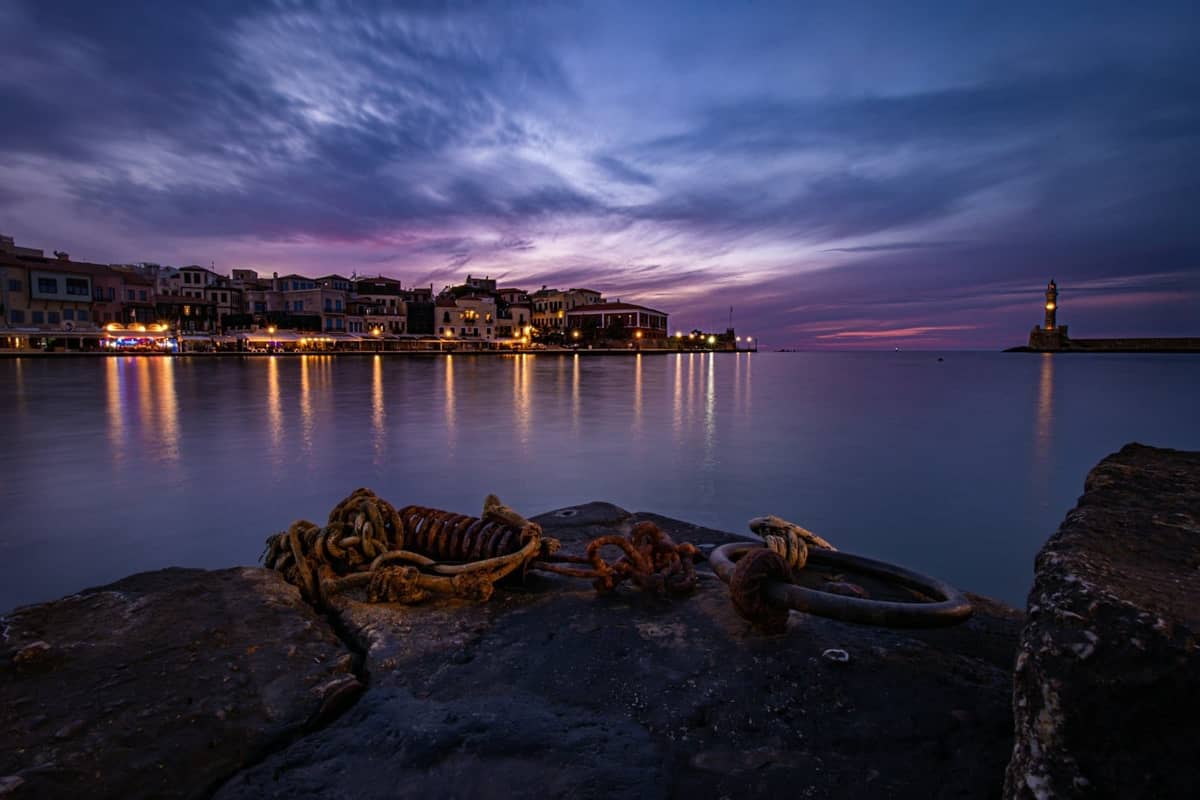
Crete's historical depth extends well past the Minoans. Chania's Old Town is arguably the most beautiful urban area on the island, built on the site of ancient Kydonia and heavily shaped by Venetian and Ottoman occupation. The Venetian Harbour at dusk is legitimately worth seeing, though the tavernas immediately on the waterfront charge a premium for the view. Walk one street back for better food at lower prices.
In Rethymno, the Fortezza is one of the largest Venetian castles in the Mediterranean and gives you panoramic views over the town and sea. The old town of Rethymno is smaller and less visited than Chania's but genuinely charming, with a well-preserved Ottoman fountain and dozens of Venetian doorways. For monastery visits, Arkadi Monastery carries enormous historical weight as a symbol of Cretan resistance during the 1866 uprising and is about 25 km southeast of Rethymno.
Spinalonga Island in the Gulf of Elounda is one of Crete's most visited sites outside of Knossos. The island held Europe's last active leprosy colony until 1957 and became famous internationally through Victoria Hislop's novel 'The Island'. Boat trips from Elounda or Agios Nikolaos typically cost €15 to €25 including entry. The Venetian fortress is impressively intact, but the experience can feel rushed on a crowded day-trip boat. Going on a Tuesday or Thursday morning in shoulder season dramatically improves the visit.
Food, Wine, and Markets: Engaging with Cretan Culture
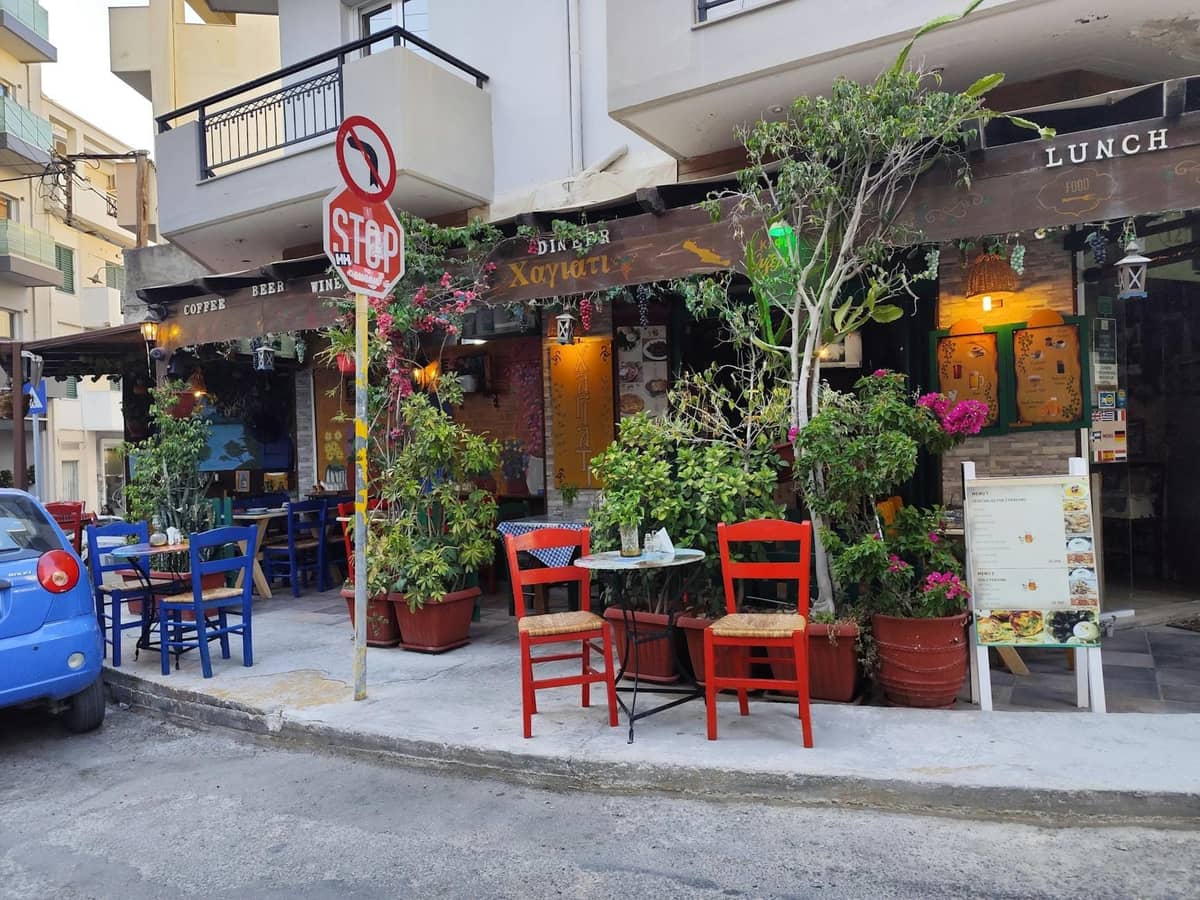
Cretan cuisine is not Greek food with better olive oil — it's a distinct tradition with its own ingredients, techniques, and philosophy. The island produces some of Europe's finest extra-virgin olive oil, and the local diet (often cited in studies on the Mediterranean diet) leans heavily on greens, legumes, cheese, and grilled meats. Don't leave without trying dakos (barley rusk topped with tomato and mizithra cheese), slow-cooked lamb with stamnagathi (a bitter wild green), and loukoumades from a street stall. See the full Cretan food guide for specific dishes and where to find them.
The 1866 Market Street in Heraklion is the island's best food market, selling local cheeses, honey, herbs, and olive oil. It's a working market, not a tourist construct, and prices are fair. Buy vakhouni thyme honey and aged graviera cheese to take home. In Chania, the covered municipal market has a similar feel and is slightly better organised for visitors unfamiliar with the layout.
💡 Local tip
Cretan olive oil is often available to taste before you buy at market stalls. Look for PDO-certified (Protected Designation of Origin) oil from Kolymvari or Sitia. A litre of good-quality oil typically costs €8 to €15 at the market versus €20 or more at airport shops.
Practical Planning: Getting Around and Timing Your Visit
Crete is 260 km long and between 12 and 60 km wide. The main KTEL bus network connects the major cities along the north coast but does not reliably serve gorges, remote beaches, or mountain villages. For anything beyond Heraklion, Chania, Rethymno, and Agios Nikolaos, you need a rental car. Read through the complete guide to getting around Crete before booking, especially if you're planning to hike gorges or explore the south coast. Small hatchbacks are fine for most roads, but the track to Balos requires a high-clearance vehicle or a sturdy small SUV.
- May and September are the best months for most activities: warm enough to swim, cool enough to hike, and crowds are 40 to 60 percent lower than July.
- June and early October offer a good balance of weather and manageable visitor numbers.
- July and August are peak season: beaches are crowded by 10am, accommodation prices spike, and Samaria Gorge can feel like a queue more than a hike.
- November to April is quiet and cheap, but many beach tavernas and boat services close entirely. Good for cities, museums, and walking — not beaches.
For a first visit, a week in Crete is realistic for hitting the main highlights if you base yourself in two locations: one in the west (Chania or Rethymno) and one in the east (Heraklion area). Trying to do everything from a single base adds significant daily driving. Families travelling with children should look at the Crete with kids guide for age-appropriate activities and the best family-friendly beaches.
FAQ
How many days do you need in Crete?
Seven days covers the essential highlights: Knossos, one or two gorge walks, the main beaches (Elafonissi or Balos), and time in Chania or Rethymno. Ten to fourteen days gives you room to explore eastern Crete, reach Spinalonga, and spend proper time in smaller villages without feeling rushed.
What is Crete best known for?
Internationally, Crete is best known for the Palace of Knossos and the Minoan civilisation, which produced Europe's first advanced urban culture around 2700 BCE. It's also famous for Samaria Gorge, Elafonissi's pink sand beach, and a food culture that influenced the modern concept of the Mediterranean diet.
Do you need a car in Crete?
For most itineraries, yes. The KTEL bus network serves the main north-coast cities adequately, but gorges, south-coast beaches like Preveli and Matala, mountain villages, and sites like the Phaistos Palace all require either a rental car or an organised tour. Car rental costs roughly €30 to €60 per day in shoulder season, more in July and August.
When is the best time to visit Crete?
May, June, and September are the sweet spot: sea temperatures are warm enough for swimming, the hiking season is open, and crowds are manageable. July and August are hot (35°C or more is common), the most expensive period, and beaches and sites are at their busiest. October is excellent for exploring towns, ruins, and doing quieter hikes.
Is Crete good for families with children?
Yes, with some planning. The CRETAquarium near Heraklion is genuinely excellent for children of all ages. The shallow lagoon at Elafonissi is ideal for young kids. Boat trips to Spinalonga or Gramvousa keep older children engaged. Avoid the long Samaria hike with children under 10 or 11 unless they are experienced walkers.