What to Eat in Crete: The Complete Guide to Cretan Cuisine
Cretan cuisine is one of the most distinctive and well-studied food traditions in the world, rooted in 4,000 years of agricultural practice and the foundational principles of the Mediterranean diet. This guide covers the essential dishes, local ingredients, seasonal patterns, and practical tips for eating well across the island.
Plan and book this trip
Tools from our partner Travelpayouts help you compare flights and hotels. If you book through them, we may earn a commission at no extra cost to you.
Flights
Hotels map
TL;DR
- Cretan food is built on olive oil, wild greens, legumes, and whole grains — meat plays a supporting role, not a starring one.
- Dakos, kalitsounia, snails, and slow-cooked lamb are the dishes you should seek out, not skip.
- The cuisine changes with the seasons: visit in spring for artichokes and fresh greens, summer for okra and beans. See the best time to visit Crete for how timing affects what's on the menu.
- Eating at a village taverna rather than a seafront tourist restaurant is almost always better value and more authentic.
- Cretan olive oil, local cheeses like graviera and anthotyros, and indigenous wine grapes are worth understanding before you arrive.
Why Cretan Cuisine Is Different from Greek Food
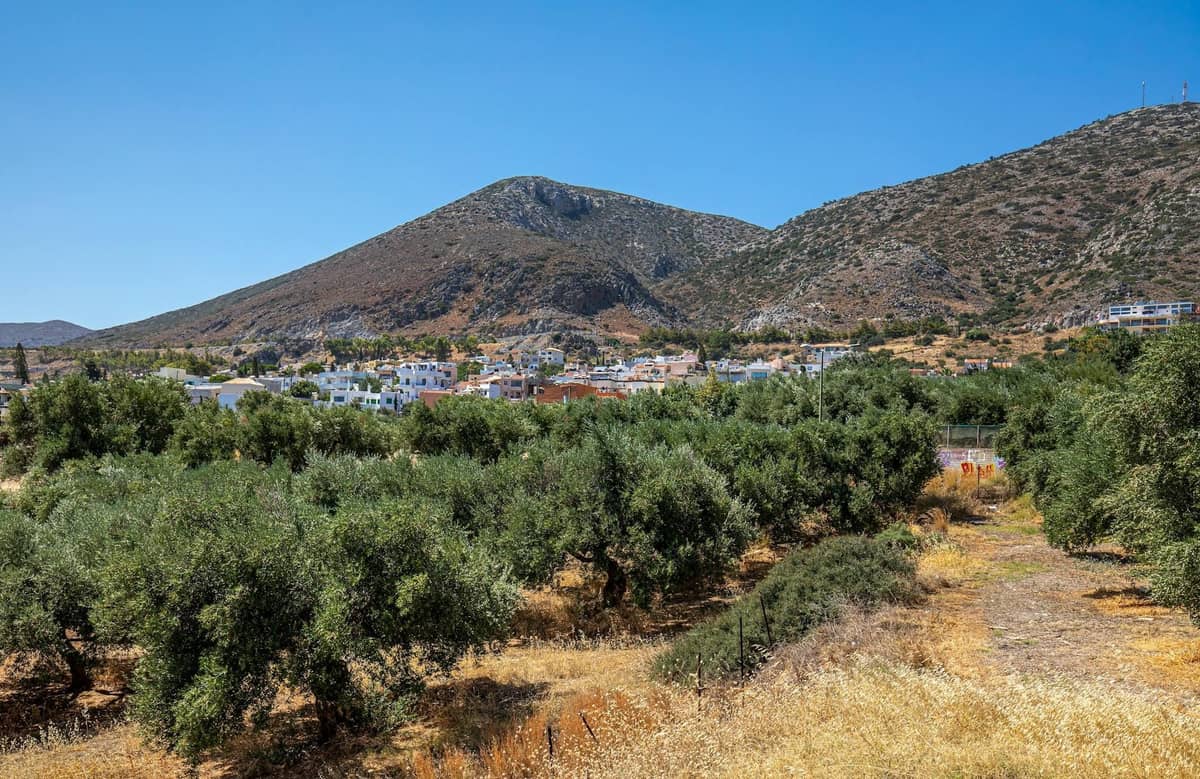
Crete sits 160 kilometres south of mainland Greece in the Eastern Mediterranean, and its food culture reflects that geographic and historical separation. The island developed its own agricultural traditions long before the rest of Greece, and the core patterns of what Cretans eat have remained largely stable for roughly 4,000 years. The basis of the modern Mediterranean diet was, in large part, modelled on Cretan eating habits observed in the Seven Countries Study of the 1960s.
What sets it apart from broader Greek cuisine is the emphasis on wild edible plants. Over 120 species of wild greens (horta) are gathered and eaten on Crete, ranging from stamnagathi (a bitter chicory-like green) to dozens of lesser-known varieties that don't appear anywhere else in Greek cooking. Olive oil is the only cooking fat used, and consumption averages over 35 litres per person per year. The island has somewhere between 30 and 40 million olive trees. This isn't marketing copy — it's the actual infrastructure of how people eat here.
Meat is present but restrained. Goat and lamb appear most often, occasionally pork in the form of cured products like apaki (smoked pork) and syglino (pork preserved in fat and spices). Red meat as a daily ingredient is not traditional. Fish and seafood appear regularly along the coasts. The flavour profile leans on freshness and restraint rather than heavy seasoning or sauce-making, which can surprise first-time visitors expecting the richer preparations common in mainland Greek restaurants.
ℹ️ Good to know
The Cretan diet is recognized as the original model for the Mediterranean diet, based on postwar nutritional studies. Locals don't really use that label — they just call it food. But understanding the principles helps explain why a simple plate of greens dressed with lemon and olive oil costs almost nothing and tastes better than it has any right to.
The Essential Dishes to Order
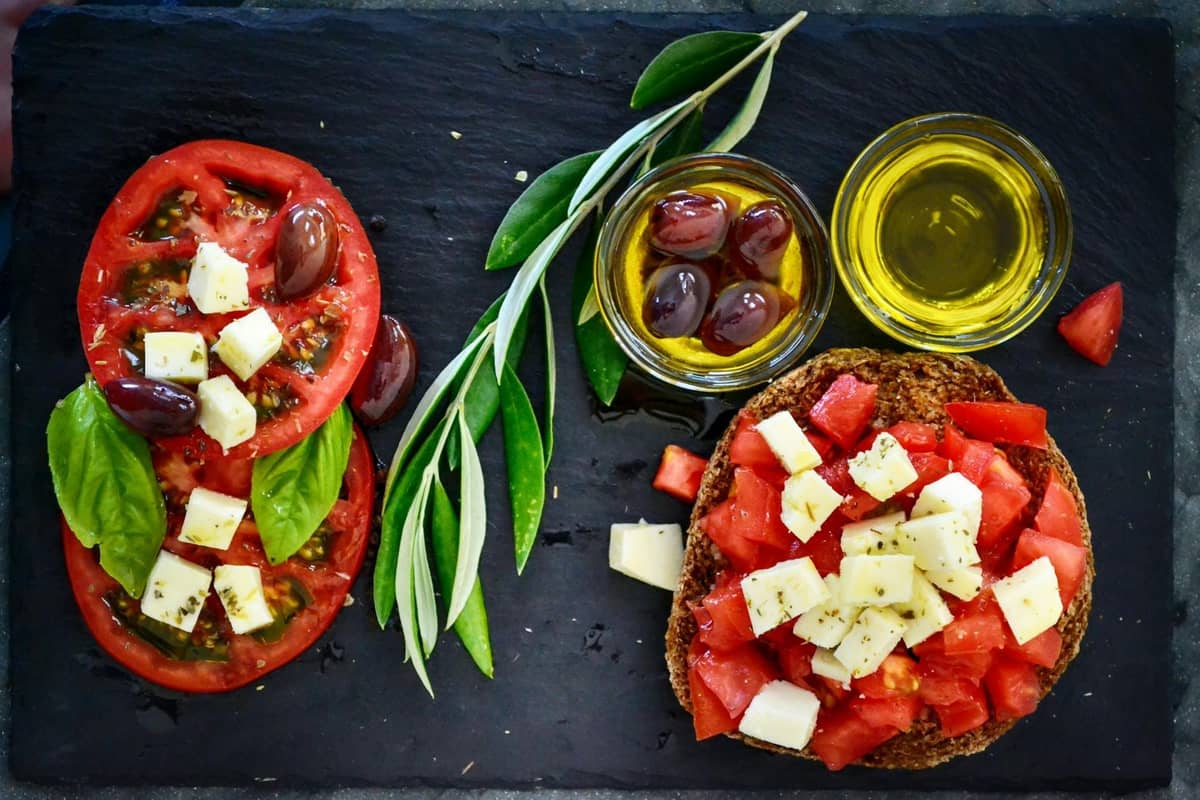
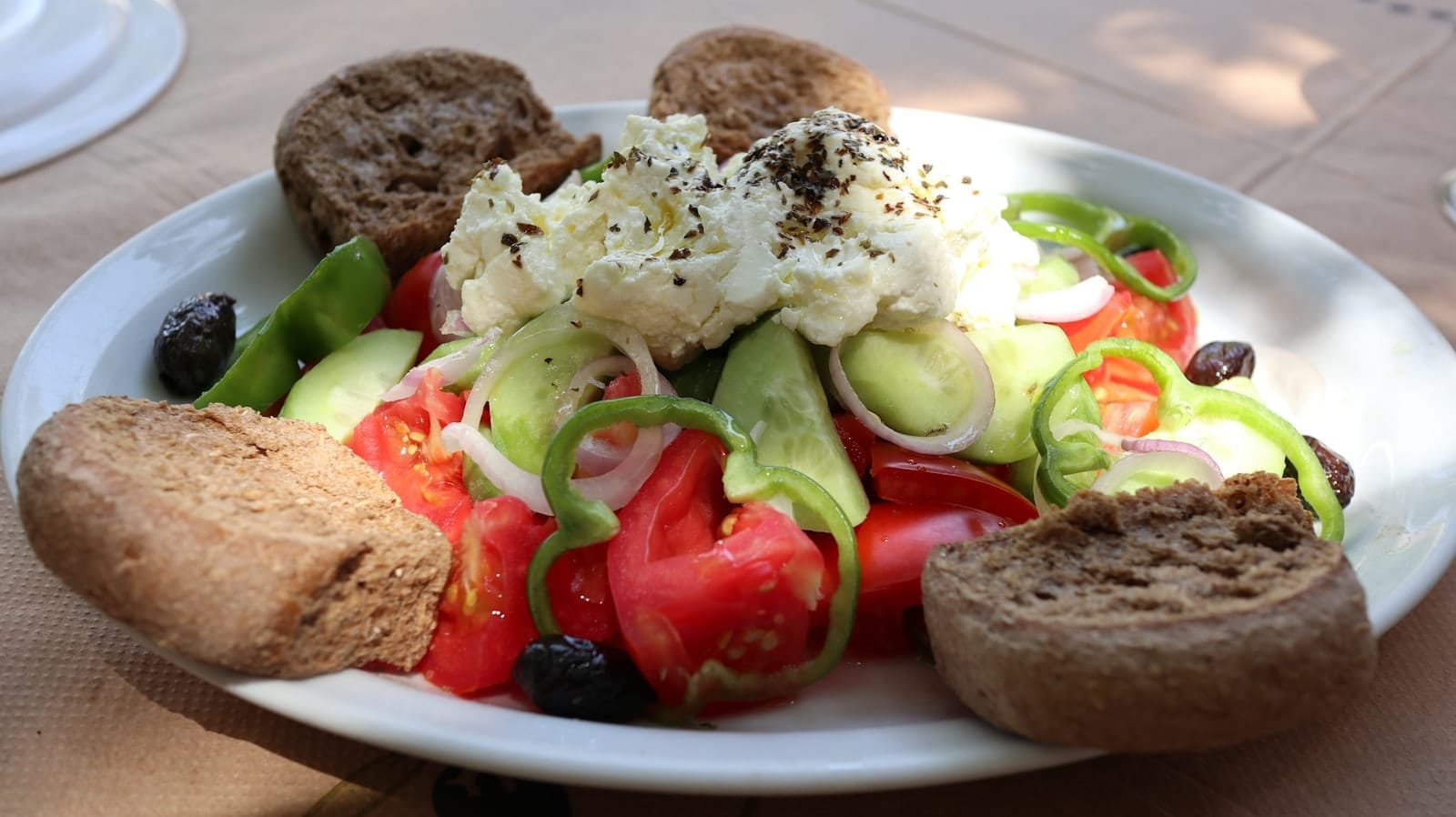
Dakos is the one dish every visitor should eat at least once. It's a barley rusk (paximadi) soaked briefly in water, then topped with grated or crushed ripe tomatoes, crumbled mizithra or feta, a pour of good olive oil, and optionally dried oregano and olives. It sounds simple because it is. The quality depends entirely on the rusk, the tomato, and the oil. A good dakos at a Cretan taverna will make you rethink your assumptions about bruschetta.
Kalitsounia are small pastries that come in two main forms: a savoury version filled with soft cheese (often anthotyros or mizithra) and herbs, and a sweet version drizzled with honey and sesame. The savoury type is typically baked or fried and served as a meze or breakfast item. You'll find them at bakeries across the island and at most traditional tavernas. In Chania, they tend to be slightly different in shape and proportion than the versions you get in Heraklion or Rethymno — worth comparing.
- Dakos Barley rusk with fresh tomato, mizithra or feta, and olive oil. The Cretan answer to a starter salad.
- Chochlioi boubouristoi Snails fried in olive oil with rosemary, vinegar, and salt. A dish with deep Minoan-era roots, still common in village tavernas.
- Gamopilafo A wedding rice dish cooked in rich goat or lamb broth, finished with staka (a clarified butter-like cream from sheep's milk). Dense, filling, and not easy to find outside of traditional feasts or specialist restaurants.
- Haniotiko boureki A layered pie from the Chania region, filled with potato, courgette, and soft cheese, seasoned with spearmint. Distinct from any other Greek pie style.
- Skioufichta with apaki Hand-rolled pasta (named for the finger-rolling technique) served with smoked pork and sometimes topped with anthotyros. Found mostly in the Rethymno and Chania areas.
- Stamnagathi salad Wild chicory dressed with olive oil and lemon. Available mainly in late autumn through spring — if you see it on a menu in July, it's likely preserved or sourced from outside Crete.
- Lamb or goat with artichokes A spring dish, slow-cooked with eggs and lemon. Seasonal and regional — the kind of thing you won't find in winter.
Cretan Cheeses, Olive Oil, and Pantry Staples
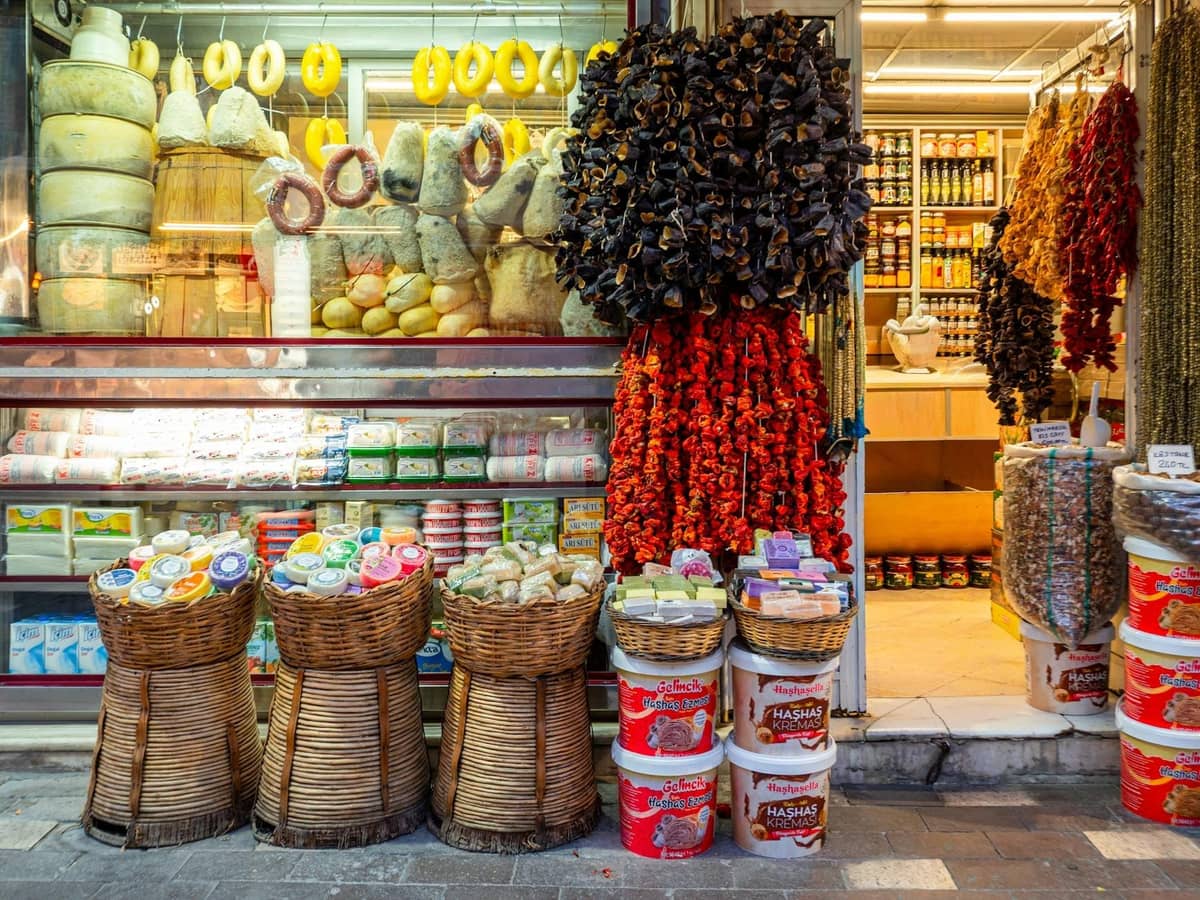
Graviera is the most respected Cretan cheese, a hard, slightly sweet cheese made from sheep's milk (or a mix of sheep and goat) with PDO status. It's aged for at least five months and has a firm texture and nutty flavour. Serve it as a table cheese, fried as saganaki, or grated over pasta. The version from the Amari valley in Rethymno is particularly well-regarded. Anthotyros is the fresh, unsalted soft cheese used in kalitsounia and as a topping for dakos. Mizithra is similar but can be found in both fresh and aged forms. Aged mizithra has a sharper, more pungent quality and is excellent grated over pasta dishes.
Cretan olive oil is predominantly produced from the Koroneiki variety, which yields a fruity, slightly peppery oil with high polyphenol content. Buying a bottle from a local producer or a market stall is one of the more worthwhile food souvenirs you can take home. In Heraklion, the 1866 Market (also called the Agora) is a reliable place to buy olive oil, local honey, dried herbs, and carob products. For deeper context on Cretan wine and olive oil traditions, see our dedicated Crete olive oil and wine guide.
Xinohondros (also spelled trahanas) is fermented cracked wheat mixed with sour milk, dried and crumbled. It looks unassuming but is one of the oldest preserved foods on the island, used in soups and stews, often combined with snails, eggplant, or tomatoes. It has a distinct sour, almost tangy flavour that takes some getting used to. Carob is another indigenous ingredient used in sweets and as a flour substitute, with a deep, slightly chocolate-like profile. Cretan honey, especially thyme honey from the mountain areas, is darker and more intensely flavoured than most commercial honey.
💡 Local tip
When buying olive oil as a souvenir, look for bottles labelled 'extra virgin' with a harvest date (not just a best-before date) and a Cretan PDO or PGI designation. Cold-pressed, early-harvest Koroneiki oil is the premium tier. Avoid any bottle that doesn't specify the olive variety.
How Seasonality Shapes What You'll Actually Find
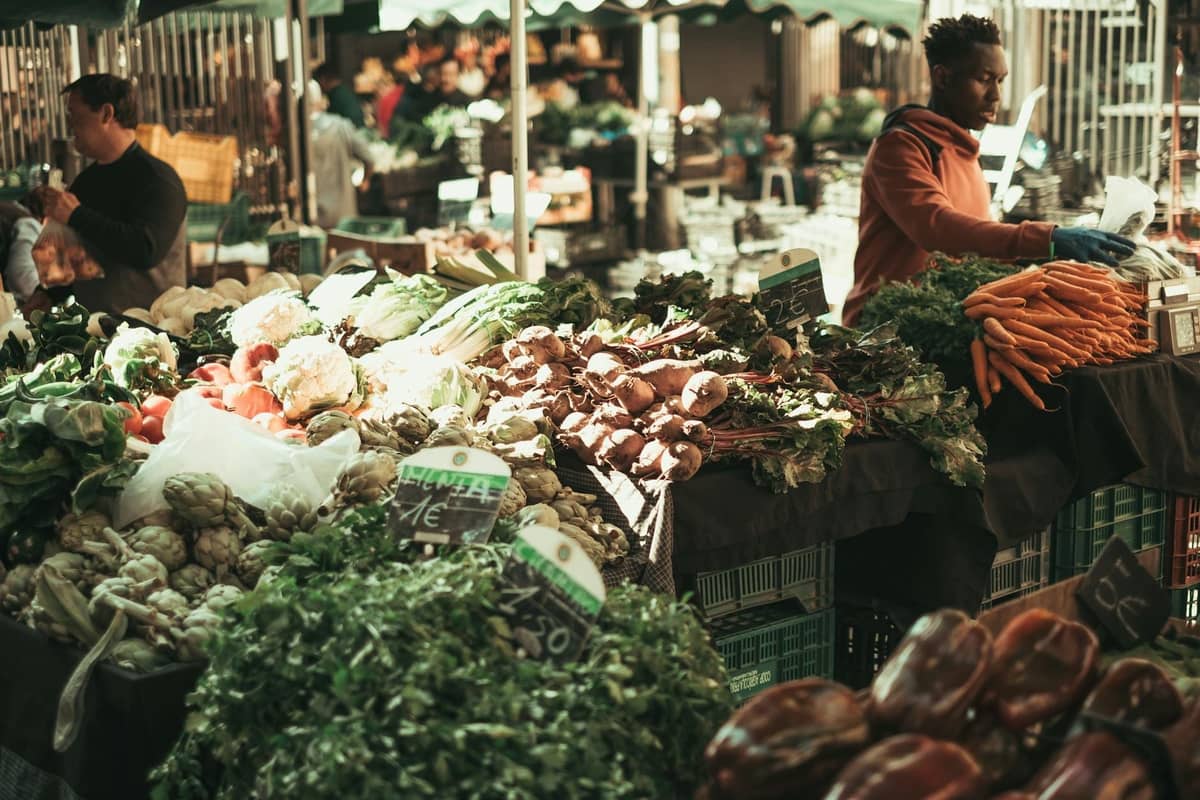
Cretan cooking is genuinely seasonal in a way that affects menus visibly. This isn't a farm-to-table marketing concept — it's a practical constraint that shapes what's available at different times of year. Spring (March through May) is the best season for wild greens, artichokes, broad beans, and the lamb dishes that accompany them. The snail season after spring rains is also when chochlioi appear most commonly on menus.
Summer brings courgettes, okra, aubergine, tomatoes at their peak, and white beans. This is when dakos is at its best, because the tomatoes are actually ripe. Autumn shifts toward dried legumes, cured meats, and game. Winter menus in villages lean heavily on slow-cooked stews and soups, braised goat, and the kind of food designed to sustain people through cold mountain conditions.
If you're visiting in October or November, you'll encounter the olive harvest, and some producers offer olive oil tastings and mill visits. This is also when Cretan wine is being bottled from the autumn harvest. For a fuller picture of what the island is like outside the peak season, our guide to Crete in October covers what's open and what's at its best.
Where to Eat Well: Tavernas, Markets, and What to Avoid
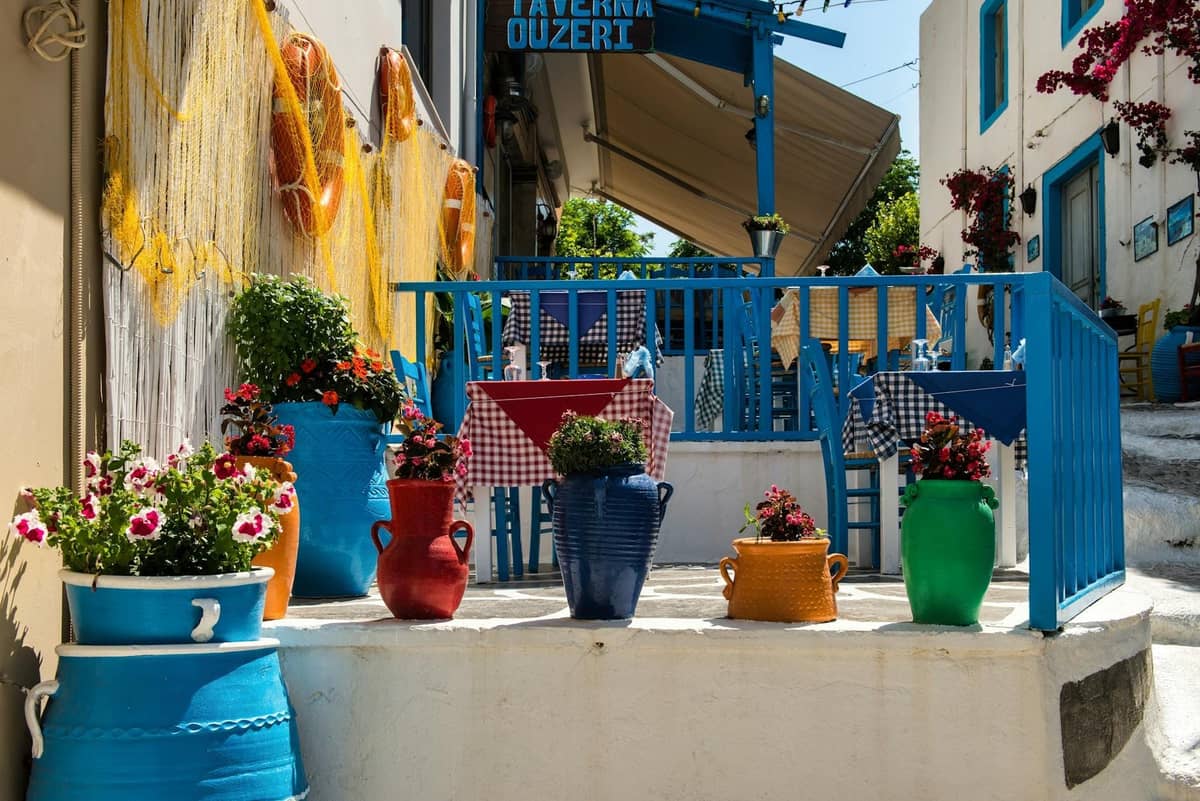
The best eating experiences in Crete are almost always in village tavernas or in the older neighbourhoods of the main cities, away from the seafront tourist strip. In Chania, the old town has a mix of excellent traditional spots and overpriced tourist traps. The closer a restaurant is to the Venetian harbour, the higher the markup tends to be. Walk three or four streets back into the market area around Skrydlof (the Leather Street) and the quality-to-price ratio improves significantly.
In Rethymno, the old town has some of the island's best traditional cooking, particularly for Cretan pasta dishes and slow-cooked meat. The further you get from the beach promenade, the better. Heraklion's central market, the 1866 Street Agora near Heraklion Market 1866, is worth visiting for produce and pantry shopping even if you're not eating a full meal there.
- Avoid restaurants with photo menus mounted outside showing generic Greek dishes — these are almost never the places cooking Cretan food.
- Look for handwritten daily specials on a chalkboard, which usually indicates the kitchen is cooking what came in that morning.
- A taverna that's full of locals at 2pm on a weekday is a reliable signal. Cretans eat lunch seriously and late.
- Don't mistake a gyros or souvlaki shop for Cretan cuisine — fast food exists here, but it's not the local tradition.
- If you're eating near any major archaeological site or beach, expect a premium of 20-40% over what the same dish would cost in a village.
⚠️ What to skip
Stamnagathi on a tourist menu in peak summer is almost always a red flag. This wild green is a cool-weather plant harvested in spring. If a restaurant is serving it in August, it's either from a jar or sourced from outside the region. Ask the server when and where it came from if you want to know what you're actually getting.
Cretan Sweets, Drinks, and the End of the Meal
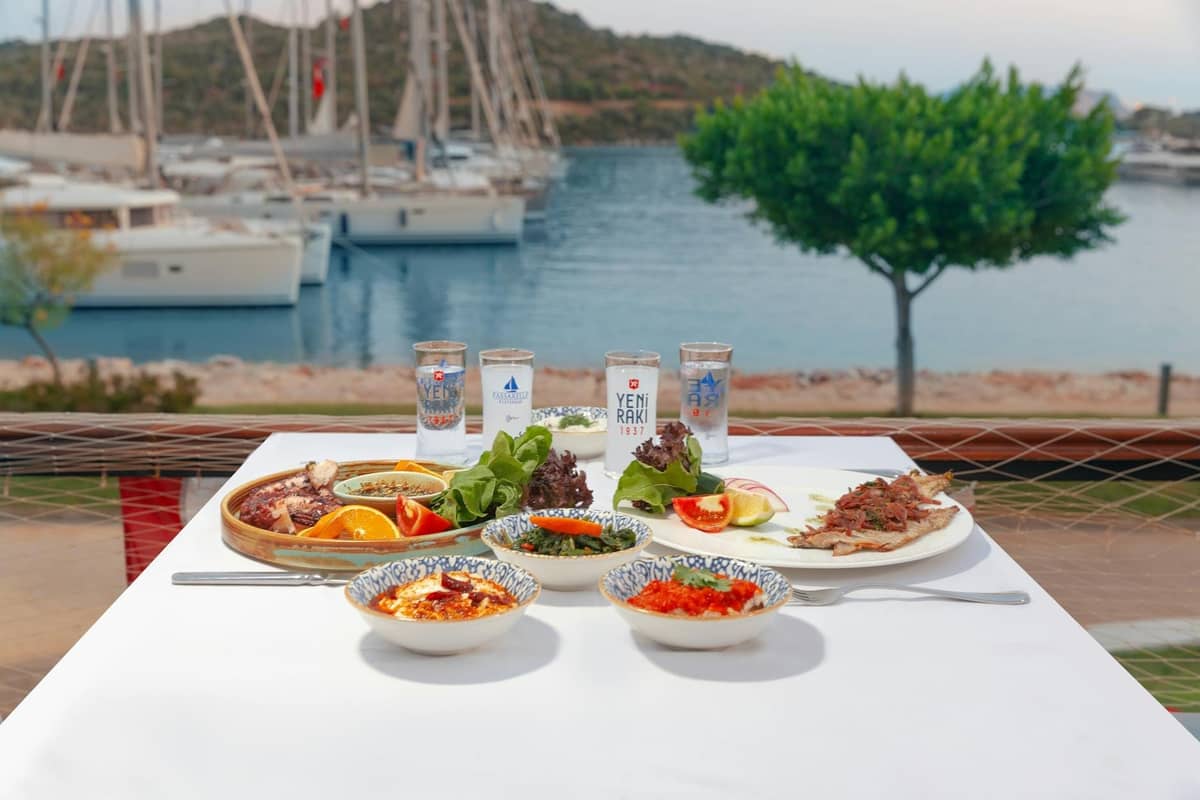
The default end to a meal in a traditional Cretan taverna is a complimentary pour of raki (also called tsikoudia), a clear grape pomace spirit distilled across the island in November and December. It's strong (around 40-65% ABV depending on the batch), served cold or at room temperature, and refusing it politely is perfectly acceptable if you don't drink spirits. Many tavernas also bring a small plate of fruit or a piece of something sweet alongside it.
Loukoumades are fried dough balls drizzled with honey and sometimes sesame or cinnamon. They appear at street food stalls and festivals. Sfakia pie (sfakiani pita) is a soft flatbread filled with fresh mizithra and drizzled with honey, from the Sfakia region in the White Mountains. It's more of a snack than a dessert and is best eaten fresh off the griddle. Baklava and other syrup-soaked pastries are present but not specifically Cretan.
Cretan wine deserves attention. The island has several PDO wine zones, and indigenous grape varieties like Vidiano (white, aromatic), Kotsifali (red, soft), and Mandilaria (red, tannic) produce wines that are increasingly found in specialist wine shops in northern Europe. Local winemakers in the Dafnes, Archanes, and Peza appellations near Heraklion have been producing serious wine for decades. For more on local wine culture and where to find it, see our guide to Cretan olive oil and wine.
FAQ
What is the most traditional Cretan dish?
Dakos and gamopilafo are two of the most distinctly Cretan dishes. Dakos (barley rusk with tomato, cheese, and olive oil) is available year-round and appears on nearly every menu. Gamopilafo, a rice cooked in rich meat broth with staka cream, is a wedding dish that requires more effort to find outside of special occasions or traditional restaurants.
Is Cretan food vegetarian-friendly?
Yes, more so than most Greek regional cuisines. Wild greens, legume dishes, vegetable pies, dakos, and cheese pastries make up a substantial portion of the traditional diet. Many tavernas have extensive vegetable-based options. That said, some dishes that sound vegetarian (like certain horta preparations) may be cooked with meat stock, so it's worth asking if you have dietary restrictions.
What should I drink in Crete?
Raki (tsikoudia) is the local spirit, usually offered free at the end of a meal. For wine, look for bottles from Dafnes, Peza, or Archanes appellations near Heraklion, or try wines made from local varieties like Vidiano or Kotsifali. Local beer brands and Greek mountain tea (tsai tou vounou) are also common.
What food should I buy to take home from Crete?
Extra virgin Koroneiki olive oil (with a harvest date on the label), aged graviera cheese if you're not flying long-haul, thyme honey from the mountain villages, dried wild herbs (oregano, savory, sage), and paximadi barley rusks are all practical and genuinely good souvenirs. Raki is available in bottles but check your airline's liquid allowance.
How much should I expect to pay for a meal in Crete?
At a traditional village taverna, a full meal with a carafe of local wine typically costs around 15-25 euros per person. In the old towns of Chania or Rethymno, budget closer to 25-40 euros per person at mid-range restaurants. Seafront tourist restaurants can reach 50 euros or more per person without necessarily offering better food. Lunch is often better value than dinner at the same establishment.