Crete on a Budget: How to Visit Without Overspending
Crete is one of the Mediterranean's most rewarding destinations, and it doesn't have to be expensive. This guide breaks down real daily costs, the cheapest ways to get around, where to eat well for under €10, and which experiences are completely free — so you can spend more time enjoying the island and less time worrying about your wallet.
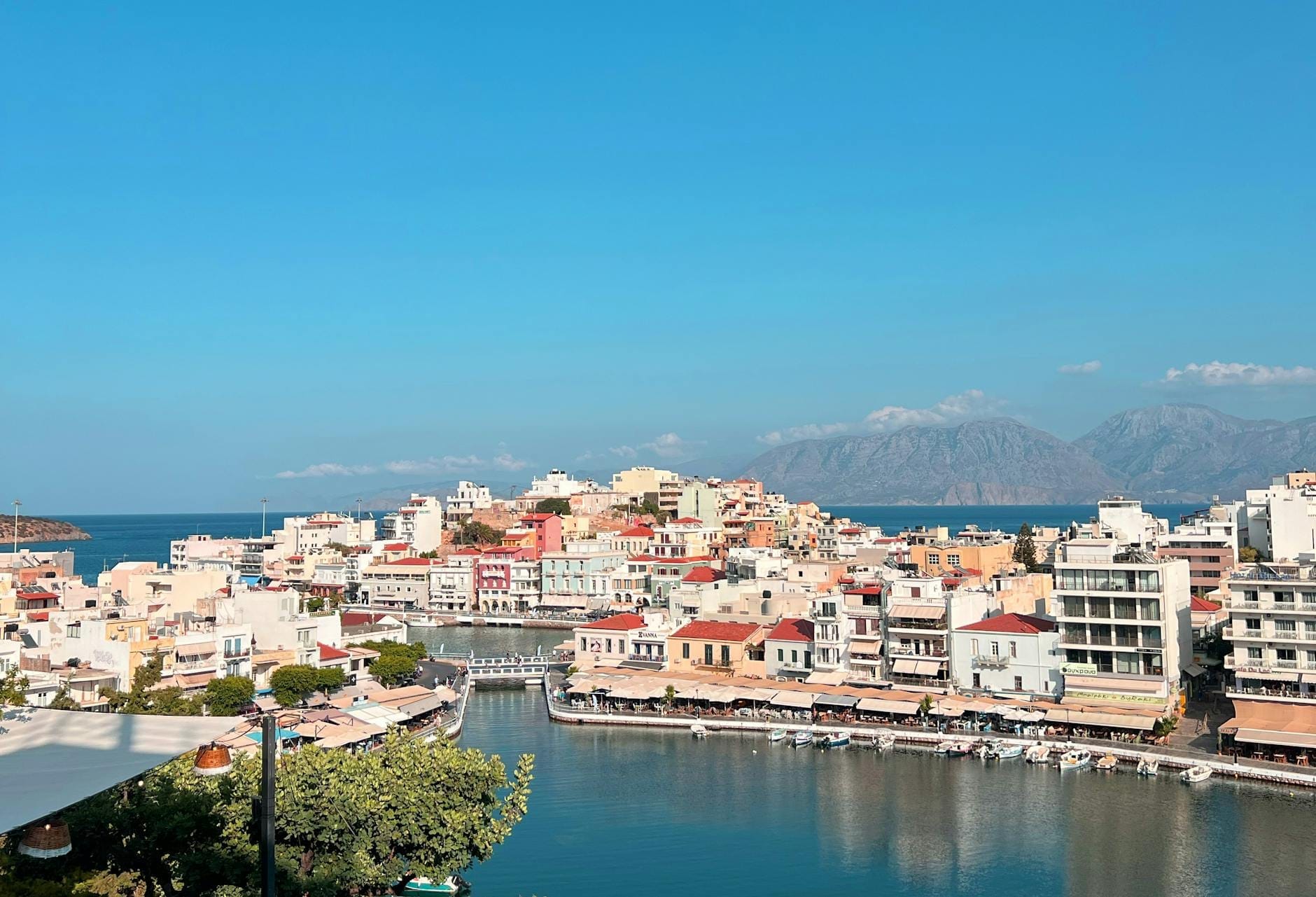
Plan and book this trip
Tools from our partner Travelpayouts help you compare flights and hotels. If you book through them, we may earn a commission at no extra cost to you.
Flights
Hotels map
TL;DR
- Budget travelers can manage on €40–50 per day; a more comfortable budget is €60–80, covering a private room, taverna meals, and paid attractions.
- Travel in May, June, or September to avoid peak-season price surges — accommodation and car rentals can cost double in July and August.
- Public buses along the north coast cost €2–15 per route and are air-conditioned with Wi-Fi, making car rental unnecessary for many itineraries.
- Crete's 1,046 km of coastline is entirely free to access — you never pay to use a beach, only to rent a sunbed.
- See our things to do in Crete guide for a full overview of what to plan around.
What Does Crete Actually Cost? Realistic Daily Budgets
Crete is part of Greece's Eurozone, and while it's cheaper than the Greek islands that attract ultra-luxury tourism (Mykonos, Santorini), it's not as cheap as Eastern Europe. Prices vary significantly by region, season, and how close you are to a beach. Here's what honest daily spending looks like in 2026.
- Ultra-budget: €40–50 per day Hostel dormitory (€15–20/night), street food and self-catering, public buses only, free beaches and free sights. Requires discipline and flexibility.
- Comfortable budget: €60–80 per day Private hostel room or budget hotel (€40–50/night), one taverna meal per day, occasional paid attraction, public transport with one or two taxi rides.
- Mid-range: €100–150 per day 3-star hotel or apartment, restaurant meals twice daily, car rental shared between two people, paid excursions. Most couples fall into this range.
⚠️ What to skip
Peak season (July and August) inflates nearly every price category. Accommodation rates can double, car rental rates spike, and even taverna menus sometimes switch to a higher-priced summer version. If budget is a priority, these two months are the worst time to visit Crete.
When to Visit for the Best Prices
The sweet spot for budget travelers is shoulder season: May to early June, and September to October. Temperatures are warm enough for swimming, crowds are manageable, and prices across accommodation, flights, and car rentals drop considerably. October in particular offers some of the best value on the island — see our guide to Crete in October for what to expect. The best time to visit Crete depends on your priorities, but for cost-conscious travelers, the answer is almost always shoulder season.
Winter travel (November through March) is cheapest of all, but many beach facilities, boat trips, and tourist-facing restaurants close entirely. It works for travelers focused on archaeology, hiking, and experiencing authentic village life — just don't expect a beach holiday.
Budget Accommodation: Where to Stay Without Overpaying
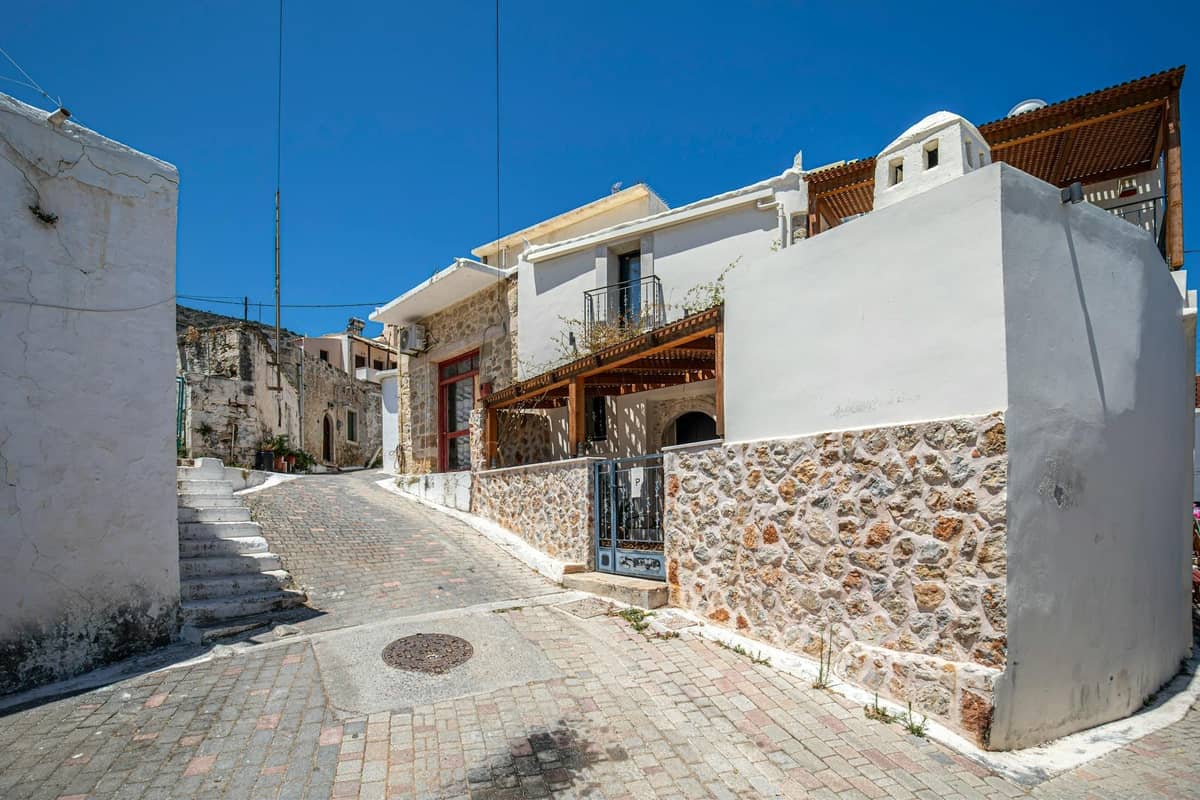
Hostel beds in Crete run €15–20 per night in shared dorms, while private rooms in budget hotels or guesthouses typically cost €40–50. Self-catering apartments range from €60 on the low end to €150 or more in peak season. The single most effective trick for cutting accommodation costs: stay a 10-15 minute walk from the seafront rather than directly on it. Beachfront rooms command a significant premium in every town.
For budget travelers, Heraklion and Rethymno offer the best range of affordable options close to real infrastructure — supermarkets, bus stations, and local tavernas that don't double prices for tourists. Chania is beautiful but the Old Town area skews toward boutique hotels; staying 10 minutes outside the center brings prices down sharply.
✨ Pro tip
Traveling in a group of 3 or 4? A self-catering apartment almost always beats separate hotel rooms. Split between four people, a €100/night apartment works out to €25 per person — cheaper than a hostel dorm in peak season, with the added benefit of cooking your own meals.
Getting Around Crete on a Budget
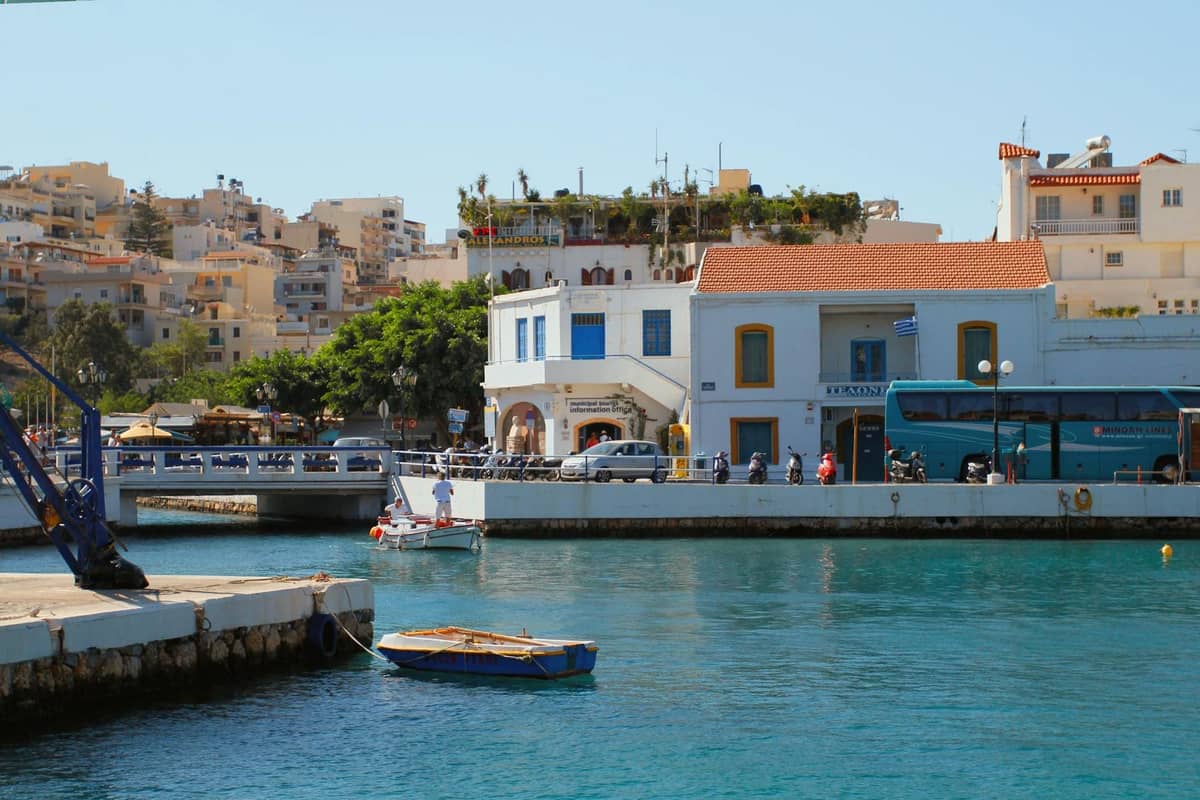
The KTEL bus network is the backbone of budget transport in Crete. Routes connect all major towns along the north coast, and buses are modern, air-conditioned, and equipped with Wi-Fi. Fares are reasonable: short hops like Heraklion to Rethymno cost around €7–8, while longer routes like Heraklion to Chania run around €13–15. A full week-long north coast itinerary (Chania, Rethymno, Heraklion, Agios Nikolaos) using only buses costs roughly €55–85 in total transport — a fraction of what car rental plus fuel plus insurance would run (typically €392–770 for a week).
The catch with buses: they largely serve the north coast corridor. If you want to reach south coast beaches like Preveli Beach or Matala, or explore the mountain villages of Crete, a rental car becomes genuinely useful. Sharing a car between two or three people brings the cost down to a manageable level, especially in shoulder season when daily rates drop.
💡 Local tip
Arriving by ferry from Athens (Piraeus port) rather than flying can save money, especially on the overnight slow ferry which takes around 9–12 hours but costs under €50 for a deck seat. Book in advance for July and August sailings — cabins sell out well ahead.
- KTEL buses: €2–15 per route depending on distance. Frequency drops sharply on weekends and in off-season.
- Taxis: reliable but expensive for longer distances. Good for short airport hops; avoid for cross-island travel.
- Scooter rental: €20–35 per day in most resort towns. Useful for coastal exploration but check insurance carefully.
- Car rental: €35–80 per day in shoulder season, significantly more in July–August. Always include full insurance.
- Ferry from Athens: under €50 for a deck or airplane-style seat on fast or slow ferries.
Eating Well for Less: Food and Drink Costs
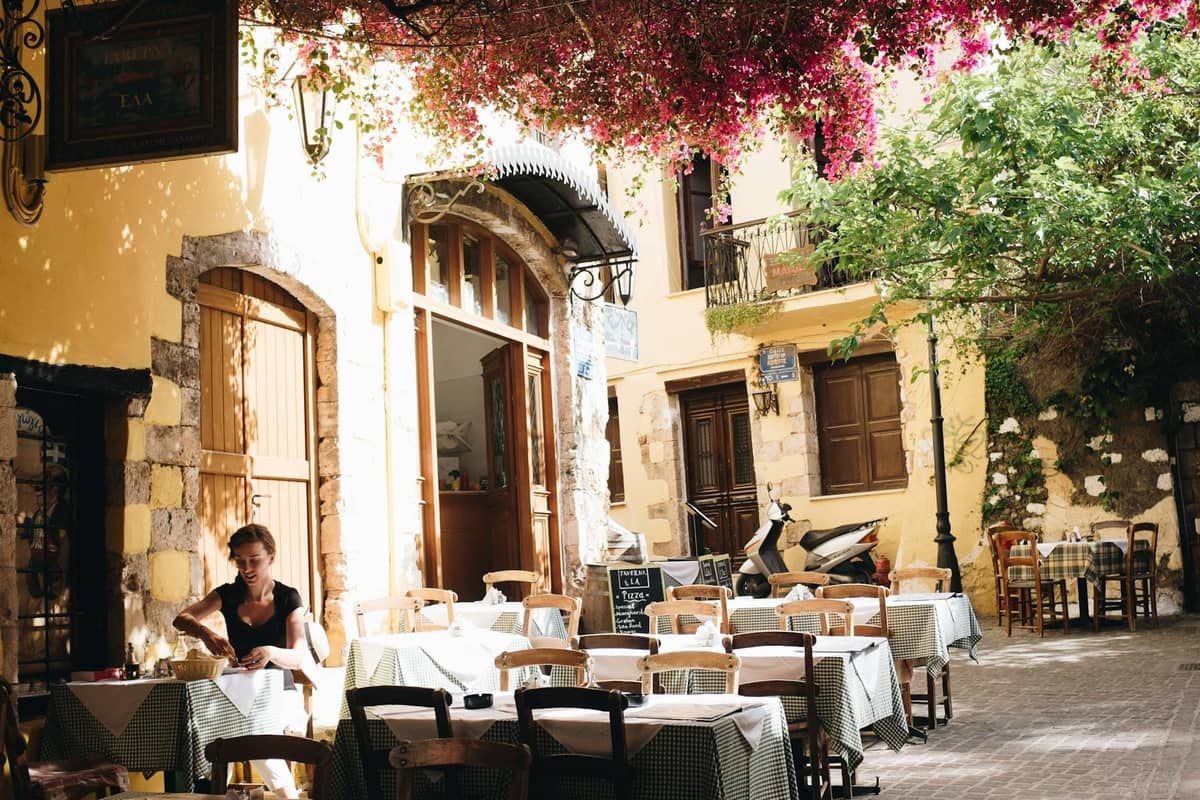
Cretan food is excellent and doesn't have to be expensive, but the island has two parallel dining economies: tavernas serving tourists in resort strips (overpriced and often mediocre), and the local places where Cretans actually eat (good value and frequently outstanding). Learning to tell them apart saves money and improves every meal.
Street food is the cheapest option: a gyros wrap or a slice of tiropita (cheese pie) costs €2–4 and is genuinely satisfying. Café breakfasts run €5–7. A full meal at a local taverna — salad, main, bread, and a carafe of house wine or water — typically comes to €8–15 per person. Avoid restaurants with laminated photo menus on the seafront of any tourist town. For a deeper look at what to order and where the best value lies, the Cretan food guide covers regional specialties worth seeking out.
Self-catering cuts costs dramatically. Crete has well-stocked supermarkets (AB Vassilopoulos and Lidl are common) in all major towns, and local markets sell fresh produce, olives, and cheese at low prices. The covered market on 1866 Street in Heraklion is one of the best places on the island to stock up on local products at fair prices.
Free and Low-Cost Activities Across the Island
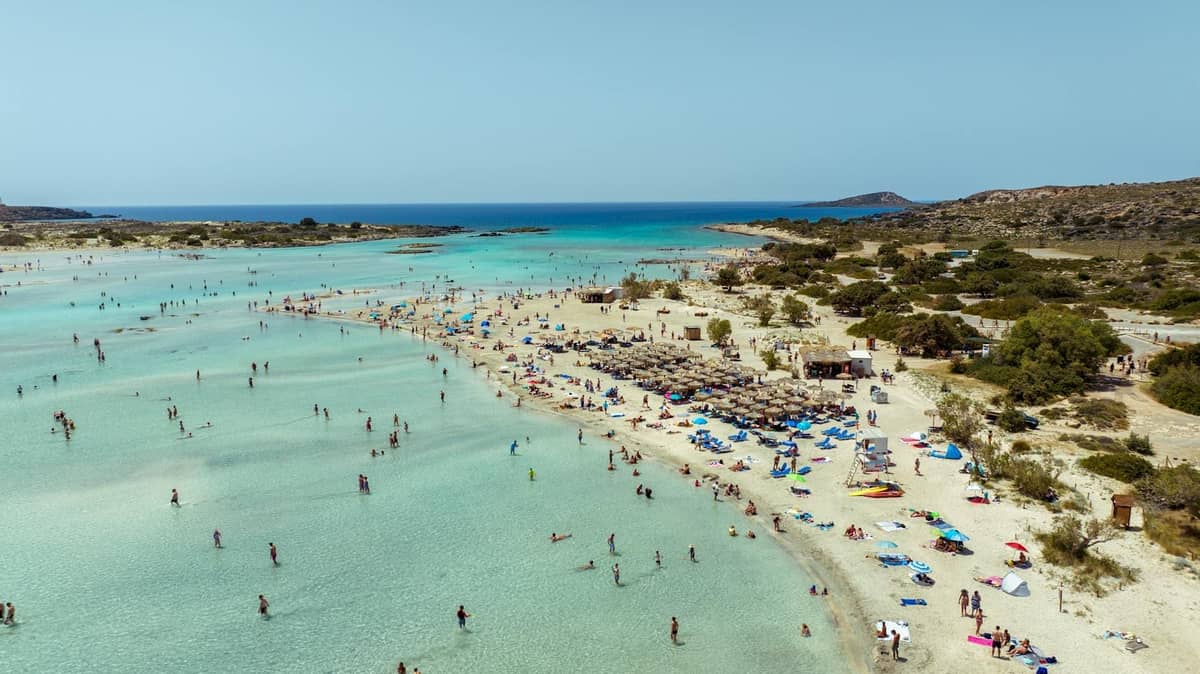
Crete's coastline stretches over 1,046 kilometers and every beach on the island is legally public. You never pay an entry fee to access a beach. The only cost is optional sunbed rental (typically €5–10 per sunbed), which you can skip entirely by bringing your own towel. Some of the most spectacular beaches, including the pink-sand Elafonissi and the turquoise cove at Seitan Limani, cost nothing to reach other than transport.
Historic town centers are free to explore. The Chania Old Town and the Rethymno Old Town both reward hours of wandering without spending a euro. Churches throughout the island are generally free to enter. Hiking trails — including the famous Samaria Gorge (€5 entry fee) and the less-visited Imbros Gorge (around €2) — offer full days of activity for minimal cost.
The Samaria Gorge is worth addressing specifically: tour operators sell day trips for €40–60 per person, but you can do the exact same hike independently for around €27 total (bus to Omalos, €5 gorge entry fee, ferry from Agia Roumeli to Sougia or Chora Sfakion, bus back to your base). The logistics require a little planning but the saving is real.
For paid attractions, the Palace of Knossos charges around €15 for entry and is worth every cent for anyone with an interest in Minoan history. The Heraklion Archaeological Museum is one of the finest in the Mediterranean and tickets are typically €12–15. Both can be combined in a single day from Heraklion without a car. Five Minoan palace sites including Knossos and Phaistos were inscribed on the UNESCO World Heritage List in 2024, adding further significance to these visits. Check the free things to do in Crete guide for a full breakdown of what costs nothing.
ℹ️ Good to know
Greek national museums and archaeological sites offer free admission on the first Sunday of every month from November through March. If your visit overlaps with one of these Sundays, plan your paid attractions around it — Knossos and the Heraklion Archaeological Museum on the same Sunday is an entirely free archaeology day.
Budget Travel by Region: Where to Base Yourself
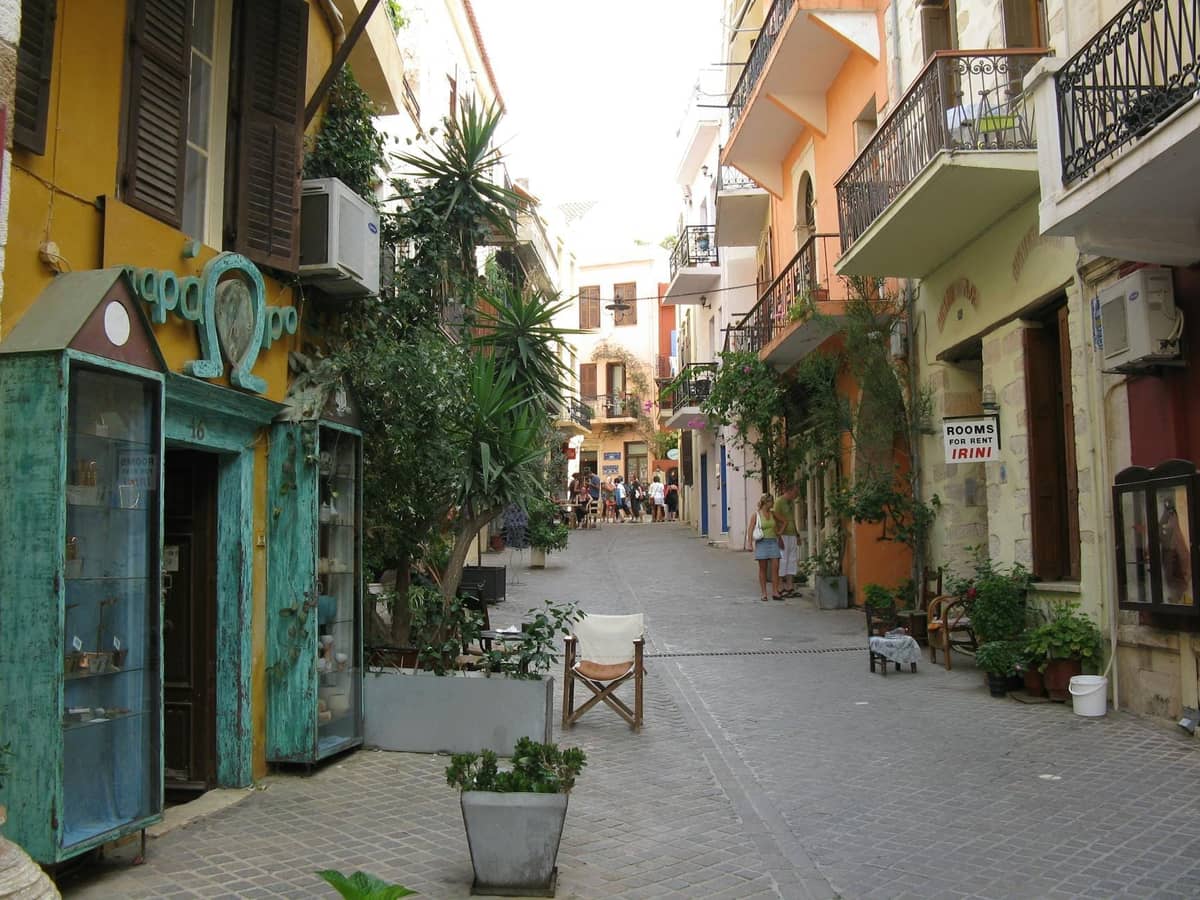
Not all of Crete costs the same. The east of the island, particularly around Agios Nikolaos and Elounda, skews toward luxury resorts and high-end tourism. Budget travelers will find less accommodation choice and higher baseline prices here. The west, particularly around Chania and Rethymno, has a broader spread across price points. For a direct comparison of the island's two main cities and which suits different travel styles, see the Chania vs Heraklion guide.
Inland villages and the Lassithi Plateau area offer some of the cheapest accommodation and food on the island, with the trade-off that you need a car or are dependent on infrequent local buses. For travelers who want a longer stay on a tight budget, basing yourself in one city and making day trips by bus is generally more cost-effective than moving every two days and paying for transfers each time.
FAQ
How much money do I need per day in Crete?
Ultra-budget travelers who stay in hostel dorms, eat street food, and use public buses can manage on €40–50 per day. A more realistic comfortable budget that includes a private room, one taverna meal daily, and occasional paid attractions is €60–80 per day. Mid-range travelers spending on restaurant meals, car rental, and excursions typically spend €100–150 per day.
What is the cheapest month to visit Crete?
January and February are cheapest, but many tourist facilities are closed. For a beach holiday on a budget, May and late September offer the best combination of good weather, open facilities, and low prices. October is also excellent value and still warm enough to swim.
Can I visit Crete without renting a car?
Yes, especially if you stick to the north coast corridor. KTEL buses connect Chania, Rethymno, Heraklion, and Agios Nikolaos frequently and cheaply. South coast beaches and mountain villages are harder to reach without a car, but the major towns, beaches near them, and most historical sites are accessible by public transport.
Is food expensive in Crete?
Not if you eat like a local. Gyros and street food cost €2–4. A full meal at a genuine local taverna runs €8–15 per person including wine or beer. Prices spike significantly at waterfront tourist restaurants in resort towns — the food is usually worse too. Supermarkets are well-stocked and affordable for self-catering.
Are there free beaches in Crete?
All beaches in Crete are legally public and free to access — there is no entry fee for any beach on the island. Some organised beaches charge €5–10 per sunbed, but you can always lay your own towel on the sand at no cost. This applies to famous beaches like Elafonissi, Balos, and Falassarna.