Best Mountain Villages in Crete: A Guide to the Interior
Crete's interior is a world apart from its famous coastline. This guide covers the island's most compelling mountain villages, the gorges and caves surrounding them, and the ancient sites tucked into its high plateaus and rugged massifs.
Plan and book this trip
Tools from our partner Travelpayouts help you compare flights and hotels. If you book through them, we may earn a commission at no extra cost to you.
Flights
Hotels map
Most visitors to Crete spend their time on the coast, and most never see the island's true character. The interior is where Crete reveals itself: stone villages clinging to hillsides at 600 or 800 meters, family-run kafeneions where old men play backgammon under plane trees, Byzantine churches with frescoes untouched for centuries, and a fierce pride in local food, music, and identity that outlasted centuries of foreign rule. Whether you're driving the mountain roads on a road trip or based in one of the island's main towns, the villages of the interior reward even a single day's detour. This guide covers the best destinations in Crete's highlands: the villages, the plateaus, the gorges, and the mythological caves that make the island's interior one of the most underexplored regions in the Mediterranean.
💡 Local tip
A hire car is essential for exploring Crete's mountain villages. Most are connected by winding single-track roads not served by regular buses. Fill up before heading into the hills — petrol stations thin out above 400 meters.
The High Plateau: Lassithi & Its Landmarks
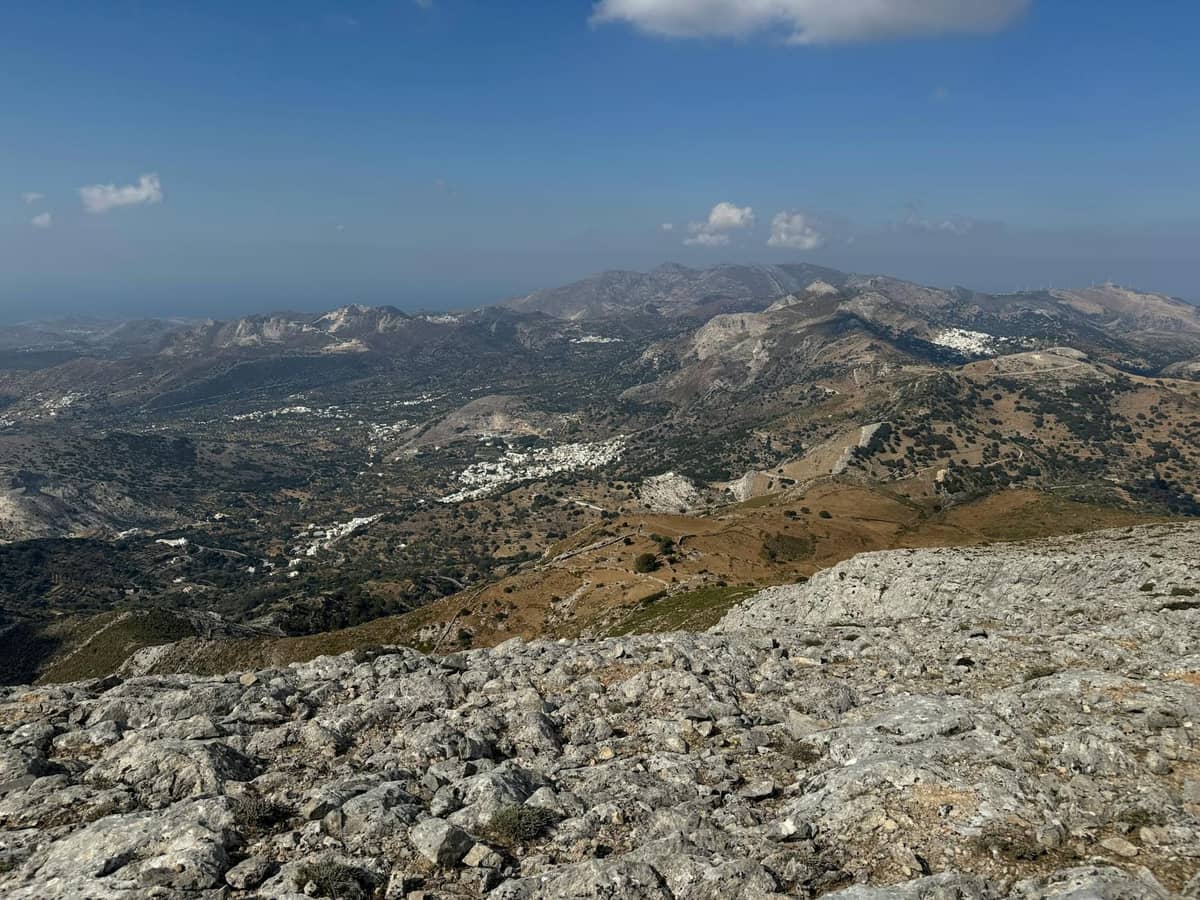
The Lassithi Plateau sits at around 840 meters and is one of the most rewarding destinations in Crete's interior. Ringed by the Dikti Mountains and dotted with apple orchards, almond groves, and small farming villages, it feels genuinely remote despite being reachable in under two hours from Heraklion. The plateau is best visited in spring when it's carpeted with wildflowers, or in autumn when the harvest is underway. Two landmarks anchor any visit: the mythological cave above Psychro village and the iconic windmills that once numbered in the thousands.
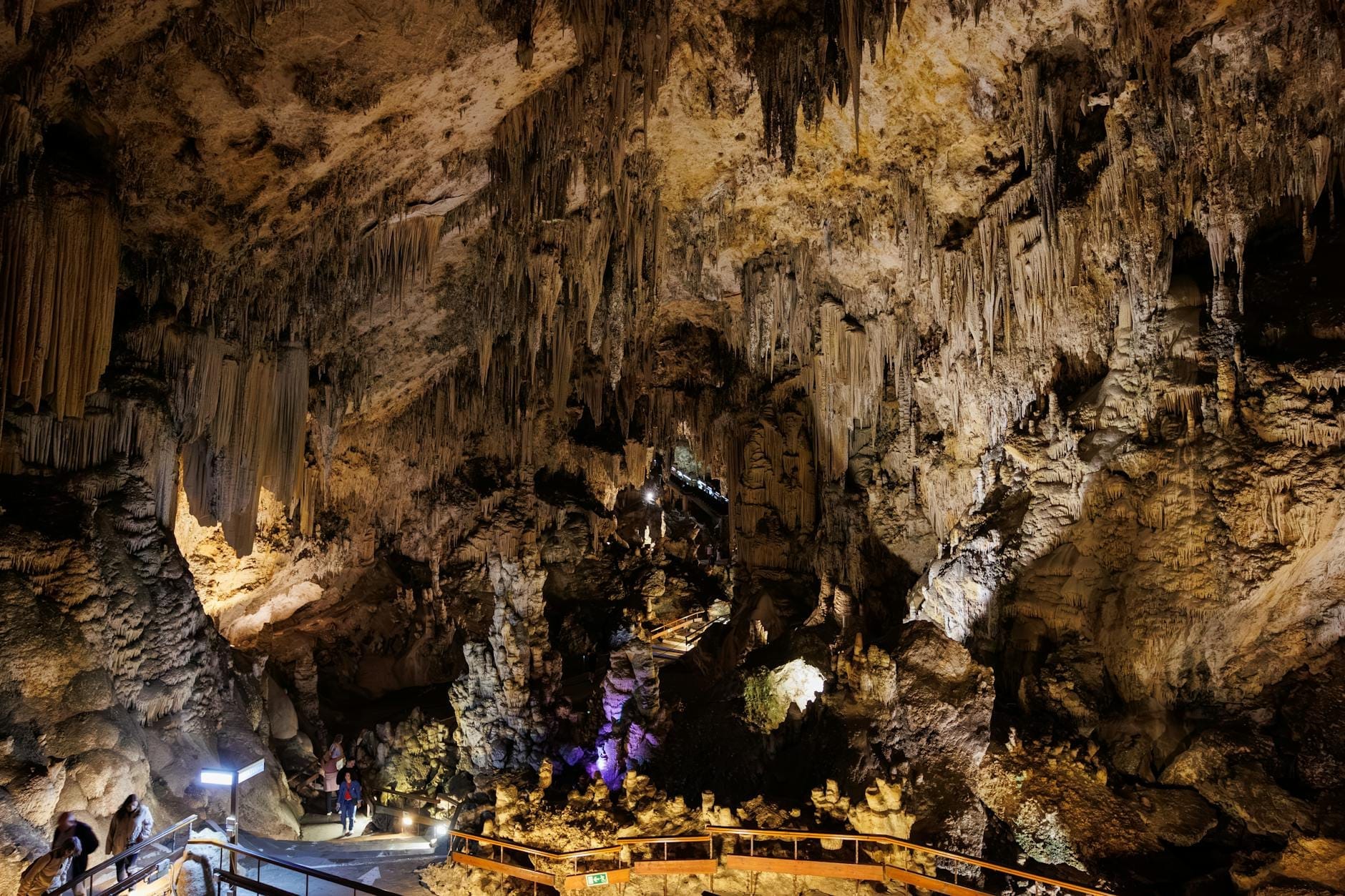
1. Descend into the Birthplace of Zeus at Dikteon Cave
Mythology says Zeus was born in this stalactite cave above the Lassithi Plateau. The descent covers 63 meters through dramatic formations. Minoan votive offerings were found here by archaeologists, giving the myth an unexpected layer of real history.
Explore1. Descend into the Birthplace of Zeus at Dikteon Cave
Mythology says Zeus was born in this stalactite cave above the Lassithi Plateau. The descent covers 63 meters through dramatic formations. Minoan votive offerings were found here by archaeologists, giving the myth an unexpected layer of real history.
Explore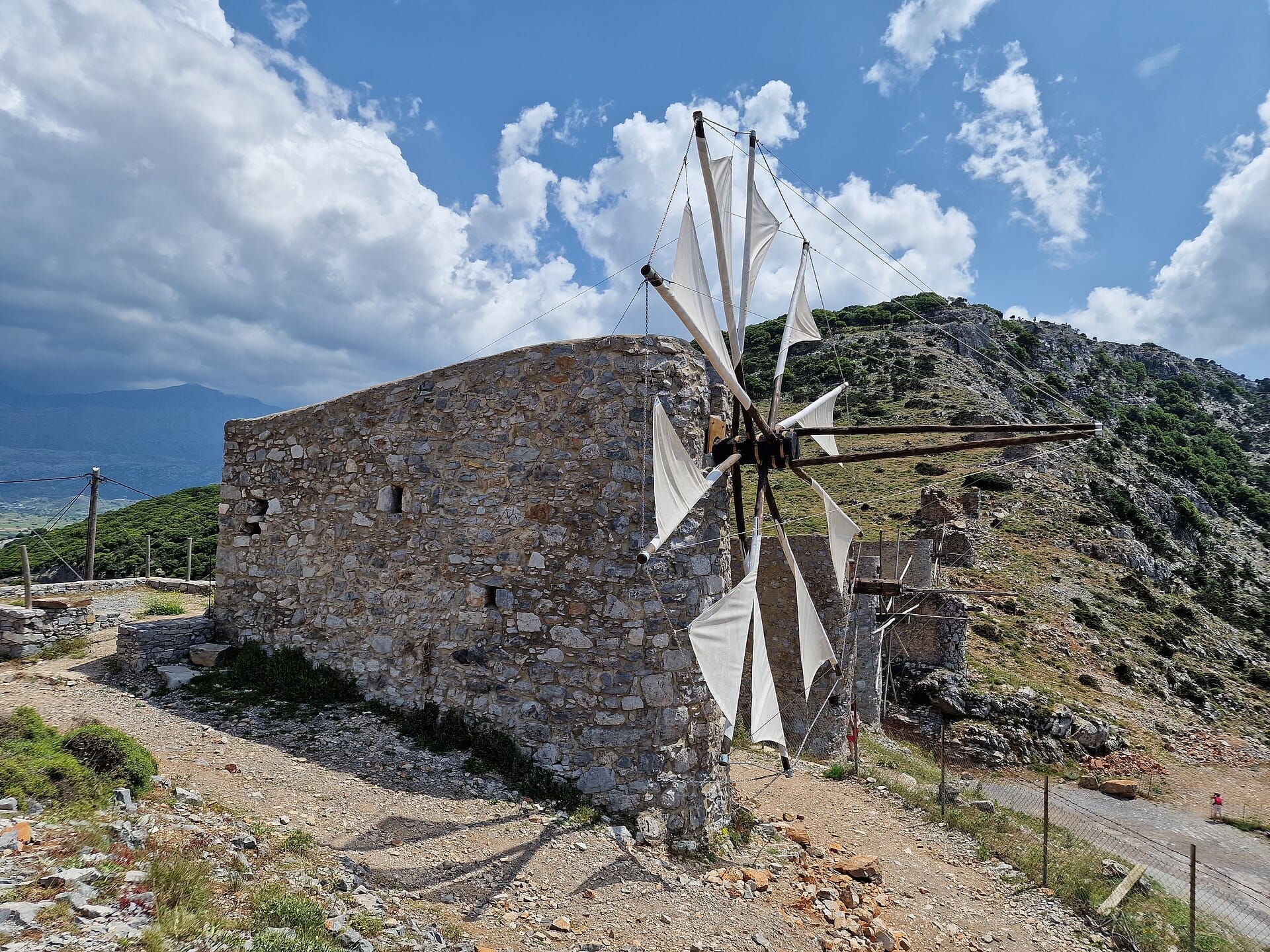
2. Survey the Lassithi Plateau from Its Iconic Windmills
Once numbering in the thousands, the stone windmills of Lassithi are now among Crete's most iconic images. The plateau they overlook is a working agricultural landscape of orchards and fields, best seen at dawn before the tour buses arrive.
Explore2. Survey the Lassithi Plateau from Its Iconic Windmills
Once numbering in the thousands, the stone windmills of Lassithi are now among Crete's most iconic images. The plateau they overlook is a working agricultural landscape of orchards and fields, best seen at dawn before the tour buses arrive.
ExploreSacred Sites & Monasteries in the Hills
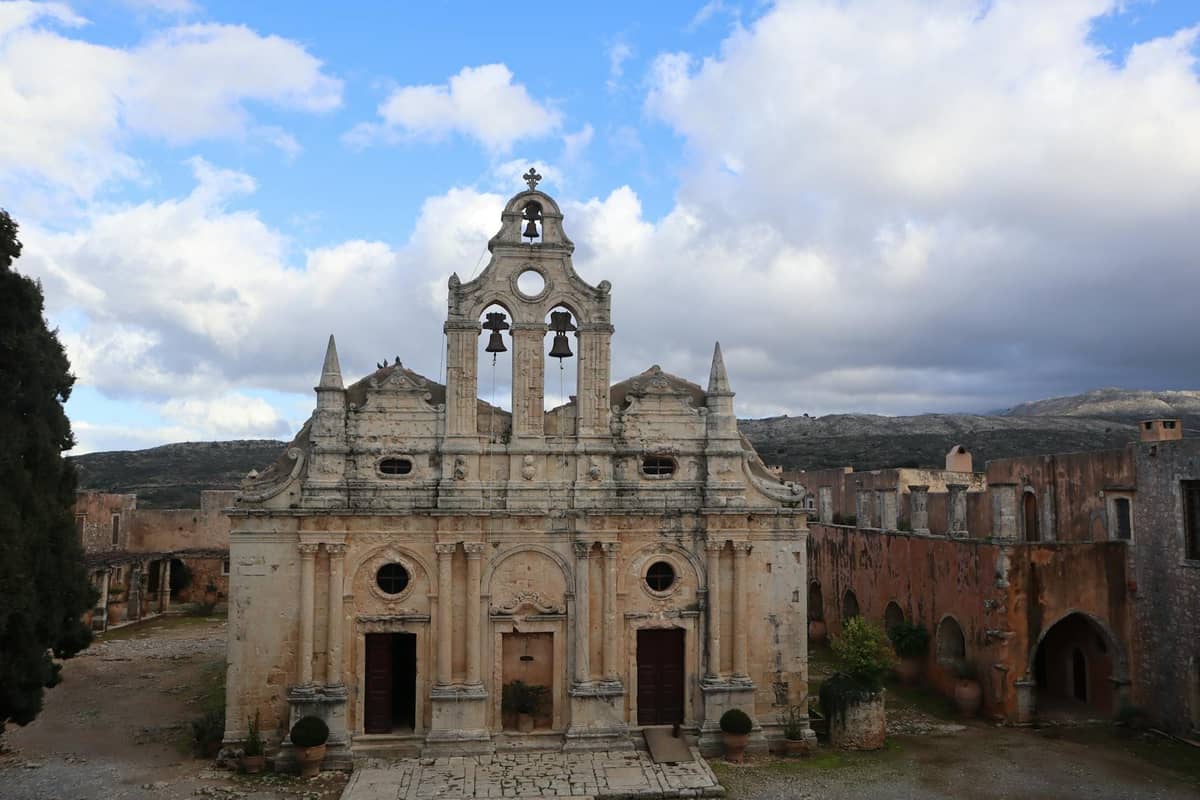
Crete's mountain interior is scattered with monasteries, peak sanctuaries, and churches that have been places of pilgrimage and resistance for centuries. Arkadi, near Rethymno, is the most historically charged of these, but the south coast's Preveli Monastery rivals it for dramatic setting. Both sites reward visitors who know the history they carry. For a deeper read on Crete's ancient past, the Minoan history guide provides essential context for understanding the sacred landscape of the island's interior.
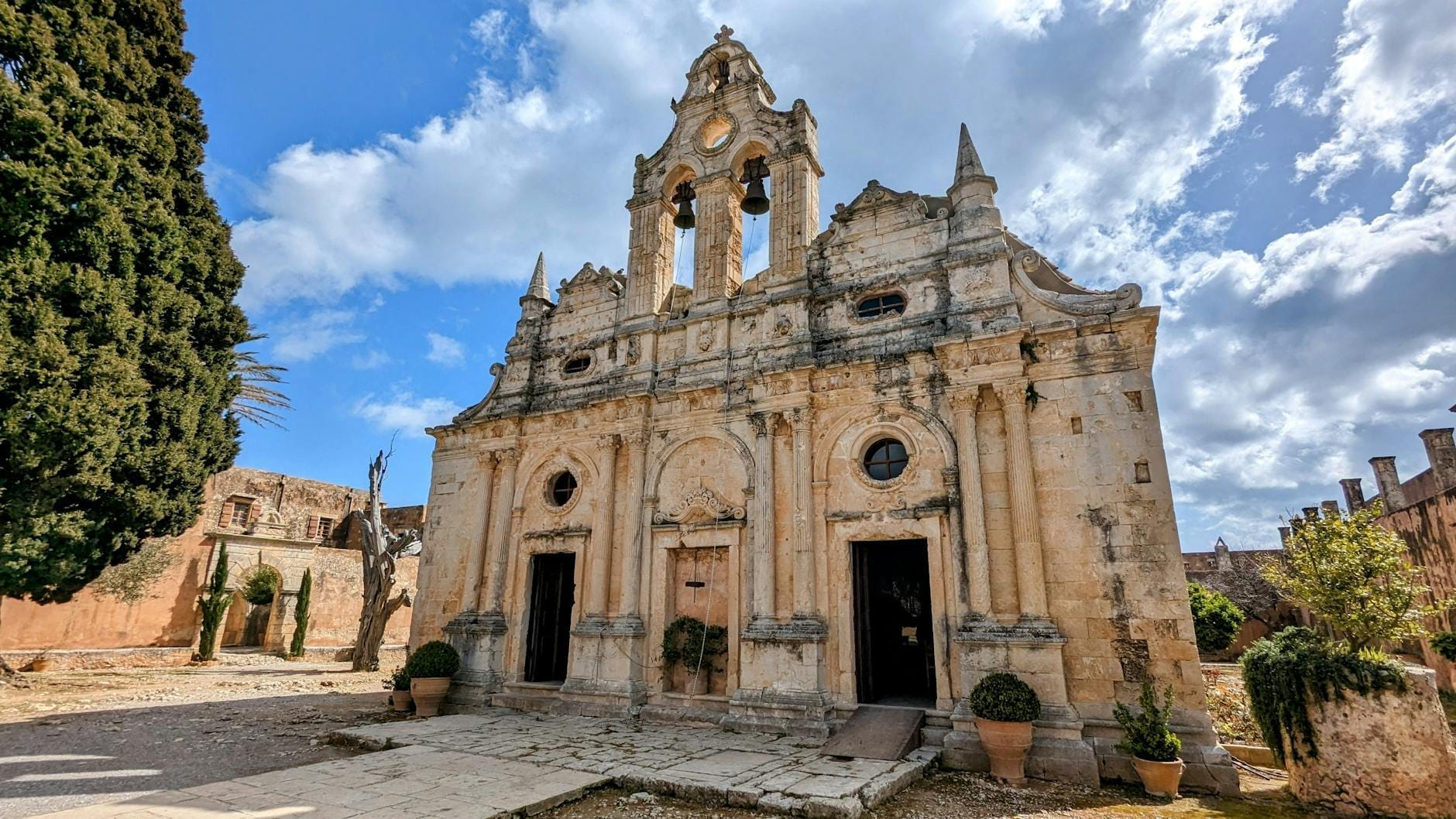
3. Pay Respects at Arkadi, Symbol of Cretan Resistance
Set in the hills southeast of Rethymno, Arkadi is where in 1866 hundreds of Cretans chose death over Ottoman surrender. The baroque facade is beautiful; the small museum inside is sobering. Allow at least 90 minutes to absorb both.
Explore3. Pay Respects at Arkadi, Symbol of Cretan Resistance
Set in the hills southeast of Rethymno, Arkadi is where in 1866 hundreds of Cretans chose death over Ottoman surrender. The baroque facade is beautiful; the small museum inside is sobering. Allow at least 90 minutes to absorb both.
Explore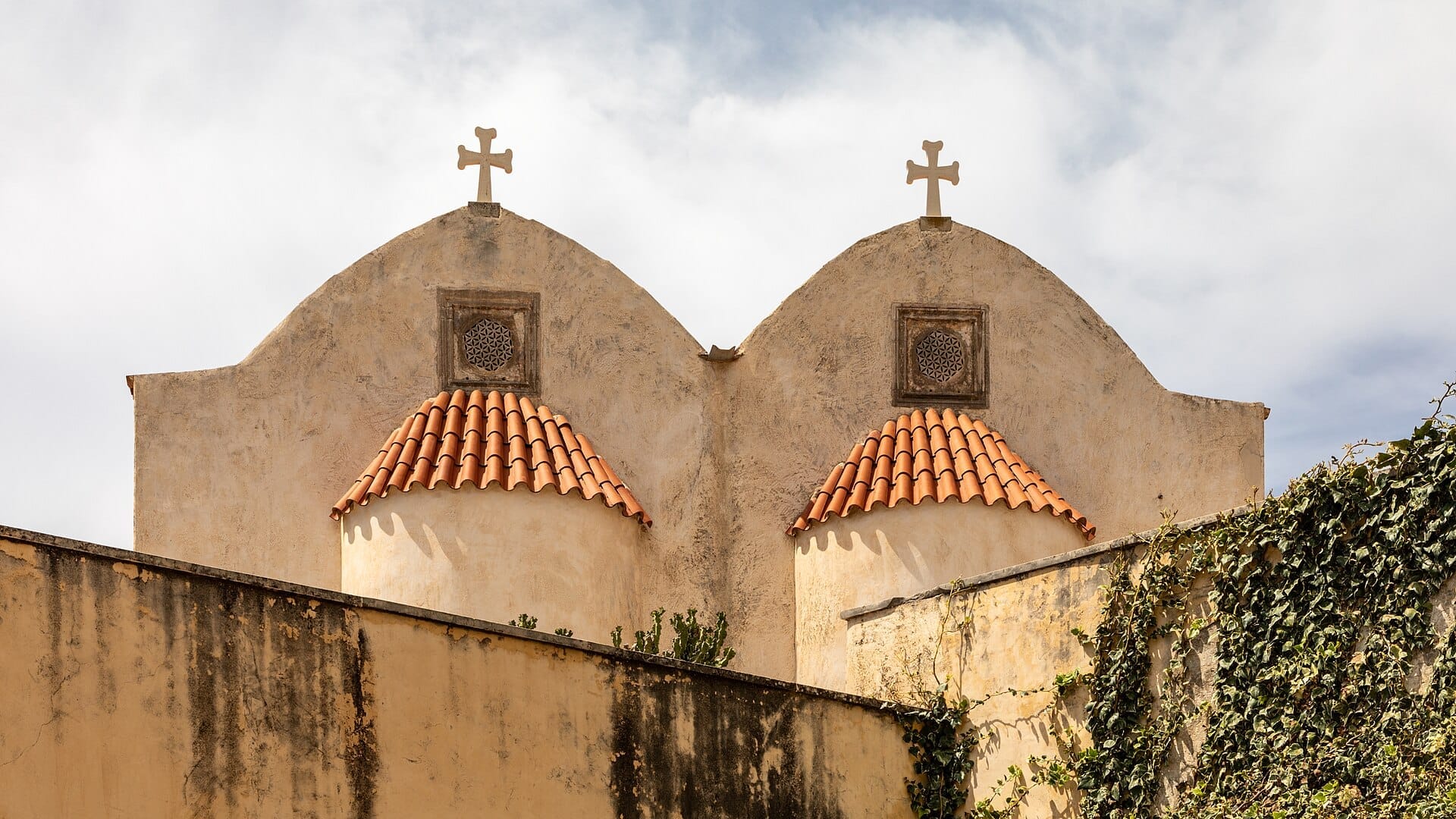
4. Visit Moni Preveli, the Monastery Above the Libyan Sea
Perched on a clifftop above Crete's south coast, Preveli sheltered Allied soldiers during World War II. The views over the Libyan Sea are extraordinary, and the small museum documents its wartime role with genuine power. Combine it with Preveli Beach below.
Explore4. Visit Moni Preveli, the Monastery Above the Libyan Sea
Perched on a clifftop above Crete's south coast, Preveli sheltered Allied soldiers during World War II. The views over the Libyan Sea are extraordinary, and the small museum documents its wartime role with genuine power. Combine it with Preveli Beach below.
ExploreMountain Gorges Worth Hiking
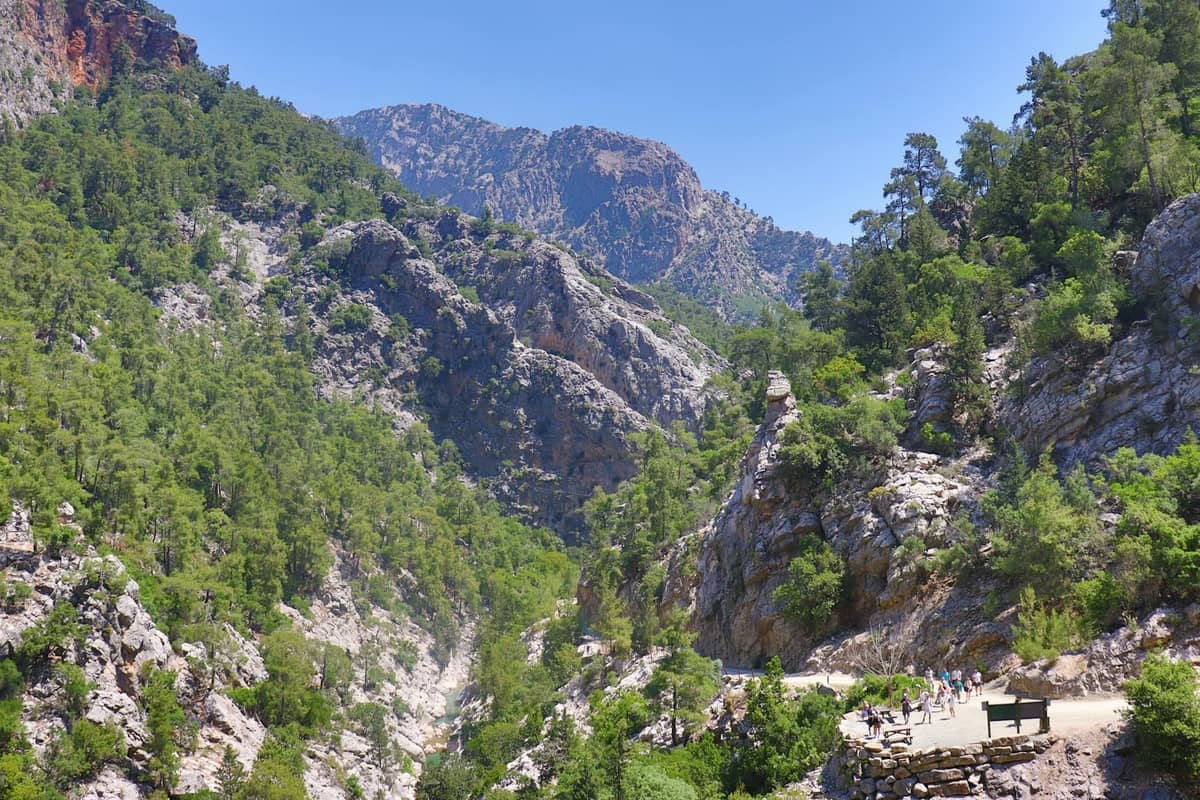
Crete's mountains are carved through by gorges that rank among the best hiking terrain in Greece. Samaria is the most famous, but the island's less-crowded gorges often deliver a more intimate experience. For a full overview of routes and difficulty levels, the hiking in Crete guide covers everything from beginner walks to serious mountain routes. The gorges listed here are particularly well-suited to visitors combining a day in the hills with time in a nearby village.
5. Hike Europe's Longest Gorge Through the White Mountains
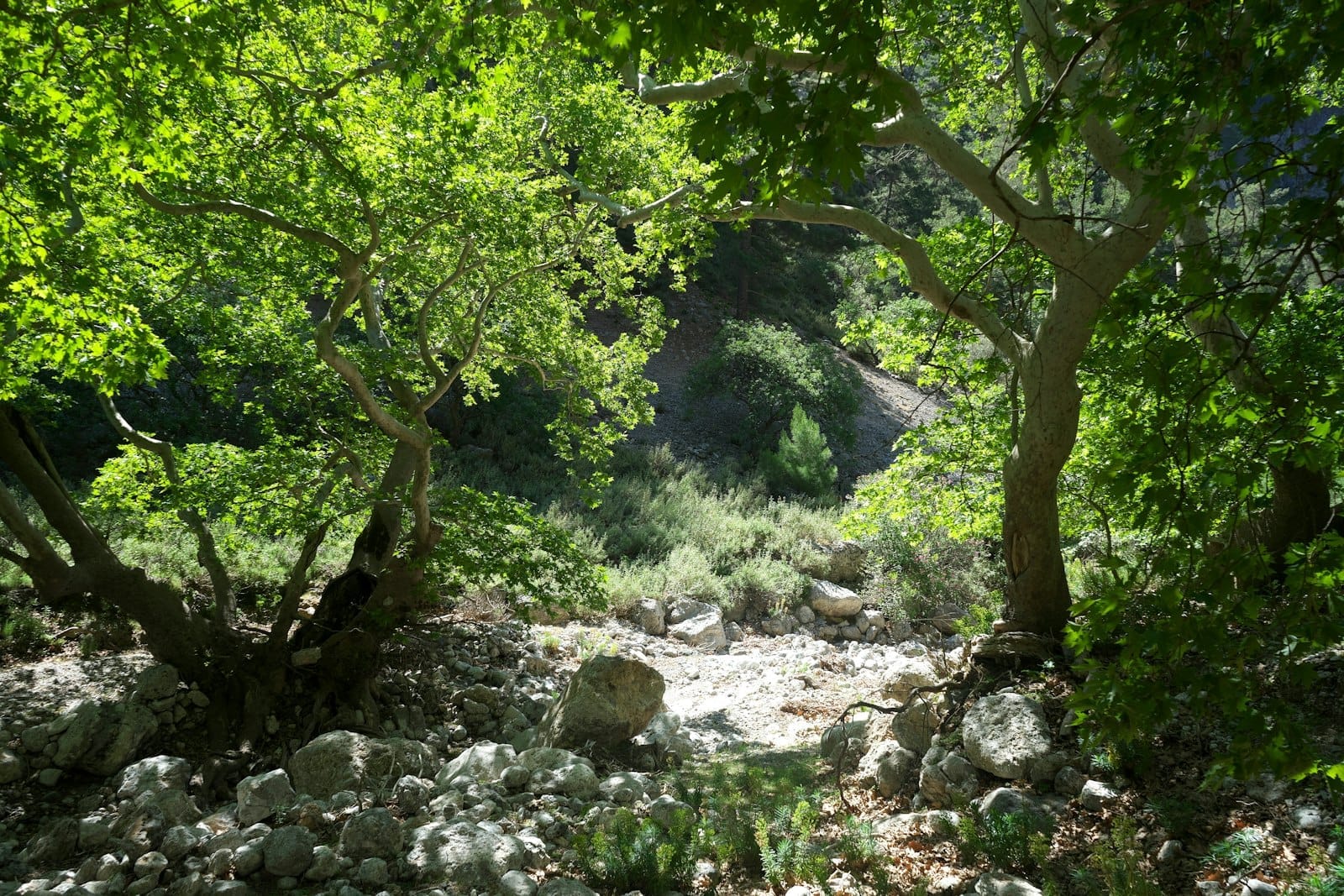
At 16 kilometers, Samaria is a full-day commitment starting from the Omalos Plateau at 1,200m and ending at the Libyan Sea. The narrowest section, the Iron Gates, is jaw-dropping. Go midweek in May or September to avoid the worst crowds.
Explore5. Hike Europe's Longest Gorge Through the White Mountains
At 16 kilometers, Samaria is a full-day commitment starting from the Omalos Plateau at 1,200m and ending at the Libyan Sea. The narrowest section, the Iron Gates, is jaw-dropping. Go midweek in May or September to avoid the worst crowds.
Explore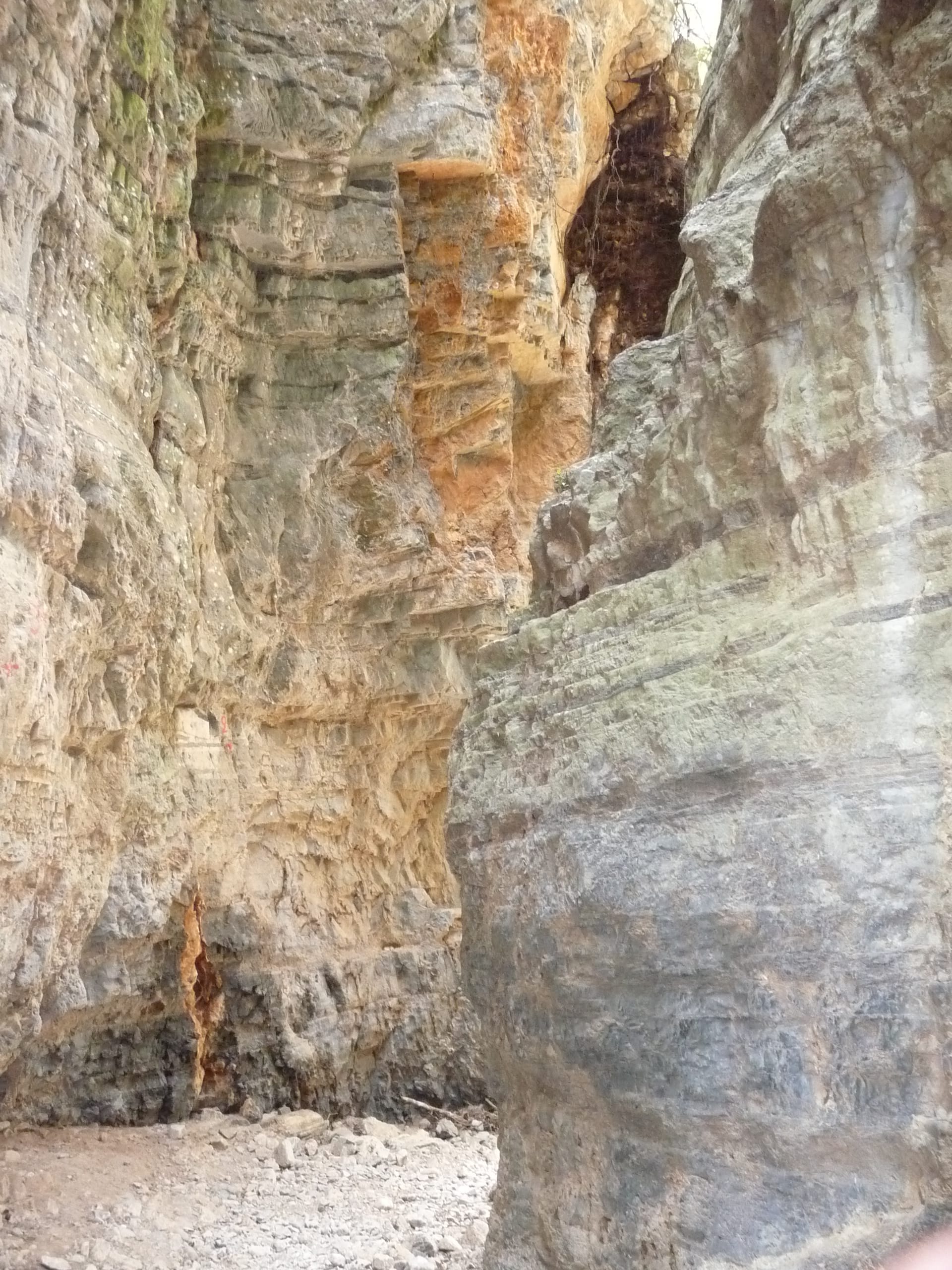
6. Walk the Imbros Gorge: Samaria Without the Crowds
At 8 kilometers and around 3 hours, Imbros is Samaria's quieter sibling in the White Mountains. The narrow passages are just as dramatic, the wildflowers in spring just as vivid, and the logistics far simpler. An ideal half-day hike for most fitness levels.
Explore6. Walk the Imbros Gorge: Samaria Without the Crowds
At 8 kilometers and around 3 hours, Imbros is Samaria's quieter sibling in the White Mountains. The narrow passages are just as dramatic, the wildflowers in spring just as vivid, and the logistics far simpler. An ideal half-day hike for most fitness levels.
Explore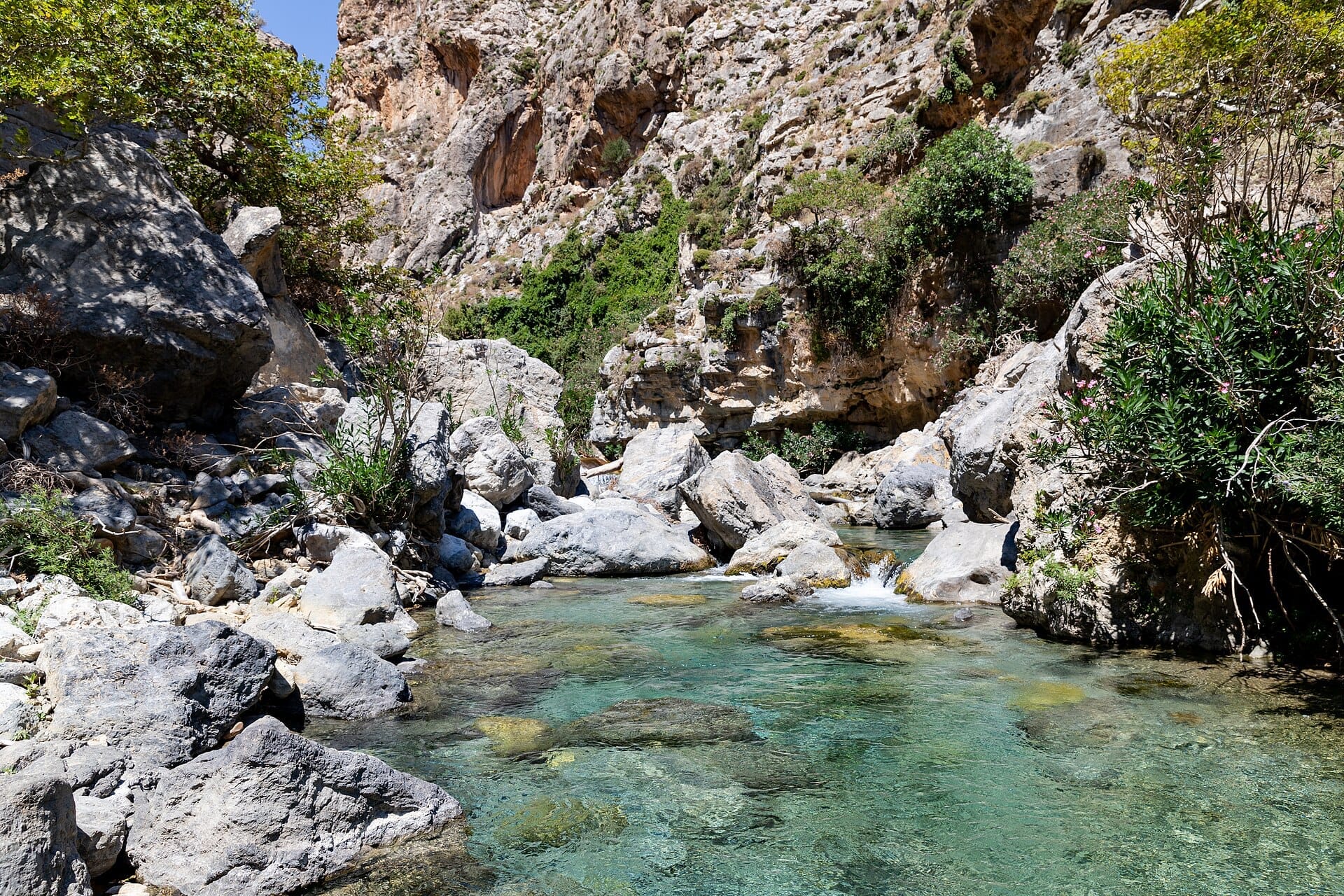
7. Stop at Kourtaliotiko Gorge on the Road South
The drive through Kourtaliotiko's sheer limestone walls is spectacular even from the road. For those who stop to walk, springs and cave chapels are tucked into the rock. It sits naturally on the route from Rethymno to Plakias and Preveli Beach.
Explore7. Stop at Kourtaliotiko Gorge on the Road South
The drive through Kourtaliotiko's sheer limestone walls is spectacular even from the road. For those who stop to walk, springs and cave chapels are tucked into the rock. It sits naturally on the route from Rethymno to Plakias and Preveli Beach.
Explore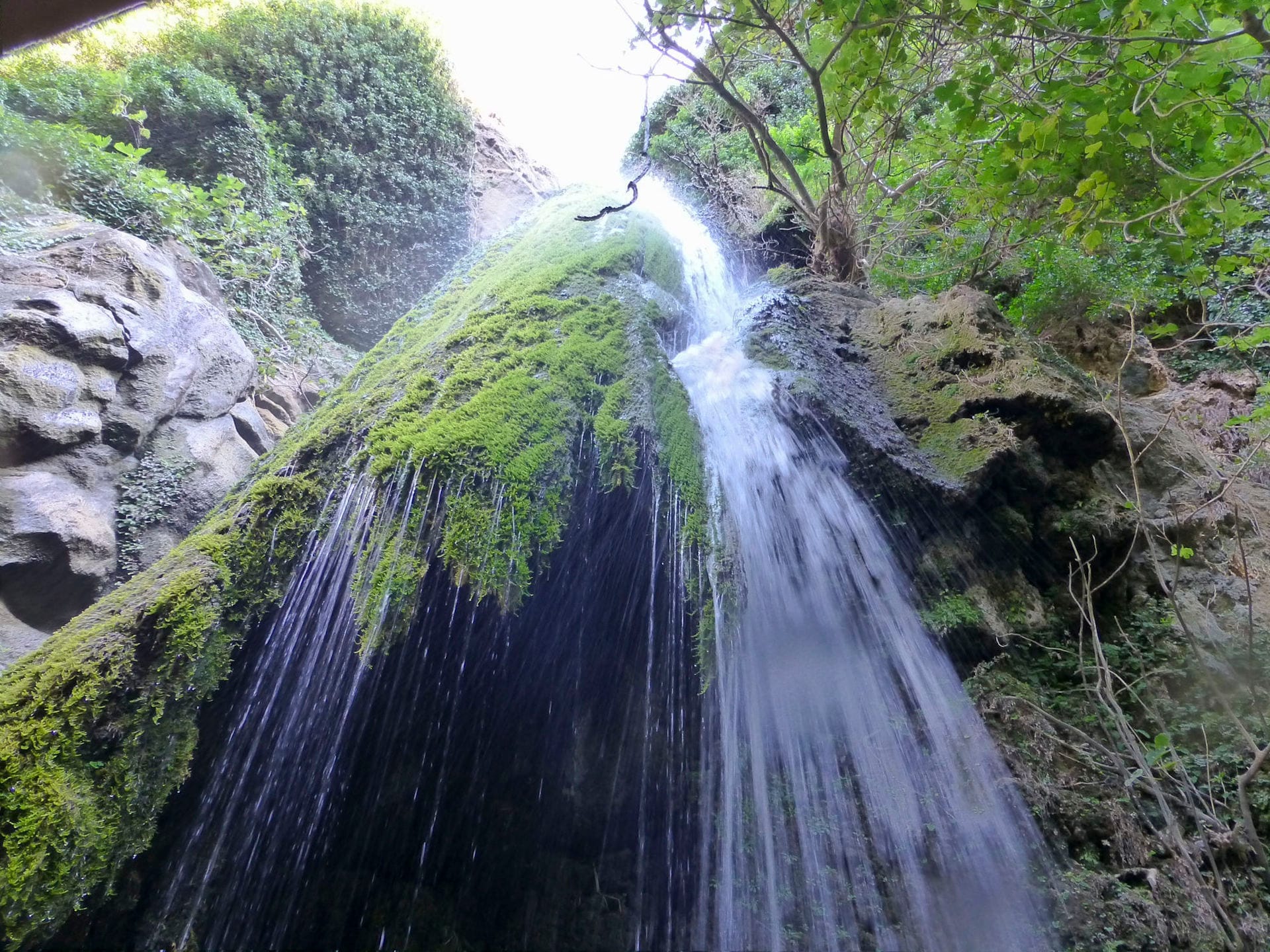
8. Explore Richtis Gorge: Waterfalls in Eastern Crete
Eastern Crete's most rewarding gorge walk passes old stone bridges, dense plane-tree forest, and a waterfall hidden in the green interior. Unlike the dry limestone gorges of the west, Richtis stays lush well into summer. Allow around 2 hours return.
Explore8. Explore Richtis Gorge: Waterfalls in Eastern Crete
Eastern Crete's most rewarding gorge walk passes old stone bridges, dense plane-tree forest, and a waterfall hidden in the green interior. Unlike the dry limestone gorges of the west, Richtis stays lush well into summer. Allow around 2 hours return.
ExploreThe White Mountains & Western Interior
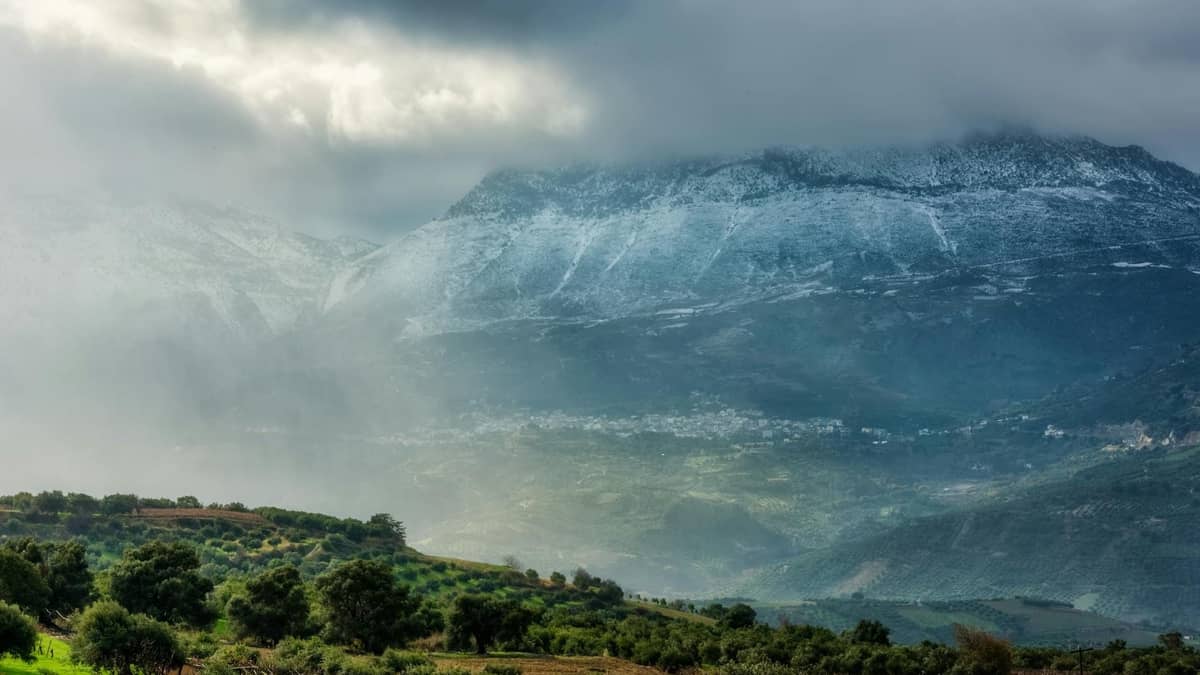
The White Mountains (Lefka Ori) dominate western Crete with peaks exceeding 2,400 meters and a landscape that shifts from sub-alpine terrain to dense gorge forest. The villages on their flanks, including the revolutionary stronghold of Therisso and the remote settlements of the Sfakia district, have a distinct identity shaped by centuries of isolation and resistance. Chania makes the best base for exploring this region, with the Omalos Plateau and Samaria trailhead about an hour's drive south.
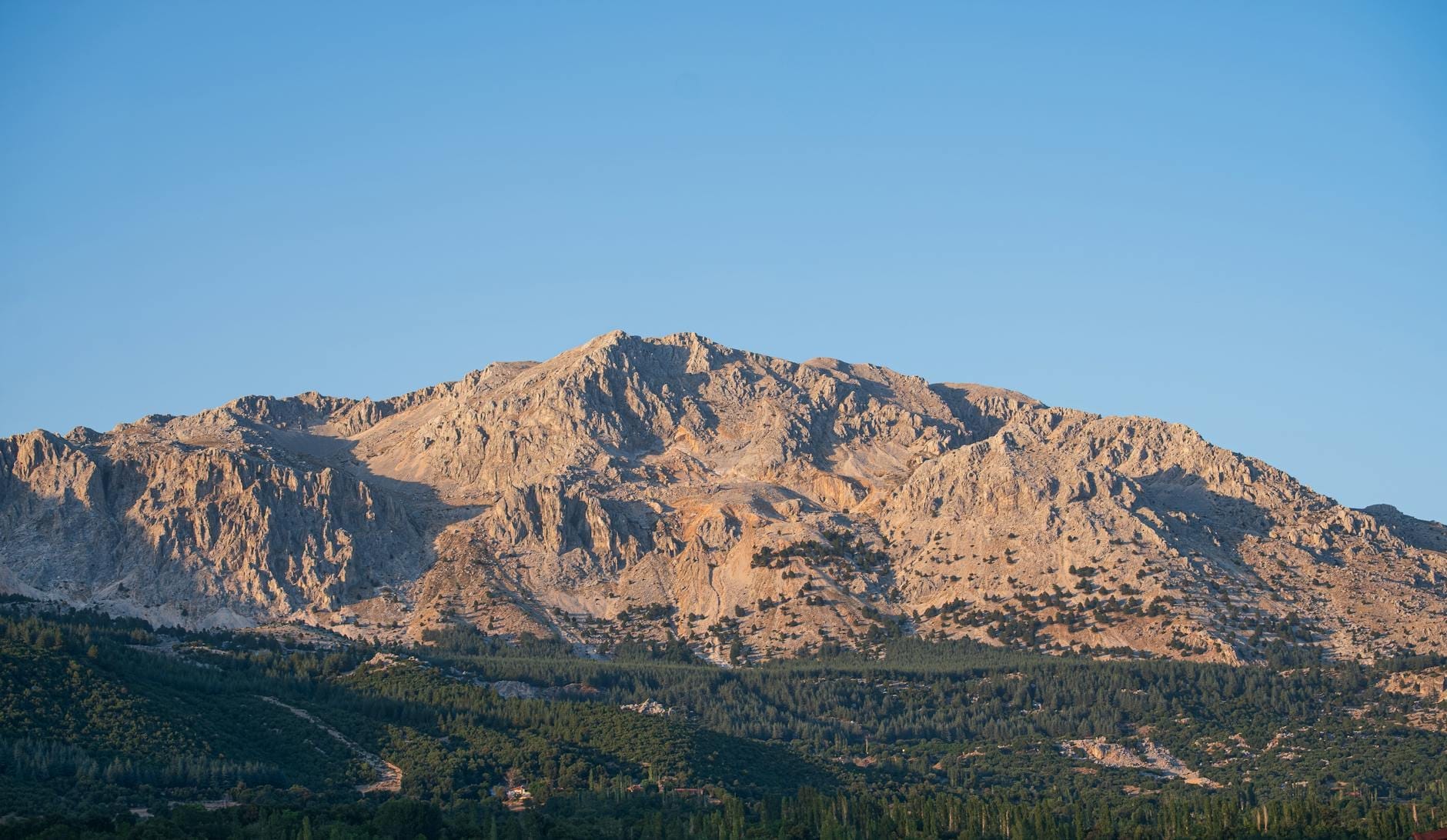
9. Drive into the Heart of the Lefka Ori Massif
The White Mountains rise to 2,452m and contain Crete's most dramatic landscapes: high plateaus, remote gorges, and villages that feel genuinely cut off from modernity. The drive over the Omalos Plateau alone is worth an afternoon, even without hiking.
Explore9. Drive into the Heart of the Lefka Ori Massif
The White Mountains rise to 2,452m and contain Crete's most dramatic landscapes: high plateaus, remote gorges, and villages that feel genuinely cut off from modernity. The drive over the Omalos Plateau alone is worth an afternoon, even without hiking.
Explore✨ Pro tip
The village of Therisso, 16 km from the city of Chania at 580m, was the site of the 1905 Therisson Revolt. The drive up through its dramatic gorge is one of the most scenic short excursions from the city. Lunch in the village at one of its traditional tavernas before returning.
Freshwater & Natural Landscapes of the Interior
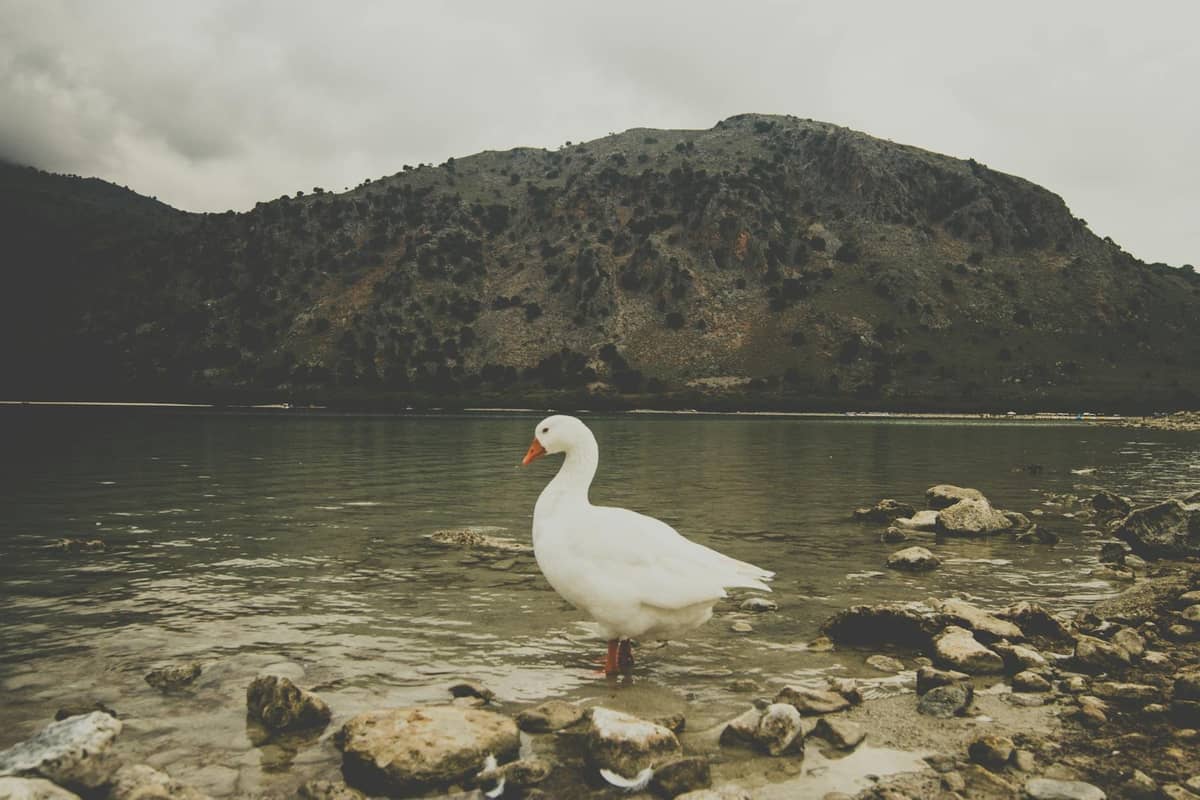
Crete's interior is not only mountains and gorges. The island's single freshwater lake, hidden in a bowl of hills near Georgioupolis, offers a completely different kind of nature experience. Combined with a morning in a nearby village, it makes for one of the most varied days you can spend away from the coast.
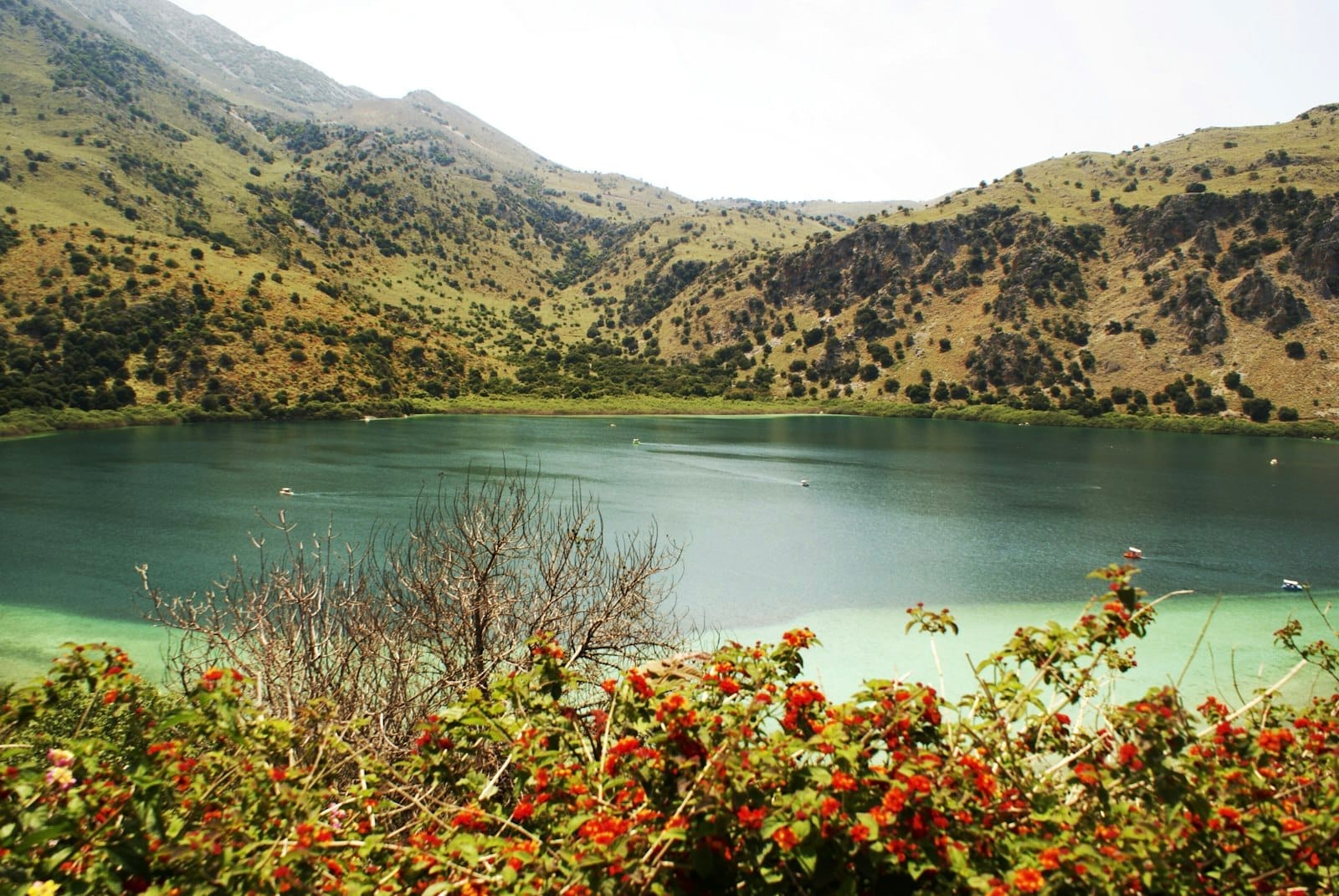
10. Swim and Pedal Boat on Crete's Only Freshwater Lake
Lake Kournas sits in a natural hollow surrounded by hills near Georgioupolis, less than an hour from Rethymno. Terrapins and eels share the water with swimmers. Pedal boats can be rented by the hour, and the surrounding villages make it easy to combine with lunch.
Explore10. Swim and Pedal Boat on Crete's Only Freshwater Lake
Lake Kournas sits in a natural hollow surrounded by hills near Georgioupolis, less than an hour from Rethymno. Terrapins and eels share the water with swimmers. Pedal boats can be rented by the hour, and the surrounding villages make it easy to combine with lunch.
ExploreArchaeology & Ancient Sites in the Uplands
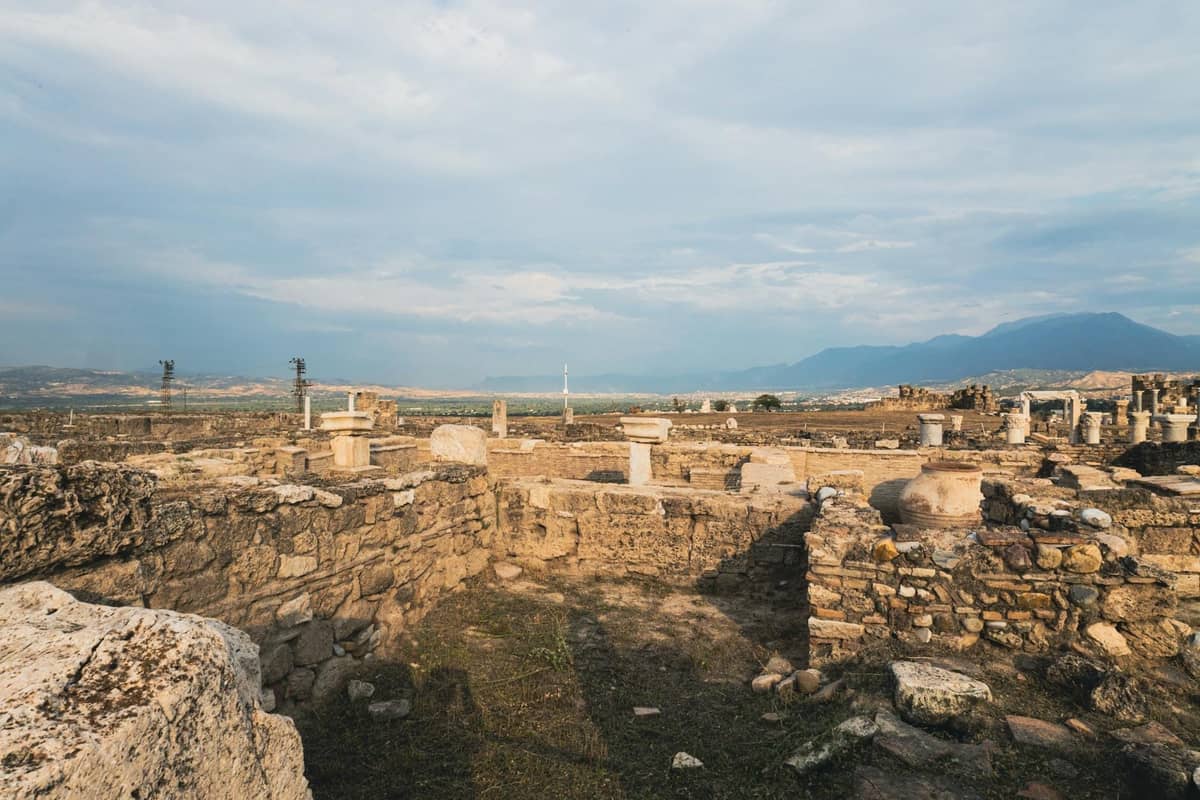
Crete's mountain interior is rich in ancient sites that predate even the Minoan palaces. The Messara Plain, Crete's largest flat area and accessible from the south-facing hills, contains two major Minoan sites set in landscapes that feel worlds away from the tourist trail. These sites reward visitors who have already seen Crete's main museums and want to understand the archaeological context in the field.
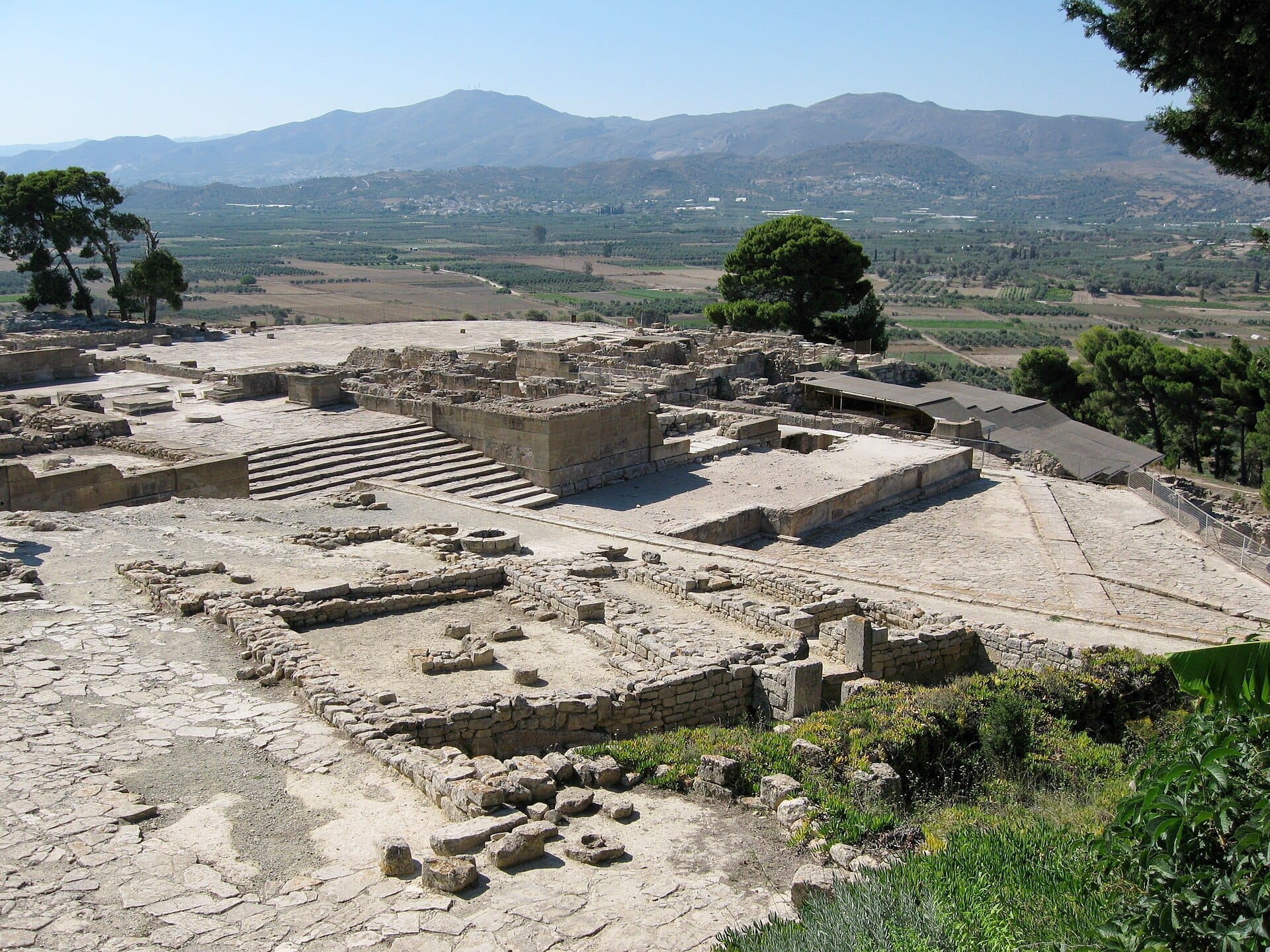
11. See Minoan Crete Without the Crowds at Phaistos
Phaistos sits on a hilltop above the Messara Plain with views that stretch to the sea on clear days. Less reconstructed than Knossos, it offers a more raw archaeological experience. The famous Phaistos Disc was found here and is now in Heraklion's museum.
Explore11. See Minoan Crete Without the Crowds at Phaistos
Phaistos sits on a hilltop above the Messara Plain with views that stretch to the sea on clear days. Less reconstructed than Knossos, it offers a more raw archaeological experience. The famous Phaistos Disc was found here and is now in Heraklion's museum.
Explore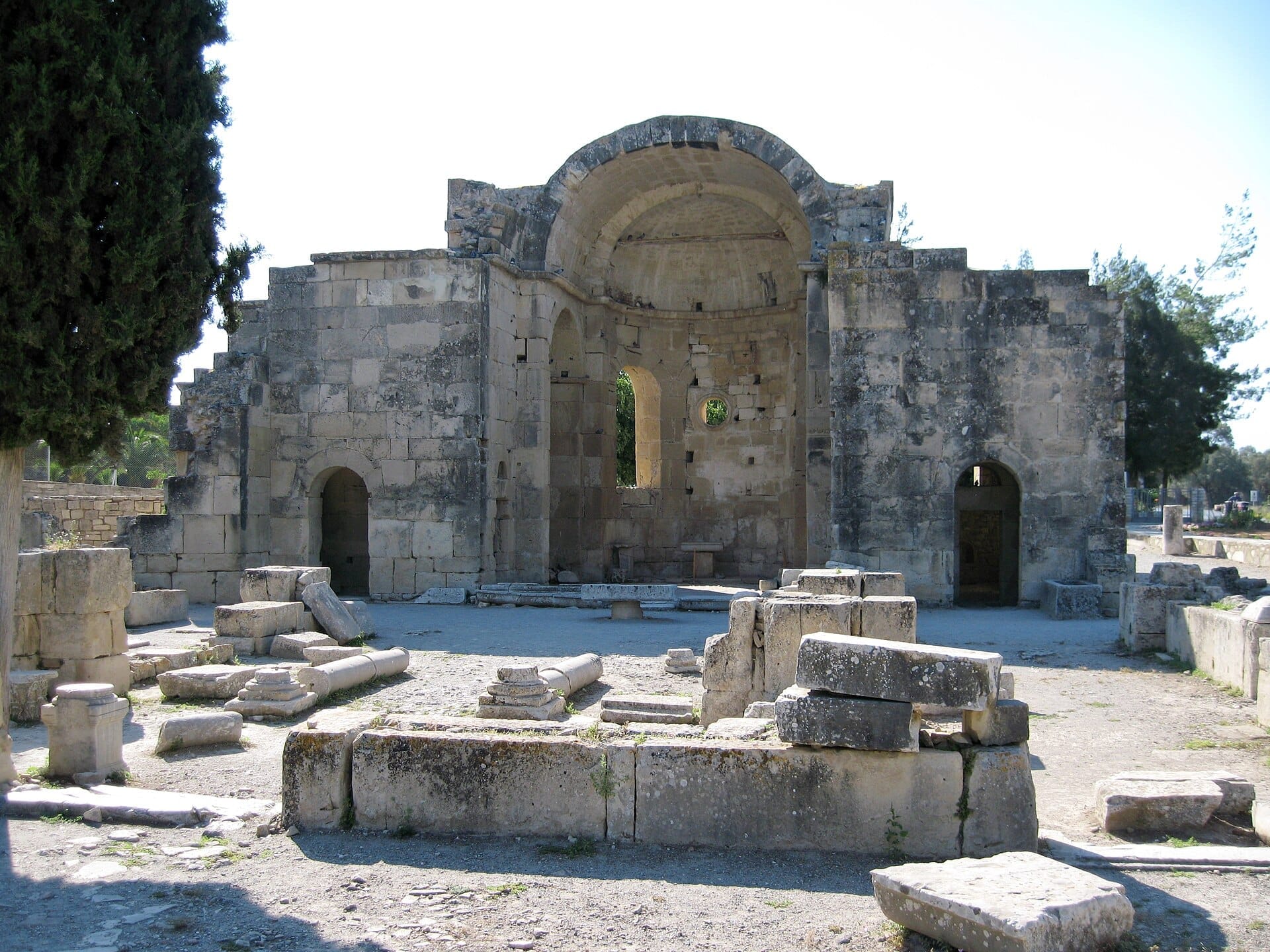
12. Read the Oldest Greek Law Code at Ancient Gortyna
Gortyna was Roman Crete's capital, and its ruins include an Odeon, early Christian basilica, and the remarkable Law Code of Gortyn: the most complete example of ancient Greek law in existence, inscribed on stone in the 5th century BC. Entry is inexpensive and crowds are rare.
Explore12. Read the Oldest Greek Law Code at Ancient Gortyna
Gortyna was Roman Crete's capital, and its ruins include an Odeon, early Christian basilica, and the remarkable Law Code of Gortyn: the most complete example of ancient Greek law in existence, inscribed on stone in the 5th century BC. Entry is inexpensive and crowds are rare.
Explore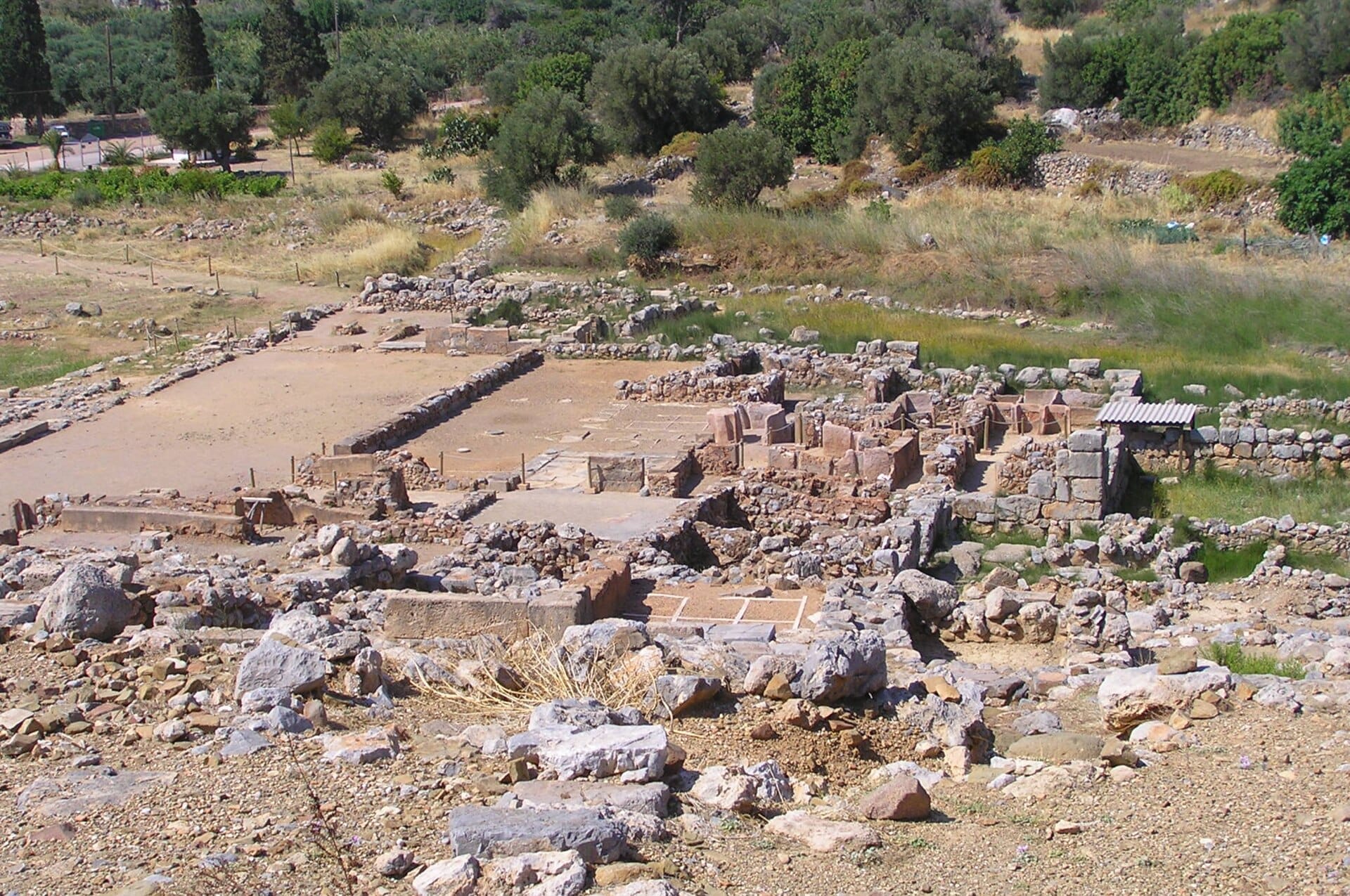
13. Reach the Most Remote Minoan Palace at Zakros
Zakros is the only major Minoan palace never looted in antiquity, found intact in a dramatic gorge near Crete's eastern tip. The hike down the Valley of the Dead gorge to reach it is part of the experience. Allow a full day for the drive from central Crete plus the site.
Explore13. Reach the Most Remote Minoan Palace at Zakros
Zakros is the only major Minoan palace never looted in antiquity, found intact in a dramatic gorge near Crete's eastern tip. The hike down the Valley of the Dead gorge to reach it is part of the experience. Allow a full day for the drive from central Crete plus the site.
ExploreFAQ
Do I need a car to visit the mountain villages of Crete?
Yes, in almost every case. Public buses connect major towns but rarely serve the interior villages with any useful frequency. A hire car gives you the flexibility to reach Lassithi Plateau, the White Mountains villages, and the south-facing hillside settlements on your own schedule. Roads are generally well-surfaced but narrow and winding above 400 meters.
When is the best time to visit Crete's mountain villages?
Spring (April to early June) is the best season: wildflowers cover the high plateaus, gorges are running with water, and temperatures at altitude are comfortable for walking. Autumn (September to October) is the second-best window, with harvests underway and the summer heat gone. Avoid August if you dislike crowds, and note that some mountain roads can be icy or snow-covered from December through February.
Which mountain village is best to stay overnight in?
Archanes, just 14 km from Heraklion, has the most developed accommodation options including restored village houses and small hotels, plus excellent local tavernas. For a more remote experience, the area around the Lassithi Plateau has several guesthouses in the surrounding villages. Milia Mountain Retreat, a restored hamlet near Paleochora in the west, is widely regarded as one of the most atmospheric places to stay on the island.
Is the Samaria Gorge hike suitable for beginners?
The full 16-kilometer Samaria Gorge hike is long and strenuous, taking 5-7 hours for most walkers. It is not recommended for people with knee problems or limited fitness. The Imbros Gorge nearby is a much better option for beginners: it covers 8 kilometers in around 3 hours with manageable terrain. Both require solid walking shoes, water, and sun protection.
Can I combine a mountain village day trip with a beach stop?
Yes, and many of the best routes naturally combine both. The road from Rethymno or Chania south through the White Mountains descends to the coast near Sfakia or Plakias, where you can swim after a morning in the hills. Similarly, a visit to the Lassithi Plateau can be combined with a stop at one of the beaches on the north coast of Heraklion province on the way back.