Rethymno Archaeological Museum: Minoan Finds in a Venetian Church
The Rethymno Archaeological Museum traces Cretan civilization from the Paleolithic era through Roman occupation, displayed inside the 16th-century Church of Saint Francis. For a small admission fee, visitors access one of the most coherent regional collections in Crete, covering Minoan palace culture, burial customs, and everyday life across the centuries.
Quick Facts
- Location
- 4 Agiou Fragiskou St., Rethymno Old Town, Crete
- Getting There
- On foot from Rethymno city center (10–15 min walk); near the Fortezza fortress entrance
- Time Needed
- 1 to 1.5 hours
- Cost
- €5 (as of April 2025); closed Tuesdays
- Best for
- History enthusiasts, Minoan archaeology fans, rainy-day sightseeing
- Official website
- archaeologicalmuseums.gr/en/museum/5df34af3deca5e2d79e8c15e
What Is the Rethymno Archaeological Museum?
The Archaeological Museum of Rethymno (Αρχαιολογικό Μουσείο Ρεθύμνου) is the principal repository of ancient finds from the Rethymno regional unit of Crete. Currently housed in the 16th-century Church of Saint Francis on Agiou Fragiskou Street, it displays artifacts spanning an extraordinary chronological range: from Paleolithic cave deposits and Neolithic settlements through the Bronze Age Minoan palace culture, the Geometric and Classical periods, Hellenistic sculpture, and into Roman occupation. The collection then edges toward the Venetian era, bridging thousands of years of human activity in a single building.
The museum's roots go back to the 19th century, when the Rethymnon Educational Association began gathering local antiquities. It became publicly accessible in the early 20th century and has moved homes several times, from the Venetian Loggia in the city center (1954–1990) to an Ottoman-era pentagonal fort opposite the Fortezza entrance, and now to its current temporary location inside the Church of Saint Francis. The move to a permanent, purpose-built facility has been long discussed, but for now the church setting adds its own unexpected atmosphere to the visit.
ℹ️ Good to know
The museum is closed on Tuesdays. Last entry is 20 minutes before closing time. Hours shift seasonally: winter (November 1 to March 31) 08:30–15:30; summer (April 1 to October 31) 09:00–17:00. Verify times before visiting, as Greek national holidays can affect access.
The Setting: A Venetian Church as Exhibition Space
Stepping into the Church of Saint Francis is itself a small architectural event. The building dates to the 16th century, constructed during the long Venetian occupation of Crete, and the thick stone walls, arched ceiling, and cool interior provide a striking contrast to the midday heat outside. The nave is broad enough to accommodate display cases without feeling cramped, and the filtered light entering from high windows keeps the space calm and readable.
The church's history layers neatly onto the museum's purpose. Rethymno's Old Town carries centuries of Venetian and Ottoman architecture in almost every street, and the Saint Francis building reflects that stratified past. Visiting the museum and then walking directly to the Rethymno Old Town or up to the Fortezza fortress creates a genuinely coherent half-day: objects inside the museum, architecture outside it, all from overlapping eras.
One honest caveat: this is a temporary location pending a permanent museum building. The exhibition layout reflects the practical constraints of adapting a church interior for display. The space is not purpose-designed for museum traffic, and on busy days in July or August, movement around the display cases can feel tight. Morning visits, particularly between 9:00 and 11:00, are significantly more comfortable.
Tickets & tours
Hand-picked options from our booking partner. Prices are indicative; availability and final rates are confirmed when you complete your booking.
Knossos Archaeological Site Entrance Tickets and Heraklion Audio Guide
From 10 €Instant confirmationArchaeological Museum of Chania entrance ticket with audio tour
From 24 €Instant confirmationArchaeological Museum of Chania self-guided audio tour
From 12 €Instant confirmationFree cancellationFalassarna full-day tour from Rethymno
From 23 €Instant confirmationFree cancellation
What You Will Actually See: The Collection in Depth
The exhibits are arranged chronologically, which makes the collection easy to follow even without a guided tour. The early rooms cover the Paleolithic and Neolithic periods with finds from sites including the Gerani caves, one of the more significant prehistoric sites in the Rethymno region. These early sections display stone tools, animal bones, and early pottery that establish just how long this part of Crete has been inhabited.
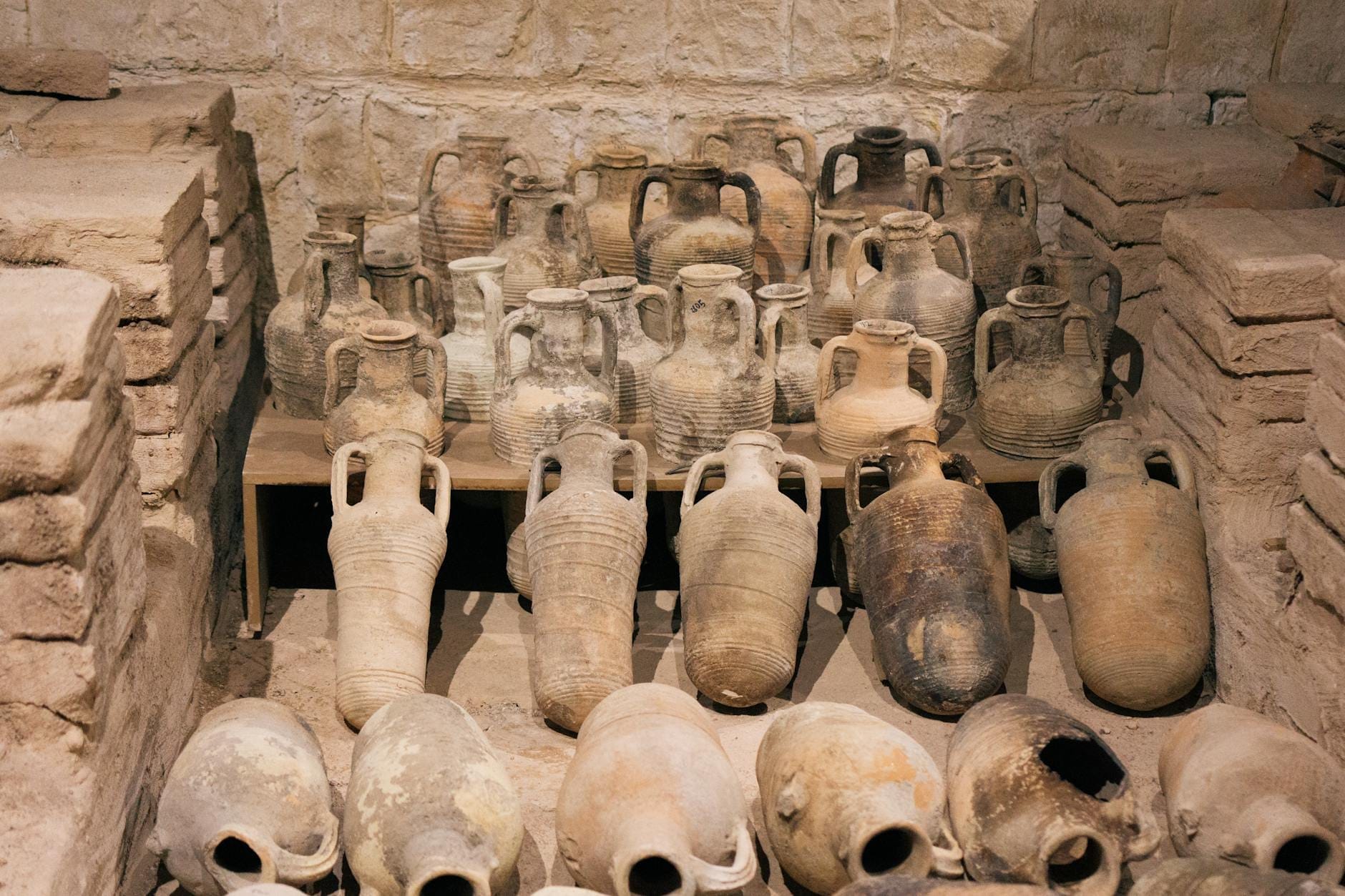
The Minoan galleries are the collection's strongest material. Finds from sites such as Apodoulou and the palace complex at Monastiraki include ceramic vessels, Linear A inscriptions on clay tablets, ritual objects, and figurines. The Monastiraki site, which functioned as a Minoan administrative center during the Middle Bronze Age, is less well-known internationally than Knossos or Phaistos, but the finds here are genuine and specific, giving a grounded sense of how palace-era culture operated at a regional scale.
Burial finds form an important thread through the collection. Larnakes (painted clay sarcophagi) from the Late Minoan period appear here with their decorative motifs largely intact: octopus, bull, and ritual procession imagery painted in earthy reds and browns. These are not replicas. The proximity to objects of this age, with no protective glass barrier in some cases, is one of the things a smaller regional museum can offer that a large national institution sometimes cannot.
Later sections cover Geometric and Archaic period ceramics, Hellenistic sculpture fragments, and Roman-era objects including coins, glass vessels, and everyday domestic items. The transition through these periods is handled cleanly, with labeling in both Greek and English.
How the Experience Changes by Time of Day
Early morning (opening to around 10:30) is the best window. The church interior stays cool, the light through the upper windows is at its most even, and you are likely to have entire rooms to yourself. The silence in a space like this, with objects spanning thousands of years arranged in shallow cases around you, is genuinely affecting.
By late morning, particularly from late June through August, tour groups begin arriving as part of Rethymno Old Town walking circuits. The narrow passages between display cases can become congested, and the ambient temperature rises noticeably. If your schedule only allows a midday visit, the museum still functions well, but lower your expectations for a contemplative experience.
Late afternoon visits, in the hour before closing, offer a secondary quiet window. The quality of natural light is lower at this point, which slightly affects the visibility of detail on darker ceramic surfaces. Bring reading glasses if you rely on them: some label text is small.
💡 Local tip
Photography is generally permitted inside Greek state museums for personal, non-flash use, but verify this on entry as policies can change. The Minoan larnakes and painted ceramics photograph well in the diffuse morning light.
Getting There and Practical Logistics
The museum is located at 4 Agiou Fragiskou Street in Rethymno's Old Town, a 10 to 15 minute walk from the main waterfront and the historic center. The address puts you close to the base of the Fortezza hill, which means the surrounding streets are narrow and not designed for cars. Street parking exists nearby but is limited during summer. Walking from your accommodation is almost always the easier option.
If you are traveling from Heraklion or Chania by intercity bus (KTEL), the Rethymno bus terminal is roughly 1 kilometer from the museum. The walk through the Old Town is straightforward and itself worth the time. Taxis are available from the terminal.
Admission is €5 per adult (verified April 2025). This is among the lower entry fees for a state-run museum in Greece, particularly given the quality and breadth of the Minoan material. If you are planning multiple museum visits across the island, consider reading up on the best museums in Crete to prioritize your time and budget effectively.
The building is a historic church, which means uneven stone floors and no elevator access. Wheelchair users should be aware that accessibility may be limited, and it is worth calling ahead (+30 28310 27506) to ask about current ground-floor arrangements before visiting.
Who This Museum Is For, and Who Might Skip It
For anyone traveling through Crete with a genuine interest in Minoan civilization, the Rethymno Archaeological Museum fills a specific and useful gap. The Heraklion Archaeological Museum is larger and more comprehensive, but this smaller collection covers the Rethymno prefecture specifically and includes sites that do not feature prominently in the national museum's displays. If you have already visited the Heraklion Archaeological Museum, the Rethymno collection will feel complementary rather than repetitive.
Travelers who are not archaeology-focused and are primarily in Rethymno for the beaches or the Old Town's cafe culture may find the museum mildly interesting but not essential. It is not a spectacle. There are no dramatic reconstructions, no multimedia installations, and the space is modest. The value here is in the objects themselves and in what they communicate about a very specific region over a very long period of time.
Families with young children should factor attention spans into the plan. The museum does not have dedicated children's programming that has been consistently documented. For families seeking broader engagement with Cretan nature and science, the Natural History Museum of Crete in Heraklion is generally better suited.
⚠️ What to skip
The museum is currently in a temporary location pending a new permanent building. Layout and exhibition scope may change. If visiting specifically for a certain artifact or section of the collection, calling ahead is advisable.
Insider Tips
- Combine the museum with a morning visit to the Fortezza fortress immediately afterward. Both sites sit within a few minutes of each other, and the fortress provides the open-air contrast that makes the enclosed museum feel less tiring on longer days.
- The Monastiraki palace site, whose finds are displayed here, is rarely covered in general Crete guidebooks. Ask museum staff about it; some are happy to discuss the site's significance relative to better-known Minoan palaces, and this context enriches the labeled objects considerably.
- If you are visiting in summer, arrive at opening time (9:00) and aim to be finished by 10:30. The church interior heats up noticeably by midmorning despite the thick stone walls, and the early-hour quiet changes the feel of the experience entirely.
- The larnakes (painted clay sarcophagi) in the Minoan section are among the most visually striking objects in the collection. They are located toward the middle of the chronological display. Do not rush through the early Neolithic rooms so fast that you arrive at these with visitor fatigue.
- There is no dedicated museum cafe. Plan a post-visit coffee at one of the small kafeneions on the streets immediately below the Fortezza hill, where prices are lower and crowds thinner than on the main waterfront.
Who Is Rethymno Archaeological Museum For?
- Archaeology and history travelers who want Rethymno-specific Minoan context beyond the major palace sites
- Visitors spending a full day in Rethymno Old Town who want to understand the layers of civilization beneath the Venetian streetscape
- Travelers on a budget seeking substantive cultural content for a low entry fee
- Rainy or very hot days when outdoor sightseeing is uncomfortable
- Anyone who has visited Knossos or Phaistos and wants to see how Minoan culture expressed itself at a regional administrative level
Nearby Attractions
Other things to see while in Rethymno:
- Arkadi Monastery
Perched on a fertile plateau 500 meters above sea level, 23 kilometers from Rethymno, Arkadi Monastery carries the weight of one of the most dramatic episodes in Cretan history. The 1866 explosion that killed hundreds of refugees rather than allow Ottoman capture transformed this working monastery into a national symbol. Today it remains an active religious site, a sobering museum, and one of the most architecturally striking complexes on the island.
- Fortezza of Rethymno
Perched on Paleokastro hill above Rethymno's old harbor, the Fortezza is one of the best-preserved Venetian fortifications in the Mediterranean. Built between 1573 and 1580, it offers sweeping sea views, Ottoman-era monuments, and a walk through 400 years of Cretan history.
- Lake Kournas
Tucked inland from the north coast between Chania and Rethymno, Lake Kournas is Crete's sole freshwater lake — a striking contrast to the island's rugged, sun-scorched landscape. Terrapins bask on rocky outcrops, water birds drift across the surface, and the surrounding hills reflect in the still water with an almost mirror-like quality that explains the lake's name.
- Rethymno Beach
Rethymno Beach is a 13 to 15 kilometre arc of golden sand that begins at the eastern edge of Rethymno's Old Town and stretches east toward Skaleta. Free to access, gently shelving, and backed by hotels and tavernas, it works equally well for a quick morning swim or a full beach day.