Visiting Crete in Summer: What to Expect in July & August
July and August are Crete's most popular months, and for good reason. The sea hits 26°C, the days stretch to 12 hours of sunshine, and almost every beach, taverna, and archaeological site is fully operational. But peak season on Greece's largest island comes with real trade-offs. This guide breaks down exactly what to expect and how to handle it.
Plan and book this trip
Tools from our partner Travelpayouts help you compare flights and hotels. If you book through them, we may earn a commission at no extra cost to you.
Flights
Hotels map
TL;DR
- July and August are the hottest, busiest, and most expensive months to visit Crete, with daytime highs regularly reaching 30-33°C and sea temperatures around 25-27°C.
- North-coast resorts and Knossos get genuinely crowded; the south coast and mountain villages stay noticeably calmer.
- August 15 (Dormition of the Virgin) is a major Greek national holiday: expect peak crowds mid-month and book accommodation weeks in advance.
- The Meltemi wind cools things down but makes north-coast beaches choppy; south-facing beaches like Elafonissi and Preveli are more sheltered.
- Avoid outdoor sightseeing between 1pm and 4:30pm; plan activities in Crete for early morning or late afternoon.
Summer Weather in Crete: The Real Numbers
July averages highs of 29-32°C (84-90°F), with occasional heatwaves pushing toward 40°C (104°F). Nights cool to around 22°C, which is warm enough to sit outside comfortably but cool enough to sleep. Rainfall is essentially zero: July typically sees around 3mm total for the entire month, and August is similarly dry at 2-3mm. You can plan outdoor activities with almost zero weather risk.
August is marginally hotter at night, with lows averaging 24°C (75°F), but daytime temperatures are comparable to July. Sea temperatures peak in August at 25-27°C (77-81°F), meaning the water is genuinely warm throughout the day. If you have heard that Crete becomes unbearably hot in summer, the reality is more nuanced: summer averages are only about 2°C warmer than June or September, and the sea breeze, particularly the Meltemi wind, softens the heat considerably.
ℹ️ Good to know
The Meltemi is a strong, dry northerly wind that sweeps across the Aegean from July through August. It can drop perceived temperatures by 5-8°C, which is welcome relief in the midday heat. The downside: north-facing beaches get choppy swells, and boat trips are sometimes cancelled. If you are planning a day trip to Balos or Gramvousa, check wind forecasts 24 hours ahead.
Sunshine duration averages around 12 hours per day across both months. The sun rises just after 6am and sets around 8:30pm in July, giving you a long usable day if you structure it correctly. The critical window to avoid for exposed outdoor activity is roughly 1pm to 4:30pm, when UV index and ground heat combine into something that can ruin a beach day if you are not properly hydrated and shaded.
Crowds, Costs, and the August 15 Problem
Crete in summer is not a secret. The island receives the majority of its annual visitors between June and September, with July and August representing the absolute peak. Heraklion, Chania, and the north-coast resort strips around Malia, Hersonissos, and Rethymno are at full capacity. Popular attractions like Knossos can see thousands of visitors per day. If you show up at 11am in high summer without a pre-booked ticket, you will stand in a queue in direct sun.
August 15 (the Dormition of the Virgin, or Dekapentavgoustos in Greek) is arguably the biggest holiday in the Greek Orthodox calendar. Greek families across the country take this as a fixed summer holiday anchor, and Crete gets especially busy in the days surrounding it. Hotel rates spike sharply for the week of August 10-18. If you are visiting around this date, book accommodation at least 6-8 weeks in advance. Alternatively, use this period to explore the Lassithi Plateau or inland villages, which see far fewer domestic tourists than the coast.
⚠️ What to skip
Rental car availability in July and August is tight island-wide. Booking a car 4-6 weeks ahead is not overcautious — it is standard practice. Last-minute rentals in peak season can cost 2-3 times the pre-booked rate, and the cheapest models sell out entirely. Book directly with local Cretan rental companies for better rates and flexibility compared to international aggregators.
- North coast resorts (Malia, Hersonissos, Rethymno beach strip) Maximum crowds, full party atmosphere, beach clubs operating at capacity. Prices are highest here.
- Chania Old Town and Venetian Harbor Busy every evening from 7pm onward, but mornings are calm. Visit attractions before 9:30am to beat tour groups.
- South coast (Plakias, Agia Galini, Matala) Noticeably quieter than the north, cooler due to the Libyan Sea breeze, and significantly cheaper for accommodation.
- Mountain villages and interior Empty by comparison. Temperatures are 4-6°C cooler at altitude. Ideal for hiking in the early morning, though Samaria Gorge is still busy.
Best Beaches for Summer Visitors
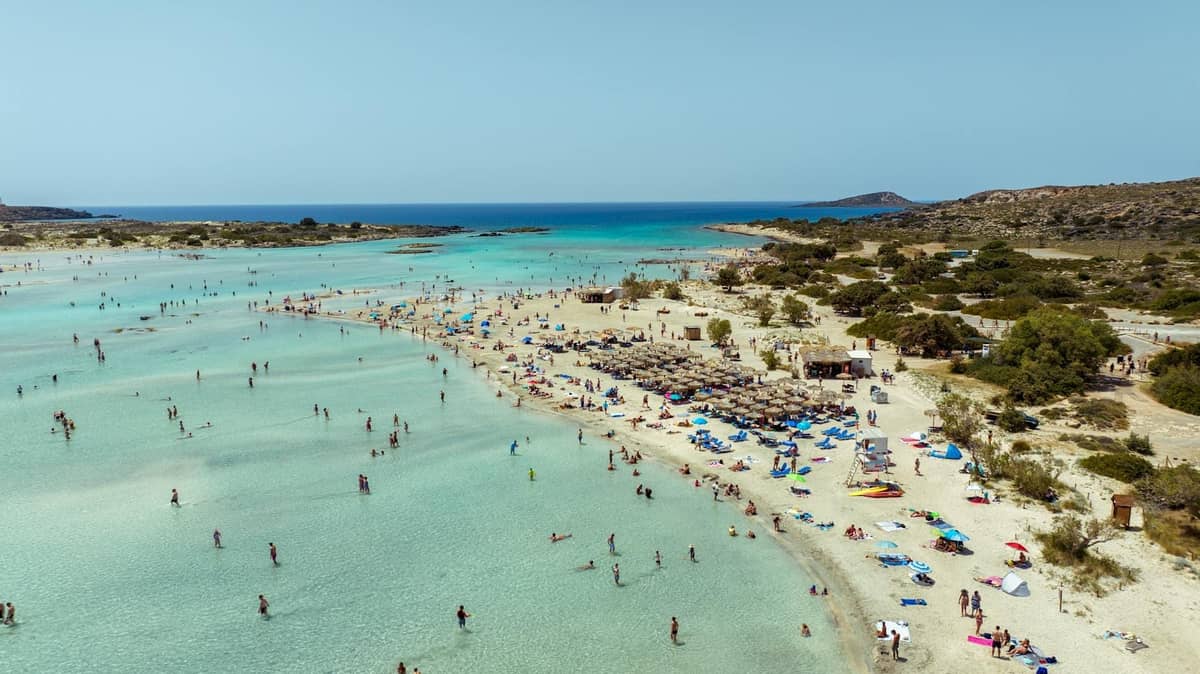
Choosing the right beach in summer depends as much on wind exposure as on aesthetics. Elafonissi on the southwest coast is south-facing and largely sheltered from the Meltemi. The lagoon-style shallow water stays warm and calm even when north beaches are choppy. The trade-off: it is one of the most photographed beaches in Greece, and summer mornings bring full parking lots and organized sunbeds by 9am.
Preveli Beach in the Rethymno region offers a genuinely different experience: a freshwater river meets the sea through a palm grove, and the beach faces south, keeping it calmer than north-coast options. Access requires a 15-20 minute walk down a steep path (around 200 steps), which keeps numbers lower than fully accessible beaches. Falassarna on the northwest tip faces slightly west and benefits from afternoon shadow from the cliffs, making it better for late-afternoon sessions when most beaches are at peak sun intensity.
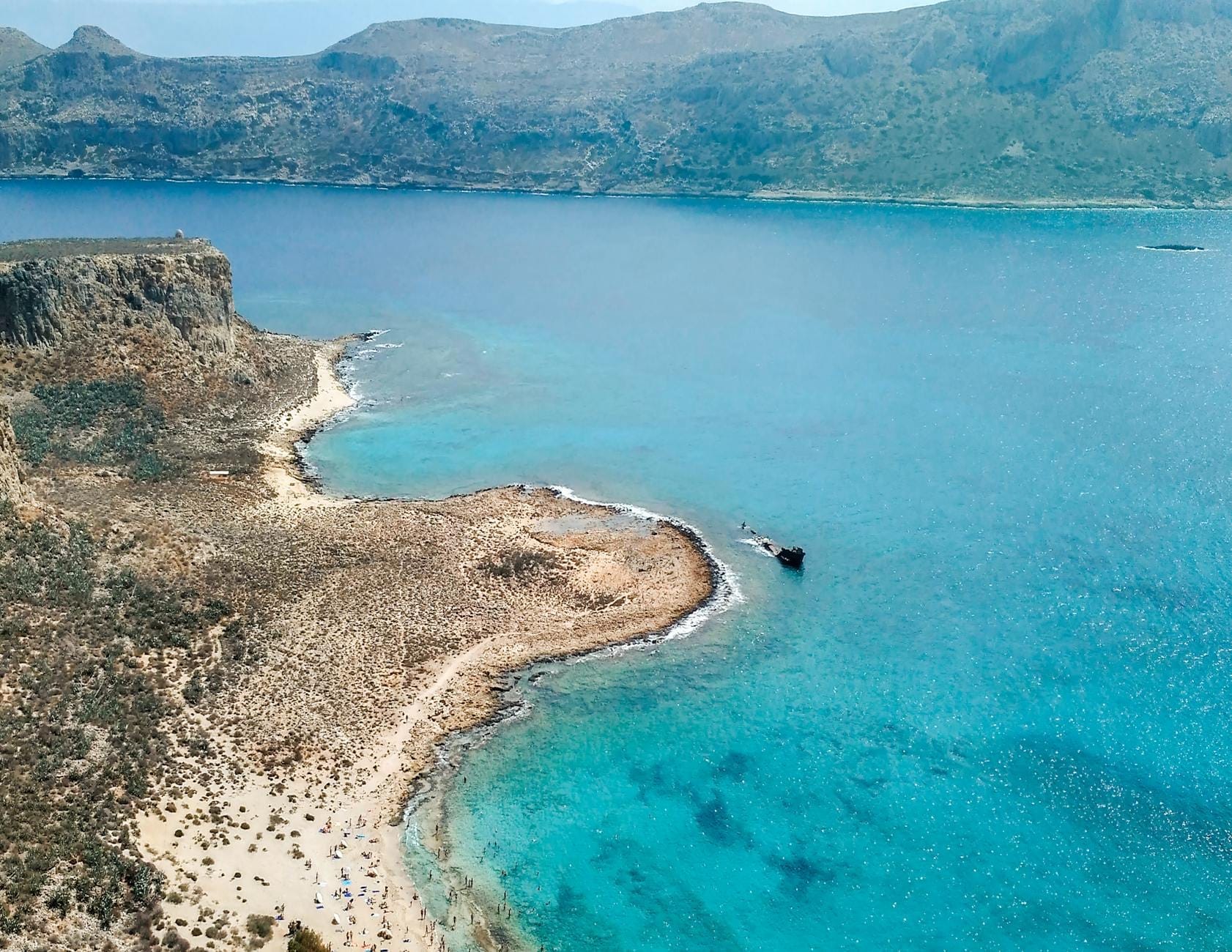
Balos Lagoon is spectacular but comes with logistical reality: the access road is rough enough to require a high-clearance vehicle or a boat transfer from Kissamos port. In July and August, the boat fills up quickly and the lagoon gets genuinely crowded by midday. Go on the first morning boat, or arrive by car before 8:30am. For a comparably dramatic setting with fewer people, Seitan Limani near Akrotiri is a narrow turquoise inlet that rewards the 15-minute walk from the car park.
✨ Pro tip
On any organized beach in July and August, sunbed rentals typically cost €8-15 per pair per day. Bring a mat and arrive early to claim a spot on the free sand section, which exists at virtually every beach in Crete regardless of how commercial it looks. Greek law requires all beaches to maintain a free public access zone.
Sightseeing Strategy in Peak Heat
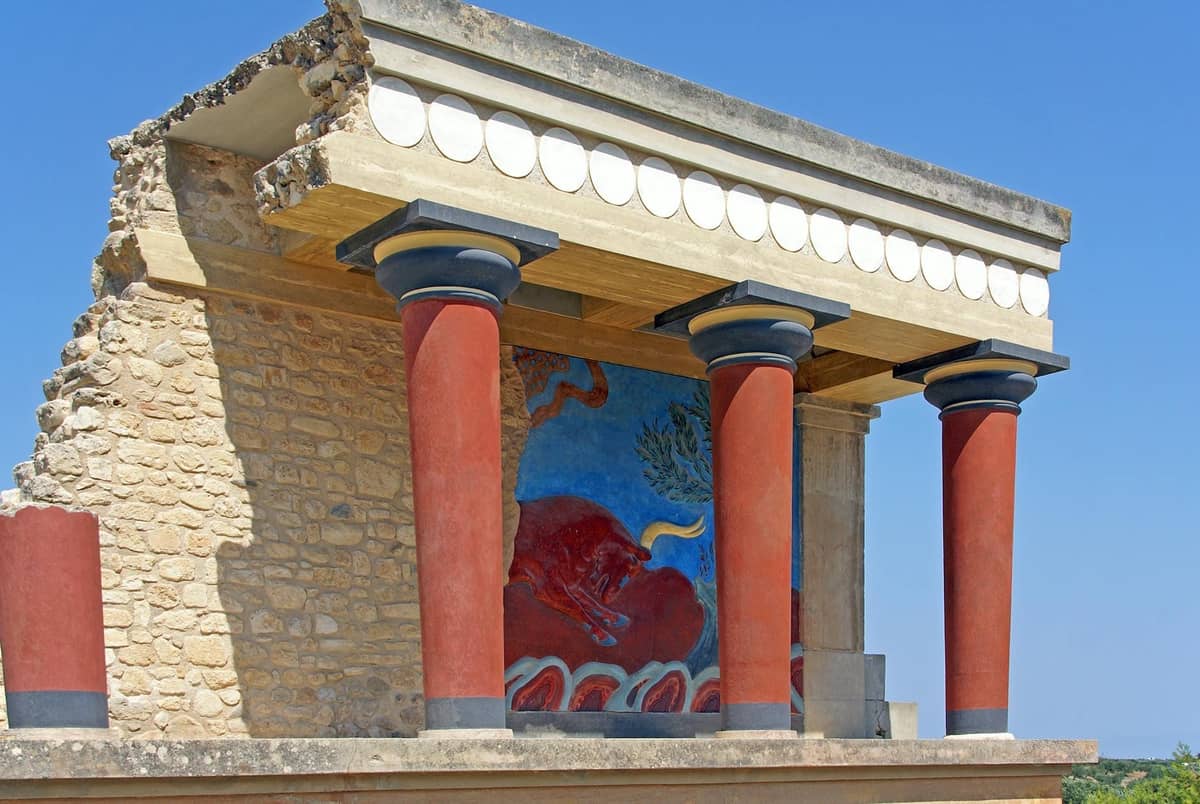
Summer sightseeing requires a different rhythm than cooler months. The Palace of Knossos opens at 8am and the first hour is dramatically more pleasant than the 10:30am crush. Book tickets online in advance and arrive at opening time: you will have 60-90 minutes of relatively uncrowded exploration before the tour buses arrive. The same logic applies to the Heraklion Archaeological Museum, which is fully air-conditioned and makes an excellent 1-4:30pm refuge.
For gorge hiking, Samaria Gorge is the headline act but it remains doable in summer if you start at the Xyloskalo entrance before 7:30am and carry at least 2 liters of water. The 16 km route finishes at the coast, where boats take you back to Chora Sfakion. A less-crowded alternative is Imbros Gorge, an 8km walk that is easier, shorter, and significantly less busy. Either way, gorge hiking should be done in the early morning only: heat inside a gorge is trapped and intense by midday.
- Book Knossos and major museums online before arrival to skip ticket queues
- Schedule all outdoor ruins and gorge hikes before 10am
- Use the 1-4:30pm window for air-conditioned museums, cave visits, or long lunches
- Plan beach time for 5pm onward when the sun angle drops and crowds thin
- Evening walks through Chania Old Town or Rethymno Old Town start around 8pm when locals come out
Food, Nightlife, and What Summer Actually Looks Like
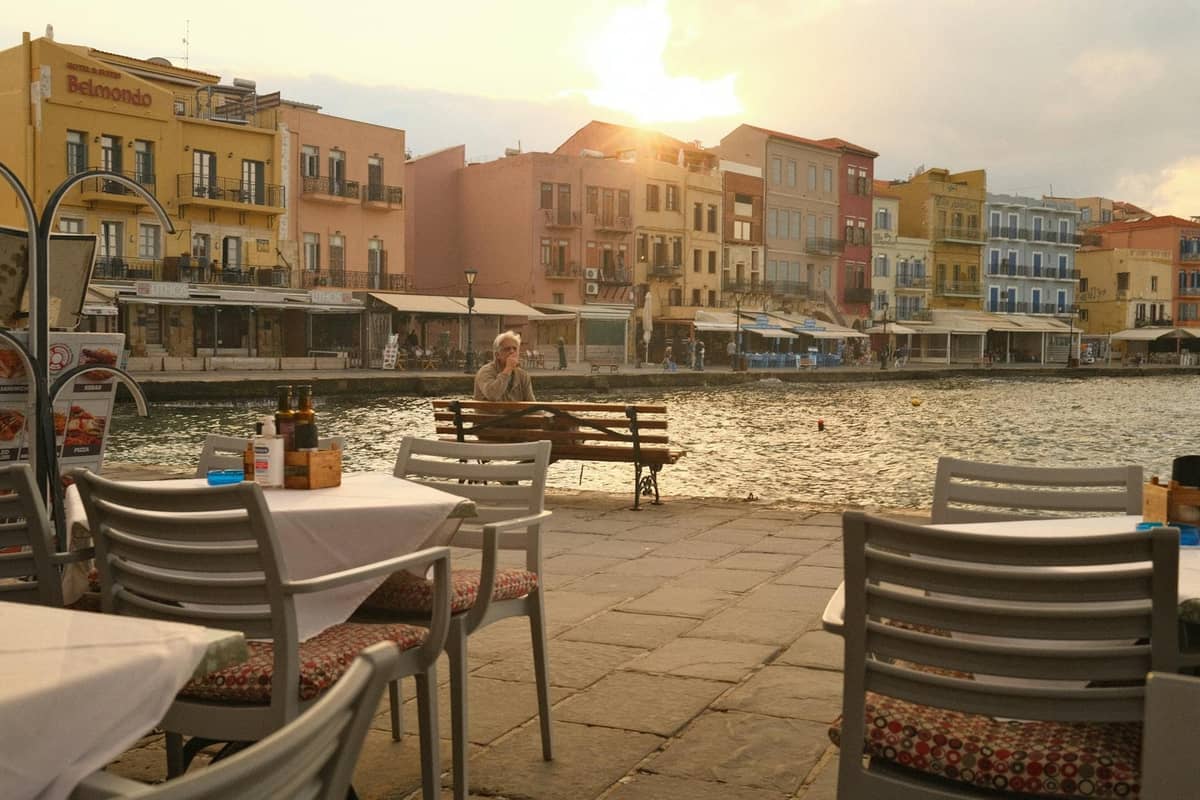
Summer in Crete is when the island runs at full operational capacity. Every taverna, beach bar, and restaurant is open, and the evening dining culture is at its best: tables fill up around 9pm, meals last two hours, and the concept of rushing through dinner does not exist. The Cretan food scene peaks in summer with fresh produce, local fish, and the full range of mezedes available everywhere.
Nightlife concentrates in Heraklion, Chania, and the resort strips. Malia is the island's most intense party destination, with clubs staying open until 6am, which is either exactly what you want or exactly what you are trying to avoid. Chania and Heraklion have a more mixed scene: cocktail bars, live raki venues, and open-air cinemas sit alongside clubs. For more on what to expect after dark, the Crete nightlife guide covers each area in detail.
One underrated aspect of summer in Crete is the cultural calendar. Local religious festivals (panigýria) happen in villages across the island throughout July and August, typically involving live music, dancing, and enormous quantities of food and wine. These are not tourist events: they are community celebrations that happen to be open to anyone who shows up. Ask at your accommodation about local festivals in the area you are staying.
Practical Summer Planning: Budget, Booking, and Getting Around
Summer accommodation prices in Crete are 30-60% higher than shoulder season rates. A mid-range hotel that costs €80 per night in May may run €130-150 in August. If budget is a concern, the Crete budget travel guide has specific strategies for managing costs, including staying in the south, self-catering, and booking early. Generally speaking, booking 8-12 weeks ahead for July and August is not overcautious: it is normal for peak-season Crete.
Getting around the island without a car in peak season is genuinely difficult. The KTEL bus network covers the main north-coast towns reliably, but connections to beaches, gorges, and villages are infrequent. A rental car dramatically expands your range. For routes, logistics, and the best driving strategy across the island, the Crete road trip guide and the getting around Crete guide cover the specifics. Crete has two main airports: Heraklion International (HER) in the center and Chania International (CHQ) in the west.
💡 Local tip
If you are flying into Heraklion but planning to spend most of your time in the west, pick up your rental car at the airport and drive straight to Chania (about 2.5 hours on the E75). Do not waste a day shuttling between the two cities mid-trip. The reverse applies if flying into Chania.
FAQ
Is Crete too hot in July and August?
It is genuinely hot, with daytime highs of 30-35°C (86-95°F), but 'too hot' depends on how you manage the day. July and August averages are only about 2°C warmer than June or September. The sea breeze and Meltemi wind reduce perceived temperatures, and the sea at 25-27°C makes prolonged swimming genuinely pleasant. The key is avoiding midday exposure between 1pm and 4:30pm and structuring activities for early morning and late afternoon.
How crowded does Crete get in summer?
Very crowded in the usual spots: Knossos, Chania Old Town, Elafonissi, Balos, and the north-coast resort strips. Genuinely quiet options exist even in peak season: the south coast villages, inland mountain areas, and lesser-known beaches in the Lasithi region see a fraction of the tourist traffic. August 15 is the single busiest period, when domestic Greek tourism adds to the international visitor load.
When should I book for a July or August trip to Crete?
For July, book accommodation and car rental at least 6-8 weeks ahead. For August, especially the week around August 15, aim for 8-12 weeks in advance. Flight prices also peak for these months, and booking 3-4 months out typically saves significant money on airfare.
What is the Meltemi wind and how does it affect a summer trip?
The Meltemi is a strong, dry northerly wind that blows across the Aegean from roughly July through late August. It provides welcome cooling during heatwaves but creates choppy conditions on north-facing beaches and can cancel boat trips to places like Balos and Gramvousa. South-coast beaches are largely unaffected. If boat trips are on your itinerary, build in a flexible day in case of wind cancellations.
Is it worth visiting Crete in summer compared to shoulder season?
That depends entirely on your priorities. Summer offers the warmest sea temperatures, the longest days, full operational capacity across every restaurant and attraction, and the most vibrant atmosphere. The trade-offs are higher prices, larger crowds, and intense midday heat. May, June, September, and October offer much of the same appeal with fewer visitors and lower costs. If beaches and swimming are central to your trip, summer is hard to beat. If hiking, sightseeing, and budget matter more, shoulder season wins.