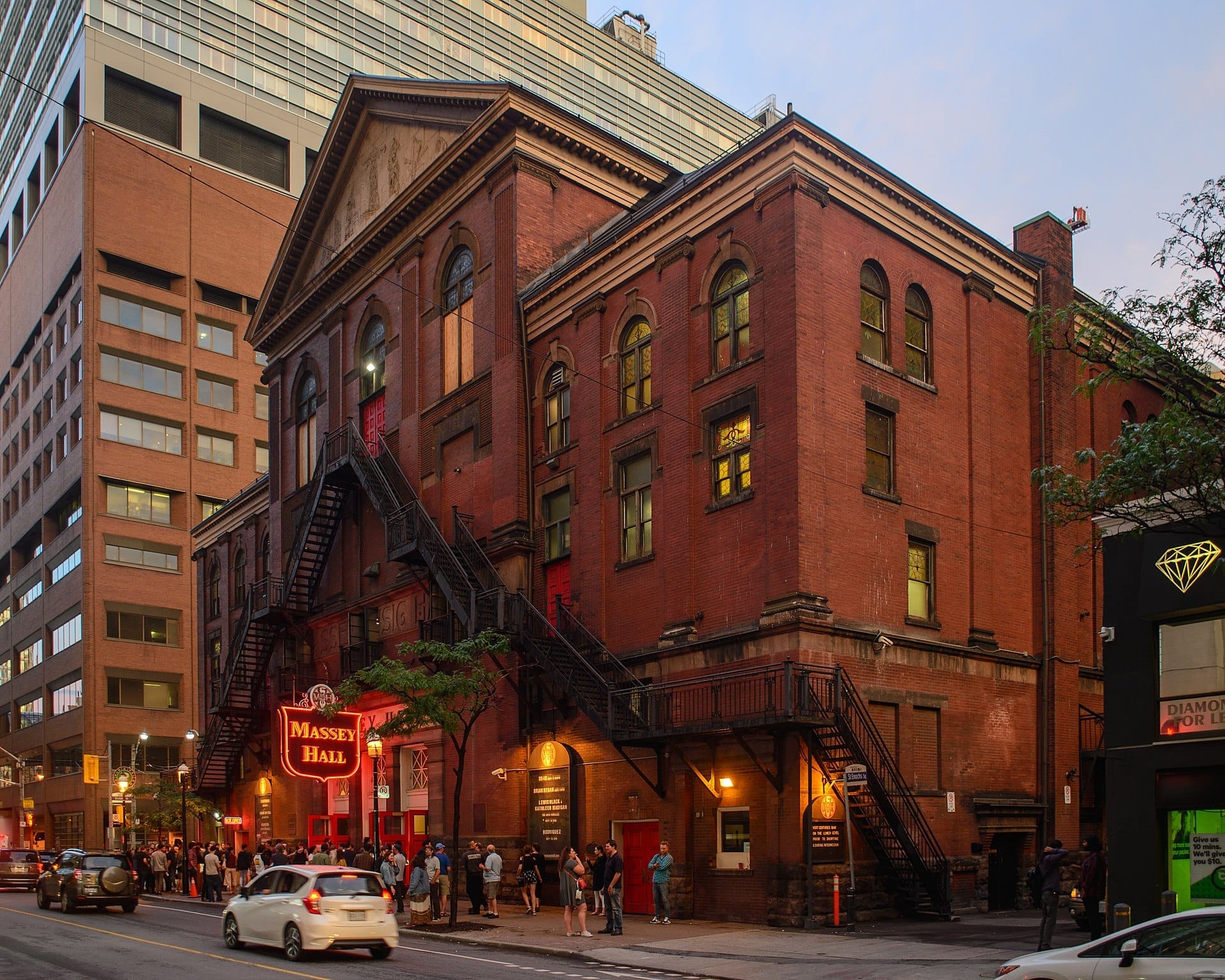
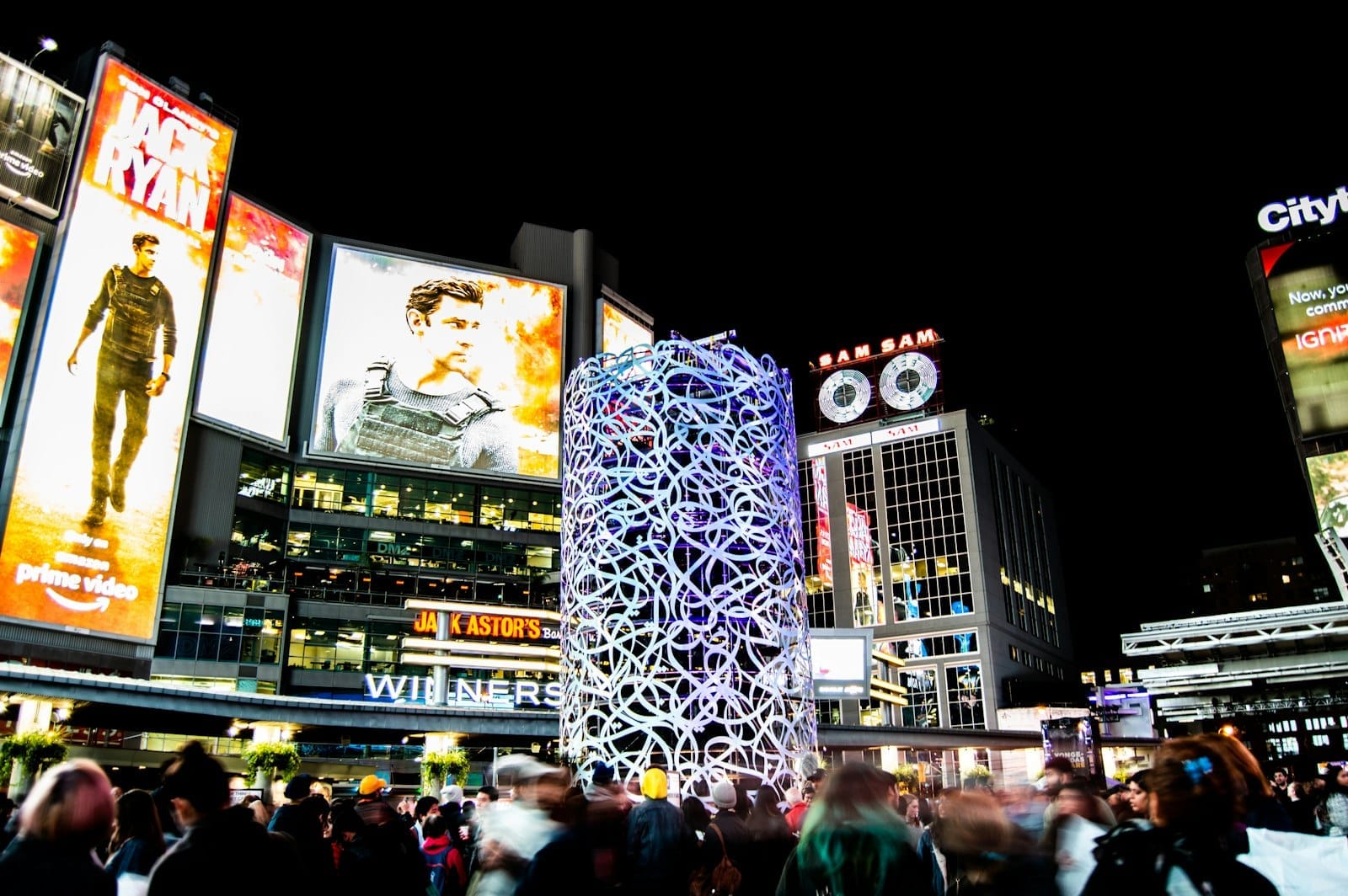
Downtown Toronto compresses Canada's largest city into its most walkable, transit-rich zone. Bounded by Bathurst Street to the west, the Don Valley to the east, Bloor Street to the north, and Lake Ontario to the south, it contains the Financial District, the Entertainment District, historic St. Lawrence Market, and some of Canada's most recognizable landmarks within a few square kilometres.
Downtown Toronto is where the city's density, history, and ambition converge. Within roughly four square kilometres, you'll find the CN Tower, Bay Street's towers of glass and steel, Victorian market halls, lakefront parks, and some of the country's best restaurant streets — all connected by a subway network that makes getting around genuinely easy.
Orientation: Where Downtown Toronto Sits
Downtown Toronto occupies the southern tip of Canada's most populous city, pressed against the northwestern shore of Lake Ontario. The conventional boundaries run from Bathurst Street in the west to the Don River and Don Valley in the east, from Lake Ontario (and the elevated Gardiner Expressway above Queens Quay) in the south, up to Bloor Street and the Rosedale Valley Road corridor in the north. That's a compact area by North American standards, but it contains an extraordinary concentration of uses: offices, government buildings, theatres, museums, markets, restaurants, condominiums, and waterfront parks, often on the same block.
The spine of the whole thing is Yonge Street, which runs north-south through the centre of the downtown, intersecting every major east-west artery. King Street and Queen Street are the two most commercially active east-west corridors. Bay Street parallels Yonge one block to the west and is synonymous with the Financial District. Front Street runs along the southern edge of the old city grid, just above the rail corridor that feeds Union Station. Understanding these five streets gives you a workable mental map of almost everything.
Downtown sits at the centre of a wider neighbourhood map. To the northwest, Yorkville and The Annex begin just above Bloor Street. To the west, Queen Street West and the Entertainment District extend toward Trinity Bellwoods and Ossington. To the east, the Distillery District and Leslieville carry the city's character further along the lakeshore. South, across the water via ferry, the Toronto Islands offer an escape from the grid entirely.
ℹ️ Good to know
Toronto is Canada's largest city and the economic heart of Ontario, with a population of roughly 2.8 million in the city proper (2021 census). The greater metro area is home to over 6.7 million people. Downtown is the geographic and economic centre of all of it.
Character and Atmosphere
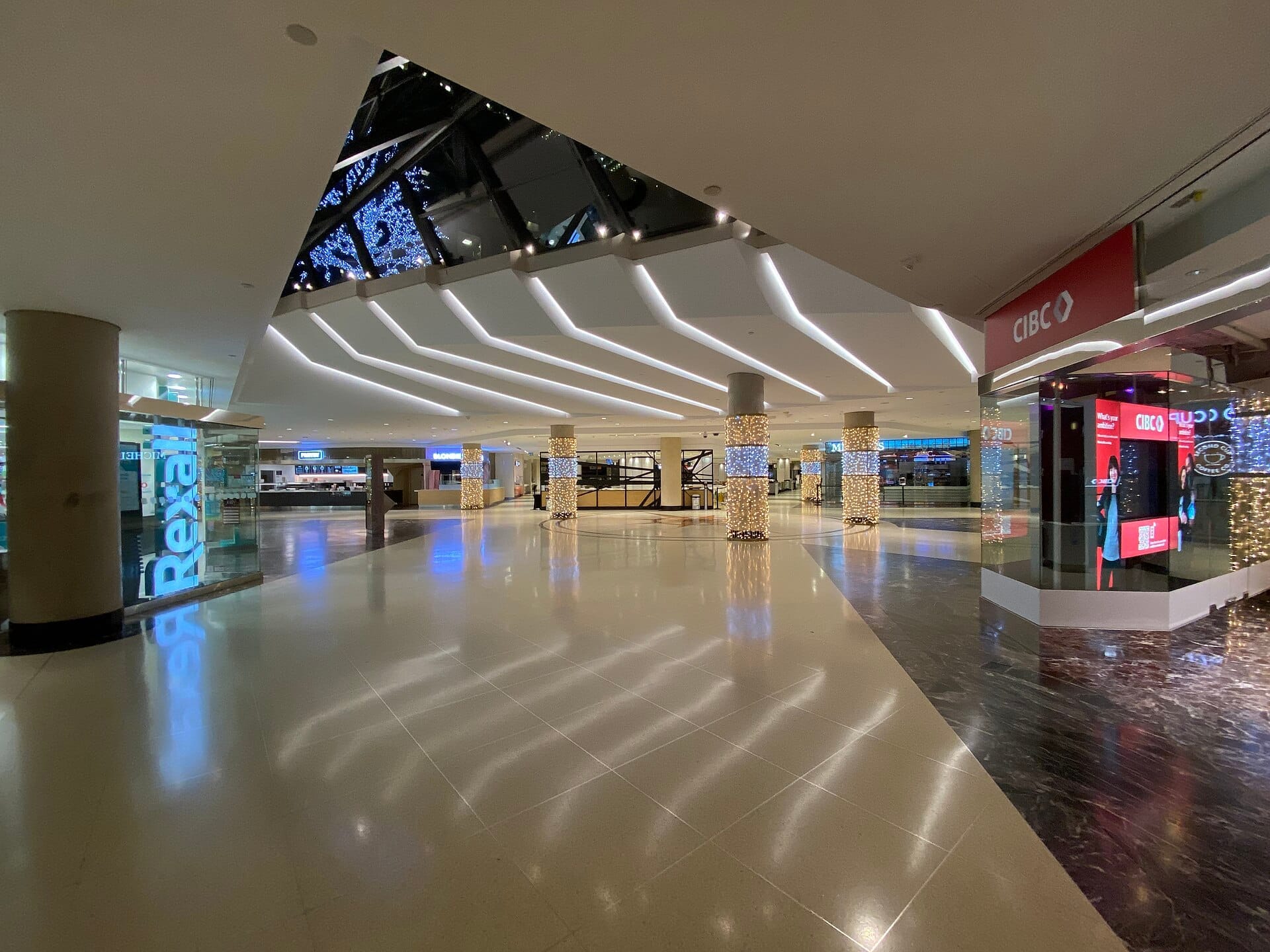
Downtown Toronto works on a different schedule depending on where you are and what time it is. On a weekday morning, the Financial District around Bay and King Streets is one of the most purposeful stretches of pavement in the country. Suits move fast, coffee cups outnumber tourists, and the underground PATH network (one of the world's largest subterranean pedestrian systems) is already full by 8am. The glass towers catch early light at sharp angles. It looks like a city that has somewhere to be.
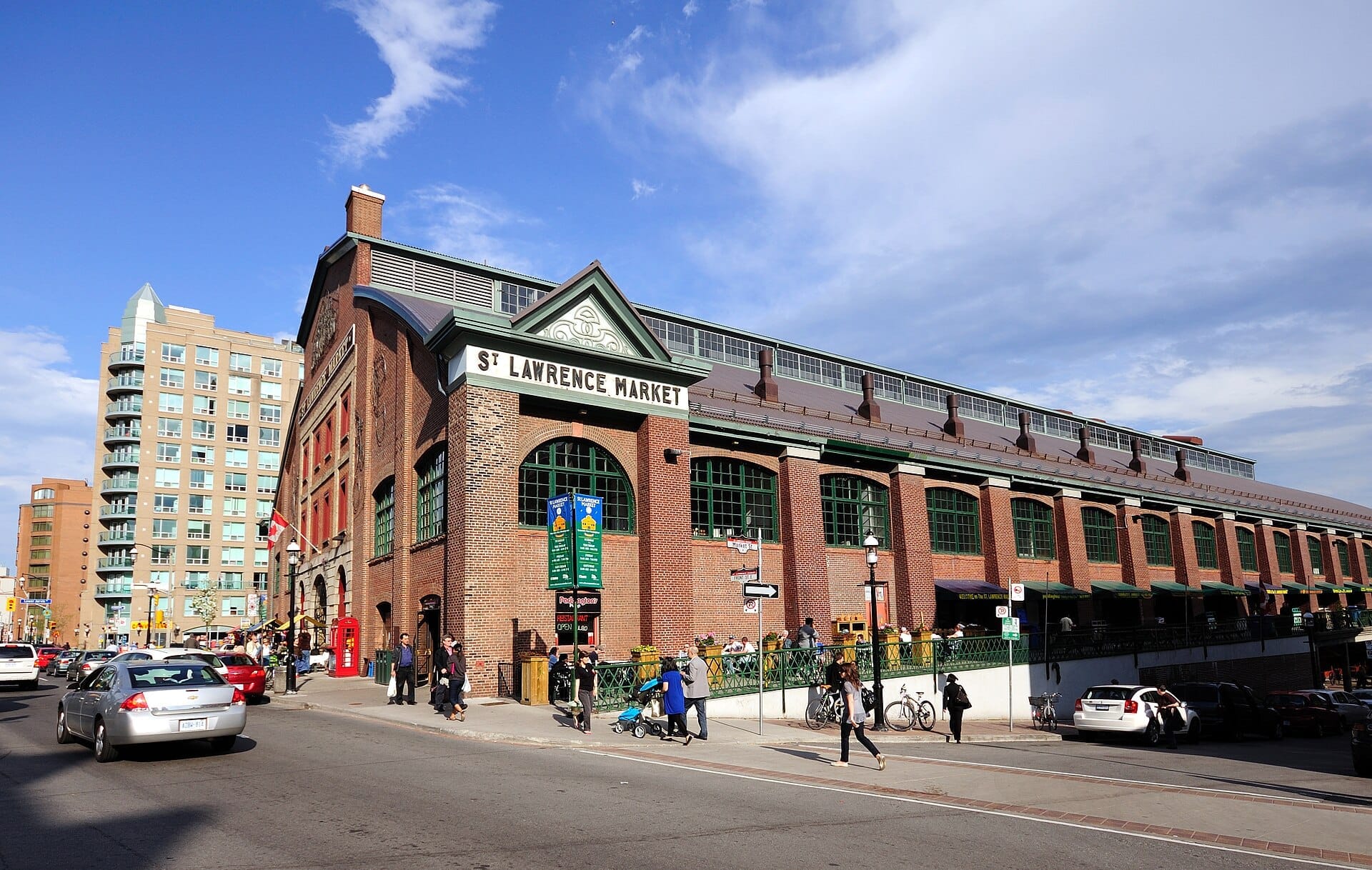
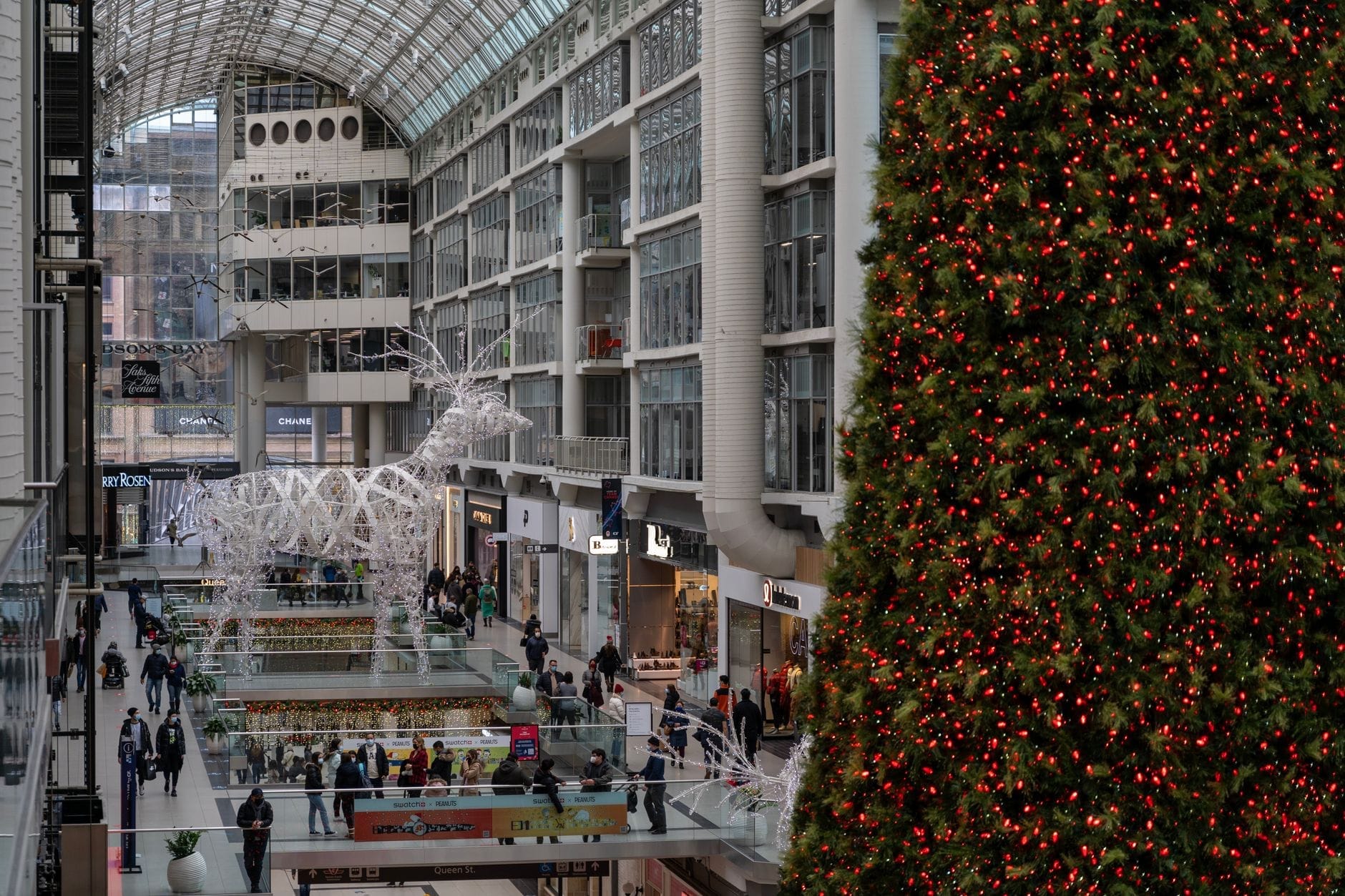
By midday, Queen Street between Yonge and University Avenue shifts into a different register. Lunch crowds fill the sidewalk patios. Around Yonge-Dundas Square, the screens are on all day and there's a constant churn of people moving between the Eaton Centre and the subway. This is the tourist centre of gravity — loud, screen-lit, perpetually busy, and not particularly intimate. A few blocks south, around St. Lawrence Market on Front Street East, the pace is slower and the architecture tells a different story: brick buildings from the 1840s, farmers and vendors who've worked the same stalls for decades, and a sense of civic continuity.
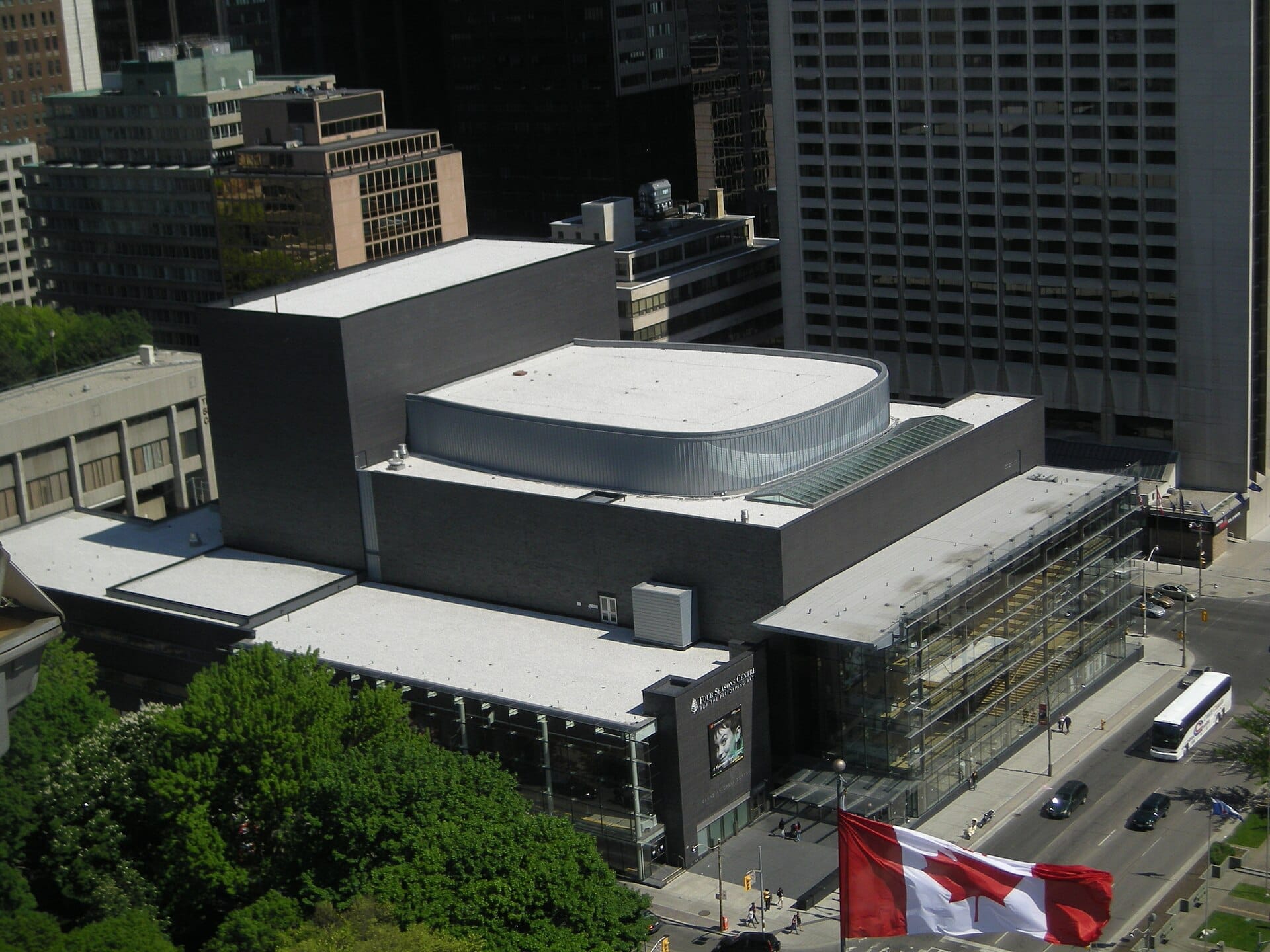
After dark, the downtown splits again. King Street West, from University Avenue toward Bathurst, is the axis of nightlife and theatre. Restaurants run from straightforward to ambitious, bars fill by 10pm on weekends, and the streets outside Scotiabank Arena empty suddenly after a game ends, leaving the block oddly quiet. The Waterfront, a ten-minute walk south of King, has a different late-evening quality: cooler air off Lake Ontario, the lights of the islands visible across the water, and far fewer people. It's one of the few places in the downtown core where you can hear yourself think after midnight.
⚠️ What to skip
The area immediately around Yonge-Dundas Square and parts of lower Yonge Street can feel chaotic and occasionally uncomfortable late at night, particularly on weekends. It's not a safety crisis, but it's not the romantic downtown scene some visitors expect. Standard urban common sense applies — stay aware of your surroundings, keep valuables secured.
What to See and Do
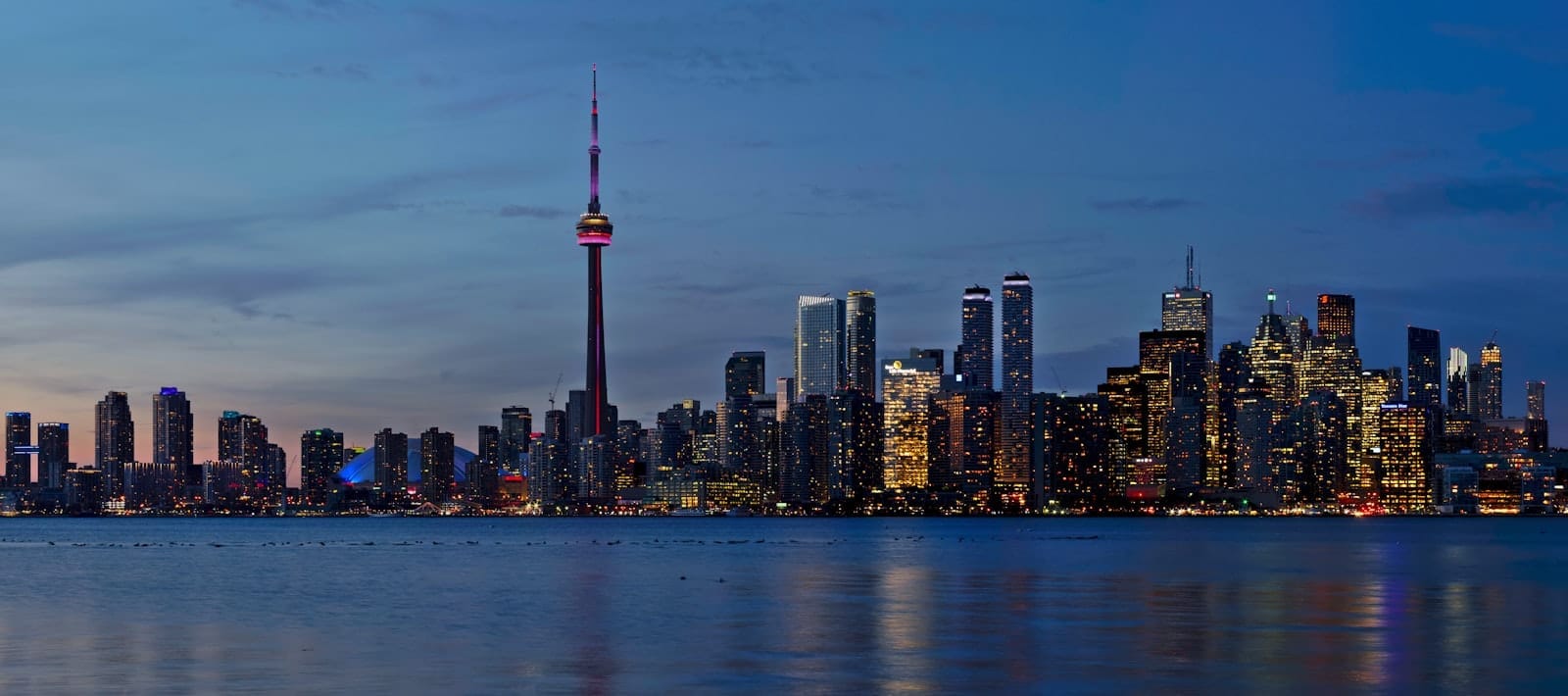
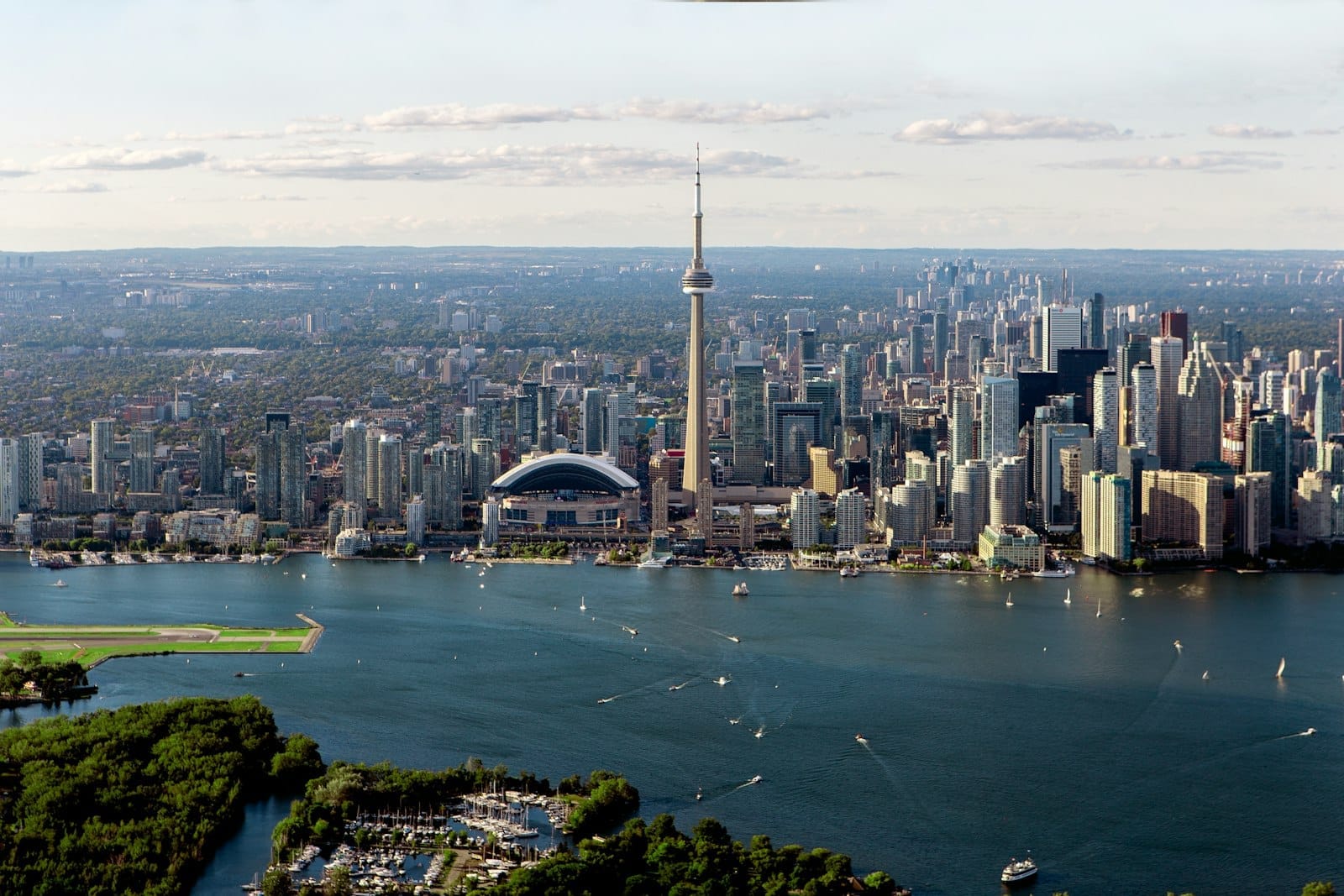
The CN Tower is the unavoidable first landmark. Rising 553 metres above Front Street West, it dominates the city skyline from almost every approach. The observation deck and glass floor are genuinely impressive rather than merely gimmicky — the scale of the Great Lakes and the surrounding urban grid becomes viscerally clear from up there. Book in advance if you're visiting in summer.
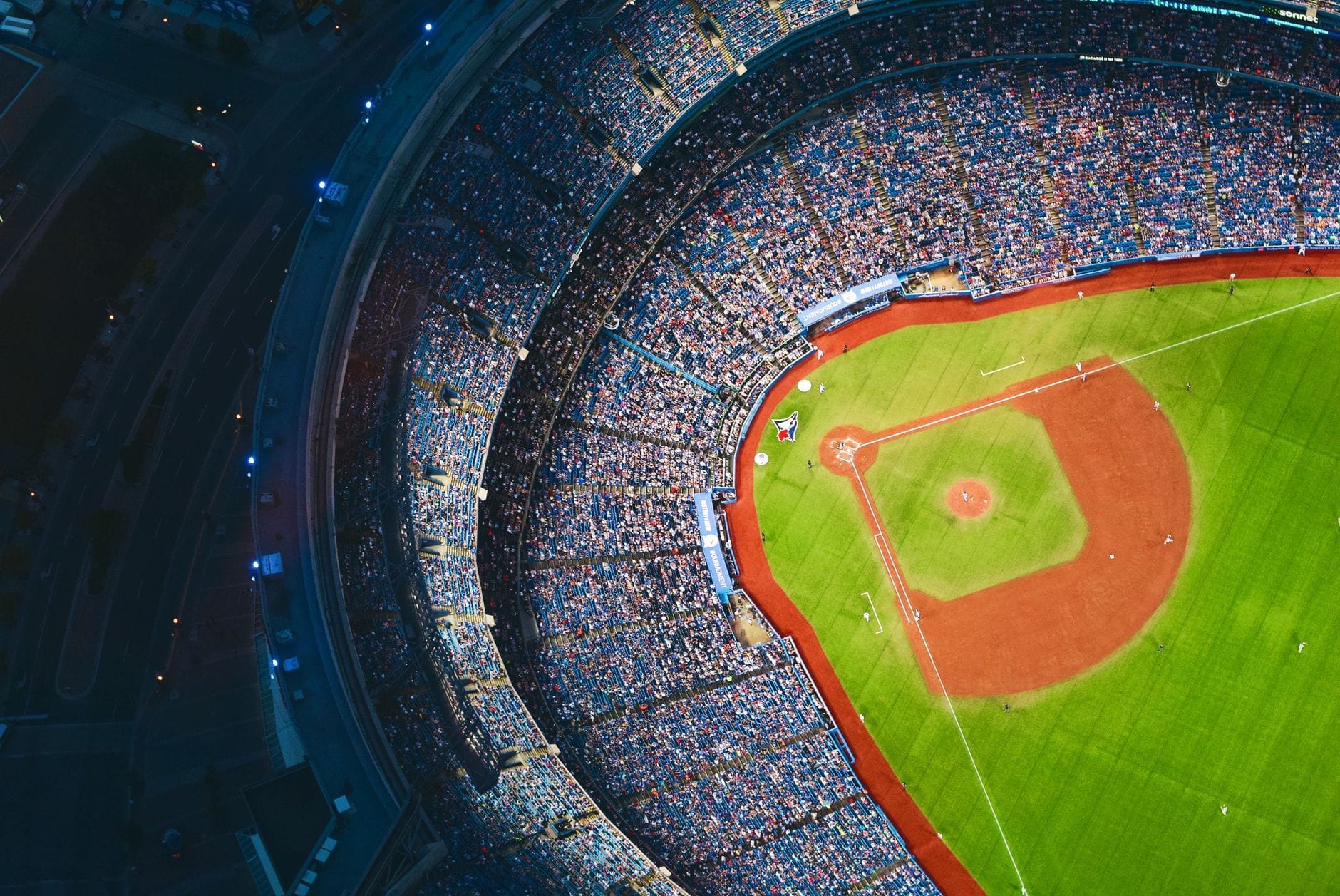
Adjacent to the CN Tower, Rogers Centre hosts Blue Jays baseball from April through October and occasional major concerts. The view from the 100-level seats during a day game, with the roof open and the CN Tower visible above the outfield, is as good an afternoon as Toronto sports offers. Just east, Scotiabank Arena sits at the foot of Bay Street near the waterfront and is home to the Raptors and the Leafs — two franchises that generate enormous civic feeling in this city regardless of recent results.
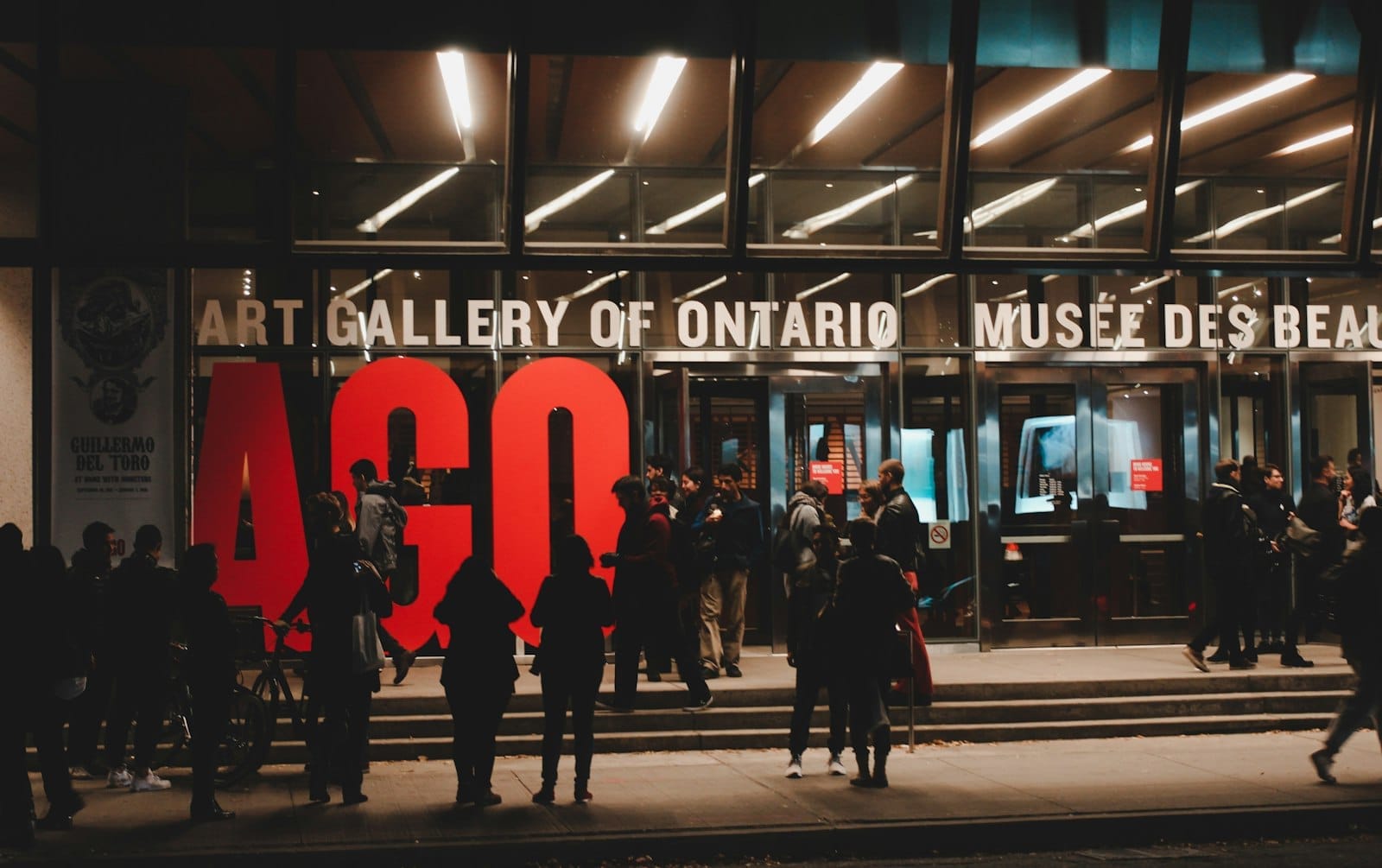
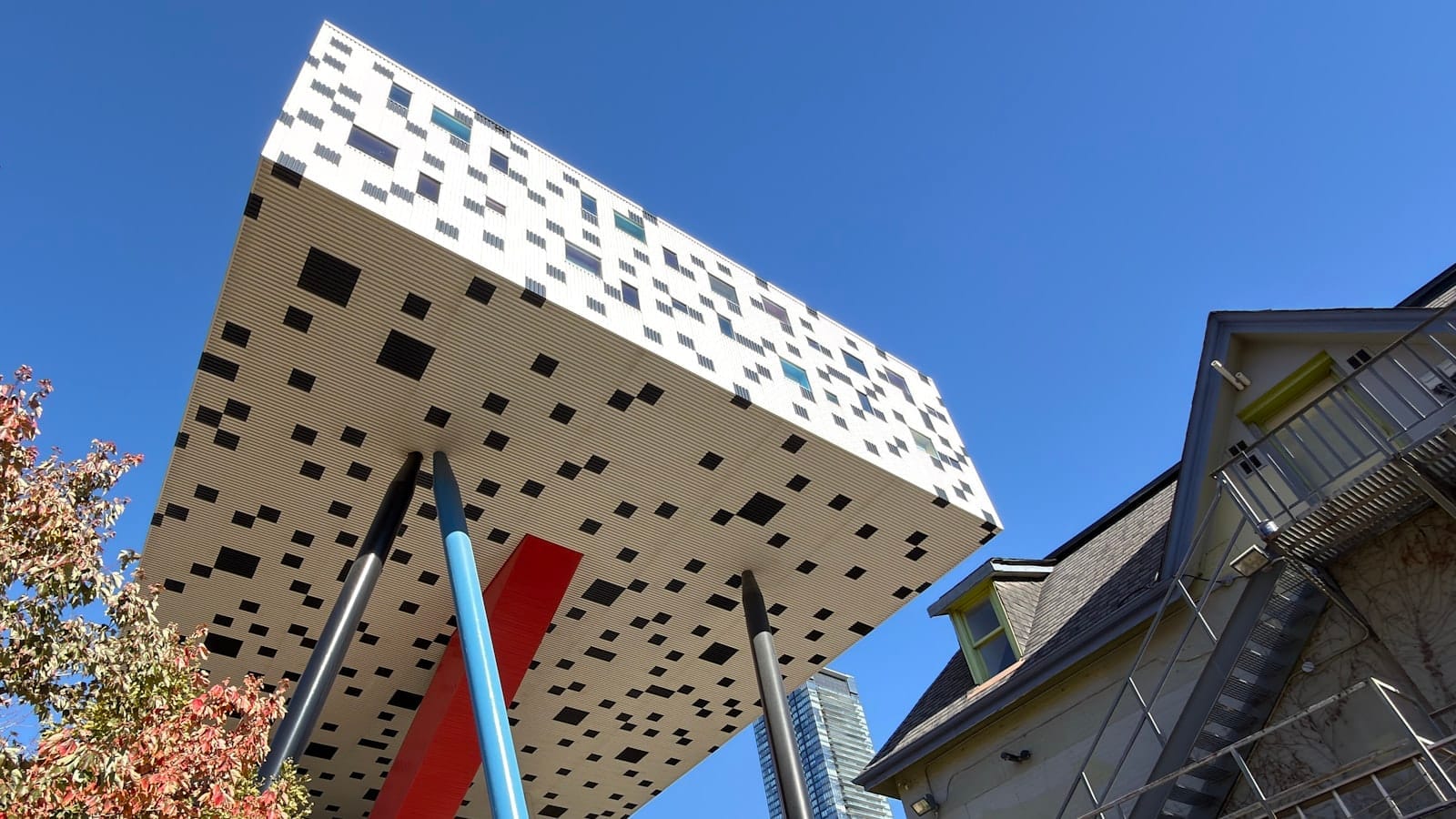
For culture, the Art Gallery of Ontario on Dundas Street West is one of the largest art museums in North America, with a collection spanning Indigenous Canadian work, European masters, and contemporary pieces. The building itself, redesigned by Frank Gehry (a Toronto native), is worth studying before you go in. A few blocks away, OCAD University's Sharp Centre for Design — the pixelated box perched on stilts above McCaul Street — announces the creative character of this part of the city more clearly than any sign could.
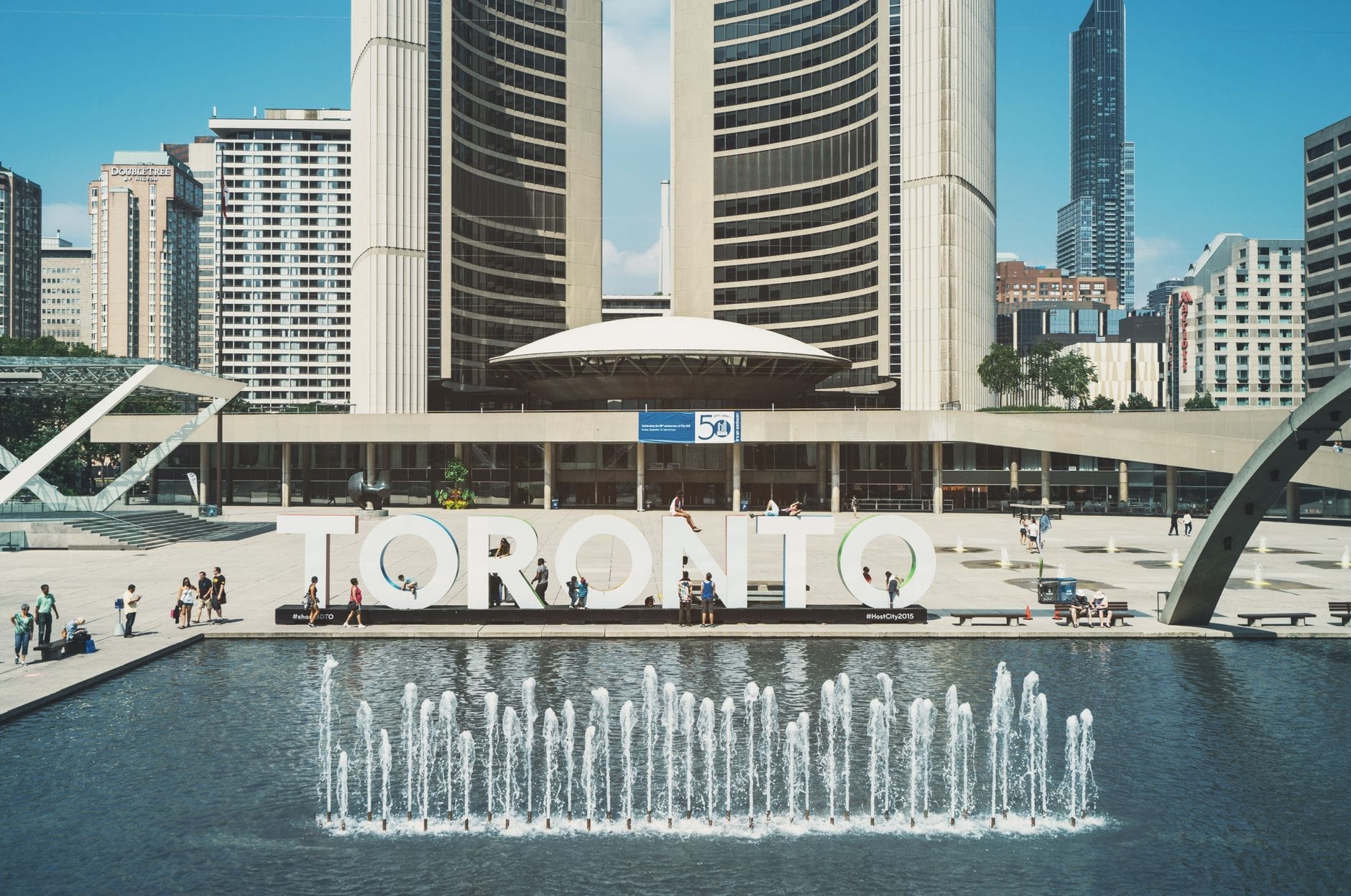
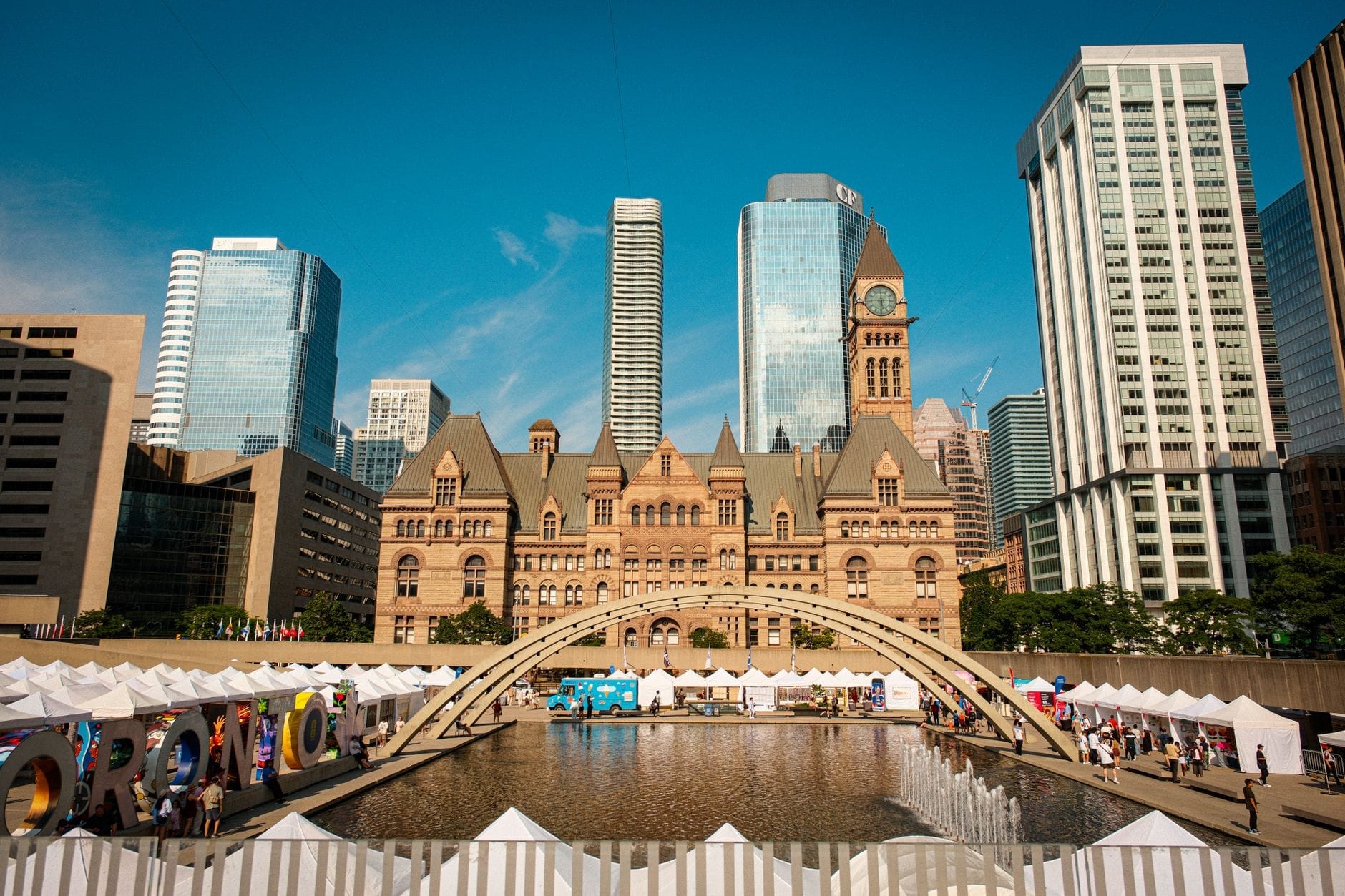
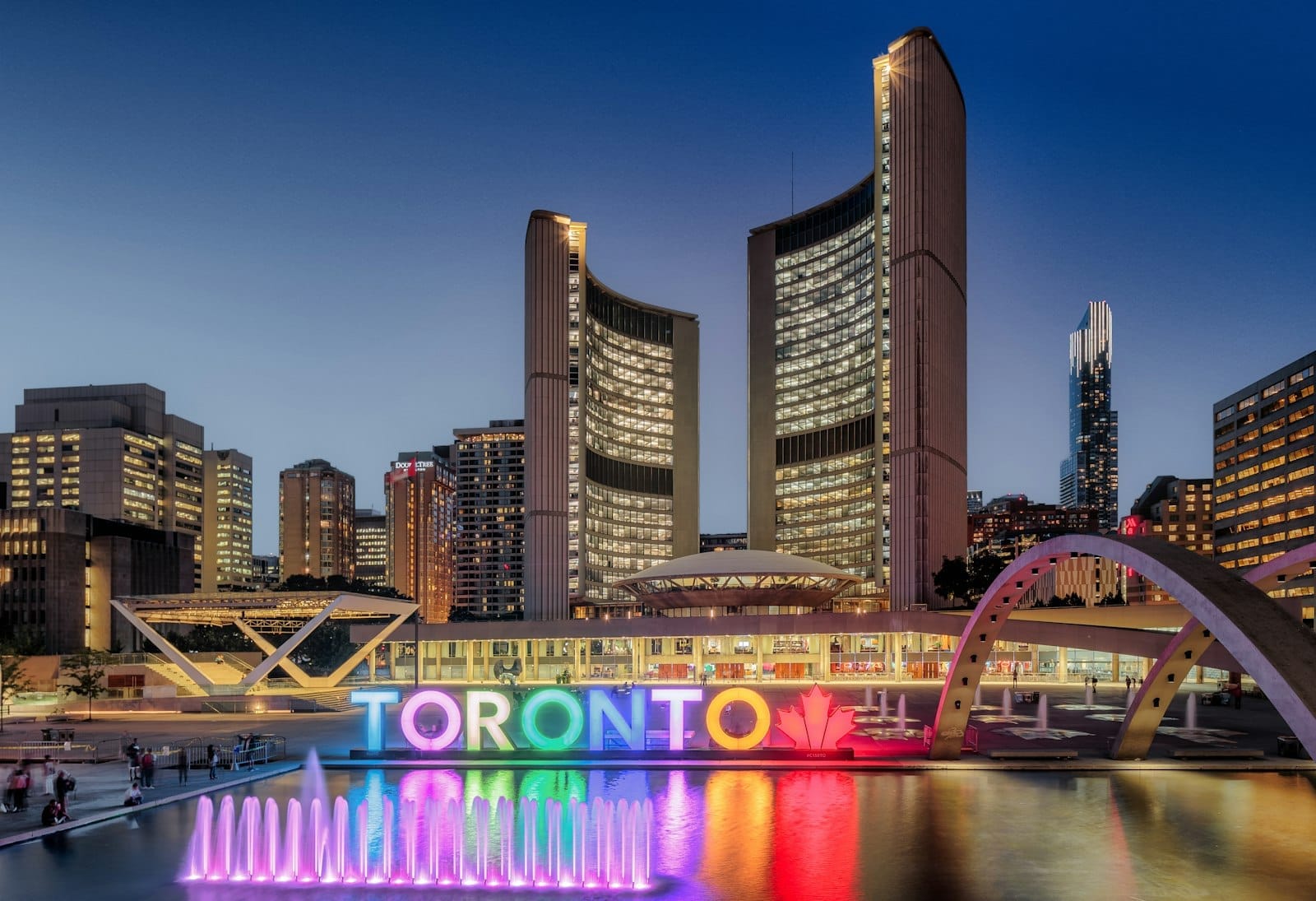
St. Lawrence Market on Front Street East is the city's most historically grounded food market, operating on a site with continuous market use since 1803. The south building is open Tuesday through Saturday and runs to a satisfying rhythm: peameal bacon sandwiches at the Carousel Bakery counter, cheese and charcuterie vendors, fish stalls, and an upstairs gallery few visitors bother to find. Saturday morning is peak time and deservedly so, but the market works any day it's open. Nathan Phillips Square, in front of City Hall on Queen Street West, functions as the city's civic forecourt — skating rink in winter, outdoor events space in summer, public art installation year-round. The curved twin towers of New City Hall (completed 1965) framing the low curved council chamber remain one of the most successful pieces of modern civic architecture in Canada.
CN Tower: observation deck, glass floor, EdgeWalk on the exterior pod
Art Gallery of Ontario: world-class collection, strong Indigenous art holdings, Frank Gehry architecture
St. Lawrence Market: historic food market, peameal bacon sandwiches, Saturday farmers market
Nathan Phillips Square and Toronto City Hall: skating in winter, public art, civic scale
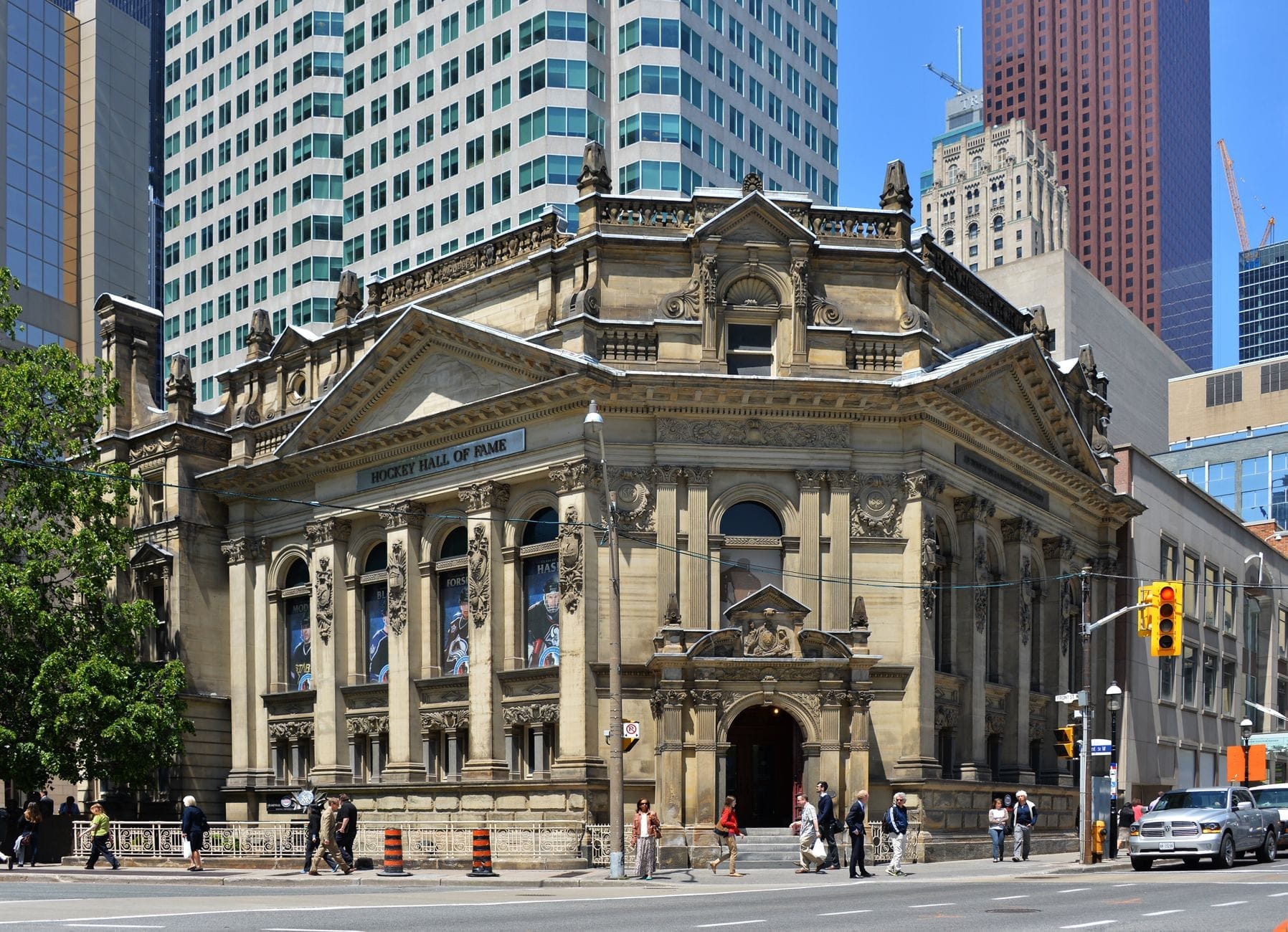
Hockey Hall of Fame: interactive exhibits and the original Stanley Cup, near Union Station
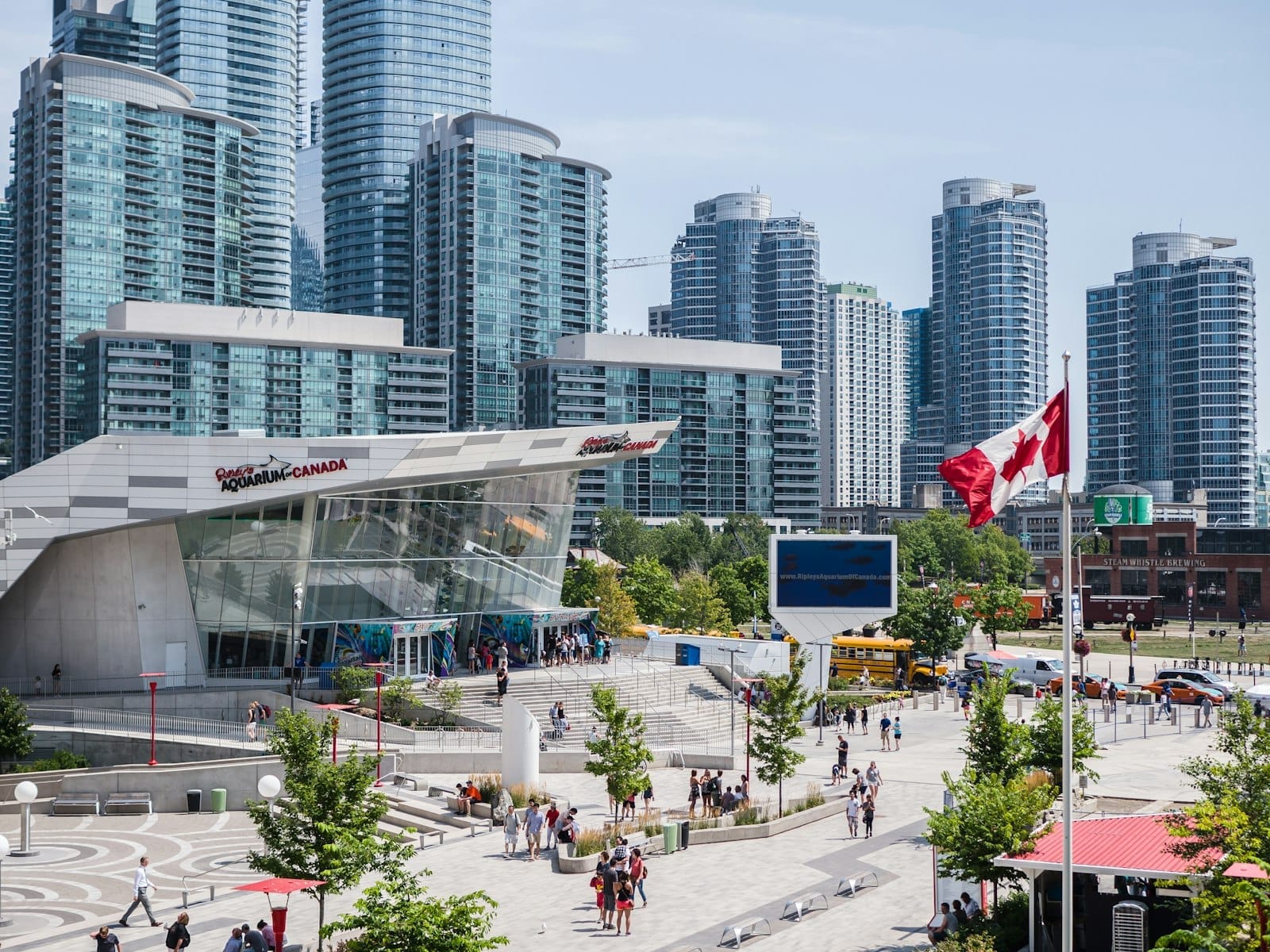
Ripley's Aquarium of Canada: strong family option adjacent to the CN Tower
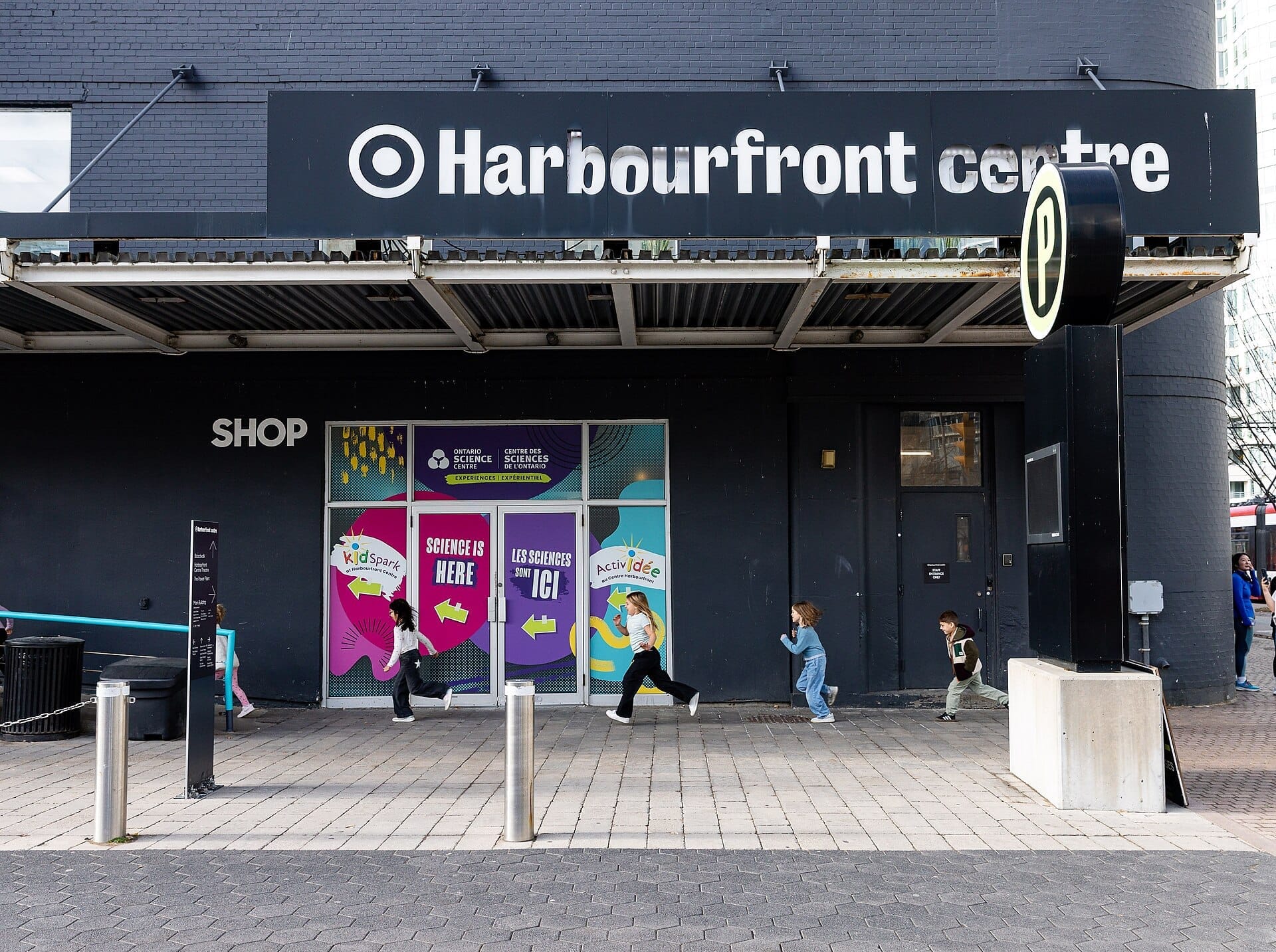
Harbourfront Centre: lakefront cultural programming, galleries, summer concerts
Eating and Drinking
Downtown Toronto's food scene is genuinely broad. The city has one of the highest concentrations of restaurant diversity in North America, and the downtown reflects that — though it also has the usual quota of overpriced tourist traps around major attractions. Price and quality are not well correlated in the immediate vicinity of the CN Tower or Yonge-Dundas Square. Move one or two blocks off the main drag and the options improve considerably.
King Street West, from University Avenue toward Spadina, has been the city's most competitive restaurant corridor for several years. It runs through both the Financial District's western edge and into the Entertainment District, meaning it serves lunch crowds, pre-theatre diners, and late-night groups on the same stretch of block. The fare ranges from casual Japanese and Korean spots to more serious tasting-menu restaurants. Spadina Avenue and the blocks around Chinatown on Dundas Street West offer a genuinely different register: cheap, unpretentious, and often excellent dim sum, Vietnamese pho, and Sichuan cooking. This is some of the best-value food in downtown Toronto.
For coffee, the downtown has fully absorbed the third-wave shift. Independent roasters operate alongside the inevitable chain presence, and the stretch of Queen Street West between University and Spadina has a workable density of independent cafes. The Financial District is largely a chain environment during the week by necessity — 200,000 people need coffee before 9am — but the PATH underground network does have some independent operators if you know where to look.
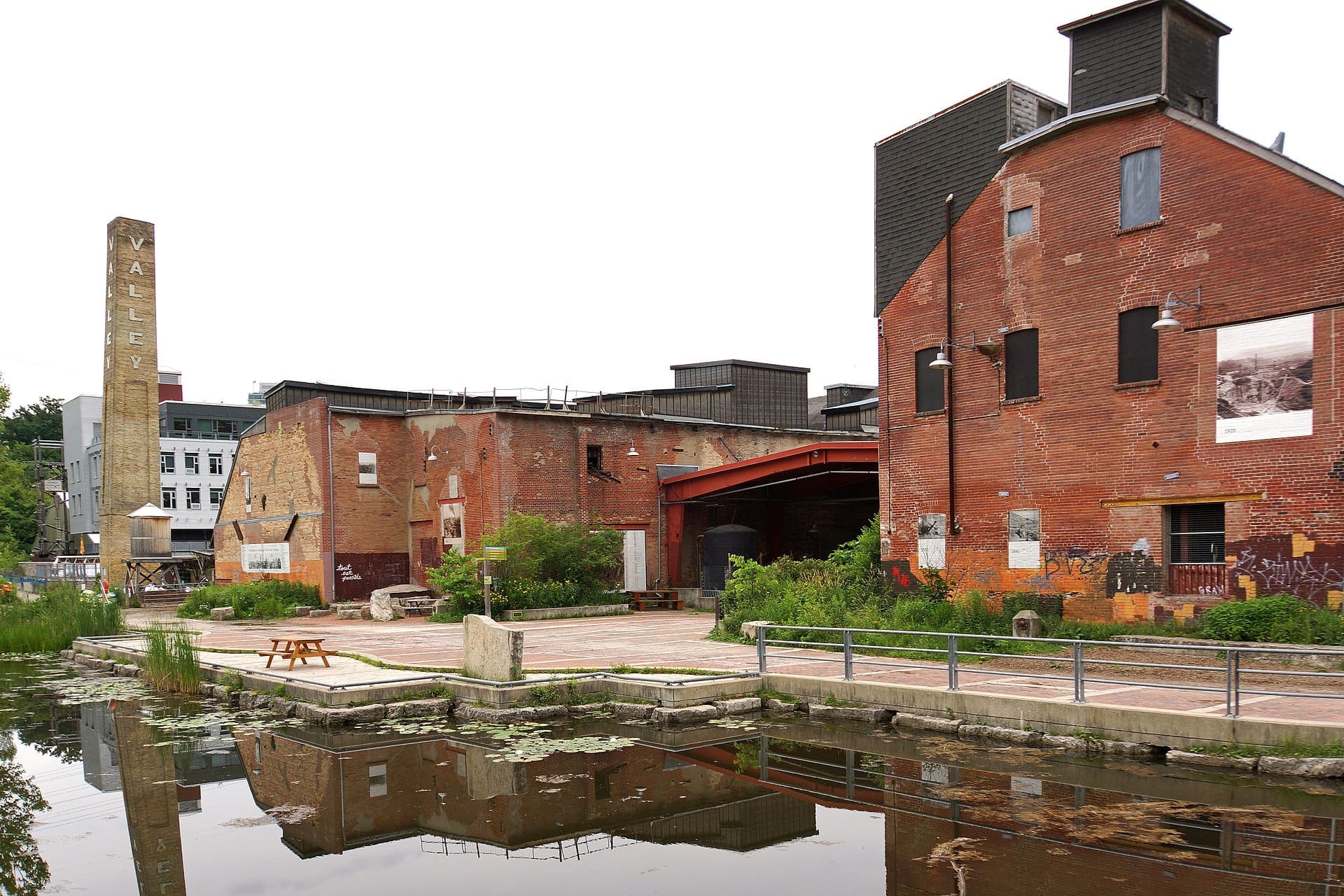
The bar scene concentrates on King Street West and the streets running off it. Wellington Street, Adelaide Street, and Duncan Street all have established bars that have been operating long enough to develop real regulars. The waterfront along Queens Quay has licensed patios that work well in summer, particularly around the Harbourfront Centre area. Distillery District, technically at the eastern edge of the downtown, is worth the fifteen-minute walk east for its Christmas market and year-round restaurant scene in the restored Victorian industrial complex.
💡 Local tip
Peameal bacon on a kaiser roll is Toronto's most local food. You can get a version at several spots in the city, but the one at St. Lawrence Market's Carousel Bakery counter is the reference point. Go before noon on Saturday — the line is long but moves quickly, and it costs around ten dollars.
Getting There and Around
Downtown Toronto is well-served by the TTC subway on two main lines. Line 1 (Yonge-University) runs in a U-shape through the core, with stations at Union, King, Queen, Dundas, College, and Wellesley (among others) on the Yonge side, and St. Andrew, Osgoode, St. Patrick, and Queen's Park on the University side. Line 2 (Bloor-Danforth) crosses east-west at the top of the downtown, with relevant stops at Spadina, Bay, and Bloor-Yonge. For most points of interest in the downtown core, you're within a ten-minute walk of a subway station.
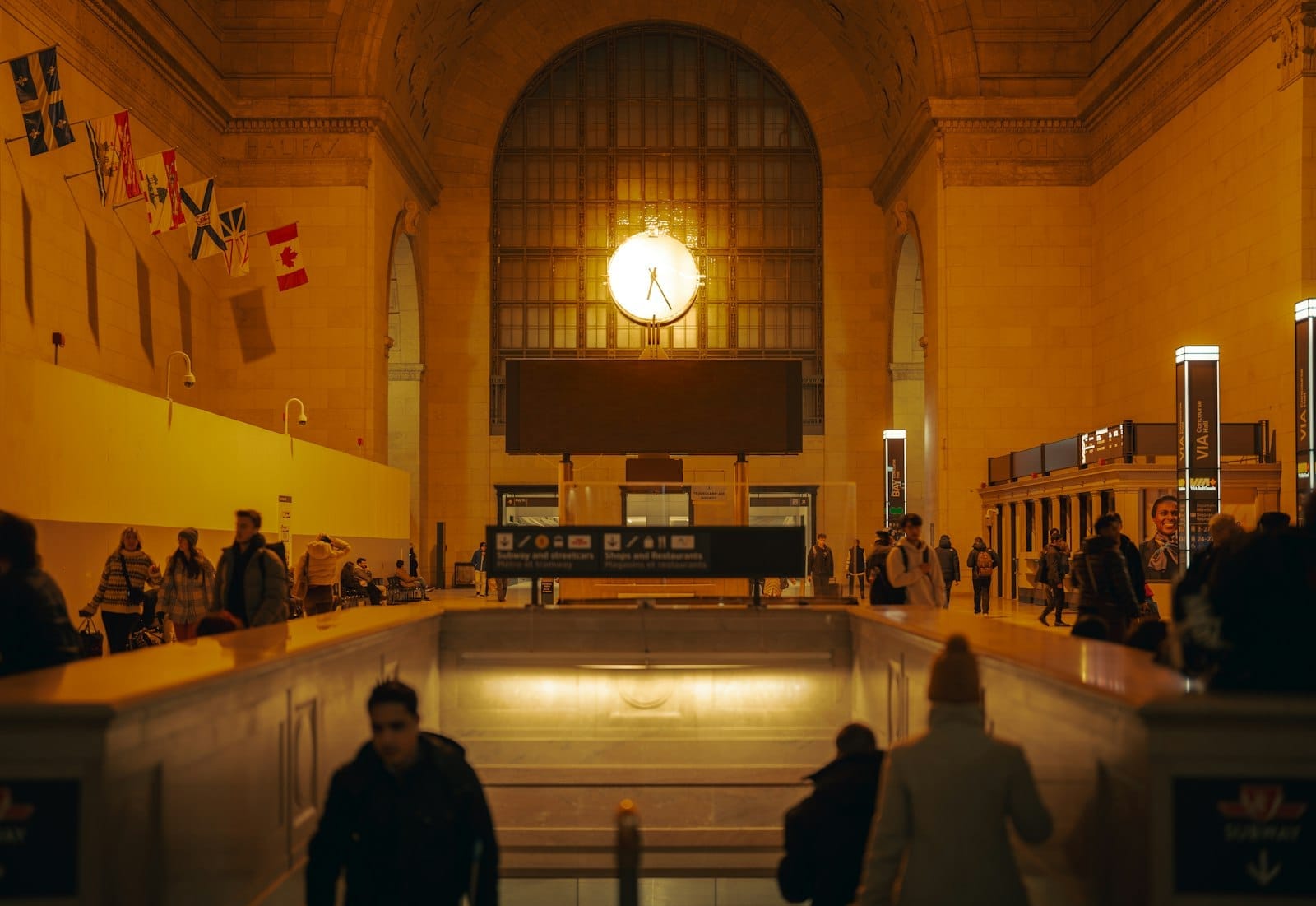
Union Station, at Front and Bay Streets, is the transport hub of the entire city. It connects the TTC subway, GO Transit regional rail to the wider metro area, VIA Rail intercity trains, and the UP Express airport link to Toronto Pearson International Airport (YYZ), which takes about 25 minutes from Union Station. For more detail on navigating the city's transit network, the getting around Toronto guide covers all the options including the underground PATH network that links most major downtown office towers and public buildings.
Streetcars still run along King Street and Queen Street, providing east-west surface coverage that the subway doesn't. The King streetcar (Route 504) is particularly useful for getting from the Financial District west toward the Entertainment District and Bathurst Street, or east toward the Distillery District and Leslieville. Fare payment on TTC is by Presto card (a reloadable transit card), credit or debit tap, or exact-change cash on buses, streetcars, and at some subway stations. Presto gives the best value and works on the subway, streetcars, buses, and GO Transit.
Walking is genuinely viable for most downtown movement. The grid is regular and the distances between major landmarks are smaller than they appear on a map. The CN Tower to St. Lawrence Market is about a 15-minute walk along Front Street. Yonge-Dundas Square to the Art Gallery of Ontario is about 20 minutes west on Dundas. In winter, the PATH underground network connects most major buildings in the Financial District and allows you to cover significant ground without going outside — useful when temperatures drop below -10°C, which they regularly do from December through February.
ℹ️ Good to know
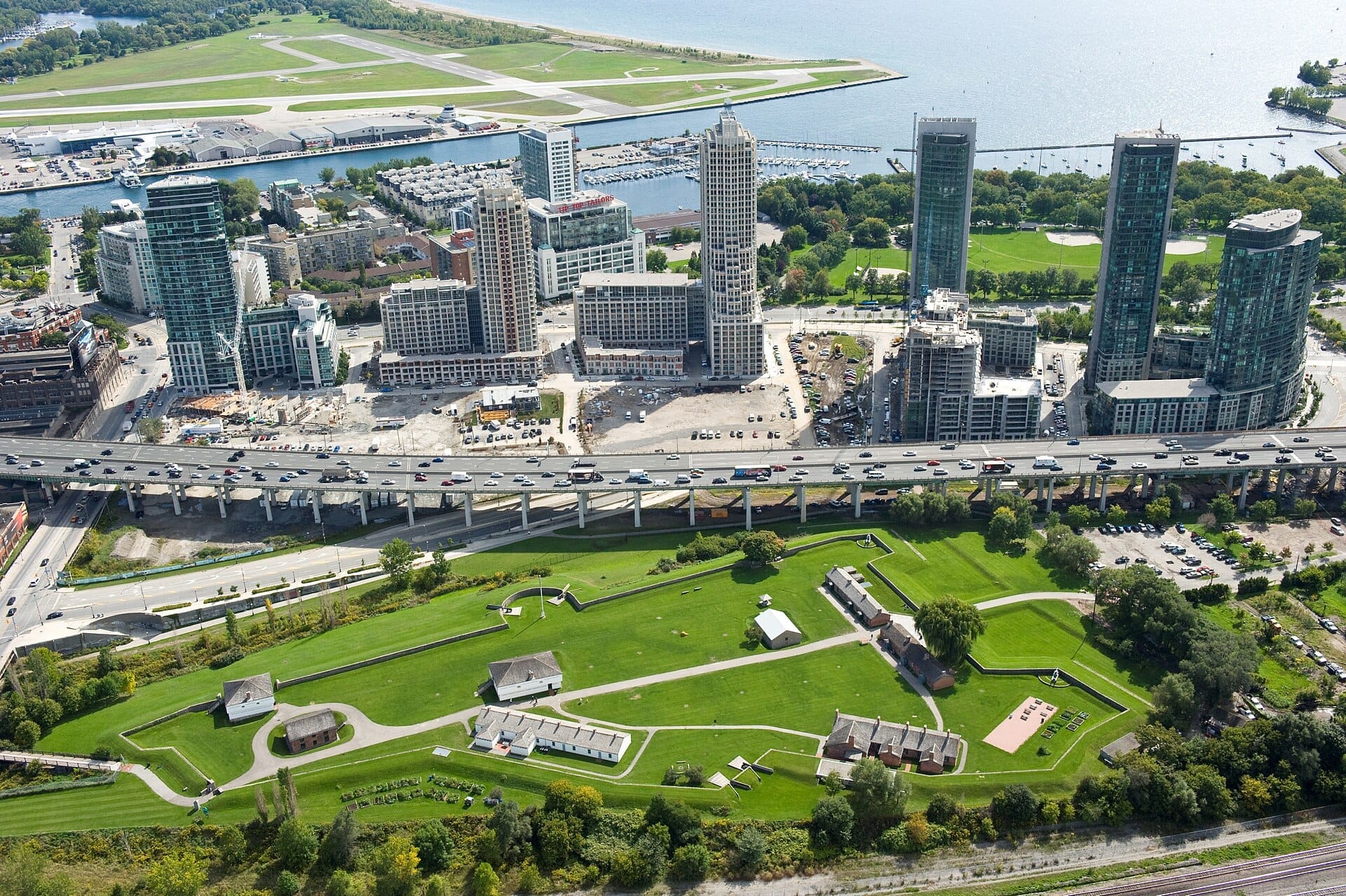
Billy Bishop Toronto City Airport (YTZ) sits just offshore from the downtown, accessible via a short pedestrian tunnel from the mainland at the foot of Eireann Quay (just south of Queens Quay West). A complimentary shuttle runs to Union Station. For regional flights (mainly within Canada and to select US cities), this airport's proximity to the core is a significant time advantage over Pearson.
Where to Stay
Accommodation in downtown Toronto spans a wide price range, from international luxury chains along Bay Street and Bloor Street to mid-range business hotels near Union Station and budget-oriented options on the eastern and western edges of the core. The concentration of hotels is highest in the Financial District and Entertainment District, between Front Street and Queen Street, west of Yonge.
For first-time visitors who want walkable access to the major landmarks, the zone between King Street and Front Street, from Bay to Simcoe, is the practical sweet spot. You're within fifteen minutes of the CN Tower, the waterfront, the Hockey Hall of Fame, St. Lawrence Market, and Nathan Phillips Square. The tradeoff is that this area is dominated by office towers and convention traffic during the week, which means hotel pricing reflects corporate demand.
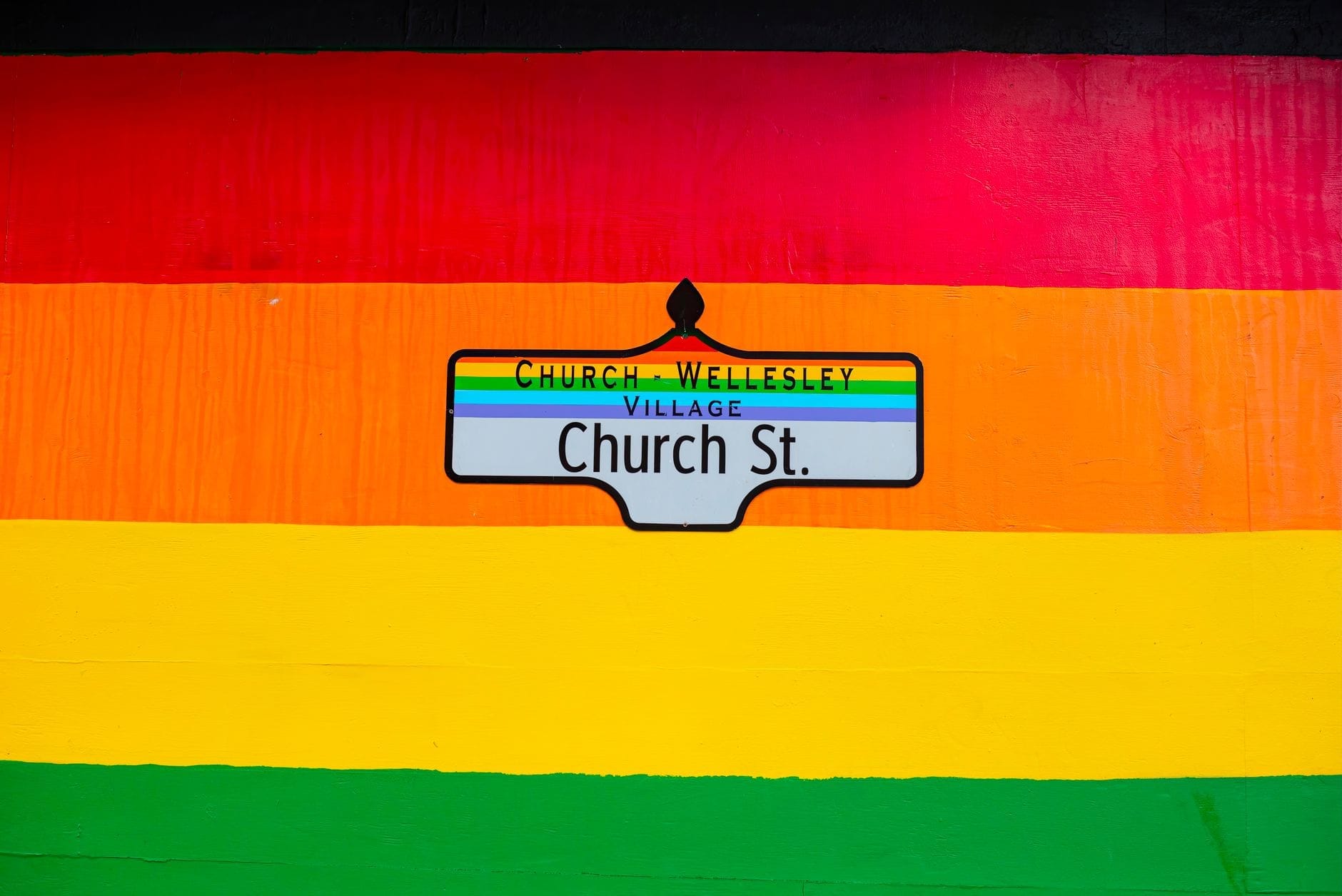
If budget is a priority, the eastern end of the downtown near Church Street and Jarvis Street tends to offer lower rates than the Bay Street corridor, and transit access is comparable. Travelers who prefer a neighbourhood feel over pure centrality might also consider staying just north of the downtown boundary in Yorkville or The Annex, where the street life is more residential and the subway still puts the entire core within fifteen minutes. For a full overview of accommodation options across the city, the where to stay in Toronto guide maps out the tradeoffs by neighbourhood.
Practical Information
Toronto operates on Eastern Time (EST/EDT, UTC-5 in winter, UTC-4 in summer). The currency is the Canadian dollar (CAD). Tap water in downtown Toronto is safe to drink. Tipping at restaurants is standard practice at 15-20% of the pre-tax bill. Electrical outlets use North American Type A and B plugs at 120V/60Hz — European travelers will need an adapter.
Toronto's climate is a genuine factor in planning a visit. Summers run warm to hot, with July averaging around 22°C but pushing past 30°C during heat events — and the downtown's concrete and glass intensify that. Winters are cold and variable, with January averaging around -4°C; wind chill on the exposed waterfront and in the canyon streets of the Financial District can make it feel considerably colder. The shoulder seasons of May-June and September-October generally offer the most comfortable conditions for walking around.
Entry to Canada is governed by federal immigration policy. Many nationalities can enter visa-free for short stays but require an Electronic Travel Authorization (eTA) when arriving by air. Always verify current requirements before travel via the official Government of Canada tool. For broader trip context, the best time to visit Toronto guide covers seasonal conditions, major events, and crowd levels in more detail.
TL;DR
Downtown Toronto is compact, transit-rich, and walkable — the subway and streetcar network make it easy to cover major landmarks without a car.
The Financial District and Entertainment District are most active on weekdays; the waterfront and St. Lawrence area work well any day.
Best for: first-time visitors to Toronto, urban explorers, food and culture seekers, business travelers — the core suits anyone who wants density and convenience.
Not ideal for: travelers seeking quiet neighbourhood character or budget accommodation — the downtown's hotel pricing reflects corporate demand, and the area around Yonge-Dundas Square is relentlessly busy.
Anchor your visit to a few specifics (St. Lawrence Market on a Saturday morning, a walk along Queens Quay at dusk, dinner on King Street West) rather than trying to see everything at once — the downtown rewards deliberate exploration over checkbox tourism.
Three days is enough time to cover the best of Toronto's downtown core, historic districts, waterfront, and cultural institutions — if you plan smartly. This itinerary is built around the TTC subway and streetcar network, so you never need a rental car. Expect a mix of landmark sights, neighbourhood wandering, and genuine local texture.
Toronto punches well above its weight for museum culture. Whether you're drawn to ancient civilisations, contemporary art, or the history of hockey, this guide covers the best museums in Toronto across every interest and budget.
Toronto has over 1,500 parks and more than 8,000 hectares of green space, from sweeping urban forests and lakefront trails to formal gardens and island beaches. This guide covers the best of them, organised by type and neighbourhood, so you can find exactly the kind of outdoor escape you're looking for.
Toronto has four genuinely distinct seasons, and the best time to visit depends entirely on what you want from the trip. This guide breaks down weather, crowds, pricing, and events month by month so you can make an informed decision.
Toronto's skyline is one of the most dramatic in North America, dominated by the CN Tower and framed by Lake Ontario. This guide covers the best vantage points in the city, from high-rise observation decks and waterfront parks to island ferry crossings and hilltop lookouts.
Toronto sits at the centre of one of Canada's richest regions for day-tripping. Within two hours in any direction you'll find roaring waterfalls, wine country, historic theatre towns, wilderness beaches, and mountain resorts. This guide covers the top day trips from Toronto, with practical details on how to get there and what to do once you arrive.
Toronto is a surprisingly generous city for budget travellers. From free museum evenings and sprawling parks to street art laneways and historic neighbourhoods, here are the best free things to do in Toronto across every season.
Toronto's transit network spans the TTC subway, streetcars, GO Transit regional rail, the UP Express airport link, ferries, and bike share. This guide breaks down every option with fares, routes, timings, and practical advice on what actually works for visitors.
Toronto is one of the safest major cities in North America, but that doesn't mean risk-free. This guide breaks down real crime patterns, which areas to be aware of, seasonal hazards, and the practical precautions that actually make a difference for visitors.
Toronto sits on the northwestern shore of Lake Ontario, the easternmost and smallest of the Great Lakes by surface area. From the Toronto Islands and the Martin Goodman Trail to the towering Scarborough Bluffs, this guide covers every major way to experience the lake — with seasonal advice, transit details, and honest assessments of what's worth your time.
Toronto is Canada's largest city and one of North America's most genuinely diverse destinations. This guide covers the best things to do in Toronto across every budget, season, and interest — with honest assessments, current prices, and practical logistics.
Five days in Toronto is enough time to cover the iconic landmarks, dig into the city's diverse neighbourhoods, and still squeeze in a day trip to Niagara Falls. This itinerary is structured for efficiency without sacrificing depth, whether you're arriving at Pearson Airport or Billy Bishop.
Everything you need to navigate Toronto Pearson International Airport (YYZ), from terminal layouts and airside connections to the fastest and cheapest ways into downtown Toronto. Covers the UP Express, taxis, ride-hailing, public transit, and key practical details for first-timers and connecting passengers.
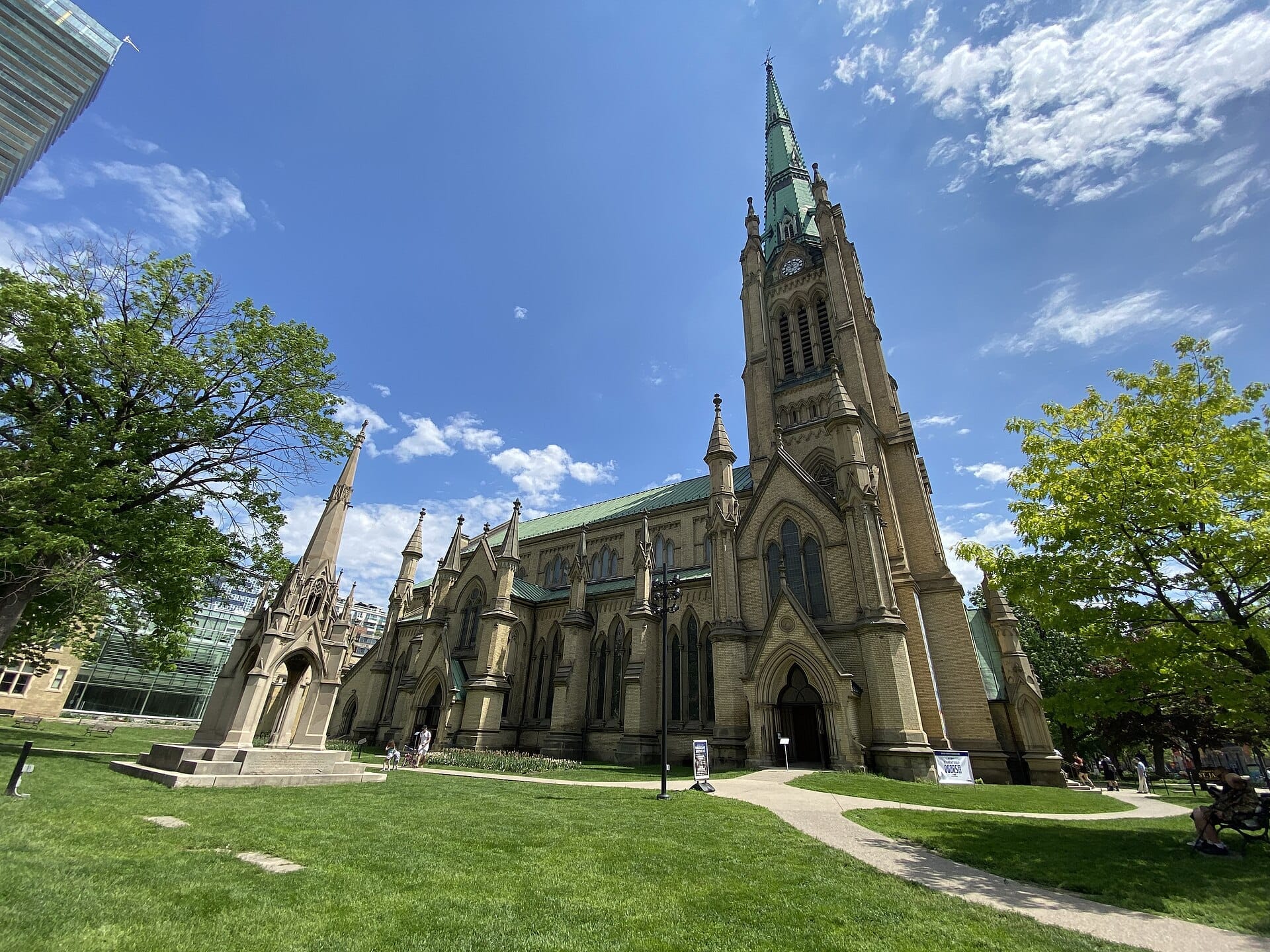
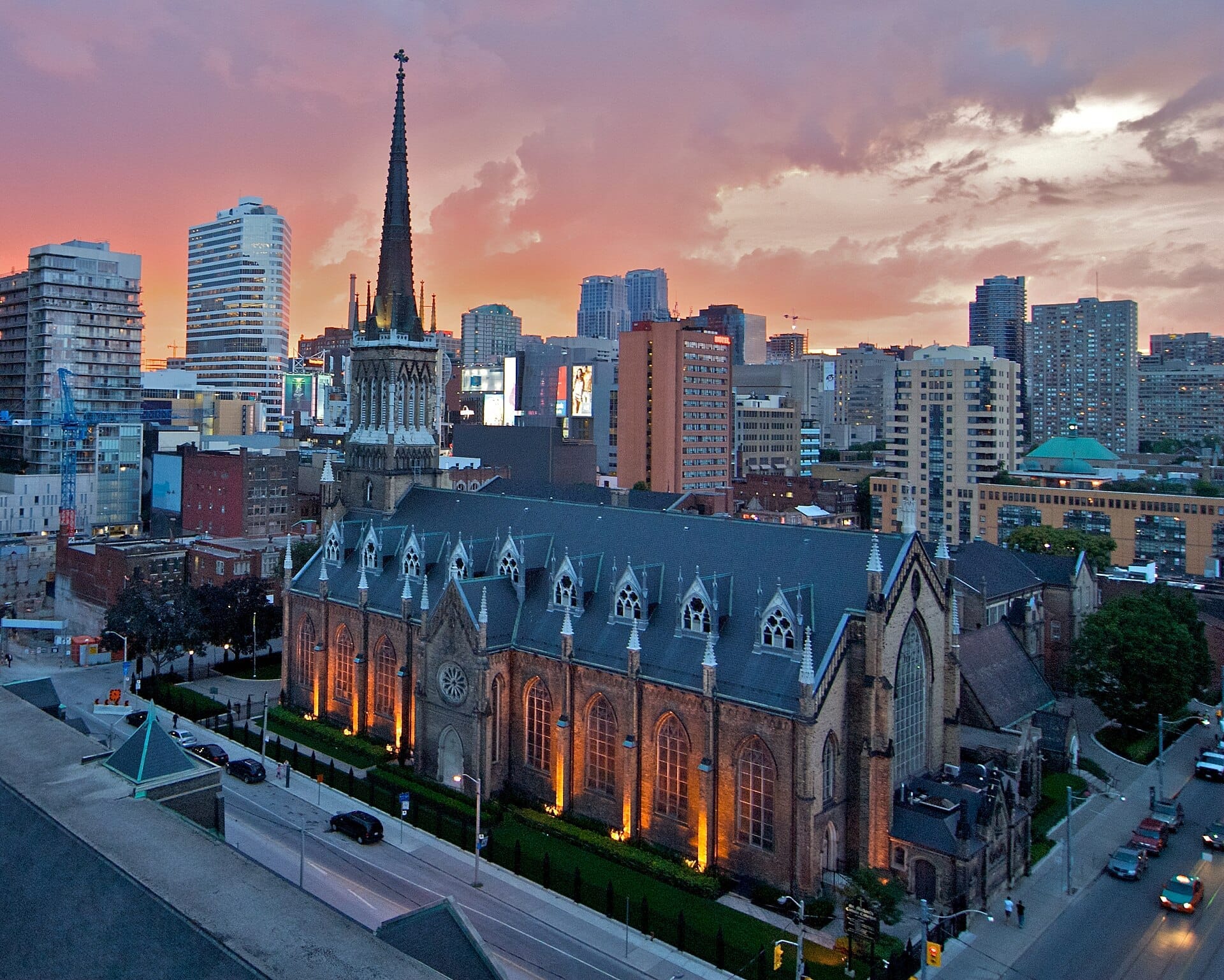
Toronto's skyline tells a 200-year story in brick, glass, and concrete. This guide covers the city's most architecturally significant buildings across every era, from Victorian flatirons and Beaux-Arts civic halls to Gehry-designed galleries and record-breaking towers, with practical visiting tips for each.
Toronto Caribbean Carnival, still widely known as Caribana, draws over a million visitors to the city each summer for more than a week of soca music, steelpan competitions, costumed masquerade, and street food. This guide covers everything: dates, the Grand Parade route, ticket prices, what to skip, and how to plan your visit like someone who has been before.
Toronto's sakura season is spectacular but brutally short. This guide covers the exact bloom window, the best viewing locations beyond High Park, how to get there without a car, and what the City's official trackers actually tell you in real time.
Toronto's food scene is one of North America's most diverse, shaped by over 200 ethnic communities and anchored by legendary markets, neighbourhood food districts, and a Michelin Guide earned in 2022. This guide breaks down what to eat, where to eat it, and how to navigate the city's culinary landscape like a local.
Toronto's food market scene ranges from a historic 200-year-old market hall to shipping-container villages and neighbourhood farmers' markets. This guide covers the best places to browse, graze, and stock up across the city.
Toronto delivers a surprising range of romantic experiences, from skyline dining and waterfront ferry rides to candlelit heritage districts and world-class performing arts. This guide breaks down the best date ideas by season, budget, and vibe, with honest assessments of what's worth the effort.
Summer turns Toronto into one of North America's most active outdoor cities. From June jazz on Bloor Street to Caribbean Carnival floats and lakefront beaches with lifeguards on duty until Labour Day, this guide covers every major event, the best swimming spots, and the practical logistics to make the most of the season.
Toronto winters are cold, but the city leans into the season rather than shutting down. From free outdoor skating rinks under the Gardiner Expressway to the glittering Distillery District Christmas Market, this guide covers every practical detail you need to enjoy Toronto from late November through March.
The Toronto International Film Festival is one of the world's most accessible and influential film events, open to the public every September. This guide covers dates, ticket prices, venues, logistics, and how to get the most out of your visit.
The Toronto Islands are a chain of 15 car-free islands just a short ferry ride from downtown, offering beaches, cycling trails, skyline views, and a rare slice of calm in the middle of a major city. This guide covers ferry logistics, the best spots on each island, seasonal realities, and the common mistakes first-time visitors make.
Toronto's upscale travel scene goes well beyond five-star hotels. This guide covers the best luxury hotels in downtown Toronto and Yorkville, premium dining, exclusive experiences, and practical logistics for high-end visitors to Canada's largest city.
Toronto is one of the most diverse cities in the world, with roughly half its population born outside Canada. This guide covers the key ethnic districts, what makes each distinct, how to get there, and what to prioritize on a visit.
Niagara Falls sits about 136 km from downtown Toronto, making it the most popular day trip from the city. This guide covers every transport option, realistic costs, seasonal timing advice, and practical tips on what is worth your time once you arrive.
Toronto nightlife runs deeper than most visitors expect. From the dense bar corridor along King West to indie live music rooms on Queen West and all-night clubs in the Entertainment District, this guide breaks down where to go, what to spend, and how to plan your night like a local.
Nuit Blanche Toronto is a free, city-run all-night contemporary art festival that transforms public spaces across Toronto from dusk to dawn each October. This guide covers the event's history, logistics, what to expect on the night, and how to make the most of 12 hours of outdoor art.
Toronto is Canada's largest city and one of North America's most expensive destinations — but with the right approach, you can experience it without draining your wallet. This guide covers free attractions, affordable transit, budget eats, and the smartest times to visit to keep costs low.
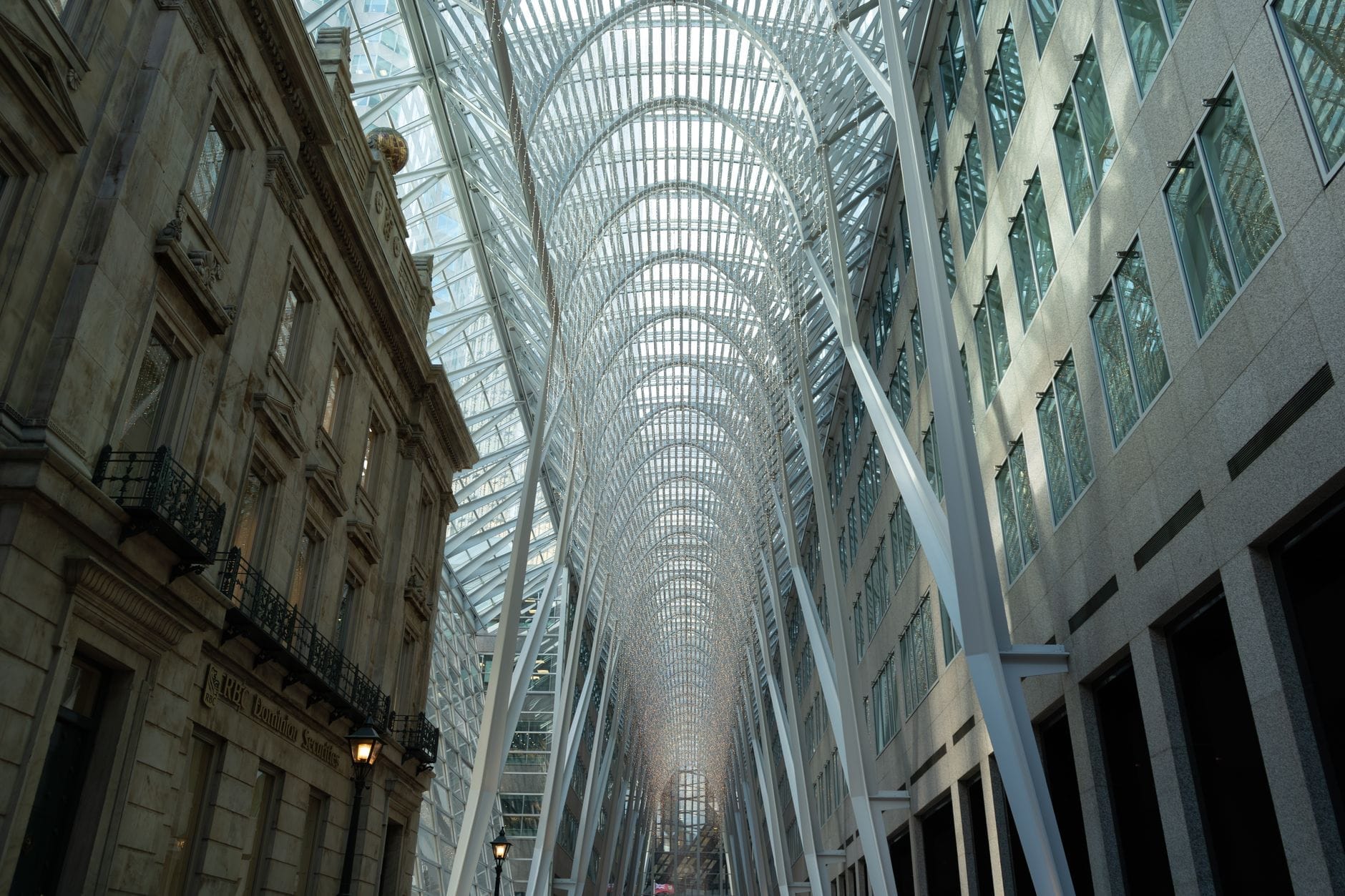
Toronto's PATH is the world's largest underground pedestrian network, stretching more than 30 km through the heart of downtown. This guide covers how to navigate it without getting lost, which routes to use, when it's open, and what to realistically expect from the experience.
Toronto's ravine system is one of the largest urban greenspace networks in North America, threading through neighbourhoods most visitors never see. This guide covers the best trails, how to reach them by transit, what conditions to expect by season, and how to string routes together for a full day outdoors.
Toronto's shopping scene spans luxury boutiques in Yorkville, 230-plus retailers at the Eaton Centre, historic indoor markets, and independent street strips that reward slow browsing. This guide breaks down every major option by category, with transit directions, honest assessments, and seasonal tips.
Toronto is one of North America's most practical cities for solo travel, with an extensive transit network, walkable districts, and a concentration of world-class attractions in the downtown core. This guide covers everything from airport arrivals and neighbourhood logistics to safety realities and the best solo-friendly experiences across Canada's largest city.
Toronto rewards walkers. From the Victorian laneways of the Distillery District to the lakefront trail and Kensington Market's chaotic grid, the city's best stories are told on foot. This guide covers the top guided walking tours, free tip-based options, City-published self-guided routes, and the neighbourhoods worth exploring on your own schedule.
Toronto's waterfront runs approximately 37 kilometres along Lake Ontario, from Etobicoke in the west to the Rouge River in the east. This guide covers the best things to do, how to get around, seasonal conditions, and which parts of the lakeshore are actually worth your time.
From shark tunnels at Ripley's Aquarium to free ferry rides and dinosaur bones at the ROM, Toronto delivers serious options for families with children of all ages. This guide covers the top attractions, practical logistics, honest pricing, and seasonal advice to help you plan a trip that actually works.
Toronto has dozens of distinct neighbourhoods, and choosing the right one to stay in makes a real difference to your trip. This guide breaks down the best areas by location, price range, transit access, and atmosphere — so you can book with confidence.