Toronto Architecture Guide: Iconic Buildings & Design
Toronto's skyline tells a 200-year story in brick, glass, and concrete. This guide covers the city's most architecturally significant buildings across every era, from Victorian flatirons and Beaux-Arts civic halls to Gehry-designed galleries and record-breaking towers, with practical visiting tips for each.
Tickets & tours
Live prices and dates from our booking partner. If you book, we may earn a commission at no extra cost to you.
TL;DR
- Toronto's architecture spans Victorian, Romanesque Revival, Brutalist, and contemporary styles across distinct neighborhoods worth exploring on foot.
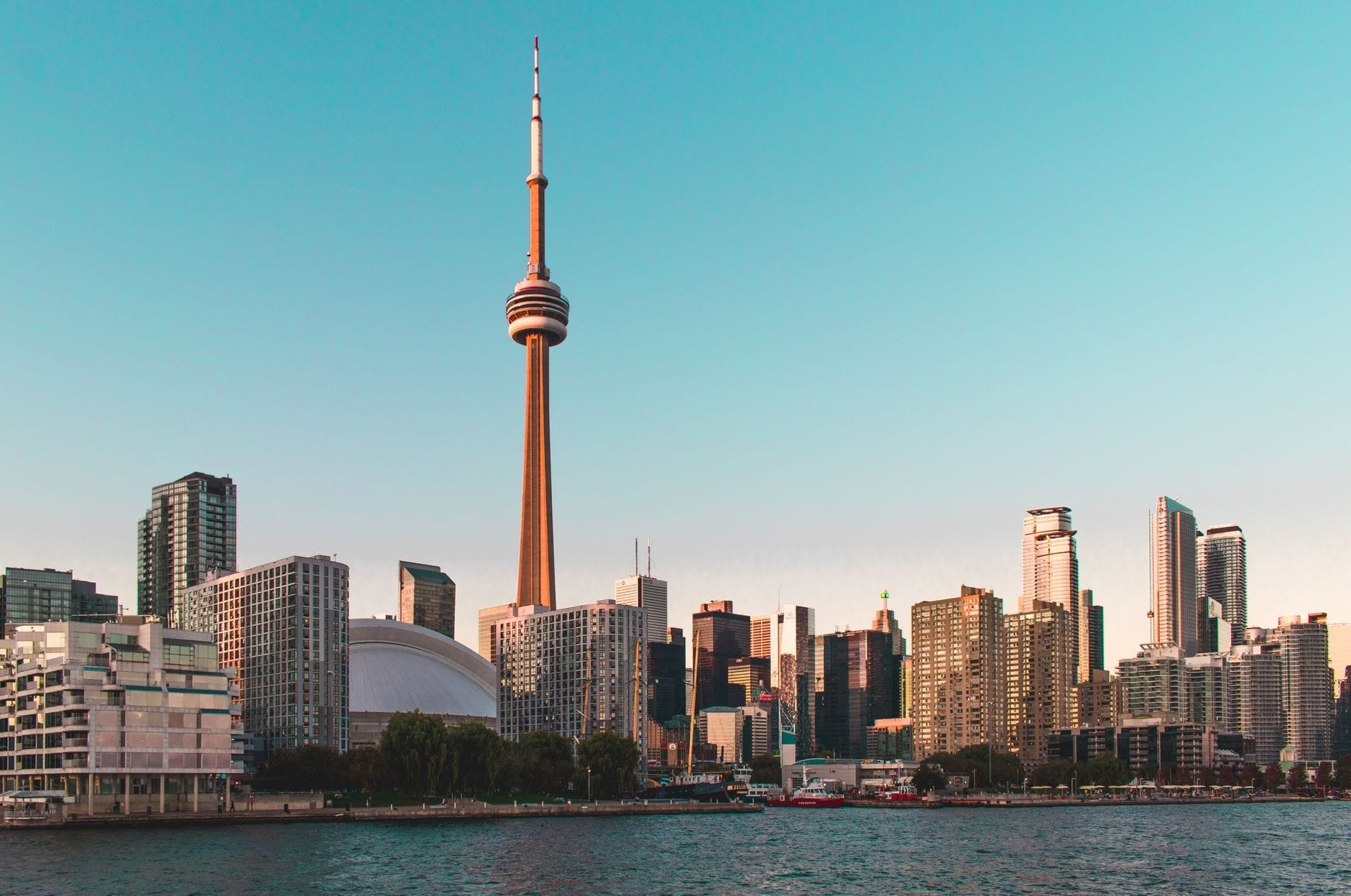
- The CN Tower (553.3 m) and the Gehry-renovated Art Gallery of Ontario are the two most visited architectural landmarks in the city.
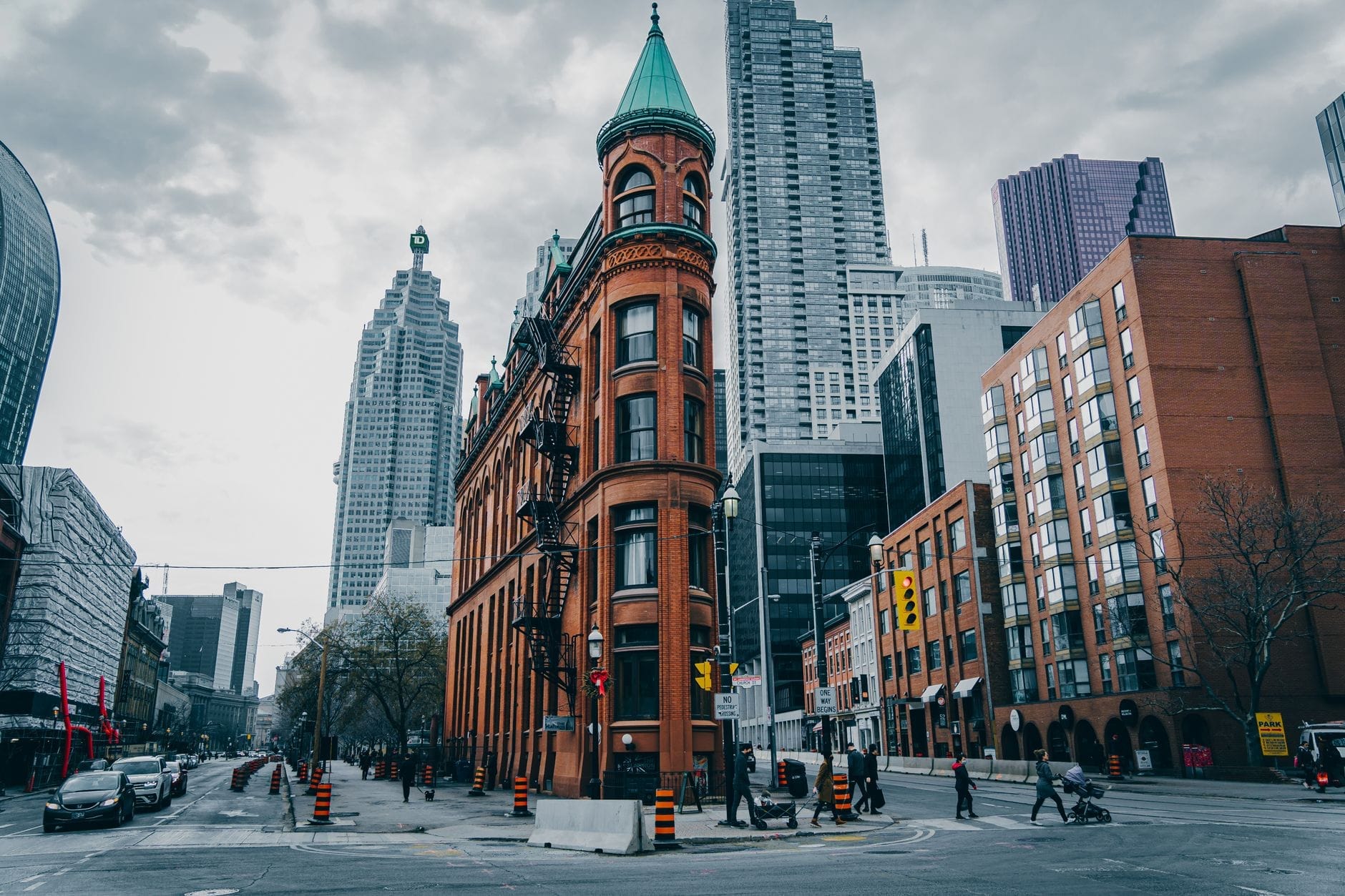
- Toronto's Gooderham Building (1892) predates New York's famous Flatiron by a full decade — a common misconception worth knowing before you visit.
- The best time for architecture walks is May through October; winter fog and ice can limit outdoor visibility and comfort.
- For a structured route through multiple landmarks, pair this guide with Toronto walking tours or the Toronto Society of Architects' seasonal tours.
Understanding Toronto's Architectural Timeline
Toronto's built environment is a layered record of the city's growth from a colonial garrison town into Canada's most populous city. The earliest surviving structures, dating to the late 18th and early 19th centuries, cluster around the original townsite near Front and King Streets. These include remnants of Georgian and Neoclassical civic architecture, though many were demolished during Toronto's rapid 20th-century expansion.
The Victorian era left the deepest mark on the city's street-level character. Red-brick Romanesque Revival and Italianate commercial buildings from the 1870s through 1900s still line stretches of King Street East, Wellington Street, and the blocks around St. Lawrence Market. The Distillery District is widely regarded as one of the best-preserved collections of Victorian industrial architecture in North America, with more than 40 heritage buildings on its pedestrian-only grounds.
The postwar decades brought Modernism and, controversially, Brutalism. University Avenue's institutional buildings, the University of Toronto campus, and several civic structures from the 1960s and 1970s define this period. Then came the condo boom: Toronto has one of the highest concentrations of high-rise residential towers in North America, a pattern that has reshaped the skyline dramatically since the 2000s. To understand the full context, the downtown core is the best starting point for any architectural walkabout.
The Landmark Buildings Every Architecture Visitor Should Know
These are not just the most photographed buildings in Toronto. They represent genuinely distinct architectural moments, each worth understanding before you see them in person.
- CN Tower (1976) At 553.3 metres, this communications and observation tower held the title of world's tallest free-standing structure from its completion until 2007. The exterior is uncompromising concrete and steel, but its engineering achievement is the architectural story. General admission to the main observation level runs roughly CA$45–55 for adults; the SkyPod (higher level) is priced separately. Timed tickets are strongly recommended to avoid queues, especially on summer weekends.
- Toronto City Hall (1965) Designed by Finnish architect Viljo Revell following an international competition that drew 520 entries, City Hall is one of Canada's finest Modernist civic buildings. Two curved towers of unequal height frame a low council chamber that reads from above as a disc between parentheses. The building replaced a Victorian-era City Hall now known as Old City Hall, which still stands across the street as a functioning courthouse.
- Gooderham Building / Flatiron (1892) A Romanesque Revival wedge squeezed into the triangular lot where Wellington and Front Streets meet, the Gooderham Building was completed a full decade before New York's more famous Flatiron. The rear facade features a large trompe-l'oeil mural painted by Derek Michael Besant. The building is privately occupied with no public interior access, but it is one of the most photographed buildings in the city and pairs naturally with a walk through the adjacent St. Lawrence neighbourhood.
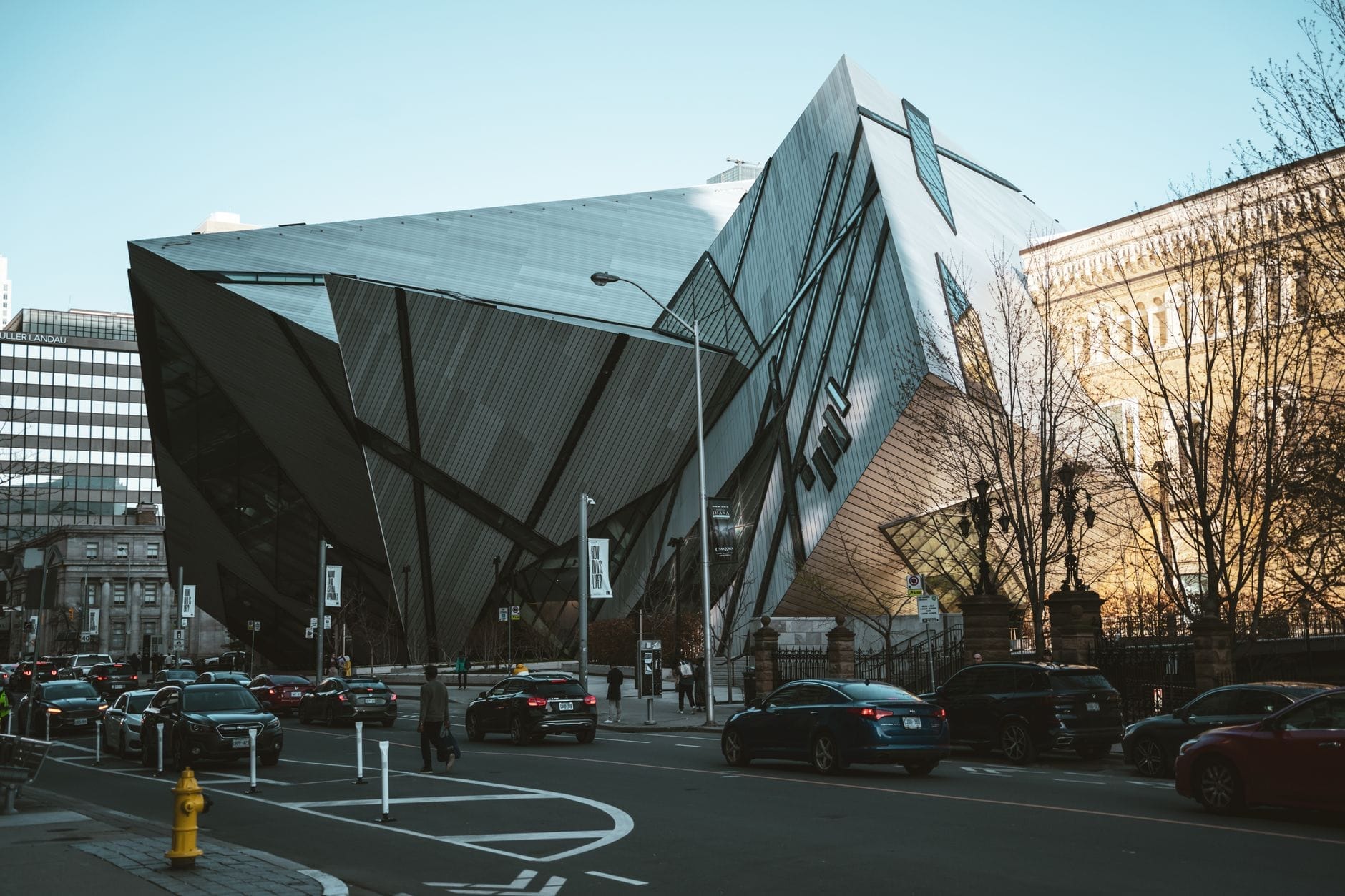
- Art Gallery of Ontario (1918, expanded 2008) The AGO's most recent transformation, led by Toronto-born architect Frank Gehry, introduced a sweeping curved glass and Douglas fir facade along Dundas Street West. Gehry grew up blocks from the gallery, which gives the project an unusual biographical dimension. Adult general admission is around CA$30; visitors under 25 enter free. The building is worth examining both from Dundas Street and from the interior atrium spaces.
- Robarts Library, University of Toronto (1973) Few buildings in Canada provoke stronger reactions. The concrete Brutalist mass of Robarts, designed by Mathers and Haldenby, is often described as fortress-like, and from the air it reads as a triangular concrete peacock. Polarizing to this day, it represents a specific strain of 1970s institutional architecture that believed monumentality equalled authority. It is open to the public in most of its common areas; hours vary by university term.
- OCAD University Sharp Centre (2004) Will Alsop's addition to the Ontario College of Art and Design sits on ten pencil-thin legs above the existing heritage building, a pixelated black-and-white box hovering over McCaul Street. It won the Worldwide Award in the RIBA International Awards and remains one of the most genuinely unusual pieces of architecture in Toronto's downtown.
ℹ️ Good to know
Toronto's Gooderham Building (1892) predates New York's Flatiron Building (1902) by a decade. If you hear someone call it a copy, the chronology says otherwise.
Victorian and Heritage Architecture: Where to Look
The blocks around St. Lawrence Market contain some of the densest surviving Victorian commercial streetscape in the city. Front Street East, between Jarvis and Church, has retained much of its 19th-century brick facade, including the St. Lawrence Market South building itself, whose site has housed a market since 1845 and whose current south building structure dates primarily from early 20th‑century reconstructions incorporating elements of earlier halls. Old City Hall on Queen Street West, a Romanesque Revival building completed in 1899 by E.J. Lennox, is arguably the finest civic building of that era in the city.
The Distillery District is the most intact Victorian industrial site in North America, per its National Historic Site designation. The Gooderham and Worts Distillery complex was built primarily between the 1860s and 1890s, and the preserved buildings now house galleries, restaurants, and studios. Unlike many 'heritage' areas in North American cities, very little here is reconstruction: these are the original structures, and the cobblestone streets are original too.
Further west, Osgoode Hall on Queen Street West is a Neoclassical complex begun in 1829 and expanded through the mid-19th century. The ornate iron fence surrounding the grounds was reportedly installed to keep cattle off the lawns. It still functions as a law court and professional organization, but exterior viewing is unrestricted and the grounds are occasionally open for public tours.
💡 Local tip
For the best concentration of Victorian commercial architecture in a single walk, start at the Gooderham Building at Front and Wellington, walk east to St. Lawrence Market, then north to Old City Hall on Queen Street. The entire route is under 2 km and passes through multiple architectural eras.
Modernist and Brutalist Toronto: The Buildings People Love to Argue About
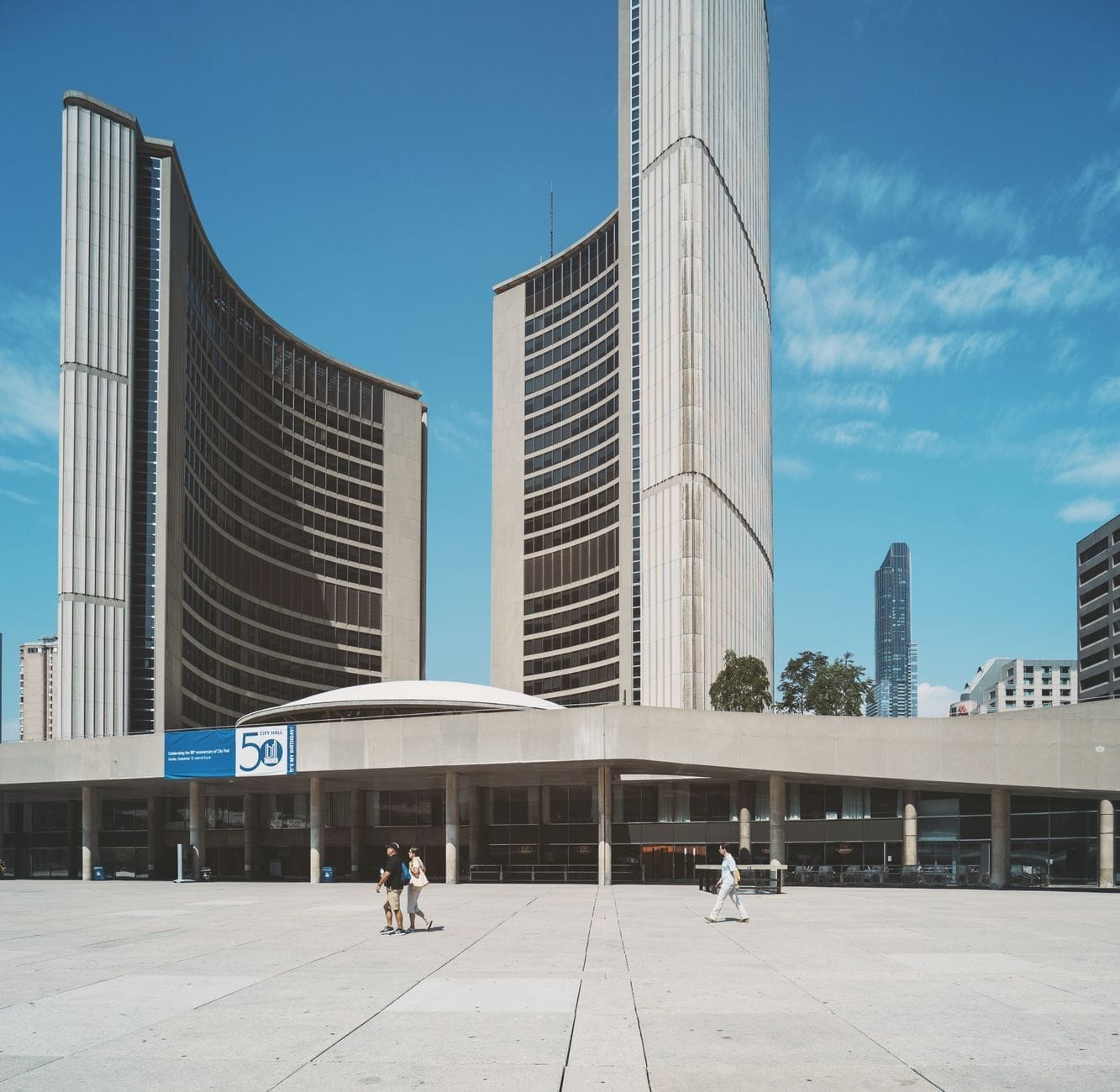
Toronto has a complicated relationship with its Brutalist architecture. Several significant buildings from the 1960s and 1970s have faced demolition threats, while others have been celebrated as heritage assets. The debate is worth understanding before you visit, because it shapes how locals talk about these buildings.
City Hall (1965) is the most successful example of Modernist civic architecture in the city, and most Torontonians have made peace with it. The adjacent Nathan Phillips Square functions as a genuine public space year-round: a reflecting pool in summer, a free public skating rink from roughly late November through March (with skate rentals available on-site). The square hosts festivals, concerts, and events throughout the year, which means the architecture is rarely experienced in isolation from urban life.
Robarts Library at the University of Toronto is the more contested case. Built in 1973 to a design by Mathers and Haldenby, it was nicknamed 'Fort Book' almost immediately after opening. Heritage advocates have fought to preserve it against proposed alterations and additions. Whether you find it oppressive or magnificent, it is worth seeing in person: photographs do not fully capture the scale of the concrete mass.
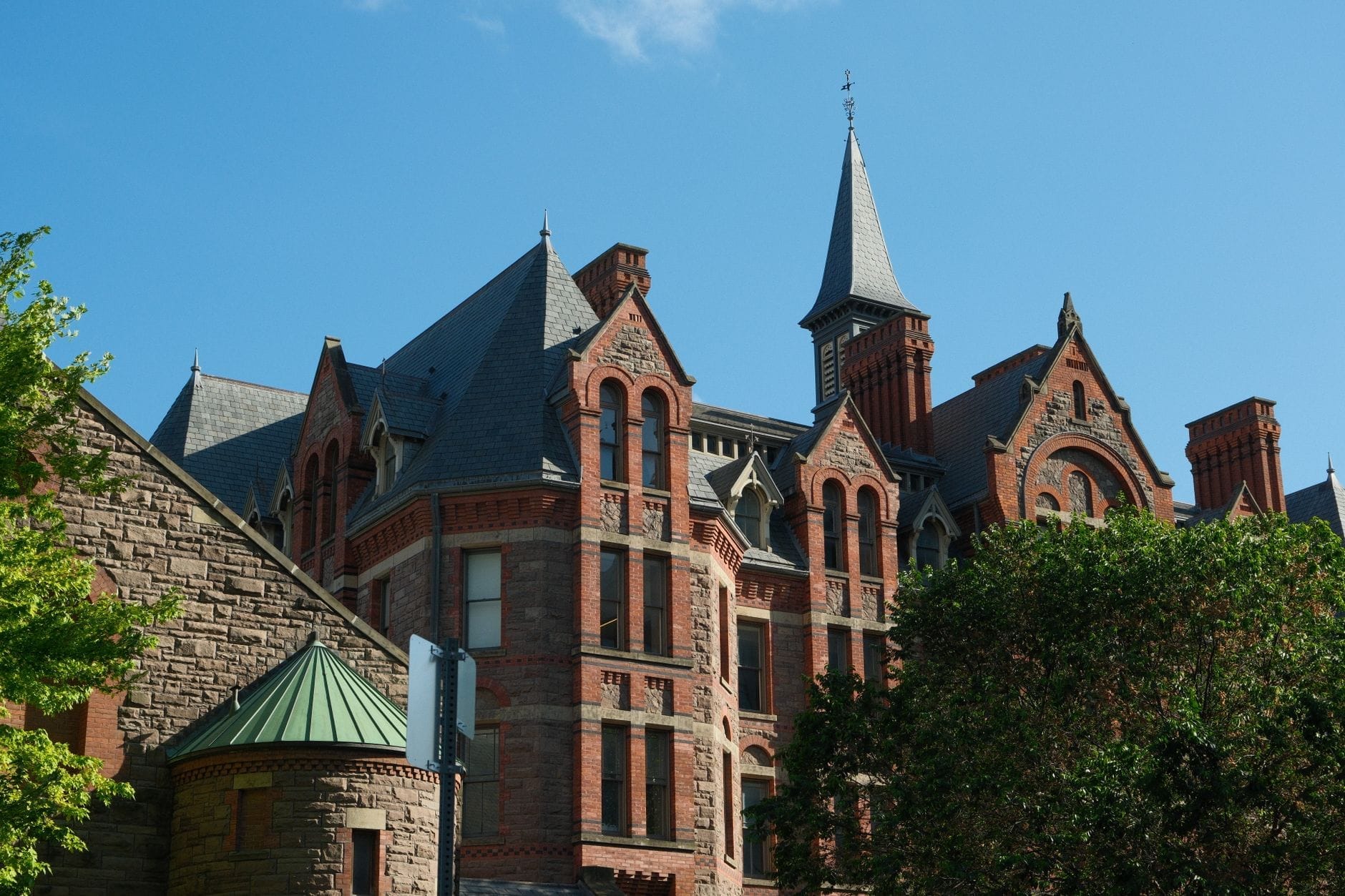
The University of Toronto's St. George campus is itself an architectural survey course in a walkable area. Structures range from the Victorian Gothic of University College (1859) to the Brutalist Medical Sciences Building to contemporary additions. The U of T St. George campus is open to the public and free to walk through; guided tours are offered periodically.
Contemporary Architecture and the Condo Era
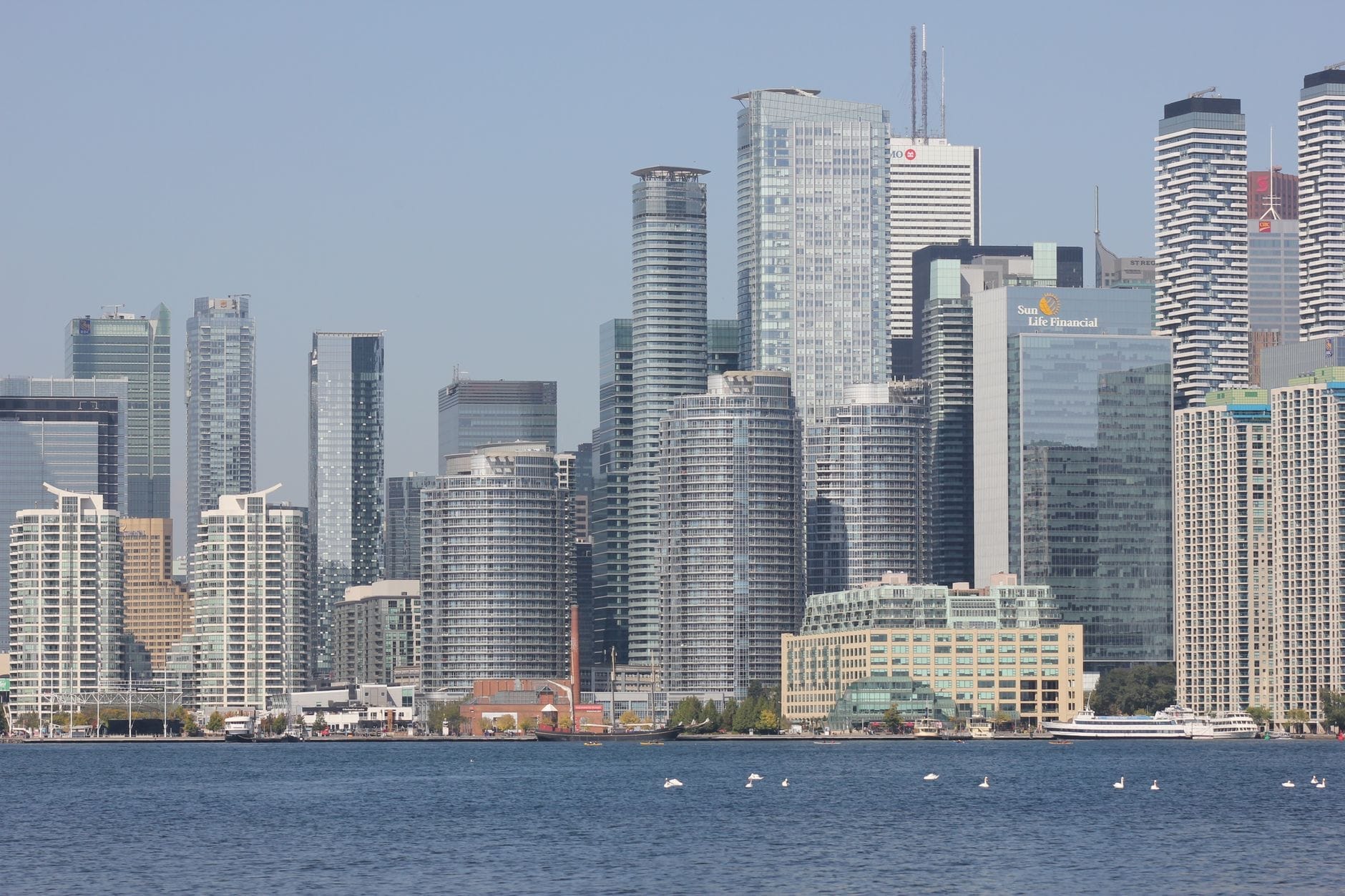
Toronto has been building residential towers at a rate few cities in North America can match. The skyline has changed dramatically since 2000, with dozens of towers in the 50-to-80-storey range now defining the view from the lake. The quality of this construction varies enormously: some are genuinely interesting architectural objects, many are competent glass boxes, and a few have become cautionary tales about fast-cycle development.
The standouts in contemporary architecture tend to be institutional and cultural buildings rather than residential towers. The Aga Khan Museum in the North York area, designed by Fumihiko Maki and opened in 2014 to the public, is one of the most refined contemporary buildings in Canada. The exterior travertine and the interplay of light in the central courtyard reward a visit even if you have limited interest in the collection. The adjacent Ismaili Centre, designed by Charles Correa, is equally worth seeing.
On the waterfront, Brookfield Place (formerly BCE Place) contains a soaring galleria designed by Santiago Calatrava, connecting Bay Street to Wellington Street and the PATH system rather than directly to the waterfront. The glass-and-steel atrium is one of the most dramatic interior spaces in the city and is freely accessible during business hours. For broader waterfront context, the Toronto waterfront guide covers the full stretch of redeveloped lakefront including several architectural installations and public art structures.
✨ Pro tip
The OCAD Sharp Centre is best viewed from the corner of McCaul Street and Stephanie Street, looking north. From this angle you get the full effect of the pixelated box floating above the heritage building on its cluster of thin legs. It takes about three minutes on foot from the AGO.
How to Explore Toronto's Architecture: Routes, Tours, and Practicalities
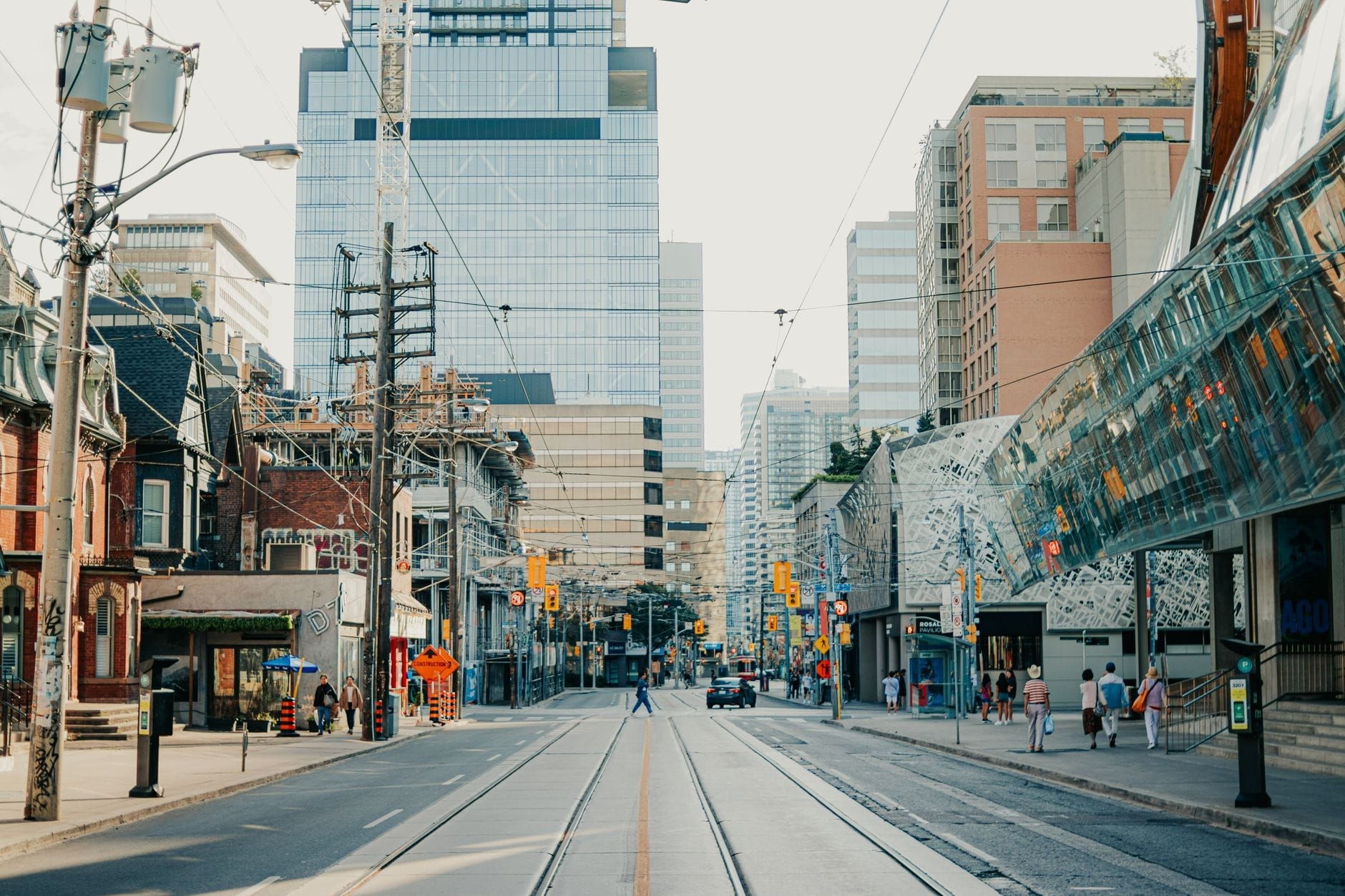
The most efficient way to cover Toronto's architectural highlights is on foot, organized by neighborhood. A single day in the downtown core can take in the Financial District's towers, Old City Hall, Osgoode Hall, City Hall, the AGO, OCAD's Sharp Centre, and the Gooderham Building without requiring transit. Add a second half-day in the Distillery District and St. Lawrence for the Victorian streetscape.
The Toronto Society of Architects runs seasonal architecture walking tours, typically from spring through fall, focused on specific neighborhoods or themes. These are run by architects and architecture students and offer context that a self-guided walk cannot replicate. Schedules are posted on their website and tend to book out several weeks in advance for popular routes.
- May to October is the ideal window for architecture walks: comfortable temperatures, extended daylight, and no ice on cobblestones or heritage courtyards.
- Winter fog and low cloud can significantly reduce visibility from the CN Tower observation deck; check the forecast before booking timed tickets.
- The Aga Khan Museum is in North York and requires transit or a rideshare; plan 2-3 hours minimum to do it justice and combine with the adjacent Ismaili Centre.
- Many of Toronto's most significant buildings are not ticketed attractions: the Gooderham Building, Osgoode Hall exterior, OCAD Sharp Centre, Robarts Library grounds, and Brookfield Place atrium are all free to experience.
- University of Toronto's St. George campus is best visited on weekdays when buildings are open; weekend access to interior spaces can be limited.
For those interested in combining architecture with broader sightseeing, the 3 days in Toronto itinerary clusters major landmarks by neighborhood and can be adapted to prioritize architectural stops. If you have more time, the 5-day Toronto itinerary allows for day trips to sites like Evergreen Brick Works, a heritage industrial site in the Don Valley ravine that has been adaptively reused as a community and market space.
What's Overrated and What's Underrated
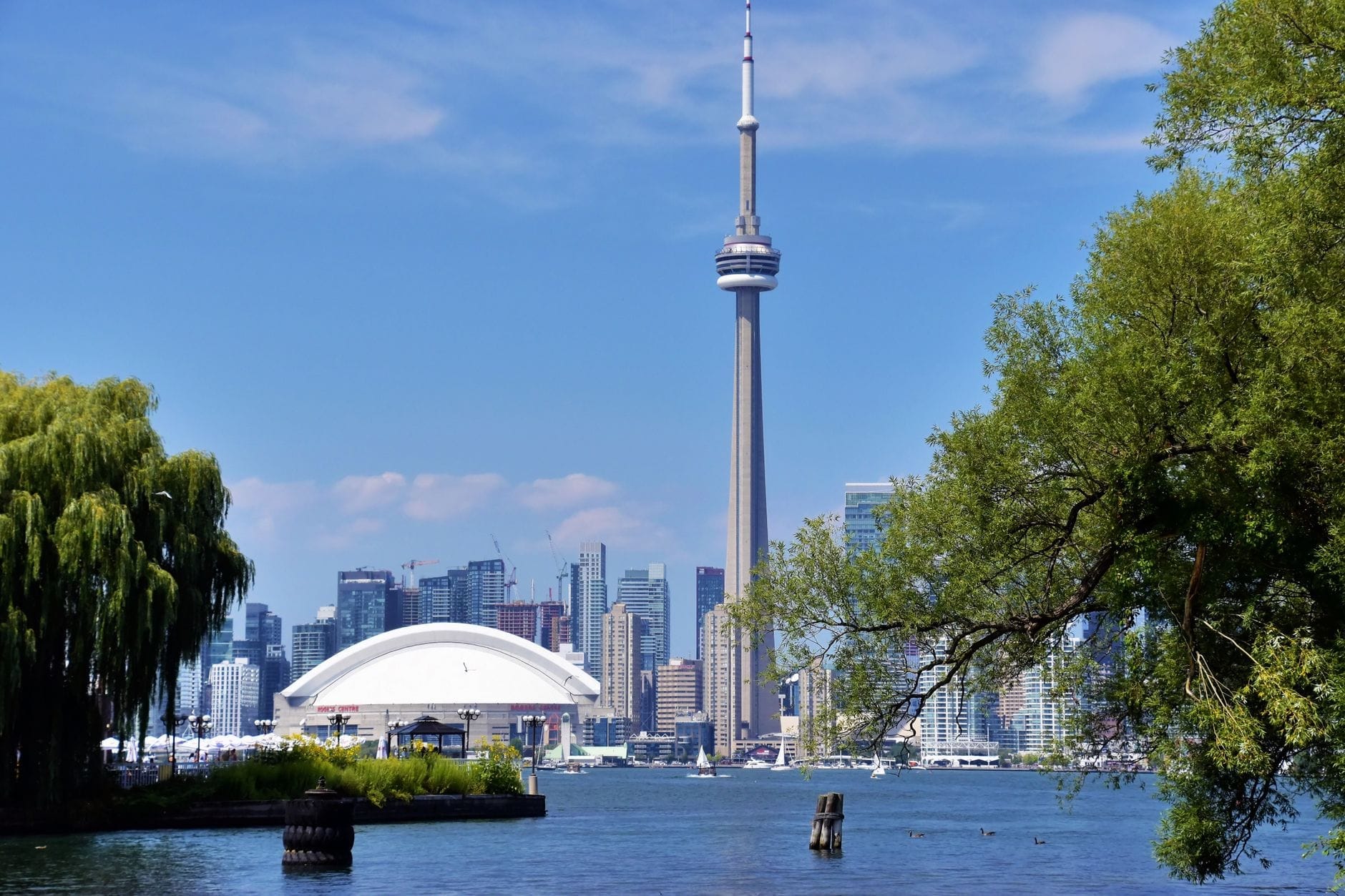
The CN Tower is not an overrated attraction, but it is often visited for the wrong reasons. If you are going for the architecture, the building's exterior and its relationship to the surrounding skyline is more interesting than the interior observation experience, which is functionally identical to any high-rise deck in any major city. The EdgeWalk (a harness walk on the exterior rim) is genuinely unique and not for everyone, but it is the one experience at the tower that cannot be replicated elsewhere.
The Royal Ontario Museum's Michael Lee-Chin Crystal addition, designed by Daniel Libeskind and completed in 2007, is one of the more divisive pieces of contemporary architecture in the city. The angular crystalline forms are bold in photographs but have drawn sustained criticism for their impact on the adjacent heritage wing and for interior spaces that are awkward to navigate and display art in. It is worth seeing, but with calibrated expectations: this is a building that performs better as an object than as a functional museum.
Underrated: the interior of Union Station, substantially completed and opened in 1927 in the Beaux-Arts style. The Great Hall, with its 27-metre coffered ceiling and arched windows, is one of the grandest interior spaces in Canada and is accessible to anyone using the station, free of charge. Most visitors walk through it as transit infrastructure without stopping to look up. For more on the station and its surroundings, see the Union Station guide.
FAQ
What architectural style is most common in Toronto?
Toronto does not have a single dominant style. Victorian-era red-brick commercial and residential buildings are the most prevalent at street level across older neighborhoods. The downtown core is characterized by postwar Modernist office towers, with a newer generation of glass-and-steel residential highrises added since the 1990s. Brutalist institutional buildings from the 1960s and 1970s are concentrated around the University of Toronto and civic areas.
Is the CN Tower the tallest building in Toronto?
The CN Tower, at 553.3 metres, remains the tallest free-standing structure in Toronto. However, it is a communications and observation tower, not an occupied building in the conventional sense. Among conventional skyscrapers, First Canadian Place (298 metres) held the title of tallest office tower in Canada for many years. Several newer residential towers are approaching that height, though as of now none has surpassed First Canadian Place’s 298 metres in roof height.
Can you do a self-guided architecture walk in Toronto?
Yes. The downtown core is very walkable, and a self-guided route covering City Hall, Osgoode Hall, the Gooderham Building, the AGO, OCAD Sharp Centre, and Union Station can be completed in 3-4 hours. The Toronto Society of Architects maintains an online buildings archive that can supplement a self-guided walk with context on individual structures.
What is the best neighborhood for architecture in Toronto?
It depends on the era you are most interested in. The Distillery District is unmatched for Victorian industrial heritage. The downtown core around Queen Street and Bay Street covers the widest range of styles, from 1890s commercial buildings to 21st-century towers. The University of Toronto's St. George campus is the best single area for academic and institutional architecture across multiple eras.
Are there free architecture experiences in Toronto?
Many of Toronto's most significant buildings are free to approach or enter. Brookfield Place's Calatrava atrium, Union Station's Great Hall, the Gooderham Building exterior, Osgoode Hall grounds, Nathan Phillips Square, and much of the U of T campus are all accessible at no cost. The Distillery District's streets and courtyards are free to walk; only specific venues inside charge admission.
Tickets & tours
Live prices and dates from our booking partner. If you book, we may earn a commission at no extra cost to you.
Planning a trip? Discover personalized activities with the Nomado app.