Best Walking Tours & Self-Guided Walks in Toronto
Toronto rewards walkers. From the Victorian laneways of the Distillery District to the lakefront trail and Kensington Market's chaotic grid, the city's best stories are told on foot. This guide covers the top guided walking tours, free tip-based options, City-published self-guided routes, and the neighbourhoods worth exploring on your own schedule.
Tickets & tours
Live prices and dates from our booking partner. If you book, we may earn a commission at no extra cost to you.
TL;DR
- Toronto has guided walking tours from around US$5 (tip-based) to US$40+ for fixed-price small-group options — most run April through October.
- The City of Toronto publishes free, downloadable self-guided walks covering architecture, public art, and nature — no app or payment required. Pair them with the Toronto architecture guide for extra context.
- "Free tours" from Tour Guys and Toonie Tours are tip-supported — guides rely on gratuities, so budget CAD $15–25 per person as a fair contribution.
- The best walking months are May, June, September, and October. Summer humidity peaks in July and August, and winter sidewalks can be icy. Check the best time to visit Toronto for full seasonal detail.
- Neighbourhood self-guided walks in the Distillery District, Kensington Market, and along the waterfront are free any time of year and easily combined into a full day.
Why Toronto Is Built for Walking
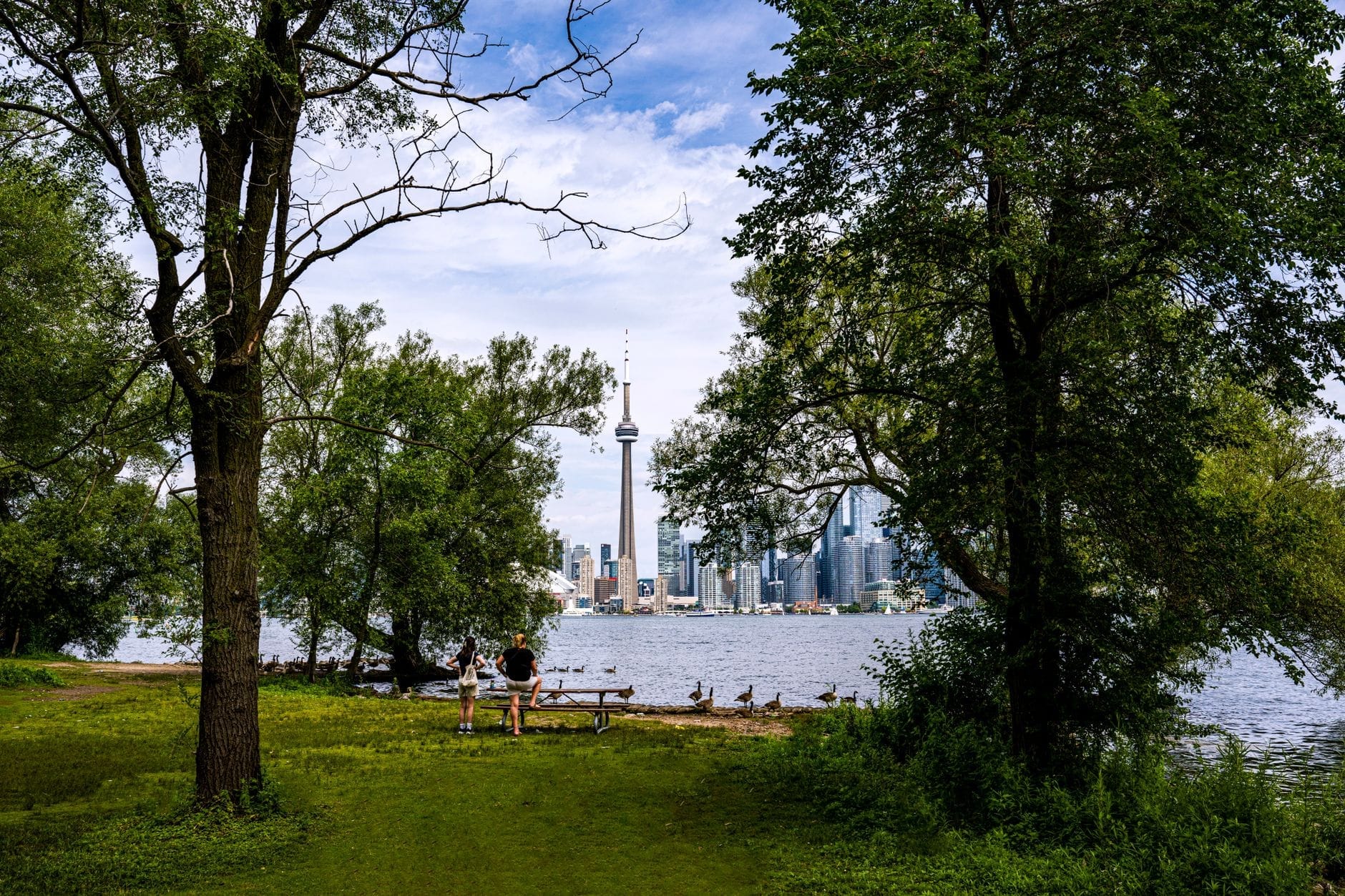
Toronto sits on the northwestern shore of Lake Ontario at roughly 75–76 metres above sea level, giving the city a flat-to-gently-rolling street grid that is genuinely comfortable to walk. The downtown core — bounded loosely by the lake to the south, Spadina to the west, Jarvis to the east, and Bloor to the north — packs an enormous amount into a walkable area. You can get from St. Lawrence Market to the Distillery District in under 20 minutes on foot, and from Union Station to Kensington Market in about 30.
The city's neighbourhood structure also makes it ideal for themed walks. Toronto has over 140 distinct neighbourhoods, each with a different architectural era, cultural identity, or street life rhythm. That variety is what makes a guided tour genuinely worth doing here — a knowledgeable guide connecting the layers of immigration history, urban development, and local politics turns a pleasant stroll into something you'll actually remember.
ℹ️ Good to know
Toronto's weather follows a humid continental pattern. January averages around -3.7°C (25°F), while July averages 22°C (72°F) with high humidity. Walking tours are most comfortable from late April through June and again in September and October. If you're visiting in summer, book morning departure times to avoid peak afternoon humidity.
Guided Walking Tours: The Best Operators
Toronto's guided tour market has consolidated around a handful of reliable operators and the major booking platforms. The quality gap between operators is real — the best guides have deep knowledge of specific neighbourhoods and can improvise around crowds or weather. The worst are essentially scripted recitations of Wikipedia facts delivered at pace. Here is an honest breakdown of who is worth your time.
- Tour Guys The most visible operator in the city, running themed small-group tours covering downtown highlights, street art, and neighbourhood history. Their free/pay-what-you-feel model makes them accessible, but the quality depends on the specific guide. Book online at tourguys.ca — walk-ins are not reliably accommodated. Tip expectation: CAD $15–25 per person minimum for a worthwhile guide.
- Toonie Tours Runs the Old Town Free Walking Tour (gratuity-based, 2 hours) and fixed-price options including the Discovery District Walking Tour at $34.99/adult and $12.99 for children 12 and under. Bike tours are also available from around US$94–99 for 3 hours. Strong for history-focused itineraries in the older eastern core.
- ROMWalks (Royal Ontario Museum) A long-running volunteer-led programme with free and ticketed neighbourhood walks, primarily spring through fall. Guides are trained by the ROM and walks often focus on architectural or heritage themes in areas like Rosedale, Cabbagetown, and Yorkville. Check scheduling via the ROM website as programmes are published seasonally.
- Tasty Tours Toronto Food-focused walks hitting Kensington Market, Chinatown, and themed culinary routes (sweets, multicultural eats). Prices and times vary by tour and date — book via their official site. Worth considering if eating is the priority over sightseeing.
- Heritage Toronto Runs seasonal historical walks and special themed tours covering immigration history, natural heritage, and architecture. Mainly spring through fall. Schedules and prices are published each year on heritagetoronto.org. These are some of the most research-backed walks available, particularly for visitors with a genuine interest in urban history rather than highlights.
⚠️ What to skip
"Free" walking tours in Toronto are not free in practice. Tour Guys, Toonie Tours, and operators listed on GuruWalk all describe their tours as tip-supported. Guides depend on gratuities for income. Showing up and contributing nothing is considered poor form — budget at least CAD $15 per person for a standard 2-hour walk, more for exceptional guides or longer tours.
For booking, Viator and GetYourGuide both aggregate Toronto walking tours with live pricing and availability. Viator lists options such as Old Town Toronto highlights tours typically starting around US$30–40 for fixed-price or tip-based formats and fixed small-group tours around US$40. GetYourGuide provides user reviews filtered by recency, which is useful for verifying guide quality in the current season. Always check the provider's own website for the most accurate pricing — third-party platforms sometimes show outdated rates.
Free Self-Guided Walks from the City of Toronto
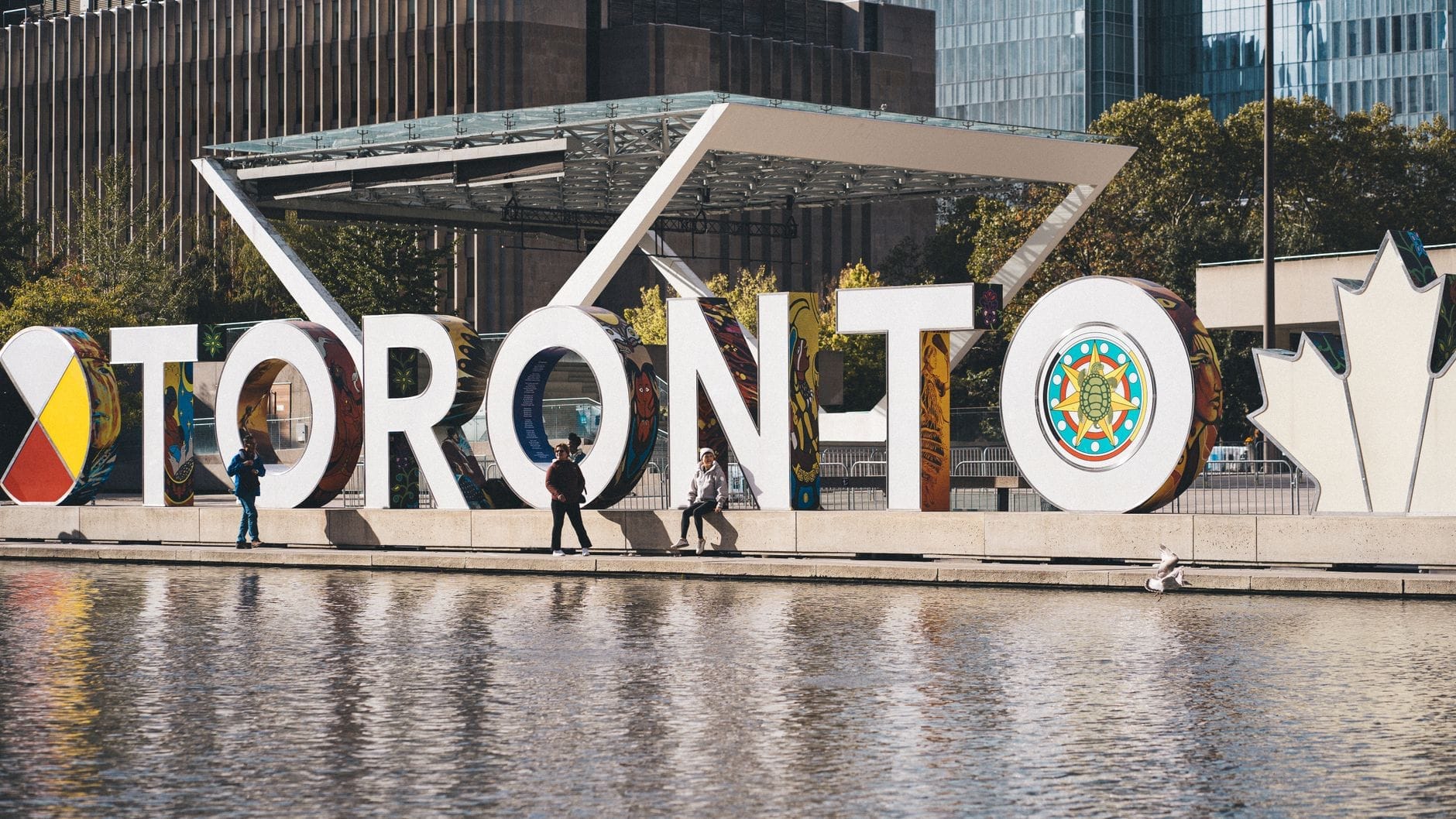
The City of Toronto's Transportation Services division publishes a series of free self-guided tours available at toronto.ca/services-payments/streets-parking-transportation/sidewalk-tours-wayfinding/self-guided-tours/. These cover downtown architecture, waterfront public art, North York cultural sites, and natural heritage routes. They are available as web pages and downloadable PDFs — no app required, no payment, no registration. They work year-round, though winter conditions (ice, snow) affect comfort and some outdoor elements.
These official routes are underused by most visitors, which makes them genuinely good value. The downtown architectural walk, for example, takes you past Old City Hall, Osgoode Hall, and the sharp-cornered OCAD University Sharp Centre — buildings spanning 150 years of Toronto's architectural ambition — with historical notes that go beyond what you'd get from a signboard.
✨ Pro tip
Download the City's PDF self-guided tours before you go — cell signal can be patchy in underground sections of the PATH network, and having an offline copy saves you from hunting for Wi-Fi mid-walk. The waterfront route in particular covers a lot of distance between reliable hotspots.
The Best Neighbourhoods for Self-Guided Walking

Some areas of Toronto are so walkable and self-explanatory that you do not need a guide — the neighbourhood itself does the work. The key is knowing which ones are worth the time and what specifically to look for.
- Distillery Historic District Canada's largest collection of Victorian-era industrial architecture, now pedestrianised with galleries, restaurants, and seasonal markets (including the Toronto Christmas Market in November and December). The brick laneways photograph well in any light. Weekday mornings are dramatically quieter than weekend afternoons. Free to walk; 1–2 hours covers the full site comfortably.
- Kensington Market A dense, unplanned grid of vintage shops, international grocers, murals, and makeshift cafes in a roughly 6-block area west of Spadina. It does not photograph like a postcard, which is precisely why it is interesting. Sunday afternoons bring street performers and the market is at its most active from May through October. Adjacent Chinatown adds another hour easily.
- Queen Street West and Graffiti Alley The stretch from University Avenue to Bathurst Street is Toronto's best-known arts and culture corridor. Graffiti Alley runs parallel to Queen along Rush Lane — roughly 1 kilometre of continuously evolving murals between Spadina and Portland Street. Free and accessible any time, though the art changes regularly so no two visits are identical.
- Toronto Waterfront The Martin Goodman Trail runs 56 kilometres from Etobicoke to Scarborough along the lake. The central section between Harbourfront Centre and Sugar Beach (roughly 2.5 km) is flat, paved, and lined with public art, making it ideal for a casual walk. Combine with a ferry to the Toronto Islands for a half-day itinerary.
- Yorkville and Bloor Street North of Bloor between Avenue Road and Bay Street, Yorkville is Toronto's upscale retail and gallery quarter. The contrast with the 1960s-era counterculture history (the neighbourhood was Toronto's hippie district before its reinvention) is a good hook for architecture enthusiasts. The Mink Mile on Bloor has luxury flagships; the laneways behind Cumberland Street are quieter and more interesting visually.
For walking beyond the core, Toronto's ravine trails offer an entirely different kind of urban walk — 300 kilometres of forested paths cutting through the city, largely invisible from street level. The Don Valley, Humber River, and High Park ravine systems are the most accessible entry points for visitors.
Seasonal Planning: When to Walk and What to Expect
Most guided walking tour operators in Toronto run reduced or suspended schedules between November and March. Heritage Toronto and ROMWalks both emphasise spring-to-fall programming. The Tour Guys and Toonie Tours operate year-round in theory, but winter departures are less frequent and group sizes are smaller — which can actually mean a better experience if you do not mind bundling up.
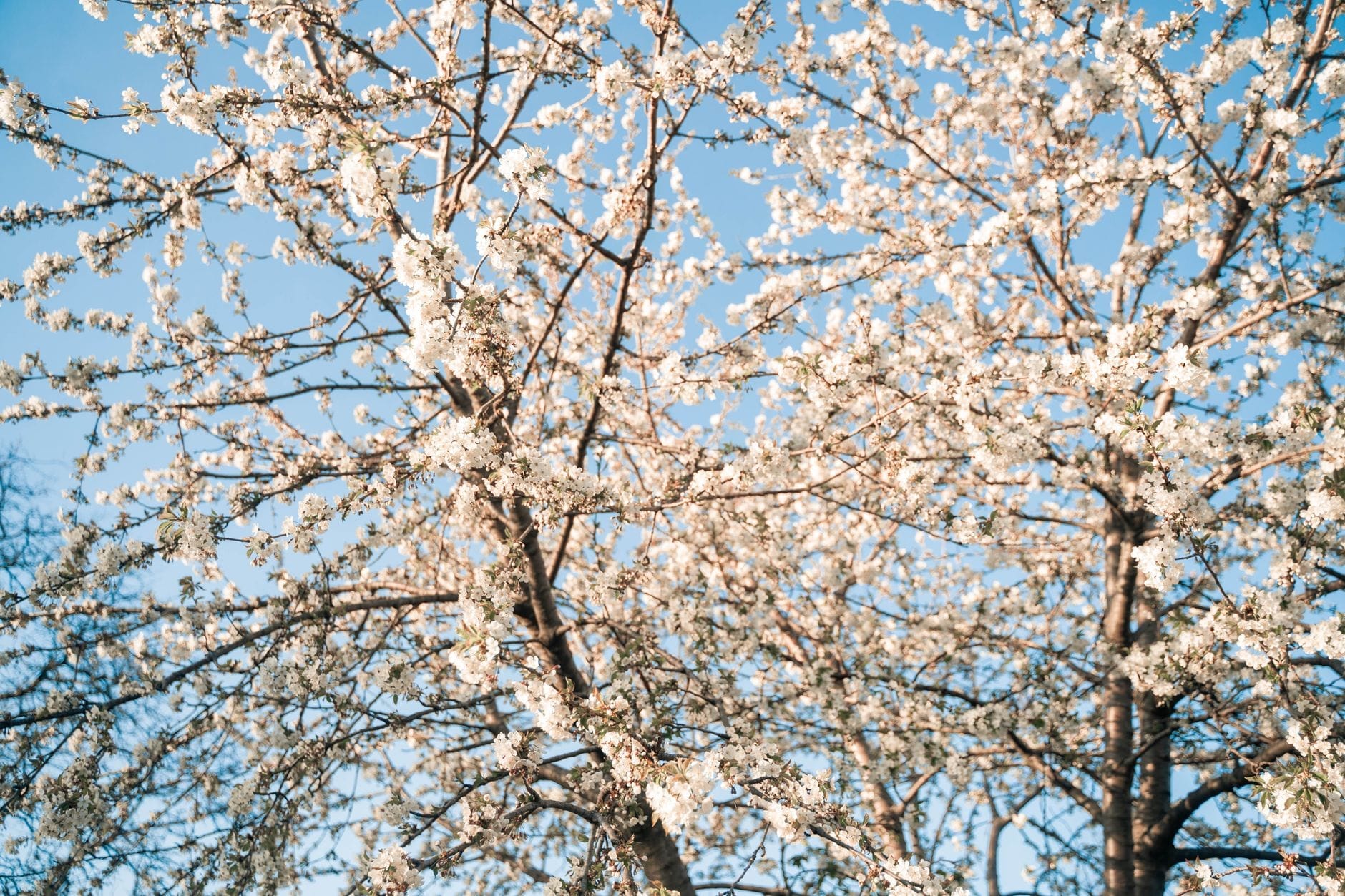
Spring (April to early June) is the sweet spot for walking tours. Temperatures are in the 8–18°C range, crowds are manageable, and the city's trees are coming into leaf. Cherry blossom season in High Park typically runs two to three weeks in late April and draws significant crowds to that specific area, but the rest of the city is not affected. Autumn (September to October) is similarly pleasant, with lower humidity than summer and better light for photography.
Summer brings humidity that can make sustained walking uncomfortable between noon and 4pm, particularly in July and August when daytime highs regularly exceed 28°C. For summer visits, book morning tours (9am or 10am departures are standard) and plan self-guided walks to start before 10am or after 5pm. The Toronto in summer guide covers the full seasonal picture including outdoor festivals that can affect crowd levels in specific neighbourhoods.
Practical Tips Before You Go
- Wear comfortable, flat-soled shoes. Toronto's core is flat but the Distillery District has uneven cobblestones, and the ravine trails involve occasional stairs and unpaved sections.
- Carry water, especially in summer. Outdoor water fountains in parks operate roughly May through October; cafes along Queen West and Kensington Market are reliably available otherwise.
- The TTC (Toronto Transit Commission) makes it easy to supplement walking with transit. A single fare (verify current price at ttc.ca) gets you on subways, streetcars, and buses with free transfers within 2 hours. This is useful for multi-neighbourhood itineraries where you want to walk one direction and transit back.
- Gratuity for guided tours: carry cash (CAD dollars) or confirm in advance that the operator accepts card tips. Many guides prefer cash for tips even if the booking was made online.
- Photography permissions: Graffiti Alley and most public spaces are unrestricted for personal photography. Some private courtyards in the Distillery District may have posted restrictions for commercial shoots.
- Accessible routes: the City's waterfront path and much of the Distillery District are wheelchair-accessible. Kensington Market and some Old Town laneways have uneven surfaces. The City's self-guided tour PDFs include accessibility notes for most routes.
If you are building a full itinerary around walking, the 3 days in Toronto guide provides a day-by-day structure that sequences neighbourhoods efficiently to minimise backtracking. For budget-conscious visitors, most self-guided routes and several guided options are covered in the free things to do in Toronto guide.
FAQ
Are free walking tours in Toronto actually free?
Not entirely. Free walking tours from operators like Tour Guys and Toonie Tours are tip-supported — guides work without a fixed fee and rely on gratuities. The booking itself is free, but a tip of CAD $15–25 per person is expected and appropriate for a standard 2-hour tour. The City of Toronto's self-guided tours (downloadable PDFs and web routes) are genuinely free with no payment or tips involved.
What is the best walking tour in Toronto for first-time visitors?
For a first visit, a downtown or Old Town guided tour covers the most historical ground efficiently. Toonie Tours' Old Town Free Walking Tour and Tour Guys' downtown highlights walk are both well-regarded starting points. If you prefer self-guided, download the City of Toronto's downtown architecture walk and combine it with a loop through the Distillery District — that pairing covers two centuries of the city's built history in half a day.
What time of year is best for walking tours in Toronto?
May, June, September, and October offer the most comfortable conditions: temperatures between 12°C and 22°C, low humidity, and manageable crowds. July and August are walkable but humid; book morning departures. November through March sees most guided tour operators reduce their schedules, though self-guided routes work year-round if you dress appropriately for cold weather.
How long are most Toronto walking tours?
Standard guided tours run 2 to 3 hours and cover roughly 3–5 kilometres. Toonie Tours' Discovery District tour is listed at 2 hours; many Tour Guys and Viator-listed options run 3 hours. Food-focused tours like Tasty Tours Toronto may run longer depending on stops. Self-guided routes from the City of Toronto vary from 1 to 3+ hours depending on pace.
Do I need to book Toronto walking tours in advance?
For tip-based free tours from Tour Guys and Toonie Tours, advance online booking is strongly recommended — walk-ins are not reliably accommodated and tours can reach capacity, especially on weekends in summer and fall. For ROMWalks and Heritage Toronto, registration is typically required as group sizes are controlled. Self-guided City of Toronto walks require no booking at all.
Tickets & tours
Live prices and dates from our booking partner. If you book, we may earn a commission at no extra cost to you.
Planning a trip? Discover personalized activities with the Nomado app.