Best Time to Visit Toronto: A Season-by-Season Breakdown
Toronto has four genuinely distinct seasons, and the best time to visit depends entirely on what you want from the trip. This guide breaks down weather, crowds, pricing, and events month by month so you can make an informed decision.

Tickets & tours
Live prices and dates from our booking partner. If you book, we may earn a commission at no extra cost to you.
TL;DR
- The best overall window is late May to early June or September to early October: mild temperatures, thinner crowds, and lower prices than peak summer.
- July and August are peak season: warm, festival-heavy, and busy. Expect higher hotel rates and advance booking requirements for popular attractions.
- Winter (December to February) is genuinely cold, with temperatures regularly below 0°C and wind chill making it feel worse. It suits visitors who want holiday markets, hockey games, and rock-bottom flight prices.
- Toronto observes Eastern Standard Time (UTC-5) in winter and Eastern Daylight Time (UTC-4) from mid-March to early November. If you're searching 'what time is it in Toronto,' that's your answer. See our guide to getting around Toronto for transport logistics.
- April is a challenging month to visit: cool, unpredictable, and lacking the events that make summer and fall worthwhile.
Toronto's Climate: What You're Actually Dealing With

Toronto has a humid continental climate, classified as Köppen Dfa/Dfb, sitting on the northwestern shore of Lake Ontario at around 76 metres above sea level. That location shapes the weather considerably: the lake moderates temperatures slightly compared to inland Ontario, but it also feeds lake-effect snow in winter and adds humidity in summer. The result is a city with four real seasons, none of them mild.
Annual precipitation is around 834 mm (33 inches), spread fairly evenly across the year with no true dry season. Summer sees more thunderstorms and occasional heavy rain events, while winter precipitation falls as snow. There is no monsoon period, but late spring to early summer (May through June) and fall tend to bring the most reliable stretches of clear, comfortable weather.
⚠️ What to skip
Toronto winters are not mild. January averages around -3.7°C (25°F), and wind chill regularly pushes the felt temperature below -15°C. If you're visiting December through February, pack a proper winter coat, waterproof boots, and layers. The PATH underground pedestrian network (about 30 km of tunnels connecting downtown buildings) helps, but you will be outside.
Summer (June to August): Peak Season With Good Reason
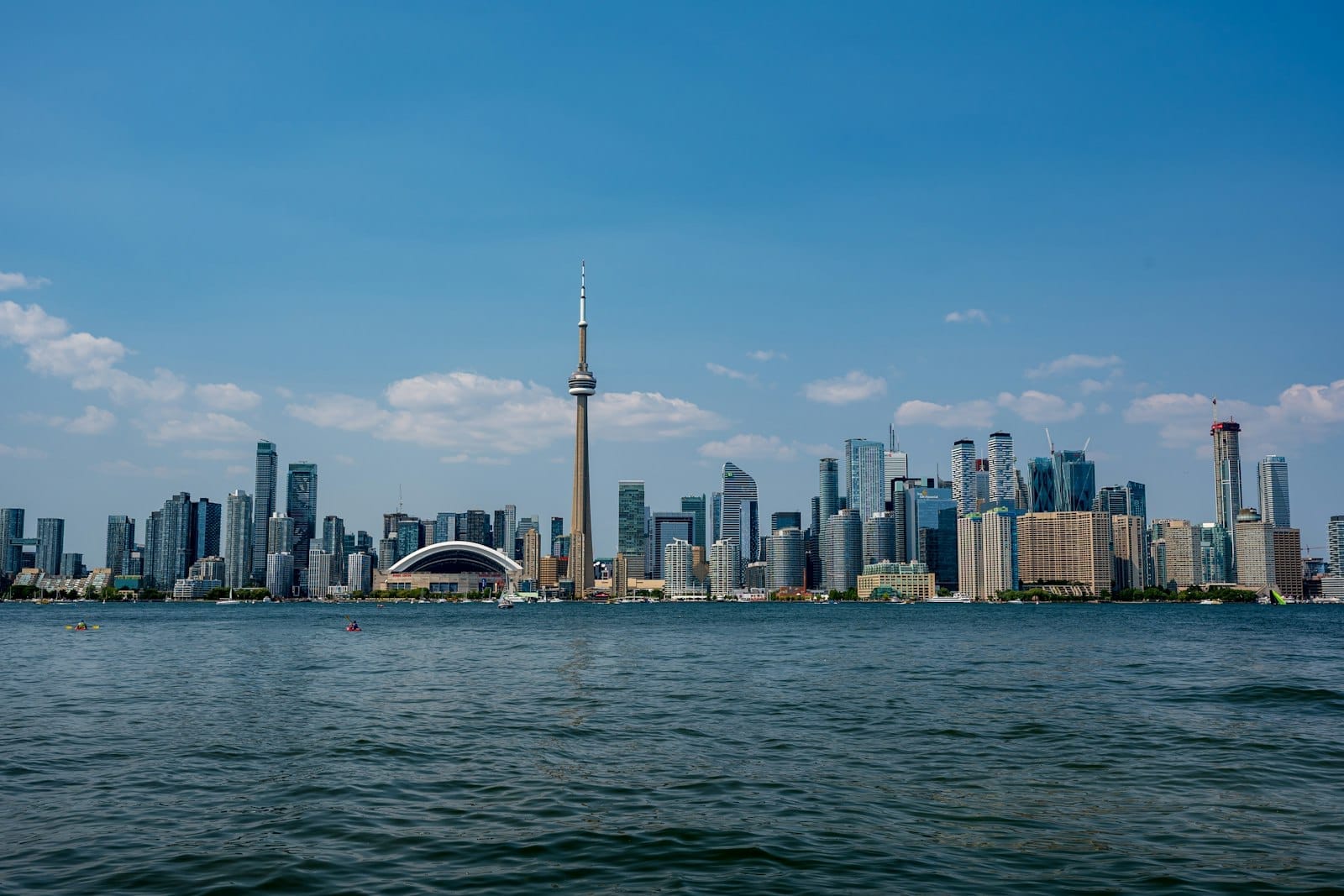
Summer is Toronto's most popular window for visitors, and it earns that status. July is the warmest month, with average daytime highs around 26-27°C (79-81°F) and overnight lows rarely dropping below 16°C. Humidity can push the felt temperature higher, occasionally making mid-July feel more draining than thermometers suggest, but it's nothing like the extremes of cities further south.
The outdoor calendar fills up fast. The Harbourfront Centre runs free outdoor programming all summer, Toronto Caribbean Carnival (late July to August) draws over a million attendees, and the Toronto International Film Festival opens in early September, technically straddling the summer-fall boundary. Patios on Queen West open by late May and stay packed through August. The Toronto Islands get busy on weekends from late June onward, with ferry queues sometimes stretching 30-45 minutes on a hot Sunday.
- Peak pricing Hotel rates in July and August run roughly 20-35% higher than shoulder months. Book accommodations at least 6-8 weeks ahead for anything centrally located.
- Crowds at major attractions The CN Tower, Royal Ontario Museum, and Ripley's Aquarium see their longest wait times in July and August. Weekday mornings are significantly better than weekend afternoons.
- Best for outdoor activities Beaches at Woodbine and Hanlan's Point, cycling the Martin Goodman Trail, and rooftop patios are all at their best from late June through August.
- TIFF trade-off Early September brings the Toronto International Film Festival, which lifts hotel prices again for about 10 days while adding genuine cultural energy downtown.
Fall (September to October): The Smartest Time to Visit
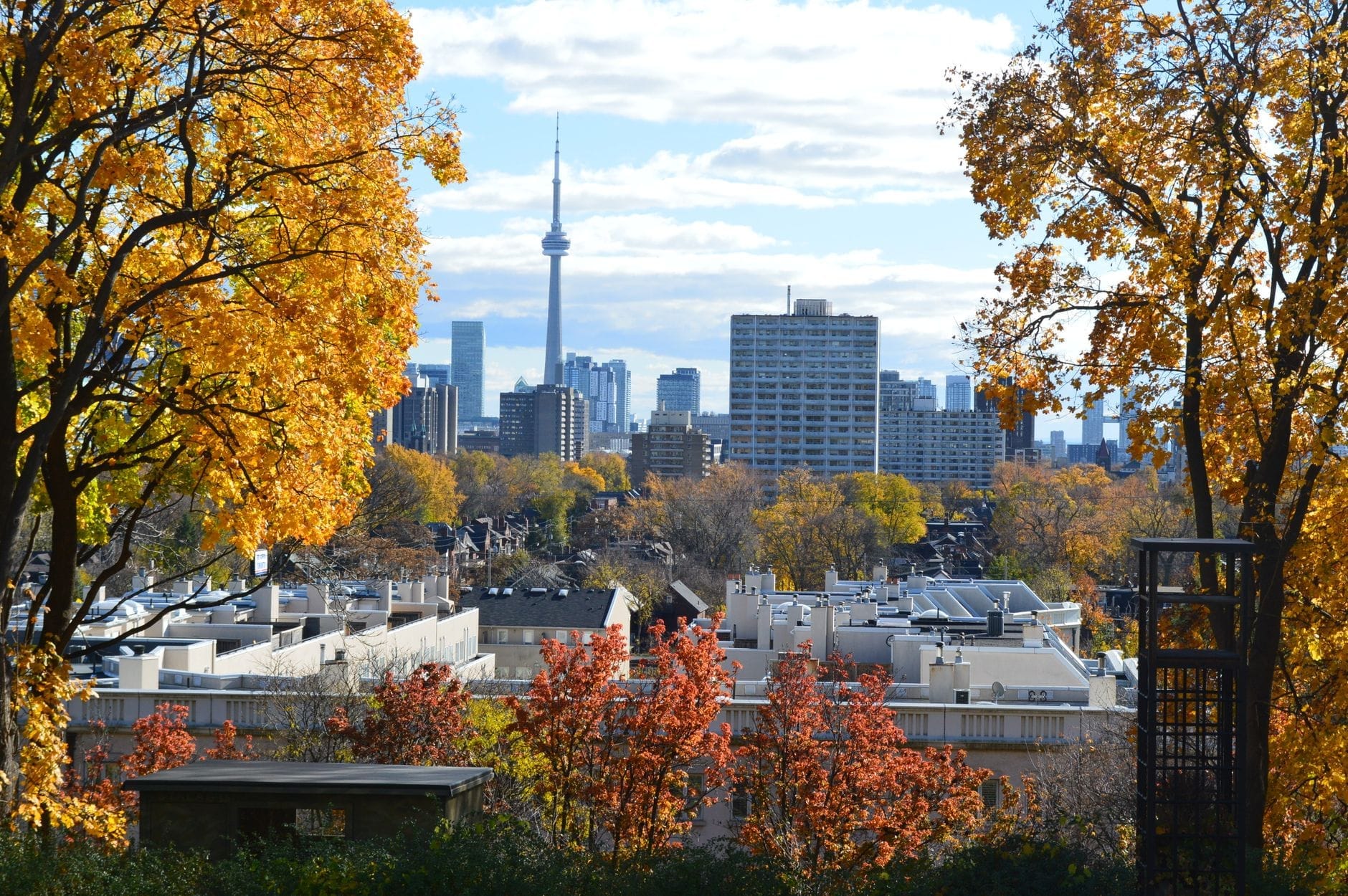
September and October often represent the best balance of conditions in Toronto. September daytime highs average around 18-22°C, cooling to the low teens by mid-October. Rain is relatively infrequent in early fall, and the humidity that characterizes July and August has dissipated. The city's tree canopy, particularly in neighborhoods like the Annex and along Bloor Street, turns a reliable amber and red from late September into October.
Crowds thin noticeably after Labour Day weekend (early September), and hotel prices drop back toward their year-round baseline. The High Park woodland trails are especially worthwhile in mid-October. The Distillery District hosts its popular Toronto Christmas Market from late November, which technically falls into early winter but starts drawing visitors by the last week of November.
✨ Pro tip
If you're visiting in late September or early October, combine a Toronto base with a day trip to see fall foliage — the drive north toward the Muskoka Lakes region, about 2-3 hours from the city, offers some of the most dramatic colour in eastern Canada. Alternatively, Niagara-on-the-Lake is excellent in October and easily reached within 90 minutes by car or bus.
November is a different story. Temperatures drop sharply, grey skies become the norm, and the city settles into a transitional mood before the Christmas market season kicks in. It's not the worst time to visit if prices are your priority, but it offers neither summer's energy nor winter's festive framing.
Winter (November to March): Cold, Cheap, and Underrated for the Right Traveller
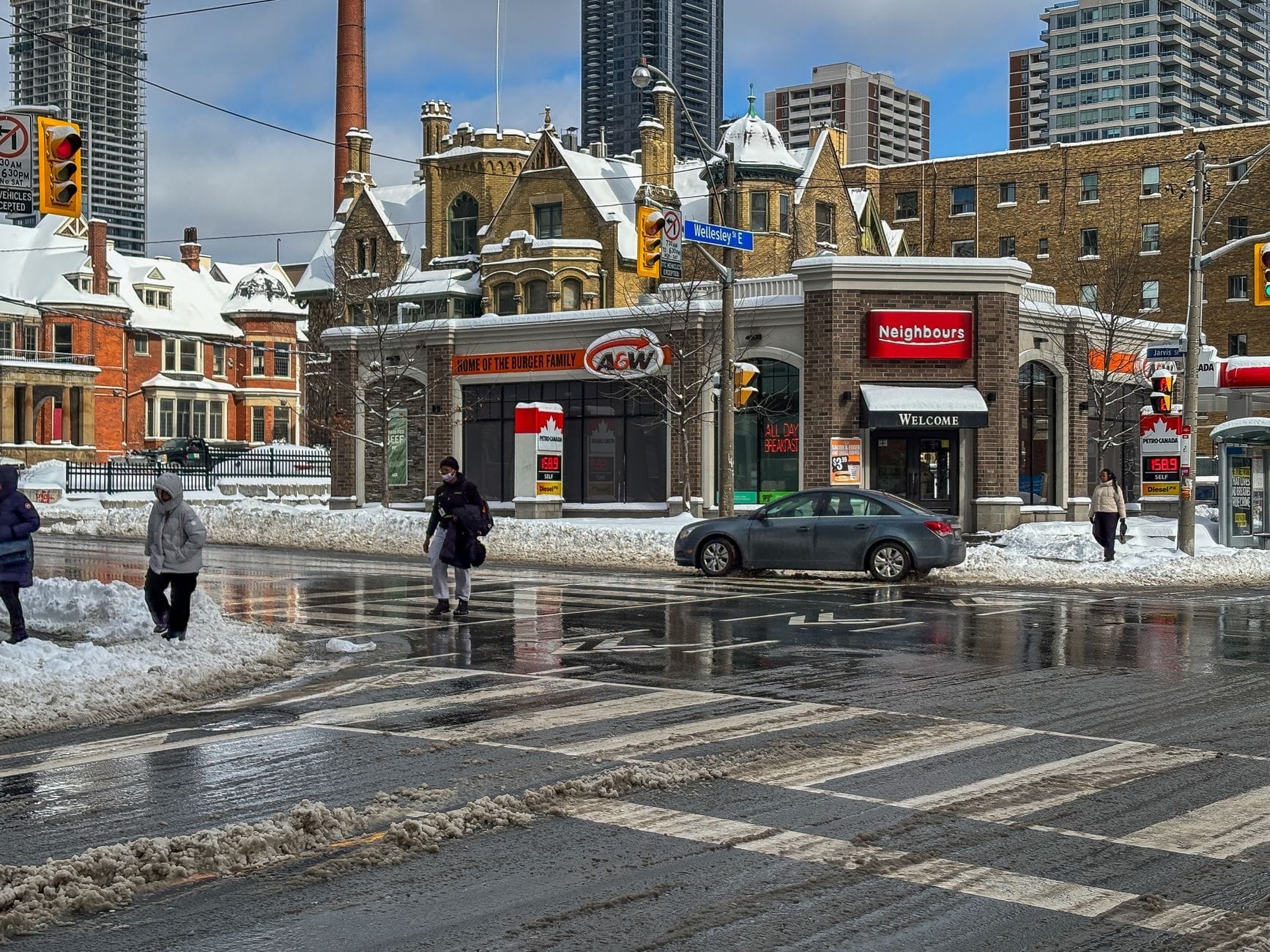
Toronto's winter is long and genuinely harsh. From December through early March, temperatures are regularly below 0°C, with January averaging a high of around -1°C and a low of -7°C. Wind off Lake Ontario pushes the wind chill further. Snowfall is moderate but persistent, and the city doesn't shut down for it — transit keeps running, attractions stay open, and Torontonians go about their lives.
For visitors who can handle the cold, winter has real advantages. Flight prices to Toronto in January and February are among the lowest of the year. The Toronto Christmas Market in the Distillery District runs from late November through Christmas Eve and is one of the better versions of this format in North America. The NHL season is in full swing at Scotiabank Arena, and seeing the Maple Leafs play is a legitimate experience even if you're not a hockey fan. Indoor spaces like the Royal Ontario Museum and the Art Gallery of Ontario are never more appealing than on a -12°C Tuesday.
- Nathan Phillips Square hosts a free outdoor skating rink from roughly December through March — skate rental is available on-site.
- The PATH underground city (about 30 km of tunnels) connects major downtown buildings and is invaluable for winter visits; you can get from Union Station to much of the Financial District without going outside.
- Hotel rates in January and February can be 30-40% below summer peaks. Many downtown properties offer weekend packages targeting the leisure market.
- Winter is not ideal for the Toronto Islands, Scarborough Bluffs walks, or most outdoor patio culture — those experiences require warmer months.
Spring (March to May): Uneven but Improving
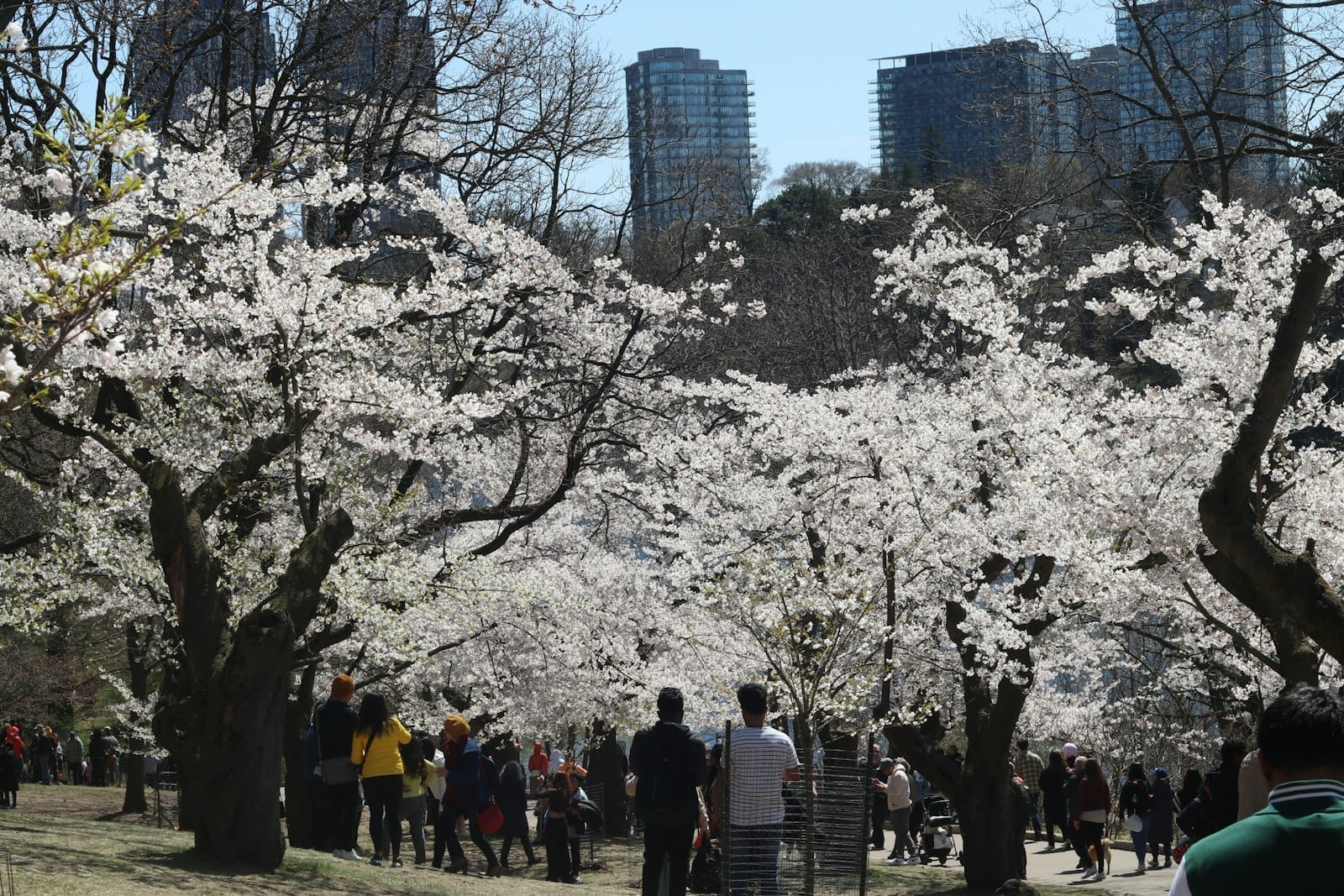
Spring in Toronto is genuinely unpredictable. March still feels like winter in most years, with temperatures hovering around 0°C and frequent snow possible. April starts to warm but remains unsettled, with cold snaps and rain common. By late April and into May, the city begins to feel more like spring — blossoms appear in High Park's cherry grove (typically late April, though the exact timing varies year to year), outdoor restaurant terraces start opening, and the energy in neighborhoods like Kensington Market and Queen Street West picks up noticeably.
May is arguably the most underrated month to visit. Daytime temperatures reach the mid-teens to low twenties, hotel prices haven't yet climbed to summer levels, and the city's parks and neighborhoods are accessible without summer's crowds. The cherry blossom season at High Park draws significant crowds on good weekends but is otherwise easy to navigate. If your schedule is flexible, the last two weeks of May offer a strong combination of conditions.
💡 Local tip
The cherry blossoms at High Park are weather-dependent and peak for only about 4-10 days. Check the Toronto High Park cherry blossom tracker (available via the City of Toronto's parks pages each spring) before planning a special trip around them.
Month-by-Month Pricing, Crowds, and Festivals
Understanding how crowds and prices shift across the calendar helps you find the windows that match both your preferences and your budget. Toronto's tourism pattern is relatively predictable: summer is expensive and busy, winter is cheap and quiet, and the shoulder months offer genuine value.
- January–February Lowest hotel prices, coldest weather, NHL games, and indoor cultural programming. Best for budget travellers and those drawn to winter city life.
- March–April Still cold, prices starting to creep up in April, cherry blossoms possible in late April. Generally the weakest window unless you're visiting for a specific event.
- May–early June Shoulder season with mild weather and pre-peak prices. Excellent for outdoor exploration without summer crowds.
- July–August Peak season. Warmest temperatures, most festivals, highest prices, most visitors. Plan ahead for accommodation and major attractions.
- September–October Strong shoulder season. TIFF in early September spikes prices briefly, but mid-September onward is excellent value. Fall foliage in October is a bonus.
- November Shoulder-to-low season. Quieter city, unpredictable weather, decent prices. Christmas market begins in late November.
- December Christmas market draws visitors, some hotel price increases in mid-December. Cold but festive atmosphere in the Distillery District and downtown.
Toronto is served by two airports. Toronto Pearson International Airport (YYZ) in Mississauga, about 22 km from downtown, handles the majority of international and domestic flights. The UP Express train links Pearson to Union Station in about 25 minutes, running every 15 minutes or better. Billy Bishop Toronto City Airport (YTZ), connected to downtown by a short tunnel and free shuttle bus, handles mostly regional routes. See our full Toronto airport guide for detailed transport options and pricing.
For practical planning beyond timing, our complete guide to things to do in Toronto covers the city's main attractions, neighborhoods, and experiences across all seasons. If you're planning a short trip, the 3-day Toronto itinerary prioritizes the highest-value experiences regardless of season.
FAQ
What is the best time to visit Toronto for good weather?
Late May through early June and September through early October offer the most consistently comfortable conditions: daytime temperatures between 15-22°C, relatively low humidity, and fewer weather extremes. July and August are warmer but more humid and crowded. If you want the warmest possible weather, July is Toronto's peak.
What time zone is Toronto in?
Toronto observes Eastern Standard Time (EST, UTC-5) from early November to mid-March, and Eastern Daylight Time (EDT, UTC-4) from mid-March to early November. Ontario follows standard North American daylight saving time rules.
Is Toronto worth visiting in winter?
Yes, for the right visitor. Winters are genuinely cold (January averages -3.7°C, often colder with wind chill), but the city doesn't slow down. You get cheaper flights and hotels, NHL hockey, the Distillery District Christmas Market in December, world-class museums, and the underground PATH network for getting around without freezing. It's not suited to outdoor sightseeing, but it suits cultural and urban travel well.
When is Toronto least crowded for tourists?
January and February are the quietest months for tourism, followed by November. If you want low crowds without winter cold, the second half of September and early October are excellent: summer tourists are gone, families are back to school, and the weather is still pleasant.
When are flights to Toronto cheapest?
January and February consistently offer the lowest airfares to Toronto from most markets. November is also relatively cheap. If you're targeting summer travel, booking 2-3 months in advance typically gets better rates than last-minute searches, as July and August demand drives prices up significantly.
Tickets & tours
Live prices and dates from our booking partner. If you book, we may earn a commission at no extra cost to you.
Planning a trip? Discover personalized activities with the Nomado app.