Best Things to Do in Toronto: The Definitive Guide
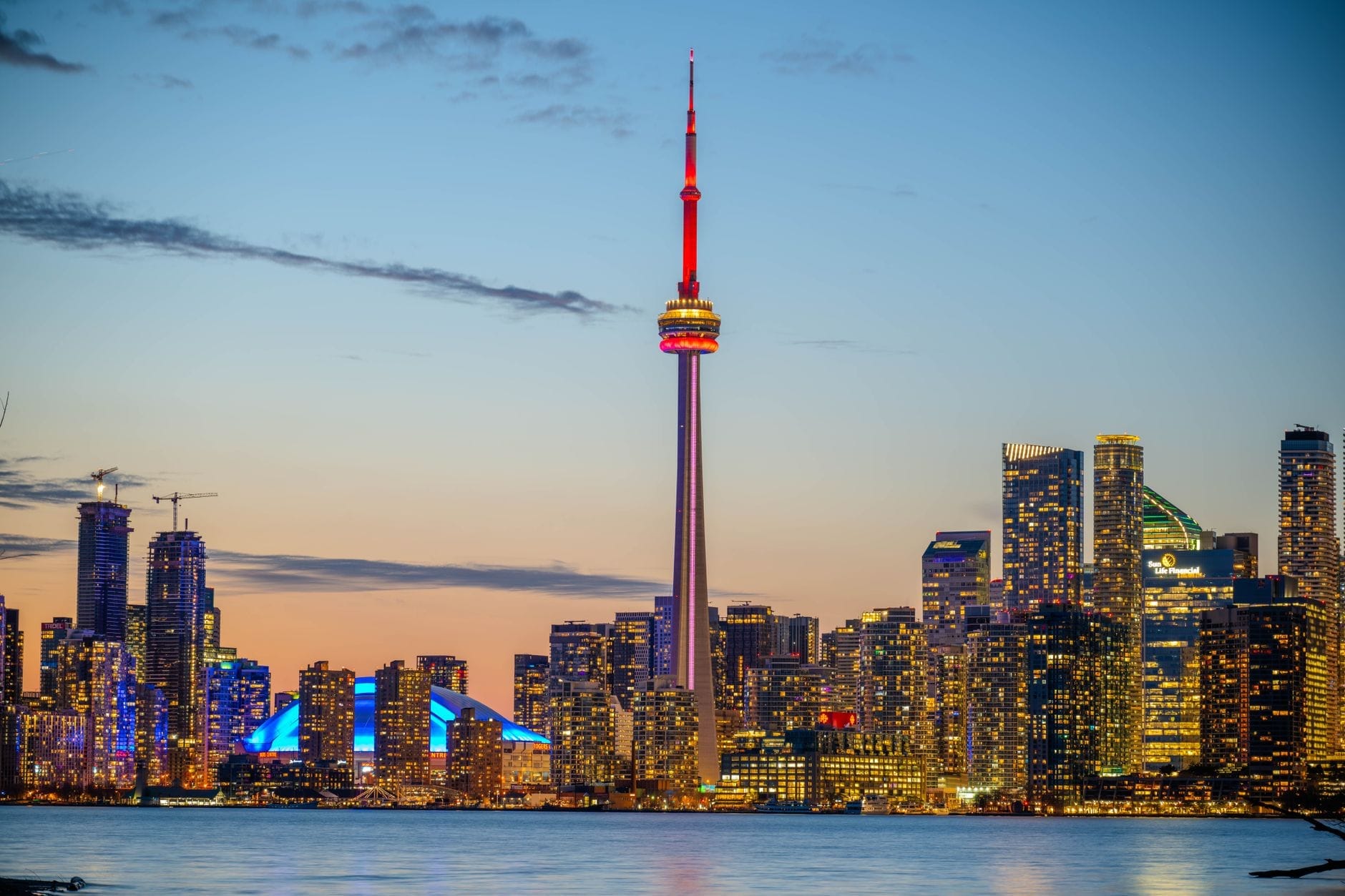
Toronto is Canada's largest city and one of North America's most genuinely diverse destinations. This guide covers the best things to do in Toronto across every budget, season, and interest — with honest assessments, current prices, and practical logistics.
Tickets & tours
Live prices and dates from our booking partner. If you book, we may earn a commission at no extra cost to you.
TL;DR
- Toronto sits on the northwestern shore of Lake Ontario and packs world-class museums, historic markets, and serious waterfront access into a walkable core.
- Top paid attractions include the CN Tower (around CA$43+), Casa Loma (around CA$45), and the ROM (around CA$26); see our best museums in Toronto guide for deeper coverage.
- Late May through June and September through early October offer the best weather for outdoor activities, with fewer crowds than peak July.
- Toronto is large — 630 km² — so plan by neighbourhood. The TTC subway, streetcar, and bus network covers most visitor areas for under CA$4 per ride.
- Book CN Tower, Toronto Islands ferries, and any major festival tickets well in advance during summer weekends — they sell out faster than most visitors expect.
Iconic Landmarks Worth the Hype
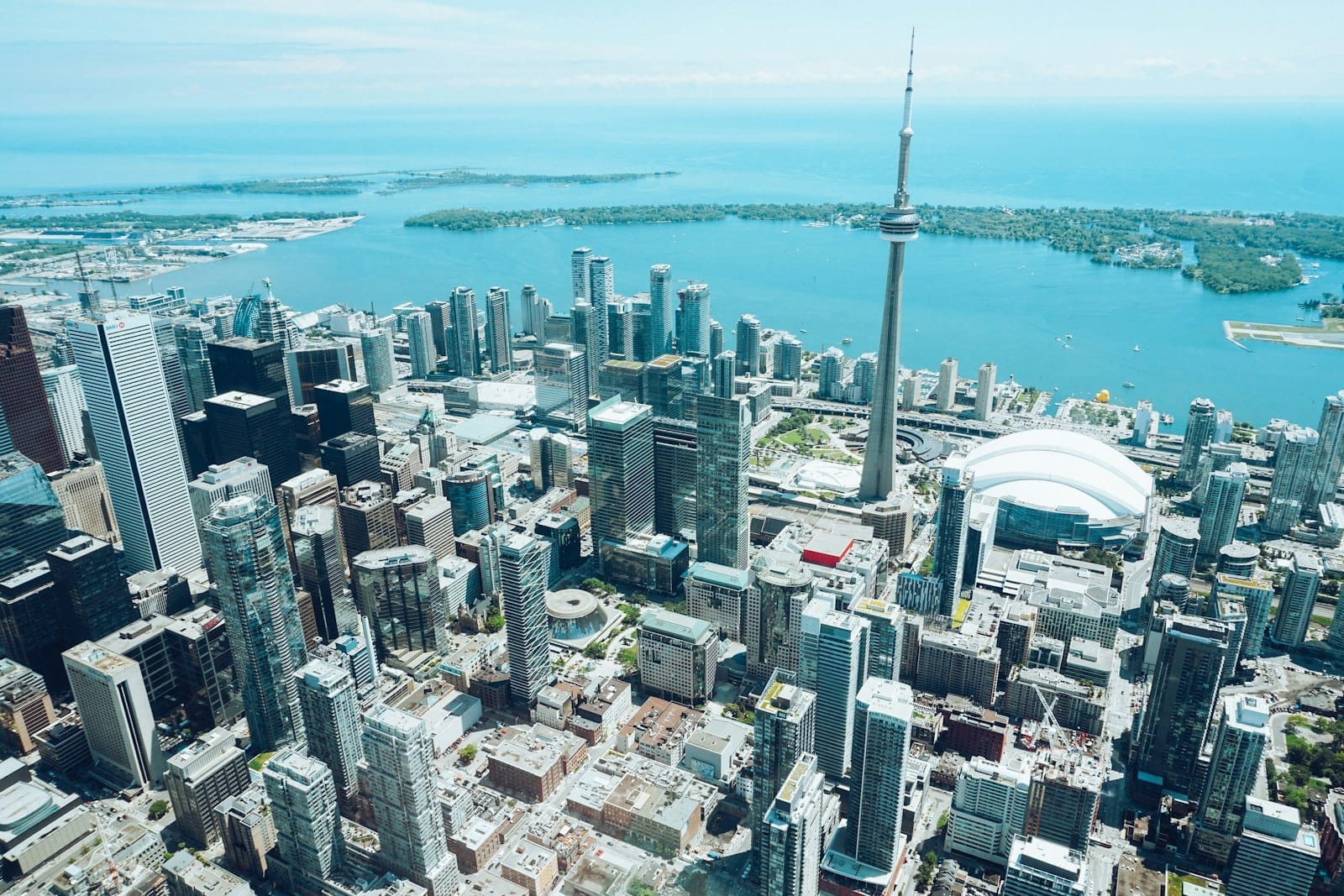
The CN Tower is the obvious starting point, and unlike many signature city towers, it genuinely earns its price. The Main Observation Level sits at 346 metres, the glass floor section tests nerves pleasantly, and the outdoor EdgeWalk — a hands-free walk on a 1.5-metre-wide ledge at 356 metres — is one of the more unusual certified thrill experiences on the continent. General admission runs about CA$43–$45 plus tax for adults. The SkyPod, an additional level at 447 metres, costs extra. Book timed-entry tickets online; summer Saturday queues without a booking can push wait times past 90 minutes.
Casa Loma is genuinely Toronto's most distinctive architectural set piece: an Edwardian castle commissioned by Sir Henry Pellatt and completed in 1914, sitting on a hill above midtown. General admission is around CA$50 for adults and includes the main house, the gardens, and rotating exhibits. The tunnel connecting the main building to the stables is one of those details that consistently surprises first-time visitors. It gets crowded on weekends; a Tuesday or Wednesday morning visit is noticeably calmer. For a broader look at the city's skyline and architecture, the best viewpoints in Toronto guide covers options from the free to the premium.
✨ Pro tip
CN Tower tickets are consistently cheaper when purchased online in advance versus at the door, and timed-entry slots on weekday mornings (before 11:00) are significantly less crowded than afternoon slots. The revolving restaurant reservations are separate from attraction entry — book them independently if you want to combine both.
Museums and Galleries That Go Beyond the Surface
The Royal Ontario Museum (ROM) is the largest museum in Canada and covers natural history, world cultures, and art across more than 40 galleries. General admission is around CA$26–$27 for adults; special exhibitions carry surcharges. The dinosaur galleries and the ancient Egypt collection draw families, but the Indigenous art wing and the Chinese collections are what set the ROM apart from comparable natural history museums in North America. Open most days 10:00 to 17:30, with occasional late openings and seasonal schedule changes.
The Art Gallery of Ontario (AGO) holds over 120,000 works and is housed in a Frank Gehry-designed building that's worth studying even from the outside. General admission runs about CA$30 for adults, and visitors 25 and under with valid ID are often admitted free — check the current policy before visiting as it has shifted. The Thomson Collection of European art and the Canadian and Indigenous art holdings are the anchors. Late-opening evenings are less crowded and have a different atmosphere than daytime visits.
For visitors with specific interests, the Aga Khan Museum specialises in Islamic art and culture with a genuinely impressive permanent collection; the Gardiner Museum focuses exclusively on ceramics; and the Bata Shoe Museum is one of the more unexpected world-class collections in the city. The Gardiner and Bata Shoe Museum sit near Bloor-Yorkville, while the Aga Khan Museum is several kilometres northeast and reached more easily by transit or car than on foot from that area. The Museum of Contemporary Art Toronto (MOCA) is the pick for contemporary work, located in a former industrial building in the Junction Triangle neighbourhood.
- Royal Ontario Museum Largest in Canada; strong for natural history, ancient cultures, and dinosaurs. ~CA$26 adults. Daily 10:00–17:30.
- Art Gallery of Ontario Frank Gehry building; 120,000+ works. ~CA$30 adults; under-25s often free with ID.
- Aga Khan Museum Islamic art and architecture focus; architecturally striking building by Fumihiko Maki.
- Gardiner Museum World's only dedicated ceramics museum; compact but excellent. Located steps from the ROM.
- Bata Shoe Museum Four floors covering 4,500 years of footwear history. Unusual, but consistently impressive.
Neighbourhoods Worth Exploring on Foot
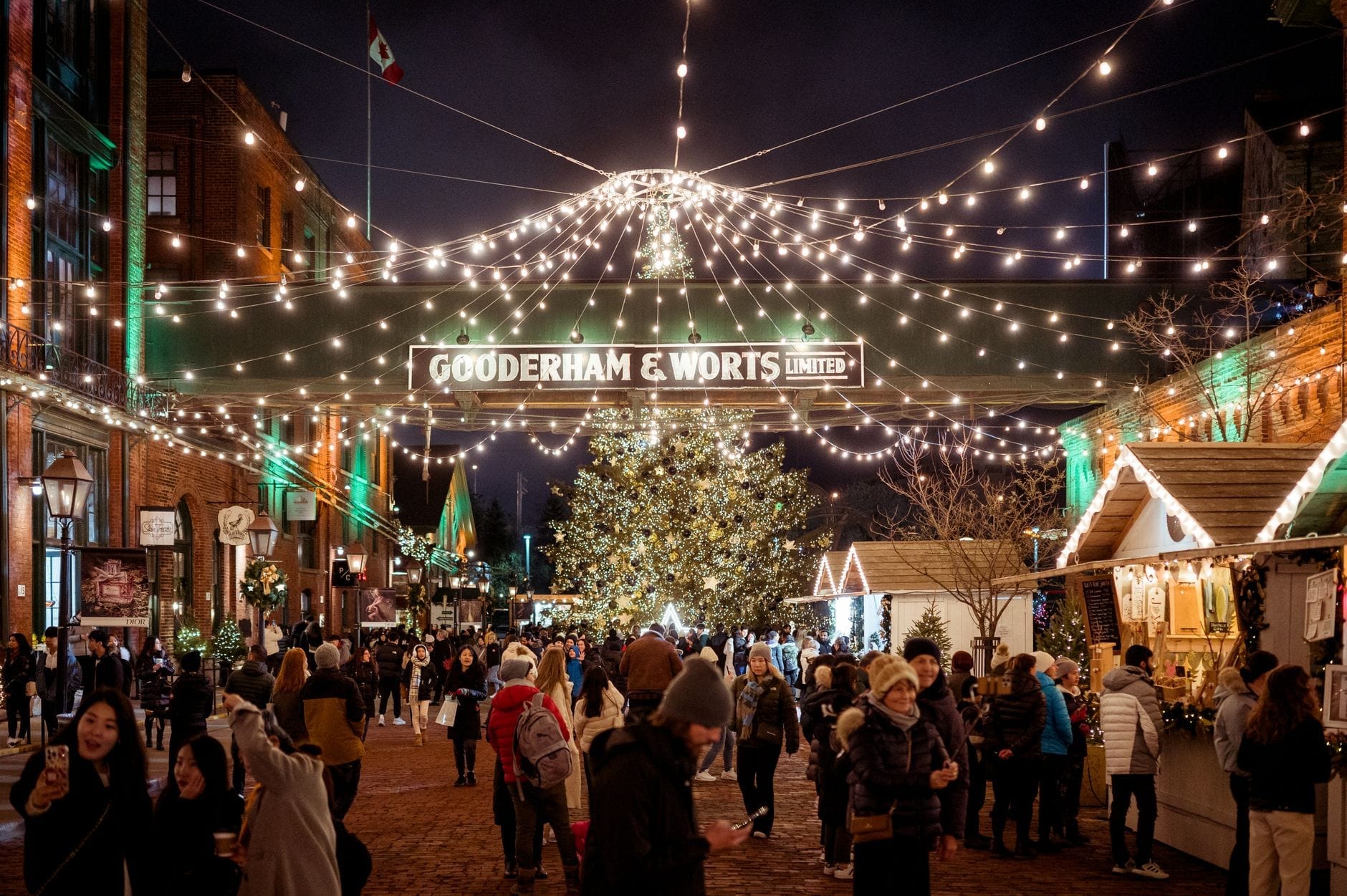
The Distillery Historic District is a pedestrian-only precinct of preserved Victorian industrial architecture — the former Gooderham & Worts distillery complex, one of the largest in North America during the 19th century. Entry is free; individual galleries, restaurants, and shops have their own pricing. The Distillery Winter Village held here each November and December is one of Toronto's most popular seasonal events and draws large crowds, so arrive early on weekends or expect a wait to enter.
Kensington Market operates as an open-air neighbourhood rather than a formal market building. The area covers several blocks of independent shops, international food stalls, vintage clothing stores, and cafes. It's most active on weekends, and Pedestrian Sundays (typically the last Sunday of the month from May to October) close the streets to cars. The adjacent Chinatown along Spadina Avenue extends the food options considerably. This part of the city rewards slow walking and spontaneous stops more than any planned itinerary.
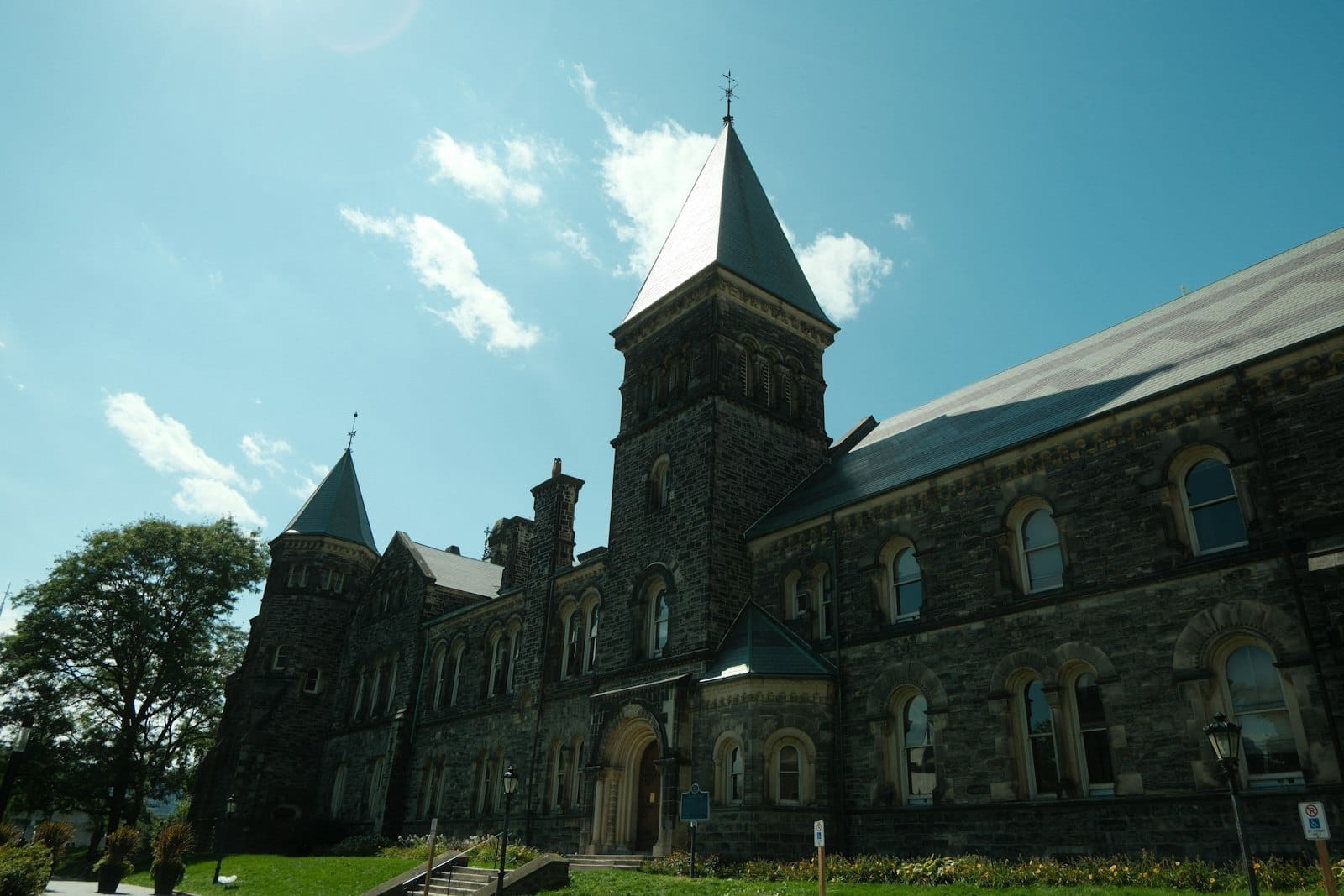
For a different pace, Yorkville sits north of Bloor Street and represents the upscale commercial side of Toronto — independent boutiques, high-end restaurants, and the Mink Mile stretch of designer retail along Bloor. It borders The Annex, a walkable residential neighbourhood with independent bookshops and cafes clustered near the University of Toronto's St. George campus. The two neighbourhoods together make a natural half-day walking loop from the ROM.
⚠️ What to skip
The St. Lawrence Market is not a late-night or all-week destination. The South Market building (the main food hall) is open Tuesday to Friday 9:00–19:00 and Saturday 7:00–17:00; hours and Sunday/Monday closures can vary for special events, so check current listings before a visit. Arriving Saturday afternoon means peak crowds; the best produce and prepared food selections are gone by early afternoon. Saturday at 8:00 is the sweet spot.
Parks, Waterfront, and Outdoor Space
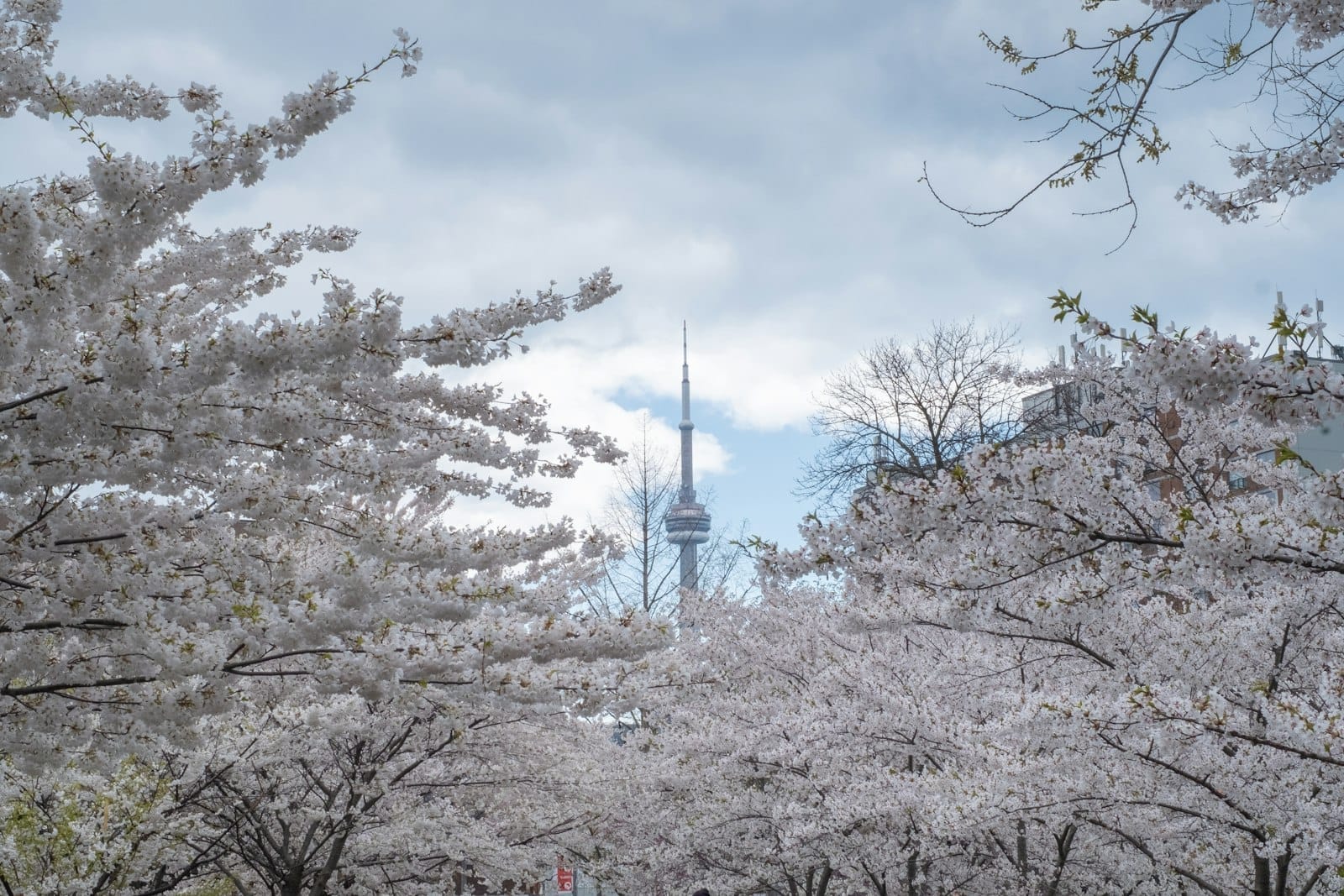
The High Park in the city's west end covers about 161 hectares and contains the Grenadier Pond, a zoo section, sports facilities, and the famous cherry blossom grove near Hillside Gardens. The blossoms (primarily Somei-Yoshino cherry trees) typically peak in late April to early May, drawing large crowds on weekends. Visiting on a weekday morning during peak bloom is strongly recommended. The park is accessible by the TTC Line 2 Bloor–Danforth subway at High Park station.
The Toronto Islands are a 15-minute ferry ride from the Jack Layton Ferry Terminal on Queens Quay and offer the clearest views of the downtown skyline. Centre Island has the amusement park and beach facilities, Hanlan's Point has a clothing-optional beach and a quieter feel, and Ward's Island is a residential community with a relaxed neighbourhood character. Ferry frequency increases significantly from May to September; in winter, service continues but on a reduced schedule. The islands themselves are open year-round, but most amenities operate seasonally. For full logistics, the Toronto Islands guide covers ferry timings and what to expect by season.
The waterfront Martin Goodman Trail runs approximately 56 kilometres along Lake Ontario through the city. For most visitors, the central stretch from the Humber Bay Arch Bridge east through Harbourfront to the Distillery District provides a practical and scenic route that connects multiple attractions. The Toronto waterfront guide outlines the best access points and what's found along each section.
💡 Local tip
Toronto's ravine system is one of the most underused outdoor assets in the city. Over 300 kilometres of connected ravine trails run through the urban fabric, largely invisible from street level. Toronto's connected multi-use trail network links areas near High Park in the west across the Don Valley and onward toward Rouge National Urban Park in the east, though no single continuous Don Valley trail runs that entire distance. These trails are free, rarely crowded on weekdays, and give a completely different perspective on the city.
Food Markets, Sports, and Events
Beyond St. Lawrence Market, Toronto's food market scene has expanded considerably. The Stackt Market near the King-Bathurst area is built from shipping containers and runs a mix of independent food vendors, retail, and event programming. Evergreen Brick Works, set in a restored industrial site in the Don Valley, hosts a year-round farmers market on Saturdays that draws a strong local crowd. For a structured overview of where to eat across the city's neighbourhood cuisines, the Toronto food guide covers everything from Greektown on the Danforth to Little India on Gerrard Street.
Toronto has five major professional sports franchises operating in the city. The Toronto Maple Leafs (NHL) and Toronto Raptors (NBA) both play at Scotiabank Arena from October through April, with playoffs extending into June for successful seasons. The Toronto Blue Jays (MLB) play at Rogers Centre from late March through September, with tickets generally more accessible than hockey or basketball. BMO Field hosts Toronto FC (MLS) and Toronto Argonauts (CFL) games. Sports culture in Toronto is serious — home playoff runs affect restaurant and bar availability, transit crowding, and hotel rates citywide.
On the events side, the Toronto International Film Festival (TIFF) runs for ten days each September and centres on the TIFF Bell Lightbox in the Entertainment District. Public screenings are available alongside industry programming. Nuit Blanche, a free all-night contemporary art event, takes place annually in early October. Toronto Pride in late June is one of the largest in North America. Each of these events changes the character of certain neighbourhoods significantly for their duration — worth knowing both if you want to attend and if you want to avoid the crowds.
- TIFF (September): Public screenings available; TIFF Bell Lightbox is the hub. Book individual film tickets in advance.
- Toronto Pride (late June): Church-Wellesley Village is the centre; the parade runs the last Sunday of June along Yonge Street.
- Nuit Blanche (early October): Free, runs dusk to dawn; transit runs extended hours on the night.
- Distillery Winter Village (November–December): Distillery District; weekday visits strongly preferred to avoid crowds.
- Caribbean Carnival / Caribana (late July–August): One of the largest Caribbean festivals in North America; the Grand Parade runs along Lakeshore Boulevard.
Practical Logistics for Getting Around
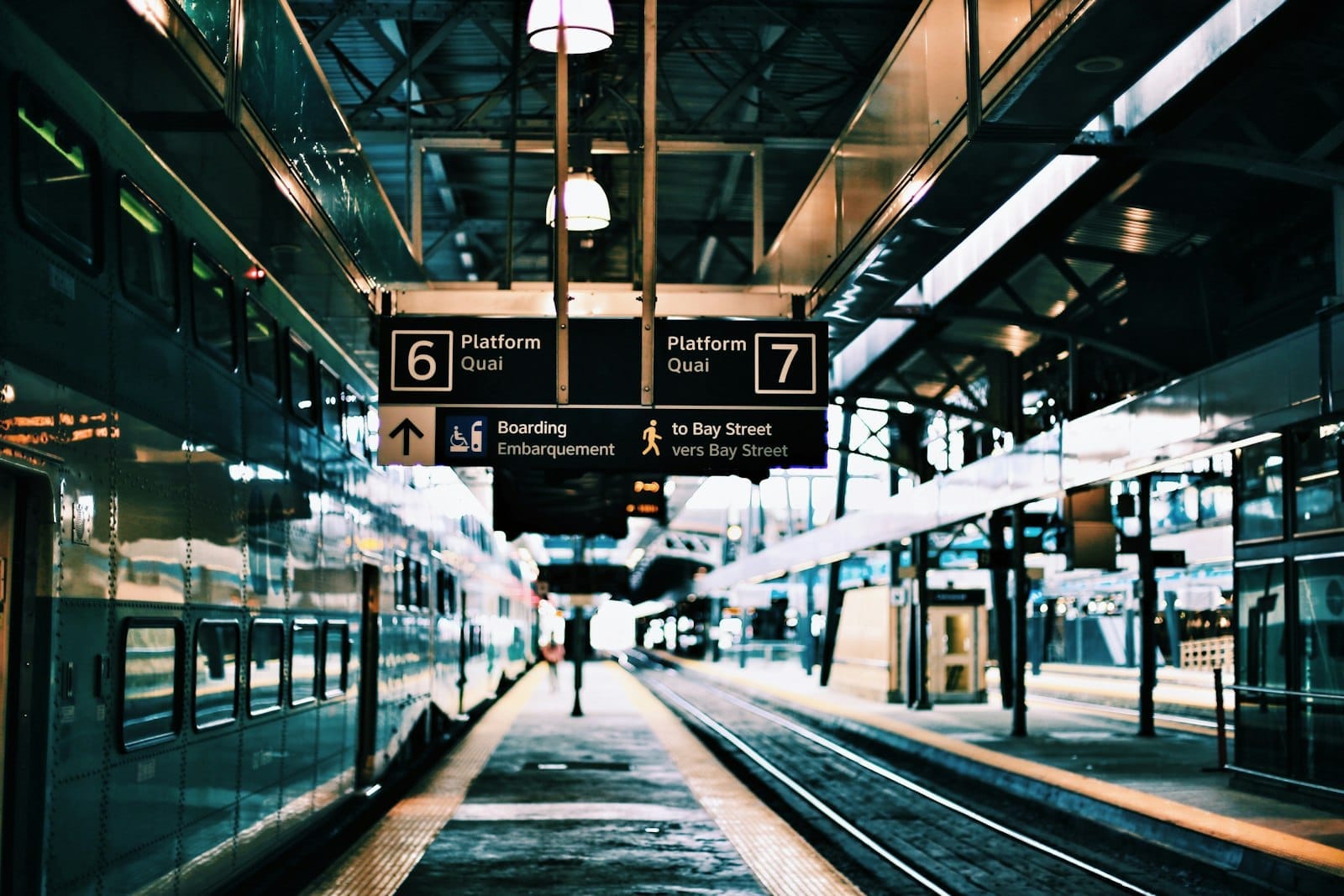
Toronto is served by two airports. Toronto Pearson International (YYZ) is the main international hub, located about 22–28 km from downtown in Mississauga. The Union Pearson (UP) Express train connects Pearson to Union Station in approximately 25 minutes, running every 15 minutes at peak times. It's the most reliable option during rush hour when highway traffic can push taxi or rideshare times well above an hour. Billy Bishop Toronto City Airport (YTZ) sits on the Toronto Islands, 2–3 km from the financial district; a short pedestrian tunnel and complimentary shuttle bus connect it to the mainland.
Within the city, the TTC operates four subway lines, an extensive streetcar network (particularly useful along King Street and Queen Street in the core), and buses covering the full city. Single fares are just over CA$3.30–$3.40 with Presto and under CA$4 for cash; the Presto card, available at subway stations, provides the most convenient payment method. Day passes are available for unlimited travel. For visitors covering multiple neighbourhoods in a day, the subway covers the major east-west (Line 2, Bloor-Danforth) and north-south (Line 1, Yonge-University) corridors efficiently. Rideshare services (Uber and Lyft both operate in Toronto) are practical for trips across neighbourhoods not well connected by direct transit.
FAQ
What are the best things to do in Toronto for first-time visitors?
For a first visit, prioritise the CN Tower for orientation, the Royal Ontario Museum for a half-day, St. Lawrence Market on a Saturday morning, a Toronto Islands ferry crossing for the skyline view, and a walk through the Distillery Historic District. These five cover the range of what makes Toronto distinctive without overloading a short trip.
What is there to do in Toronto this weekend?
Weekends work well for High Park (especially spring cherry blossoms or summer trails), the Toronto Islands, Kensington Market on Pedestrian Sunday (last Sunday of the month, May to October), Scotiabank Arena or Rogers Centre if a game is on, and the waterfront from Harbourfront east. Check Destination Toronto's events calendar for any festivals or markets running during your specific weekend.
How many days do you need in Toronto?
Three days covers the major landmarks, one or two museums, and a neighbourhood walk or two at a reasonable pace. Five days allows for a day trip to Niagara Falls, more thorough museum visits, and time in outer neighbourhoods like Leslieville, the Junction, or Scarborough Bluffs. A week gives room to explore the city's food scene, attend events, and venture further into the surrounding region.
Is Toronto expensive for tourists?
Toronto sits in the mid-to-high range for North American city tourism costs. Major attraction admissions (CN Tower, Casa Loma, ROM) each run CA$25–$45. A sit-down restaurant meal for two with drinks typically costs CA$60–$120. TTC public transit is reasonable at under CA$4 per ride. Budget travel is possible with free parks, free gallery days, and the PATH underground network for weather-free exploration — the free things to do in Toronto guide covers the no-cost options in detail.
What is the best time of year to visit Toronto?
Late May to early June and September to mid-October are the strongest windows: temperatures are comfortable (roughly 15–22°C), major outdoor festivals run through this period, and summer peak-crowd pressure eases in September. July and August are the busiest and hottest months, with humidity pushing feel-like temperatures well above 30°C on some days. Winter (December to February) has its own appeal — outdoor skating at Nathan Phillips Square, the Christmas Market, and indoor cultural programming — but temperatures average around -4°C in January and outdoor activities are limited.
Tickets & tours
Live prices and dates from our booking partner. If you book, we may earn a commission at no extra cost to you.
Planning a trip? Discover personalized activities with the Nomado app.