Toronto Islands: The Complete Visitor Guide
The Toronto Islands are a chain of 15 car-free islands just a short ferry ride from downtown, offering beaches, cycling trails, skyline views, and a rare slice of calm in the middle of a major city. This guide covers ferry logistics, the best spots on each island, seasonal realities, and the common mistakes first-time visitors make.
Tickets & tours
Live prices and dates from our booking partner. If you book, we may earn a commission at no extra cost to you.
TL;DR
- The Toronto Islands are a chain of 15 interconnected, car-free islands in Lake Ontario, about 13-15 minutes from downtown by ferry.
- Ferries depart from the Jack Layton Ferry Terminal at the foot of Bay Street; round-trip fares are $9.57 CAD for adults (taxes included). Book tickets online to avoid long summer queues — see our Toronto waterfront guide for the full harbour-area picture.
- Centre Island is best for families (Centreville Amusement Park, Franklin's Children's Garden); Hanlan's Point suits cyclists and those after a quieter beach; Ward's Island has a residential community and great skyline views.
- Peak season runs June to September — ferries get crowded on summer weekends. Arrive early or take the first morning crossing.
- The islands are open year-round, but most food outlets and amenities close from late October to mid-April.
What the Toronto Islands Actually Are

Most visitors picture a single island. The reality is more interesting: the Toronto Islands are a linked chain of 15 small islands forming Toronto Island Park, a roughly 332-hectare car-free park in Lake Ontario. The chain stretches about 5 km from Ward's Island in the east to Hanlan's Point in the west, with about 14 km of trails connecting them. The whole thing sits less than 1 km offshore from downtown Toronto.
Geologically, the islands were once a sandy peninsula attached to the mainland. A series of storms in the 1850s breached the connection and created the permanent channel that exists today. Before European settlement, the land was a significant site for the Mississaugas of the Credit First Nation and other Indigenous communities, who used it for healing, ceremony, and gathering. That history is acknowledged at the ferry terminal and is worth knowing before you arrive.
One practical note: Billy Bishop Toronto City Airport (IATA: YTZ) sits on the western end of the island chain. If you fly into Billy Bishop, you are technically arriving on the islands already, via a short pedestrian tunnel or ferry from the mainland. This is a separate experience entirely from the park ferry system, though the geography is the same.
Getting There: Ferries, Water Taxis, and Timing
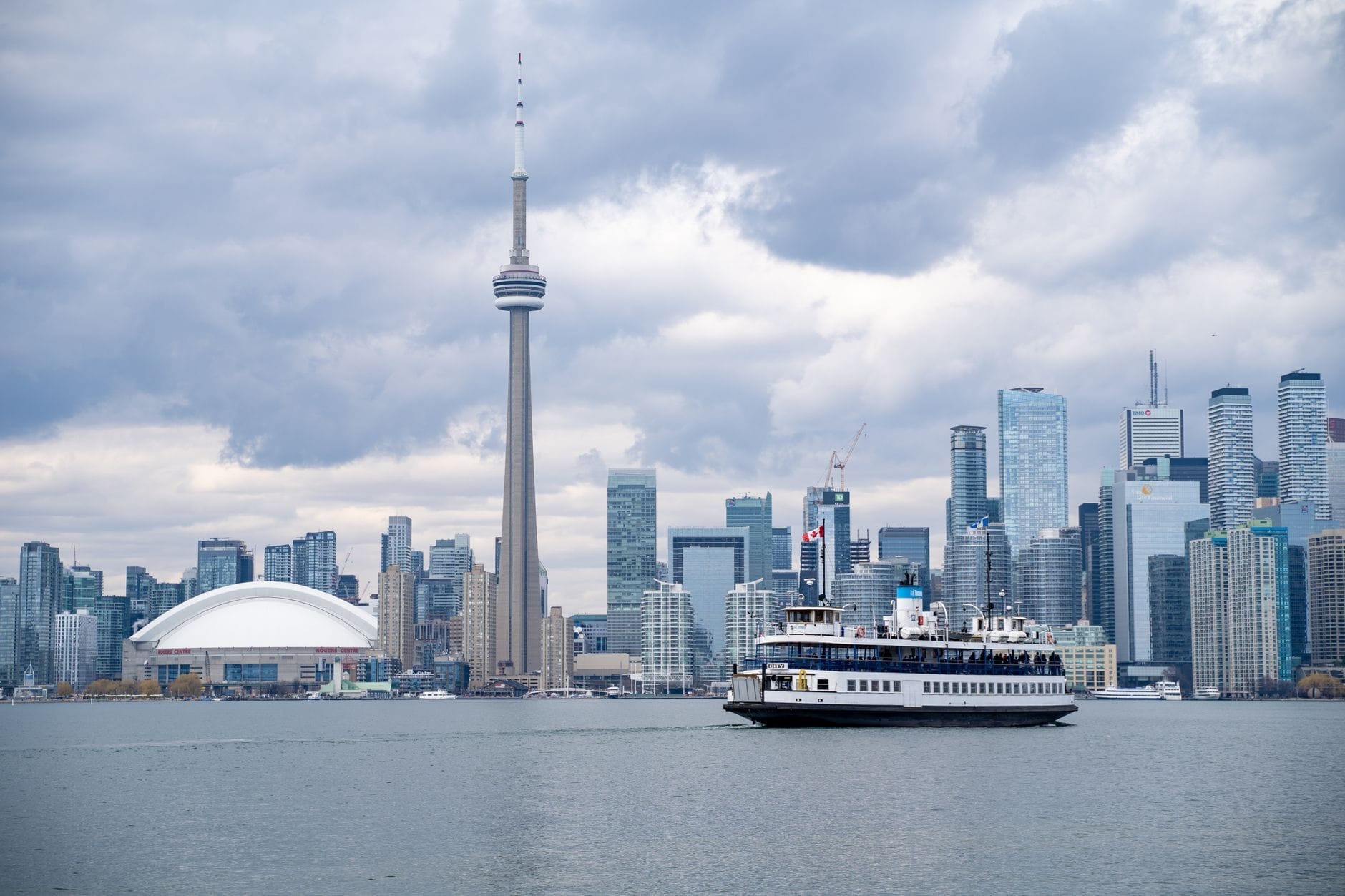
The standard way to reach the islands is the city-operated ferry from the Harbourfront area. The Jack Layton Ferry Terminal sits at the foot of Bay Street on Queen's Quay West, about a 15-minute walk from Union Station or a short ride on the 509 or 510 streetcar. Ferries run to three destinations: Centre Island, Ward's Island, and Hanlan's Point. The crossing takes about 13-15 minutes each way.
- Adult round-trip (current) $9.57 CAD (taxes included). Prices are set by the City of Toronto and updated periodically — check the official city website before you go.
- Under 19 round-trip Around $6 CAD. Children under 2 are typically free.
- Frequency Ferries to Centre Island run most frequently in peak season, roughly every 15-30 minutes. Ward's Island and Hanlan's Point ferries run less often. Check the current schedule on the City of Toronto website.
- Water taxis Private water taxis operate from the harbour and can drop you closer to specific spots. Typical one-way fares are around $10-15 per person. Faster and more flexible, but not cheaper for groups.
- Bikes on the ferry Allowed, and highly recommended. No extra charge. Bring your own or rent from the waterfront before boarding.
⚠️ What to skip
On summer weekends and holidays, ferry queues at the terminal can stretch 45-90 minutes. The City of Toronto sells tickets online, which can help you skip the ticket lineup. Use this. Walking up on a hot Saturday in July without a ticket is a reliable way to lose half your afternoon standing in line.
The earliest ferries of the day and the last ferries back are almost always the least crowded. Arriving on the 9am or 10am crossing in summer gives you a couple of hours before the crowds build significantly. Note that the last ferry time varies by destination and season — Ward's Island has a later last departure than Centre Island on most days, which matters if you plan to spend the full day.
The Three Islands: Where to Go and Why
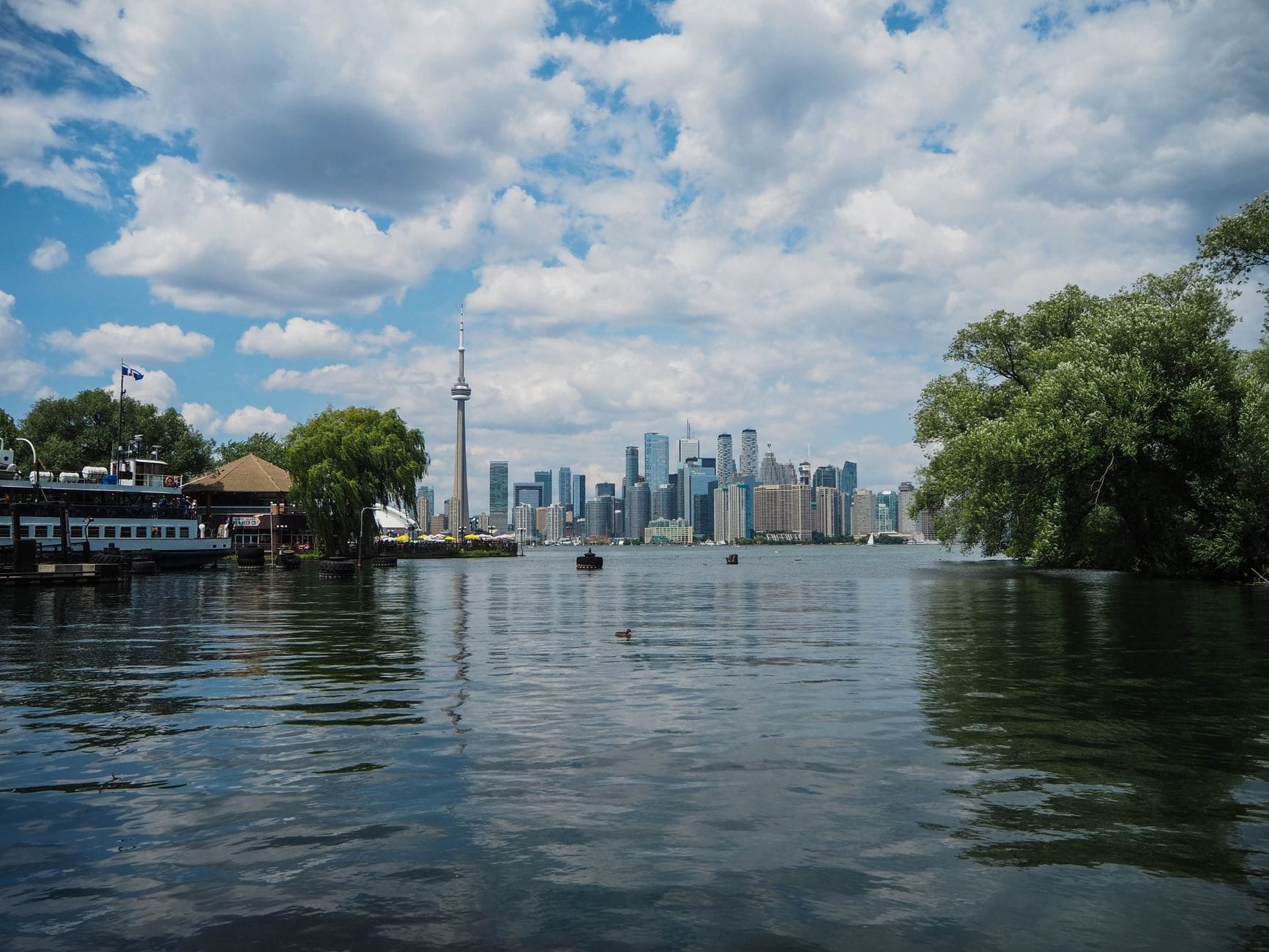
The ferry serves three distinct landing points, and they attract very different visitors. Choosing the right one for your group makes a significant difference in your experience.
- Centre Island The busiest and most developed. Home to Centreville Amusement Park (rides for young children, open seasonally from around May to September), Franklin Children's Garden, the main beach strip, picnic areas, and most food concessions. Best for families with young children. Can feel crowded on peak days.
- Hanlan's Point The quieter western end. A long sandy beach, a designated clothing-optional section at the north end (one of the few legal naturist beaches in Ontario), disc golf, and the easiest cycling access to the full island trail network. Better for adults seeking space. Billy Bishop Airport is at the far western tip.
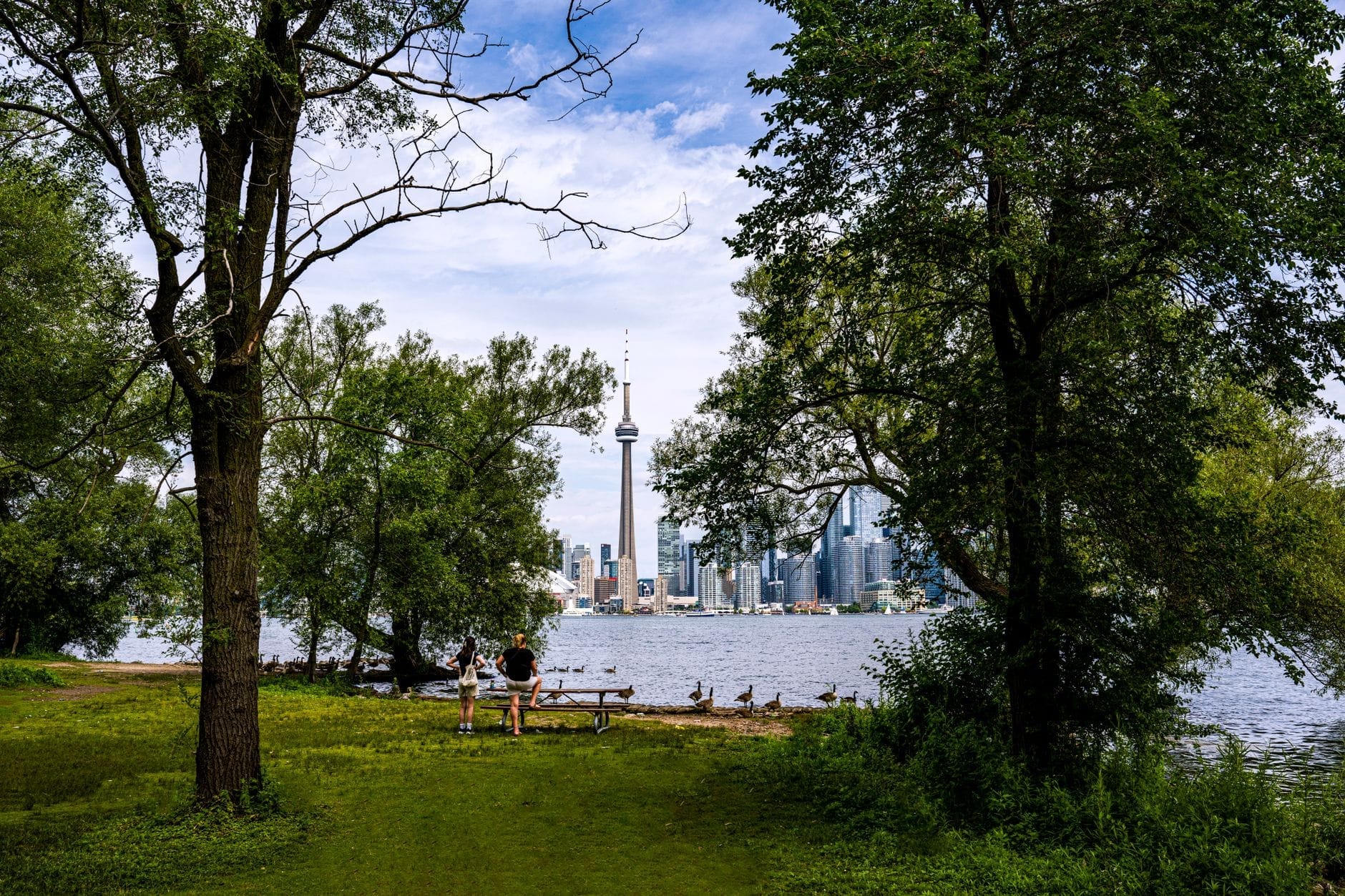
- Ward's Island The eastern end, where about 600 permanent residents actually live in a small residential community of cottages. The vibe is immediately different: quieter, more neighbourhood-like. The boardwalk here offers some of the best unobstructed skyline views of downtown Toronto across the water. The ferry from Ward's Island also runs later in the evening than the others, making it a good option for a sunset crossing back to the city.
All three landing points are connected by trails and boardwalks, so you can walk or cycle the full length of the islands regardless of where you arrive. The full crossing from Ward's Island to Hanlan's Point on foot takes roughly 45-60 minutes at an easy pace. On a bike, the whole chain is a leisurely 20-30 minute ride. Bike rentals are available near the Centre Island ferry dock. For more cycling routes along the waterfront, the Martin Goodman Trail on the mainland connects directly to the ferry terminal area.
Beaches, Activities, and What to Skip

The islands have several beaches, but water quality varies and is monitored by the City of Toronto. Beach advisories (E. coli-related) are posted when water quality drops below safe swimming levels, which happens several times each summer after heavy rainfall. Always check the city's beach monitoring page before planning a swim. The main beach at Centre Island and the beach at Hanlan's Point are the most popular and best maintained.
Beyond swimming, the activity mix is broader than most visitors expect. Canoe, kayak, and stand-up paddleboard rentals are available near Centre Island in peak season. There is a disc golf course near Hanlan's Point. The Gibraltar Point Lighthouse, one of the oldest surviving structures in Toronto (built in 1808), is accessible by trail from any of the three ferry points and worth the short detour. Picnicking is openly encouraged throughout the park, with charcoal BBQs permitted in designated areas. Propane BBQs are not allowed. Groups larger than 25 people need a permit.
💡 Local tip
Pack your own food and drinks. The food concessions on the islands are limited, overpriced relative to the mainland, and frequently have long queues on busy days. There are no full-service restaurants in the park. A cooler with lunch and snacks will serve you far better than relying on the island vendors.
Centreville Amusement Park is worth flagging honestly: it is a small, well-maintained park aimed squarely at children under 10. Admission to the park itself is free, but rides require tickets or an all-day wristband. For families with toddlers and young children, it is genuinely good. For adults or older kids expecting a theme park experience, it will disappoint. If you are looking for bigger entertainment options, Canada's Wonderland north of the city is a completely different scale.
Seasonal Realities: When to Go and What Changes
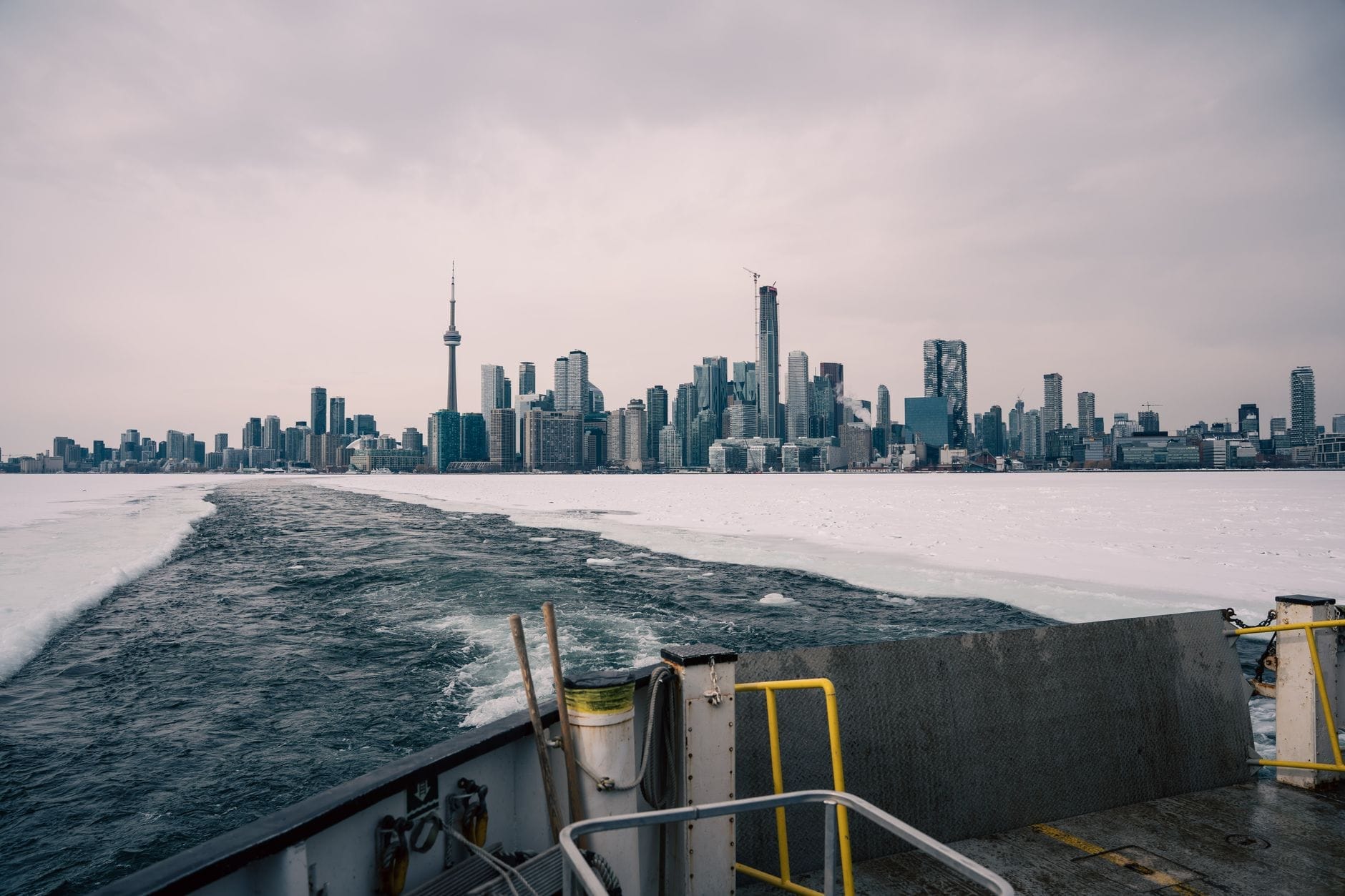
The islands operate very differently across the year, and the gap between peak and off-season is significant. Getting this wrong leads to arriving at a mostly shuttered park with no food, no rentals, and a fraction of the ferry service.
- June to September (Peak) Full ferry service to all three docks, Centreville open, bike and watercraft rentals available, food concessions running, beaches staffed with lifeguards. This is the only period where the full island experience is accessible. Crowds peak on weekends in July and August.
- May and October (Shoulder) Centreville typically opens in mid-to-late May and closes after the Thanksgiving weekend in October. Ferries run but less frequently. Some concessions operate on weekends. Weather can be excellent in May and September — often the best time to visit for comfortable temperatures and smaller crowds.
- November to April (Off-Season) Trails, boardwalks, and the Gibraltar Point area remain accessible year-round. Ward's Island ferry continues to operate year-round because of the permanent residents. Centre Island and Hanlan's Point ferries run reduced or seasonal schedules. Most food and rental services are closed. Winter visits are peaceful and scenic, especially after snowfall, but plan to be entirely self-sufficient.
For context on what Toronto's weather actually looks like across the year, the best time to visit Toronto guide covers seasonal averages in detail. The short version for island visits: late May, early June, and September offer the best combination of warm weather, manageable crowds, and full amenities. Mid-July and August are the most popular weeks but also the most congested.
✨ Pro tip
The Toronto Cherry Blossom season (typically late April to early May) is celebrated in High Park on the mainland, but the islands can be equally beautiful and far less crowded during this window. The trails are accessible and the skyline views across the water are exceptional on clear spring days.
Practical Logistics: What to Know Before You Go
The islands are car-free. There is no way to drive on, and no parking on the islands themselves. You leave your car on the mainland (paid parking near the ferry terminal, or park further away and take the streetcar). Cycling to the ferry terminal from most central neighbourhoods is straightforward. The TTC's 509 and 510 streetcars stop near the terminal on Queen's Quay.
There are no hotels or campgrounds on the islands, and overnight stays are not permitted for general visitors. The residential community on Ward's Island is private and resident-only. If you miss the last ferry, you will need a water taxi back, which operates late but charges accordingly. For accommodation options near the waterfront, the where to stay in Toronto guide covers hotels by neighbourhood, including options within walking distance of the ferry terminal.
Washroom facilities exist near the main ferry docks and at several points on the trails. They are adequate in peak season and more limited off-season. ATMs are limited on the islands; bring Canadian dollars or a card. Cell service is generally fine across the islands, though it can be patchy on the western Hanlan's Point end. There are no pharmacies, urgent care facilities, or large shops. For anything beyond basic snacks and sunscreen, stock up on the mainland before you board.
The islands make a natural part of a broader waterfront day. The Toronto waterfront stretches east and west from the ferry terminal, with the Harbourfront Centre, Sugar Beach, and the Distillery District all accessible without needing a car. If you are planning a full day out, combining an island morning with an afternoon at St. Lawrence Market or along the waterfront boardwalk is a reliable and efficient approach.
FAQ
How much does the Toronto Island ferry cost?
As of current pricing, round-trip ferry fares are $9.57 CAD for adults (taxes included), $6.15 for youth (15–19) and seniors (65+), and $4.51 for children (2–14). Prices are set by the City of Toronto and subject to periodic changes. Always verify the current fares on the official City of Toronto website before your visit. Water taxis from the harbour are a private alternative at roughly $10–15 per person one-way.
How long is the ferry ride to the Toronto Islands?
The ferry crossing takes approximately 13-15 minutes each way. Wait times at the terminal are the bigger variable, especially in summer. On busy weekend days in July and August, the queue for the ferry can add 45-90 minutes to your trip. Booking tickets online in advance is strongly recommended during peak season.
Can you visit the Toronto Islands in winter?
Yes. Trails and boardwalks are open year-round, and the Ward's Island ferry runs throughout the year due to the permanent residential community. However, Centreville Amusement Park, most food concessions, and rental services are closed from roughly late October to mid-May. Winter visits are quiet and scenic but require you to be fully self-sufficient with food, drinks, and warm clothing.
Which Toronto Island ferry dock should I choose?
Centre Island is best for families with young children (Centreville, playgrounds, main beach). Hanlan's Point suits cyclists and adults looking for more space and a quieter beach. Ward's Island is ideal for those wanting a peaceful walk and skyline views, and it is the year-round ferry option. All three docks are connected by trails, so you can combine them regardless of where you land.
Is there a clothing-optional beach on the Toronto Islands?
Yes. The northern section of Hanlan's Point Beach has a designated clothing-optional area, one of the few legal naturist beaches in Ontario. The rest of Hanlan's Point Beach is a standard public beach. The two sections are clearly separated. It is a public park beach, so standard public conduct rules apply.
Tickets & tours
Live prices and dates from our booking partner. If you book, we may earn a commission at no extra cost to you.
Planning a trip? Discover personalized activities with the Nomado app.