Canada's Wonderland: Everything You Need to Know Before You Go
Canada's Wonderland is the country's largest amusement park, located in Vaughan just north of Toronto. With 18 roller coasters, more than 200 attractions, and a 20-acre water park, it's a full-day commitment that rewards planning. Here's how to make the most of it.
Quick Facts
- Location
- 1 Canada's Wonderland Drive, Vaughan, Ontario (Maple neighbourhood, just north of Toronto)
- Getting There
- York Region Transit (YRT) Route 20 bus from Vaughan Metropolitan Centre station (Line 1)
- Time Needed
- 6–10 hours; a full day is realistic for families or coaster enthusiasts
- Cost
- General day pass from approx. CAD $45 online (plus processing fee up to $9.99 and taxes); check official site for current pricing
- Best for
- Families with kids, thrill-seekers, summer day trips from Toronto
- Official website
- www.sixflags.com/canadaswonderland
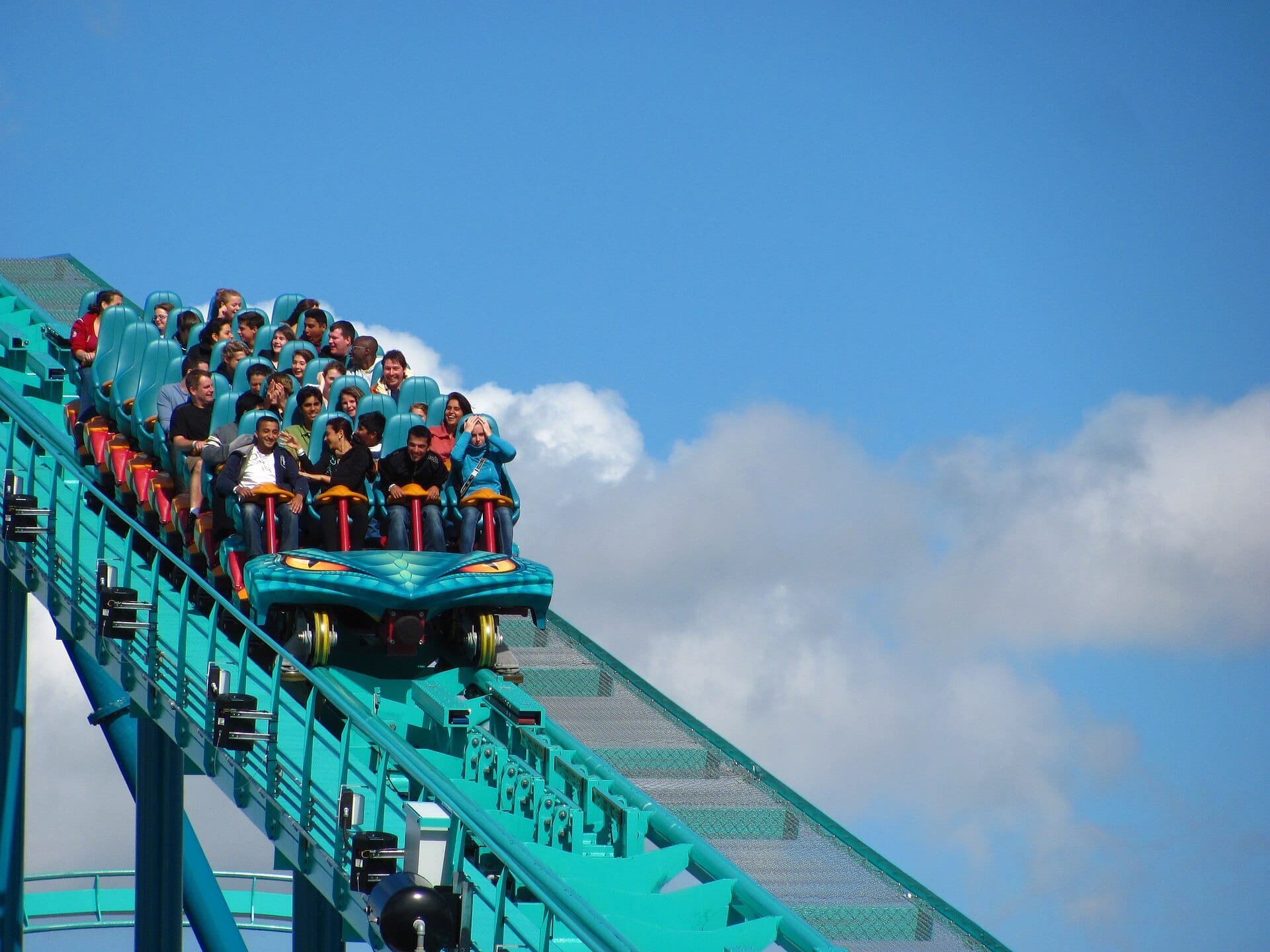
What Canada's Wonderland Actually Is
Canada's Wonderland opened in 1981 as Canada's first major theme park. Today it sprawls across 300 acres in Vaughan, Ontario, about 30 kilometres north of downtown Toronto, and holds the title of the largest amusement park in the country. The park is operated by Six Flags (formerly Cedar Fair) and draws millions of visitors each season.
The headline numbers are genuine: 17 roller coasters, more than 200 attractions in total, and Splash Works, a self-contained 20-acre water park that opens within the main grounds during summer. That coaster count puts it among the top parks in North America and makes it a serious destination for enthusiasts, not just a regional family draw.
ℹ️ Good to know
Ticket prices and seasonal operating dates change frequently. Always verify current prices and hours directly on the Six Flags Canada's Wonderland website before booking, especially for holiday events and shoulder-season dates.
The Rides: What Stands Out
The coaster lineup spans every intensity level. At the extreme end, Leviathan (a 93-metre-tall giga coaster) and Yukon Striker (a dive coaster that drops into an underwater tunnel) generate the longest queues and the most conversation. Both are world-class rides by any measure, not just Canadian ones.
Beyond the headline coasters, the park does a solid job of covering the spectrum. The Fly is a wing coaster that seats riders in open rows extending beyond the track. Backlot Stunt Coaster is a mid-tier launched coaster that works well for nervous first-timers. Wonder Mountain's Guardian pairs an indoor dark ride with a drop element. If you're travelling with a mixed group of ages and tolerances, the variety here is genuinely useful.
Splash Works operates during summer and functions almost like a separate park. It includes wave pools, body slides, and tube slides. On a humid 32°C Toronto-region July afternoon, with the air smelling faintly of sunscreen and chlorine, the water park transitions from optional to essential for most families. Factor it into your day if you're visiting between late June and late August.
Tickets & tours
Live prices and dates from our booking partner. If you book, we may earn a commission at no extra cost to you.
Canada's Wonderland one day admission ticket
From 31 €Instant confirmationToronto 'Little Canada' entrance tickets
From 27 €Instant confirmationFree cancellationNight on Niagara experience in Canada with Power Station Light Show
From 136 €Instant confirmationFree cancellationNiagara Falls Canada: day and night combo tour
From 187 €Instant confirmationFree cancellation
How the Day Changes by Hour
Gates open at 10:00 AM on most operating days. The first 60 to 90 minutes are the best window for the park's top-tier coasters. Leviathan and Yukon Striker queues can stretch to 60 or 90 minutes by mid-morning on weekends; arriving at opening and heading directly to one of them first is not optional advice, it's the practical difference between a two-minute wait and losing most of your morning.
Midday brings the loudest, most compressed experience. Food lines at the main plaza area back up, the midway games crank up in volume, and the smell of fried food and funnel cake settles over the central zones. This is when families with small children tend to settle into the kiddie areas near the park's entrance, while thrill-seeker groups push deeper into the park.
Late afternoon, roughly 4:00 PM onward, sees a partial thinning as families with young children exit. Coaster queues often shorten noticeably. If you can absorb the midday crowds by spending time in Splash Works or grabbing food, the late-afternoon window is frequently the most efficient for knocking out second-tier rides. Evening operations on select dates include special lighting, and the park feels meaningfully different after dark.
💡 Local tip
Weekday visits in June or September offer shorter queues than summer weekends. If your schedule is flexible, a Tuesday or Wednesday in early September can feel like a different park compared to a Saturday in July.
Getting There from Toronto
The park sits just east of Highway 400 in Vaughan, between Rutherford Road and Major Mackenzie Drive. By car, it's a straightforward 30- to 45-minute drive from downtown Toronto under normal conditions. The park has large paid parking lots on site. Weekend traffic on Highway 400 heading north on summer mornings can slow things down, so leave earlier than feels necessary.
By transit, the most practical route uses the TTC Line 1 subway to its northern terminus at Vaughan Metropolitan Centre, then York Region Transit (YRT) Route 20 bus directly to the park entrance. The full journey from downtown Toronto runs approximately 60 to 75 minutes. For broader context on navigating Toronto's transit network, the getting around Toronto guide covers TTC routes, GO Transit options, and regional connections in detail.
GO Transit also operates seasonal express bus service directly to Canada's Wonderland from several GO stations during peak season, which can be faster and more comfortable than the subway-plus-bus combination depending on your starting point. Verify current GO schedules before your visit, as service varies by season.
Seasonal Operation and When to Visit
Canada's Wonderland operates seasonally, roughly from May through Labour Day (early September) as the core season, then extends with select operating dates through the fall and into early January for seasonal events. The park is not open year-round. Summer weekends represent peak crowds and peak pricing; shoulder dates in May, early June, and September offer a more manageable experience at lower effective cost.
Toronto's climate plays a direct role in how comfortable the visit feels. July and August mean daytime highs regularly reaching 28 to 32°C with high humidity. Sunscreen, a refillable water bottle, and light breathable clothing matter more than you might expect for an outdoor queue that can leave you standing in direct sun for 45 minutes. For a broader picture of Toronto's summer conditions, the Toronto in summer guide gives useful context on what the season actually feels like across the region.
The park's fall events and its WinterFest programming (typically running into early January) are worth noting for visitors who cannot make the main season. WinterFest transforms the park with seasonal lighting and holiday-themed entertainment, and the absence of major thrill-ride operation during the coldest dates means it serves a different audience entirely. Check the official site for specific event calendars and operating dates.
⚠️ What to skip
Canada's Wonderland is not a good choice on rainy days. Many rides suspend operation in lightning or heavy rain, and refund policies are limited. Check the forecast the night before and have a backup plan.
Practical Details: Tickets, Accessibility, and What to Bring
Online ticket purchases generally offer better pricing than gate admission. Destination Toronto notes a general day pass starting from approximately CAD $45 online, plus a processing fee (up to $9.99) and applicable taxes, though prices are subject to change and vary by date. Season passes are available for frequent visitors. Children under a certain height threshold ride free; check the official site for current age and height categories.
The park provides accommodations for guests with disabilities, including wheelchair rentals and accessibility guides. Each ride has specific accessibility information outlining height requirements, physical restrictions, and boarding procedures. The official website hosts a detailed accessibility guide, and it's worth downloading before arrival if any members of your group have mobility considerations.
For families deciding how Canada's Wonderland fits into a broader Toronto itinerary, it works best as a standalone full-day excursion rather than a half-day addition to a city-centre schedule. The Toronto with kids guide covers how to build a multi-day family itinerary that balances the park with downtown attractions.
- Wear comfortable, closed-toe shoes: some rides require them, and you'll cover a lot of ground across 330 acres
- Bring a small backpack with sunscreen, a refillable water bottle, and a light layer for the evening
- Most food inside the park is standard fast-food fare; prices are high. Lockers are available near the entrance if you want to bring your own belongings
- Photography on rides is restricted for safety reasons; GoPro mounts and loose items are generally not permitted on coasters
- Height restrictions apply to most major coasters; measure children at home using the park's published requirements to avoid disappointment at the boarding gate
Honest Assessment: Who This Is For
Canada's Wonderland delivers on its core promise for two audiences: families with children who want a full-service theme park day, and coaster enthusiasts who take ride credits seriously. The 18-coaster lineup is the real draw for the latter group, and Leviathan in particular earns its reputation. For families, the park's sheer size means there is genuinely something for every age group, from toddler zones to adult thrill rides.
Visitors looking for a cultural or historical dimension to their day should temper expectations: this is an amusement park, not a cultural institution. Toronto offers exceptional alternatives for that kind of depth, from the Royal Ontario Museum to the Art Gallery of Ontario. Canada's Wonderland is also not the right choice for visitors who prefer calm, walkable urban experiences. The scale, noise, and crowd density of a summer weekend are part of the deal.
Adults travelling without children and without a strong interest in roller coasters are the group most likely to find the day underwhelming relative to the cost and time investment. The park's non-ride entertainment and dining options are functional rather than exceptional. Go in knowing what the attraction is, and you'll get exactly that.
Insider Tips
- Download the official Six Flags app before arrival. It shows real-time wait times for every ride, which changes the logistics of the day significantly. Treat short-queue alerts as prompts to move, not suggestions.
- Lockers near the main entrance allow you to store food from outside the park. Bringing your own lunch and retrieving it mid-day is the single most effective way to cut costs without sacrificing time to off-site dining.
- The Fast Lane pass (an add-on that grants access to dedicated shorter queues on major rides) is expensive but genuinely worthwhile on peak summer weekends, when Leviathan and Yukon Striker queues can each consume an hour of your day.
- Splash Works tends to reach its practical capacity earlier than the rest of the park on hot weekends. If water park time is a priority for your group, head there first rather than treating it as an afternoon option.
- Weekday visits in the first two weeks of September, after schools resume, are consistently among the lowest-crowd days of the entire season. The weather is often still warm, and ride waits drop dramatically.
Who Is Canada's Wonderland For?
- Families with children across a wide age range, from toddlers to teenagers
- Roller coaster enthusiasts looking to add major Canadian credits to their list
- Groups from Toronto looking for a full-day summer excursion outside the city
- Visitors during WinterFest season seeking holiday event programming with a festive atmosphere
- Travellers on multi-day Toronto itineraries who want to balance urban culture with a dedicated theme park day
Nearby Attractions
Combine your visit with:
- Aga Khan Museum
The Aga Khan Museum in Toronto is one of North America's only institutions dedicated to the arts of Muslim civilizations. Housed in a purpose-built building designed by architect Fumihiko Maki, it holds over 1,200 masterpieces spanning 14 centuries. Whether you spend 90 minutes or a full afternoon, the experience rewards curiosity at every turn.
- The Village at Black Creek (Black Creek Pioneer Village)
The Village at Black Creek is a fully realized open-air living history museum in northwest Toronto, where around 40 restored historic buildings, heritage breed livestock, and costumed interpreters recreate rural Ontario life from the 1800s. Operated by the Toronto and Region Conservation Authority, it offers a rare, tactile experience of pre-industrial Canada that few urban attractions can match.
- Blue Mountain & Collingwood
Perched on the Niagara Escarpment above Georgian Bay, Blue Mountain and Collingwood form Ontario's most accessible four-season resort destination. Whether you come for winter skiing, summer hiking, or a weekend in the pedestrian village, the area rewards visitors who plan around the season.
- Edwards Gardens & Toronto Botanical Garden
A free public garden in North York where a mid-century estate landscape meets a working botanical institution. Edwards Gardens combines formal rose beds, rock gardens, and a quiet ravine creek with the programming and horticultural expertise of the Toronto Botanical Garden next door.
Planning a trip? Discover personalized activities with the Nomado app.