Toronto in Summer: Festivals, Beaches & Outdoor Events
Summer turns Toronto into one of North America's most active outdoor cities. From June jazz on Bloor Street to Caribbean Carnival floats and lakefront beaches with lifeguards on duty until Labour Day, this guide covers every major event, the best swimming spots, and the practical logistics to make the most of the season.
Tickets & tours
Live prices and dates from our booking partner. If you book, we may earn a commission at no extra cost to you.
TL;DR
- Toronto's summer season runs June through August, peaking in late June through early August when festivals, beaches, and outdoor events overlap.
- Major festivals include Luminato (June 3–28, 2026), the TD Toronto Jazz Festival (June 19–28, 2026), VELD Music Festival (July 31–August 2, 2026), and Caribbean Carnival in late July/early August.
- The best lakefront beaches, including Woodbine and Hanlan's Point, have lifeguards from early June to Labour Day. Check the Toronto Islands guide before planning a beach day.
- Not all festivals are free: street jazz sessions in Yorkville are no-cost, but multi-day music festivals like VELD require paid tickets booked well in advance.
- Peak accommodation prices hit in late June through August. Visiting in early June or September gets you summer weather at shoulder-season rates. See when to visit Toronto for a full seasonal breakdown.
What Toronto Summer Actually Looks Like
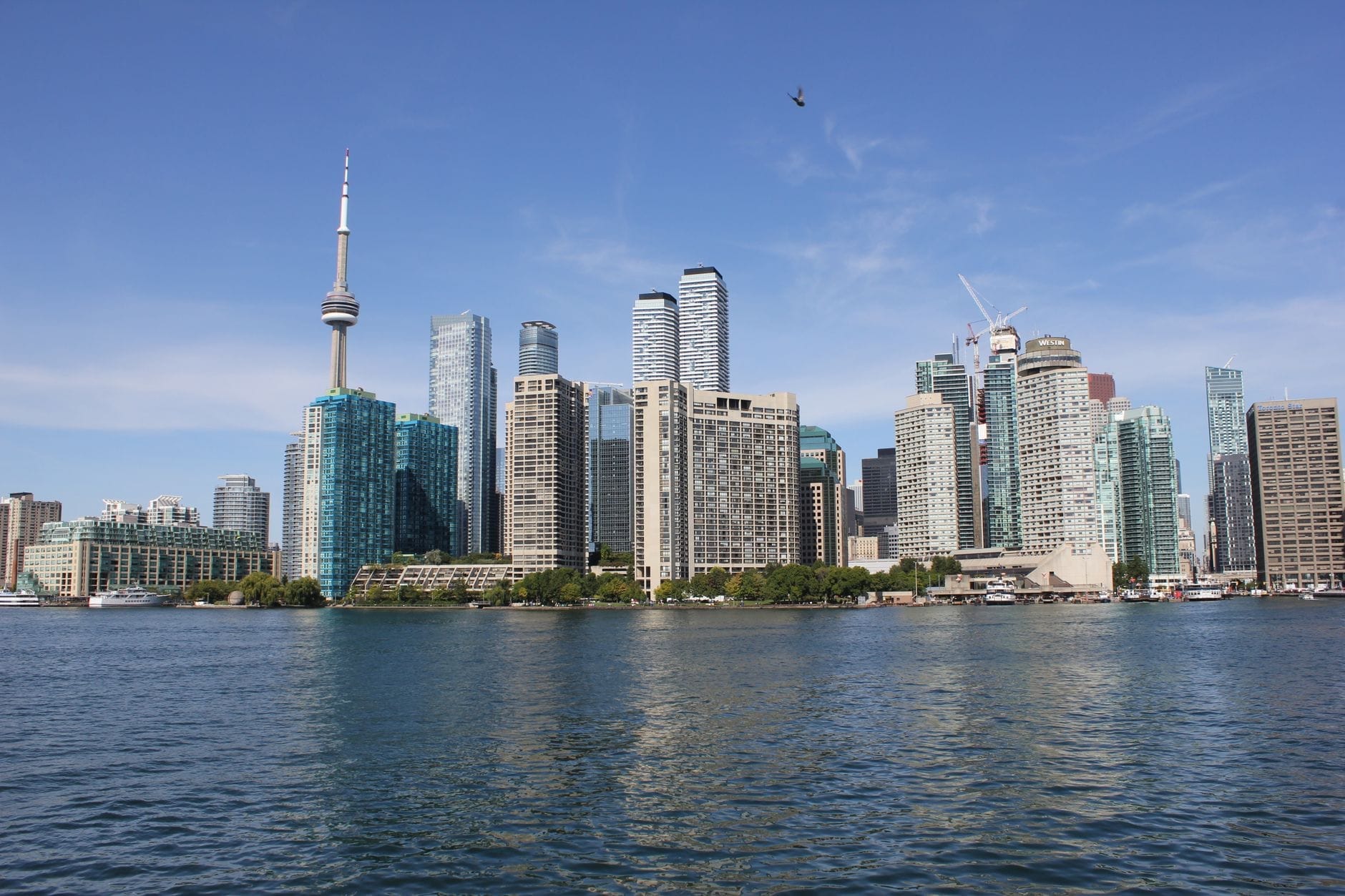
Toronto sits on the northwestern shore of Lake Ontario at roughly 43.6°N latitude, which gives it a humid continental climate with warm, humid summers. July is the hottest month, with a mean temperature around 22°C (72°F) and daytime highs that regularly push 27–30°C. Heat warnings are issued when the humidex makes conditions feel closer to 38–40°C, which happens several times per summer. Pack light clothing and build in breaks near water or air conditioning on peak heat days.
The upside of this climate is that the city genuinely comes alive outdoors. Patios, waterfront parks, festival stages, and beaches operate at full capacity from mid-June through Labour Day weekend in early September. The shoulder weeks of late May and early September offer nearly identical warmth with noticeably thinner crowds and lower hotel rates.
ℹ️ Good to know
Toronto averages around 834 mm of annual precipitation distributed fairly evenly year-round, so summer does include thunderstorms, sometimes intense ones. Most outdoor festivals publish rain or weather contingency plans on their websites. Check before you go, especially for single-day ticketed events.
The Major Summer Festivals: Dates, Costs, and What to Expect
Toronto's summer calendar is genuinely dense. The challenge is not finding something to do but avoiding festival conflicts and buying tickets before events sell out. Here is a breakdown of the anchor events, roughly in chronological order.
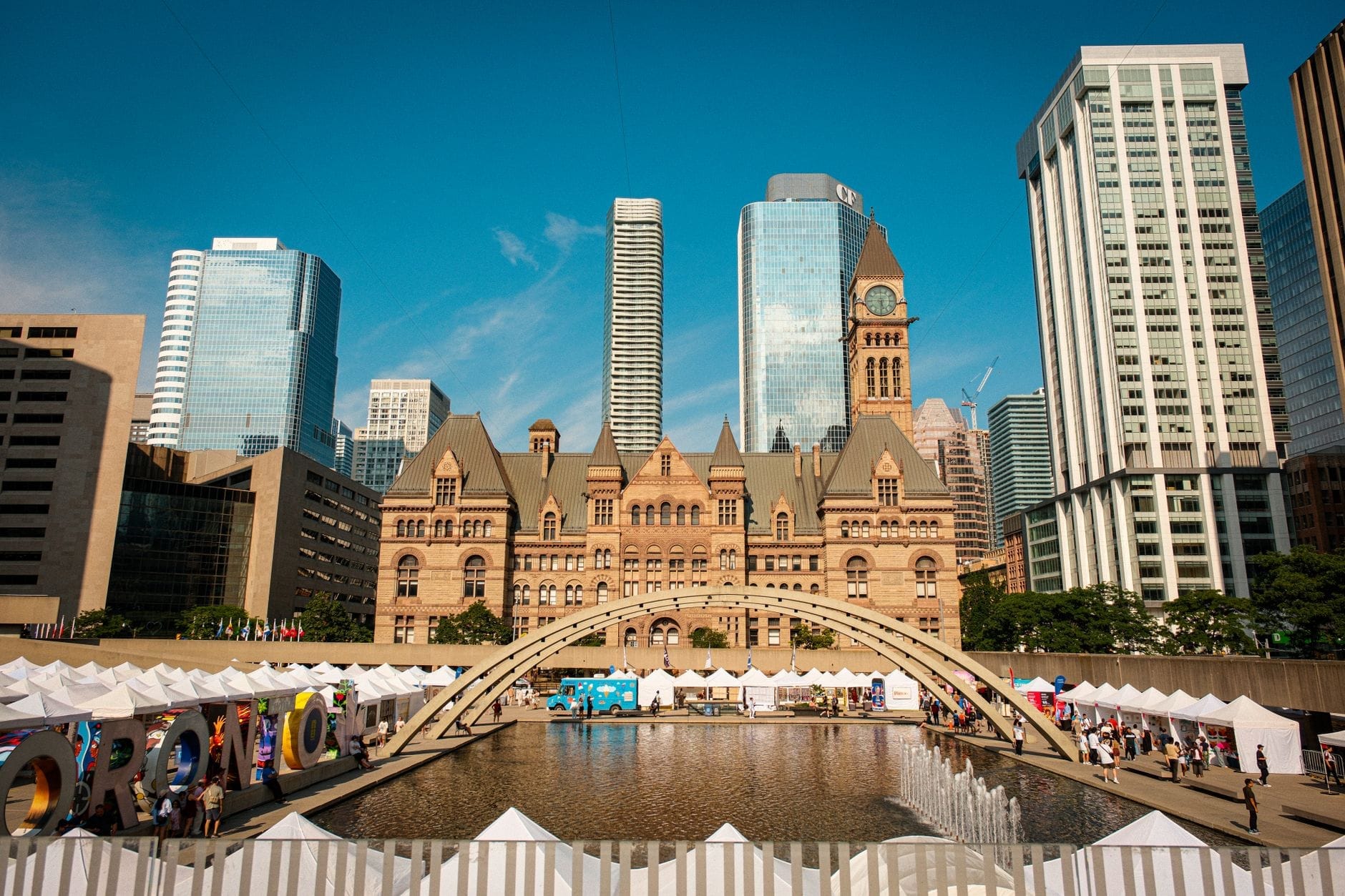
- Luminato Festival Toronto (June 3–28, 2026) A multidisciplinary arts festival spanning theatre, dance, visual art, and music across multiple venues including Meridian Arts Centre. Programming ranges from free public installations to ticketed headline performances. Tickets for major shows sell fast; browse the Luminato website early in the year.
- NXNE – North by Northeast (June 10–14, 2026) A city-wide music and culture festival spread across multiple Toronto venues. NXNE tends to feature emerging and mid-level acts across genres, making it a good option for discovering new music. Wristbands for multi-venue access are typically more economical than single-show tickets.
- TD Toronto Jazz Festival (June 19–28, 2026) One of the largest jazz festivals in North America by attendance, combining paid headline concerts at indoor venues with free Sidewalk Sessions in the Bloor-Yorkville area (around 55 and 157 Bloor St W and Village of Yorkville Park). The free outdoor programming is genuinely good and draws large crowds on weekends.
- Caribbean Carnival (late July) Formally known as the Toronto Caribbean Carnival, this is one of the largest street festivals in North America. The highlight is the Grand Parade along Lake Shore Blvd West, typically held on the Saturday of the civic holiday long weekend in early August. Free to watch from the route; Grandstand tickets available for premium viewing.
- VELD Music Festival (July 31–August 2, 2026) An EDM and hip-hop focused festival held at Downsview Park. Three-day passes sell out regularly. Downsview is accessible via the Sheppard subway line (Downsview Park station). Bring earplugs if you are sensitive to sustained loud sound.
- Toronto Summer Music (mid-July to early August) A classical and chamber music festival with concerts at various venues. Programming tends toward intimate settings and internationally recognized performers. Check the official Toronto Summer Music website for 2026 dates and ticketing.
- Beaches International Jazz Festival (late July) Free outdoor jazz along Queen Street East in the Beach neighbourhood. Stages run over multiple days with a mix of jazz, blues, and world music. One of the better genuinely free summer events in the city.
- Canadian National Exhibition – CNE (mid-August to Labour Day) Known locally as 'The Ex,' this is one of Canada's largest annual fairs, held at Exhibition Place near the lake. Carnival rides, food competitions, concerts, and an air show. Entry fees apply; multi-day passes are available. The CNE food building is worth attending just for the novelty food offerings.
⚠️ What to skip
The Toronto Waterfront Festival is paused for 2026. Do not plan around this event for that season. Always verify festival status directly with organizers or the City of Toronto Festivals and Events Calendar before booking travel around a specific event.
Toronto's Beaches: Which One to Choose
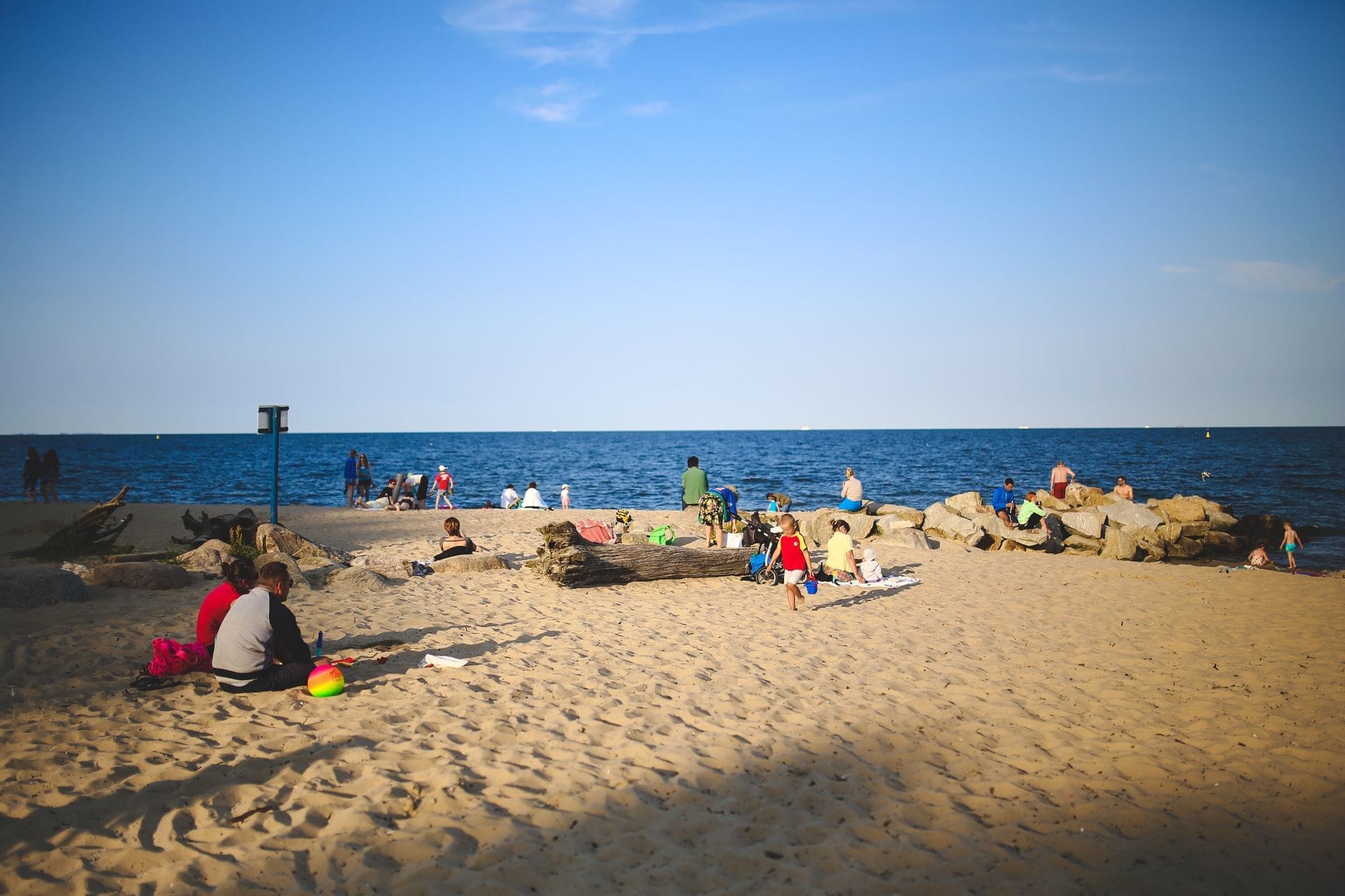
Toronto has more publicly accessible lakefront beach area than most visitors expect. The City of Toronto operates supervised beaches from early June through Labour Day, with lifeguards on duty during posted hours. Daily water quality and swim advisory status is updated by Toronto Public Health and displayed on the City's beaches page. This matters: Lake Ontario water quality varies by location and weather, particularly after heavy rainfall. Do not assume any beach is open for swimming without checking the current status first. The Toronto waterfront guide covers the full stretch of accessible lakefront in detail.
- Woodbine Beach The largest and most popular beach in the city proper, located in the east end near the Beach neighbourhood. Sandy, wide, and busy on summer weekends. Beach volleyball courts and concession stands. Accessible by TTC bus from Main Street subway station.
- Kew-Balmy Beach Quieter stretch immediately west of Woodbine, with a shaded boardwalk. Popular with local families and a bit less crowded than Woodbine on peak days.
- Sunnyside Beach On the western waterfront near Parkdale, Sunnyside has a historic outdoor pool (the Gus Ryder pool, one of the largest outdoor pools in Canada), a boardwalk, and easy bike path access via the Martin Goodman Trail. The beach itself is narrower than Woodbine.
- Hanlan's Point (Toronto Islands) The most secluded and arguably the most scenic beach, located on the western tip of the Toronto Islands. Includes a clothing-optional section designated by the city. Requires a ferry from Jack Layton Ferry Terminal, which adds 20–25 minutes of transit time but significantly reduces crowds.
- Centre Island and Ward's Island Beaches Both accessible by ferry and popular for day trips. Centre Island beach draws families; Ward's Island beach is quieter with a strong neighbourhood-community feel. The island beaches are consistently calmer than the mainland options on the same day.
- Cherry Beach Located at the base of Cherry Street in the Port Lands area. Popular for windsurfing and has a loyal local following, but infrastructure is minimal compared to other beaches. Accessible by TTC bus.
💡 Local tip
Toronto Island ferries sell out on hot summer weekends. Book online through the City of Toronto ferry ticketing system as early as possible, ideally the day before. Arriving at Jack Layton Ferry Terminal without a ticket on a 30°C Saturday is a reliable way to spend two hours in a queue and potentially miss the day.
Getting Around in Summer: Transit, Ferries, and Bikes
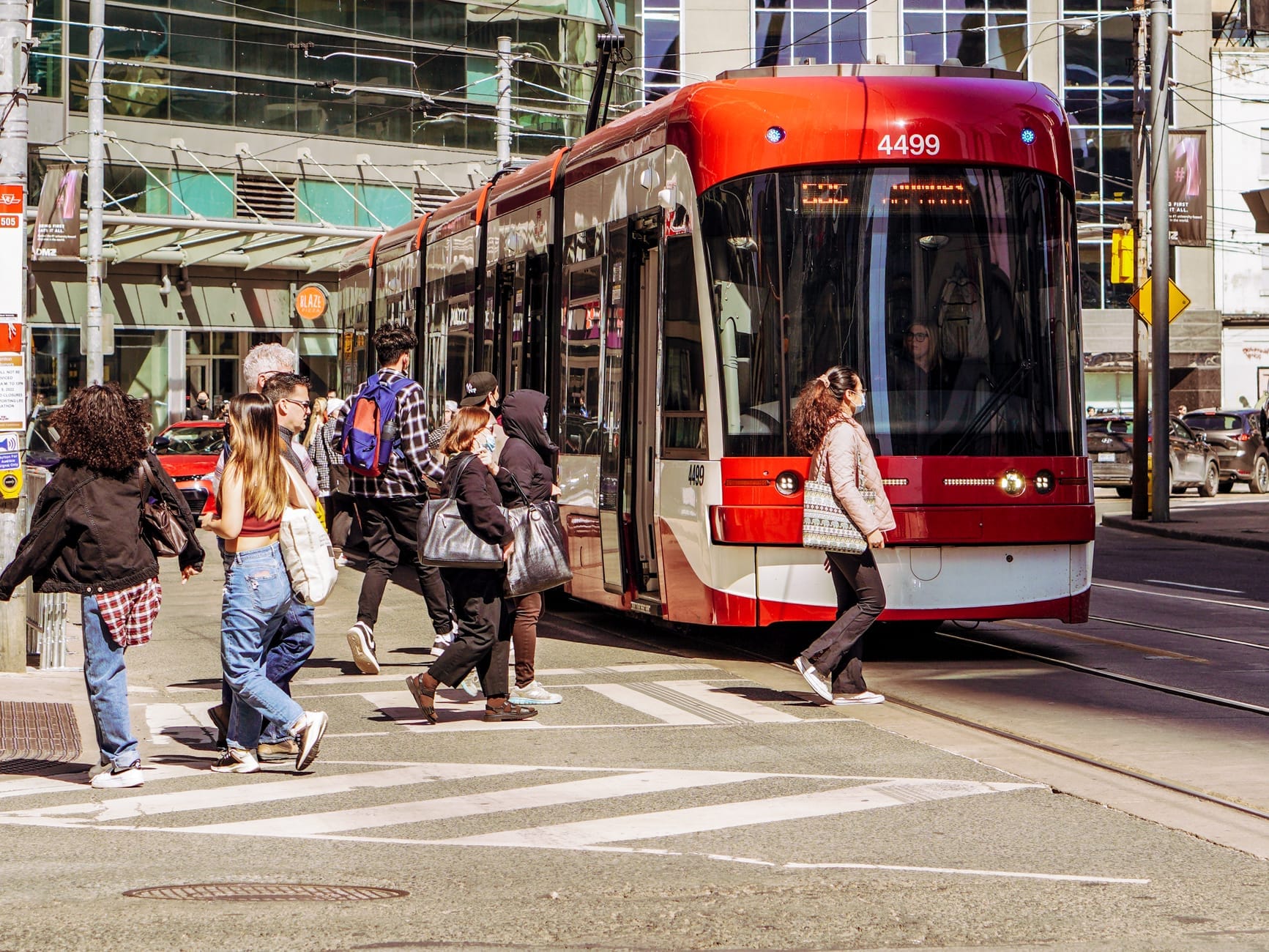
Most major summer destinations are reachable without a car. The TTC operates subways, streetcars, and buses across the city, and most festival sites, including Harbourfront, the Beaches neighbourhood, Bloor-Yorkville, and the CNE grounds at Exhibition Place, sit on or near TTC routes. For a full transit overview, the guide to getting around Toronto covers fares, Presto card setup, and route strategy.
For the Toronto Islands specifically, ferries depart from Jack Layton Ferry Terminal on Queens Quay West, with separate docks serving Centre Island, Hanlan's Point, and Ward's Island. Schedules vary by season and are updated annually; current fares and online ticketing are posted on the City of Toronto website. The crossing takes approximately 12–25 minutes depending on destination. Bikes are allowed on the ferry, which is worth knowing given that the islands are largely car-free and very bikeable.
Bike share is a practical summer option for the waterfront and connected neighbourhoods. Toronto's Bike Share system has hundreds of stations across the central city, with the Martin Goodman Trail providing a dedicated waterfront cycling route running roughly 56 km from the Humber River to Scarborough. It is flat and well-maintained, making it accessible for casual cyclists.
Summer Neighbourhood Highlights Beyond the Festival Circuit
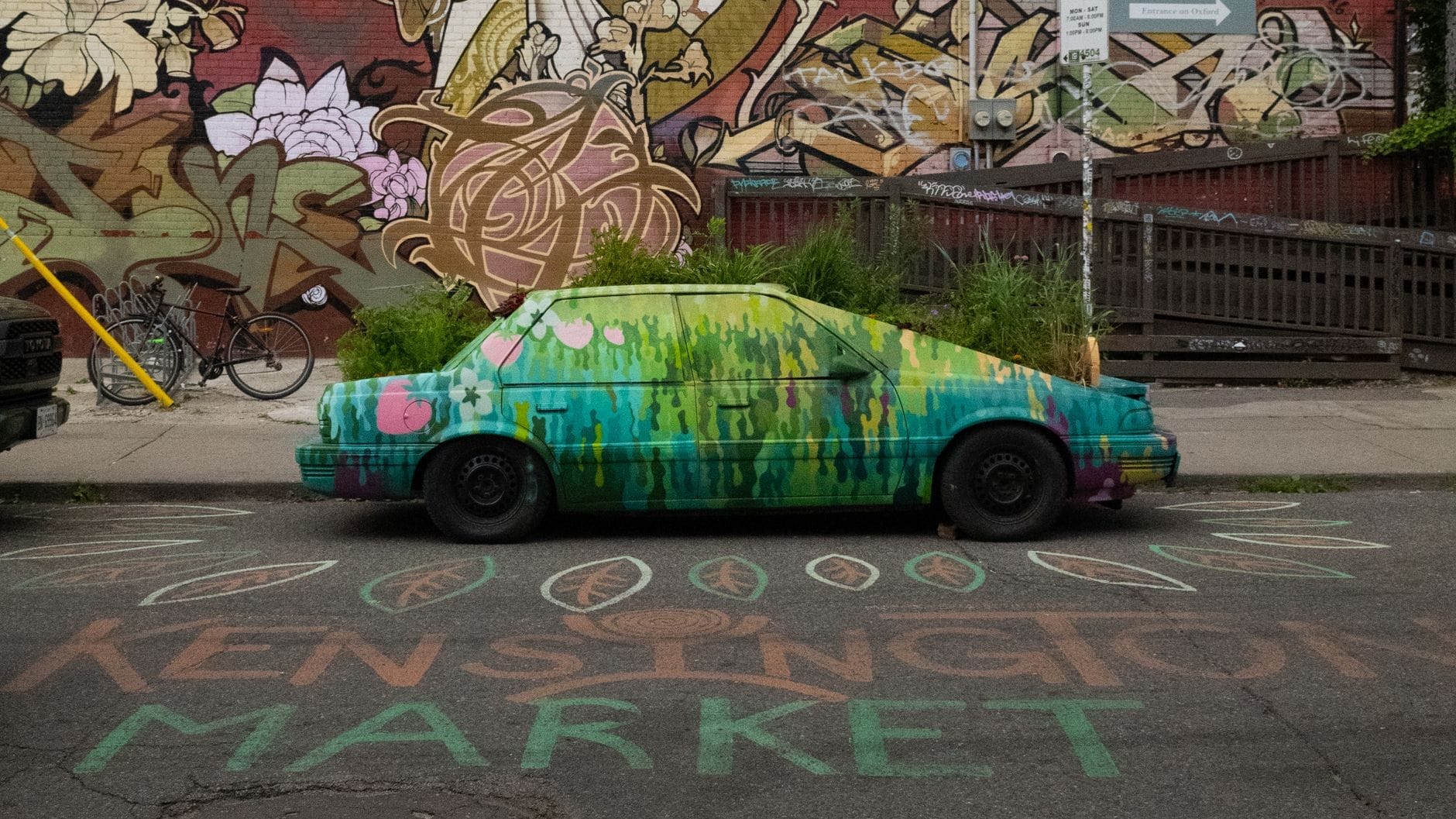
If the big festival crowds are not your priority, Toronto's neighbourhoods offer their own summer rhythm. Kensington Market runs Pedestrian Sundays on select summer Sundays, closing the area to vehicle traffic and filling the streets with musicians, food vendors, and street art. It is free, chaotic, and worth seeing once.
Queen Street West and the Ossington strip are at their most active in summer, with restaurant patios operating extended hours and outdoor art programming in spots like Trinity Bellwoods Park, which functions as the neighbourhood's de facto town square. The park draws a consistently dense crowd on summer weekends, with a farmers' market nearby on Saturdays.
For families, High Park offers free Shakespeare performances (Dream in High Park) on outdoor stages through the summer months. The park's 161 hectares also include a free zoo, walking trails, a splash pad, and Grenadier Pond. It is one of the better genuinely free summer days out in the city. Pair it with a walk through the nearby High Park neighbourhood for Portuguese bakeries and local shops on Roncesvalles Avenue.
✨ Pro tip
The Distillery District runs its own summer programming including outdoor concerts and market events, and it is far less crowded than during the Christmas Market season. The pedestrianized Victorian brick laneways make it a pleasant alternative to the waterfront on days when ferry queues are long.
Practical Summer Planning: Costs, Crowds, and What to Watch Out For
Summer is Toronto's peak tourist season, which has real implications for accommodation pricing and event access. Hotels in the downtown core and waterfront area command premium rates from late June through August. Booking two to three months in advance is reasonable for most trips; booking less than three weeks out during major festival weekends is a gamble on availability and price.
Budget-conscious visitors can still have a full summer experience. The TD Jazz Festival's free Sidewalk Sessions, the Beaches Jazz Festival, Pedestrian Sundays in Kensington Market, Shakespeare in High Park, and the free zones at Harbourfront all cost nothing. The guide to free things to do in Toronto covers these and more in detail.
- Book Toronto Island ferry tickets online in advance for any weekend in July or August. Walk-up tickets are available but often sell out by mid-morning on hot days.
- Check beach swim advisories daily on the City of Toronto website, especially after rainfall. E. coli levels can spike in the 24–48 hours following heavy rain.
- Dress in layers for evening festival events, particularly near the lake. Temperatures can drop 8–10°C after sunset even in peak summer.
- PRESTO card is the most efficient way to pay for TTC travel. Single-ride fares paid by cash on buses cost more than PRESTO tap. Load the card at any TTC subway station.
- Caribbean Carnival's Grand Parade closes Lake Shore Blvd West for hours. If you are not attending, plan alternate routes well in advance.
- The CNE's Air Show typically runs the final weekend of the CNE in late August and is visible from much of the western waterfront and islands for free, without paying CNE admission.
For visitors planning a longer stay or wanting to extend the summer trip beyond the city limits, the day trips from Toronto guide covers Niagara Falls, Niagara-on-the-Lake, Prince Edward County, and the Blue Mountain area, all of which are strong summer day-trip or weekend-extension options.
FAQ
When is the best time to visit Toronto in summer?
Late June and early September offer the best balance of warm weather, active programming, and manageable crowds. July and early August are peak season with the widest festival calendar but also the highest accommodation prices and busiest beaches. Early June is good for the Jazz Festival and Luminato with slightly cooler temperatures.
Are Toronto's beaches safe for swimming in summer?
Most supervised city beaches are generally safe, but water quality varies and is affected by rainfall and lake conditions. Toronto Public Health issues daily swim advisories updated on the City of Toronto's beaches webpage. Always check the current advisory before swimming, particularly in the 48 hours following significant rainfall.
Do I need to buy tickets for summer festivals in Toronto?
It depends on the event. Some programming is entirely free, including the TD Jazz Festival Sidewalk Sessions, the Beaches International Jazz Festival, and Pedestrian Sundays in Kensington Market. Multi-day music festivals like VELD and most headline Luminato performances require paid tickets, which should be purchased well in advance as they often sell out.
How do I get to the Toronto Islands in summer?
Ferries depart from Jack Layton Ferry Terminal on Queens Quay West, with service to Centre Island, Hanlan's Point, and Ward's Island. Tickets are sold online through the City of Toronto and at the terminal. Online booking is strongly recommended on summer weekends, as ferry capacity is limited and tickets sell out quickly. The crossing takes 12–25 minutes depending on your destination island.
What should I wear to outdoor events in Toronto in summer?
Light, breathable clothing for daytime events given temperatures that regularly reach 27–30°C with high humidity. Bring a light layer for evening events near the lake, where temperatures can drop significantly after sunset. Sunscreen and a refillable water bottle are practical necessities for all-day outdoor festivals. There is no formal dress code for street festivals or outdoor concerts.
Tickets & tours
Live prices and dates from our booking partner. If you book, we may earn a commission at no extra cost to you.
Planning a trip? Discover personalized activities with the Nomado app.